Joined July 2011
- Tweets 148
- Following 239
- Followers 83
- Likes 464
Photos and videos
Philip Blake retweeted

Apr 3
He's back, and his swimming is much better 😅
#YoungOffenders Season 5 is now available to stream on #RTEPlayer
5
23
4,216
Philip Blake retweeted

This is incredible

116
112
1,981
88,103
Philip Blake retweeted

20 Sep 2025
Our greatest allies 🤷🏽♂️
27
453
2,047
270,031
Philip Blake retweeted

26 Jul 2025
This is the best ever true news BBC ever made about Israel, 4 minutes but every minute is extremely important
704
16,765
36,485
1,750,420


Fine Gael will permanently reduce the VAT rate for hospitality, entertainment and hairdressing sectors to 11%, if returned to government | Follow our live updates here: rte.ie/b/1480015 #GE24 #Election24
266
5
81
66,543
Ireland is to formally recognise the state of Palestine, Taoiseach Simon Harris has announced.
Mr Harris said the country is joining Norway and Spain in making the historic move | Read more: rte.ie/b/1450531
202
275
1,094
172,133

Philip Blake retweeted

21 Jan 2024
Eanna Burke point to win the All Ireland.
No look, over the shoulder from the sideline ....in a Storm
Holy shit
21
101
1,816
162,284

28 Oct 2023
RT @infptlife: No internet, no food, no water, no electricity, no contact to the other sides of the world. THIS NEEDS TO STOP. Please USE Y…
3,633
Philip Blake retweeted

7 Aug 2023
I recently saw a recording of Viktor Frankl suggesting something beautiful. He puts forward that optimists are the true "realists" and that a realist is a pessimist:
"You know, you won't believe it. With gray hair at my age, I started taking flying lessons recently. Do you know what my flying instructor told me? "If you are starting here, wish to get here, say east, heading for this, and you have a crosswind, you will drift and you will land here. So you have to do what the pilots call crabbing." He told me C-R-A-B, crabbing. You have to head for north of this airfield. If you are heading toward this airfield, then you will actually land below the airfield. But if you head for above it, you actually land on it.
This holds also for individuals. If we take an individual as they really are, we make them worse. But if we overestimate them... we take them as they are.
If we seem to be idealists and are overestimating, overrating individuals, and looking at them that high here above, you know what happens? We promote them to what they really can be. Thus we have to be idealists, in a way, because then we wind up as the true realists.
And you know who has said this? "If we take an individual as they are, we make them worse. But if we take an individual as they should be, we make them capable of becoming what they can be." This was not my flight instructor, this was not me, this was Goethe. He said this verbally!
Now you will understand why in one of my writings, I once said: "This is the most apt maxim and motto for any psychotherapeutic activity."
If you don't recognize a person's will to meaning, a person's search for meaning, you make it worse. You make them dull, you make them frustrated. You still add and contribute to their frustration. While if you see principles in this person, even in this so-called criminal, or juvenile delinquent, or drug abuser, and so forth, there must be a, what we call, “spark.” Yes, a spark of search for meaning. Let's recognize this, let's presuppose it, and then you will elicit it from them, and you will make them become what they, in principle, are capable of becoming."
7
13
85
16,133
Philip Blake retweeted

6 Apr 2023
This is just insane…
My GPT-4 coding assistant can now:
- build and design a frontend
- create a backend with working db
- correctly hook them up
- upload code to GitHub
- deploy it to Vercel
I can now build *complete* apps with nothing more than my voice.
The future is here!
717
3,873
23,018
5,715,263
Philip Blake retweeted

29 Nov 2022
How do you convince a human to like you? Cups of tea and LOTS of The Colourful Paper.
#WeAreNotAlone, a brand new feature length comedy from @lazbotron and @benwillbond, starring @declanjbaxter, #JoeThomas, @vickipepperdine and @mrmikewozniak is streaming for free on UKTV Play!
3
11
81
Philip Blake retweeted

29 Nov 2022
HELLO! 🙌 (it's a local greeting). If you for some reason were busy last night and didn't catch our one-off comedy special #WeAreNotAlone, you can stream it right now for free on @UKTVPlay! Gu'un, you know you want to... bit.ly/WeAreNotAloneUKTVPlay
3
10
57
Philip Blake retweeted
11 Nov 2022
Feature-length comedy We Are Not Alone lands on Dave and @UKTVPlay on 28th November! Created by @benwillbond and @Lazbotron of Ghosts fame AND featuring an all-star cast, you can be sure it's going to be OUT. OF. THIS. WORLD. #WeAreNotAlone
8
39
244
Philip Blake retweeted

16 Oct 2022
🤮
3
14
310
10 Jul 2022
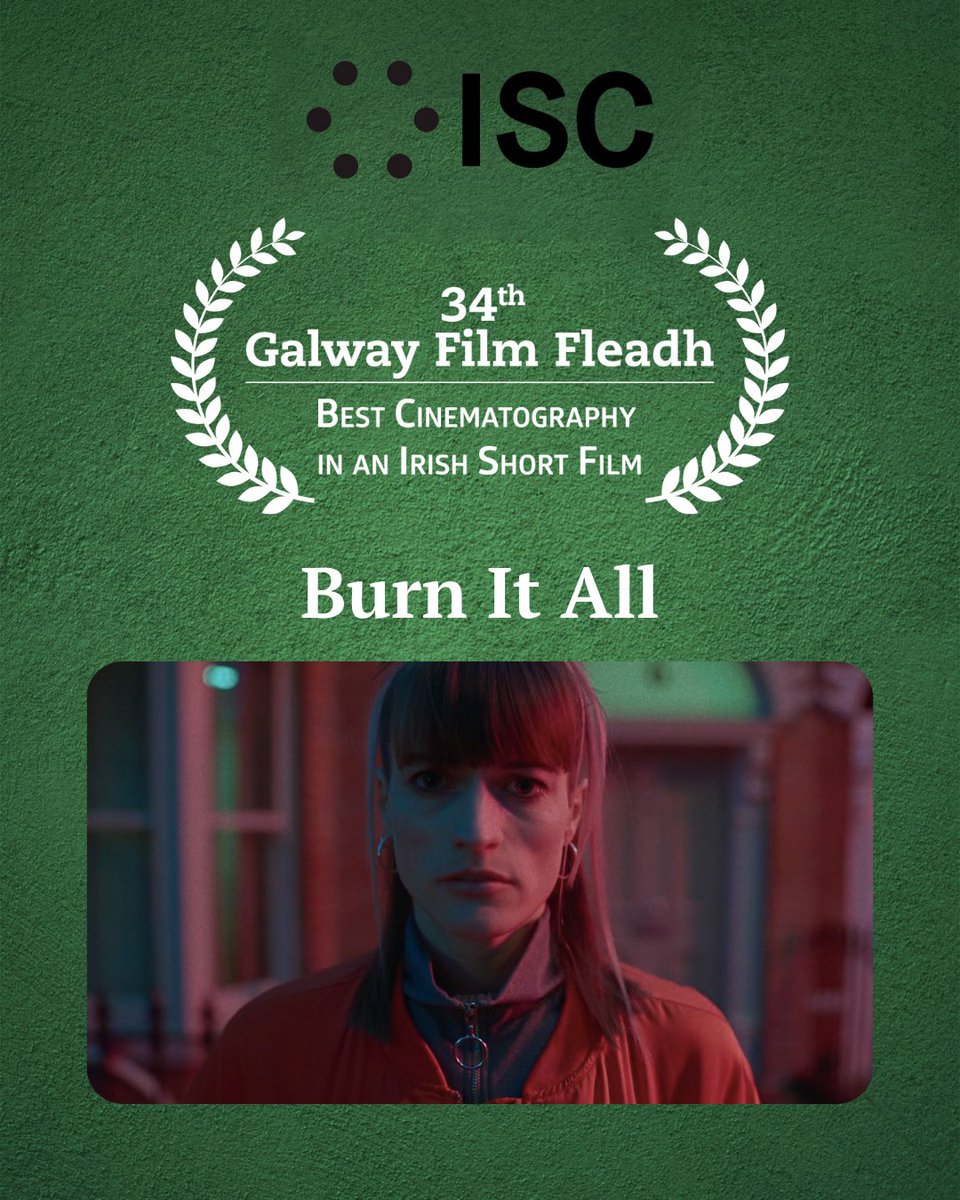
Delighted to have won this award for Burn It All. What a cracking film from the wonderful mind that is @jackjhickey and his brilliant partner in crime and sister @LaraHickey. Thank you the amazing cast and crew who help us put this together.
10 Jul 2022

THE DONAL GILLIGAN AWARD FOR CINEMATOGRAPHY IN A SHORT FILM in association with @IscDop supported by Celtic Grips presented by JOHN LEAHY
Goes to 'Burn It All'
Directed by Jack Hickey
Produced by Lara Hickey Cinematography by Phillip Blake
#FilmFleadh #ShortFilm
4
3
45
Philip Blake retweeted

10 Jul 2022
THE DONAL GILLIGAN AWARD FOR CINEMATOGRAPHY IN A SHORT FILM in association with @IscDop supported by Celtic Grips presented by JOHN LEAHY
Goes to 'Burn It All'
Directed by Jack Hickey
Produced by Lara Hickey Cinematography by Phillip Blake
#FilmFleadh #ShortFilm
3
4
41