
Back on here because Threads is worse.
Joined May 2010
- Tweets 59,811
- Following 1,540
- Followers 1,326
- Likes 29,394
7,578 Photos and videos
Pinned Tweet

23 Jul 2022
Went to @hmvHanley then @burslem_cc before ending the evening at @The_Bulls_Head Basically pin this tweet every Saturday between April and September.
1
9
Jun 14
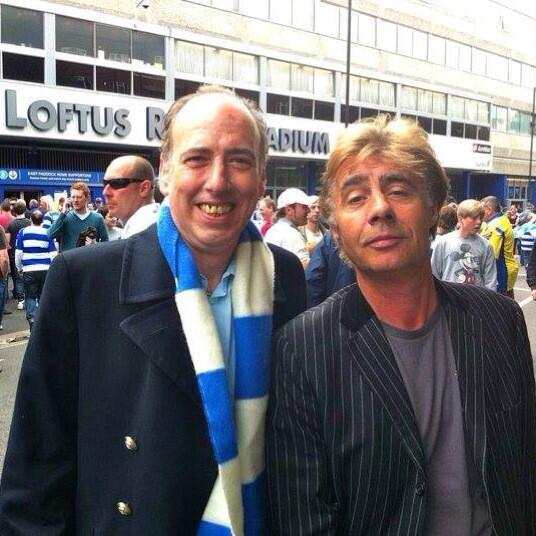
Sod football, if you don’t know who these two are, your musical taste is 💩

A generation at Loftus Road may not know these two. I hope I'm wrong. 🌟🌟
97
Jun 14
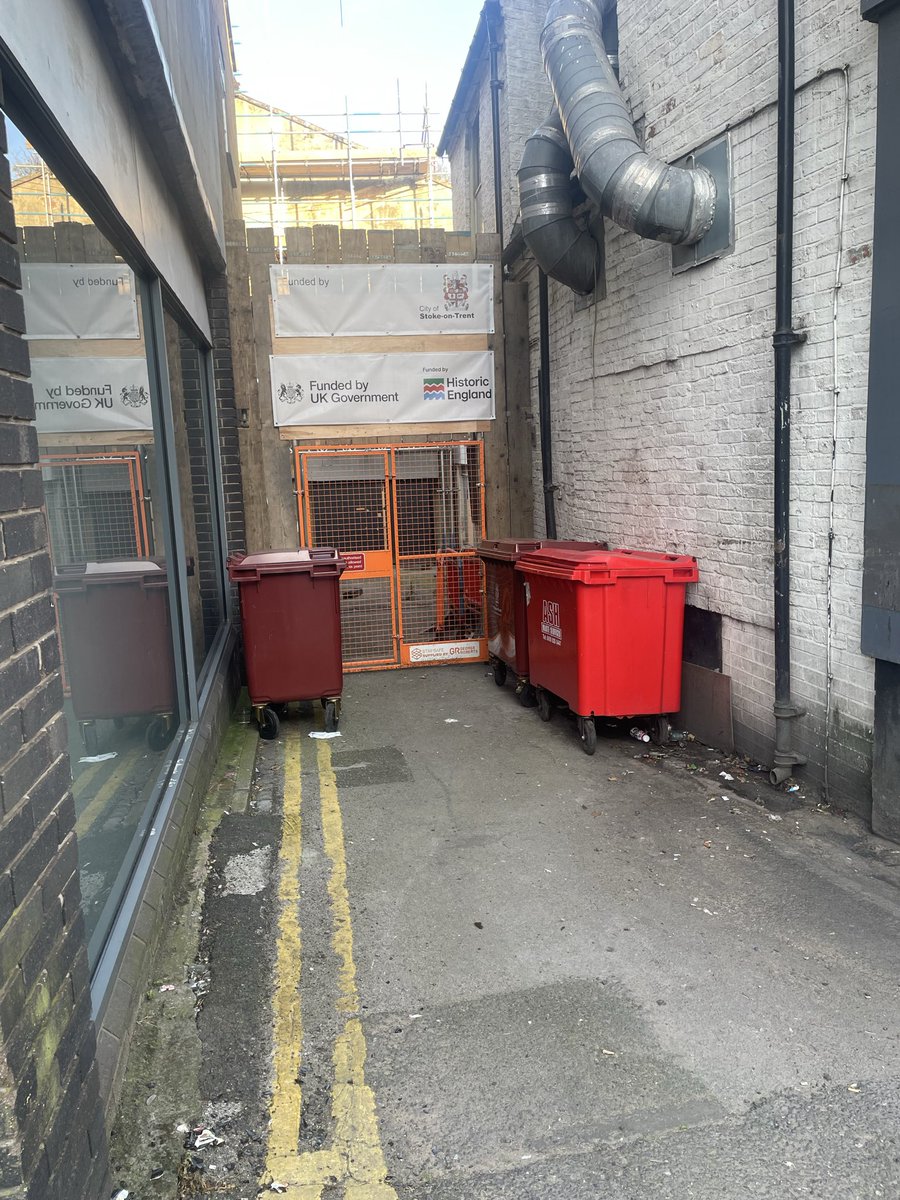
Hello @coldwarsteve I know you’ve used this entry as a backdrop in some of your posts. Fortunately it’s being refurbished, hence the fencing, but I’m sure this will come in handy…
39
Jun 13
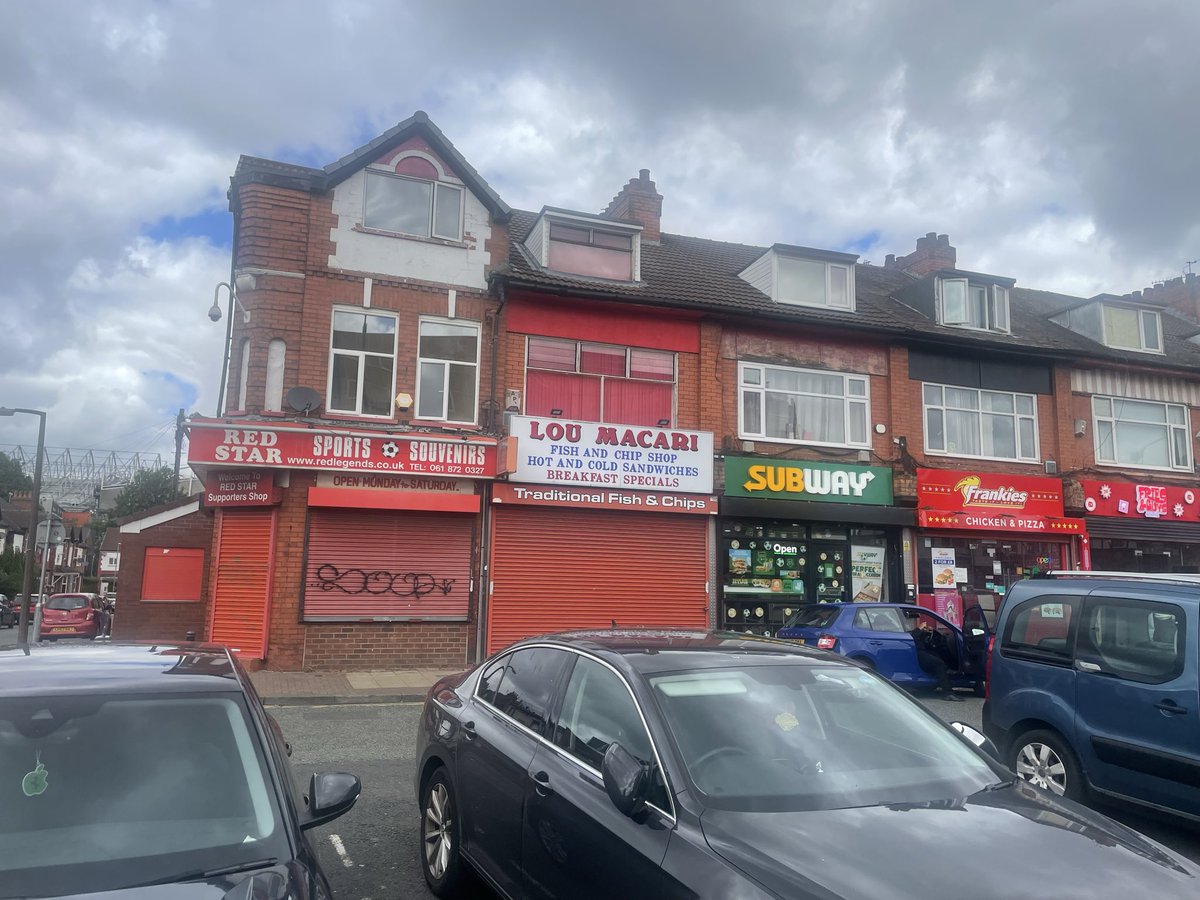
I dunno. Awarded an MBE, and he still can’t be bothered to open his chip shop.
1
108
Jun 13
Definitely listening to @KNEECAPCEOL too much. Watching the Ireland v Scotland women’s T/20 at Old Trafford. I saw Ireland’s sponsor Certa, and thought it said Cearta.
53
Jun 5
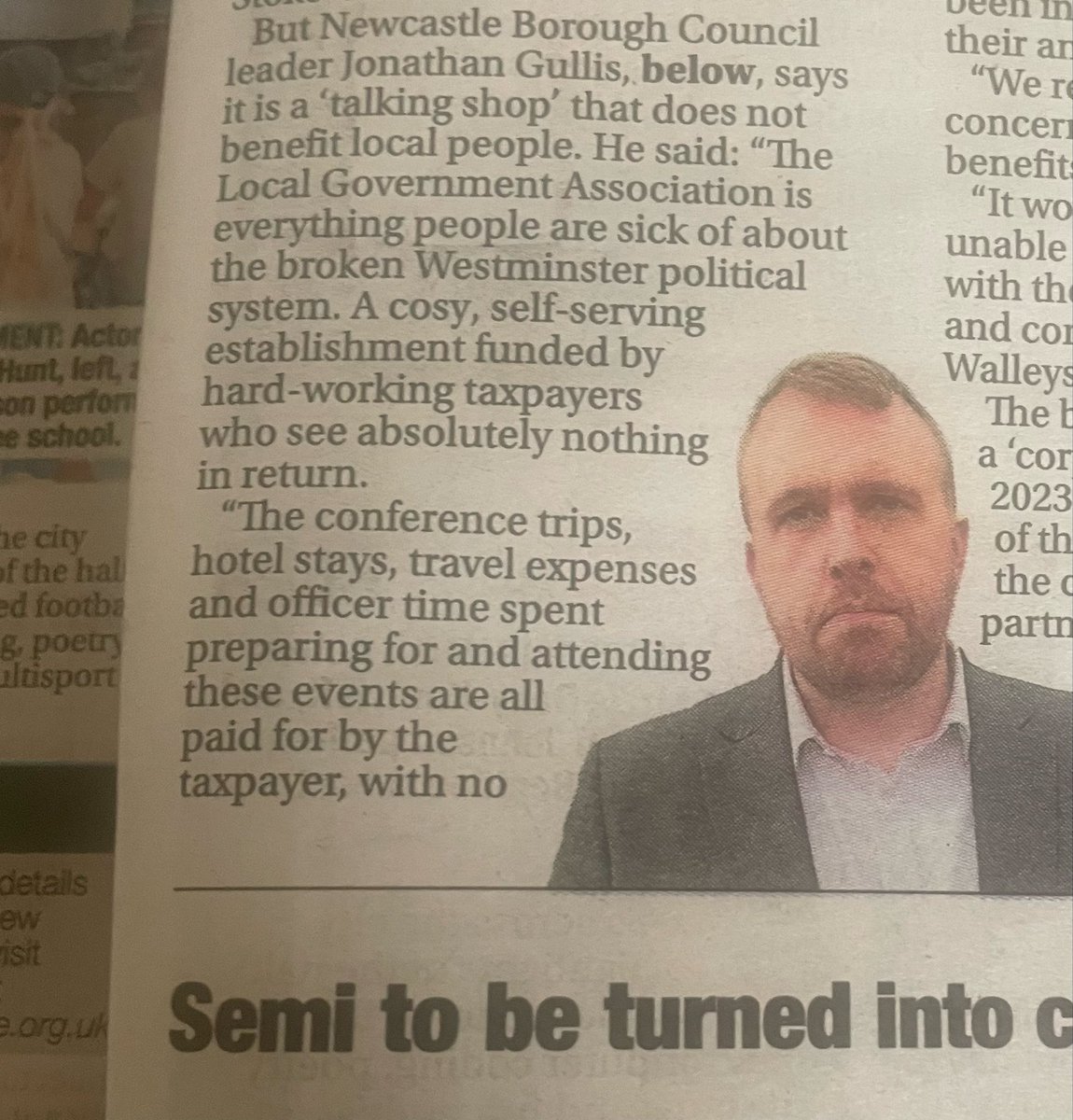
He’s not a semi, he’s a complete throbber, but what’s he going to be turned into?
68
May 16
Travelling between Uttoxeter and Stoke on a train with Children Say playing on Spotify is an unexpected treat.
187
May 10
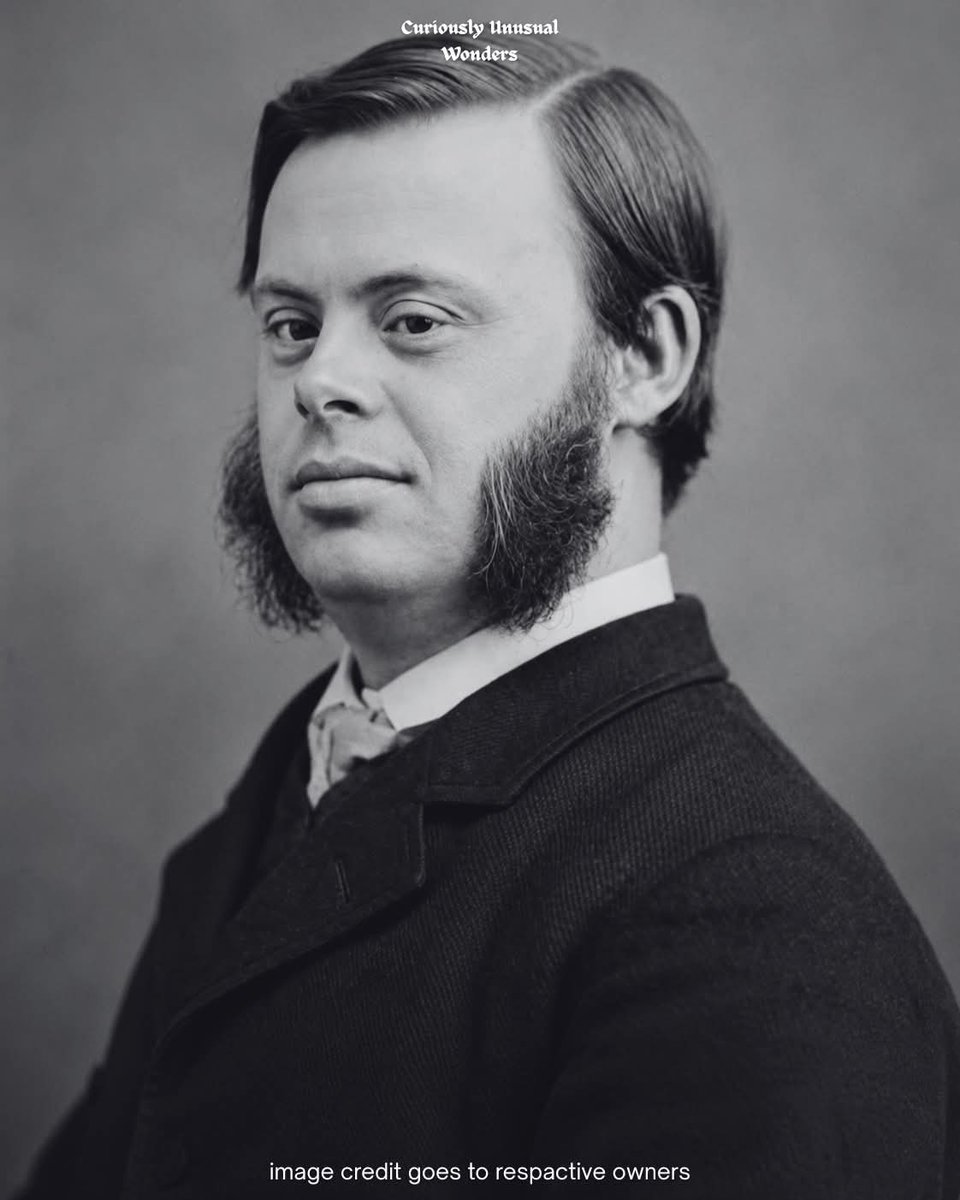
Why does he look like Kevin Eldon?
May 10

In 1858, a young doctor named John Langdon Down accepted a job that no ambitious physician wanted.
He was being sent to run the Royal Earlswood Asylum in Surrey — a place where people with intellectual disabilities were warehoused rather than cared for. The floors were filthy. The staff was brutal. Physical punishment was routine. The residents were dressed in rags, fed poorly, and treated as problems to be contained rather than people to be known.
Down was 30 years old. He could have managed the place from a distance, filed his reports, and moved on to a more prestigious posting.
Instead, he walked the wards every day. He learned his patients' names. And he saw something that apparently no one else had bothered to look for — people.
His first acts weren't medical. He fired abusive staff. He banned physical punishment entirely. He ordered proper food, clean clothes, and fresh air. Then he told his colleagues something that would have sounded almost absurd in 1858: that a doctor's primary duty was to be a friend to their patient, and that their happiness mattered as much as their health.
After years of careful, meticulous observation, Down published a landmark paper in 1866 describing a specific pattern of physical and developmental characteristics he had identified in some of his patients. His original terminology reflected the racial theories of his era and was later rightfully abandoned. But his clinical observations were so precise and so thorough that nearly a century later, the medical community honored him by naming the condition he had described. We know it today as Down syndrome.
He also began photographing his patients — not as clinical specimens, but as individuals. He dressed them in their finest clothes. He gave them dignity in a frame. In an age when such people were deliberately hidden from society, that simple act of portraiture was quietly radical.
By 1868, Down had grown frustrated with the asylum's governors. When they refused to fund an exhibition of artwork created by the residents, he made a decision that would define the rest of his life. He resigned.
He and his wife Mary purchased a large home in Teddington and turned it into something the world had never quite seen before. They called it Normansfield — and it was not a hospital. It was a home.
Residents grew food in gardens Down planted himself. They learned trades. They were taught to read and write whenever possible. They were given structure, fresh air, and the revolutionary expectation that they were capable of growth.
Then, in 1879, Down built something that still stops people when they first hear about it.
A theater.
A full, proper theater — with a stage, real seating, and proper acoustics — on the grounds of a care facility for people society had written off as uneducable.
Why? Because Down believed that art, music, and performance weren't luxuries. They were necessities. They were part of what it meant to be human — and his patients, he insisted, were fully human.
Every week, residents took that stage. They performed plays. They sang. They stood in the spotlight and received applause.
For many of them, it was the first time anyone had ever clapped for them.
Normansfield flourished for over a century. Families who had been told their children had no future began seeing something they had nearly stopped believing in — progress, joy, and a life worth living. By 1876, the community was home to around 160 residents.
When Down died in 1896, his sons carried the work forward. Normansfield remained a home until 1997.
Today, the site houses the Langdon Down Museum of Learning Disability and serves as headquarters for the Down's Syndrome Association in the United Kingdom.
The theater he built in 1879 still stands. Beautifully restored. Still hosting performances more than 140 years later.
John Langdon Down advanced medical knowledge — but that may not have been his greatest contribution. What he really did was challenge a foundational assumption of his age: that some lives were worth less than others.
He proved, through daily practice and stubborn conviction, that every person has something to offer — and that the right environment, offered with patience and genuine respect, can reveal it.
The world he was born into locked its most vulnerable people away in darkness.
The world he left behind had, in some small but permanent way, begun to let the light in.
137
May 9
And I always thought it was Ann Lee Duck.

Ann Lee’s real name: Annerley Gordon. Good stagename. #TOTP
1
90
May 8
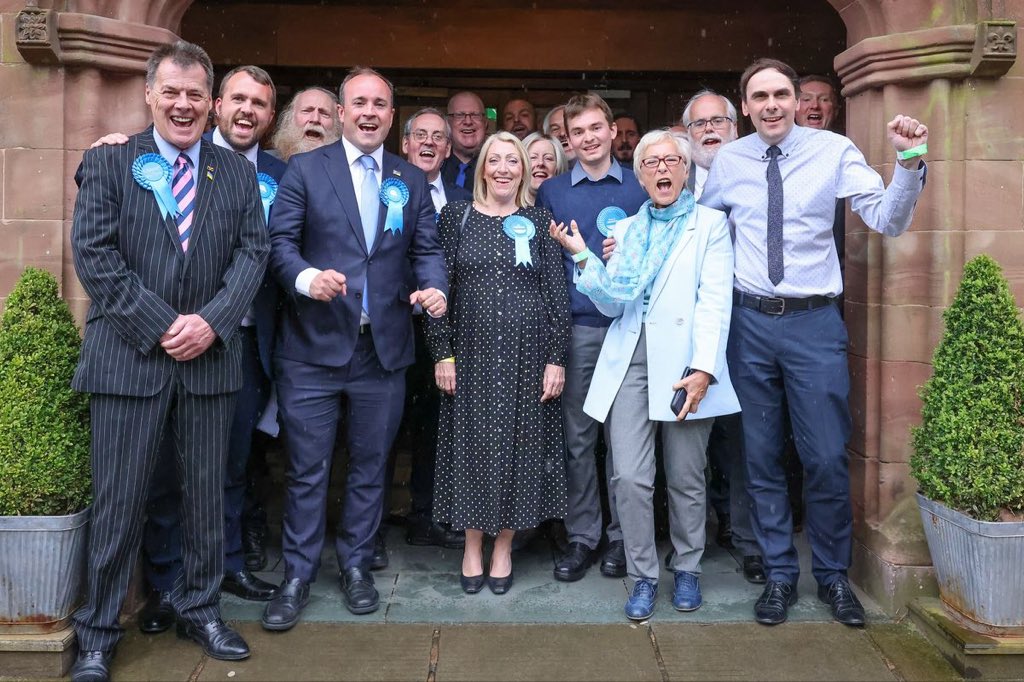
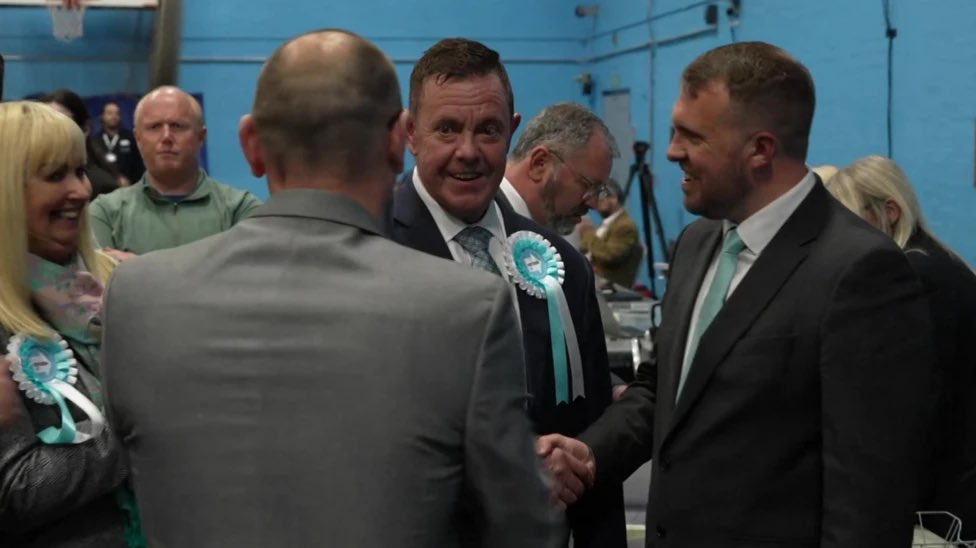
Here we have Conservative politician Jonathan Gullis celebrating the Tories taking control of Newcastle-under-Lyme council in 2022. We also see Reform politician Jonathan Gullis celebrating that party taking control of said council today. Does anyone know if they are related?
73
Apr 18
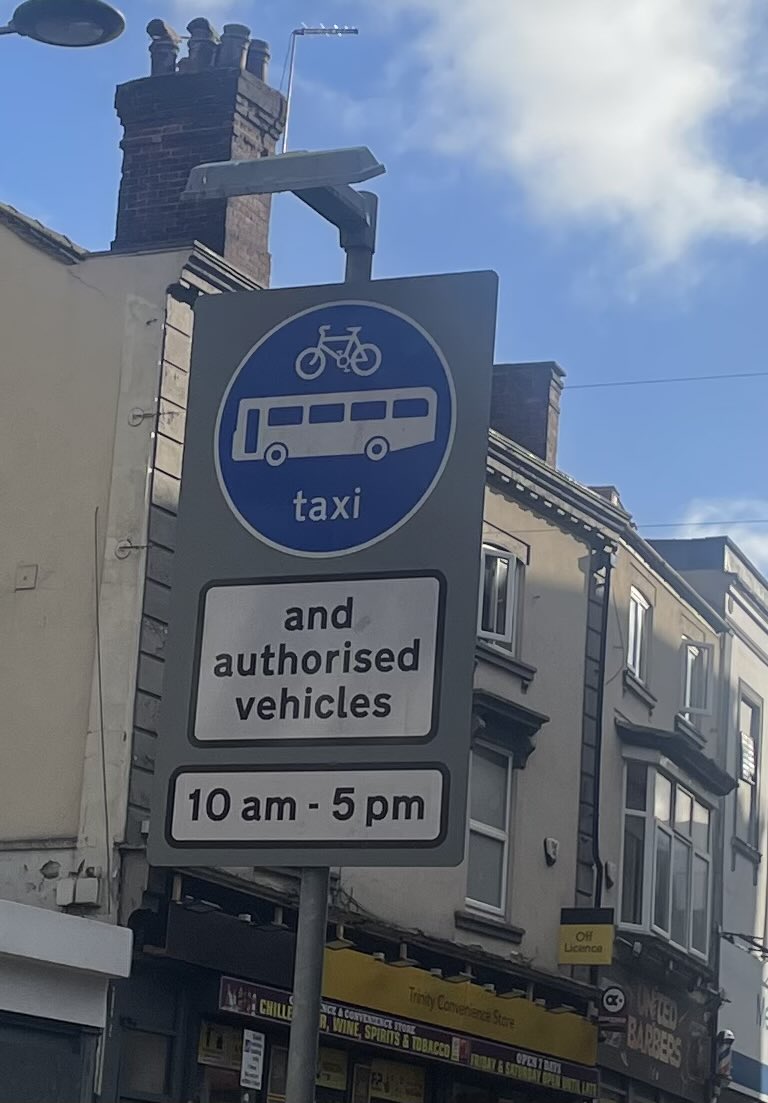
As there’s no symbol for a taxi in the Highway Code, I propose using a picture of Danny De Vito to signify it. (Yes I am bored in this queue for Record Store Day)
1
108
Apr 17
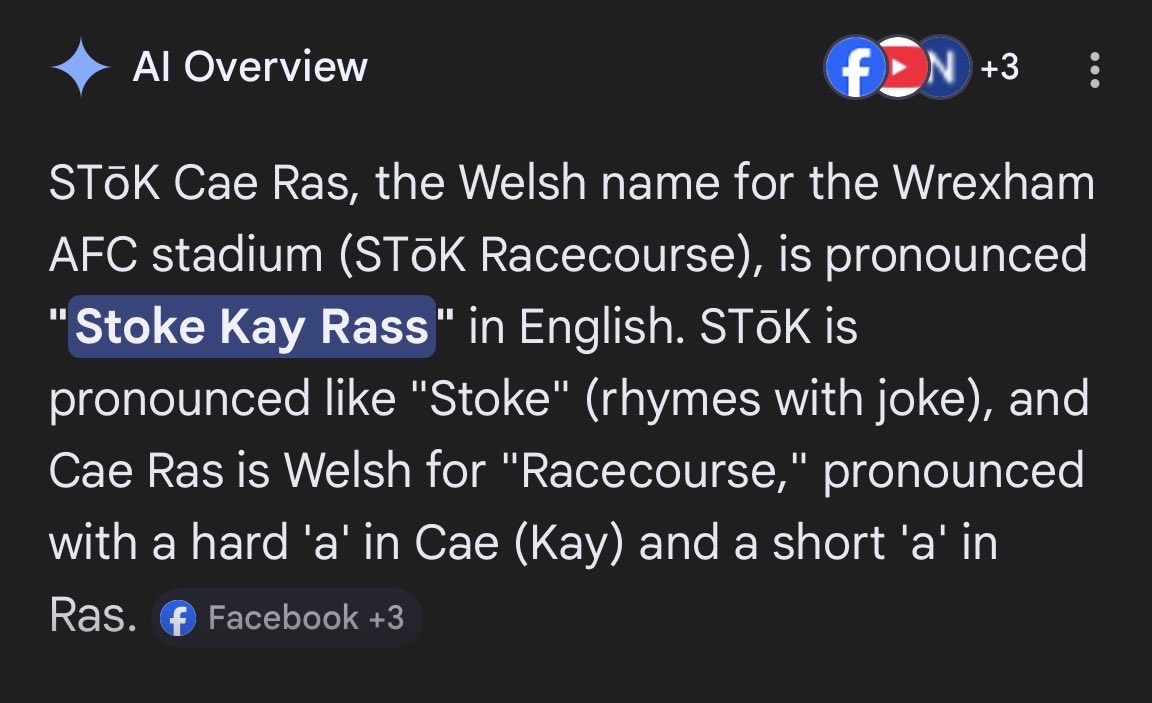
If you say it quickly in the local dialect, it’s Stoke are ass. Enjoy your trip tomorrow .
1
110
Apr 17
The reason BMW retain the rights to the name. Despite all the problems associated with British Leyland, they were a genuine rival to them, and don’t want anyone buying it and launching something that would threaten their dominance.

Triumph Dolomite Sprint Your Thoughts Please and Thanks

82
Apr 17
Levon Helm. Elton John wrote a song about him and named his son after him.
Apr 16

Who is your favorite singing drummer?
81
Apr 17
Wish I’d known about this hack. It would have saved me a lot of handballing off stock on a scissor lift over the years.

120
Apr 15
It’s still crap on here then. I only logged on because I was hoping to find out how many runs Brooke Guest and Martin Andersson were on at tea on Day 2 of @lancscricket v @DerbyshireCCC as I forgot to make a note of it.
93
5 Aug 2024
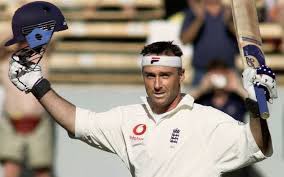
RIP Graham Thorpe. One of my favourite batters, and gracious enough to sign my programme whilst fielding when Staffordshire played Surrey at Stone in 2003.
1
3
1,199
4 Aug 2024
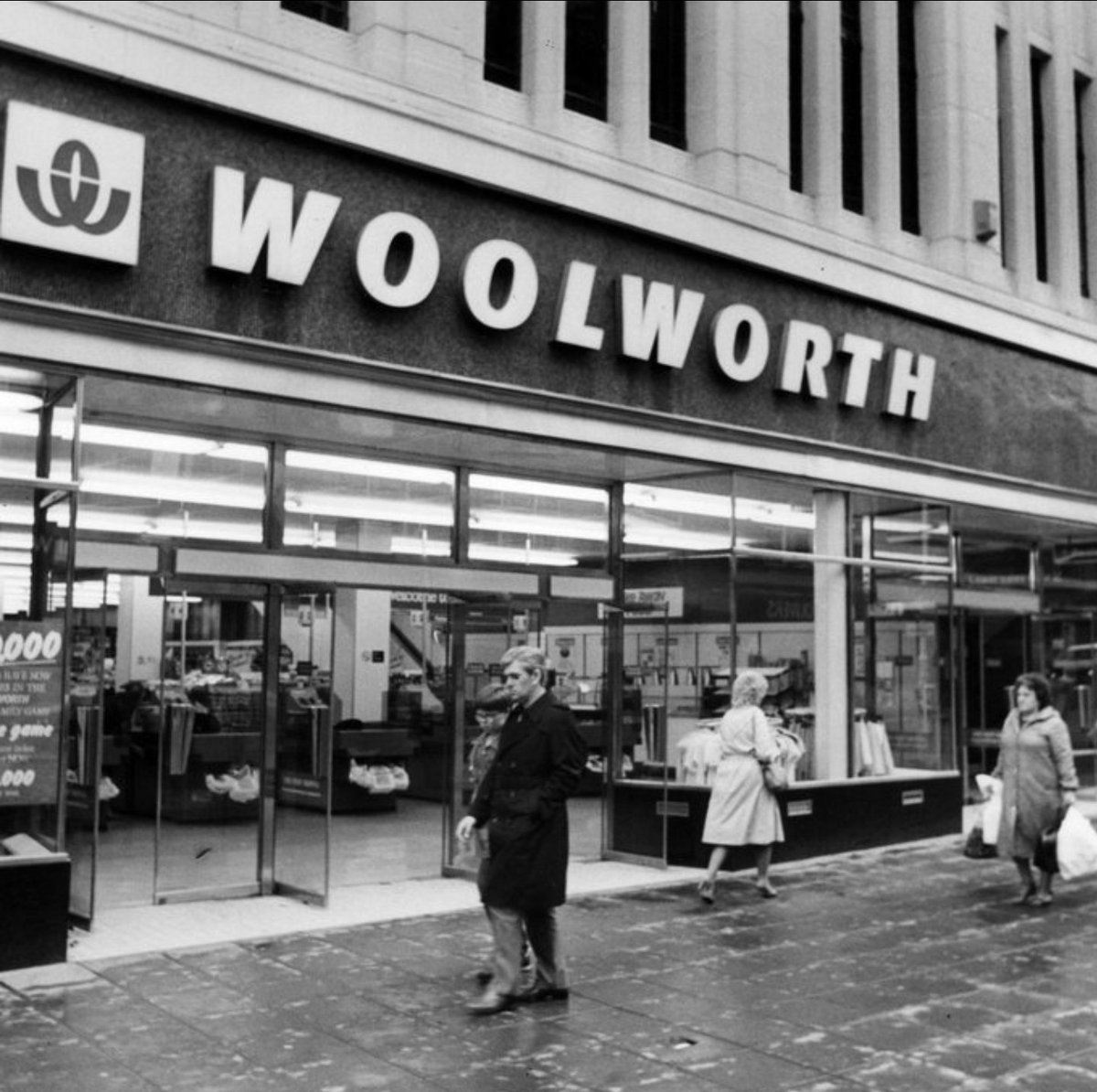
Buying up the company I worked for and closing it down so they could get the contract supplying Sainsbury’s with books and CDs.

460
10 May 2024
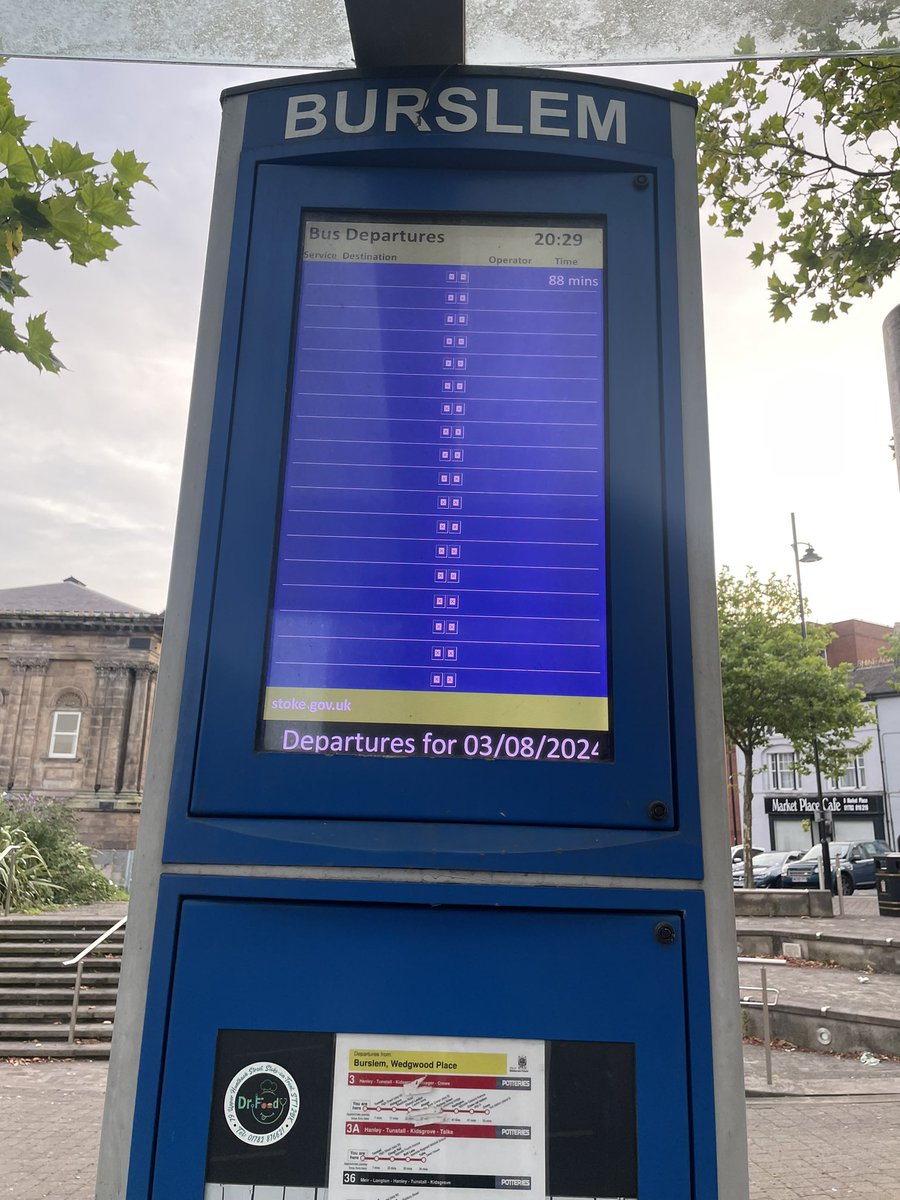
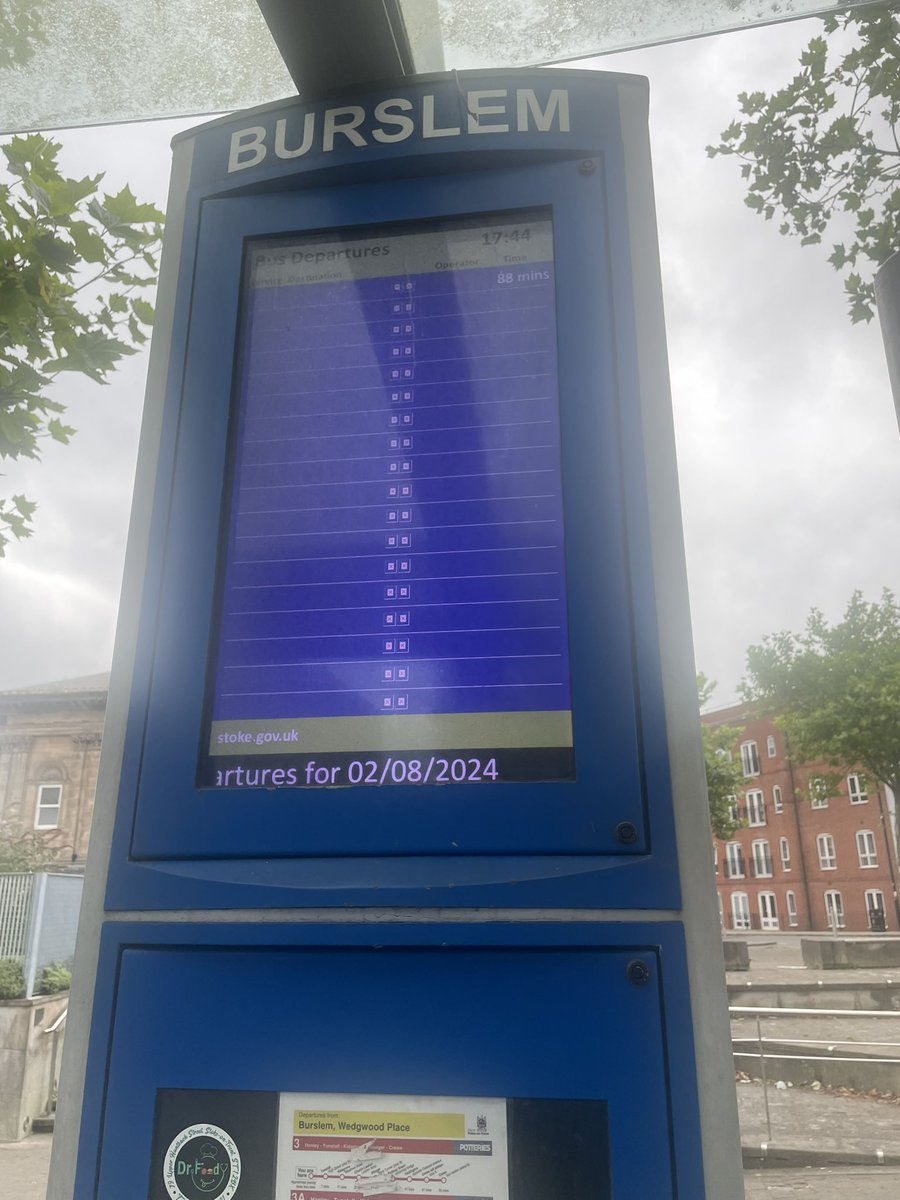
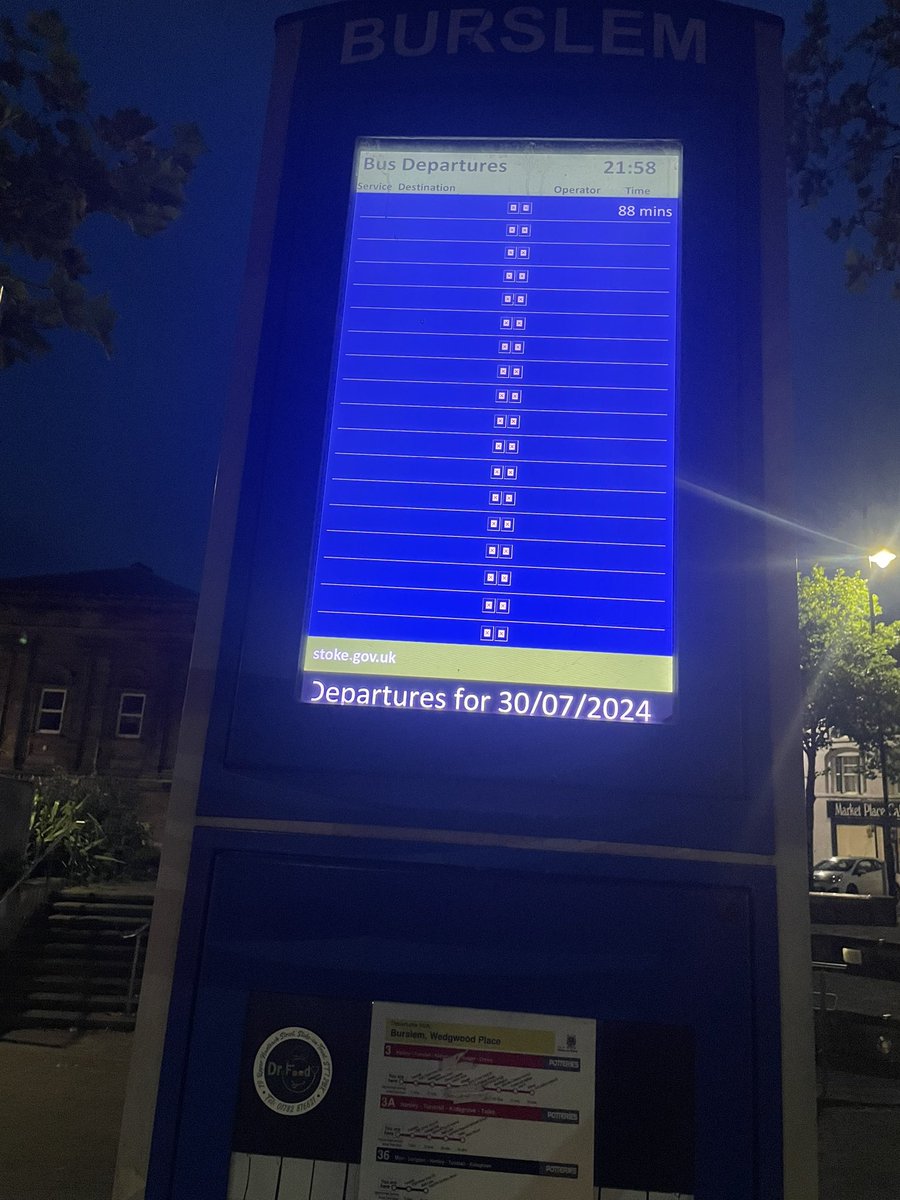
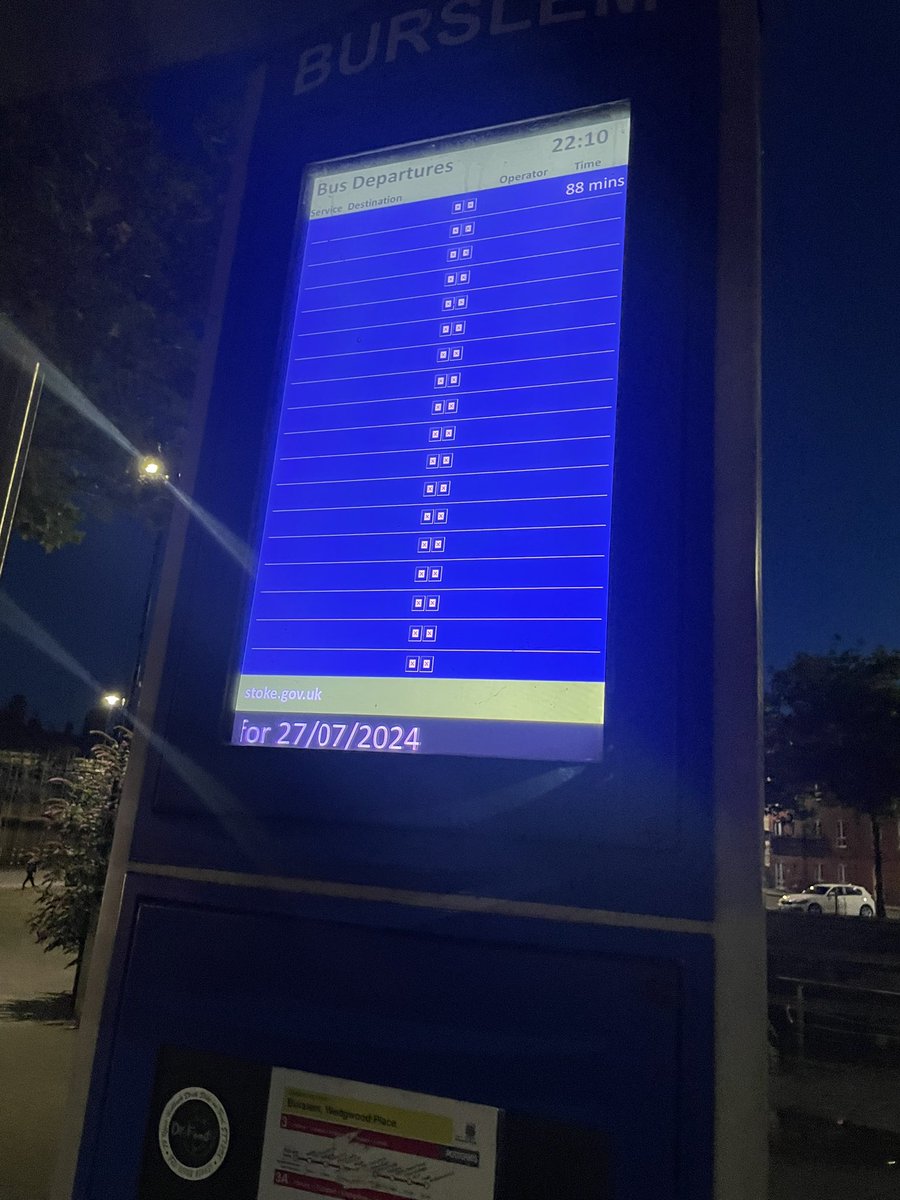
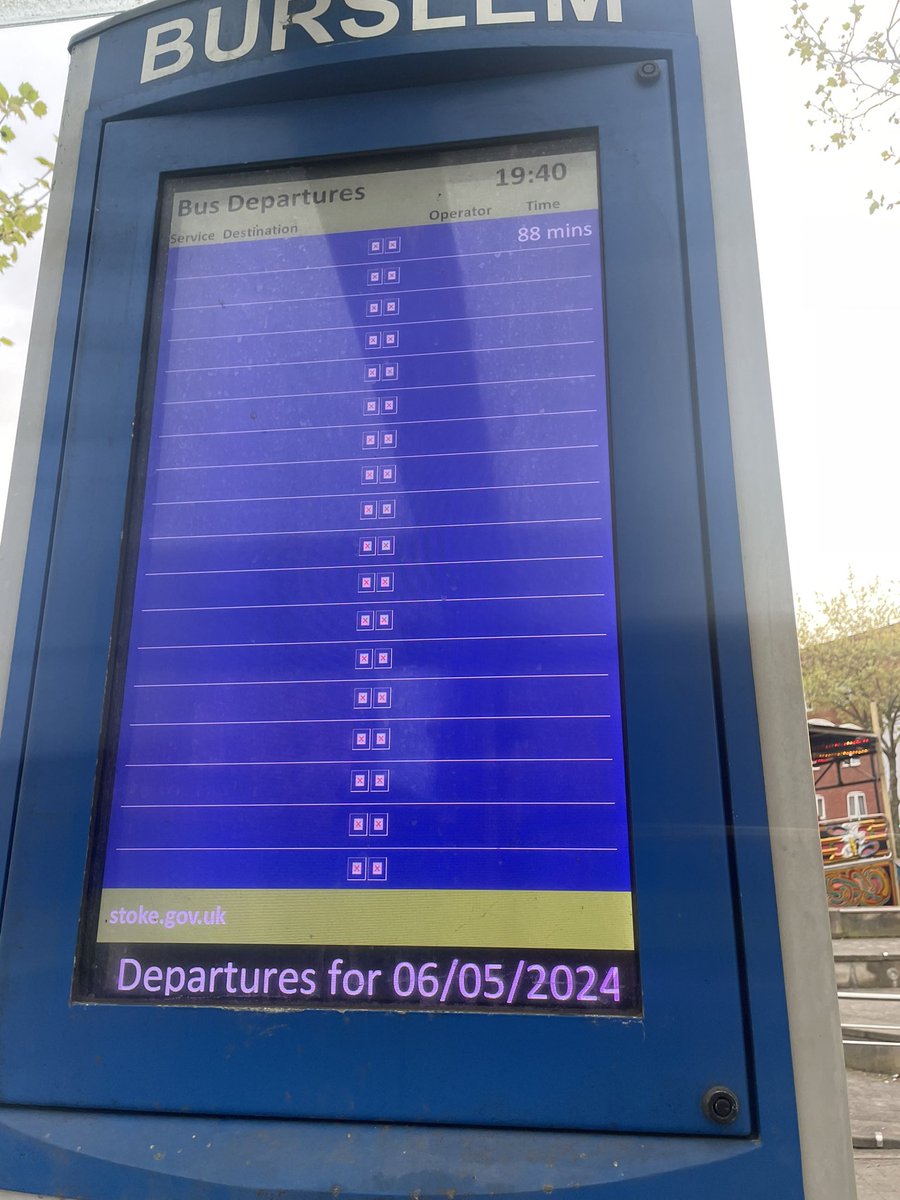
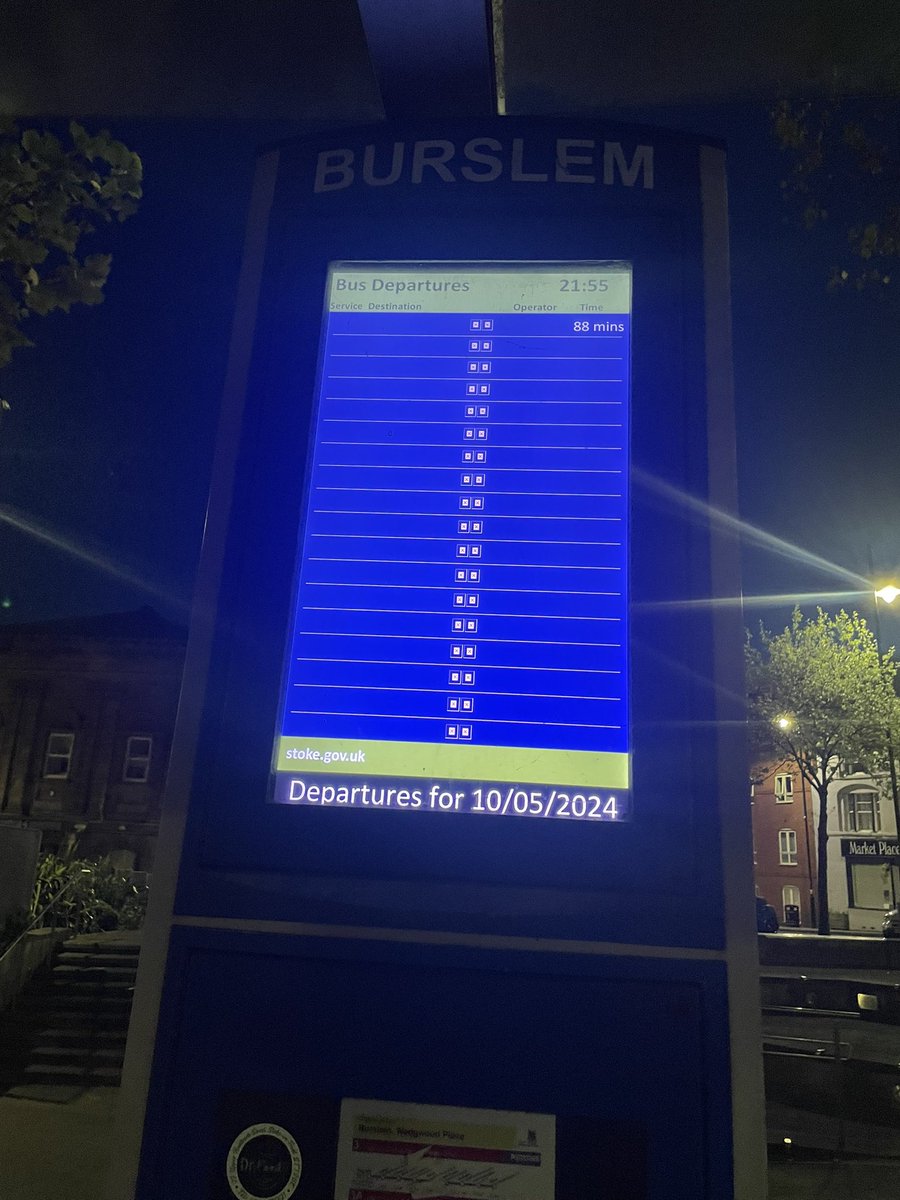
It’s great that thanks to @SoTCityCouncil @potteriesbuses are putting on later buses. Any chance of letting us know at the stops when they’re running? (Photos taken on Monday and tonight)
3
2
7
1,999