
Head of SRE @leaf_space 🛰️ · Building satellite ground infra · AI agents by night · Writing about space systems, automation & the unglamorous side of space tec
Joined October 2021
- Tweets 1,333
- Following 431
- Followers 749
- Likes 9,349
156 Photos and videos







Pinned Tweet

27 Mar 2025
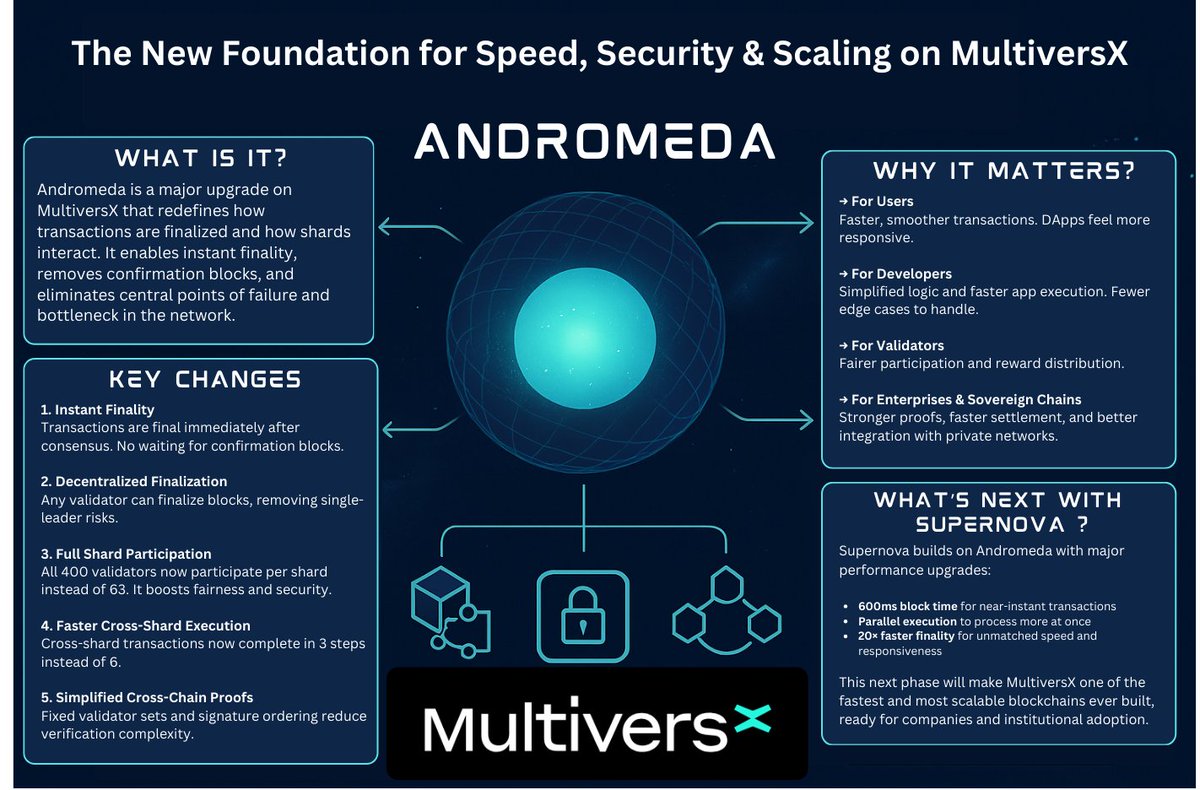
🚀 Yesterday I had the chance to share a deep dive into Andromeda, the latest upgrade on @MultiversX, during a live session on @GM_Web3.
What followed was a flood of questions and for good reason.
This isn’t just another performance tweak.
Andromeda quietly rewrites the way blockchain networks can scale, finalize, and secure themselves.
🔹 In the past, MultiversX relied on layered safeguards: confirmation blocks, rotating validator groups, and proposer-based finalization. All of it worked but at a cost: latency, complexity, and bottlenecks.
🔹 Andromeda flips that model. Finality is instant. Every validator participates. Equivocation risks are neutralized. And cross-shard execution becomes twice as fast.
🧩 It opens new doors:
→ For builders, it simplifies logic and unlocks real-time apps.
→ For enterprises, it enables sovereign chains to scale securely.
→ For users, it makes transactions feel… seamless.
And the most exciting part?
Andromeda is only the beginning.
8
35
107
2,967

You can now enable Claude to use your computer to complete tasks.
It opens your apps, navigates your browser, fills in spreadsheets—anything you'd do sitting at your desk.
Research preview in Claude Cowork and Claude Code, macOS only.
4,919
14,292
138,606
78,059,433
Philippe Martin retweeted

Feb 6
⚡️AI MEETS BLOCKCHAIN PAYMENTS
AI just learned how to use a crypto wallet.
MultiversX is the first blockchain to integrate Google’s Universal Commerce Protocol, letting AI agents check balances and execute on-chain transactions automatically.


192
469
1,290
115,484
Philippe Martin retweeted

Jan 15
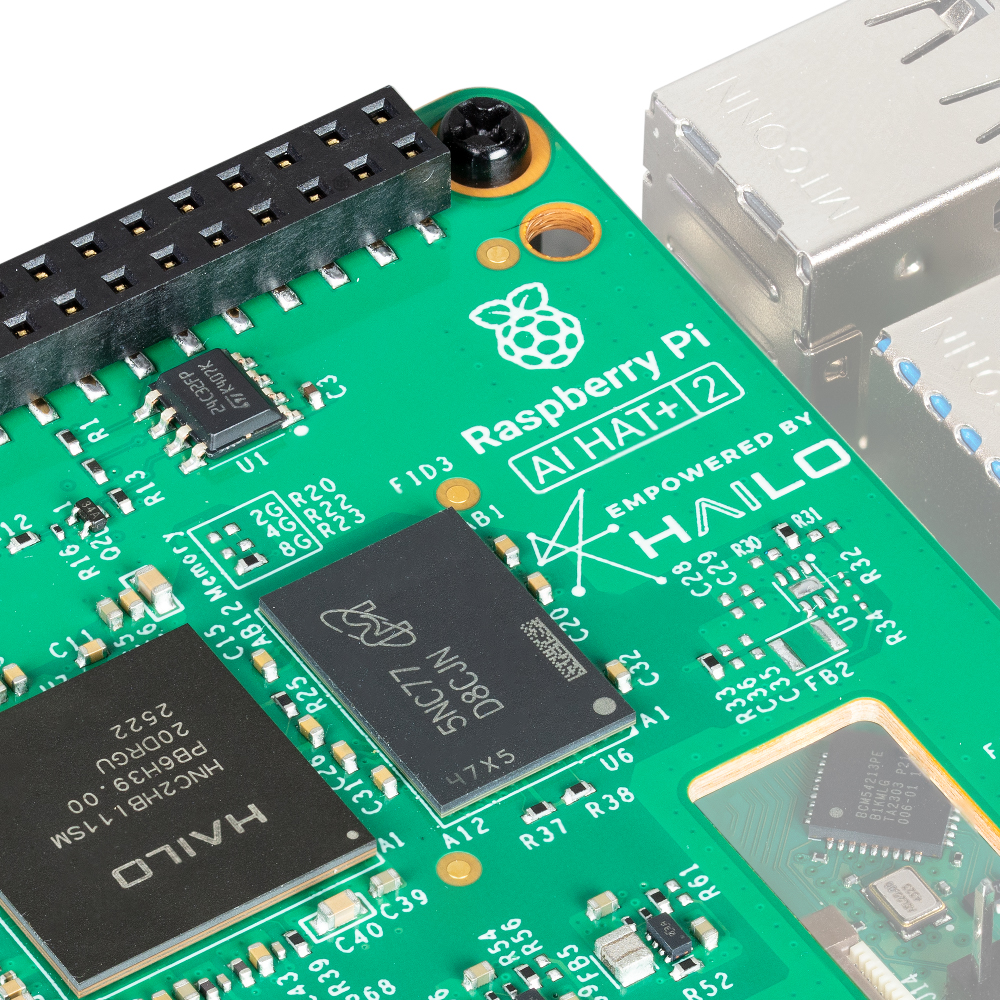
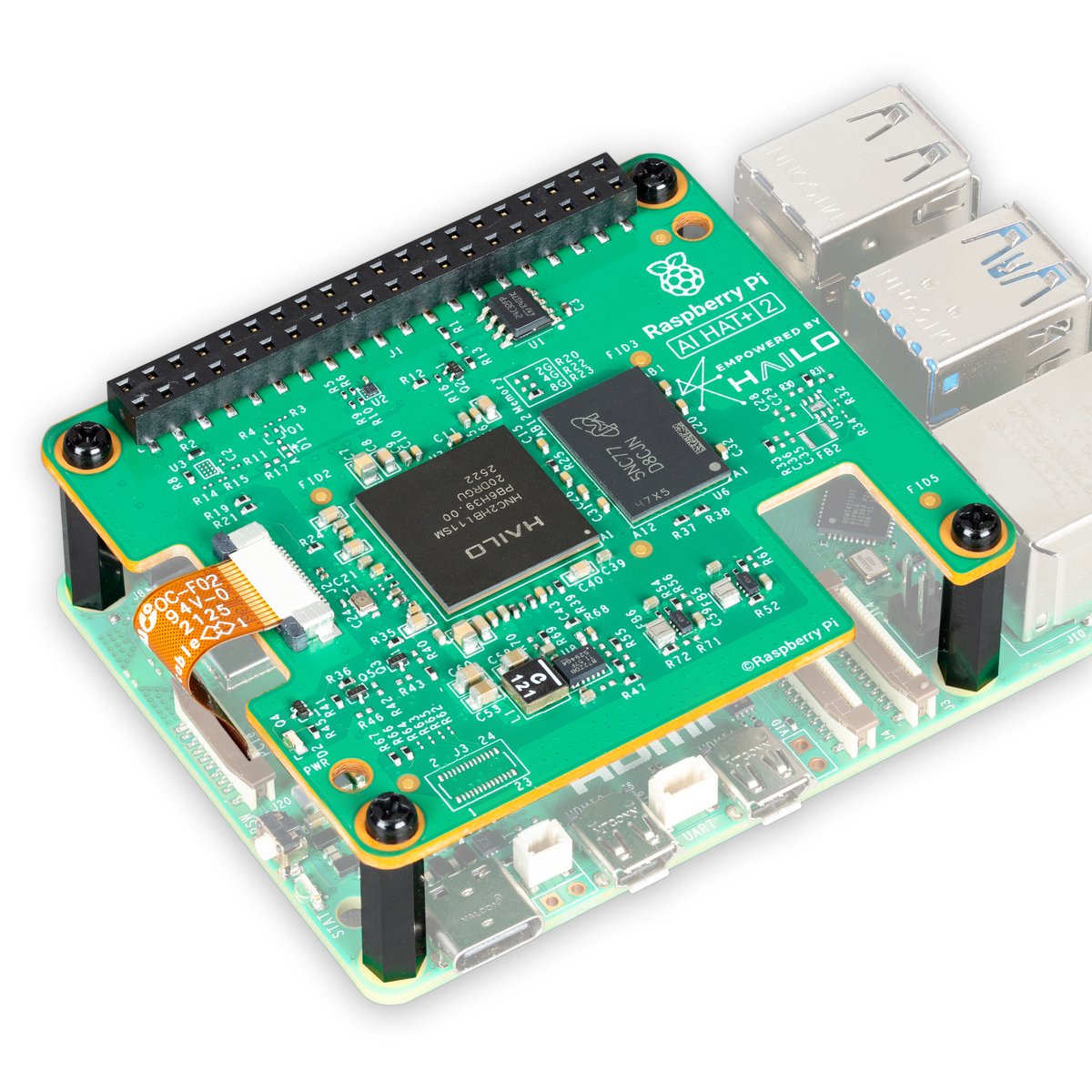
NEW! Raspberry Pi AI HAT 2 - add local generative AI to Raspberry Pi 5 🤖
Run LLMs and VLMs with the onboard Hailo-10H accelerator and 8GB dedicated RAM, keeping your Pi 5 free for everything else.
In stock and ready to ship 🚚
thepihut.com/products/raspbe…
19
65
712
33,582
Philippe Martin retweeted

23 Aug 2025
This is what the night sky on Mars looks like (Source: NASA)
Community note
This video is digitally altered and does not accurately depict the night sky on Mars as confirmed by NASA.
x.com/NASAJPL/status…
youtu.be/FRm_tS11J6g?si…
skyatnightmagazine.com/space-science/…
science.nasa.gov/resource/earth…
720
2,489
20,855
906,274
Philippe Martin retweeted

22 Jun 2025
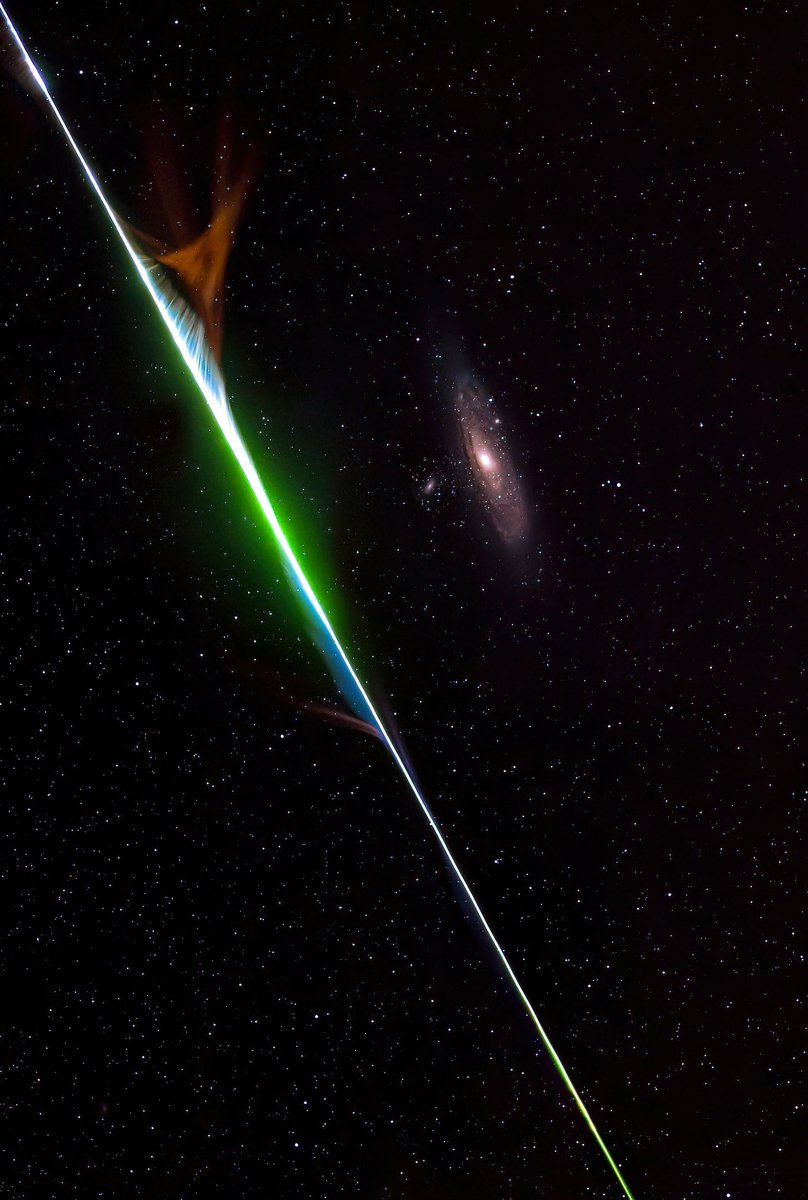
Once-in-a-lifetime-shot. A bright meteor burned up in the atmosphere while capturing Andromeda Galaxy.
📸 Jose Pedrero
28
240
2,333
80,241
11 Jun 2025
Soon @vibeox_ai on suedbynintendo.com
😅 But nice to play Pokémon again! It brought back so many memories.

23
576
Philippe Martin retweeted

21 May 2025
20
81
2,219
Philippe Martin retweeted

7 May 2025
👀Look at this huge antenna in Space! ⬇️
Biomass’ 12 metres diameter reflector has been successfully deployed a week after its launch.
The reflector acts like a giant “space mirror” that is used to focus and direct radar signals. It is part of the satellite's P-band Synthetic Aperture Radar (SAR) system.
@esa's satellite is now ready to map the Earth’s forests in unprecedented detail.
👏 @L3HarrisTech @ESA_EO @esaoperations
7 May 2025

How cool is this⬇️
Watch as @esa Biomass's antenna deploys in space!
Following liftoff, orbital injection acquisition of its first signal and satellite in-orbit checks, the successful deployment of Biomass’ mesh antenna reflector marks the final key step in the launch and early operations phase.
2
18
107
6,900
Philippe Martin retweeted

30 Apr 2025
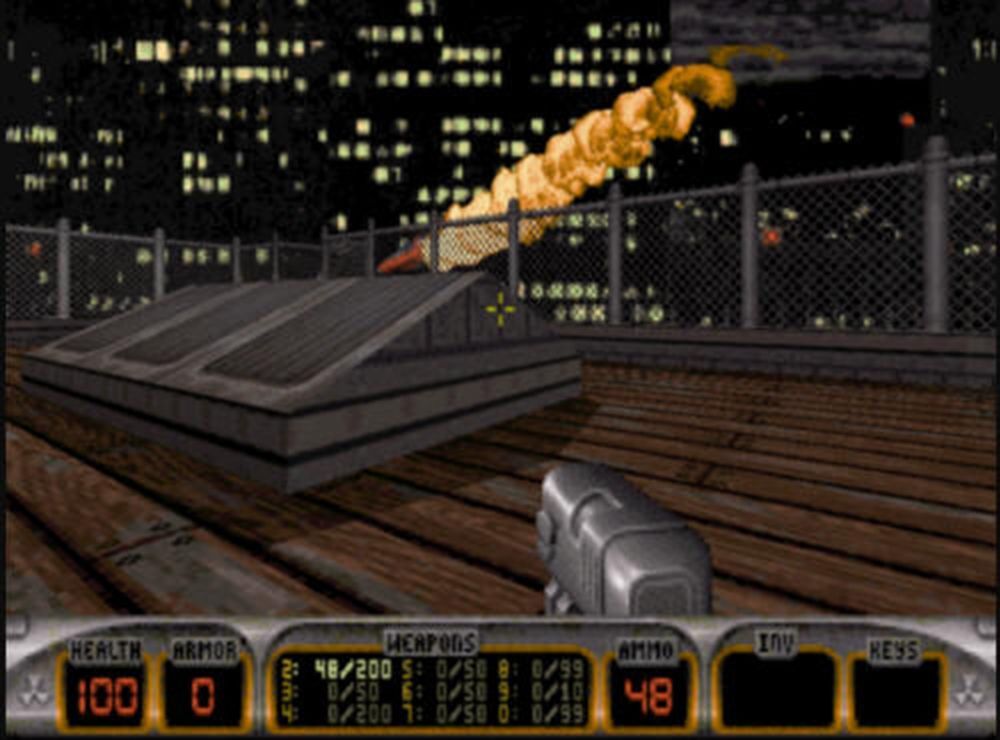
I've probably played this level 300 times
98
138
2,310
77,369
Philippe Martin retweeted

30 Apr 2025
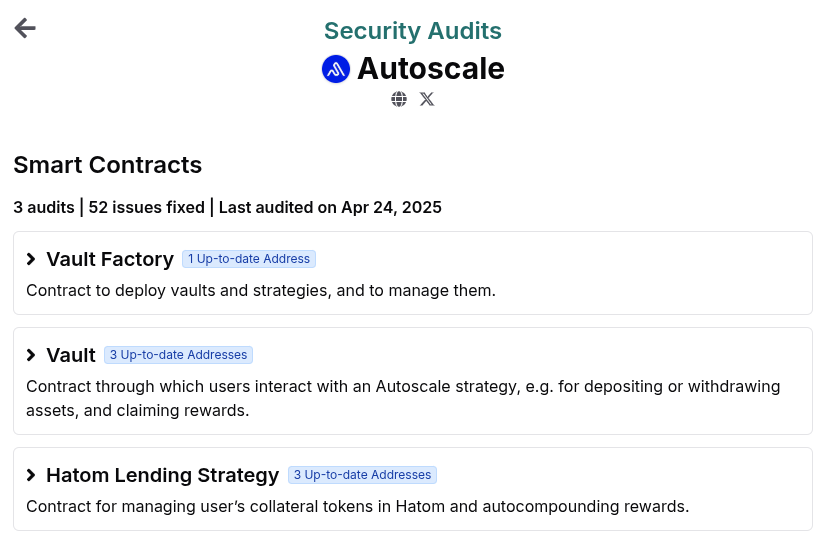
Audit reports now available 🛡️
You asked for them, and we released them.
Thank you, @arda_org, for your professional work.
These are the first reports, not the last.

NEW: 3 Autoscale contracts audited by Arda🛡️
Deposit USDC, EGLD or BTC into @autoscale_ vaults and enjoy a daily yield without any effort!
Big congrats to the team for the long-awaited release and caring about security until the last second👌
The audit reports: arda.co/audits/autoscale
2
6
42
1,687
29 Apr 2025
RT @autoscale_: autoscale is live on mainnet ✨
Among the highest returns currently available in Web3 for $BTC. We’ve supercharged APYs fo…
7
8
25 Apr 2025
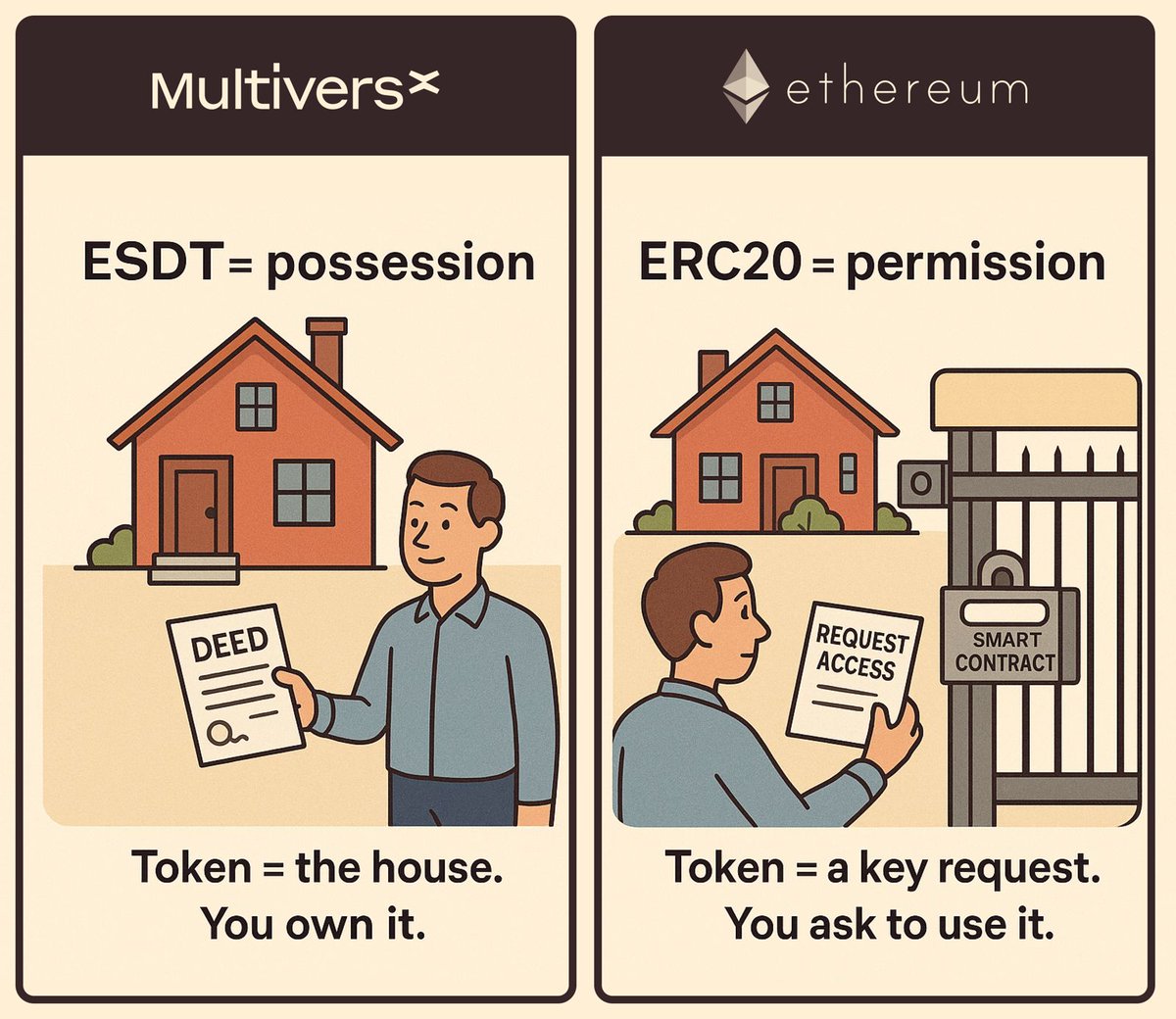
This is one of the most problematic aspects of almost all chains, and people are still ignoring it.
While it is definitely the main reason we are going to Web3, to be able to truly own our assets instead of relying on giving permissions.
It was even my first video subject, as it is the basis of designing every solution.
youtu.be/IuIUVffhj6Y?si=ooTF…
25 Apr 2025

ESDT = possession
ERC20 = *permission
(*or any other SC-based token standard)
1
6
39
850
14 Apr 2025
It's not a train to catch, but literally a plane! ✈️🚀🚂
14 Apr 2025

Are we going somewhere?
Ticket in hand.
Light luggage.
Boarding imminent.
Destination: DeFi.
⚡️ Simpler - Faster - More powerful
Autoscale is coming!
5
211
6 Apr 2025
Bikes and lake chillin'. Why do people dig cities so much…? 🤷
6
170
Philippe Martin retweeted

4 Apr 2025
New API is out. A lot of preparatory work for Andromeda and SuperNova upgrades. But for now, I think the GasStation API is the biggest thing.
Through the GasStation API dApps can suggest for their users higher gas prices when there is more usage than capacity in the network. Thus if you want your tx to land always, you can just pay a little bit of priority fee and it goes through.
Set up this for any bots/all the bots and for all the dApps/wallets, making experience smooth in all cases.
You can run the API by yourself as well, no need to trust, work with the main one.
Decentralisation everywhere!
4 Apr 2025

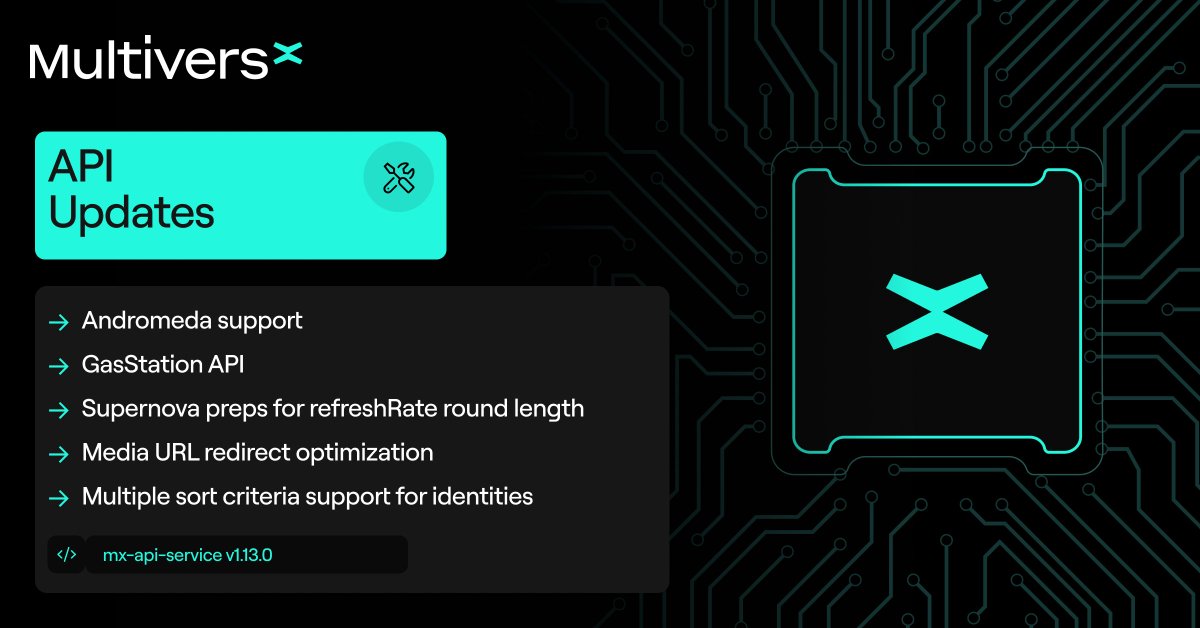
One more thing before we call it a week - @MultiversX API v1.13.0 just dropped! 🔥 🛠️
This release includes:
• Andromeda support
• GasStation API
• Supernova refreshRate prep
• Optimized media URL redirects
• Advanced identity sorting
2
29
120
2,419
31 Mar 2025
Amazing!!!!
It's possible, time to the world to see it!
31 Mar 2025

What do we have here?
Do you see the speeeeeeed?
Technically: a SovereignChain running with ConsensusV2 and 600ms blocks.
Just BUIDL!
7
43
689
31 Mar 2025
Exactly.
Retail is distracted by charts
Institutions are building infrastructure
But not on public chains
They’re preparing for private, interoperable, protocol-secure blockchain networks fully managed in-house or via trusted partners
What’s needed
✅ Simple deployment and lifecycle management
✅ Native protocol-level security
✅ No reliance on public validators or tokens
✅ Interoperability across internal and external systems
These chains won’t run casinos
They’ll run real-world operations
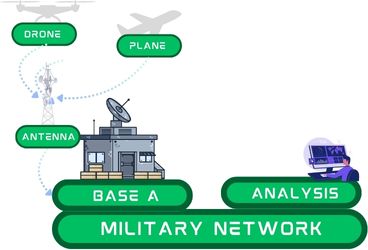
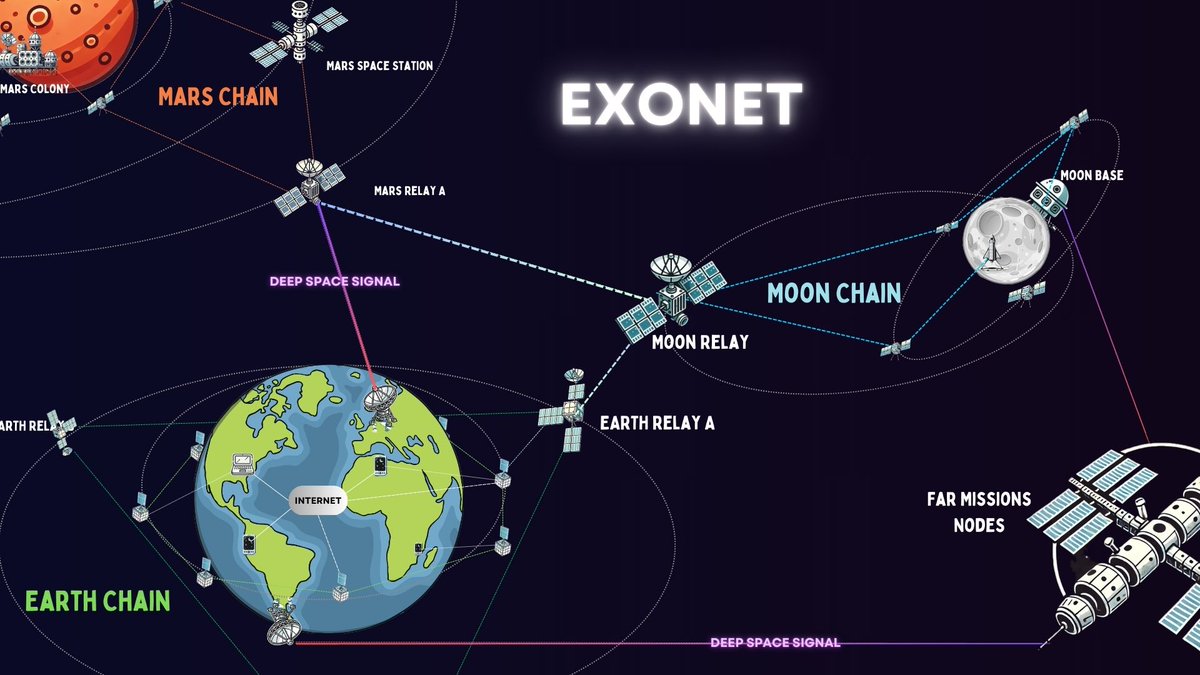
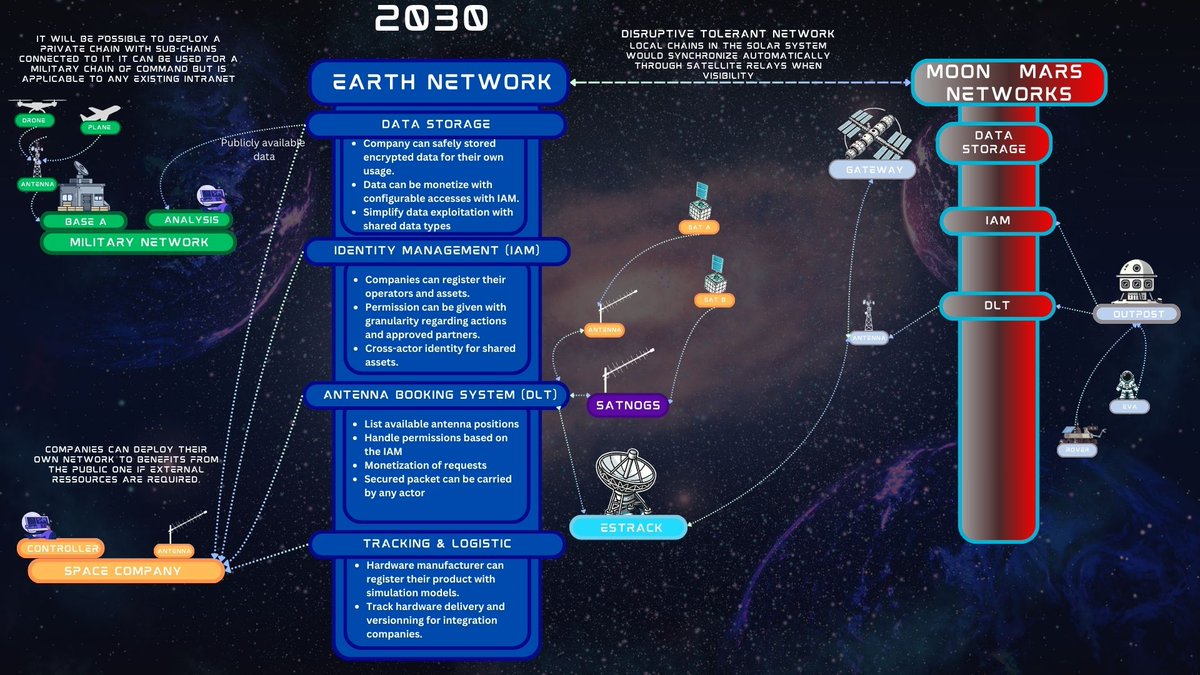
🔹 Aerospace: Coordination between satellites, ground stations, and mission control with guaranteed packet integrity and disruption tolerance
🔹 Energy: Autonomous management of grids, dynamic pricing, and resource balancing secured by cryptographic consensus
🔹 Finance: Internal transaction rails for large institutions using tokenized assets, real-time auditability, and compliance-by-design
🔹 Logistics and Manufacturing: Multi-party supply chain sync, IoT sensor data integrity, and automation without central trust points
🔹 Government Services: Identity layers, registries, and digital public services interoperable across agencies but isolated from the public internet
We don’t just need another chain
We need the infrastructure to spin up, operate, and interconnect these private systems at scale
🧠 I’ll start breaking down each sector with real use cases, system architecture, and impact
📩 Which one would you like to see first?
29 Mar 2025

Overheard in a meeting with institutions today.
"Big institutionals are ready, and preparing for potentially one of the biggest market booms.
It's only the retail that has been temporarily crashed by the macro chaos.
Everyone else is in position, ready to enter big time once the macro is cleared."
2
4
32
1,095
Philippe Martin retweeted

30 Mar 2025
Sunday Reading
Catch up on this week's latest updates and key insights around the ecosystem.
1️⃣ Andromeda is here and it's speeding up blockchain with faster finality times, better security, and enhanced performance. Here’s what you need to know:
x.com/multiversx/status/1904…
2️⃣ Must-know Web3 UX trends by @_julianbp:
x.com/_julianbp/status/19052…
3️⃣ @PhyByte explains how @MultiversX is refining speed and security to make transactions faster and more reliable than ever:
x.com/phybyte/status/1905211…
4️⃣ Solution-oriented thinking is a game changer. @chessucation on how shifting your mindset can transform your approach to challenges—whether in life, work, or Web3:
x.com/chessucation/status/19…
5️⃣ No pain, no gain. Hard-learned lessons from the trenches by @beniaminmincu:
x.com/beniaminmincu/status/1…
6️⃣ @irenetina9 takes us through the highs, hurdles, and wins of her xAlliance intern journey:
x.com/xAllianceDAO/status/19…
📺 Episode 1 of the Momentum podcast featured builders, developments, and insights from the MvX ecosystem and beyond.
youtube.com/live/ui6KvFki4Dk…
And if you learn from it, you might as well earn from it too:
x.com/xAllianceDAO/status/19…

25 Mar 2025

Andromeda Upgrade [Full Agora Post — 7 min read]
Andromeda is the first major upgrade in a two-step roadmap to drastically reduce transaction time to finality on MultiversX. This release redesigns consensus mechanisms, finalization rules, and cross-shard execution, significantly improving the efficiency, security, and scalability of the network.
Why was Andromeda needed?
The pre-Andromeda model introduced certain compromises to ensure security and Byzantine Fault Tolerance (BFT). These mechanisms were necessary trade-offs at the time but came with some drawbacks:
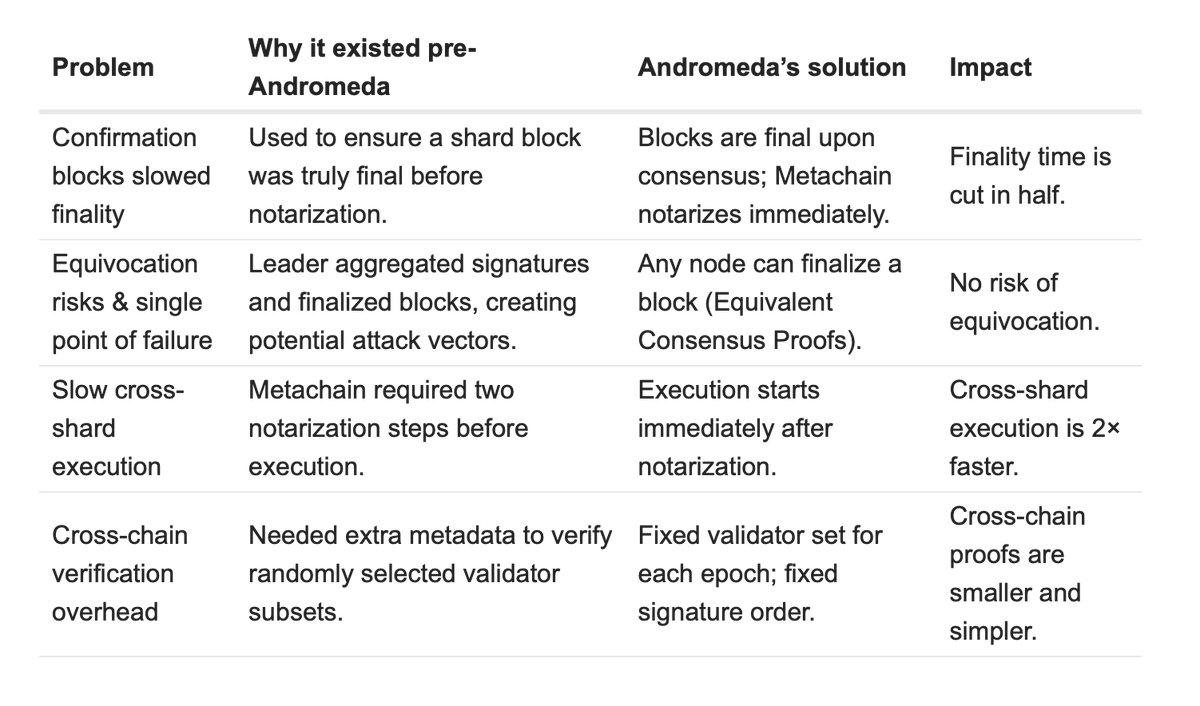
1) Confirmation blocks on execution shards and metachain were needed to protect against equivocation.
2) On execution shards the smaller consensus group (63 out of 400 eligible) was used to reduce computational overhead but required two rounds to ensure majority agreement.
3) The proposer-based finalization model ensured a clear consensus leader but created a single point of failure.
4) Cross-shard execution required extra notarization steps to ensure consistency, but this slowed transaction finality.
5) Validator selection changed every block, ensuring decentralization but made cross-chain proof verification cumbersome.
What does Andromeda change?
a) Removes confirmation blocks, cutting finality time in half.
b) Eliminates equivocation risks by decentralizing each block consensus finalization.
c) Optimizes cross-shard execution, reducing the required steps.
d) Increases consensus participation in execution shards from 63 to 400, ensuring a single-shot consensus majority.
e) Standardizes consensus validator sets across an epoch, simplifying verification.
f) Fairer rewards distribution, as all validators now participate equally in consensus.
This upgrade not only fixes these inefficiencies but also lays the foundation for Supernova, the next phase, which will reduce block time from 6s to 600ms, leading to 20× faster finality.
// In depth analysis of Andromeda improvements
—————————
ℹ️ I1. Increasing consensus size in execution shards to full eligible nodes set
Prior to Andromeda, each execution shard used a randomly sampled consensus group of 63 nodes—selected from the 400 eligible validators—to validate and sign each proposed block. However, this approach did not guarantee that a block had majority acceptance from the entire shard within a single consensus round, particularly in a Byzantine environment. As a result, execution shards required a second confirmation block to strengthen acceptance rate.
The MetaChain was an exception to this model, as it already used the full set of eligible nodes in the consensus group for each block.
Why was 63/400 used for execution shards before Andromeda?
• To reduce CPU overhead on execution shards, allowing more resources to be allocated to transaction execution rather than signature verification.
• Reducing the number of nodes signing each block helped keep block times low.
What changed to allow 400/400 consensus?
• Rogue key protection via KOSK (Knowledge of Secret Key): This removed the need to embed rogue-key protection directly into aggregation, allowing secure large-group signature validation in shorter time.
• Optimistic aggregation and verification of signatures: This reduced the CPU burden of verifying 400 individual signatures, making full-node consensus feasible.
Why Is 400/400 better?
• A single consensus round now proves majority acceptance, eliminating the need for two consecutive 63/400 consensuses.
• Stronger security and faster finality, since every block represents full shard agreement, and under BFT assumptions eliminates all possibilities of reaching consensus on maliciously proposed blocks.
• Simpler validator selection and fairer rewards distribution, as all validators now participate equally in consensus.
—————————
ℹ️ I2. Eliminating confirmation blocks on Metachain and execution shards
Why were confirmation blocks originally needed for Metachain?
• In the pre-Andromeda model, a block could be proposed and pass consensus but still be at risk of being reverted even on Metachain which already had a 400/400 consensus group.
• This is because consensus on the block did not guarantee absolute finality—a block could still be challenged if an alternative block appeared.
• To ensure a block was truly final, a confirmation block was required before Metachain accepted it as final and valid.
Why are confirmation blocks no longer needed?
• Andromeda introduces Equivalent Consensus Proofs—these (together with the full size consensus on execution shard) guarantee instant finality for all blocks.
• Since every block is final immediately upon consensus, the Metachain no longer needs confirmation blocks to validate a block’s finality.
• Effect: Transaction finality time is cut in half.
—————————
ℹ️ I3. How do equivalent consensus proofs solve equivocation
Before Andromeda, equivocation between blocks that had already passed consensus was possible because the block proposer (consensus leader) retained partial control over the consensus finalization process of their proposed block.
Why was leader-based finalization needed?
• Before Andromeda, the leader (proposer) was responsible for:
○ Proposing a block;
○ Aggregating BLS signatures from 2/3 1 of the consensus group;
○ Finalizing the block by attaching proof before propagating it.
• This ensured that only one version of the block was propagated if the leader was honest.
What problems did this create?
a) Equivocation risk:
• A malicious leader could finalize two conflicting versions of a block by aggregating different subsets of valid signatures. Pre-Andromeda a fork choice rule would deterministically favor one block among the multiple possibilities.
• Delay finalizing the block until a competing block appears in the next slot and then propagate his finalized block.
b) Single point of failure:
• If the leader went offline or delayed block propagation, the network assumed the block was lost
c) Delayed consensus finalization:
• Other nodes had to wait for the leader to finalize the block, introducing centralization risks.
How does Andromeda solve this?
• Equivalent Consensus Proofs allow any node in the consensus group to finalize the block.
• The finalization proof is now separate from the block, meaning propagation delays cannot cause equivocation.
• Effect: Equivocation is no longer possible, and consensus is more resilient to proposer failures.
—————————
ℹ️ I4. How is cross shard execution changed with Andromeda
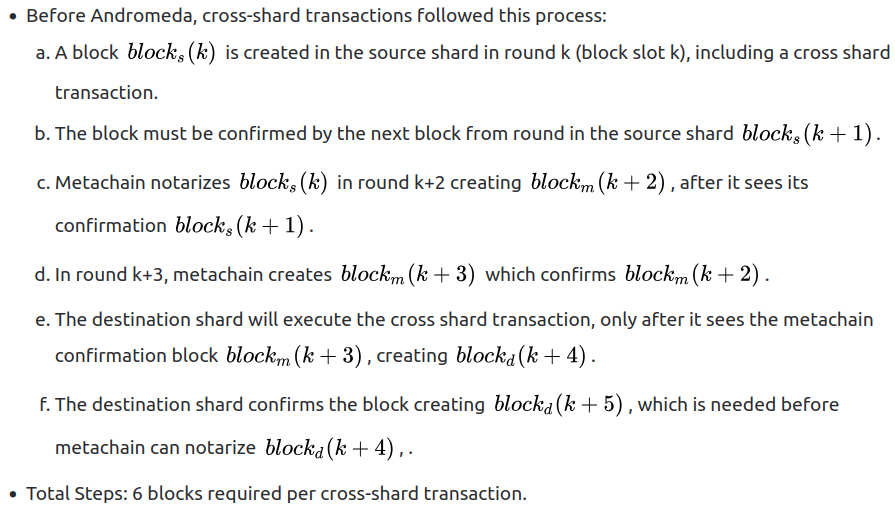
Cross-shard execution—where a transaction involves accounts or applications across multiple shards—previously required at least six rounds to complete. Only after these six steps could the execution results be confirmed on the destination shard, allowing the MetaChain to notarize them and provide finality.
Why did cross-shard execution require so many steps?
Why was this necessary?
• These steps ensure that every step of the cross-shard execution that happens in a different shard can not cause chain reverts in other shards.
• However, they significantly slowed transaction finality.
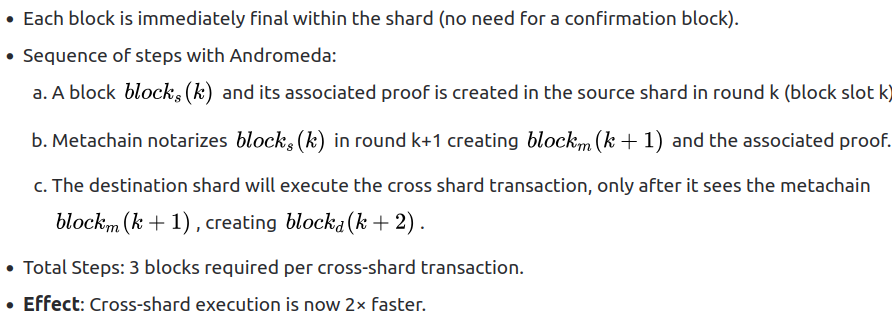
How does Andromeda optimize this?
—————————
ℹ️ I5. Decreasing cross-chain proof verification complexity
When proving that a block has reached consensus on one chain to another chain, multiple pieces of data must be transferred to enable proper verification. This includes information about the validator set responsible for reaching consensus on the block, as well as finality data that ensures the block is immutable and can no longer be reverted.
Why did cross-chain proofs require extra metadata?
• Pre-Andromeda, only 63 out of 400 nodes participated in each consensus group.
• To verify a consensus proof externally, the cross-chain system had to:
○ Reconstruct how the 63 nodes were selected.
○ Verify the aggregated signature taking into account the aggregation order of their signatures.
○ This added significant metadata overhead to every proof.
How does Andromeda simplify cross-chain proofs?
• All 400 nodes participate in every consensus round in one epoch.
• Signature aggregation follows a fixed order instead of shuffling.
• Now, cross-chain verifiers only need the validator set once per epoch, instead of recalculating it for every block.
• Effect: Cross-chain proofs are smaller, easier to verify, and require less data.
—————————
// The solutions and their impact
—————————
// Conclusion
Andromeda represents a major milestone in improving transaction speed, security, and cross-shard execution in MultiversX. By eliminating confirmation blocks, removing equivocation risks, and streamlining network propagation, this upgrade lays the foundation for Supernova.
Key benefits of Andromeda
• Transaction finality is now instant—no need for confirmation blocks, if there exists a consensus proof, the block is final.
• Cross-shard execution is 2× faster—cutting total steps from 6 blocks to 3 blocks.
• No risk of equivocation—finalization is decentralized, eliminating leader control.
• Faster network propagation—proofs spread in parallel, reducing delays.
• Cross-chain verification is simpler—fixed validator sets remove unnecessary metadata.
• Prepares the network for Supernova, enabling 600ms block times and parallel execution.
With Andromeda and Supernova combined, MultiversX will achieve a 20× improvement in transaction finality, making it one of the fastest, most scalable and secure blockchain networks in existence.
6
22
1,288
Philippe Martin retweeted

29 Mar 2025
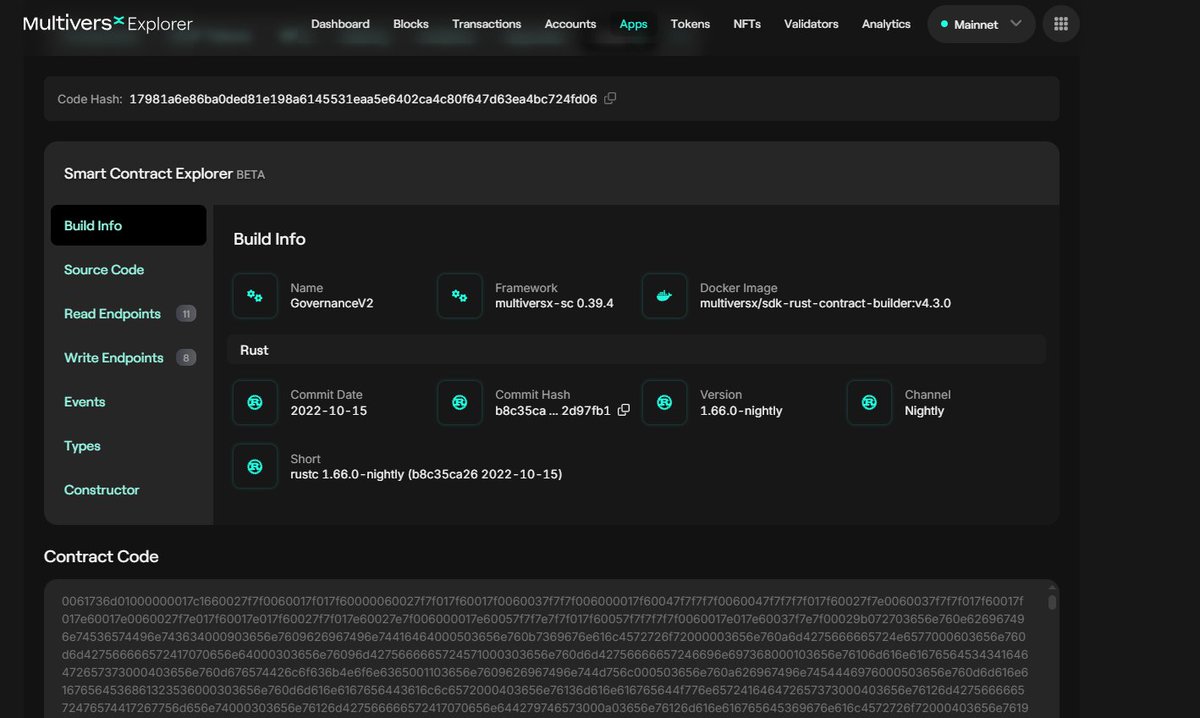
Thats amazing ! we have utils.multiversx.com/ data integrated directly on explorer now ! really cool.
1
4
22
890