
@APSPhysics journal publishing innovative research that will advance the fundamental understanding of fluids.
Joined December 2015
- Tweets 1,511
- Following 93
- Followers 10,724
- Likes 144
831 Photos and videos
Pinned Tweet

Take a look at selected highlights from Physical Review Fluids in 2025, including research, awards, and community events. Thank you to all who contribute to advancing fluid dynamics!
(Music from #Uppbeat: go.aps.org/3MV5DRz, license code: DAWZT3G3VWBT1SN6)
8
32
3,428
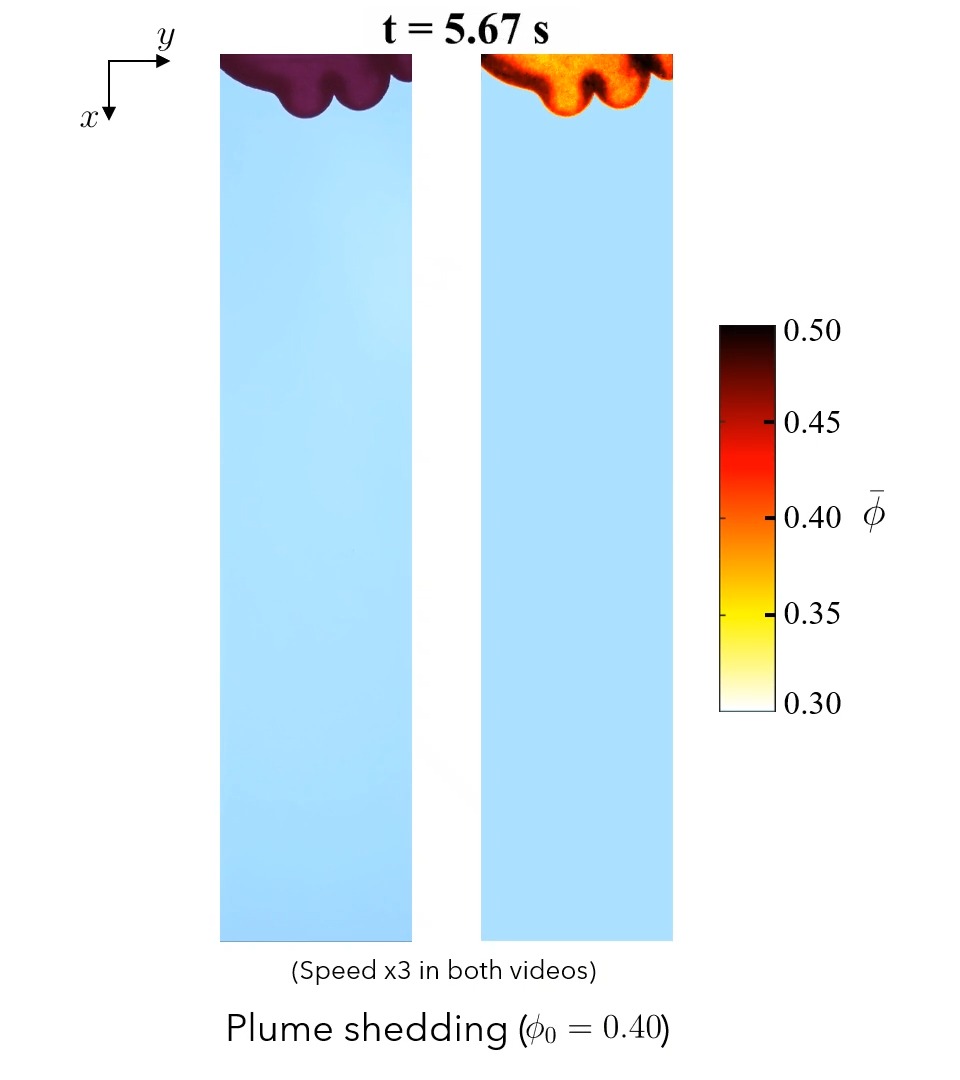
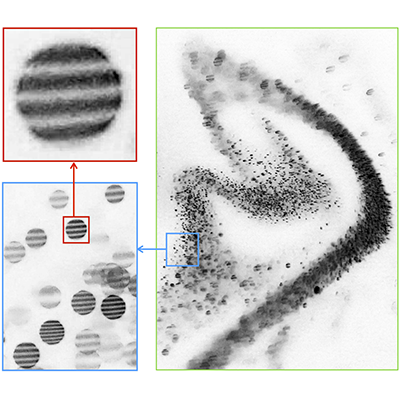
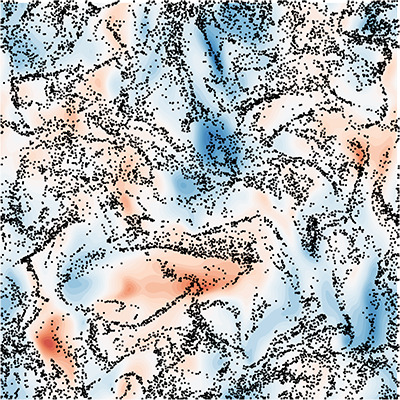
A non-colloidal suspension displacing air in a Hele-Shaw cell forms particle clusters at the advancing interface. Coupling between clusters and interface is set by capillarity, local particle concentration, and interfacial speed.
Editors' suggestion: go.aps.org/4v5sBq7
7
34
2,508
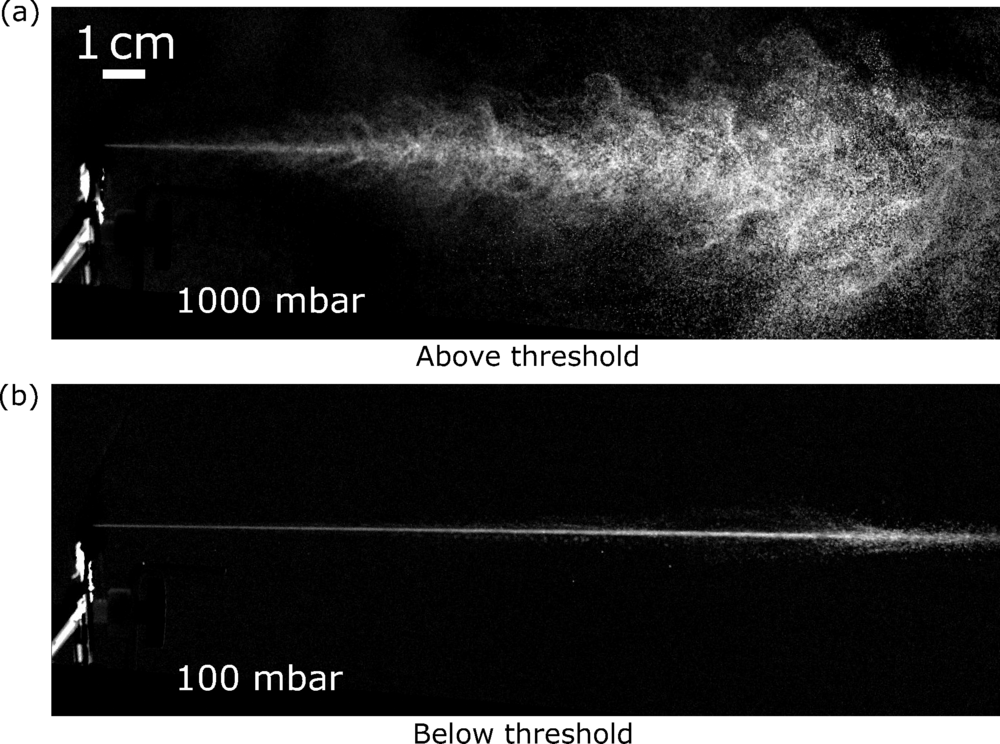
Spray cloud formation is driven by friction with the surrounding air via a Kelvin-Helmholtz instability. Experiments with parallel jet nozzles show that lowering the air pressure makes the spray cloud disappear.
Read the Letter: go.aps.org/4vibPnT
3
33
1,477
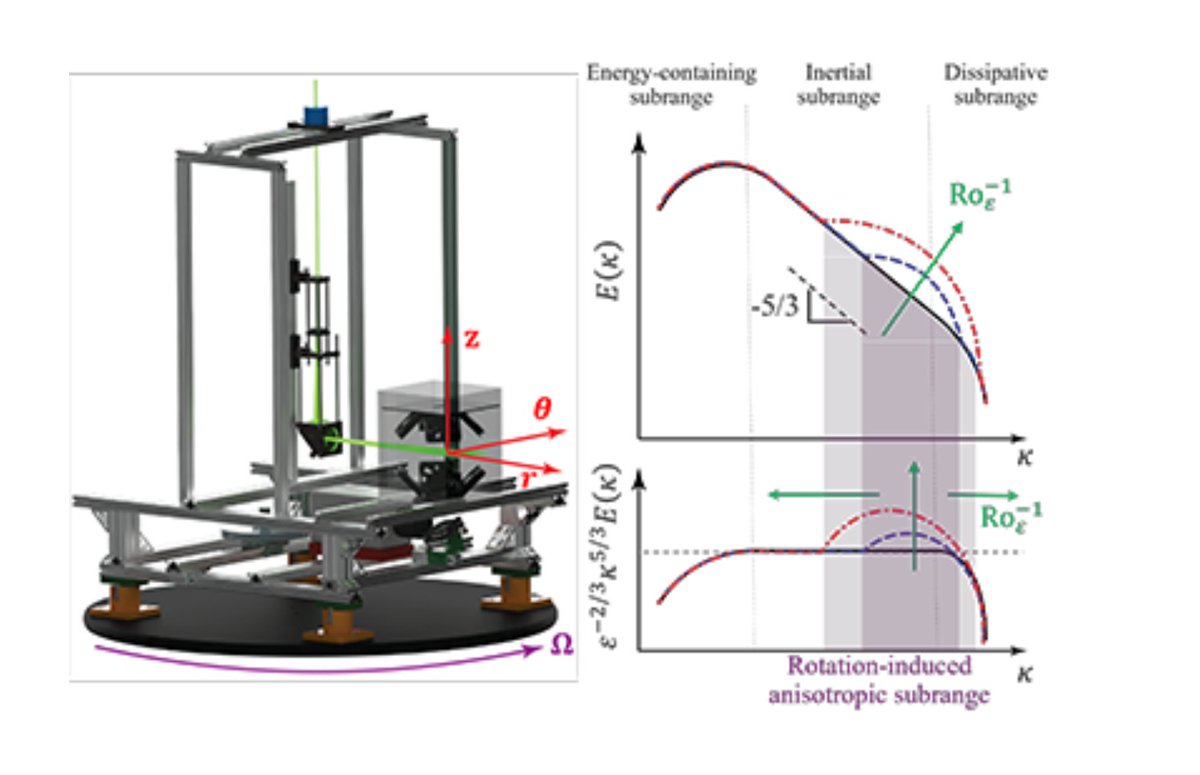
Experiments with off-axis rotation in nearly isotropic turbulence reveal a scale-dependent anisotropy in the directional velocity spectra, linking large-scale rotation to small-scale energy redistribution.
Read the Editors' suggestion: go.aps.org/4dWYXxb
1
3
23
1,302
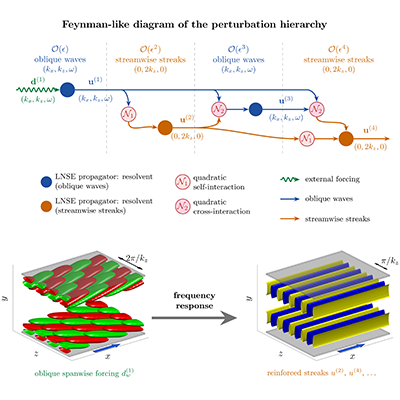
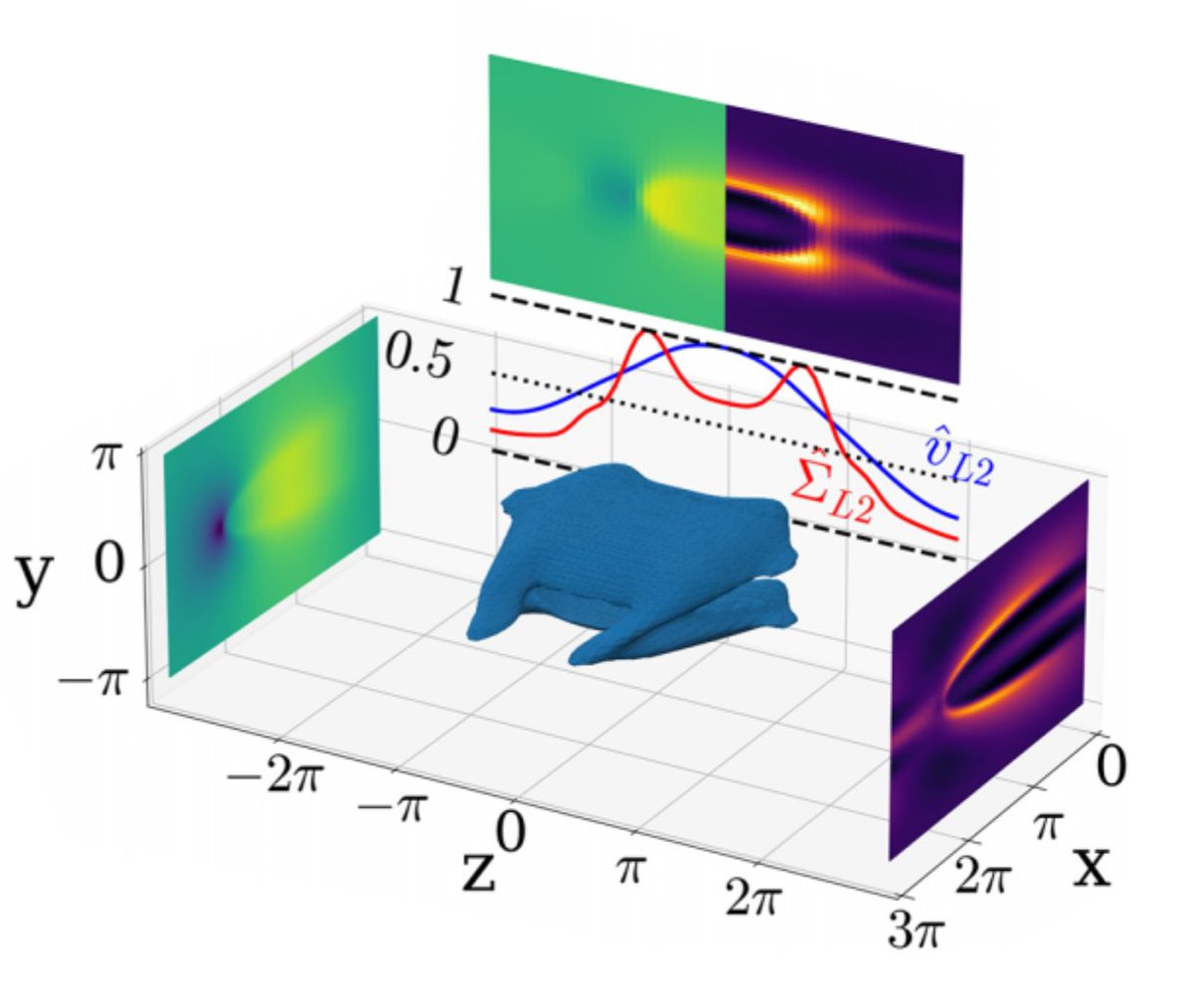
A perturbation-based frequency-response framework for subcritical transition in shear flows shows that the resolvent structure for linear amplification extends to nonlinear dynamics, organizing the dynamics at all perturbative orders.
Editors' suggestion: go.aps.org/4uUnkBD
4
27
1,067
Refraction of water waves can be leveraged to trap and transport submerged structures: side motion perpendicular to the incoming waves is obtained by controlling the structure shape, and modifying the wave field allows objects to be held in place.
go.aps.org/4e7ftcS
1
3
194
In dense sprays, droplets evaporate more slowly than predicted for isolated droplets. Experiments with liquids of different volatilities show the delay comes from the coupling to the surrounding vapor field, controlling the spray boundary and evaporation.
go.aps.org/4viGqB6
8
37
1,620
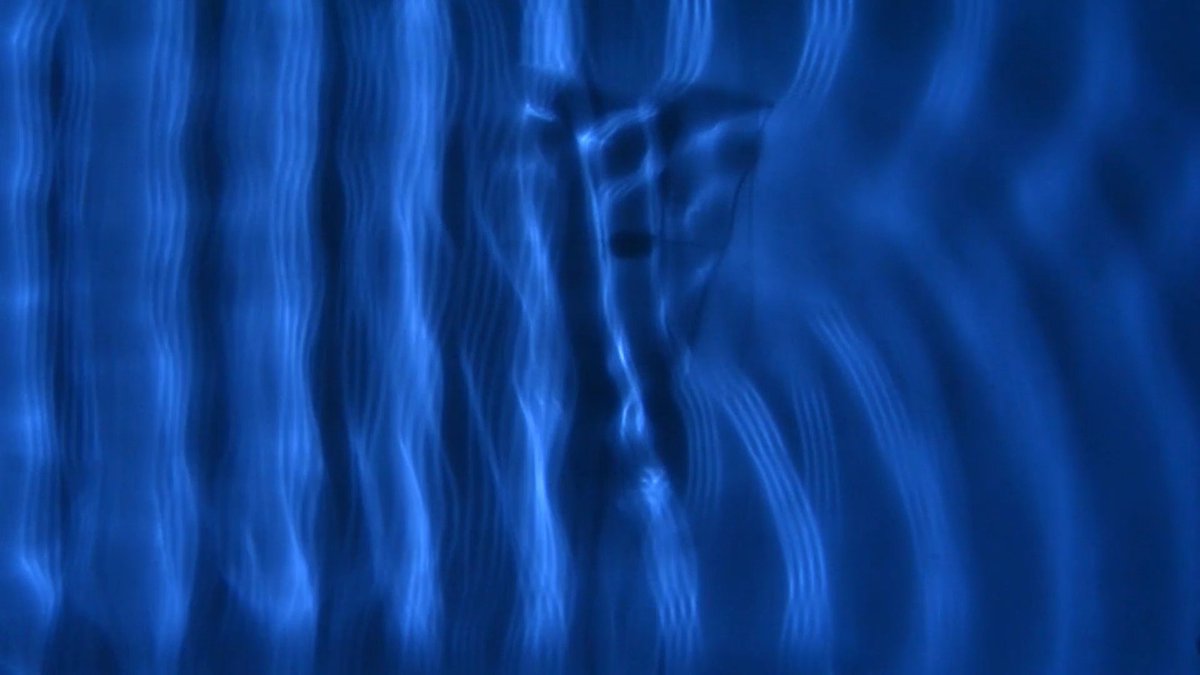
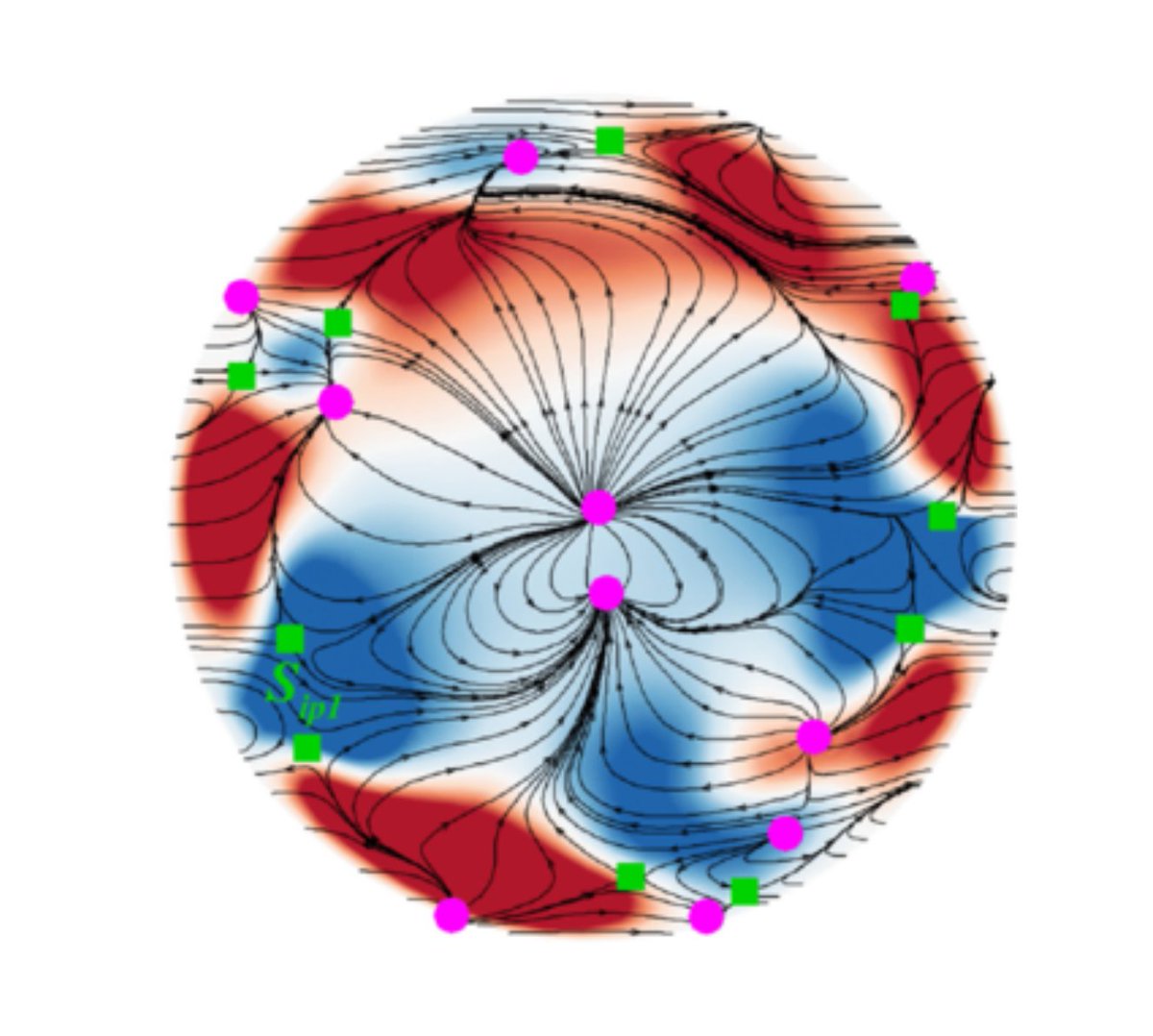
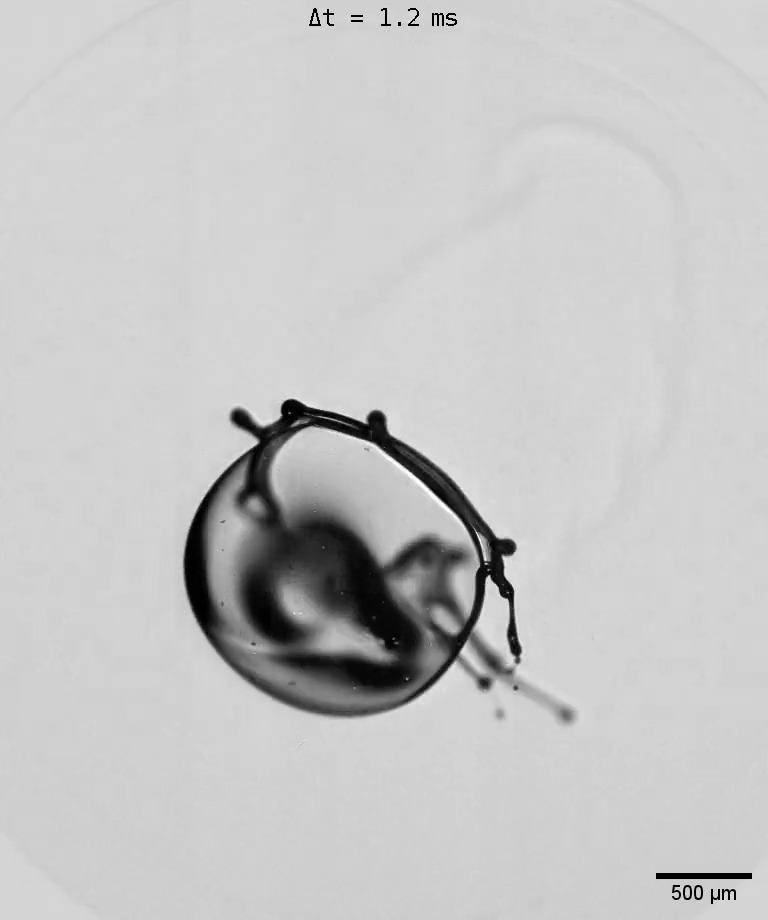
✨ Highlights from the May issue
(1) go.aps.org/4o0bVNK
(2) go.aps.org/43BXnL0
(3) go.aps.org/4nZo71n
(4) go.aps.org/4o3BopM
The full PRFluids issue from May is now available at go.aps.org/4o14J4d
6
22
1,168
Microemulsion droplets can be atomized under laser irradiation. Experiments show fragmentation modes depend on heating intensity, bubble growth, and hydrodynamic instabilities, and provide insight into atomization processes relevant to cleaner combustion.
go.aps.org/49rhO0E
12
40
1,636
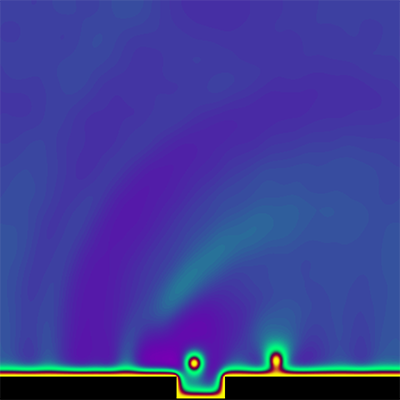
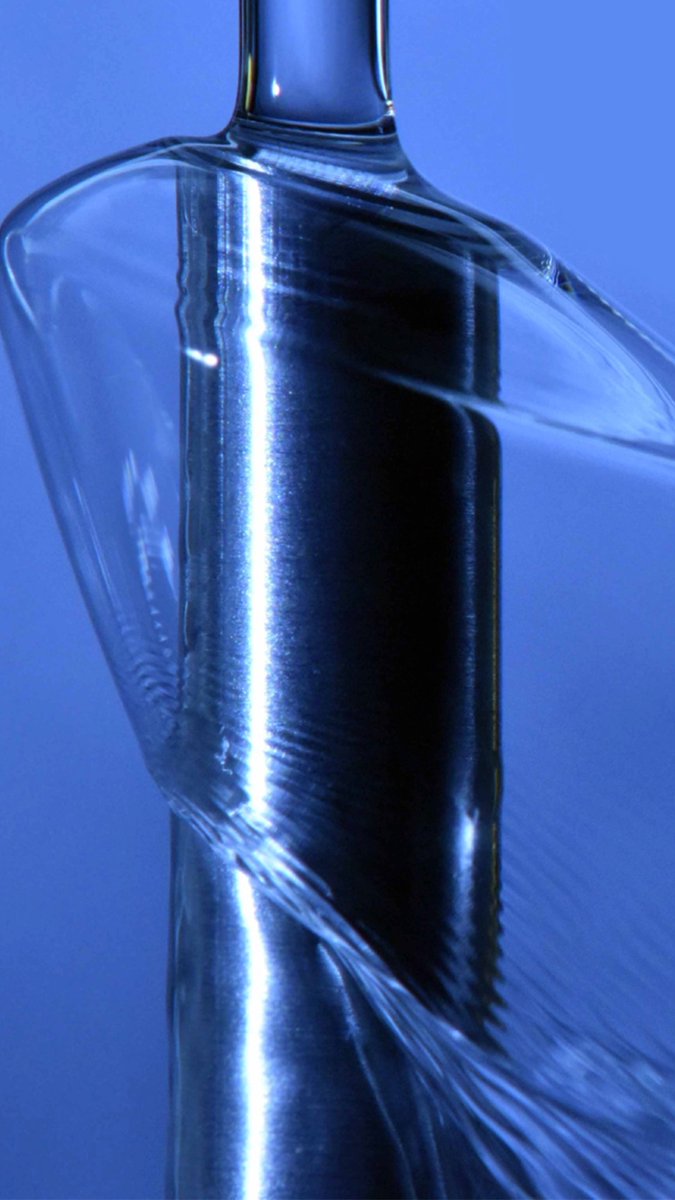
Laser-engraved grooves on a plain acrylic plate stretch and pin a film of pure water for over 30 centimeters; at their end, the film breaks and drips, highlighting how stability comes from geometry, not chemistry.
Read the Editors' suggestion: go.aps.org/4u37Z0e
1
6
25
1,177
The orientation of nonspherical particles in turbulence determines the drag acting on them and their spatial distribution. A new symmetry-based framework yields a compact set of evolution equations with fewer degrees of freedom.
Editors’ suggestion: go.aps.org/4dMopUM
5
35
2,018
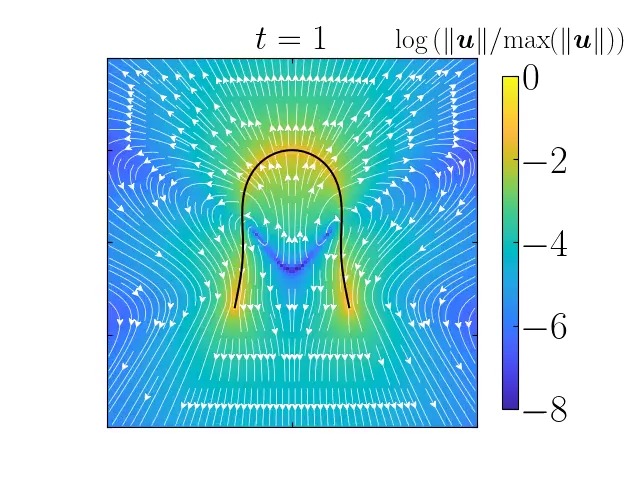
The onset of vortex nucleation in quantum fluids like Bose-Einstein condensates depends on obstacle geometry. Simulations and theory show flows around sharp corners undergo a time-irreversible transition, with a critical velocity below the speed of sound.
go.aps.org/4dFcuI6
6
49
1,656
🚨 Don't miss the upcoming PRFluids Journal Club!
Register for free at go.aps.org/4nFN95D
Read ahead the paper under discussion: go.aps.org/4vGfwnJ

📝 The PRFluids Journal Club returns! Join us for a discussion with Claudiu Stan, presenting a ray-tracing-based method for high-fidelity simulations of transparent objects.
🕒 May 21, 9 a.m. ET
Read ahead: go.aps.org/4vGfwnJ
Free registration: go.aps.org/4whv8yx

1
8
933
Electrostatic charge affects aerosol deposition within the lungs: a multiscale in vitro one-path lung model shows that charge modifies deposition patterns and identifies where electrostatics start to dominate over traditional deposition mechanisms.
go.aps.org/4v14hFn
6
42
1,741
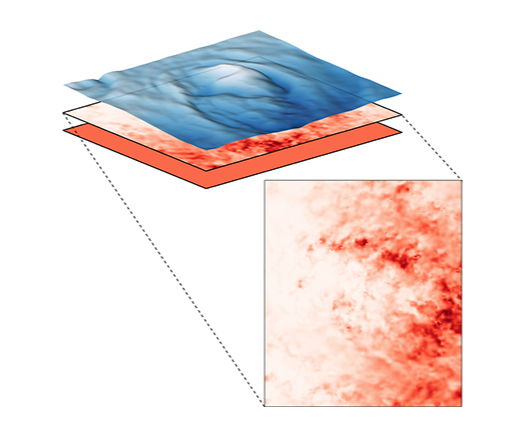
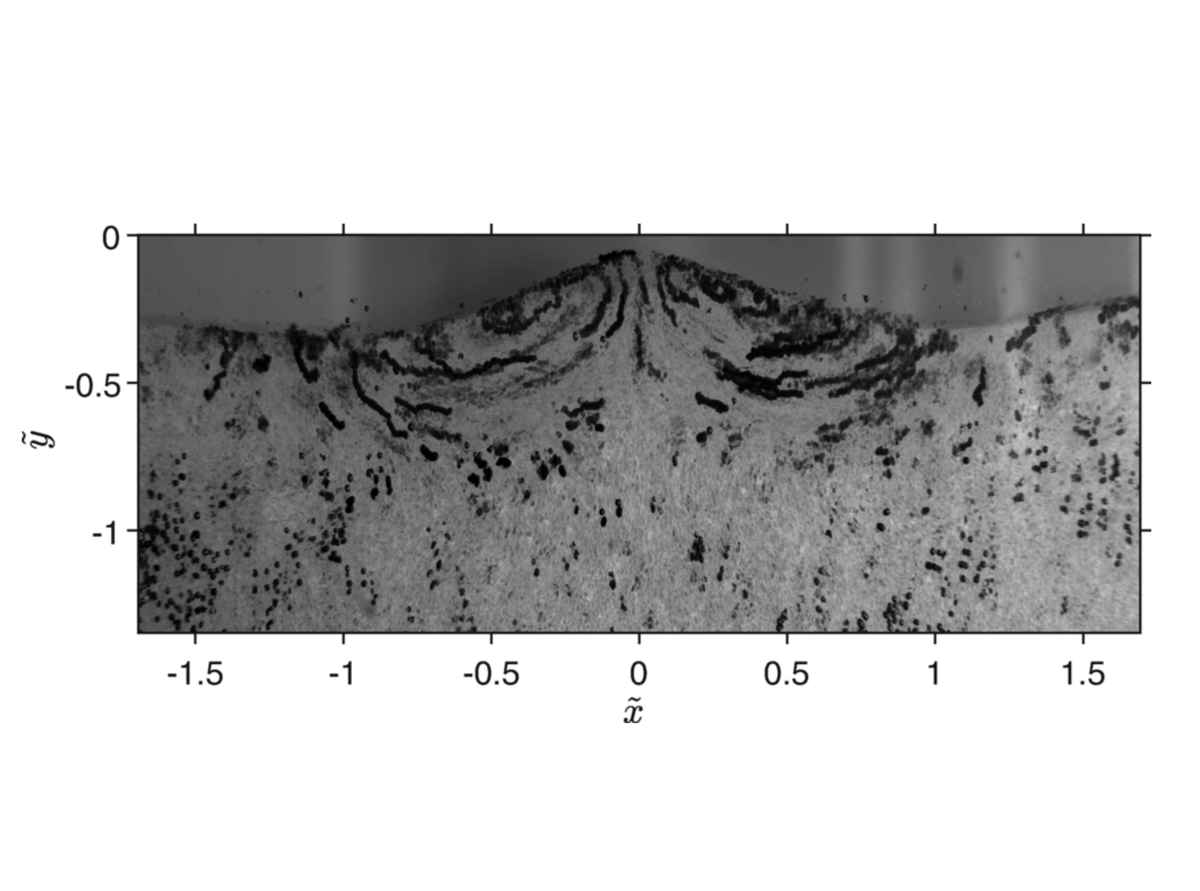
Water surface features remain strongly correlated with subsurface turbulent flows, even at much higher Reynolds numbers than in simulations. Experiments show the correlations are near-instantaneous but spatially nonlocal, persisting well below the surface
go.aps.org/4dyUlM6
4
33
1,200
Deformable autophoretic filaments, otherwise immotile due to a uniform chemical profile, can self-propel via a buckling instability. Spontaneous shape changes break symmetry and enable motion, as shown by theory and simulations.
go.aps.org/3PQ4tZ3
4
29
182
12,610
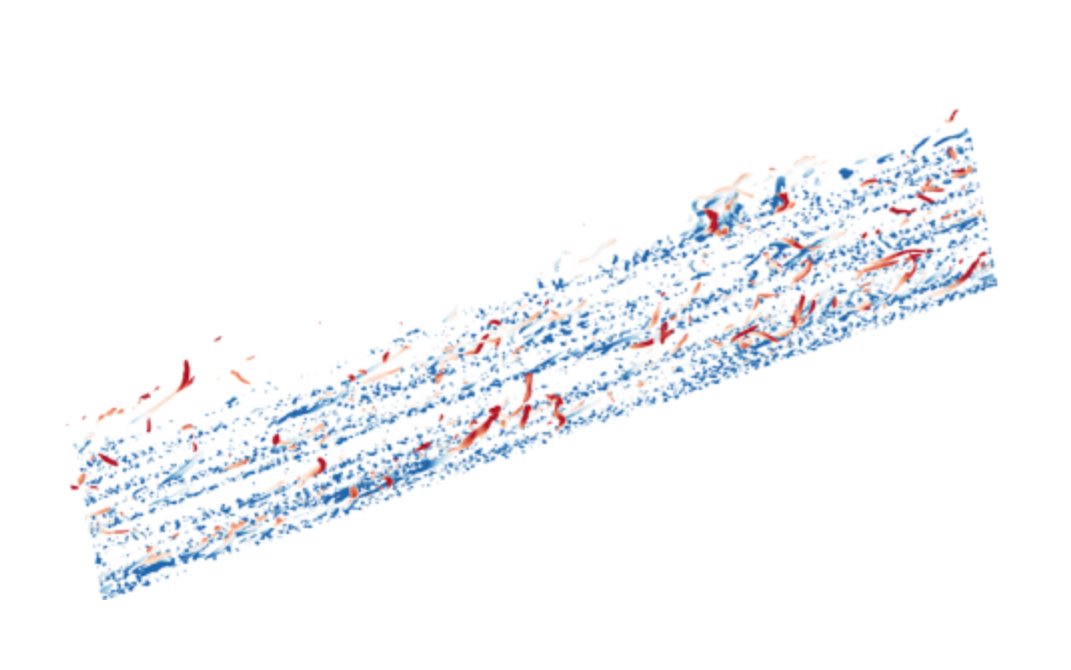
Elastic turbulence in pressure-driven polymer flows is organized around spanwise-localized arrowhead traveling waves. These states appear in symmetric and asymmetric forms that can split and switch between localized and global dynamics.
Read the Letter: go.aps.org/3P20sR6
1
3
37
1,718
We’re celebrating 10 years 🌊 🎉
Thank you to the authors, reviewers, editors, and readers who have helped advance a decade of #FluidDynamics research and discovery.
Explore the journal:
go.aps.org/prf10
12
30
2,406
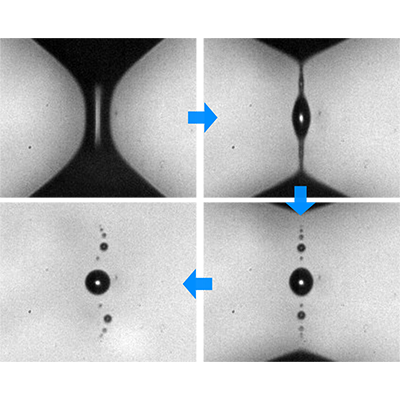
Capillary breakup of a liquid bridge wetting a surface leads to electrostatic charging, slowing the dynamics and producing motion of satellite drops, highlighting the role of electrostatics in dewetting processes beyond sliding drops.
Editors' suggestion go.aps.org/4u7DU0i
6
39
1,330
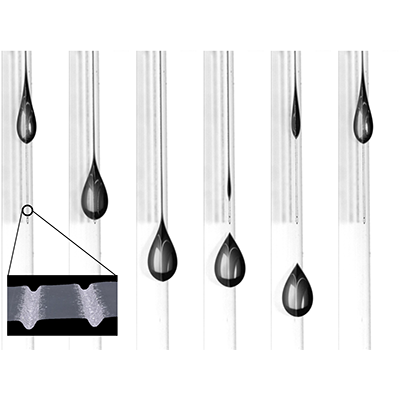
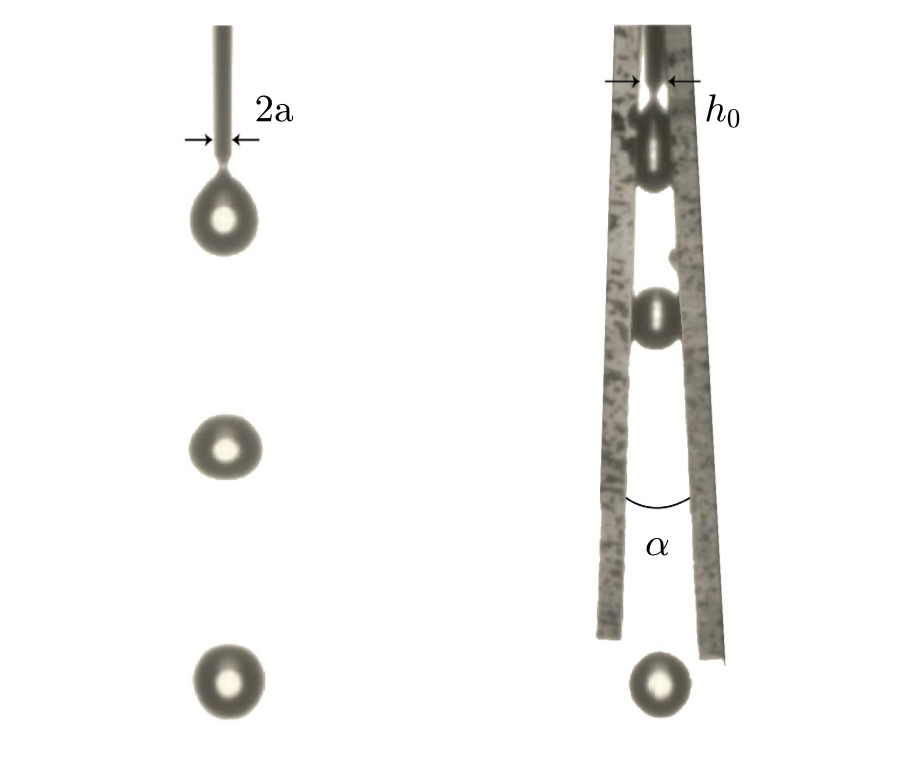
Simple geometric confinement can trigger pendant drop detachment at significantly lower volumes than predicted by Tate’s law by introducing an additional capillary force, providing a passive, robust route to drop size tuning.
Editors' suggestion: go.aps.org/4tslm9O
1
10
34
1,287
📝 The PRFluids Journal Club returns! Join us for a discussion with Claudiu Stan, presenting a ray-tracing-based method for high-fidelity simulations of transparent objects.
🕒 May 21, 9 a.m. ET
Read ahead: go.aps.org/4vGfwnJ
Free registration: go.aps.org/4whv8yx
1
8
1,555