
Reporting physics research advances. Also bsky.app/profile/physicsmaga… & mas.to/@physics_magazine
Joined November 2011
- Tweets 7,442
- Following 524
- Followers 75,670
- Likes 2,038
1,278 Photos and videos
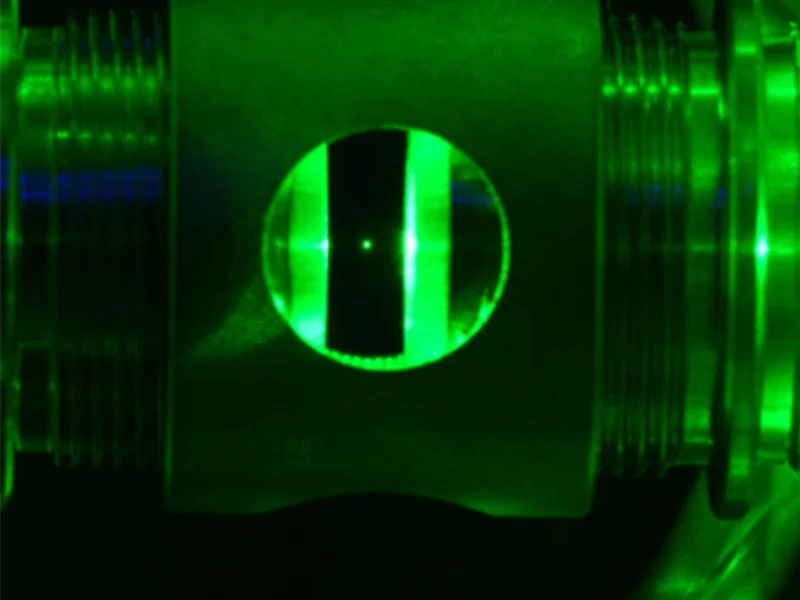
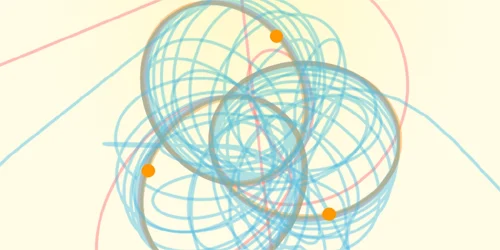
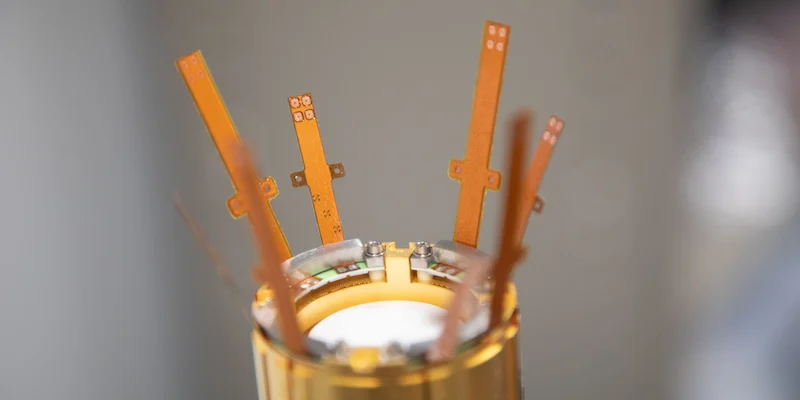



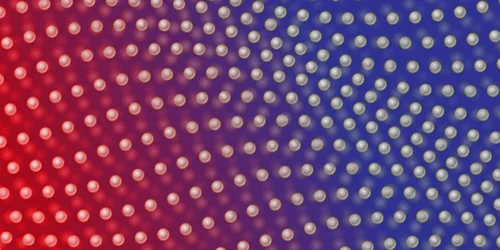

One way to detect dark matter particles is to levitate a nanoscale object in vacuum and watch for a microscopic recoils. Now a research team has boosted the sensitivity of this approach by six orders of magnitude. go.aps.org/4utMpSH
2
5
715
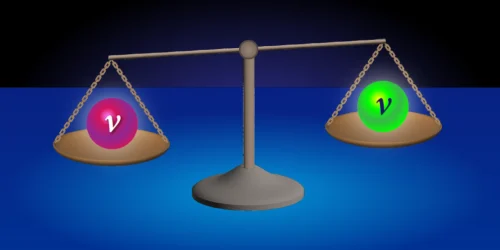
Various observational limits on neutrino masses appear to conflict. A new theory says this tension could be relieved if neutrinos decay into massless “Beyond the Standard Model” particles. Evidence of such BSMs might be detectable in future galaxy surveys. go.aps.org/440X3ph
1
9
722
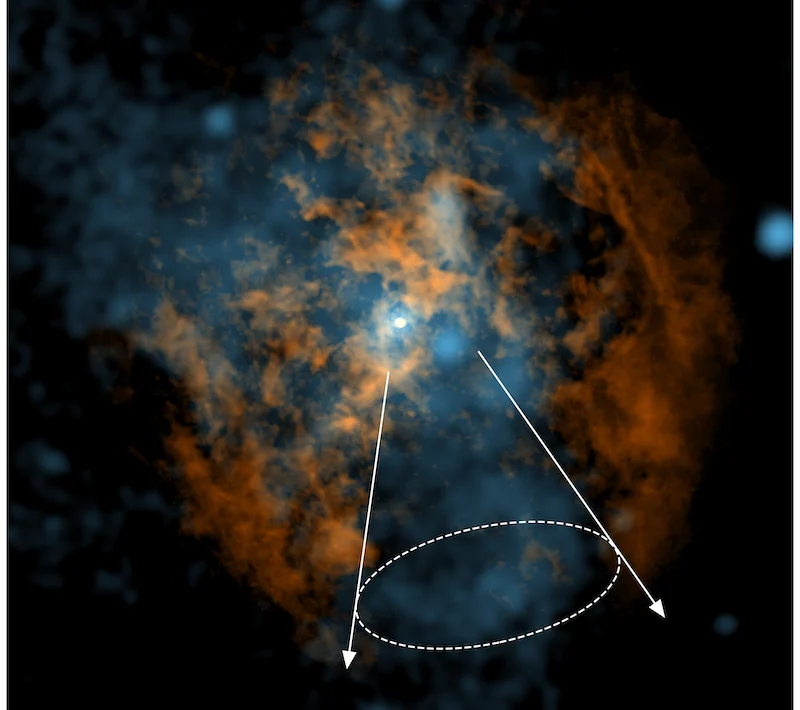
The roiling turbulence outside a black hole’s event horizon expels plasma in the form of vigorous jets and milder winds. Now astronomers have detected for the first time the wind that emanates from our own galaxy’s black hole. go.aps.org/4oh5zd8
3
4
17
681
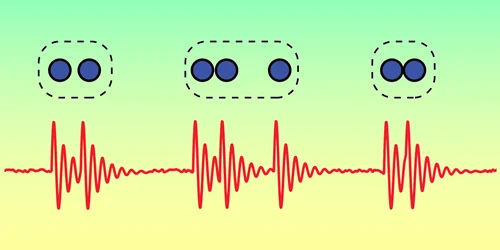
Atomic vibrations inside a conducting material could coax electrons to move in coordinated groups. Now researchers have observed this predicted effect, which could be harnessed for electron-based quantum optics and other emerging quantum technologies. go.aps.org/4vFuoC2
1
5
21
1,198
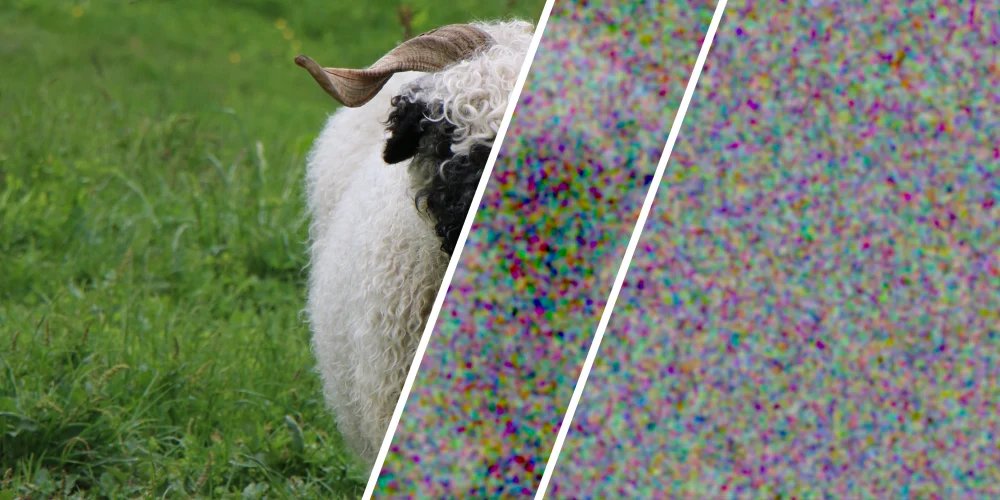
So many time steps are often needed to simulate a system’s final state that the computation becomes infeasible. Now researchers have used a machine-learning approach to extend the time steps in atomic-scale simulations by an order of magnitude. go.aps.org/4xhpTiD
1
3
12
684
Researchers have created a random-number generator that uses a Bell test to upgrade an imperfectly random input into certifiable randomness. The generator works on a single platform without making any assumptions about the inner workings of its hardware. go.aps.org/49OFk7Y
4
10
838
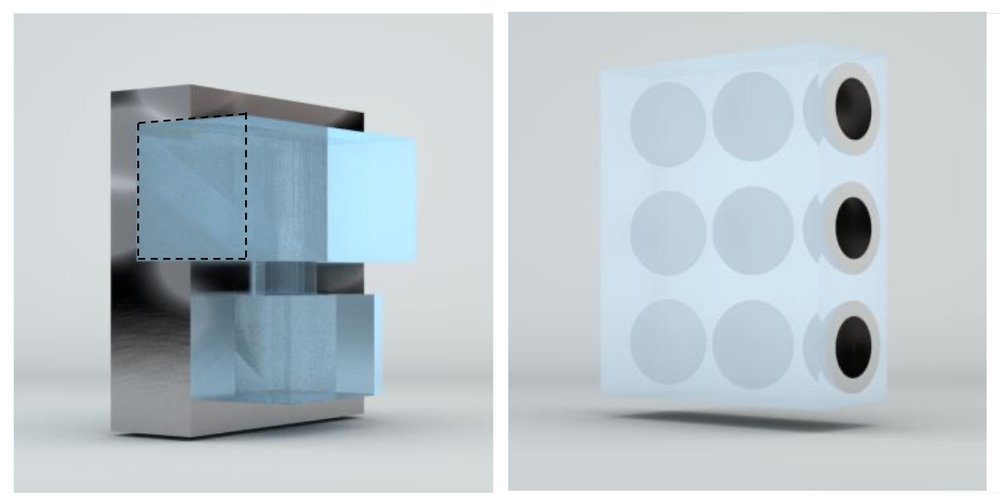
Researchers have shown that all acoustic metamaterials face a previously unrecognized constraint: Boosting scattering in one frequency range unavoidably reduces it elsewhere. The discovery could lead to better noise barriers and acoustic cloaks. go.aps.org/4odLwMT
6
16
1,015
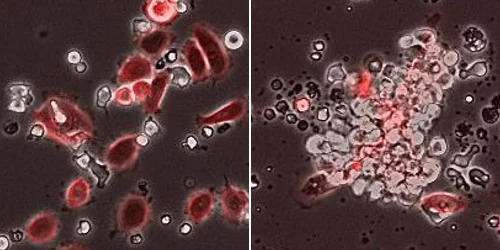
Cells afflicted by cancer are destroyed by natural killer cells (NKCs). Now researchers have developed a microscopy-based method to distinguish the behavior of cancerous cells from that of healthy ones. It could lead to more effective therapies. go.aps.org/4xgyDWr
1
2
10
668
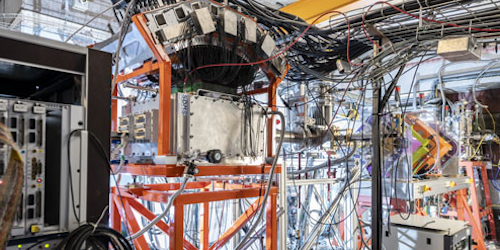
A new measurement has determined, with a precision 100 times better than previous measurements, that the splitting of two “hyperfine” ground states of antihydrogen is the same as that seen in hydrogen. go.aps.org/4e496qH
2
5
18
1,014
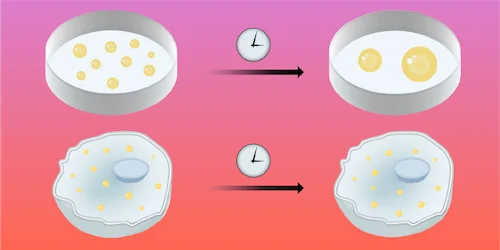
When two polymers are mixed in water and their concentration is high enough, droplets containing one or both species form and can remain stable for hours or days. Now researchers have developed a model for this puzzling, biologically relevant behavior. go.aps.org/4obU8Ue
4
14
871
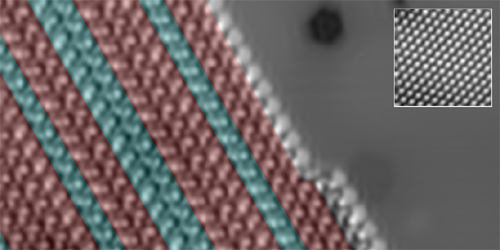
Why is a film of molecules with the same chirality more conductive to electrons with one spin direction than the other? A new experiment has uncovered important clues toward understanding this chirality-induced spin selectivity. go.aps.org/4u46PBz
2
11
34
2,548
Researchers have used a mathematical concept called optimal search to quantify human ambition. They found that aiming for better-than-average results is the best strategy. Being too ambitious can be worse than being too cautious. go.aps.org/4wYASNR
1
2
7
896
Researchers have computationally tested a new way to suppress the instabilities that accompany the onset of turbulence. If realized, the device could reduce the cost of propelling vessels through fluids. go.aps.org/4ebknXh
1
3
11
891
In an interview with Physics Magazine two philosophers of science discuss scientific realism—a philosophical position embraced by many physicists—and its alternatives. go.aps.org/4vjfaCE
2
3
10
1,338
Once a nucleus contains six or more protons, a gap opens between the sixth and the seventh proton energy levels. The properties of this gap were thought to imply that 6 is a magic proton number. New measurements have overturned that presumption. go.aps.org/4dIIxZf
1
3
15
1,011
Semiconductor band gaps depend on temperature in a way that has defied first-principles analysis. Now theorists have brought one challenging factor into their models: many-electron effects in electron–phonon interactions. go.aps.org/4nTgzxl
1
1
22
1,270
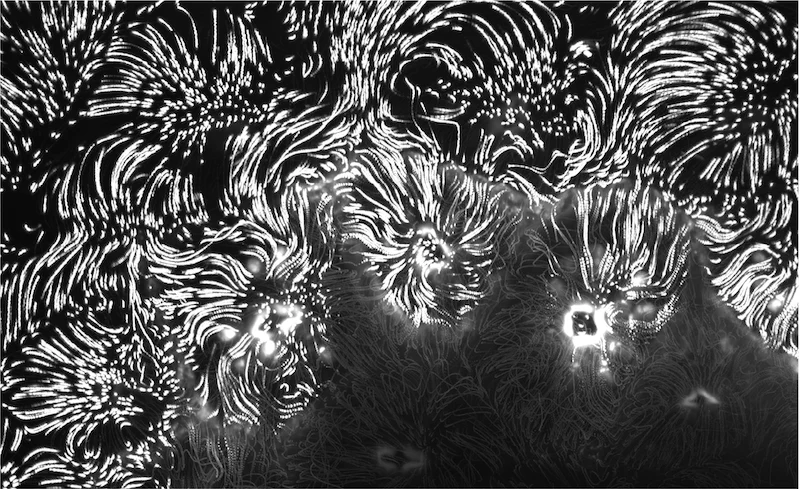
The thousands of microscopic hairs on coral surfaces coordinate their motion to shape the flow of seawater. A new study reveals how these cilia generate complex 3D currents that help corals transport nutrients and maintain healthy microenvironments. go.aps.org/49Wb5ff
1
7
718
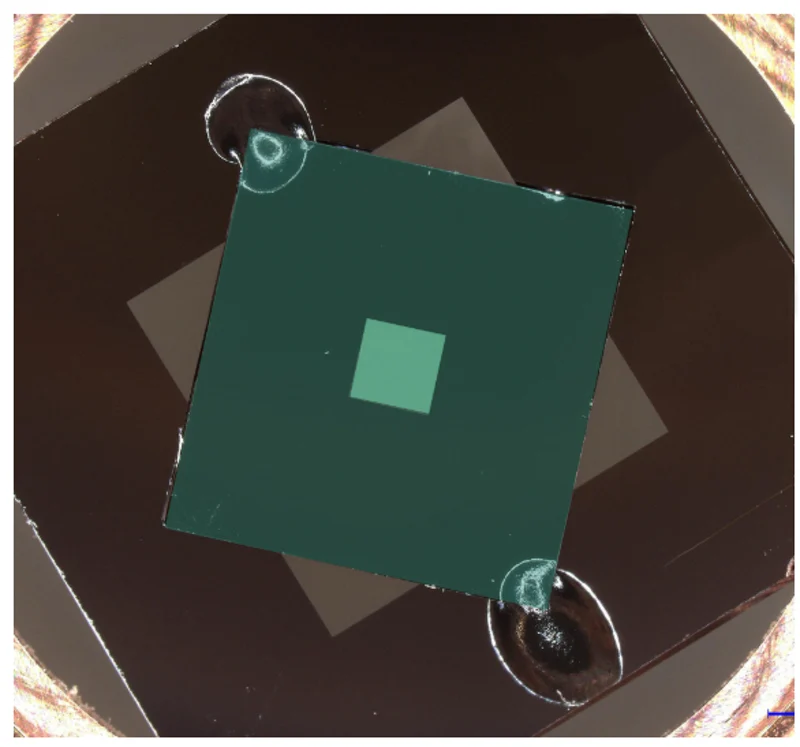
The performance of gravitational-wave detectors and other light-based sensors is limited by unavoidable quantum noise. Now a team has built a tabletop device that reduces quantum noise by modifying a light beam before using it to make a measurement. go.aps.org/42OBdFa
2
2
24
1,669
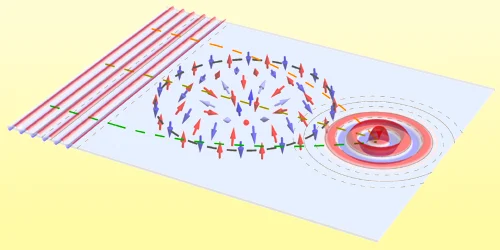
In principle, spintronic devices are more efficient if spin information is carried by spin waves rather than mobile electrons. Now researchers have predicted that magnetic structures known as skyrmions could control those waves. go.aps.org/4dotV0O
1
18
82
2,713
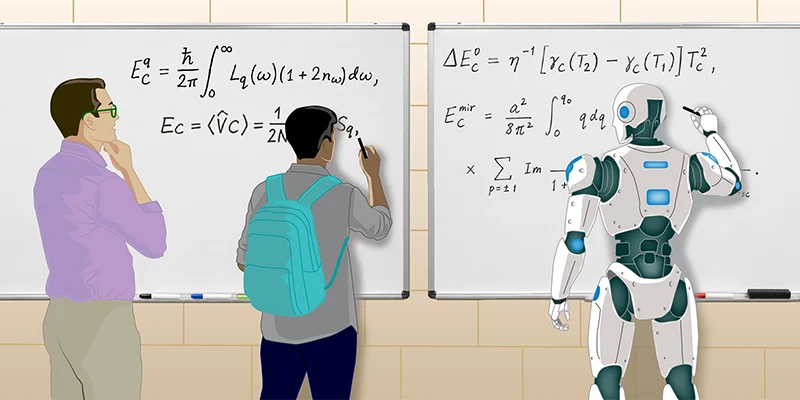
After using agentic AI to boost his efficiency as a researcher, a physics professor concludes that he still needs and wants graduate students. go.aps.org/4wNxghG
1
10
42
3,346