
Doctorate of Physiotherapy | Physio-led Lung Ultrasound Advocate 🫁 | physio, runner & bookworm
Joined September 2017
- Tweets 208
- Following 197
- Followers 200
- Likes 762
52 Photos and videos

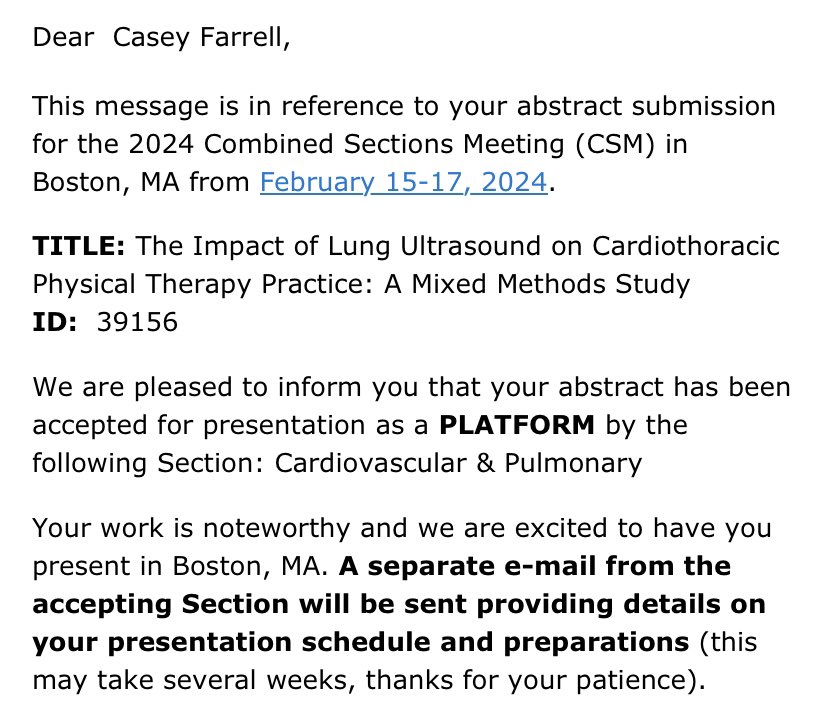
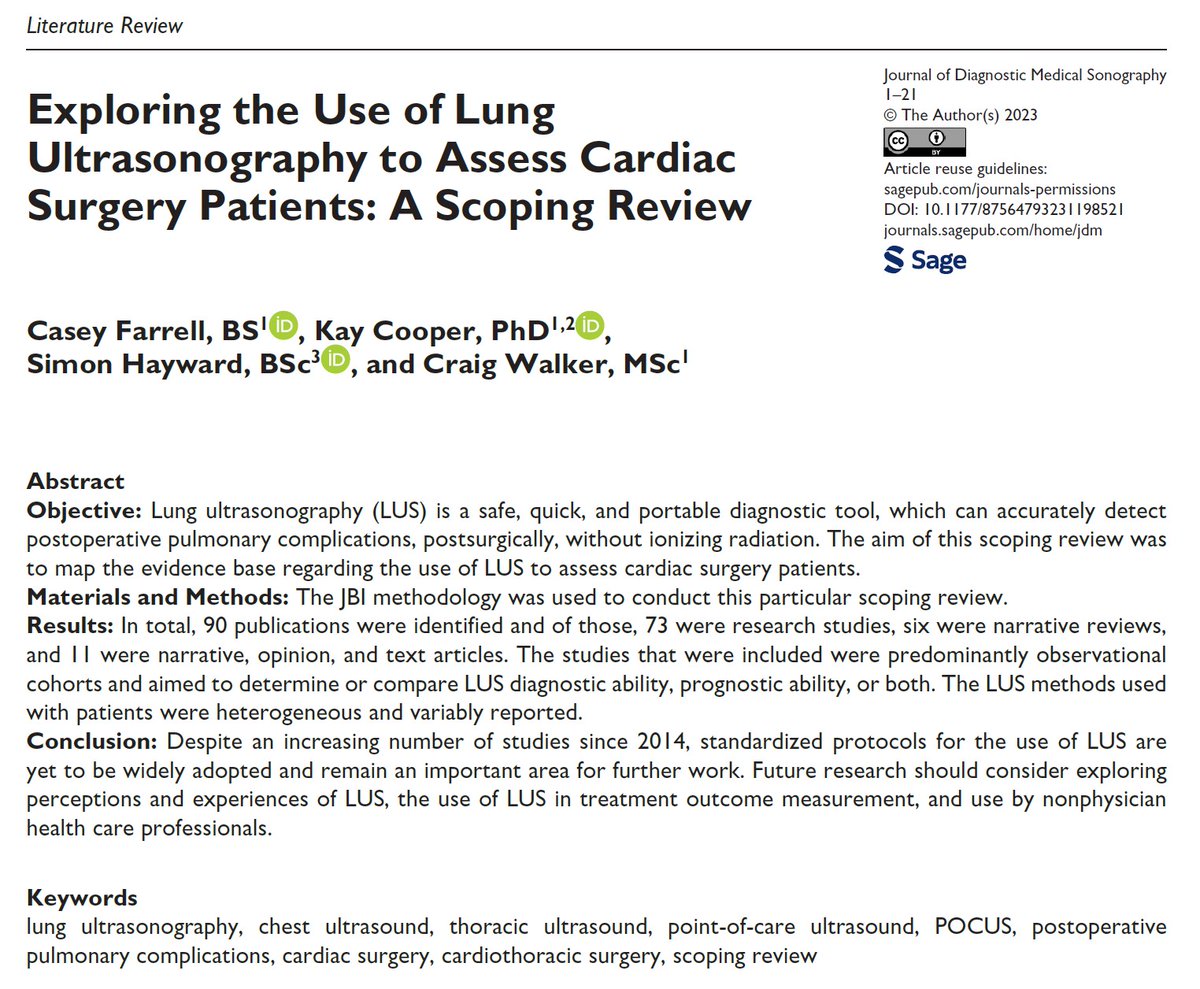
Pinned Tweet

5 Jul 2024
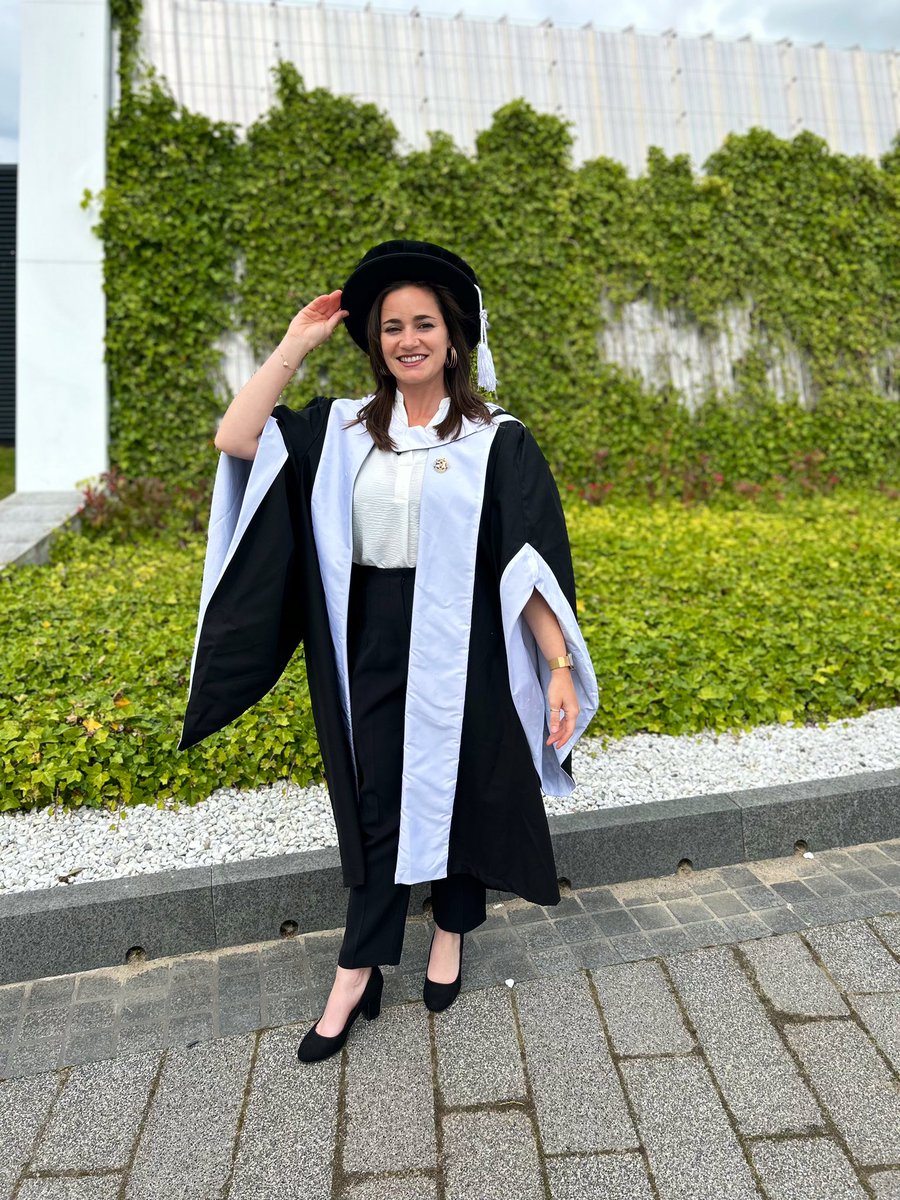
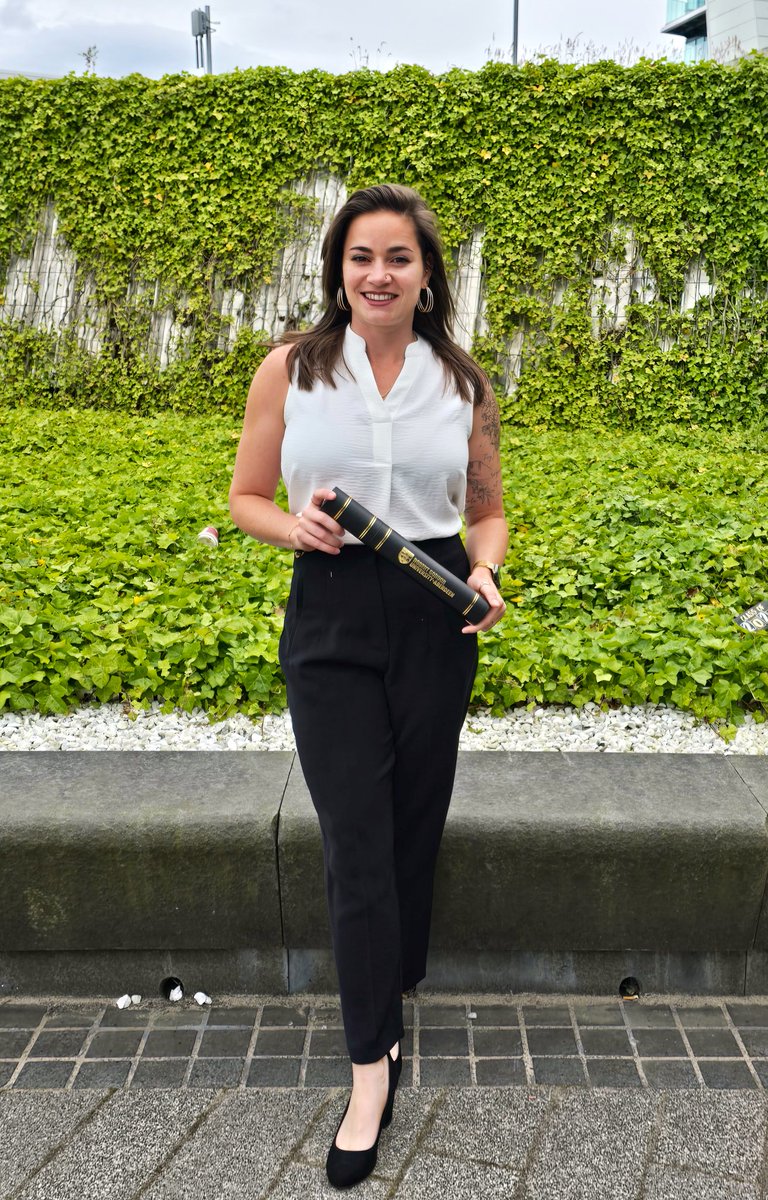
Added some letters to my name:
Dr. Casey Farrell, PT, DPT ✨
@RGUHealthSci @RobertGordonUni #physiotherapy #DPT
2
1
23
1,074
Casey Farrell retweeted

1 Dec 2024
#ARDS #FOAMed
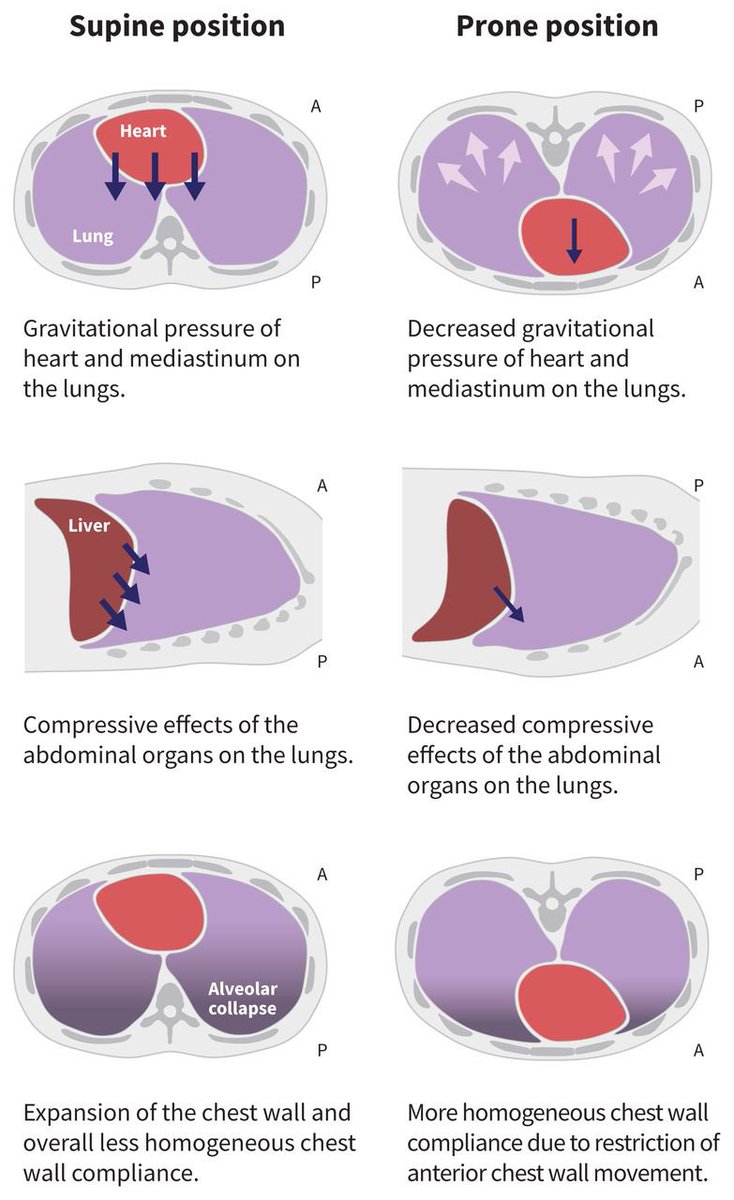
A comparison of some physiological effects of supine (left) and prone (right) positioning. In the prone position, reduced force from other organs is applied to the lungs, which allows for improved lung compliance and therefore improved relation between ventilation and perfusion of the lungs. Top panel: Dark blue arrows indicate the direction of the force exerted on the lungs by the heart. Middle panel: Arrows indicate the direction of the force exerted on the lungs by the abdominal organs. For prone positioning, less force from these organs is applied to the lungs, which allows for improved lung compliance by decreasing the force it needs to expand against. Bottom panel: Graded shading represents lung perfusion with darker shade representing greater ventilation/perfusion mismatch owing to alveolar collapse posteriorly in the supine position (reduced in the prone patient as this position allows for more even chest expansion). Note: A = anterior, P = posterior.
Figure from: CMAJ November 23, 2020 192 (47) E1532-E1537
1
65
262
35,944
Casey Farrell retweeted

17 Nov 2024
The psychological recovery can be every bit as hard as the physical recovery, more so at times and often longer lasting.
I was clinically diagnosed with PTSD following my ICU event and nearly fifteen years later, I still tread a fine line with my mental health.
#PICS #PTSD
16 Nov 2024

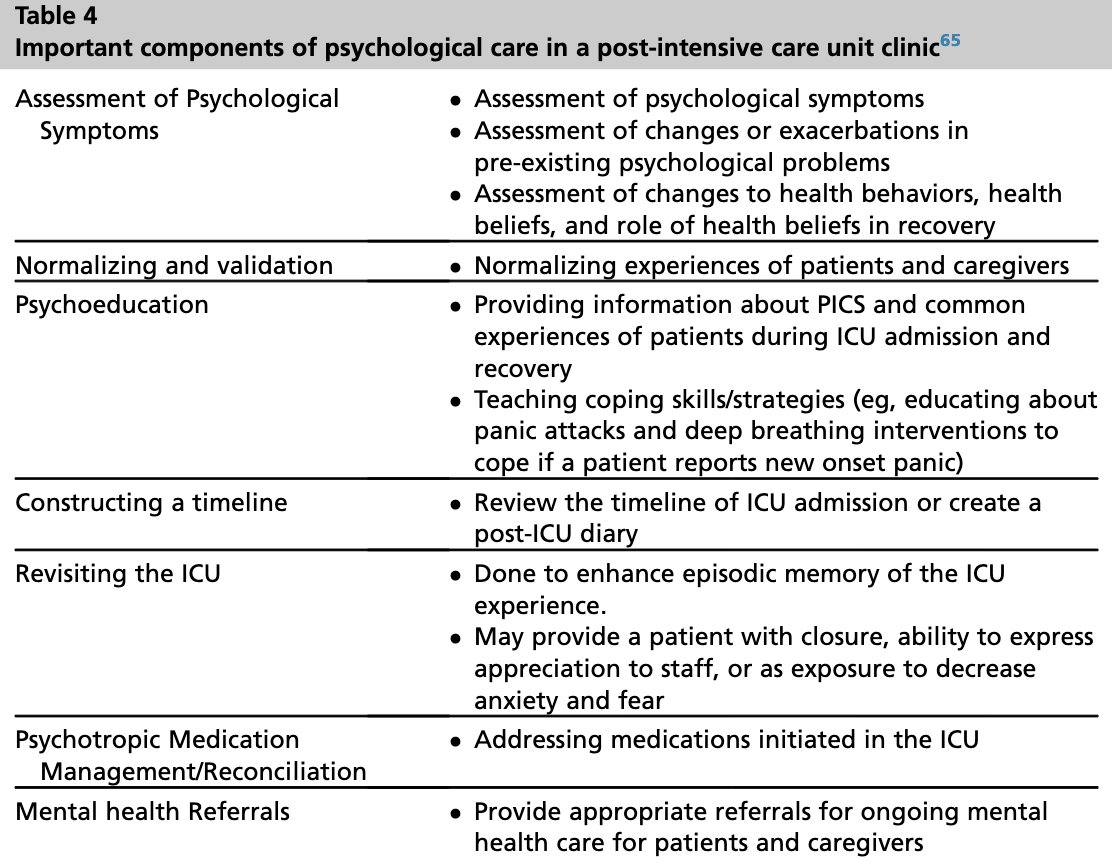
Post-Intensive Care Syndrome-Mental Health
"All ICU survivors should receive screening for psychological disorders and referred for treatment with mental health professionals"
Excellent review incl. recommendations for assessments, interventions, and care
pubmed.ncbi.nlm.nih.gov/3954…
1
10
16
2,329
1 Aug 2024
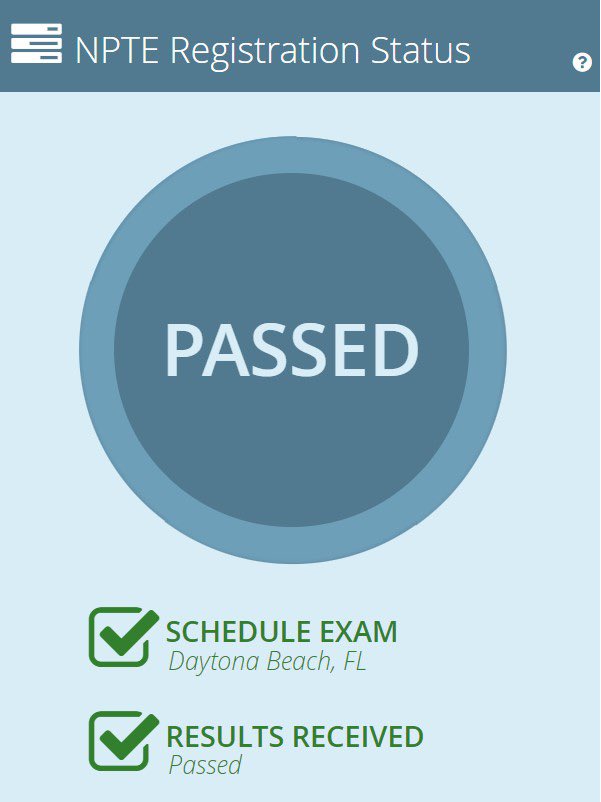
Very excited to share I have passed the National Physical Therapy Exam and have accepted a full-time acute care position with HCA Florida at Lake Monroe Hospital 🎉
Excited for what’s ahead! 🤩
#physicaltherapy #DPT #NPTE #physio
2
11
597
Casey Farrell retweeted

17 May 2024
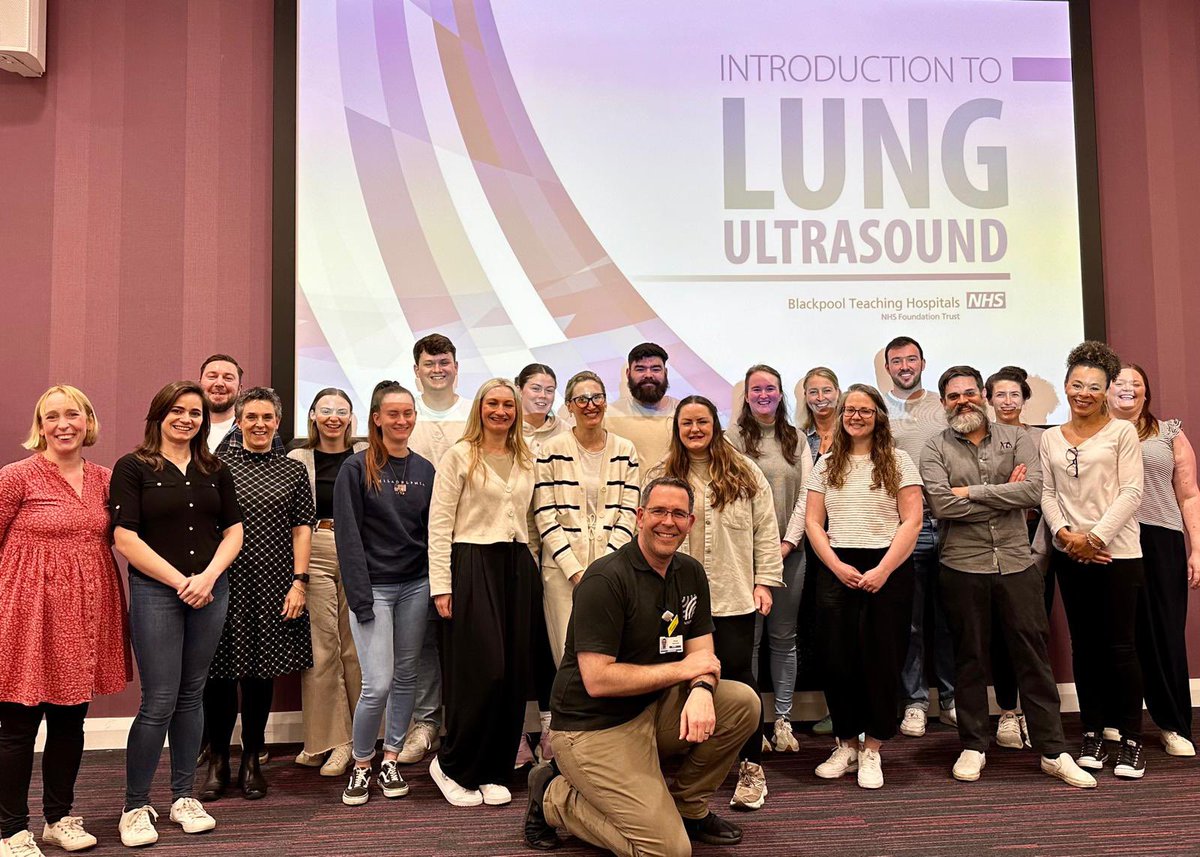
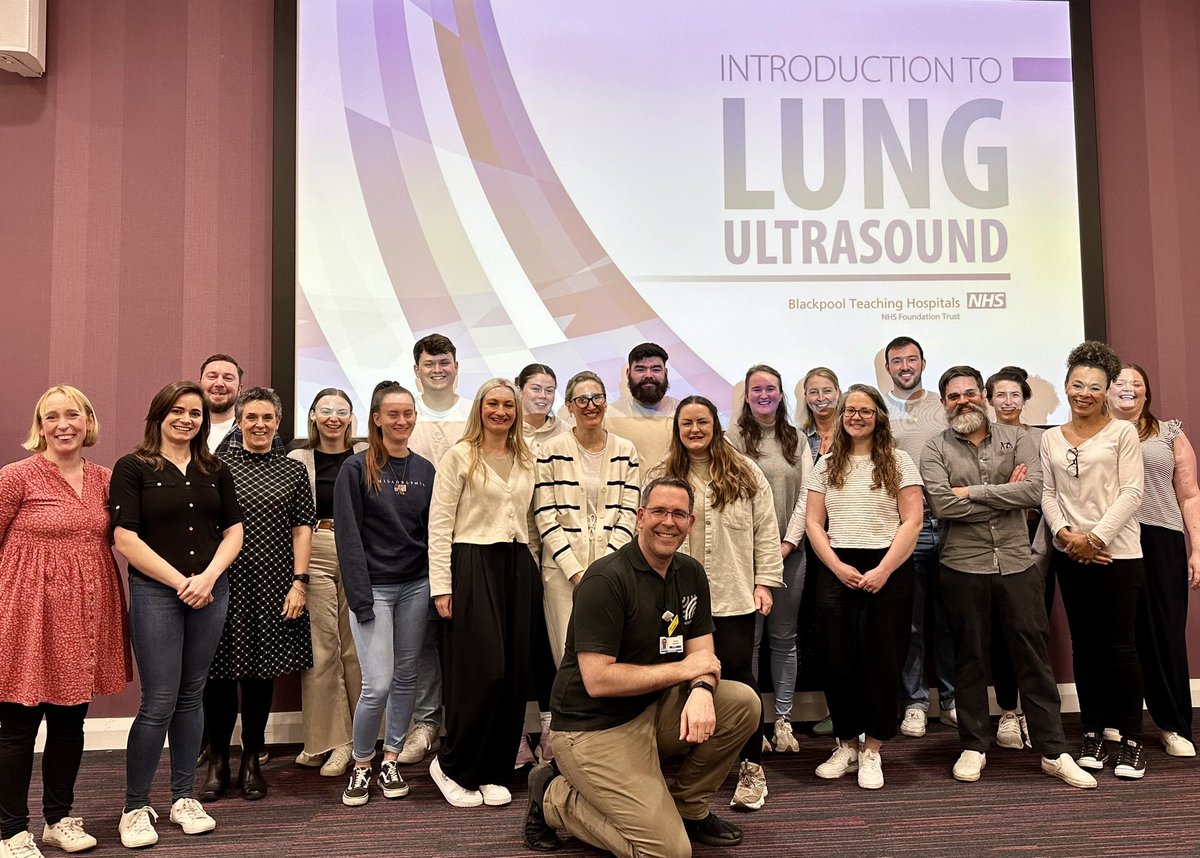
Another fantastic group of physiotherapy delegates.
Thank you to my faculty team of @PhysioFarrell @JeremyDaly1 @torraine20 & Becky Chadwick.
2
30
1,543
17 May 2024
Had the fantastic opportunity to be faculty on a lung ultrasound course today. Great fun introducing so many physios to this wonderful tool 🤩🫁
1
1
10
469
Casey Farrell retweeted

8 Mar 2024
Pleased to share our most recent publication: a small (n=40) retrospective review looking at the impact of physio-led 🫁 ultrasound on physio and medical clinical decision-making in ICU patients. @georgentou1 #physio #POCUS #ICU
journals.lww.com/cptj/abstra…
1
14
25
1,870
Casey Farrell retweeted

15 Dec 2023
Huge congratulations Dr Farrell, we are absolutely delighted for you. Well done indeed. @RobertGordonUni @Physio_RGU
14 Dec 2023

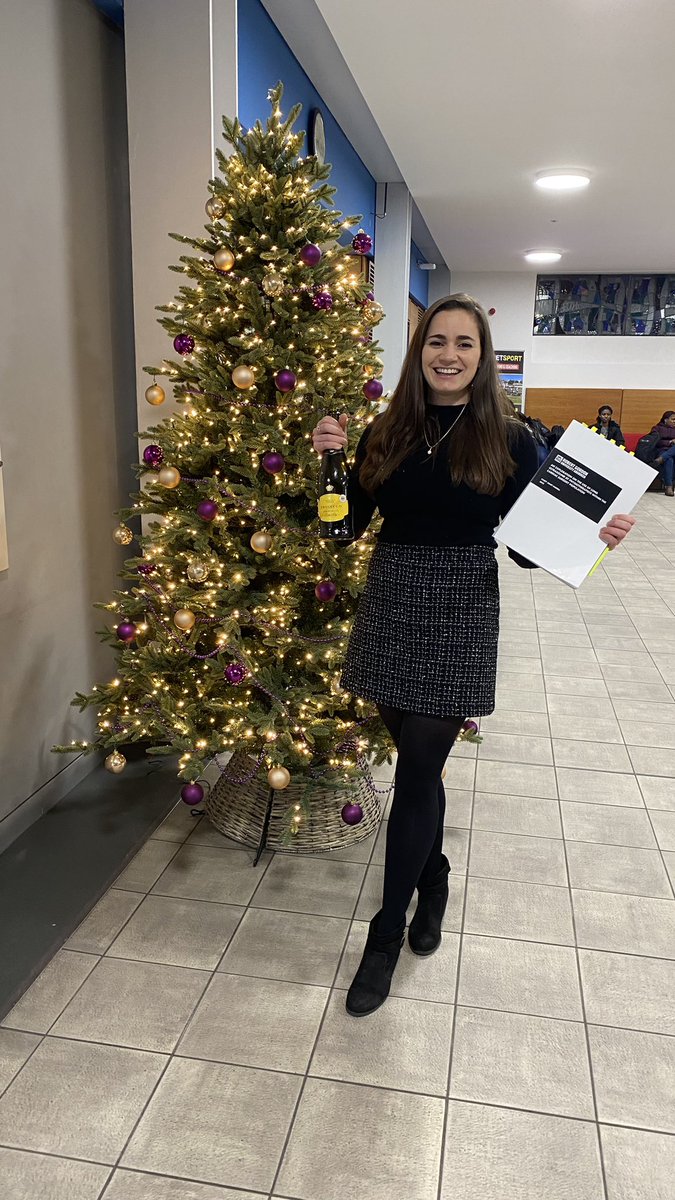
Introducing Dr. Farrell 🥳
Absolutely delighted (and relieved 😮💨) to have passed my Doctorate of Physiotherapy viva today 🎉🍾 Just in time for the holidays!

1
5
462
14 Dec 2023
Introducing Dr. Farrell 🥳
Absolutely delighted (and relieved 😮💨) to have passed my Doctorate of Physiotherapy viva today 🎉🍾 Just in time for the holidays!
3
1
129
17,797
Casey Farrell retweeted
14 Dec 2023
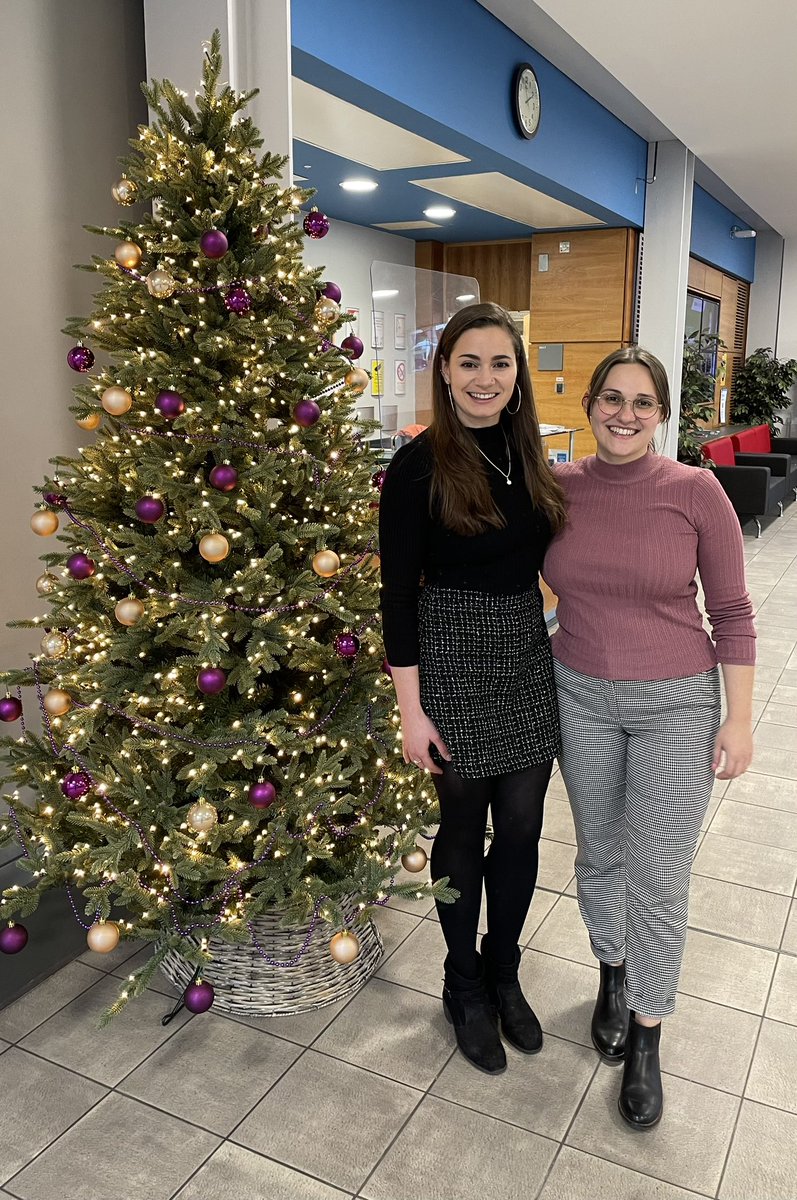
Delighted to share that our Doctorate of Physiotherapy students @EilidhMcLeodPT & @PhysioFarrell both successfully defended their DPT vivas today 🎉🎉👏👏
9
3
33
3,676
Casey Farrell retweeted
11 Dec 2023
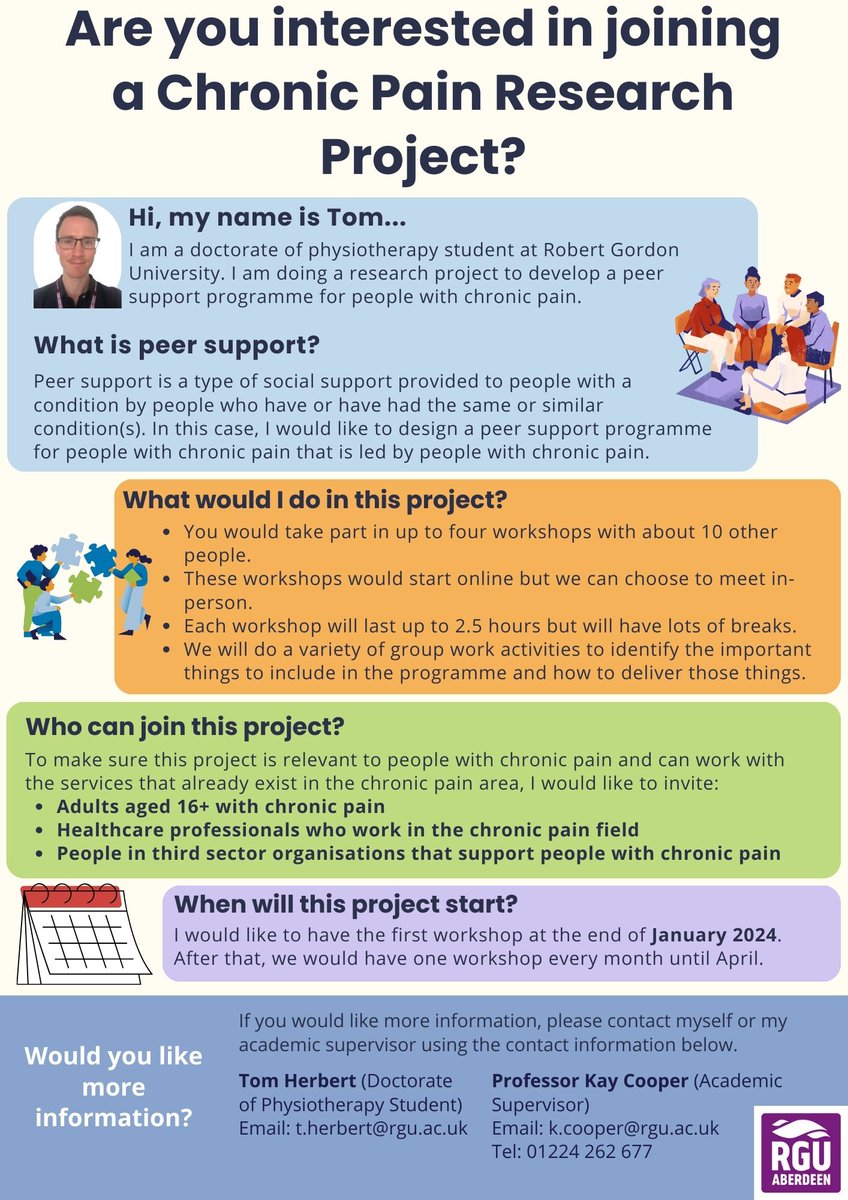
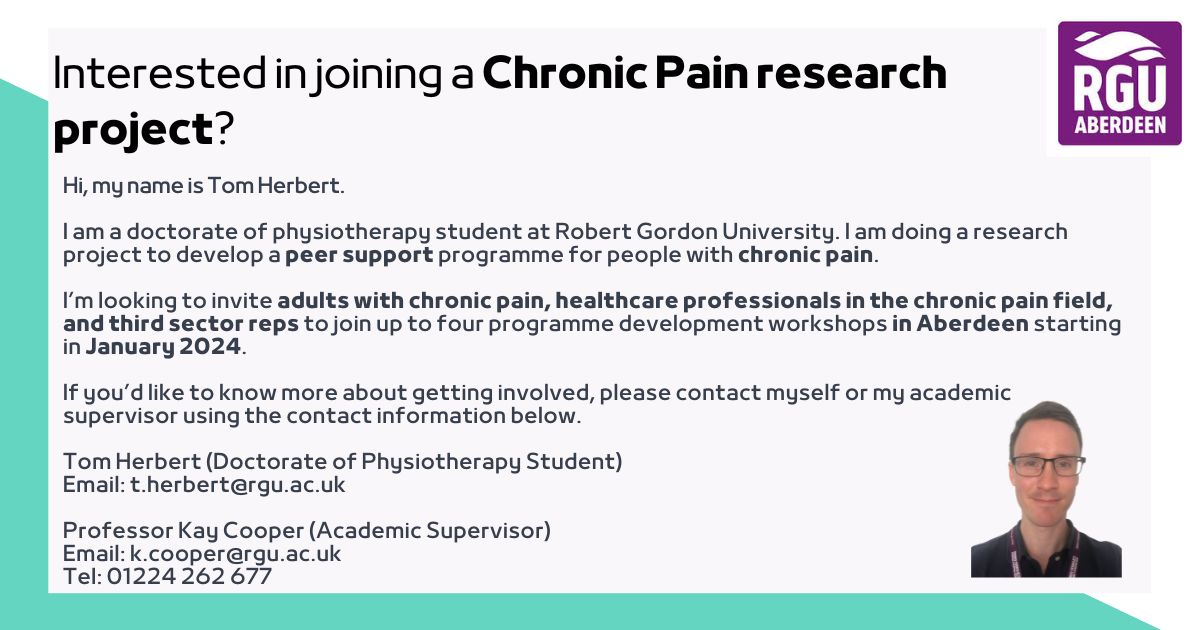
@RGUHealthSci DPT student is looking for HPC's
working in chronic pain and adults who have chronic pain to be involved in research which aims to develop a peer support programme for people with chronic pain. If you would like to be involved, details in image below @ScotBoardCSP
4
2
1,444
8 Dec 2023
Anyone know a healthcare professional who works with chronic pain? Help a fellow physiotherapist and researcher, RT!
@NoSCAR_Unit @NHSGrampian @gramacutephysio @NHSResearchScot @ResearchAwaren1
👇👇👇
5
4
917
Casey Farrell retweeted
5 Dec 2023
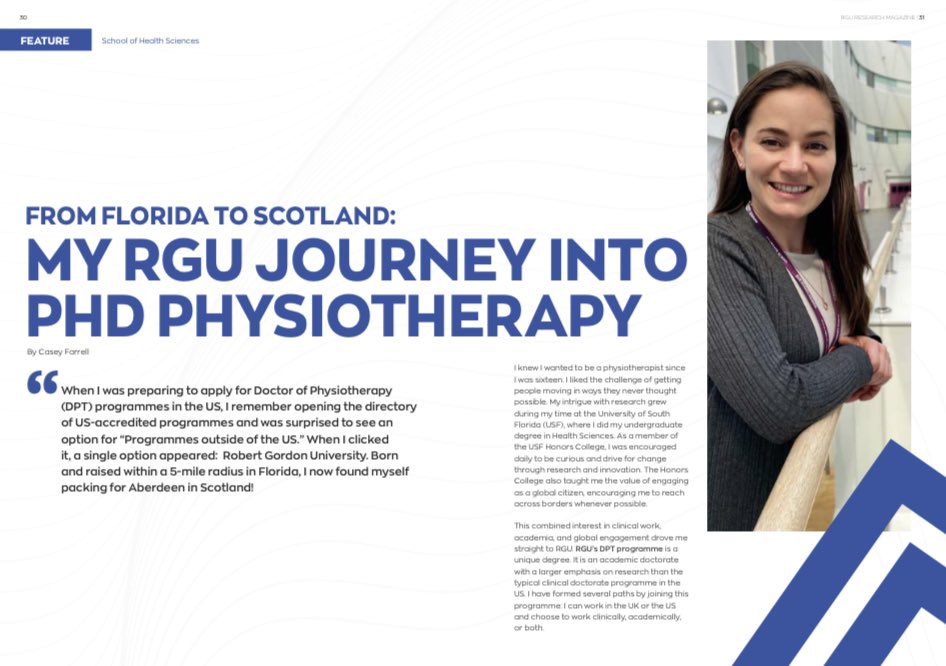
Well done @PhysioFarrell amazing coverage of your superb DPT project. Super to see this in print😀👏
4 Dec 2023
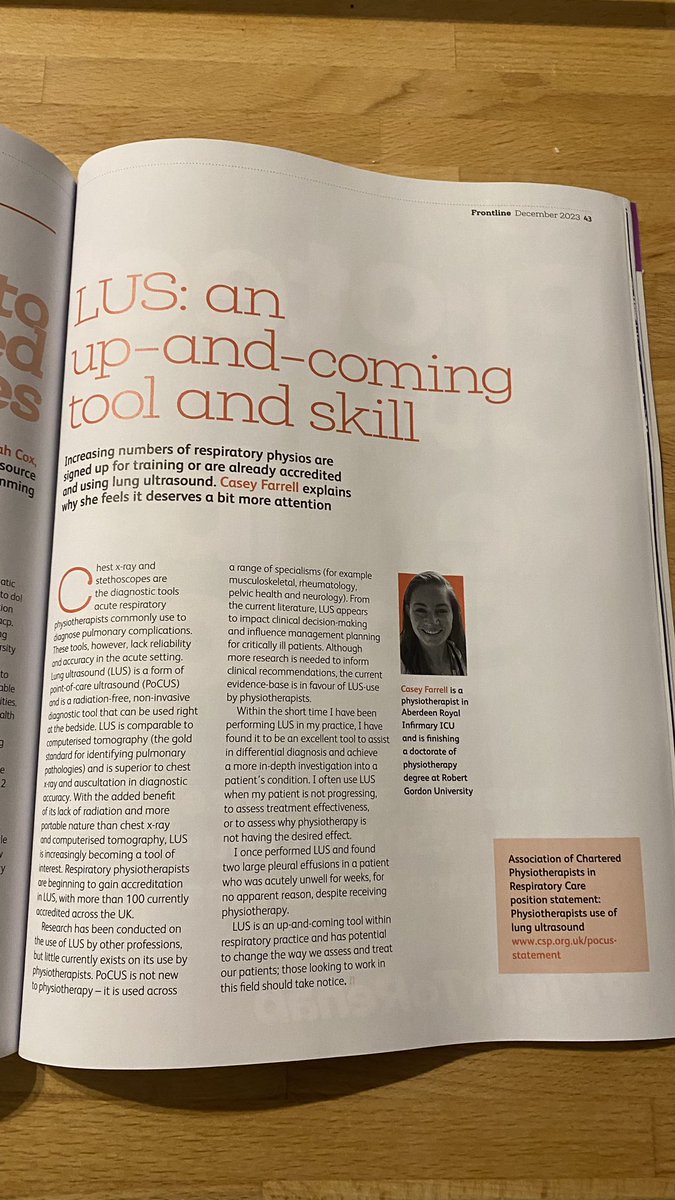
LUS: an up-and-coming tool and skill. #Respiratory #physios, take notice! 👩🏻⚕️🫁
Thank you to @thecsp for inviting me to share my thoughts on lung ultrasound!
Read the full Viewpoint here: tinyurl.com/2m7rf4fr
#POCUS #physiotherapy #respisbest
1
2
9
1,274
4 Dec 2023
LUS: an up-and-coming tool and skill. #Respiratory #physios, take notice! 👩🏻⚕️🫁
Thank you to @thecsp for inviting me to share my thoughts on lung ultrasound!
Read the full Viewpoint here: tinyurl.com/2m7rf4fr
#POCUS #physiotherapy #respisbest
1
9
32
4,503
Casey Farrell retweeted
2 Dec 2023
n = 153 Lung Ultrasound accredited Physiotherapists in the UK & ROI.
We've now surpassed the 150 milestone!
@ICS_updates @FAMUSultrasound @POCUS_CACTUS @TheACPRC @WINFOCUS @ESICM @EuroRespSoc @thecsp @_ISCP_
1 of 4
2
3
22
1,722
30 Nov 2023
Fantastic turn out and great to see interest in lung ultrasound during the in-service I ran today @gramacutephysio 🤩
Had great discussions on the future use of lung ultrasound by #physios at ARI and what this could look like 🫁👩🏻⚕️
#POCUS #physiotherapy
3
16
947
Casey Farrell retweeted
12 Nov 2023
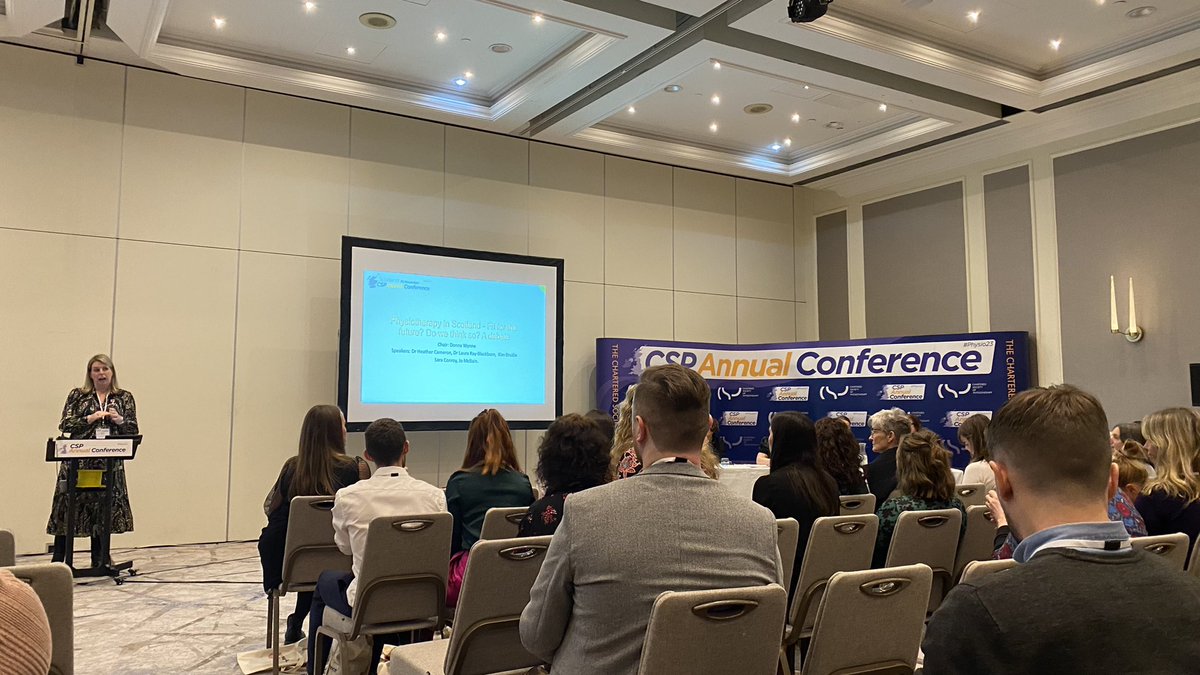
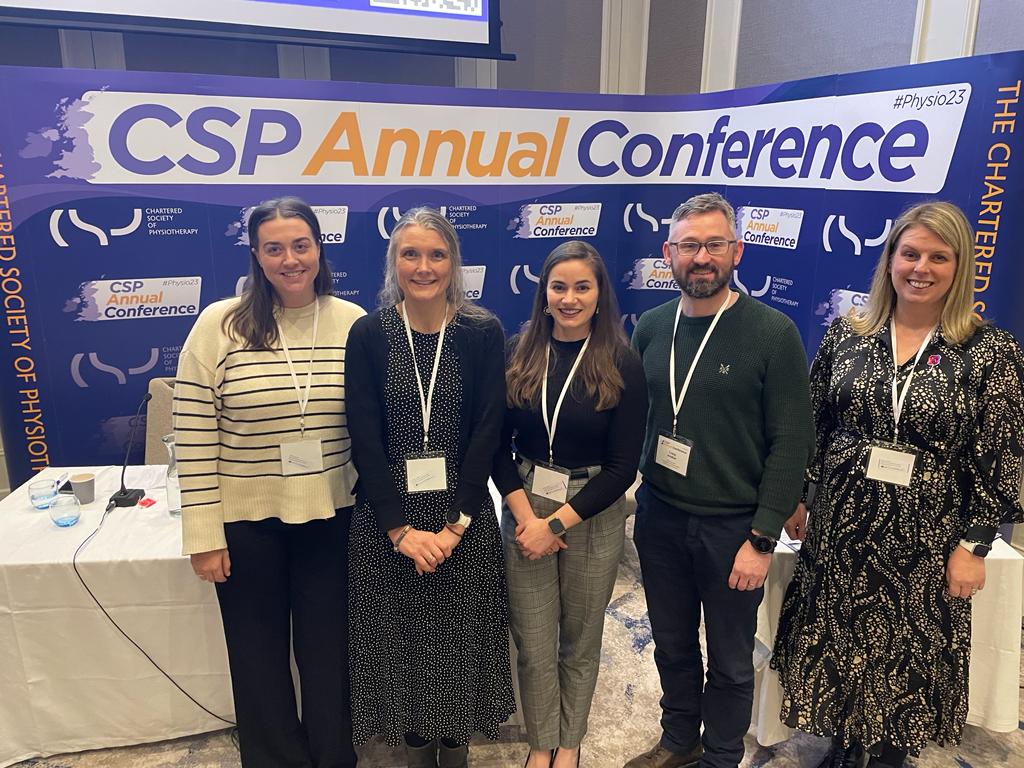
Great to be part of #Physio23 in Glasgow, with @RGUHealthSci staff presenting on current research, and chairing fantastic sessions showcasing the impactful work done by Physiotherapists within Scotland.@AHPkaycooper @DonnaMWynne @julie_physio @PhysioFarrell @ScotBoardCSP
5
22
788
11 Nov 2023
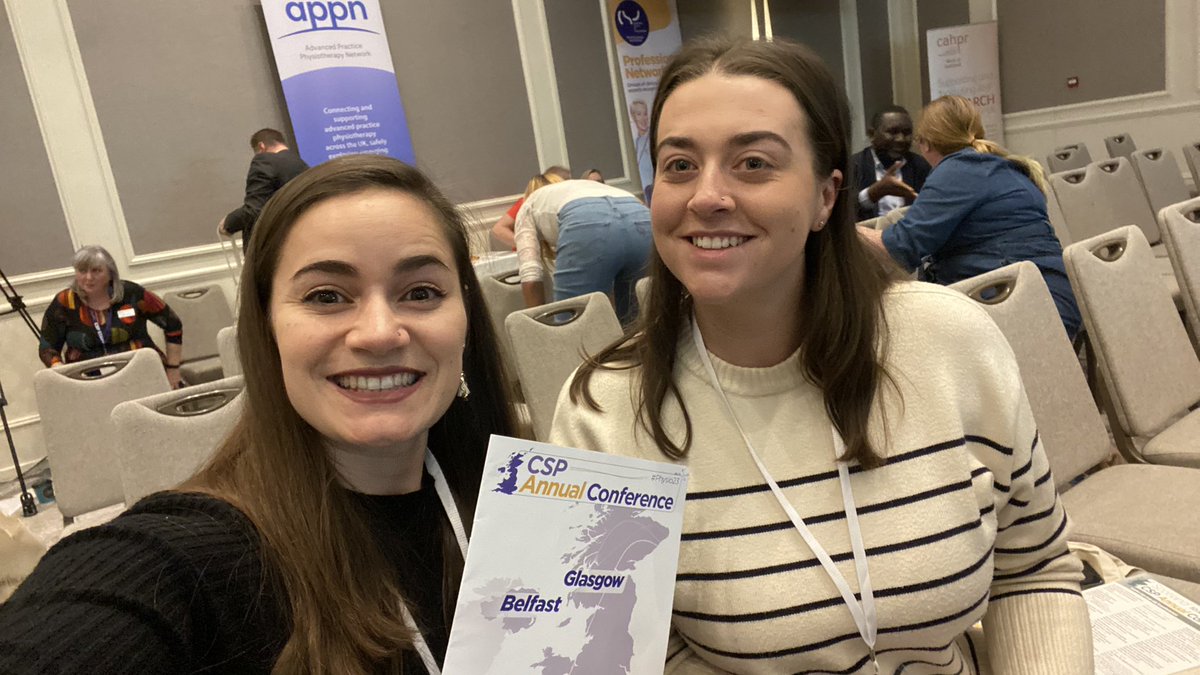
Inspiring day at #Physio23 and wonderful to see those from @RGUHealthSci chairing so many of the sessions!
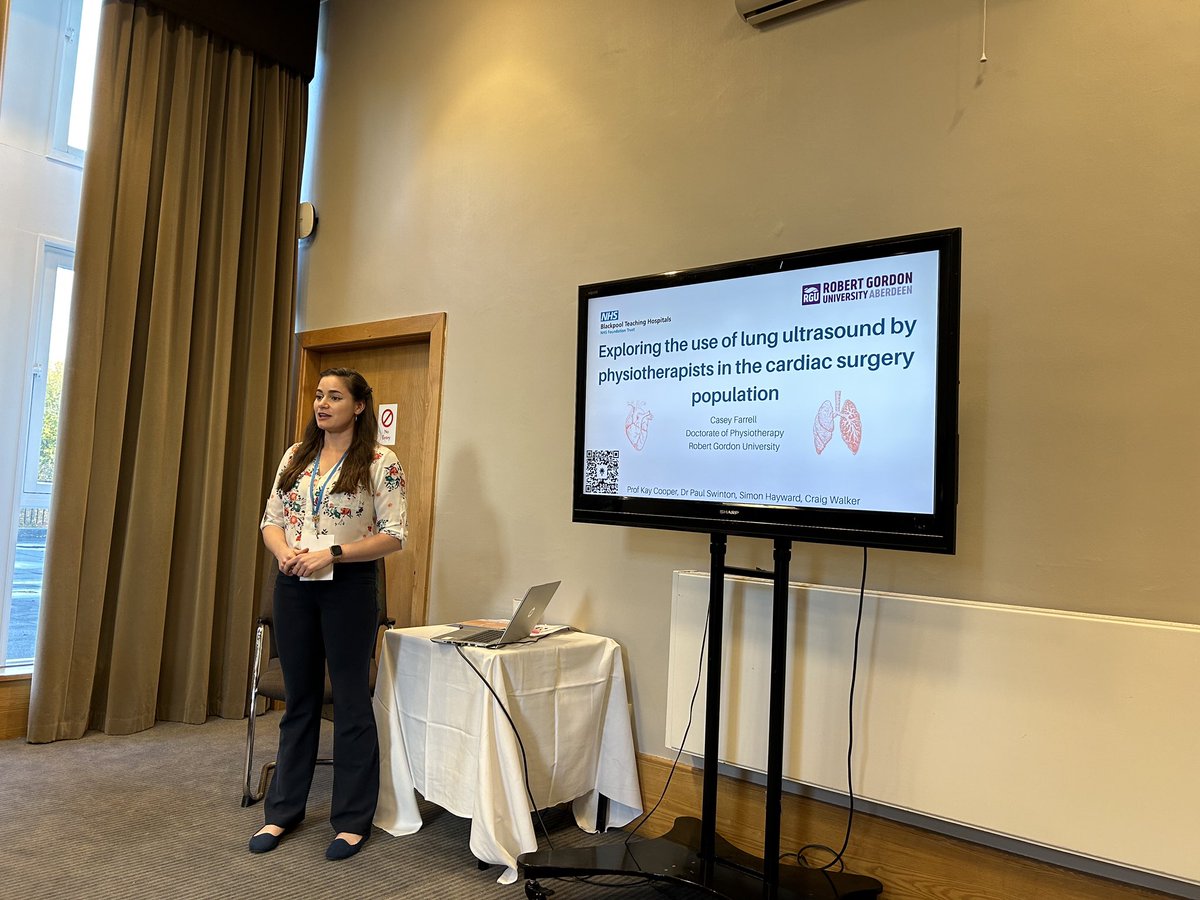
Honoured to, once again, get a chance to talk about my research. Two conferences in one week! 🤩
1
1
12
1,340
7 Nov 2023
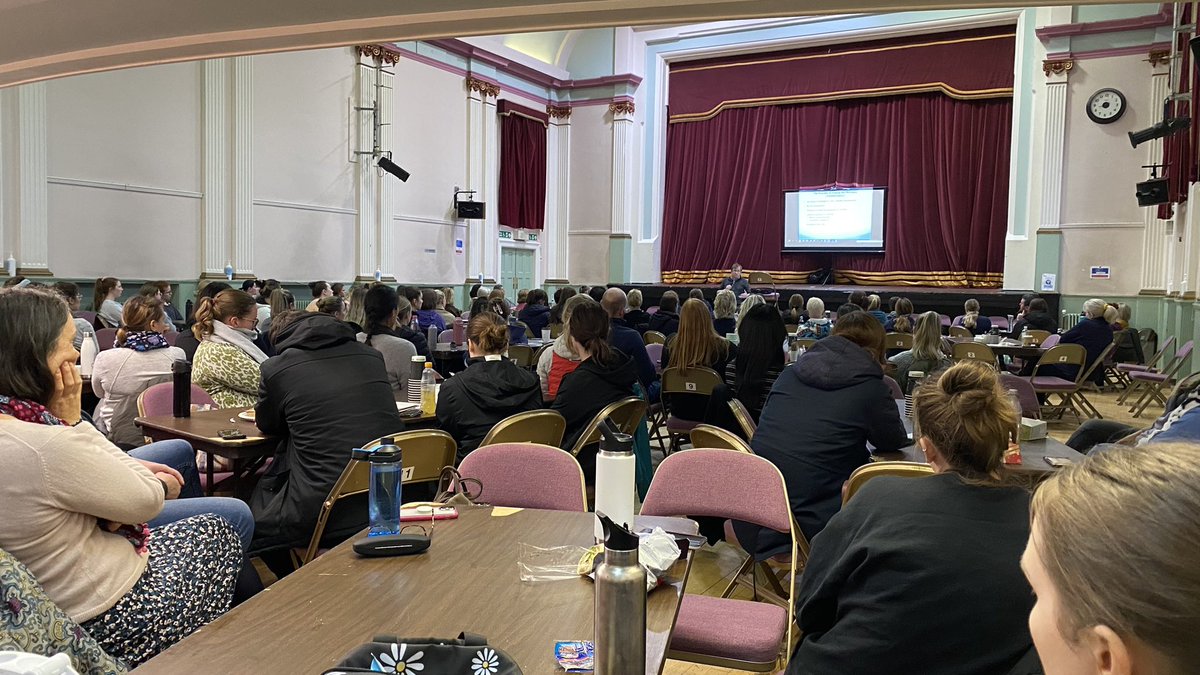
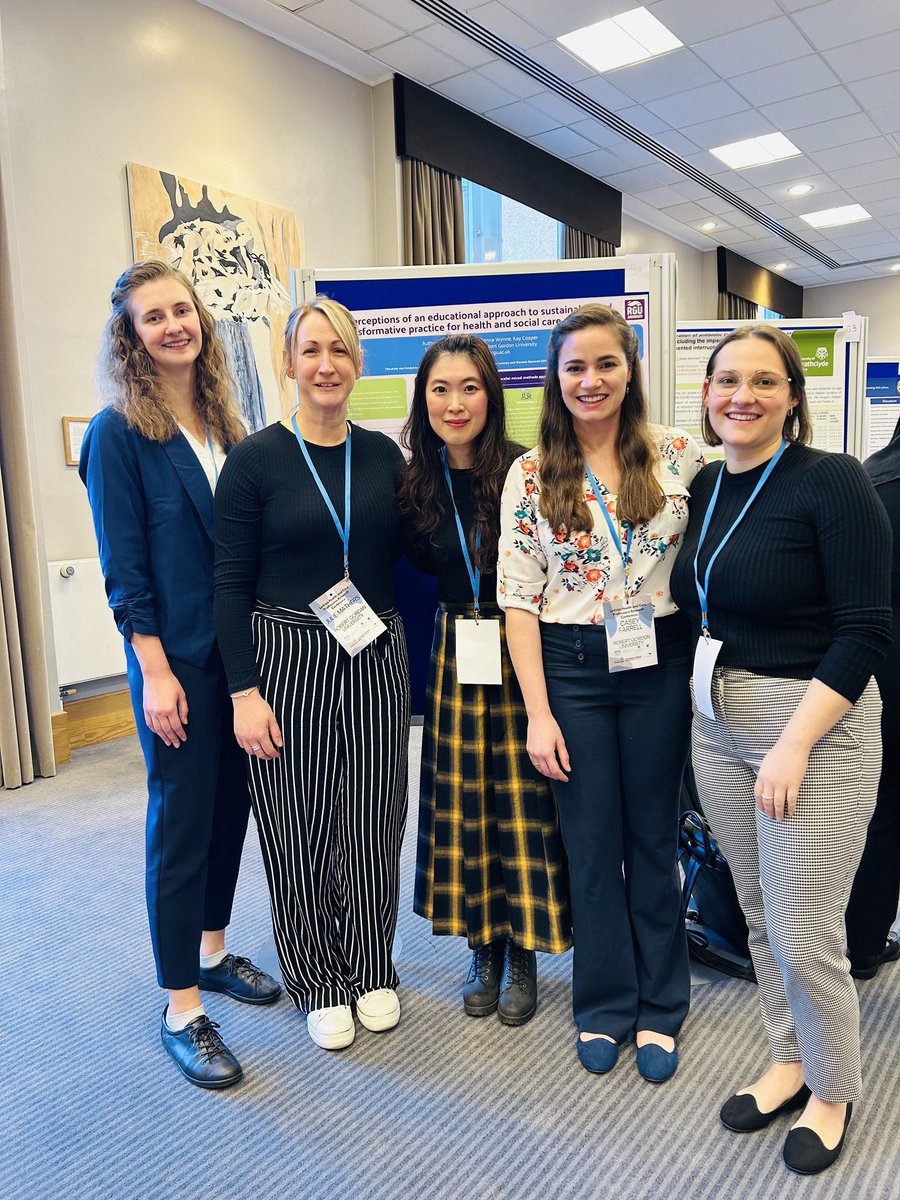
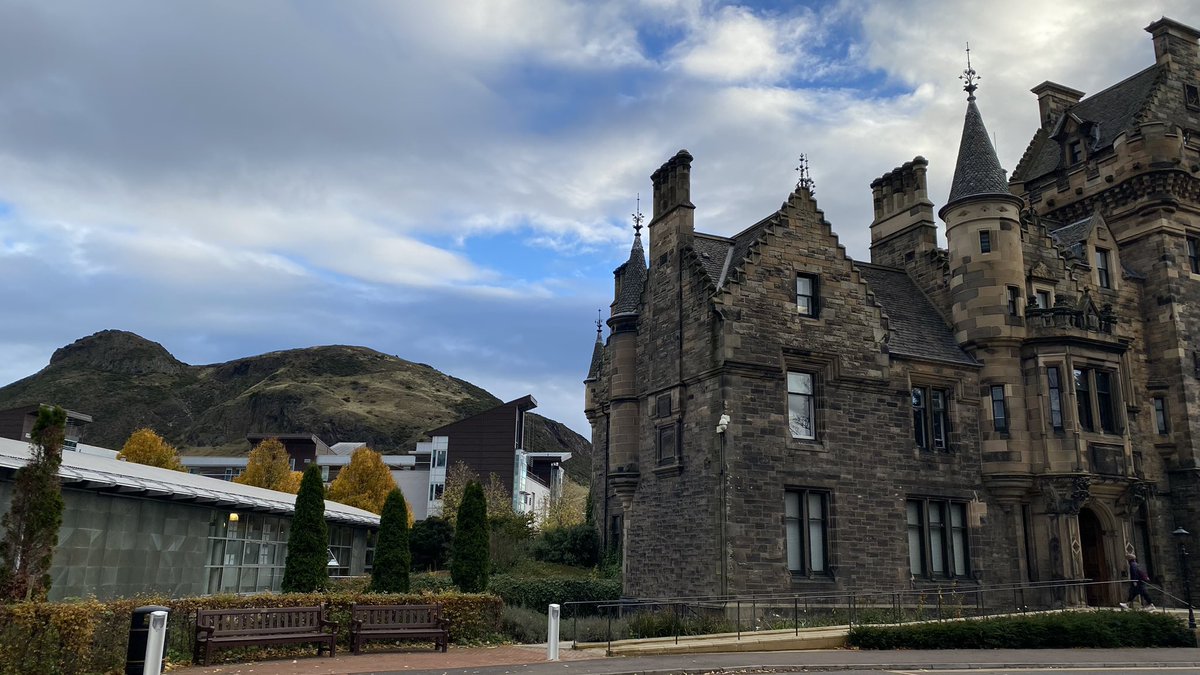
Absolutely fabulous day at the Lothian Health and Care Professions conference in beautiful Edinburgh!
Had several great discussions around the use of #PoCUS by NMAHPs following my presentation and a lovely catch up with others from @RGUHealthSci #LothianResearch2023
1
2
15
821