
Joined March 2018
- Tweets 458
- Following 335
- Followers 665
- Likes 4,005
12 Photos and videos

Pinned Tweet

14 Dec 2024
🚨 COACHES 🚨
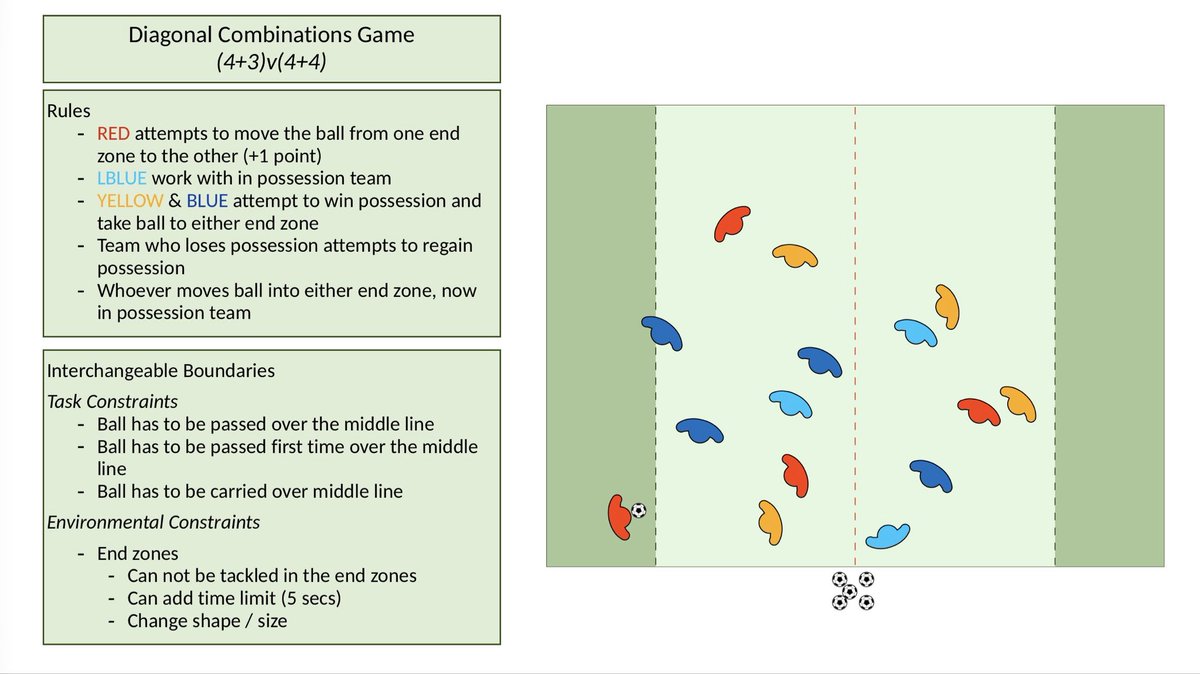
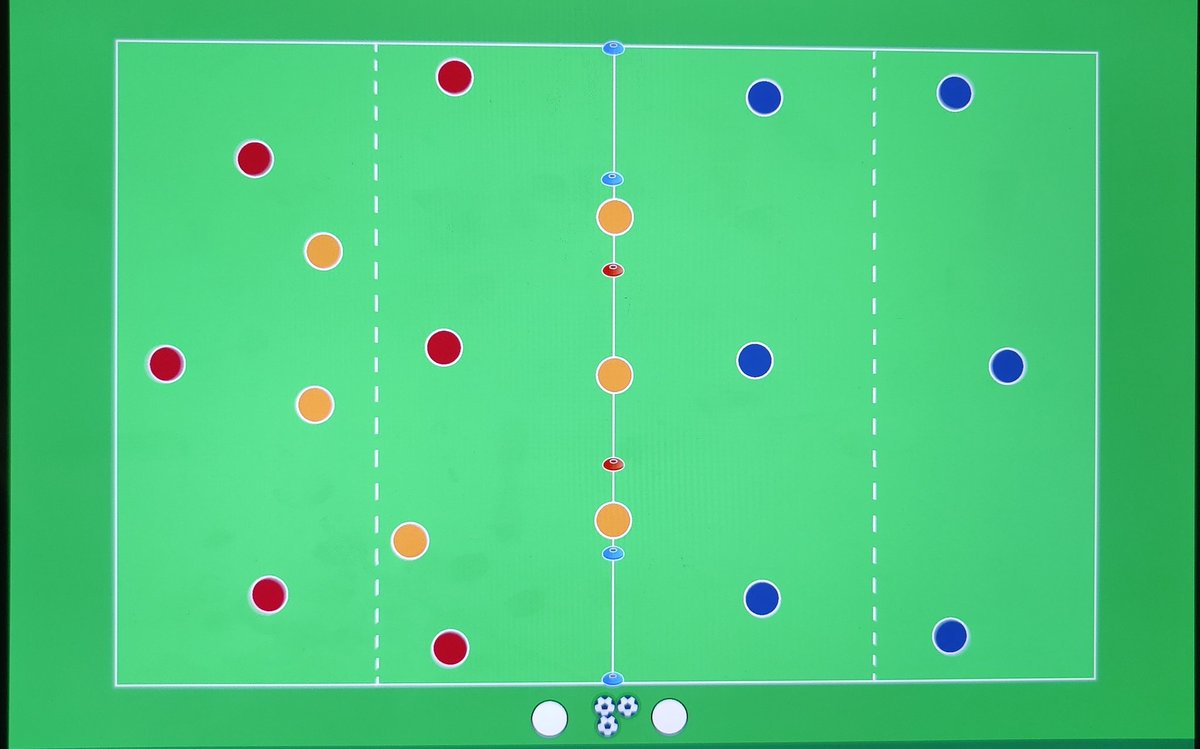
In this article we explore the negative effect of the thirds of play and game models in football development.
Complete with Differential Learning practices.
Boxed in: How the thirds of play impact creativity in football development
theraumdeuter.sport.blog/202…
8
33
175
55,714
Jake Pickles retweeted
May 26
At Palace, South London culture naturally encouraged flair, improvisation and individuality. Practice design had to embrace it.
Brighton was far more structure and authority-led.
Two very different sociocultural environments. Two very different player behaviours over time.

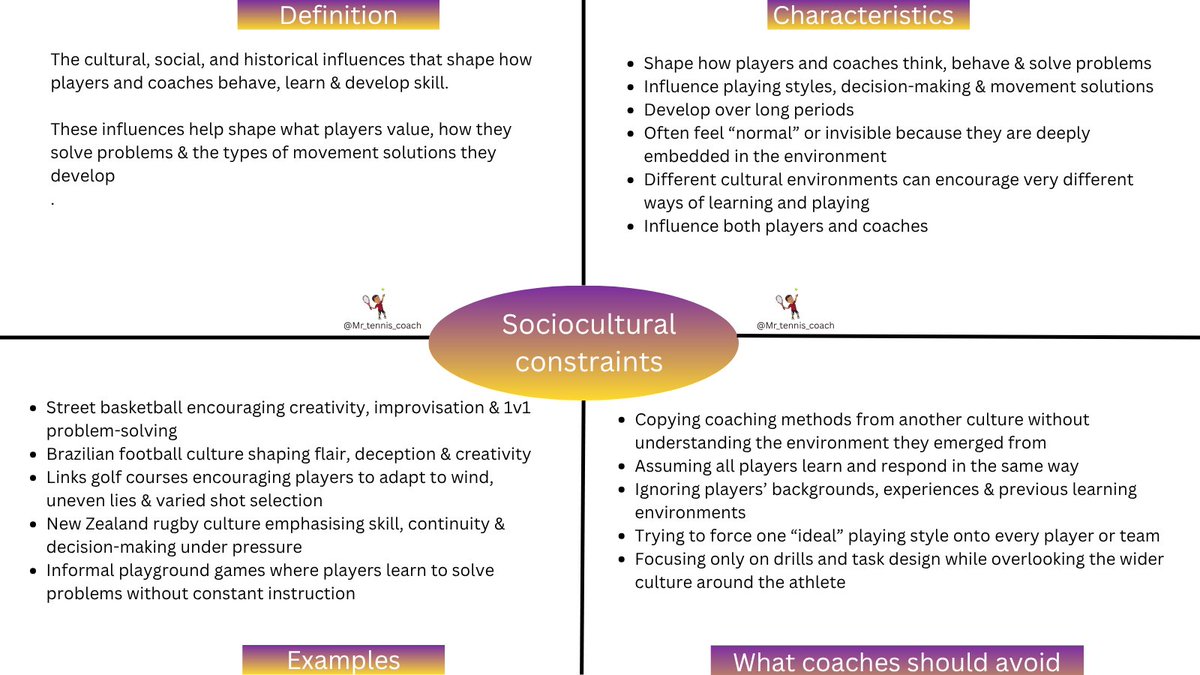
One of the most overlooked ideas in skill acquisition is the impact of sociocultural constraints.
These are the cultural, social, and historical influences that shape how players and coaches behave, learn, and develop skill. Over time, they influence what players value, how they solve problems and even the types of movement solutions they develop.
The interesting thing is that many of these influences can feel “normal” because they are so deeply embedded in the environment.
For example:
• Street basketball often encourages creativity and 1v1 problem-solving
• Brazilian football culture is often associated with flair and improvisation
• Informal backyard games encourage exploration without constant instruction
While designing practice tasks and manipulating constraints effectively are going to be crucial, the effect of sociocultrual constraints is something that I’m thinking about more and more in my sessions.
As coaches, I think there are so important things that we need to ask ourselves.
•What sociocultural constraints are present in the environment you coach in?
•What behaviours and playing styles do they encourage?
•How might they influence how players learn and interact with the environment?
•Are there aspects of the culture that may be helping or limiting development?
2
5
37
5,980
May 26
At Palace, South London culture naturally encouraged flair, improvisation and individuality. Practice design had to embrace it.
Brighton was far more structure and authority-led.
Two very different sociocultural environments. Two very different player behaviours over time.
One of the most overlooked ideas in skill acquisition is the impact of sociocultural constraints.
These are the cultural, social, and historical influences that shape how players and coaches behave, learn, and develop skill. Over time, they influence what players value, how they solve problems and even the types of movement solutions they develop.
The interesting thing is that many of these influences can feel “normal” because they are so deeply embedded in the environment.
For example:
• Street basketball often encourages creativity and 1v1 problem-solving
• Brazilian football culture is often associated with flair and improvisation
• Informal backyard games encourage exploration without constant instruction
While designing practice tasks and manipulating constraints effectively are going to be crucial, the effect of sociocultrual constraints is something that I’m thinking about more and more in my sessions.
As coaches, I think there are so important things that we need to ask ourselves.
•What sociocultural constraints are present in the environment you coach in?
•What behaviours and playing styles do they encourage?
•How might they influence how players learn and interact with the environment?
•Are there aspects of the culture that may be helping or limiting development?
2
5
37
5,980
May 26
Palace: Practice was divergent and expressive because players naturally explored solutions through interaction and competition.
Brighton: coached against over-constraint and structure.
Deliberately closing off comfortable options to force players into new exploratory spaces.
1
1
4
337
Jake Pickles retweeted
May 22
What’s important here isn’t whether players turn their head. It’s whether there’s actually information worth searching for.
Scanning without a meaningful stimulus just becomes a rehearsed movement pattern. What gets lost is the picking up of relevant information to guide action.
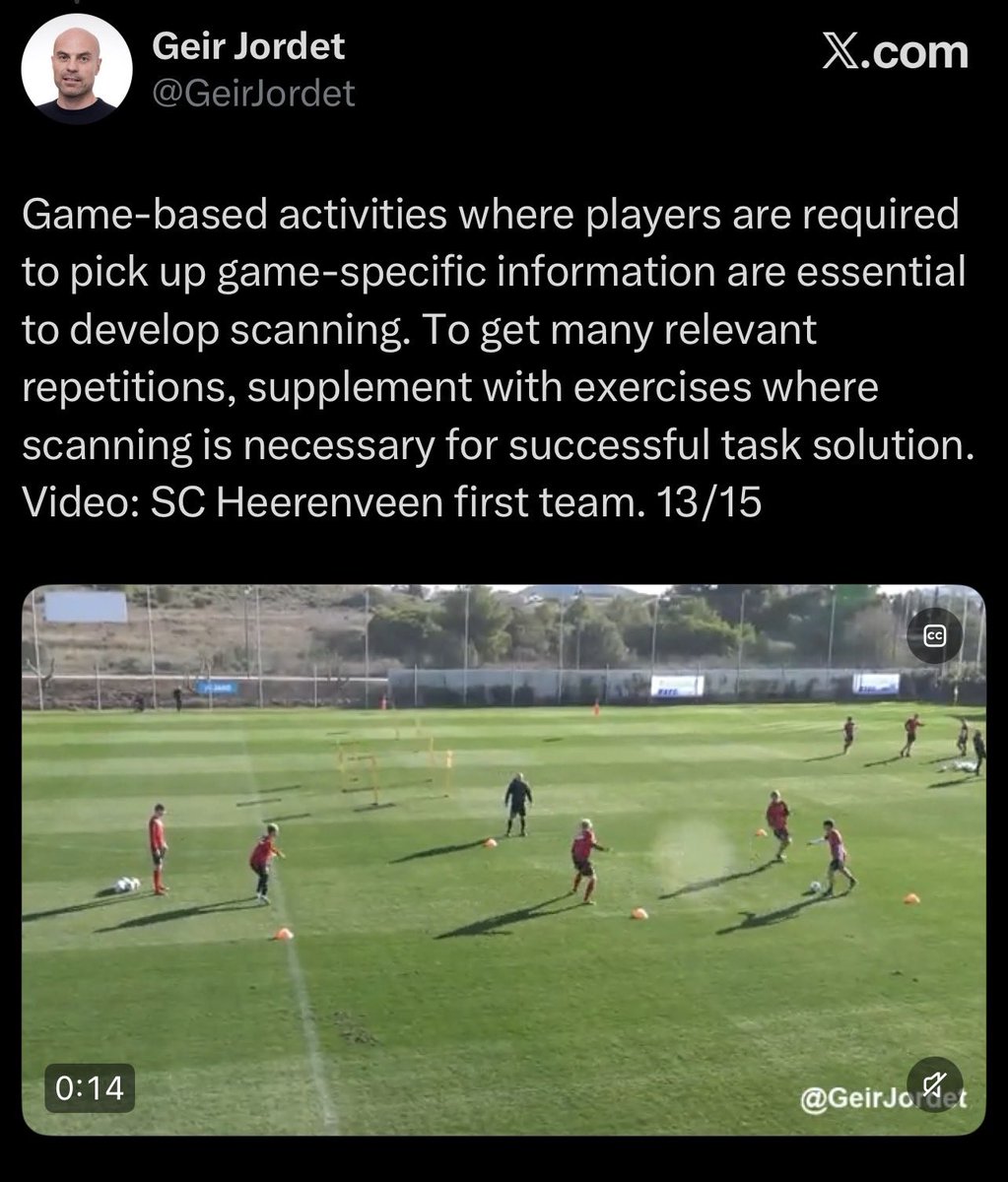

In Japan, passing exercises combined with constant scanning are part of the daily training reality. Receive information first, then receive the ball.
1
10
57
7,982
Jake Pickles retweeted
Great example from @JOGOFUNCIONAL1 showing the difference in relational structure.
No holding positions. Relationships change. Information changes. Decisions emerge.
This is why I argue we need to move beyond the rondo and positional training👇
🔗 (Link in first comment)

Emerging solutions happen less in positional teams due to the predictability of the structure
In relational teams movements are orientated to the ball, moving to it not away from it, play is centered to connections
Players bear the responsibility of interpreting the moment
3
2
11
1,577
Jake Pickles retweeted
Apr 29
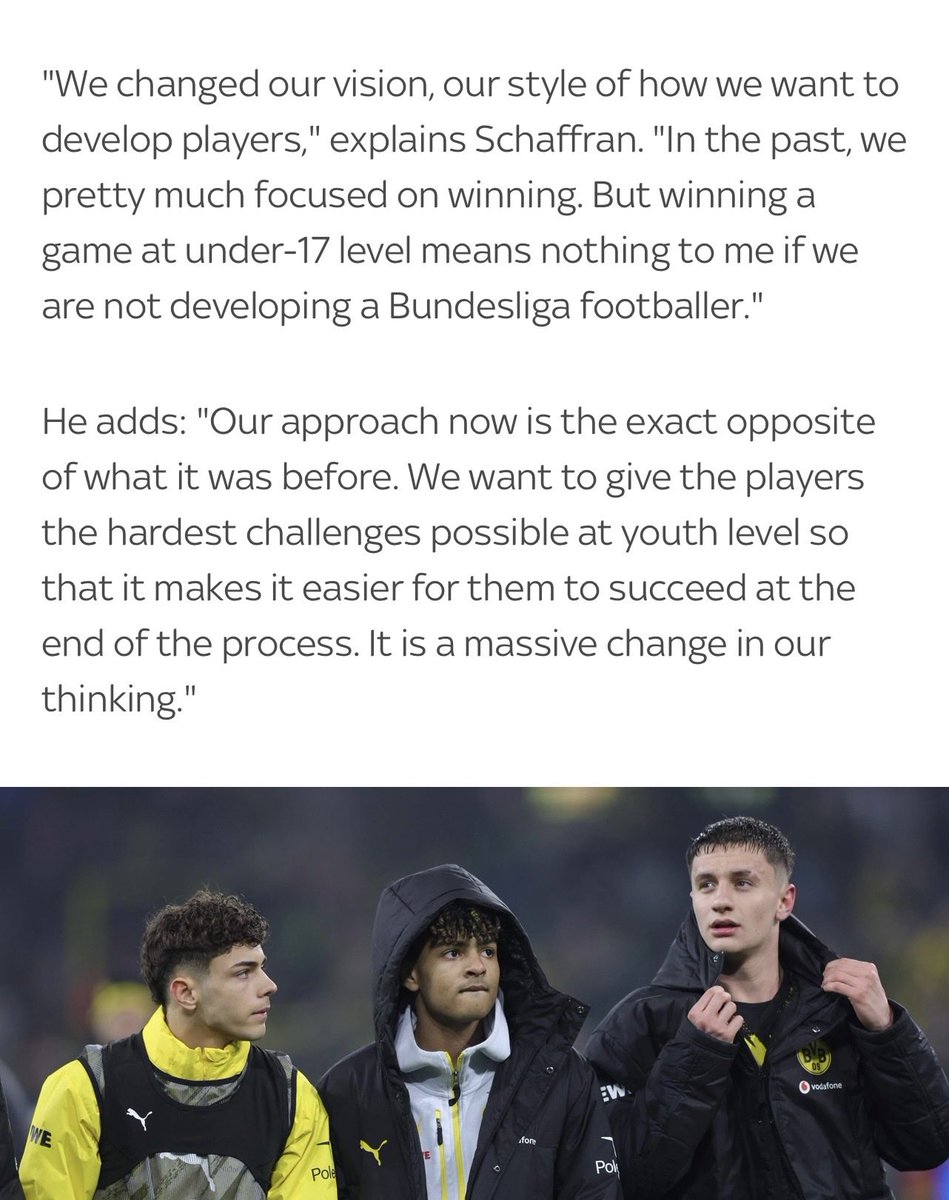
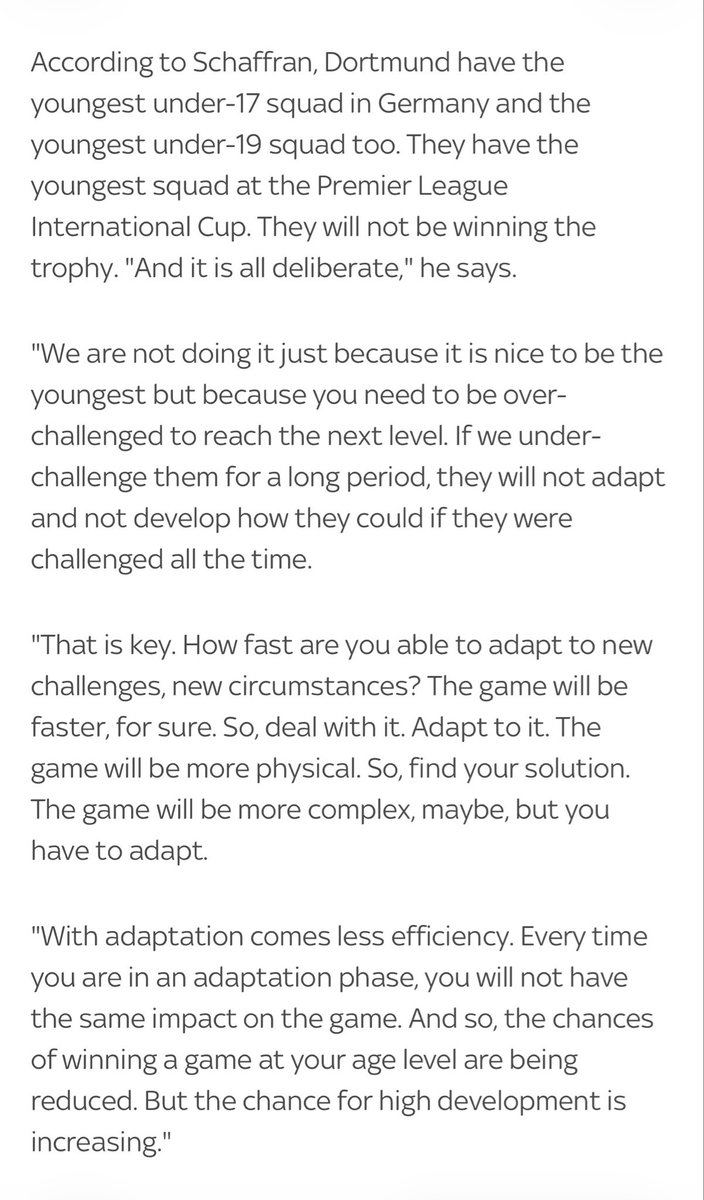
Interesting comments from the Dortmund academy director on youth development.
Questioning whether winning youth trophies is really a marker of success if it doesn’t lead to first-team progression.
It raises a wider question: what is success for us as youth coaches?
6
70
348
35,580
Jake Pickles retweeted
Elite football and youth development are not the same thing.
An 11v0 walkthrough may have value for synchronising an elite team around a game model.
It should not become a foundation for how young players learn.
Build context rich environments for our players to interact with.

Someone should have told Luis Enrique that doing unopposed training is dumb.
x.com/3four3/status/19069264…
5
9
48
7,377
Jake Pickles retweeted
May 20
This podcast has a lot of great stuff in it, but suggesting the most representative practice is the best because it’s ‘the most real’ is a fundamental misunderstanding of what RD is for. Minimally representative practice can be still be ecological and support skill development.
May 17

🎙️ Dr. Dave Collins on the informed art of coaching.
⚖️ Eco design/Cognitive science/Predictive processing
🧠 Shared mental models
📐 Practice design.
A sharp conversation on how coaches can choose the right tool at the right time.
🎧podcasts.apple.com/podcast/s…
@DCGreyMattersUK
2
2
6
1,477
May 20
This podcast has a lot of great stuff in it, but suggesting the most representative practice is the best because it’s ‘the most real’ is a fundamental misunderstanding of what RD is for. Minimally representative practice can be still be ecological and support skill development.
May 17
🎙️ Dr. Dave Collins on the informed art of coaching.
⚖️ Eco design/Cognitive science/Predictive processing
🧠 Shared mental models
📐 Practice design.
A sharp conversation on how coaches can choose the right tool at the right time.
🎧podcasts.apple.com/podcast/s…
@DCGreyMattersUK
2
2
6
1,477
Jake Pickles retweeted
May 19
The problem with this kind of analysis is that it treats football like players are selecting pre-programmed techniques from a toolbox.
But actions in football are not recalled solutions. Solutions emerge from perception, interaction and constantly changing information.
May 19

Mainoo,a good technician.
but,here the minimum standard should be a clean left footed touch on the ball followed by immediate right foot-perfect La Croqueta/Iniesta will eliminate all
ideas and flow state is there,but a nice refinement can make him that 'proper midfield baller'
3
14
82
11,704
May 19
The problem with this kind of analysis is that it treats football like players are selecting pre-programmed techniques from a toolbox.
But actions in football are not recalled solutions. Solutions emerge from perception, interaction and constantly changing information.
May 19
Mainoo,a good technician.
but,here the minimum standard should be a clean left footed touch on the ball followed by immediate right foot-perfect La Croqueta/Iniesta will eliminate all
ideas and flow state is there,but a nice refinement can make him that 'proper midfield baller'
3
14
82
11,704
Jake Pickles retweeted
May 16
The system emerges from the individuals, not the coach. And their actions are determined by the space the opposition afford, each player’s unique identity and their understanding of one another.
May 15

Lionel Scaloni: “Soy de los entrenadores que no piensan en un sistema de juego en base al entrenador. Los sistemas los hacen los jugadores. ¿Cómo [no hubieran jugado juntos Maradona y Messi] si fueron los mejores del mundo? El problema lo tendrían los rivales, no tanto nosotros”.
1
3
23
4,797
Jake Pickles retweeted
May 14
Relationism can be positional but positions are primarily taken in relation to the ball.
Positional play occupies positions so the ball can move through them.
Both can contain predefined structure.
The opposite would be players taking up positions based on their intuition.
May 14

“Enrique is doing positional play ideas. Flick is also using positional play to a certain extent”
@Jon_Mackenzie explains the misconceptions around Pep’s version of positional play and how it has influenced football on The Ripple Effect🌐
3
4
49
15,830
May 14
Relationism can be positional but positions are primarily taken in relation to the ball.
Positional play occupies positions so the ball can move through them.
Both can contain predefined structure.
The opposite would be players taking up positions based on their intuition.
May 14
“Enrique is doing positional play ideas. Flick is also using positional play to a certain extent”
@Jon_Mackenzie explains the misconceptions around Pep’s version of positional play and how it has influenced football on The Ripple Effect🌐
3
4
49
15,830
Jake Pickles retweeted

From Automation to Self-Organisation ⚽️🌱
“Embracing uncertainty to foster adaptive player behaviors.”
Shift from rigid systems to relationist principles: local interactions fuel decentralized decisions and resilient teams in chaos.
@maspositional
maspositional.ghost.io/from-…
1
4
33
1,712