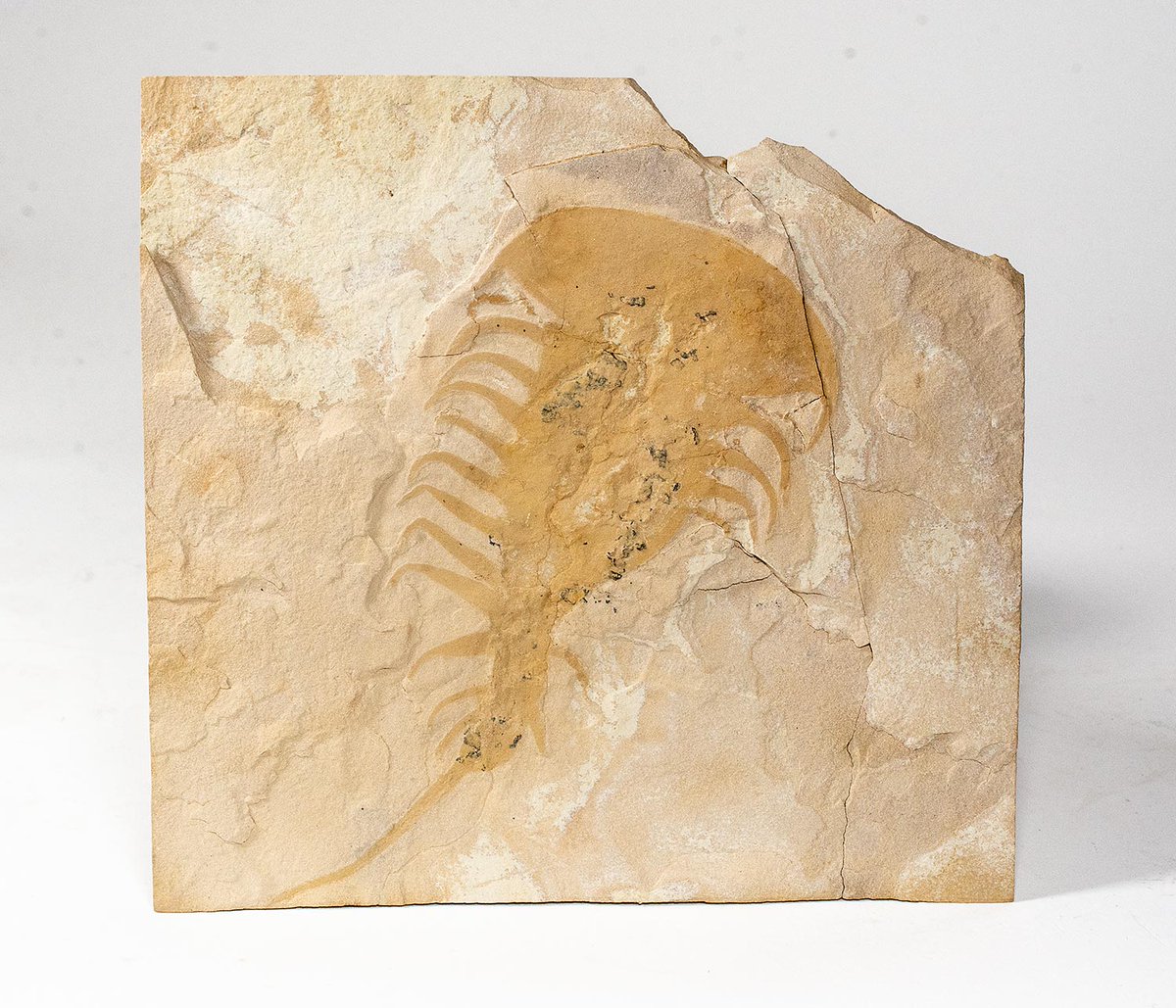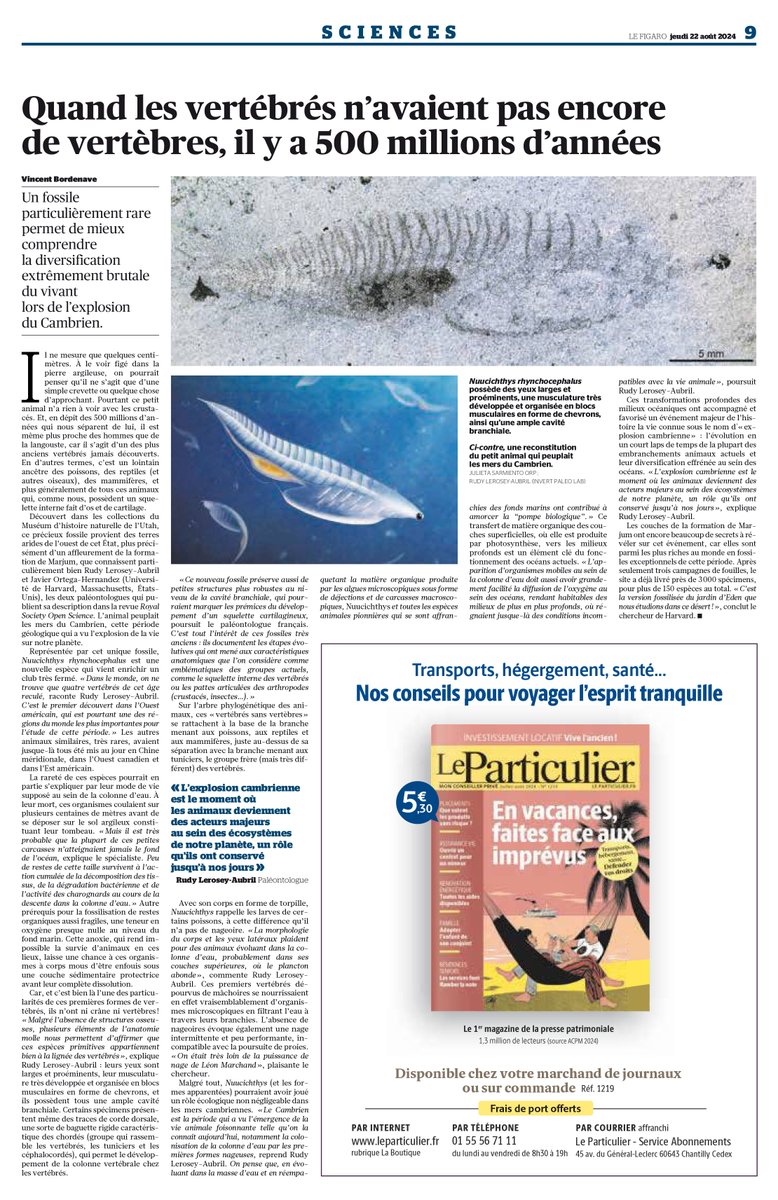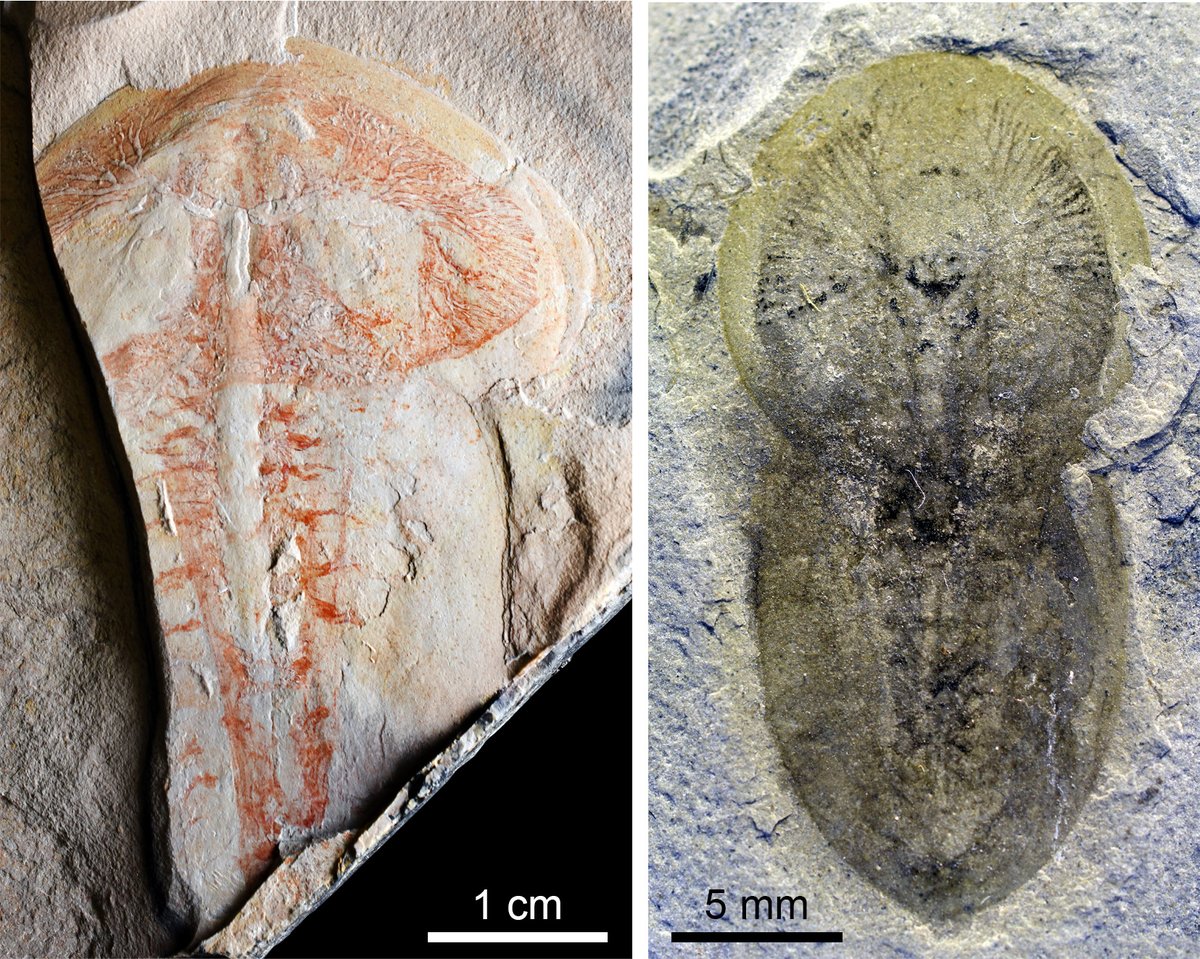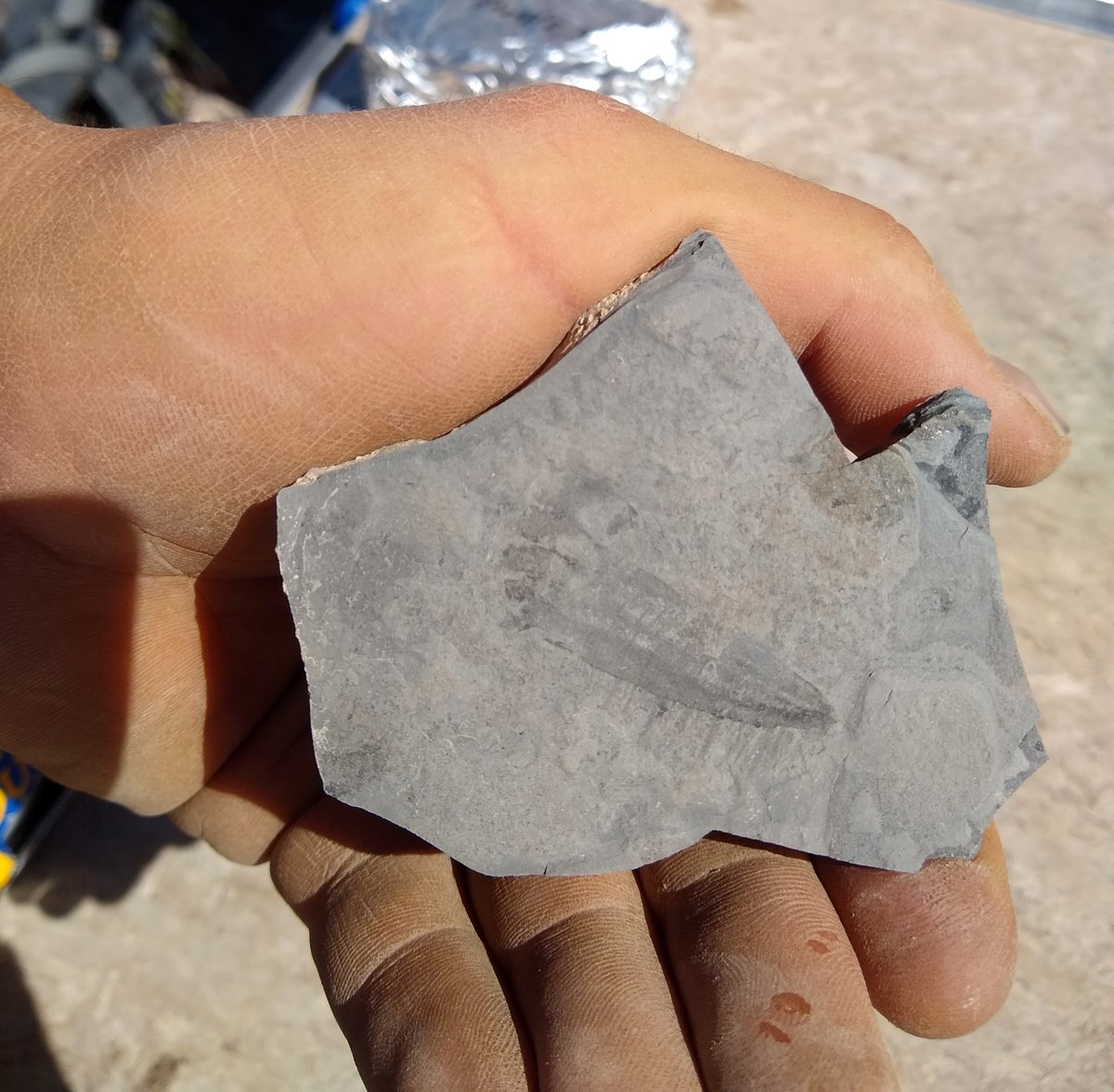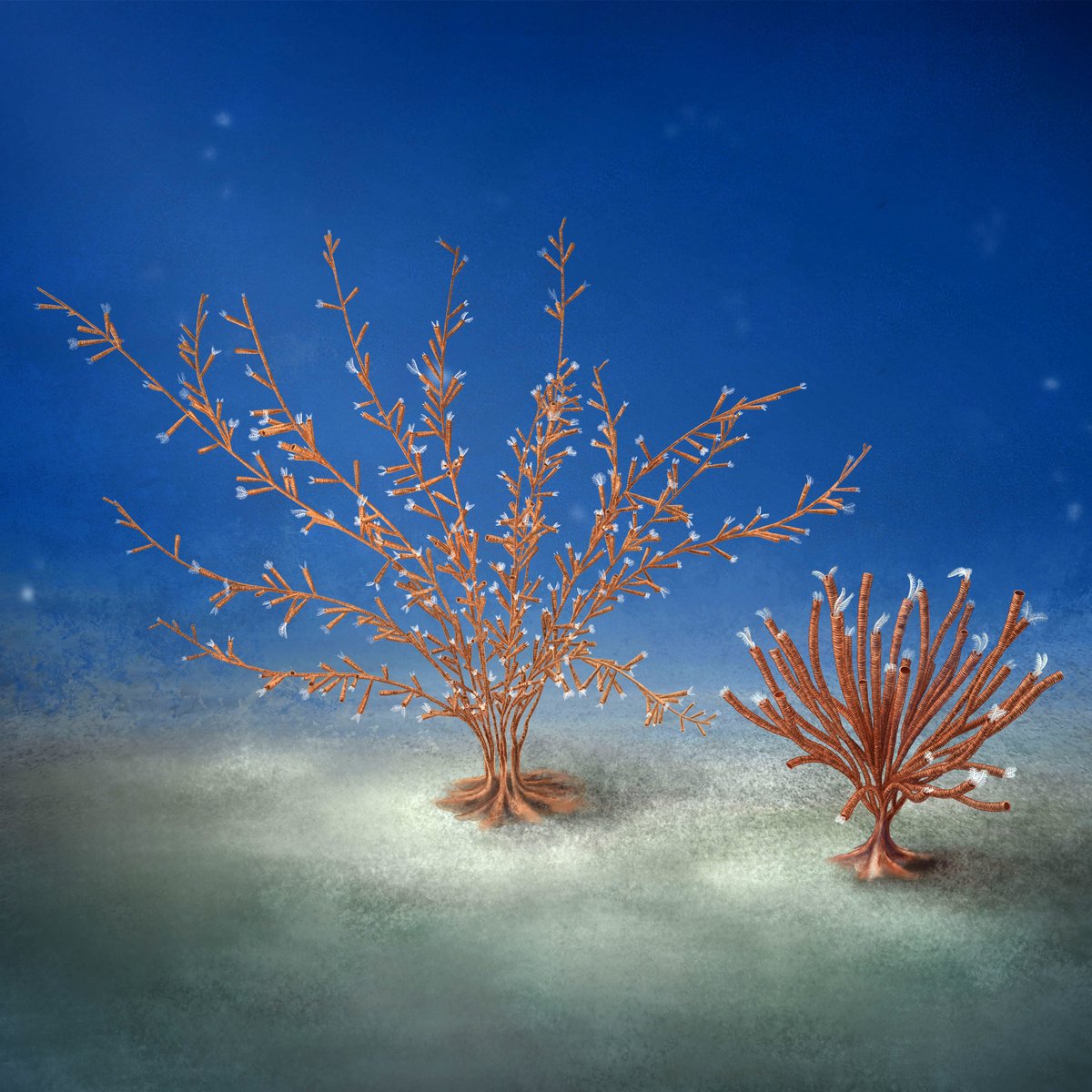
A newly described fossil from Utah reveals a pincer-wielding sea creature from the Cambrian. It may be one of the oldest relatives of spiders, scorpions and horseshoe crabs (Not an April Fool's joke, I swear!) 🕷️ 🦂
Latest for @NYTScience : nytimes.com/2026/04/01/scien…
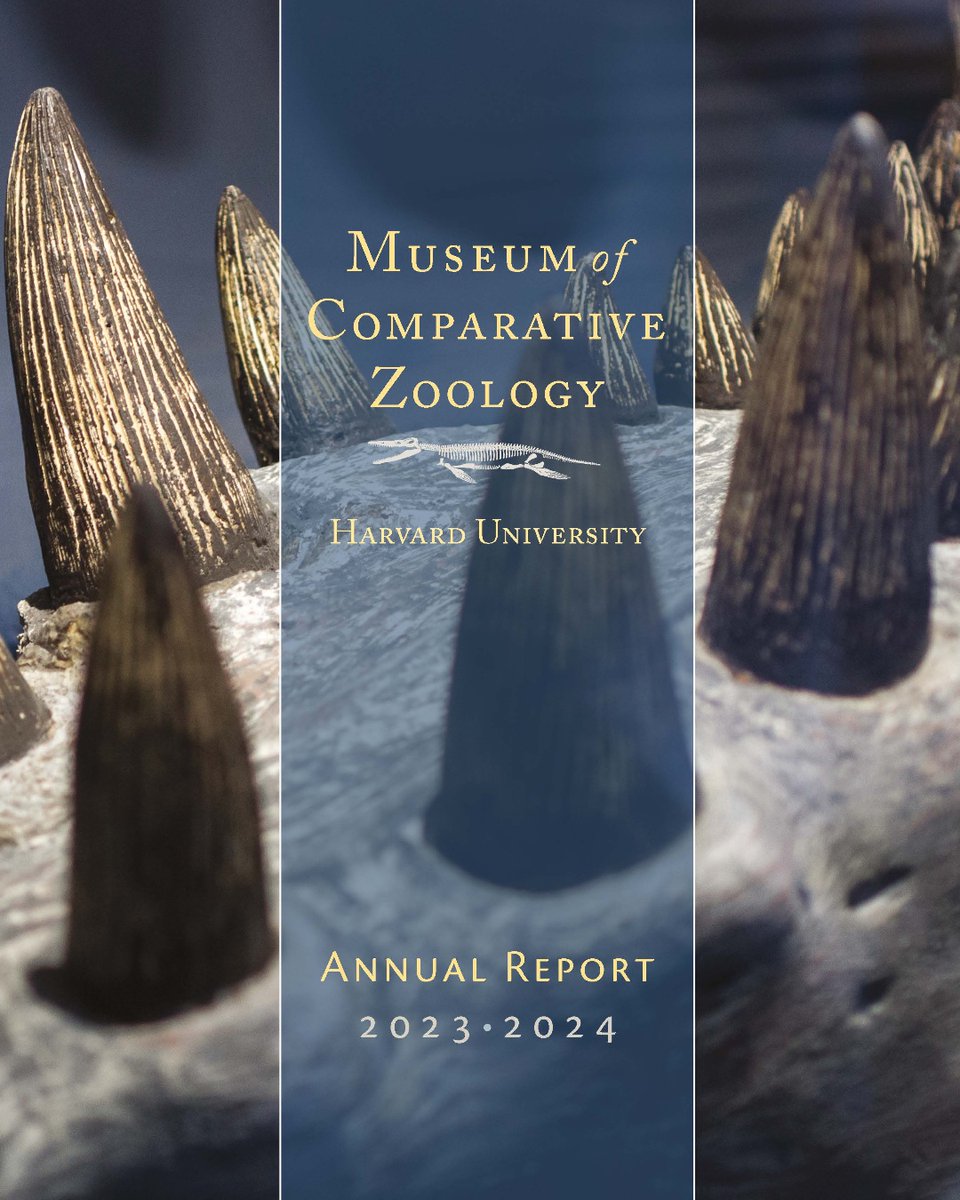
The 2023-2024 Annual Report of the MCZ is now available at bit.ly/3CAeSB8
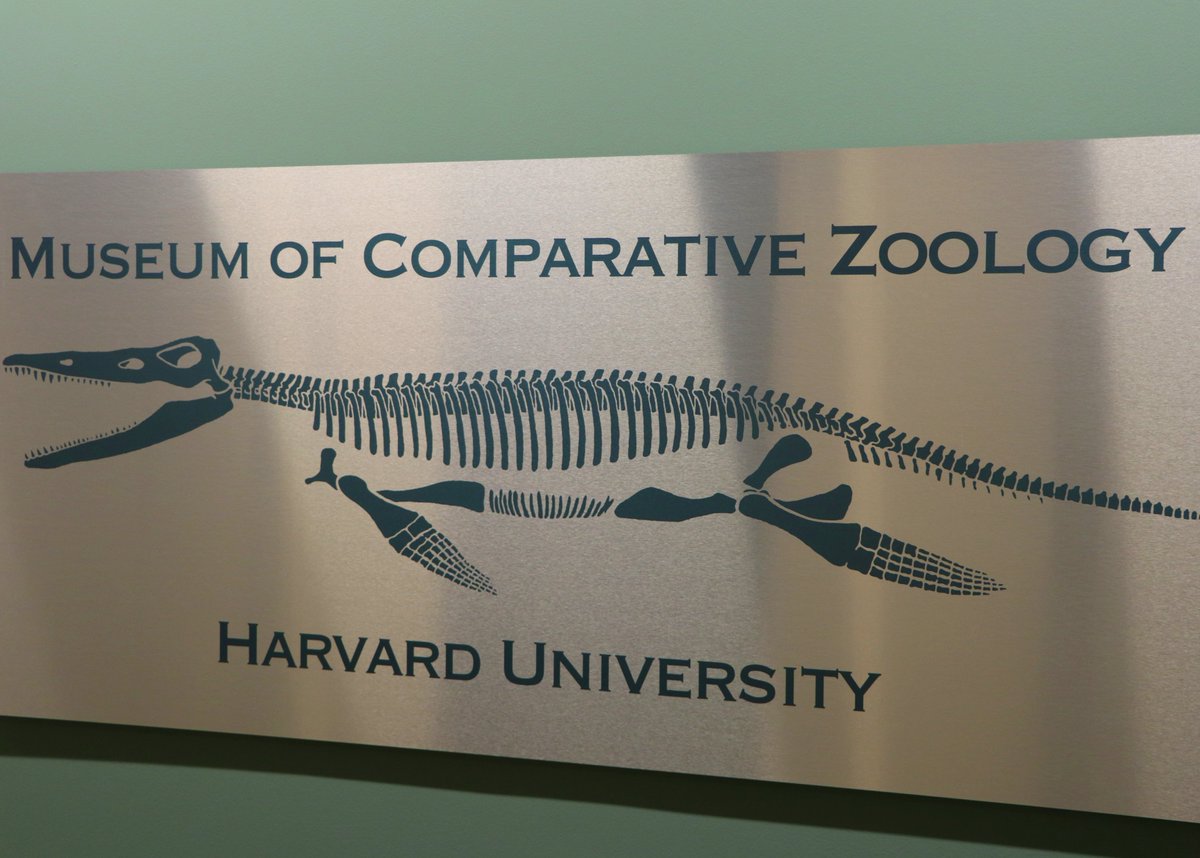
The cover features the Kronosaurus specimen on display at @HarvardMuseums (image taken by Thomas Earle, Harvard Staff Photographer).
ALT Cover of the Museum of Comparative Zoology at Harvard University Annual Report for 2023-2024, featuring a close-up image of a Kronosaurus fossil jaw with teeth
Best conference logo ever!!! 😍 The Invertebrate Paleo Lab @MCZHarvard@HarvardOEB is totally visiting beautiful Chile 🇨🇱 next year to share some Cambrian and Ordovician creatures 🤩
I´m excited to announce that we have a venue and dates for the next International Congress on Invertebrate Morphology (ICIM-6)! All invertebrate lovers, let's meet in 🇨🇱 next year from August 10th to 14th. 👇👇
🚨Another little promotional piece, this time from our collaborators in Utah. I hope this blog post will help, even in a small way, to raise awareness among Utahns about the fantastic Cambrian paleontological archive their state holds. @NHMU@BLMUtahnhmu.utah.edu/articles/2024/…
The MCZ was awarded a new digitization grant and we have two new positions to fill! We are looking for curatorial assistants (one full-time, one part-time) to rehouse and digitize our invertebrate microscope slide collections. bit.ly/48dxQJJ and bit.ly/48dwqy
ALT Promotional image for the Museum of Comparative Zoology at Harvard, featuring x-ray images of various insects and a job advertisement stating 'WE'RE HIRING! Full and Part-Time Curatorial Assistants.'
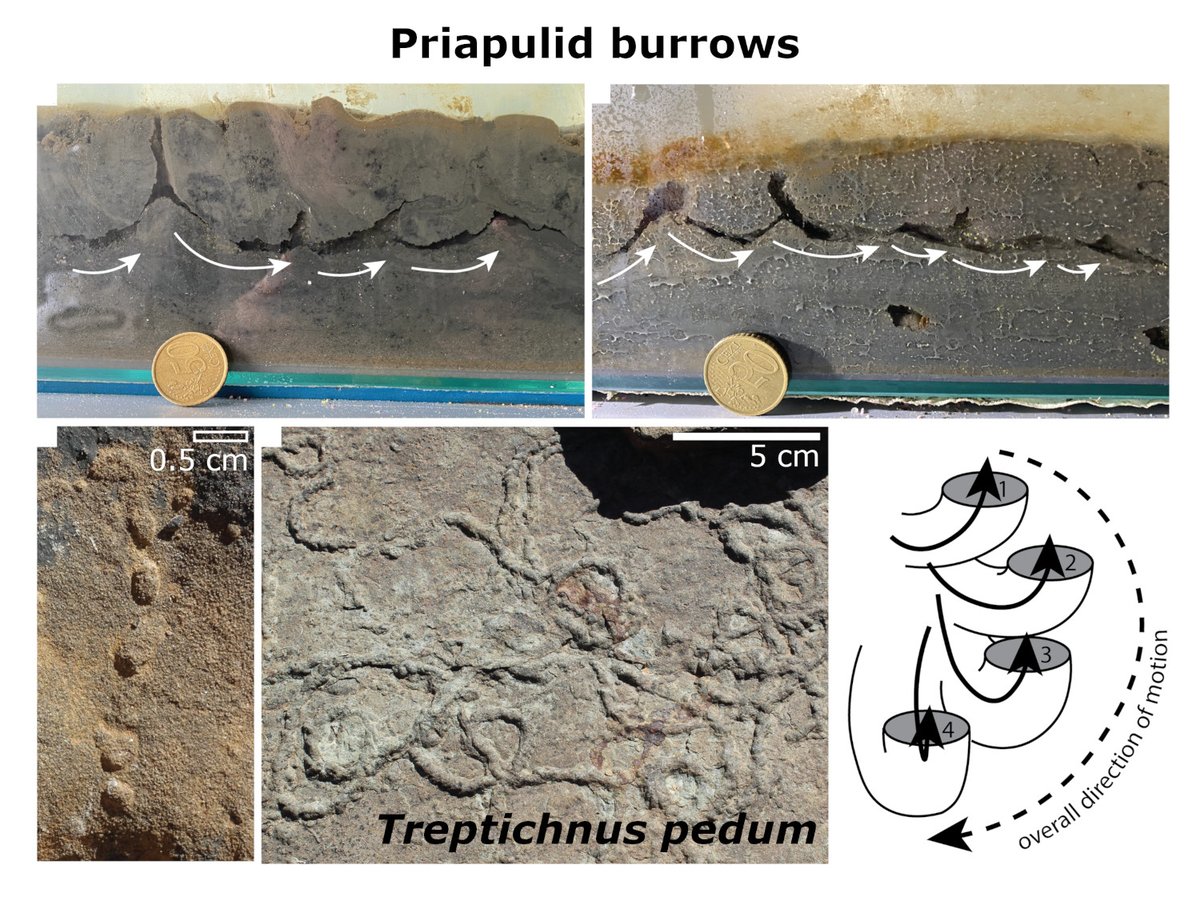
ALT Two photographs at the top show experimental tank containing sand and priapulid worms, which have created burrows seen here in cross-section. Arrows indicate direction of movement. Diameter of coin at the bottom of each image is 2.4 cm.
In the lower row are two field photographs of trace fossils. On the left, a treptichnid from the terminal Ediacaran of Namibia (Scale bar at top right is 0.5 cm). In the middle, Treptichnus pedum from the early Cambrian of Namibia (scale bar at top right is 5 cm). On the right, a schematic diagram of the T. pedum 3D structure, with solid line numbered arrows denoting individual probe order offset by 20°–40° and a longer dotted line showing general direction of movement.
🚨Please share/RT: I am looking for prospective PhD students to join my forthcoming lab at @UMichEEB@UMichPaleo for Fall 2025. Students interested in network ecology, paleobiology, and theoretical and systems biology or related, please fill:
docs.google.com/forms/d/e/1F…
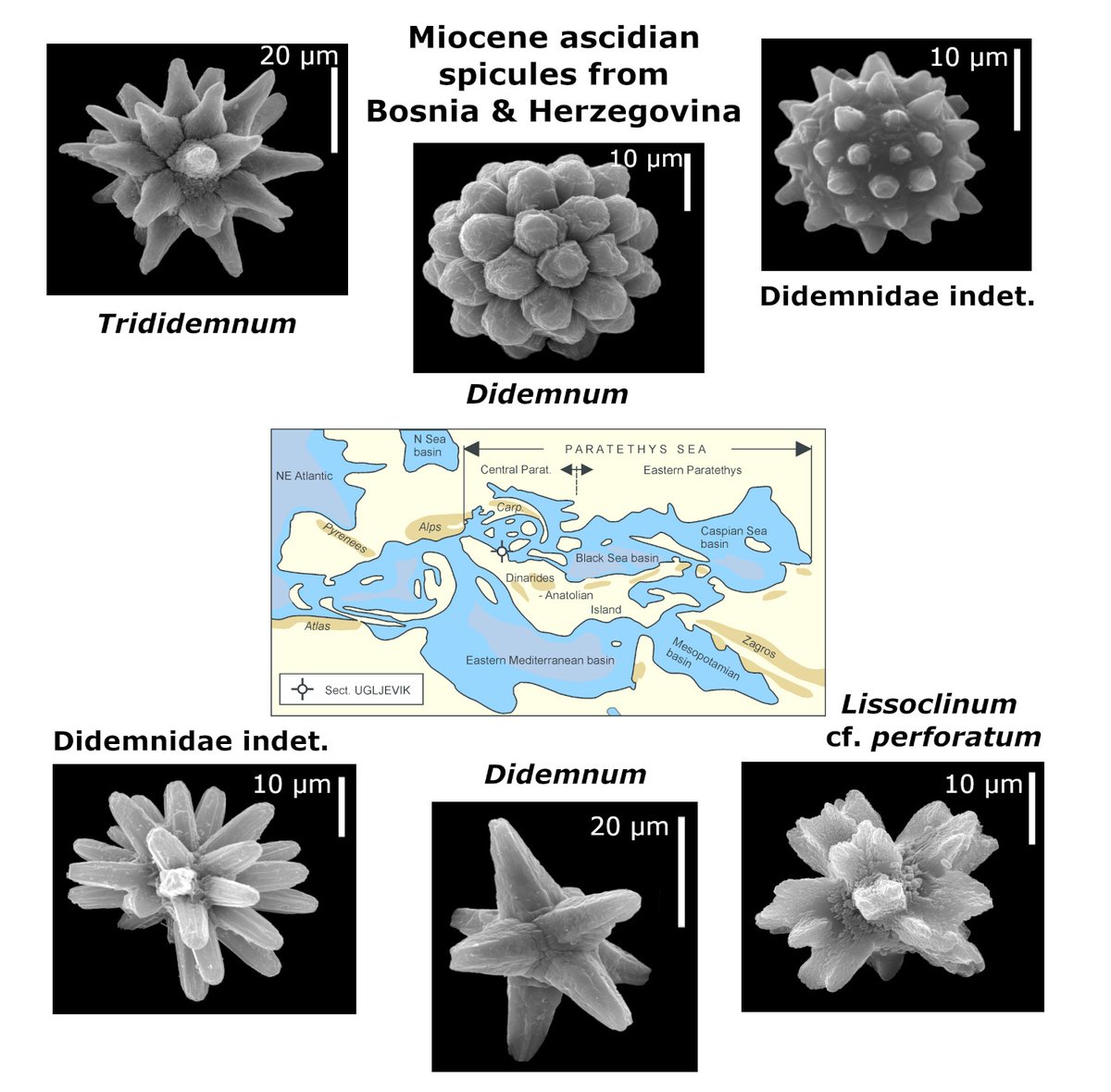
A new exceptionally diverse assemblage of ascidian (sea squirt) spicules from the Middle Miocene of Bosnia & Herzegovina onlinelibrary.wiley.com/doi/…#FossilFriday @wileyearthspace
ALT Badenian palaeogeographic map (centre) showing the position of Central Paratethys, surrounded by six black and white images of fossil ascidian spicules, all with a scale bar in the upper right corner of the image). Top row, from left to right: Trididemnum sp. (ZPAL Tu. 1/UG43-66) scale bar 20 microns; Didemnum sp. 5 (ZPAL Tu. 1/UG46-147) scale bar 10 microns; Didemnidae indet. 3 (ZPAL Tu. 1/UG43-114) scale bar 10 microns. Bottom row, left to right: Didemnidae
indet. 4 (ZPAL Tu. 1/UG46-126) scale bar 10 microns; Didemnum sp. 6 (ZPAL Tu. 1/UG46-62) scale bar 20 microns; Lissoclinum cf. perforatum (ZPAL Tu. 1/UG51-08) scale bar 10 microns.
The MCZ and @HarvardOEB welcome three new Biodiversity Postdoctoral Fellows this month: Valentine Bouju (entomology), Rodrigo T. Figueroa (vertebrate paleontology) and Cata Romero-Ortiz (invertebrate zoology). Applications for 2025 fellows are due Sept 30! bit.ly/3ygxDHO
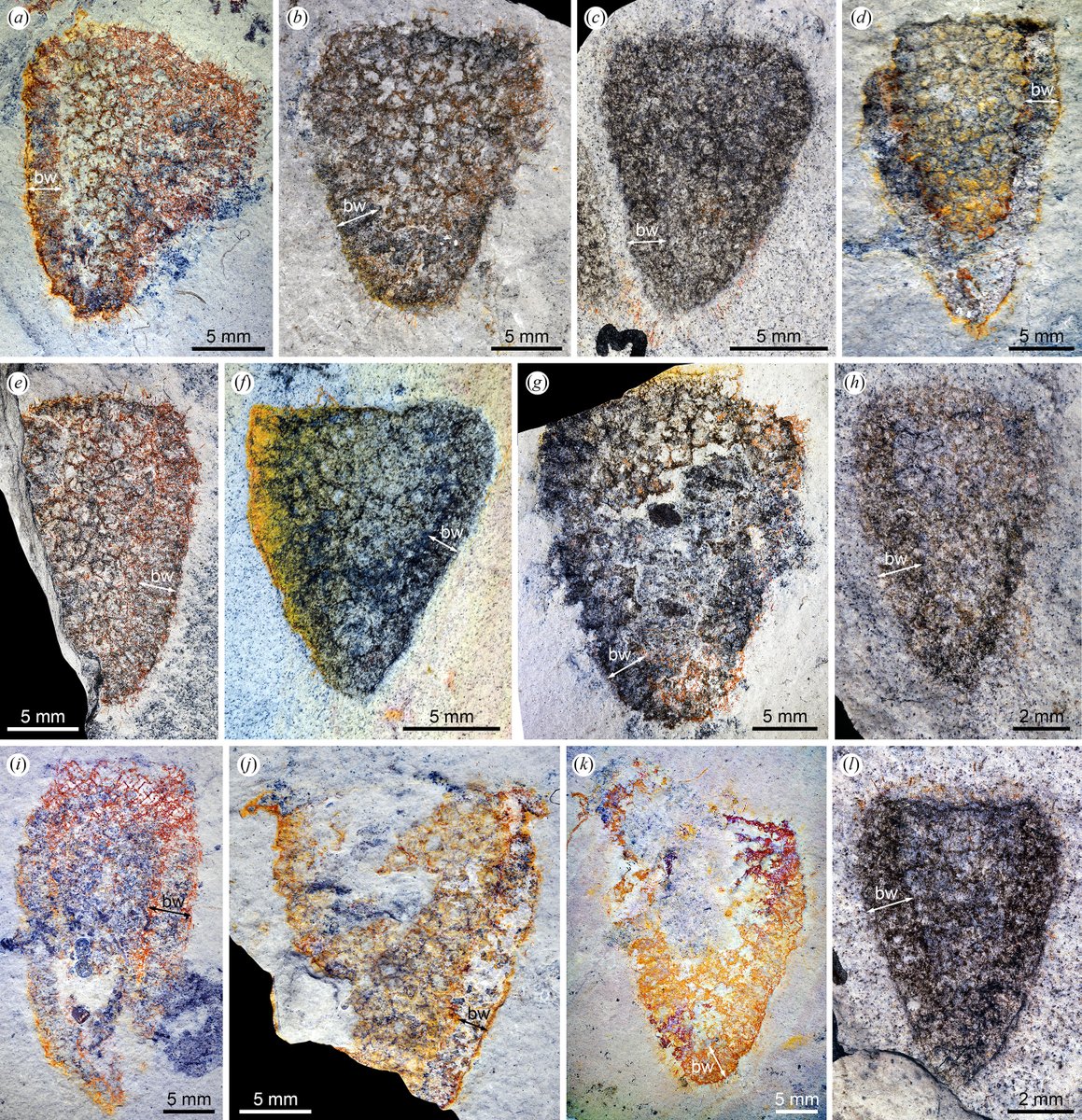
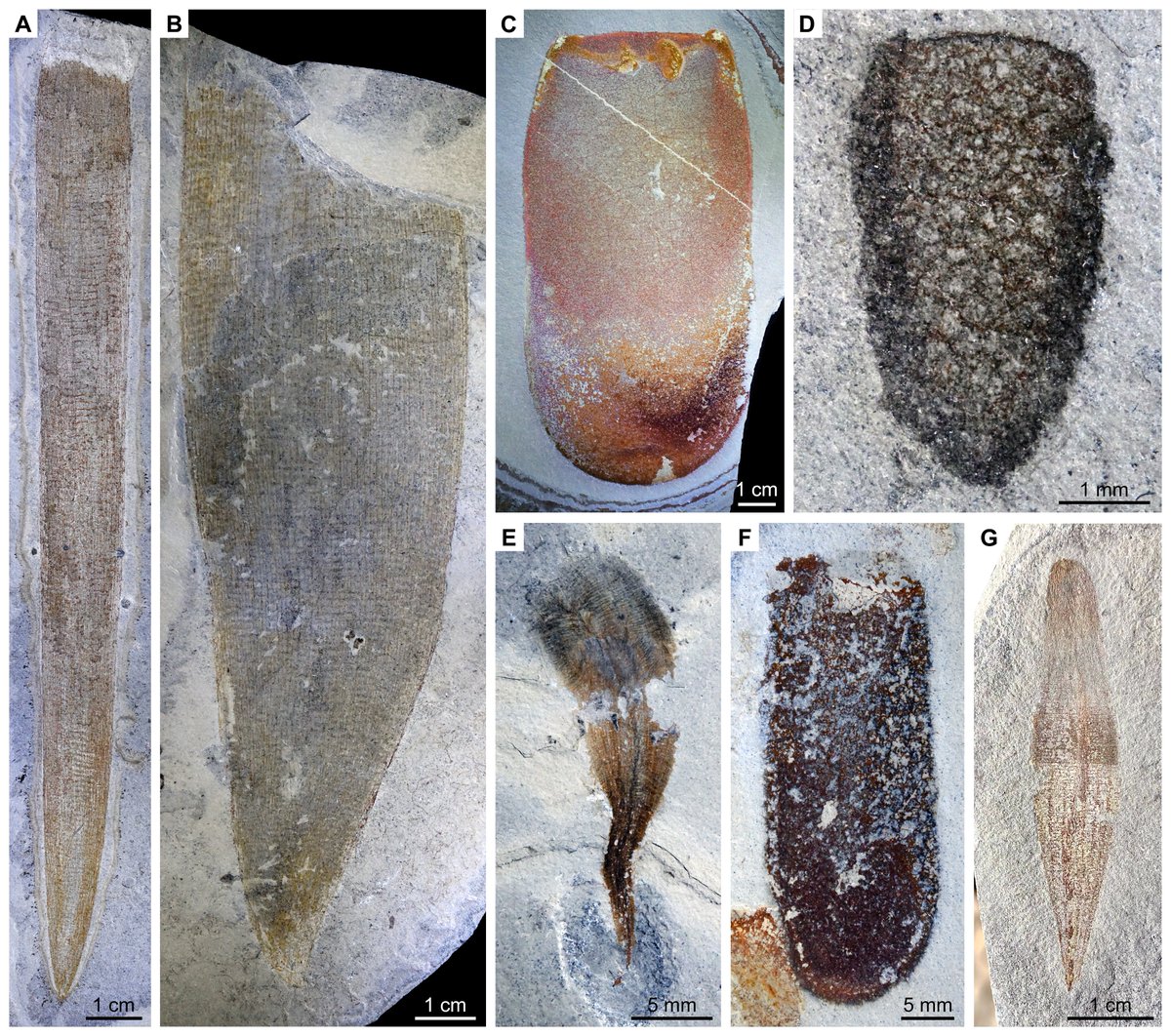
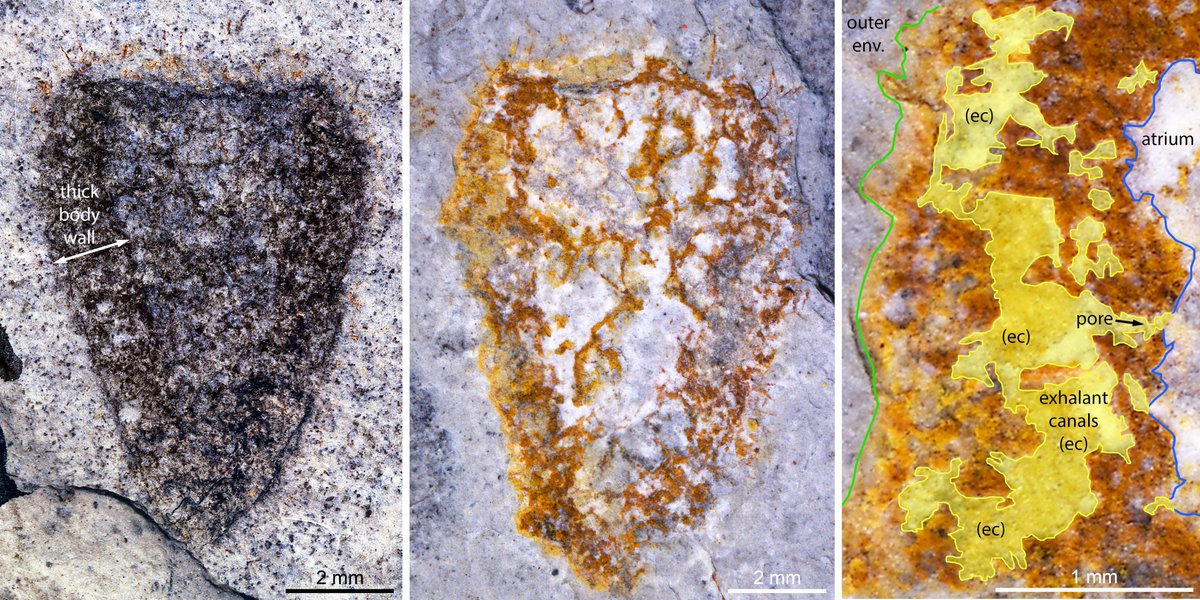
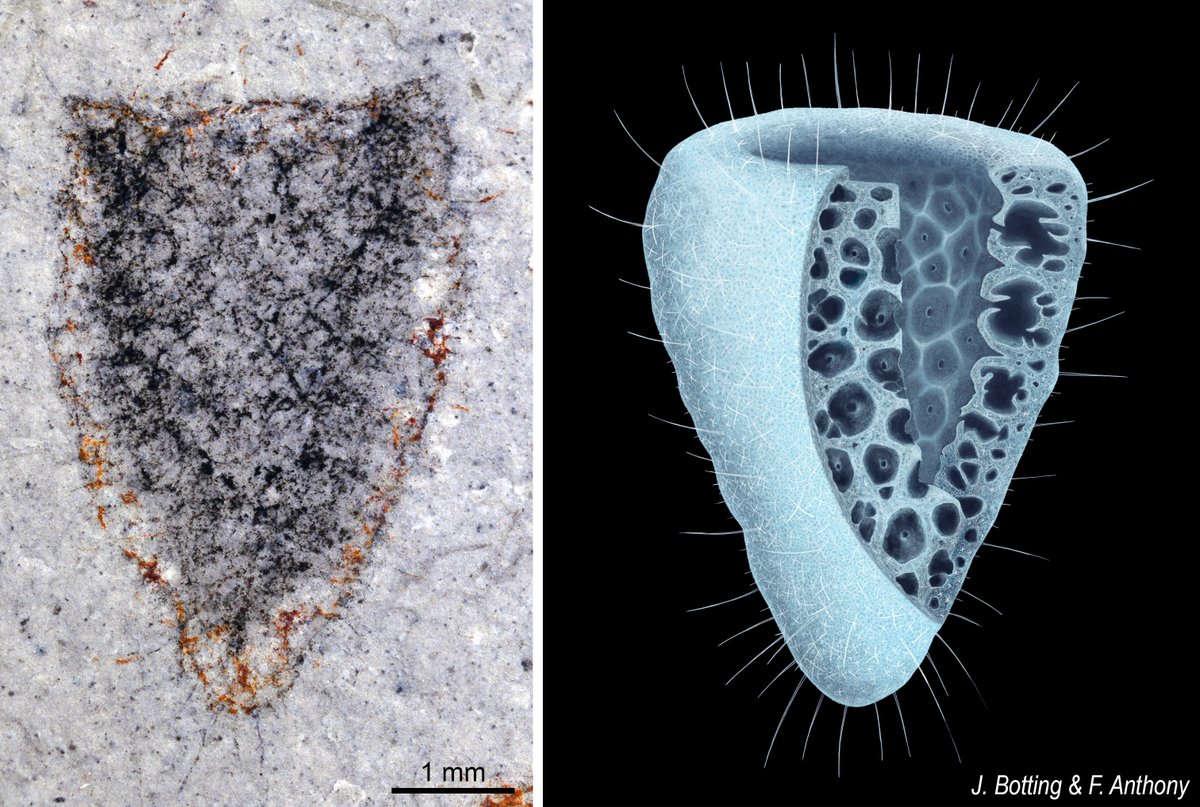
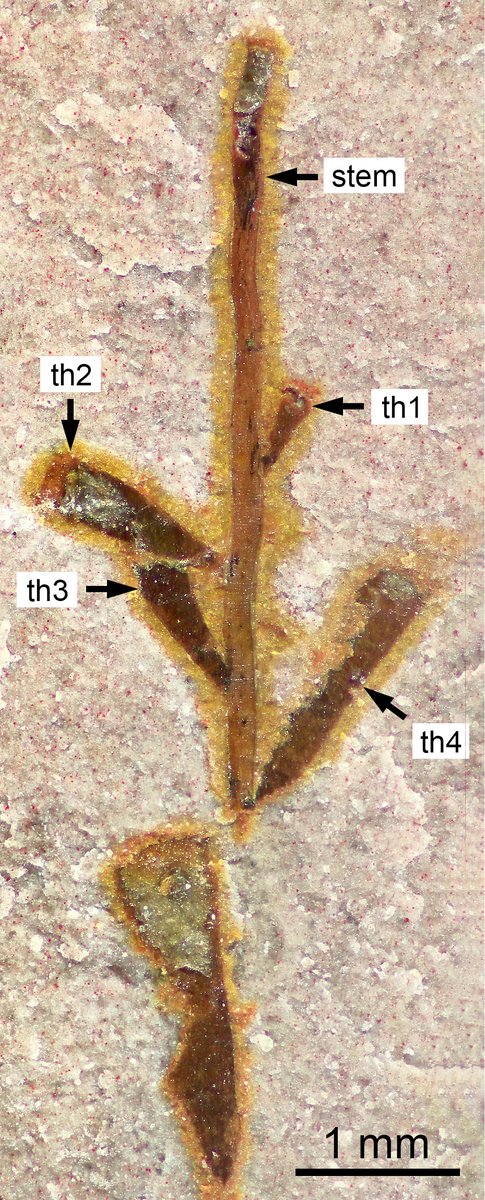
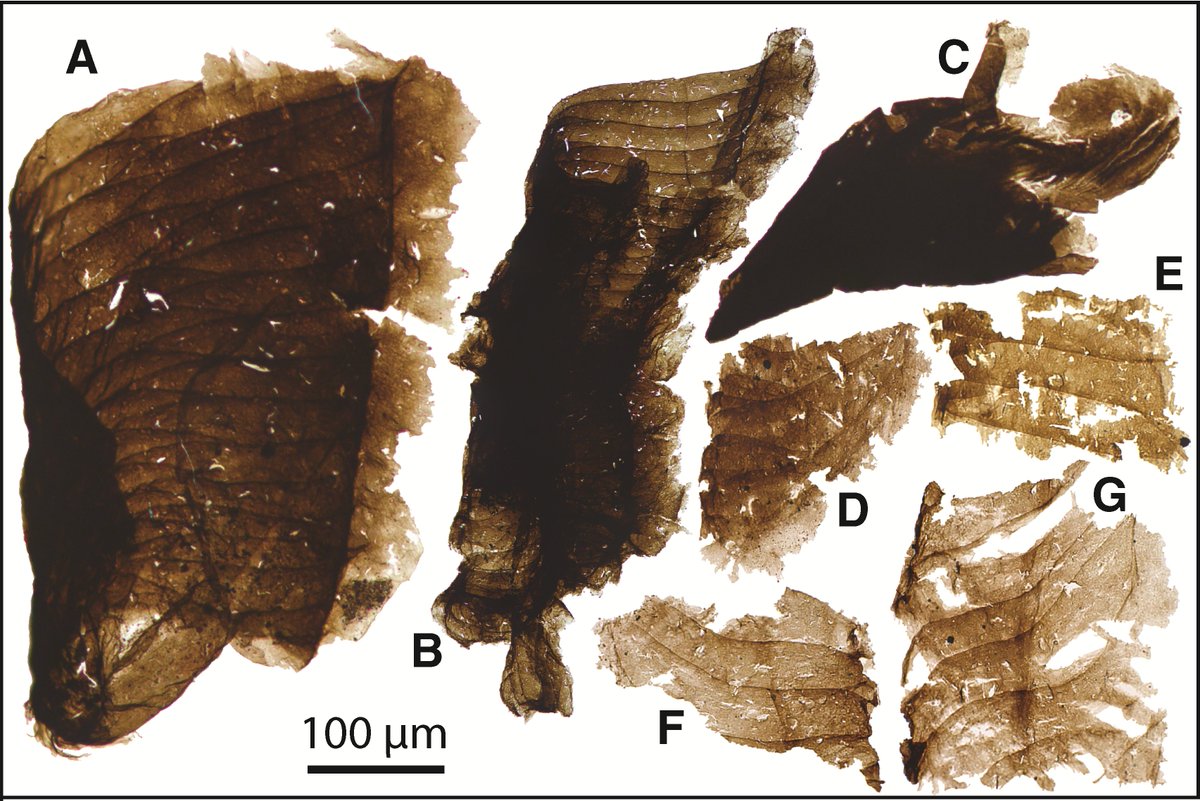
🚨Paper alert🚨Meet Polygoniella turrelli, our latest addition to the remarkable Cambrian Marjum Biota of Utah. This 500-million-year-old sponge displays a complex anatomy that has no equivalent amongst poriferans of that time. @Ldelmouro@InvertebratePaldoi.org/10.1098/rsos.231845
We are grateful to: @BLMUtah and @NHMU for a productive collaboration, @MCZHarvard for supporting our fieldwork (Putnam Expedition Grants) and the publication of this paper (Wetmore Colles Fund), @MCZpaleo for invaluable curatorial assistance, and palaeoartist @franzanth
The supplementary material associated to this publication, including many additional illustrations, will be available soon at: rs.figshare.com/articles/dat…
Remember we already launched the second circular with the CALL FOR SYMPOSIA for the IPC7!!
We look forward to seeing you all in Cape Town in 2026!
Visit our website for more information! ipc7.site/