
The Planetary Habitability Laboratory at UPR Arecibo is dedicated to mapping the habitable universe.
Joined March 2012
- Tweets 394
- Following 6
- Followers 4,059
- Likes 2
107 Photos and videos





26 Nov 2024
Consider supporting the #AreciboWow initiative, which involves searching for extraterrestrial communications using the archival data from the Arecibo Observatory. Remember, #GivingTuesday is coming up next week. phl.upr.edu/wow phl.upr.edu/support
3
5
291
7 Aug 2024
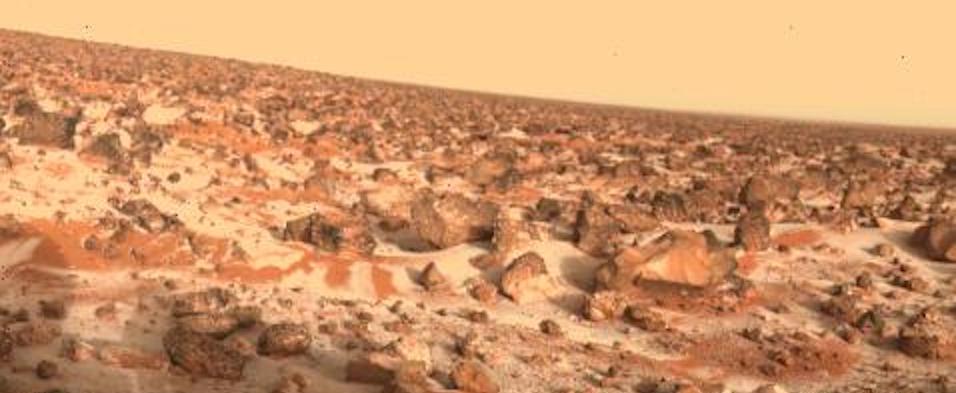
Our @SWRI @JHUAPL @PlanetaryHabLab team has been investigating the environmental habitat suitability of Mars in recent times. phl.upr.edu/mars #MarsDH
5
12
1,681
Planetary HabLab retweeted

2 Aug 2024
2
22
79
6,523

4 Jun 2024
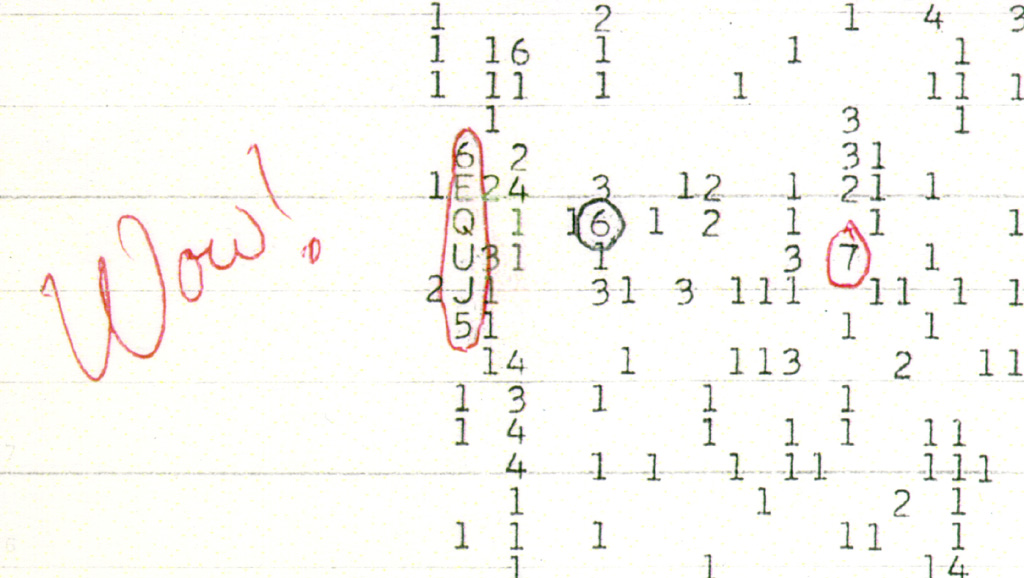
This month, we are working on an exciting new technosignatures project to search for Wow! Signals in the archival data of the Arecibo Observatory's 12-meter and 305-meter telescopes. More details to come soon. 🖖
1
1
3
637
4 Jun 2024
2
246
Planetary HabLab retweeted
24 Apr 2024
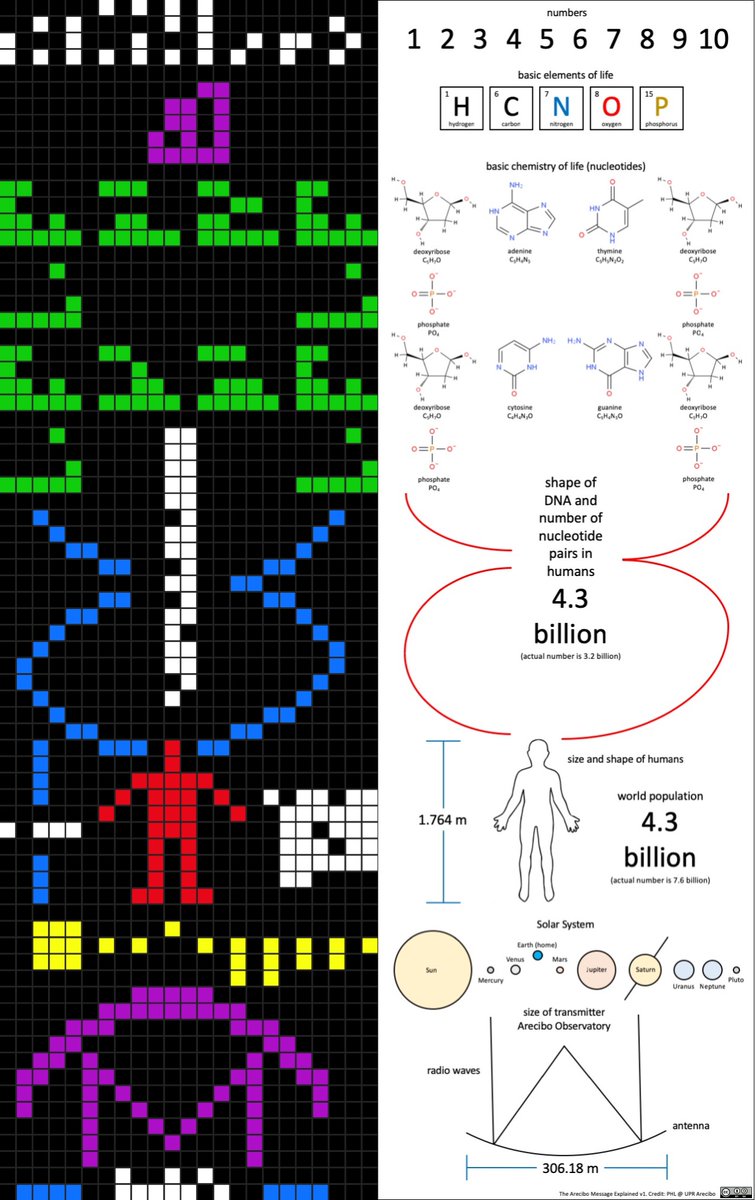
Do you know that a second Arecibo Message was prepared but never transmitted? 😯phl.upr.edu/message #TheLastAreciboMessage
1
36
62
5,272
3 Apr 2024
'The Last Arecibo Message' — November 2024.
1
4
13
3,404
18 Mar 2024
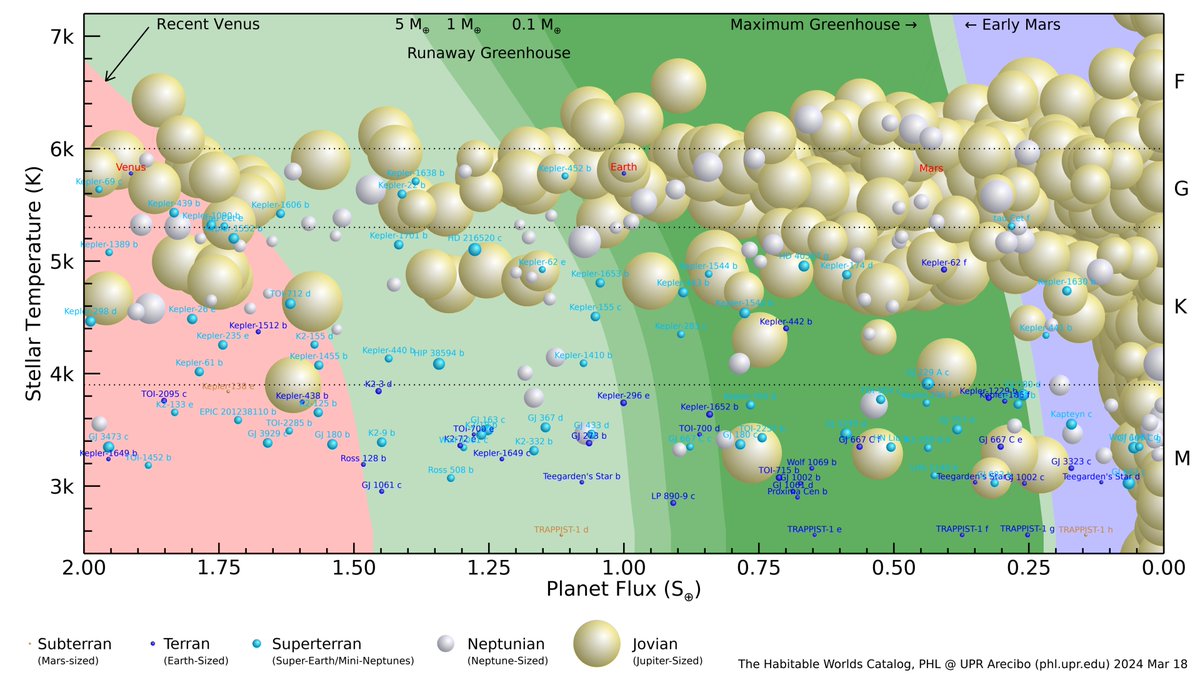
The exoplanet TOI-904 c was added to the Habitable Worlds Catalog phl.upr.edu/hwc
17
55
3,554
Planetary HabLab retweeted

8 Jan 2024
Sentar cátedra sobre planetas, cuando hay trillones, probablemente más, con una diversidad casi inimaginable, es muy pretencioso. Aún nos queda mucho por aprender. Sobra cierta arrogancia y falta mucha humildad. Por eso es tan importante el @PlanetaryHabLab
4
9
871
5 Dec 2023
The PHL will update its Habitable Exoplanets Catalog on January 8, 2024 🤔 phl.upr.edu/projects/habitab… #exoplanets #astrobiology
5
19
3,629
16 May 2023
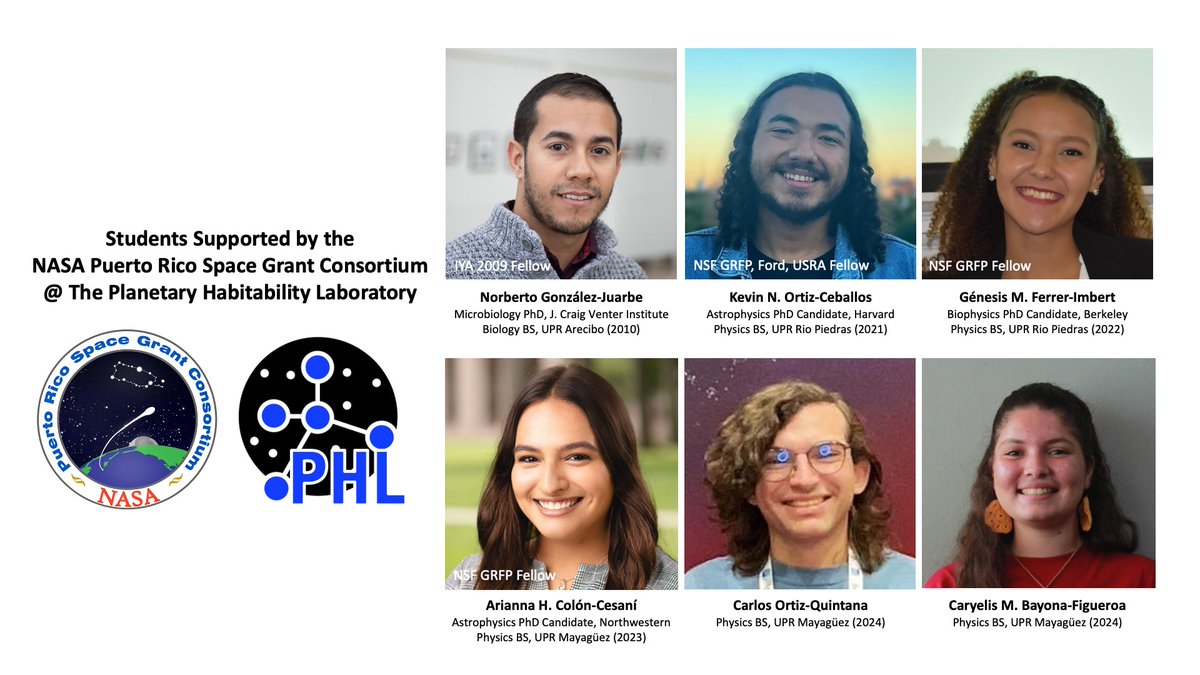
The @PlanetaryHabLab is proud of their students supported by the NASA Puerto Rico Space Grant Consortium. @nasa_pr @CienciaPR #astrobiology
5
12
3,271
Planetary HabLab retweeted
27 Mar 2023
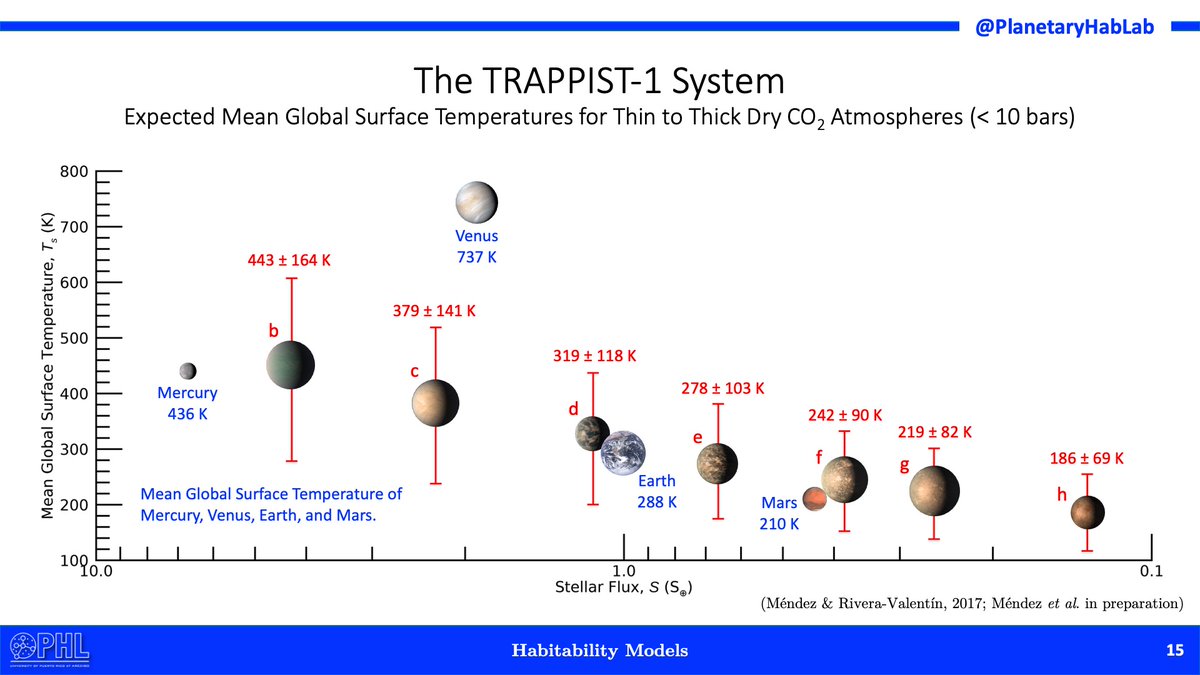
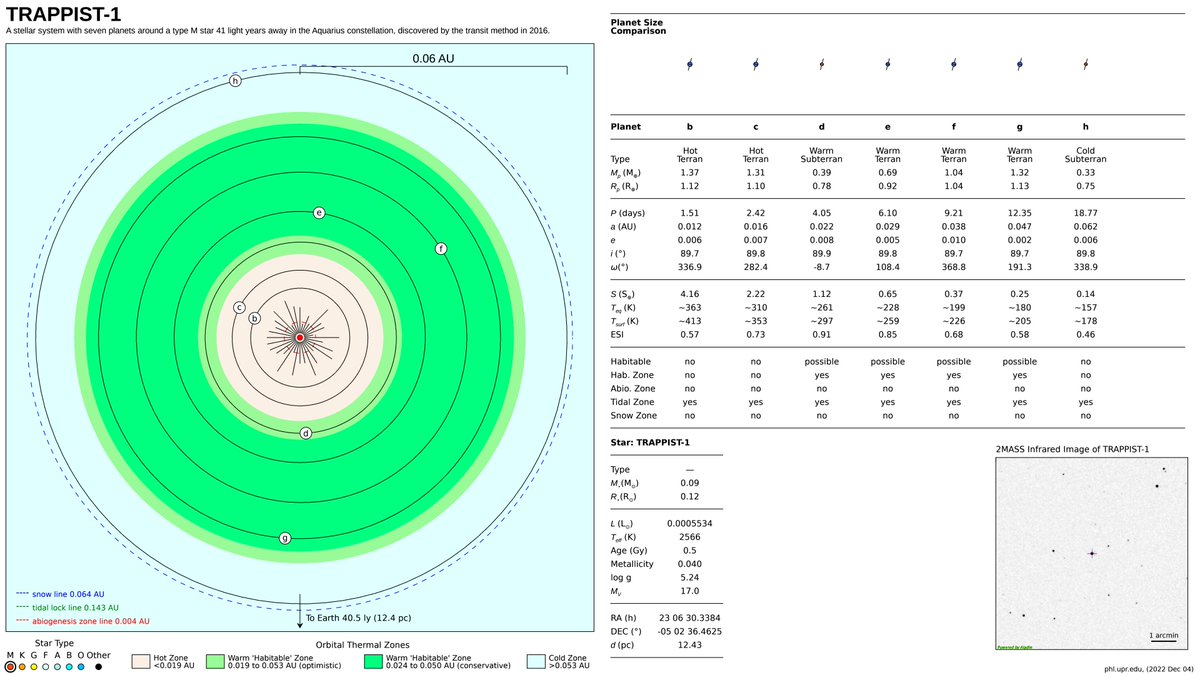
Here are @PlanetaryHabLab estimates of the mean global surface temperatures of the planets around TRAPPIST-1 for thin to thick atmospheres (<10 bars). TRAPPIST-1 b, measured ~500 K, is within our predictions. 😀
3
5
30
9,771
Planetary HabLab retweeted
5 Mar 2023
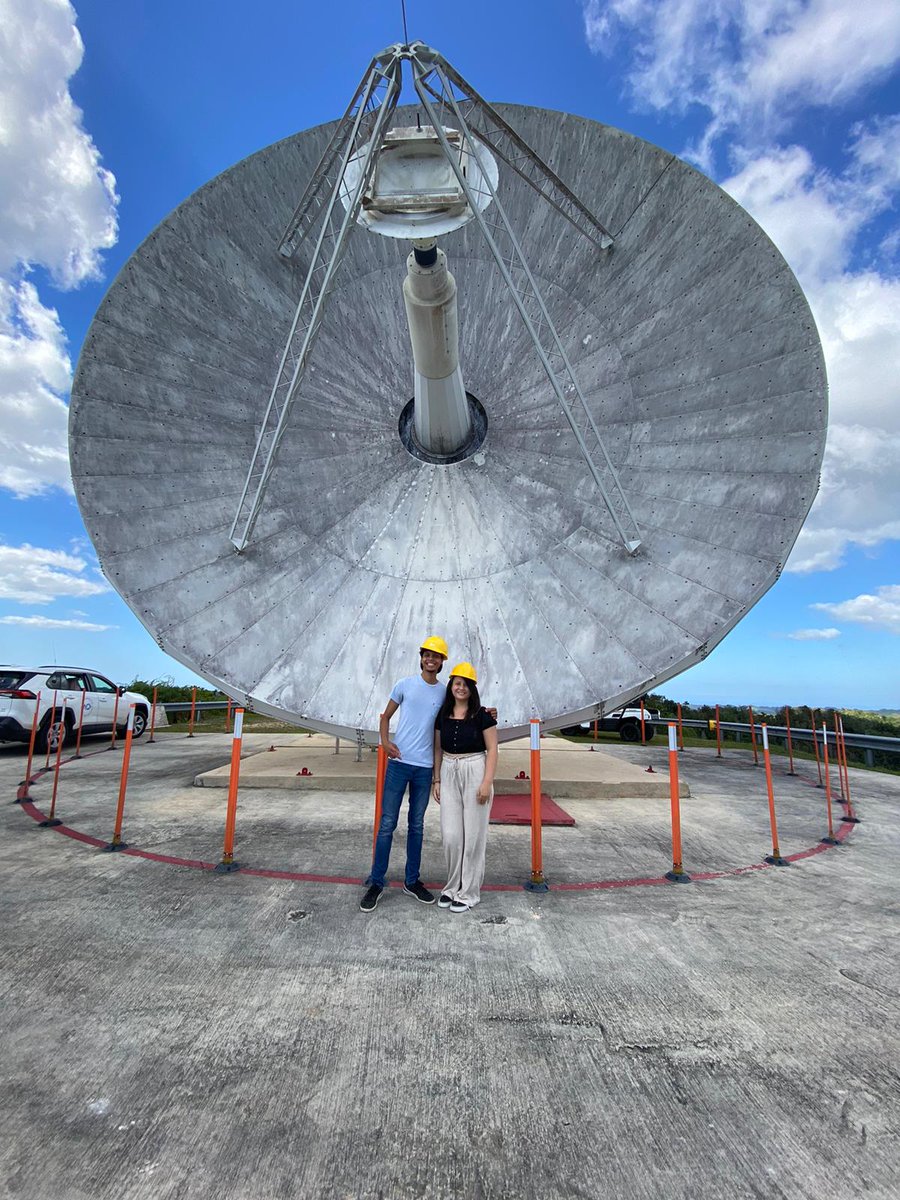
Our @PlanetaryHabLab students Vanelie Olivieri Encarnación and Alexander O. Molina Ortiz at the Arecibo Observatory's 12 meter Radio Telescope. 🙂
1
11
31
1,979
31 Jan 2023
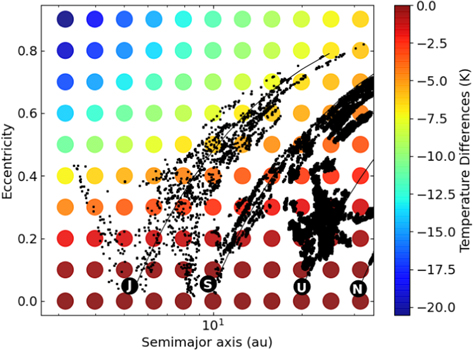
This paper shows that the method proposed by @ProfAbelMendez & @PlanetTreky to calculate the mean equilibrium temperature of planetary bodies in eccentric orbits can also be used to describe the internal thermal state of comets. iopscience.iop.org/article/1… iopscience.iop.org/article/1…
1
5
14
3,129
24 Dec 2022
El @PlanetaryHabLab está buscando 2 estudiantes subgraduados para trabajar en proyecto de astrofísica estelar a partir de enero 2023. phl.upr.edu/areciboreds #AreciboREDS @CienciaPR @adamonzon @UPR_Oficial @UPRA_Oficial @seds_uprm @ans_uprm @oauprh @fisicauprh @uprrp @premuprh
8
6
4,315
Planetary HabLab retweeted
5 Dec 2022
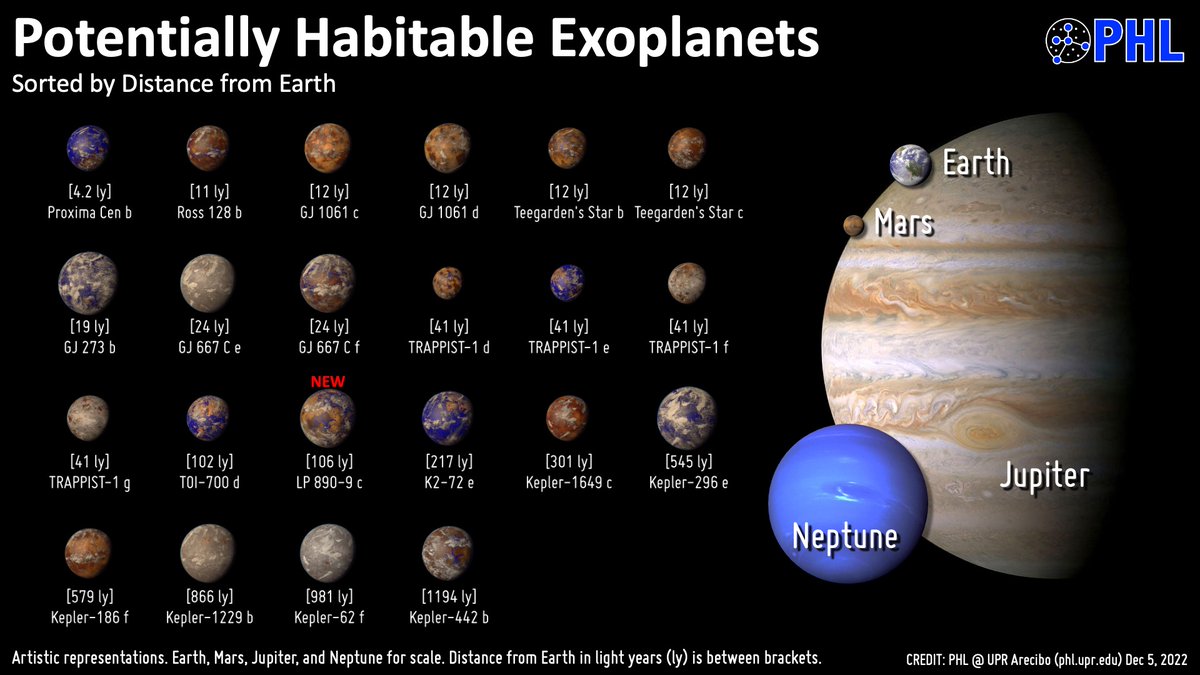
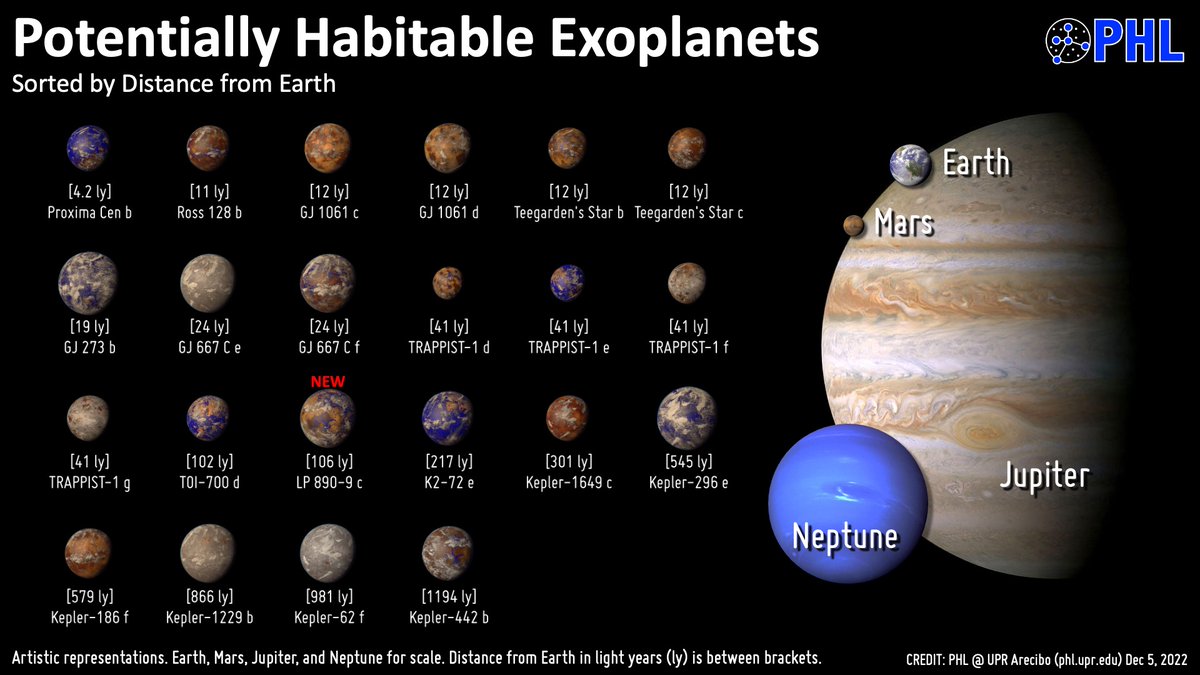
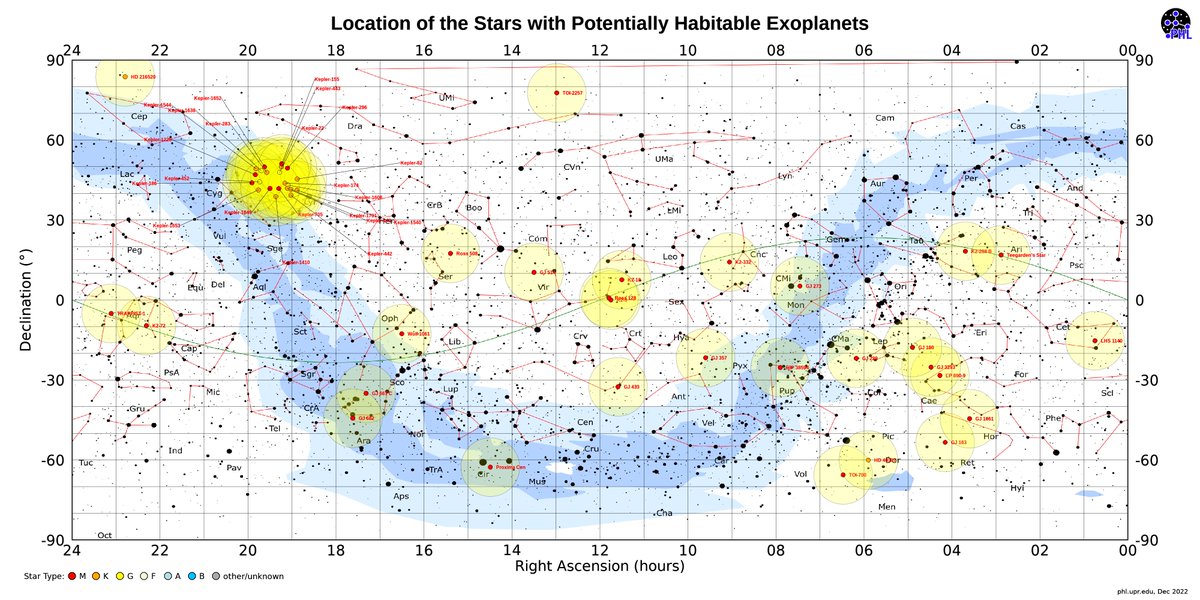
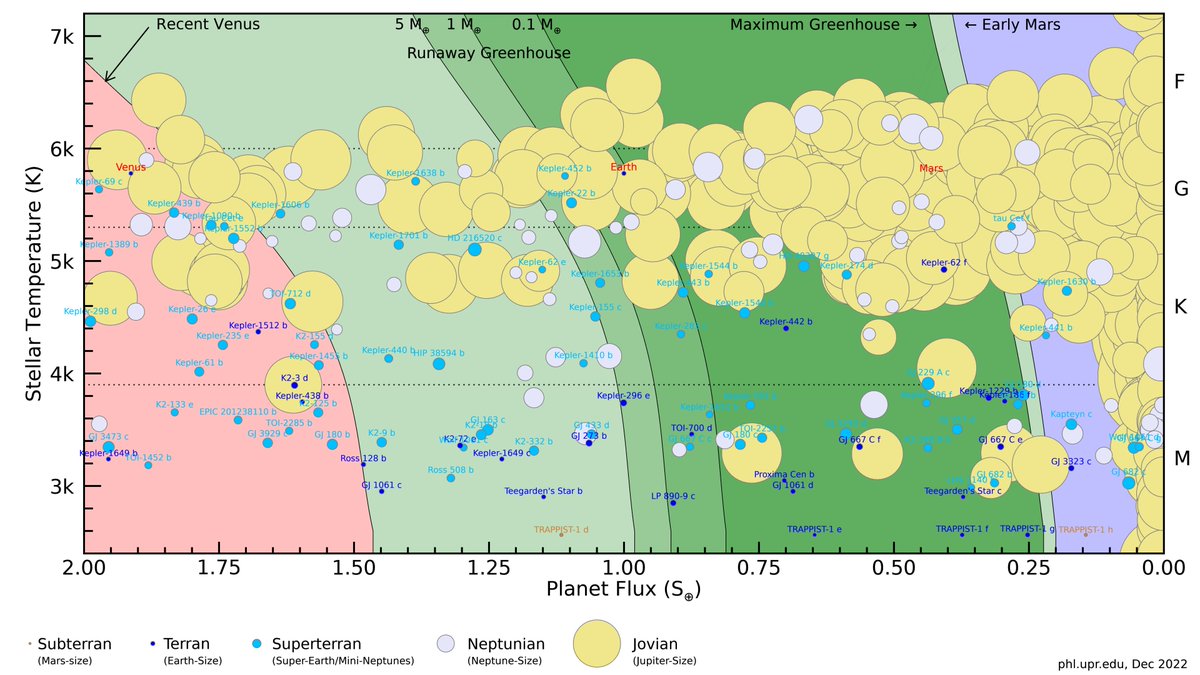
Today is the 11th anniversary of the Habitable Exoplanets Catalog. Here are visualization of the habitable zone, orbital diagrams, location in the night sky, and links to NASA's @nexsci_ipac data. phl.upr.edu/projects/habitab…
1
15
55
4 Dec 2022
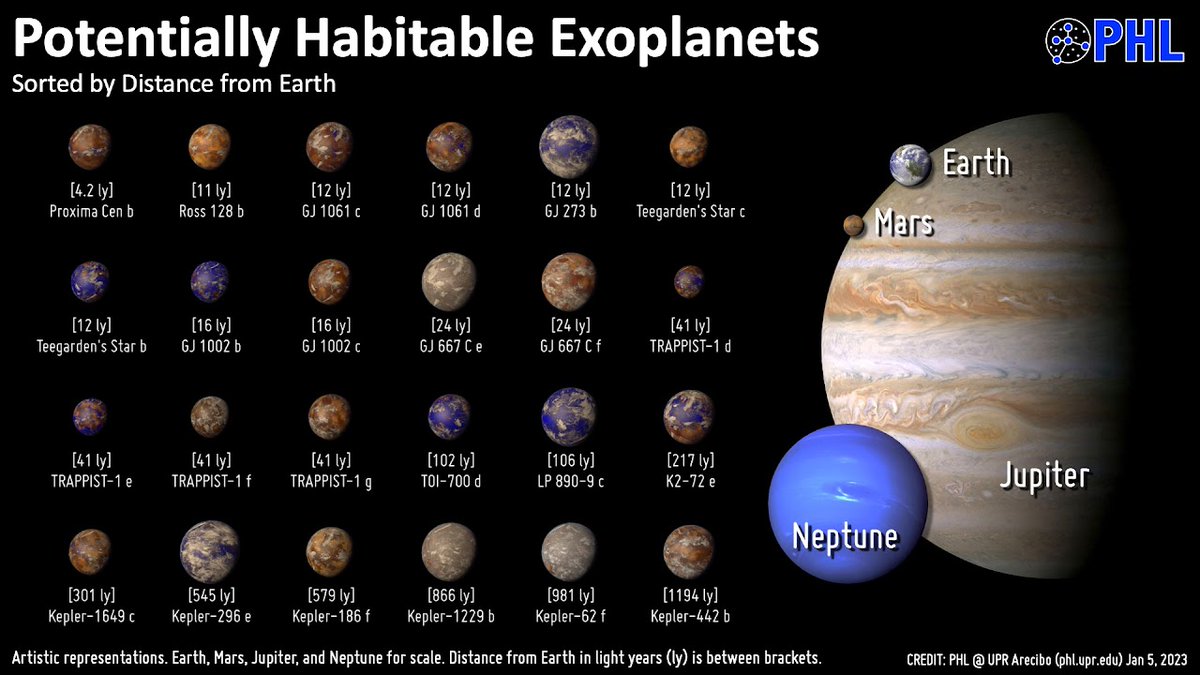
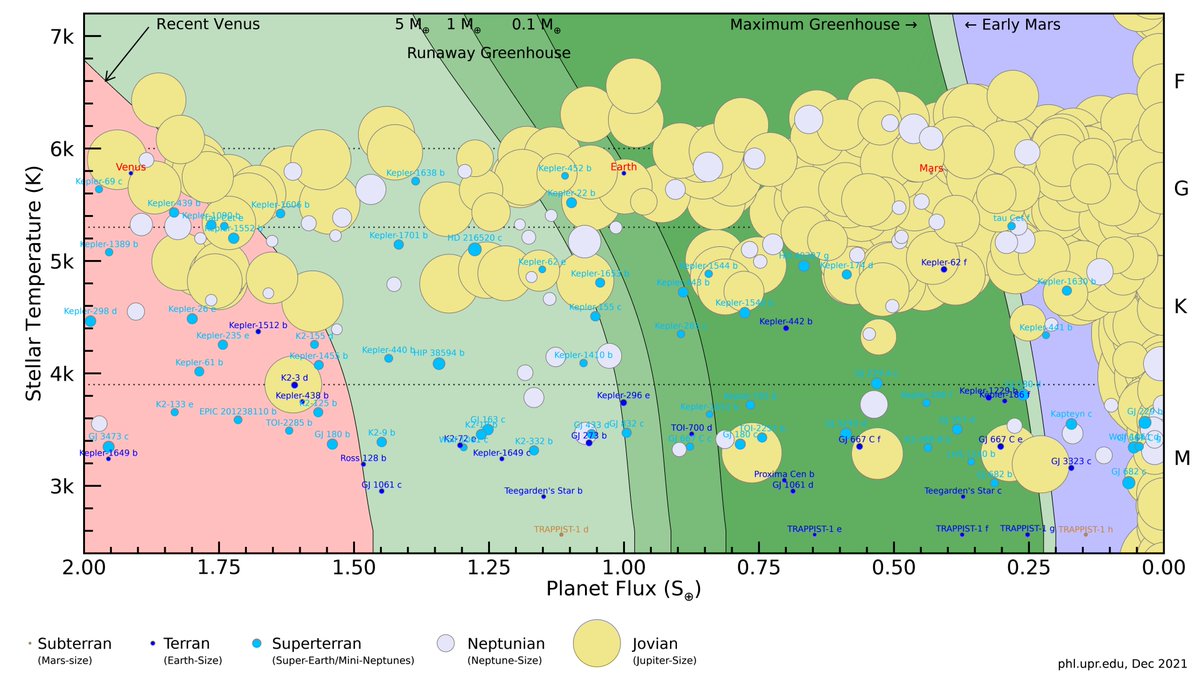
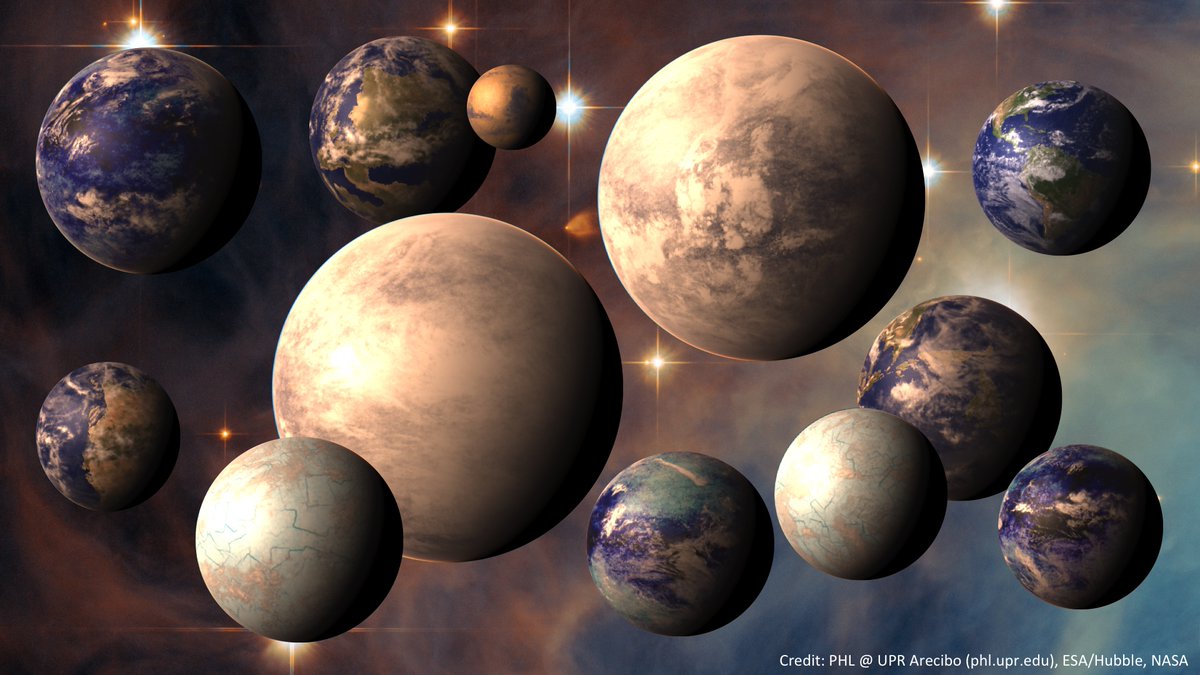
The Habitable Exoplanets Catalog was updated with data from NASA's @nexsci_ipac. There are up to 61 potentially habitable worlds out of 5200 known #exoplanets. Planets LP 890-9 c, Ross 508 b, and GJ 514 b were just added to the catalog. Explore them here! phl.upr.edu/projects/habitab…
11
27