
The device that lets plants sing. Tune into nature and listen to plant music. Use #PlantWave to join the conversation. Order today! 🎶 〰️🌿〰️🎶
Joined April 2014
- Tweets 1,712
- Following 47
- Followers 8,172
- Likes 813
1,236 Photos and videos









Pinned Tweet

3 Mar 2021
PlantWave is about listening to Earth and opening to love.
22
49
206
In a garden, we recorded the bioelectric signals of a fern, and asked it to sing. Yes. With vocal-samples, the fern speaks at the pitches its electrical signal produces. The voice you hear is human samples being driven by plant data, in real time. Ferns have been here long
38
21h
Nobody wrote this song. 🎶🌿 Beside the bay in Stockholm, a tree plays piano through PlantWave. Each note is generated in real time from the tree’s subtle electrical signals—shaped by light, water, and breeze. No loops. No composer. Just nature revealing itself as music. It’s
4
362
Jun 12
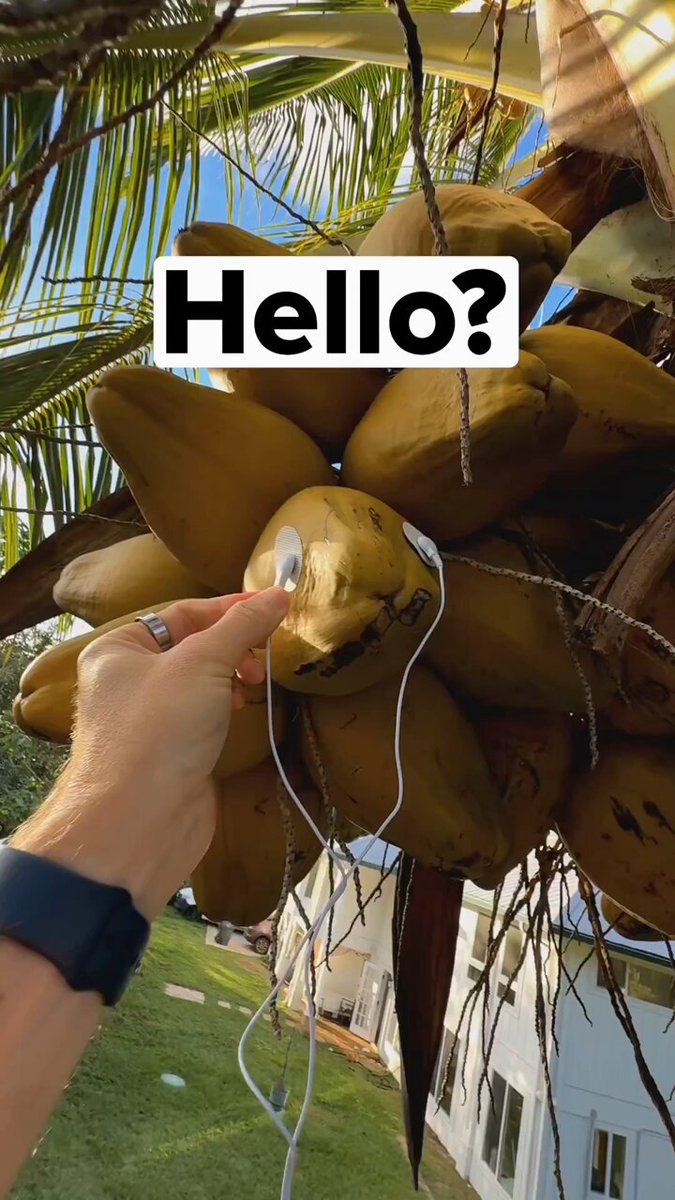
In Kauaʻi, we recorded the bioelectric signals of a young green coconut, and the coconut said hello. Every coconut has a face on it. Three round indentations near the top, two of them where eyes would be, one of them where a mouth would be. When Portuguese sailors first
2
332
Jun 11
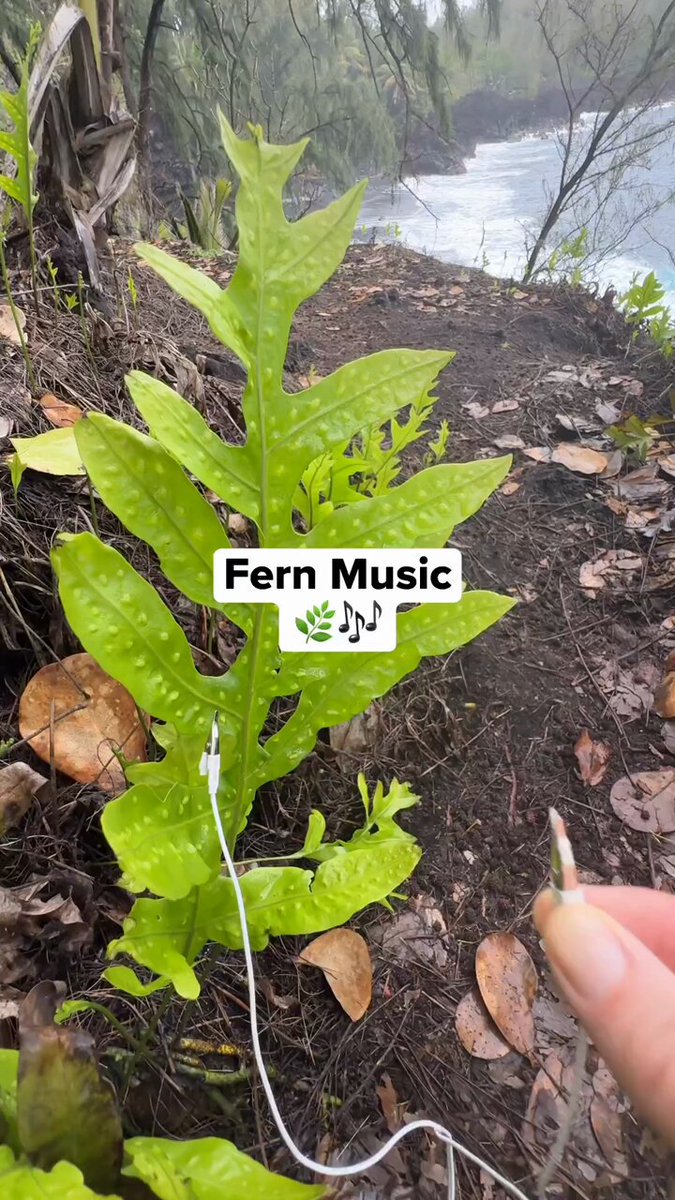
On a quiet, misty slope on the Big Island of Hawaiʻi, we recorded the bioelectric signals of a fern. Hawaiʻi has more native fern species than any other place in the United States, and about half of them exist nowhere else on Earth. The islands are some of the most isolated land
2
67
Jun 11
Have you heard mushroom music? As summer fades and fall approaches, mushrooms will soon arrive to decompose what has faded and also compose music of the moment. We connected this mushroom to PlantWave, translating its subtle electrical signals into sound. The result? A lush
2
4
364
Jun 10
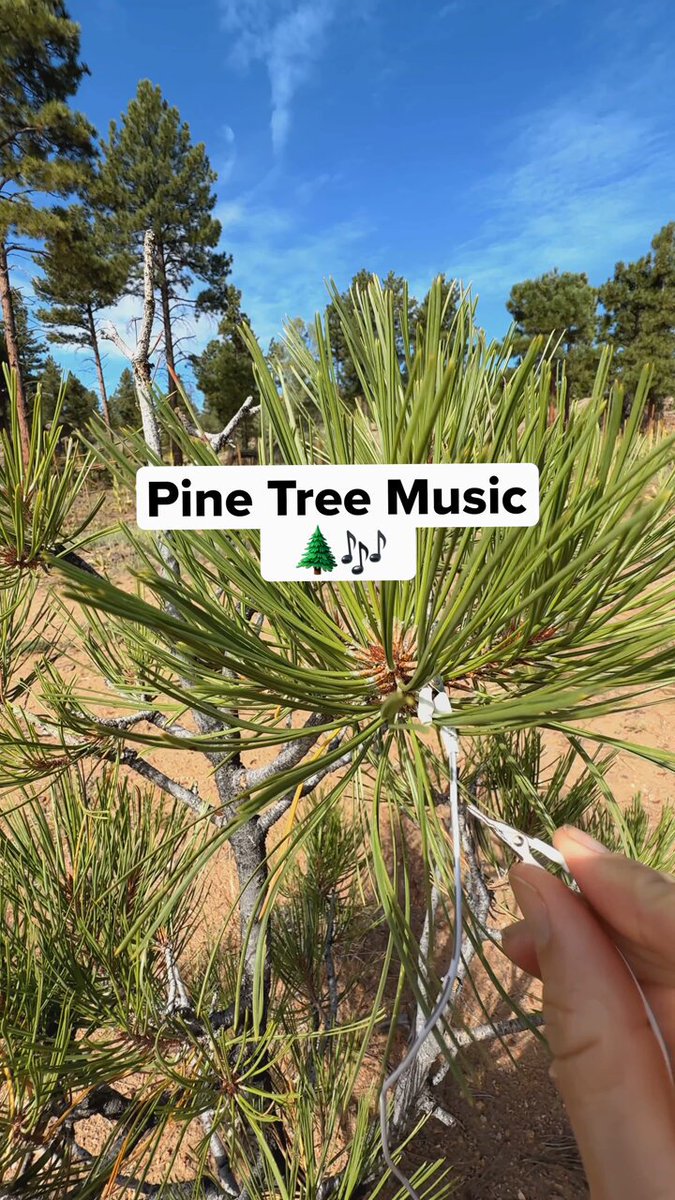
High in Tres Piedras, New Mexico, a ponderosa pine's electrical signals are turned into music with PlantWave. Through this process, we can hear a melody shaped by sun, wind, and the rhythms of the forest. Each note is unique to this moment in time a reminder that nature is
3
561
Jun 10
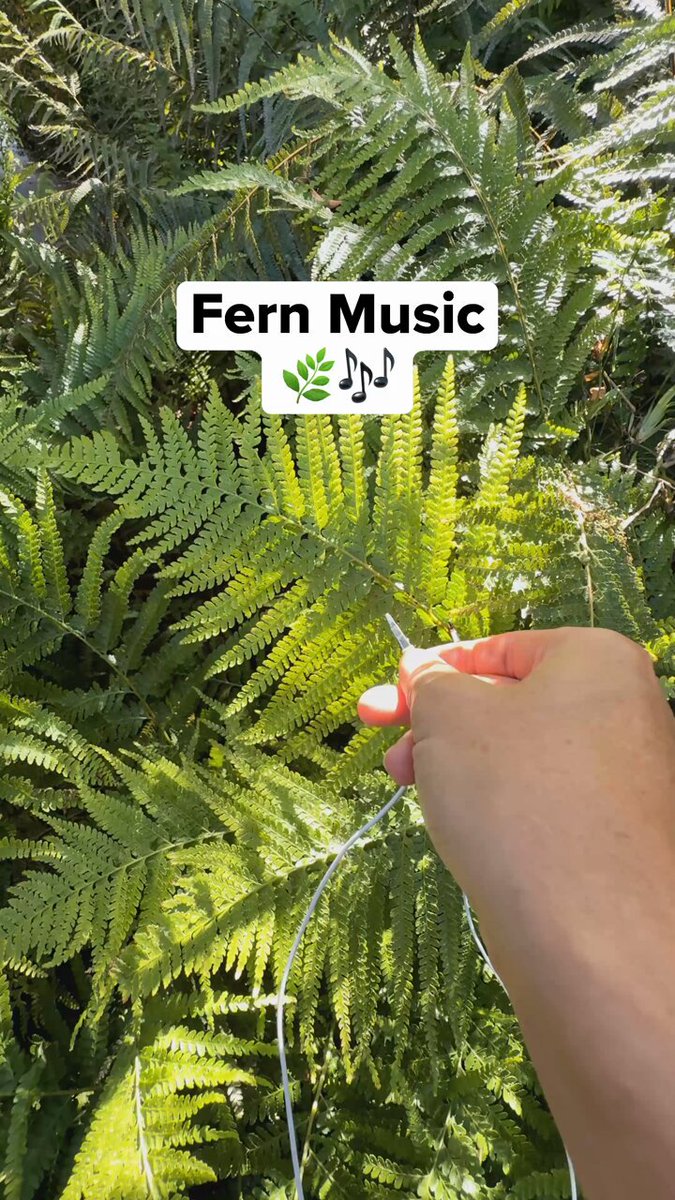
In a garden, we recorded the bioelectric signals of a fern and translated them into music using vocal samples. Here is how it works. The PlantWave device measures very small changes in the fern's electrical voltage at two points on a leaf. Those changes get mapped to pitch and
3
465
Jun 9
On the cliffs above Cinque Terre grows Italian buckthorn (Rhamnus alaternus), a hardy evergreen that thrives in Mediterranean sun and sea air. Connected to PlantWave, its subtle electrical signals are translated into music. What you hear is shaped by wind, light, and stone — the
3
267
Jun 9
In Kyoto, we recorded the bioelectric signals of a yukiyanagi, the flowering shrub also known as snow willow, and we called it flower music. A yukiyanagi does not bloom one big flower at a time. Each branch holds dozens of tiny five-petaled flowers, and a full shrub holds
1
83
Jun 8
At a small fountain in Milan, we connected impatiens to PlantWave. Their subtle electrical signals were translated into sound—gentle notes rising above the trickle of water, blending city and nature into one moment of harmony. Even here, in the heart of Milan, the plants are
1
63
Jun 8
In the gardens of the Imperial Palace in Kyoto, we recorded the bioelectric signals of a huge camphor tree (Cinnamomum camphora), one with a sacred rope tied around the trunk. A camphor tree at this size is hundreds of years old. The trunk is wide enough that two adults with
2
243
Jun 5
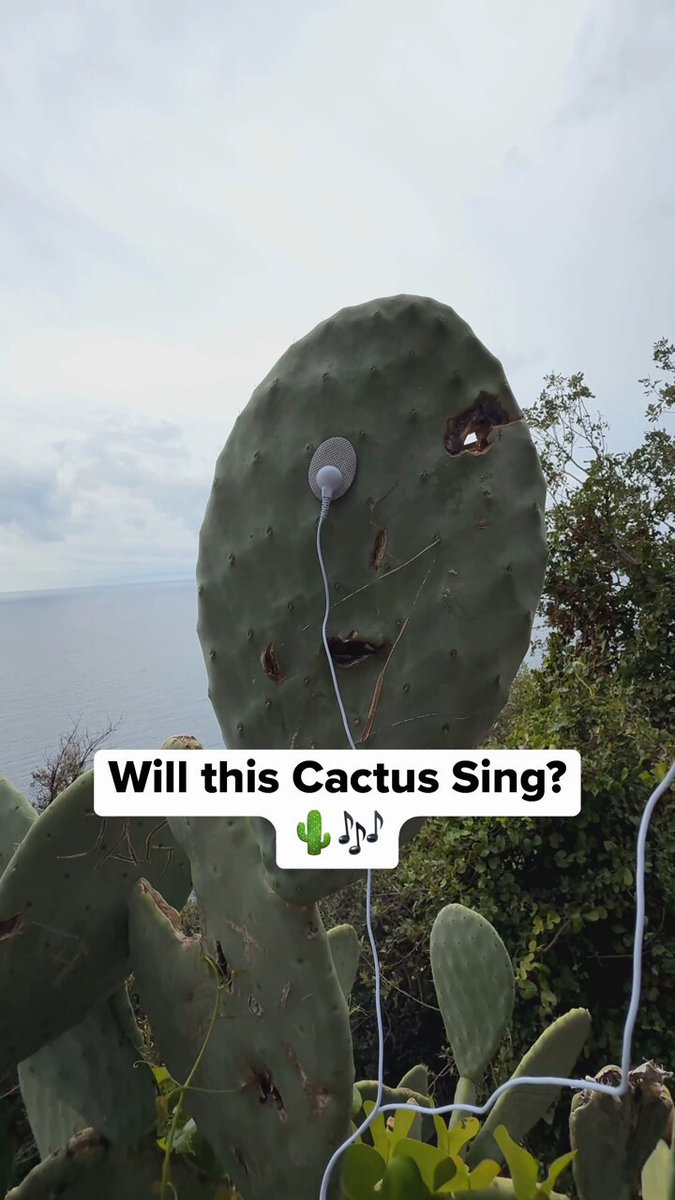
Will this cactus sing? 🌵🎶 On the cliffs above the Mediterranean, we connected a prickly pear cactus to PlantWave. PlantWave translates the cactus’s subtle electrical signals into music, turning its silent rhythms into an audible groove. How do you feel when listening? Try
2
55
Jun 5
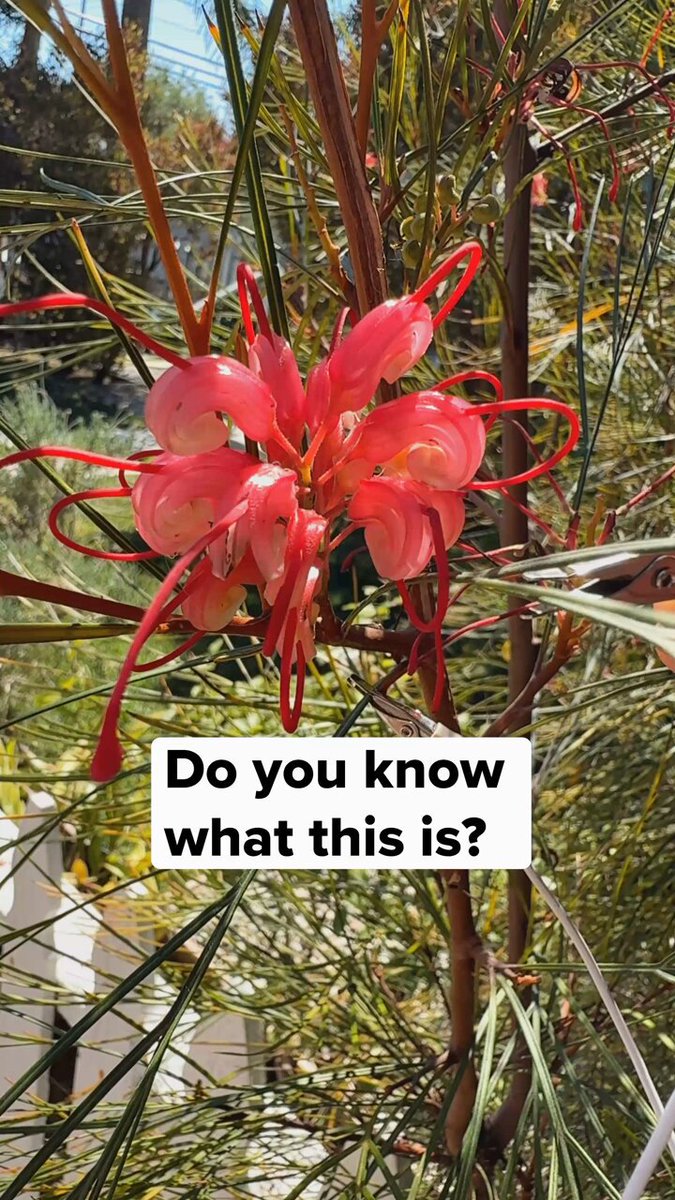
In a garden, we recorded the bioelectric signals of a grevillea, also called a spider flower, and the bloom turned out to be stranger than it looks. The curled pink shapes are not petals. They are tepals, fused petals and sepals, that split open and roll back as the flower
1
3
81
Jun 4
High above the colorful rooftops of Cinque Terre, we connected ivy to PlantWave. Its subtle electrical signals were translated into sound, creating a melody shaped by rain, sea air, and stone. The ivy climbs quietly, but today, it sings. What plant will you listen to with
2
56
Jun 4
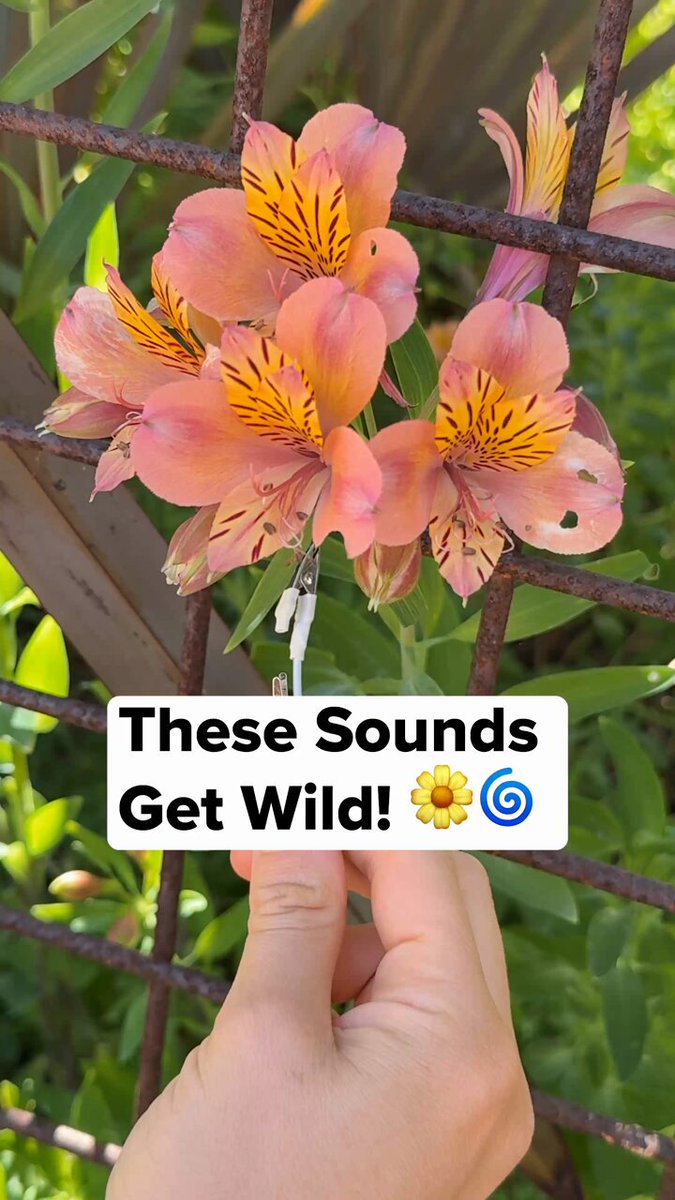
In a garden, we recorded the bioelectric signals of an alstroemeria, also called a Peruvian lily, and the sounds got wild. Every leaf on this plant is upside down. As an alstroemeria leaf grows, it rotates 180 degrees on its stem, so the surface you see on top is actually what
1
2
68
Jun 3
Will this flower sing? 🌸🎶 Above the sea and rooftops of Vernazza, a bloom shares its song through PlantWave. A melody of sunlight, salt air, and petals a love letter from nature to this village. Try PlantWave for yourself from our TikTok Shop! #plantwave #plantmusic #italy
1
59
Jun 3
In a garden, we recorded the bioelectric signals of a fig tree using a high-pitched monophonic synth, one note at a time, like a flute carried by the plant. Will this tree sing? Yes. And it is also already in bloom, though you might not have noticed. A fig is not actually a
1
5
319
Jun 2
These red autumn leaves belong to the bilberry (Vaccinium myrtillus), a small shrub native to Europe’s alpine and subalpine regions. Bilberry is a close relative of the blueberry and has been valued for centuries as both food and medicine. Its berries are rich in antioxidants,
1
1
54
Jun 2
In a garden, we recorded the bioelectric signals of a Madagascar ocotillo (Alluaudia procera), and we used a more rhythmic staccato soundset, because the plant suggests it. Look at the trunk. The leaves run in tight vertical columns up the entire stem, paired with rows of pale
1
60
Jun 1
Rose Music. 🌹🎶 In the heart of Stockholm, we connected a rose to PlantWave, translating its subtle electrical signals into sound. It’s a reminder that plants, people, and cities are not separate. We are all woven into the same living system. Try PlantWave from our TikTok Shop!
2
77