
Bladder health and prevention of LUTS. Funded by National Institute of Diabetes and Digestive and Kidney Diseases (NIDDK). Follow/RT does not imply endorsement.
Joined November 2017
- Tweets 983
- Following 479
- Followers 258
- Likes 1,025
415 Photos and videos




Pinned Tweet

23 Oct 2024
Congrats to PLUS Investigators Siobhan Sutcliffe, @arianasmith23, and many more on winning the Best in Category Prize: Prevention and Public Health at #ICS2024 for their work! View: ics.org/2024/abstract/241. Dr Sutcliffe presents Friday at 11:30AM. #MyICS #ICSMeeting @icsoffice
1
5
142
PLUS Research Consortium retweeted

Mar 24
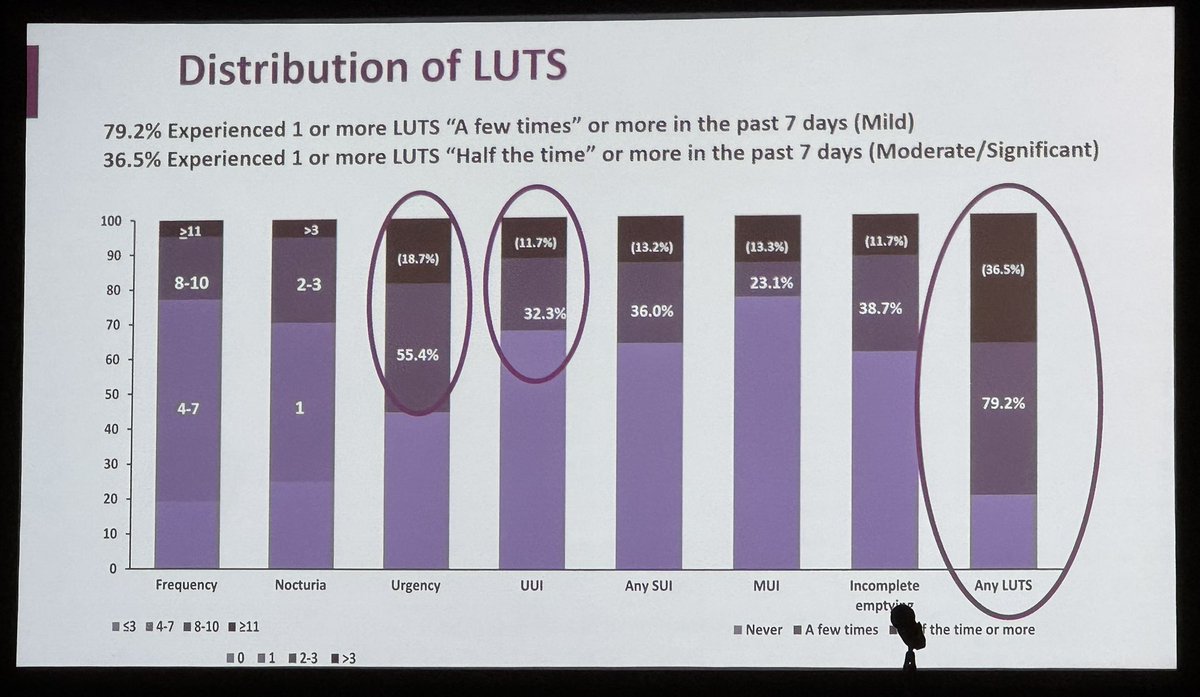
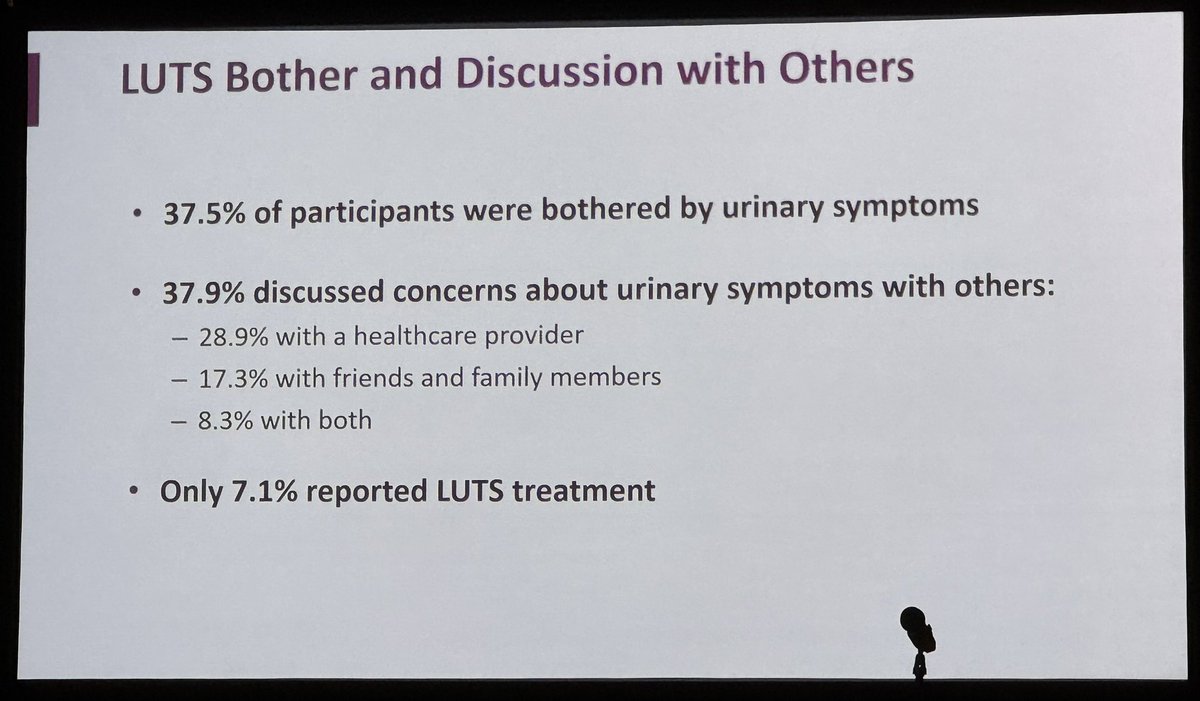
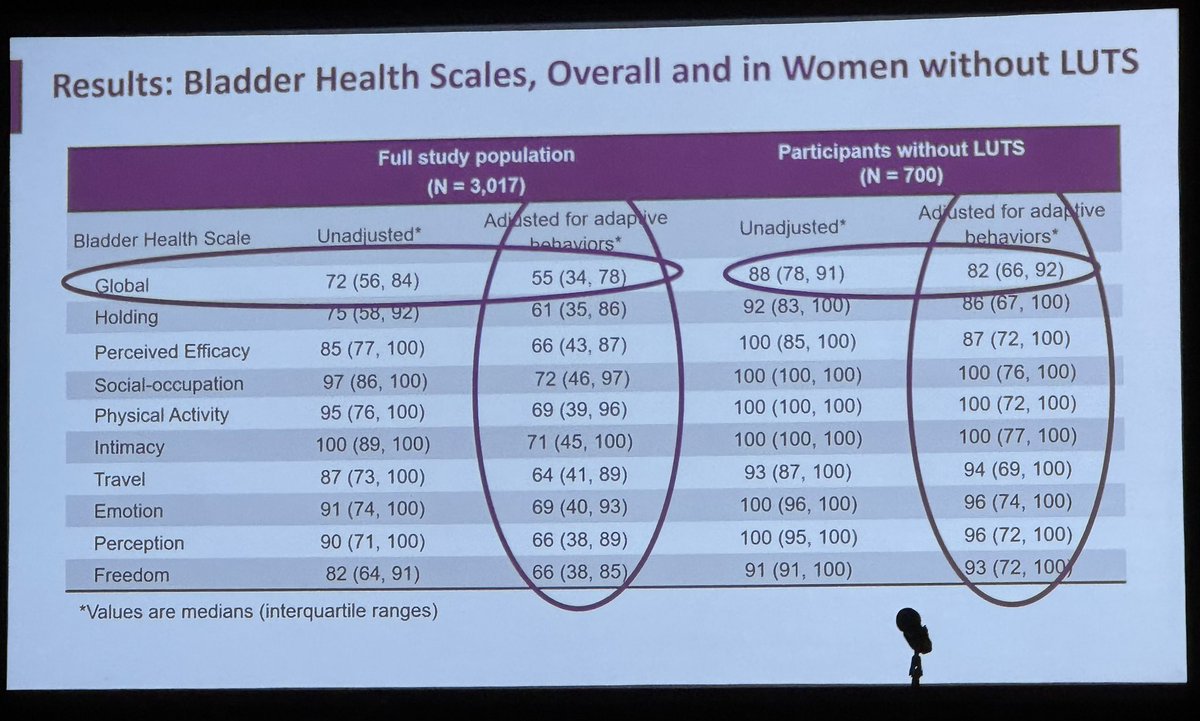
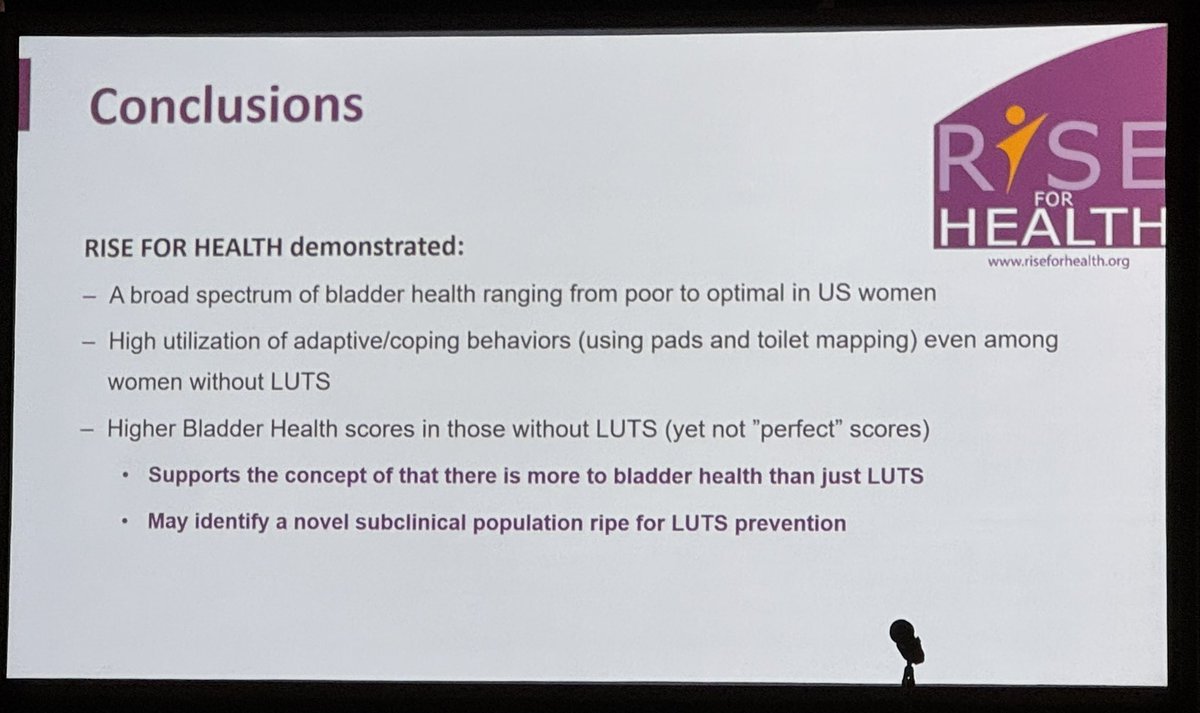
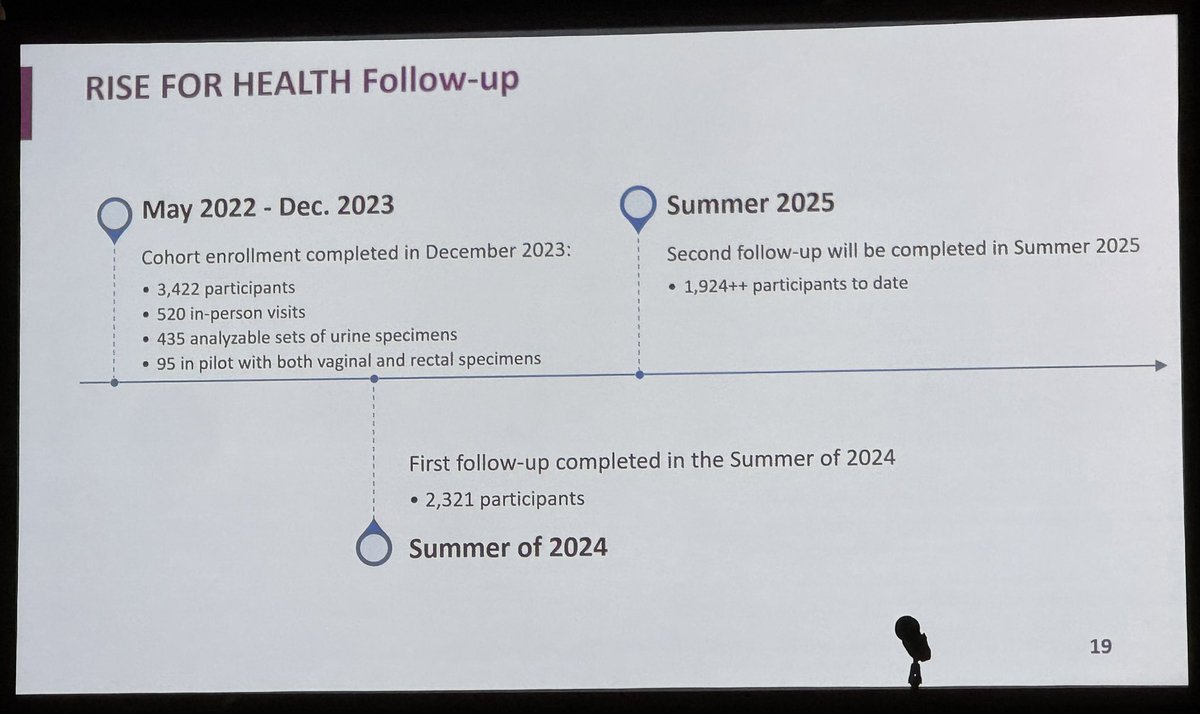
The @PlusConsortium's research on #BladderHealth in women and girls. @arianasmith23 @PennMedicine joins Alan Wein, MD, PhD, FACS @dsui_miami_uro sharing data from the #RISEforHealth cohort of 3,422 US women, showing that mild #LUTS are nearly universal and over one‑third report moderate-to-severe symptoms—yet only few seek treatment and a large percentage use coping behaviors like pads and toilet mapping. The new bladder health scales reveal a wide spectrum of bladder well-being, even among women without LUTS, and early analyses link factors like early sexual debut and perimenopause to higher LUTS risk, underscoring the need for prevention-focused strategies across the lifespan. #WatchNow to learn more > bit.ly/4q3Jr5d
2
2
610
PLUS Research Consortium retweeted

2 Mar 2025
As reported by @arianasmith23 @PennUrology interesting @PlusConsortium findings, including a high utilization of adaptive/coping behaviors, even among women without LUTS #SUFU25 @sufuorg
5
6
699
PLUS Research Consortium retweeted
2 Mar 2025
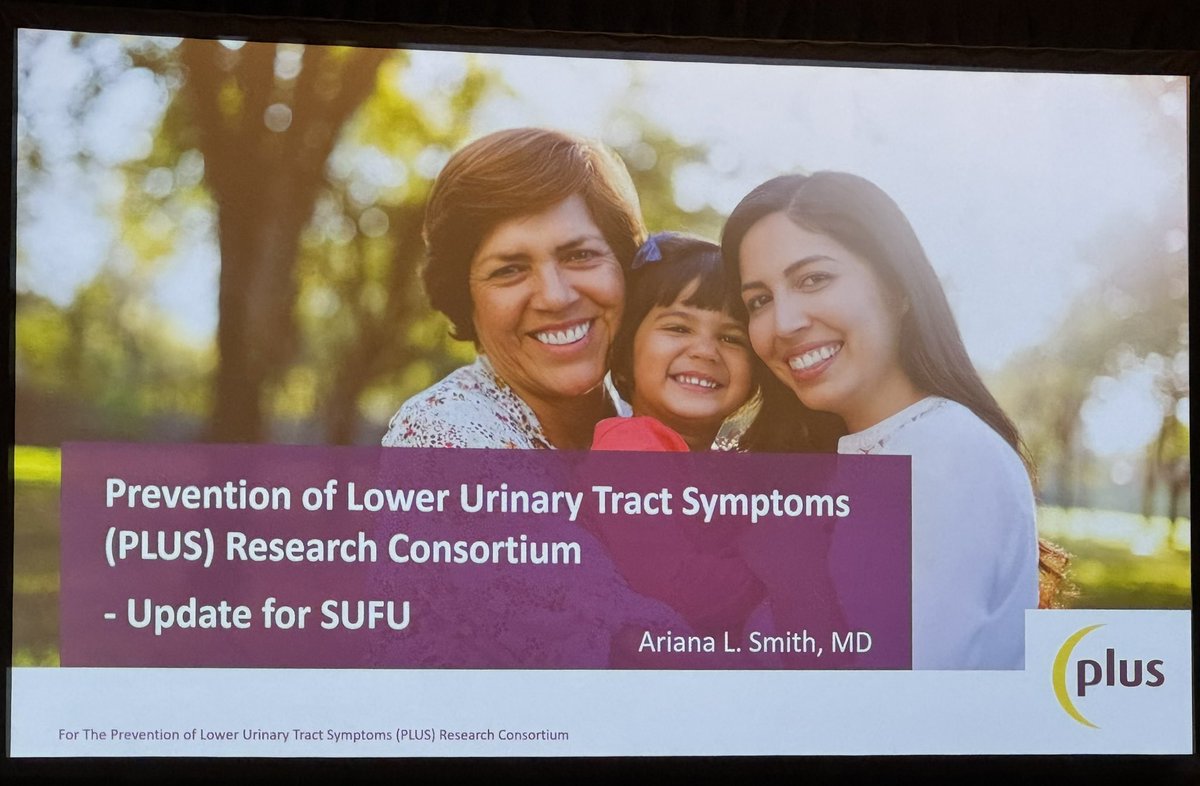
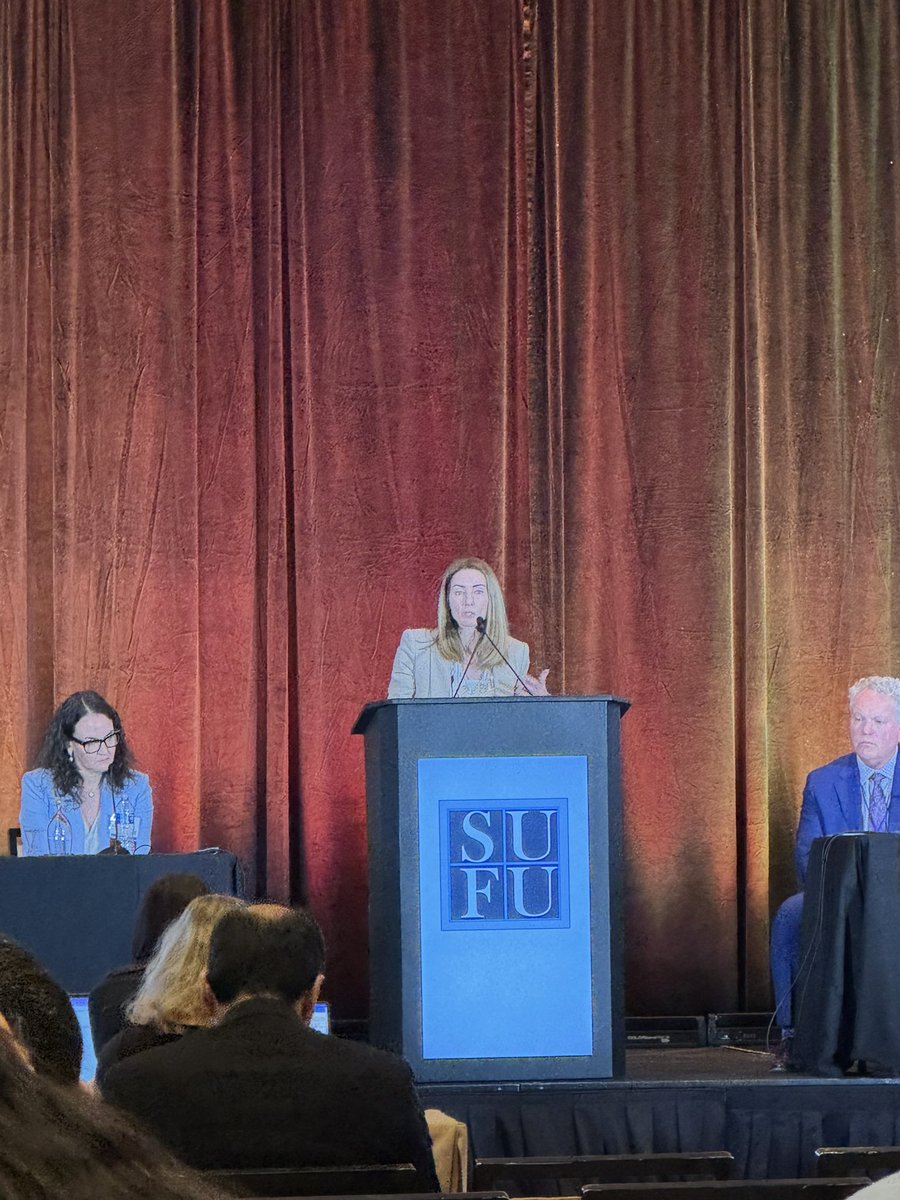
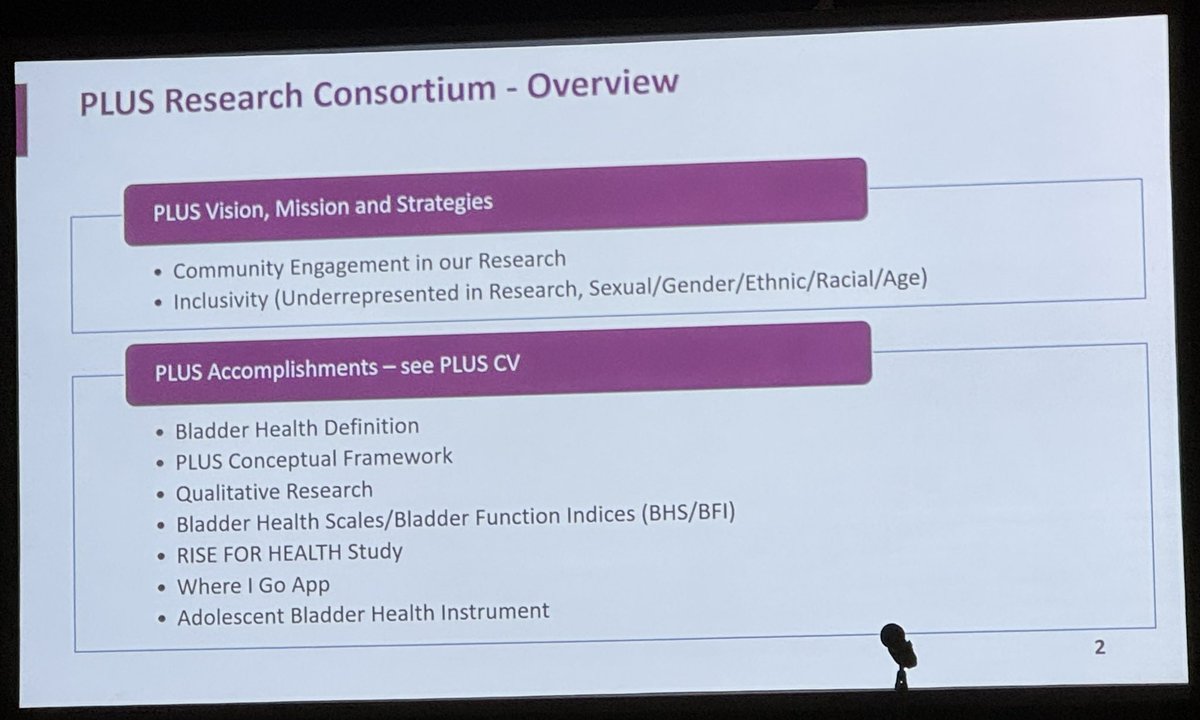
With @NIDDKgov 75th Anniversary upon us, update on @PlusConsortium presented by @arianasmith23 @PennUrology at #SUFU25, including follow up of #RiseForHealth @sufuorg 1/2
1
5
6
527

30 Oct 2024
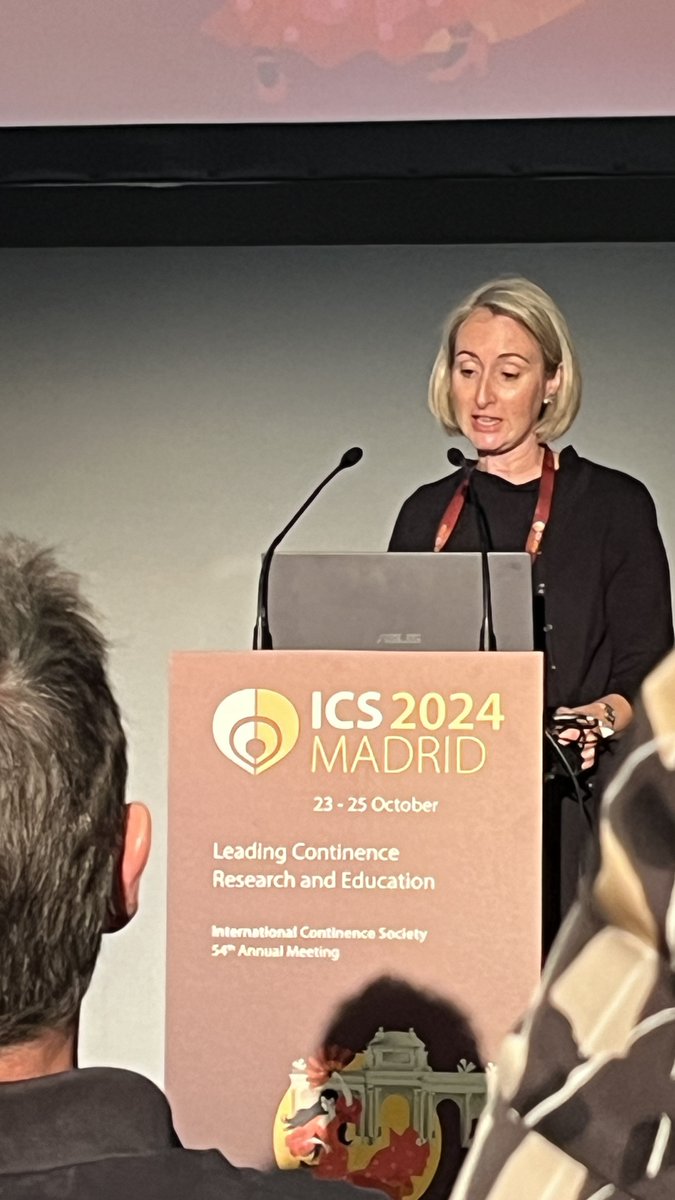
Siobhan Sutcliffe, PhD, ScM, MHS presenting the RISE BHS/BFI data at #ICS2024 last week!
42
PLUS Research Consortium retweeted

20 Jun 2024
Proud to be a member of this interdisciplinary team seeking to identify prevention strategies for LUTS to promote #BladderHealth
18 Jun 2024

Urinary symptoms are common and bothersome in US women, yet often left untreated — this underscores the opportunity for treatment and prevention interventions to reduce the burden of urinary symptoms @arianasmith23 @PlusConsortium auajournals.org/doi/10.1097/…
2
8
765
PLUS Research Consortium retweeted
23 Oct 2024
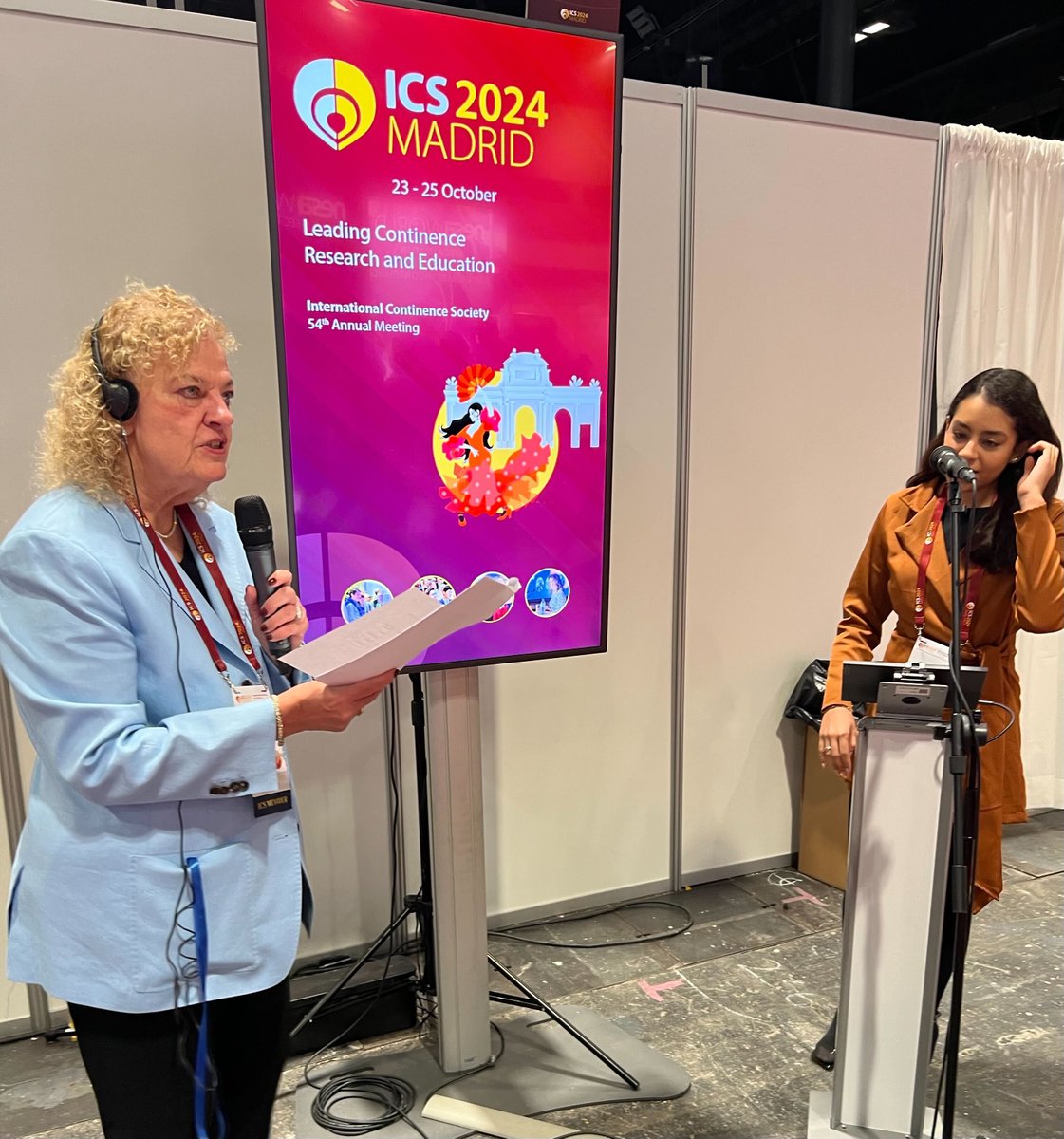
@DrDianeNewman, Urotoday #MedDirector moderating research session at this year's #ICS2024. @icsoffice #Madrid #Continence #ICSMeeting
2
2
51
PLUS Research Consortium retweeted
23 Oct 2024
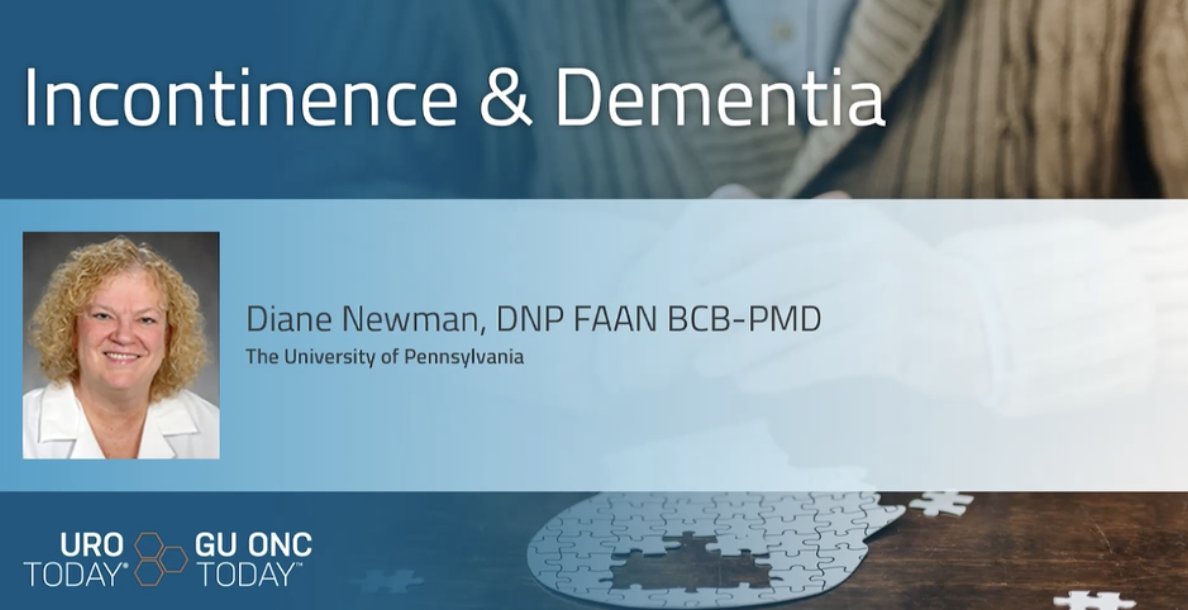
Managing urinary #incontinence in #dementia patients: External collection devices and absorbent products. @DrDianeNewman addresses the complexities of managing urinary incontinence in bedbound or non-mobile individuals within the elderly population > bit.ly/4eG5g6A
2
1
551
PLUS Research Consortium retweeted
23 Oct 2024
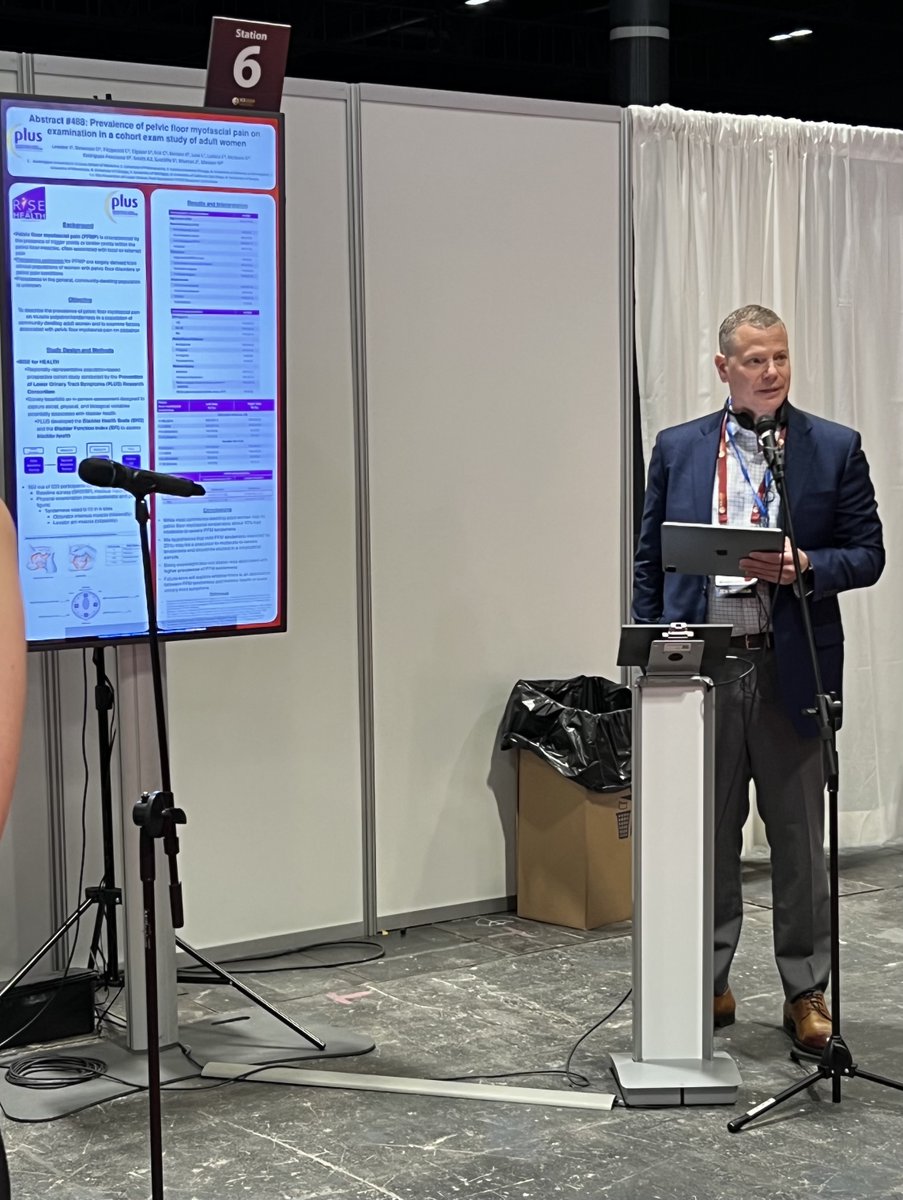
@JerryLLowder presents important work about "Prevalence of pelvic floor myofascial pain on examination in a cohort study of adult women" at the @icsoffice meeting in Madrid. #ICS2024 #ICSMeeting #MyICS. View the poster: ics.org/2024/abstract/488
3
4
240
PLUS Research Consortium retweeted

7 Oct 2024
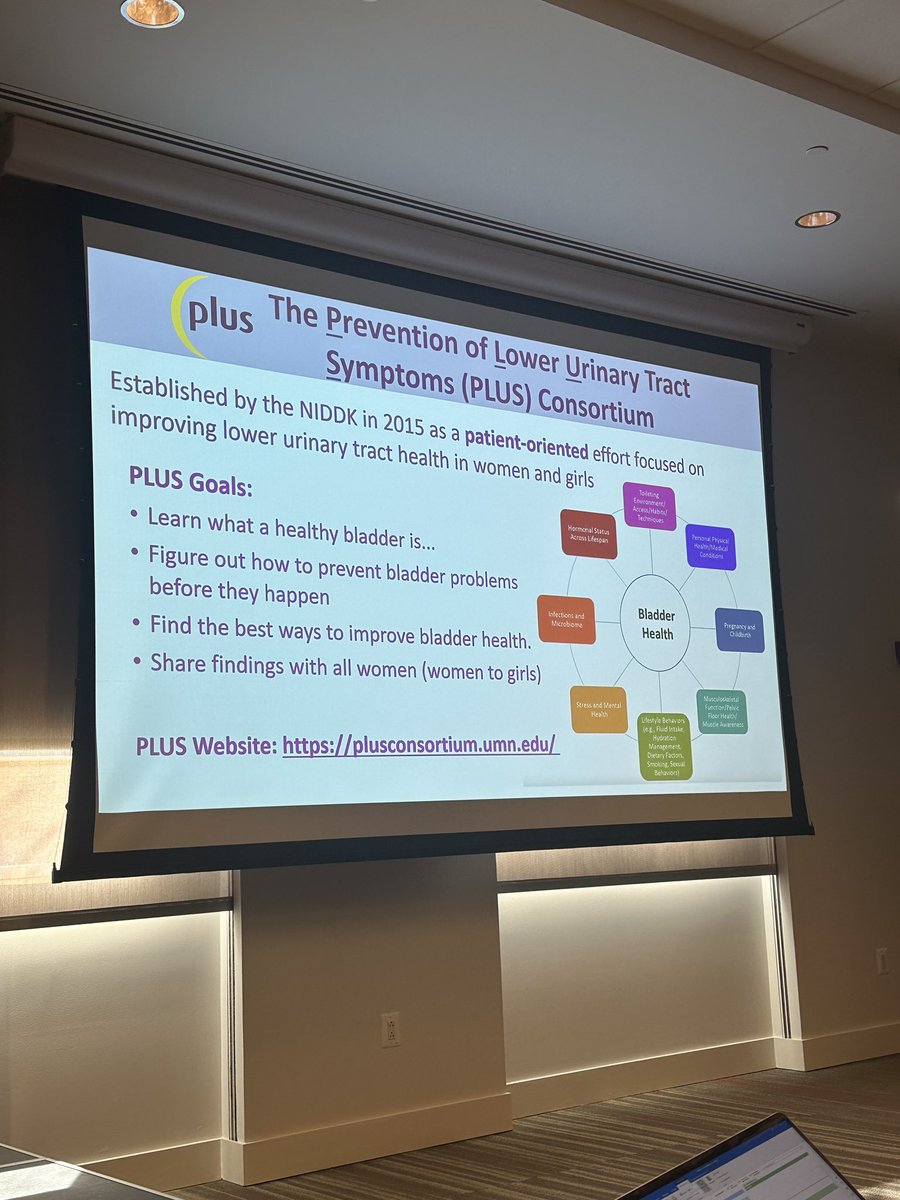
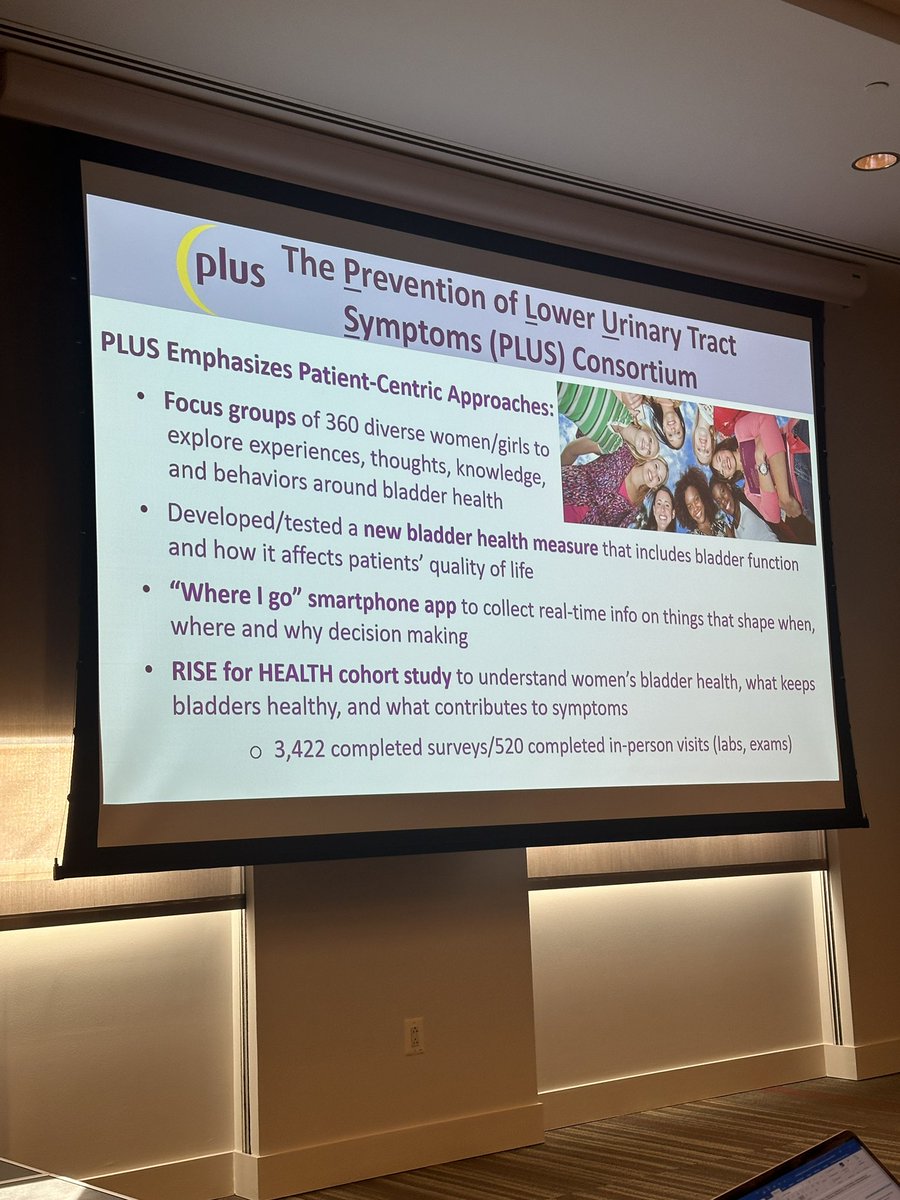
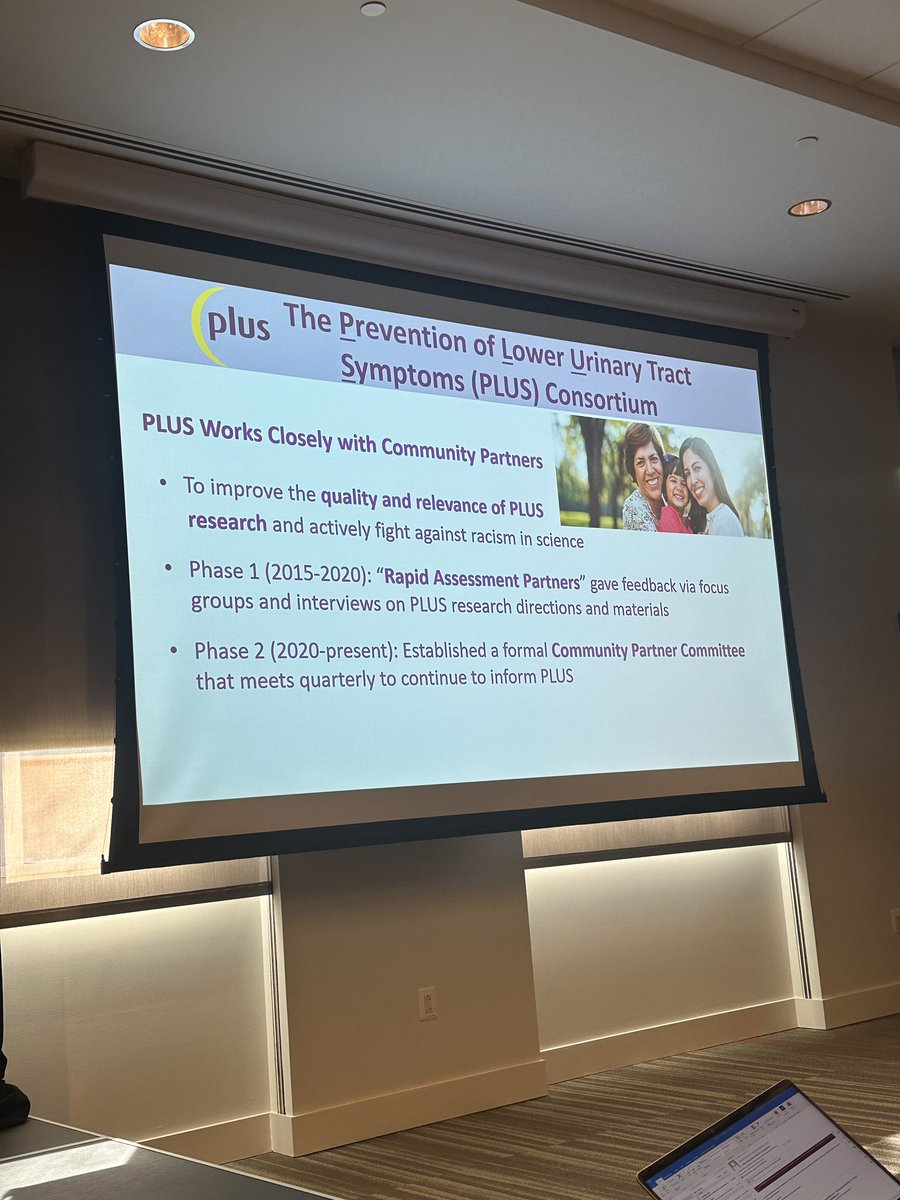
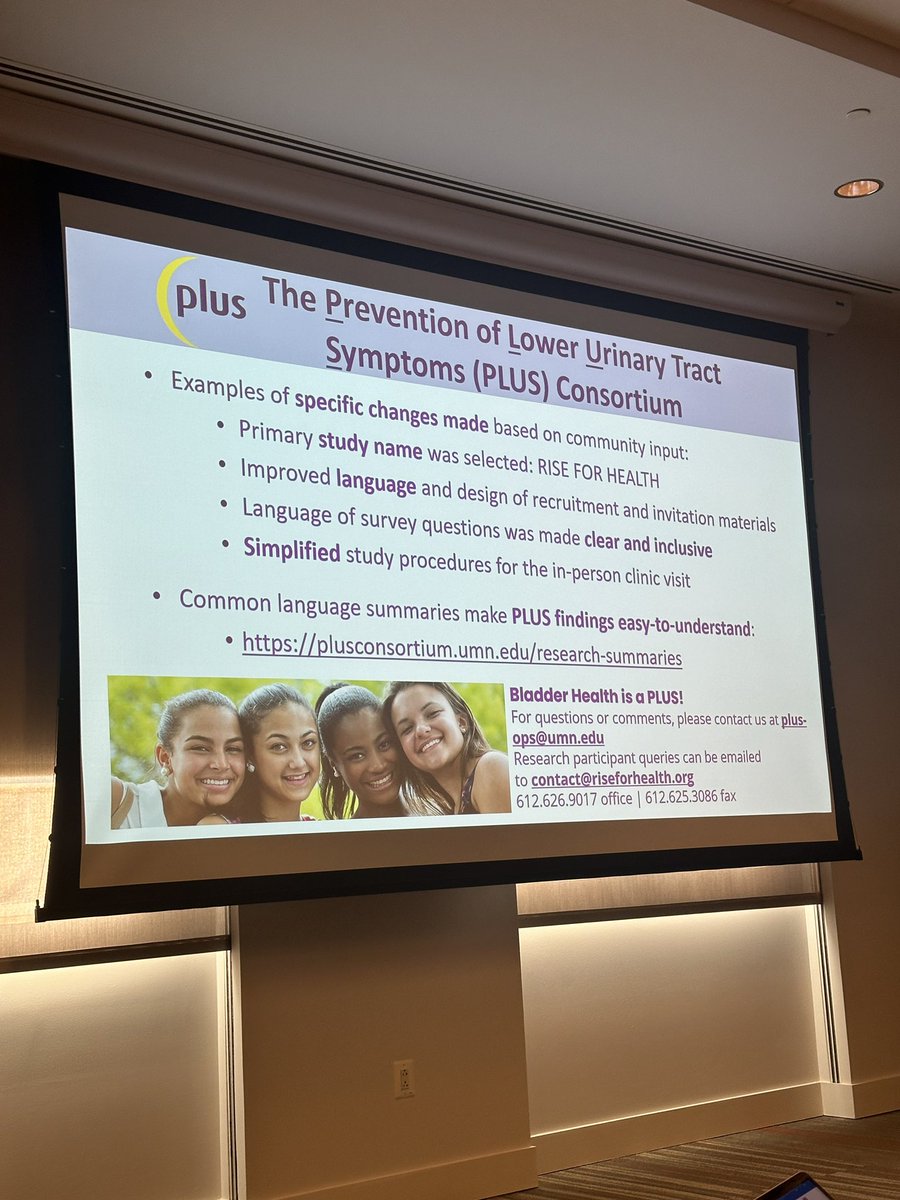
Christopher Mullins, PhD, from the @NIDDKgov is currently talking about the plus program at the Bladder Health Alliance Roundtable Discussion series at #AUA HQ as an example of patient centric programs #BladdersMatter
1
1
839
21 Jun 2024
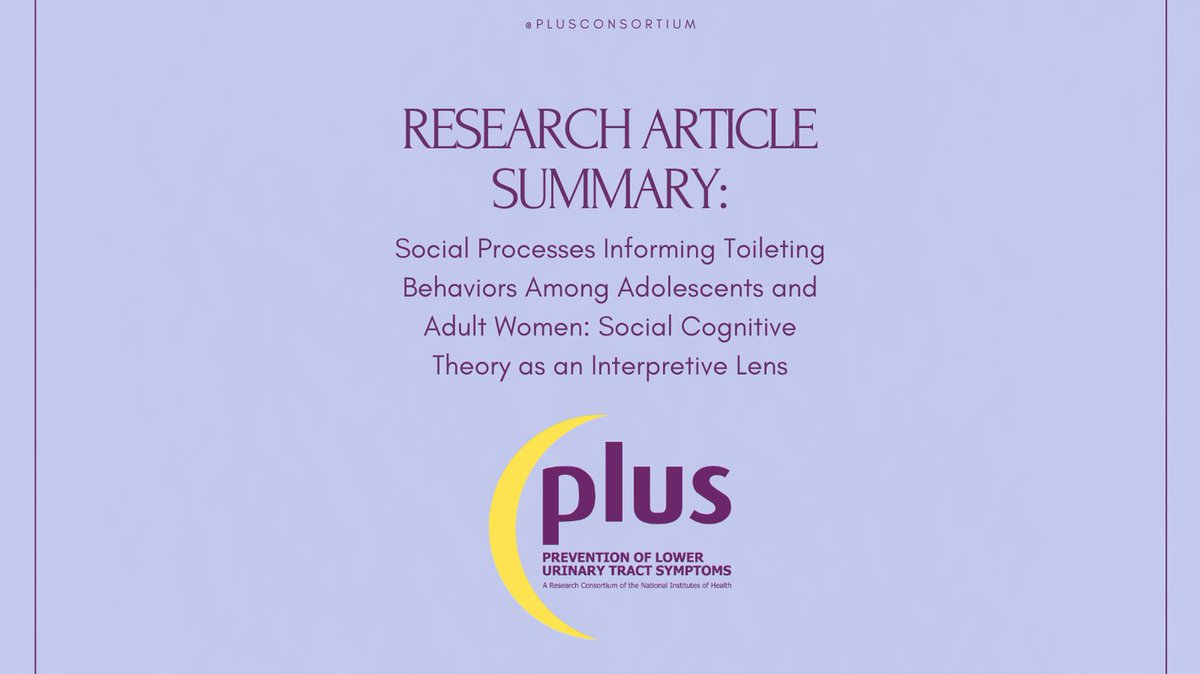
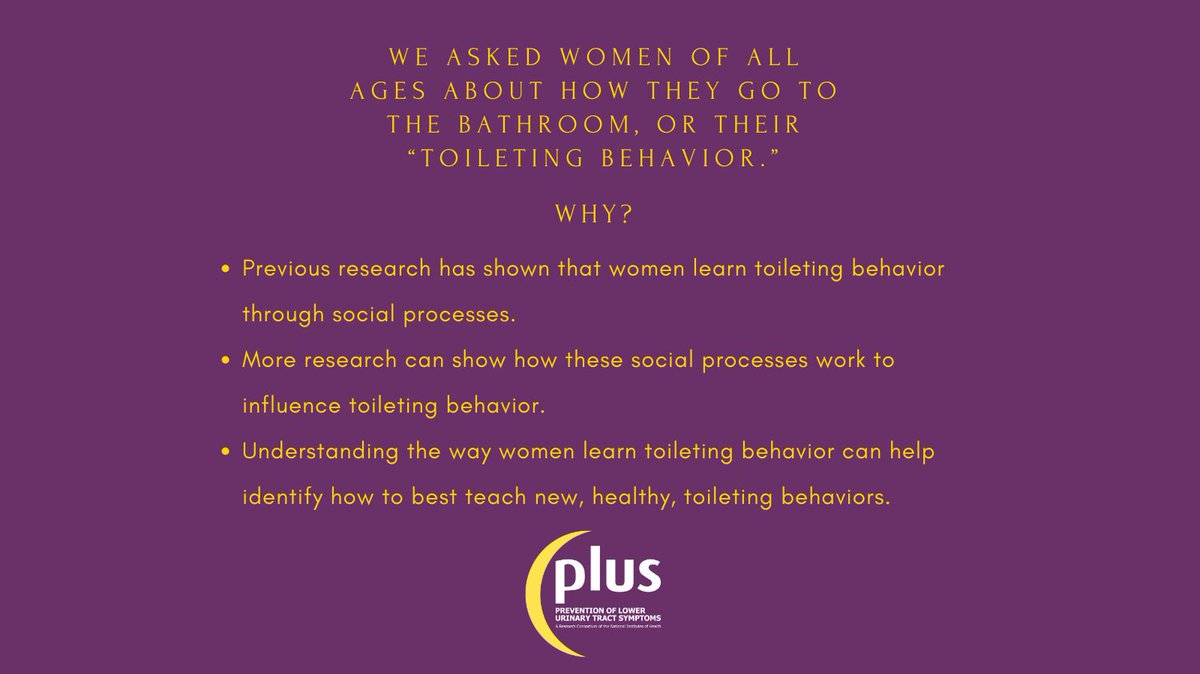
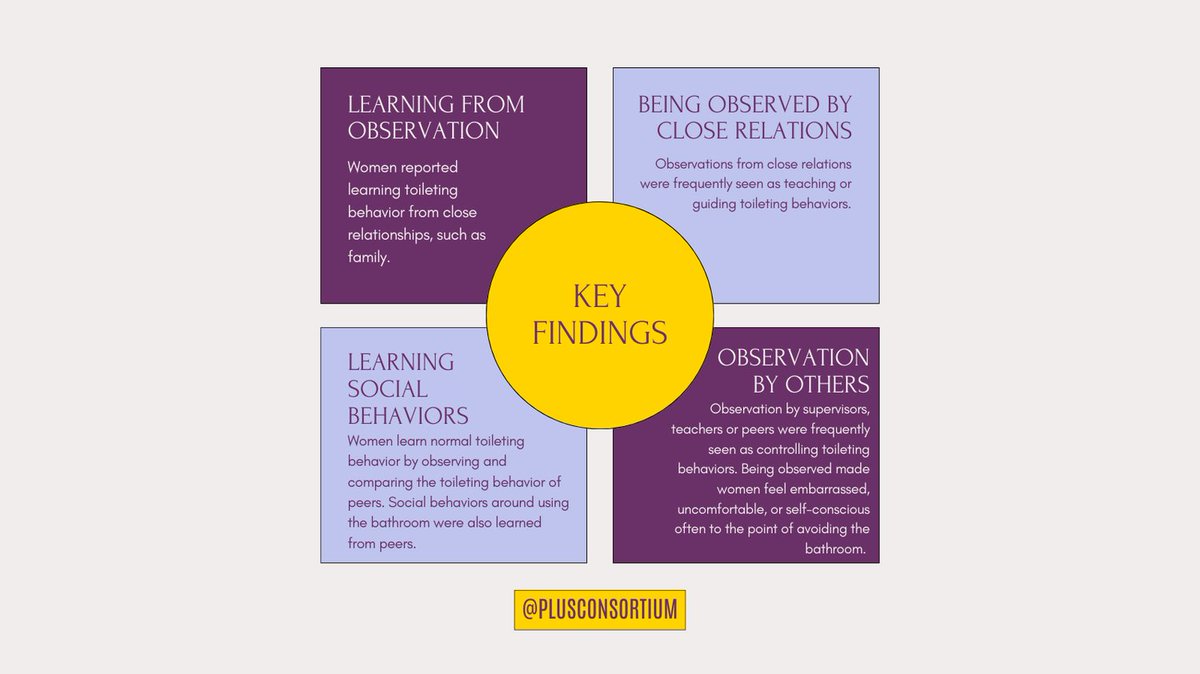
Read a #summary (developed for the public) of our manuscript titled Social Processes Informing Toileting Behaviors Among Adolescents and Adult Women: Social Cognitive Theory as an Interpretive Lens! We're spreading #BladderHealth knowledge! Full summary:
plusconsortium.umn.edu/sites…
3
4
303
PLUS Research Consortium retweeted

18 Jun 2024
Urinary symptoms are common and bothersome in US women, yet often left untreated — this underscores the opportunity for treatment and prevention interventions to reduce the burden of urinary symptoms @arianasmith23 @PlusConsortium auajournals.org/doi/10.1097/…
3
8
1,627
17 Jun 2024
Today's the first day of #WorldContinenceWeek! We would like to raise awareness of urinary incontinence. Find resources on our website: plusconsortium.umn.edu/
1
1
80
10 Jun 2024
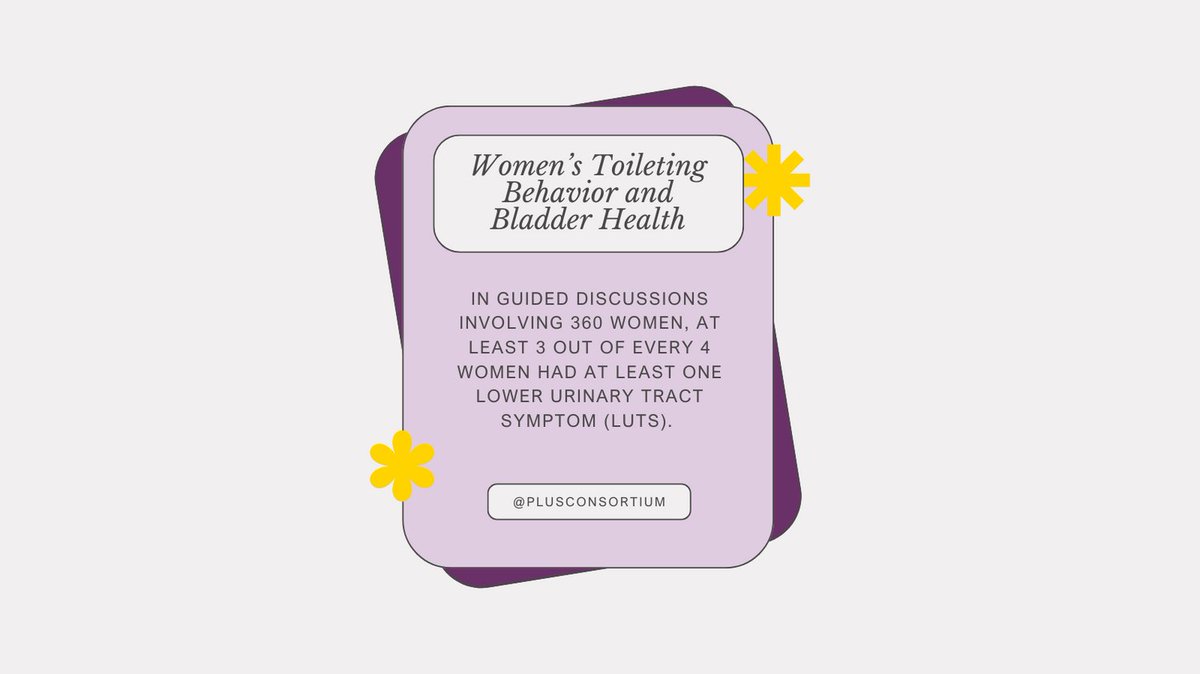
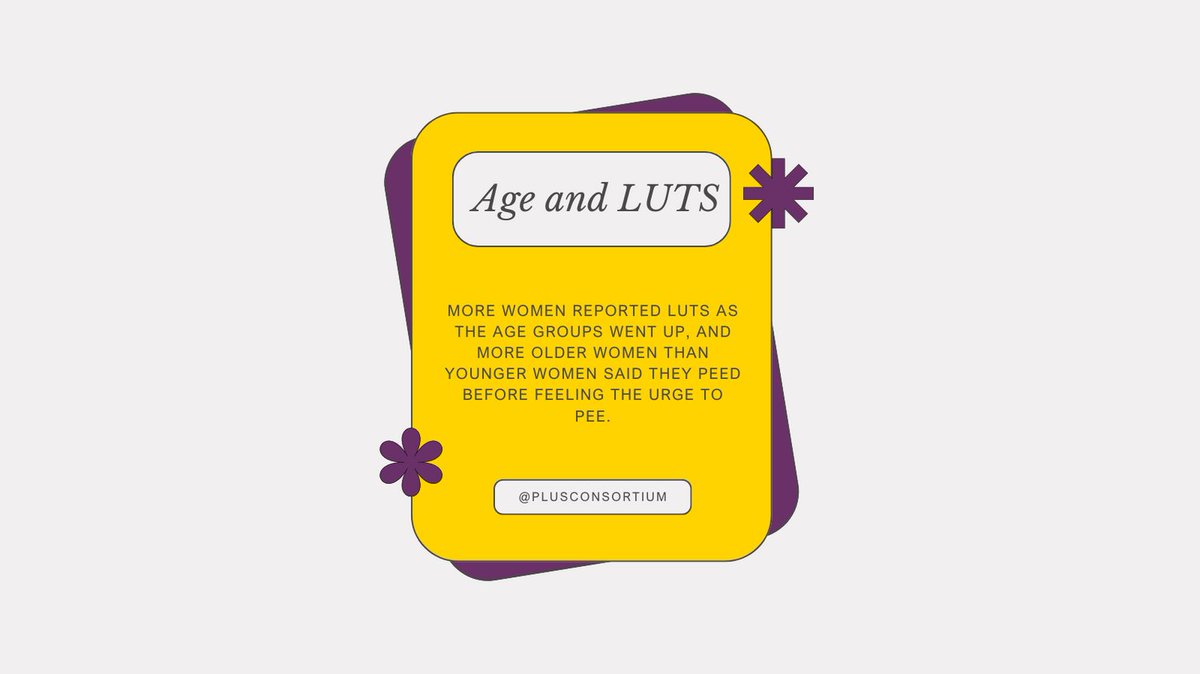
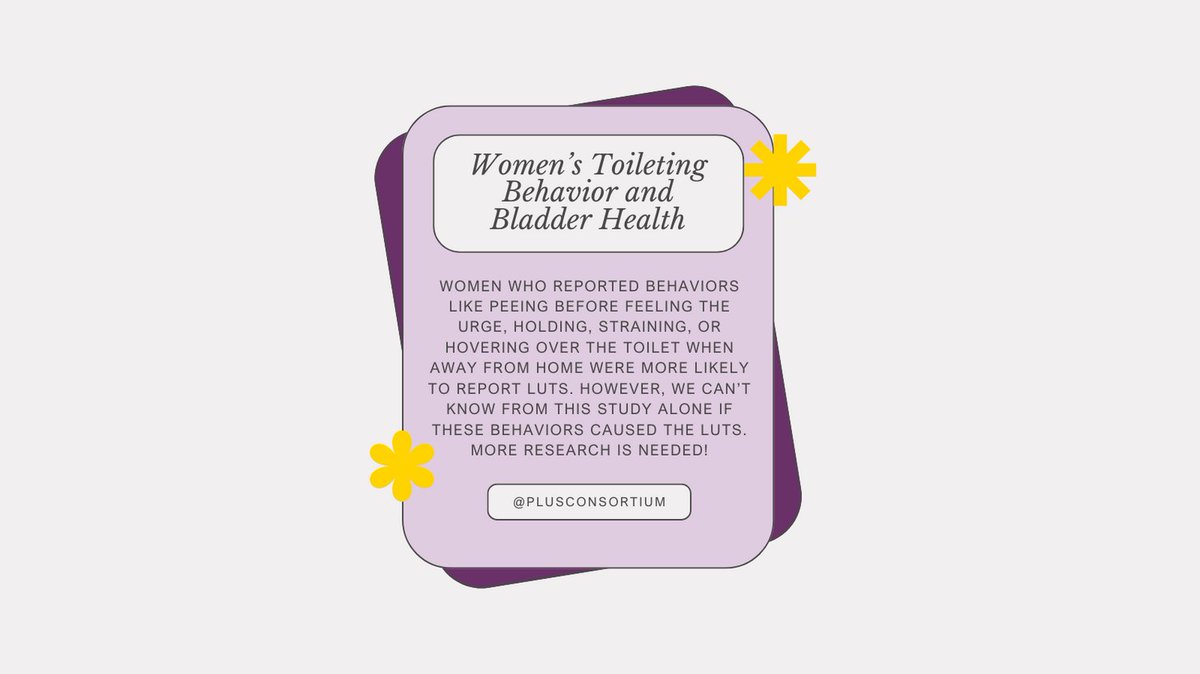
On our site, find summaries of PLUS papers designed for the public to learn about our results! Read a summary here of a paper by PLUS researchers about Women's Toileting Behavior and to learn how toileting behaviors may be related to #BladderHealth!
plusconsortium.umn.edu/sites…
1
2
94
18 May 2024
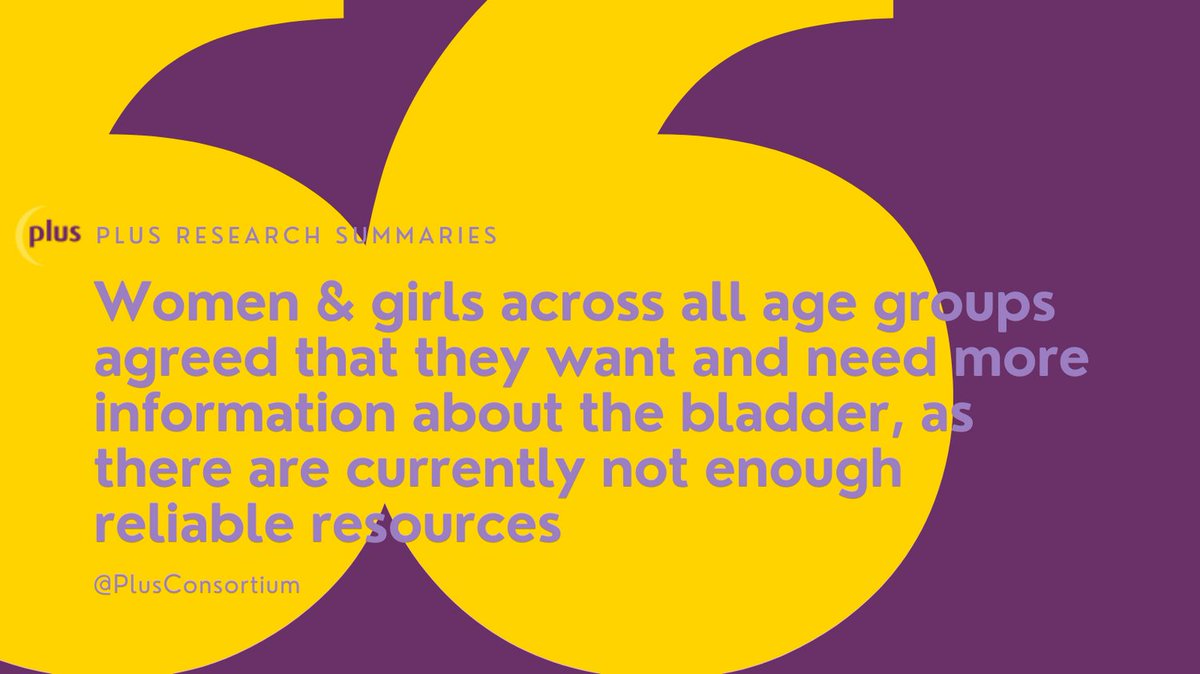
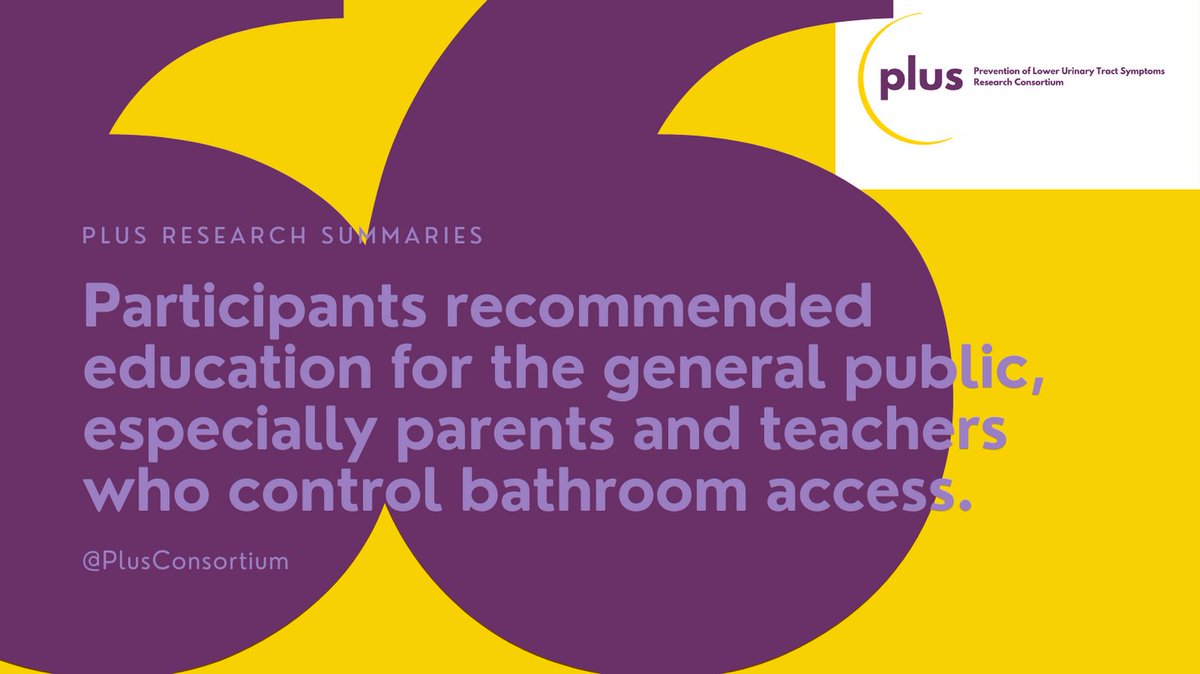
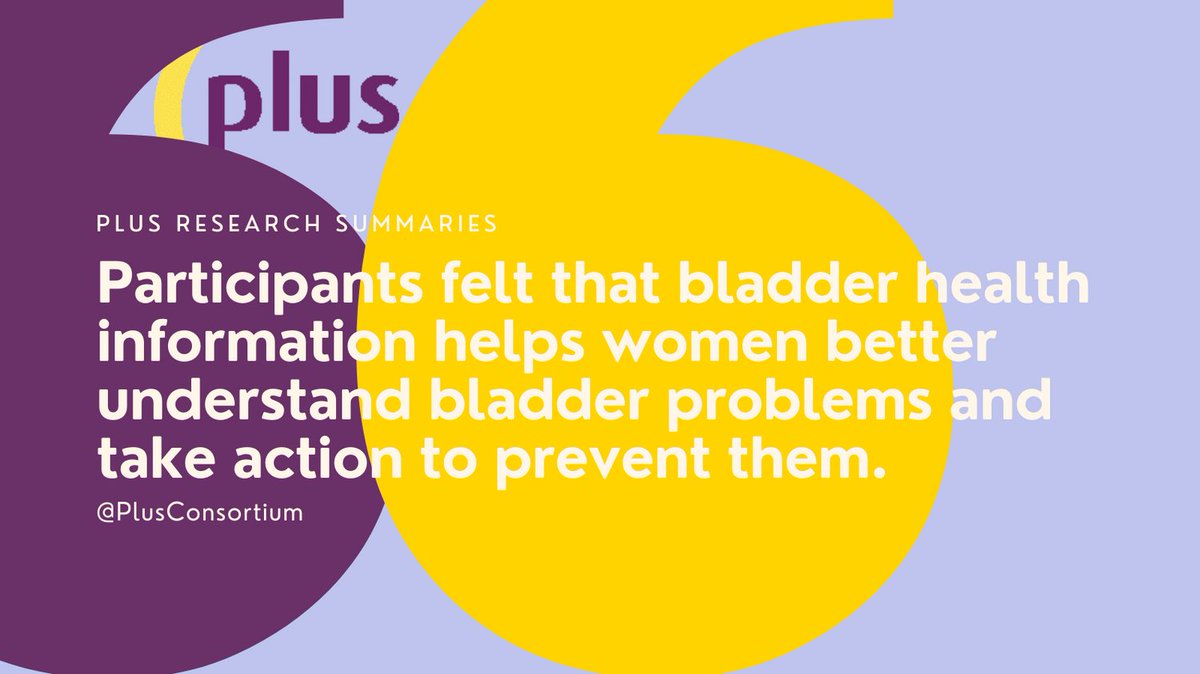
On our website, find summaries of PLUS papers designed for the public to learn about our results! Read a summary here of a paper by PLUS researchers about the need for public health #messaging related to #BladderHealth from #adolescence to advanced age!
plusconsortium.umn.edu/sites…
2
2
172
11 May 2024
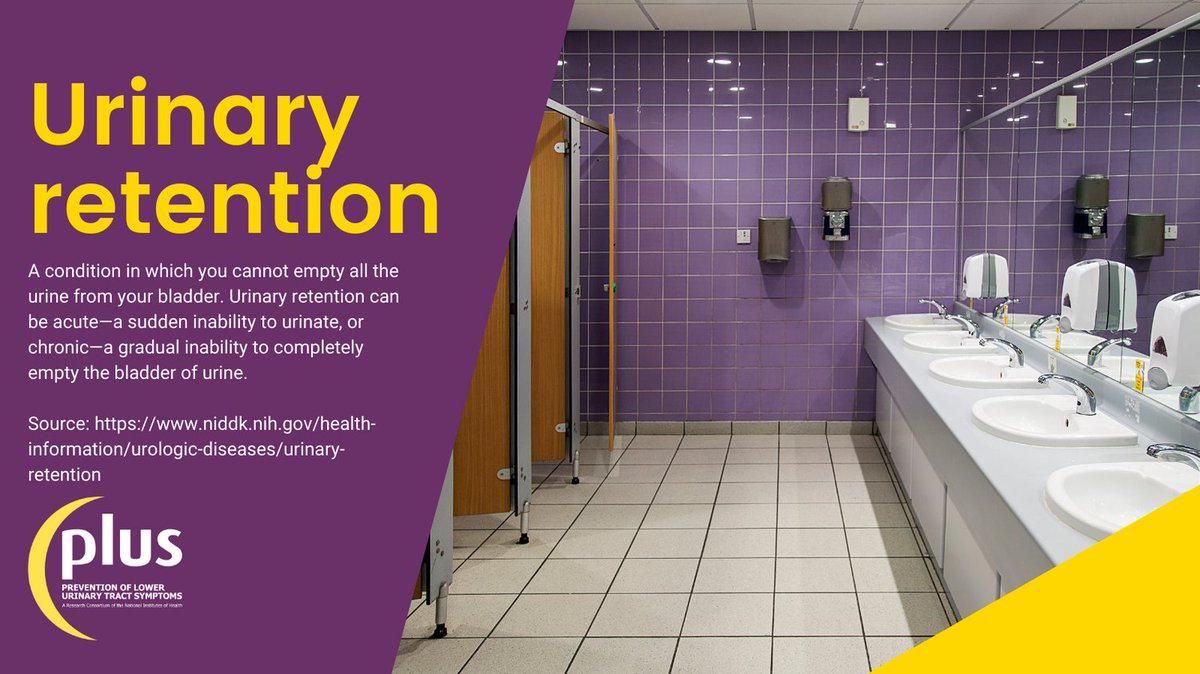
Have you heard of #UrinaryRetention? Here is some information: niddk.nih.gov/health-informa…. For links to more resources, and to learn about our research into improving women's #BladderHealth, visit our website at plusconsortium.umn.edu/
1
1
58
4 May 2024
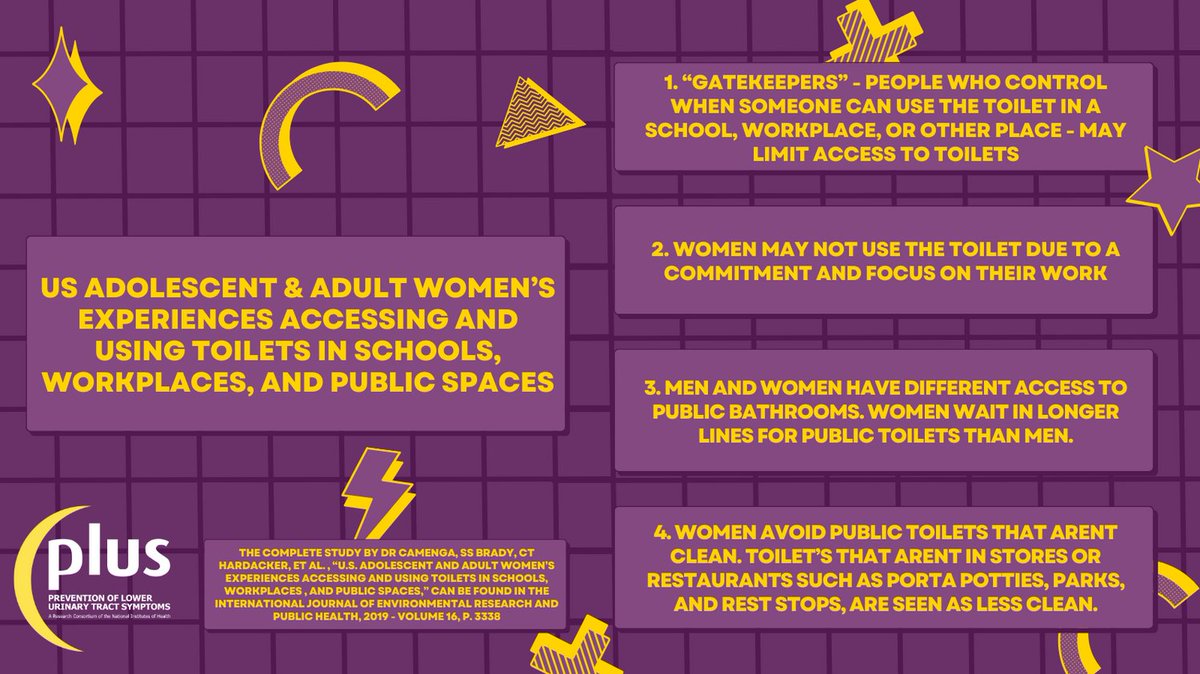
On our website, find summaries of PLUS papers designed for the public to learn about our results! Read a summary here about US #Adolescent and Adult #Women's Experiences Accessing and Using Toilets in #Schools, Workplaces, and Public Spaces: plusconsortium.umn.edu/sites…
4
3
208
27 Apr 2024
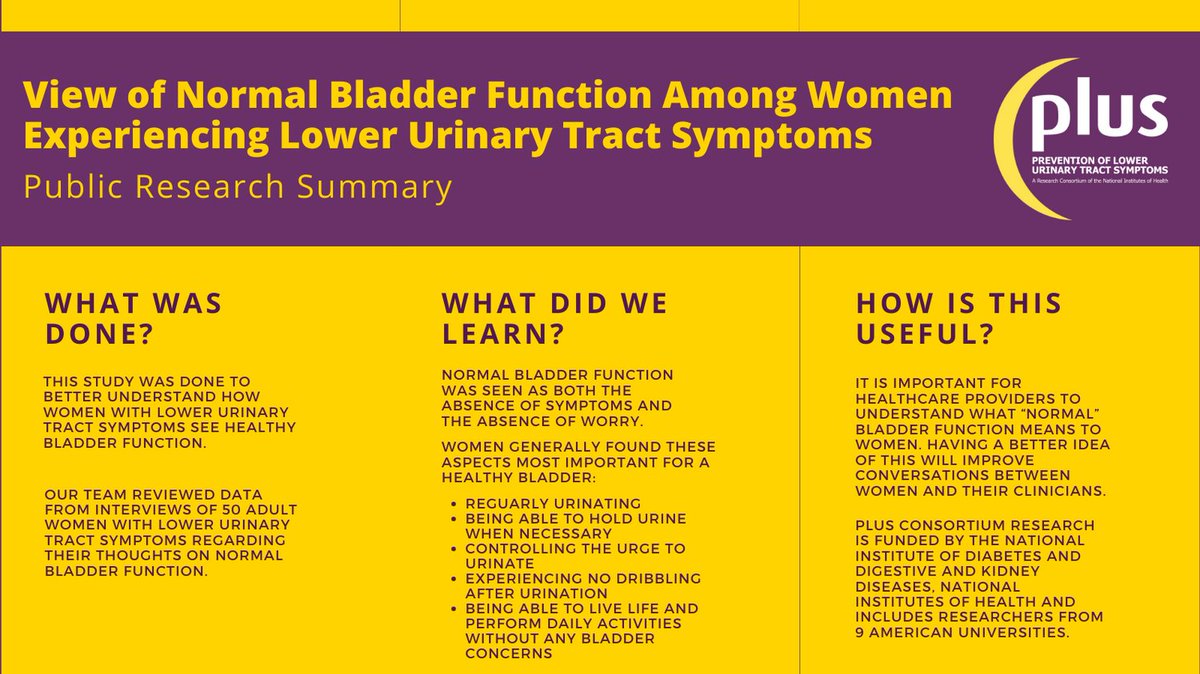
On our website, find summaries of PLUS papers designed for the public to learn about our results! Read a summary here of a paper by PLUS researchers about Views of Normal #Bladder Function Among #Women Experiencing Lower #UrinaryTract #Symptoms: plusconsortium.umn.edu/sites…
2
4
245
20 Apr 2024
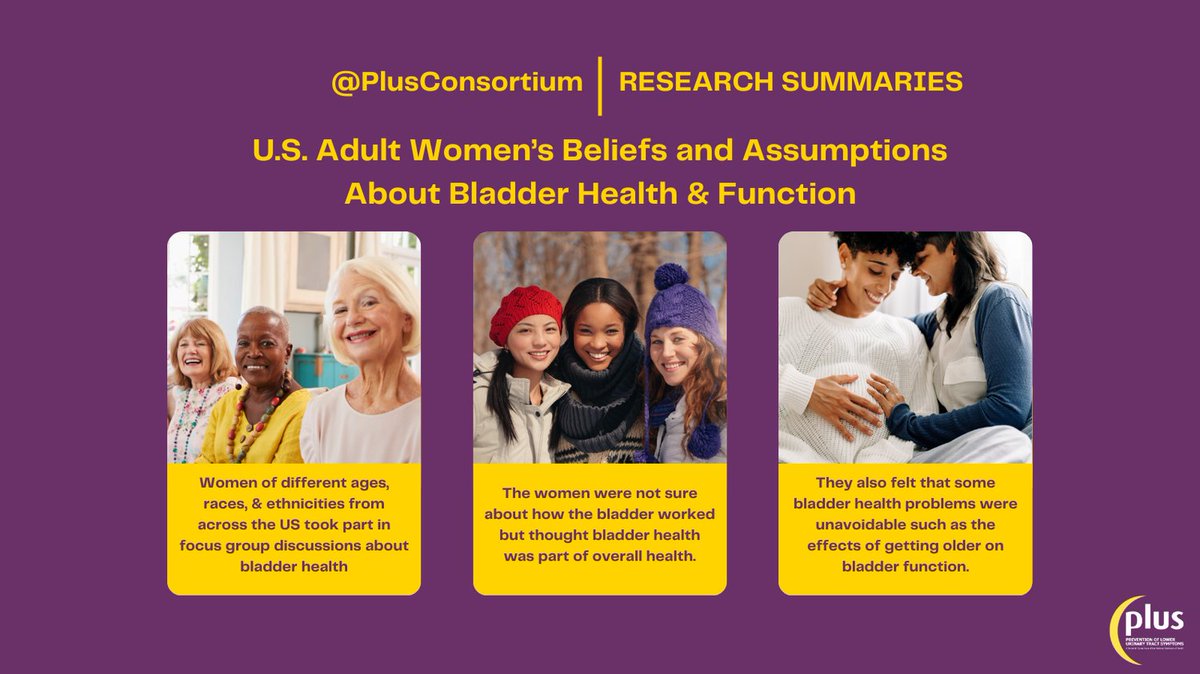
On our website, find summaries of PLUS papers designed for the public to learn about our results! Read a summary here of a paper by PLUS researchers about US Adult #Women's Beliefs & Assumptions about #BladderHealth & Function!
plusconsortium.umn.edu/sites…
2
2
253