Poly Processing is the leader in polyethylene chemical storage tanks and fittings.
Joined April 2013
- Tweets 1,458
- Following 4
- Followers 91
- Likes 8
337 Photos and videos
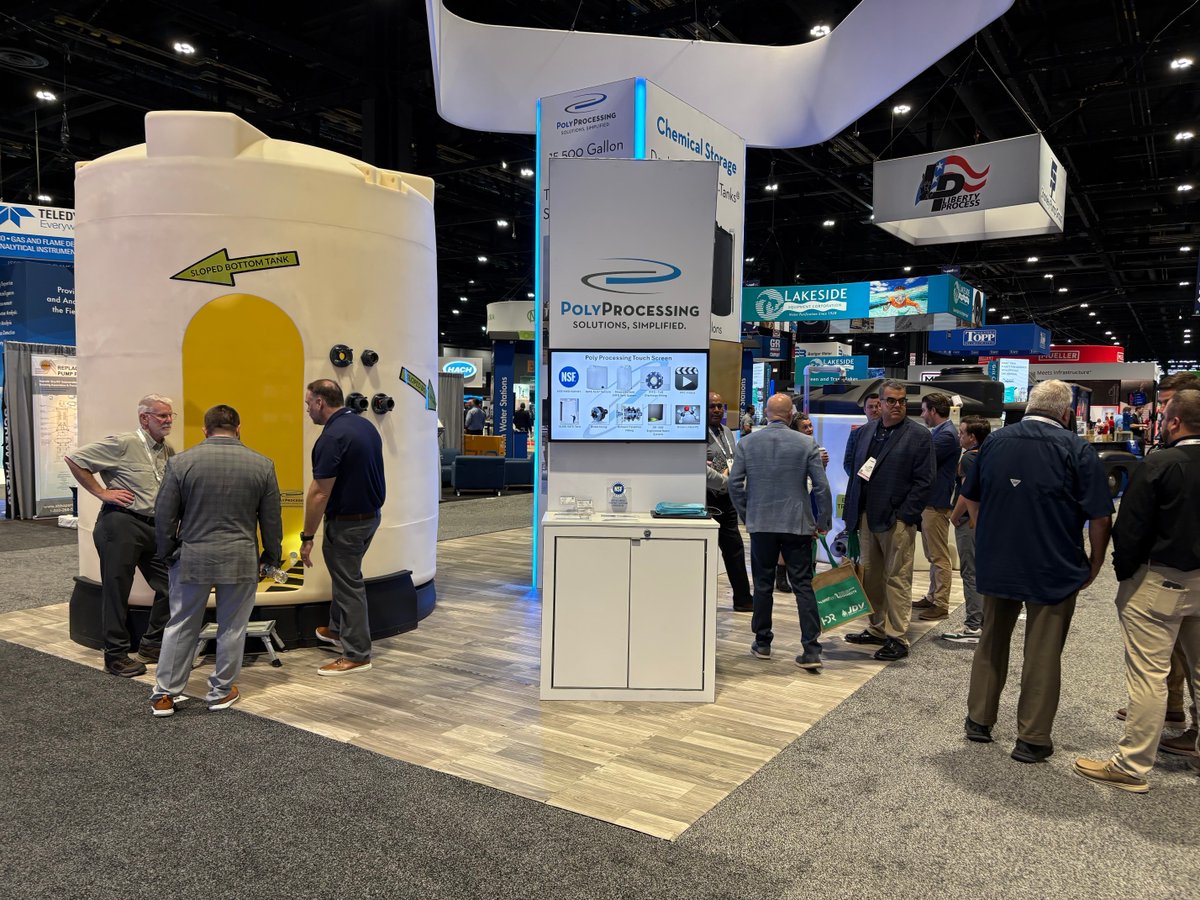





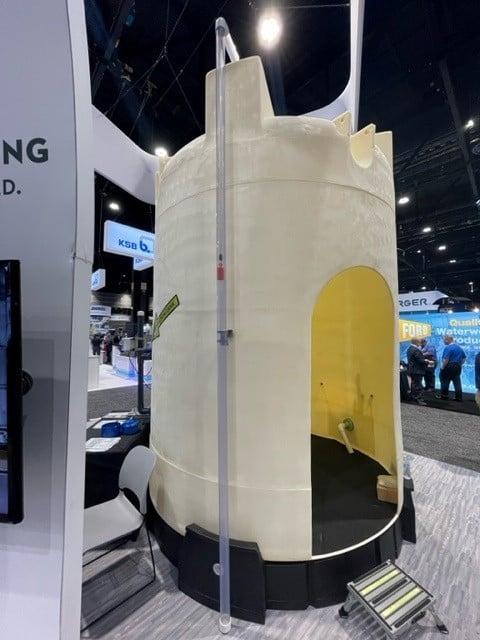
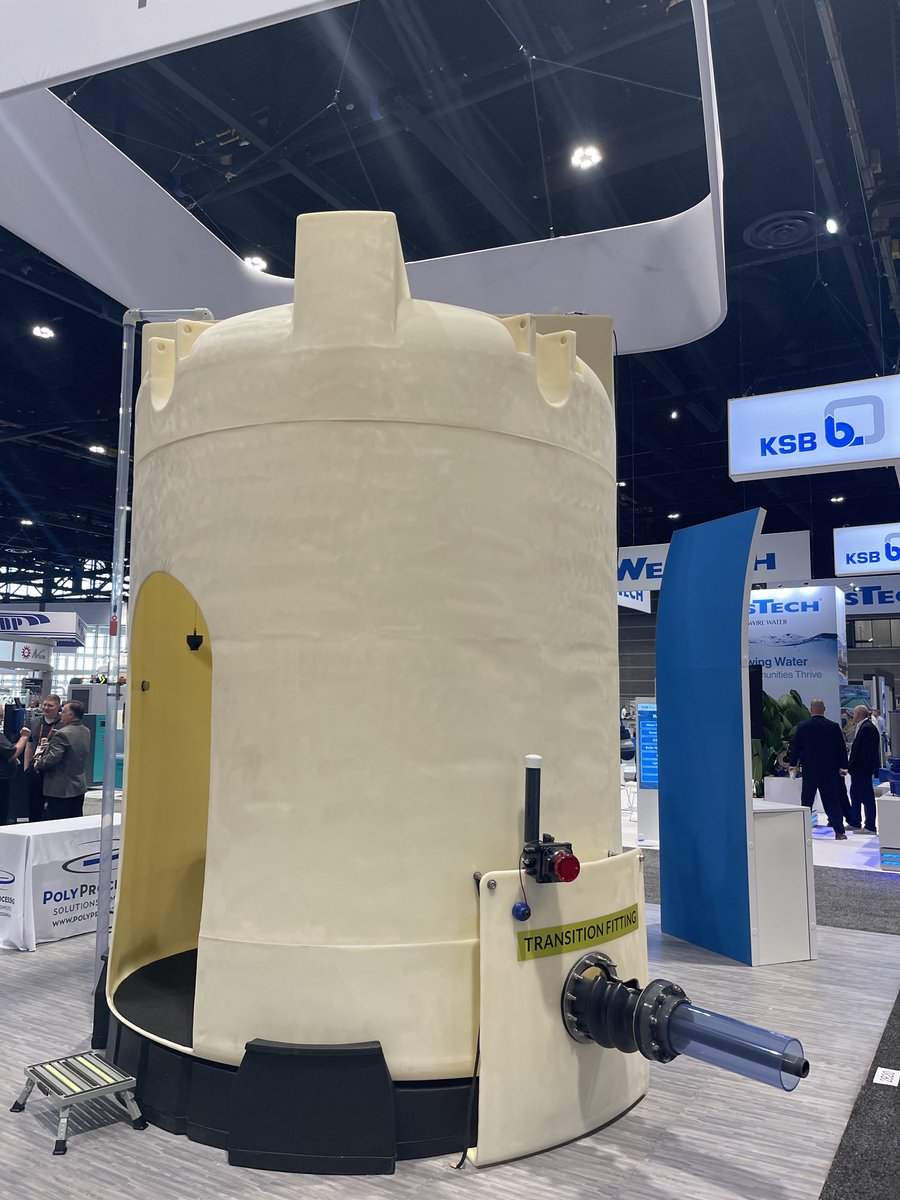
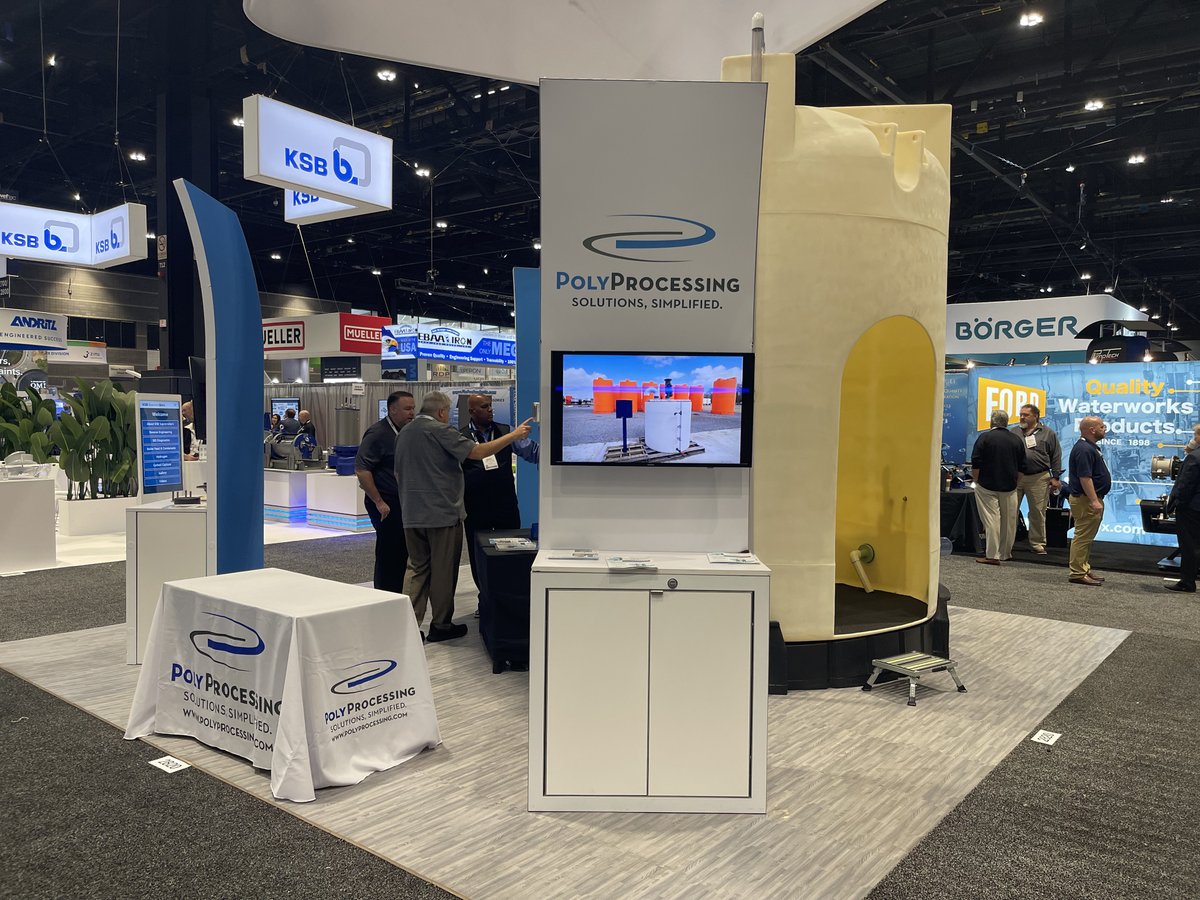

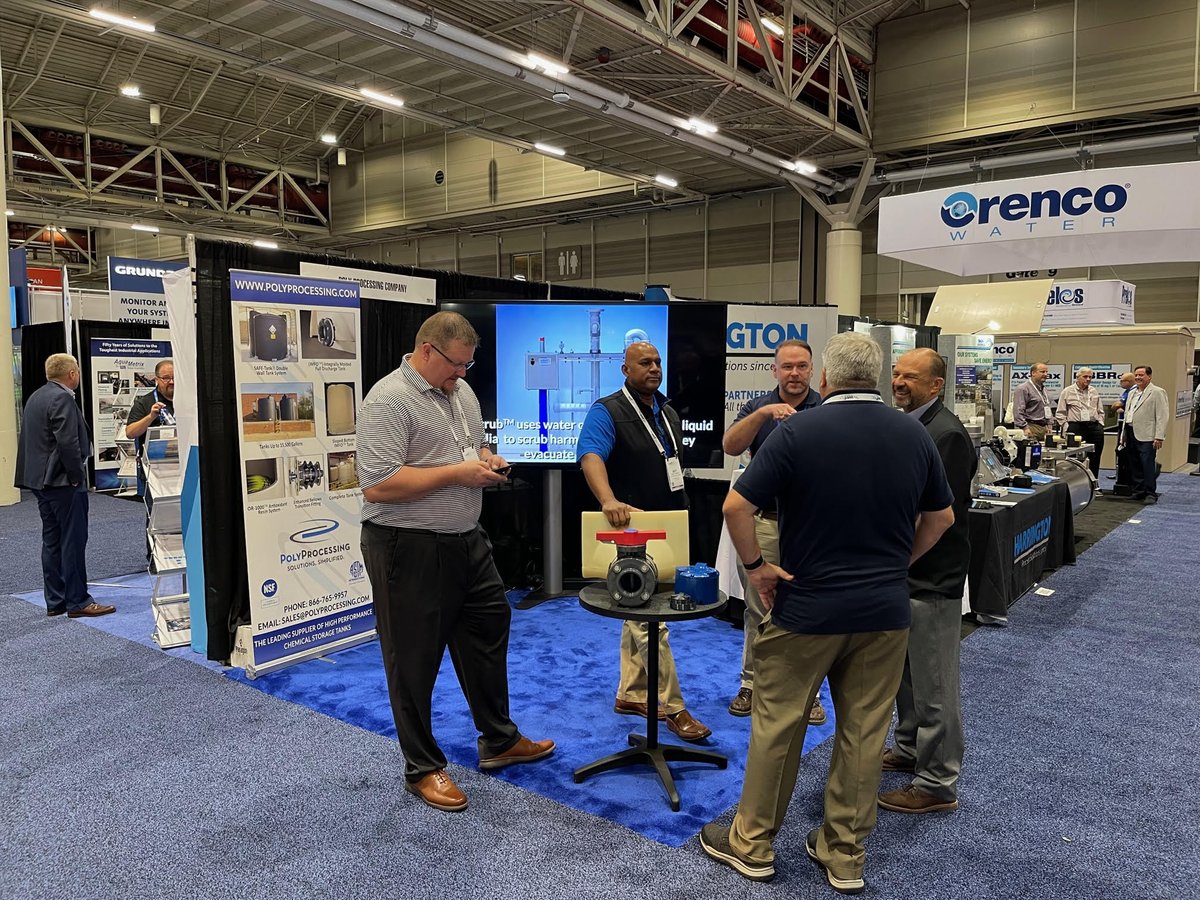



HDXLPE tanks offer structural integrity & chemical compatibility needed to support demanding agitation requirements over the tank's long service life. Understanding your mixing options is critical to designing a storage system that performs.
Read more: hubs.la/Q04hS-430
1
Know exactly how much chemical is in your storage tank so you can reorder at the right time and keep operations running smoothly.
The Poly Processing Reverse Float Level Gauge makes level monitoring simple and reliable.
Learn more:
hubs.la/Q04kw12w0
5
Double-wall piping is a secondary containment system: a pipe within a pipe. Many facilities design for “full containment,” meaning the tank, fittings, piping, and termination points all help keep chemicals safely contained, even during a leak.
Learn more: hubs.la/Q04h7JgJ0
7
When purchasing a chemical storage tank, it can feel overwhelming to navigate the landscape of industry standards and regulatory requirements.
This article brings together an overview of the most important compliance frameworks: hubs.la/Q04jw9Wt0
A hydro test verifies the structural integrity of the tank by filling it with water and checking for leaks.
Four situations should prompt a hydro test before using your chemical storage tank.
Read more about how to hydro test your tank in the field:
hubs.la/Q04ggXhm0
10
Chemical separation inside a storage tank isn’t just an operational inconvenience; it’s a genuine threat to product quality, process efficiency, and system longevity. Properly designed mixing and agitation systems are essential.
Learn more:
hubs.la/Q04hWCjK0
12
If your facility stores corrosive, reactive, or hazardous chemicals and you’re evaluating double-wall tank systems, this comparison will help you understand why our SAFE-Tank is the more complete, more compliant, and more protective solution.
Learn more: hubs.la/Q04fq89g0
11
Double-wall piping systems are designed to guard against leaks in a variety of chemical storage settings. When paired with a SAFE-Tank® system, they create a storage solution that offers even greater security and peace of mind.
Read more:
hubs.la/Q04h7YQC0
15
Most tank accessibility issues come down to sequencing: the building goes up first, the tank comes later.
When access is planned, installation proceeds smoothly and safely. When it isn’t, the consequences ripple outward in time and money.
Read more: hubs.la/Q04dLDCd0
3
Before you put a Poly Processing chemical storage tank into service, it’s important to conduct a hydro test so that you can commission the tank with confidence.
Learn how to do it, which seals to use, and what to watch for while the tank is full.
hubs.la/Q04gd1lz0
11
To appreciate why chemical storage matters so much in a data center environment, it helps to understand just how chemically intensive these facilities are.
Learn more about the chemical demands of a modern data center:
hubs.la/Q04cWqsj0
3
Poly Processing’s SAFE-Tank® is the most recognized name in high-density cross-linked polyethylene double-wall chemical storage.
Learn more about why our SAFE-Tank® outperforms the competition: hubs.ly/Q04fqdj00
3
The outlet fitting is one of the most critical areas in a chemical storage tank - it’s where chemicals exit, pressure is highest, and failures are most likely to start.
Discover how metallic inserts can impact long-term tank performance: hubs.la/Q04bCMLn0
6
We believe the best chemical storage system is planned holistically from the very beginning. The building, the tank, and all clearances, access routes, and operational spaces must be designed together, with the full lifecycle in mind.
Learn more: hubs.la/Q04dLWWX0
1
Poly Processing is proud to be featured in the April 2026 issue of Environmental Science & Engineering Magazine, with this article written by our own Marshall Lampson.
📖 Read the full article: hubs.la/Q04dc4Yj0
#ChemicalStorage #TankDesign #WaterTreatment
8
Selecting appropriate tank capacity requires careful analysis of operational requirements, safety considerations, regulatory compliance, and cost implications.
Read more about choosing the right capacity for your chemical tank:
hubs.la/Q049JPtm0
Data centers are one of the most critical pieces of infrastructure that today’s society depends on. Keeping these facilities operational requires far more than just electricity and servers.
Read more about how HDXLPE tanks keep data centers running:
hubs.la/Q04cWcrt0
10
A level gauge monitors the liquid level of the chemical you’re storing in your polyethylene chemical tank. There are several types of level gauges, including clear tube level gauges & ultrasonic level gauges.
Read more about our reverse float level gauge: hubs.la/Q0491gK60
9
Metallic inserts, whether molded in or added later, can create structural, chemical, and mechanical vulnerabilities in plastic tanks over time.
Learn how they impact performance: hubs.la/Q04bCLcZ0
2
We are proud to introduce a desiccant dryer system that can be added to almost any tank size or any tank type that Poly Processing Company manufactures. It comes in two sizes: 2-inch (fits nearly every application) and 3-inch.
Learn more: hubs.la/Q047Xy5x0
14