
Pondering our Catholic Faith. Visual storyteller exploring the human condition in portraiture, landscapes & iconic places. ponderphotography.etsy.com
Joined January 2025
- Tweets 15,361
- Following 707
- Followers 2,328
- Likes 45,973
2,858 Photos and videos










Pinned Tweet

Feb 9
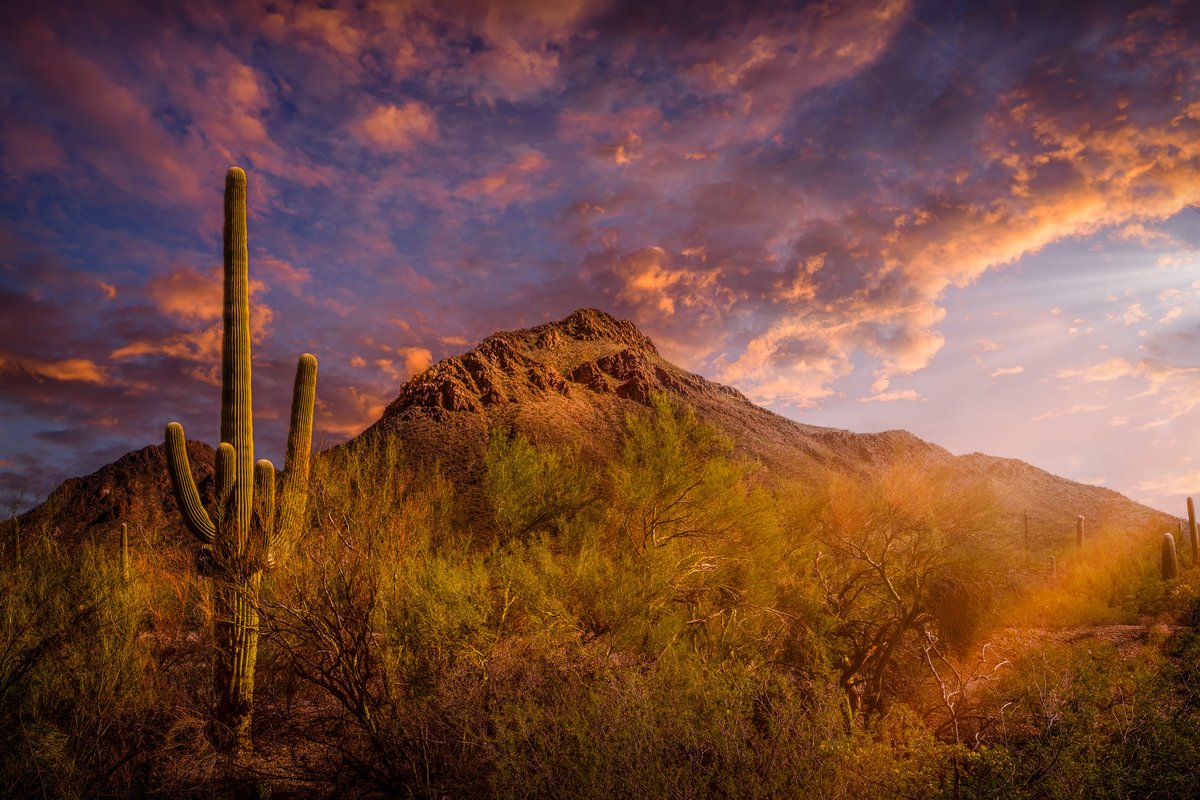
I created this image at first light as the sun broke across the Arizona horizon, sending radiant beams through the still morning air. The light gently touched a towering saguaro cactus in the foreground while the legendary Golden Gate Peak (sometimes called Golden Gate Mountain).
The rugged mountain backdrop made famous by Old Tucson Studios in Tucson, Arizona — stood tall in the distance. Built in 1939, the historic film studio and surrounding desert have served as the setting for hundreds of westerns and Hollywood productions, making this landscape a true symbol of America’s frontier storytelling.
1
3
26
3,007
Hart Ponder Jr retweeted

May 26
How does the Pope mean to “disarm” A.I.? We explore Leo’s first Encyclical and what he says about just war and governance of the Church. Watch the full Prayerful Posse @ArroyoGrandeSho here: youtu.be/q9e7hLISzbA?si=v0Rg…
Community note
Sin is mentioned zero times in the following sampling encyclicals by traditional popes, demonstrating that mentioning sin is in no way necessary:
Pius X:
Lacrimabili statu
Pascendi Dominici gregis
Gravissimo officii munere
Pius XII:
Meminisse iuvat
Quaemadmodum
vatican.va/content/pius-x…
vatican.va/content/pius-x…
vatican.va/content/pius-x…
vatican.va/content/pius-x…
vatican.va/content/pius-x…
19
6
29
5,087
Hart Ponder Jr retweeted

May 23
A New Catholic Moment? Revival, Decline, and the Future of the Church | ... youtu.be/t9i4BH7Tdck?si=N7iu… via @YouTube
4
3
21
2,027
May 19
The deeper issue here is attitude.
Mocking people who take longer in confession risks discouraging those carrying heavy burdens, struggling with scruples, or returning to the faith after years away.
The sacrament is about healing, reconciliation, and conversion, not merely efficiency.
Nobody is arguing confession should become an hour long counseling session. But Catholic tradition has always understood that spiritual counsel and pastoral care can exist within the confessional itself. Saints like St. John Vianney and St. Padre Pio are obvious examples.
A little patience in line is not some great injustice. It is part of Christian charity and the “go the extra mile” spirit Christ taught.

Confession is for absolution, not for therapy or spiritual direction.
2
5
152
Apr 29
Decisions, decisions...!
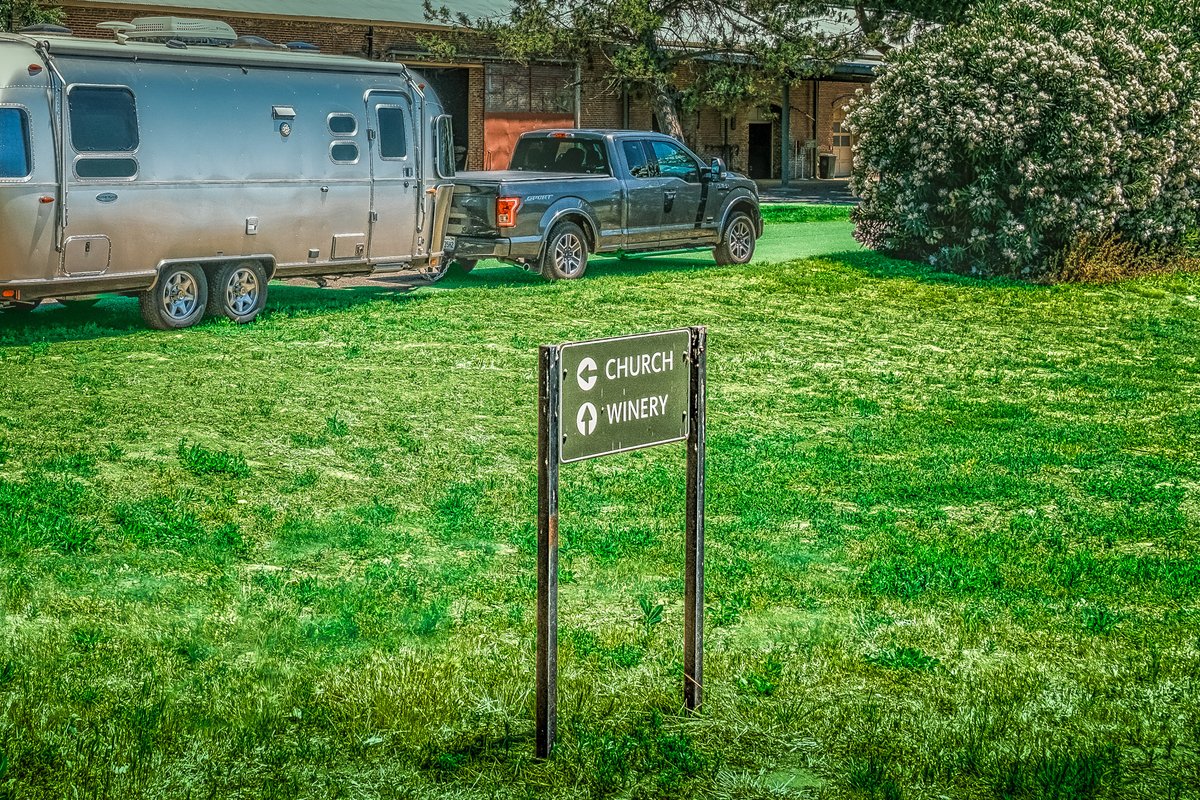
ALT Abbey of Our Lady of New Clairvaux, a Trappist monastery where the monks live, farm, and make wine.
7
204
Apr 15
This is a textbook example of deflection.
Instead of engaging the actual substance of Catholic teaching, he shifts to attacking tone, structure, and style.
It’s a way to avoid dealing with arguments he doesn’t understand or can’t answer.
When the focus becomes “how it’s written” instead of “is it true,” the conversation has already left the real issue.
Engage the teaching, or admit you’re not prepared to.
2
2
469
Mar 19
Grok:
Pentin hacked?
Yes, this is almost certainly a scam — and the real Edward Pentin (@EdwardPentin) has been hacked.
The post you linked (from March 19, 2026, around 21:11 GMT) is a classic crypto/investment phishing scam. It claims a quick £800 → £20,000 profit thanks to a mysterious "coach" (@justt_mich), complete with an attached screenshot of supposed profits. This exact pattern appears in thousands of hacked high-profile accounts on X every year — the goal is to trick followers into DMing the "coach," sending money to fake trading platforms, or clicking malicious links.
6
708
Mar 6
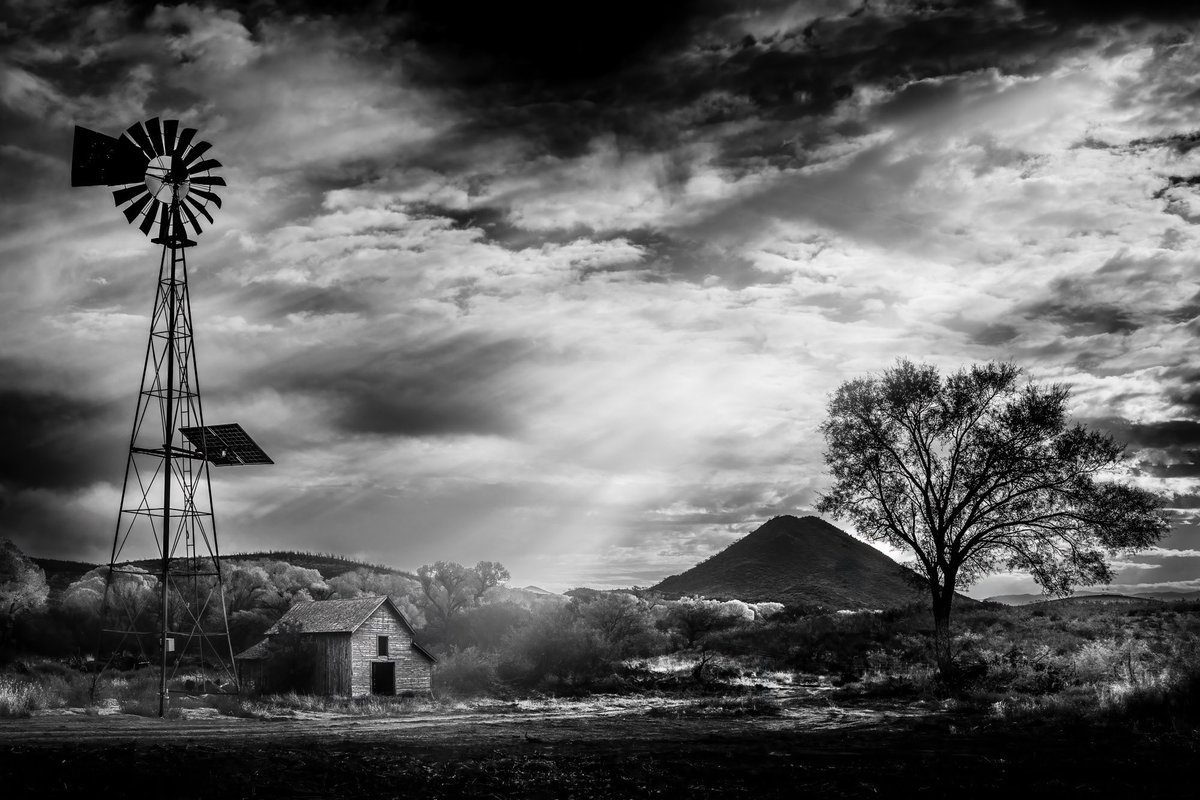
Discover HartPonder's photos on SlickPic. HartPonder has 78 photos to explore. slickpic.us/201738512Yzg
1
10
611
Feb 14
Dom Lambert Beauduin (1873–1960), Belgian Benedictine monk, was a pioneer of the Liturgical Movement from the early 1900s through the 1950s.
He championed true active participation in the Mass: interior prayer, understanding, and union with Christ’s offering.
His vision influenced Vatican II’s Sacrosanctum Concilium, shaping a God-centered, faithful liturgy.
Today, “active participation” often is misunderstood and instead emphasizes gestures, responses, and singing without the understanding or appreciation of true worship showing how liturgy can drift into novelty, even “Harry Potter”–style Masses.
#LiturgicalMovement #VaticanII #ActiveParticipation #TrueWorship
1
2
12
652
Feb 10
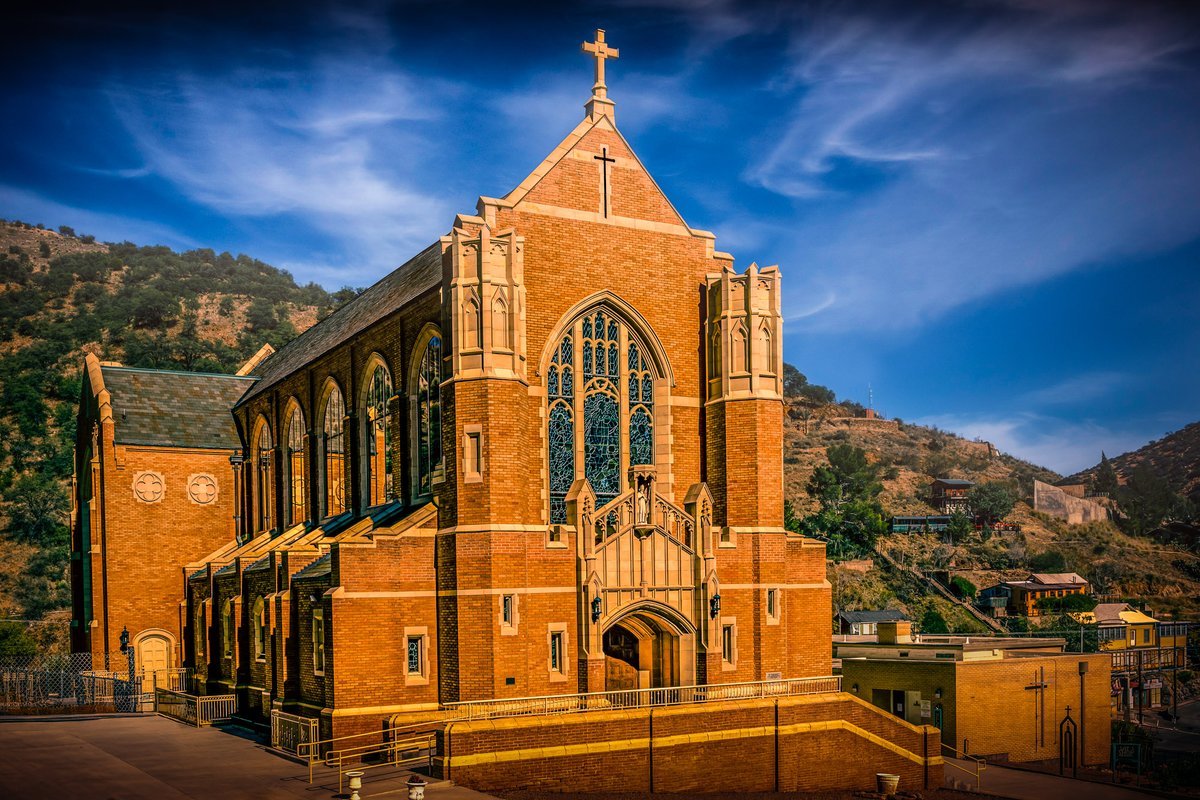
Thanksgiving in Bisbee, Arizona was a genuine joy, and this image felt worth capturing.
Perched high above Tombstone Canyon, St. Patrick Catholic Church has watched over Old Bisbee for more than a century. Built between 1915 and 1917 during the height of the copper mining boom, its Gothic Revival design by architect Albert C. Martin reflects a time when faith, grit, and ambition helped shape this mountain town.
Dedicated to Ireland’s patron saint and honoring the Irish immigrants who helped build the region, the church remains one of the Southwest’s most recognizable historic landmarks. Its silhouette, etched into the rugged hillside, continues to serve as both a spiritual anchor and architectural centerpiece.
Now part of the Bisbee Historic District and listed on the National Register of Historic Places, St. Patrick stands as a reminder that some places are not just seen, they are felt.
Old Bisbee itself is layered with history, preserved architecture, and an unmistakable sense of place. Once home to one of the richest copper mining operations in the world, it has evolved into a town known for authenticity and artistic spirit.
This photograph is more than a structure, it is presence, heritage, and permanence.
#Catholic
#Church
#Bisbee
#Arizona
2
13
579
Feb 9
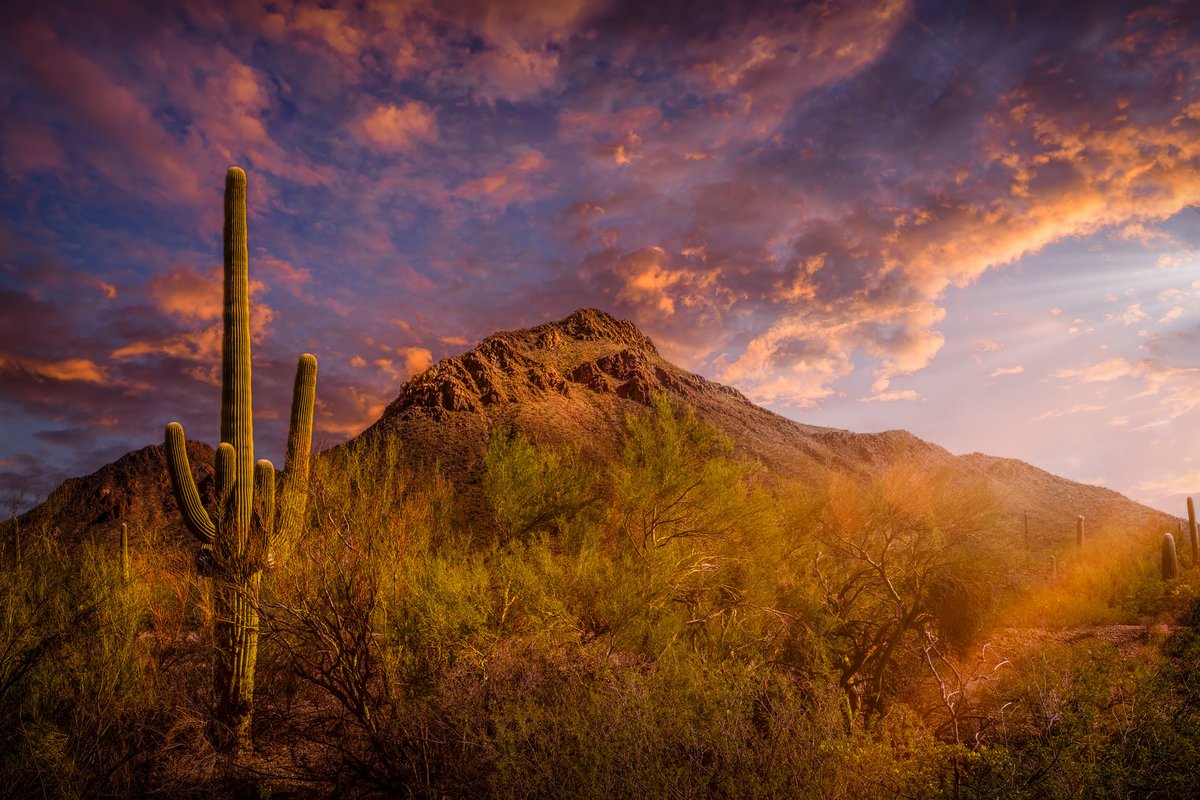
I created this image at first light as the sun broke across the Arizona horizon, sending radiant beams through the still morning air.
The light gently touched a towering saguaro cactus in the foreground while the legendary Golden Gate Peak (sometimes called Golden Gate Mountain)
The rugged mountain backdrop made famous by Old Tucson Studios in Tucson, Arizona stood tall in the distance.
Built in 1939, the historic film studio and surrounding desert have served as the setting for hundreds of westerns and Hollywood productions, making this landscape a true symbol of America’s frontier storytelling.
#MoviePlaces
#sunrise
#Arizona
#SouthWest
ALT Arizona wall art, desert sunrise print, saguaro cactus art, western movie decor, gates pass mountain, old tucson studios, southwestern wall decor, cowboy wall art, sonoran desert photo, rustic home decor, western landscape print, arizona photography, desert home art
1
7
430
Jan 11
CCC 677 is one of the most sobering and decisive paragraphs in the Catechism of the Catholic Church concerning the Church’s eschatological destiny, what awaits her.
Below is the full official text, followed by a concise theological unpacking of its key claims.
677 The Church will enter the glory of the kingdom only through this final Passover, when she will follow her Lord in his death and Resurrection. The kingdom will be fulfilled, then, not by a historic triumph of the Church through a progressive ascendancy, but only by God’s victory over the final unleashing of evil, which will cause his Bride to come down from heaven. God’s triumph over the revolt of evil will take the form of the Last Judgment after the final cosmic upheaval of this passing world.
What this means
1.“The Church will enter the glory of the kingdom only through this final Passover”
The Church does not reach her definitive glory through gradual moral improvement, political influence, cultural dominance, or historical success. She enters glory only by passing through a collective Paschal Mystery, a final participation in Christ’s own Passion, death, Resurrection, and glorification. As with Christ Himself, glory comes only by way of the Cross.
2.“When she will follow her Lord in his death and Resurrection”
The Church’s path mirrors that of Christ. There will be a period of profound suffering, persecution, and apparent defeat, even a seeming “death” of her public witness or of faith among many of her members. Resurrection and victory come only after this passage through trial.
3.“Not by a historic triumph of the Church through a progressive ascendancy”
The Catechism explicitly rejects optimistic historicism and every form of millenarian expectation that imagines the Church gradually perfecting the world or ushering in a prolonged era of earthly triumph before Christ’s return. The Kingdom is not fulfilled by the Church slowly taking over history.
4.“But only by God’s victory over the final unleashing of evil”
Evil will be permitted to reach an unprecedented intensity, the “final unleashing” associated with the great apostasy, the mystery of iniquity, and the supreme religious deception described in CCC 675–676. At this moment, when the Church appears nearly overcome, God intervenes decisively.
5.“Which will cause his Bride to come down from heaven”
This alludes to Revelation’s vision of the New Jerusalem. The glorified Church is not something constructed by human effort or political achievement. She is given from above, perfected by God Himself.
6.“God’s triumph…will take the form of the Last Judgment after the final cosmic upheaval of this passing world”
The culmination is the Second Coming of Christ, the universal resurrection, and the Last Judgment. The present world order passes away through a final cosmic upheaval, and only then do the new heavens and the new earth appear.
In short, CCC 677 leaves no room for illusions. The Church’s hope is not in historical success, but in fidelity through trial, confident that God’s victory comes not through human ascendancy, but through divine judgment and renewal.

“But taking Greenland is in our interests.” From the perspective of Catholic moral theology, that’s not at all a justification.
Russia said taking Crimea was in their interest.
Iraq said taking Kuwait was in their interest.
Japan said their ravaging of the Pacific was in their interest.
Germany said their aggression throughout Europe was in their interest.
Italy said their aggressive expansion in Africa and the Balkans was in their interest
USSR’s choosing to conquer rather than liberate Nazi-occupied countries was deemed in their interest.
The moral fact is that we rationalize most sins by convincing ourselves that they serve our interests, as if there is no higher law, as if our interest outweighs all else. Our adultery, our theft, our bearing false witness, our apostasy, our laziness, our betrayals, our murders - we think they will somehow better serve us. Yet these sins are never justified for the sake of our “interest.” We have always insisted as Catholics that an action with a corrupt intention is a sinful action. We have also insisted that even a good intention cannot justify an action if the means are corrupt. The ends do not justify the means. Our temporal interests do not outweigh the eternal.
If I live as if my own interests outweigh all, even basic morality, then I am a true egoist and have made an idol of myself.
If the national interest outweighs all, then my moral reasoning is no better than the rapacious despots of the last century - and I have made an idol of the nation.
If my devotion to the head of state outweighs all, then I am a mere henchman - and I have made an idol of the ruler.
Catholics have one King. And that King is Lord of all. Don’t live like an idolatrous usurper, forsaking your King for something lesser - and everything is lesser.
2
1
14
2,088
Jan 7
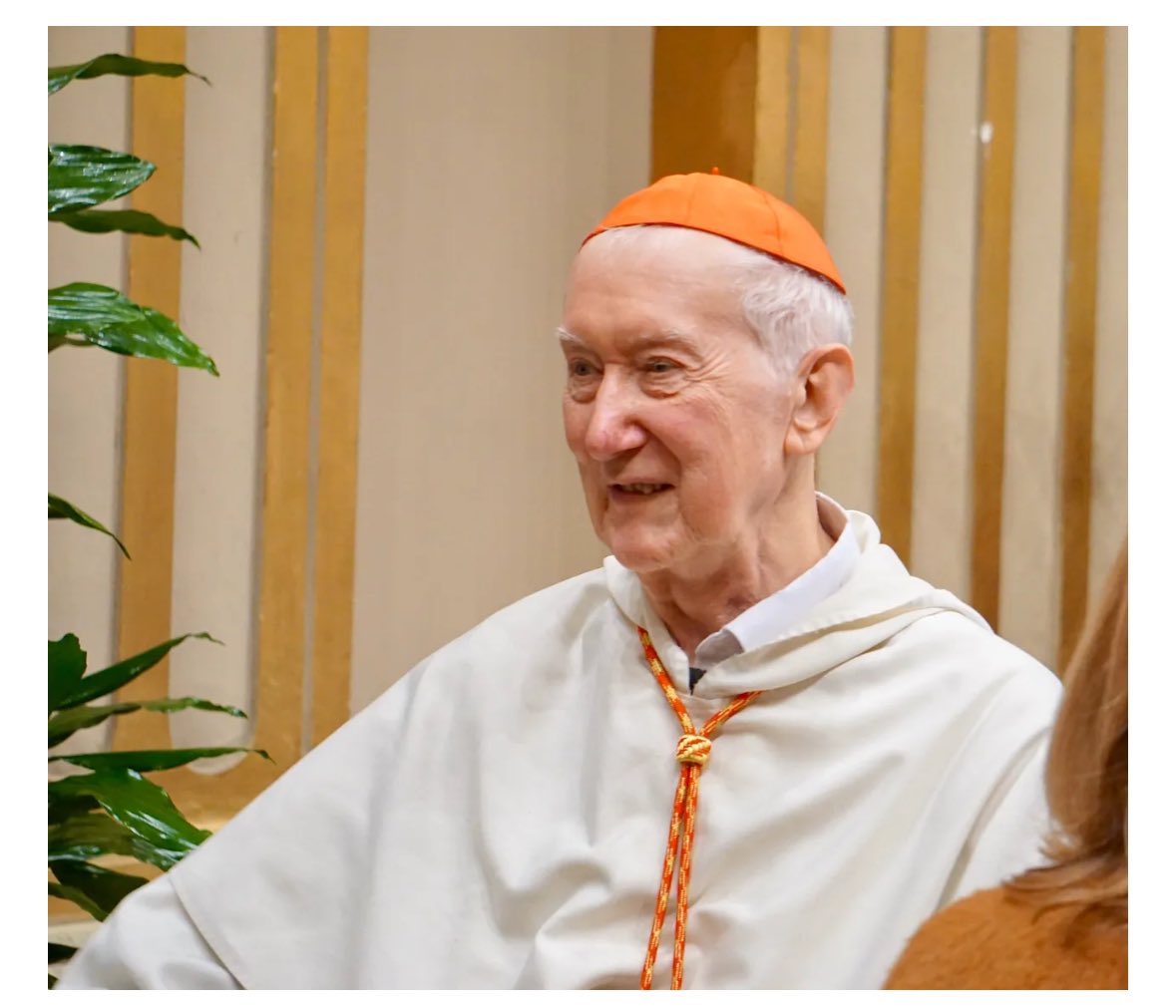
Reports say Venezuela restricted visas for cardinals traveling to Rome for this consistory.
I hope that restriction has been lifted now that Maduro has been removed.
@POTUS
@SecRubio
@BishopBarron
@RaymondArroyo
Jan 7

JUST IN: Sources inform @nicospuntoni & @messainlatino that Cardinal Radcliffe will give the opening reflection for the Consistory today.
Radcliffe also gave spiritual reflections at the Synod on Synodality
1
14
987
31 Dec 2025
Want to improve composition and using Lightroom?
For me this world class photographer is worth following…
25 Jun 2025

Follow for more tips!
And whatever the #preset you're interested in, or the #workshop you'd love to attend, you'll find the links in the description below this video. Just click on it and, specially for the presets, make sure to watch the tuto that goes with it in order to get the best out of it. All my presets are FREE! Enjoy :).
9
774
31 Dec 2025
Interesting that “Image” creators were mentioned…
30 Dec 2025

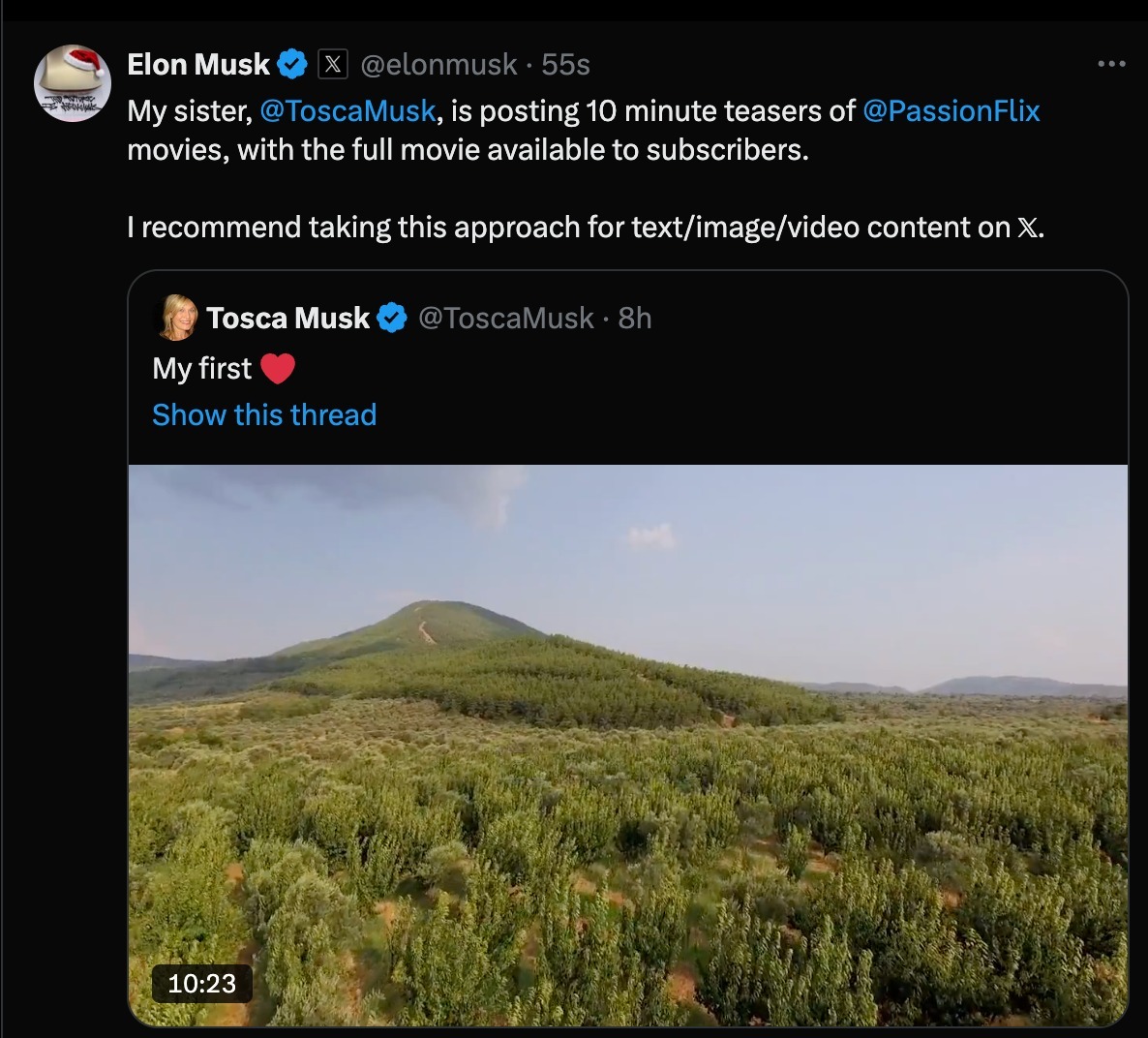
🚨 ELON: CREATORS SHOULD USE THE “TEASER SUBSCRIBE” MODEL ON X
Elon just dropped a major hint about the future of content on X, and it’s all about monetization meeting strategy.
Shouting out his sister Tosca Musk’s film platform @PassionFlix, Elon pointed to her playbook: Post 10-minute teasers of premium movies, lock the full content behind a subscription paywall, use free content to hook viewers and then cash in.
Basically, stop giving everything away for free. If you’ve got value, make people pay for it.
Elon is actively laying out the next evolution of X as a creator-oriented platform, one that doesn’t only reward virality, but also sustainable income streams.
If you’re a creator, journalist, filmmaker, meme lord, or anyone dropping consistent value here, it’s time to think like a digital entrepreneur.
The message is clear: Build the audience, drop the teaser, and monetize the payoff.
This is X 2.0, and it’s not just for takes anymore.
“I recommend taking this approach for text/image/video content on X.”
Source: @elonmusk, @ToscaMusk
6
504
13 Nov 2025
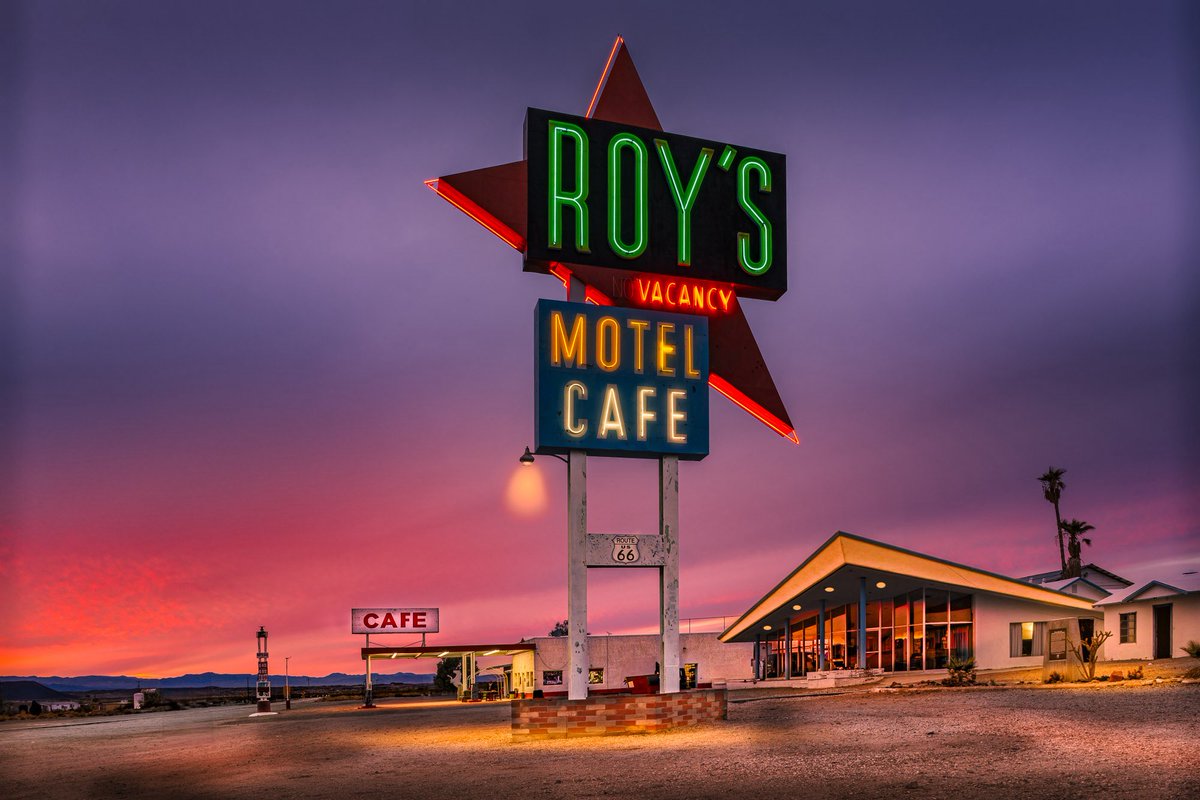
In Catholic News, the Pope related his favorite movies:
“….the pontiff revealed they were: "It's a Wonderful Life" (1946), "The Sound of Music" (1965), "Ordinary People" (1980) and "Life Is Beautiful" (1997).
What’s your top four movies?
2
1
7
455
12 Nov 2025
Lizard on Rock Monument Valley Utah | Digital Download Desert by PonderPhotography
etsy.me/47AKvrs via @Etsy
5
572