
Cardano SPO - Mithril Signer - We support decentralization of the Cardano blockchain!
Joined November 2020
- Tweets 425
- Following 1,004
- Followers 744
- Likes 442
62 Photos and videos





Kyoto Stake Pool - Cardano ADA retweeted

Jun 3
This is truly amazing and really one of the core reasons Cardano exist. To change the financial and social systems of the world.
May 29

20,000 farms on @Cardano. 🌾⛓️
This is what 20,000 transactions actually looks like.
Behind every transaction, there's a team making it happen. 👇
The Syngenta Foundation India field team — on the ground, in the villages, teaching farmers how to map their land and put it on chain for the first time.
A huge thank you to the SFI team, to every Agri-Entrepreneur, and to every farmer who trusted us. 🙏🇮🇳
Heading towards 100k by August
📄 Read the 5am treasury proposal:
→ One pager: 5am.earth/cardano-proposal
→ Full proposal: drive.google.com/file/d/1-z7…
Share with your DRep 🗳️
Follow the count live:
cardanoscan.io/address/01e9b…
#Cardano #5amEarth
@andamio_teams @YoramBenzvi @udaisolanki @AiquantTech @ZengateGlobal
16
72
540
22,774
Kyoto Stake Pool - Cardano ADA retweeted

May 22
If you're a Cardano holder, please repost this immediately.
We've come to an absolute defining moment for ADA.
In the next 48 hours, the proposals that fund Cardano development are being decided.
While the #2 chain in crypto loses their builders or researchers, Cardano can keep theirs, at one of the most critical times of the altcoin cycle.
Cardano has come this far. It can not stop here.
DReps, think about the impact here.
Holders, make your voice heard.
174
724
2,119
99,901
Kyoto Stake Pool - Cardano ADA retweeted

Imagínate ir caminando por la estación de trenes en Kyoto y así de la nada te encontrás al ex emperador de Japón caminando y saludando 😳
Con su edad y aún no pierde la sonrisa
1,184
14,232
182,779
8,158,679
Kyoto Stake Pool - Cardano ADA retweeted

Apr 14
Deblock finally supports Cardano🔥
Deblock is a French crypto-native neobank founded in 2022 by former executives from Revolut and Ledger. It combines a regulated bank account with a self-custody crypto wallet in a single app, allowing users to manage euros and cryptocurrencies seamlessly.
You can use my ambassador link if you want to try the service, you can get up to 3 premium months:
deblock.com/f-smaug
This is not a paid advertisement nor endorsement. I just find the service interesting in EU and I'm glad they added support for ADA. You mileage may vary.
Apr 14

Les marchés crypto dorment ? Pas nous. 🛠️
Votre portefeuille self-custody s'agrandit : XRP Ledger et Cardano sont arrivés.
Déposez, envoyez, achetez et vendez $XRP et $ADA directement depuis votre compte courant. La vraie liberté financière ne fait pas de pause.
Own your money. ✊

4
30
100
4,036
Kyoto Stake Pool - Cardano ADA retweeted

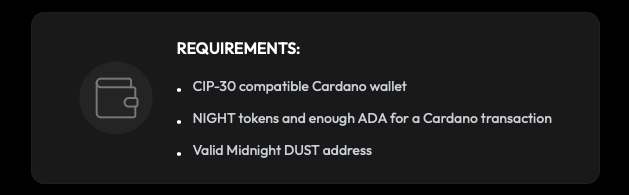
Now that the @MidnightNtwrk has launched, many are wondering how to generate DUST.
As there is some confusion about this, and I see users wasting fees, happy to explain the process step-by-step.
First step is to go to
midnight-dust-mainnet.nether…
and note the requirements
8
20
76
4,659
Kyoto Stake Pool - Cardano ADA retweeted

Apr 3
プレスリリース出ました!
このたび、株式会社クヒトを設立しました。
私は2020年からCardanoコミュニティで活動する中で、ブロックチェーンの可能性をずっと信じてきましたが、一方でその技術が社会で使われることの難しさも感じてます。
これまでは、優れた技術であればいずれ誰かが気づいてくれると思っていましたが、待っているだけでは何も変わらず、もどかしい気持ちだけが募っていきました。
だからこそ、これからは自分たちで形にしていきます。
クヒトでは、Cardano / Midnight を軸に、プライバシー保護と実用性を両立したユースケースを創出し、社会で本当に使われる仕組みとして商業化を目指します。
すでに、いくつかのプロジェクトも動き始めています。
理想を語るだけで終わらせず、実際に使われるところまでやる。
ここから本気で積み上げていきます!
今後ともよろしくお願いいたします。
#株式会社クヒト #Cardano #Midnight #ブロックチェーン
Apr 3

📰プレスリリースのお知らせ
先進的な第4世代ブロックチェーン「Midnight」で、プライバシー保護と社会実装を両立する。
Midnight公式Ambassador Leadがスタートアップを設立!
企業や行政の実務に適合するユースケースの創出と社会実装に取り組んでまいります。
prtimes.jp/main/html/rd/p/00…
11
41
179
15,566
Kyoto Stake Pool - Cardano ADA retweeted

Mar 31
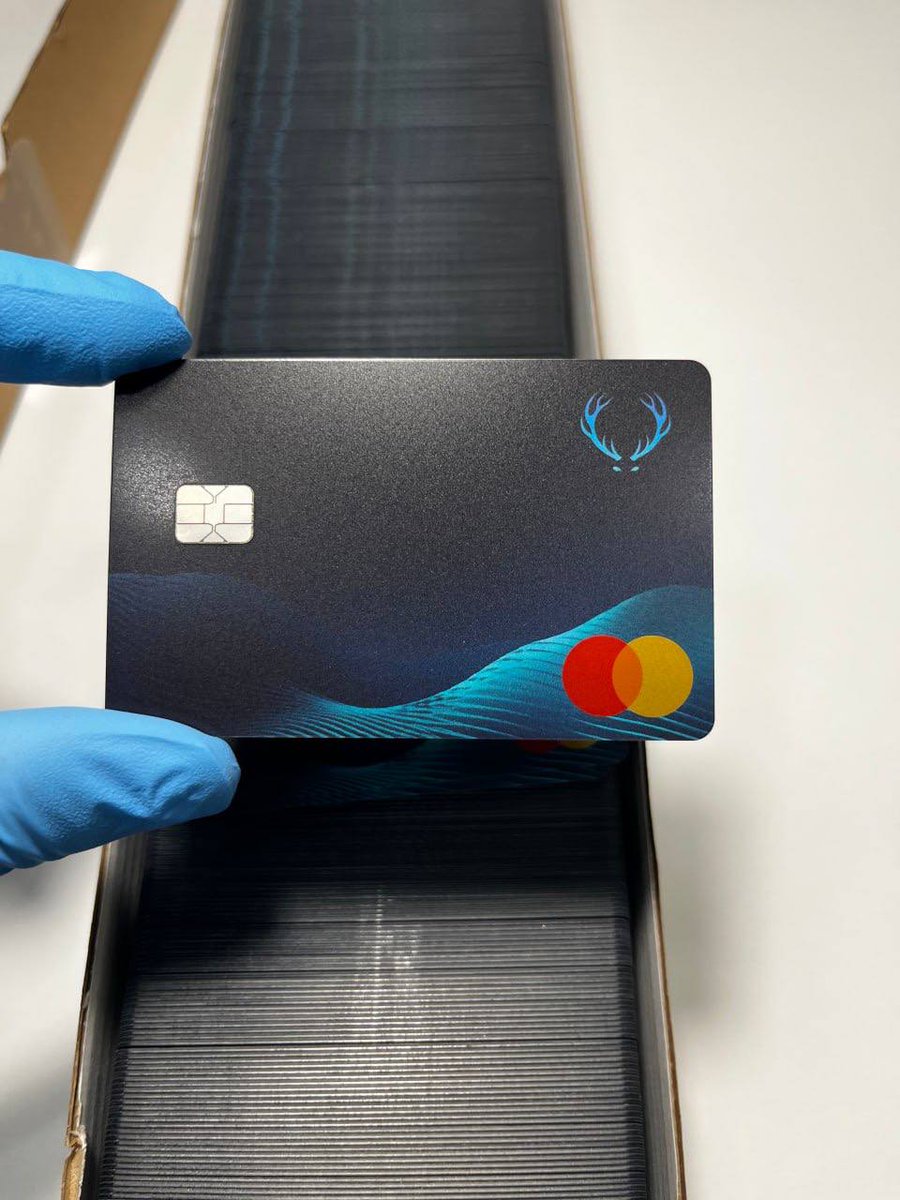
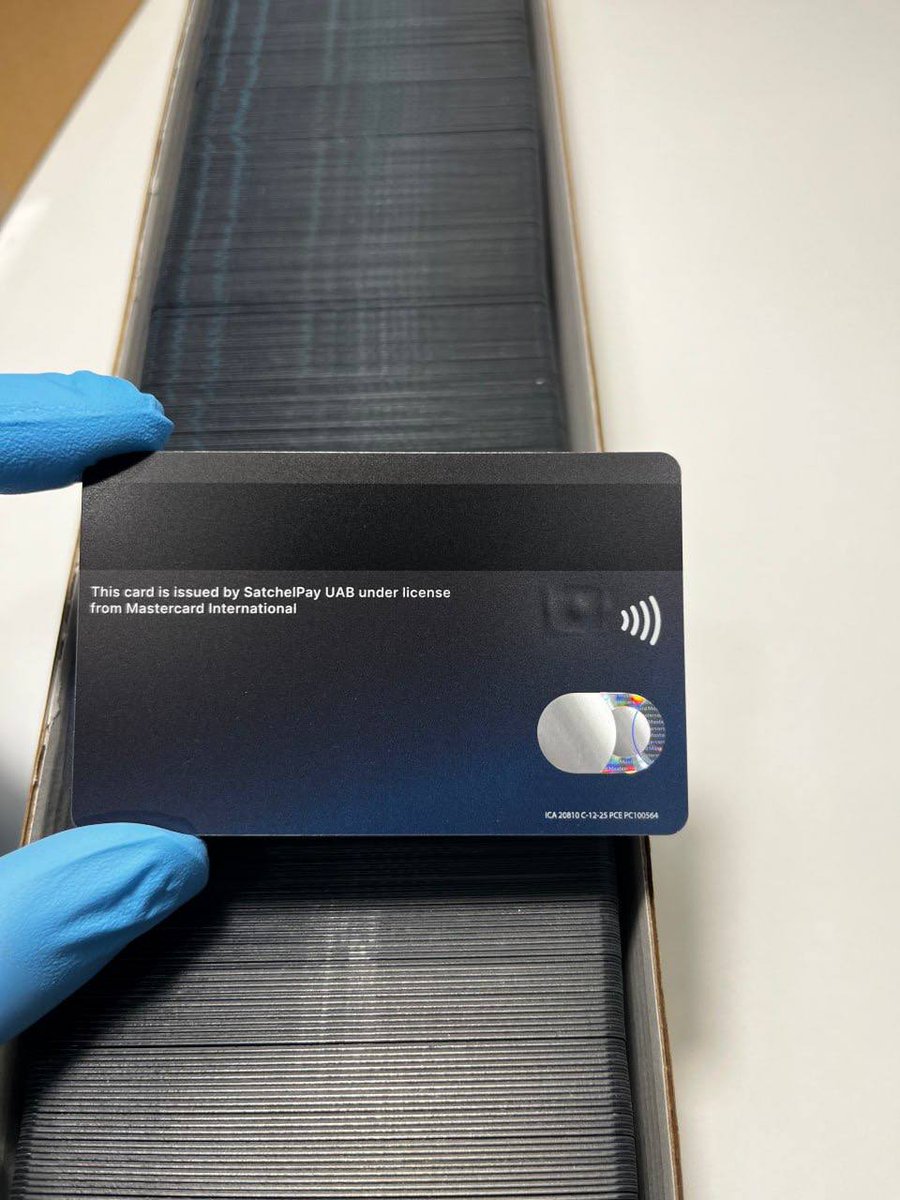
🚨 It's Here!
The Gero Card is now real, straight from the factory.
0% fees available for a limited time.
Built for real-world crypto spending, directly from your non-custodial wallet.
Spend globally, seamlessly.
Physical cards will be available to order this week 💳
👉 Download Gero Dashboard:
chromewebstore.google.com/de…
21
42
166
6,178
Kyoto Stake Pool - Cardano ADA retweeted

フランス人が、日本にきわめて友好的な感情を持っていることがわかった。
曰く、
「一度訪れてみたいです」
「あなたの国の歴史や文化を尊重します」
「末永く友好を続けましょう」etc
更にこういうことも
「俺等の国の失敗を真似るんじゃねえ」
愛国者の皆さん、#日本を護る ため、
共に戦おう!!
590
870
9,421
206,262
Kyoto Stake Pool - Cardano ADA retweeted

Mar 22
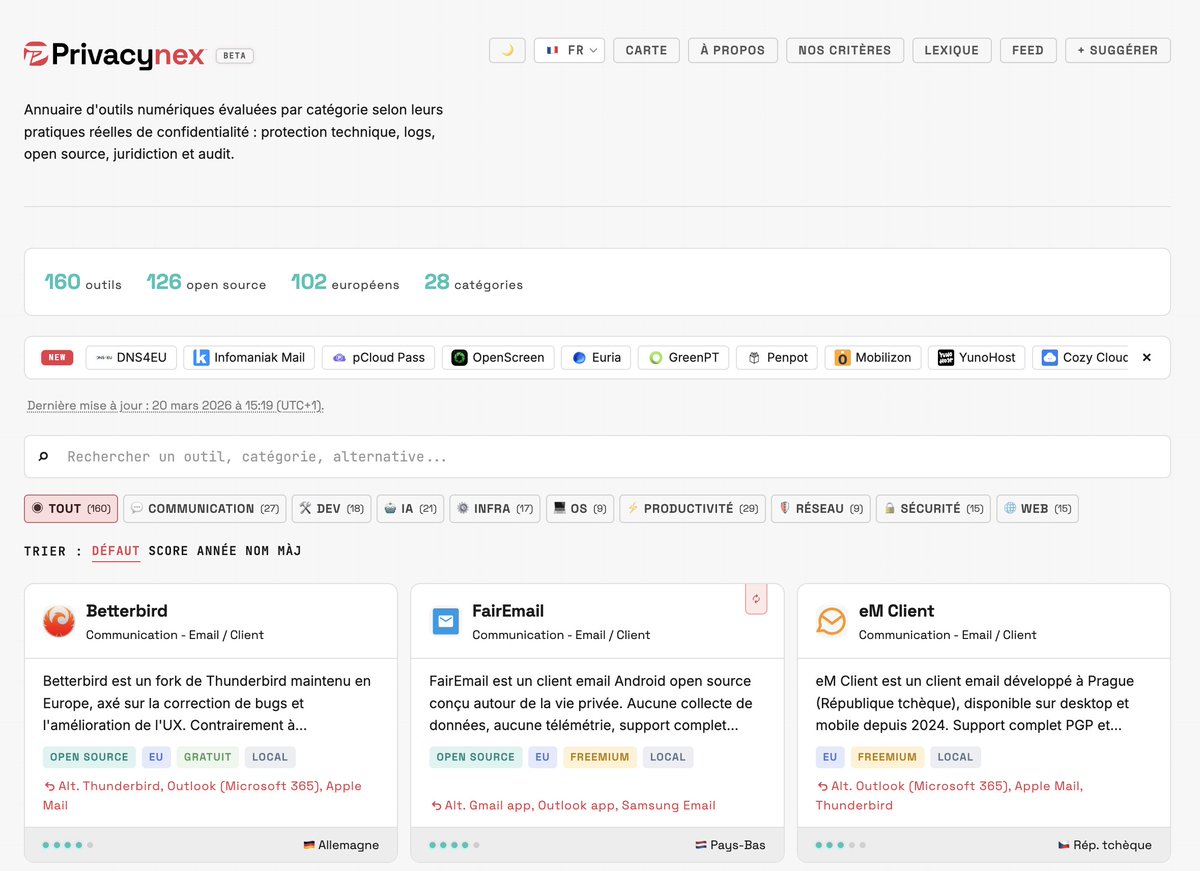
Un annuaire d'outils numériques évalués selon leurs pratiques de confidentialité : 137 outils (dont 102 open source et 83 européens) classés par catégorie. Messagerie, navigateurs, OS, IA, stockage, DNS…
privacynex.org/
6
93
278
18,213

Our developer conference Code with Claude returns this spring, this time in San Francisco, London, and Tokyo.
Join us for a full day of workshops, demos, and 1:1 office hours with teams behind Claude.
Register to watch from anywhere or apply to attend: claude.com/code-with-claude
418
920
8,335
1,861,626
Kyoto Stake Pool - Cardano ADA retweeted

Mar 17
For nearly a decade, Cardano has been one of the largest, most reliable, and secure blockchains, with zero downtime since its launch in 2017.
Cardano runs on eUTXO, an extension of Bitcoin’s UTXO accounting model, with native programmability. Transactions execute in parallel. Multiple assets settle in a single transaction. Fees are known before you submit. Smart contract outcomes are deterministic at the protocol level. There are no failed transactions that eat fees. What you model is what executes.
Cardano also handles tokens differently. Native Assets inherit the same properties as ADA itself, secured directly at the ledger level. No ERC-20 style smart contracts sit between users and their tokens.
Given these architectural differences from EVM chains, a major limitation has always been connectivity: Cardano didn’t speak the same language as the rest of crypto.
31
309
1,398
63,769
Kyoto Stake Pool - Cardano ADA retweeted

Mar 14
🤖 L'IA VIENT DE METTRE LES POLITICIENS AU CHÔMAGE.
Le Japon vient de basculer dans le futur.
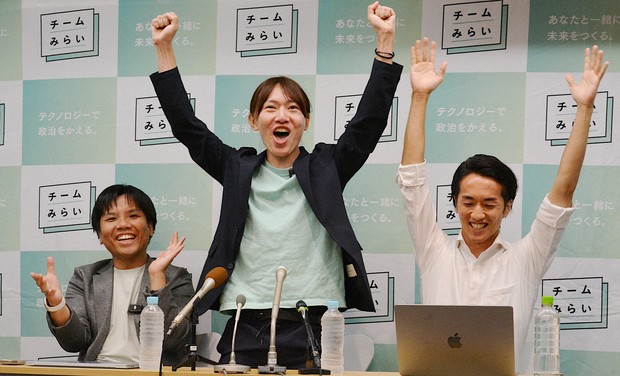
Le parti "Team Mirai" (composé d'ingénieurs et de codeurs) vient de faire un braquage aux dernières législatives avec 11 élus.
Leur programme ? Confier les problèmes du pays à l'Intelligence Artificielle.
Mieux encore : une autre formation politique a carrément nommé un chatbot IA (sous forme de pingouin virtuel) à la tête de son parti.
Et honnêtement... est-ce une si mauvaise idée ?
Une IA ne détourne pas d'argent public.
Une IA lit réellement les dossiers avant de voter.
Une IA n'a pas d'ego démesuré.
Pendant qu'on débat sur l'utilisation de ChatGPT à l'école, le Japon l'envoie siéger à l'Assemblée.
Prêts à voter pour un algorithme en 2027 ou dystopie totale ? 👇
212
370
1,309
141,611
Kyoto Stake Pool - Cardano ADA retweeted

Mar 13
🇯🇵🚄 INSOLITE – Le Japon a inauguré une ligne de TGV reliant Tokyo à Osaka, dont une partie du trajet passe sous la mer
583
1,160
8,776
3,233,049
Kyoto Stake Pool - Cardano ADA retweeted

I keep seeing people say “users are leaving Cardano” or “there are no users.”
That completely misunderstands how adoption works.
The real issue isn’t that users left.
It’s that mainstream users haven’t arrived yet in meaningful numbers.
Most people don’t care about blockchain.
They don’t care about consensus models or tokenomics.
They care about utility.
Users don’t appear because we built infrastructure.
They appear when someone builds something so useful people use it without caring what’s under the hood.
Just like capital has to flow into an economy, users have to flow into an ecosystem.
And those users come from the mainstream world, not crypto Twitter.
They arrive when we build applications normal people actually want to use.
45
50
366
8,322
Kyoto Stake Pool - Cardano ADA retweeted

Je suis disponible vers la mi-mars 🙇

Je suis Japonais et guide à Kyoto. J’ai décidé de me lancer sur internet pour partager ma passion avec vous et vous faire découvrir Kyoto.
N’hésitez pas à liker et à me laisser quelques commentaires pour m’encourager !!
Réservation et mon profile
▶︎monsieura.net




8
69
3,931
Kyoto Stake Pool - Cardano ADA retweeted

Feb 18
5
14
44
1,861
Kyoto Stake Pool - Cardano ADA retweeted

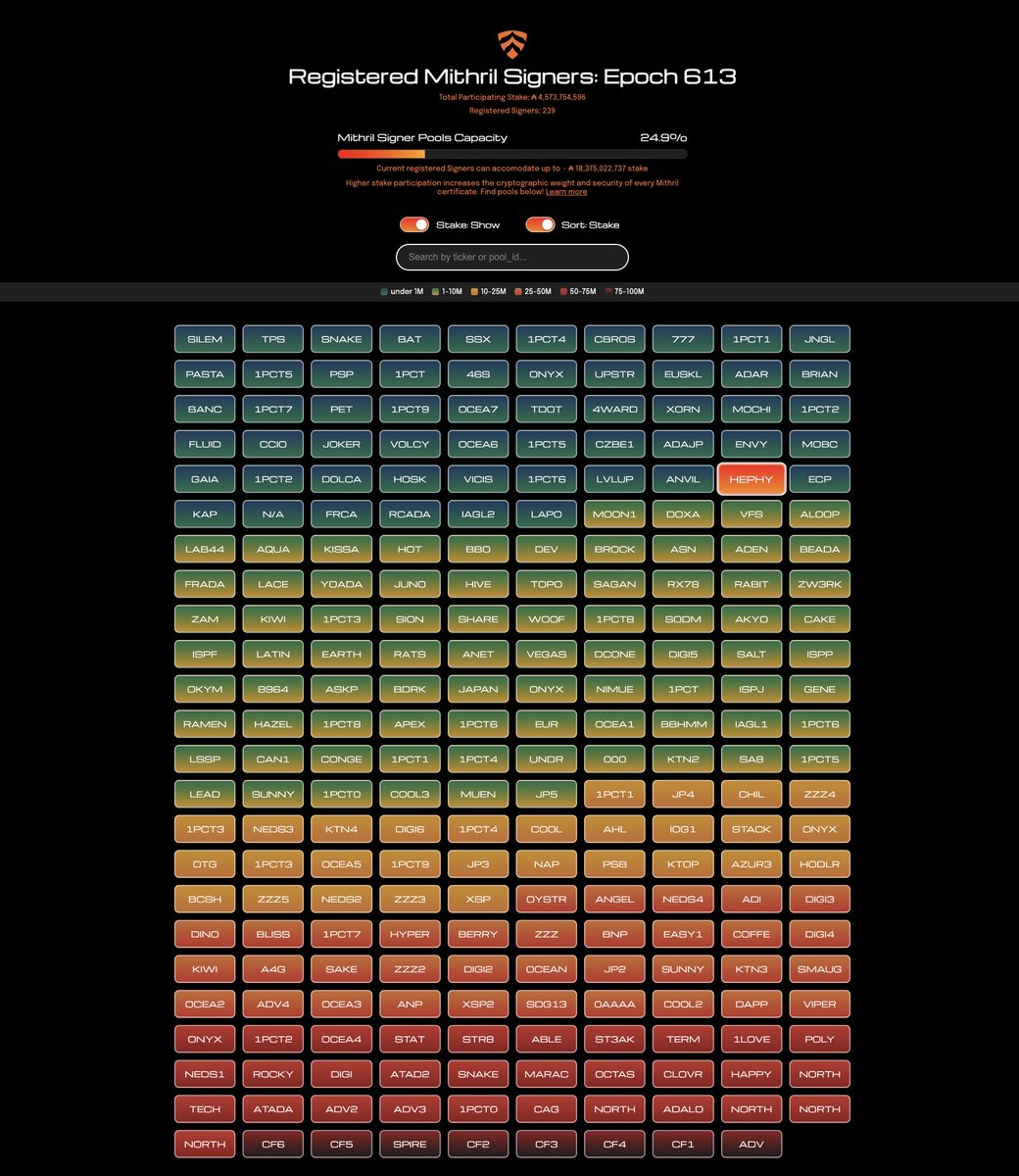
I started this little #Mithril awareness project in the hope that it might empower delegators to join the push to increase adoption after 2.5 years on mainnet.
HEPHY turns 4 on Sunday. Never seen an Active Stake above ₳1M.
If you found it helpful, would be grateful for any support.
Have a great week. 🫡
#Cardano #CardanoCommunity
2
7
18
397
Kyoto Stake Pool - Cardano ADA retweeted
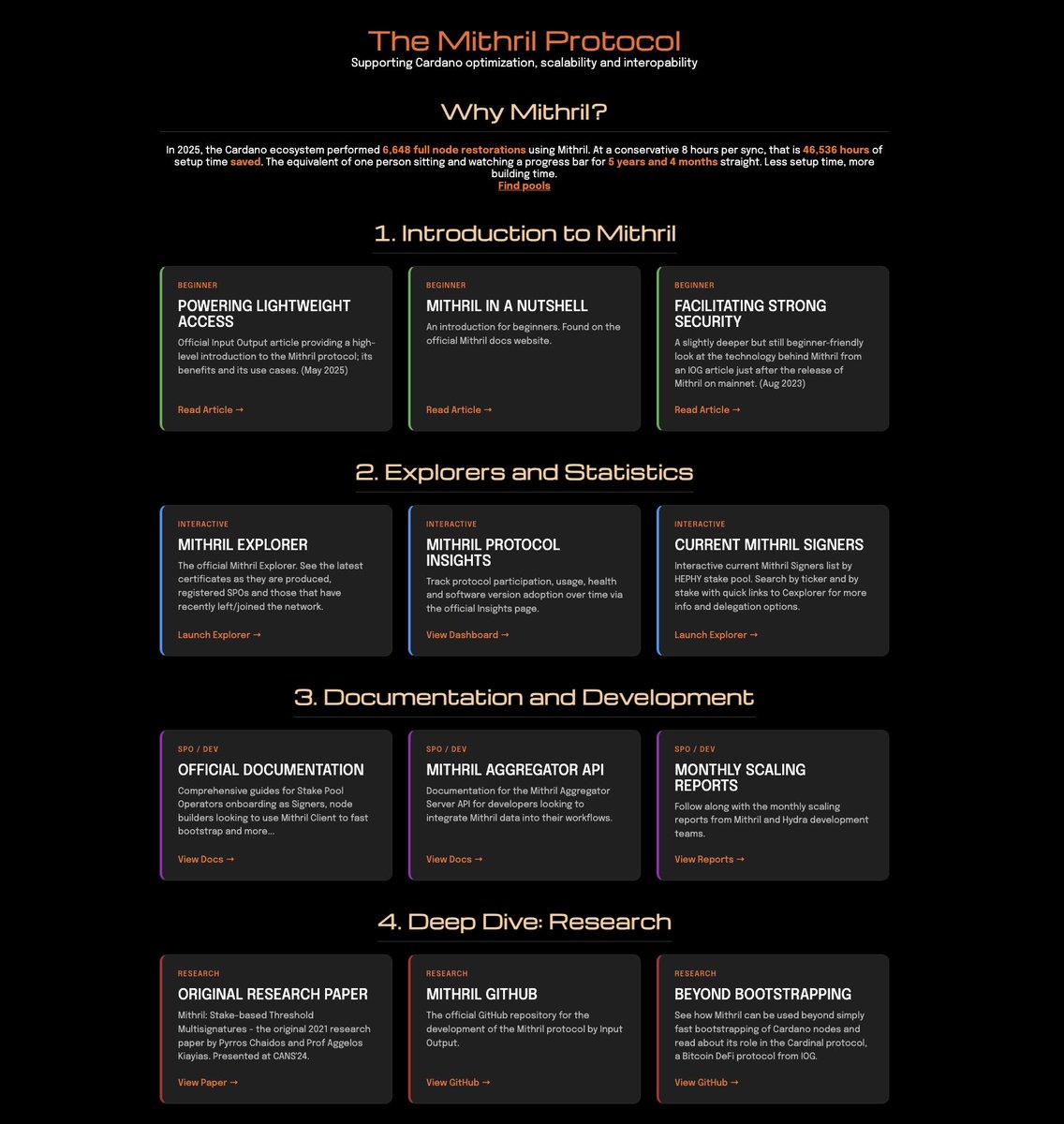
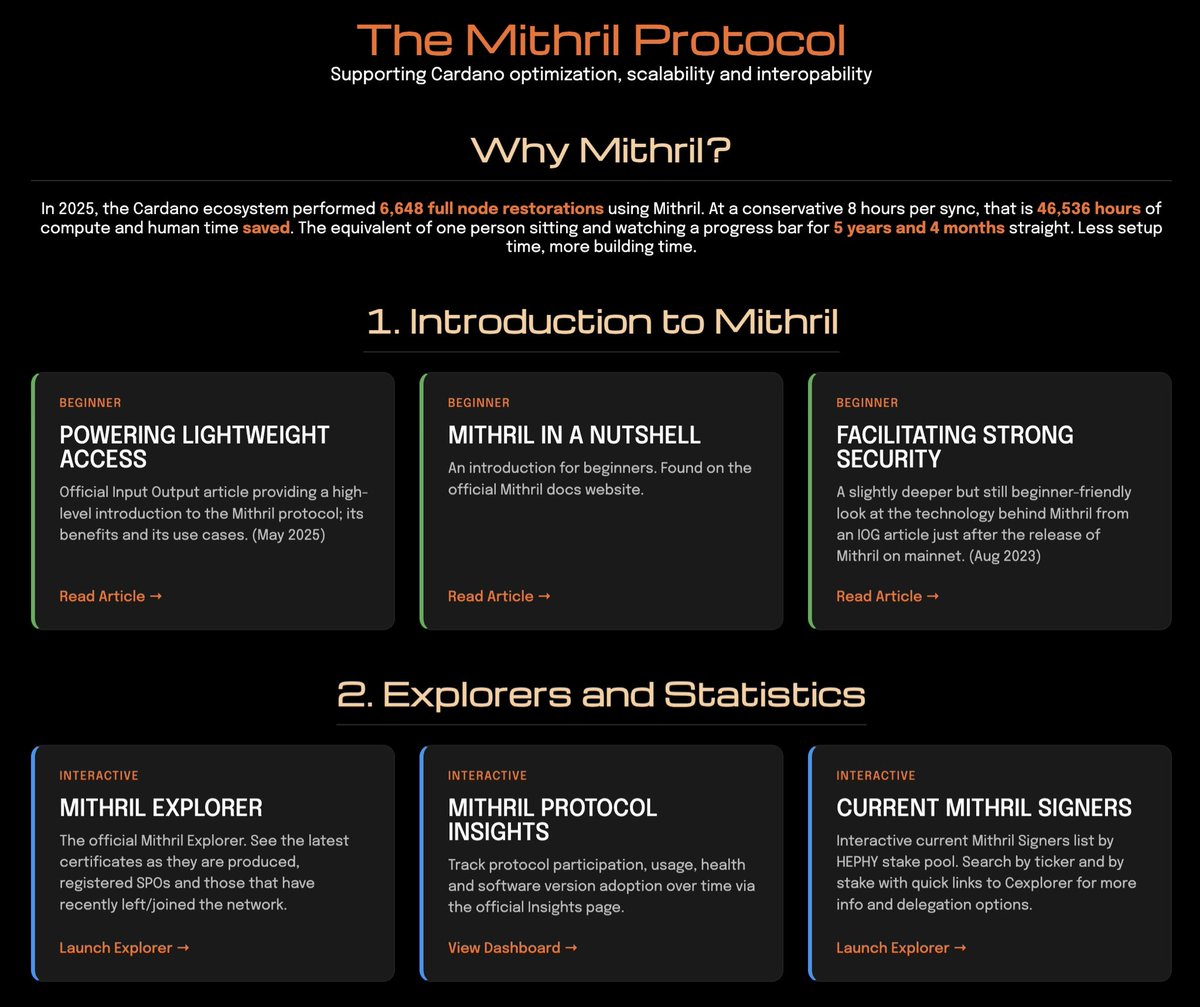
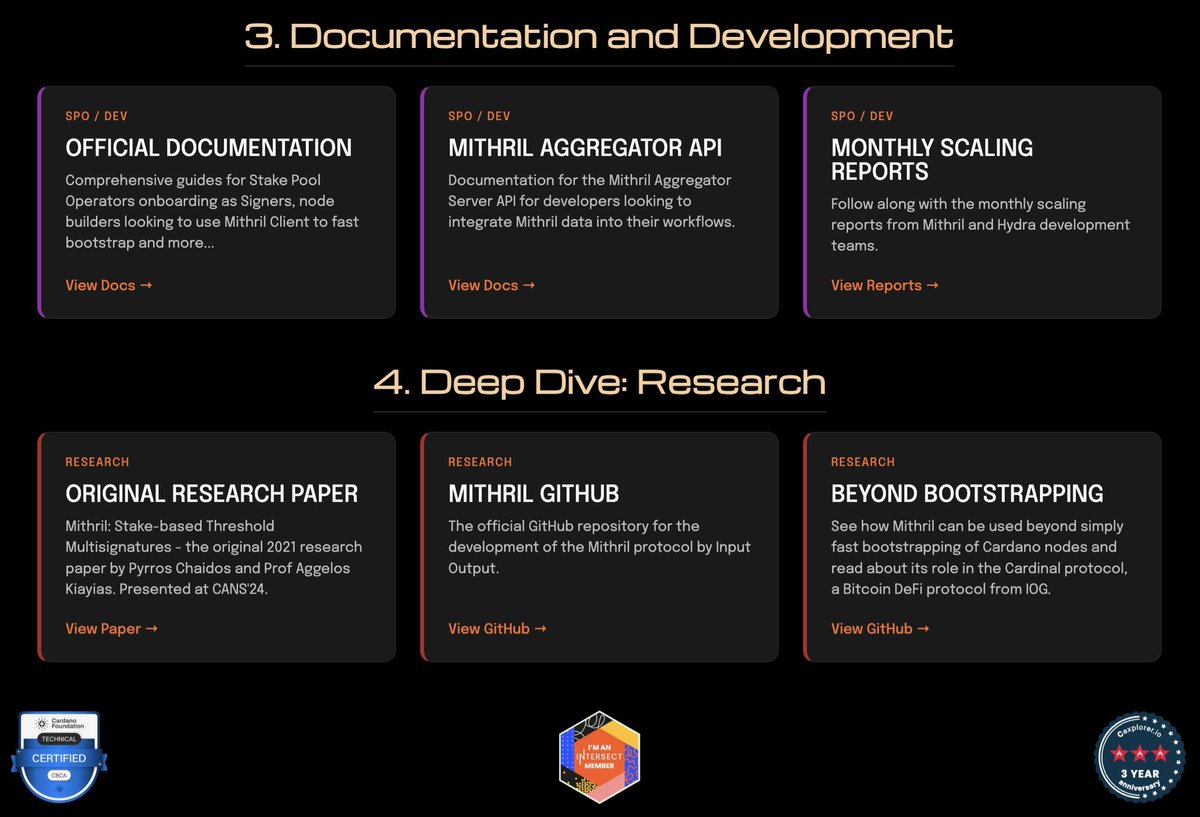
Quietly pushed this online late last night. A one stop shop for Mithril resources; blogs for beginners, explorers for the info curious, docs for devs (and SPOs) and research/GitHubs for the real deep divers.
No more walls of links replies on X from me.
hephy.io/why-mithril
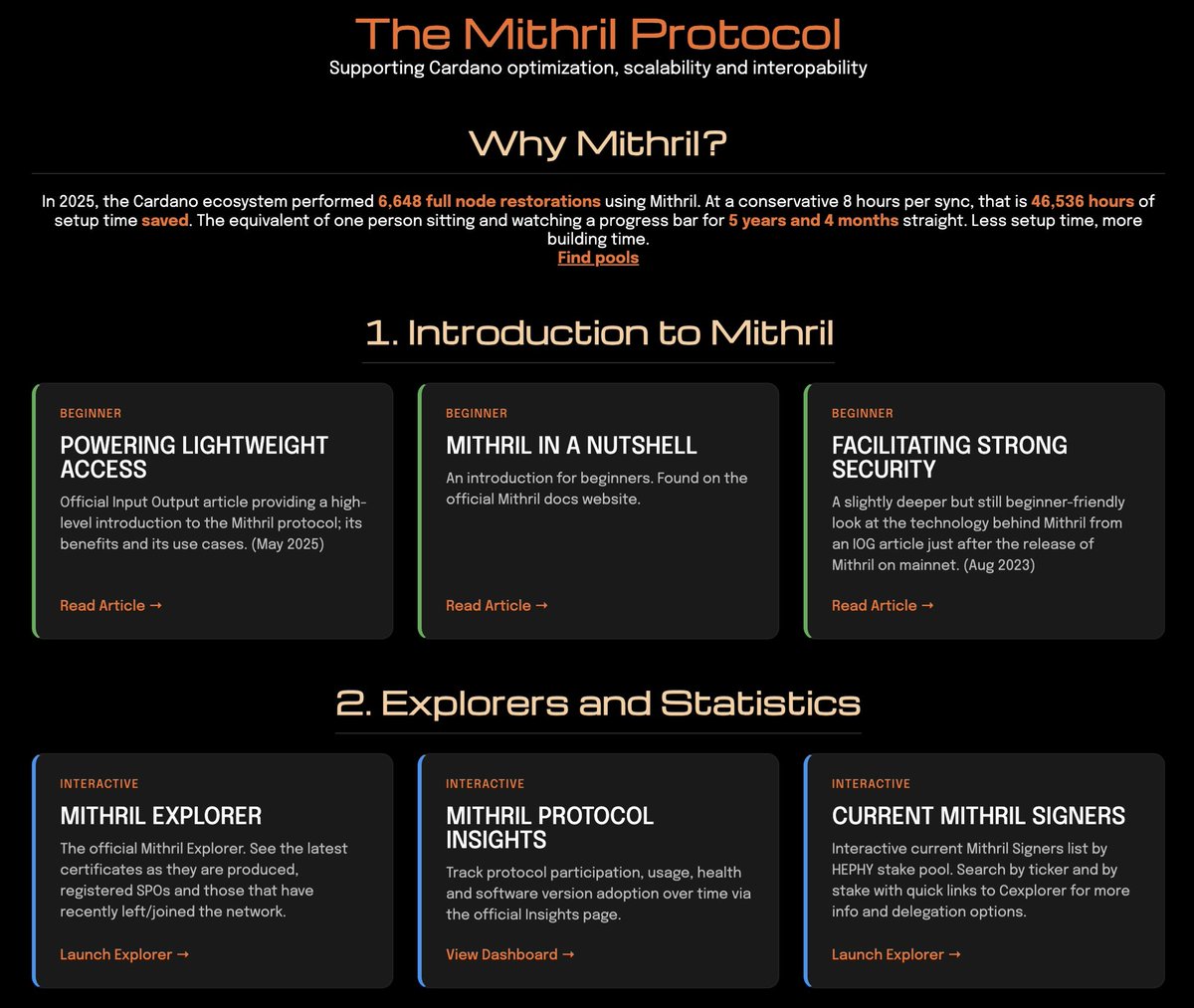
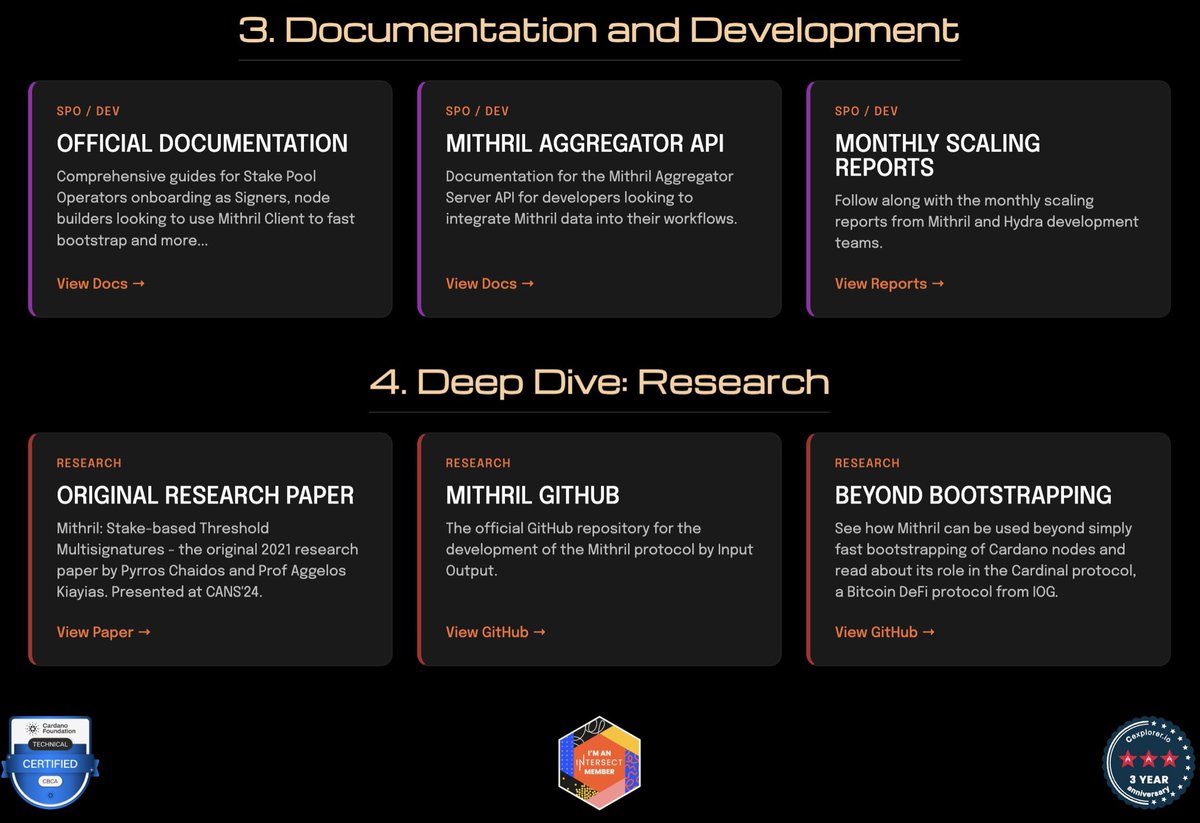

This will probably be my last addition to this little project. An all-in-one resources page with top articles and docs for beginners, SPOs and Devs, research nerds and everyone in between.
Would it help people understand #Mithril more?
(Page not live yet)
🛡️ 📖 🤓
2
13
34
1,843

Kyoto Stake Pool - Cardano ADA retweeted
Le nouveau Shinkansen Nishi-Kyushu "Kamome" décoré sur le thème de Super Mario.
Pour le voir, il faudra faire vite, il n'est en circulation que jusqu’à fin juin 🚄 #Japon #SuperMario
6
68
470
42,022