
The only custodyless Bitcoin cross-chain infrastructure. Swap BTC, ETH, SOL, L1/L2. Backed by @CBVENTURES & @OKX. Portal's Utility token $PTB now live.
Joined January 2019
- Tweets 16,188
- Following 1,309
- Followers 408,601
- Likes 28,351
1,254 Photos and videos


Pinned Tweet

Feb 16
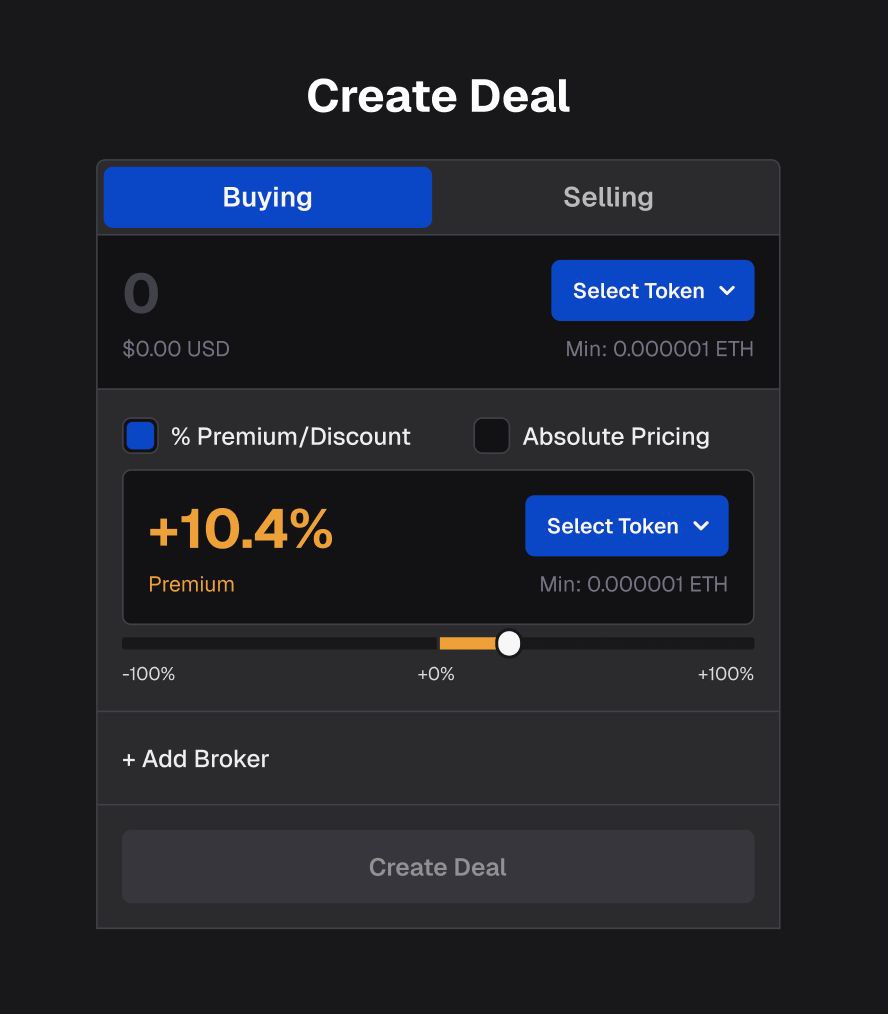
GM 👀 floTC sneak peek:
> dynamic pricing
> premiums & discounts
> broker fee feature
Can't wait to share more soon...
71
29
115
39,805
May 22
Celebrating the most important pizza order in history🍕
Happy Bitcoin Pizza Day 🤗
32
5
50
4,394
May 19
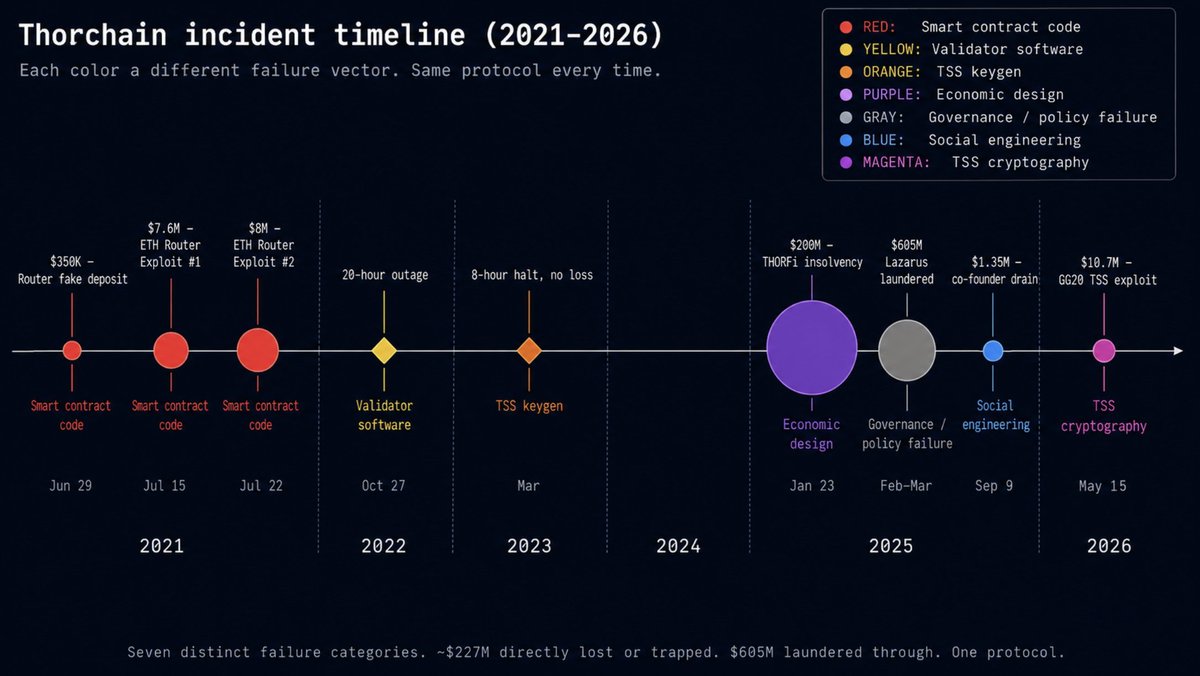
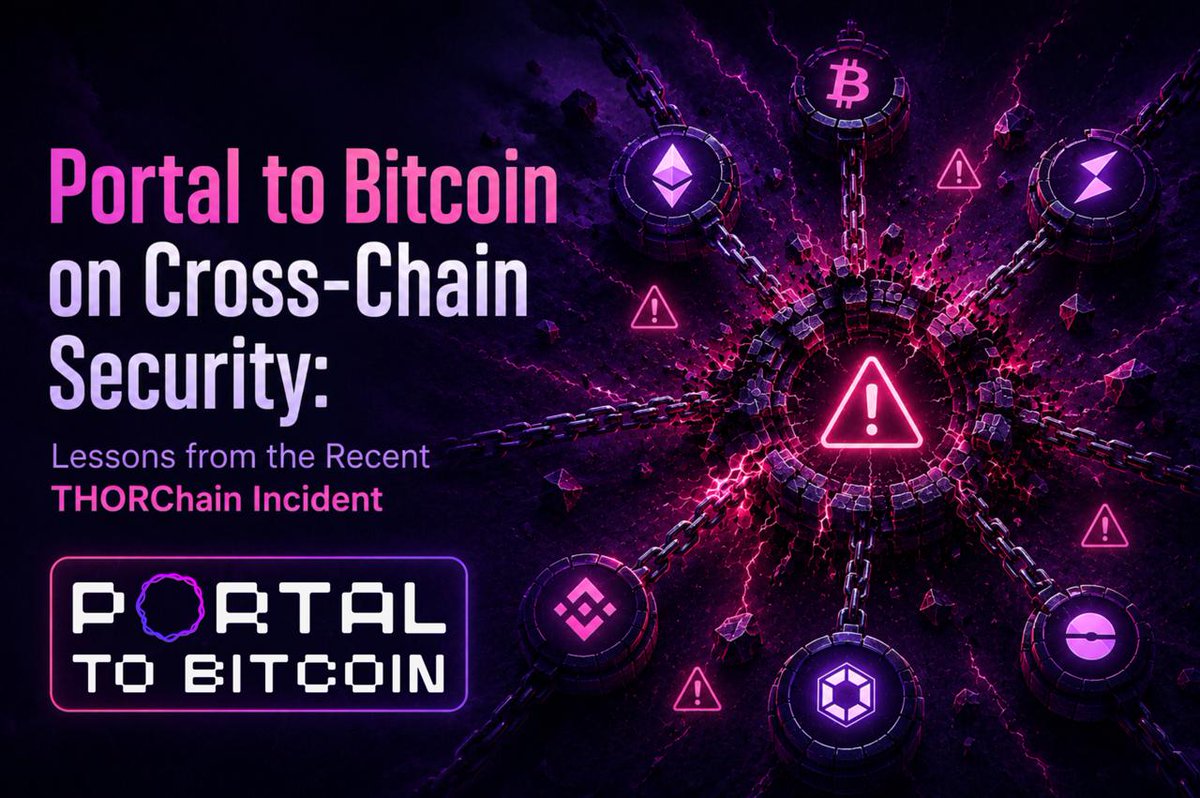
Portal to Bitcoin on Cross-Chain Security: Lessons from the THORChain Incident
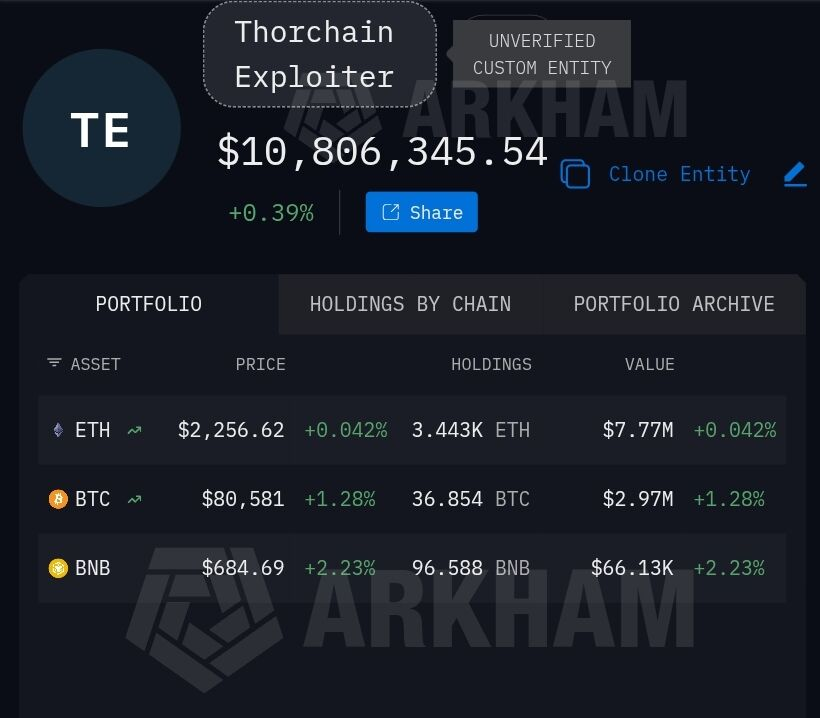
The recent @THORChain exploit is another reminder of how hard secure cross-chain infrastructure really is.
Cross-chain liquidity powers DeFi, but every added layer introduces new attack surfaces.
16
5
47
4,936
May 19
At Portal to Bitcoin, our current focus is different:
• No custody of user funds
• Bitcoin-native settlement
• Bridgeless atomic swaps
• Reduced reliance on complex shared vault systems
2
7
2,371
May 19
The challenge is building systems that preserve security assumptions instead of weakening them through added complexity.
That's why on Portal and FloTC (our institutional product) we’re dedicating the extra time and effort into maximum security.
portaltobitcoin.com/
1
5
1,708
Portal retweeted

May 17
The world is on a cusp of inflection points on so many dimensions
This is the age of the Generalist. Better stated, the age of the RENAISSANCE MAN
174
34
244
4,086
May 15
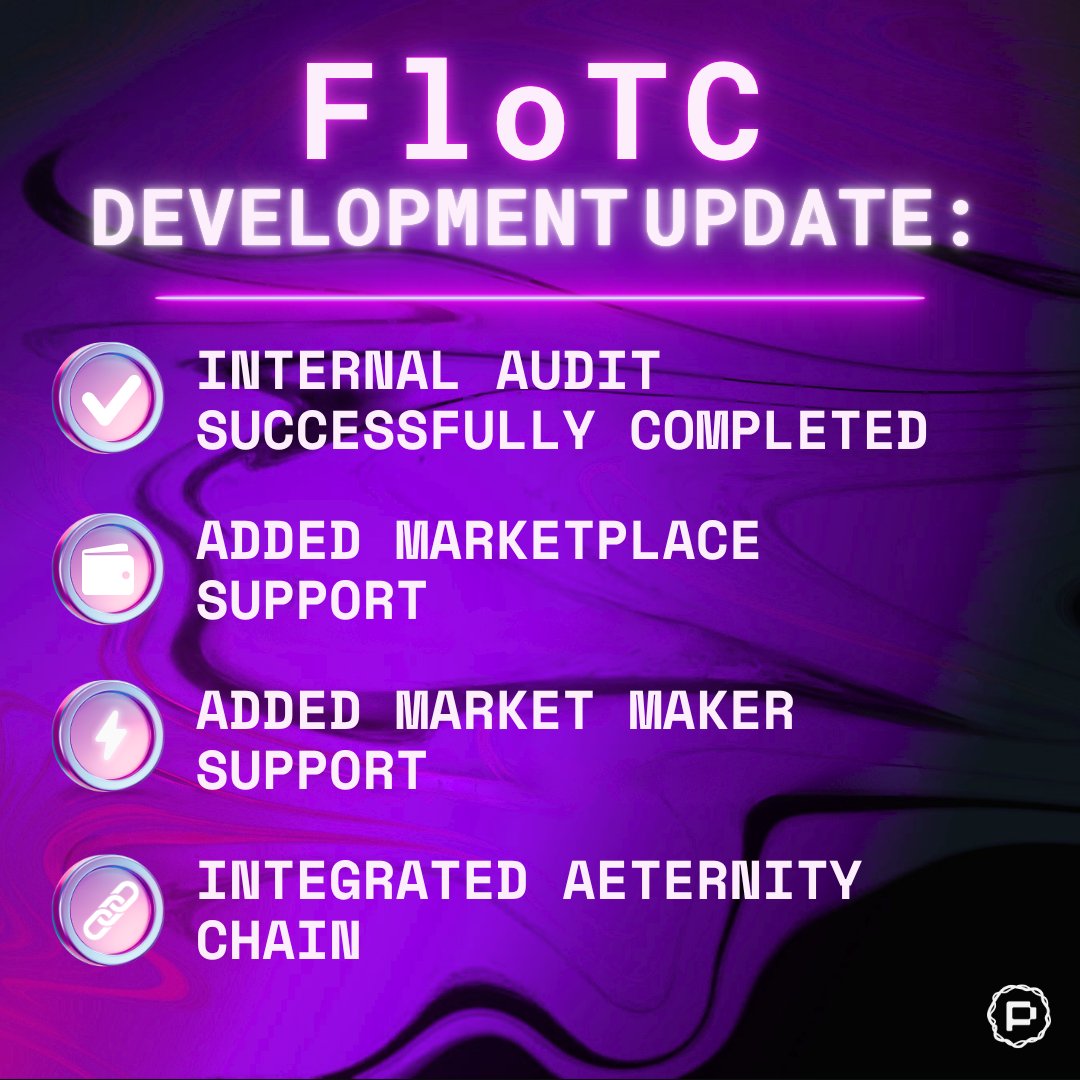
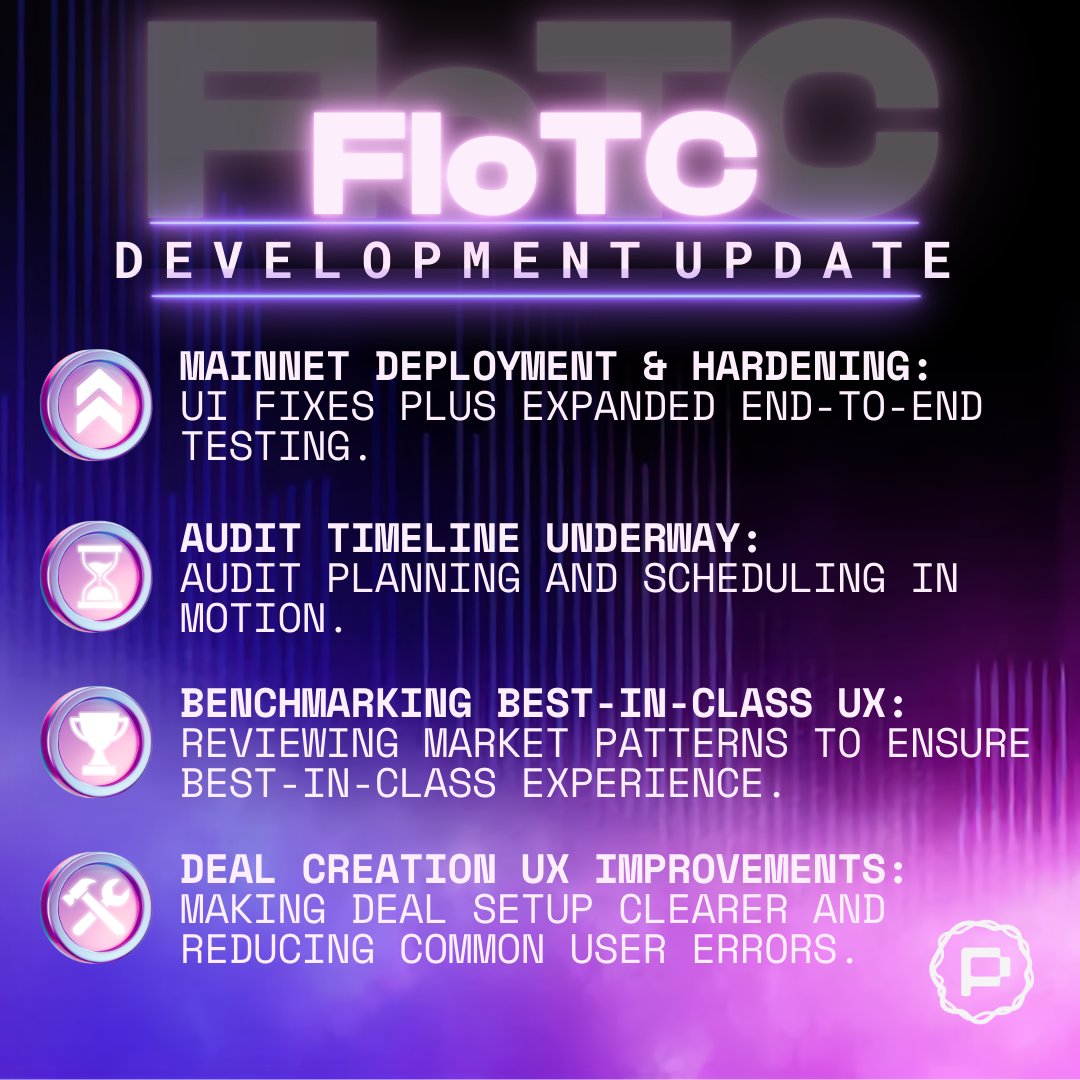
A few recent updates from the FLoTC side of things ⚡
Internal audit, marketplace support, market maker support, and @aeternity integration.
More updates to come.
12
5
36
3,741
Portal retweeted

Apr 29
Harvey is valued at $11B. Legora just raised at $5.5B. I built their entire web application in two weeks and I'm making it open-source and free for everyone to use. Say hi to Mike: mikeoss.com.
When I got the chance to try Harvey and Legora, I was surprised by how simple they were. A thought came to mind: I could probably build something similar in no time at all with Claude. And so I did.
Assistant, project, tabular review and workflows. You get it all without vendor lock-in.
Mike offers law firms an alternative, where they own the application layer and aren't stuck with a vendor they're renewing forever.
You can try Mike in the demo on the website, or go to the GitHub link on the site to download the code and run a local version yourself.
252
234
3,896
1,294,723
Apr 21
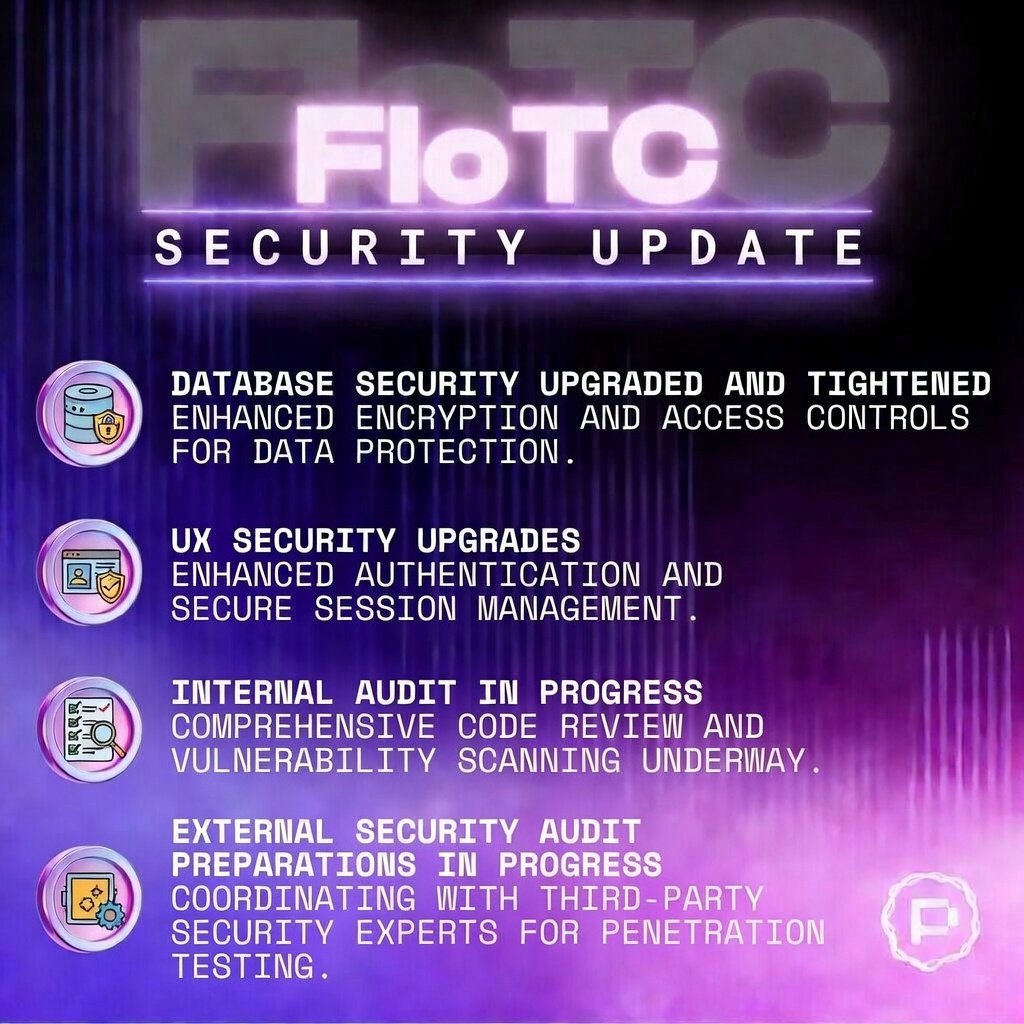
Security is Paramount and that has been our main focus over the previous couple of weeks.
Big moment as right now all eyes are on preparations for the upcoming external Security Audit!
39
14
65
7,538
Apr 20
The lesson stays the same: Bridges are not self-custody
Self-custody means nothing if centralized bridge infrastructure can still become the point of failure. Portal's atomic swaps are the only safe and secure path that is truly trust minimized 🔒
Apr 19

The root cause of the $290M rsETH bridge exploit, based on all available info, was a compromise of the official LayerZero Labs DVN node
LayerZero has long marketed itself as decentralized and free from centralized intermediaries, but in practice this is decentralization theater
When LayerZero refers to its centralized nodes as “Decentralized Verifier Networks”, that’s just marketing psyops
A significant portion of LayerZero activity depends on just a small handful of DVN nodes, in many cases just one or two, run by centralized companies including the LayerZero Labs team
In the rsETH incident, the chains themselves were functioning correctly, the failure was that the LayerZero Labs DVN node was compromised into emitting a forged message that downstream contracts treated as legitimate
The responsibility for securing bridge infrastructure sits with the provider, not with downstream protocols or users who trusted the marketing
But the deeper issue is architectural
LayerZero did not spend the time or resources required to build a genuinely decentralized network, they cut corners and shipped a centralized system wrapped in decentralized marketing
Real decentralization costs money and requires many independent node operators, multiple independent RPC infra providers, and genuine redundancy across the validation layer
When LayerZero cuts corners to save on costs, the burden gets shifted onto users and the broader industry in the form of catastrophic failures like this one
The AWS outage last year taking down LayerZero bridges should have been a clue just how centralized the LayerZero ecosystem was
Unfortunately, bridge risk does not stay contained, losses spread into major DeFi protocols and connected ecosystems
Chainlink CCIP was built specifically to eliminate this entire category of risk, with every bridge lane secured by numerous independent, security-reviewed node operators connected to multiple reputable RPC providers
That’s why CCIP has never been exploited and has never lost user funds across nearly three years of in-production operation on 70 blockchains
Wishing a speedy recovery to every team and user impacted by this incident, hoping funds can be recovered and the ecosystem comes out stronger on the other side
13
8
41
6,403
Apr 16
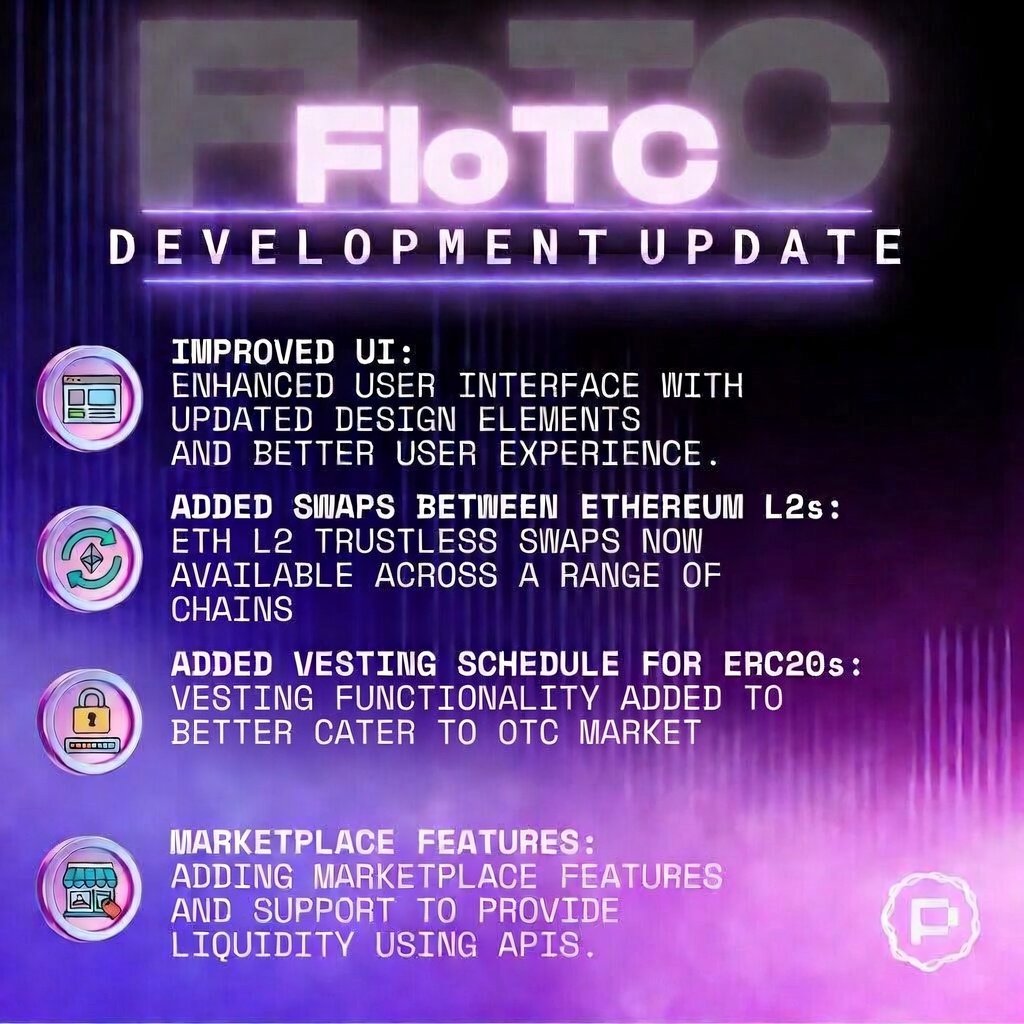
Lots of updates to share on the development side from Eth L2 swaps to Marketplace Features....
Huge update will also be shared next week 👀
24
14
72
6,763
Mar 30
Vesting just got an upgrade ⚡
FloTC delivers tools that matter. Own your cliffs. Control your vesting. ⤵️
122
23
93
14,339
Mar 21
Tokenomics adjustments mean that PTB will capture institutional adoption value as well.
Revolutionary products need sustainable economics
Mar 19

No other product provides trust minimized vesting, escrow and many other features that the industry has been looking for, for a long time.
Agentic trades coming too!
53
21
74
18,303
Mar 19
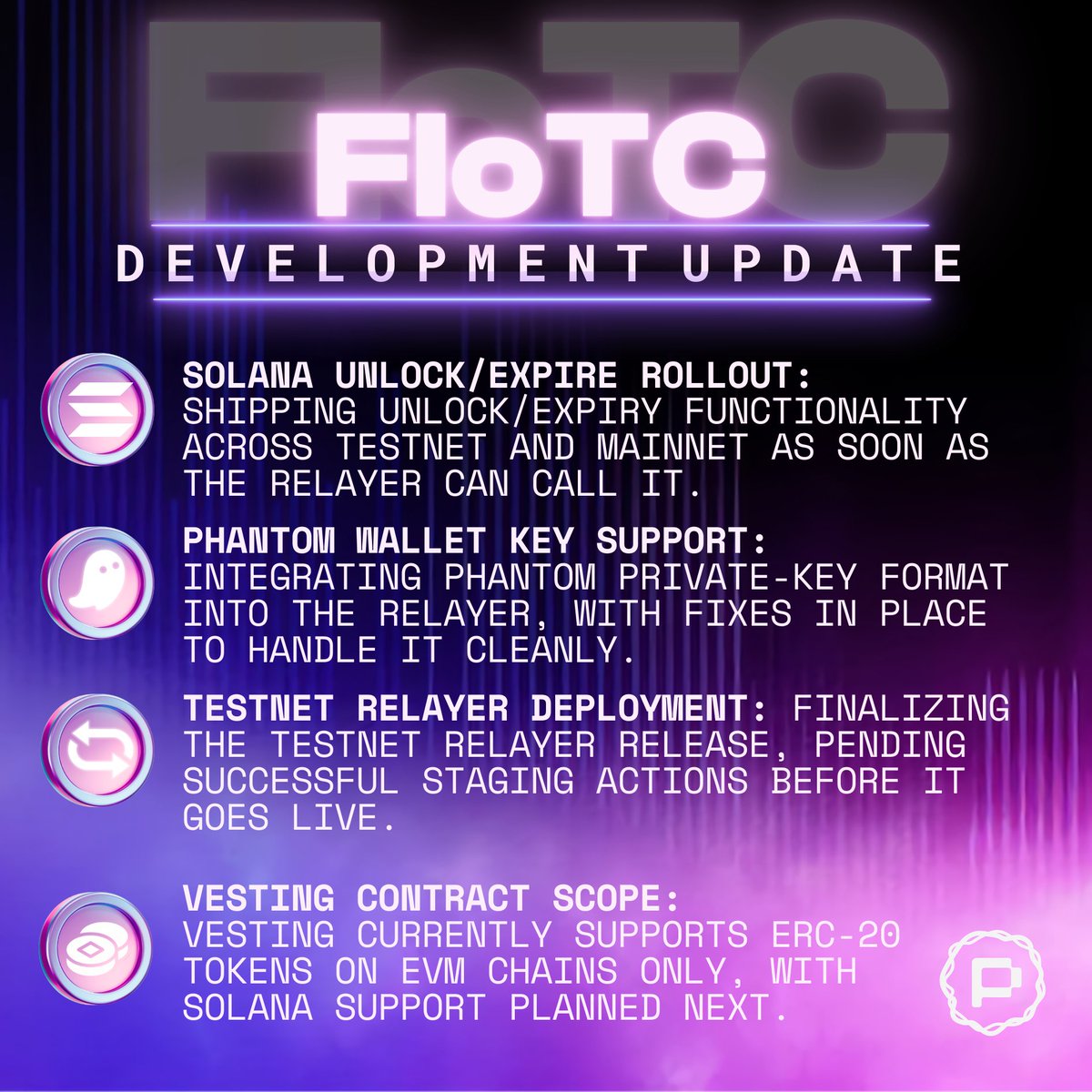
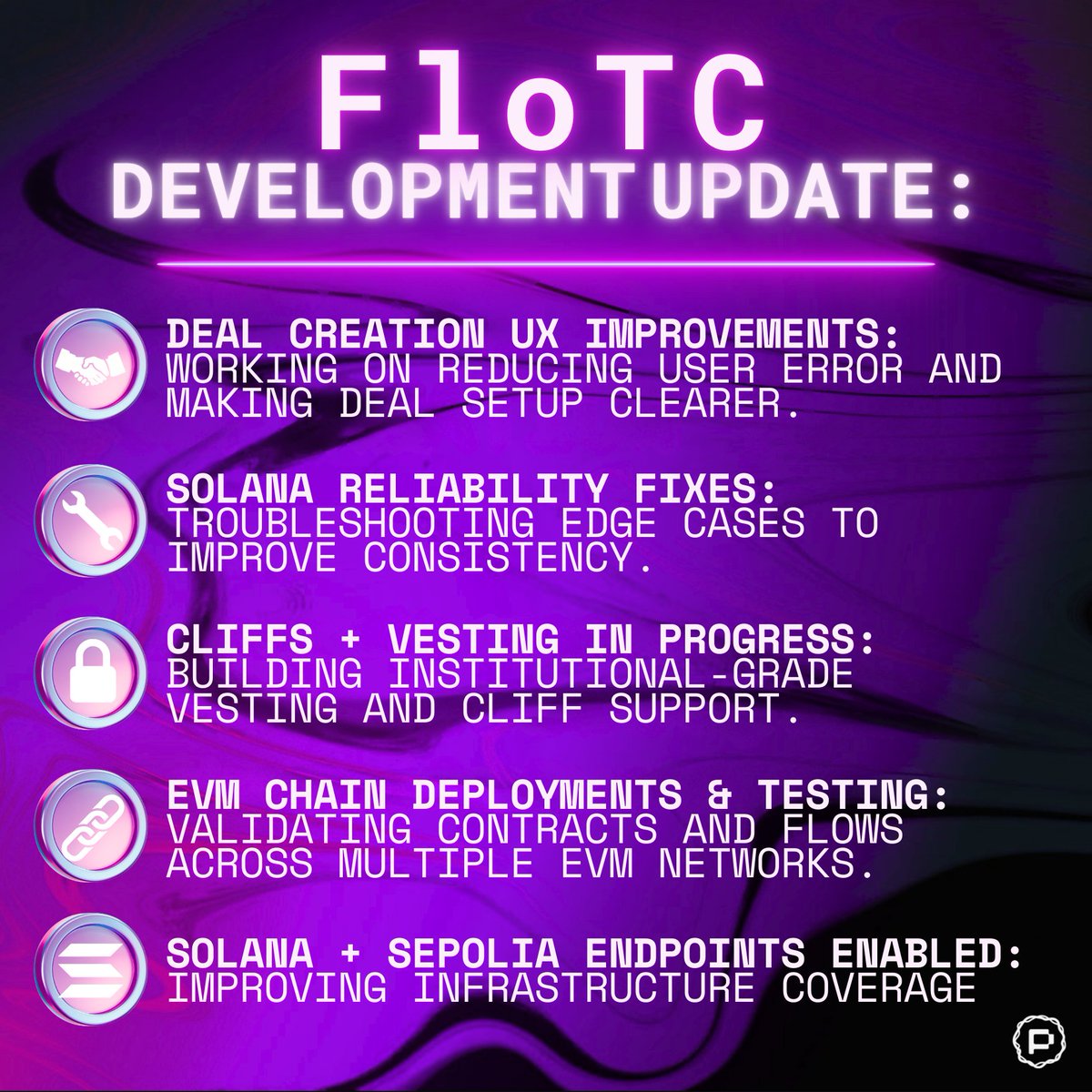
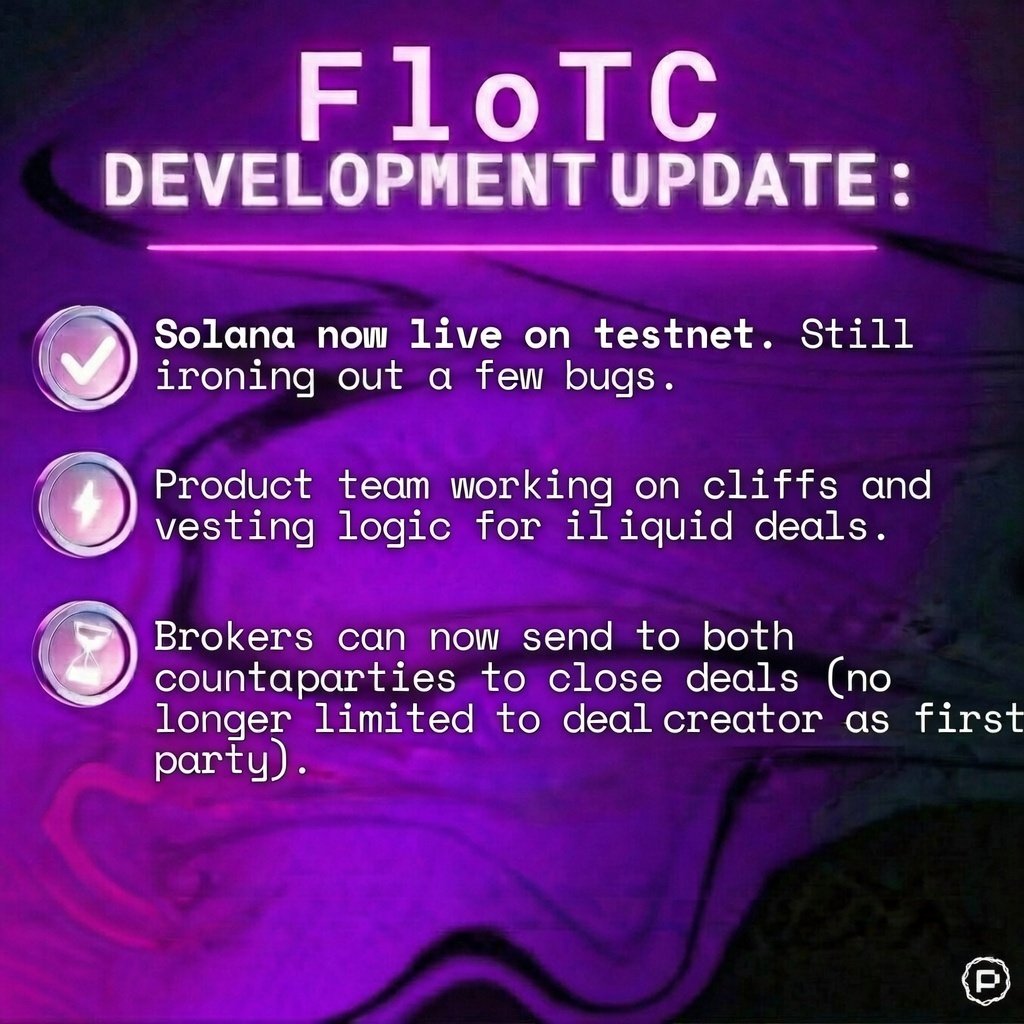
Progress report: FloTC ✅
FloTC keeps moving. Here’s a quick development snapshot from the team as we push through to the next phases. 👀⤵️
17
20
50
9,486
Mar 19
No other product provides trust minimized vesting, escrow and many other features that the industry has been looking for, for a long time.
Agentic trades coming too!
Mar 19
Check out Flo.tc
Solves the biggest problem in Crypto. Trust minimized OTC desk, cross chain and based on atomic swaps.
We initially believed in retail adoption.
What we found is that the institutional flow is even more broken.
To accommodate this change in product, tokenomics will change. But Max Supply will never change.
Further details to come.
26
20
59
25,824
Mar 19
Check out Flo.tc
Solves the biggest problem in Crypto. Trust minimized OTC desk, cross chain and based on atomic swaps.
We initially believed in retail adoption.
What we found is that the institutional flow is even more broken.
To accommodate this change in product, tokenomics will change. But Max Supply will never change.
Further details to come.
22
23
53
12,212