
Joined July 2023
- Tweets 4,087
- Following 300
- Followers 332
- Likes 2,287
1,000 Photos and videos


Pinned Tweet

8 Aug 2025
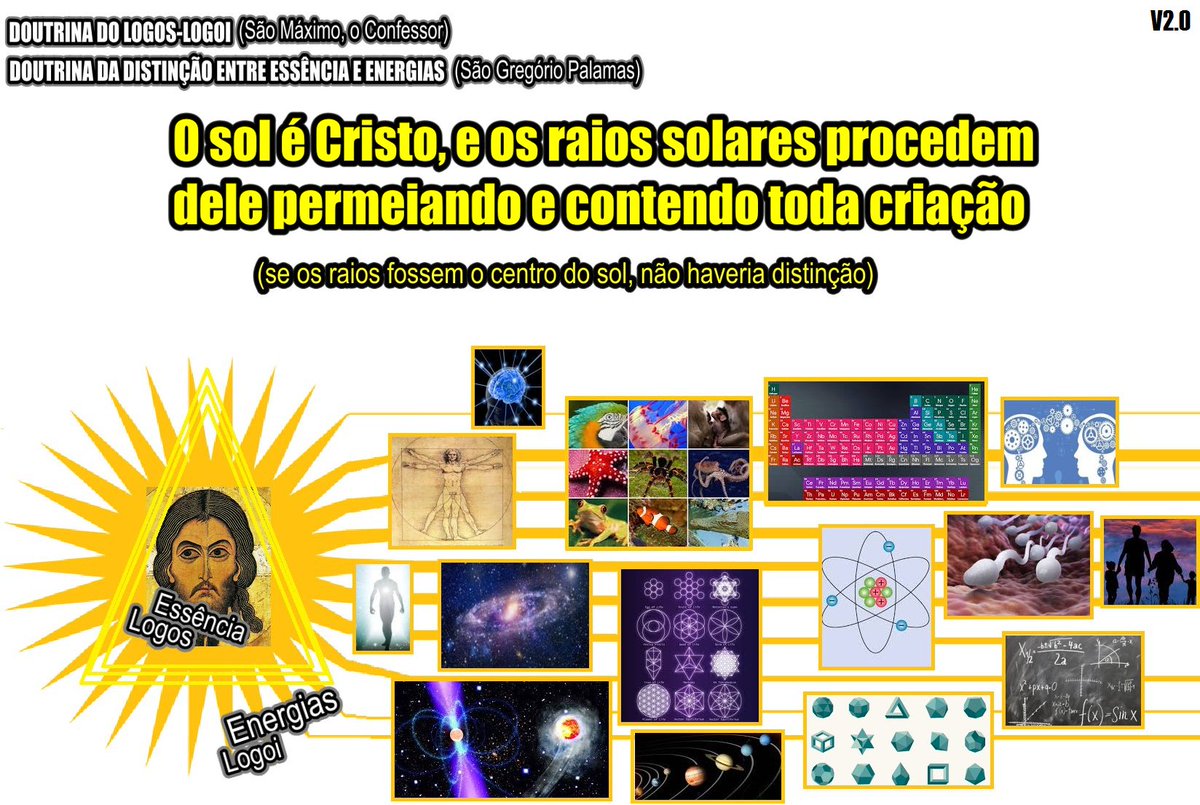
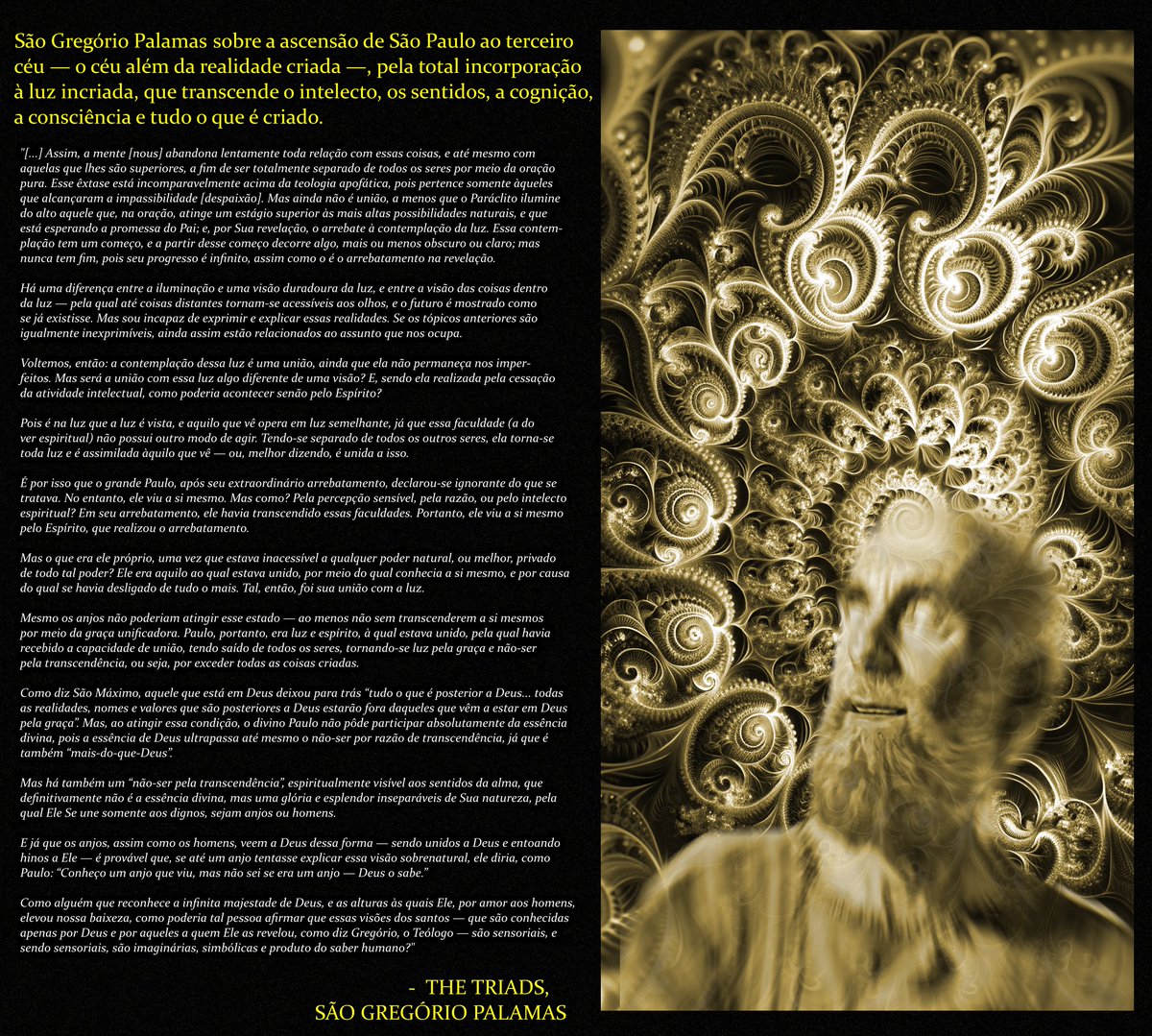
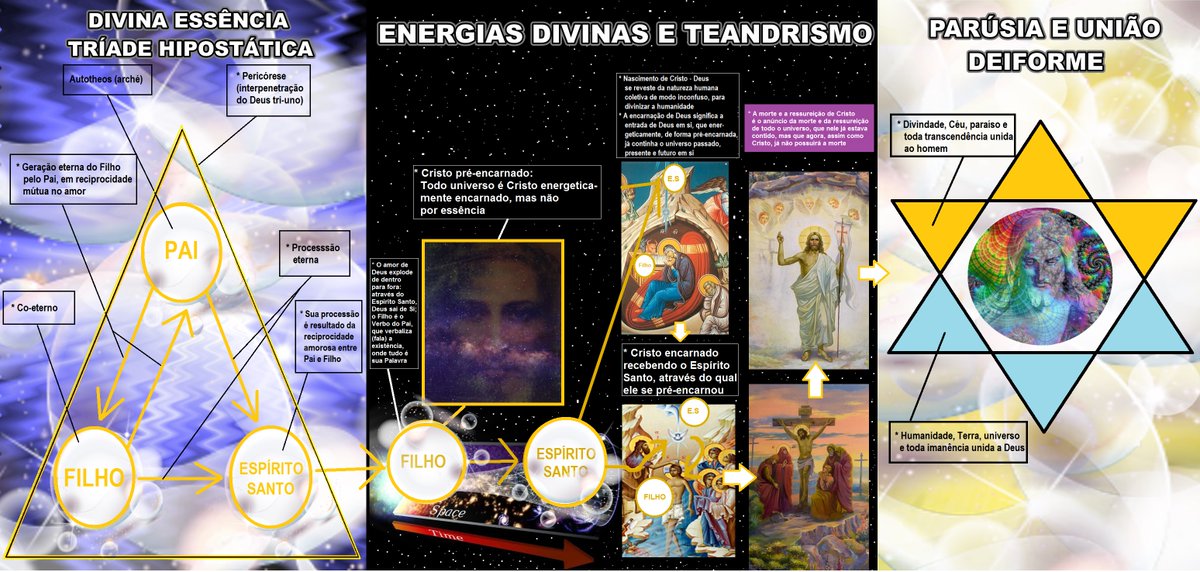
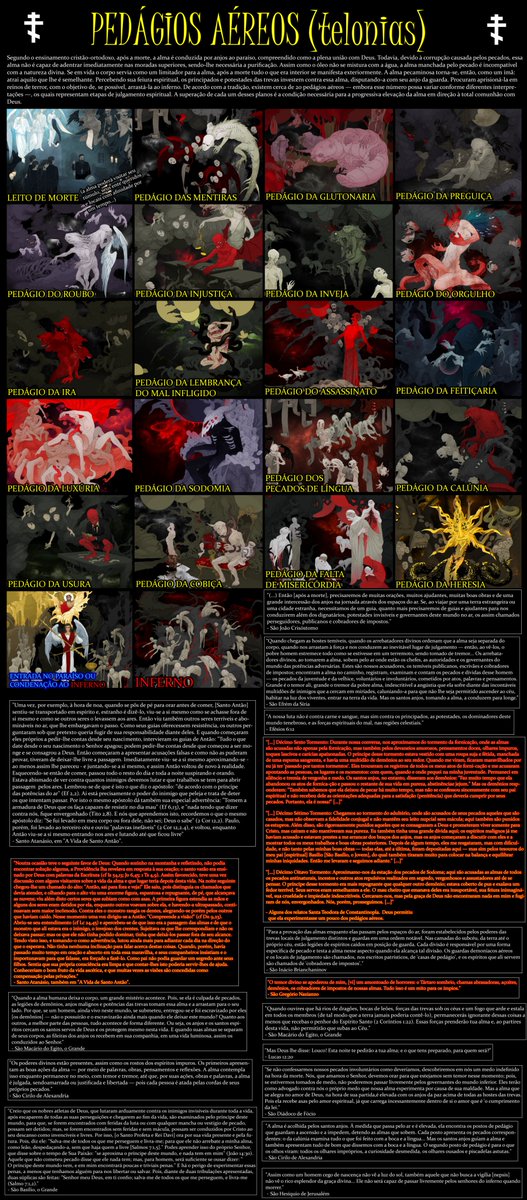
Nesse fio, juntarei conteúdo da teologia cristã ortodoxa que traduzo, salvo pela internet ou crio. 🧵
(repostando)
#ortodoxia
#féapostólica
#ortodoxo
#theosis
#palamas
#deificação
#cristianismo
32
2
29
10,682
Postulio ☦️🇧🇷 retweeted

Jun 13
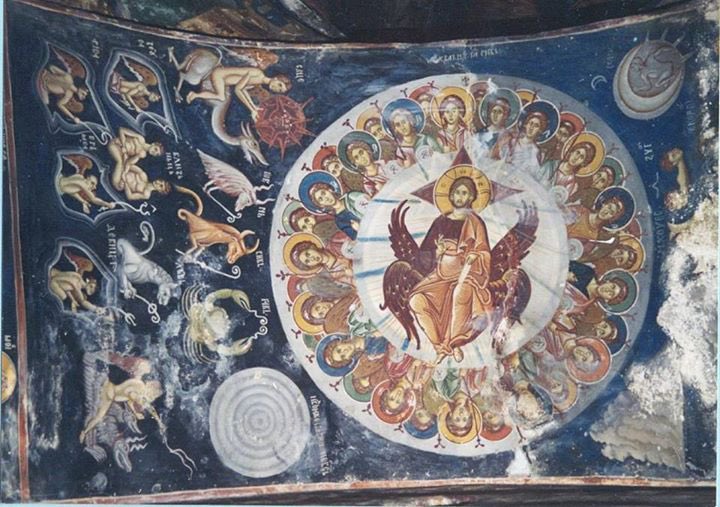
St. Justin the Philosopher said, before the coming of Christ, all cultures contained a fraction, or a seed, of the full Truth. God created everything, so everything points to Him. He made everyone in His image, so everyone intuits some truth. This idea is called Logos Spermatikos
5
20
145
7,941
Postulio ☦️🇧🇷 retweeted
Jun 12
Tanto a idéia de imputação quanto de infusão são ortodoxas, mas o principal fundamento de todos é: Το γαρ απρόσληπτον και αθεράπευτον
Ou "o que não foi assumido não pode ser redimido", ou ainda mais literalmente "o que não é assumido não é curado".
Essa frase de São Gregório Nazianzo sintetiza como o arianismo e o apolinarismo foram estraçalhados, e já refuta heresias futuras.
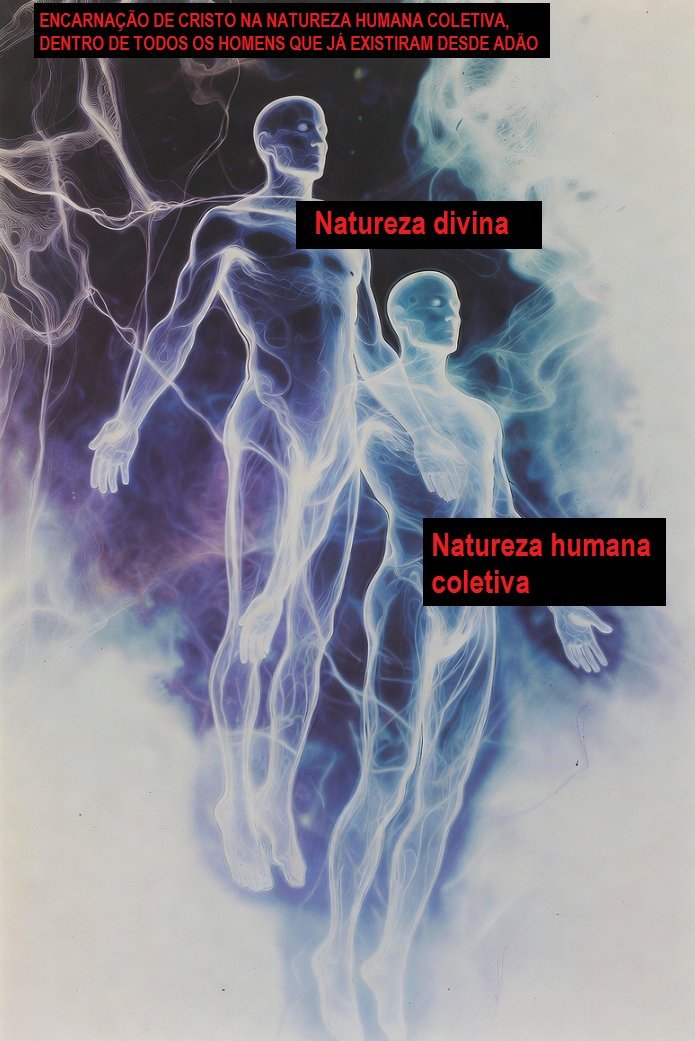
Se a encarnação do Verbo fosse apenas uma instanciação da natureza de sua Mãe, ao invés de se tratar dele assumido a natureza humana coletiva de forma total e em todos os tempos, então a encarnação de nada serviria, e a salvação seria impossível, pois não haveria recapitulação retornando até Adão, nem o cosmo poderia ser transfigurado (não haveria novo Céu e Nova Terra), já que ele caiu também por estar submetido a Adão. A salvação é para o conjunto do homem, não para pedaços e partes. Cristo sofre a humanidade inteira na Cruz em todos os tempos. O sofrimento da alma deixando o corpo é o sofrimento de todos os que morreram e exatamente pela consubstancialidade tornada possível pela união hipostática. Imagine o peso disso! Cristo sofreu o inferno, embora não tenha sido condenado ao inferno. Aí está o paradoxo, satanás foi enganado e a morte foi morta de forma triunfal.
É por isso que tipos de soteriologia que focam excessivamente no aspecto legal (jurídico) sem balancear com o ontológico perdem totalmente o ponto. O aspecto legal existe, mas a salvação não é meramente um tribunal: é cura em um sentido real! A própria raiz da palavra salvação no grego significa cura (σῴζω ou sozo).
Cristo não nos salva por fora através de imputações jurídicas dos pecados da humanidade nele, ele nos salva por dentro; O REINO DE DEUS ESTÁ DENTRO DE NÓS E O ESPÍRITO SANTO NÃO É UM "HABITUS" - está em nosso templo-coração!
E, através de sua divindade, Cristo diviniza sua carne na transfiguração, assim como nos diviniza.
Cristo é o modelo da divinização do homem pela sua divinização auto-divinizada.
Cristo se revestiu do homem, tornando-se o que ele é; aquele que busca ser salvo deve se revestir de Cristo, tornando-se o que ele é.
Essa frase de São Gregório Nazianzo também destrói a lógica da eleição incondicional de que Deus pré-condena alguns e pré-salva outros antes de criar o mundo, pois Cristo contém a economia de toda humanidade e entra na humanidade, tanto entre ela como pessoa humana divina, quanto literalmente dentro dela, como se houvesse uma backdoor para dentro da natureza humana geral.
Além disso, essa frase mostra que, apesar de Cristo tomar a natureza humana, essa tomada ocorre em sua Mãe. Ou seja, a Theotokos é de fato uma deusa-ponte do Deus-ponte. Ela é o portal da salvação, refutando o desdém protestante.
2
2
6
257
Postulio ☦️🇧🇷 retweeted
Jun 12
Spiritual materialism, whatever form it takes, saves no one.
Money is transient.
Clothing is transient.
Status is transient.
Kingdoms are transient.
Empires are transient.
Nations are transient.
Cultures are transient.
Fallen nature is transient.
Fallen human nature is transient.
The planet is transient.
The universe is transient.
Beauty is transient.
Marriage and human reproduction, nations, the separation between people (including physical and three-dimensional separation), the separation between God and the world, and even the five senses themselves... All of these are tools and realities divinely instituted by God to aid humanity in salvation, a form of chastisement ordered toward the loving Eschaton. Yet all of them have an expiration date.
The form of this world is passing away, and chronological time is drawing near its end. All the cycles of life are coming to a close; everything is accelerating toward destruction, and only Christ will remain!
Stop putting secondary things first, and cultivate dispassion with a peaceful, apocalyptic mind that radiates grace to those around you.
1
3
10
542
Postulio ☦️🇧🇷 retweeted
Jun 12
If you strip away some of Eriugena’s neoplatonic obsessions, he had everything it took to be the St. Maximus of the West!
The Roman Church has always shot itself in the foot with that paranoia of seeing heresy in absolutely everything. It made the exact same mistake with Quietism, condemning not only the actual errors but also genuine spiritual insights that could have been a real bridge to our Hesychasm. One very peculiar Roman Catholic saint I really appreciate is John of the Cross. In him you find an authentic post-schism Latin hesychast spirituality, which makes him quite a rare case.
1
6
220
Jun 12
Estou há 5 dias sem trabalhar e fico vagabundeando sem dormir. Não dá. Se eu não durmo cedo para acordar cedo, fico à toa bostejando online, jogando ou vendo qualquer coisa no YouTube. Pior que eu nem tenho foco para rezar... sai tudo de forma mecânica e forçada. Teve uma vez em que fiquei rezando a Oração de Jesus por horas, e o tempo pareceu passar como se fossem no máximo 30 minutos. Isso só aconteceu uma única vez...
65
Jun 12
Satã, quando não consegue arrastar os cristãos para o inferno por meio da relativização da fé, do liberalismo, do modernismo e do ecumenismo, procura fazê-lo através de um manualismo irrefletido e esvaziado de conteúdo espiritual, do rigorismo e de um sectarismo que, em vez de preservar a verdade, a abandona em nome de uma pretensa tradição, que no fundo é performática e museológica.
1
3
118
Postulio ☦️🇧🇷 retweeted
Jun 12
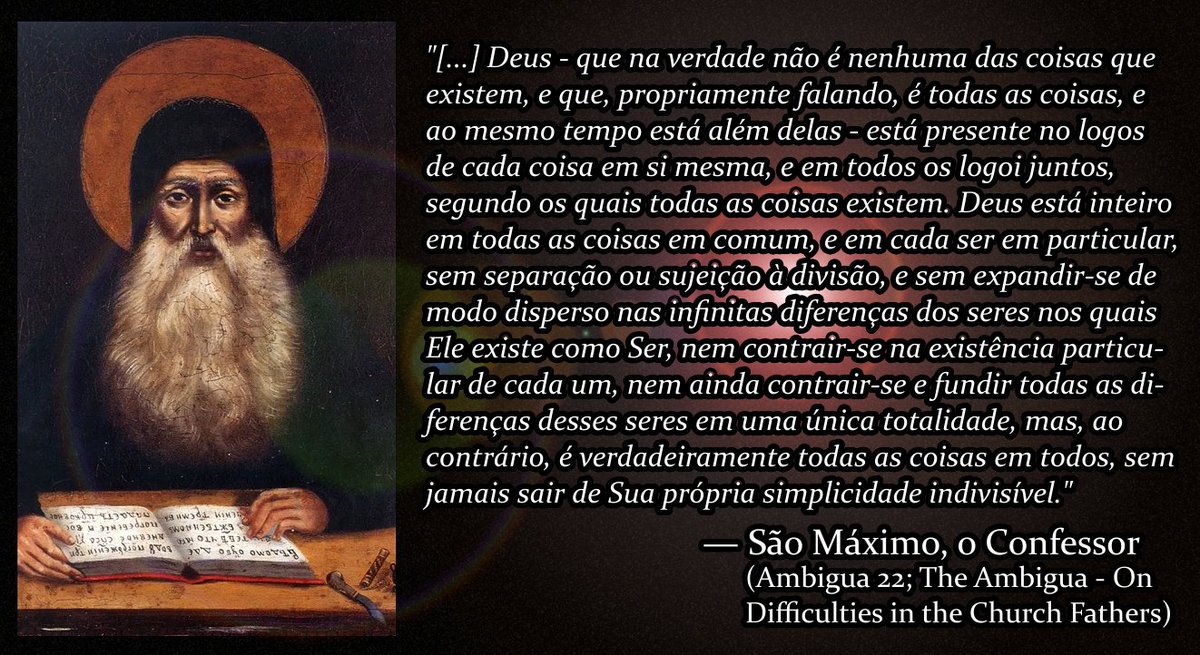
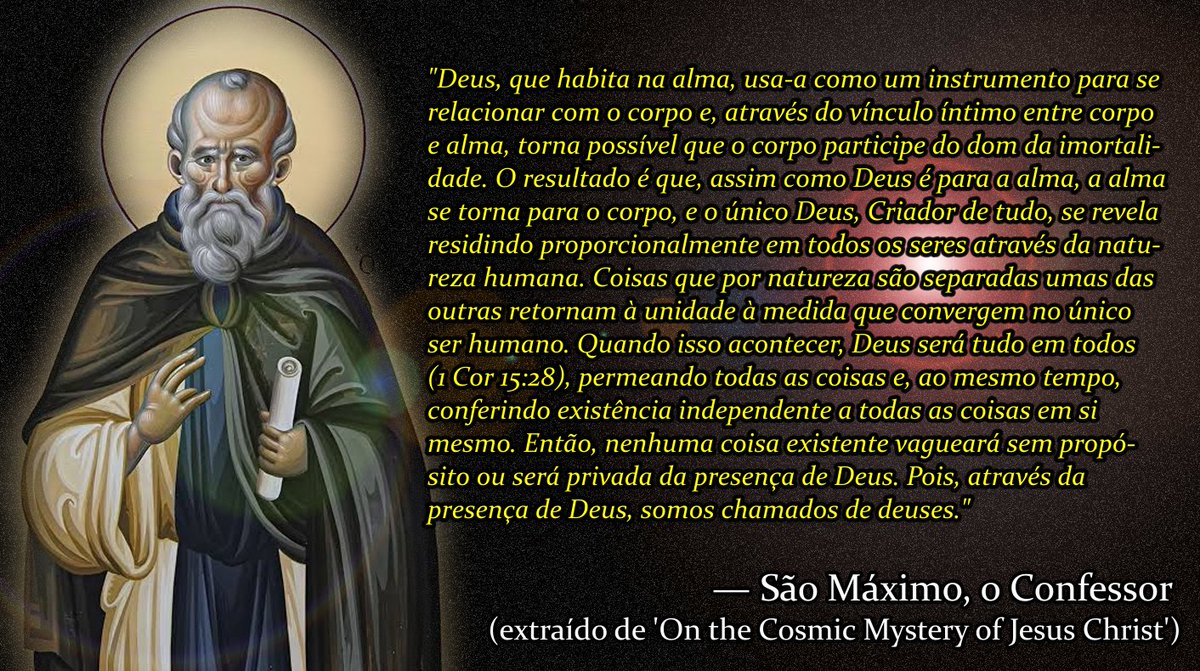
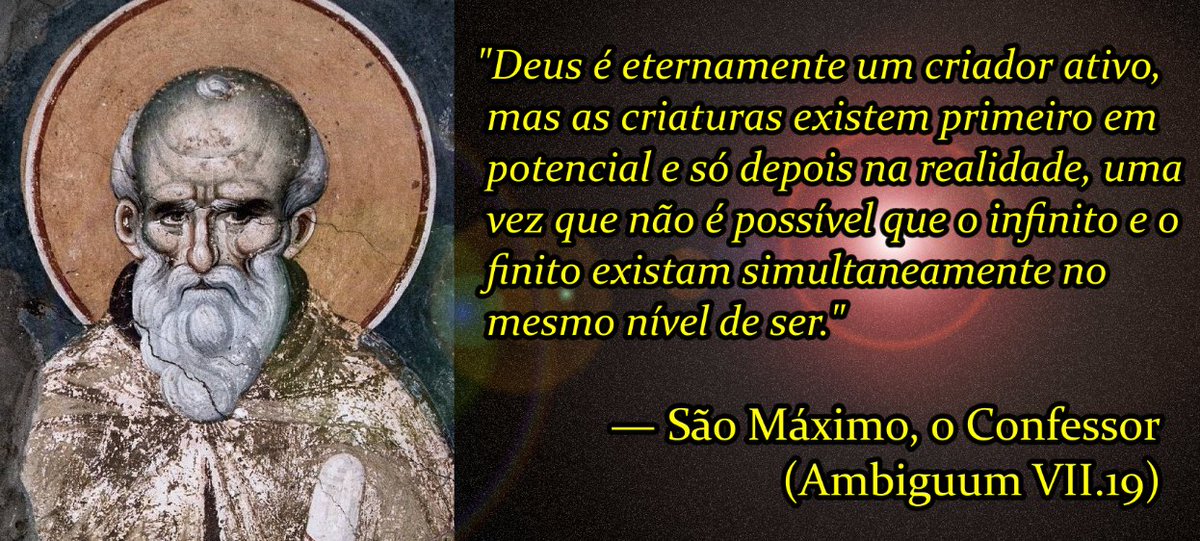
Interessante, mas dá para entender essas coisas tirando da frente esse treco aristotélico de movedor-movido que é baseado na lógica de ato-potência e essência-existência. Se você retira isso, você tem a visão de São Máximo de desvelação, como se a realidade toda fosse um pergaminho já escrito se abrindo, e, ao mesmo tempo, com coisas também sendo escritas nele simultaneamente. E tem "razões/logois/idéias divinas" dinâmicas nos seres correspondendo a preexistência de Deus, pois Deus é simultaneamente mutável e imutável na criação sem sair da sua simplicidade, pois, estando além do ser, Ele transcende a antinomia. É a posição que a ortodoxia abraçou, pois não precisa de uma idéia de analogia de efeitos no mundo para Deus se fazer imanente....
Se você deixar de lado a rigidez aristotélica, dá para descartar até mesmo a linguagem dialética da soteriologia, indo pro terreno contemplativo onde não há necessidade de "resolver" uma tensão entre livre arbítrio e presciência, e uma predeterminação-indeterminada vai começar a fazer sentido. É triste que o tomismo tenha de divorciado do apofatismo, pois essas coisas estão nos próprios santos do primeiro milênio que também são venerados no catolicismo romano.
1
1
186
Jun 12
I agree with the quote you posted, because I read it in an Orthodox way, not like a Calvinist or a literalist idiot. Do you really think I deny the WRATH, the PUNISHMENT and the need to SATISFY the natural order in Christ, who assumed the collective human nature to BECOME SIN and recapitulate retroactively not only humanity, but the universe itself contained in Him? 😂
The problem is that you guys take 5% and ignore the other 95%, turning that small part into the whole to create a false and partial orthodoxy. Unmasking this is simple: just show the other 95%. We are only at the beginning here. Wait and see. The very bishops, priests, and saints you distort will destroy this latinizing cherry-picking. 😂
x.com/blessedmikko/status/20…
Jun 12

Stăniloae doesn’t seem to be your guy.☹️
1
14
430
Postulio ☦️🇧🇷 retweeted
Jun 12
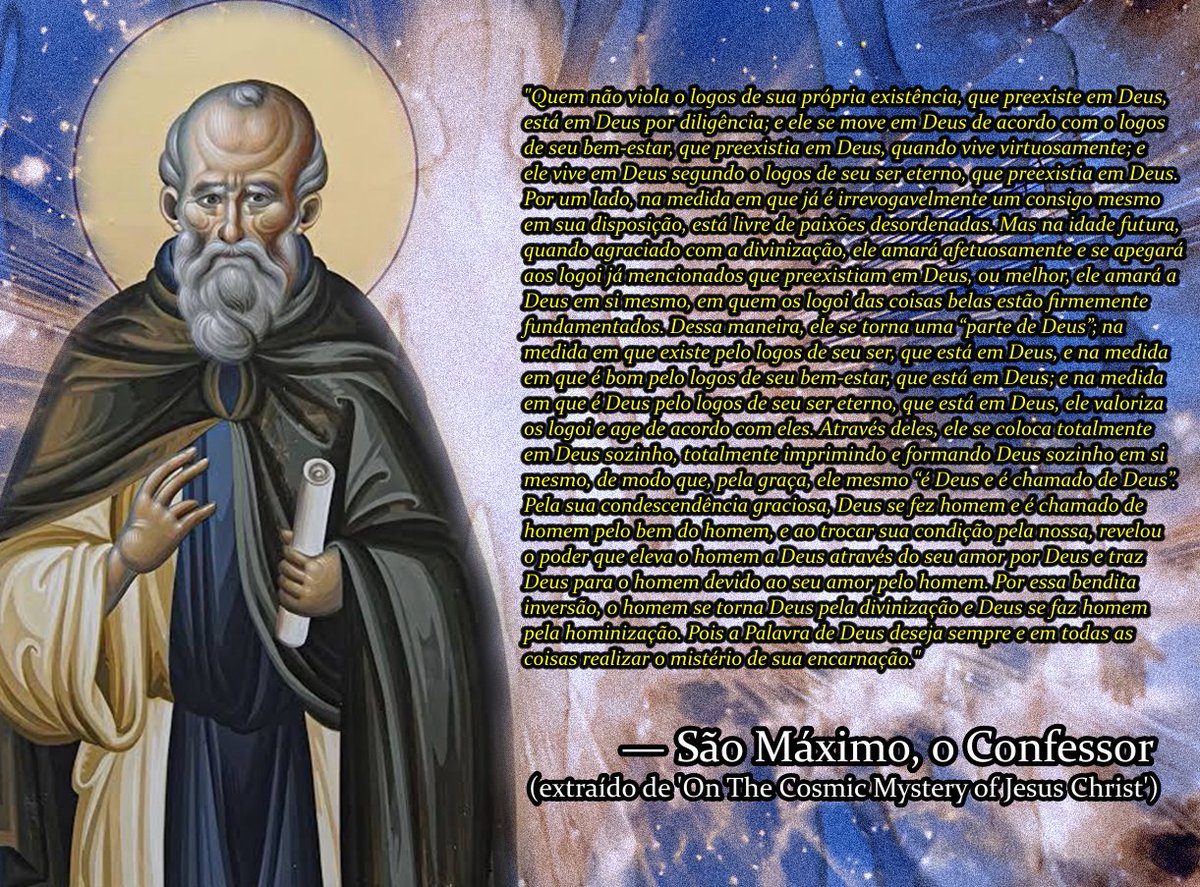
A graça preveniente já é auto-iniciada na humanidade e existe como pré-condição para a graça sobrenatural/salvífica, por meio da correspondência do homem ao seu propósito/logos preexistente. O homem se desvela (é atualizado continuamente)) de forma composta em-si mesmo-em-Deus, antes mesmo da regeneração batismal do ponto de vista divino e, concretamente, depois, do ponto de vista da criatura, que é quando a graça operante se torna sobrenatural. Ou seja, o homem “retorna avançando” ao seu logos preexistente até o echaton, quando não haverá nem retorno nem avanço, nem ponto de vista humano nem divino, já que o mundo vai passar, tudo será renovado e o logos de cada um terá sido plenamente atualizado no logos divino, e o que era preexistente em Deus será concreto (manifesto) na criação.
Essa é a visão ortodoxa, que é incompatível com as ideias de graça em uma configuração teológica baseada em eleição incondicional, depravação total, predestinação e dupla imputação (ainda que certas expressões sejam parecidas ou até as mesmas)...
Entendeu?
O agostinianismo mecanicista é inferior, pois esgota a questão em fórmulas rígidas. A formulação de São Máximo é superior.
1
1
3
146
8 Aug 2025
Nesse fio, juntarei conteúdo da teologia cristã ortodoxa que traduzo, salvo pela internet ou crio. 🧵
(repostando)
#ortodoxia
#féapostólica
#ortodoxo
#theosis
#palamas
#deificação
#cristianismo
32
2
29
10,682
Jun 11
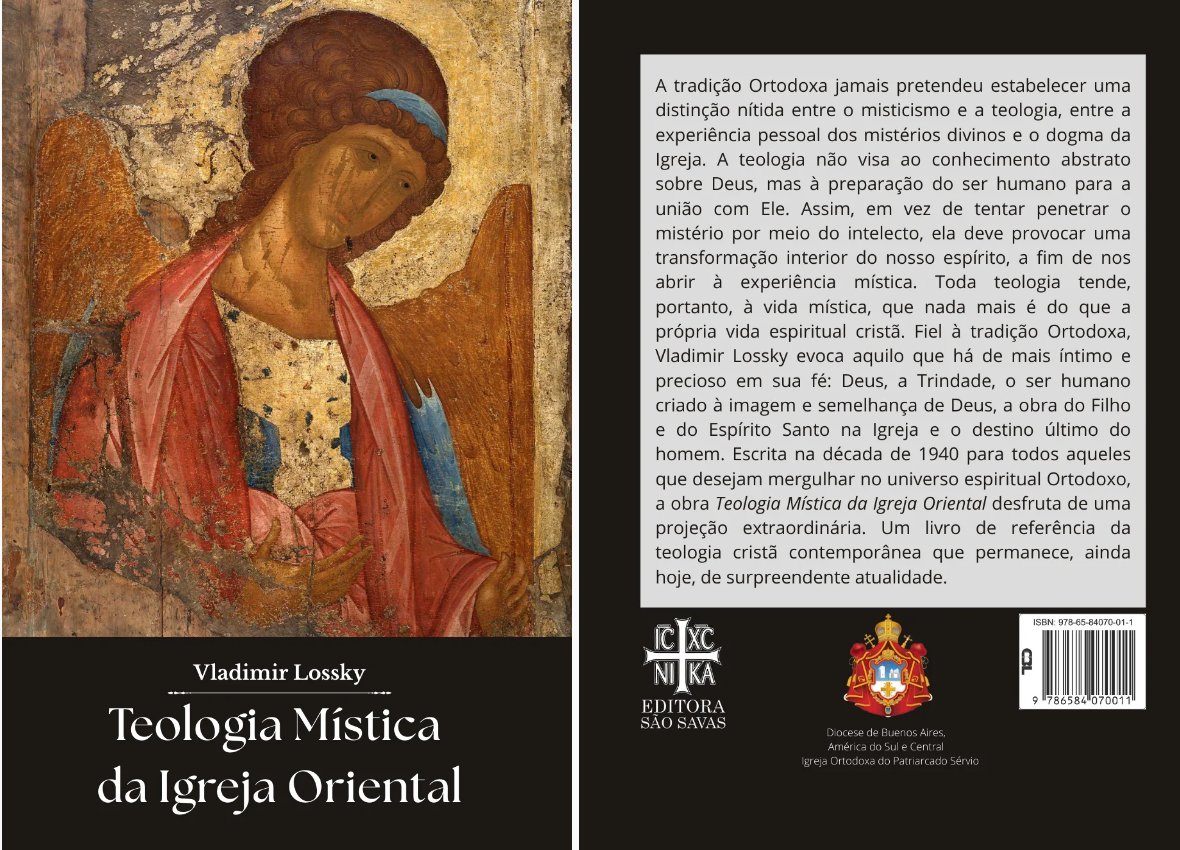
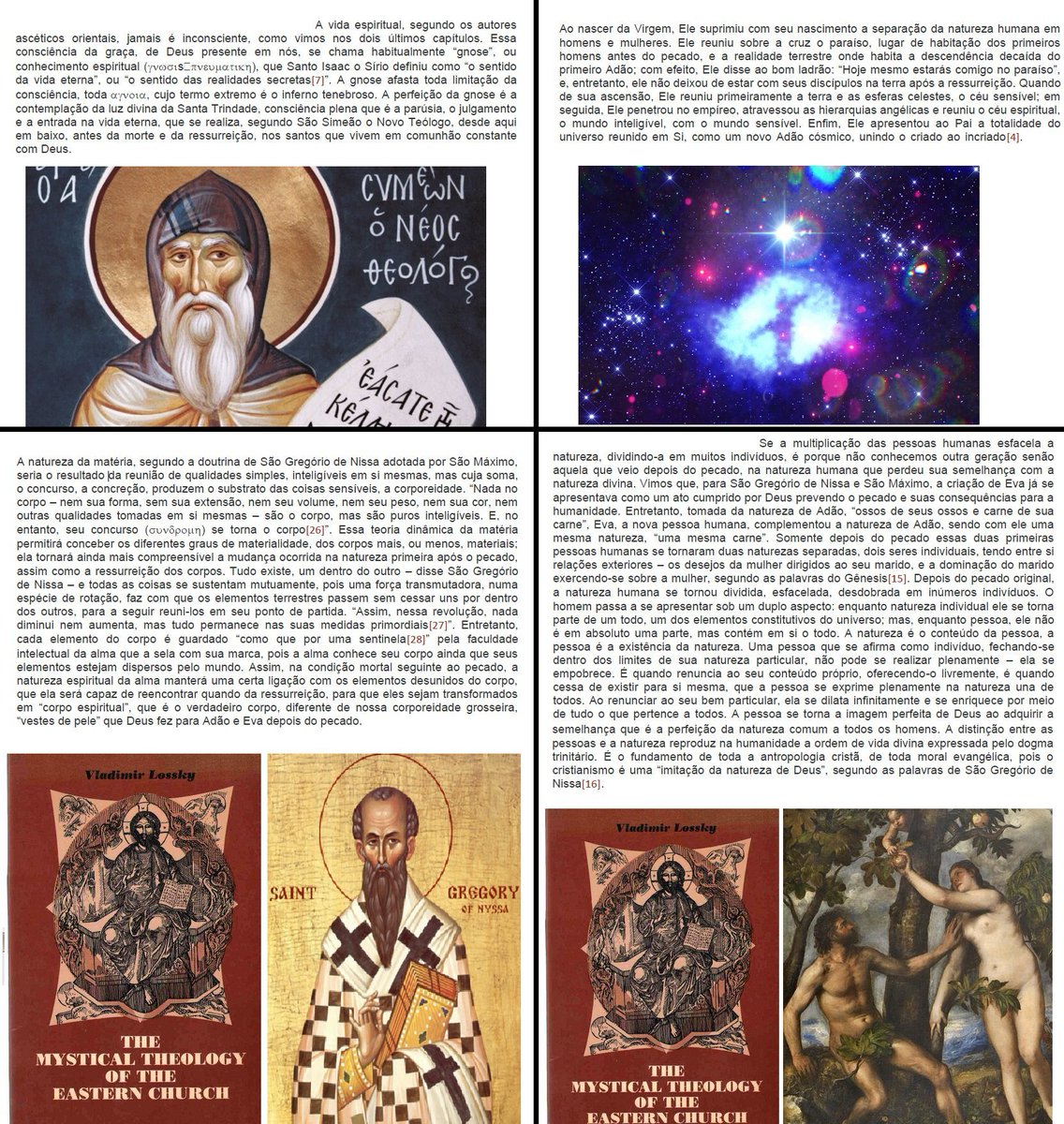
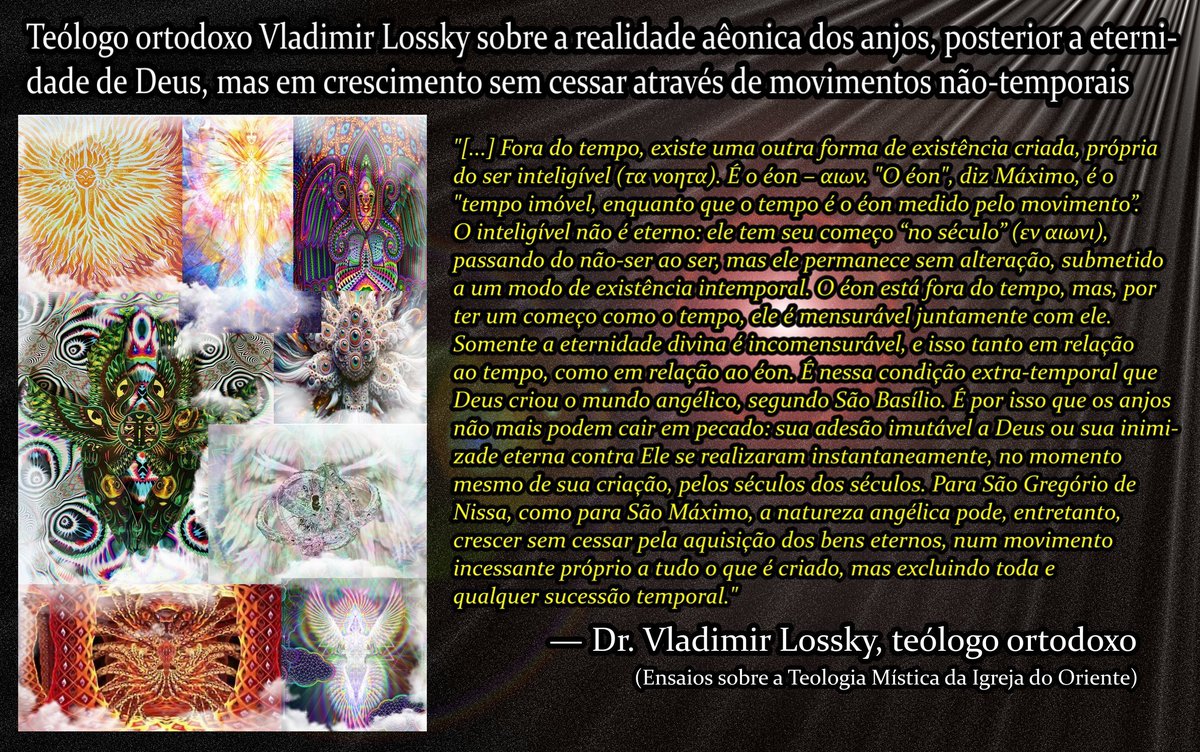
A Editora São Savas publicou em PT-BR o livro Teologia Mística da Igreja Oriental, do dr. Vladimir Lossky. Para quem deseja aprofundar-se nesses aspectos da teologia ortodoxa, trata-se de uma excelente obra. Minhas imagens trazem uma pequena amostra do conteúdo da obra (embora com uma tradução diferente).
#ortodoxia
#cristianismo
#ortodoxo
#theosis
* editorasaosavas.lojaintegrad…
44
Postulio ☦️🇧🇷 retweeted

Jun 10
Pessoal, novidades! A Igreja ortodoxa Grega (Constantinopla) abriu uma missão em Belém, Pará!!! A missão busca reunir o pessoal interessado e conta com um padre (esporadicamente) realizando a liturgia e os administrando os sacramentos
instagram.com/ortodoxa.belem
Dêem RT
10
22
82
1,749
Postulio ☦️🇧🇷 retweeted

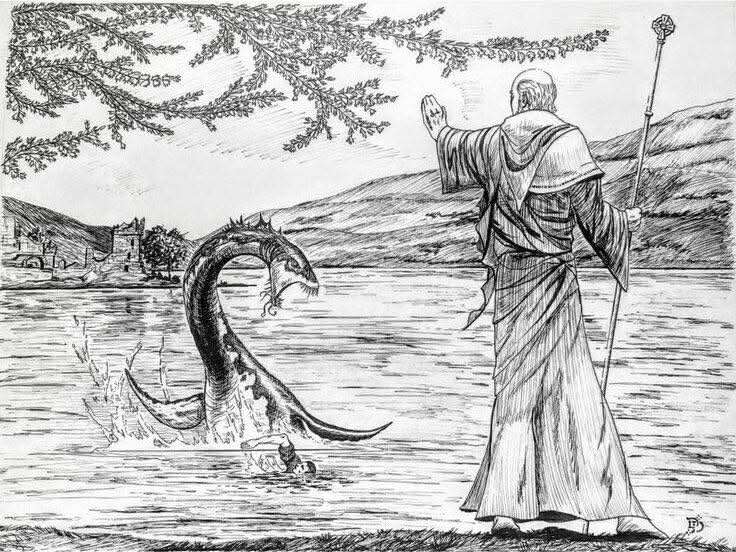
Today, June 9th, we honor one of the greatest missionary saints of the British Isles: the holy Abbot Columba (Colum Cille), the Enlightener of Scotland. While many people associate the "Loch Ness Monster" with modern sci-fi and local folklore, the very first recorded sighting of Nessie actually belongs to Orthodox hagiography!
According to his 7th-century Life written by St. Adomnán, St. Columba was traveling through the land of the Picts in A.D. 565 when he encountered a terrifying "water beast" in the River Ness. The creature had already fatally mauled a local man and was rushing to attack one of Columba's monks.
Without hesitation, the holy elder made the Sign of the Cross in the air and commanded the beast in the Name of God: "Go no further. Touch not the man. Go back at once!"
The monster froze as if pulled back by ropes and fled into the deep. Seeing this incredible manifestation of God's power over creation, the pagan Picts glorified Christ and embraced the Holy Orthodox faith.
St. Columba reminds us that true holiness commands even the wild and mysterious forces of nature. Through his holy prayers, may Christ our God have mercy on us and save us! Holy Saint Columba, pray to God for us!
3
30
232
18,038
Postulio ☦️🇧🇷 retweeted

Jun 9
“Western theology, both Catholic and Protestant, has not known another modality of man’s liberation from sin except that of suffering death for him or the amnesty on the basis of a satisfaction offered to God. The Holy Scripture and Holy Fathers see the solution beyond this external alternative, namely in God’s movement toward communion, which is also imprinted within the human being. In both other cases God remains external, punishing, or He places the human being from without into a movement of satisfaction.”
Saint Dumitru Staniloae, The Experience of God: Volume 3, p. 113
1
20
77
1,701
Postulio ☦️🇧🇷 retweeted
Jun 9
“There is, for example, no textual language, visual imagery, or enacted motion in the liturgy that speaks in terms of Christ’s sacrifice affecting the payment of a debt for sin, whether to God or to the devil; there is no trace whatever in the liturgy of Christ’s sacrifice as standing in substitution for a penalty owed by man; and there is no sense in which the liturgical sacrifice is portrayed as appeasing the wrath that God might hold toward men or his sin. Let us be clear: these individual concepts are all present – there is certainly liturgical language that speaks of sin as debt, that talks of man being ransomed from death by Christ, that identifies divine wrath – but, and this is the critical point, these are not directly connected to liturgical emphasis on sacrifice proper. They are identified as part of the complex reality of humanity’s fluid and changing interactions with God, whose nature is eternal and immutable, and the way God’s consistent nature is experienced by the human race in light of the creative self mutilation of its sin.”
Bishop Irenei of London and Western Europe, On the Tree of the Cross, p. 26
1
9
48
907
Postulio ☦️🇧🇷 retweeted

"All European humanisms in their essence are nothing other than an unending revolution against the God-man Christ." - St Justin Popovich
8
76
594
8,545
Postulio ☦️🇧🇷 retweeted

Absolutely devastating critique against those who claim Dionysius is anachronistic and Neoplatonist. @HwsEleutheroi , you may find this interesting.

Are the writings of Saint Dionysius the Areopagite Neoplatonic? A🧵
4
7
61
3,189
May 26
🧵ON THE INFERIORITY OF ALL CONCEPTS, DOCTRINES, SYSTEMATIC THEOLOGY, AND EVEN DOGMAS IN THE FACE OF THE DIRECT APPREHENSION OF GOD AND OF THINGS AROUND US☦️
This thread will be controversial for some. I have noticed that there are idolaters of fallen reason (rationalists) on this platform who think that our revealed Holy Faith and true theology amount to nothing more than mental assent to a handful of doctrines, or the mechanical repetition of syllogisms and stock phrases drawn from manuals of systematic theology. They constantly insist on reducing certain expressions, and even God Himself, to the level of their own foolishness. For that reason, I decided to demonstrate, through the Orthodox hesychastic ascetical tradition, that the Ineffable Trinity transcends all of this, and even transcends itself, since God is beyond God.
Direct experience of the Ineffable goes beyond concepts, thoughts, colors, forms, temporality, spatiality, and even the overcoming of cognition itself (which can be paradoxically ceased). In this way, all images, visions, and values are left behind. Moreover, there is a supra-natural and supra-rational apprehension of earthly things, through which their inner principles or essences can be known noetically, in a way that transcends the literal concept of the thing itself.
(I'll share texts every now and then, not all the time)
5
1
12
890
Jun 9
St. Sophrony, passing on the hesychastic teachings of his spiritual father, St. Silouan the Athonite, speaks of the superiority of the cardio-noetic state over the realm of fallen existence. Through neptic diakrisis (watchfulness and discernment), a person learns to reject all mental images, for each is linked to a particular kind of spirit that must be discerned without becoming entangled in it.
"The mind, having united with the heart, abides in such a state that it is able to perceive every movement occurring within the “sphere of the subconscious.” Abiding within the heart, the mind discerns the images and thoughts arising in its surroundings, coming from the sphere of cosmic being and attempting to seize the heart and mind of the person. In the form of a thought, that is, a mental activity connected to a particular image, is the energy of a particular spirit. The onslaught of thoughts coming from without is extremely strong, and to weaken it, the monk must, throughout the day, prevent even a single passionate glance, allow himself no attachment to anything. The monk constantly strives to reduce the number of external impressions to the absolute minimum; otherwise, at the moment of inner, intelligent prayer, everything imprinted upon him returns to the heart like an uncontrollable wall, producing great turmoil. The goal of the monk is to achieve continuous intelligent-heart attention; and when, after many years of this ascetic struggle–“the most difficult” of all struggles–the sense of the heart becomes refined, and the mind, through “much weeping,” gains the power to repel every assault of passionate thoughts, then the state of prayer becomes unceasing, and the awareness of God’s presence and action manifests with great strength and clarity. Such is the path of the ascetic monk, and such was the path of the Blessed Elder."
— St. Sophrony of Essex (Starets Silouan the Athonite)
2
2
7
207
Jun 8
St. Maximus speaks of the inferiority of intellection, the moment when the nous leaves its natural simplicity, directly apprehending intelligible truths, and falls into the multiplicity of concepts and ideas. It's then that the inferior rational mind becomes active.
"We accomplish things actively in so far as our intelligence, whose natural task is to accomplish the virtues, is active within us, and in so far as there is also active within us our intellect, which is capable of receiving unconditionally all spiritual knowledge, of transcending the entire nature of created beings and all that is known, and of leaving all ages behind it. We experience things passively when, having completely transcended the inner essences of created beings, we come in a manner which is beyond conception to the Cause itself of created beings, and there suspend the activity of our powers, together with all that is by nature finite. Then we become something that is in no sense an achievement of our natural capacities, since nature does not possess the power to grasp what transcends nature. For created things are not by nature able to accomplish deification since they cannot grasp God. To bestow a consonant measure of deification on created beings is within the power of divine grace alone. Grace irradiates nature with a supranatural light and by the transcendence of its glory raises nature above its natural limits."
— St. Maximos the Confessor (Four Hundred Texts on Love)
1
49
Postulio ☦️🇧🇷 retweeted

Jun 7
“In this celebration, then, we reverently honor and call blessed all the Righteous, the Prophets, Apostles, Martyrs, Confessors, Shepherds, Teachers, and Holy Monastics, both men and women alike, known and unknown, who have been added to the choirs of the Saints and shall be added, from the time of Adam until the end of the world, who have been perfected in piety and have glorified God by their holy lives.”
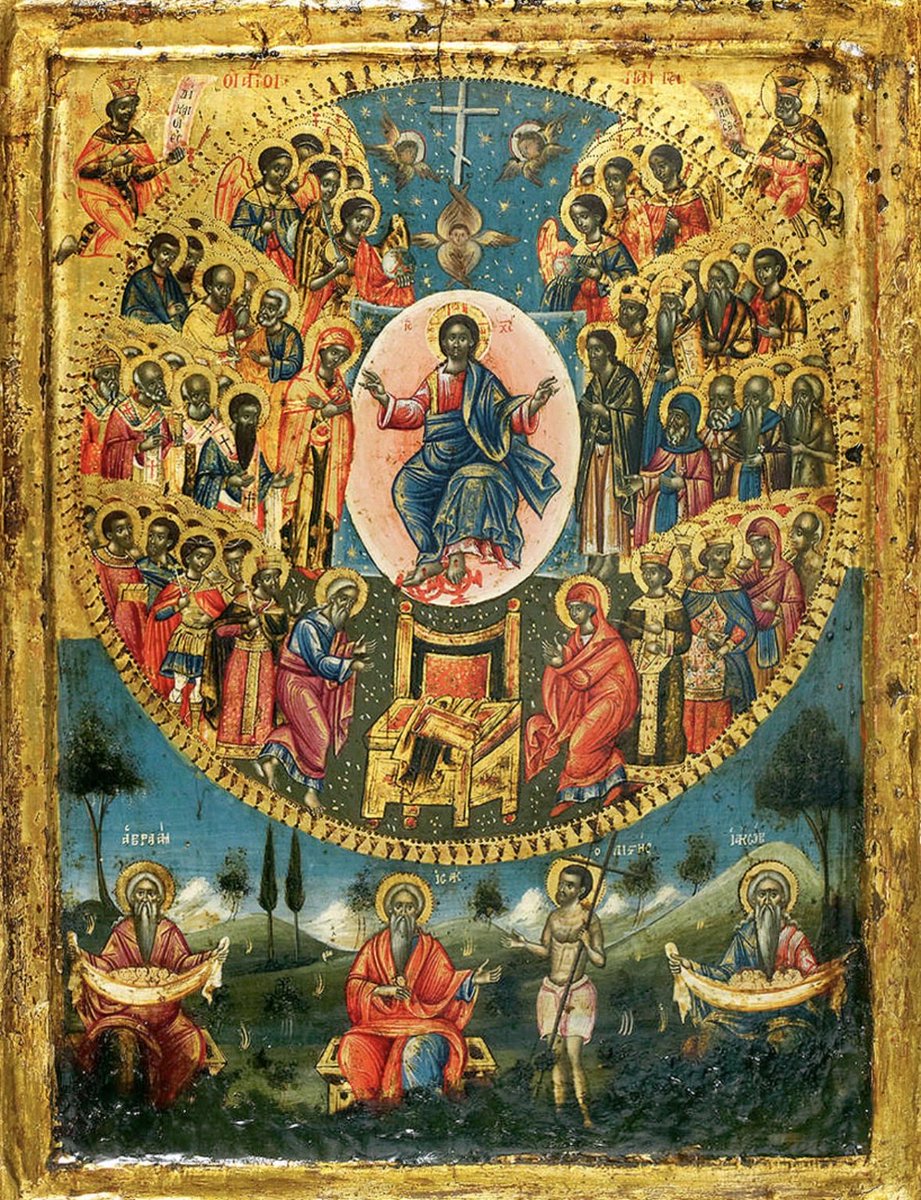
16
79
966
Postulio ☦️🇧🇷 retweeted
Jun 5
“For neither as God nor as man was He ever forsaken by the Father, nor did He become sin or a curse nor did He require to be made subject to the Father. For as God He is equal to the Father and not opposed to Him nor subjected to Him….Appropriating, then, our person and ranking Himself with us, He used these words.”
Saint John of Damascus, An Exposition of the Orthodox Faith, Book 4, Chapter 18.
9
53
942