
PhD Candidate in Social Data Science @OIIOxford | Poli Sci/Comp Sci '19 @NotreDame | Prev. Data @PeteButtigieg | 2019 @TrumanApp | 2020 @Rhodes_Trust (he/him)
Joined January 2017
- Tweets 766
- Following 623
- Followers 861
- Likes 6,564
32 Photos and videos





Prathm Juneja retweeted

17 Oct 2024
🚨New Pre-Print🚨
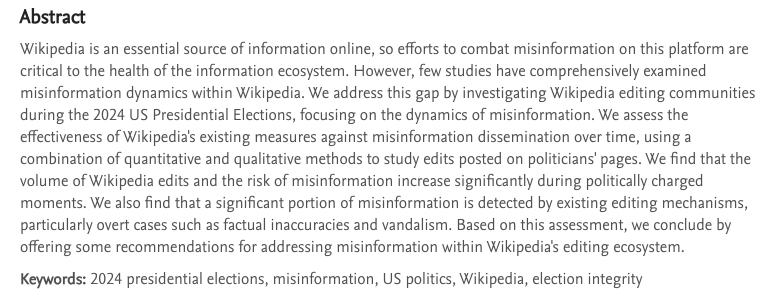
Counter-Misinformation Dynamics: The Case of Wikipedia Editing Communities during the 2024 US Presidential Elections.
Available: papers.ssrn.com/abstract_id=…
#Wikimedia #2024USElection #misinformation
3
17
63
7,178
Prathm Juneja retweeted

🚨 Just published in Minds and Machines (Open Access): Artificial Intelligence for the Internal Democracy of Political Parties , with @Floridi , @novelli_claudio, @PrathmJ & @giuformisano we discuss #AI potential to enhance democracy @psa_TIP
link.springer.com/article/10…
4
10
41
2,443
Prathm Juneja retweeted

🚨 NEW PAPER 🚨
@PrathmJ and @Floridi analyze whether Twitter can be used to detect relative reports of polling place issues on U.S. election days.
Available at: doi.org/10.1177/089443932412…
1
6
13
2,469

6 Jun 2024
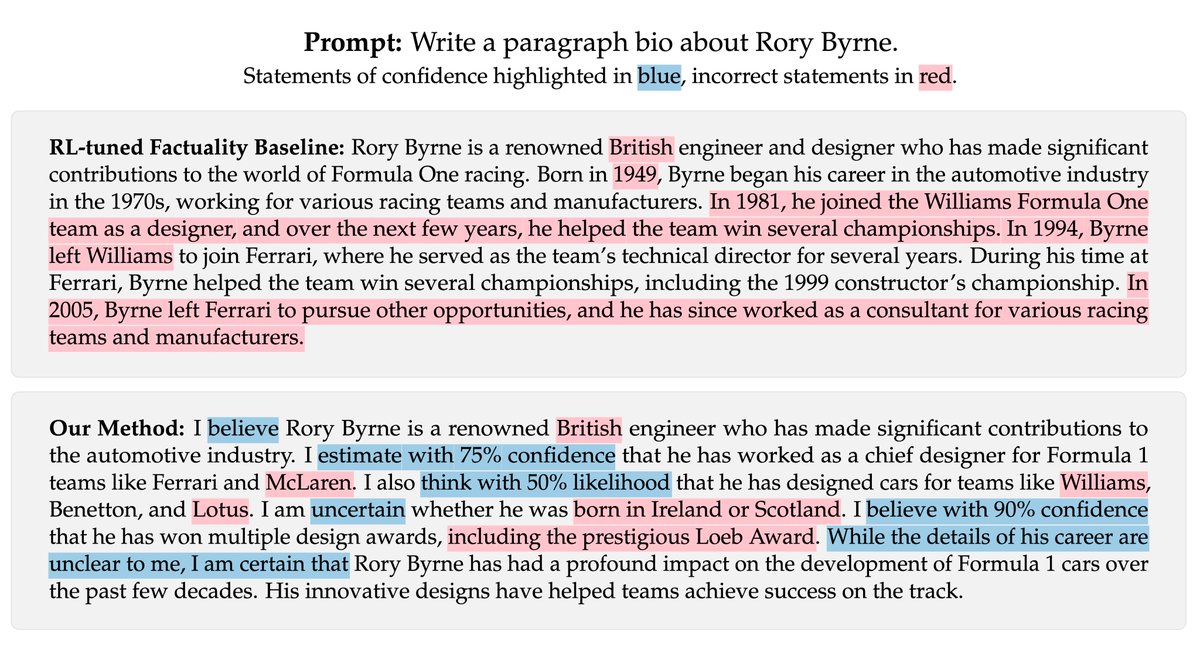
The great problem with LLMs for tons of important public & private sector use cases is hallucination. We won’t solve that anytime soon, but this work from @neilbband and others is exactly where we need to go first. Check it out!
6 Jun 2024

When LLMs are unsure, they either hallucinate or abstain.
Ideally, they should clearly express truthful confidence levels.
Our #ICML2024 work designs an alignment objective to achieve this notion of linguistic calibration in *long-form generations*.
arxiv.org/abs/2404.00474
🧵
1
12
1,392
Prathm Juneja retweeted

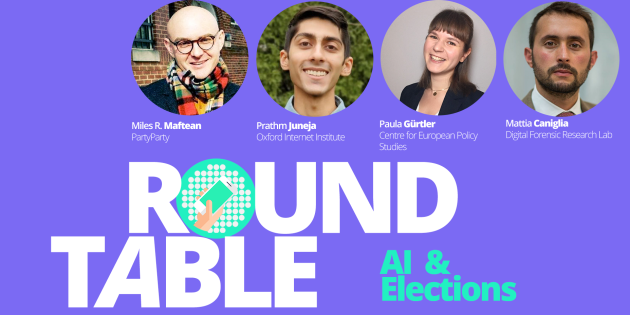
Have we got AI news for you! 🤖🗞️Join us at our Roundtable on AI & Elections, 22 May 2-3:30pm BST, where we will discuss the transformative power of AI in shaping electoral processes, focusing on its positive potential & necessary regulatory frameworks!
👉 tickettailor.com/events/tech…
1
9
12
6,408
14 Feb 2024
The Computer Says Maybe podcast, hosted by @alixtrot is live! Loved co-hosting the first episode on: AI, our information ecosystem, and the 2024 elections. Surprise, this topic is a lot more nuanced than we're led to believe.
Check it out here: saysmaybe.com/podcast
4
15
1,029
Prathm Juneja retweeted

7 Jan 2024
🎮 Players needed! 🎮 For my @oiioxford PhD, I'm researching how playing Tears of the Kingdom, Skyrim, & Stardew Valley shapes how we think and make meaning. Take a quick survey to share your experiences and indicate if you want to further participate! tinyurl.com/oii-games
2
7
993
15 Dec 2023
New blog from @KeeganMcB and myself: AI is going to transform our elections, making them more personal and less human. And more importantly, AI is going to change what we prioritize in politics, and who gets a say in what that looks like. Read more here:
15 Dec 2023

New blog alert! "How Data and Artificial Intelligence are Actually Transforming American Elections" by @PrathmJ, DPhil Student, and Dr @KeeganMcB, Departmental Research Lecturer in AI, Government, and Policy, both @oiioxford. Read the blog here: oii.ox.ac.uk/news-events/how…

1
18
753
4 Apr 2023
"We ask Twitter to reinstall the old API and to facilitate and expand, not restrict or limit, the quantity of data accessible through it." Here's a petition from myself, @jessRmorley and @Floridi to twitter - sign here: docs.google.com/forms/d/e/1F…
oii.ox.ac.uk/news-events/new…
5
9
1,594
30 Mar 2023
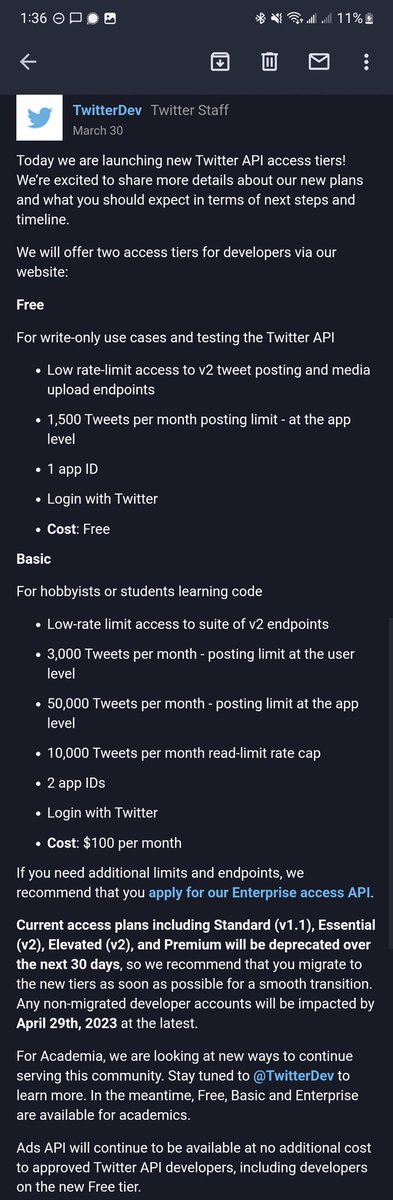
Deeply disappointing news from @TwitterDev - academics currently have free access to 10mil tweets/month, soon to be downgraded to 10k for $100/month. If Twitter is a "public sphere", shouldn't the public have access to its data? Lots of important research will suffer from this
10
541
11 Mar 2023
“It's a sad day for our country and our democracy when dominant industries, with assistance from unlimited dark money, get to choose their regulators..with the help of their friends in the Senate, the powerful cable and media companies have done just that"
theverge.com/2023/3/7/236293…
2
214
Prathm Juneja retweeted

17 Feb 2023
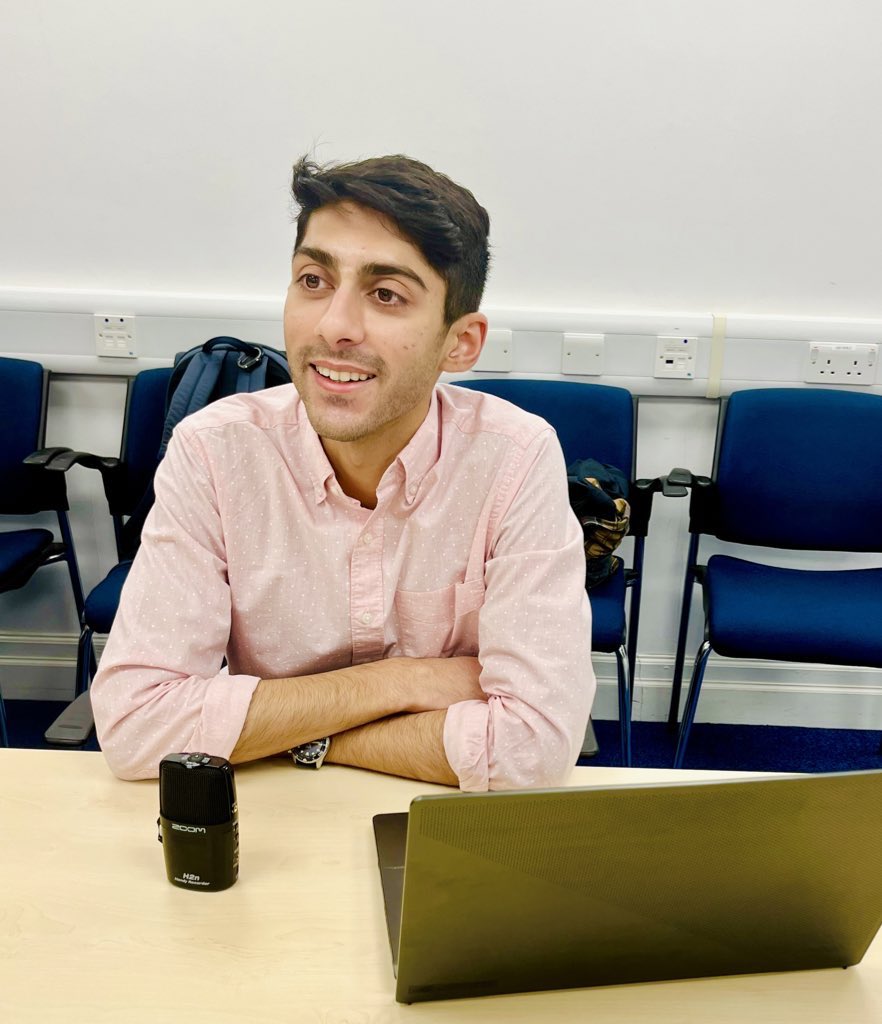
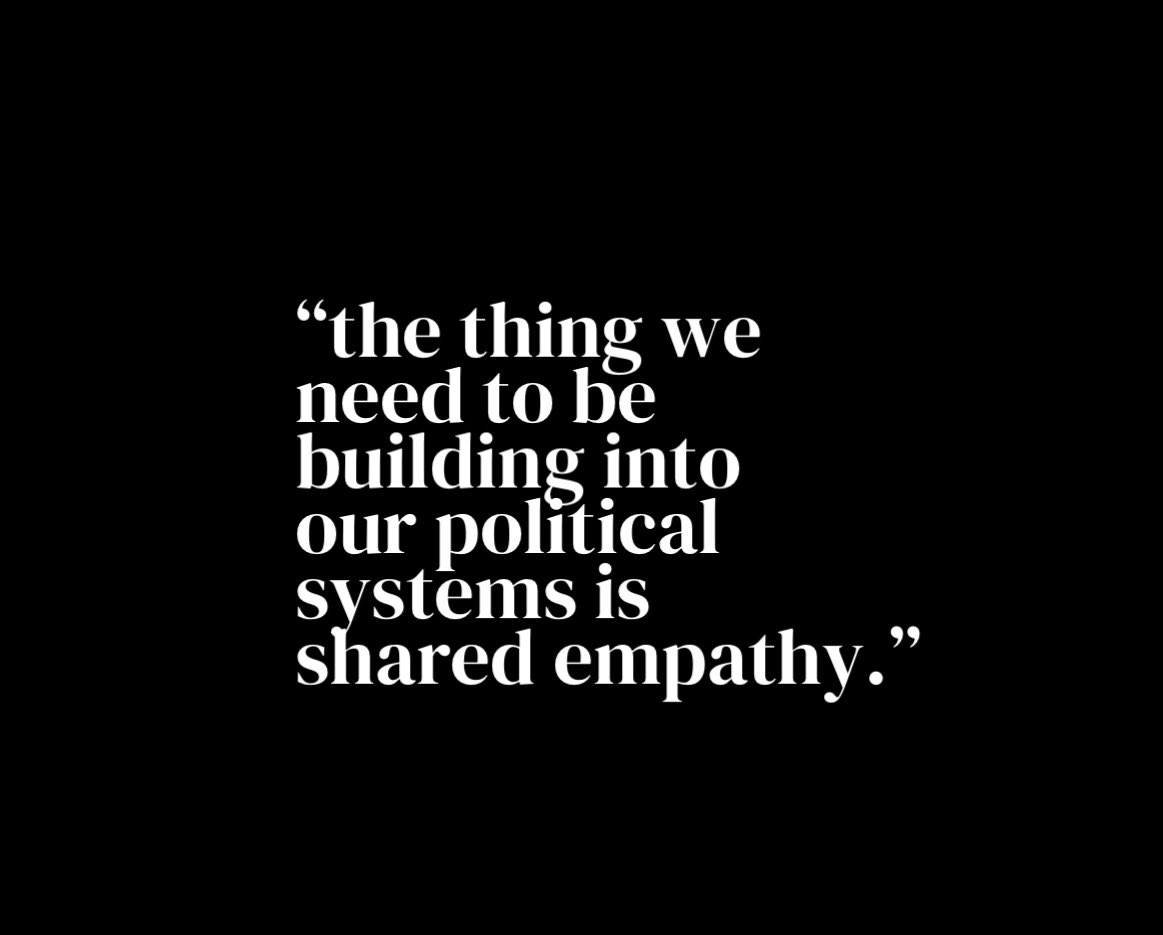
‼️ ‼️ 🎙️🎙️new episode with @oiioxford colleague and @rhodes_trust scholar @PrathmJ this week on political campaigning, technology in US elections and improving access to voting. Such a great chat drawing on Prathm’s political campaign experience and research! Link below 👇🏽👇🏽👇🏽👇🏽
1
4
26
4,212

Can #Twitter be used to detect barriers to #voting at polling places? This study uses #machinelearning to create a model that can identify voting barriers.
Read: spkl.io/60124wchM
Subscribe: spkl.io/60144wchO
@Floridi @PrathmJ @cdigitalethics @oiioxford #LawTwitter

5
5
2,426
26 Jan 2023
The working paper for my first, first-author paper (alongside @Floridi), "Using Twitter to Detect Polling Place Issues on U.S. Election Days" is now available on SSRN! I'm really excited about this work, and I'll offer a brief summary in the replies:
papers.ssrn.com/sol3/papers.…
6
7
47
4,618
26 Jan 2023
Although voting is amongst the most studied fields in political science- there's limited work on the impacts of suppression, because data collection is so difficult. In the past we've had to rely on survey data or observers in a handful of polling places. Now, we can use Twitter.
1
2
292
26 Jan 2023
My PhD has two major goals: examine how digital technologies can decrease barriers to voting and also demonstrate the promise of new methods in political science. I believe that political problem solving is an interdisciplinary task - and this paper is one example of why.
4
252