
A national group of organizations and individuals working together to prevent child and adolescent injury, the leading cause of death for American youth.
- Tweets 4,107
- Following 689
- Followers 2,367
- Likes 3,001
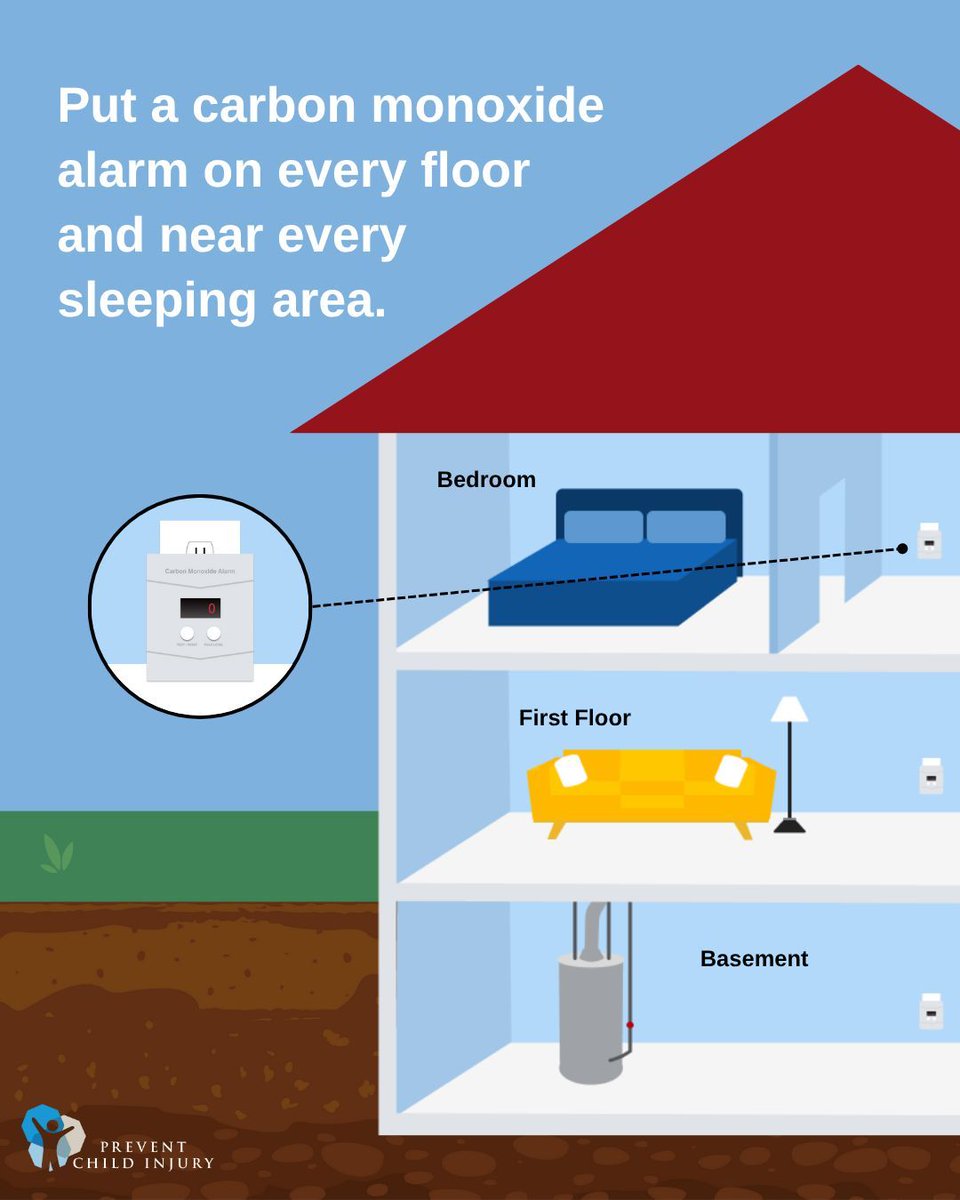



ALT A graphic shows a home with three levels: a bedroom, a first floor, and a basement. There is a carbon monoxide alarm on each level. Text reads "Put a carbon monoxide alarm on every floor and near every sleeping area.
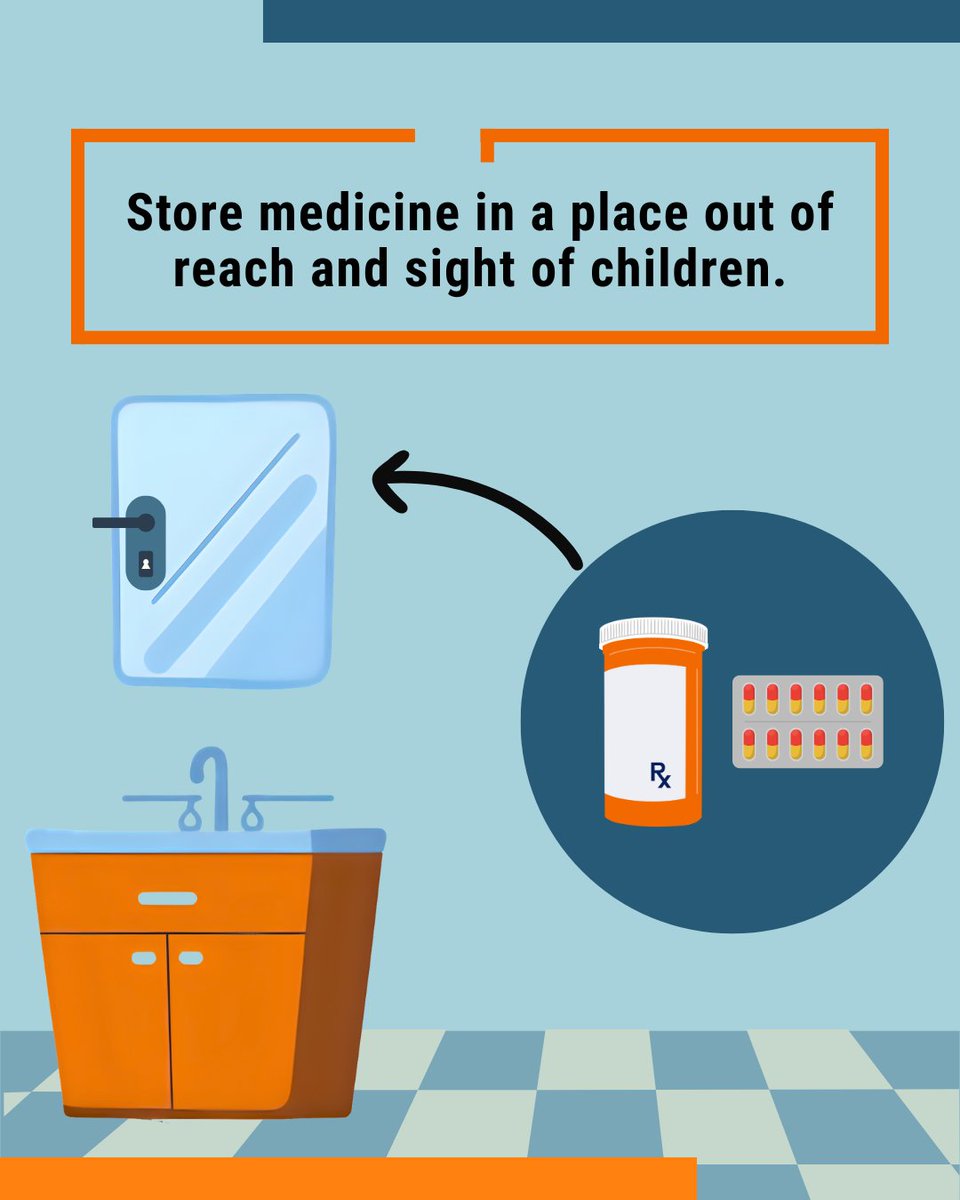
ALT Medicine bottle and blister pack shown with arrow pointing to lockable bathroom cabinet. Text reads: Store medicine in a place out of reach and sight of children.

ALT What is one step families can take today to make their homes safer? #StoreMedsSafe
ALT Q8: What role can schools, childcare centers, or community organizations play in raising awareness about how to #StoreMedsSafe?
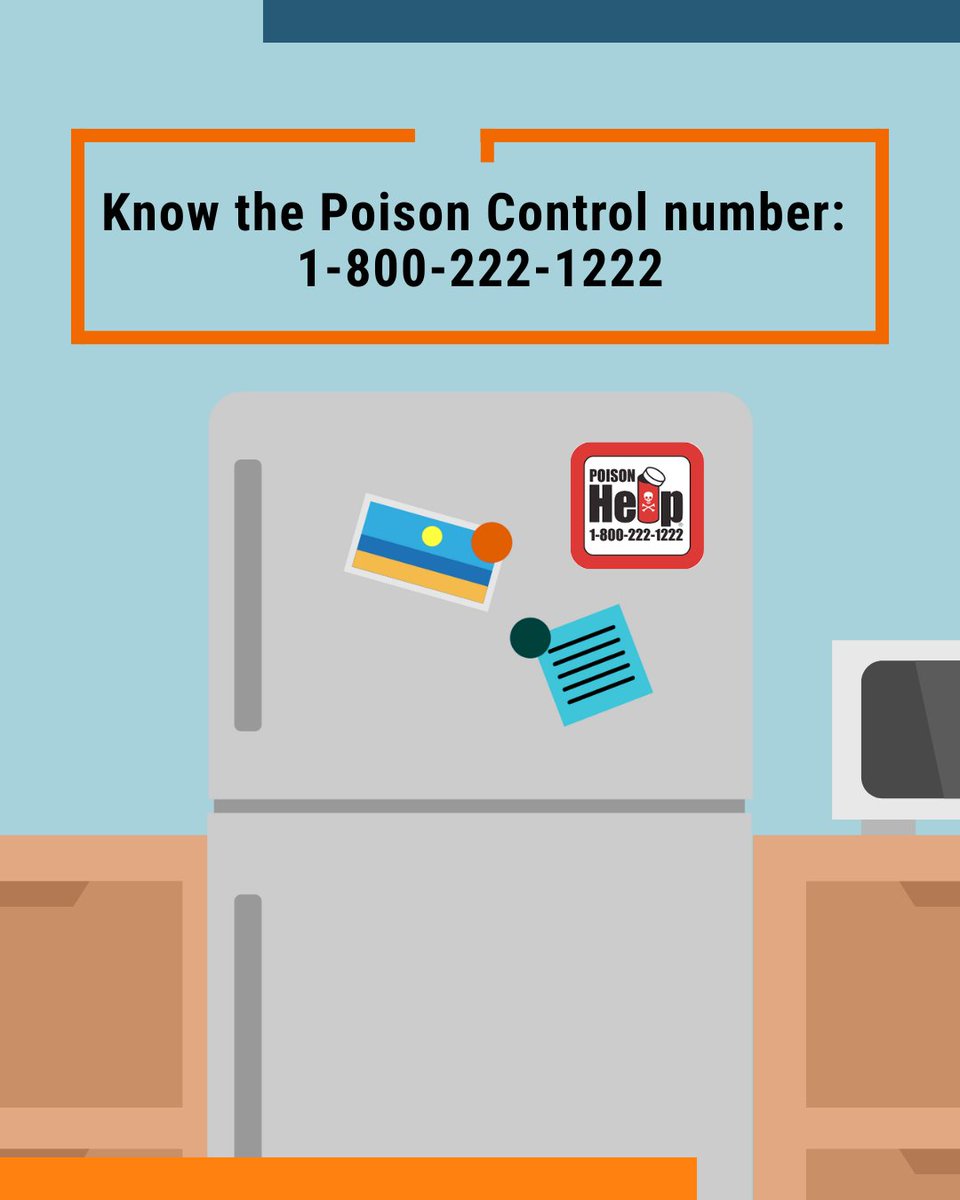
ALT Refrigerator with Poison Help magnet displaying contact number. Text reads: Know the Poison Control number: 1- 800-222-1222
ALT Q6: What should parents do if they suspect their child has swallowed medicine, supplements, or vitamins they weren’t supposed to? What should people know about poison centers and the Poison Help Line? #StoreMedsSafe
ALT Q5: Many families have leftover or expired medicines. What’s the safest way to dispose of them? #StoreMedsSafe
ALT Q3: What are places in the home where medicines are sometimes stored unsafely and why is that space not safe? #StoreMedsSafe
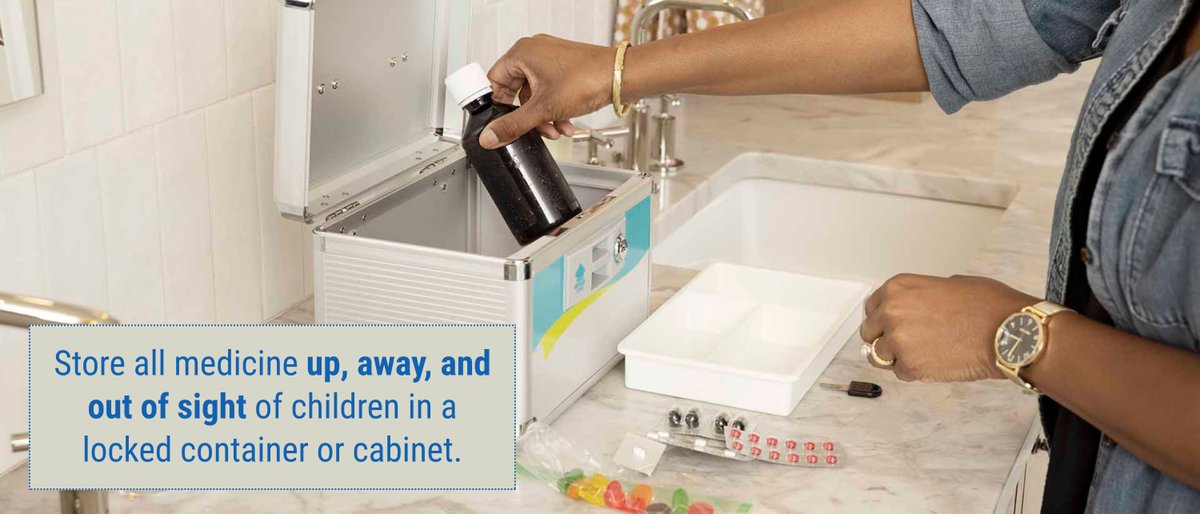
ALT Graphic showing a woman putting medicines inside a lockbox. Text reads: Store all medicine up, away, and out of sight of children in a locked container or cabinet.
ALT Q2: What are the most effective ways parents and caregivers can store medicines safely in their homes? #StoreMedsSafe
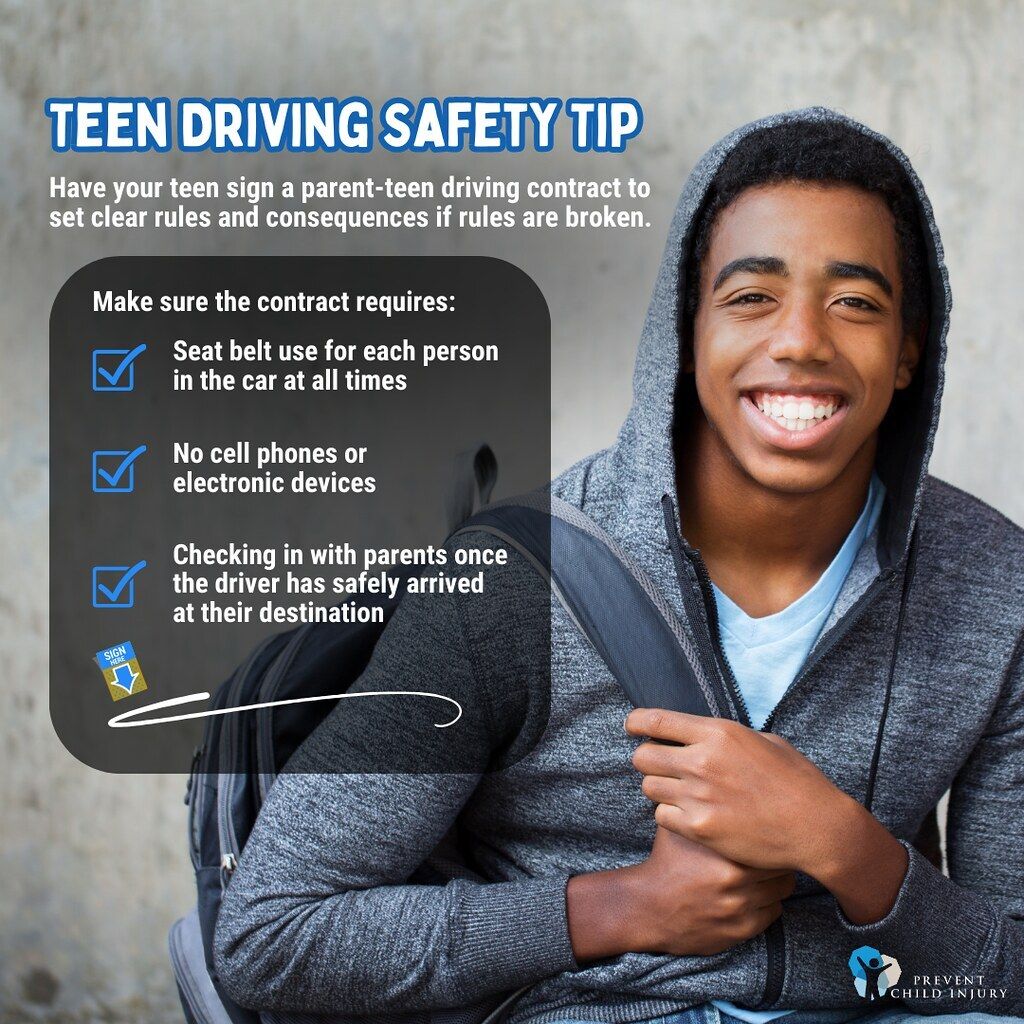
ALT Smiling teen wearing a hoodie with a backpack slung over his shoulder. Three small checkmarked boxes emphasizing three points. Text reads “Teen Driving Safety Tip: Have your teen sign a parent-teen driving contract to set clear rules and consequences if rules are broken. Make sure the contract requires: Seatbelt use for each person in the car at all times. No cell phones or electronic devices. Checking in with parents once the driver has safely arrived at their destination.”
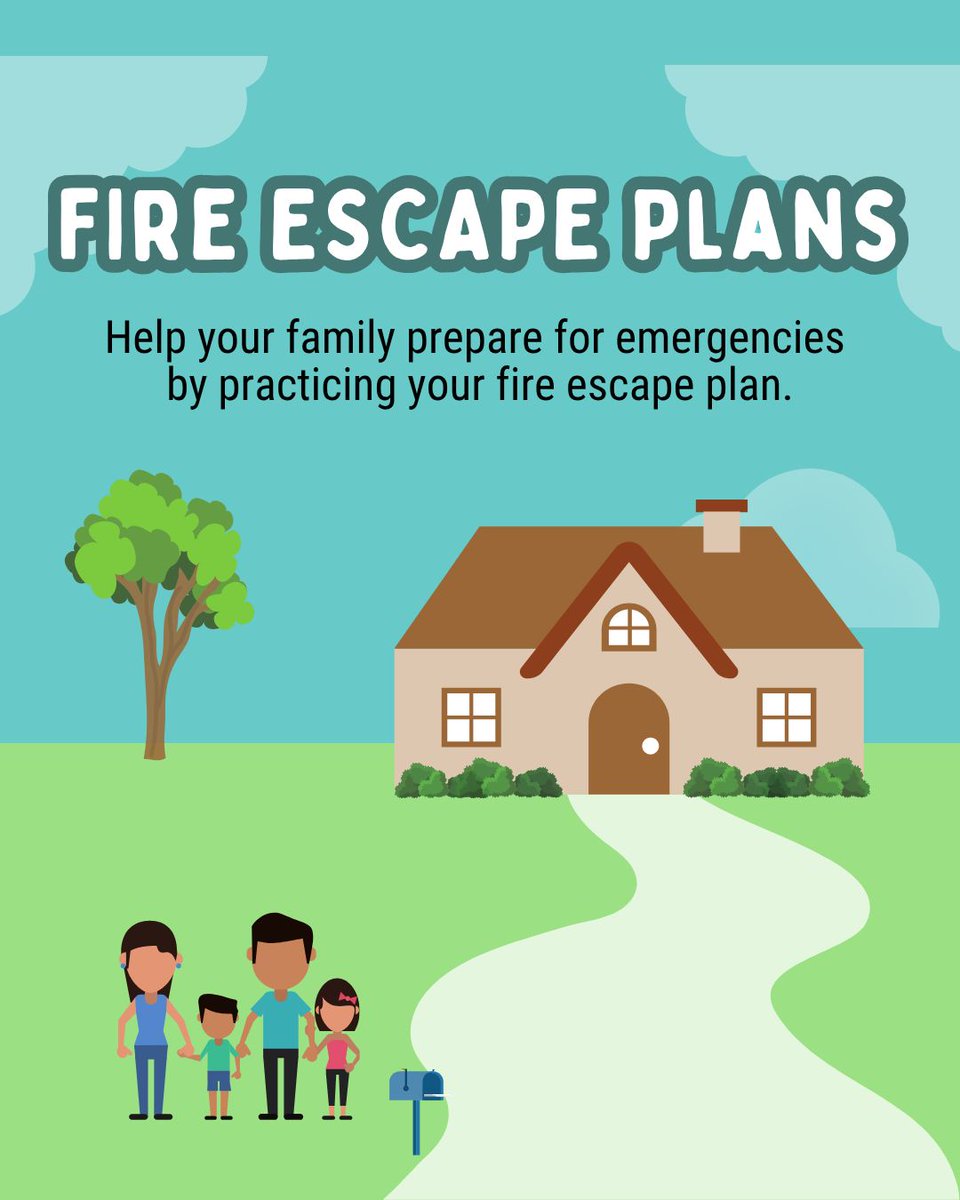
ALT A family stands next to a mailbox at the end of driveway away from the house. Text reads "Fire escape plans: help your family prepare for emergencies by practicing your fire escape plan."
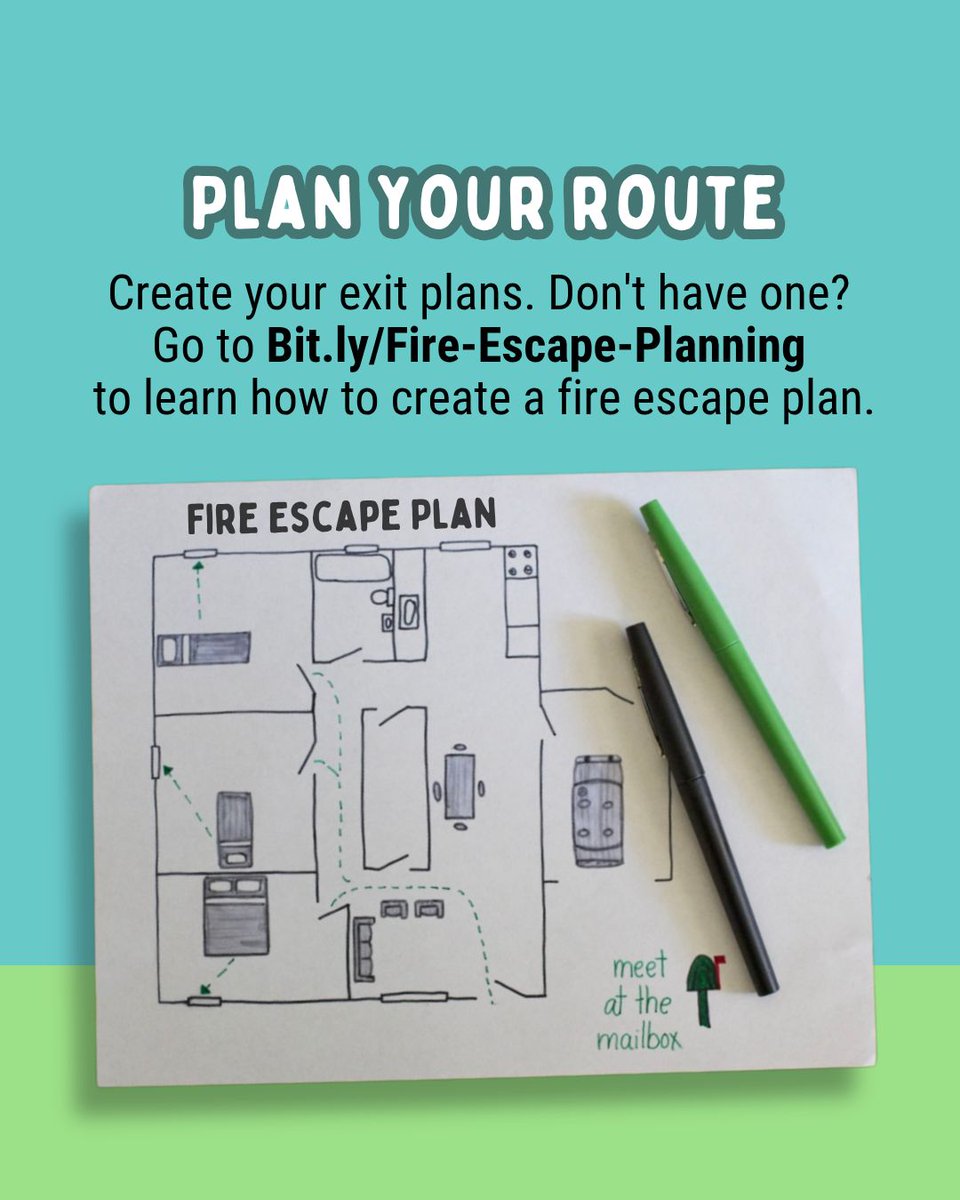
ALT A drawing of a fire escape plan showing routes out of the house and a meeting spot. Text reads "Plan your route: create your exit plans. Don't have one. Go to bit.ly/Fire-Escape-Planning to learn how to create a fire escape plan."
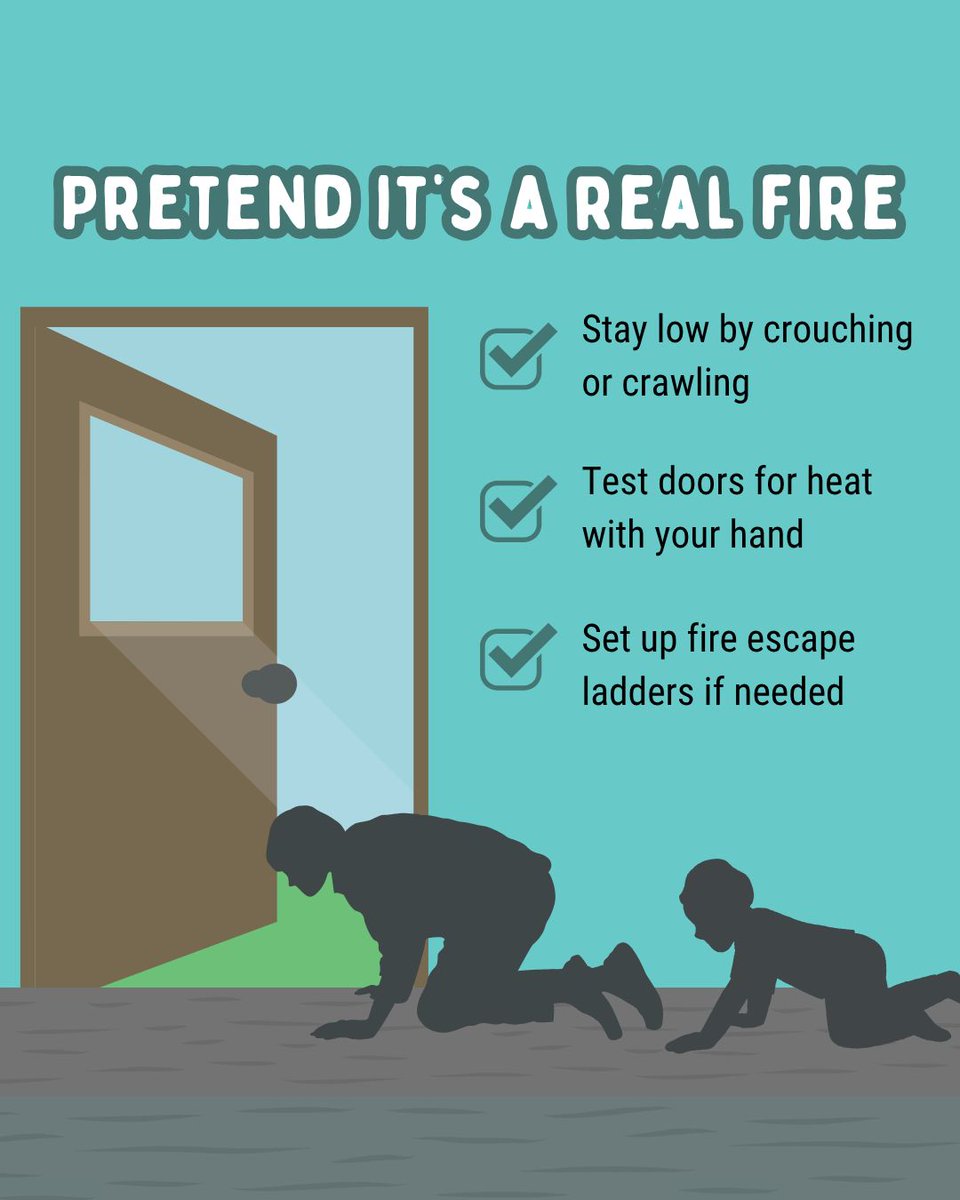
ALT An adult and a child are crawling toward an open door. Text reads "Pretend it's a real fire. Stay low by crouching or crawling. Test doors for heat with your hand. Set up fire escape ladders if needed."
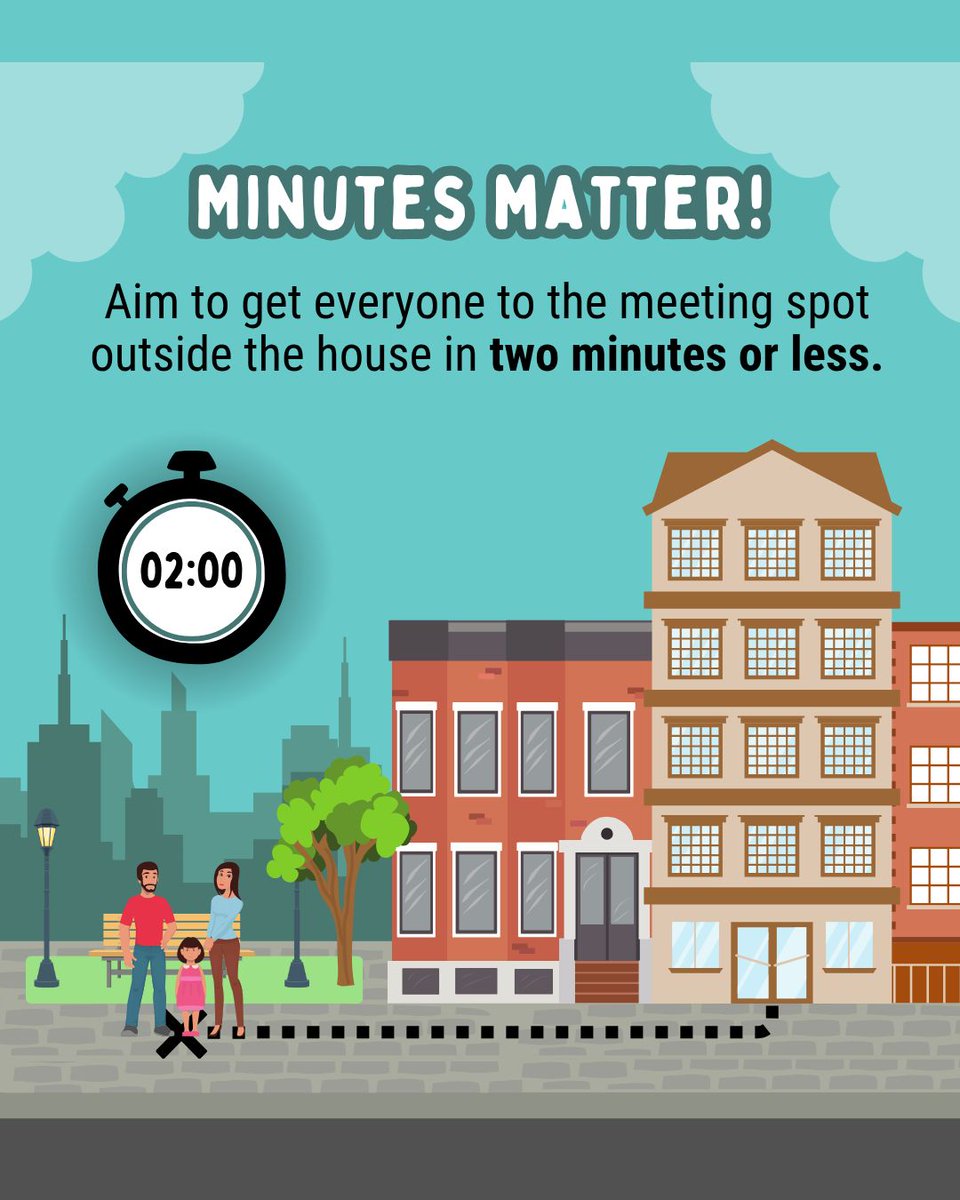
ALT A family stands outside a row of apartment buildings at a safe meeting spot. Text reads "Minutes matter! Aim to get everyone to the meeting spot outside the house in two minutes or less."
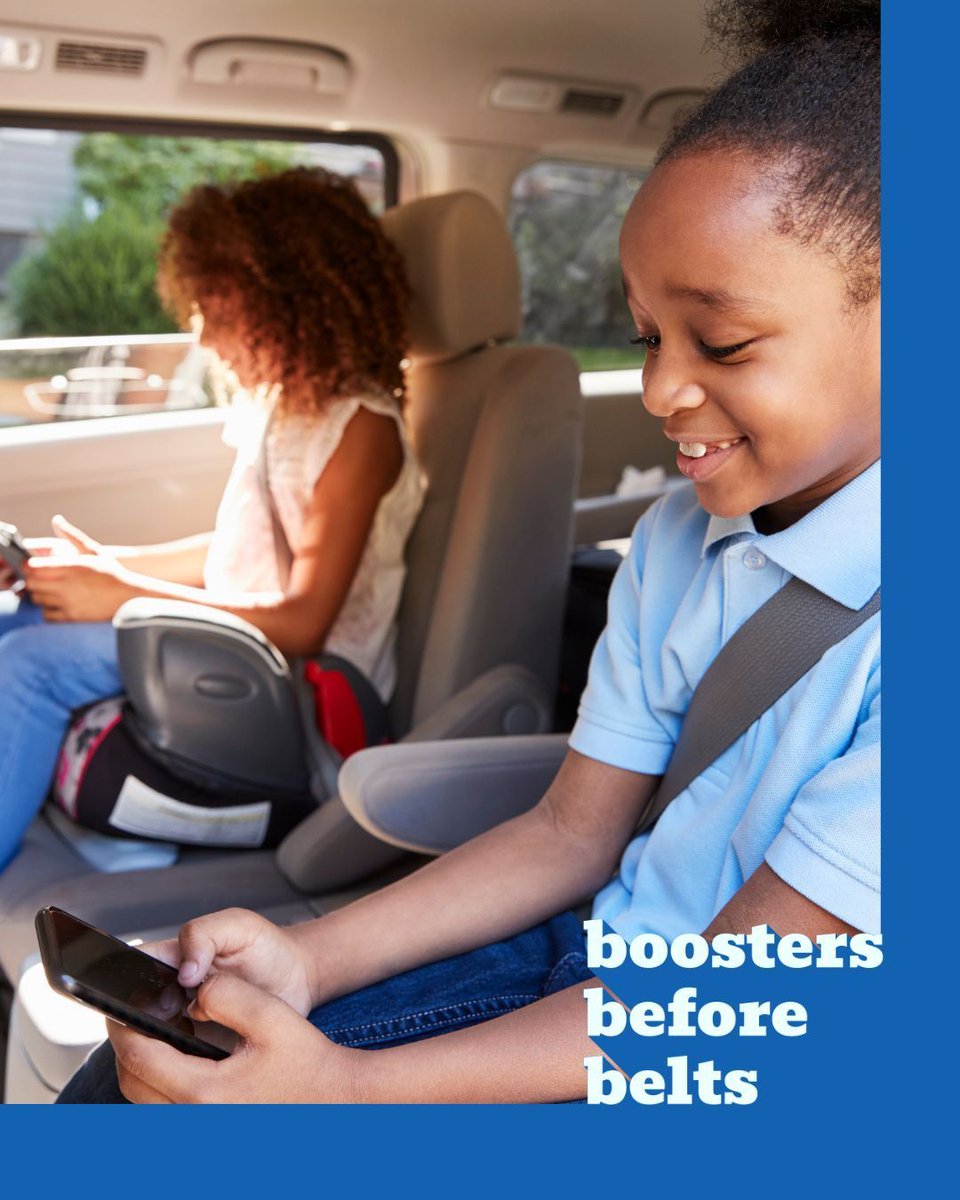
ALT "Boosters before belts" image showing two older children smiling and sitting in backless booster seats in the car
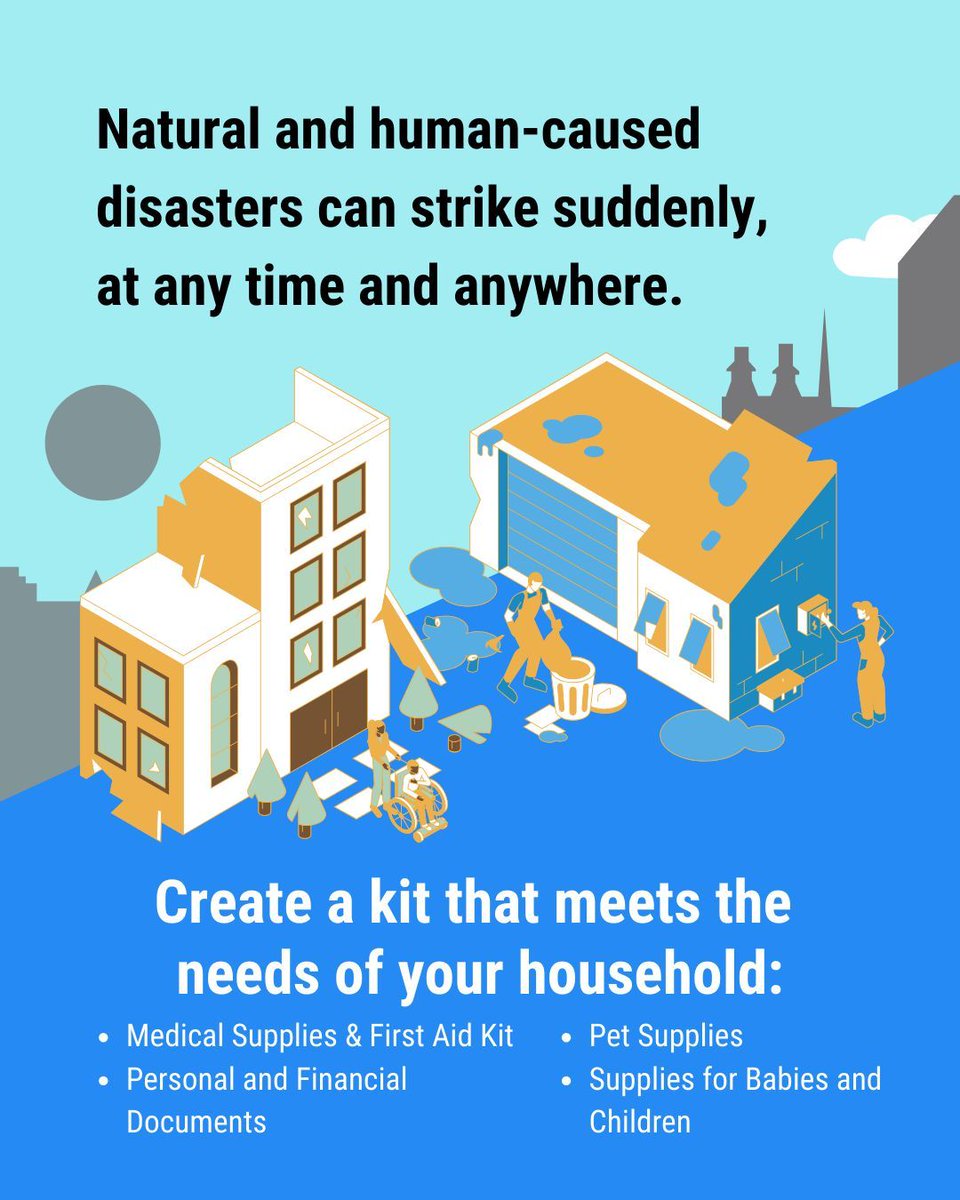
ALT An illustrated graphic showing people responding to a disaster around damaged buildings. One building has a broken roof and windows, and people are seen cleaning and repairing the area. A person in a wheelchair is assisted by another person, and children are nearby. The background includes urban elements and a cloudy sky. Text on the graphic reads: "Natural and human-caused disasters can strike suddenly, at any time and anywhere." "Create a kit that meets the needs of your household: Medical Supplies & First Aid Kit; Personal and Financial Documents; Pet Supplies; Supplies for Babies and Children
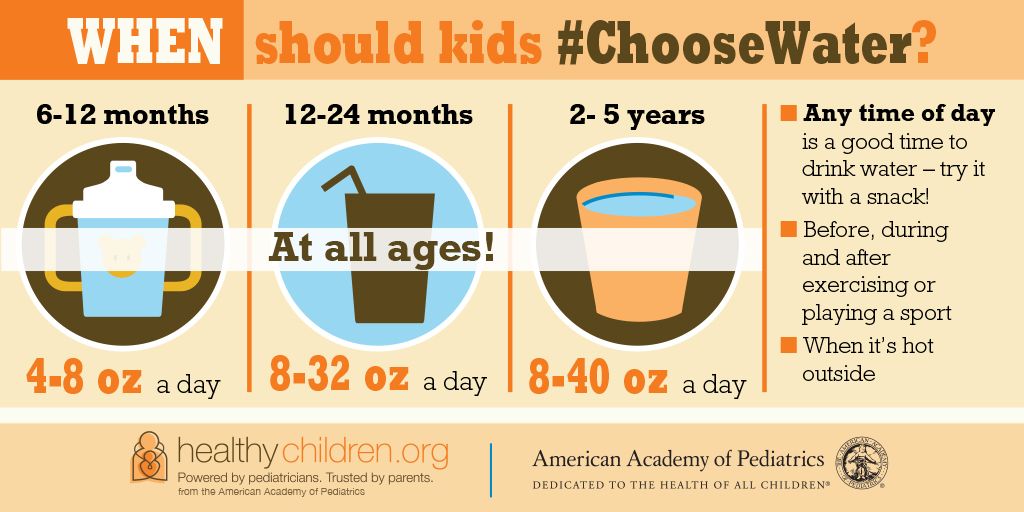
ALT An infographic from HealthyChildren.org and the American Academy of Pediatrics titled "WHEN should kids #ChooseWater?" It gives water intake recommendations by age and general guidance on when kids should drink water. Age-Based Recommendations (with illustrations of drink containers): 6–12 months: 4–8 oz a day (with an image of a sippy cup) 12–24 months: 8–32 oz a day (with an image of a straw cup) 2–5 years: 8–40 oz a day (with an image of a cup) A central banner across the three age groups reads: "At all ages!" General Guidance (with checkmarks): "Any time of day is a good time to drink water – try it with a snack!" "Before, during and after exercising or playing a sport" "When it’s hot outside"