
Visual Content Creator||Memecoin Marketing || KOL|| Cohost || Web3 Educator
Joined January 2022
- Tweets 34,513
- Following 2,043
- Followers 5,326
- Likes 47,997
2,538 Photos and videos














Pinned Tweet
Good morning CT
Be honest…
how much of your money is just sitting in your wallet right now?
@StandX_Official is going to be solving that.
45
1
155
2,111
Imagine you're taking an exam.
For years, you've been telling your teacher, "I would get better grades if I had a better calculator."
Then one day, your teacher gives you the best calculator in the class.
Now what?
You can't keep blaming the calculator anymore.
That's kind of where crypto is right now.
For years, one of the biggest reasons people gave for slow crypto adoption was regulation. The rules were unclear, and many projects said they couldn't fully build or grow until governments provided more clarity.
But things are starting to change.
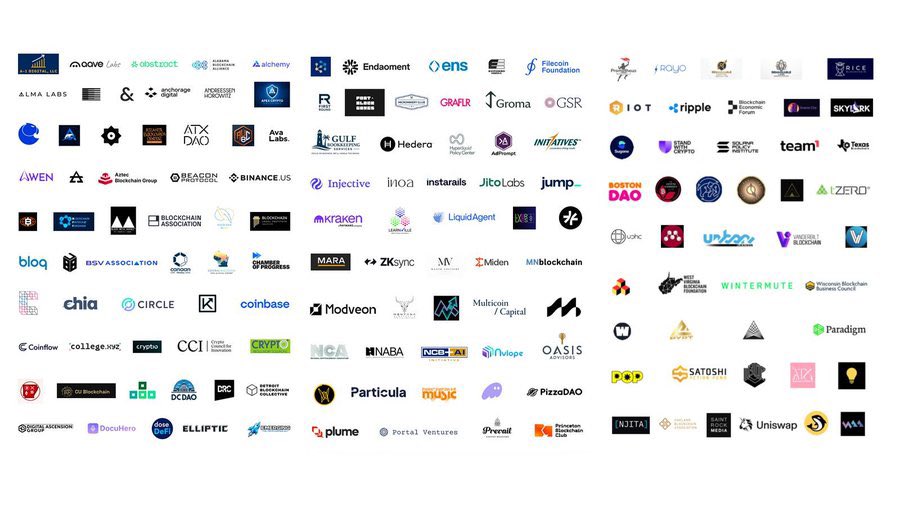
Recently, @0xMiden joined over 200 organizations supporting the CLARITY Act in the U.S.
And while that's important, what interests me most isn't the bill itself.
It's what happens after.
Because once the rules become clearer, the conversation changes.
Projects can no longer say, "We're just waiting for better regulation."
Instead, people will start asking tougher questions:
Can your technology actually handle real-world users?
Can banks and institutions trust it?
Can it meet compliance requirements?
Can it protect privacy without making everything complicated?
That's why Miden's recent focus on things like Guardian and practical privacy for finance stands out to me.
It feels like they're not just preparing for today's crypto world.
They're preparing for the version that comes after regulatory clarity.
Maybe clear regulations aren't the magic key that suddenly unlocks mass adoption.
Maybe they're simply removing one of the biggest excuses.
And once that excuse disappears, the spotlight shifts back to the technology itself.
That's where the real test begins.

Today, Miden joined hundreds of organizations in calling on the U.S. Senate leadership to bring the CLARITY Act to the floor.
The bill, which passed the Banking Committee with bipartisan support, would establish clear rules for digital asset markets and strengthen consumer protections, and give the United States a real framework to compete on.
3
49


May 31
Can I get a Good evening?
Another day to stay consistent, stay curious and build on
@0xMiden

4
7
135

May 29
Can I get a Gm?
Another day to stay consistent, stay curious and build on
@0xMiden

33
1
38
258
May 28
Can I get a Gm?
Another day to stay consistent, stay curious and build on
@0xMiden

89
2
99
584
May 27
Can I get a Gm?
Another day to stay consistent, stay curious and build on
@0xMiden

16
1
22
164