Project STAND provides enhanced access to historical and archival documentation on student activism in historically marginalized communities
Joined November 2018
- Tweets 1,089
- Following 752
- Followers 1,324
- Likes 900
211 Photos and videos



20 Jan 2025
We are happy to share this news on MLK DAY. Also, this is our last post ON HERE. We are now on Bluesky. prjctstandarchives.bsky.soci…. This account will be deleted in five days. Hope to see you on the other side!
41
23 Oct 2024
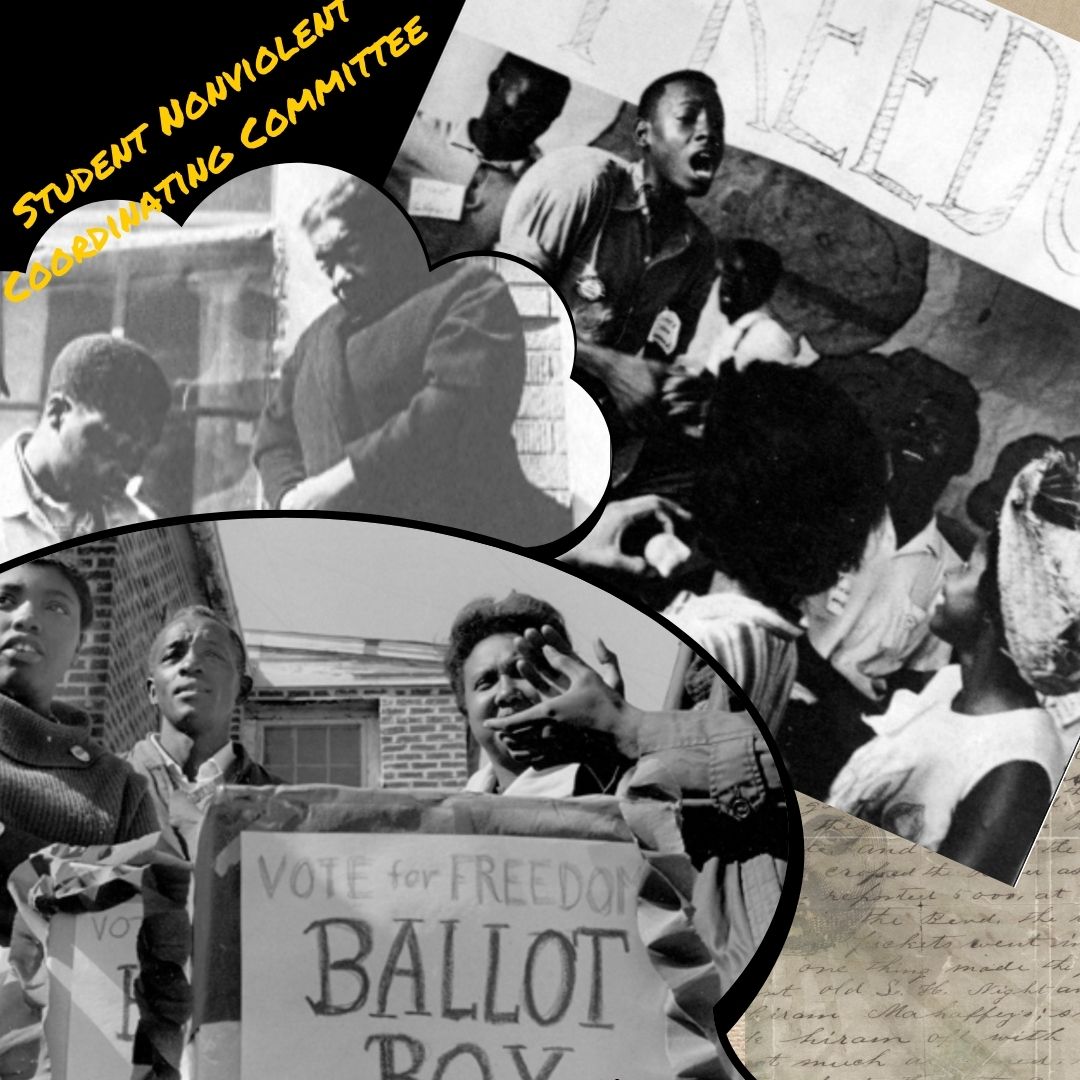
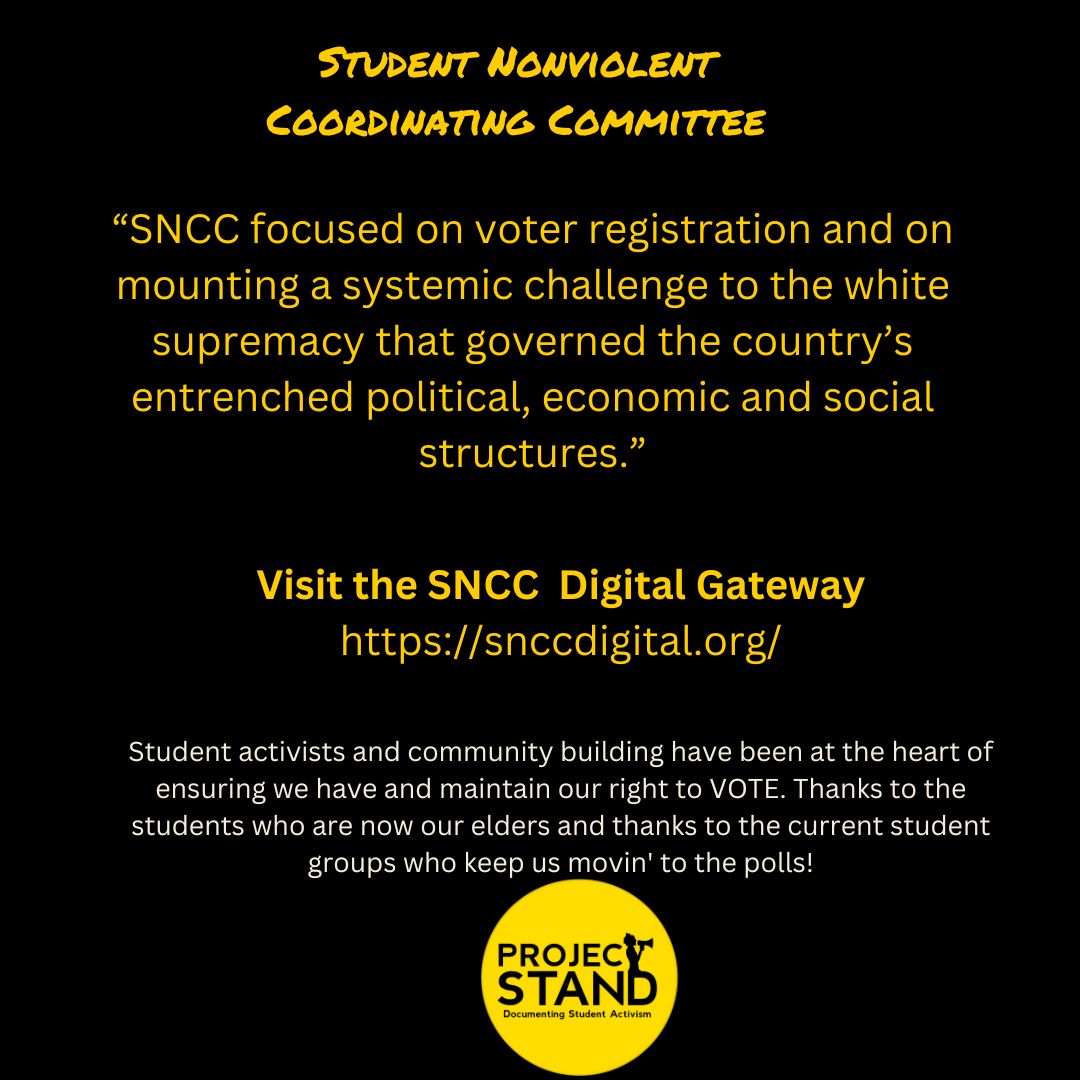
Hey, if you don't know about this project already, please check out the SNCC Digital Gateway. It's an amazing/timely resource about the history of SNCC. It is a collaborative effort funded by the The Andrew W. Mellon Foundation, in collaboration with Student Nonviolent
1
4
4
456
23 Oct 2024
Coordinating Committee Legacy Project, Duke’s Center for Documentary Studies, and Duke University Libraries!snccdigital.org/
94
ProjectSTAND retweeted

16 May 2024
this is kind of blowing up so just wanted to shout out Project STAND which is entirely made up of librarians, archivists and memory workers dedicated to ethically documenting student activism @PrjctSTAND
3
12
424
ProjectSTAND retweeted
15 May 2024
Archivists working at these universities are collecting these items because we *KNOW* the university will try to claim things that didn't happen. We are collecting evidence against the university's future revisionism.
3
88
507
17,351
20 Apr 2024
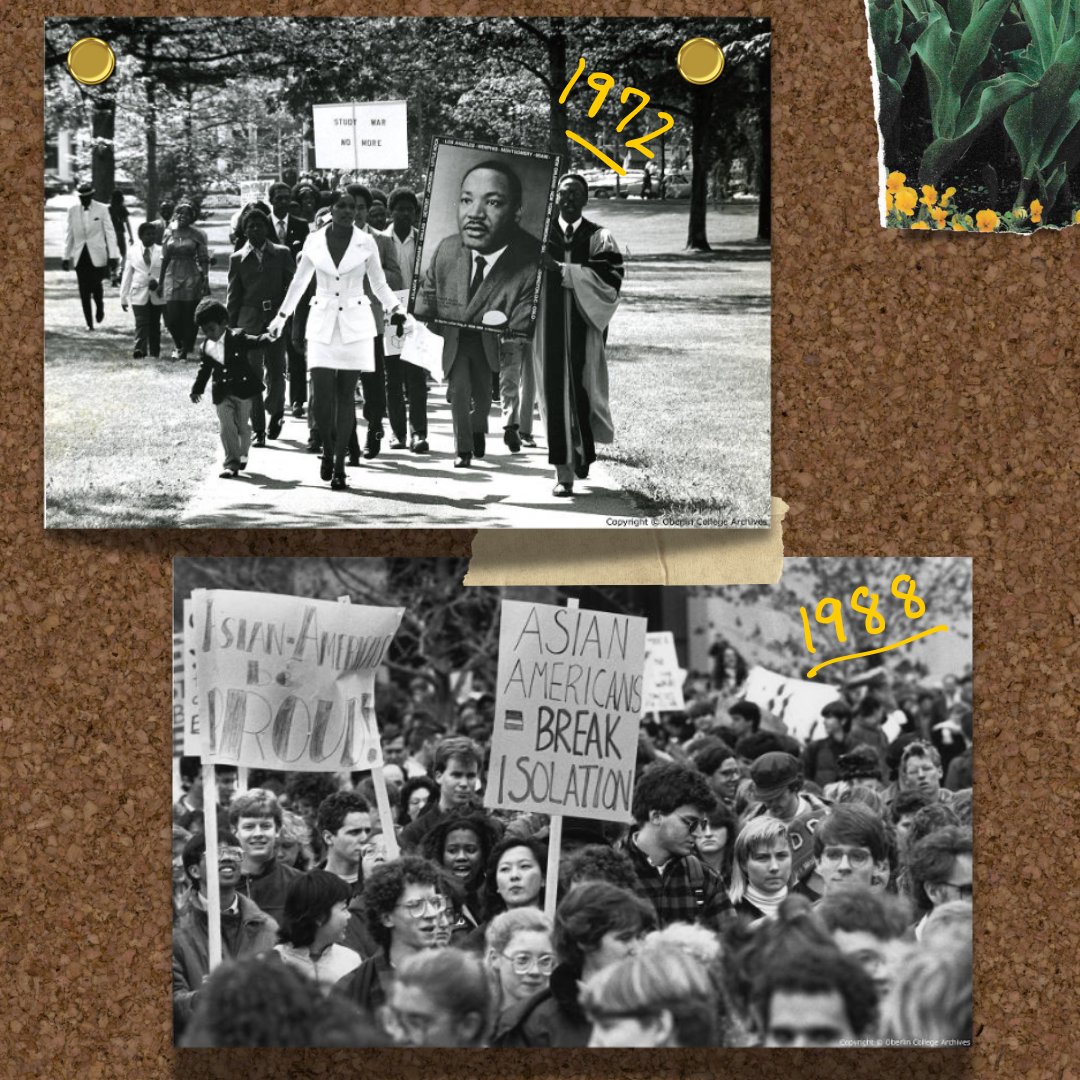
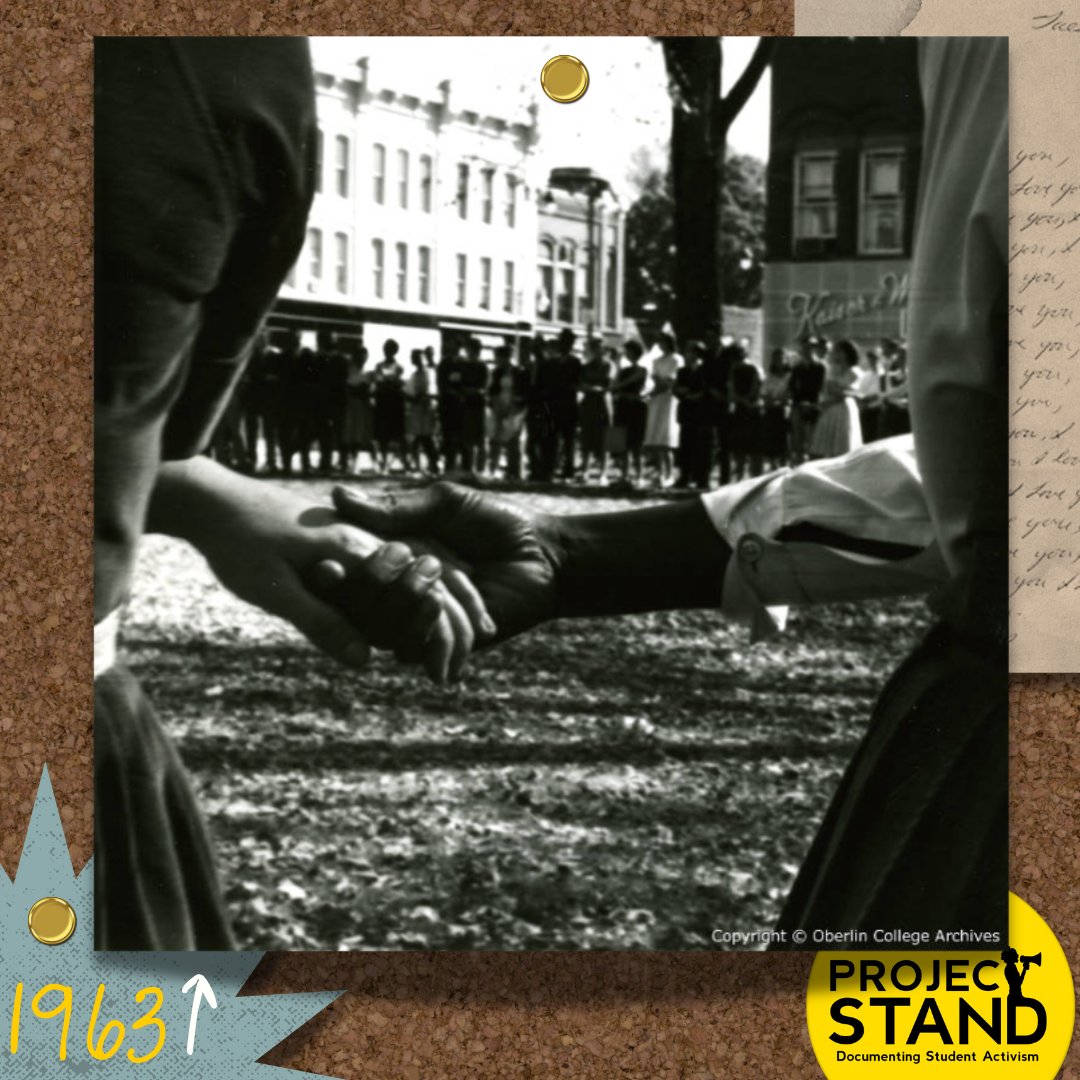
Historically students across the world have served as powerful catalysts for transformation and social change. In a world that demands that the marginalized and mistreated be broken apart for freedom, student activism shows us that there are still people who want you whole.
3
5
712
18 Apr 2024
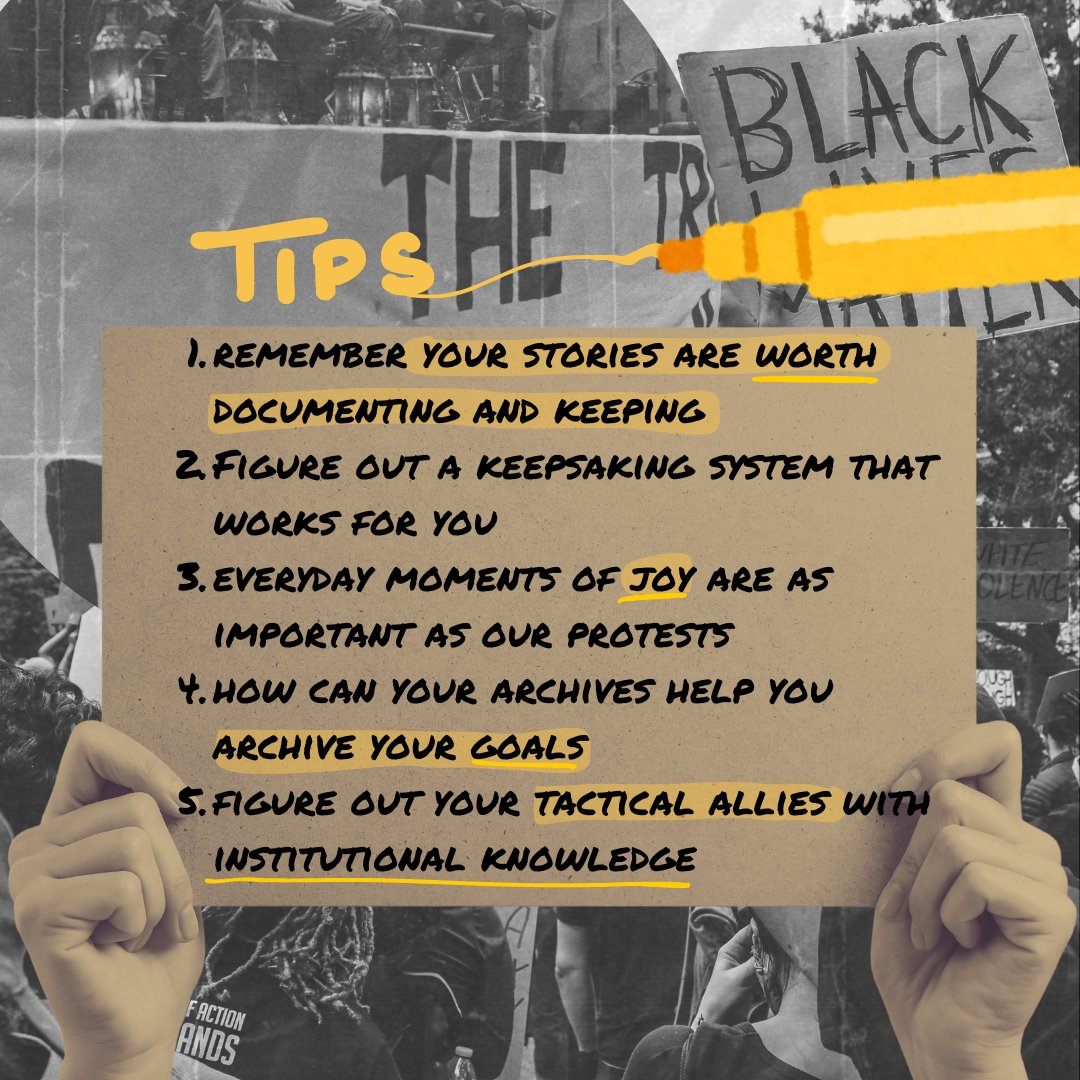
Here are some tips for student activists and/or DIYers! Find more tips in the full Zine! Link in our bio! 💛
#archives #studenactivism #archivingstudentactivism #projectSTAND
6
4
736
16 Apr 2024
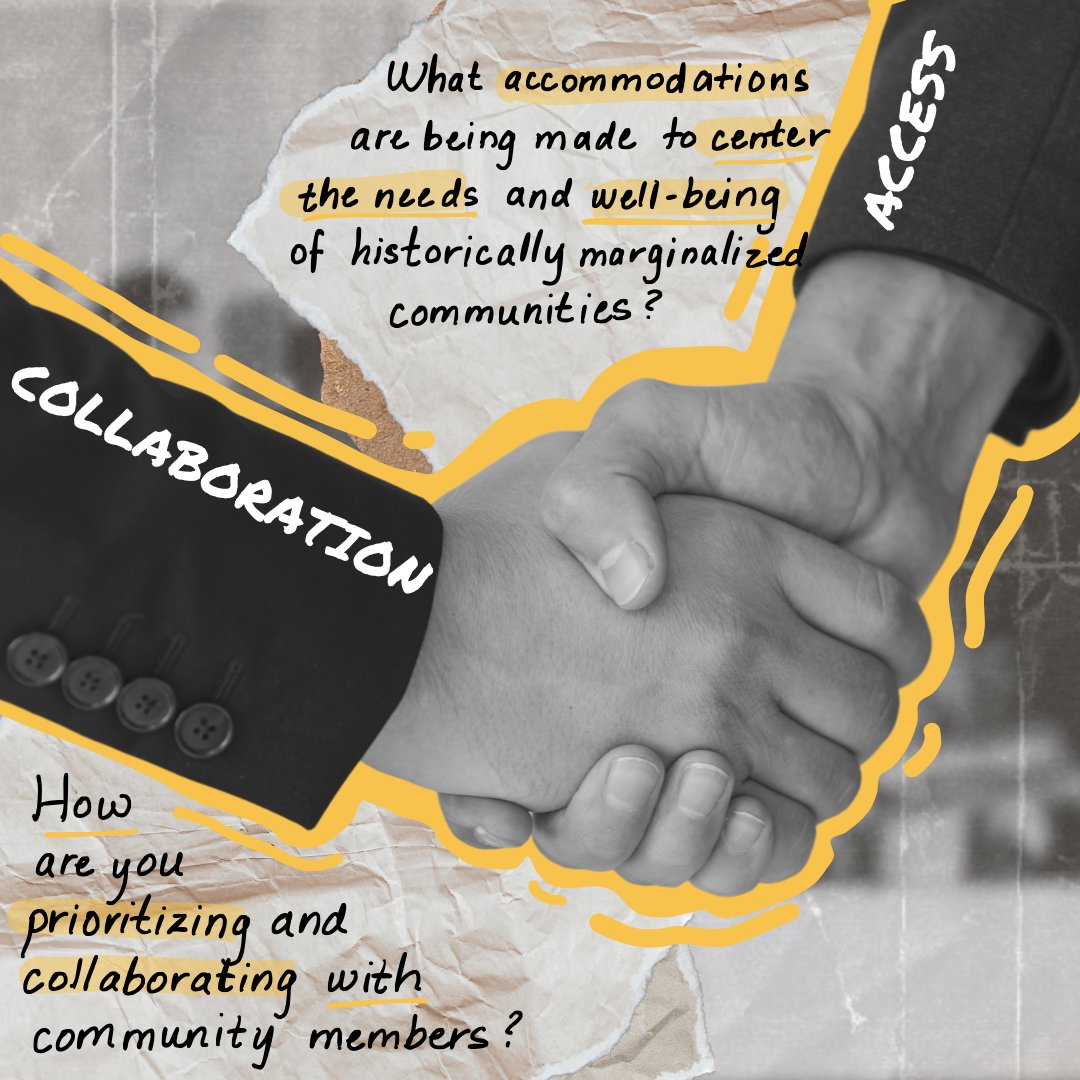
How you collaborate with the communities you're serving and ensure that appropriate access is given to materials can be used as avenues for telling richer histories and fuller stories. Learn more about access and collaboration in the full Zine! Link in our bio!
4
154
15 Apr 2024
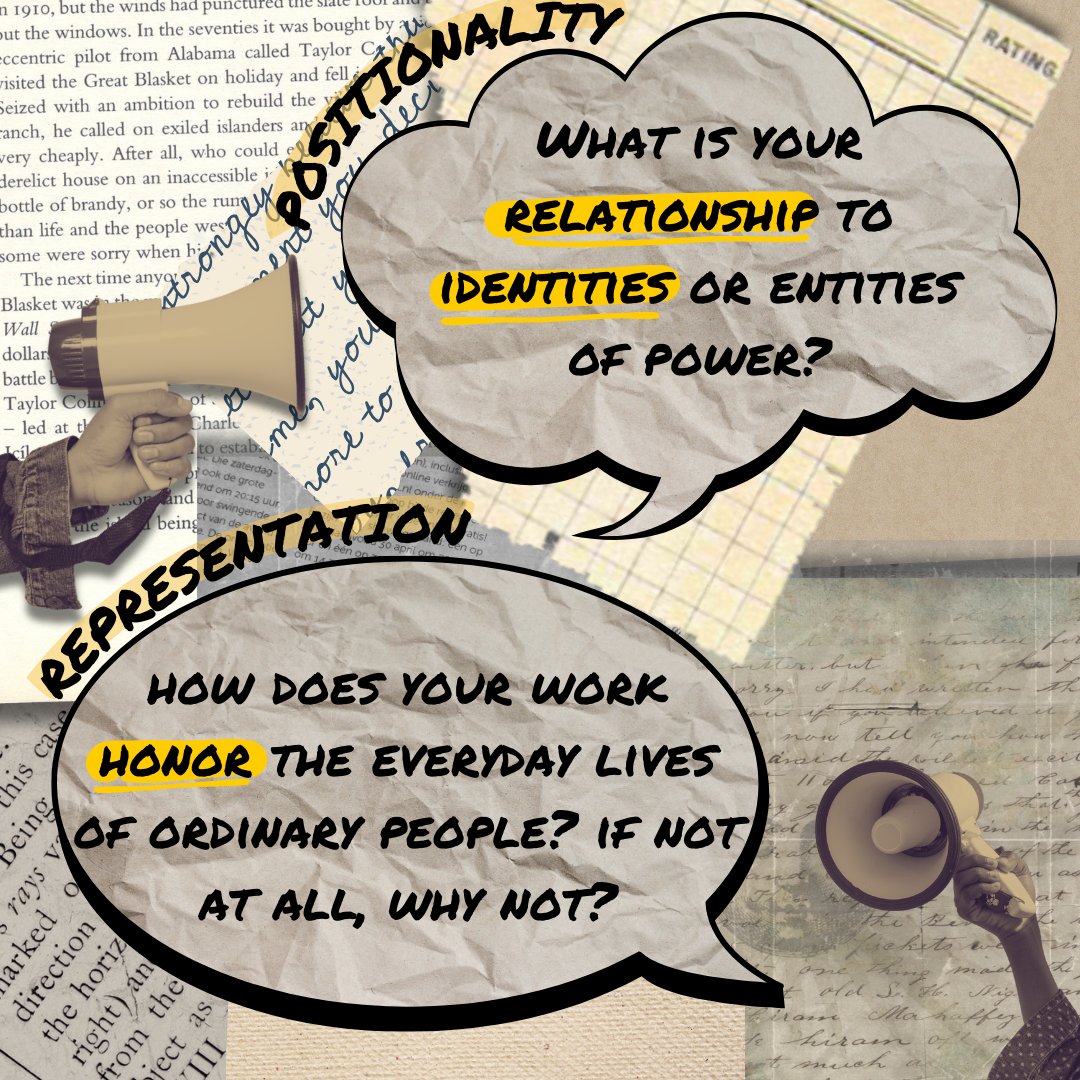
When archiving BIPOC communities/student activism, it's important to consider your position in relation to identities/entities of power and its effects on the communities you're serving and accountable to. Learn more about positionality and representation at the link in our bio!
1
2
285
11 Apr 2024
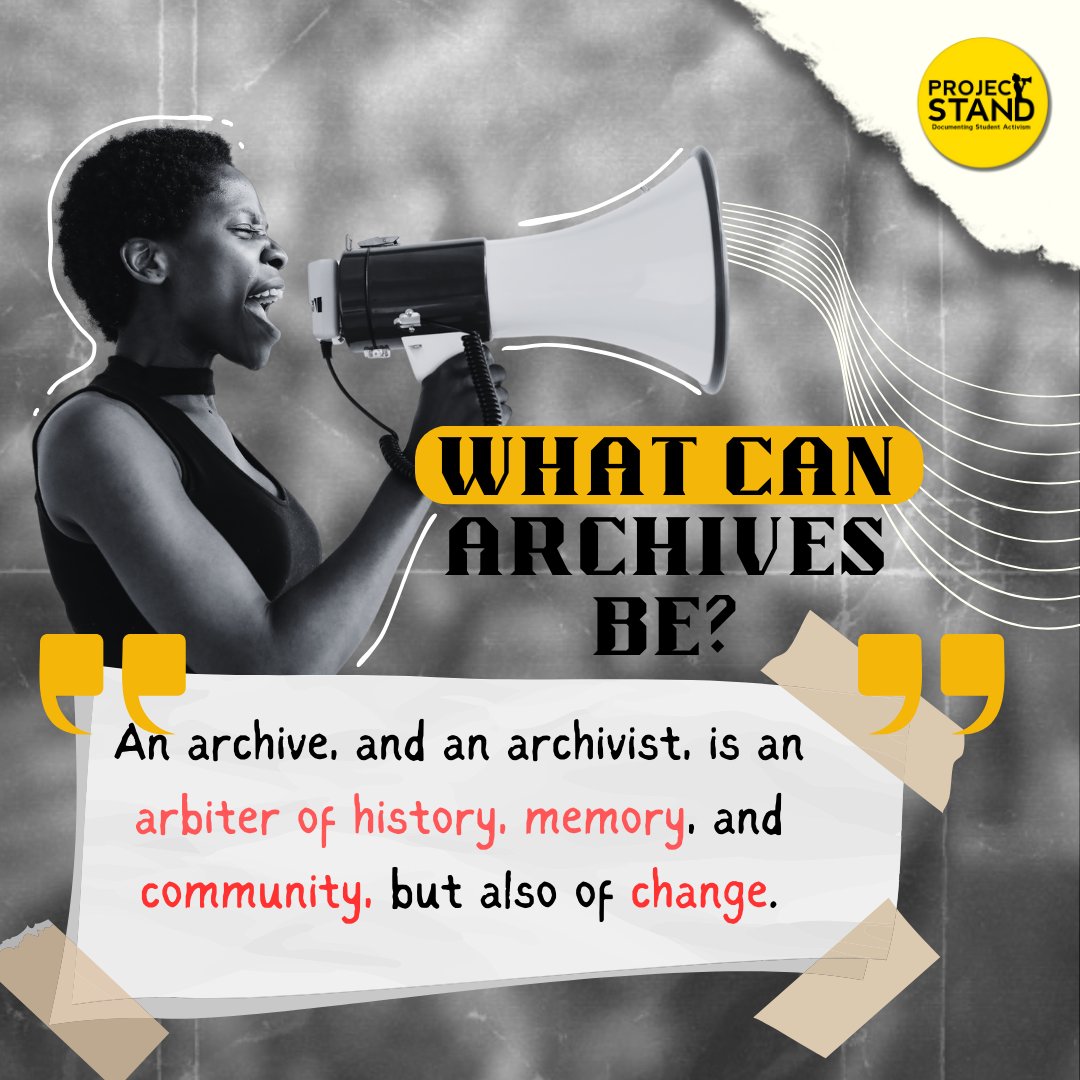
Let the questions and activities in this Zine section be a tool to encourage critical reflection and radical imagination on what the archive could be! Find more questions and activities in the full Zine! Link in our bio!
2
4
255
4 Apr 2024
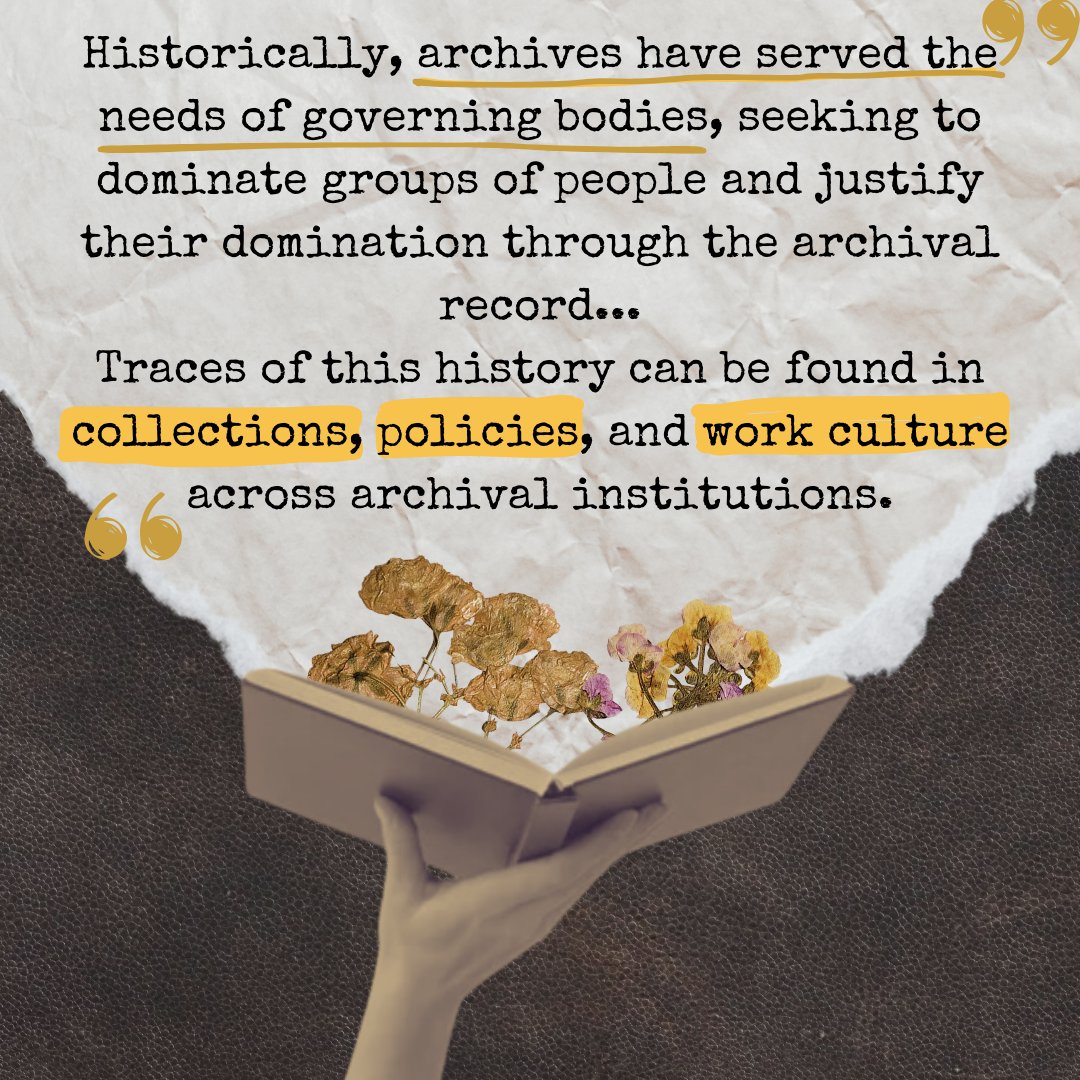
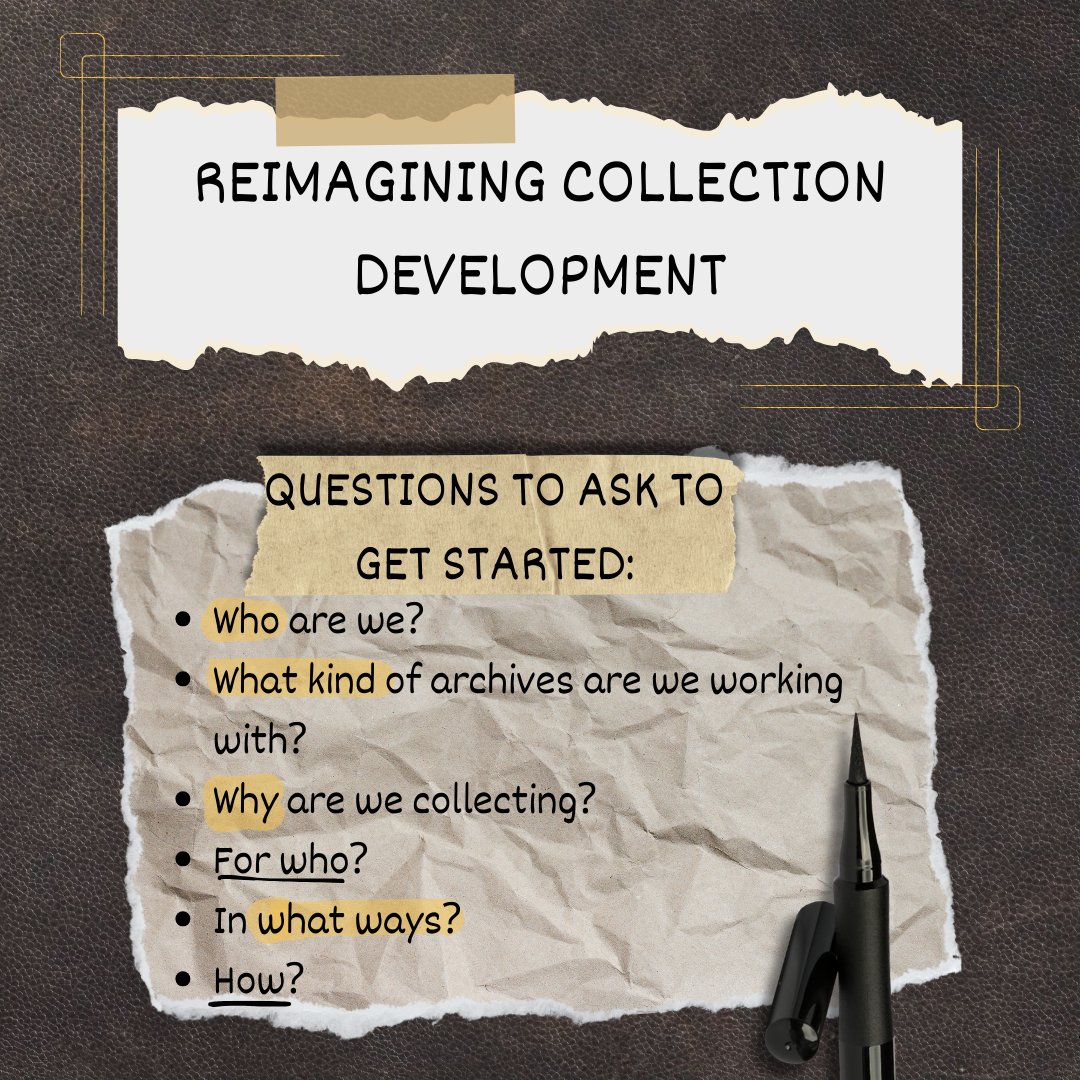
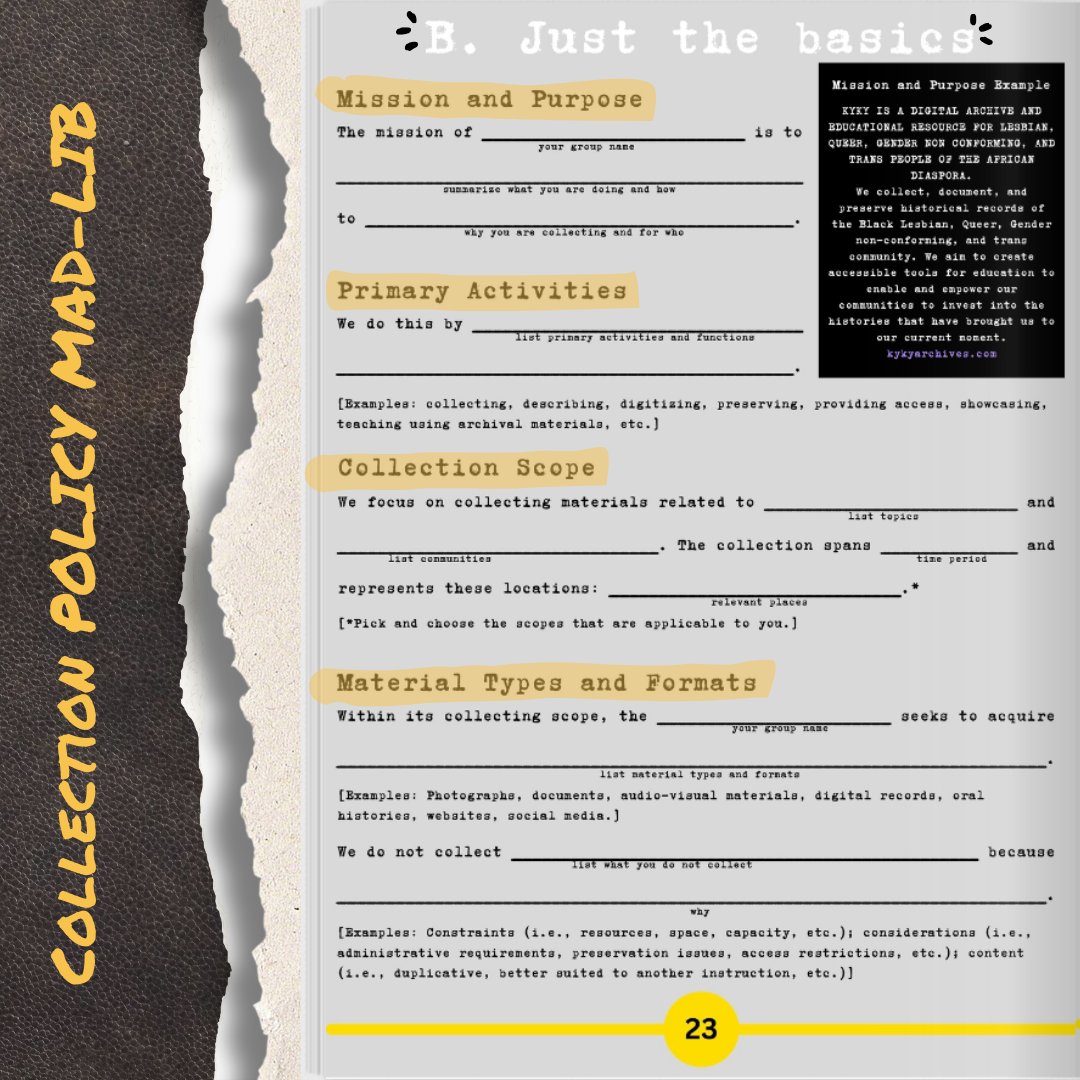
Collection development is a tool that could also be used for justice and value-based practices that benefit student activists in BIPOC communities. Here are some questions and examples to help you begin to (re)imagine what a collection development policy could look like!
1
3
6
375
4 Apr 2024
Learn more about collection development at the link in our bio!
66
29 Mar 2024
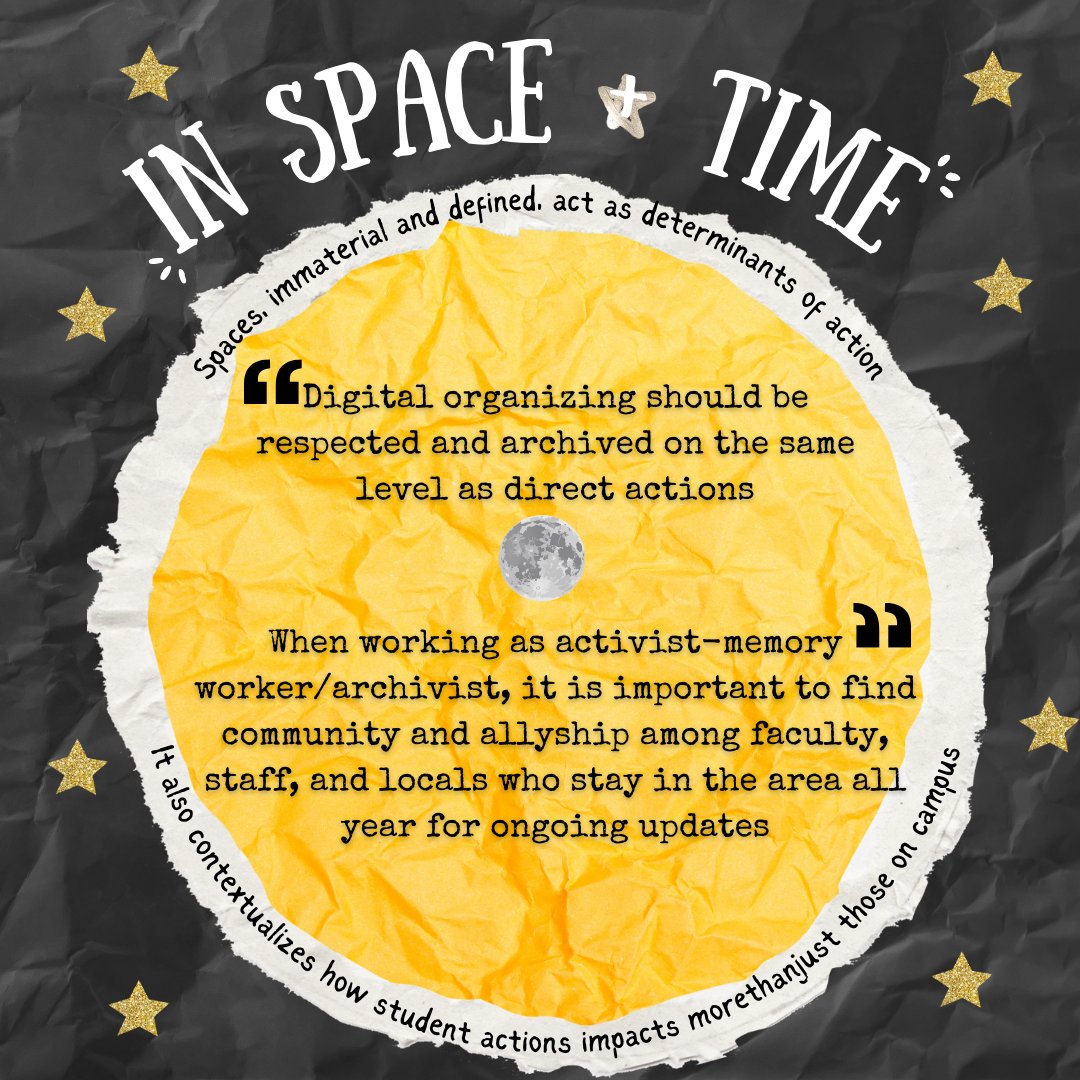
Considering the various (digital) spaces where people gather, there is a lot of value in documenting place and how timing is utilized to build and strengthen social movements. Learn more at the link in our bio!
86
29 Mar 2024
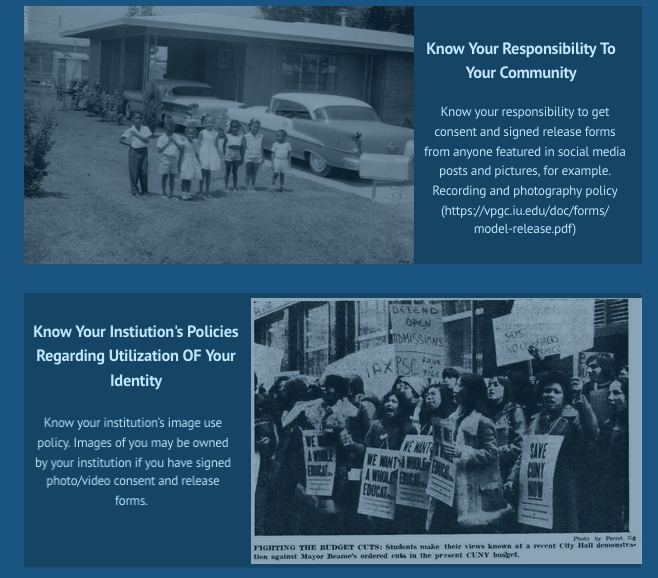
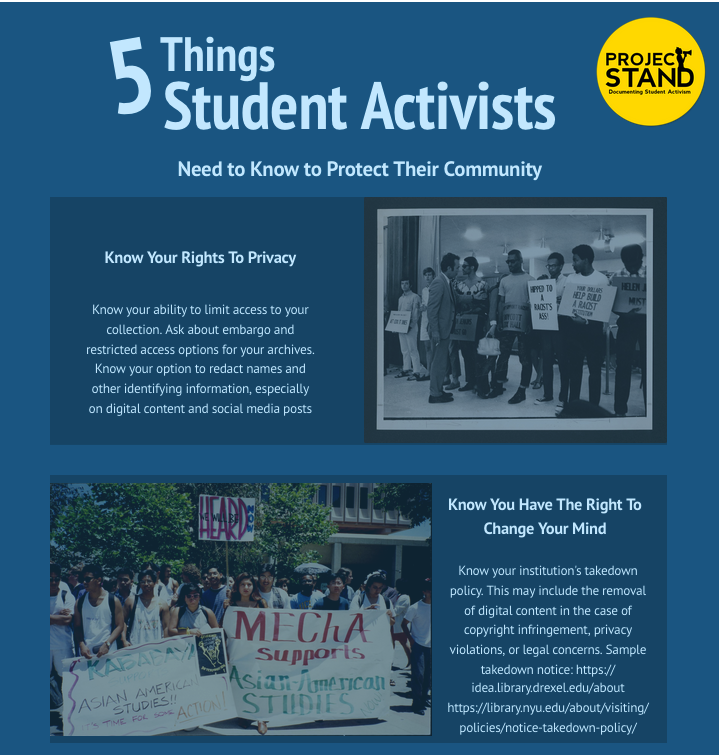
Calling Student Organizers: Protect yourself and your community. Know your rights as a student at a public/private institution. An institution may have the right to take your image in public space w/o your permission
Infographic: Student Activism - infogram.com/student-activis…
1
4
3
588
29 Mar 2024
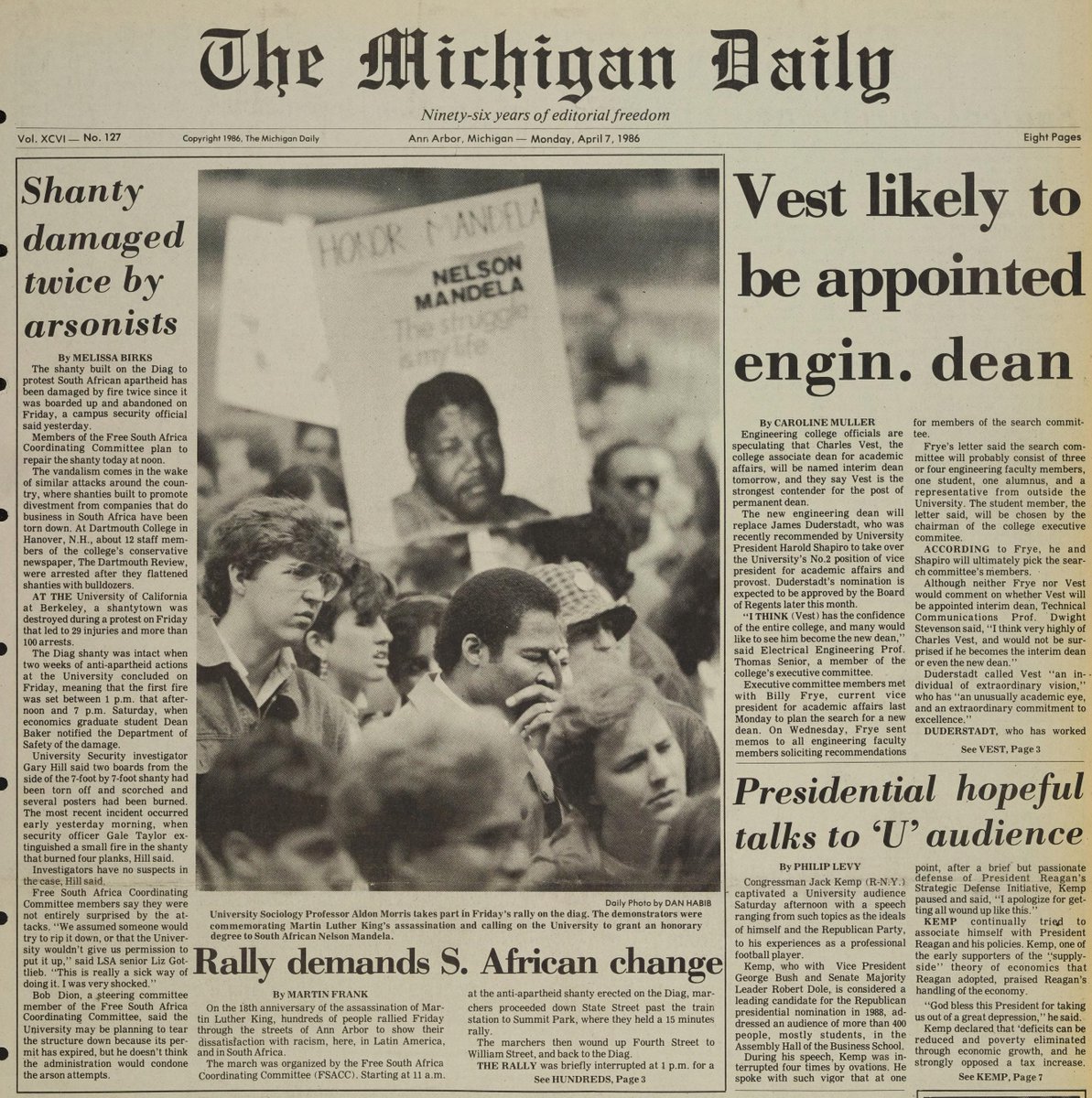
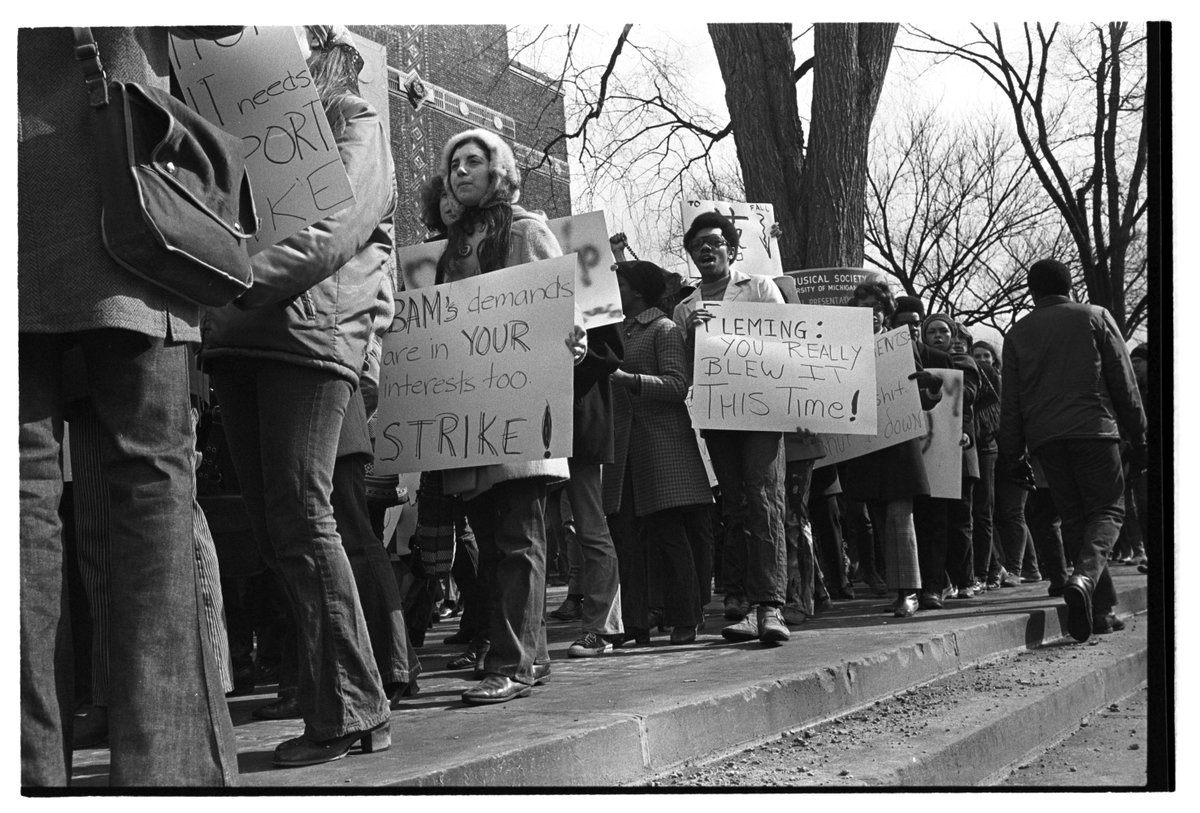
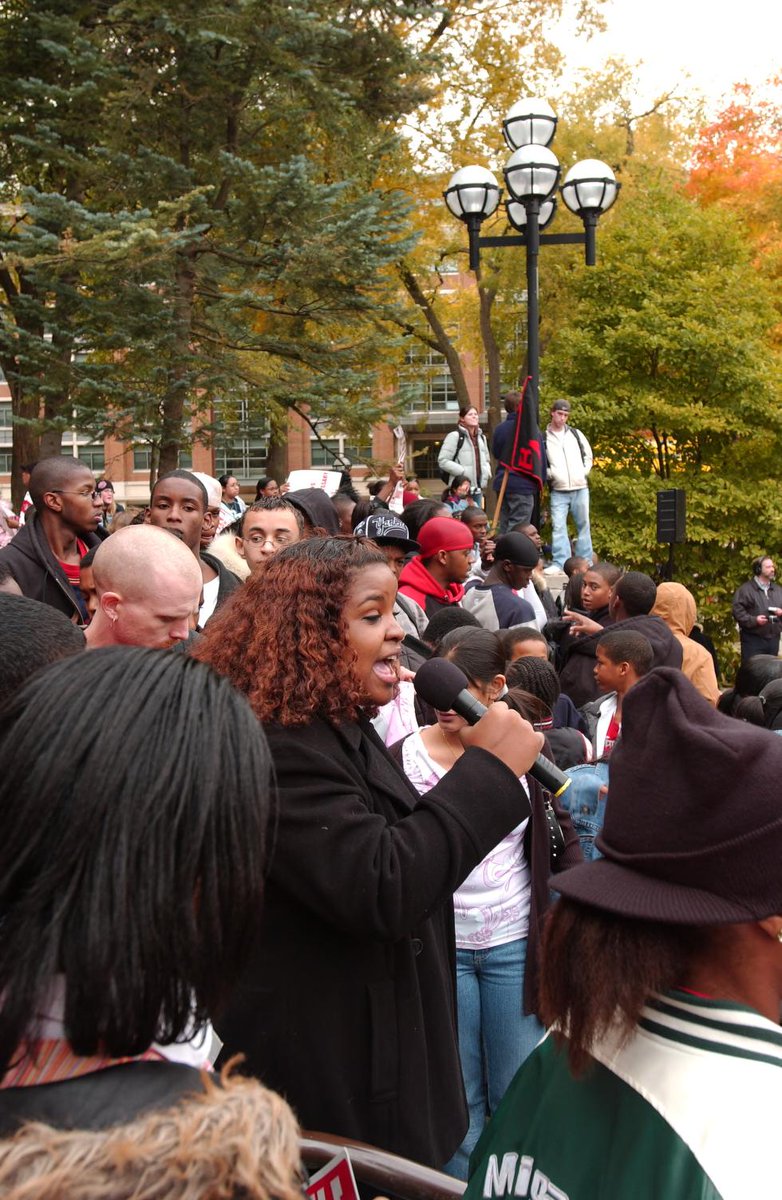
We support the student activists organizing for the humanization of disenfranchised communities! Please review our student activism toolkit for support. standarchives.com/archiving-… @UMich has a powerful history of change!
1
263
ProjectSTAND retweeted

27 Mar 2024
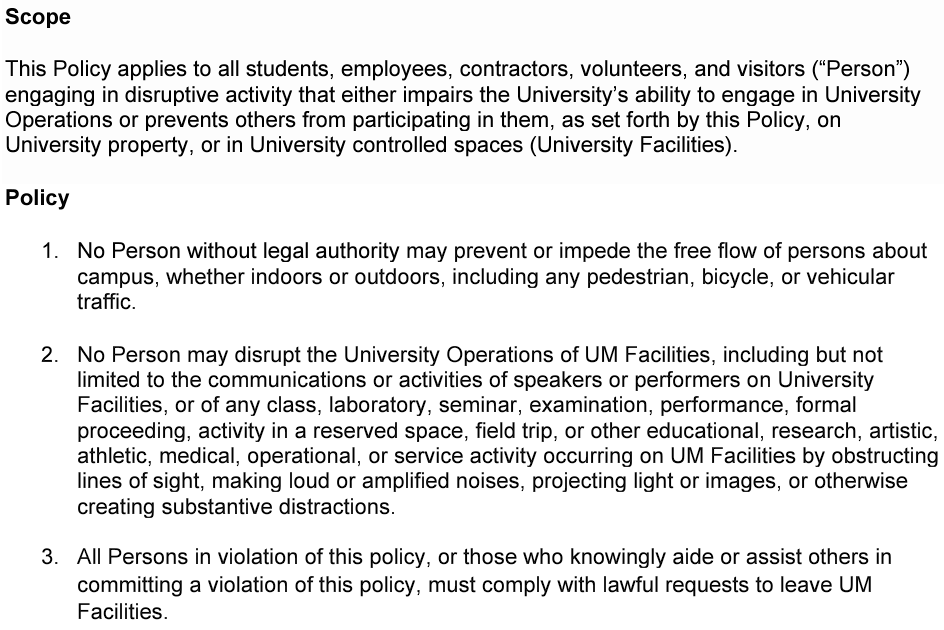
@UMich banned all forms of protest with their new "drafted" policy. But, I thought we had a long and proud history of student protest?
7
33
12,733
28 Mar 2024
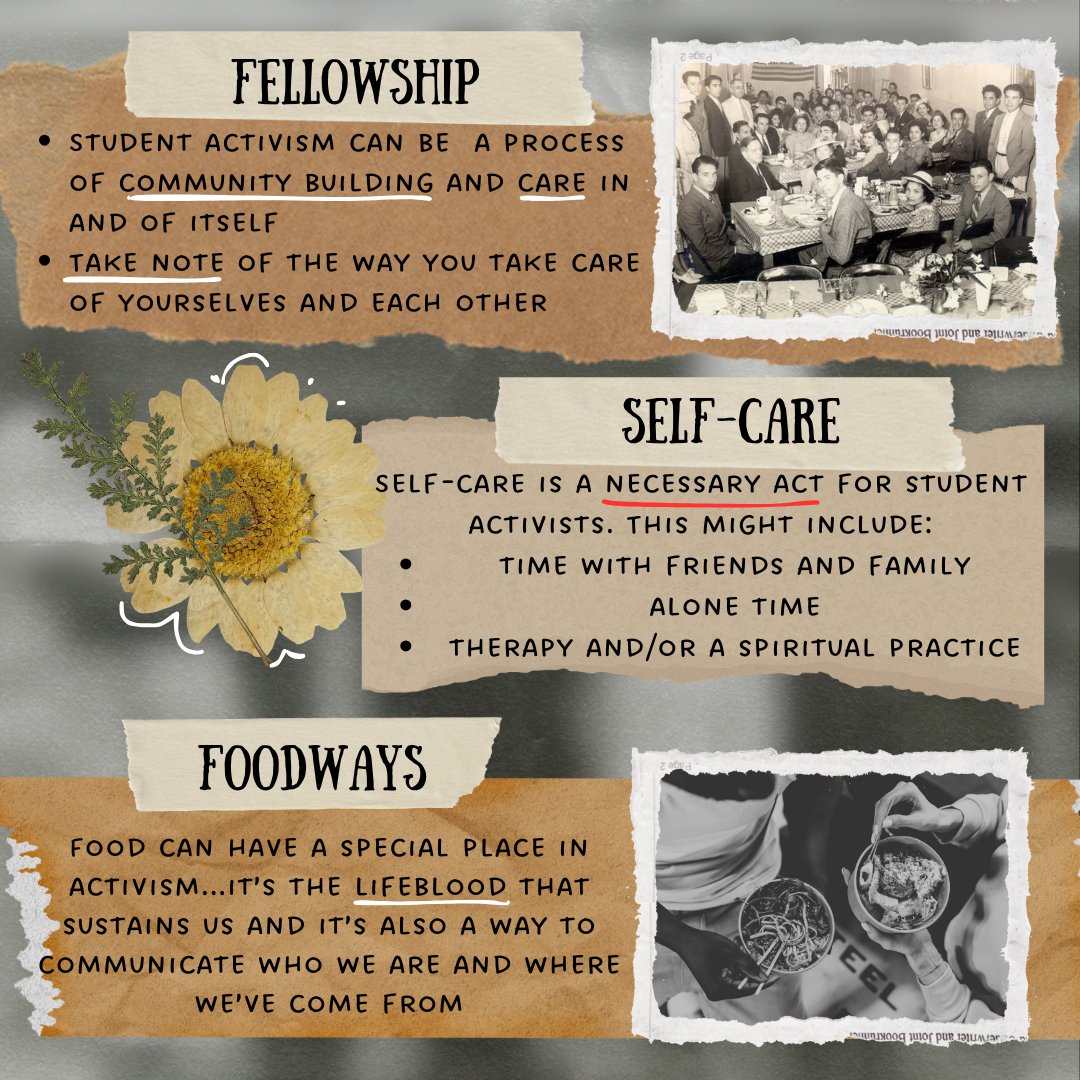
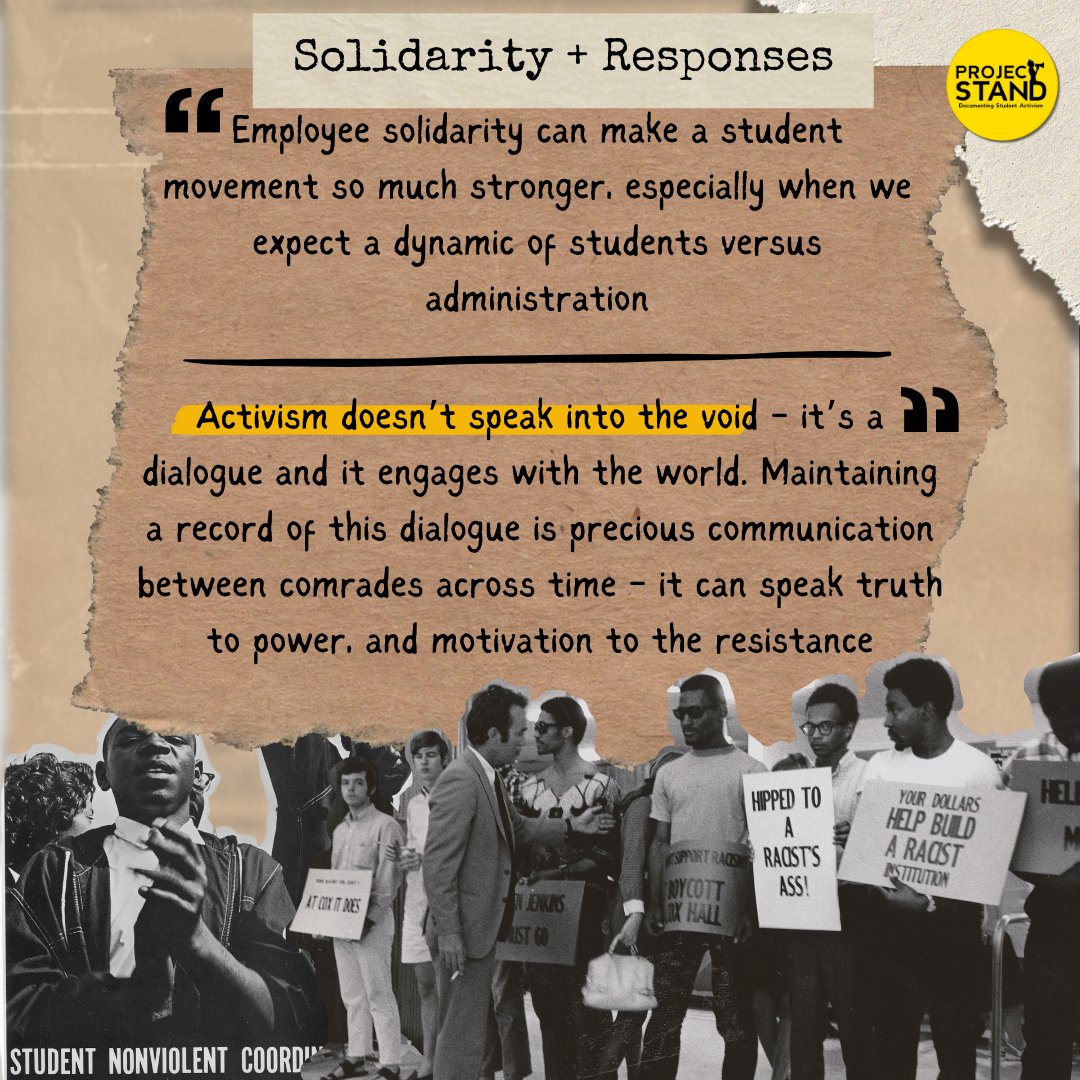
The community building and (self) care that happens in meetings, group chats, shared memes and food help to build solidarity and provide avenues for allyship and coalition building, contextualizing how and why the work takes place. Read more in the full Zine! Link in our bio!
1
4
222
27 Mar 2024
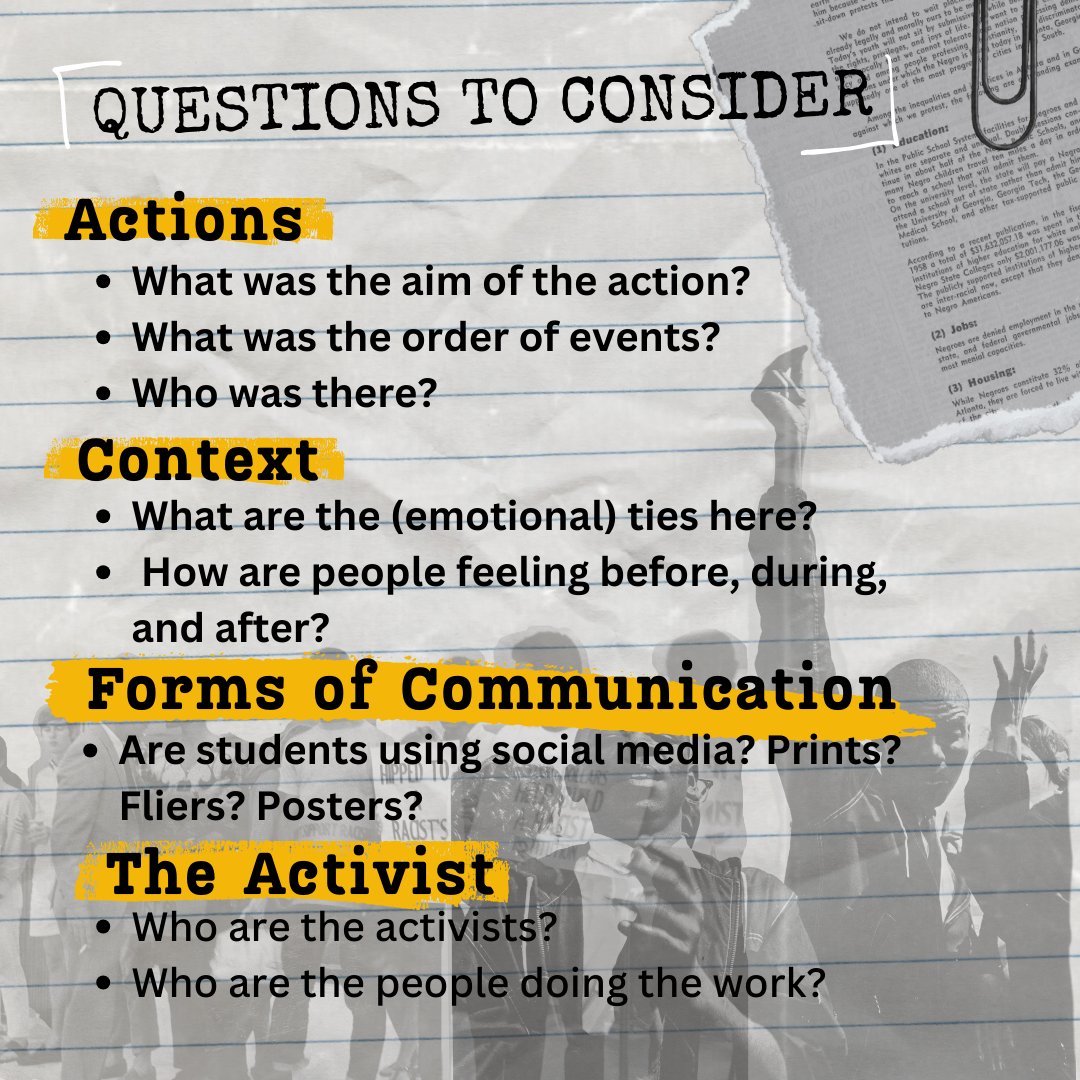
Much of the role of student activist as memory worker surrounds action. But this action is fully enmeshed in context that can expand the fullness of student activism especially within marginalized communities. Consider the richness and resonance of action at the link in our bio!
1
3
149