
Official twitter feed for Product Design at Cefn Hengoed Community School
Joined July 2019
- Tweets 4,999
- Following 696
- Followers 205
- Likes 447
460 Photos and videos











🄲🄷🄲🅂 🄿🅁🄾🄳🅄🄲🅃 🄳🄴🅂🄸🄶🄽 retweeted

We're no longer updating or monitoring this account.
You can still connect with Swansea University on our other channels:
🔹Instagram & TikTok: SwanseaUni
🔹Facebook: Swansea University
🔹LinkedIn: Swansea University / Prifysgol Abertawe
1
4
2,305
🄲🄷🄲🅂 🄿🅁🄾🄳🅄🄲🅃 🄳🄴🅂🄸🄶🄽 retweeted

May 15
Next time you wash your hands think... That's how these things are made.
38
162
2,538
295,821
🄲🄷🄲🅂 🄿🅁🄾🄳🅄🄲🅃 🄳🄴🅂🄸🄶🄽 retweeted

May 14
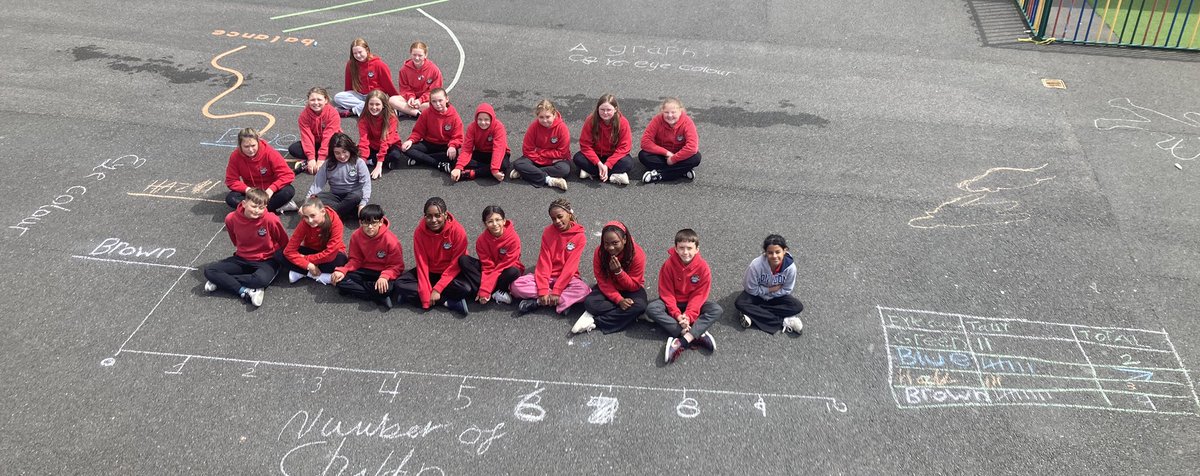
Y4/5 and Y6 have been making human data graphs as part of their outdoor learning. 📊
#dygpmathsandnumeracy
#authenticreallifeexperiences

1
5
165
🄲🄷🄲🅂 🄿🅁🄾🄳🅄🄲🅃 🄳🄴🅂🄸🄶🄽 retweeted

May 13
stefano boeri architetti @boeriarchitetti unveils 'ambrosian monastery' inside milan’s MIND innovation district.
the project brings together a church, library of religions, and garden of faiths within one contemporary civic landscape.
designboom.com/architecture/…




19
140
8,473
🄲🄷🄲🅂 🄿🅁🄾🄳🅄🄲🅃 🄳🄴🅂🄸🄶🄽 retweeted
May 11
announced: @adesignaward reveals its 2026 winners from 115 countries across 162 disciplines designboom.com/design/previe…



2
38
4,515
🄲🄷🄲🅂 🄿🅁🄾🄳🅄🄲🅃 🄳🄴🅂🄸🄶🄽 retweeted

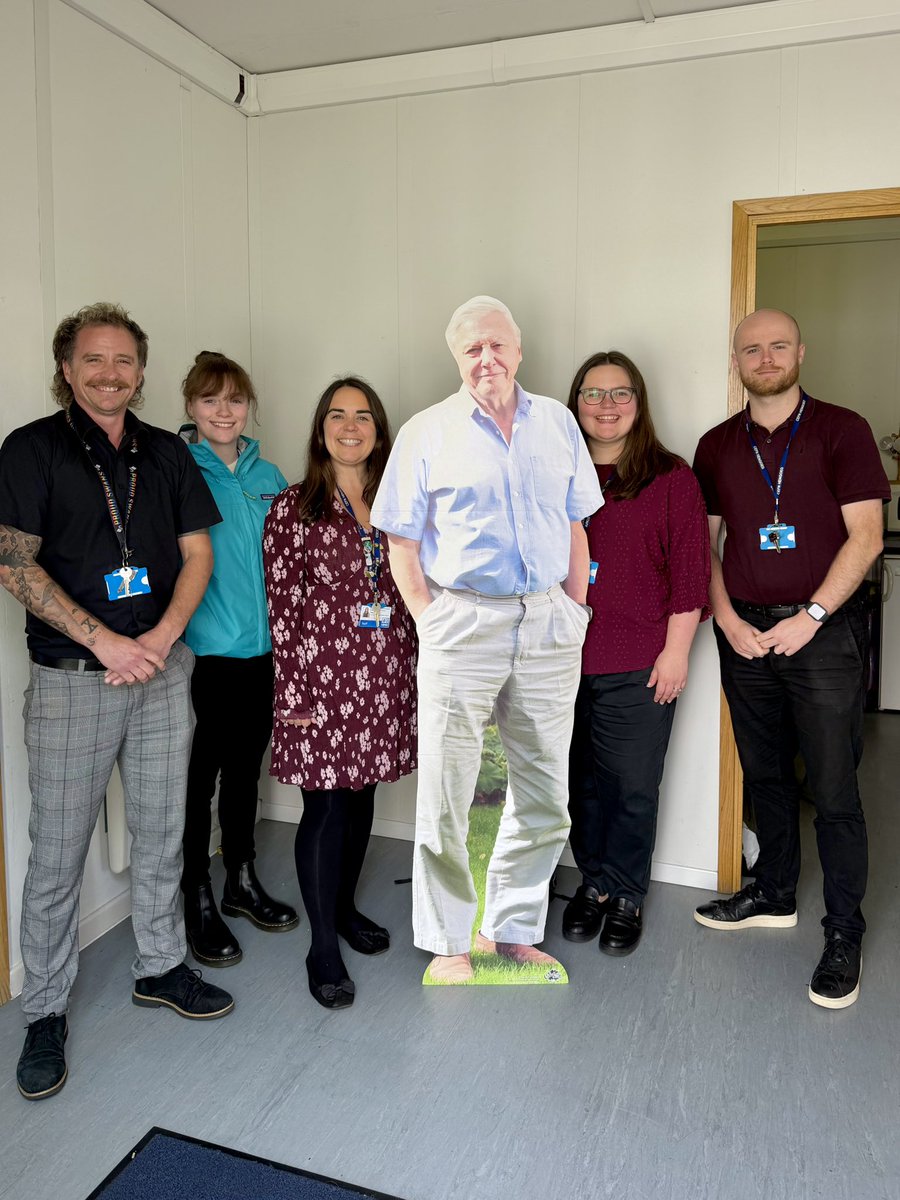
Exciting to get a visit today, from the legend and national treasure that is Sir David Attenborough, on his 100th birthday @CefnHengoed 🥳
1
87
🄲🄷🄲🅂 🄿🅁🄾🄳🅄🄲🅃 🄳🄴🅂🄸🄶🄽 retweeted
M O N D R I A N
5
265
1,005
27,949

Heydar Aliyev Centre the ultimate expression of parametricism's "seamless fluidity":
dezeen.com/2026/05/05/heydar…



4
10
68
4,889
🄲🄷🄲🅂 🄿🅁🄾🄳🅄🄲🅃 🄳🄴🅂🄸🄶🄽 retweeted

Apr 30
2
42
247
10,946
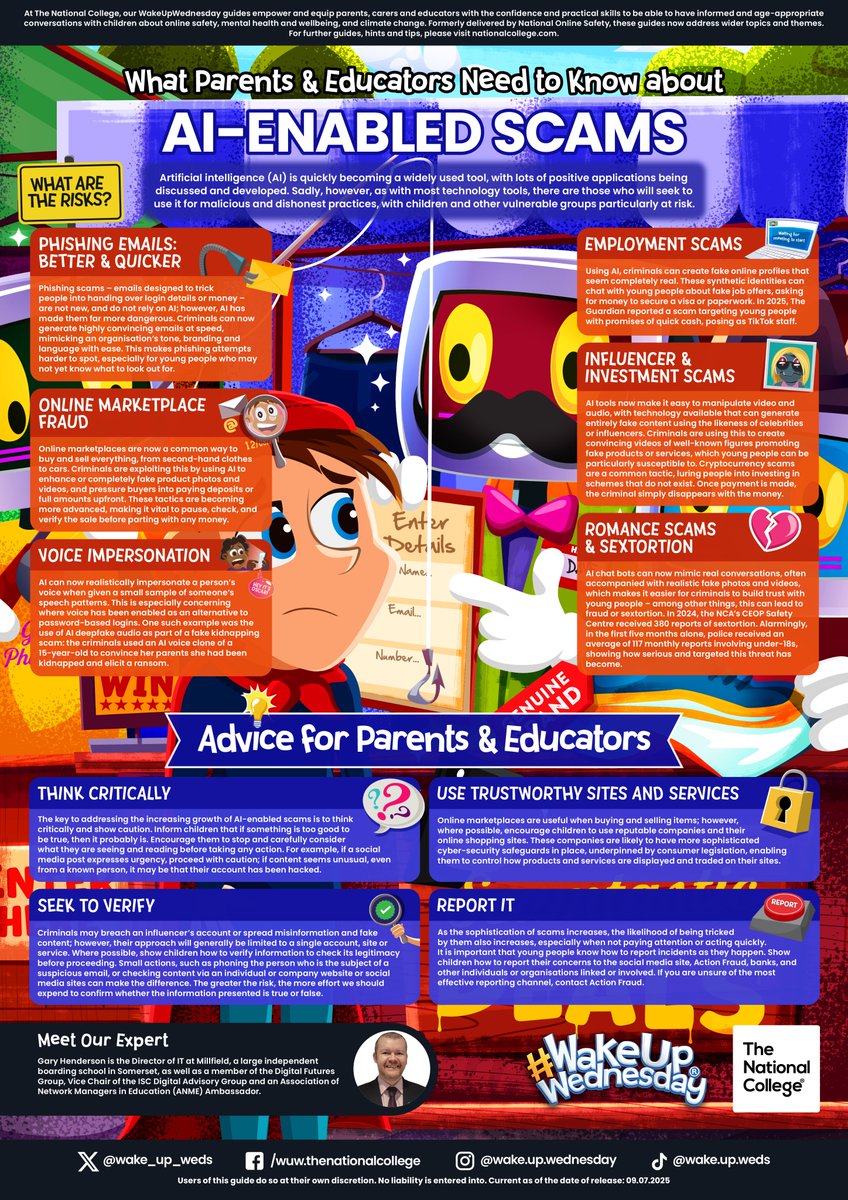
Critical thinking. Analysing. Evaluating information.
—> PRODUCT DESIGN!
Apr 30

Teaching kids critical thinking is far more effective than banning social media.
As worries about social media’s impact on young people intensify, many call for stricter regulations or outright age bans. But a growing number of researchers and educators believe the real solution lies elsewhere: equipping children with the ability to think critically.
Critical thinking, the skill of questioning, analyzing, and evaluating information before accepting it, may be one of the most powerful defenses kids can have in today’s digital world of algorithms, viral trends, and widespread misinformation.
Rather than simply restricting access, experts say we should teach children how content is created, why they’re seeing it, and how to spot manipulation. When kids learn to pause and ask, “Is this true? Who made this? What’s the motive behind it?”, they become far more resilient online.
Beyond protection, critical thinking also builds confidence and reduces anxiety. By giving young people a sense of control in an often overwhelming environment, it helps them navigate uncertainty with greater calm and clarity.
The best way to teach it isn’t through lectures, but through example. Parents and teachers can model curiosity by exploring topics together, checking sources, and openly discussing different viewpoints. These small daily habits create lasting skills.
The early teenage years are especially critical. During this window of rapid brain development, the neural pathways we use most grow stronger, while those we neglect fade. Practicing critical thinking now can wire it into their thinking for life.
In an AI-driven future filled with endless information, the ability to think independently may prove more valuable than any memorized fact.

16

🄲🄷🄲🅂 🄿🅁🄾🄳🅄🄲🅃 🄳🄴🅂🄸🄶🄽 retweeted

Mar 26
Bony 7’s 2026
Saturday 1st August
🏉 Men’s and Women’s competition
🎧 Live DJ
🍬 Stalls
🍔 Food vendor
Want to get involved? Contact Pasty or message our social media pages. 🏉🍺
5
10
754
🄲🄷🄲🅂 🄿🅁🄾🄳🅄🄲🅃 🄳🄴🅂🄸🄶🄽 retweeted
Empire State Building for sunset 🥰

2
4
910
🄲🄷🄲🅂 🄿🅁🄾🄳🅄🄲🅃 🄳🄴🅂🄸🄶🄽 retweeted
Lots of $$$ being spent! 🤣🤣




1
6
989
🄲🄷🄲🅂 🄿🅁🄾🄳🅄🄲🅃 🄳🄴🅂🄸🄶🄽 retweeted
Central Park on a glorious day 🌞🌝

1
3
835
🄲🄷🄲🅂 🄿🅁🄾🄳🅄🄲🅃 🄳🄴🅂🄸🄶🄽 retweeted

⚽️ Easter Soccer Camp bookings are now open!
🚨 All bookings before March 14th will be entered in to a prize draw to win 4⃣ tickets for @SwansOfficial vs Middlesbrough 🎫
Book here 👉 bit.ly/4slGhLP

2
2
4,178
🄲🄷🄲🅂 🄿🅁🄾🄳🅄🄲🅃 🄳🄴🅂🄸🄶🄽 retweeted
It's 8.30am and we are fuelling up for a fun-packed day ahead ☺️👋




1
3
739
🄲🄷🄲🅂 🄿🅁🄾🄳🅄🄲🅃 🄳🄴🅂🄸🄶🄽 retweeted
Breakfast time New York style! 😊




1
3
703
🄲🄷🄲🅂 🄿🅁🄾🄳🅄🄲🅃 🄳🄴🅂🄸🄶🄽 retweeted
Day 2: New York before the sunrise 😊

2
6
698