
Joined August 2025
- Tweets 260
- Following 392
- Followers 134
- Likes 85
10 Photos and videos
Pinned Tweet
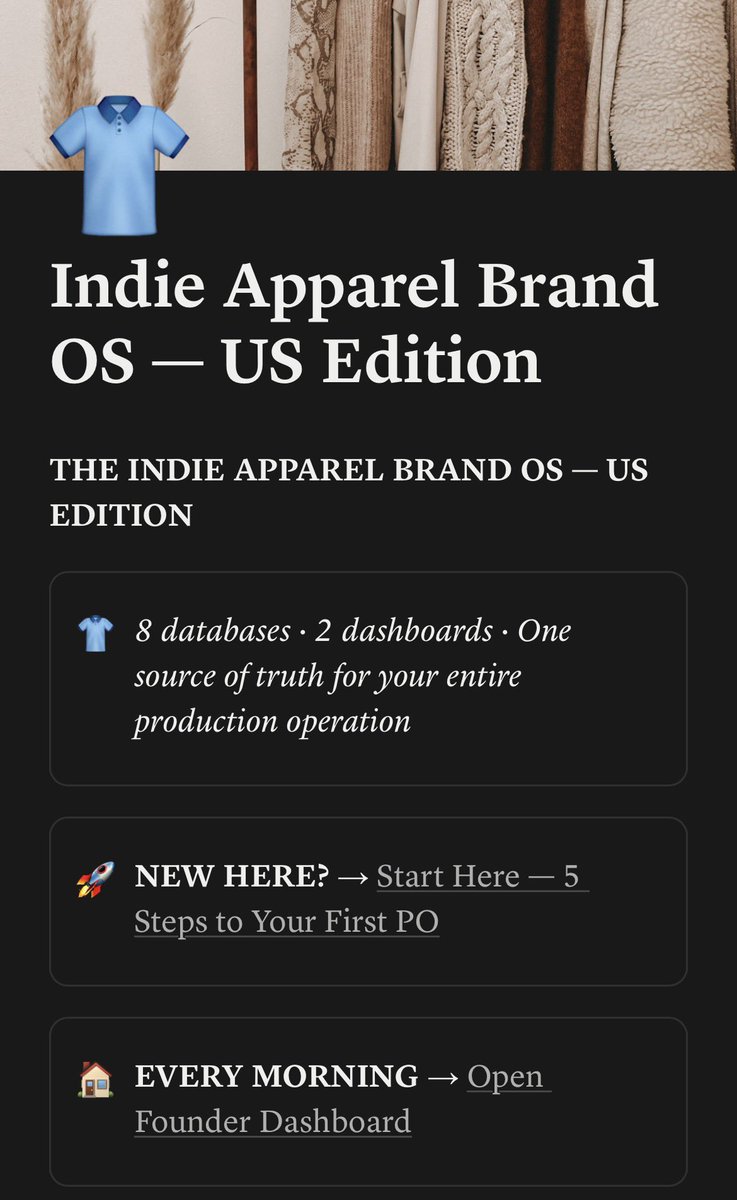
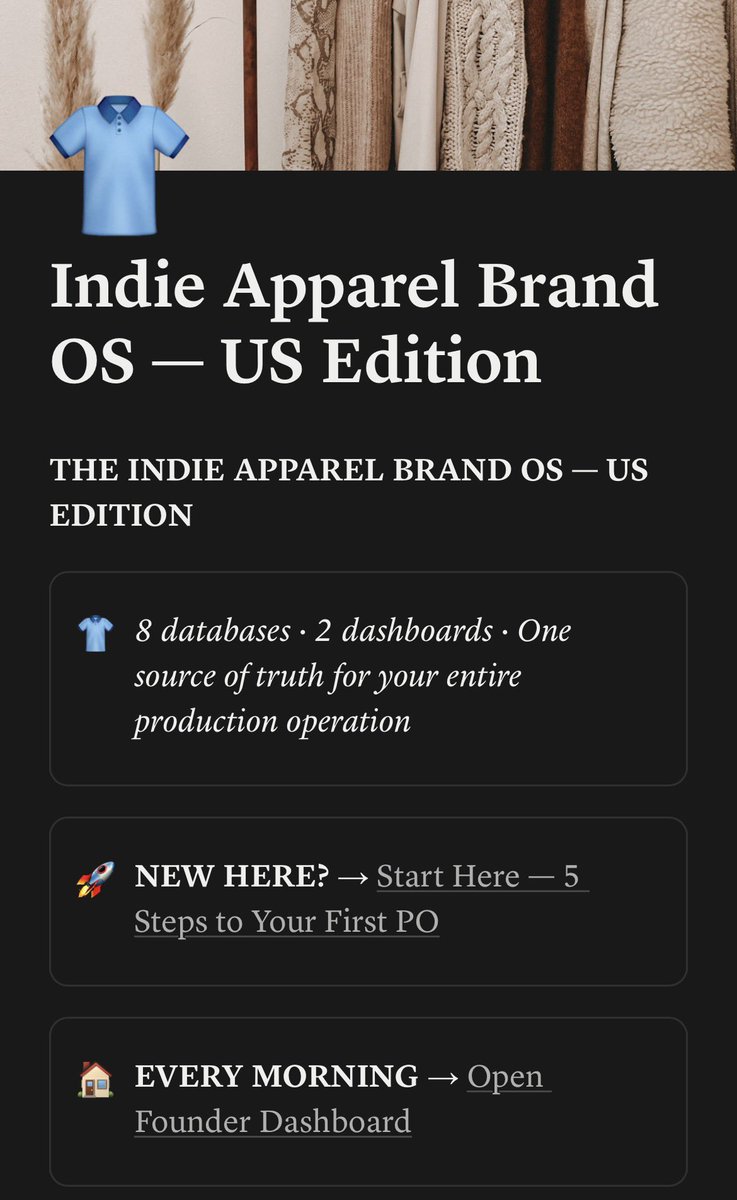
👋 Welcome to the Indie Apparel Brand OS
Your complete production command center — built by an ex-buyer who’s seen 200 styles go from sketch to store.
No more guessing on costs.
No more timelines slipping in Google Sheets.
No more “vibe-check” reorders that quietly kill your margins.
This is the exact system professional buyers use — now compressed into one powerful, connected Notion workspace for solo founders and small teams.
What you now control:
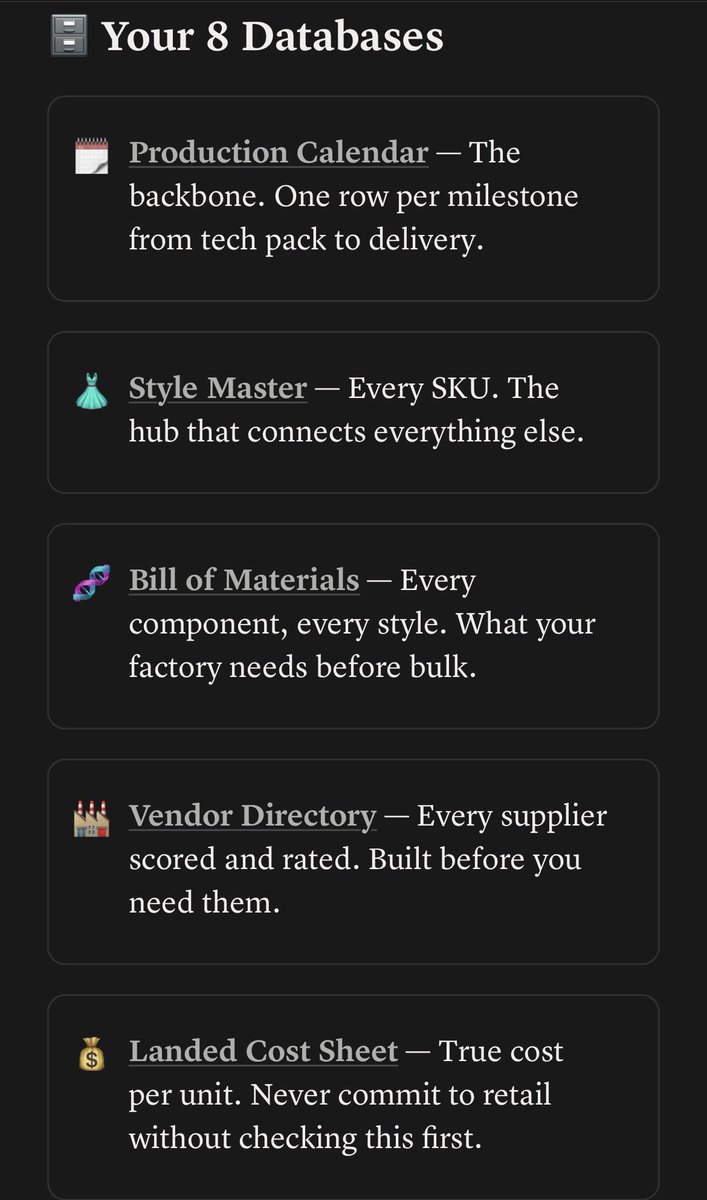
• Production Calendar → Real T-30 to T 30 visibility (no more “where is my fabric?” panic)
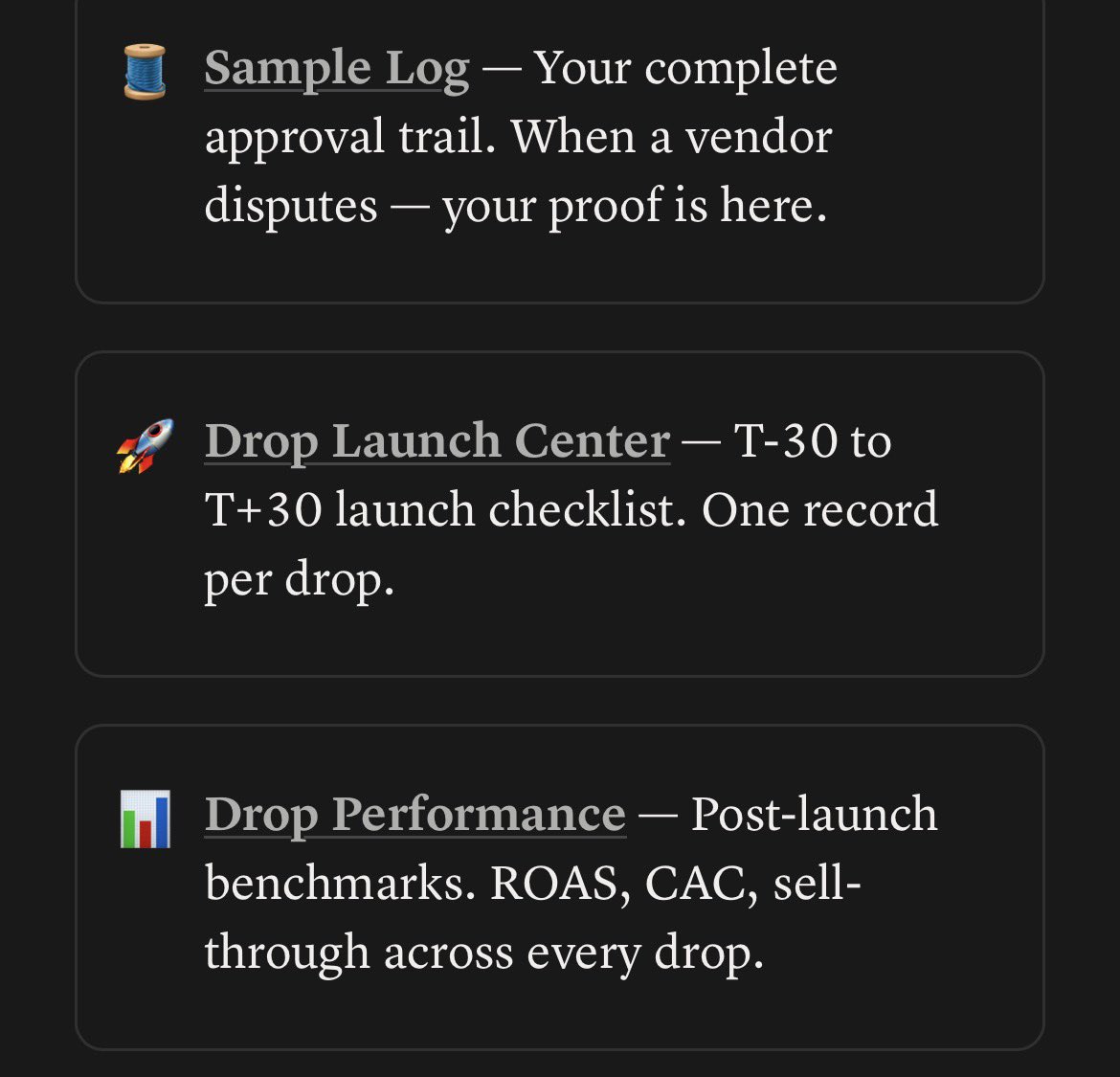
• Style Master Auto BOM → Every trim, fabric, and cost lives in one place
• Landed Cost HTS Calculator → True profitability before you even cut a PO
• Vendor Scorecards Cashflow by Style → Know exactly who delivers and where your money is going
Quick Start (5 minutes)
👉Duplicate this workspace (you’re already here 🎉)
👉Open the Production Calendar — set your next drop date
👉Add your first style in Style Master — watch the BOM and landed costs calculate automatically
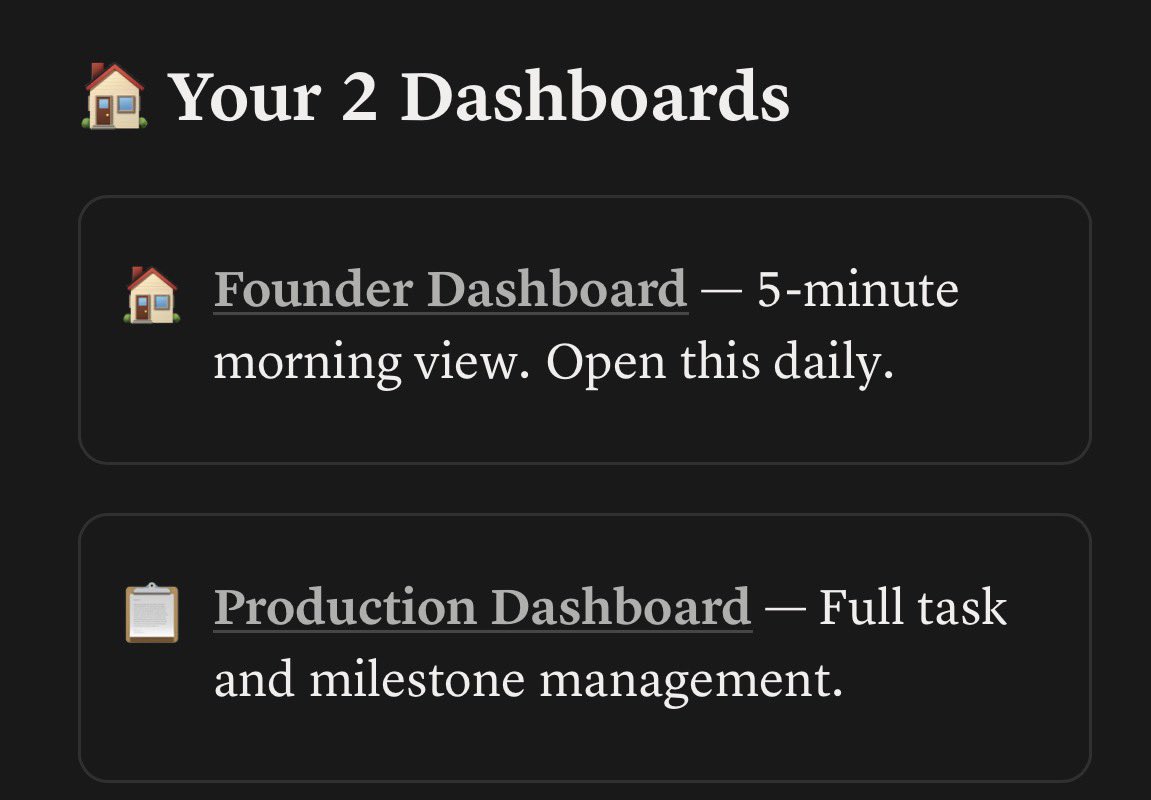
👉Explore the Dashboards for live margins and vendor health
You didn’t buy another pretty template.
You bought 12 years of hard-won buying office systems that actually work in the real world.
This workspace has already saved real indie brands from dead stock, late deliveries, and surprise duty bills.
Now it’s your turn.
You’re now in the pro lane.
Let’s build something that actually ships on time and makes money.
— Saurabh Kishore (@ProductionPro_)
Ex-Buyer | Hanna Andersson & Next UK
1
6
580
Most indie brands cost a style by looking at the FOB price and stopping there.
Then the first invoice arrives and the margin is different from what was planned.
Not slightly — materially.
1
1
14
Every Landed Cost record links to a Style Master entry.
Compare LA vendor vs Vietnam vs Portugal landed cost for the same style — side by side.
The decision of which vendor to use is in the numbers, not the relationship.
1
1
13
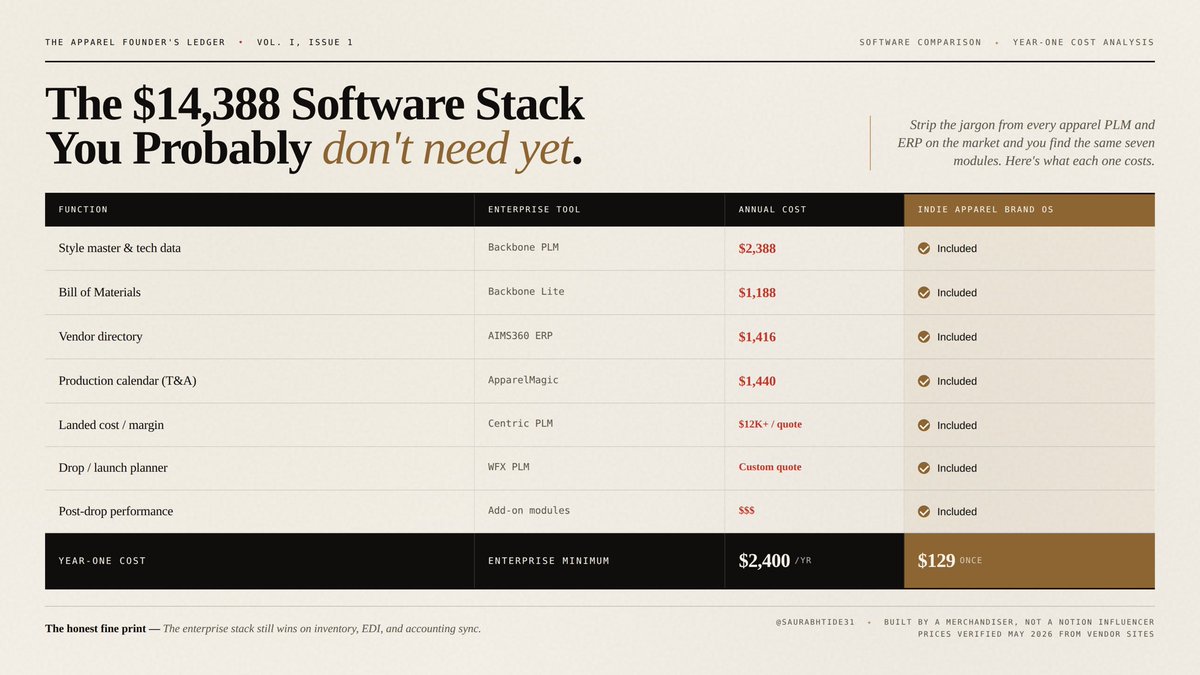
The Landed Cost Sheet alone is worth the $129.
The other 7 databases come with it.
saurabhtide31.gumroad.com/l/…
1
12

Jun 13
Founder sourced from a new vendor. HTS code on the import docs was wrong — vendor's freight forwarder used a classification for a different fabric content.
CBP audited. Duty was underpaid. The brand owed back-duty plus interest.
HTS code verification isn't the forwarder's job. It's yours.
1
86
Jun 13
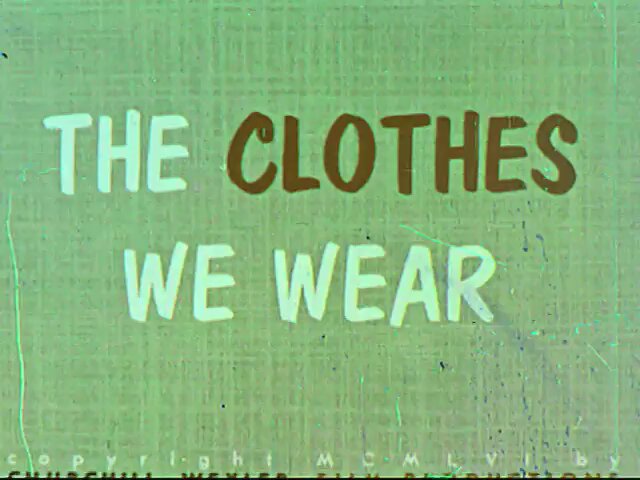
This 1954 film shows how clothes were made before fast fashion existed.
70 years later — we’ve forgotten everything in it.
🧵
1
2
94
Jun 13
If you work in production or sourcing — follow @ProductionPro_
This is the only account breaking down what actually happens between tech pack and delivery.
1
2
93
Jun 13
2
79
Jun 12
50%. Minimum DTC margin to make indie brand economics work.
Below that: paid acquisition hurts. Returns hurt more. Discounts hurt most.
Calculate landed cost first. Set retail second. Not the other way round.
1
124
Jun 12
THE MARGIN IS GONE BEFORE THE GOODS ARRIVE
After 12 years in production and merchandising, the most expensive mistake I see indie founders make isn’t fabric or pricing.
It’s costing.
Specifically: landed cost. What the garment actually costs you once it clears customs and lands in your warehouse.
Most founders do this:
fabric CMT rough freight guess ( duty if they remember).
That’s it.
Then reality shows up: freight surcharges, agent commissions, lab testing, missing trims, labels, hang tags, and every other line that wasn’t in the original BOM.
By the time the goods arrive, 8–12 margin points have already disappeared.
The fix is simple but non-negotiable:
👉 Build a real BOM. Every trim, label, hang tag, and component that touches the garment goes in the cost sheet.
👉 Calculate landed cost with actual HTS duty rates — not ballpark percentages.
👉 Track estimated vs. actual landed cost on every shipment. That gap is where your margin lives or dies.
After drop one you have real numbers.
From drop two onward, you’re no longer guessing.
I built a Notion system that makes this automatic.
Link in bio
1
136
Jun 12
Most indie brands get size curves wrong.
They copy a big brand’s ratio, run it for one drop, and wonder why they’re sitting on 40 XS units and stocking out of M/L every time.
Size curve isn’t a guess. It’s math — your market, your channel, your customer.
I built a free Size-Curve Tracker to fix the guesswork.
It’s one piece of the Indie Apparel Brand OS — the full system I use to run production from first sketch to landed cost.
Free tracker → saurabhtide31.gumroad.com/l/…
Full OS ($129) → saurabhtide31.gumroad.com/l/…
1
103
Jun 11
MOQ exists for a reason. But committing to a vendor's MOQ without a reliability record is a bet.
Delivery rate, sample quality history, ex-works compliance — those aren't in a quote sheet.
They're built over time.
If you're not tracking vendor performance, you're only seeing half the picture.
1
114
Jun 11
Most indie apparel founders price their first run like this:
“FOB is $9/unit → Retail $49 → We’re printing money.”
Then the container arrives and margin disappears.
Here’s what actually eats your profit before the product even hits your warehouse:
• Factory FOB price
• Freight (air = ~$6.5/kg, sea = ~$1.8/kg)
• Import duty (12–32% for apparel into US)
• Customs brokerage (~$150–200)
• QC inspection (~$180–250 per 1,000 units)
• Last-mile delivery to your 3PL
• Buffer for currency swings & delays
Do this math BEFORE you place the order.
I built the full landed-cost calculator vendor system sample tracker so you never get blindsided again.
Indie Apparel Brand OS (US Edition)
$129 one-time • No subscription • Works on free Notion
Link in bio 👆
What’s the biggest production cost surprise that hit your brand? Drop it below 👇
#ApparelProduction #FashionStartup #IndieBrand #ClothingBrand #ManufacturingTips
2
137
Jun 10
1
108