
Joined September 2014
- Tweets 1,387
- Following 1,568
- Followers 5,904
- Likes 1,810
157 Photos and videos

Pinned Tweet

27 Nov 2024
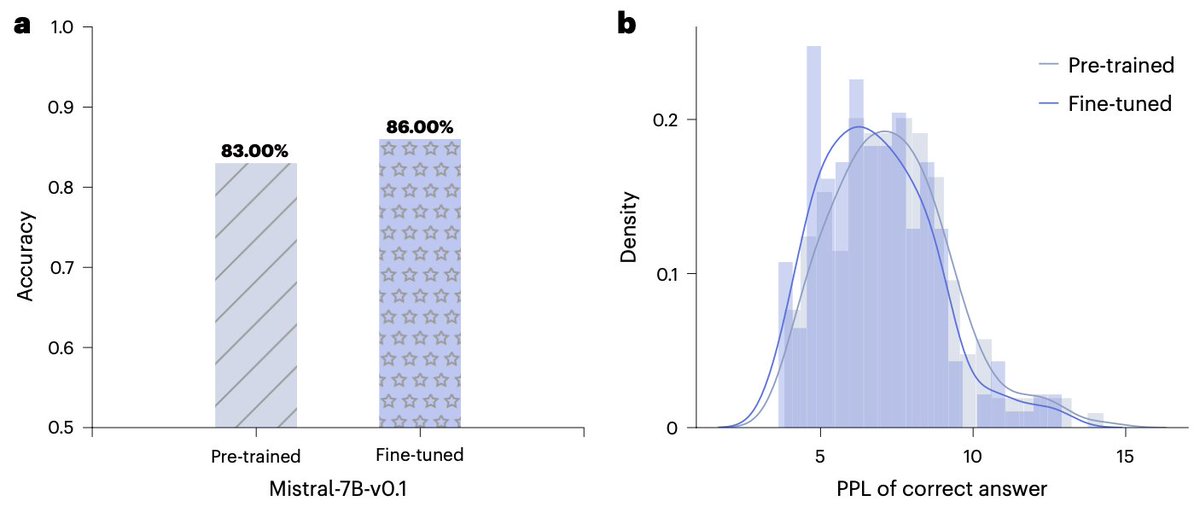
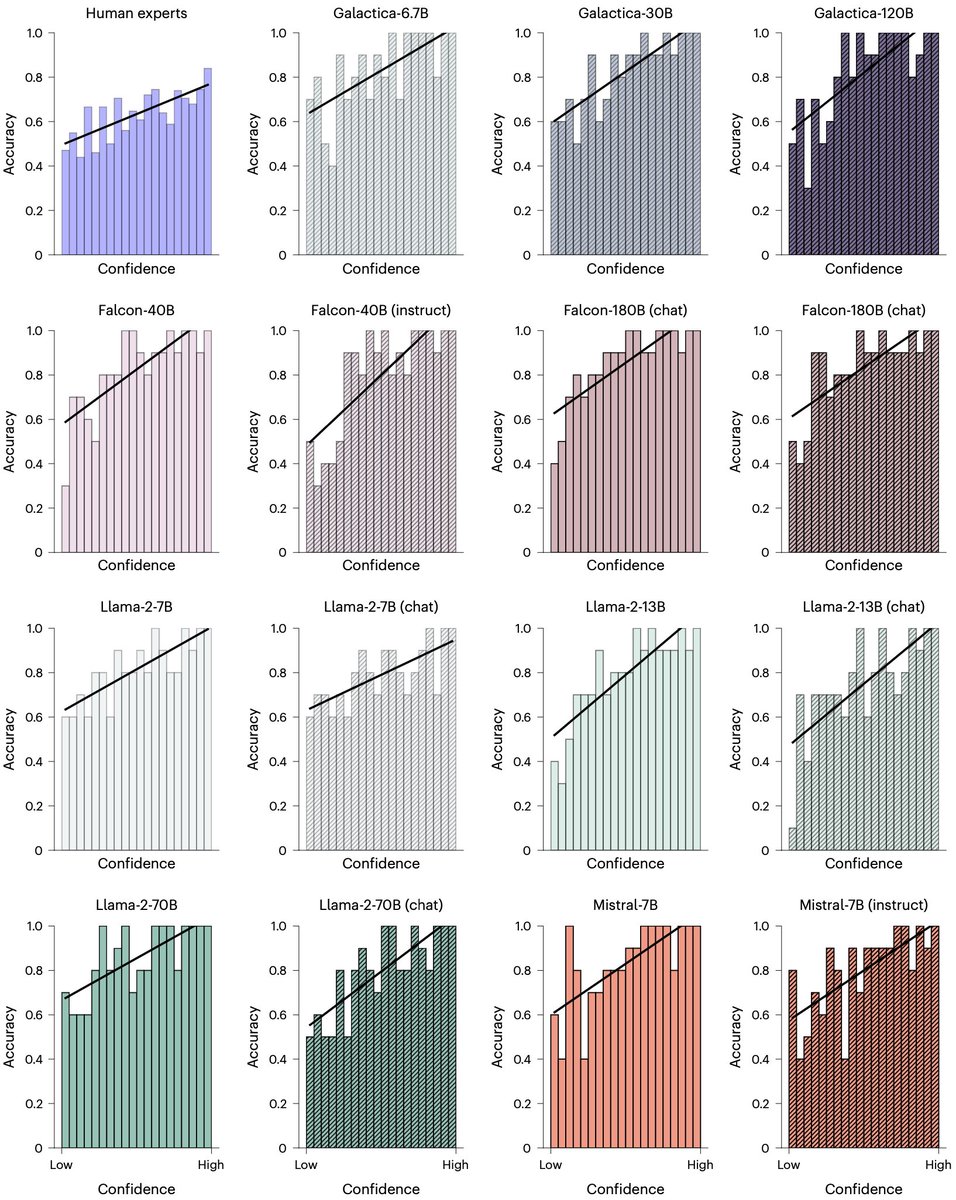
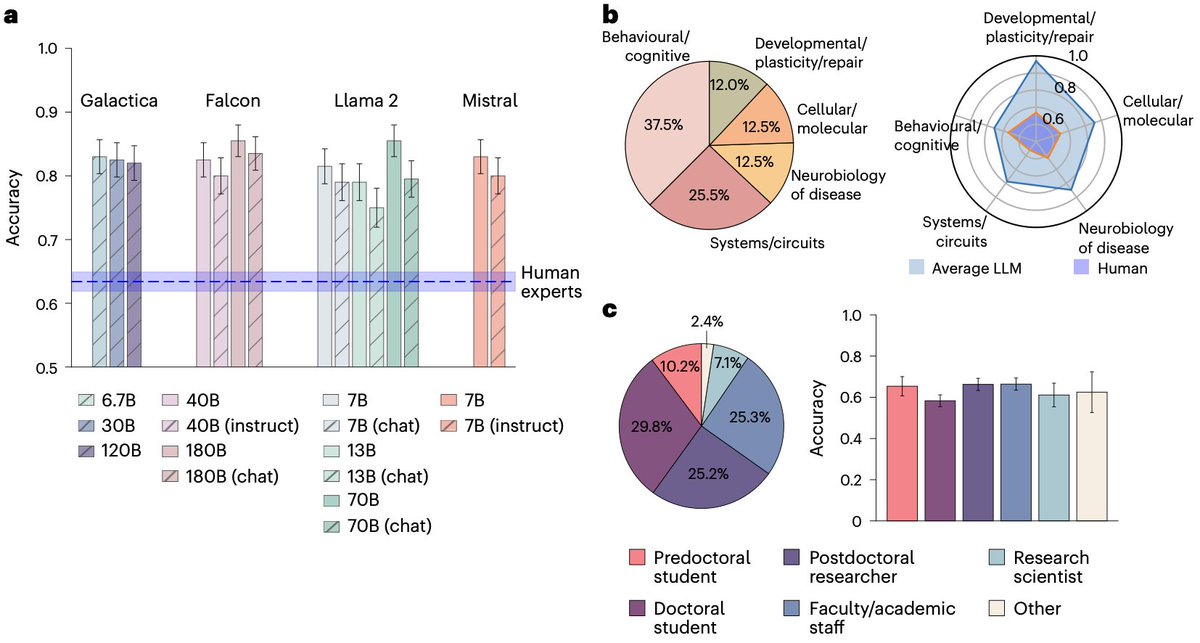
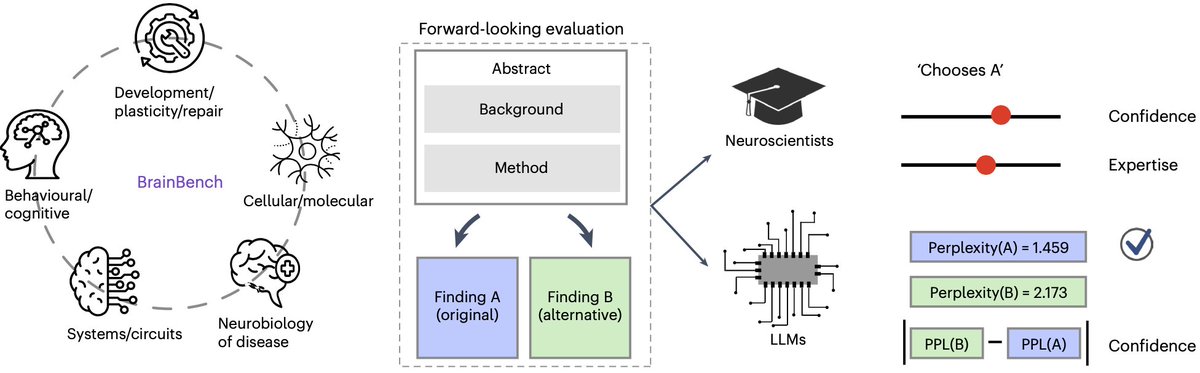
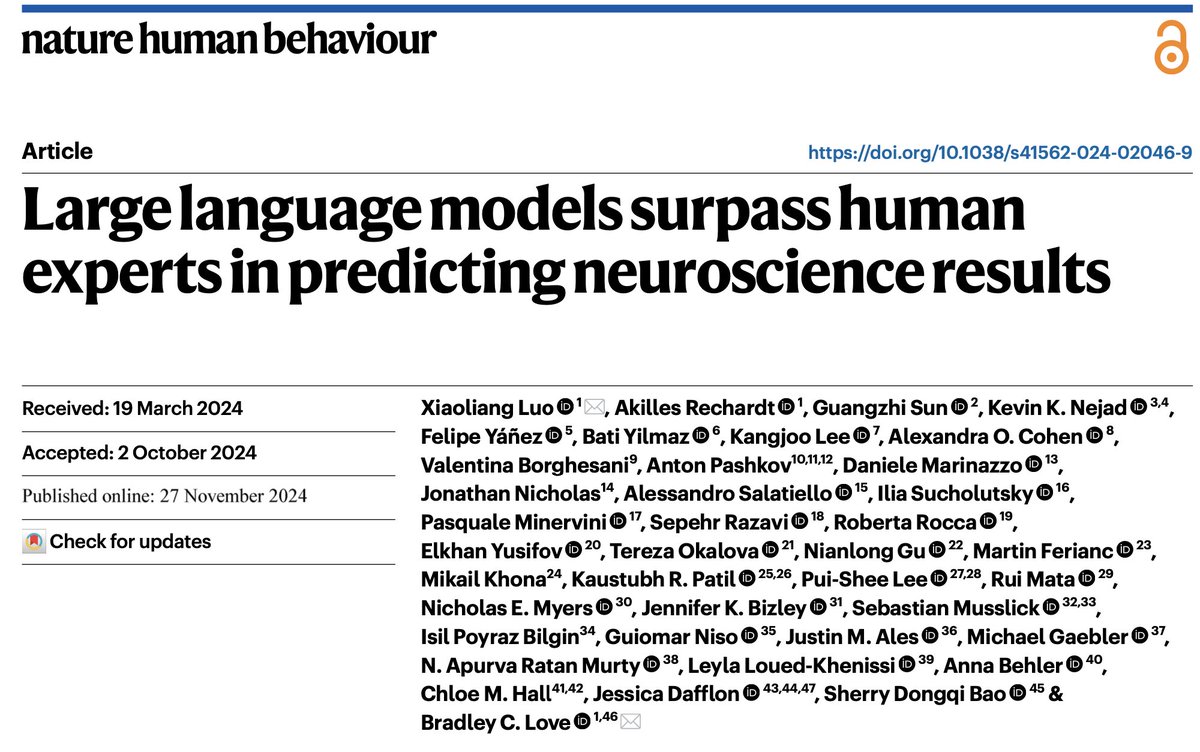
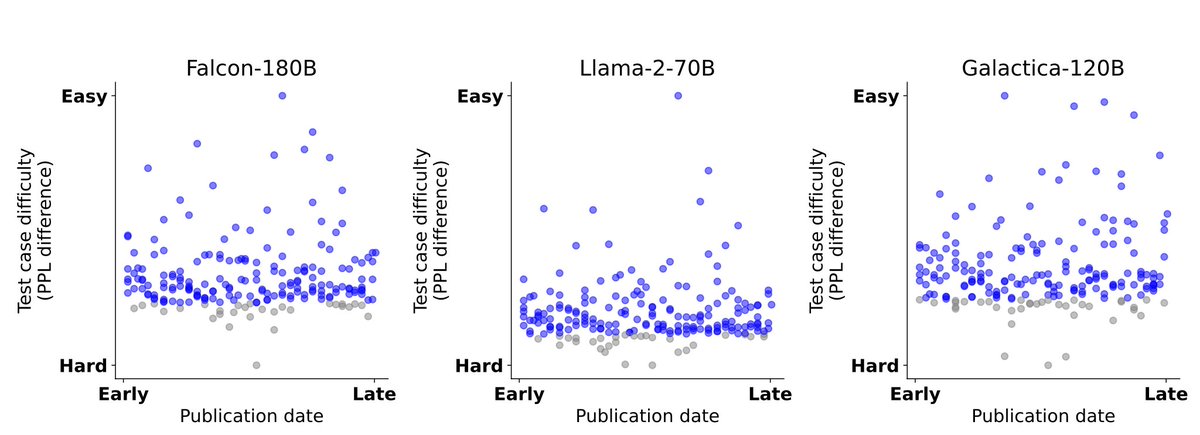
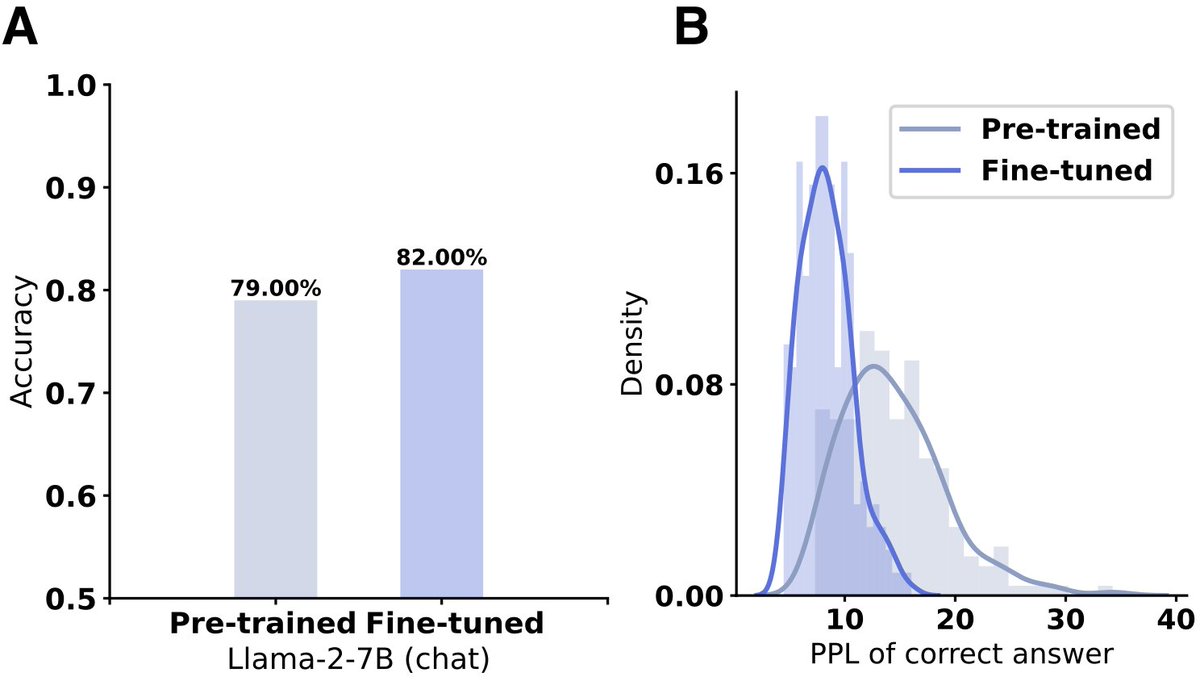
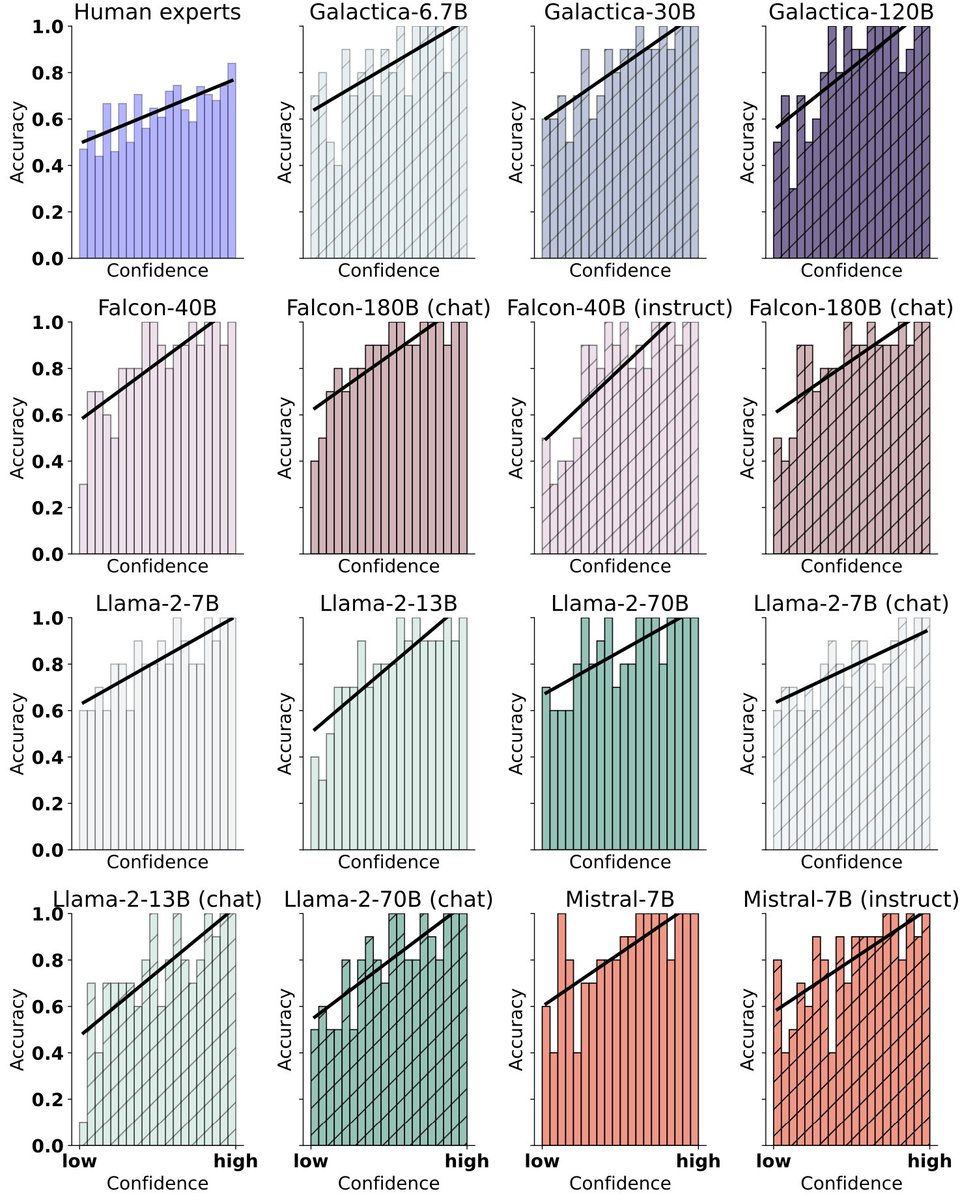
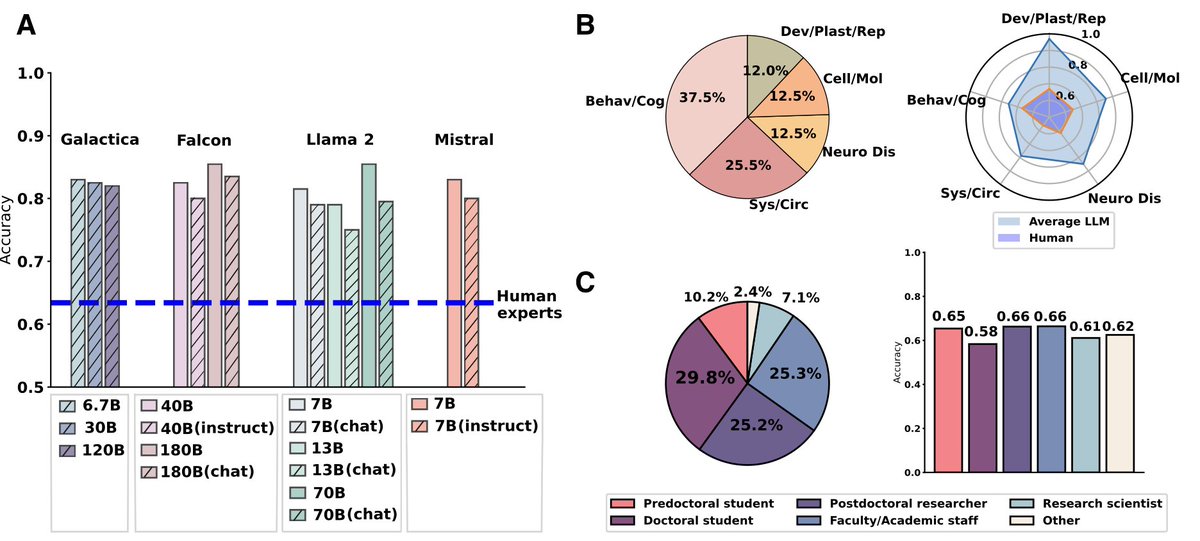
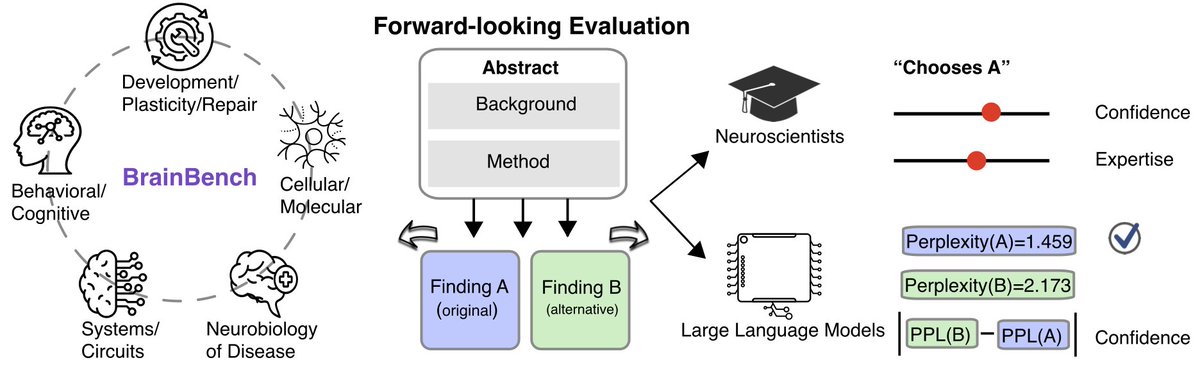
"Large language models surpass human experts in predicting neuroscience results" w @ken_lxl and BrainGPT.org. LLMs integrate a noisy yet interrelated scientific literature to forecast outcomes. nature.com/articles/s41562-0… 1/8
15
168
668
92,847
Jun 2
Last month Dawkins declared Claude conscious and was mocked. @GaryMarcus cleverly called it The Claude Delusion. My (and Nagel's?) take: Both are wrong for the same reason. Here's an essay on why machine consciousness will never be settled scientifically. arxiv.org/abs/2606.00226
9
14
72
6,408
Bradley Love retweeted

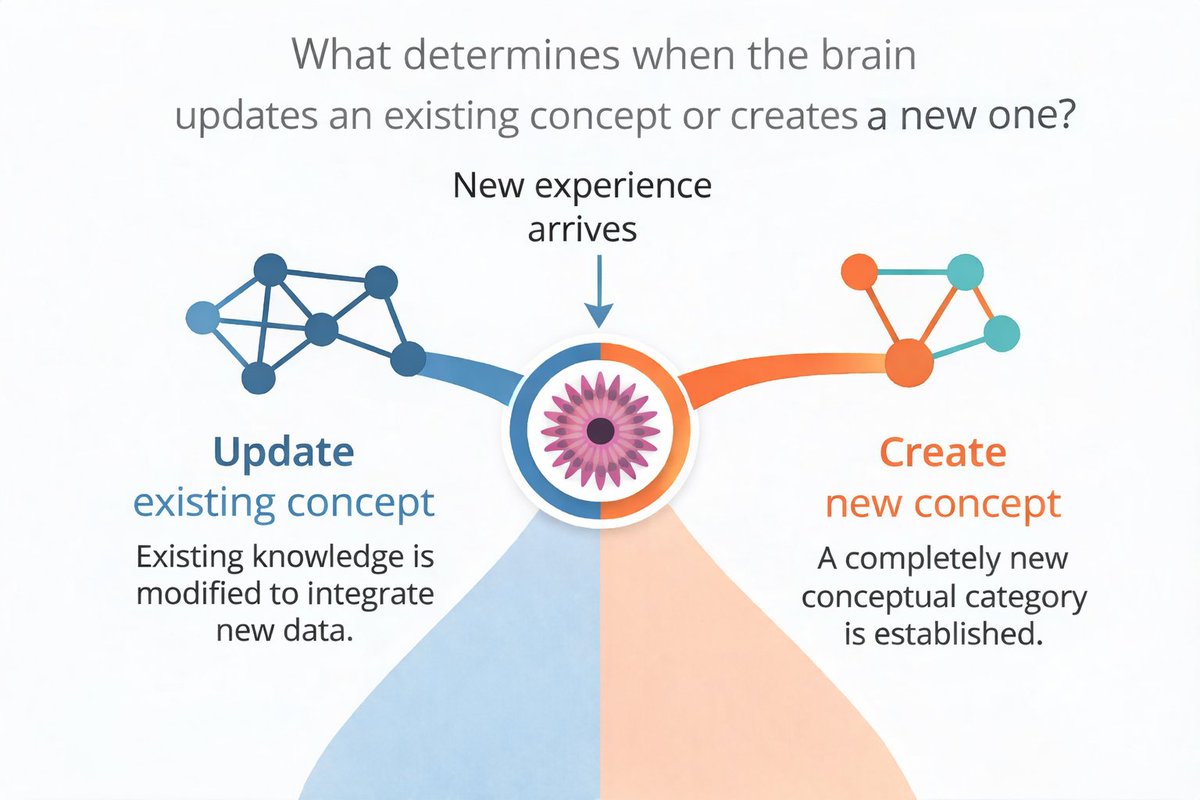
Every time you experience something new, your brain faces a decision: Should it update an existing memory or create a new one?
In our new paper in @JNeurosci, we isolate that exact decision, moment-by-moment during learning. 🧵
2
10
44
2,458
Jan 28
Are you a graduate student interested in working at Los Alamos National Laboratory (LANL) this summer? LANL has student internships, apply here: lanl.jobs/search/jobdetails/… 1/2
1
2
3
387
Jan 28
Personally, I will be looking to mentor projects with Mahindra Rautela on (1) Search and Evaluation for test-time AI Reasoning, and (2) model distillation to compress large physics foundation models.
Please feel free to get in touch with questions or to express interest. 2/2
1
1
315
Bradley Love retweeted

24 Nov 2025
168
573
2,796
1,219,499
25 Nov 2025
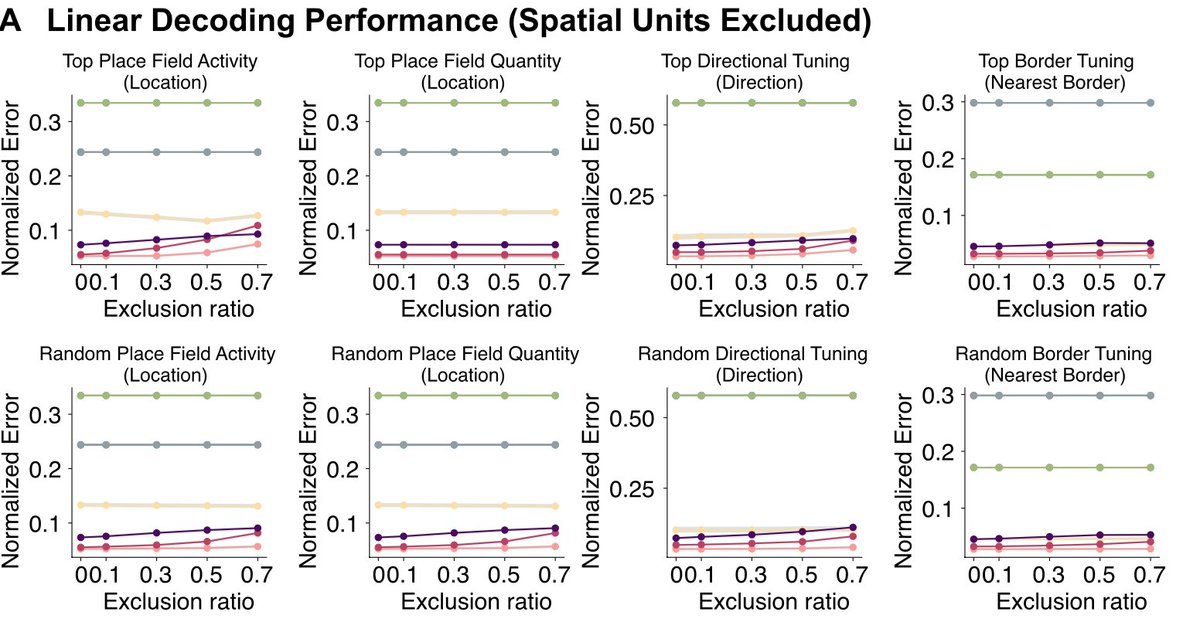
"The inevitability and superfluousness of cell types in spatial cognition". Intuitive cell types are found in random artificial networks using the same selection criteria neuroscientists use with actual data. elifesciences.org/reviewed-p…... 1/2
1
3
324
25 Nov 2025
Intuitive cell types don't necessarily play the ascribed functional role in the overall computation. This is not a message the field wants to hear as it suggests better baselines, controls, and some reflection. elifesciences.org/reviewed-p…... w @ken_lxl , @robmok.bsky.social @ 2/2
1
261
25 Nov 2025
Exciting "new" work illustrating our broken publishing system. @seb_bobadilla presented this work online at neuromatch 2.0 at the height of the pandemic. Then, @xinyazhang_ worked years on addressing reviewer comments, which added some rigor but didn't change the message. 1/2
1
2
4
576
25 Nov 2025
Working with monkey data, we found neural representations stretched across brain regions to emphasize task relevant features on a trial-by-trial basis. Spike timing mattered over spike rate. Deep nets did the same. nature.com/articles/s41467-0… 2/2
2
7
306
25 Nov 2025
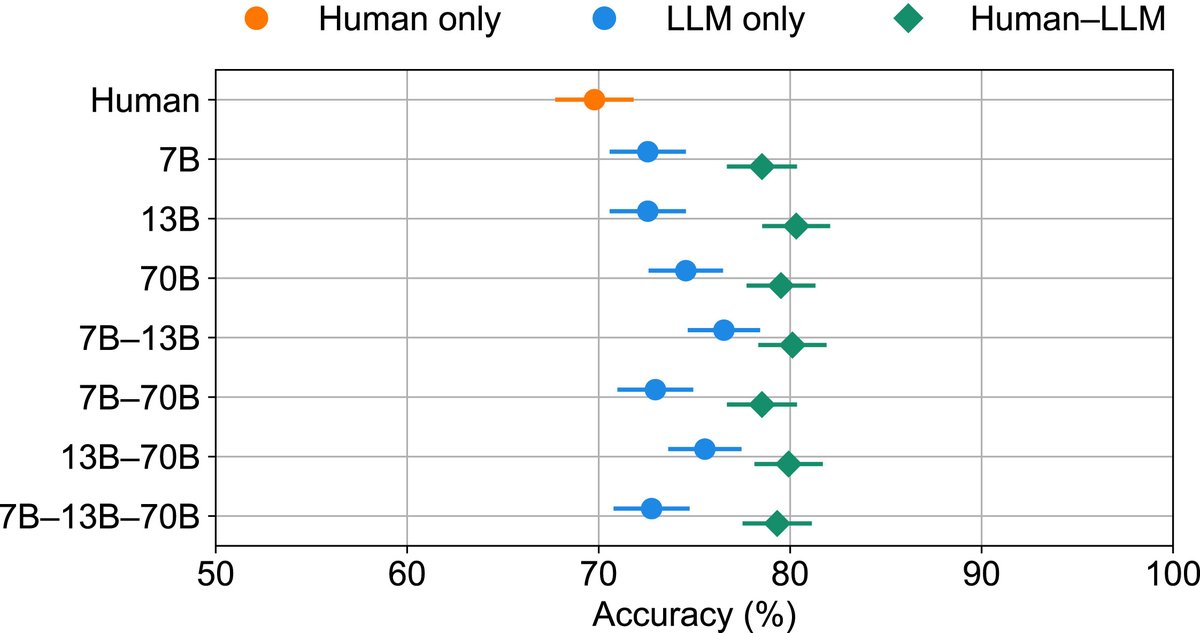
When AI surpasses human performance, what's left for humans? We find that human judgment boosts performance of human-AI teams because humans and machines make different errors. cell.com/patterns/fulltext/S… 1/2
1
2
266
25 Nov 2025
We developed a straightforward method of combining confidence-weighted judgments for any number of humans and AIs. w @yanezlang, Omar Minero, @ken_lxl 2/2
1
205
Bradley Love retweeted

4 Nov 2025
Researchers are using LLMs to analyze the literature, brainstorm hypotheses, build models and interact with complex datasets. Hear from Martin Schrimpf @martin_schrimpf, Kim Stachenfeld @neuro_kim, Jeremy Magland, Bradley Love and others.
thetransmitter.org/machine-l…
3
21
2,264
Bradley Love retweeted

27 Oct 2025
🧵🎉 Our mega-paper is finally published in TMLR! We're "Getting Aligned on Representational Alignment" - the degree to which internal representations of different (biological & artificial) information processing systems agree. 🧠🤖🔬🔍 #CognitiveScience #Neuroscience #AI
5
37
150
34,473
Bradley Love retweeted

19 Aug 2025
What futures could, and should, we create with advanced AI? Today we are announcing two possible paths – Tool AI and d/acc – with contributors like @VitalikButerin @owocki @AdamMarblestone and @AnthonyNAguirre
6
10
29
13,387
13 Jun 2025
New blog w @ken_lxl, “Giving LLMs too much RoPE: A limit on Sutton’s Bitter Lesson”. The field has shifted from flexible data-driven position representations to fixed approaches following human intuitions. Here’s why and what it means for model performance bradlove.org/blog/position-e…
2
10
972
28 May 2025
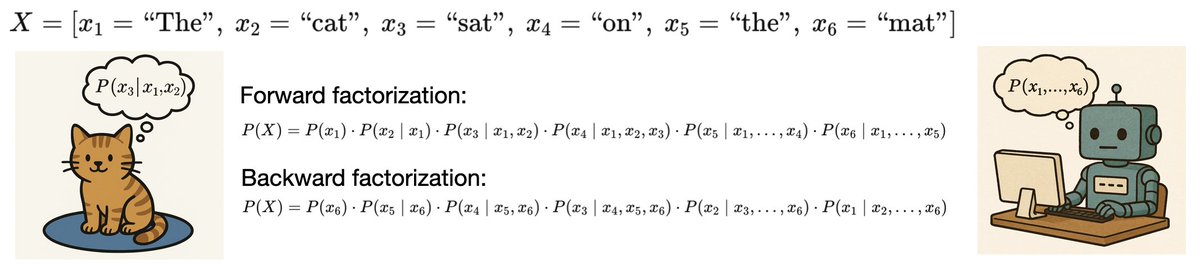
New blog, "Backwards Compatible: The Strange Math Behind Word Order in AI" w @ken_lxl. It turns out the language learning problem is the same for any word order, but is that true in practice for large language models? paper: arxiv.org/abs/2505.08739 BLOG: bradlove.org/blog/prob-llm-c…
ALT https://bradlove.org/blog/prob-llm-consistency
2
4
813
14 May 2025
"Probability Consistency in Large Language Models: Theoretical Foundations Meet Empirical Discrepancies"
Oddly, we prove LLMs should be equivalent for any word ordering: forward, backward, scrambled. In practice, LLMs diverge from one another. Why? 1/2 arxiv.org/abs/2505.08739
1
3
13
1,009
14 May 2025
When LLMs diverge from one another because of word order (data factorization), it indicates their probability distributions are inconsistent, which is a red flag (not trustworthy). We trace deviations to self-attention positional and locality biases. 2/2 arxiv.org/abs/2505.08739
1
3
366
Bradley Love retweeted

12 Mar 2025
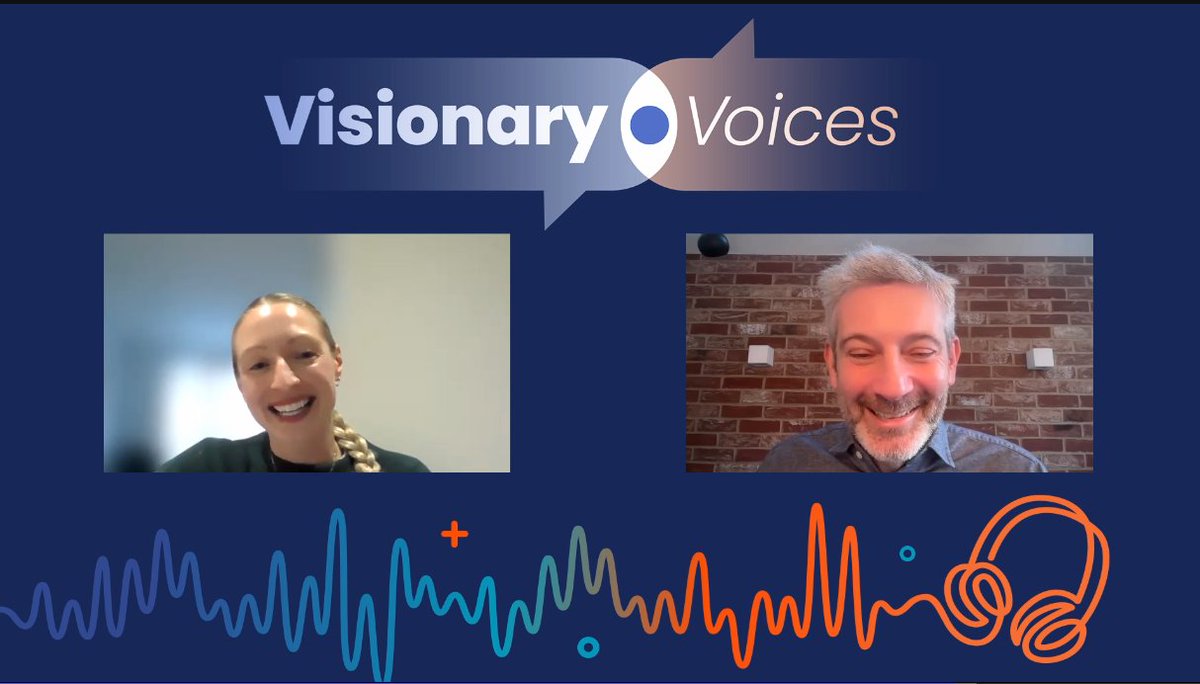
🧠 We speak with Prof. Bradley Love about BrainGPT—an AI model helping researchers process neuroscientific data faster than ever.
🔍 How does BrainGPT work?
🚀 Where is AI taking brain research next?
🎧touchneurology.com/podcast/b…
@ProfData
1
2
586