Bioarchaeologist, co director of AMEMSA, Associate Professor at University of Toronto, human adaptive flexibility, Lesotho, South Africa, MSA, amemsa.org
Joined September 2009
- Tweets 930
- Following 193
- Followers 301
- Likes 293
18 Photos and videos

Pinned Tweet

9 Sep 2025
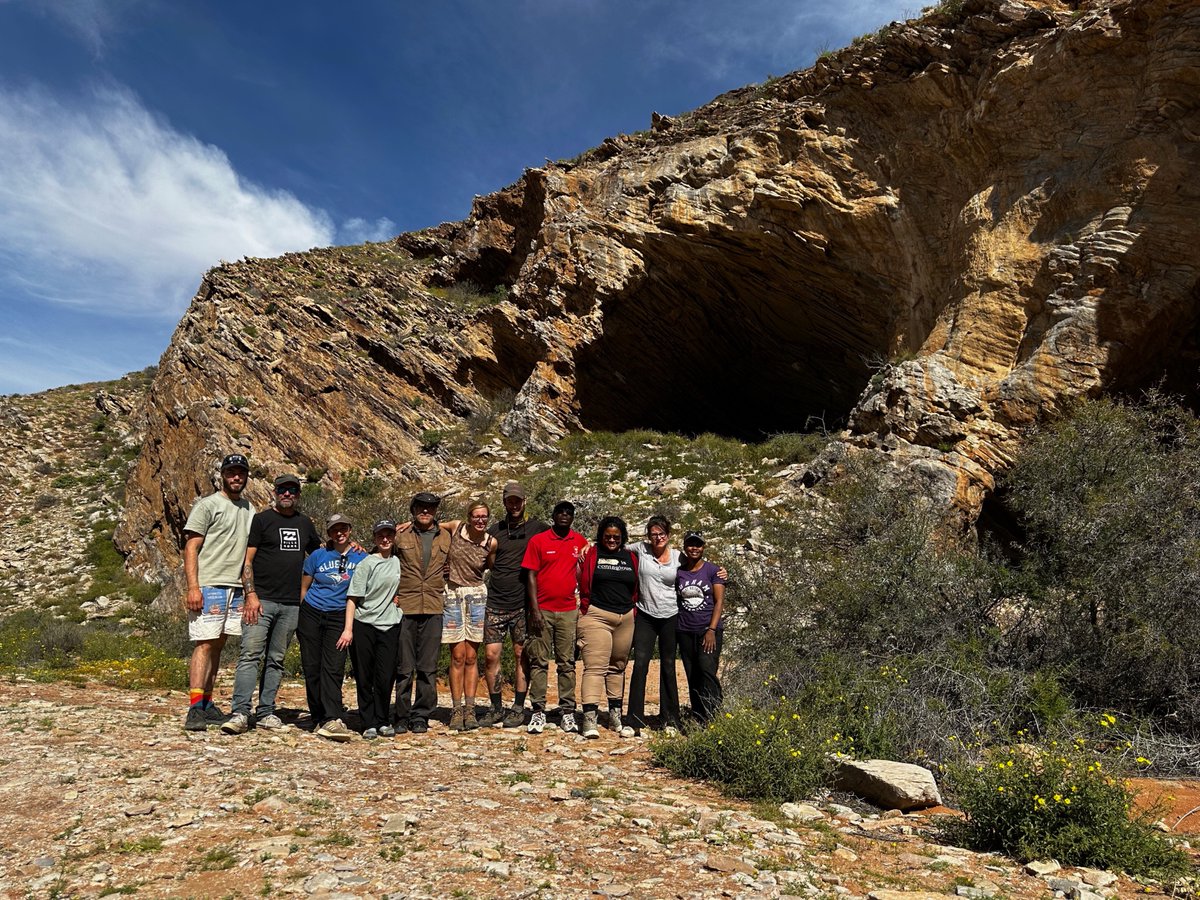
Super successful excavation season digging Pleistocene deposits at Spitzkloof B in the southern Namib Desert (South Africa). Preservation improved with depth and we had the most amazing team!
@UMichResearch @UTSCAnthroDept @FLINArchaeology @MySPU AMEMSA.org
1
5
109
Genevieve Dewar retweeted

6 Mar 2025
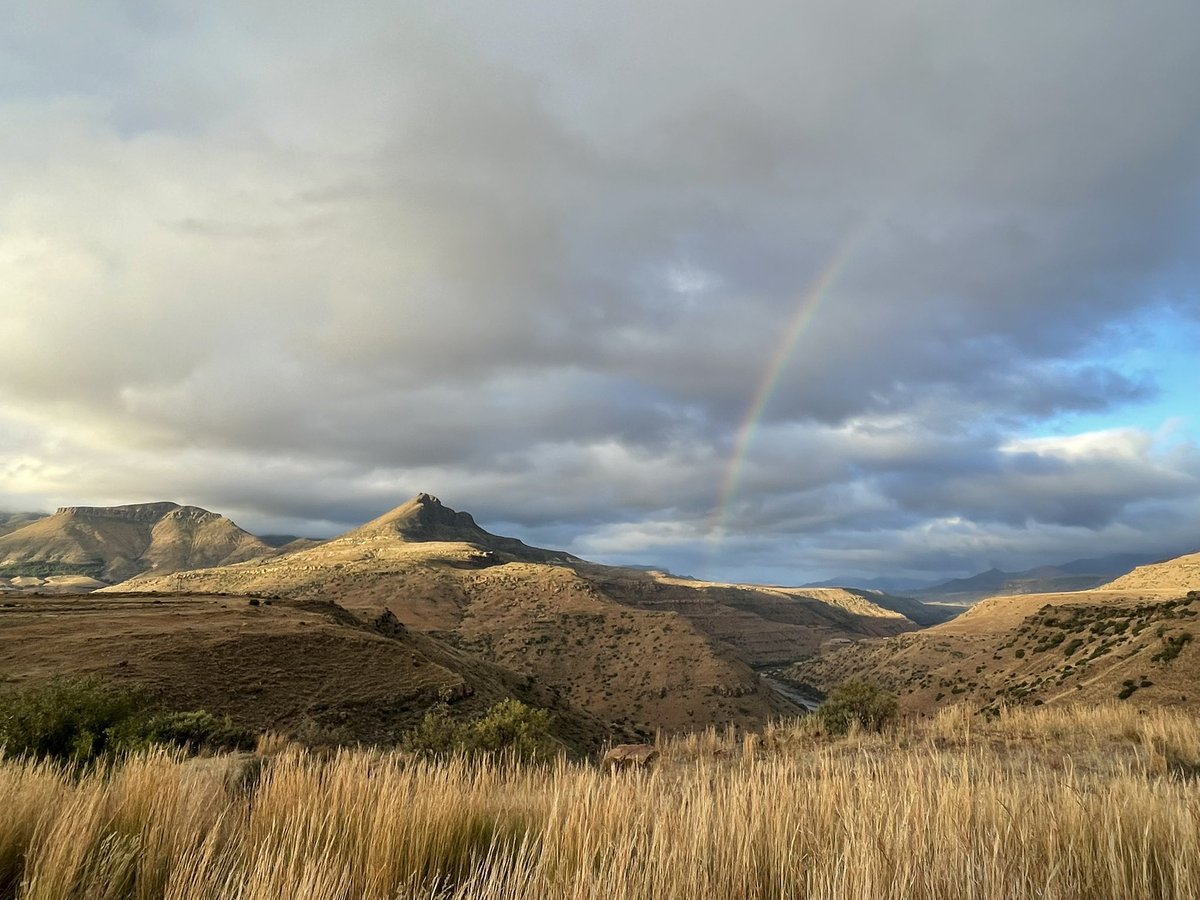
People who have heard of #Lesotho are well informed & those who have visited among the world’s most fortunate. The mountain kingdom is naturally spectacular & culturally rich. That the immoral goons running our government know nothing of it yet demean it anyway is on brand.
1
14
442
Genevieve Dewar retweeted
11 Dec 2024
✨👇✨👇Check out our new #OA article in #Azania taking a critical stance on evidence for vast exchange networks connecting E & S Africa in the Late Pleistocene. Delighted 2b part of @abigailmoffett & Anne Haour’s special issue on beads in ancient Africa! tandfonline.com/doi/full/10.…
1
11
25
1,025
12 Nov 2024
Congrats Mike! Super excited to be a part of this team! Looking forward to analyzing the micro world of archaeology…
6 Nov 2024

Super pleased to announce that we were successful with our @arc_gov_au LIEF application to fund a massive upgrade of our Flinders Microarchaeology Laboratory, to form what will be AusMAP: the Australian Microarchaeology and Palaeosciences Facility.
@Flinders @FLINArchaeology

1
3
163
11 Jun 2024
Congratulations!!!!!!!!!!!!!!!!!!!!!!!!
11 Jun 2024

Now that the paperwork is all sorted, I am excited to announce that I will be joining the Department of Anthropology at the University of Alberta as an Assistant Professor in early 2025! @UAlberta @UofA_Anthro

4
126
Genevieve Dewar retweeted

30 May 2024
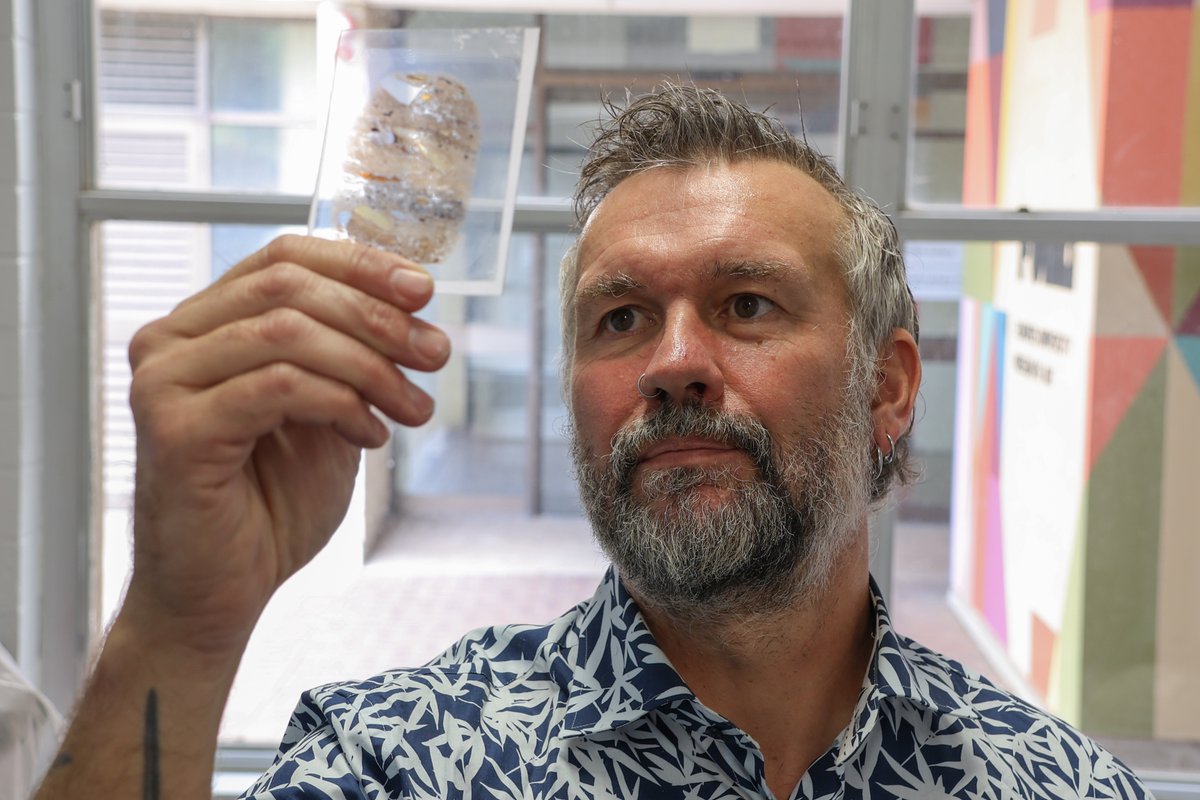
Come and work with us at the Flinders Microarchaeology Laboratory and get to stare wistfully at interesting thin sections of archaeological dirt...
#geoarchaeology #micromorphology
@Flinders @FLINArchaeology @Disperscapes
30 May 2024

Working as part of an Aus and intl team, Flinders archaeologists @MikeGeoarch and Mirani Litster have helped to reassess the route that early humans took to reach Australia, using stone artefacts and animal bones found in a cave on Timor Island. Read more: bit.ly/3yG6o9K
7
31
2,120
Genevieve Dewar retweeted
22 May 2024
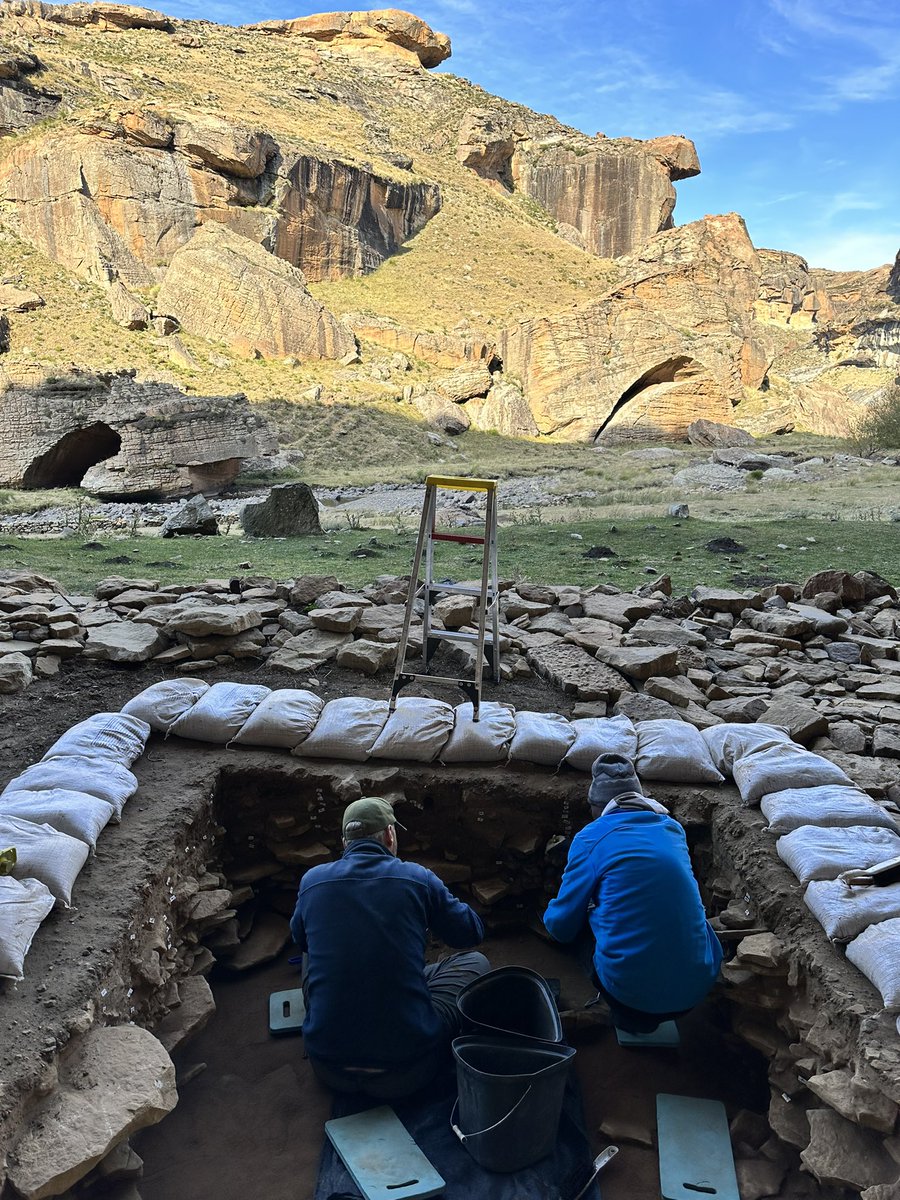
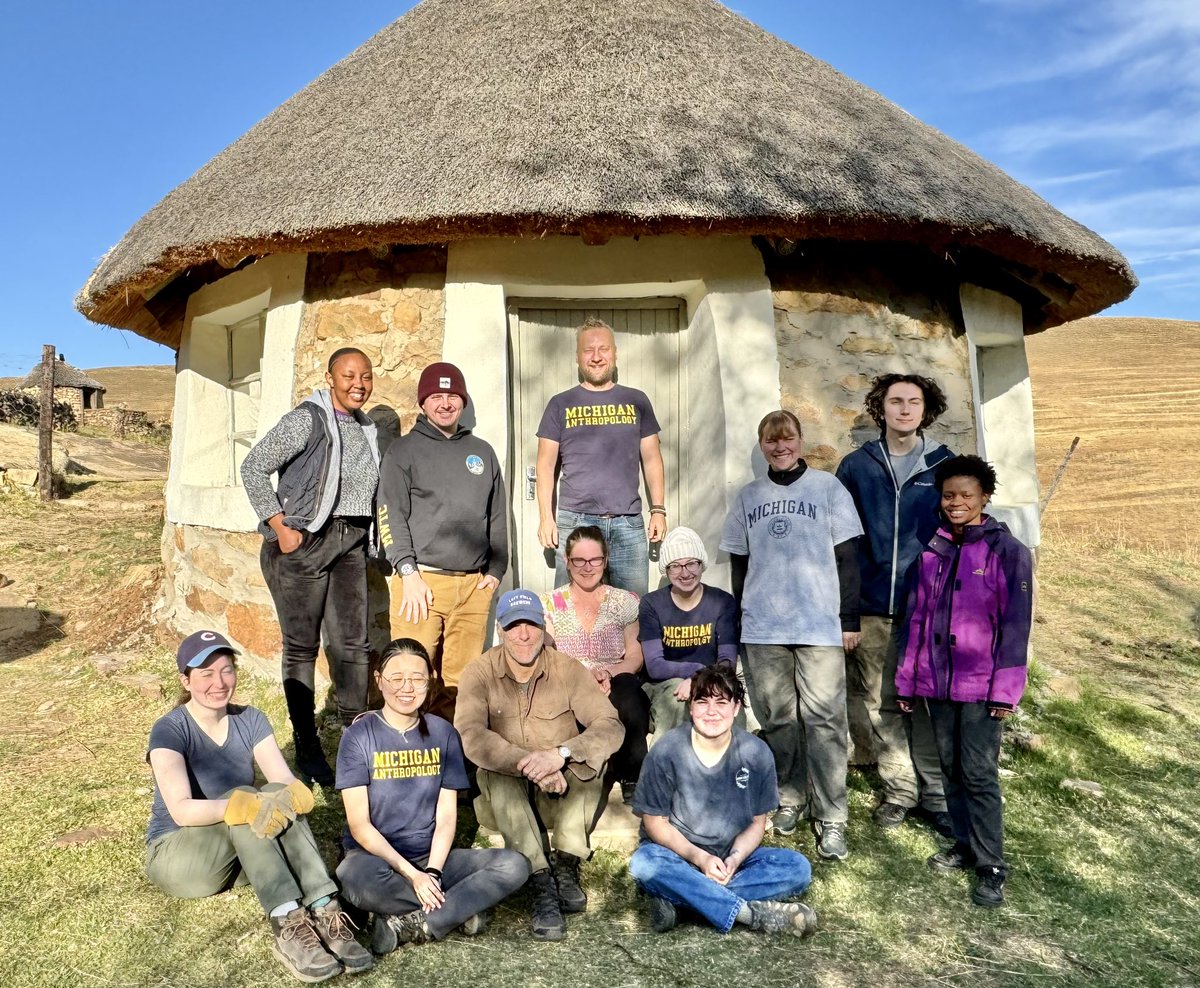
4th season at Ha Soloja in highland #lesotho well underway! This time a @UMich fieldschool w students & mentors from Lesotho, SA, USA, Canada & China. Pushing into some >100 ka MSA, the highest in southern Africa⛰️🇱🇸🇱🇸🇱🇸#UMMAA @UMichResearch @UTSCAnthroDept @FLINArchaeology
1
4
20
953

The Stable Light Isotope Lab @UCT_news and BIOGRIP will be hosting and a week-long course on the Introduction to Theory and Practice of Stable Light Isotope Mass Spectrometry on 3 - 7 June 2024. Registration link > shorturl.at/fiFQ0
For more info> vincent.hare@uct.ac.za
1
8
13
1,112
Genevieve Dewar retweeted

29 Feb 2024
Much of what we think we know about human evolution has largely been attributed to natural selection. But @UTM paleoanthropologist Lauren Schroeder says there’s reason to reconsider this Darwinian paradigm. #UofT utoronto.ca/news/beyond-natu…
1
5
16
1,877
21 Feb 2024
Thank you Nthabeleng Rantso for the translation!
20 Feb 2024

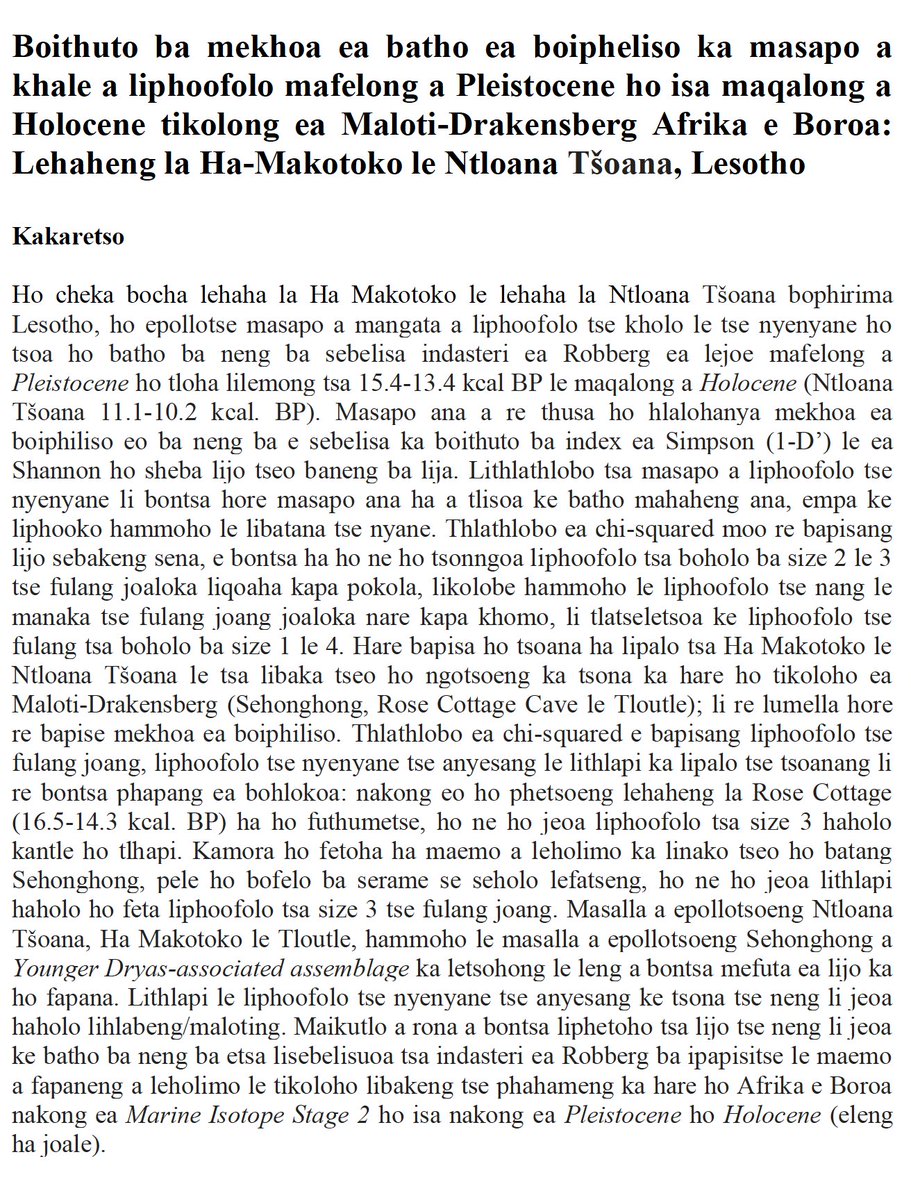
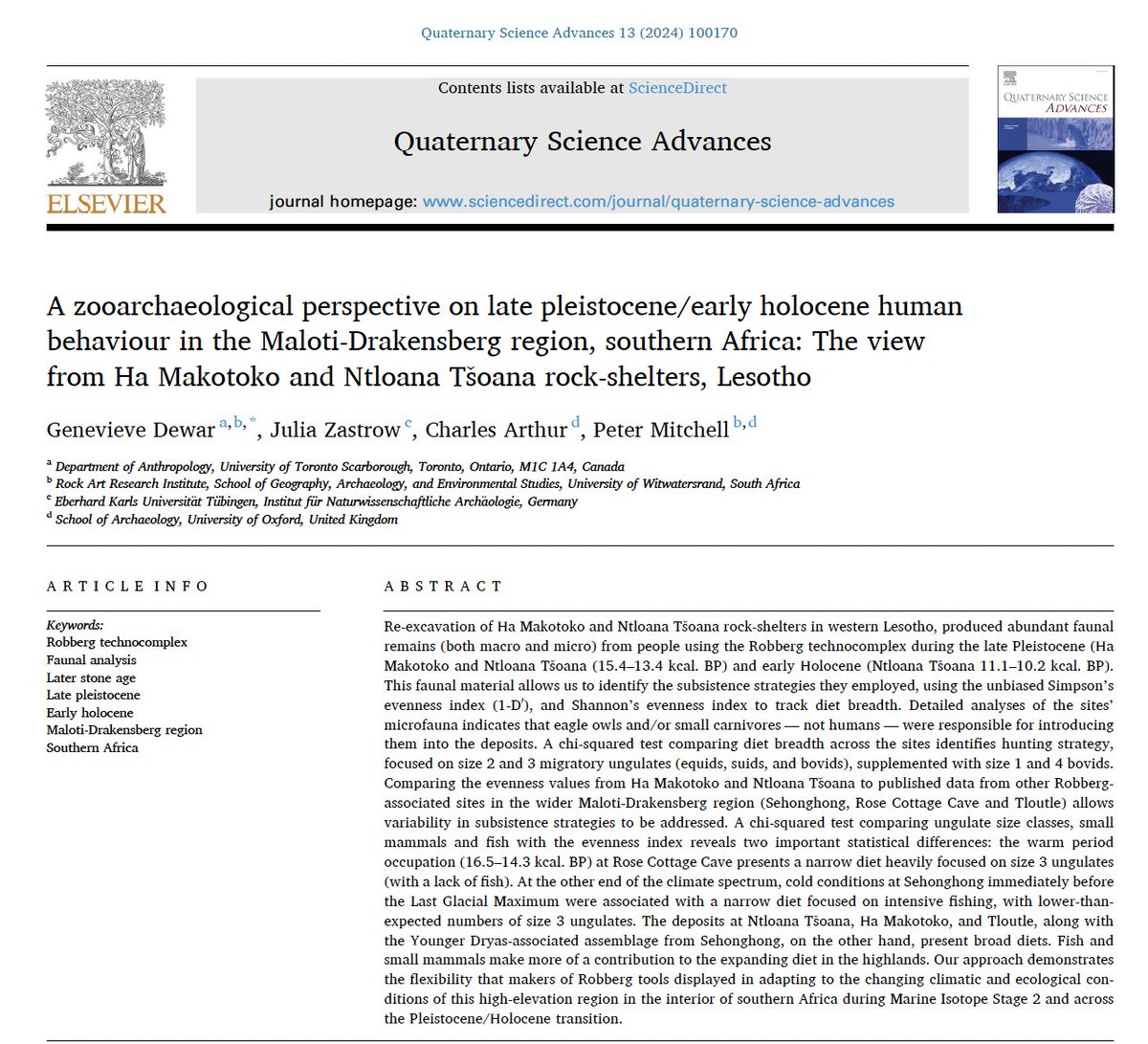
Excited to see this paper on the late Pleistocene / early Holocene fauna from the Robberg technocomplex at Ha Makotoko and Ntloana Tsoana is out with Charles Arthur, Peter Mitchell and Julia Zastrow in QSA, and now the abstract in Sesotho
2
177
20 Feb 2024
Excited to see this paper on the late Pleistocene / early Holocene fauna from the Robberg technocomplex at Ha Makotoko and Ntloana Tsoana is out with Charles Arthur, Peter Mitchell and Julia Zastrow in QSA, and now the abstract in Sesotho
1
3
322
20 Feb 2024
Excited to see this paper on the late Pleistocene / early Holocene fauna from the Robberg technocomplex at Ha Makotoko and Ntloana Tsoana is out with Charles Arthur, Peter Mitchell and Julia Zastrow in QSA
2
9
30
2,393
Genevieve Dewar retweeted

12 Feb 2024
The 22nd ICAZ Fish Remains Working Group meeting will be held in Toronto, Canada, from 12 to 17 August, 2024. Abstract submission and registration systems are now open. Additional information can be found on the conference website (uoft.me/frwg-2024).
@ICAZ_News
5
16
628
Genevieve Dewar retweeted

23 Jan 2024
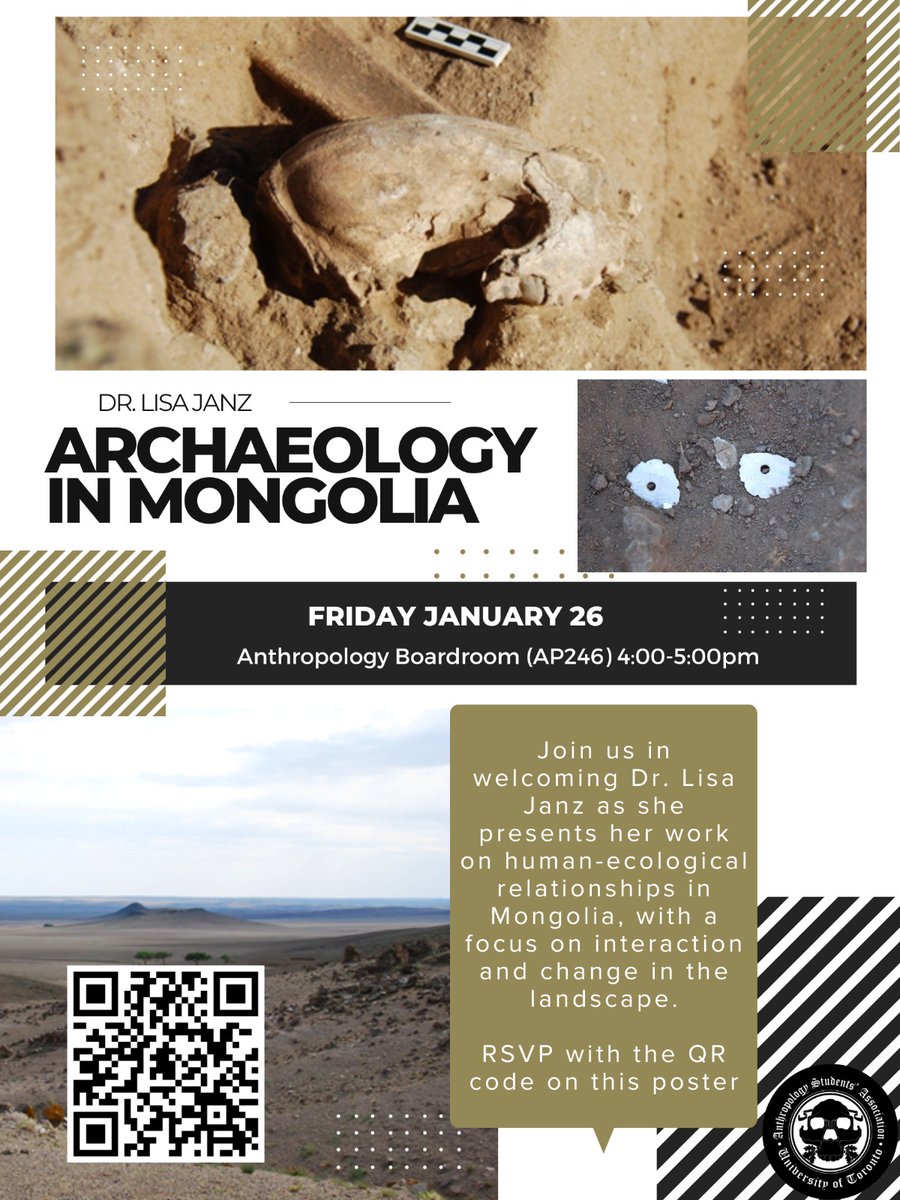
Join Dr. Lisa Janz on Friday in AP246 to talk about #archaeology in Mongolia, megafauna, hunters and herders! Find out more: utsc.utoronto.ca/anthropolog… #utsc #events
2
4
217
Genevieve Dewar retweeted

10 Jan 2024
So incredibly relieved and proud to announce that our BIG (in all senses) Gigantopithecus blacki paper has finally landed!! Massive shout out to all GIGANTONAUTS -thank you to everyone of you - please feel free to download its available for everyone
nature.com/articles/s41586-0…
8
27
84
8,973
Genevieve Dewar retweeted

27 Dec 2023
Our new paper @PNASNews led by @rebjham provides evidence for seasonally dry tropical forest mosaics in Southeast Asia during the LGM with implications for archaeology, conservation, and forest responses to climate change in the region
2
16
56
6,403
Genevieve Dewar retweeted

7 Dec 2023
Quantum mechanics

303
2,121
24,770
3,359,747
Genevieve Dewar retweeted

7 Dec 2023
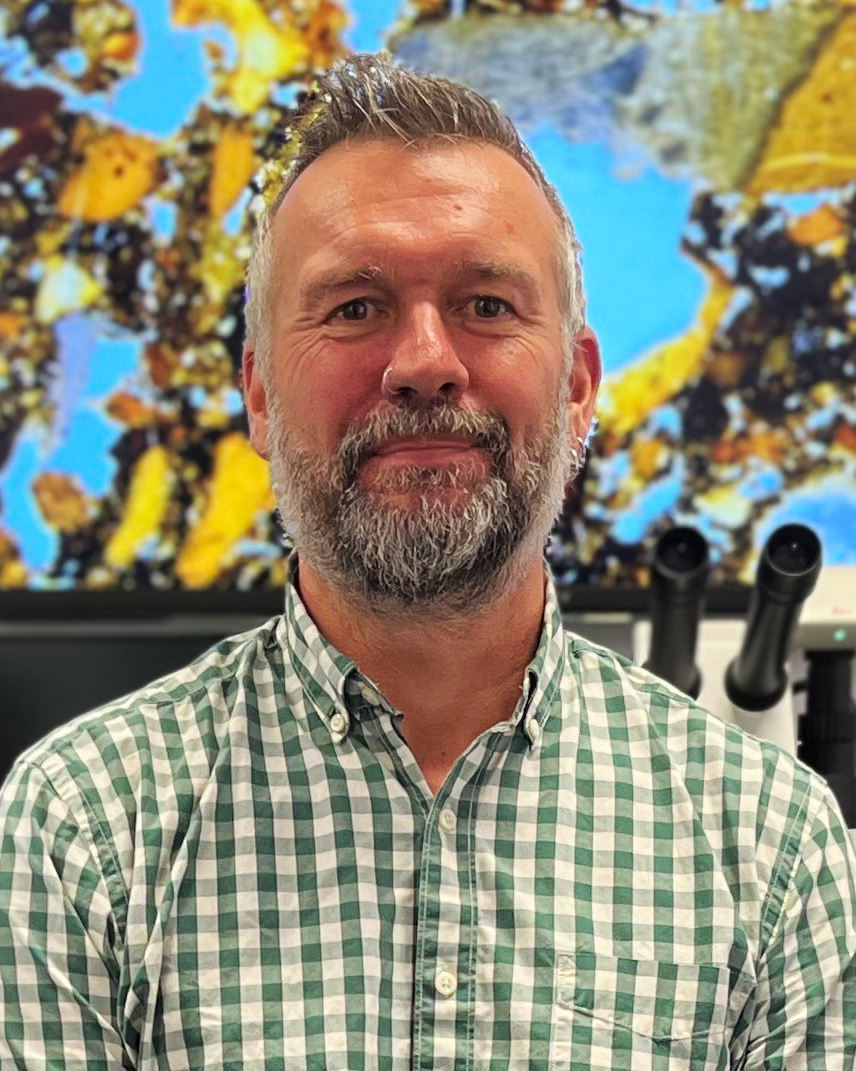
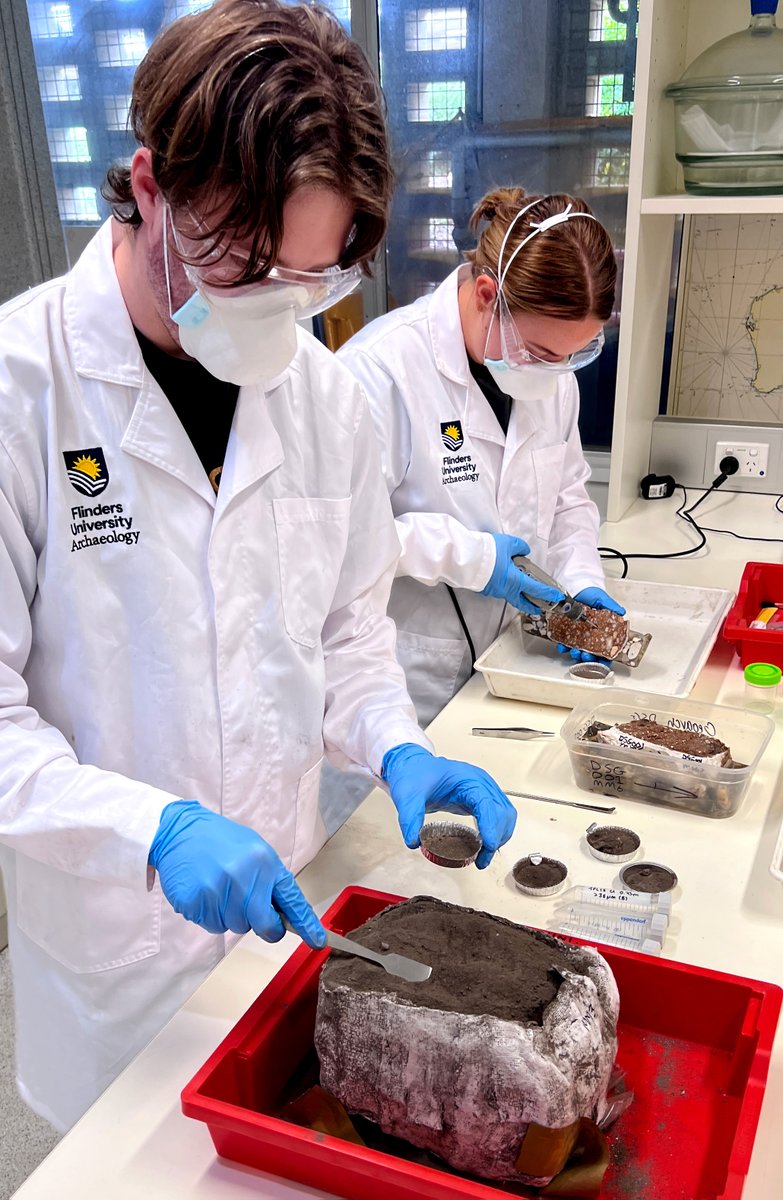
Geoarchaeologist Associate Professor @MikeGeoarch explains why scientists should seek answers hidden in the dirt using proven #archaeological techniques to support new discoveries following recent controversies about #homonaledi at a cave site in Africa 🔗 bit.ly/46SkzDP
7
25
2,601
Genevieve Dewar retweeted
9 Nov 2023
2
4
417