Researching echinoderms and other marine invertebrates
Joined May 2019
- Tweets 49
- Following 66
- Followers 267
- Likes 72
6 Photos and videos

23 Jan 2025
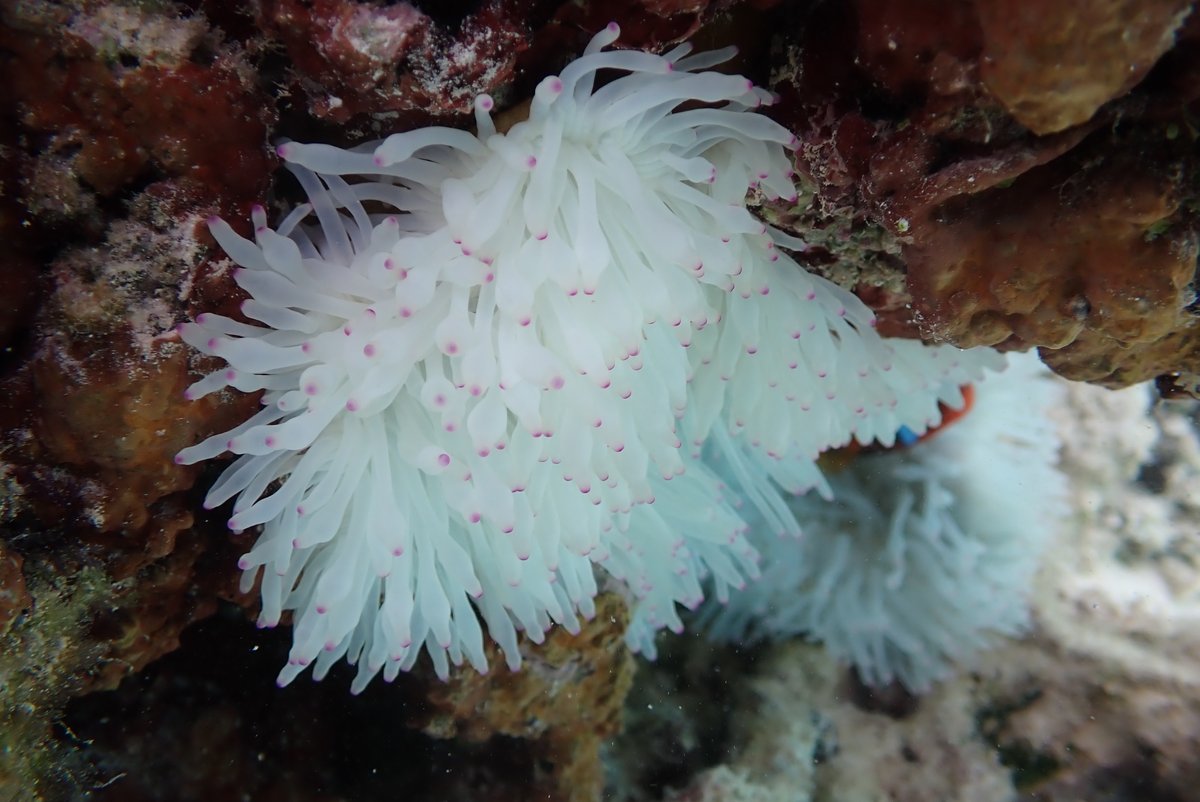
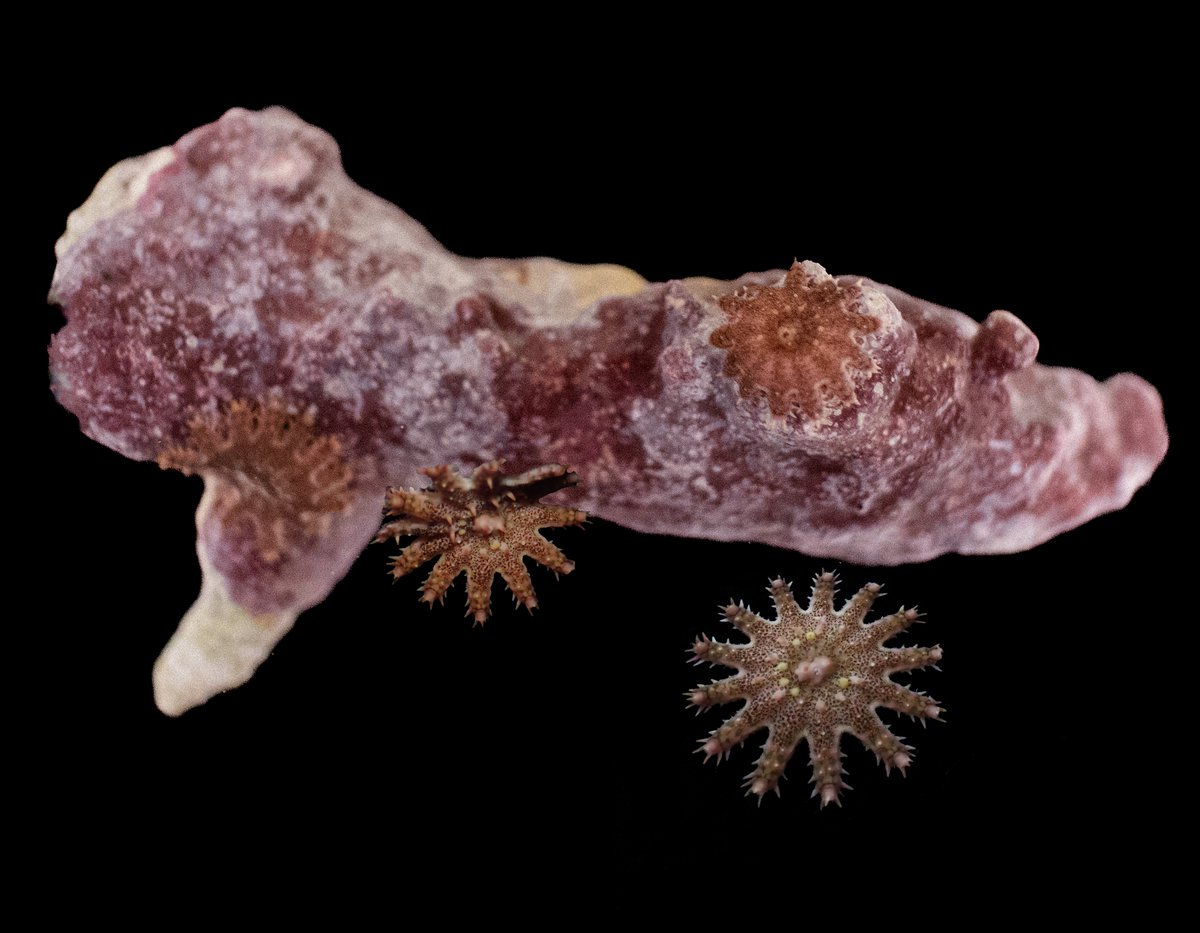
In early 2024, the Great Barrier Reef (GBR) faced unprecedented heat stress, with severe coral bleaching affecting vast areas of the marine park
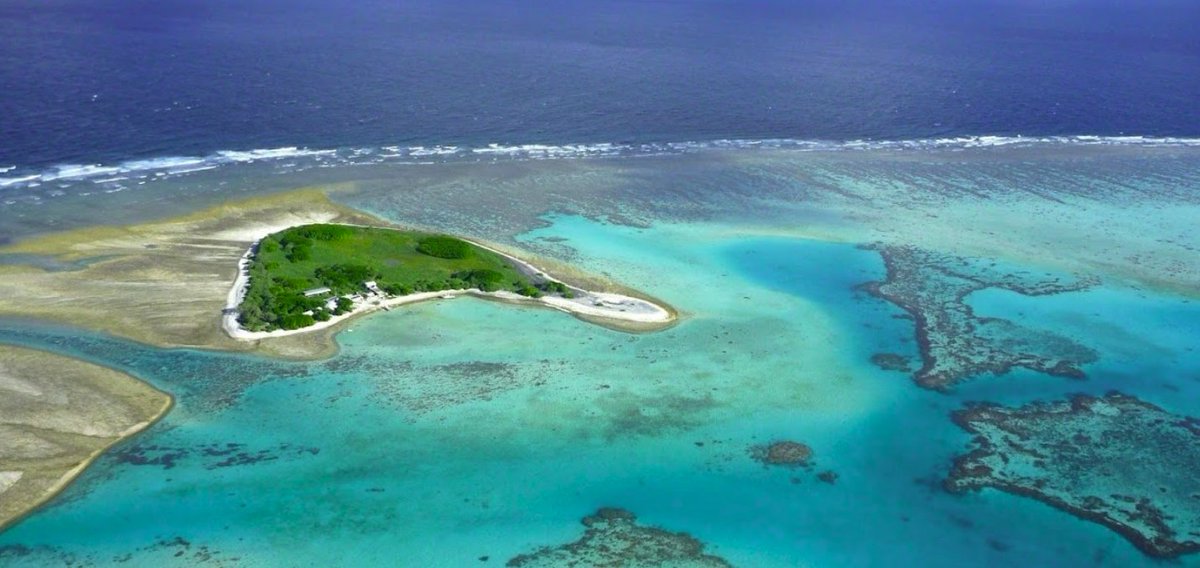
The Reefs of One Tree Island, in the southern GBR, are some of the highest protected on the entire GBR.
1
1
570
23 Jan 2025
1
40
1 Dec 2023
Jeremy Day's sea urchin predator research - well worth a listen!!
open.spotify.com/episode/542…
1
207
25 Oct 2023
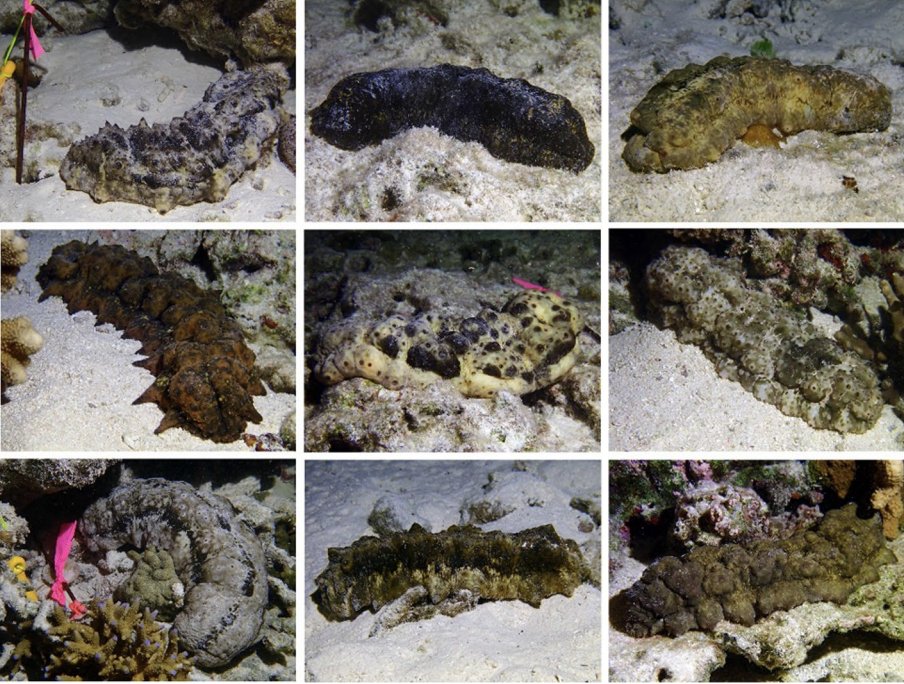
New paper on S. monotuberculatus behaviour! The work was lead by our collaborators Ben Gray and Dr Steve Purcell from Southern Cross University and involved working throughout the night on the GBR. Open Access: doi.org/10.1007/s00338-023-0…
1
8
278
19 Oct 2023
New work published in Global Change Biology | Environmental Change Journal | Wiley Online Library onlinelibrary.wiley.com/doi/…
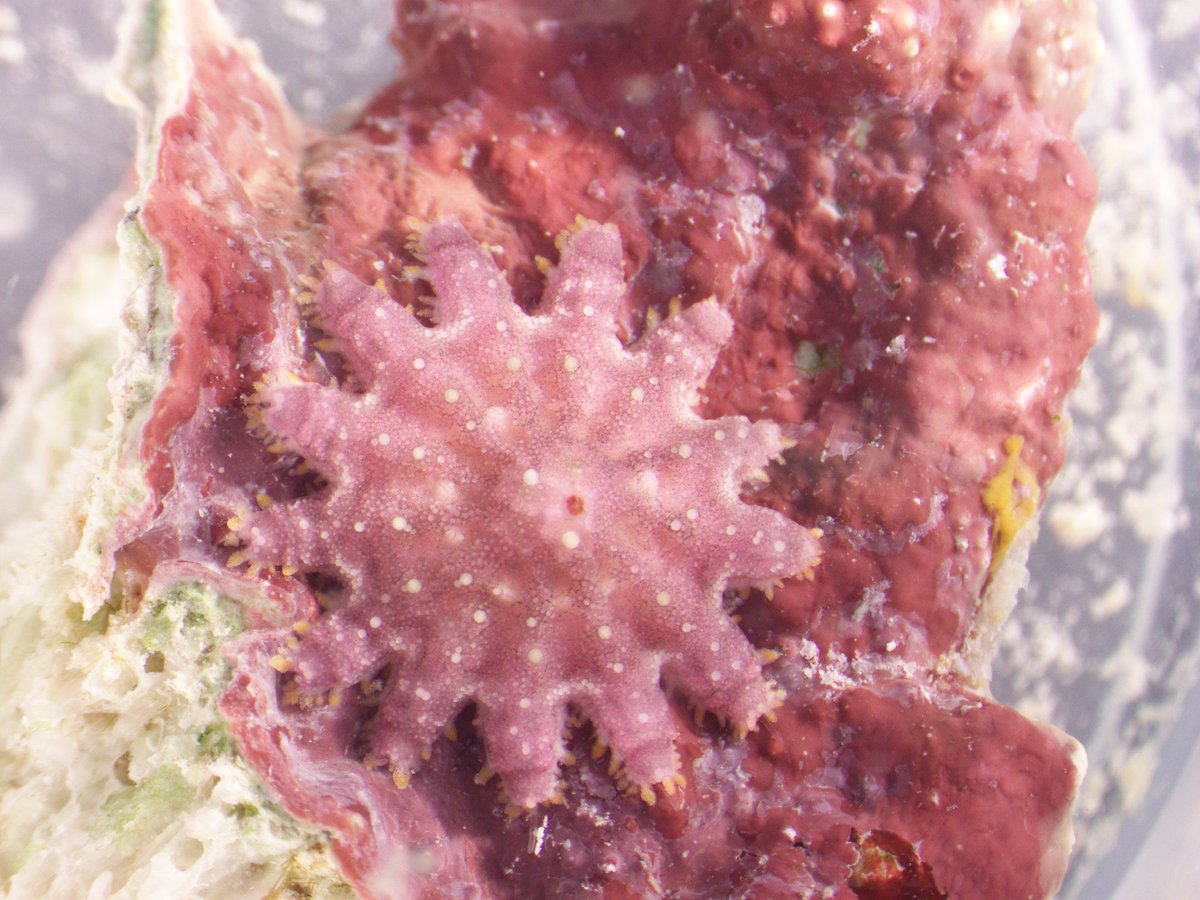
Looking at the thermal tolerance of juvenile crown-of-thorns sea stars in context with heatwaves that bleach and kill corals!
2
9
512
Byrne lab retweeted

8 May 2021
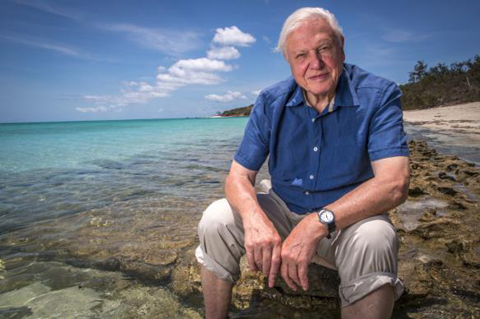
Many happy returns to broadcaster, naturalist, and one of the world's foremost advocates for nature, Sir David Attenborough FRS on his 95th birthday. bit.ly/35gDzwU
32
378
2,290
Byrne lab retweeted

14 Apr 2021
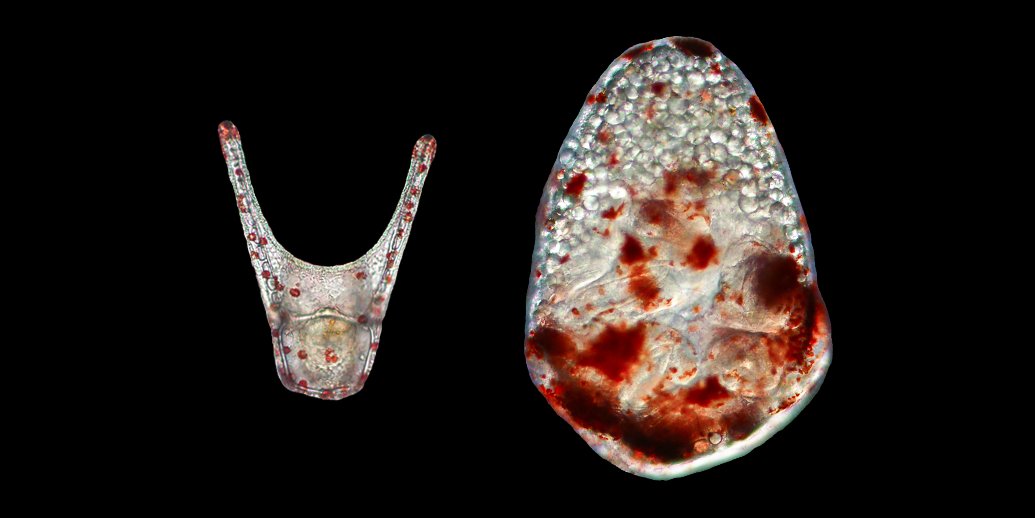
New paper out with @tylercarrier_ on the differing microbiome of these pretty larvae from two sister sea urchins
pnas.org/content/118/16/e202…
@ProfMariaByrne @Britt_3Phage @Symbionticism
@adam_reitzel Hannah Devens and Greg Wray @PNASNews
14 Apr 2021

The gut microbiome is considered to be important to many biological functions in animals, but what happens to the microbiome when the gut is lost or becomes non-functional?
We explore this using the transition from feeding (L) to nonfeeding (R) in the sea urchin Heliocidaris.
2
3
9
Byrne lab retweeted

Small crown-of thorns-starfish juveniles can be injured and killed by coral stinging cells. This is the one opportunity for corals to fight back against these coral eating starfish, although the tough juveniles can regrow their lost arms.
Find out more ➡️ bit.ly/meps_665_115
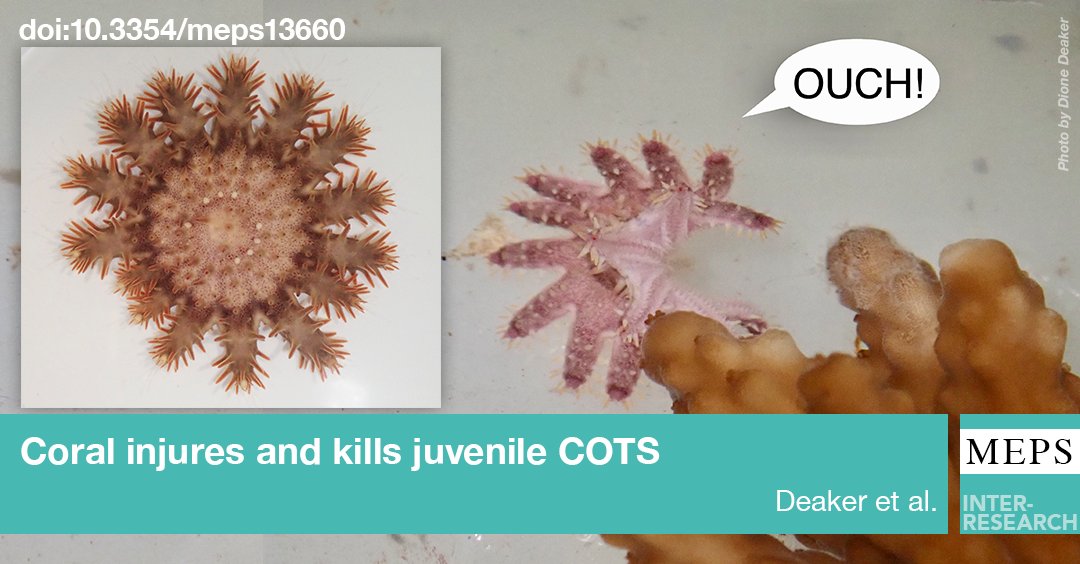
ALT On the photo: the juvenile has short arms that are regenerating after being stung by coral & pink juvenile is curling its arms backwards in reacting to being stung by coral.
11
34
3 May 2021
A great new paper by @JayMinuti on the impact of marine heatwaves on an ecologically important sea urchin - congrats!
30 Apr 2021

Happy this is out! From my PhD research at @SydneyMarine w/ @ProfMariaByrne @MarineFutureLab @BaydenRussell @HemrajAshley
"Capacity of an ecologically key urchin to recover from extreme events: Physiological impacts of heatwaves and the road to recovery"
doi.org/10.1016/j.scitotenv.…
1
3
14
14 Apr 2021
Our new paper on the differing microbial communities of the larvae of two sister sea urchin species is out today!
14 Apr 2021
New paper entitled “Microbiome reduction and endosymbiont gain from a switch in sea urchin life-history” is out in @PNASNews!
Here is a thread of the take-aways…
pnas.org/content/118/16/e202…
2
5
16
Byrne lab retweeted

14 Apr 2021
1
2