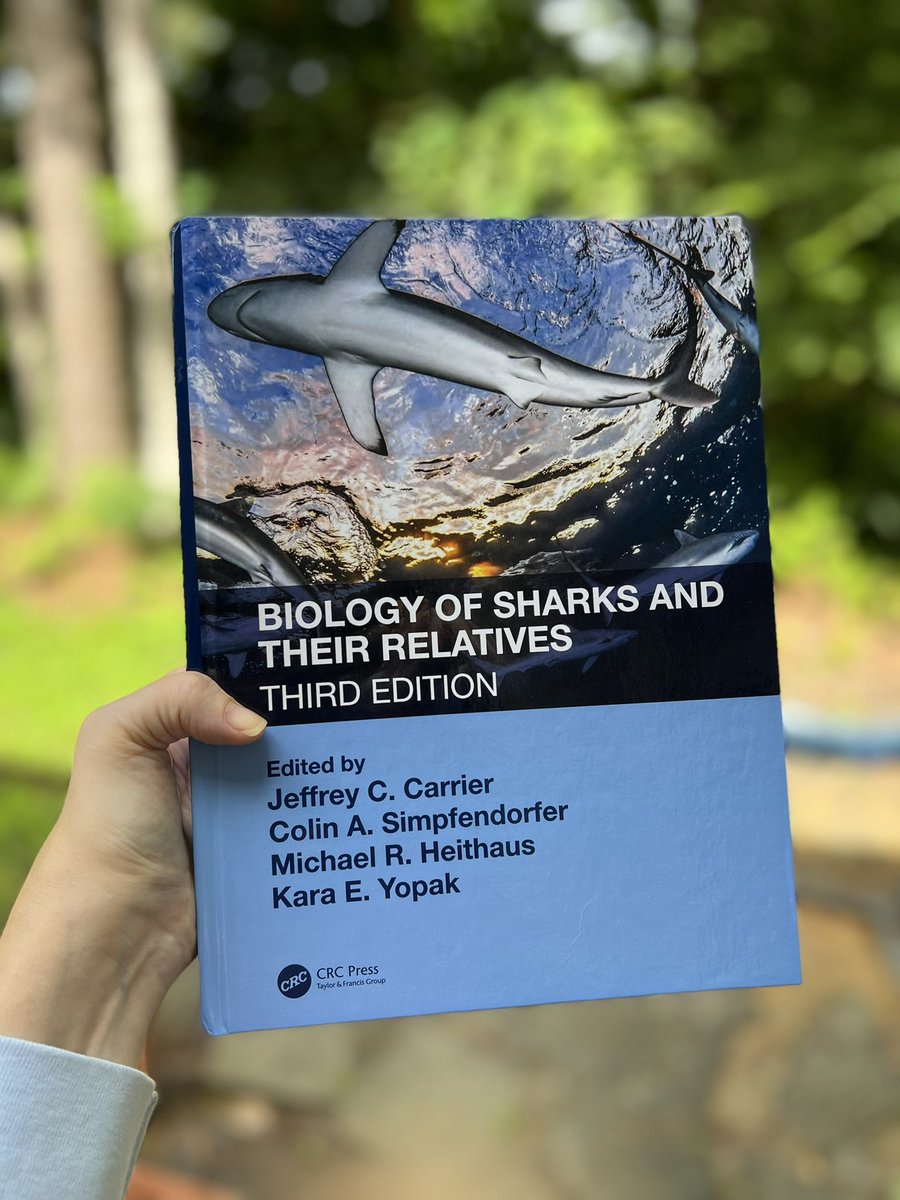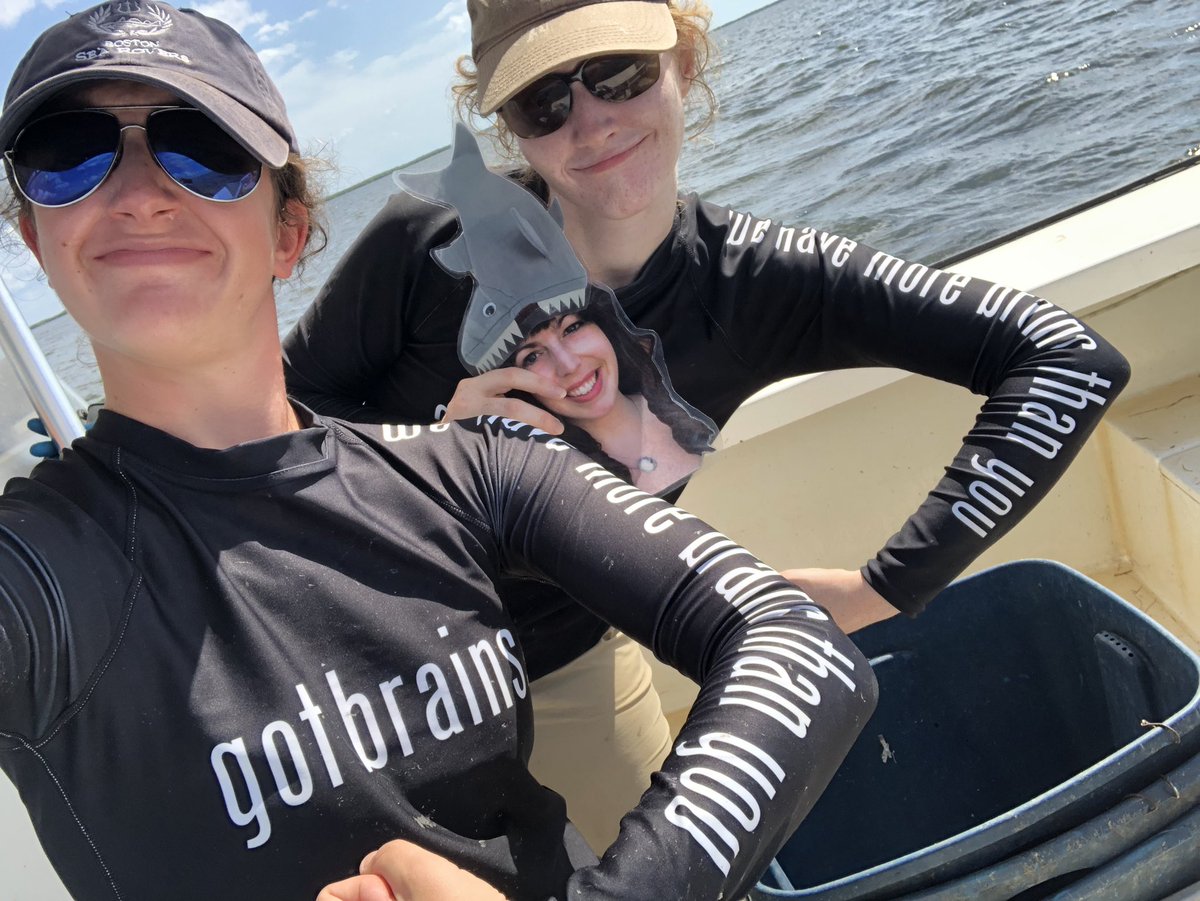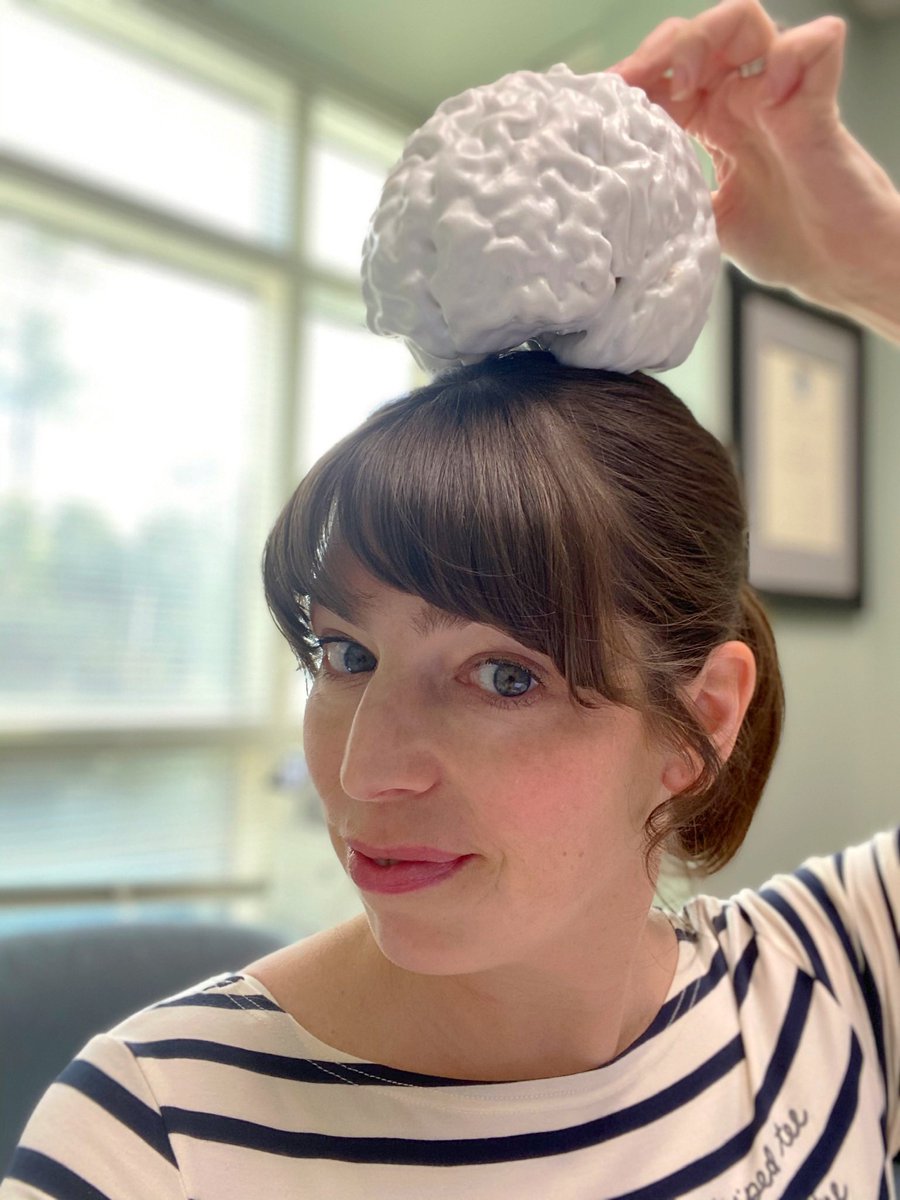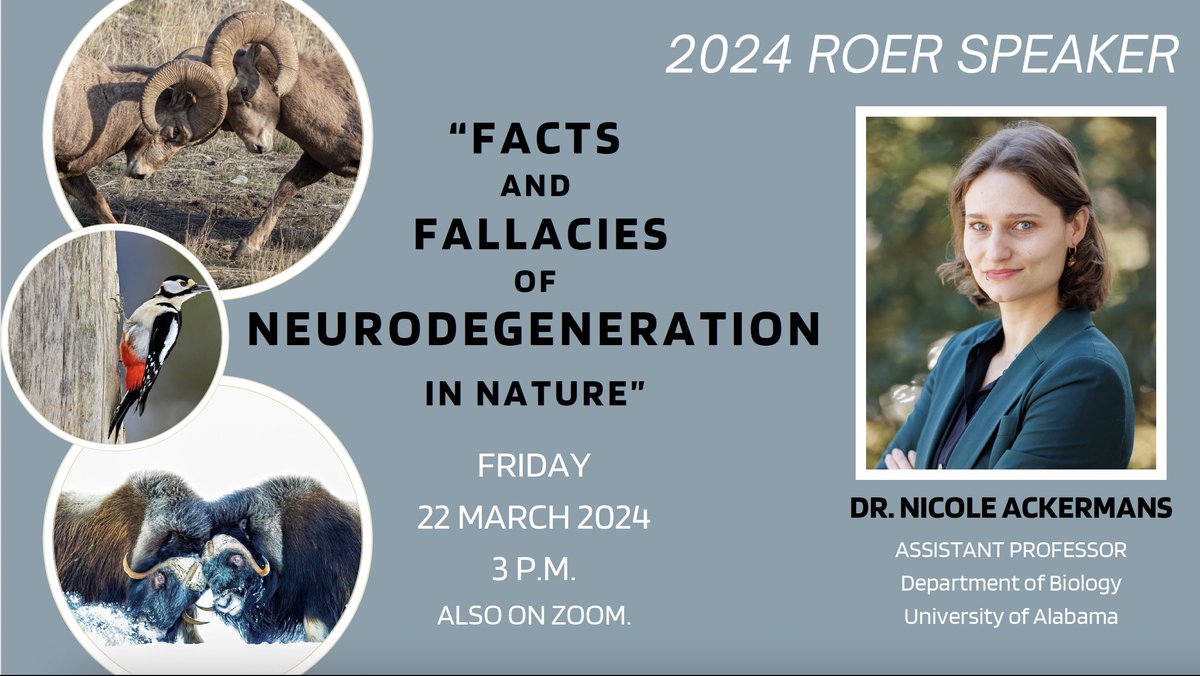
Sharks, brains & laser beams - My lab focuses on comparative neuroanatomy of sharks, batoids, & chimaerids. Director of the @YopakZoMBiELab at @UNCWilmington
Do shark brains differ between different species? Does one species' brain change over its lifespan? How does changing environment change brain development? These are questions @ProfSharkBrain and @YopakZoMBiELab are trying to answer!
spotifyanchor-web.app.link/e…
#DidYouKnow that @ProfSharkBrain and @YopakZoMBiELab have seen 180 species of skates, rays, sharks, and chimera brains? Learn about what she and her Zombie Lab are learning about these brain specimens on the Gills Talk podcast!
We have a new episode of Gills Talk with @ProfSharkBrain herself! Learn if sharks are smart and if that is truly a term we should use to describe their brains! @YopakZoMBiELab
Great to be visiting @ProfSharkBrain of @YopakZoMBiELab at the Centre for Marine Science in Wilmington, North Carolina, talking shark brains & endocasts 🦈 🧠
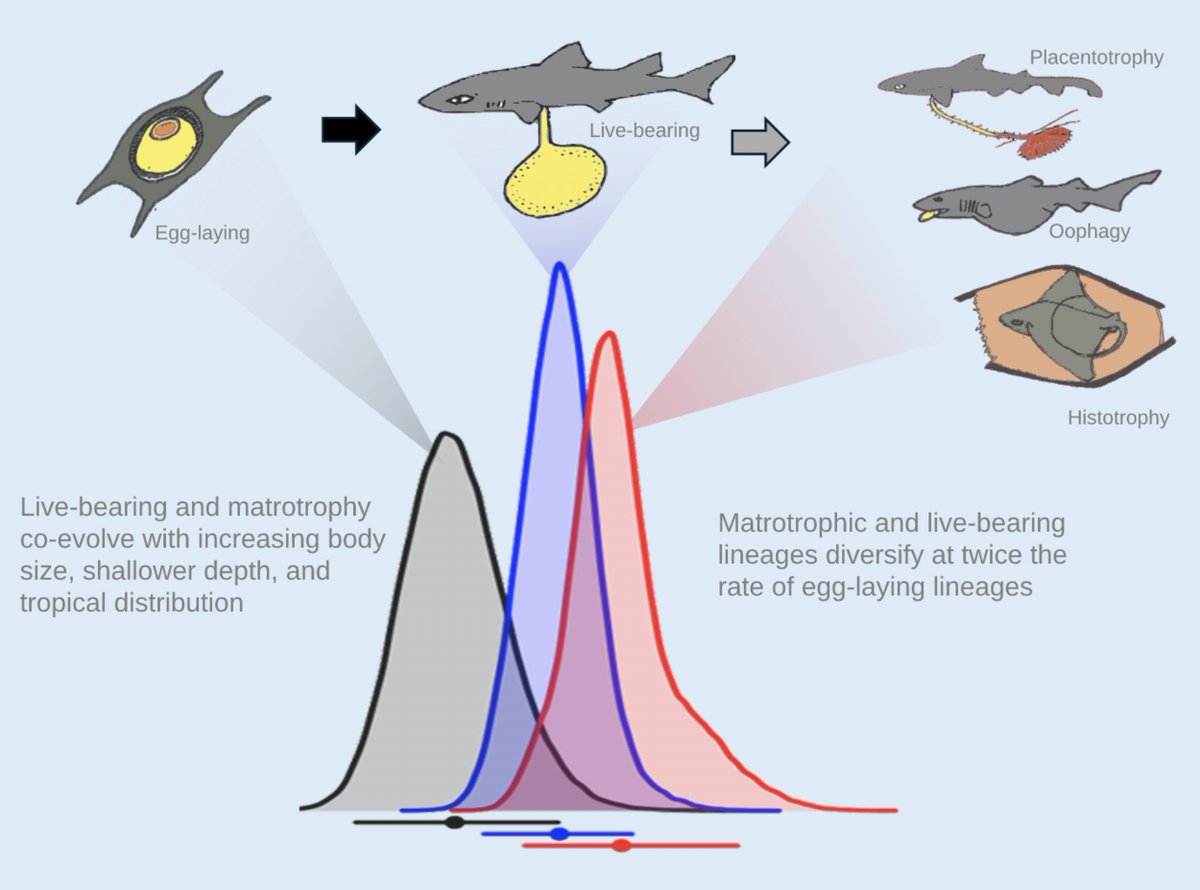
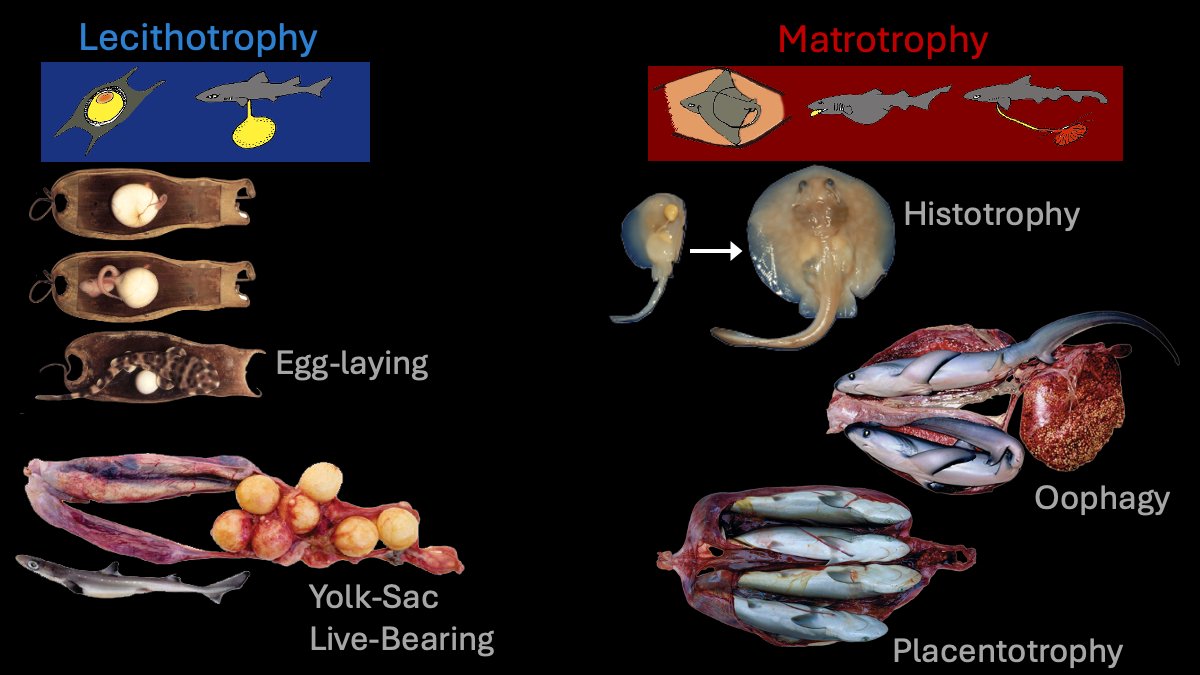
Understanding repro mode evolution in sharks and rays we can test different theories about how these traits relate to diversification dynamics (i.e. rates of speciation and extinction): the Viviparity Driven Conflict Hypothesis and the Novel Ecological Opportunity hypothesis.
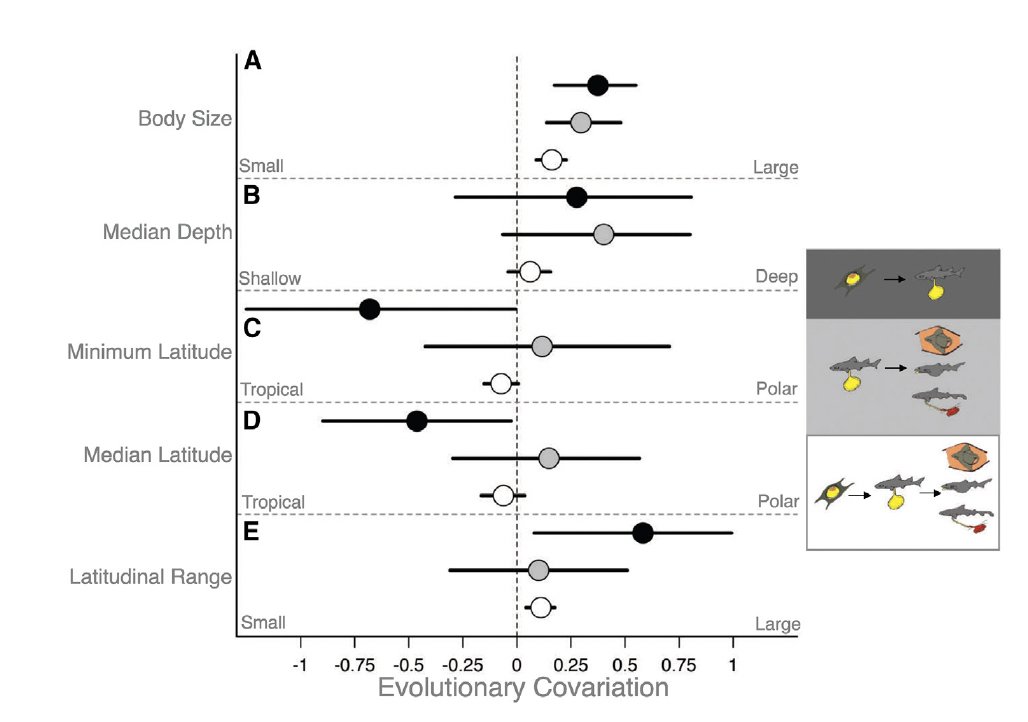
Live-bearing and matrotrophy co-evolved with increasing body size, shallower depth, and more tropical distributions. Larger maternal body size accommodates retained embryos, and increased foraging efficiency with reduced predation risk may allow for more maternal investment
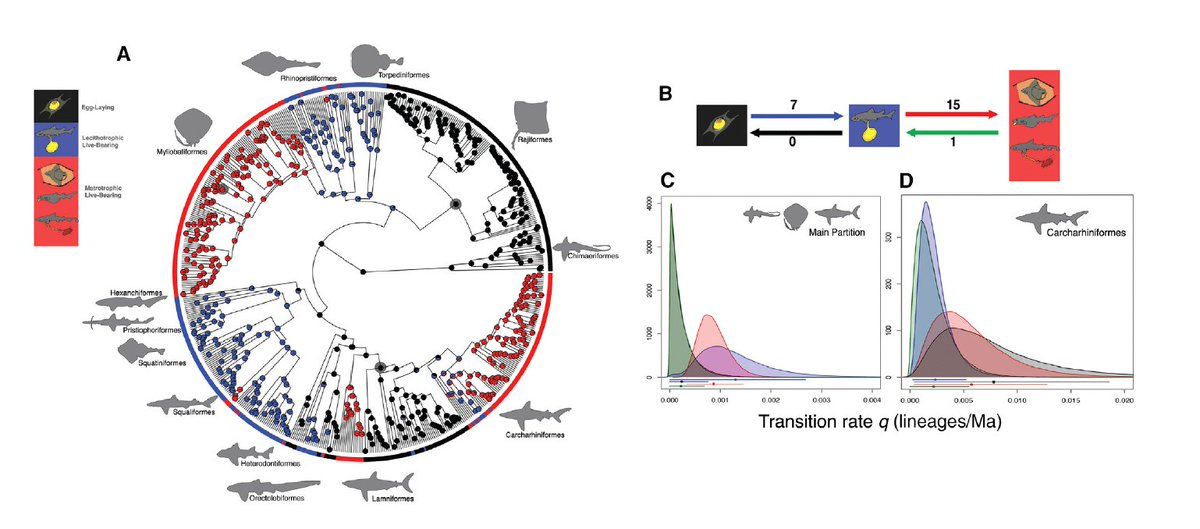
Egg-laying is ancestral and live-bearing and matrotrophy (additional maternal nourishment beyond the initial yolk) have evolved multiple times. While some groups are invariant (all skates lay eggs), groups like the requiem sharks exhibit diverse reproductive modes and habitats
The sequence and drivers of the evolution of live-bearing and matrotrophy are fundamental questions in vertebrate macroecology, and sharks and rays with their reproductive diversity (everything from egg-laying to placentas) are an ideal group for addressing these questions.
Do sharks have ears? Unlike us, sharks have no need for external ears. Instead, they feel the sound with their whole bodies! In this episode, Dr Lucille Chapuis talks to us about the fascinating topic of shark hearing!
saveourseas.com/worldofshark…
Today’s the day! GlanceBar for visionOS is now available on the App Store:
apps.apple.com/app/id6477764…
GlanceBar consolidates all of your day's essentials (time/date, weather conditions, upcoming events, and reminders) into a single compact window bar.
#applevisionpro#indiedev
We really can't. Sounds fantastic!
& for anyone who might've missed your co authored work ,
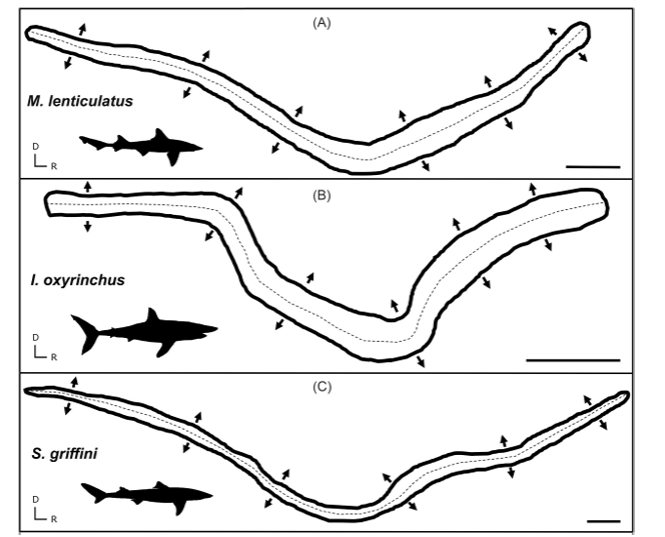
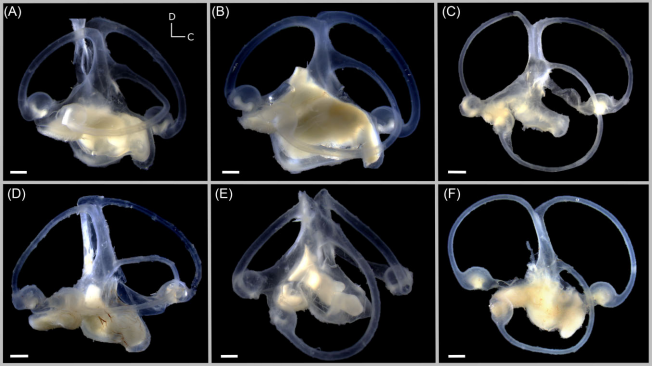
Interspecific Variation in the Inner #Ear Maculae of #Sharks
Sauer, Yopak, Radford
doi.org/10.1093/iob/obad031
ALT Fig. 2. Tracings of the saccular maculae from three representative shark species, M. lenticulatus (A), I. oxyrinchus (B), and S . g riffini (C), demon- strating the similar shape of the saccule and similar HC orientations (arrows indicate orientation) between species. Note that length and width should not be directly compared, as scales differ. Scale bars = 1000 μm. D = dorsal, R = rostral.
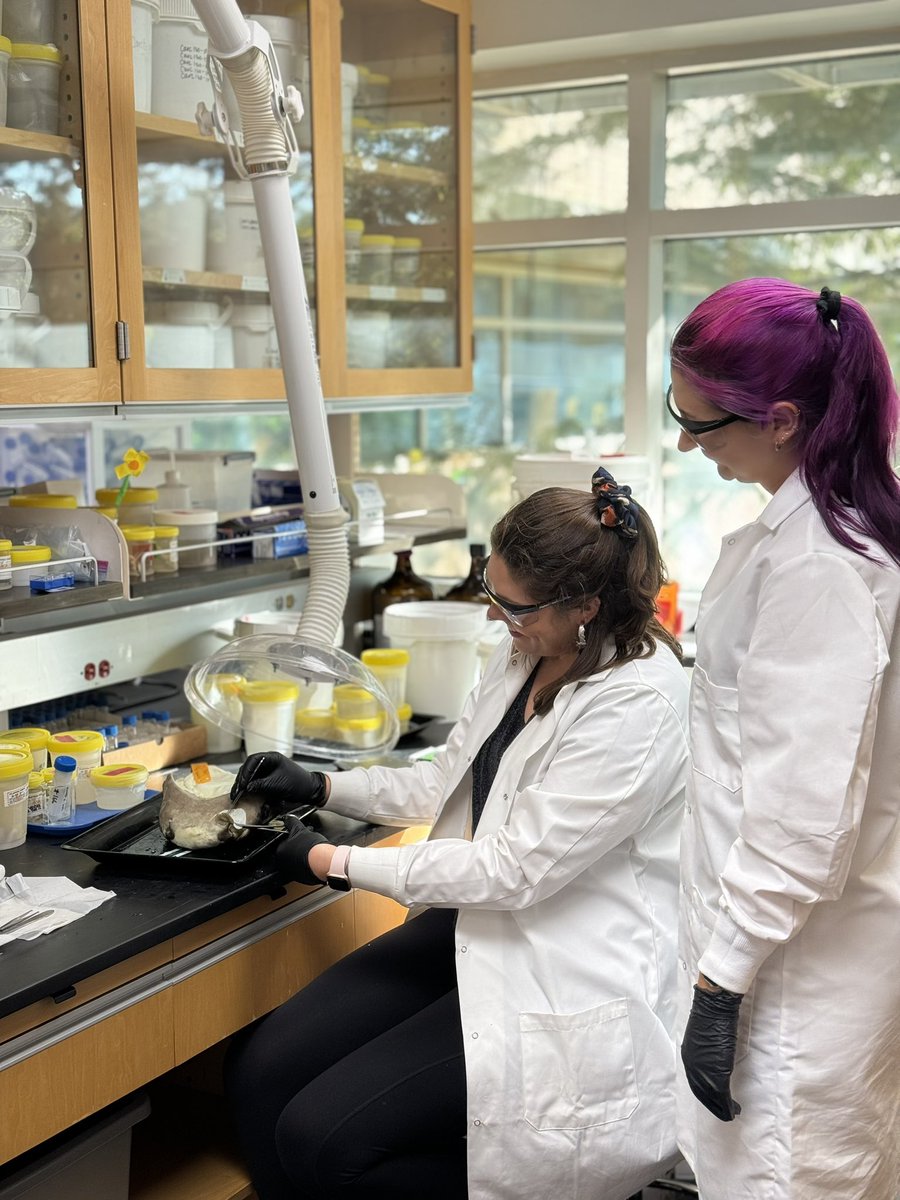
A great 2 days of #SharkSnootScience with Aubrey and @ProfSharkBrain in the @YopakZoMBiELab 🦈🧠
Sampled 18 shark noses including 7 new species for me: bronze whaler, Australian swell shark, school shark, smooth hammerhead, blue shark, shortfin mako, and a FREAKING SEVENGILL!!!
ALT Lauren sitting dissecting the nose of a sevengill shark as Aubrey watches.
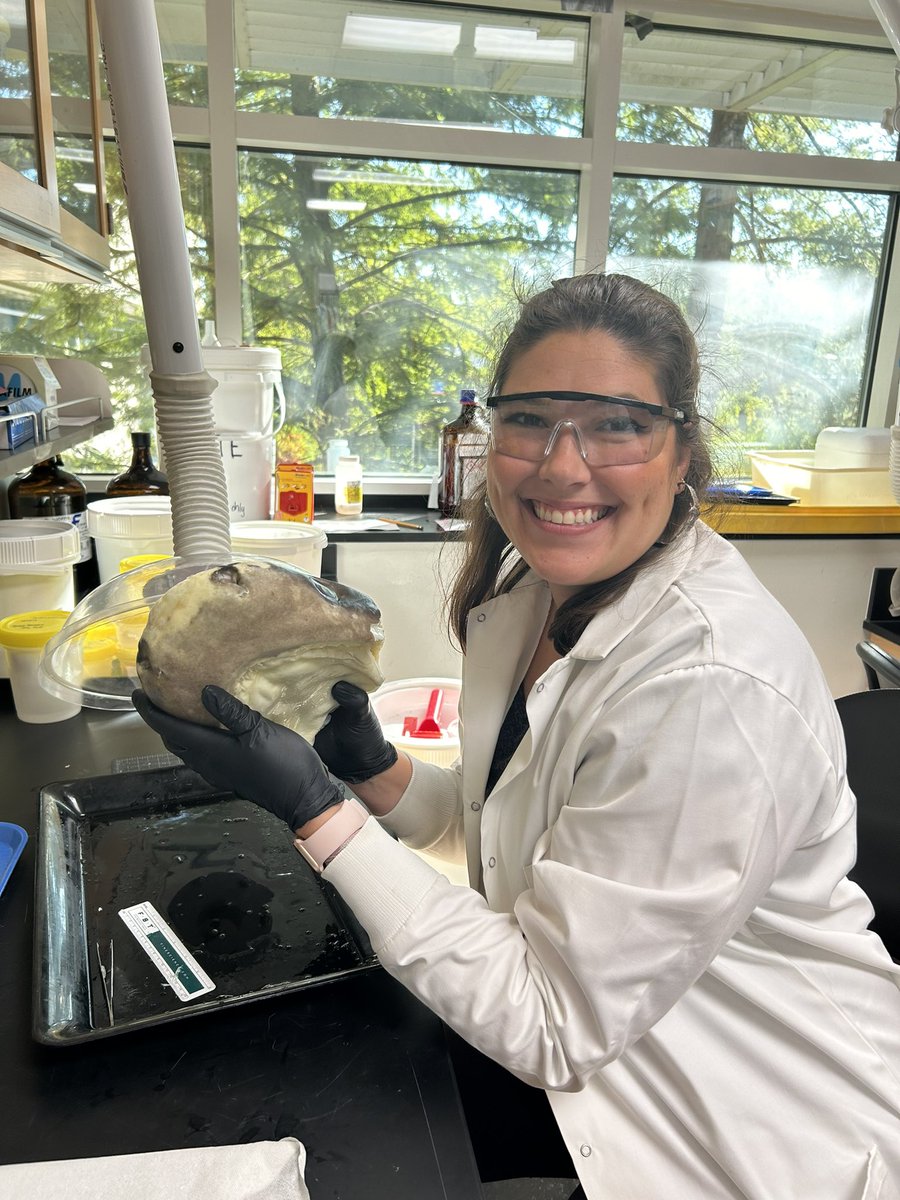
ALT Lauren smiling in a lab coat and goggles with a sevengill shark head
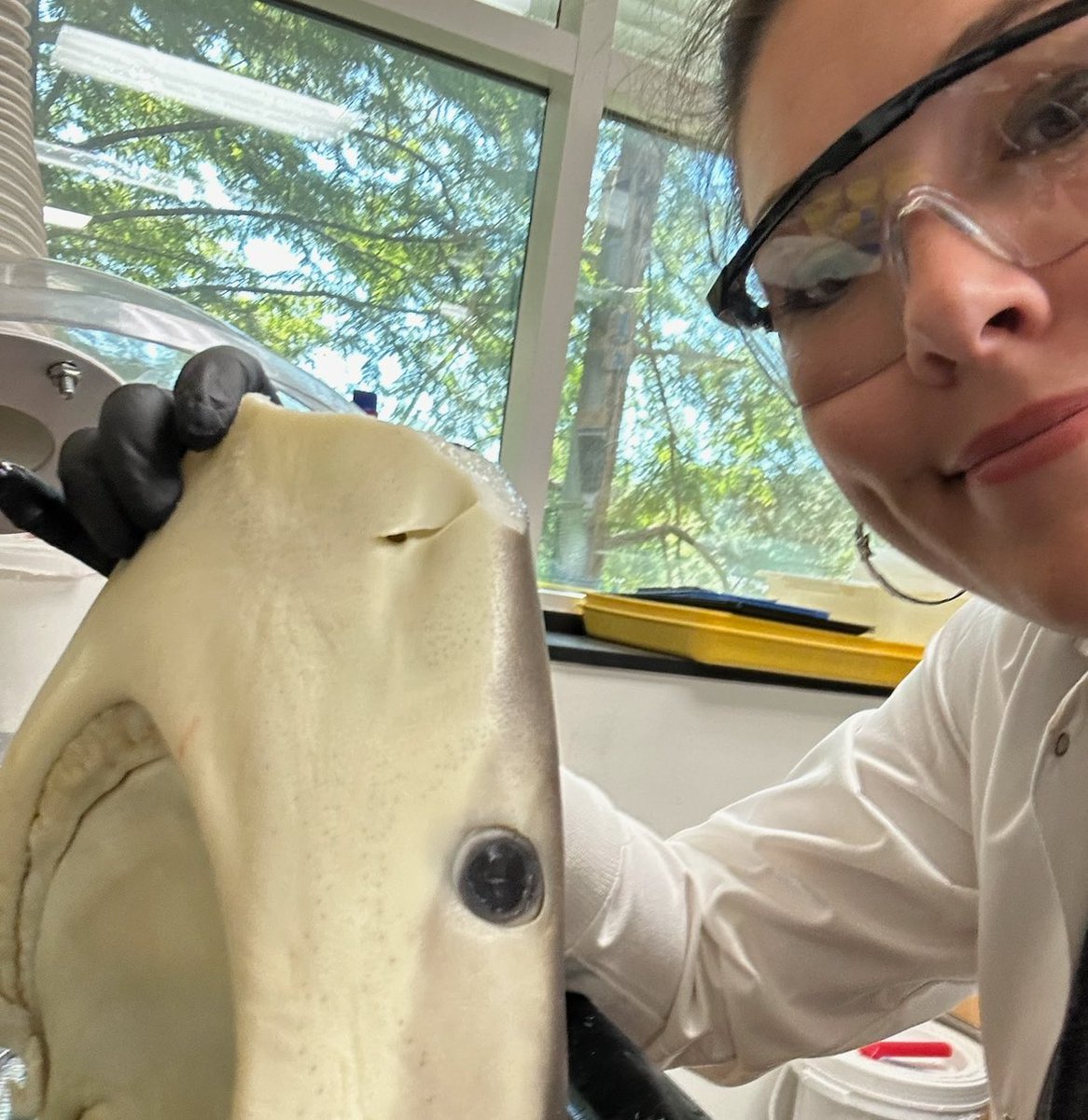
ALT Lauren holding a bronze whalers shark head on a tray
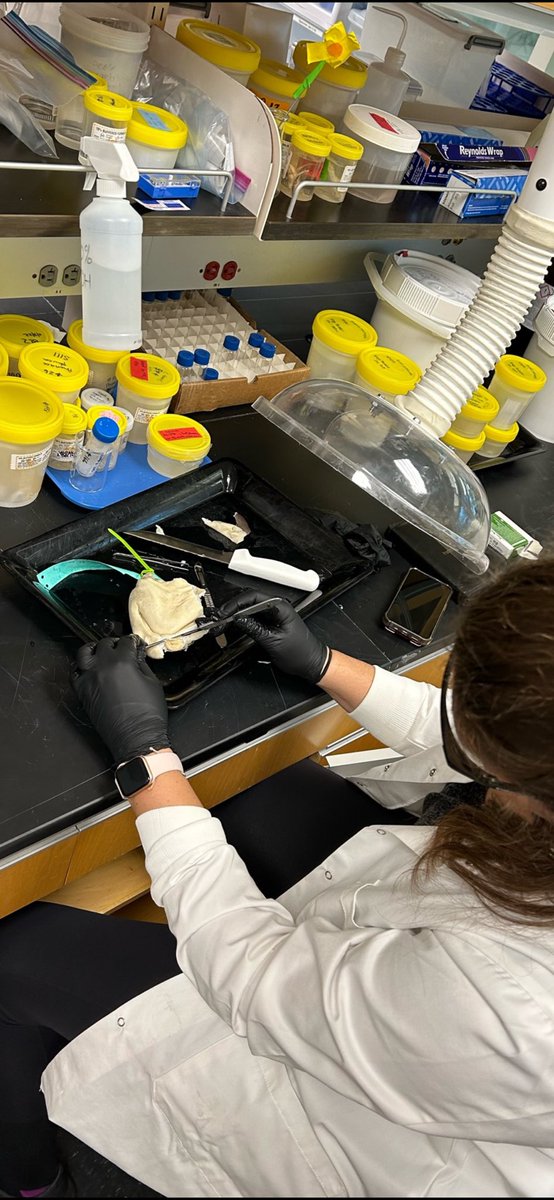
ALT Lauren dissecting an Australian swell shark nose
So honored and excited to be interviewed by @isla_hodgson for the @saveourseas#worldofsharks podcast! We had so much fun discussing all things brain - come visit our lab soon Isla!!
Because every week should be #SharkWeek 👍
Interspecific Variation in the Inner #Ear#Maculae of #Sharks
by Sauer, Yopak, & Radford
doi.org/10.1093/iob/obad031
"...we quantified inner ear hair cells in the saccule, lagena, utricle, and macula neglecta of 9 distinct shark species."