
Joined April 2014
- Tweets 523
- Following 12
- Followers 821
- Likes 319
131 Photos and videos






Apr 5
Watching this segment on rising college tuition.
Everyone’s focused on the price.
But the bigger risk is making the wrong decision and having to live with it.
@FoxNews @RCamposDuffy
foxnews.com/video/6392351525…
4
5
70
Gary Palin retweeted

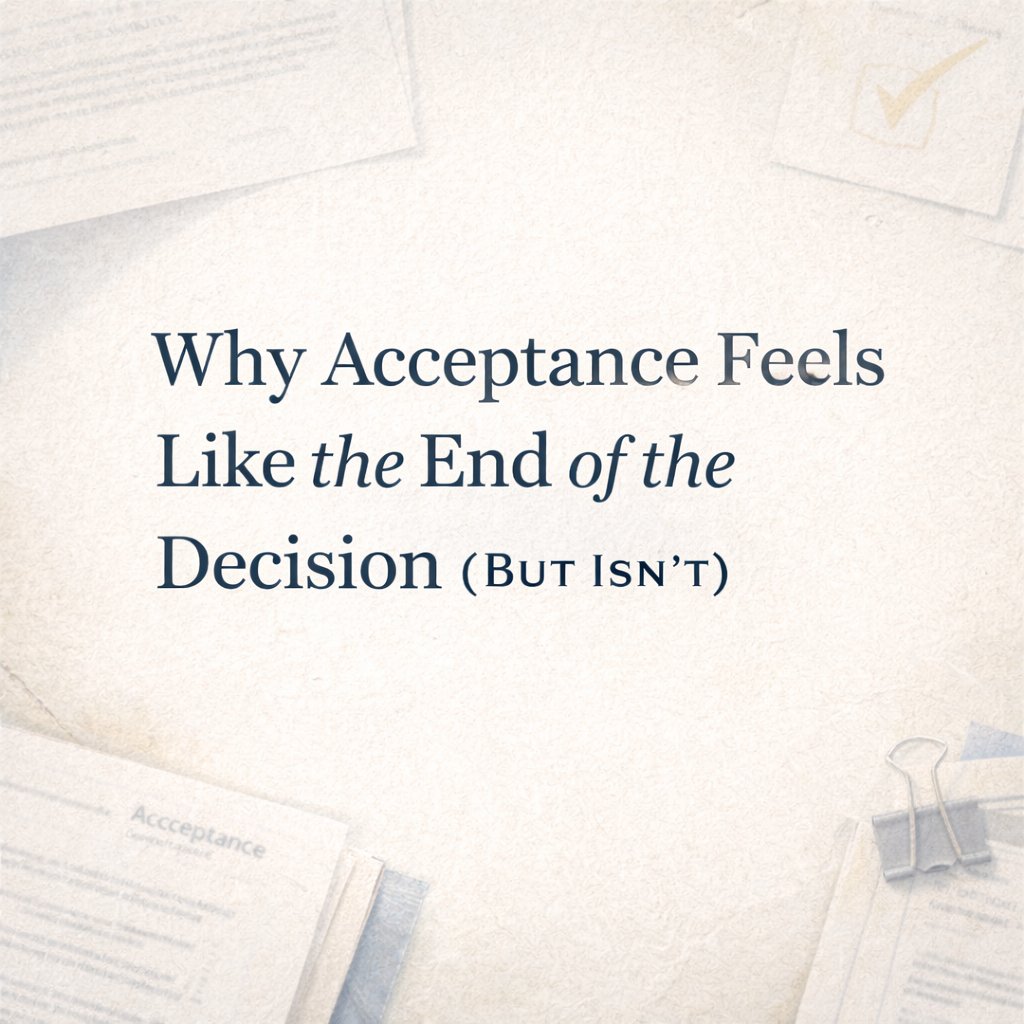
College acceptance feels like the finish line.
It isn’t.
Acceptance says, “You can attend.”
Not, “This will age well.”
Most commitments happen after acceptance.
That’s when judgment matters most.
Why Acceptance Feels Like the End (But Isn’t)
bit.ly/4aJ9ni2
4
5
60
Feb 10
Delegation doesn’t usually fail because teams can’t execute.
It fails when people aren’t sure which decisions they truly own.
That uncertainty shows up before results drop—when execution starts to feel heavier, slower, and less predictable.
This is a control problem hiding under delegation 👇
bit.ly/3ZxdYh4
4
5
28
Gary Palin retweeted
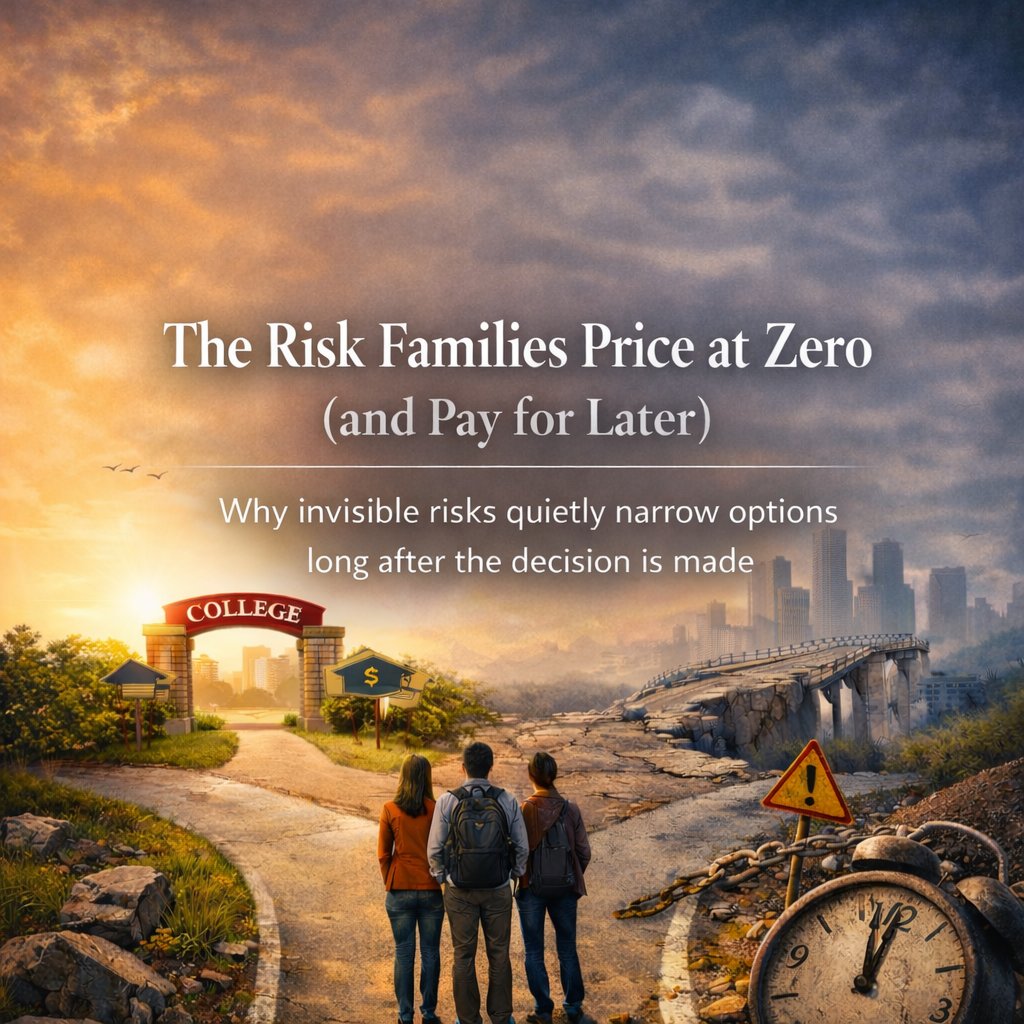
Most families worry about the price of college.
But the most dangerous risks are priced at zero.
Lock-in. Lost flexibility. Paths that quietly narrow.
By the time those costs appear, changing course is hard.
Here’s the risk most families miss 👇
bit.ly/4qWMm0K
4
5
33
Gary Palin retweeted
Feb 3
Execution doesn’t break when a company grows fast.
It breaks earlier — when growth quietly outpaces clarity.
That’s why teams stay busy, revenue grows, and execution still feels heavier.
If “pushing harder” stopped working, this explains why 👇
profspirit.substack.com/p/ex…
5
5
38
Jan 27
If pushing harder isn’t fixing execution, it’s not because you’re failing.
It’s because effort stopped being the lever.
Execution breaks before results do.
The work ahead isn’t to do more. It’s to decide differently.
When “Pushing Harder” Makes Execution Worse
profspirit.substack.com/p/wh…
4
5
45
Gary Palin retweeted
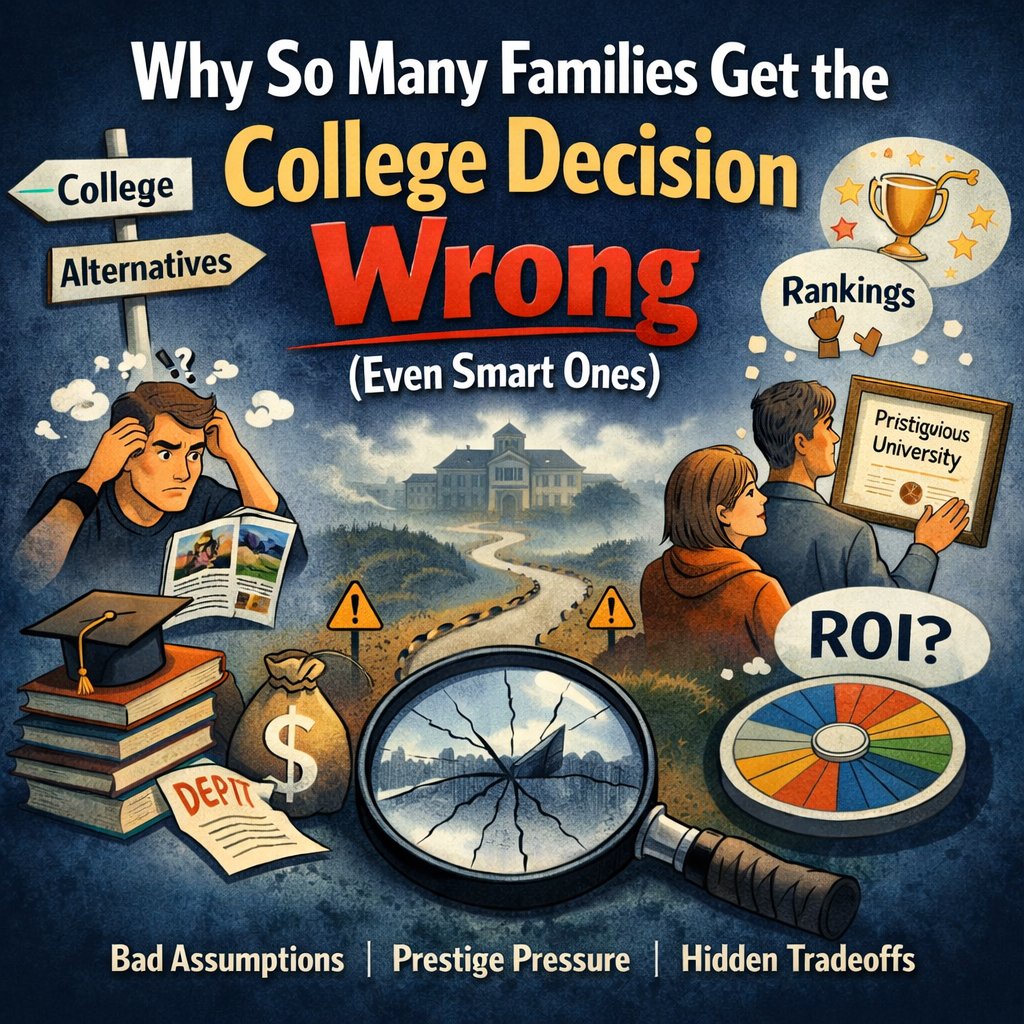
Most families don’t get the college decision wrong from lack of information.
They get it wrong by starting with the wrong question.
That’s where smart families make costly mistakes.
Why So Many Families Get the College Decision Wrong
bit.ly/4pM35m7
#CollegeDecision
4
5
33
Jan 20
Founder decision fatigue isn’t about being busy.
It’s an execution risk.
When every decision flows through the founder, momentum slows long before results look “bad.” What feels like a time problem is usually a structural execution breakdown.
Today’s Let's Get Entrepreneurial Substack article:
Founder Decision Fatigue Is an Execution Risk, Not a Time-Management Problem
Read here 👇
profspirit.substack.com/p/fo…
#FounderExecution #Entrepreneurship #DecisionMaking #StartupLeadership #LetsGetEntrepreneurial
1
4
6
51
Gary Palin retweeted
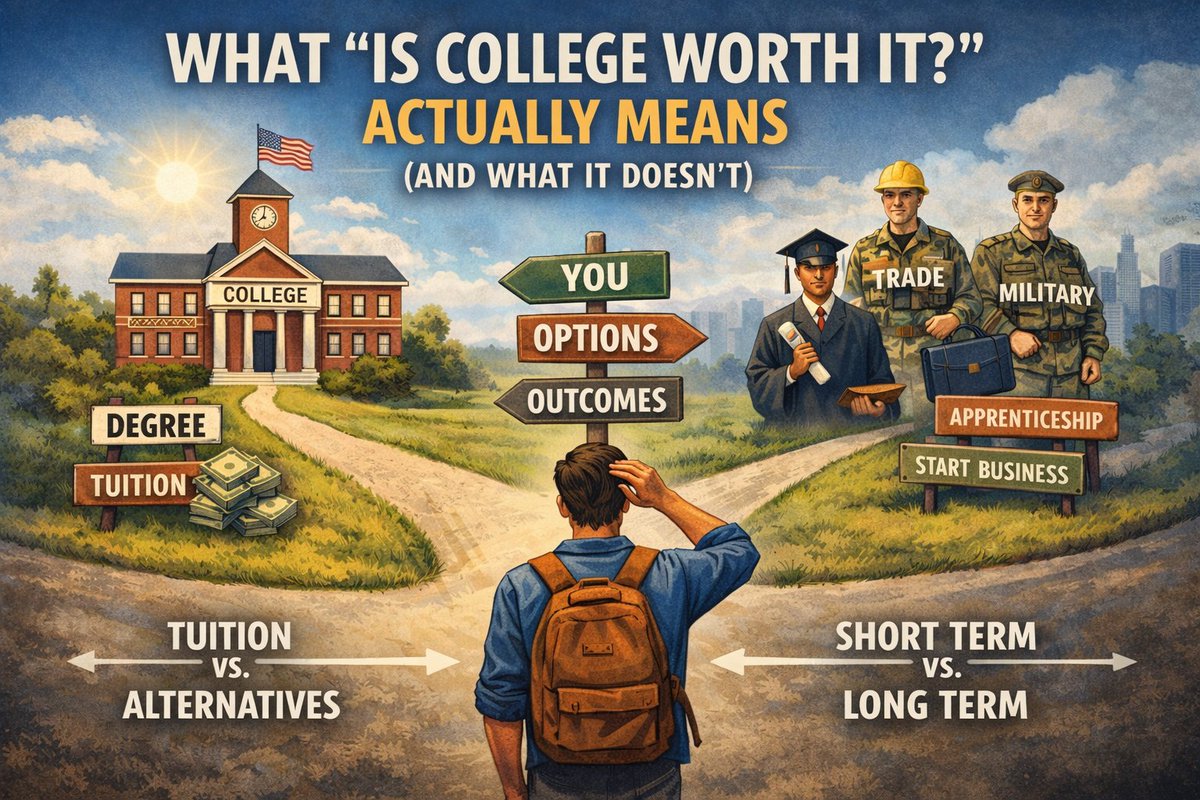
“Is college worth it?” isn’t a yes-or-no question.
It’s a judgment call about cost, risk, timing, and alternatives.
This piece explains what the question really means and what it doesn’t.
collegeisitworthit.substack.…
4
5
72
Jan 13
Hiring Your First Employee — Founder Execution Without Cashflow Chaos
Why early hiring quietly destroys execution before founders realize what’s happening.
👉 open.spotify.com/episode/76z…
👉 podcasts.apple.com/us/podcas…
4
6
47
Jan 8
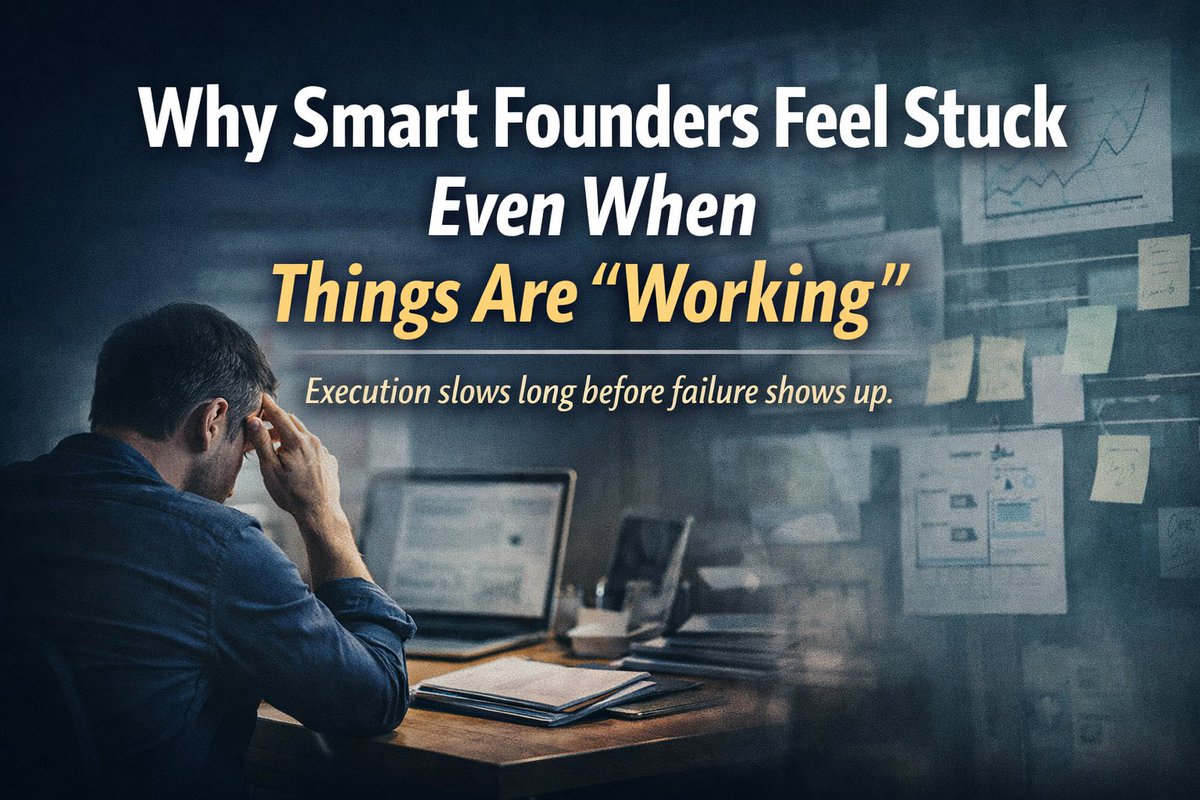
Smart founders don’t get stuck because things are failing.
They get stuck because things are working — and decision load quietly overwhelms execution.
Why momentum slows before anything breaks 👇
profspirit.substack.com/p/wh…
3
5
28
Jan 7
College isn’t the path to success.
It’s a path.
The risk isn’t choosing college.
It’s treating it as the default.
Success is an outcome.
College is a mechanism.
1
2
6
31
Jan 1
2026 won’t reward ideas.
It will reward founders who execute under pressure, make hard decisions early, and turn momentum into cash flow.
Less hype. More follow-through.
Let’s Get Entrepreneurial.
1
1
6
28
Jan 1
If you’re serious about execution, start here:
🎙️ Execution Over Ideas — Founder Execution That Actually Works
Founders don’t stall because they lack ideas.
They stall because execution breaks under pressure.
🔗 Spotify: open.spotify.com/episode/5jV…
🔗 Apple Podcasts: podcasts.apple.com/us/podcas…
3
20
30 Dec 2025
Most founders don’t fail because they lack ideas.
They fail because execution collapses under real constraints.
1
4
5
28
30 Dec 2025
I unpack this exact execution breakdown in today’s episode:
Execution Over Ideas: Founder Execution That Actually Works
🎧 Listen here:
👉 Spotify: open.spotify.com/episode/5jV…
👉 Apple Podcasts: podcasts.apple.com/us/podcas…
Execution isn’t motivation.
It’s structure under constraint.
1
6
24