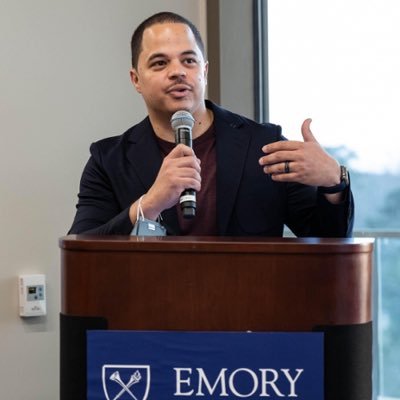
writer. historian. sports guy. associate professor. @emoryUniversity. author of #PresumedCriminal and some other things.
- Tweets 15,988
- Following 1,432
- Followers 2,360
- Likes 164,476

















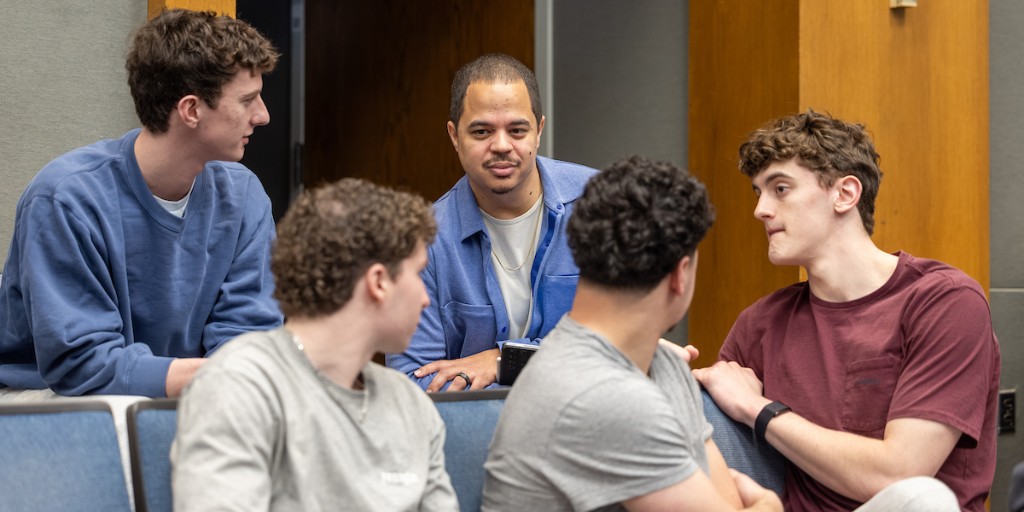
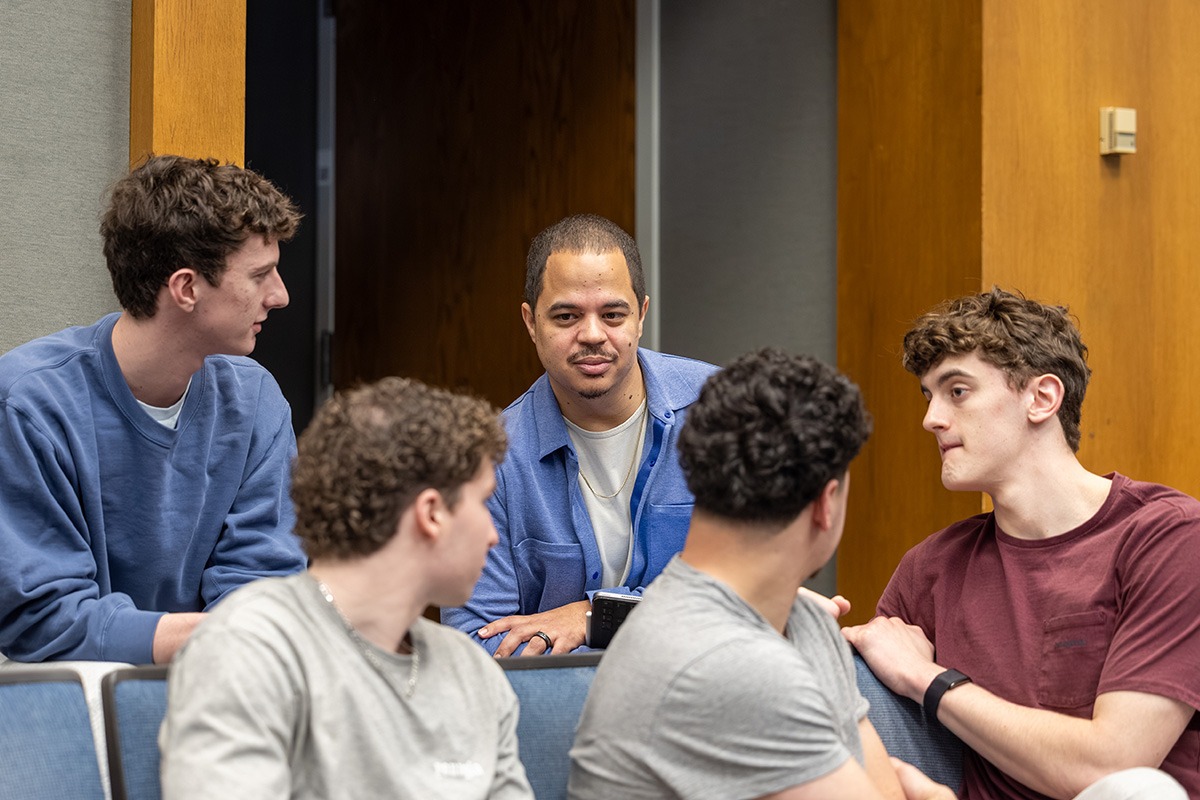
ALT Professor Carl Suddler listens to students in a small group discussion during Emory College's Sports, Power and Society course



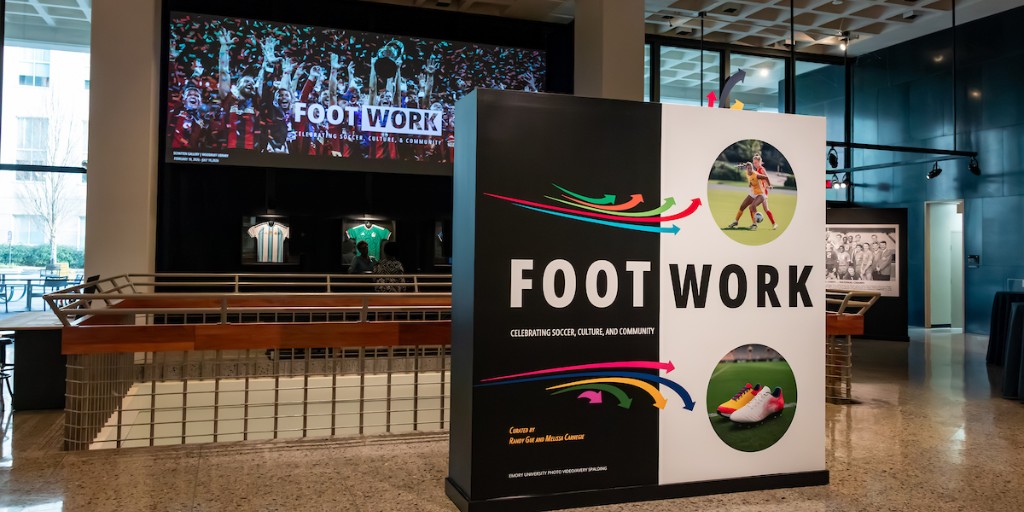
ALT This image shows an exhibition area with a large display sign that says "Footwork: Celebrating Soccer, Culture, and Community." The display features colorful graphics of soccer-related images. In the background, a large screen displays the word "Footwork" over an image of cheering soccer fans.







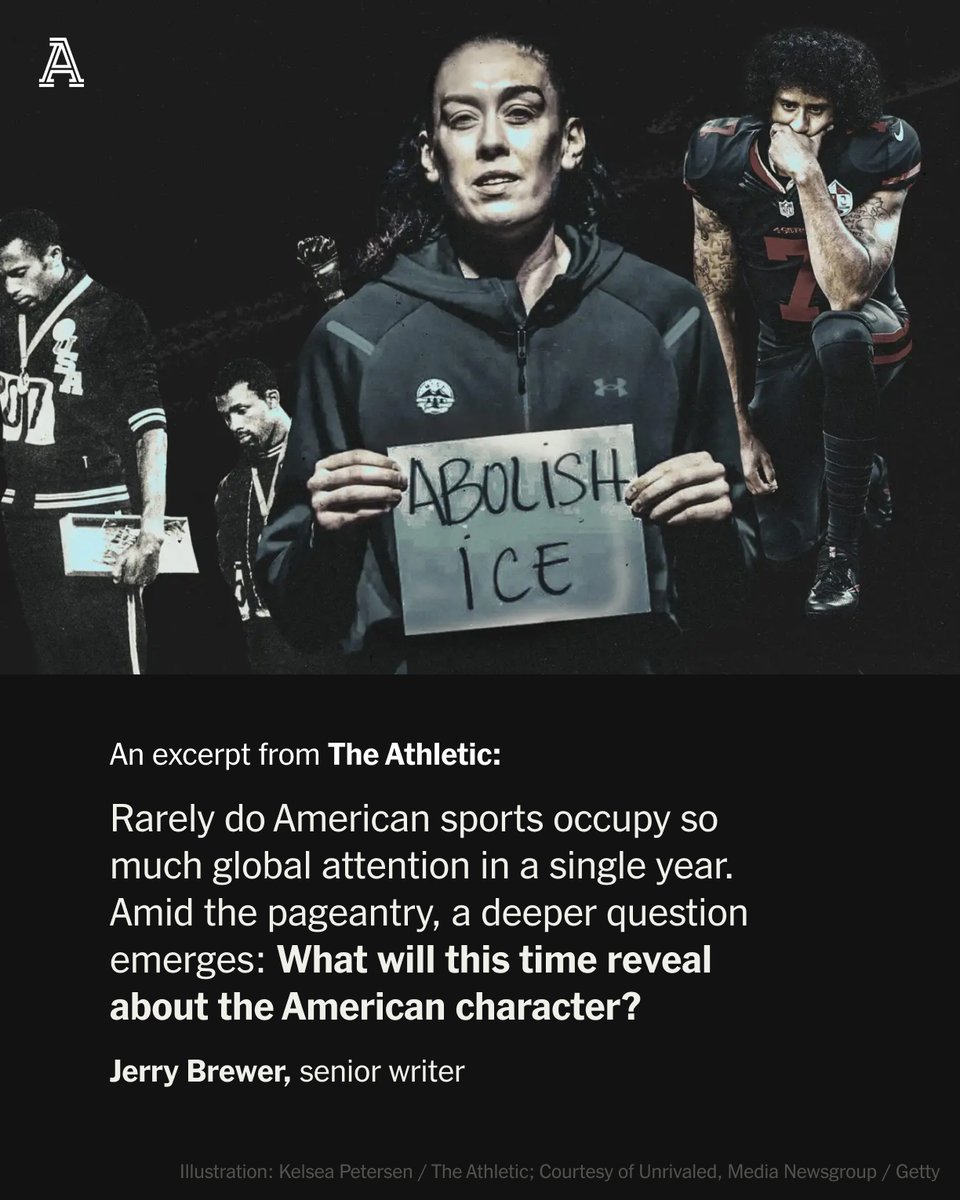

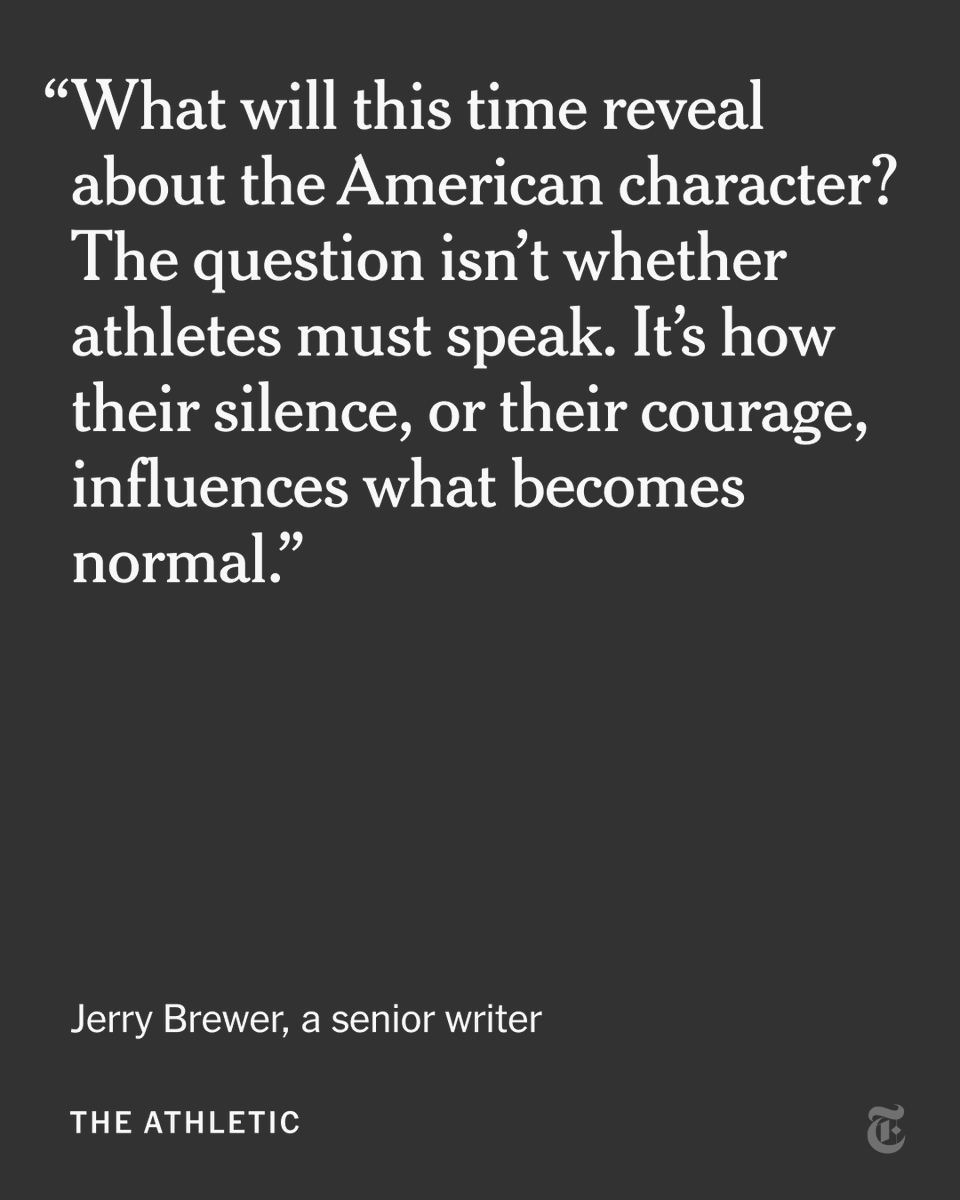
ALT A quote from Jerry Brewer, a senior writer: “What will this time reveal about the American character? The question isn’t whether athletes must speak. It’s how their silence, or their courage, influences what becomes normal.”


