Academic, Social scientist, PhD in something. To hold the government accountable is my passion.
Joined June 2017
- Tweets 3,290
- Following 740
- Followers 1,570
- Likes 1,815
378 Photos and videos
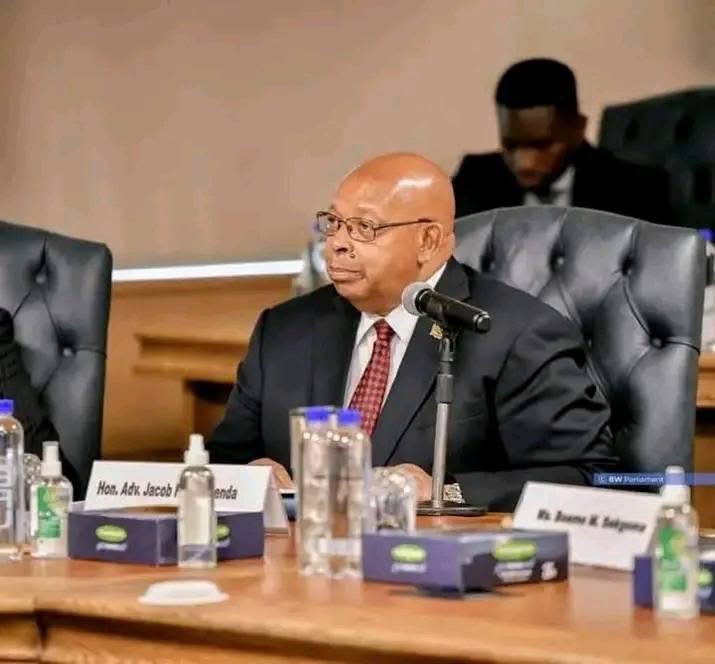

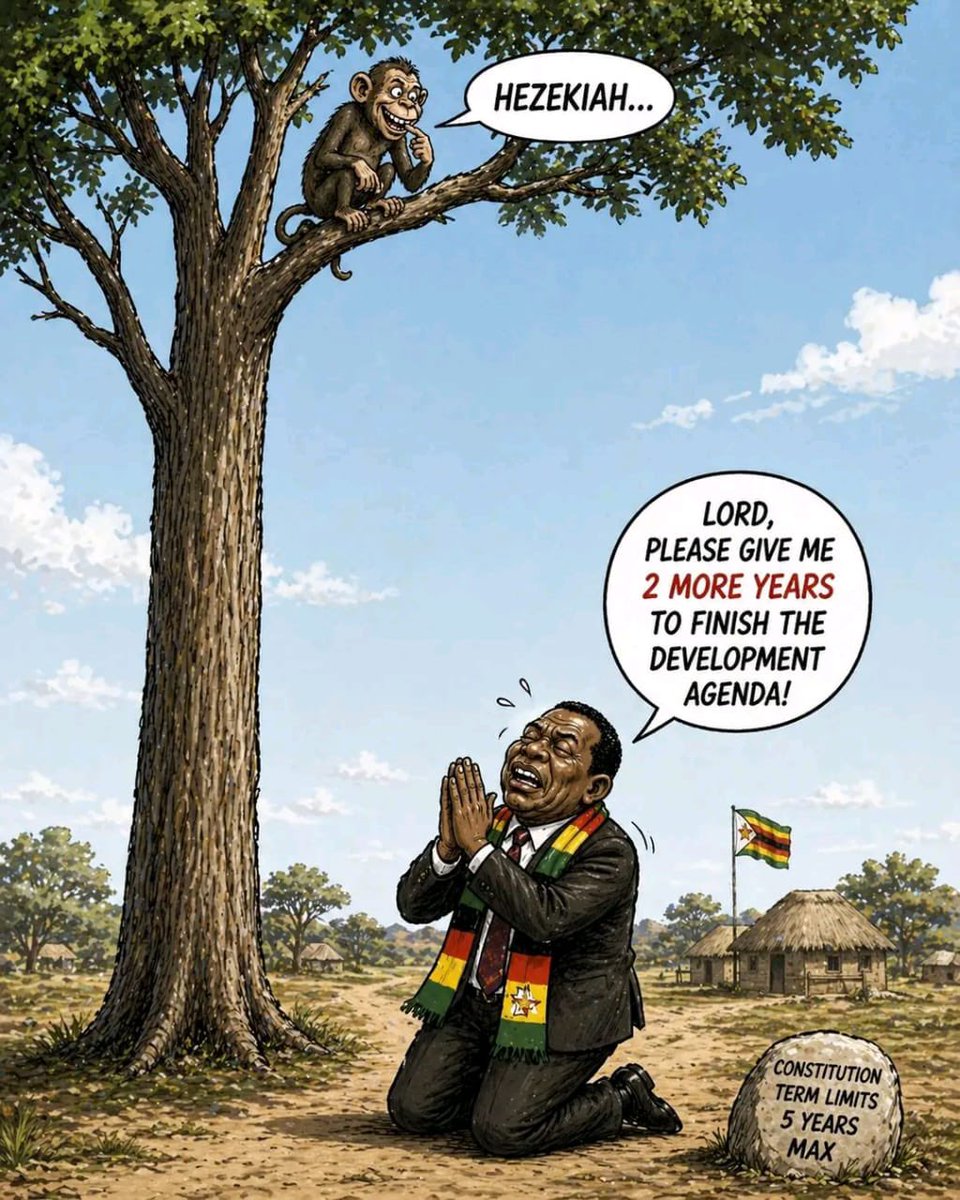
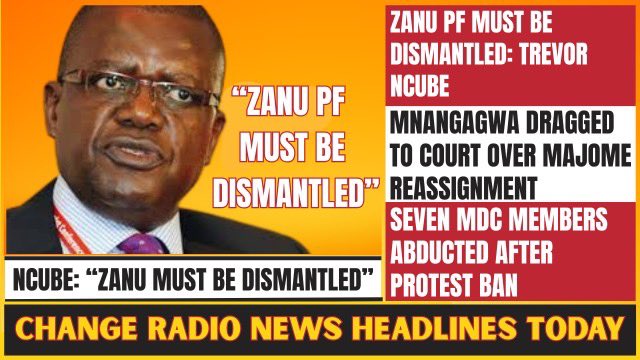

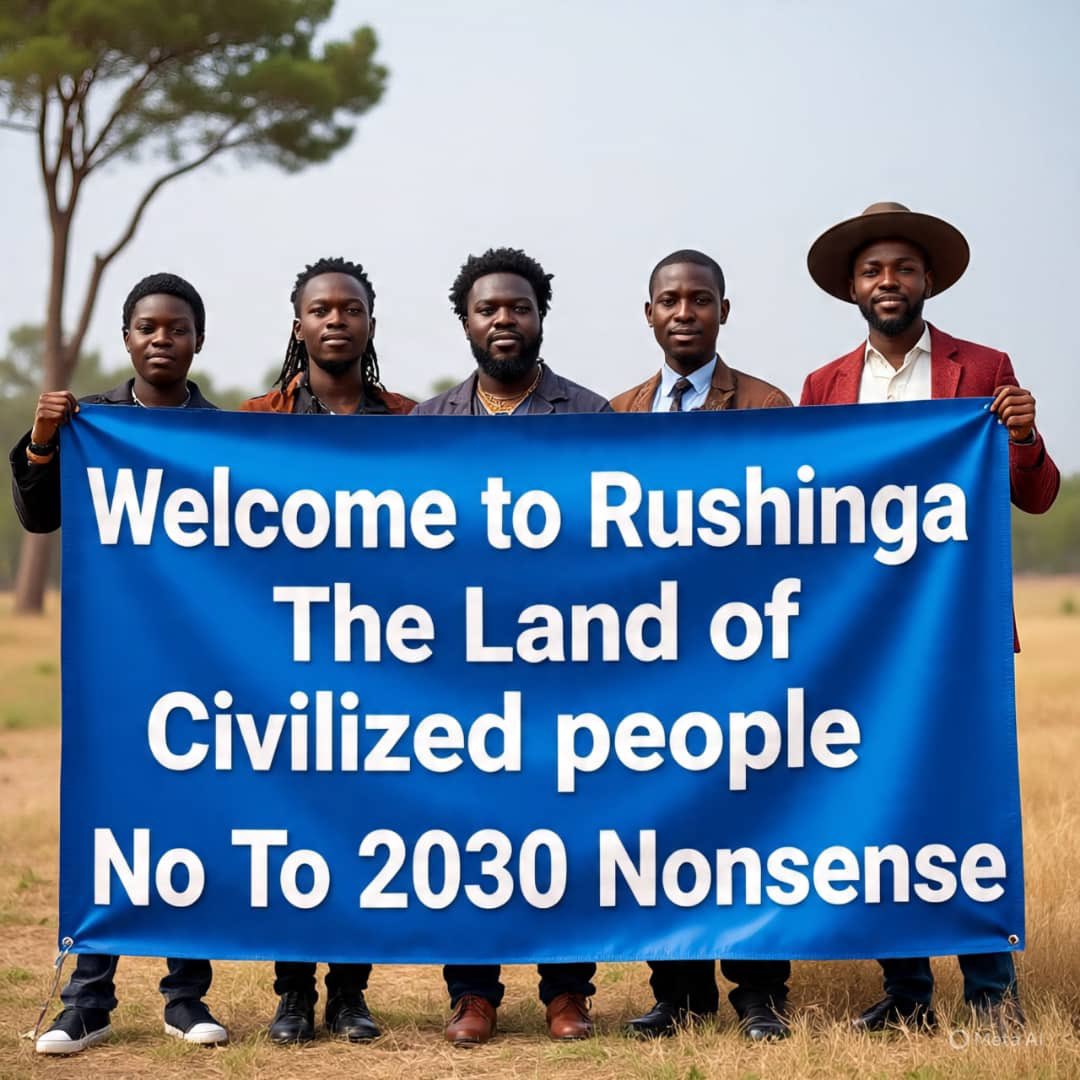
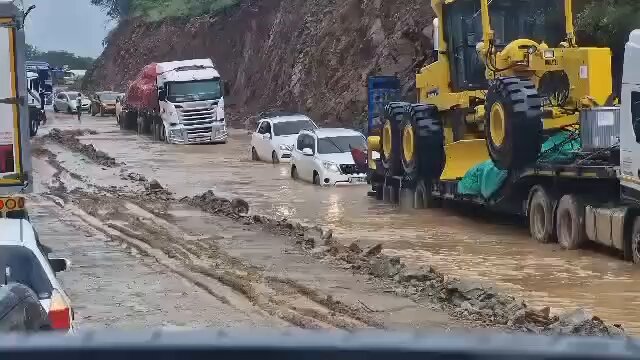

Jacob Mudenda has arguably become one of the most ineffective and partisan Speakers of Parliament in Zimbabwe's history. Instead of acting as a neutral guardian of parliamentary procedures and democratic debate, his rulings and responses to points of order are frequently bias against opposition members while consistently favoring the ruling establishment. The office of Speaker demands impartiality, fairness, and respect for parliamentary principles, yet many of his decisions have raised serious questions about his independence and commitment to those values.
What is most disappointing is that, despite his years of experience and seniority, he appears untroubled by the growing perception that Parliament under his stewardship has become increasingly politicized. A Speaker should rise above party interests and protect the integrity of the institution, not preside over decisions that undermine public confidence in the legislature. History will ultimately judge whether he strengthened Zimbabwe's democracy or contributed to the erosion of parliamentary accountability.
1
2
122
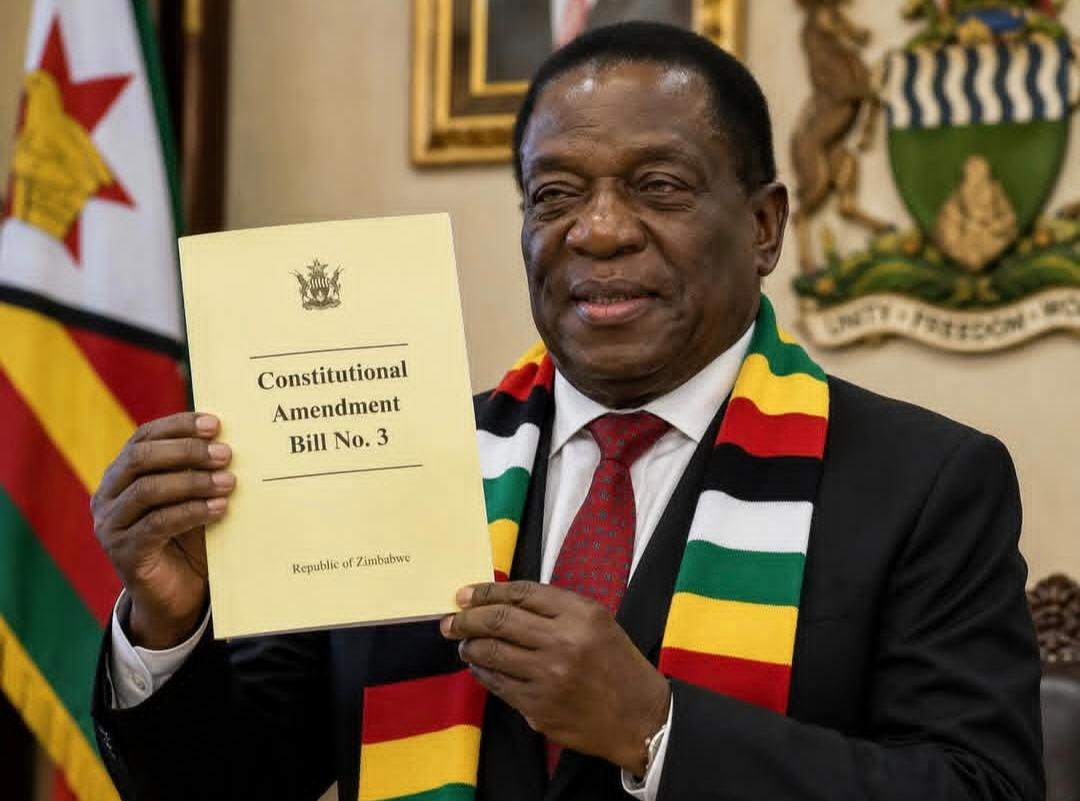
A question to the African Union and the United Nations: are you aware of what President Emmerson Mnangagwa, who once proudly described himself as a constitutionalist, is doing to Zimbabwe's Constitution?
When he assumed office in 2017, Mnangagwa publicly pledged to uphold and defend the Constitution of Zimbabwe. Yet today, Zimbabwe is witnessing proposals that critics argue could alter constitutional provisions in ways that extend his stay in power beyond the current constitutional timeline.
The international community must pay close attention. Constitutionalism is not about speeches and slogans; it is about respecting the supreme law of the land, even when it limits those in power. If constitutional rules can be changed for political convenience, then the promise of constitutional democracy is placed at risk.
Zimbabweans deserve institutions that protect the Constitution, not leaders who reshape it to suit their political ambitions.
1
3
95
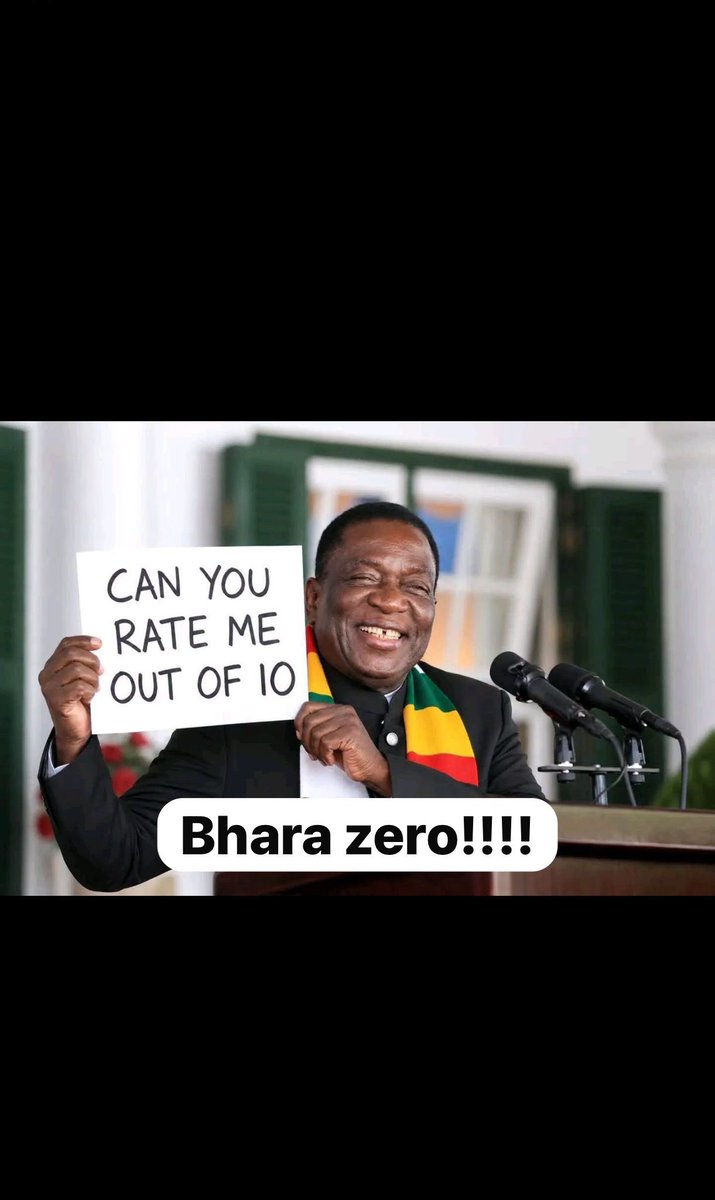
President Emmerson Mnangagwa's governance record can be judged by the realities facing ordinary Zimbabweans ie persistent economic instability, no currency, high unemployment, deteriorating public services, and widespread corruption allegations. Despite repeated promises of reform and prosperity, many citizens continue to struggle with poverty, unreliable infrastructure, and limited opportunities. The failure to deliver sustainable economic growth, strengthen democratic institutions, and improve living standards has led many critics to rate his administration poorly, arguing that Zimbabwe has regressed rather than progressed during his tenure in office.
16
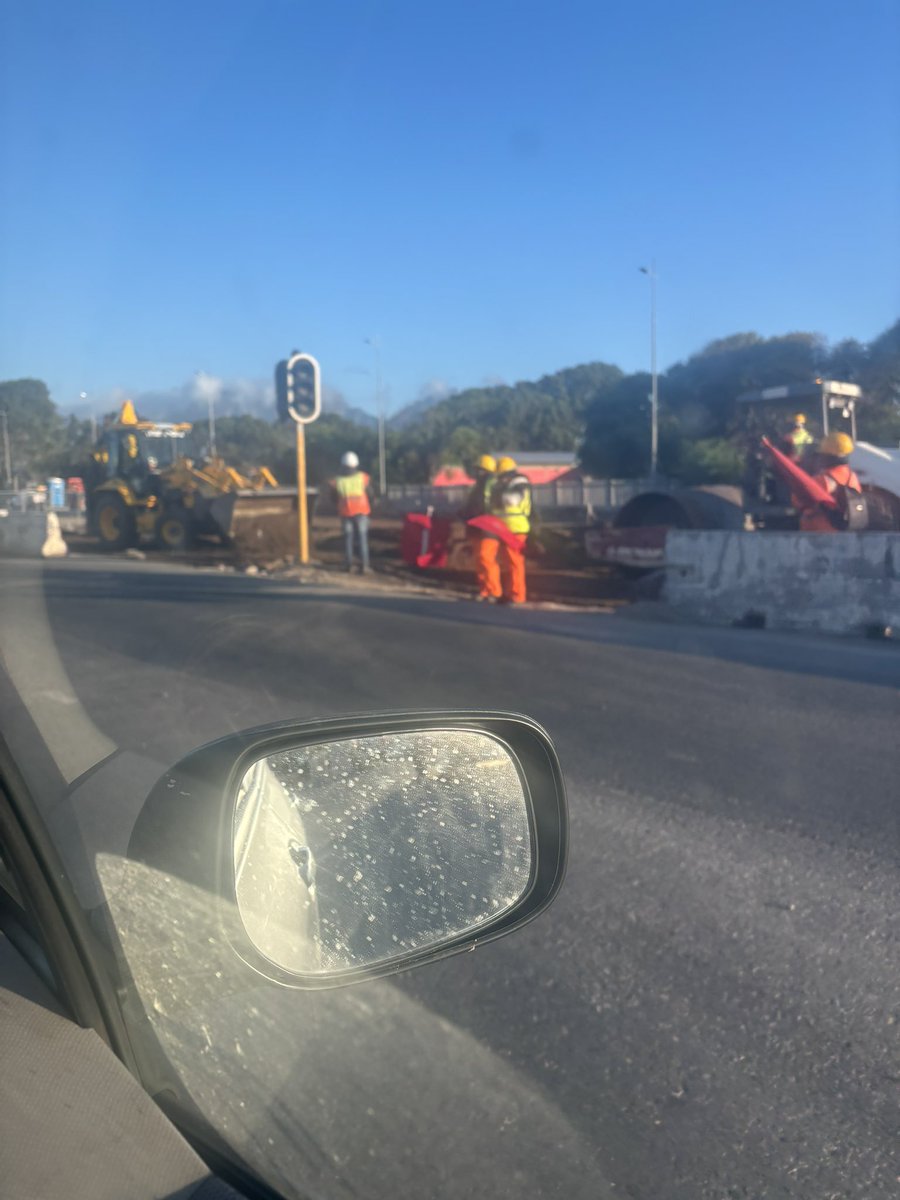
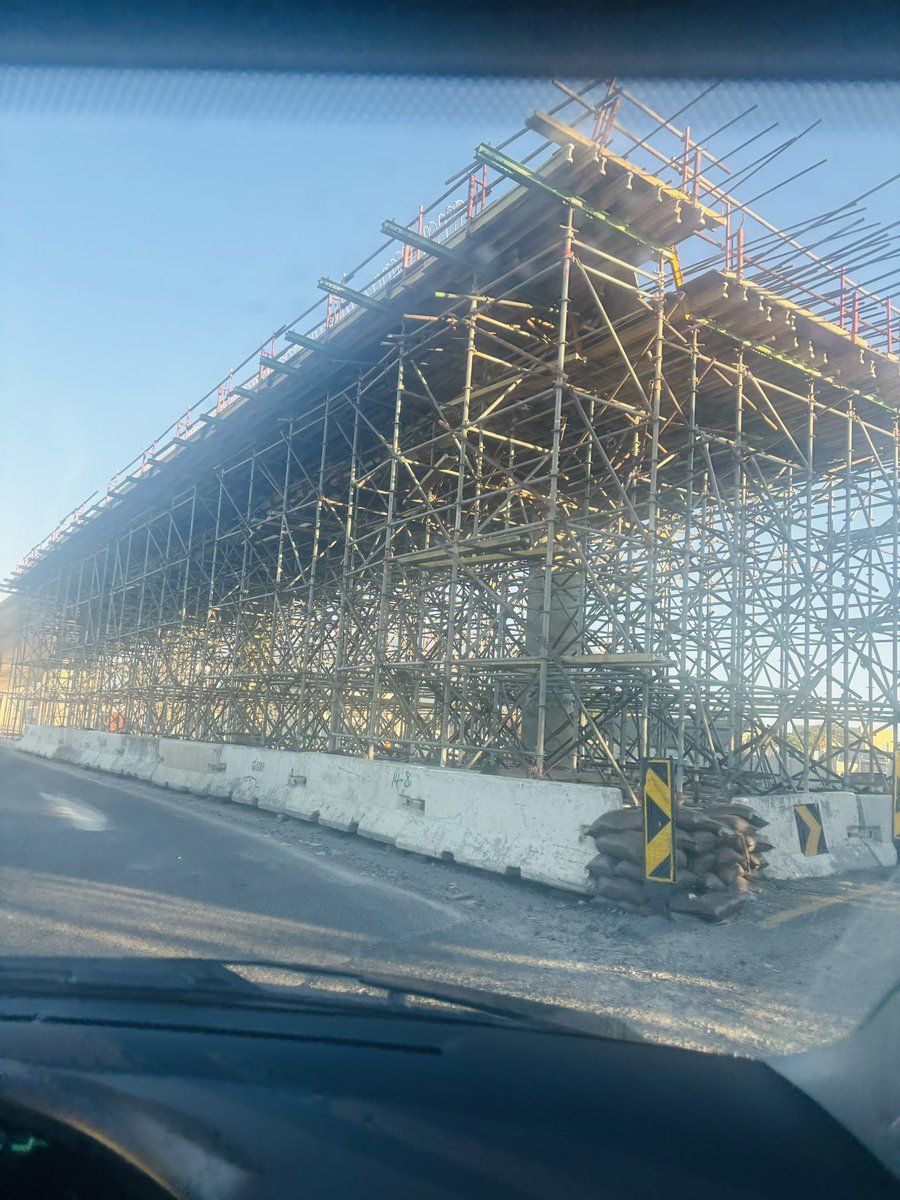
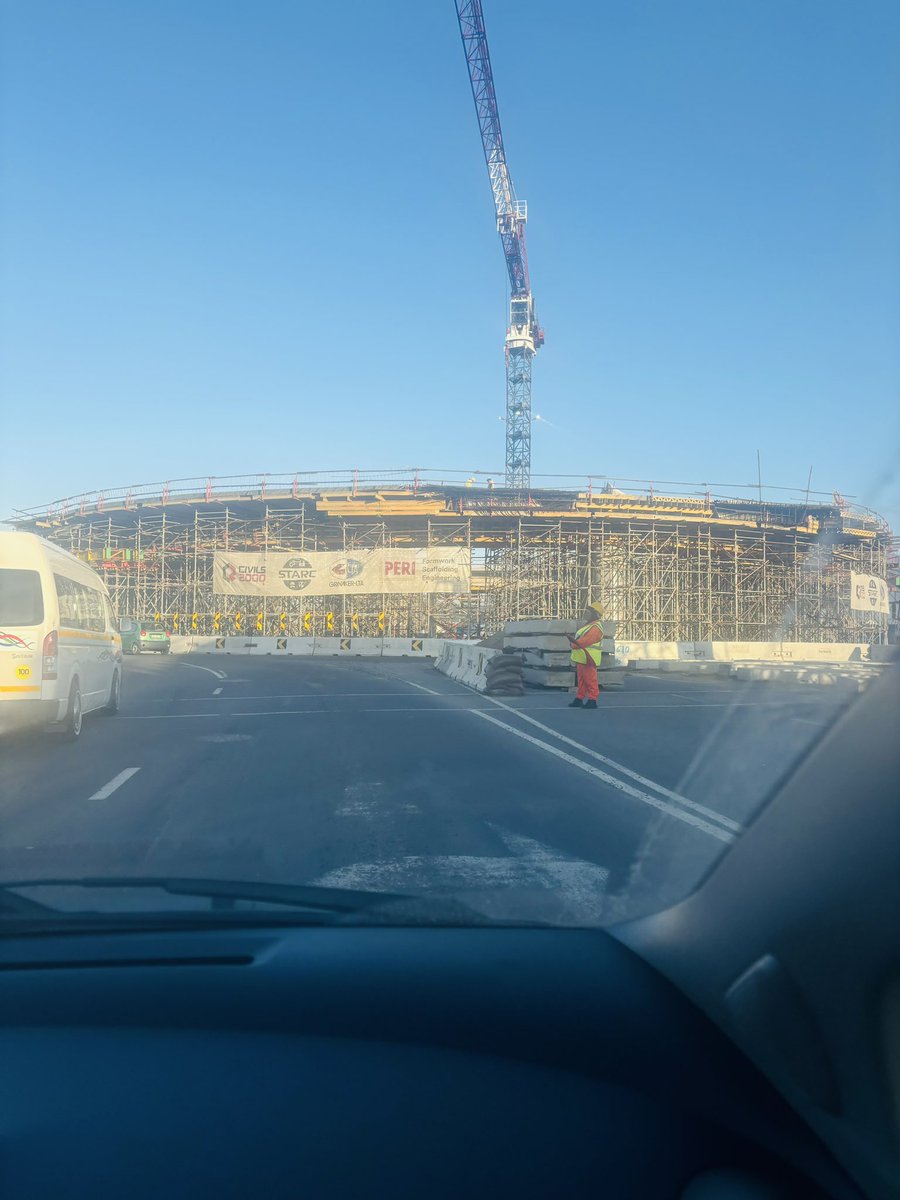
This bridge is being constructed on one of the busiest township roads in South Africa, yet you will hardly see it dominating the news every day or being personally attributed to President Cyril Ramaphosa. Development is treated as a national duty, not a personal campaign project.
In Zimbabwe, by now the bridge would already be covered with pictures of Emmerson Mnangagwa, with endless propaganda claiming it as an individual achievement rather than taxpayers’ work. It shows how primitive our politics has become as a country, where basic public infrastructure is turned into a personality cult instead of normal government service delivery.
72
113
514
68,646
He has clarified himself
May 16

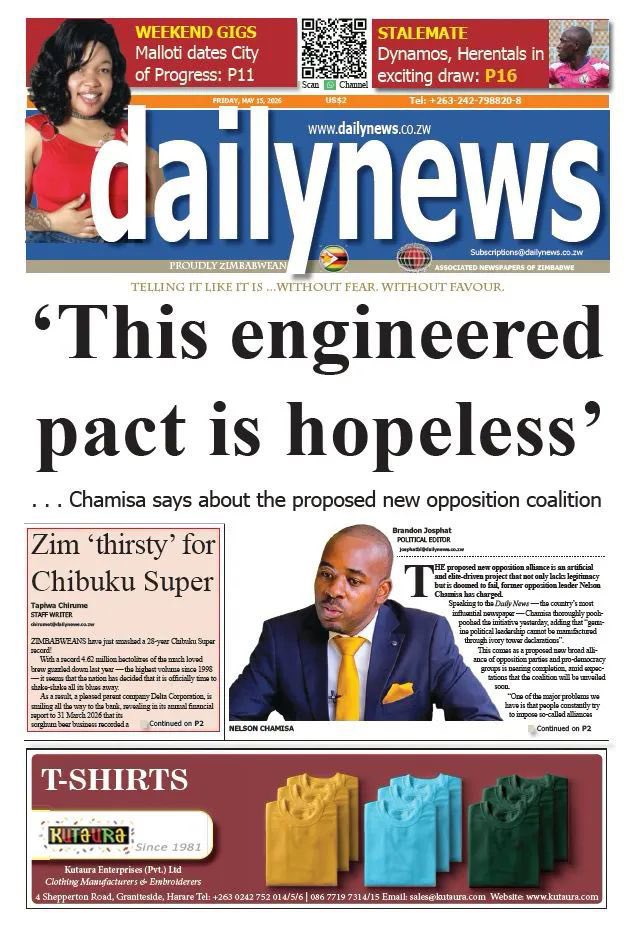
IGNORE THE MISCHIEF..,I have noted with deep concern the Daily News front-page story titled, “This engineered pact is hopeless,” which appears to allege that I have dismissed the efforts of others to advance the struggle for a better Zimbabwe in a manner they consider appropriate.
Regrettably, the story is misleading, is a work of editorial fiction, and is intended to inflict injury. It is a fundamental principle of journalism that reporters should report the news, not manufacture it. When editorial standards are compromised in this way, public trust and our freedoms are put at risk.
I remain fully committed to representing the interests of the citizens of Zimbabwe and to advancing the struggle for a better country. In due course, I will be rolling out a plan aimed at achieving that goal. Any attempts to distract us from this objective will not succeed.
Thank you for your consideration of my take. A New Great Zimbabwe in our lifetime. The citizens shall govern!
1
249
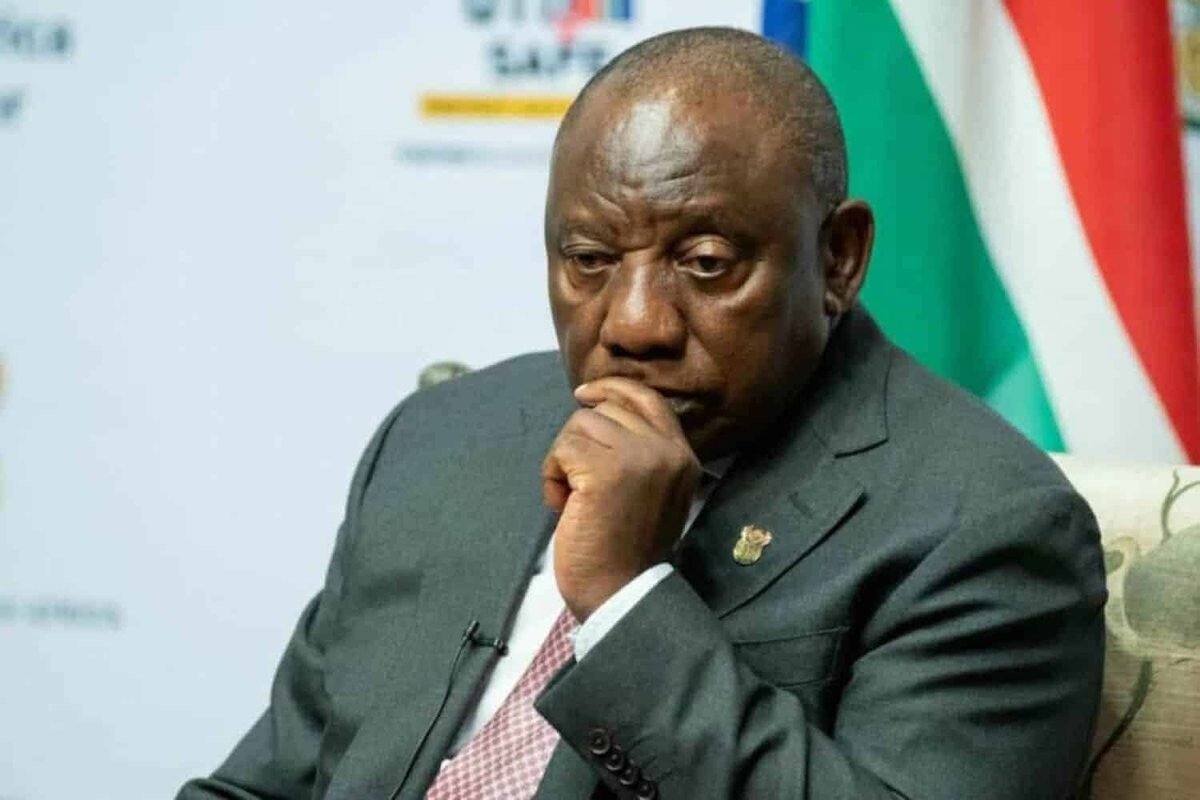
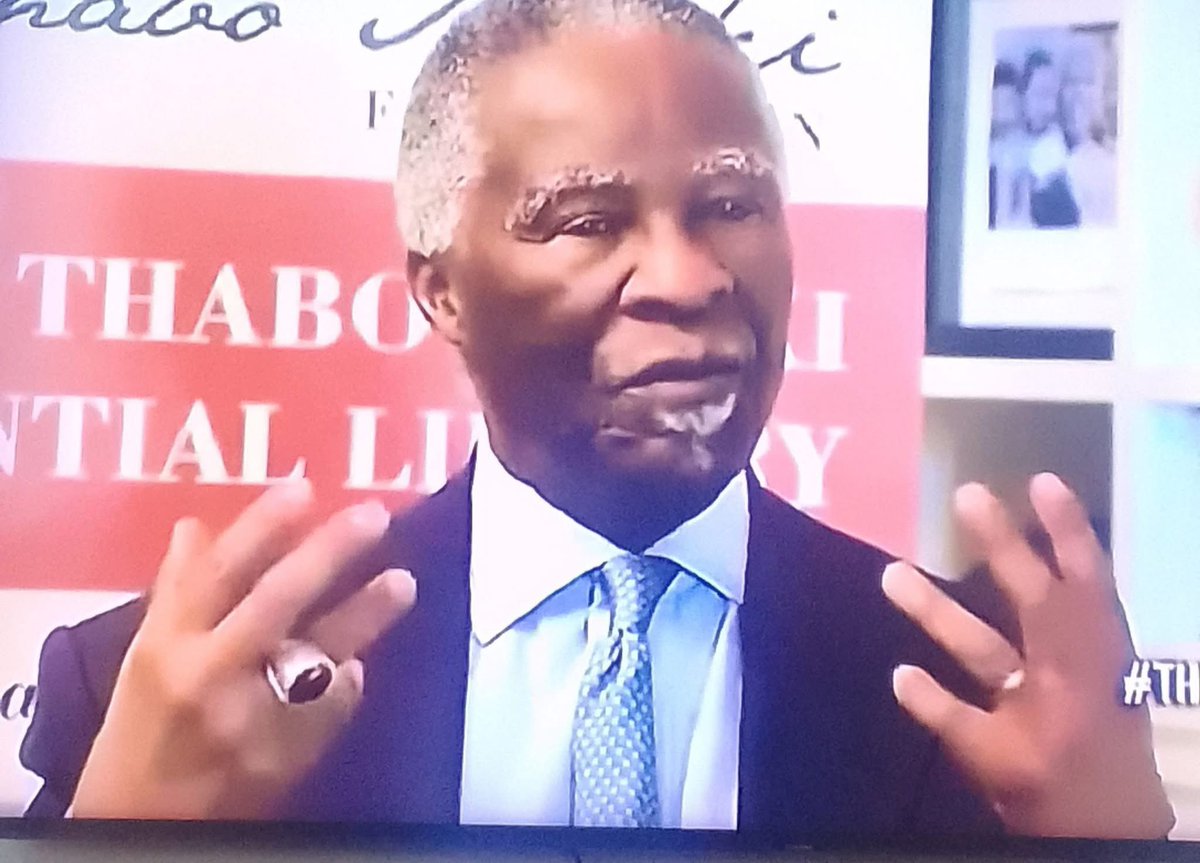
President Cyril Ramaphosa’s visit to Zimbabwe has revived memories of former South African President Thabo Mbeki and his quiet diplomacy approach that ultimately damaged his political standing at home. History reminds us that shielding leaders from accountability while citizens suffer economic collapse, repression and political instability carries consequences even beyond borders. Mbeki was heavily criticised for appearing soft on Zimbabwe’s crisis, and over time that approach contributed to growing dissatisfaction within his own political circles. Today, many are watching closely to see whether Cyril Ramaphosa will genuinely stand for constitutionalism, democracy and regional accountability, or repeat the same path of silence that history has already judged harshly.
2
94
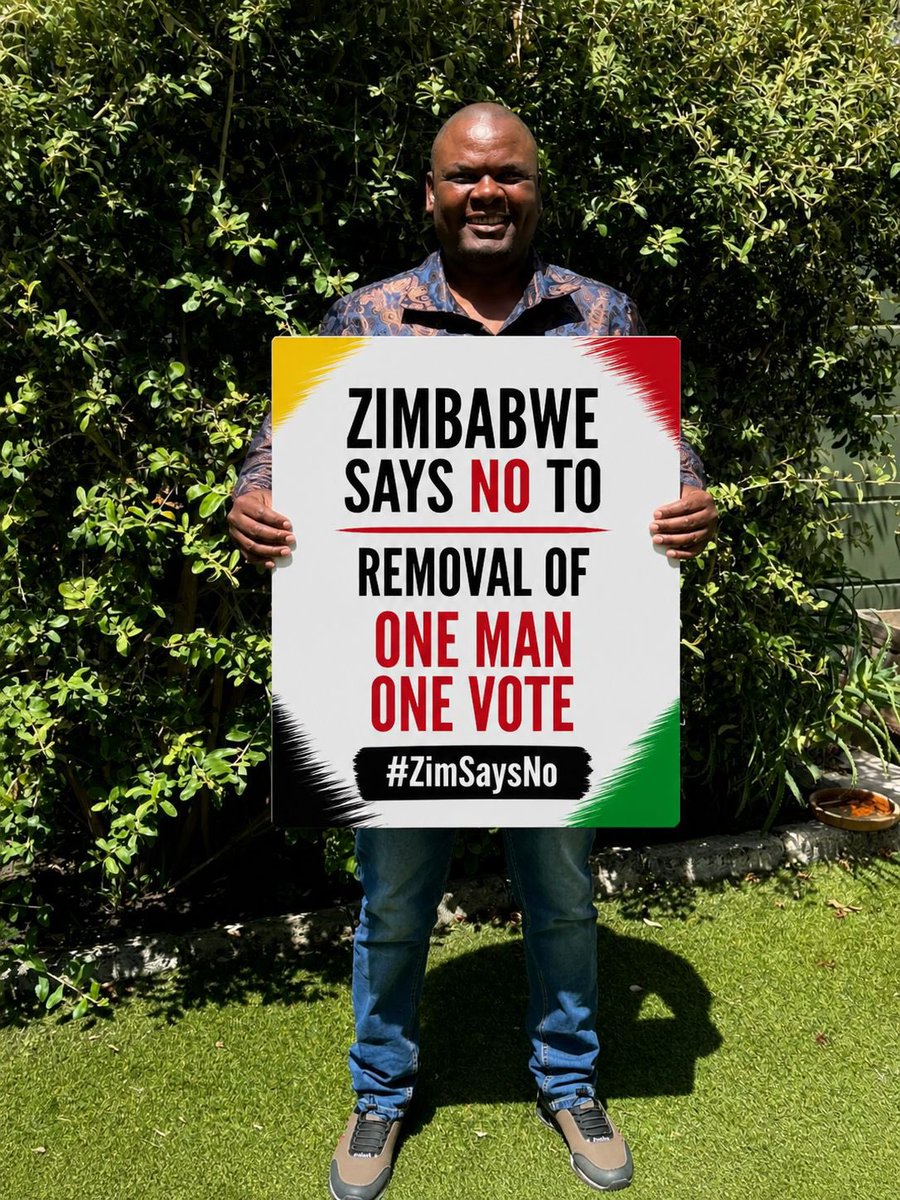
Human suffrage, the right of every citizen to vote is fundamental to any functioning democracy because it ensures that political power ultimately rests with the people. It allows individuals, regardless of background, to have a voice in choosing their leaders and shaping public policy, thereby promoting accountability, legitimacy, and equality. Without universal suffrage, governments risk becoming detached from the will of the people, leading to exclusion, injustice, and potential abuse of power. In essence, suffrage is not just a political right but a safeguard of human dignity, participation, and freedom, enabling citizens to influence decisions that affect their lives and the future of their society.
3
81
Power is not permanent, don't abuse people when you are at the top.
2
55
I’m going to @ChangeRadioZW’s upcoming Space. Will you join too? x.com/i/spaces/1dKrPEyZoYeJX
1
52
It doesn’t quite hold up to basic logic.
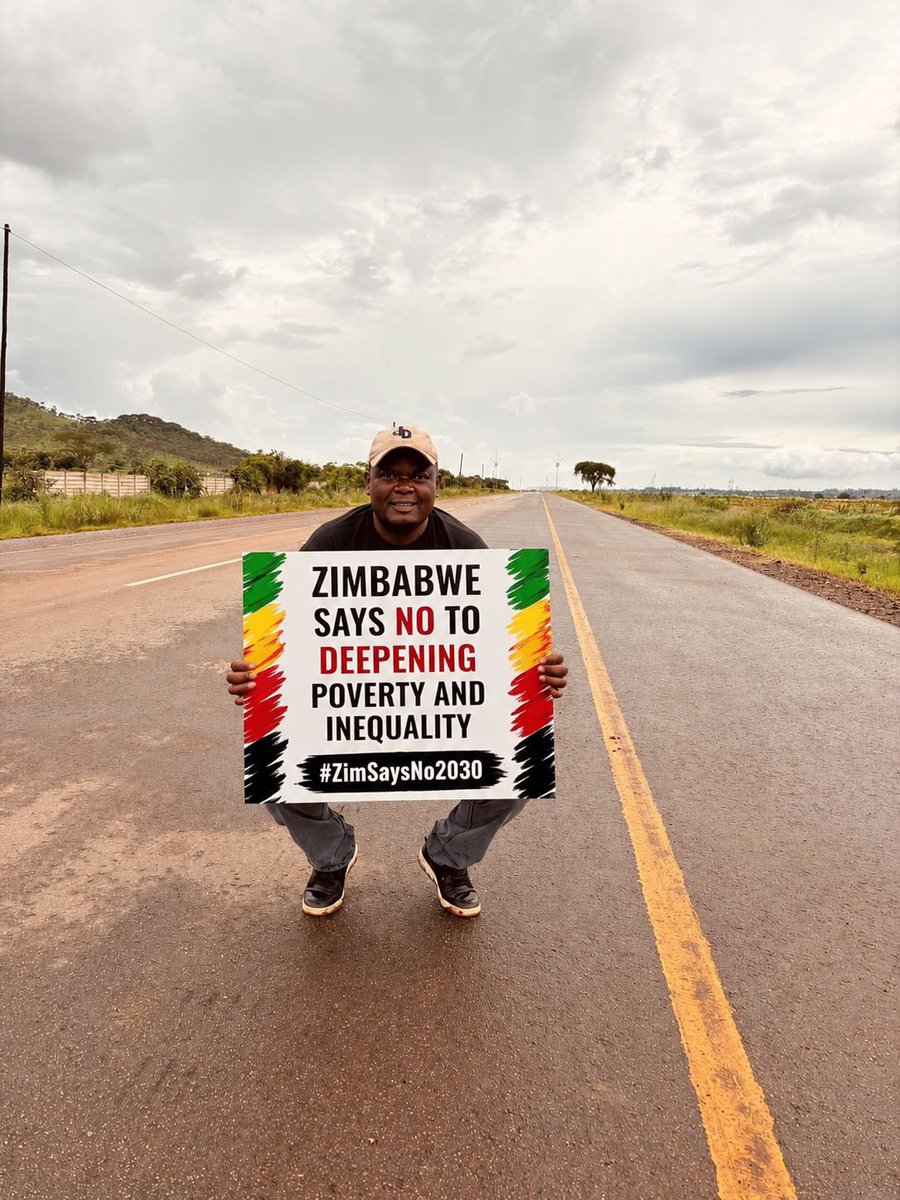
If Emmerson Mnangagwa still has two full years remaining in office up to 2028, then the question is simple: why are those two years not sufficient to complete whatever agenda is being cited as justification for extending his stay? Governance is not something that suddenly becomes possible only after a constitutional deadline has passed. If anything, the urgency to deliver should be greatest within the mandate already granted by the people.
To argue for an additional two years beyond 2028 suggests either that the current time is being underutilized, or that there is an attempt to shift goalposts after the fact. Neither inspires public confidence. Any programme, reform, or development initiative envisioned for 2028–2030 can and should be initiated and substantially implemented between 2026 and 2028 under the existing constitutional framework.
This is not merely a political concern, it is a matter of principle. Constitutional timelines exist to ensure accountability, predictability, and respect for democratic limits. Once leaders begin to suggest that they need “just a little more time” beyond what is legally provided, it raises a fundamental question: if two years cannot deliver results now, what guarantees that two extra years will make a difference later?
Logic, indeed, demands consistency. And consistency demands that leaders govern fully and effectively within the time they were given, not beyond it.
66
I fully concur with Trevor Ncube that the time has come to confront the reality that ZANU PF, in its current form, has outlived its legitimacy and relevance to the aspirations of the Zimbabwean people. What was once a liberation movement has long since transformed into a machinery of control, patronage, and repression, prioritizing self-preservation over national progress.
Dismantling ZANU PF is not about erasing history, but about creating space for a new political culture grounded in accountability, constitutionalism, and genuine service to the people. Zimbabwe cannot move forward while held hostage by a system that resists reform, suppresses dissent, and recycles failure. The call, therefore, is not merely political, it is moral and necessary for national renewal.
A new Zimbabwe demands the courage to break from the past and to build institutions that serve citizens, not rulers. Until that happens, meaningful transformation will remain a distant dream.
2
55
God says, “You pitched your tents without my consent, yet I have a plan for the Mapisa community today.” In addition, Father Zimbabwe is angered in his grave after a mockery of a statue was erected. See the attached results kkkkkk
2
5
9
975
INDEPENDENCE MY FOOT
What should be a day of pride in Zimbabwean Independence has, for many, become a quiet and painful contradiction. The flags still rise, the speeches still echo, and the celebrations still unfold but beneath the ceremony lies a heavy question: what does independence mean when people feel they are not truly free?
The promise of dignity, voice, and opportunity seems distant for many who struggle daily under economic hardship and political limitations particularly in the country side. For them, independence is no longer a lived reality but a memory constantly invoked, yet rarely fulfilled.
So the celebrations continue, but for many, they are marked not by joy, but by reflection on what was promised, what was delivered, and what still remains out of reach.
3
20
41
1,144
It is a sad reflection that a country’s president deploys a full motorcade to go and commission a single borehole while the nation is in distress. This comes at a time when he is asking for an additional two years to complete what he or his supporters describe as critical projects. The real question is whether he is not wasting valuable time on trivial activities instead of focusing on these so-called important priorities. I am just concerned as a citizen.
45
133
301
41,561
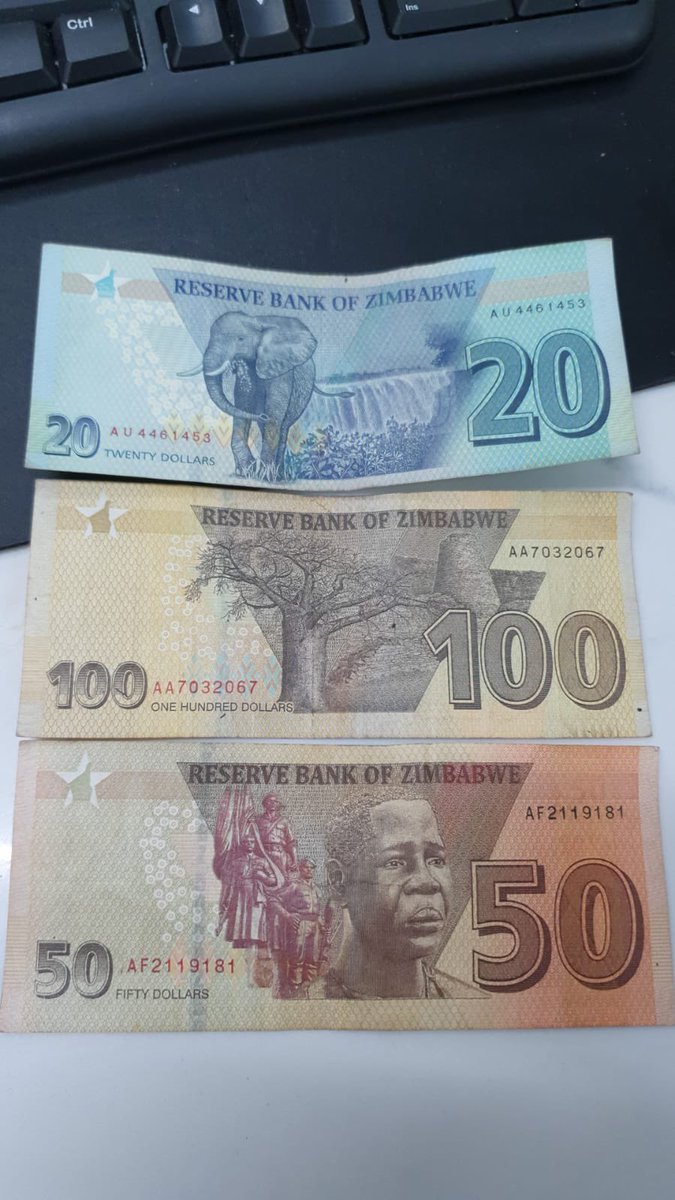
From Bearer Cheques, Bond notes, Zim Dollar, RTGS and now ZiG. Zimbabwe’s currency trajectory reflects not innovation but a troubling pattern of instability and policy failure. Under the leadership of Emmerson Mnangagwa, the nation has endured repeated monetary experiments that have eroded public trust, wiped out savings, and deepened economic hardship. Each new currency has been introduced with promises of stability, yet all have collapsed under the weight of poor fiscal discipline and lack of confidence. This is not reform it is regression. The constant shifts expose a government that has failed to anchor its fiscal monetary policy on credibility and accountability, leaving ordinary citizens to bear the cost of a system that is clearly no longer working.
130
It is both unfair and intellectually dishonest for some individuals to constantly demand that Nelson Chamisa act on their behalf when they themselves are equally citizens with agency and responsibility. Democracy is not a spectator sport where a single figure is expected to carry the burden for everyone while others remain comfortably on the sidelines. The loudest voices calling for action often know, deep down, that they lack the courage, consistency, or capacity to do the very things they demand of others. True change requires collective effort, not outsourcing responsibility to one person while offering nothing but criticism in return.
58
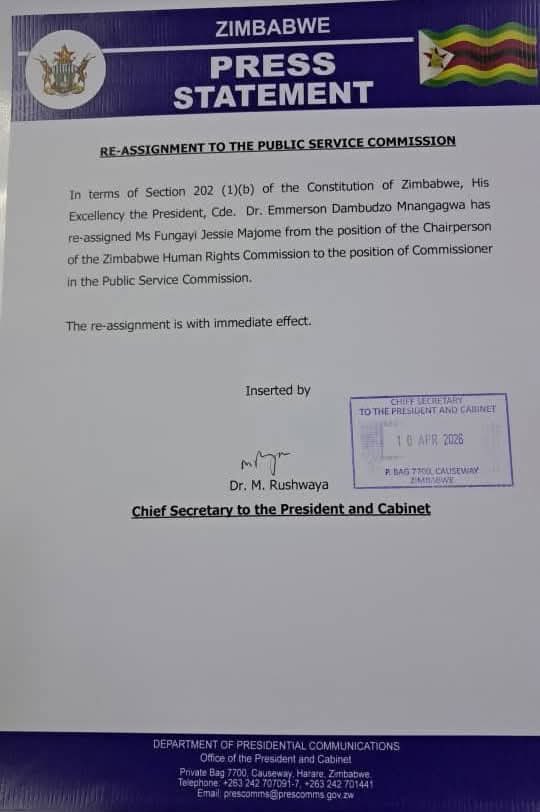
The recent reassignment of Emmerson Mnangagwa following the candid remarks by a Human Rights Commissioner on the violence surrounding the just-ended CAB3 public hearings is a clear and troubling sign of a leadership that is running away from accountability. Instead of confronting the disturbing realities exposed realities that demand transparency, justice, and reform the response has been to sideline truth-tellers and suppress uncomfortable facts. Accountability cannot exist where truth is punished, and such conduct raises serious concerns about the government’s commitment to constitutionalism, human rights, and democratic principles.
6
10
401
The principled stance taken by Duma Boko on respecting presidential term limits stands in sharp and instructive contrast to the conduct of Emmerson Mnangagwa.
President Boko’s position reflects a clear understanding that constitutional limits are the backbone of democracy. They ensure accountability, prevent the concentration of power, and create space for leadership renewal. By affirming that leaders must serve within their mandated time, he reinforces the idea that no individual is above the law.
The contrast is therefore clear: one leader upholds the constitution as a sacred covenant with the people, while the other appears willing to reinterpret it for personal or political survival. True leadership is not measured by how long one stays in power, but by the ability to respect limits, build institutions, and leave office with dignity.
1
88
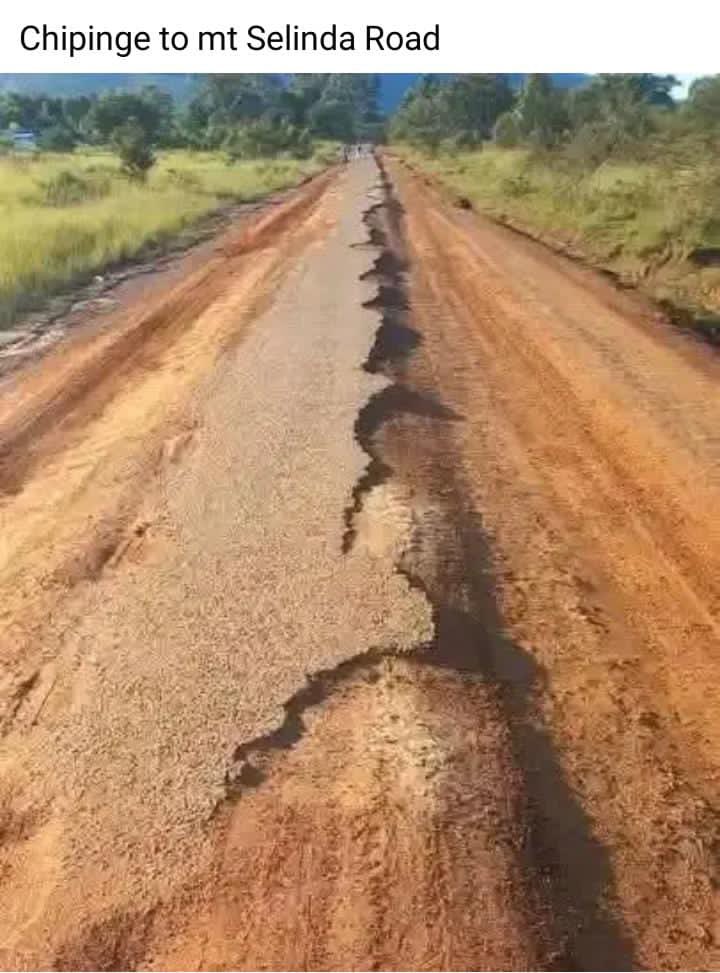
The narrative that Emmerson Mnangagwa simply wants to “finish the projects he started” must be challenged with the reality on the ground.
If indeed this was about completing development, the people would be seeing tangible results in their communities. Instead, we are confronted daily with collapsing infrastructure, abandoned works, and broken promises.
This is Mt Selinda Road for example a route that should be facilitating movement, trade, and access to basic services. Today, it stands as a symbol of neglect: dilapidated, unsafe, and forgotten. This is not what “finishing projects” looks like. It is what failure to prioritise citizens looks like.
We reject the attempt to repackage unfinished, poorly executed, or neglected projects as progress. Leadership must be judged not by intentions, but by results.
The people deserve better.
1
51
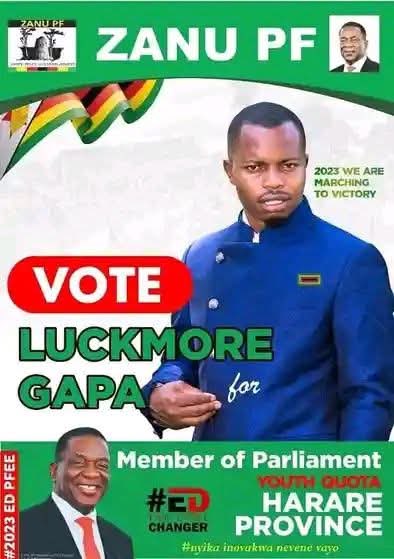
What a shameful and disturbing scene. A ZANU PF Central Committee member allegedly stole a phone in Harare today. Hunger is widespread even among the top leadership of ZANU PF now they are steal iPhone 17. Fidhai vana zvimadhara nezvimbuya imi
1
1
121