
Programming || Richard Feynman || Marcus Aurelius || Books || Minimalist || Tweets on Tech/Books/Work/Philosophy
Joined June 2011
- Tweets 18,908
- Following 565
- Followers 557
- Likes 3,786
479 Photos and videos

Pinned Tweet

26 Apr 2016
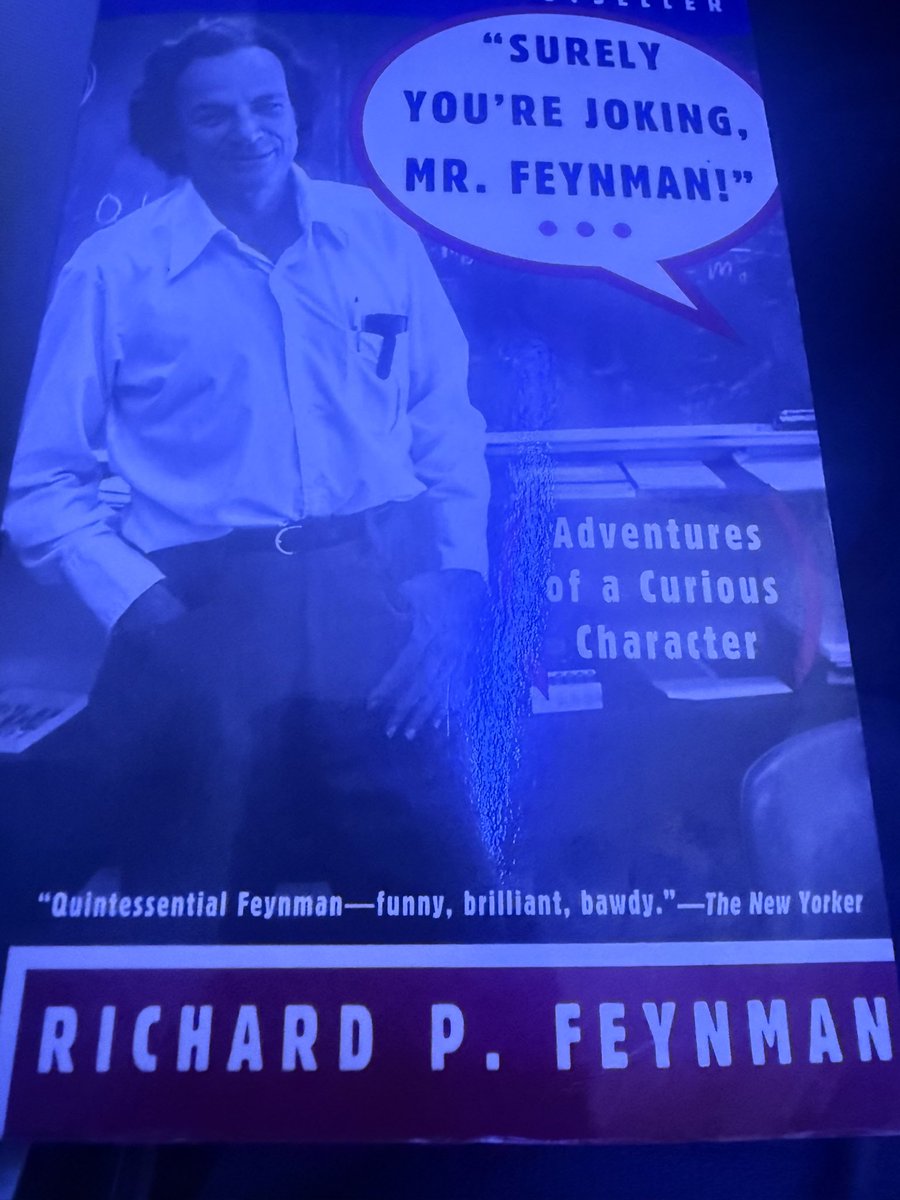
Reading is when you take your brain for a walk.
23
38
Akshay retweeted

May 26
“Falling Behind” & The Benefits of Slow, Intentional Learning
in AI, it’s easy to feel like you’re falling behind with new “discoveries” and content published every day
unfortunately I think today this manifests in short-term optimizations or “shallow learning” at the expense of life/learning that compound over time. this includes behaviors like:
- skimming every cool article on X without engaging with a subset of topics deeply afterwards
- foregoing all vacations with friends/family because you have to always be “locked-in”
- giving up reading (or listening) to books (I’m bad with this one, but trying to be better). good books are some of the best intentional and timeless artifacts of knowledge. it’s also more long term and intentional in how we approach information
- consuming everything but producing little. it feels good to read and feel like you’re in the know, but true learning and discovery happens when you break things yourself and tinker at the frontier
in moderation all this stuff is fine, it’s actually great to obsessively sprint at something for a week or get a launch over the line
but effective learning in a rapidly evolving field like ai is a healthy mix of short term optimizations mixed with deep, intentional long-term focus on hard problems that you actually care about
my brain at least just needs some time to mull over ideas for a while to really let competing notions play around
things like reading, going on walks, playing sports, hanging out with friends, help our minds find connections between concepts we’ve been intentionally engaging with for a while
there’s many PhD/research stories breakthroughs coming from walks or sleep. the two sides of this are deeply intentional, prolonged focus on a topic mixed with stepping away from the topic and living life
you’re not falling behind if you’re working towards something you care about even if grind culture says you are
lock-in for a bit, step away, read a book, chill out, and run it back again. pretty hard to lose if you keep at this
11
7
61
2,613
Jun 13
Hello @rajat404 ! Looking forward for your blog post man :)
- the post on your local Hermes setup
- the detailed things you had in your claude.md that you had shown.
1
72
May 25
This makes so much sense !
"You don’t build trust with your users by writing a 2,000 word privacy policy. You build trust by not needing one to begin with."
unix.foo/posts/local-ai-need…
30
Apr 21
Recording from Omacon 2026 is available
youtube.com/watch?v=Bic2KjFF…
This is fun 5hours. It touches so many aspects on learning and “having fun” in the current days of AI. Some really cool cli things and some great wisdom spread across 5hours.
1
98
Apr 21
- “It's fun to be competent."
- “If the cost of a line of code has dramatically dropped, then the cost of the right line of code has dramatically increased."
- “Earning experience is more valuable than completing something instantaneously."
- “Is it useful? No. Is it fun? Yes."
33
Akshay retweeted

Feb 5
Dostoevsky wrote this after nearly being executed:
“When I look back at my life, I feel pain not because of suffering, but because of wasted time. I see how carelessly I lived, how often I ignored the quiet voice of my soul, how rarely I understood the value of a single moment. Only when death stood before me did I realize that life is not merely existence—it is a miracle. Every minute is a treasure, and in every breath, there is the possibility of happiness.”
150
4,439
26,202
814,589
Jan 22
Looking forward to it.

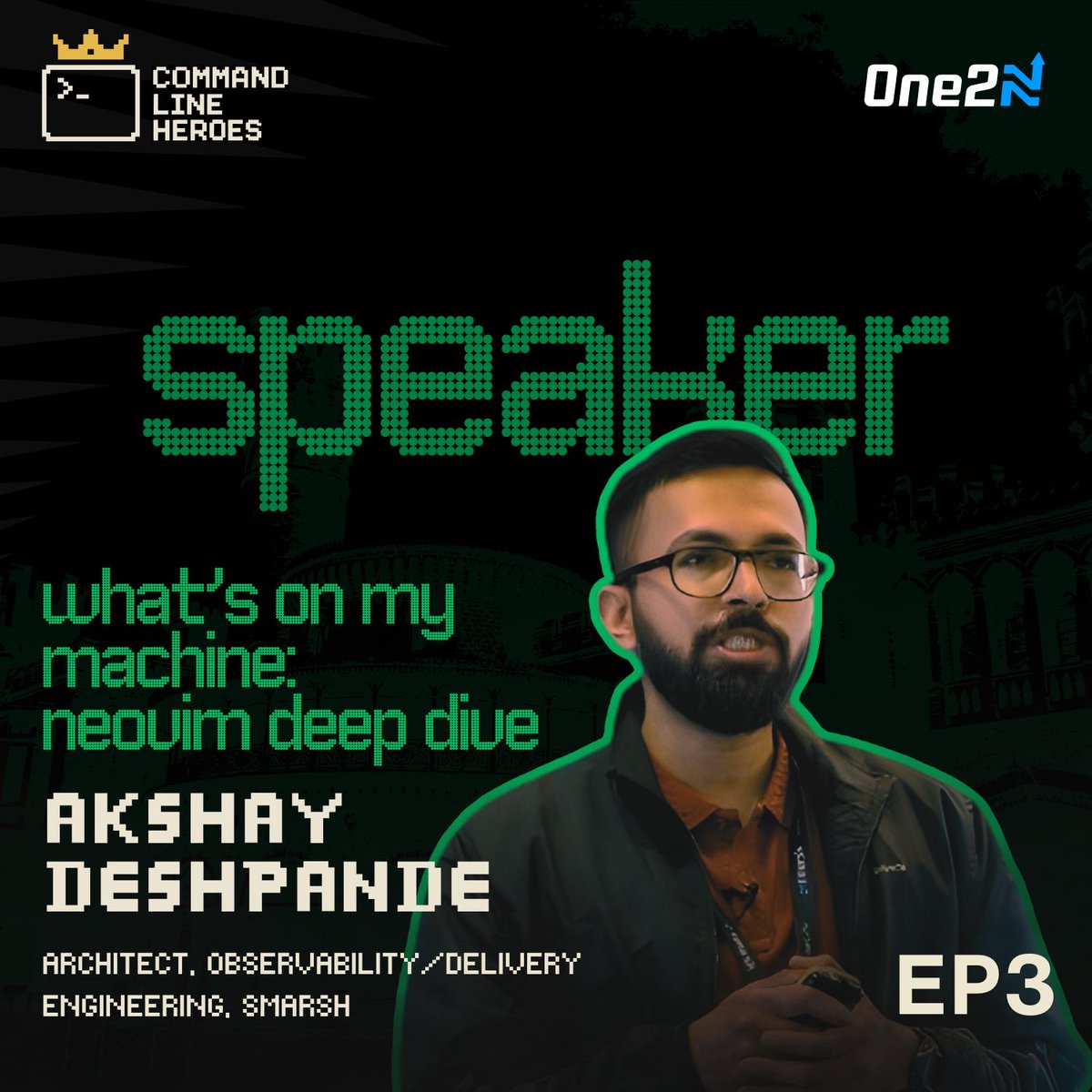
Most Neovim setups look great in a screenshot but fall apart under real-world load: large codebases, flaky LSPs, and terminals full of competing tools.
In this session, @ProgrammerMonk will explain his Neovim plugins choices to ensure the editor remains fast and predictable.
4
164
Akshay retweeted

15 Dec 2025
Had a friend tell me once: "When you're feeling overwhelmed, there are only two things you should do––get organized and get to work. The rest is just noise. Peace is found in progress."
Some of the best advice I've ever received.
110
1,637
13,489
266,810
Akshay retweeted

15 Nov 2025
When you trade your ambition for comfort, you actually end up living your whole life with the very uncomfortable idea that you betrayed yourself.
55
107
889
73,770
15 Nov 2025
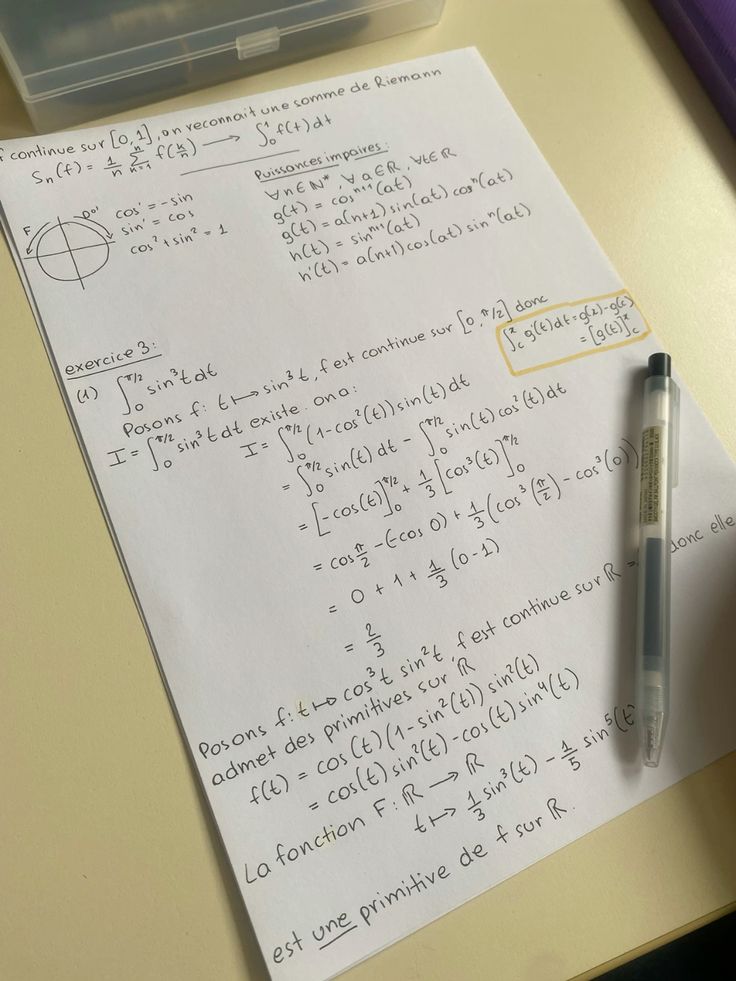
This weekend, I am going down the rabbit hole of getting to know G H Hardy, from the math world.
"The function of a mathematician is to do something, to prove new theorems, to add to mathematics, and not to talk about what he or other mathematicians have done."
- G H H
1
91
15 Nov 2025
A clear pattern that I see is, some of the best intellectual works come in collaboration with someone is equally obsessive about the same topic.
GHH - Littlewood,
GHH - Ramanujan
mathshistory.st-andrews.ac.u…
1
1
85
15 Nov 2025
"If then I find myself writing, not mathematics, but ‘about’ mathematics, it is a confession of weakness, for which I may rightly be scorned or pitied by younger and more vigorous mathematicians"
such intellectual honesty.
archive.org/details/AMathema…
75
4 Nov 2025
This is some most practical ways for management of time.
Relevant for anyone who is NOT a manager. Managers firefight, and there is no right way for them.
Very relevant for Staff Engineers.
youtube.com/watch?v=uhI78AuD…

1
1
118
1 Nov 2025
These two are the most imp metrics.
All the 101-alerts to my systems are based on these.
System Resource exhaustion, Bad code deployment, Broken infra, Network failure or anything.. They can all be caught in the above two models.
31 Oct 2025

1. Error rate: Check 4xx/5xx spikes to see if the system is breaking under load.
2. Latency (p95/p99): Identify if response times are degrading.
104
1 Nov 2025
The best of the best Engineers that I have seen have a sense of urgency.
Anything slow irritates them.
And they would never work for a "process based" large companies.
Pace builds momentum.
31 Oct 2025

You must create a sense of urgency and desperation.
110
26 Oct 2025
Agree to most of it.
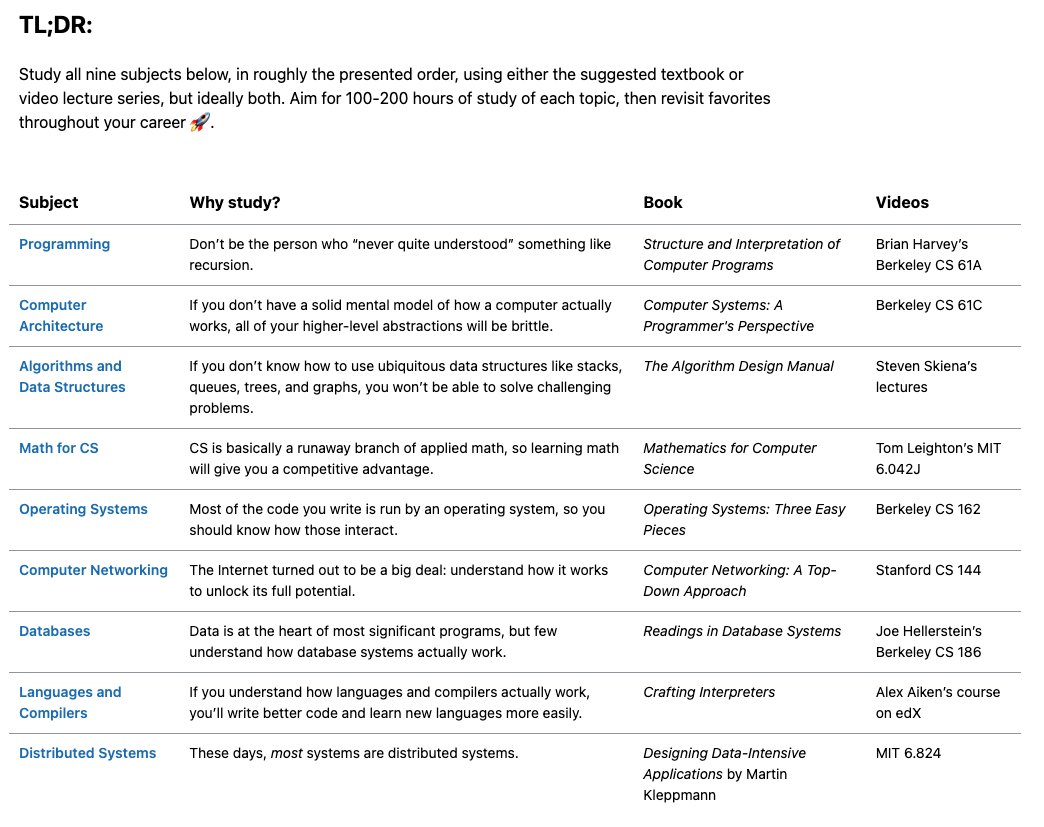
I read somewhere that "Once is never enough". That's especially true for difficult subjects. The churns produce the juice.

how to study and learn really difficult subjects:
1. don’t panic. hard just means dense. it’s not impossible, it’s just packed. unwrap it slowly.
2. get a map before diving in. watch an overview video, read the table of contents, or skim the wikipedia page. you need context first.
3. use multiple sources. one book will confuse you, two will clarify, three will enlighten.
4. build intuition, not memory. visualize it. simulate it. code it. teach it to a friend or a wall.
5. tolerate confusion. you’ll feel dumb 90% of the time; that’s the price of learning something that rewires your brain.
6. connect it to reality. every abstract thing has a real-world analog. find it. relate it. ground it.
7. revisit the same topic after a week. mastery is not about reading once; it’s about returning after your brain has “chewed” on it.
8. don’t romanticize genius. smart people aren’t born knowing it. they just survived longer in the confusion phase.
the truth is; learning hard stuff isn’t about intelligence.
it’s about endurance, humility, and curiosity.
you stay long enough in the fog until it clears.
2
214
Akshay retweeted

24 Oct 2025
More people = less progress.
18
12
143
11,531
25 Oct 2025
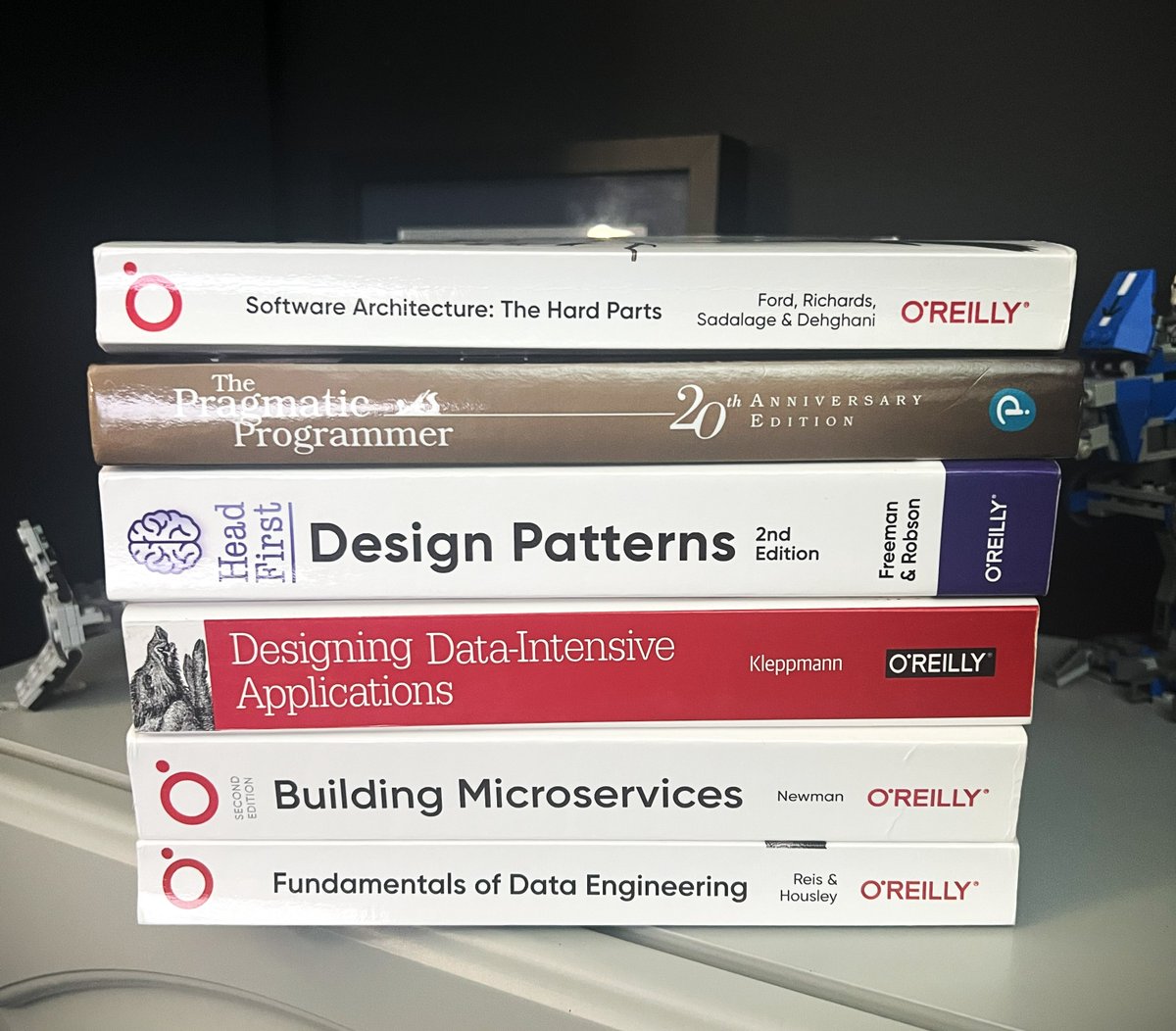
DDIA should be a part of the curriculum in colleges.

142