Gamified infrastructure and digital preservation built around a retro arcade. Exploring Bitcoin’s origins through lost media and digital history.
Joined April 2025
- Tweets 1,902
- Following 1,289
- Followers 774
- Likes 10,291
631 Photos and videos






Pinned Tweet

May 3
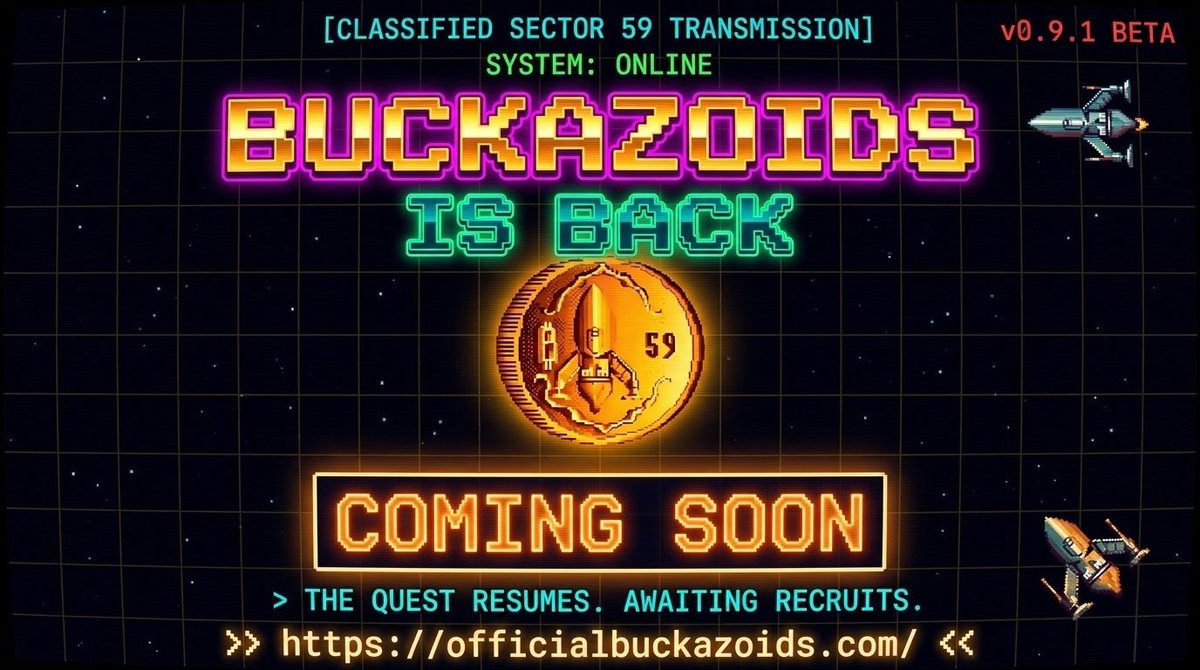
The Buckazoids mission continues with a brand new digital frontier. Our landing page is currently under construction for a major overhaul. Get on the notification list now to be among the first to see what we've built.
11
13
41
947
Jun 10
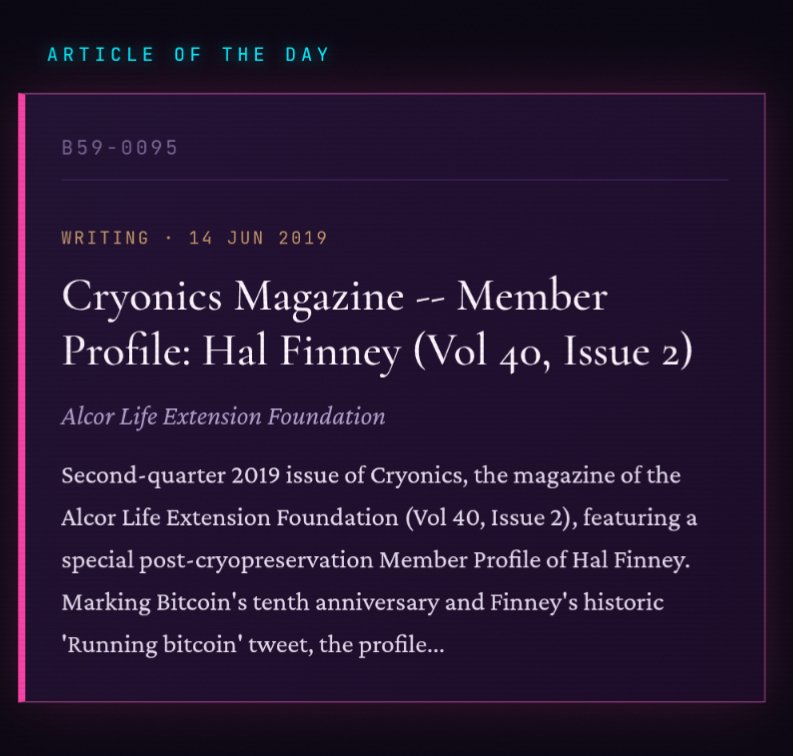
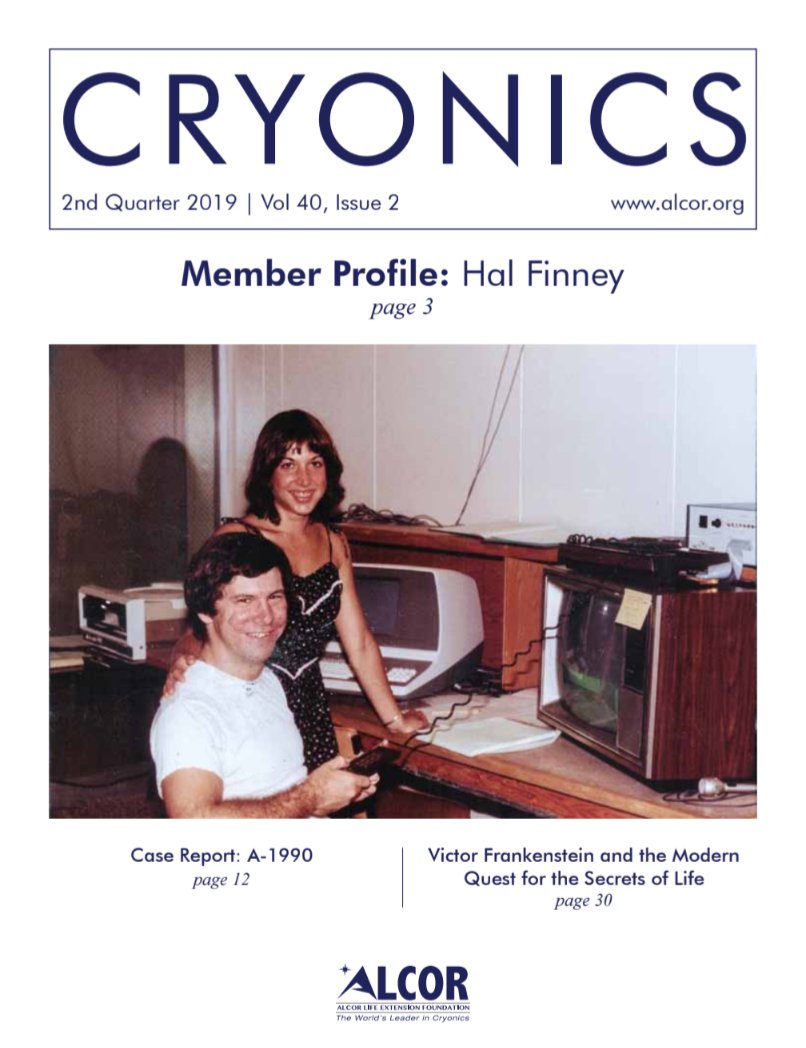
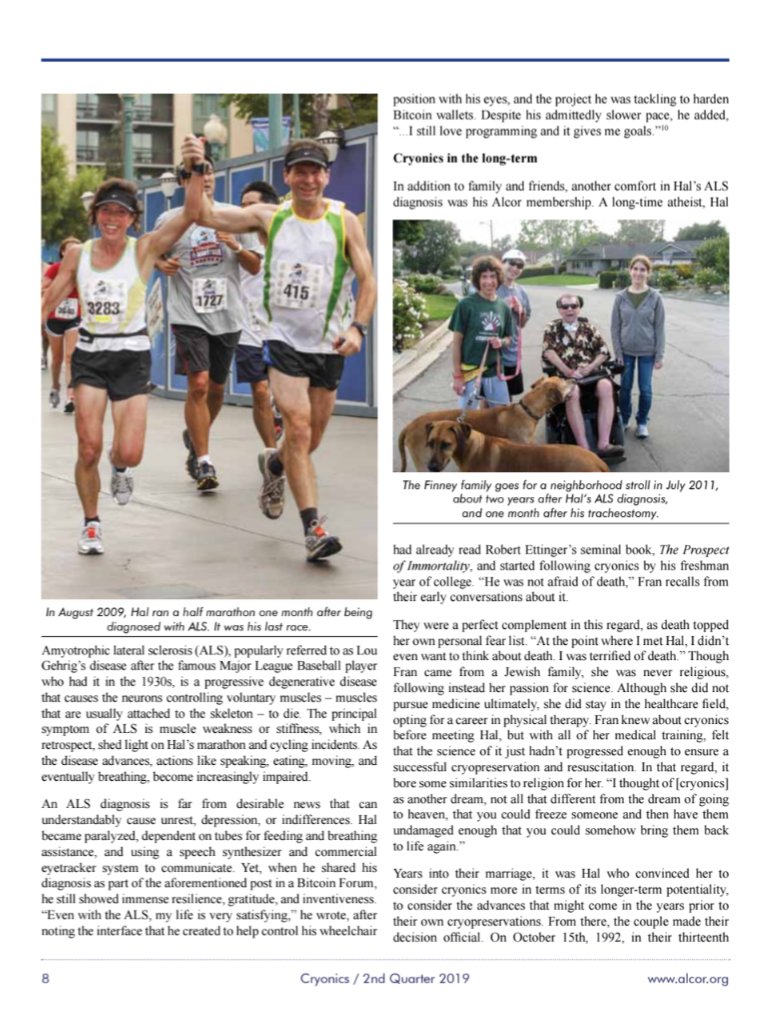
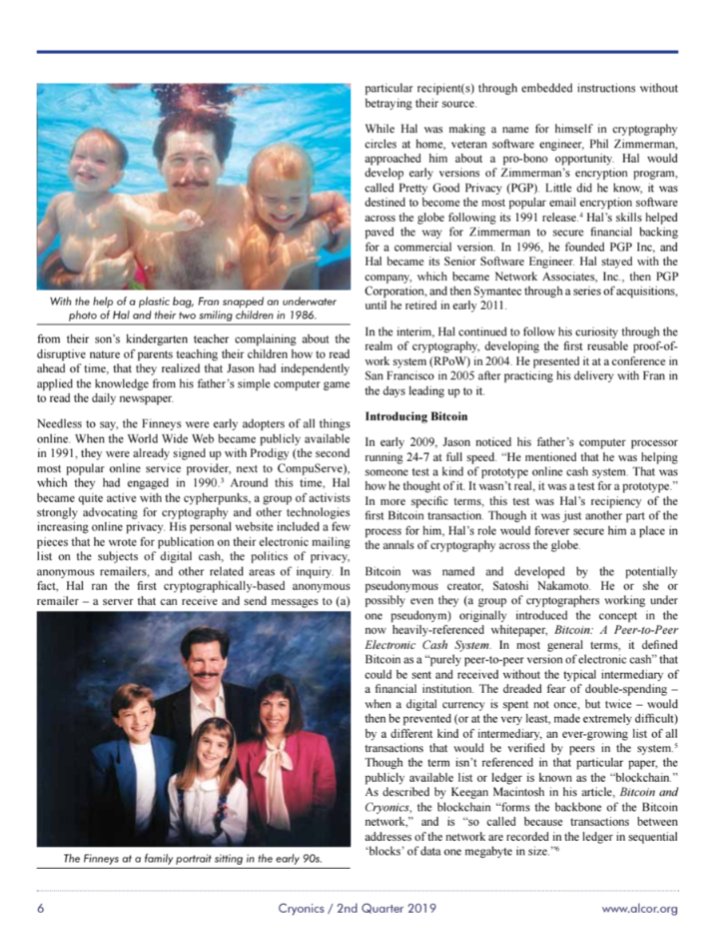
🚨 New feature at the Vault: Article of the Day.
Today it’s Hal Finney’s Cryonics magazine profile from Alcor. Link below 👇
3
8
16
628
Jun 10
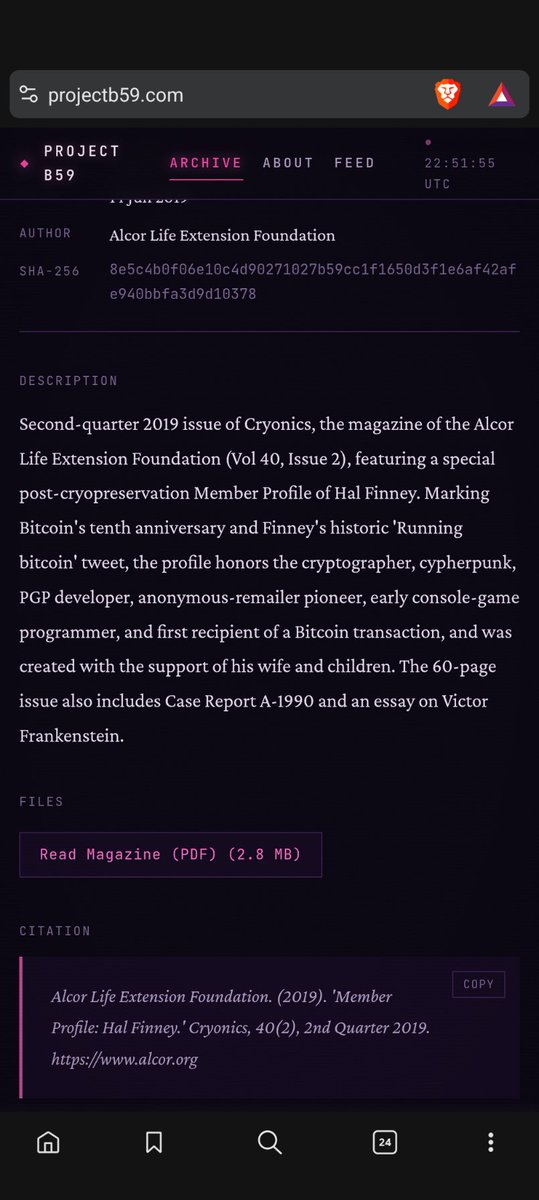
It pulls together the cryonics side of his life with the cypherpunk side. PGP, remailers, early game dev, and the long arc of the people around early digital money.
Read it here:
projectb59.com/
1
8
91
Jun 7
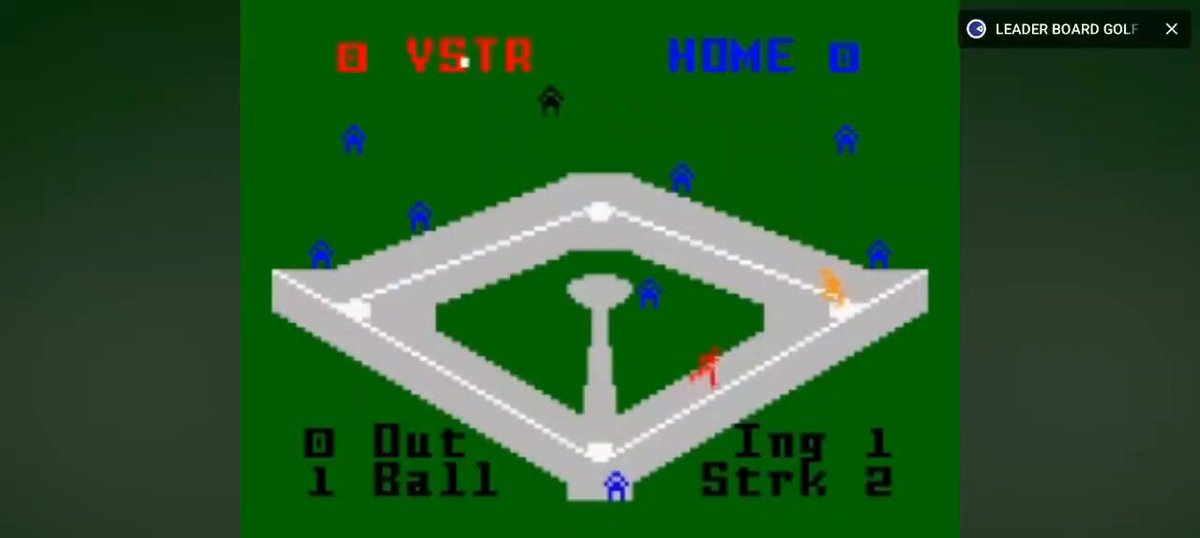
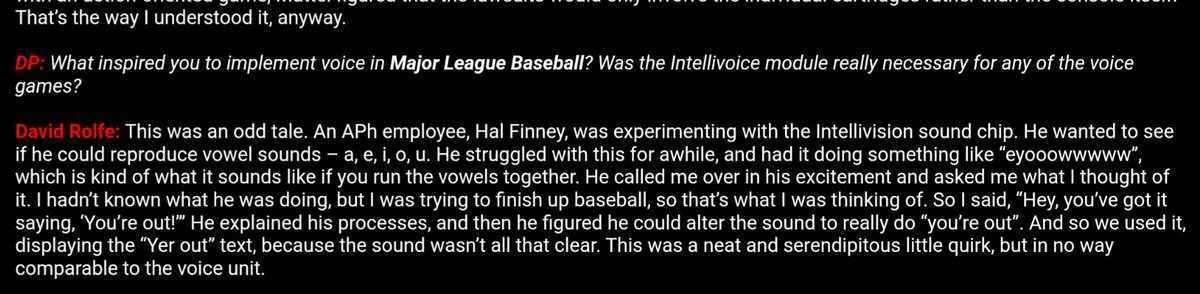
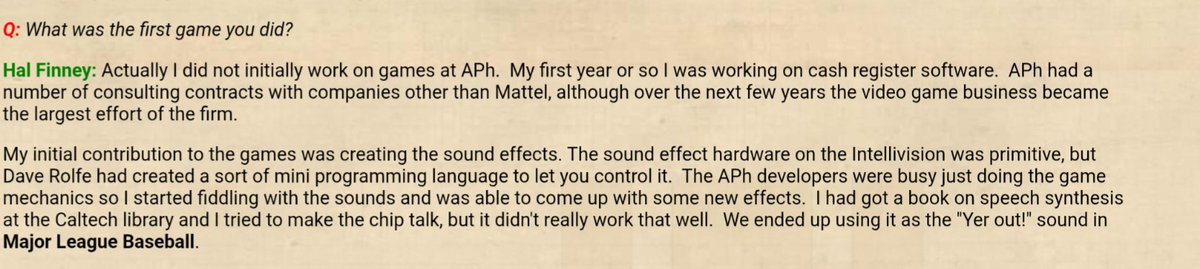
Before Hal Finney received the first Bitcoin transaction, he was at Mattel trying to make a speech chip talk.
It barely worked. So they took his glitchy little experiment and used it for exactly one thing. The umpire shouting "Yer out!" in Major League Baseball on the Intellivision.
Here's how Hal told it. "I got a book on speech synthesis and tried to make the chip talk, but it didn't work well. We ended up using it as the 'Yer out!' sound."
His colleague David Rolfe remembered it too: "Hal was struggling to get the chip to say anything clear, until that one strange sound turned out to be perfect for an umpire's call.
No credit, of course. Nobody at Mattel got their name on anything back then. So decades before he helped build Bitcoin, Hal Finney was a baseball umpire's voice, and almost nobody knew it was him.
2
6
22
575
Jun 2
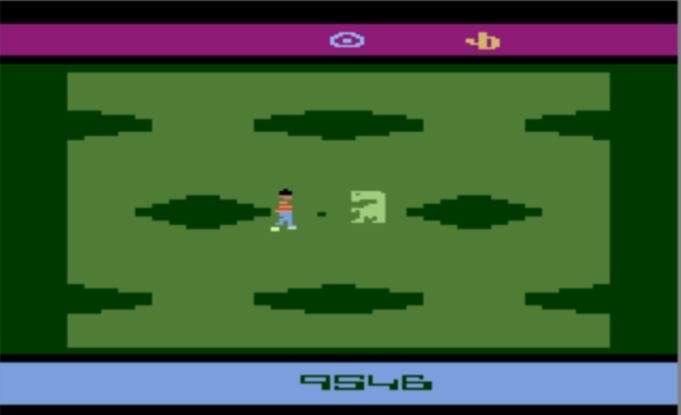
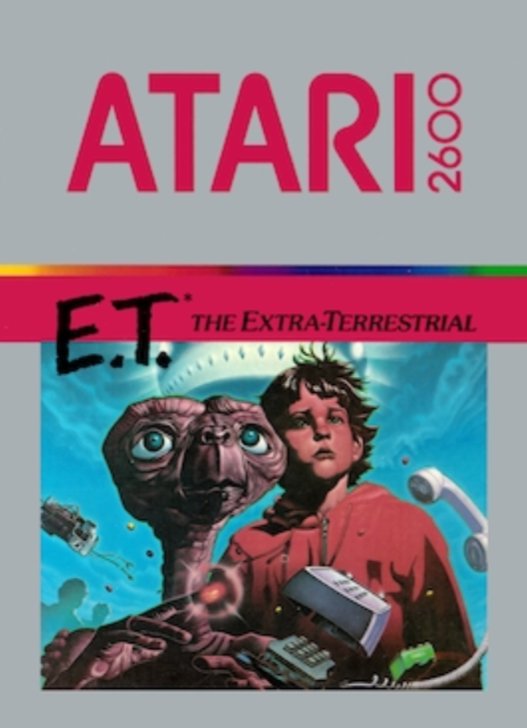
I remember playing E.T. on the Atari 2600.
Legitimately one of the most confusing
experiences of my childhood. You just fell
into holes. Nobody knew what was
happening. The manual didn't help AT ALL. NIGHTMARE.
Then in 1983 after non stop BRUTAL reviews and horrible sales numbers, Atari buried millions of unsold cartridges in a New Mexico desert and covered them in concrete 👍
3
5
23
339
Jun 1
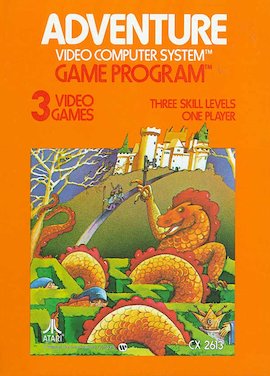
In 1980, a programmer named Warren Robinett hid his name inside an Atari game called Adventure.
Atari had a strict policy -- no developer credits. The games were "by Atari." The people who built them were invisible. Robinett had spent months writing one of the most sophisticated games the 2600 had ever seen. He wasn't going to disappear quietly.
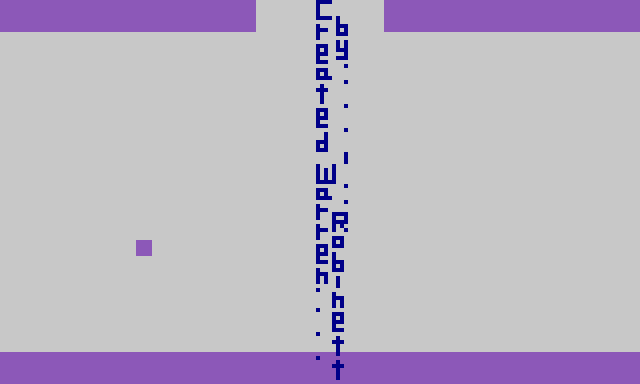
He buried a secret room deep inside the game. To find it, you had to collect an invisible dot, carry it past a specific barrier, and enter a chamber where three words glowed on screen: CREATED BY WARREN ROBINETT.
It was the first Easter egg in video game history. A programmer signing his work in the only way the system would allow.
The cypherpunks understood this instinctively. When institutions won't give you credit, when they won't let you transact privately, when they control what gets recorded and what disappears -- you build the signature into the code itself.
Bitcoin is an Easter egg that got too big to hide.
1
6
20
618
May 31
I really enjoyed my conversation with @RichNFrenz on #FinanceMeetsFaith ! Guy is a fantastic host and the show is exactly the kind of space this history deserves!
One hour wasn't enough. We barely scratched the surface. Looking forward to coming back, staying on topic 🫣 haha, and going deeper into the cypherpunk and transhumanist roots of Bitcoin.

#FinanceMeetsFaith EP6 "The Vault: Archiving #Bitcoin’s Cypherpunk, Transhumanist History!" w/ @RichNFrenz @ProjectB59 x.com/i/broadcasts/1RKZzzoEX…
3
8
12
379
May 30
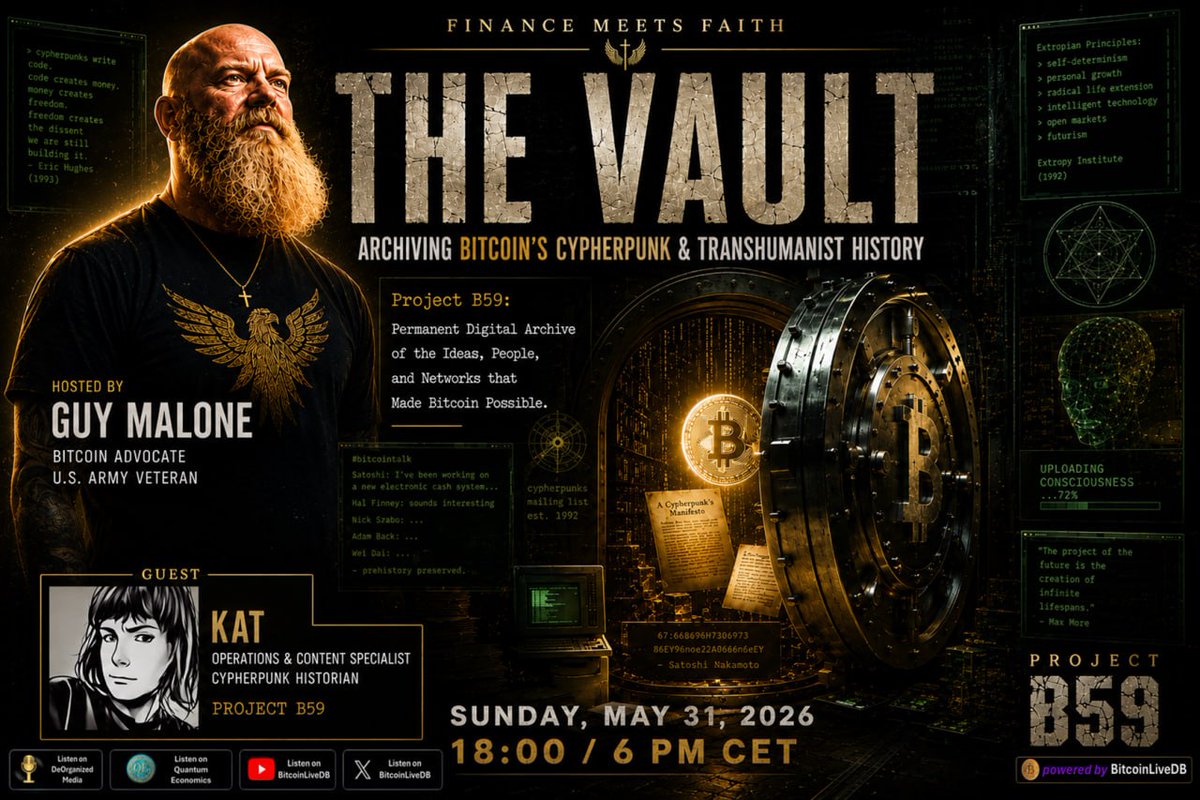
Excited to join @BitcoinliveDB and @RichNFrenz on Sunday to talk about The Vault and the movement that made Bitcoin possible before anyone called it Bitcoin.
Cypherpunks. Transhumanists. Hayekians. A gaming industry that was quietly building digital economies while the rest of the world wasn't paying attention.
The prehistory is deeper than most people know. Sunday Noon EST!
Sunday on #BitcoinliveDB
#FinanceMeetsFaith ✝️
EP6 "The Vault: Archiving #Bitcoin’s Cypherpunk, Transhumanist History!"
☆Presented by
@RichNFrenz
• Special Guest
@ProjectB59
☆Time
18:00 / 6PM (CET)
12:00 / NOON (EDT)
☆Streaming on
@QE4Everyone
@BitcoinliveDB
☆YouTube
m.youtube.com/@BitcoinliveDB…
🛡 Sponsored by @shieldfolio
Partnered @B3YONDTHEBLOCK
2
10
18
738
May 29
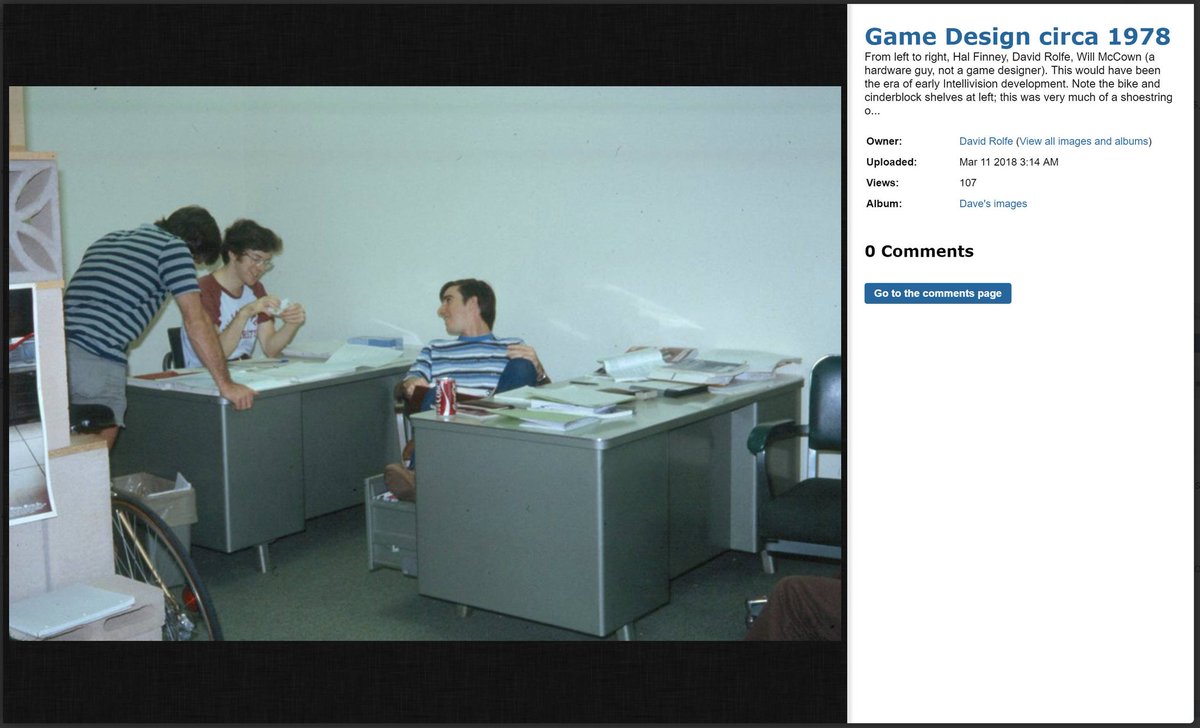
Before Hal Finney received the first Bitcoin transaction from Satoshi Nakamoto, he was a programmer at APh Technology Consultants in Pasadena, a firm staffed largely by Caltech graduates that had helped Mattel design the Intellivision.
In the early 1980s, Finney and APh founder Glenn Hightower reverse engineered the Atari 2600. The goal was to give Mattel access to Atari's install base -- roughly five times the size of Intellivision's audience.
The result was M Network, which allowed Mattel developed games to be published for a rival platform. Titles were renamed to avoid direct comparison with their Intellivision counterparts. Astrosmash became Astroblast. Night Stalker became Dark Cavern. Armor Battle became Armor Ambush.
It was one of the earliest examples of a company deliberately crossing platform lines to reach a larger audience.
Finney's name appears nowhere on the cartridges. It rarely appears in the history of this period at all.
The Vault's video game archive is being built for exactly this reason.
2
6
22
420
May 29
For those who want to go deeper -- Hal Finney's own account of his time at APh, the Intellivision, and the Atari 2600 work:
ataricompendium.com/archives…
Primary sources are what The Vault is built on.

1
7
125
May 29
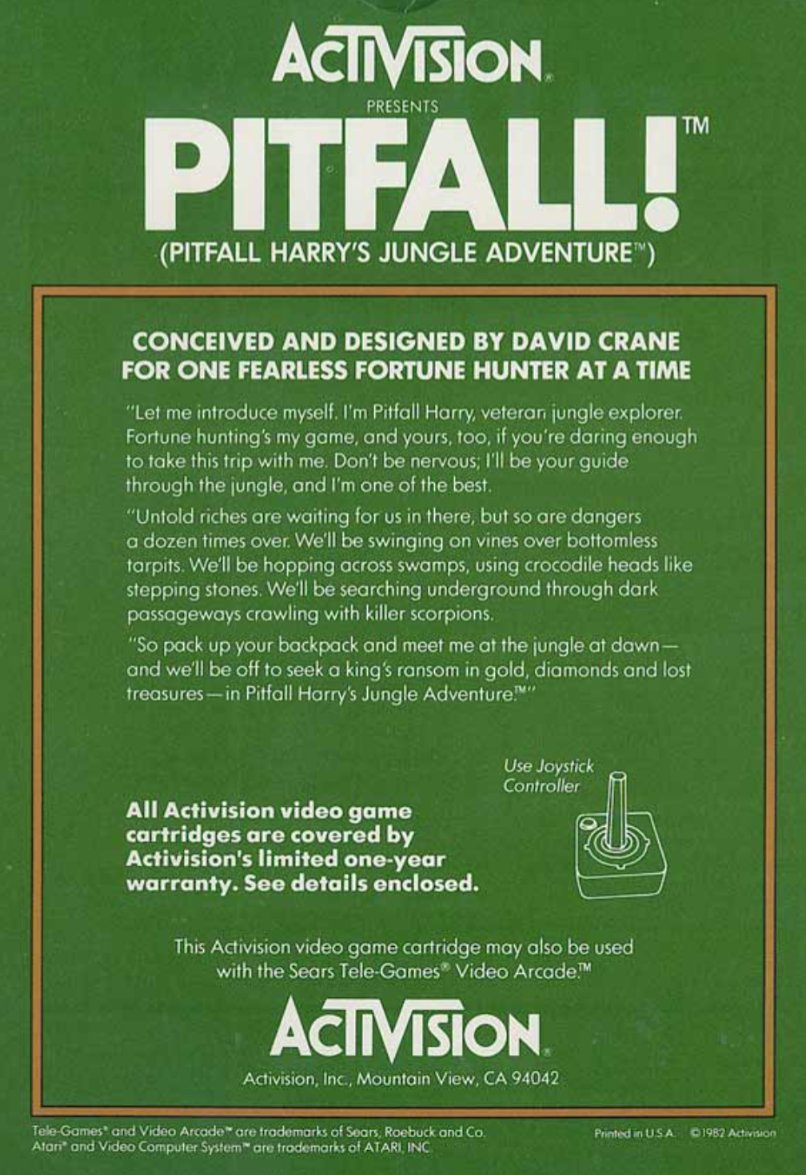
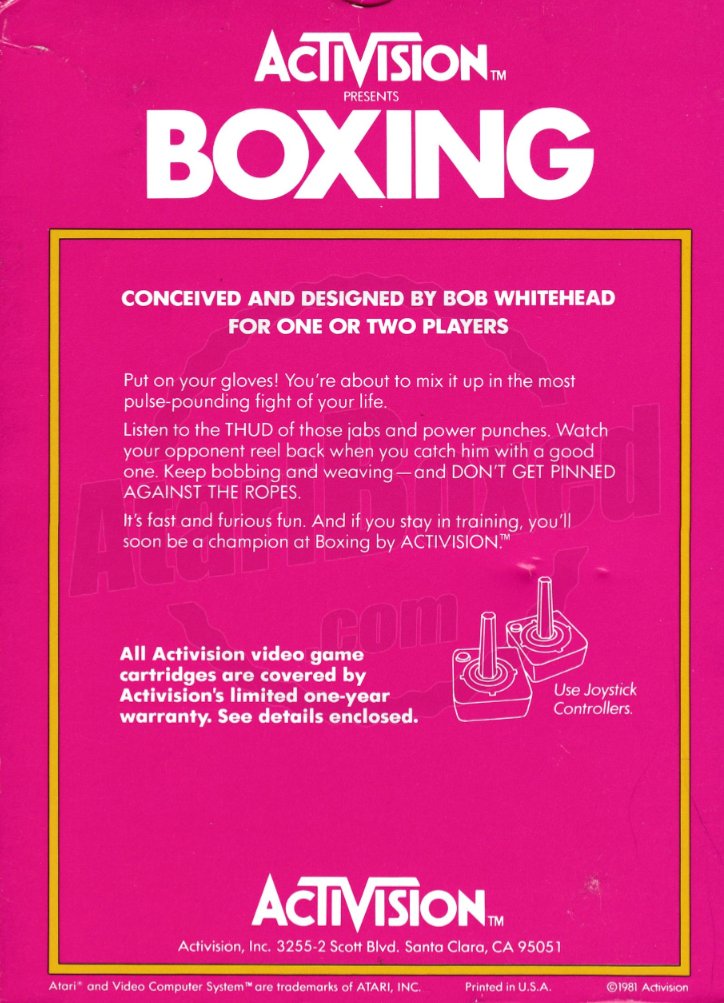
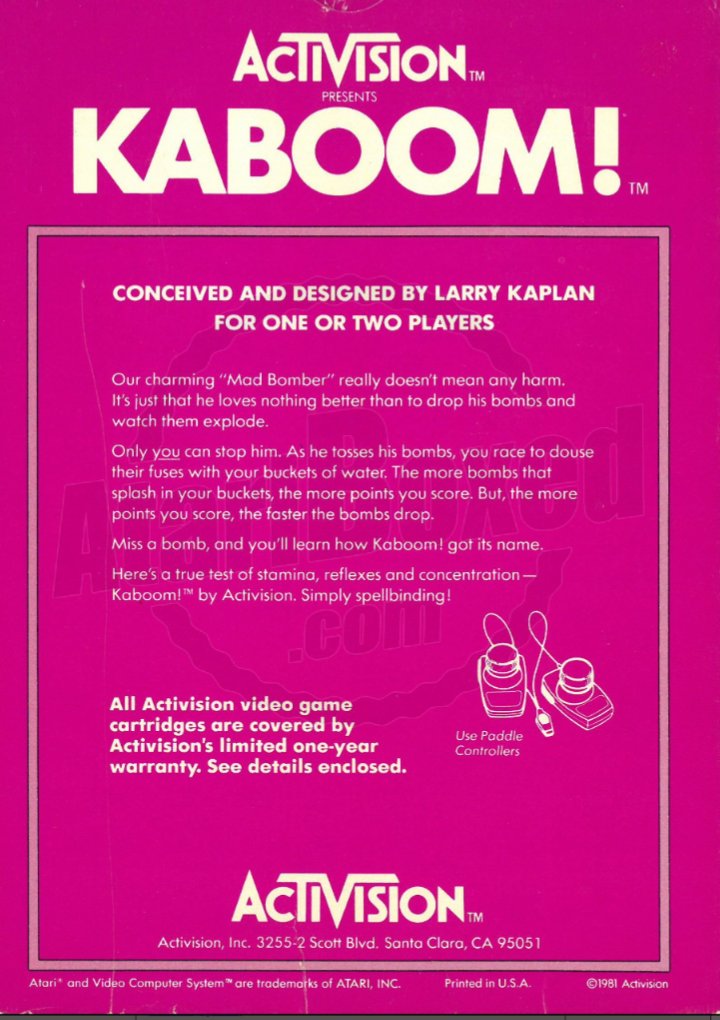
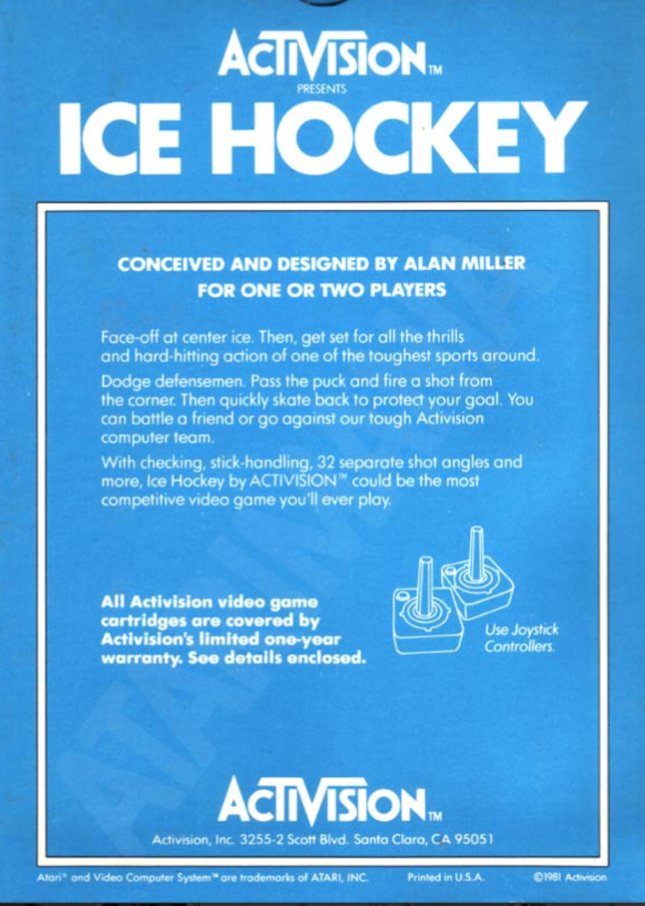
In 1979, David Crane, Larry Kaplan, Alan Miller, and Bob Whitehead left Atari after the company refused to credit or compensate them for the games they designed. Their work sold millions of cartridges. Their names appeared nowhere.
They founded Activision, the first independent third party game developer in history. What started as a dispute over credit and royalties became a legal battle that changed the industry. Atari sued. Activision fought back and won the right to develop games for hardware they didn't manufacture.
Activision also became the first company to put developer names and photos on the back of game boxes. A deliberate statement. The people who built the games were finally allowed to sign their work. The Vault's video game archive is taking shape. This is exactly the kind of history it exists to preserve-- the names the industry tried to leave out.
2
5
16
483
May 28
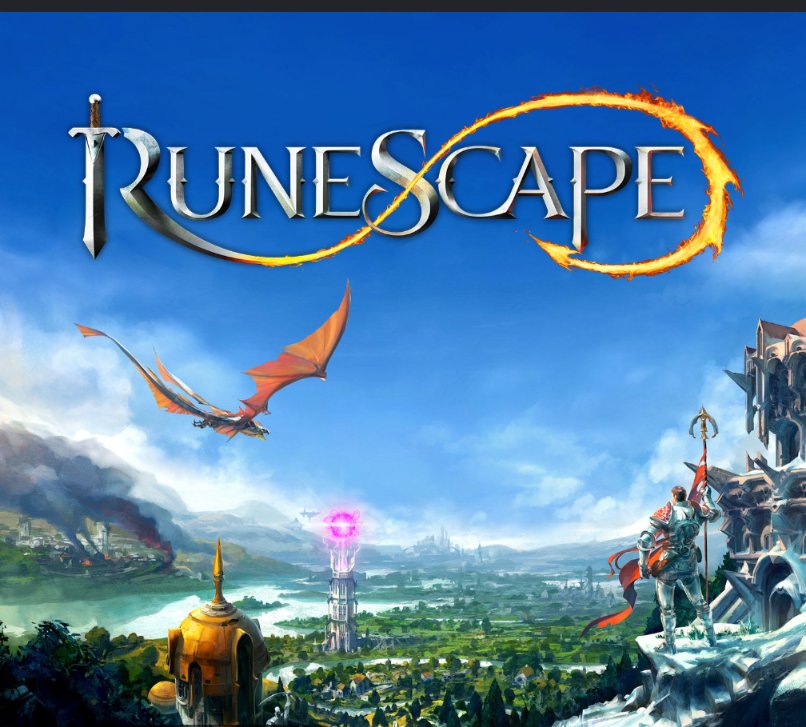
The UK Court of Appeal has held their decision that RuneScape gold is “property” that can be stolen 🚨
This sits on a long arc: from Space Quest’s buckazoids and MMO gold, to e‑gold and, eventually, Bitcoin. For decades, players have treated digital points as money; now criminal law is starting to follow, case by case.
This ruling is another datapoint in the story we’re tracking: how virtual economies and game worlds quietly prepared people to treat purely digital objects as real, enforceable value.
Article 👇 tinyurl.com/4fjbj5zv
2
5
17
770
May 24
V1 of the research vault drops tonight! Come ask questions and meet the community behind the project. x.com/i/spaces/1aKbdddDDrZJX
2
6
297
May 24
Calling all Buckazoids! 🚀
Pop-up Space tonight!
Topics:
1. Vault V1 is ready. Yay! 💃
2. How is everyone doing? Let's find out!🧡
3. 2027 convention update 🔥
4. My cat is sick so some bummer vibes 😿
7 PM EST TONIGHT! Come hang out.
x.com/i/spaces/1aKbdddDDrZJX
2
11
20
1,302
May 20
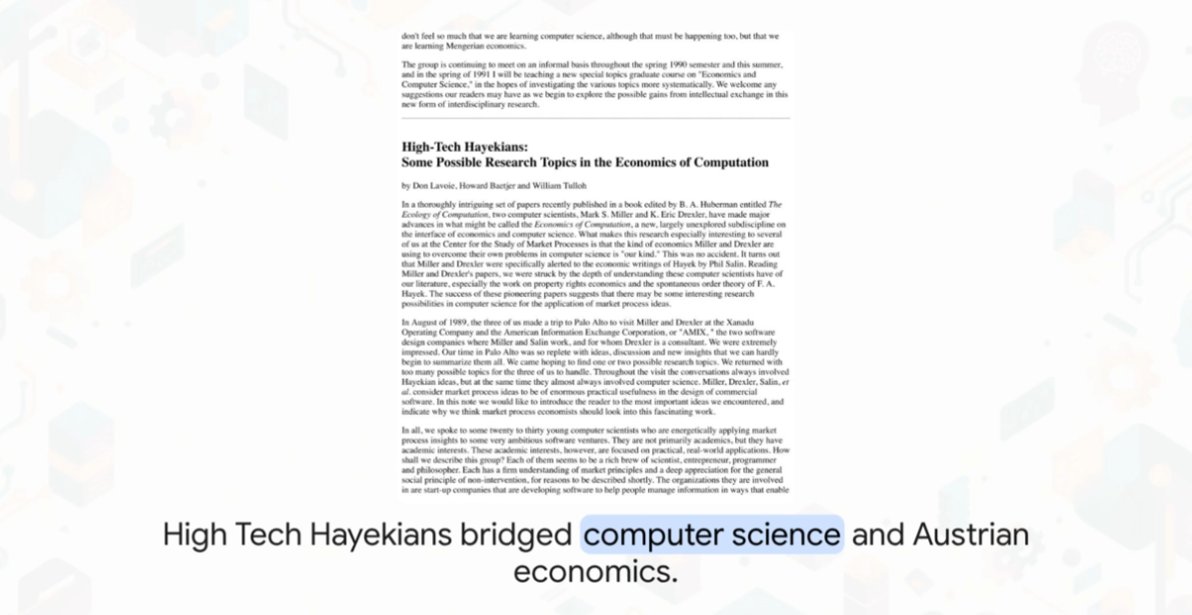
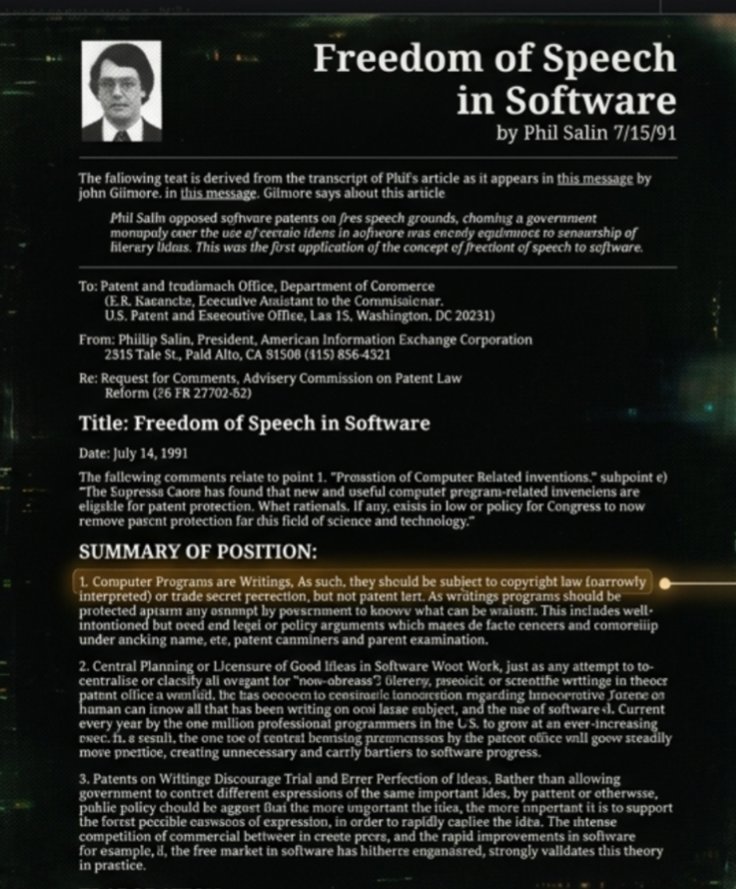
Phil Salin was one of the strangest, sharpest minds in the pre‑internet era -- an economist, coder, rocket guy, and high‑tech Hayekian who tried to build the future a few decades early. New video after a short 🧵👇
2
3
18
356
May 20
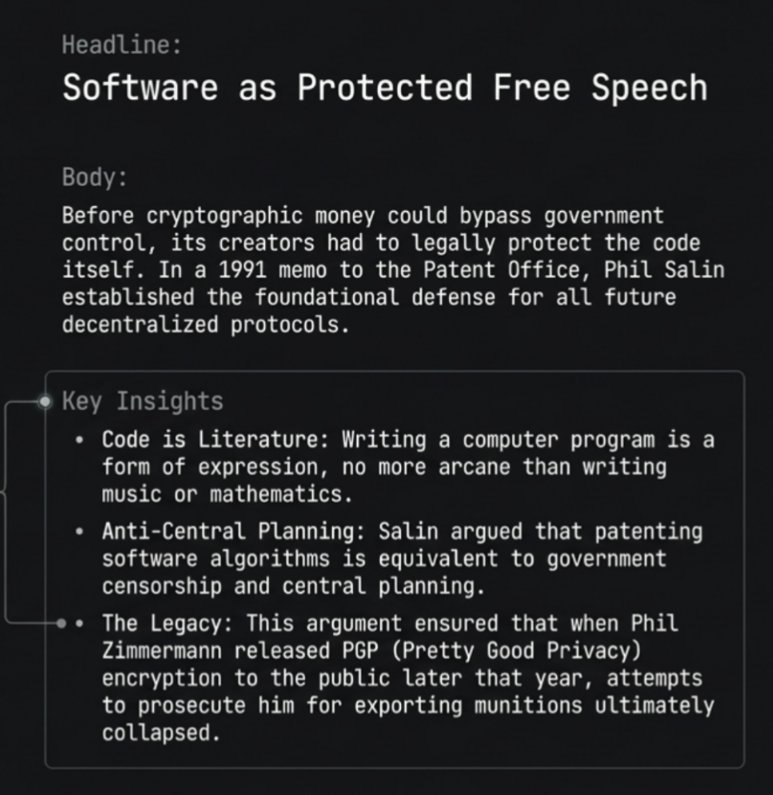
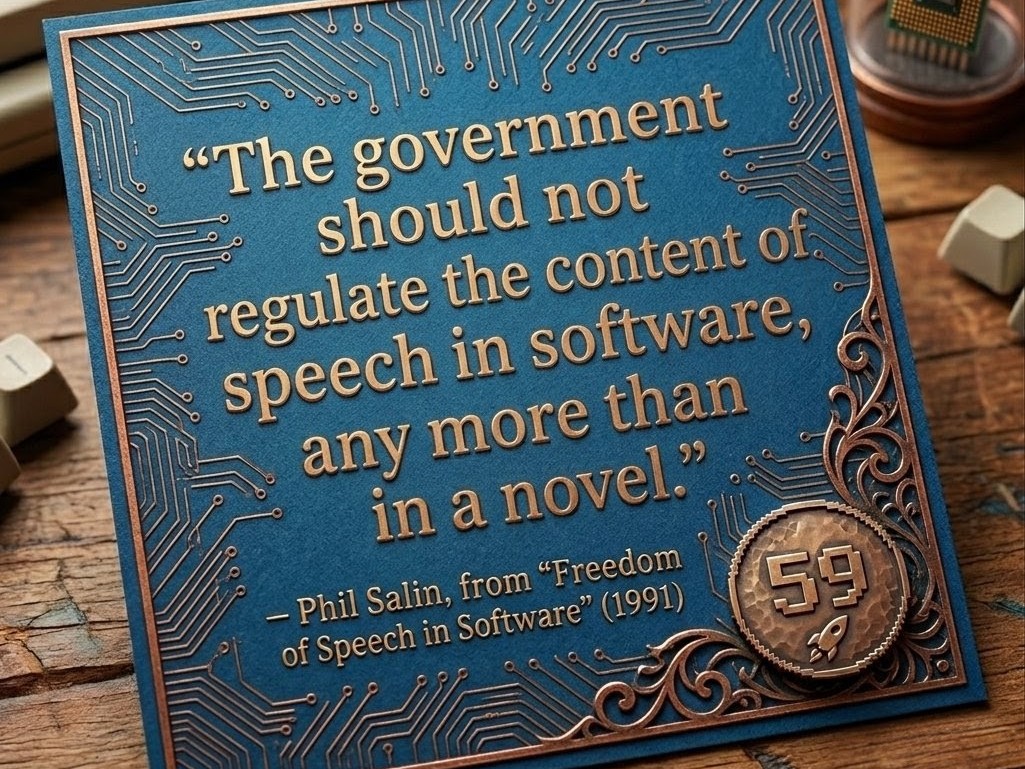
In 1991 he wrote one of the earliest formal arguments that computer code is expression protected by the First Amendment, a pillar of later “code is speech” crypto debates.
1
2
8
154
May 20
Here’s our new video on why his work still matters today. This is part of our Project B59 work on Bitcoin's deeper history: lost media, early digital culture, and the technology that came before the block chain. The Vault -- our digital archive -- is coming soon. 📚
1
7
16
476