
Building a Philosophical Case for Protestantism | Dr. Christopher Cloos
Joined January 2022
- Tweets 3,050
- Following 589
- Followers 2,700
- Likes 3,160
493 Photos and videos

Pinned Tweet

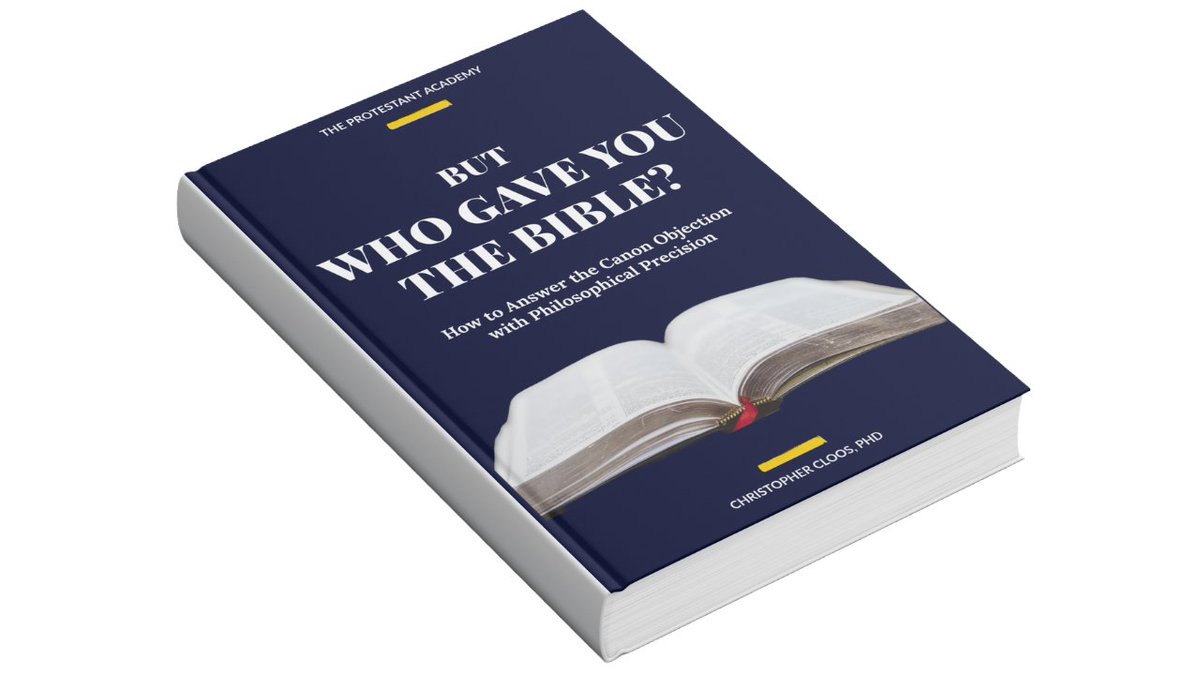
"But who gave you the Bible?" Most Protestants freeze when they hear this. I wrote a free guide that shows you how to answer the Canon Objection to Sola Scriptura with philosophical precision. Get your free guide now: protestantacademy.com/
17
8
78
7,852
I have a confession. I’m seriously starting to doubt the value of debates as they’re currently being done. Let me explain.
William Lane Craig debates were influential in parts of my spiritual development. Seeing a Christian make a well-reasoned case made me realize it was okay to be a Christian intellectual. The debates were well-organized and carried out. Even when Craig’s opponent got the upper-hand I left feeling encouraged and challenged by the exchange.
Fast forward to becoming a Protestant apologist. Rather, having it fall into my lap as an important need, especially when there are very few Protestant analytic philosophers that do Protestant apologetics. Most do philosophical theology or take on atheist objections to the faith. Going this route means leaving behind the comfort of academia. I see the value in debates well-done.
However, recently…
I have really began to sour toward the “debate me, bro!” culture online, especially here on X. Bloodsport challenges and debates have less to do about a productive quest for mutual understanding and truth. They have more to do with performance, scoring points, and entertainment. Such exchanges devolve into mudslinging during and after the debates. They bring out the ugly side of apologetics.
But, I think I can take this a step further…
I’ve been reading Proverbs to prepare for preaching on the book this summer. In Proverbs we read in 16:21:
"Sweetness of speech increases persuasiveness."
And in 15:28 we read:
"The heart of the righteous ponders how to answer."
Sweet speech and pondering how to answer are not rewarded in bloodsport debate culture. What is rewarded are quick responses that are sharp and forceful. And framing and rhetoric are crucial if you’re going to “win” the room. You can win the debate in that regard and not have made the better actual case.
Then we have all the posturing online. The “callouts”, the saying this person is “afraid”, and on and on. This is often about self-promotion and pride. It’s about trying to look good in the eyes of others. It’s not primarily about the pursuit of wisdom and truth.
Online apologetics debate culture promotes folly, not wisdom. That’s the tentative conclusion I’ve come to.
Is there a place for debate? Yes. Is there a way to do it in pursuit of wisdom? Yes. Has the algorithm rewarded and engrained a form of debate that is rooted in pride and folly? Yes.
And I’m realizing that I don’t want to contribute to that sort of culture. I want to offer more of a positive case for Protestantism that is encouraging and makes the Gospel more attractive to onlookers. I don’t want to spend whatever precious time I have to do this posturing-up or bowing-up to try to look tough. I want my confidence to be rooted in Christ, not in my abilities.
I know this note doesn’t have a punchy conclusion. But it does have the start of me processing what I’m seeing online and how I want to strive in Christ to promote something else, even if that something else isn’t rewarded by the algorithm.
21
1
47
2,958
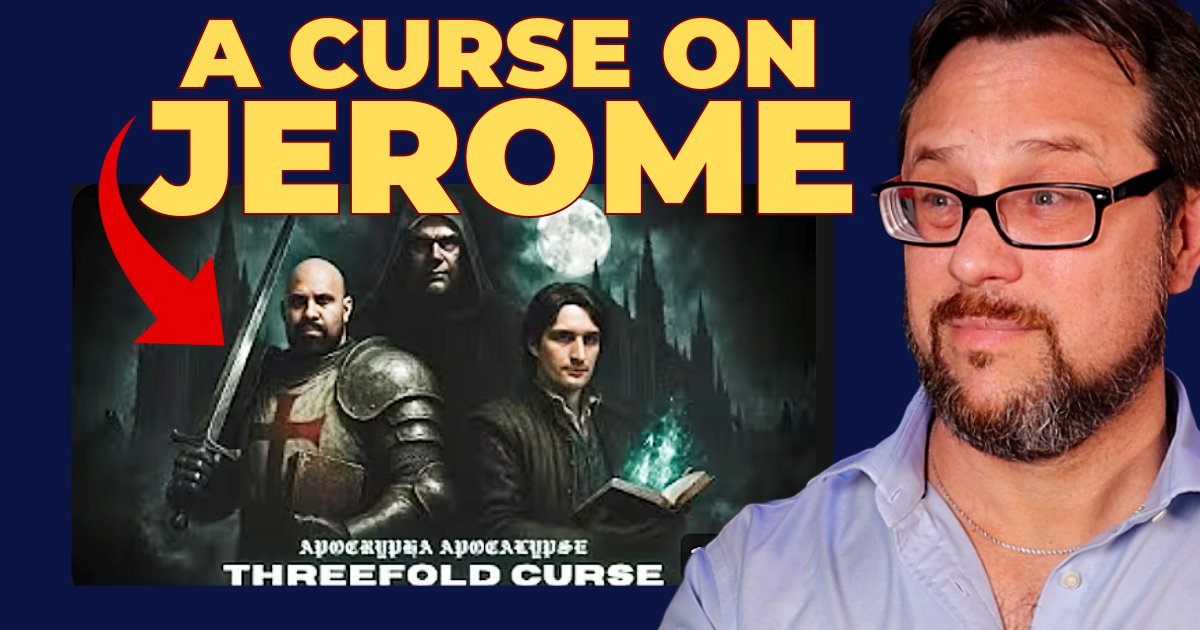
Trent's curse lands on Jerome. Three Catholic apologists defended the anathema and called my Trent note "low hanging fruit," but the books Trent cursed you for ranking lower are the ones Jerome called apocrypha: protestantreview.substack.co…
And most of what they mocked wasn't mine. It was Jedin's, the source they praised. Reply's up.
4
3
21
3,313
The Protestant Philosopher retweeted

Dear friends. I will be doing my first debate tonight at 8 PM EST on Capturing Catholicism on whether Scripture self-authenticates itself as inspired, which is the classical Protestant position.
youtube.com/live/2qcmysGJuqA…
8
12
77
18,060
Catholics say their canon was just received, not added to. But the oldest Christian canon list, Melito (170 AD), tracks the Hebrew canon. No Tobit, Judith, Maccabees, Sirach appear in his list. The longer list appears only in the late 4th century. By their own rule, the accretion runs the other way.
75
4
80
16,053
The Protestant Philosopher retweeted

One reason Christianity resonates: it speaks to both head and heart. It tells a meaningful story about the world around us, but also the longings deep within us. It explains both the universe and the human experience within it.
12
47
361
9,778
The Protestant Philosopher retweeted

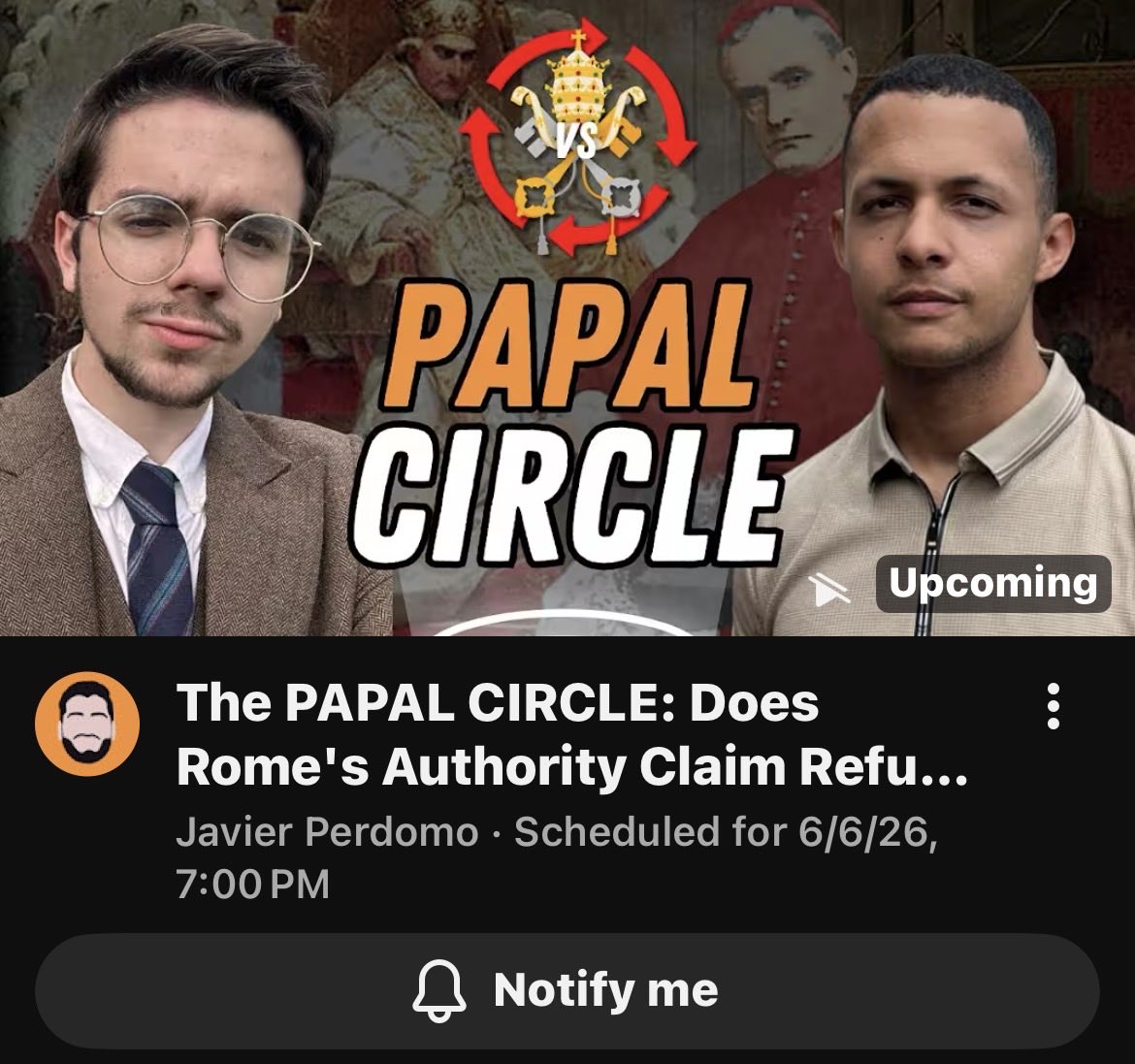
Please join @sincead33 and I as we have a dialogue together on Saturday concerning the Papal Circle argument, and how we know that Scripture is divinely authoritative!
I’m guessing Cardinal Franzelin in this picture is staring in disapproval at me, but it’s hard to tell for sure.
4
4
48
2,856
The Protestant Philosopher retweeted

You have integrity, I have a lot of respect for you. Honestly you’re one of my favorite Protestants accts here on X. You actually make me think. 🙏🏻
1
2
9
643
Catholic Maximus offers us a "perfect example" of reading "malicious" motivated reasoning into a case where a more charitable and accurate explanation is available. As I clarified:
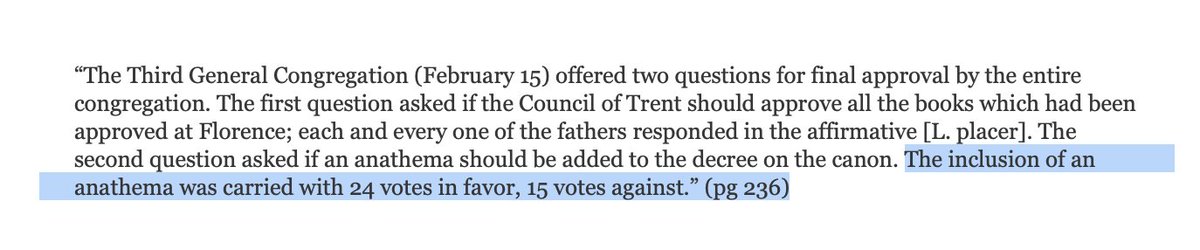
Yes, I have since corrected my statement in light of Jedin's footnote, but that correction shouldn't read "malicious intent" into Metzger's typo and mistake. That's an overreach to make a polemical point yourself. The details of the vote in February are themselves contested by the Catholic source.
I simply sided with Jedin, as he's typically regarded as the definitive source. But, siding with him is just siding with him siding with one of three interpretations of what the February vote was about. He says it was attaching an anathema. There were two other live readings of what actually happened.
Moreover, the April vote was promulgated to affirm what was already decided in February. The April vote wasn't a fresh deliberative vote. And the deliberative vote in February was genuinely contested, as 40% dissented.
So, by way of a divided body (i.e., not even close to a consensus), it erased with an "anathema" a long-standing Catholic tradition of reading two levels of canonical texts. It silenced Jerome's long-standing division of the canon for doctrine and the canon for edification-only (the deuterocanonical). And the opposition were great scholars, following in Jerome's line.
So, unless you can read Metzger's mind as wanting to make a malicious polemical point (and he was no polemicist), then his mistake is understandable as the data on the vote is messy and contested. The misreading of the ambiguity concerning "nay" votes as "abstentions" I have corrected, but that still doesn't do much regarding the polemical point, namely that a whole tradition of reading the deutros as of lesser canonical status was silenced by a mere simple majority (60-40). That it was a contested vote with substantial dissent that fell well-short of consensus means that's it's still a problem for the tidy Catholic claim that the canon was definitively declared at Trent. More accurately, the dissent was voted out of existence by a simple majority. The deutros officially became canonical by a contested vote.

This is a perfect example of 𝖂𝖍𝖎𝖙𝖊𝕭𝖊𝖆𝖗𝖉 appealing to tertiary sources, in this example to @ProtPhilosopher who himself is going by secondary sources Metzgers book The Canon of the NT. This book swaps two key details for no other reason than to push the narrative that the Council of Trent was divided. @TaylorRMarshall
📍24 yea 15 nay 16 abstention: (imagesattached)
This vote took place on Feb 15 1546. The disagreement was over the wording and strength of the anathema, this vote was split.
📍April 8 1546: (link below)
The final decree on anathema and the deuteros was accepted unanimously by the fathers present. It was clear to everyone that these 7 books were authored by God.
Metzeger swaps the dates on purpose with malicious intent to show that there was division. He should be ashamed of himself. Now Prot Philosopher has since corrected. We are still waiting on 𝖂𝖍𝖎𝖙𝖊𝕭𝖊𝖆𝖗𝖉 to do the same but I wouldnt hold my breath.
Source: papalencyclicals.net/council…

5
2
21
2,394
The Protestant Philosopher retweeted
Yes, I have since corrected my statement in light of Jedin's footnote, but that correction shouldn't read "malicious intent" into Metzger's typo and mistake. That's an overreach to make a polemical point yourself. The details of the vote in February are themselves contested by the Catholic source.
I simply sided with Jedin, as he's typically regarded as the definitive source. But, siding with him is just siding with him siding with one of three interpretations of what the February vote was about. He says it was attaching an anathema. There were two other live readings of what actually happened.
Moreover, the April vote was promulgated to affirm what was already decided in February. The April vote wasn't a fresh deliberative vote. And the deliberative vote in February was genuinely contested, as 40% dissented.
So, by way of a divided body (i.e., not even close to a consensus), it erased with an "anathema" a long-standing Catholic tradition of reading two levels of canonical texts. It silenced Jerome's long-standing division of the canon for doctrine and the canon for edification-only (the deuterocanonical). And the opposition were great scholars, following in Jerome's line.
So, unless you can read Metzger's mind as wanting to make a malicious polemical point (and he was no polemicist), then his mistake is understandable as the data on the vote is messy and contested. The misreading of the ambiguity concerning "nay" votes as "abstentions" I have corrected, but that still doesn't do much regarding the polemical point, namely that a whole tradition of reading the deutros as of lesser canonical status was silenced by a mere simple majority (60-40). That it was a contested vote with substantial dissent that fell well-short of consensus means that's it's still a problem for the tidy Catholic claim that the canon was definitively declared at Trent. More accurately, the dissent was voted out of existence by a simple majority.
2
14
690
The Protestant Philosopher retweeted

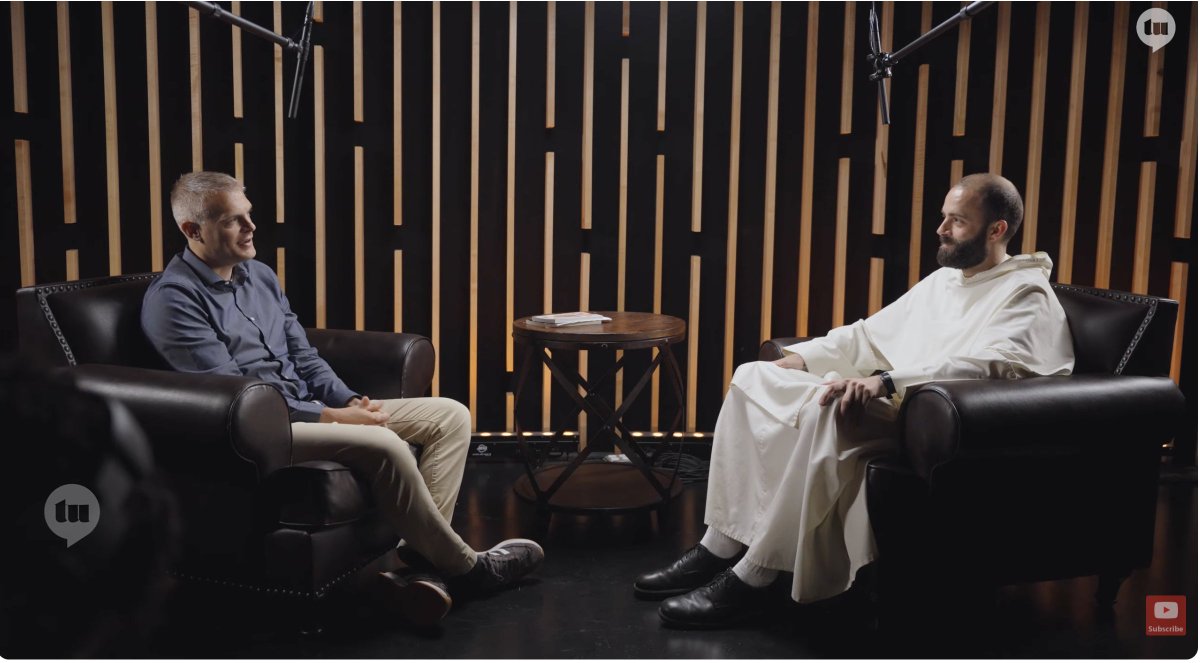
I just watched a thoughtful conversation between Dr. Gavin Ortlund and Fr. Gregory Pine on three important topics.
First, they discuss sins of speech in the internet age, with special attention to the lack of Christian civility online. This portion draws from Fr. Pine’s recent book, Training the Tongue: Growing Beyond Sins of Speech, and begins around the mark.
Second, they consider areas of Protestant and Catholic agreement, especially classical theism and our shared confession of and love for the triune God. This portion begins around .
Third, they turn to Protestant and Catholic disagreement, which was the most interesting part of the discussion for me. Beginning around the mark, Gavin and Fr. Pine have a frank and respectful exchange about doctrinal history, organic development, and the difference between legitimate development and later accretions.
In my opinion, this is the kind of tone and mutual respect Protestants and Catholics should strive for in serious theological dialogue. We can speak clearly about real disagreements without caricature, hostility, or contempt.
I will let the video speak for itself, but I recommend listening.
youtube.com/watch?v=PmsE-fXm…
10
7
49
2,631
The article version of my second and final reply to Joe is now live!
open.substack.com/pub/protes…
7
450
Catholic apologists often cite 1 Tim 3:15 that the church is "the pillar and ground of truth," where this is read in a architectural sense. Truth is the building. The church holds up the building. Without the church, the truth doesn't stand. This makes the church have a constitutive role regarding truth. It doesn't just steward and transmit truth. Contra sola scriptura, Paul doesn't mention Scripture as the ultimate norm of truth. Rather, the church is the pillar and foundation of truth.
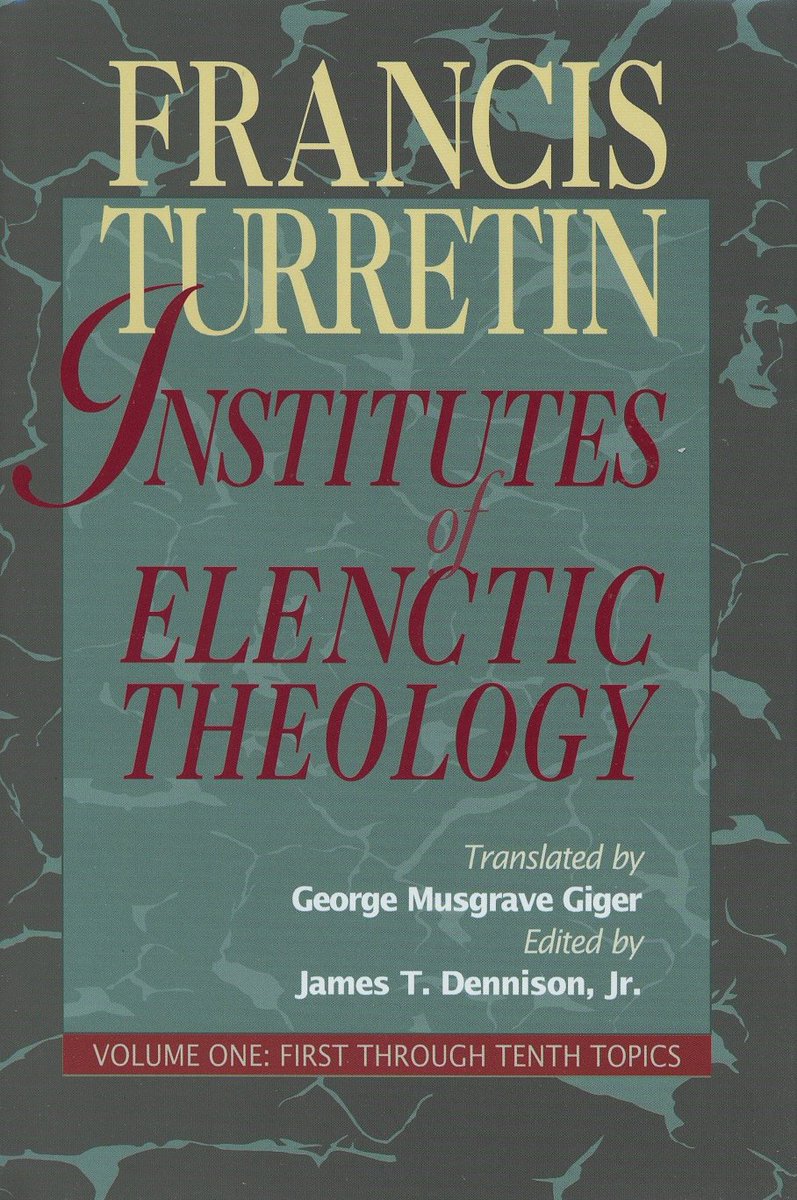
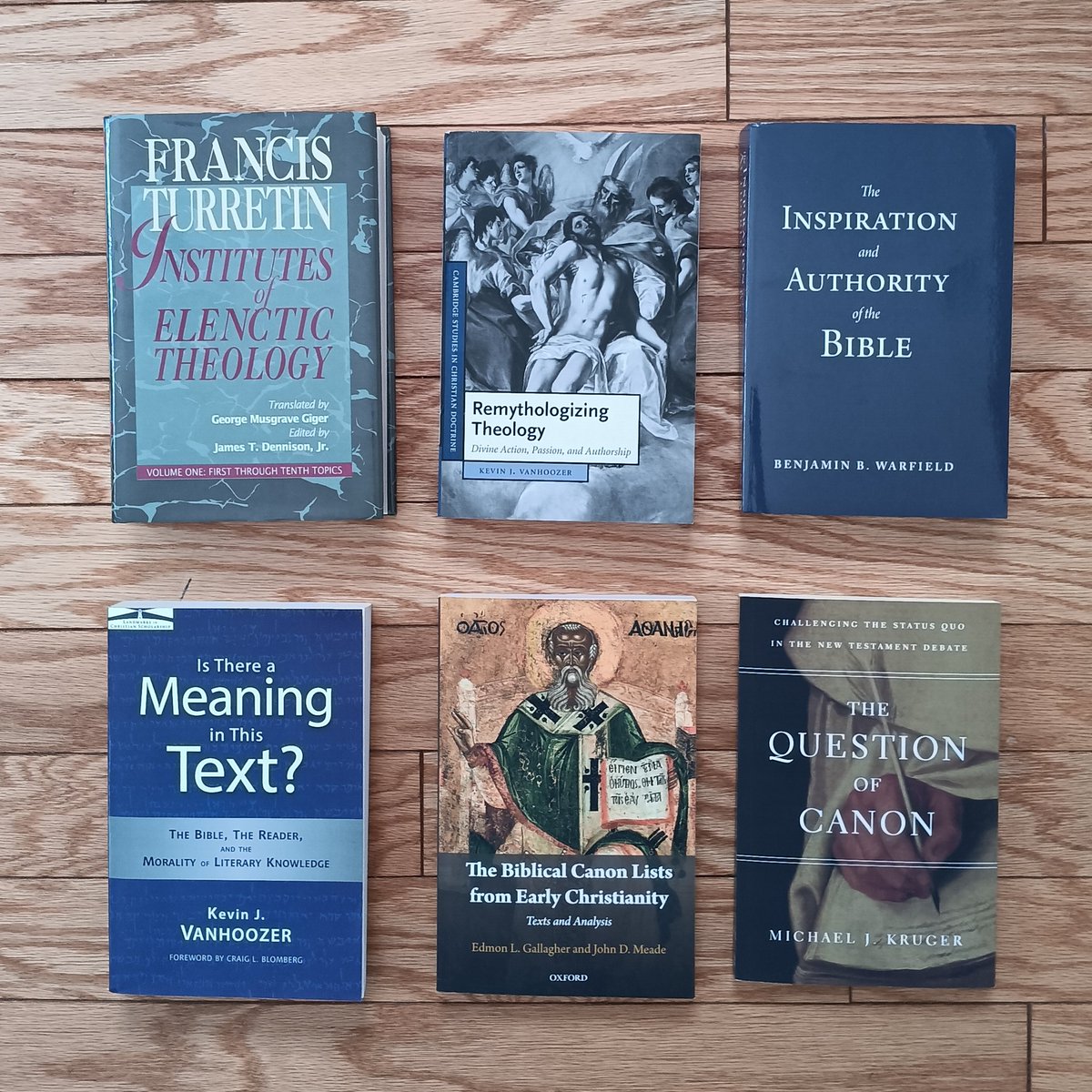
The Catholic reading of 1 Tim 3:15 contrasts with the Protestant reading, which is forensic, not architectural. This passage in Turretin's Institutes is an apt articulation of the Protestant take on this verse:
"The church is called 'the pillar and ground of the truth' (stylos kai hedraiōma tēs alētheias, 1 Tim. 3:15) not because she supports and gives authority to the truth (since the truth is rather the foundation upon which the church is built, Eph. 2:20), but because it stands before the church as a pillar and makes itself conspicuous to all. Therefore it is called a pillar, not in an architectural sense (as pillars are used for the support of buildings), but in a forensic and political sense (as the edicts of the emperor and the decrees and laws of the magistrates were usually posted against pillars before the court houses and praetoria and before the gates of the basilica so that all might be informed of them, as noted by Pliny, Natural History, lib. 6, c. 28 and Josephus,? AJ 1.70–71 [Loeb, 4:32–33]).
So the church is the pillar of the truth both by reason of promulgating and making it known (because she is bound to promulgate the law of God, and heavenly truth is attached to it so that it may become known to all) and by reason of guarding it. For she ought not only to set it forth, but also to vindicate and defend it. Therefore she is called not only a pillar (stulos), but also a stay (hedraiōma) by which the truth when known may be vindicated and preserved pure and entire against all corruptions. But she is not called a foundation (themelion), in the sense of giving to the truth itself its own substructure (hypostasin) and firmness. (2) Whatever is called the pillar and stay of the truth is not therefore infallible; for so the ancients called those who, either in the splendor of their doctrine or in the holiness of their lives or in unshaken constancy, excelled others and confirmed the doctrines of the gospel and the Christian faith by precept and example; as Eusebius says the believers in Lyons call Attalus the Martyr (Ecclesiastical History 5.1 [FC 19:276]); Basil distinguishes the orthodox bishops who opposed the Arian heresy by this name (hoi styloi kai to hedraiōma tēs alētheias, Letter 243 [70] [FC 28:188; PG 32.908]); and Gregory Nazianzus so calls Athanasius.
In the same sense, judges in a pure and uncorrupted republic are called the pillars and stays of the laws. (3) This passage teaches the duty of the church, but not its infallible prerogative (i.e., what she is bound to do in the promulgation and defending of the truth against the corruptions of its enemies, but not what she can always do). In Mal. 2:7, the 'priest’s lips' are said to 'keep knowledge' because he is bound to do it (although he does not always do it as v. 8 shows). (4) Whatever is here ascribed to the church belongs to the particular church at Ephesus to which, however, the papists are not willing to give the prerogative of infallibility.
Again, it treats of the collective church of believers in which Timothy was to labor and exercise his ministry, not as the church representative of the pastors, much less of the pope (in whom alone they think infallibility [anamartēsian] resides). (5) Paul alludes here both to the use of pillars in the temples of the Gentiles (to which were attached either images of the gods or the laws and moral precepts; yea, even oracles, as Pausanius and Athenaeus testify) that he may oppose these pillars of falsehood and error (on which nothing but fictions and the images of false gods were exhibited) to that mystical pillar of truth on which the true image of the invisible God is set forth (Col. 1:15) and the heavenly oracles of God made to appear; and to that remarkable pillar which Solomon caused to be erected in the temple (2 Ch. 6:13; 2 K. 11:14; 23:3) which kings ascended like a scaffold as often as they either addressed the people or performed any solemn service, and was therefore called by the Jews the “royal pillar.” Thus truth sits like a queen upon the church; not that she may derive her authority from it (as Solomon did not get his from that pillar), but that on her, truth may be set forth and preserved."
Reference: Francis Turretin, Institutes of Elenctic Theology, ed. James T. Dennison Jr., trans. George Musgrave Giger, vol. 1 (P&R Publishing, 1992–1997), 93–94.
7
42
2,171
By request, I've create an audio-only podcast of my show. Please give it a follow on your favorite platform.
- Apple: podcasts.apple.com/us/podcas…
- Spotify: open.spotify.com/show/033pTQ…
1
2
8
316
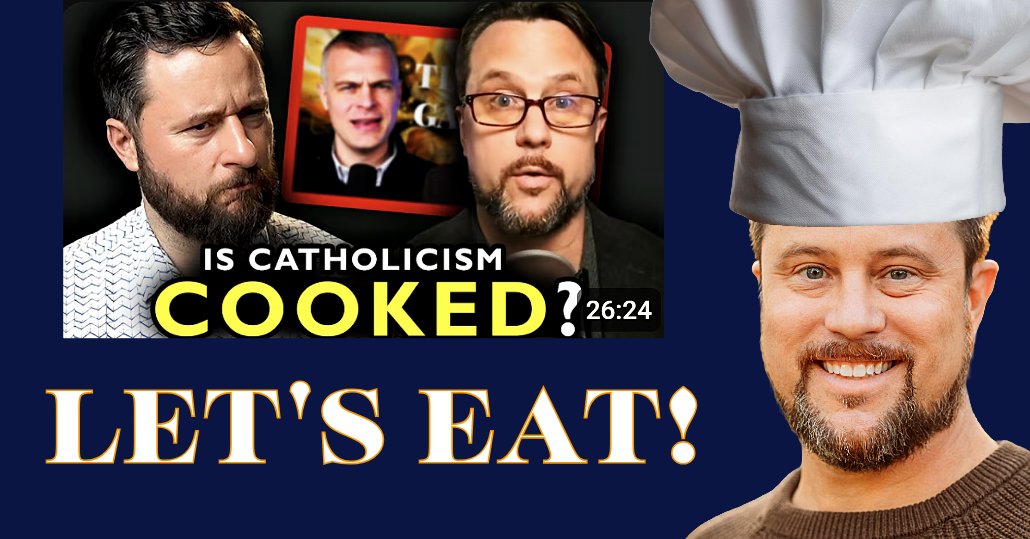
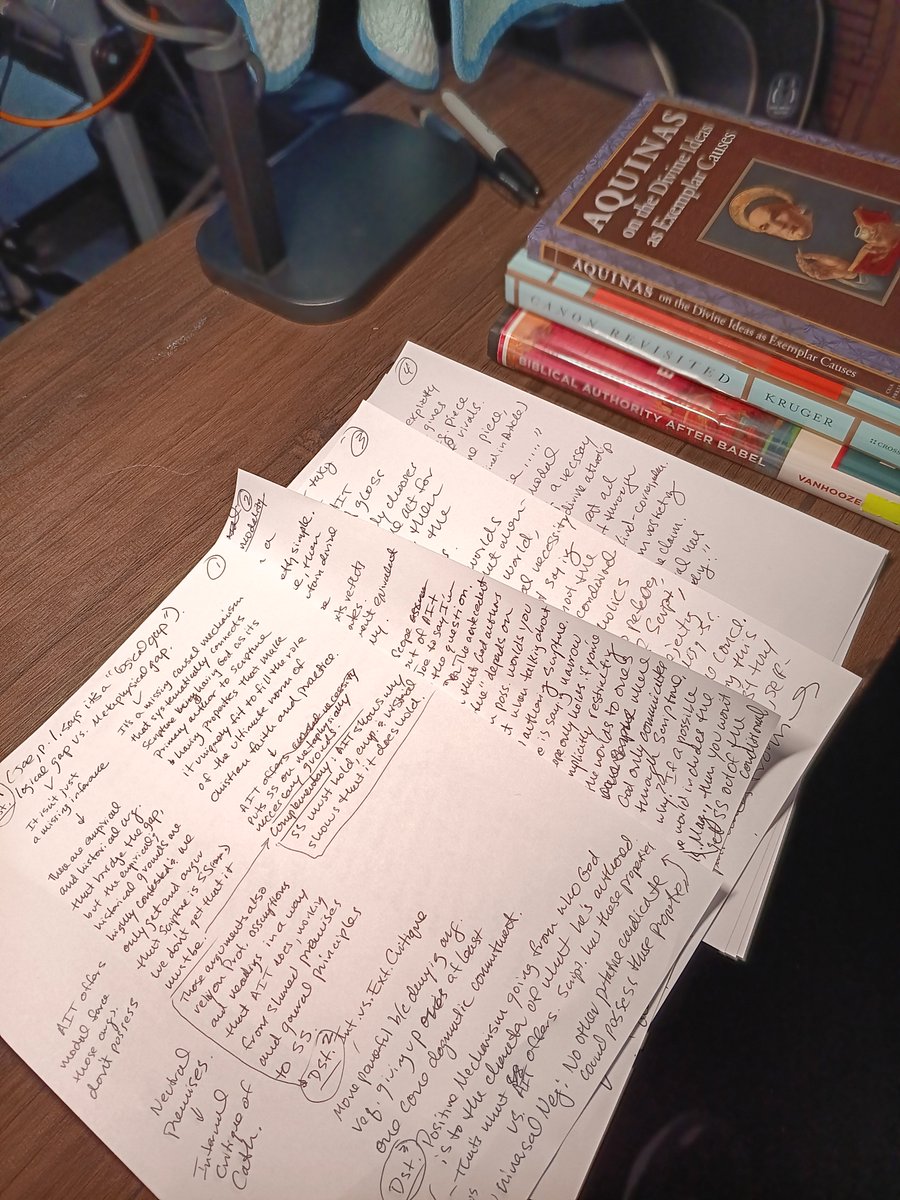
Joe Heschmeyer stepped into the kitchen to take on the Attribute Inscripturation Thesis (AIT). Did he get burned? Let's find out. (@ShamelessPopery) youtu.be/ifti_9lGlTw?si=OzOd…
1
22
1,763