
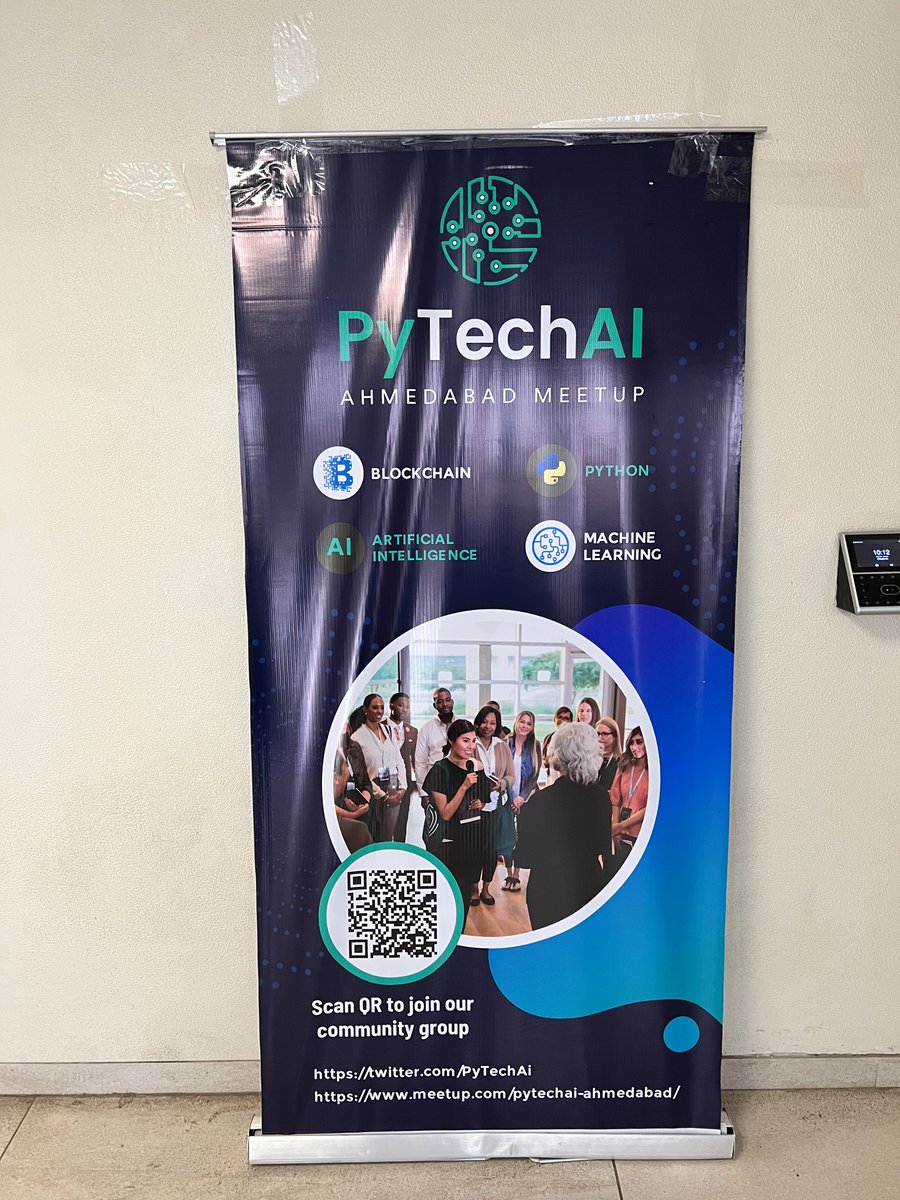
Welcome to PyTechAI Ahmedabad! We are a dynamic and inclusive tech community-based in Ahmedabad, dedicated to exploring the exciting realms of Python, Machine L
Joined May 2023
- Tweets 55
- Following 6
- Followers 51
- Likes 31
12 Photos and videos

8 Mar 2024
12 days of no-cost training to learn generative AI this December @googlecloud cloud.google.com/blog/topics…
@PyTechAi #ai #ml #python #GoogleAI #genai
36
8 Mar 2024
A Deep Dive into the Phi-2 Model
Phi-2 is a 2.7 billion-parameter language model developed by Microsoft Research. It is a language model that uses a Transformer architecture.
datacamp.com/tutorial/phi-2-…
#AI #Python #PyTechAI #tech #phi2 #MicrosoftAI
29
4 Mar 2024
Guess what's making a powerful comeback? 😮
It's none other than the renowned @PyTechAi meetup – your gateway to the world of Python, AI, and Machine Learning! 😍 💥
Get ready to join us for insightful discussions, networking opportunities, and more. 💫
Stay tuned 🔔
1
2
40
27 Feb 2024
Explore Deep Learning AI's Short Courses - 100% Free!
Dive into the world of Artificial Intelligence with our curated selection of free short courses from Deep Learning AI. Whether you're a seasoned professional or just starting, 🧵..
#PyTechAI #deeplearning #ai #python
1
1
36
27 Feb 2024
Expert Level:
-> LLMOps
deeplearning.ai/short-course…
-> Automated Testing for LLMOps
deeplearning.ai/short-course…
-> Build LLM Apps with LangChain.js
deeplearning.ai/short-course…
-> Advanced Retrieval for AI with Chroma
deeplearning.ai/short-course…
#PyTechAI #deeplearning
1
1
20
27 Feb 2024
To explore further courses you can check below links
deeplearning.ai/short-course…
#PyTechAI #deeplearning
Follow @PyTechAi and level up your AI skills today!
14
PytechAi Ahmedabad retweeted

1 Aug 2023
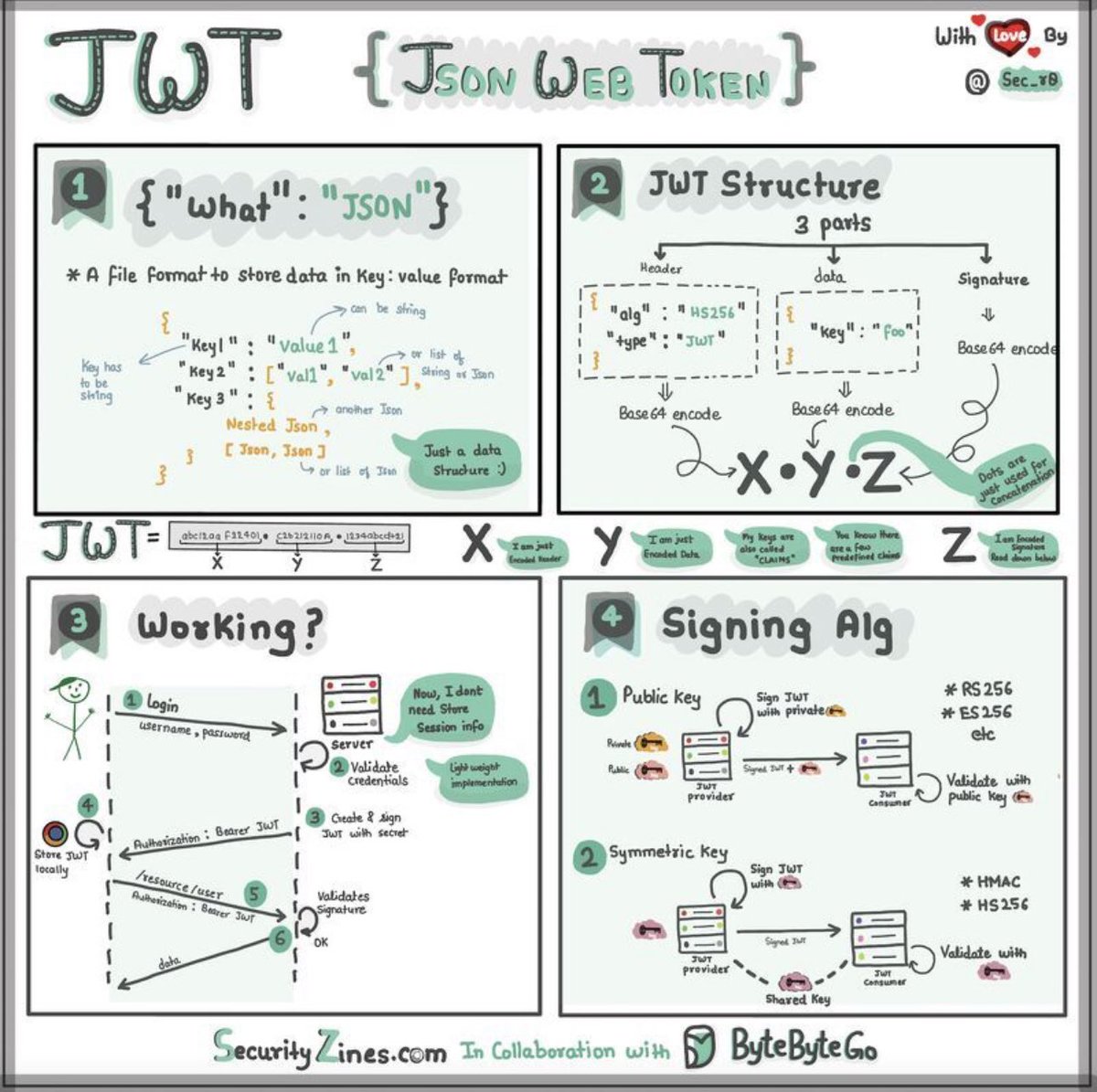
Here's how JWT works in a nutshell:
1️⃣ Authentication: When a user logs in to your application, the server generates a JWT containing relevant user information. This token is then sent back to the client, where it's stored securely, typically in local storage or a cookie.
2️⃣ Authorization: With each subsequent request to the server, the client includes the JWT in the request headers. The server validates the token to ensure the user is authenticated and, if necessary, authorized to access specific resources or perform certain actions.
3️⃣ Stateless & Scalable: One of the significant advantages of JWT is that it's stateless. This means the server doesn't need to store session data, making it highly scalable and ideal for microservices and distributed architectures.
4️⃣ Enhanced Security: JWTs are digitally signed using cryptographic
algorithms, ensuring their authenticity and integrity. This makes it difficult for malicious actors to tamper with or forge tokens, providing an additional layer of security.
5️⃣ Customizable & Versatile: JWTs can carry any custom claims you need, making them flexible for various use cases. You can include user roles, permissions, expiration times, and more within the token payload.
In conclusion, JWT is a game-changer in the world of web application security. Its simplicity, statelessness, and versatility have made it a popular choice for developers and businesses aiming to protect their data and resources from unauthorized access. 🛡️💻
🚨 Join Waiting List for New 10 Hour Linux Course - bit.ly/44CI2bK
Image Creds to @bytebytego
#jwt #websecurity #authentication #authorization #dataprotection
9
217
801
62,478
PytechAi Ahmedabad retweeted

29 Jul 2023
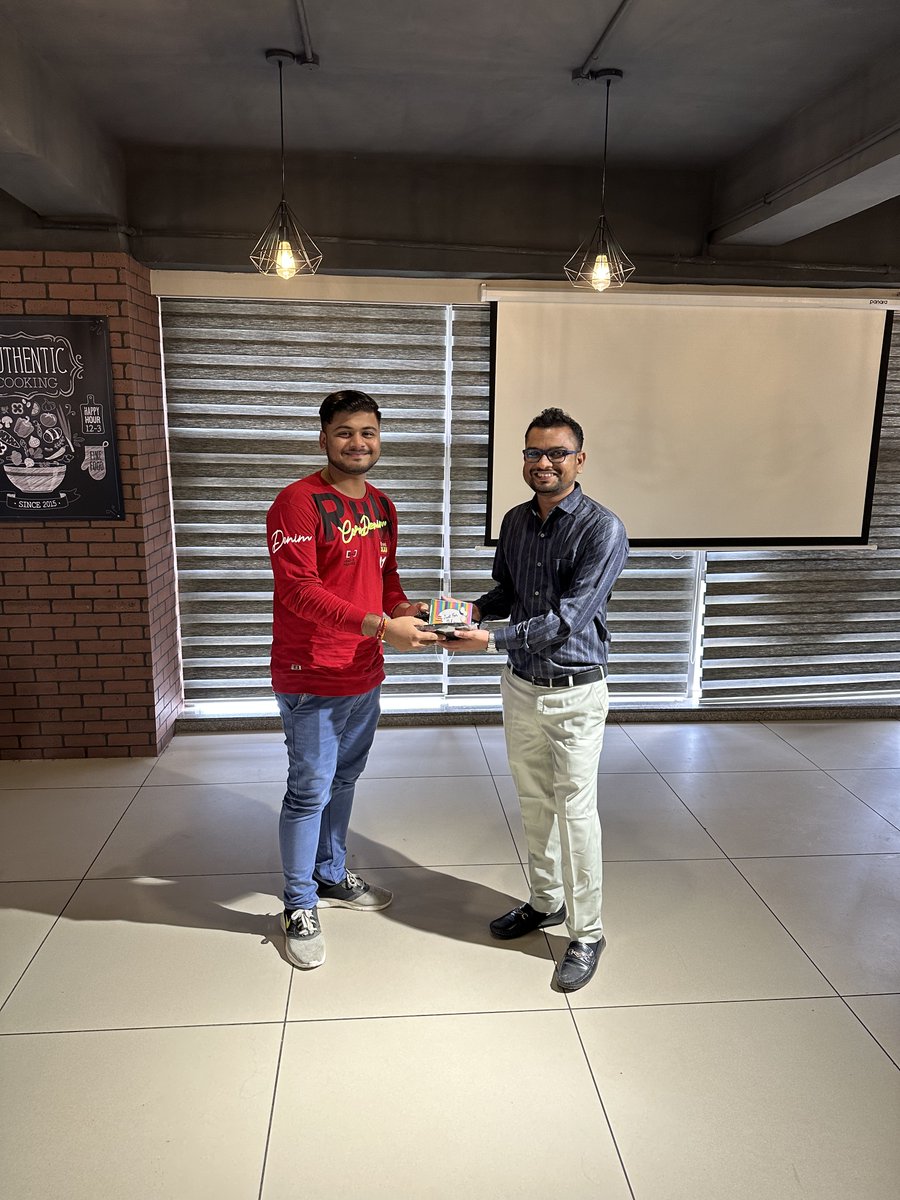
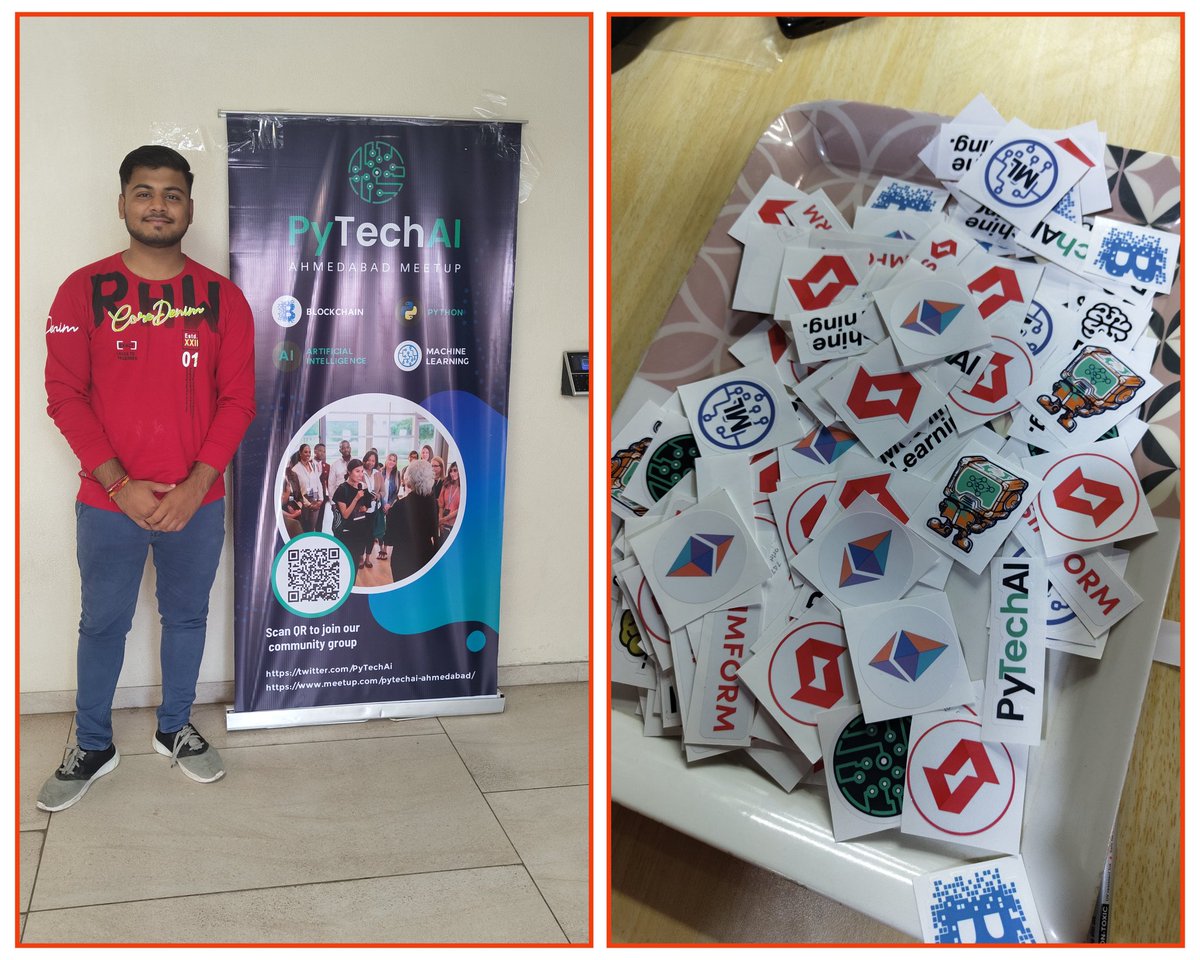
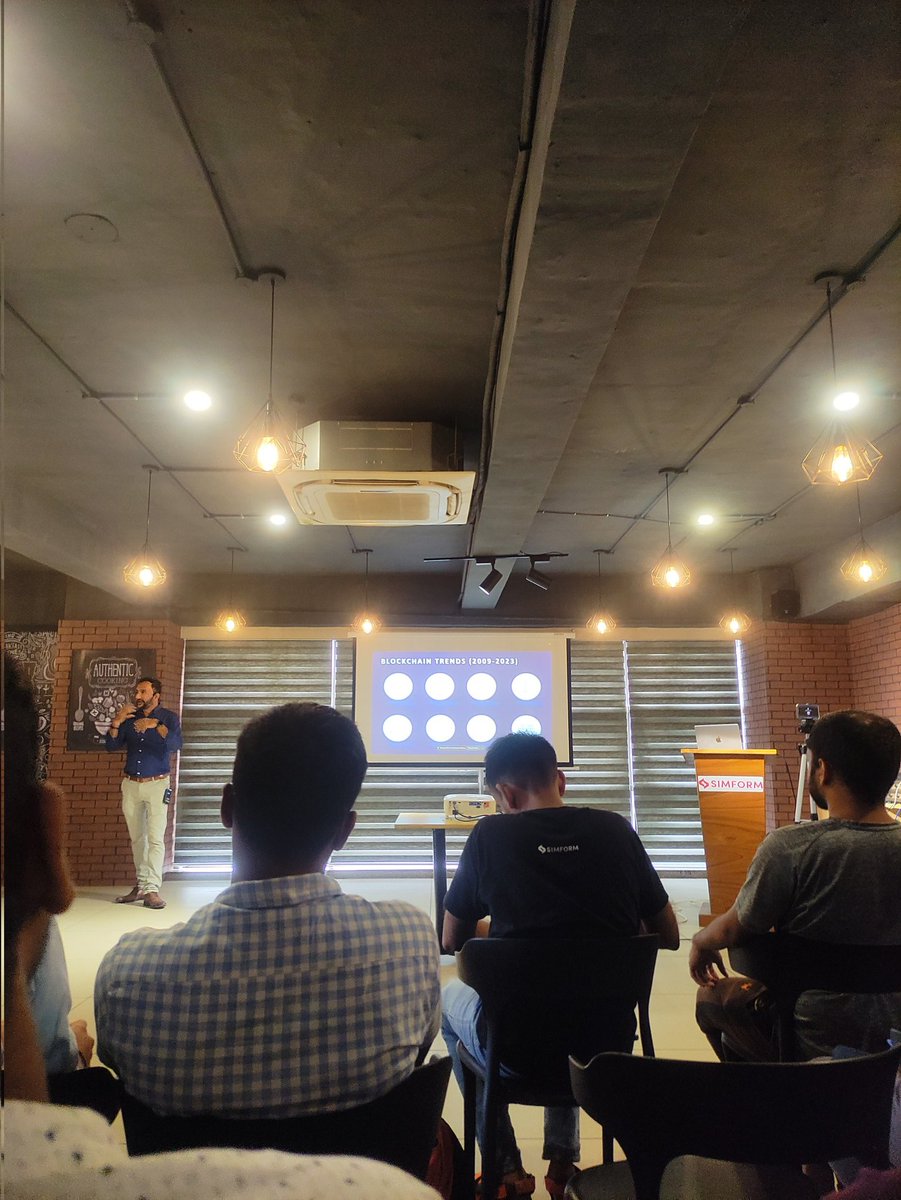
👋 Just had an amazing time at the @PyTechAi meetup hosted by @Simform! 🚀 Learned about cutting-edge technology trends and networked with fellow enthusiasts.
Whooohh Goodies 😍🔥😌
💡 #AICommunity #TechEvents #PyTechAI #techmeetups 😃
1
5
135
PytechAi Ahmedabad retweeted

29 Jul 2023
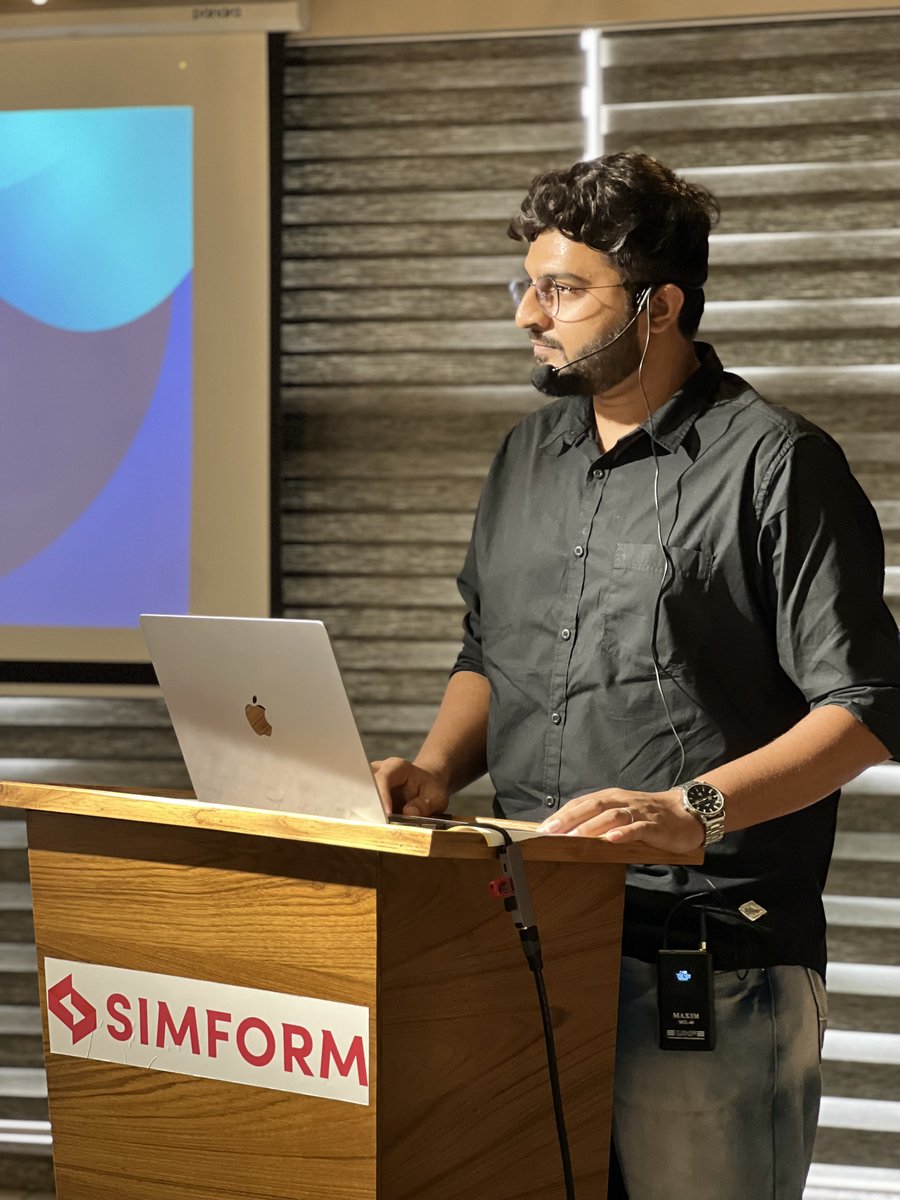
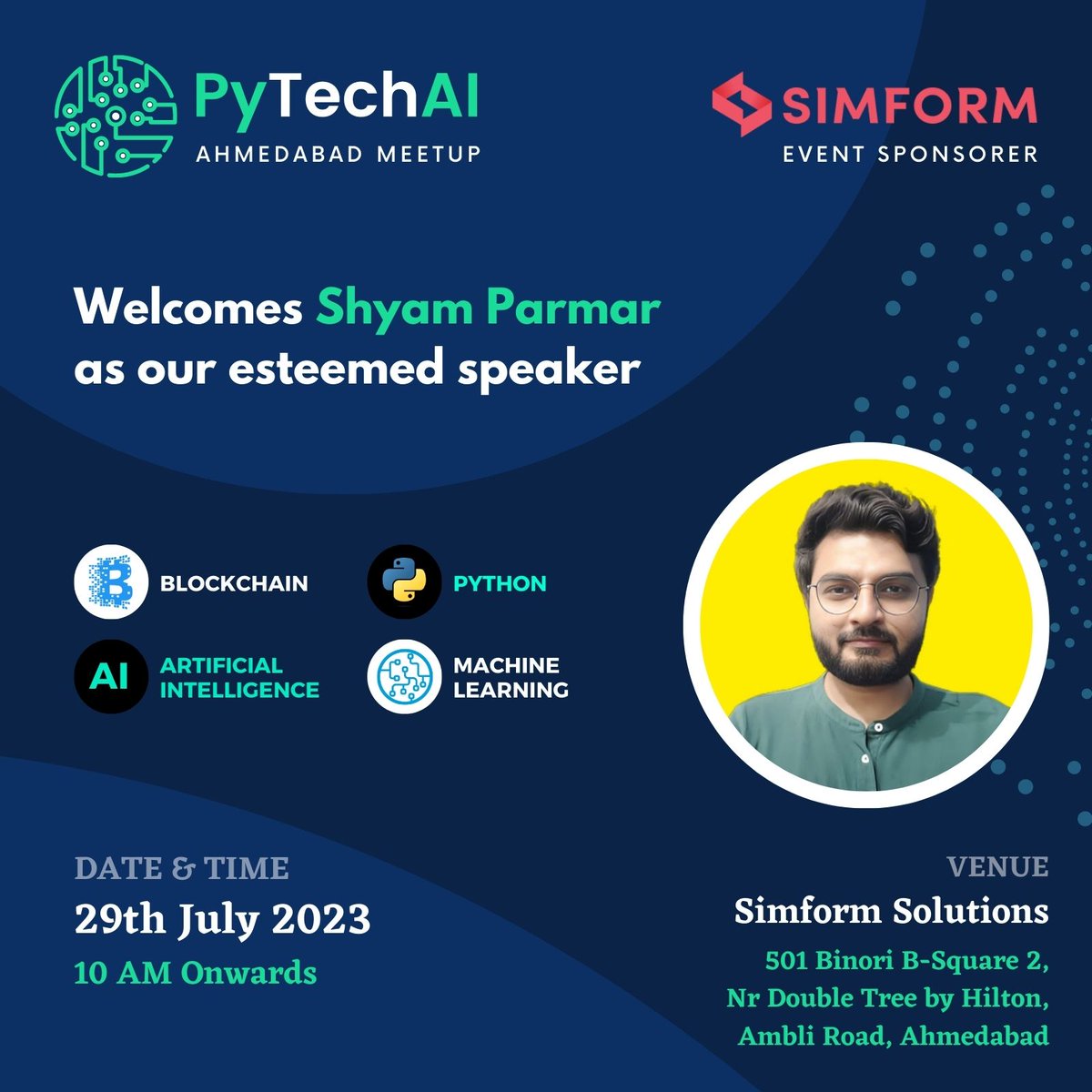
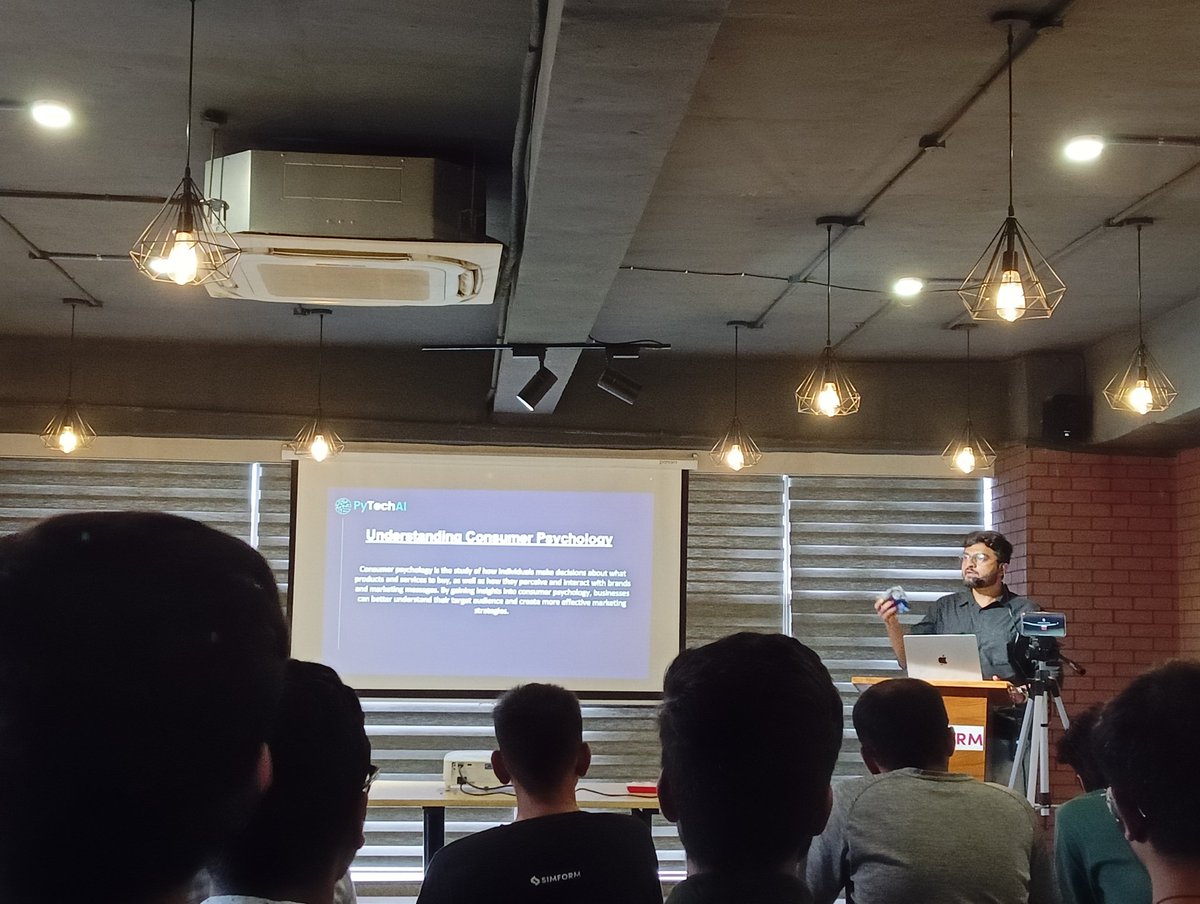
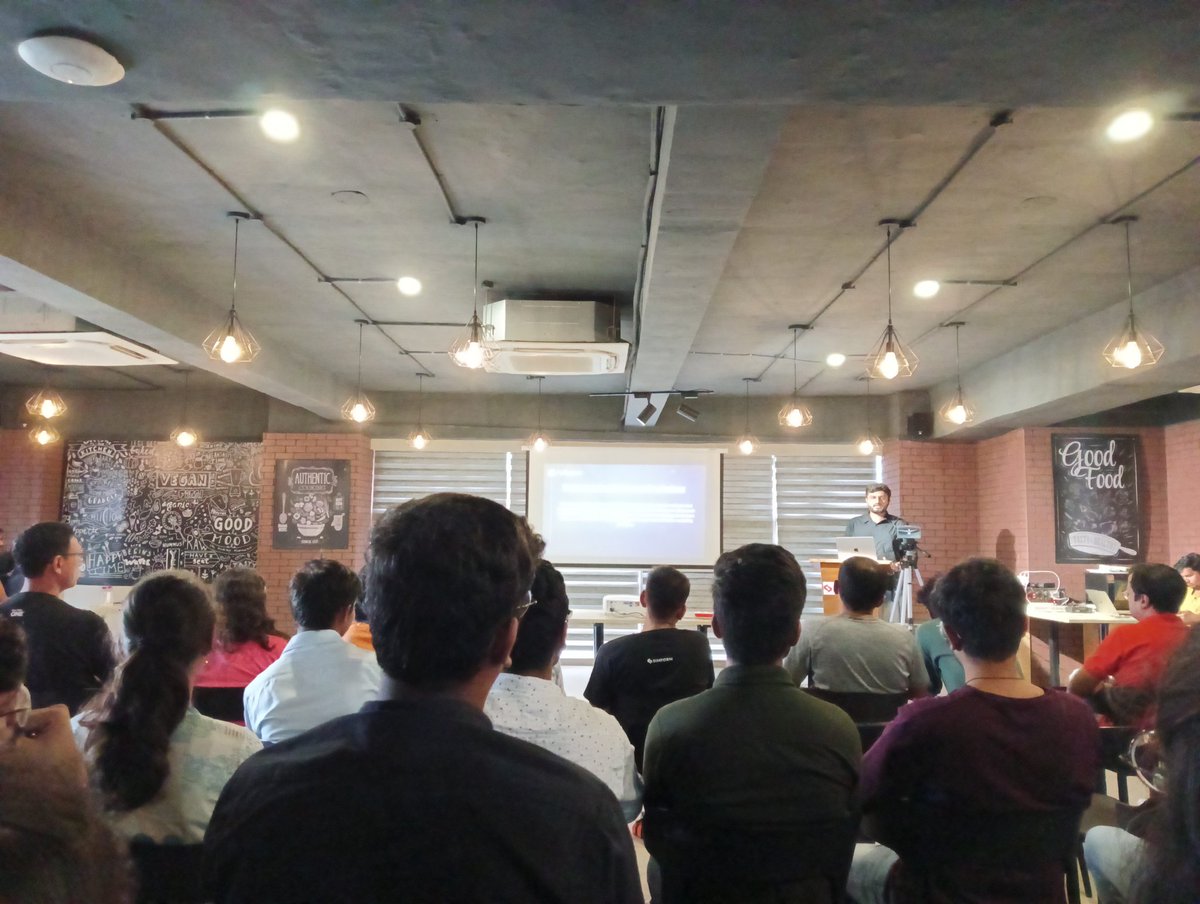
🚀 Excited to attend the Ai and Neuroscience session by Shyam Parmar at @simform during the @PyTechAi meetup! 🧠🤖 Can't wait to explore the fascinating intersection of AI and neuroscience! #AI #Neuroscience #PYTECHAI #Simform #TechMeetup
1
2
137
29 Jul 2023
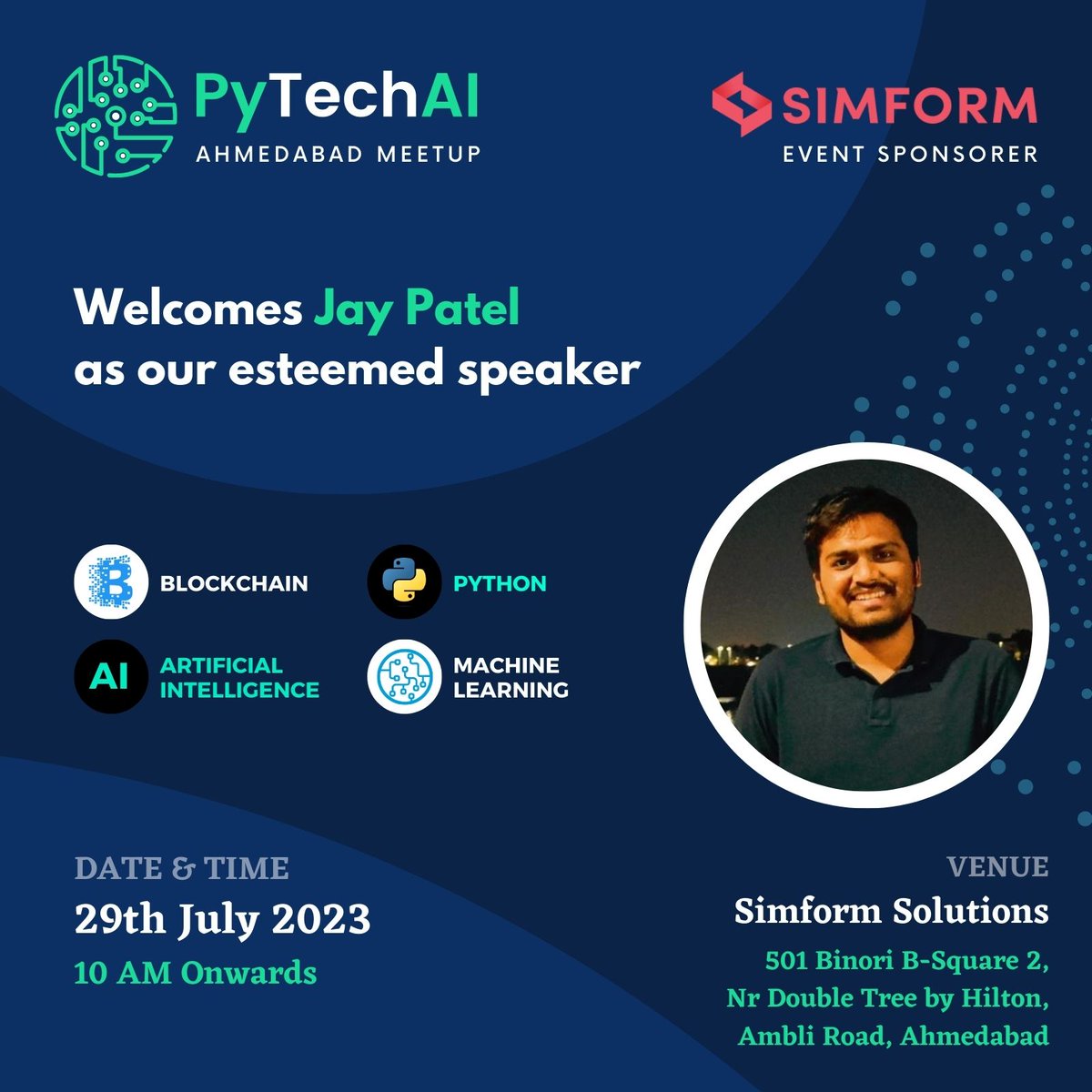
🚀Exciting news! Thrilled to introduce Shyam Paramar, an expert in AI neuromarketing, as our esteemed speaker for the upcoming session at #PyTechAI!, uncovering how cutting-edge technologies are revolutionizing the world of consumer behaviour analysis.🧠@LifeAtSimform #AI #Python
1
2
11
313
PytechAi Ahmedabad retweeted

29 Jul 2023
1
6
149
29 Jul 2023
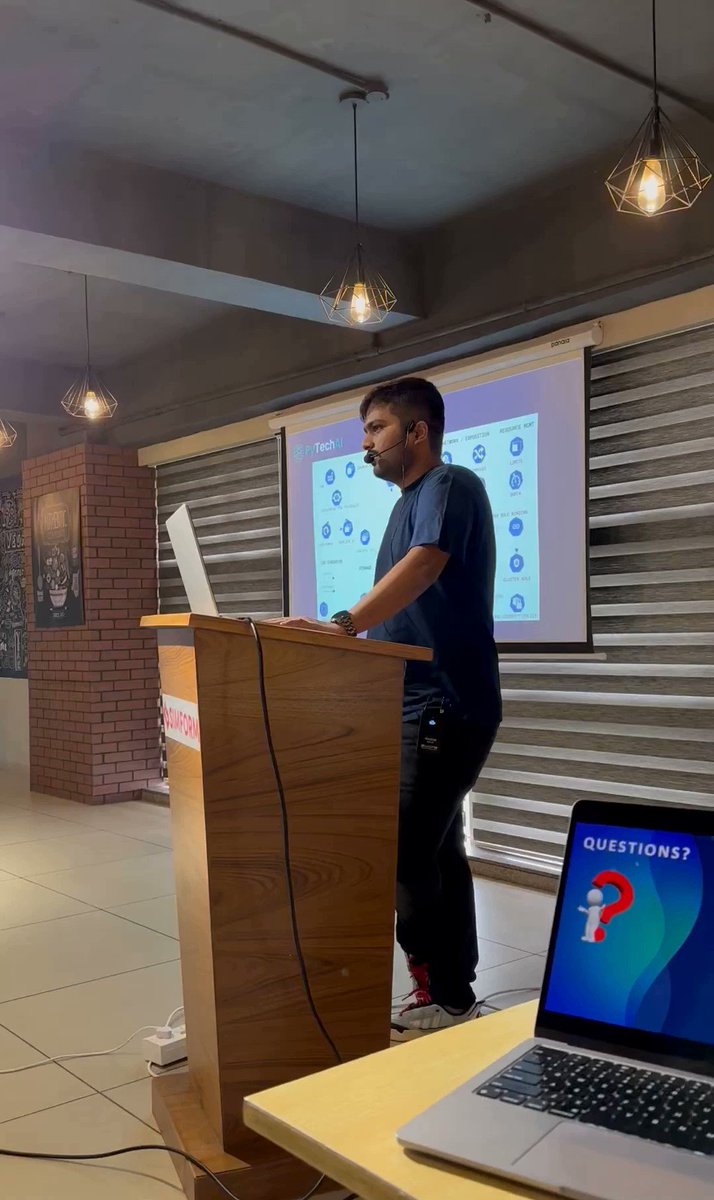
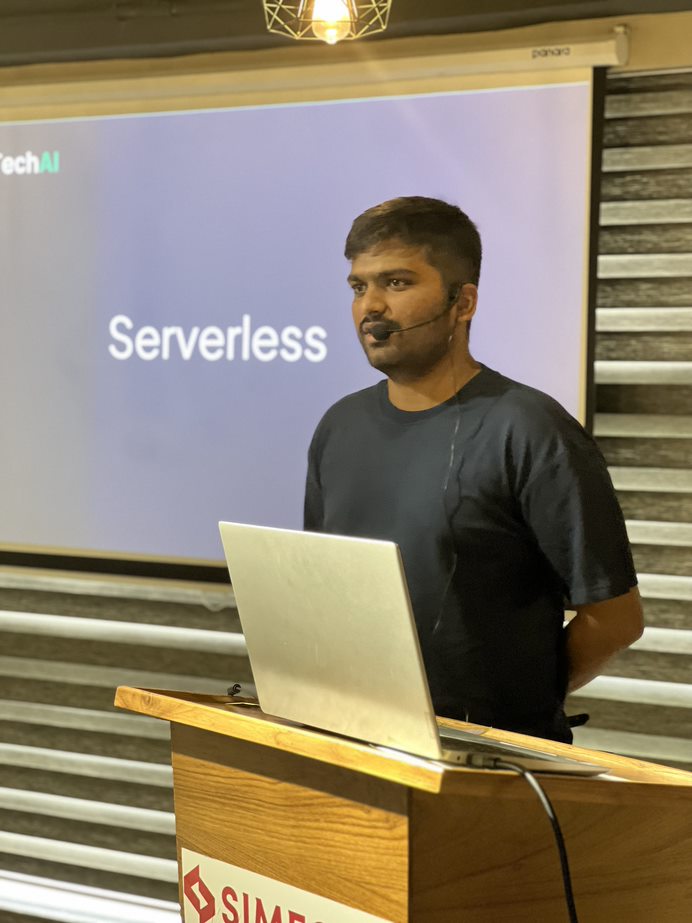
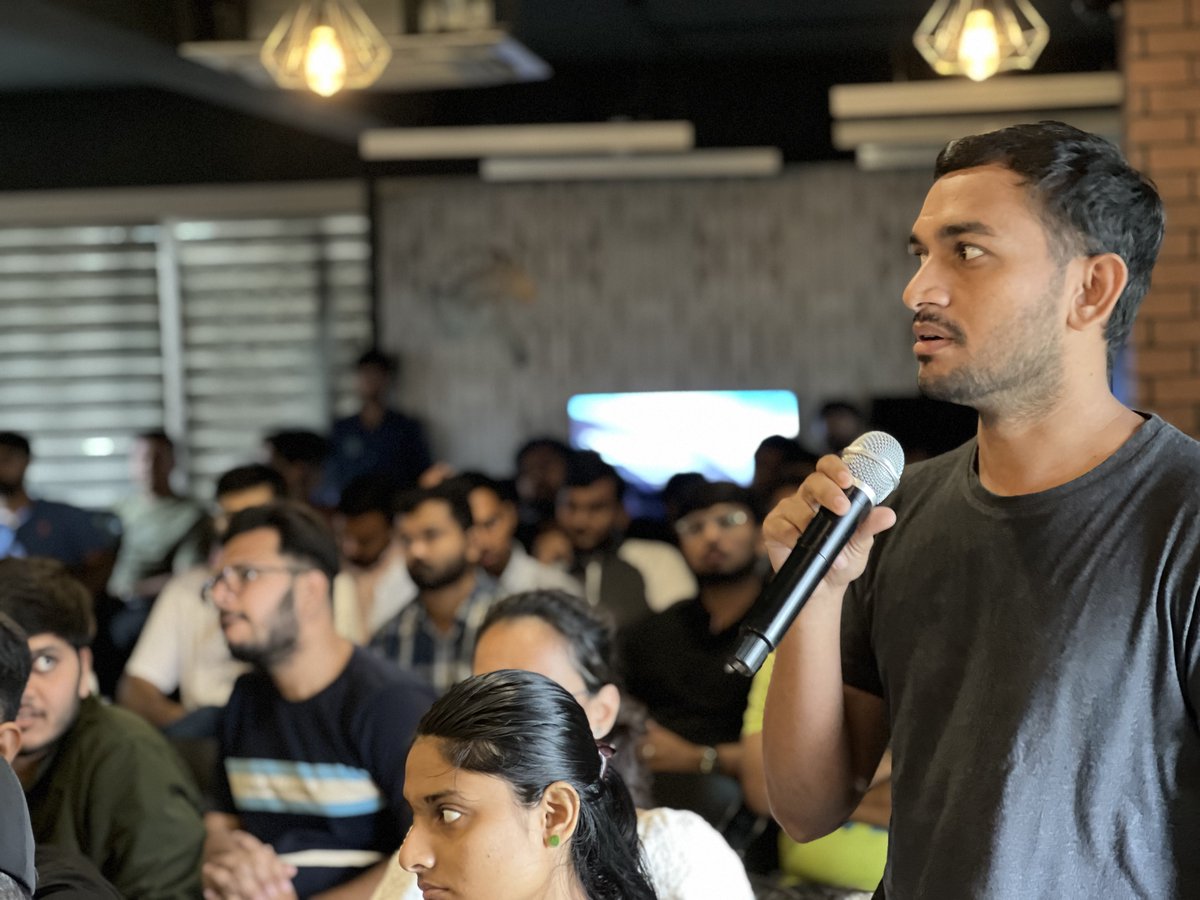
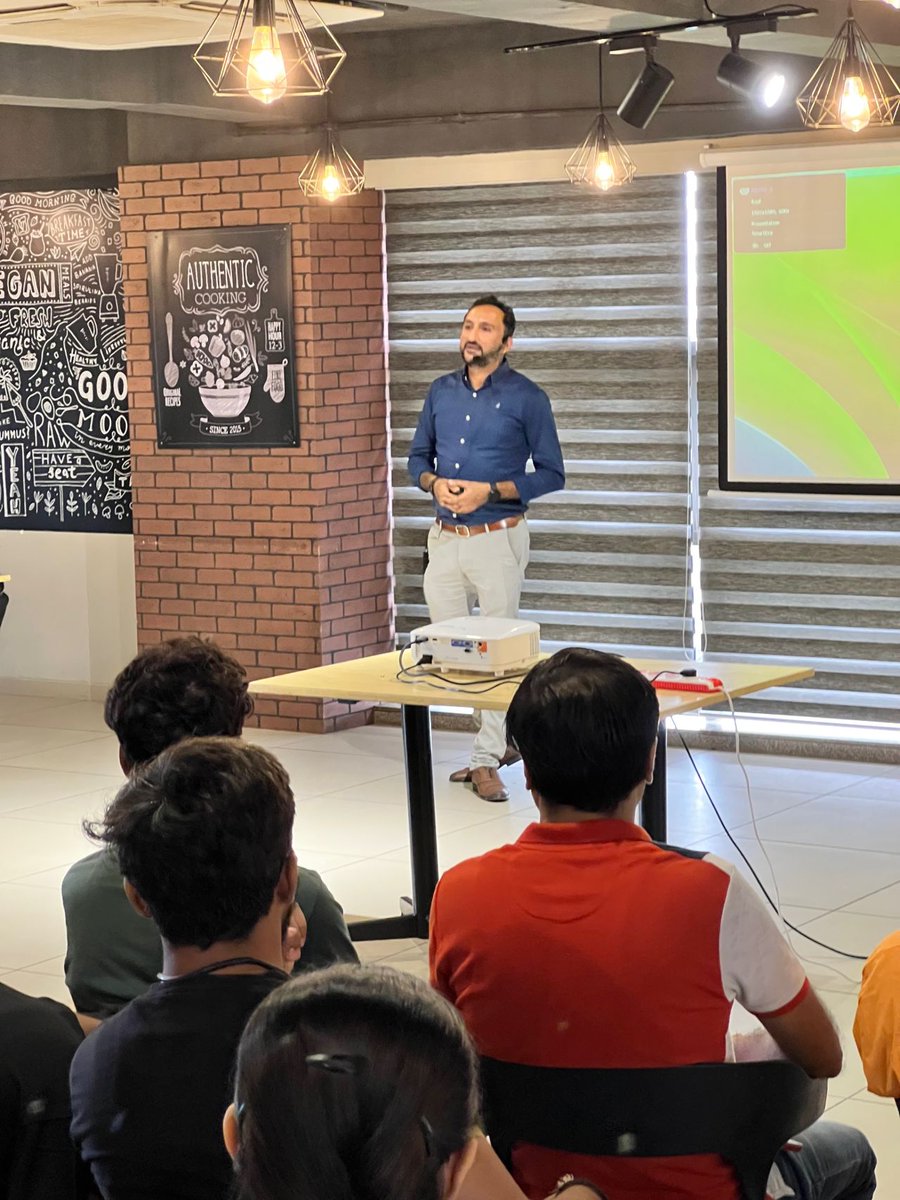
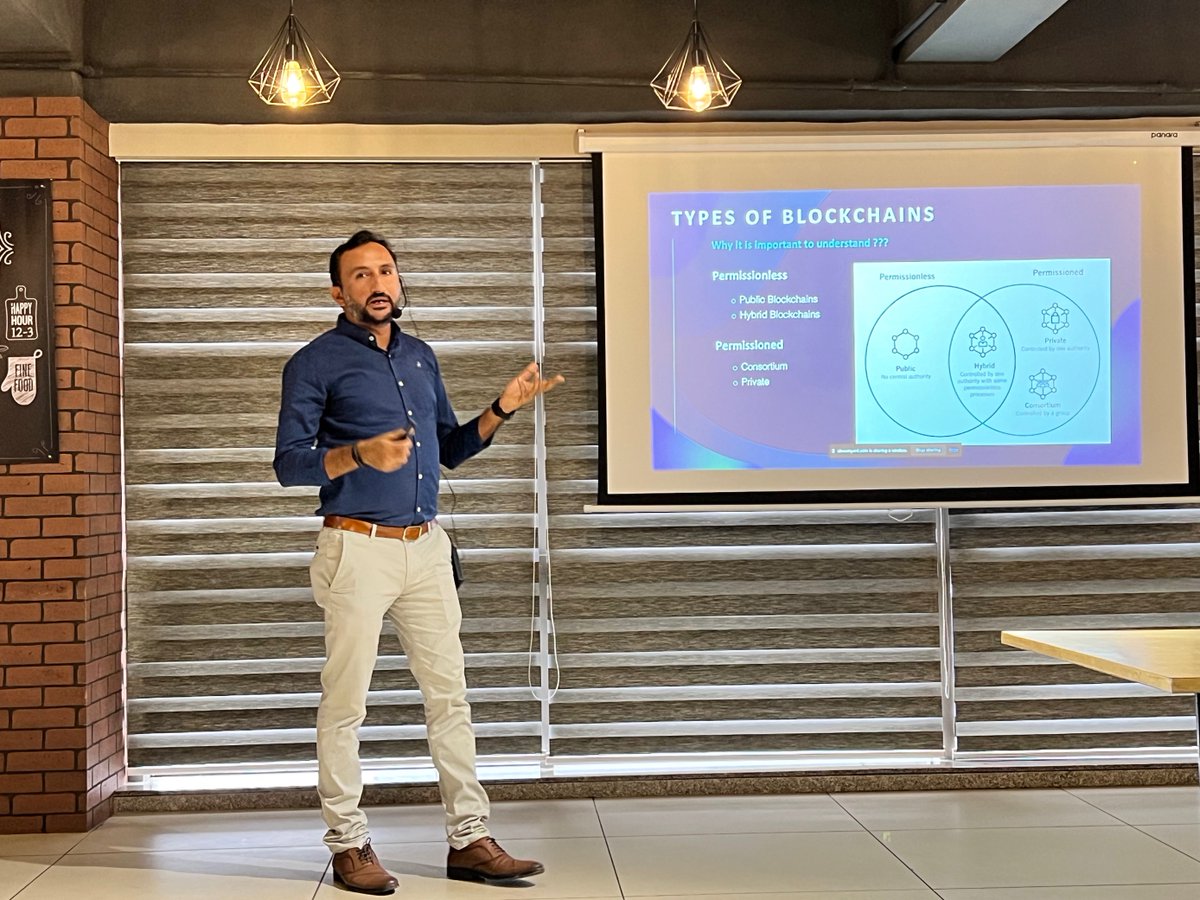
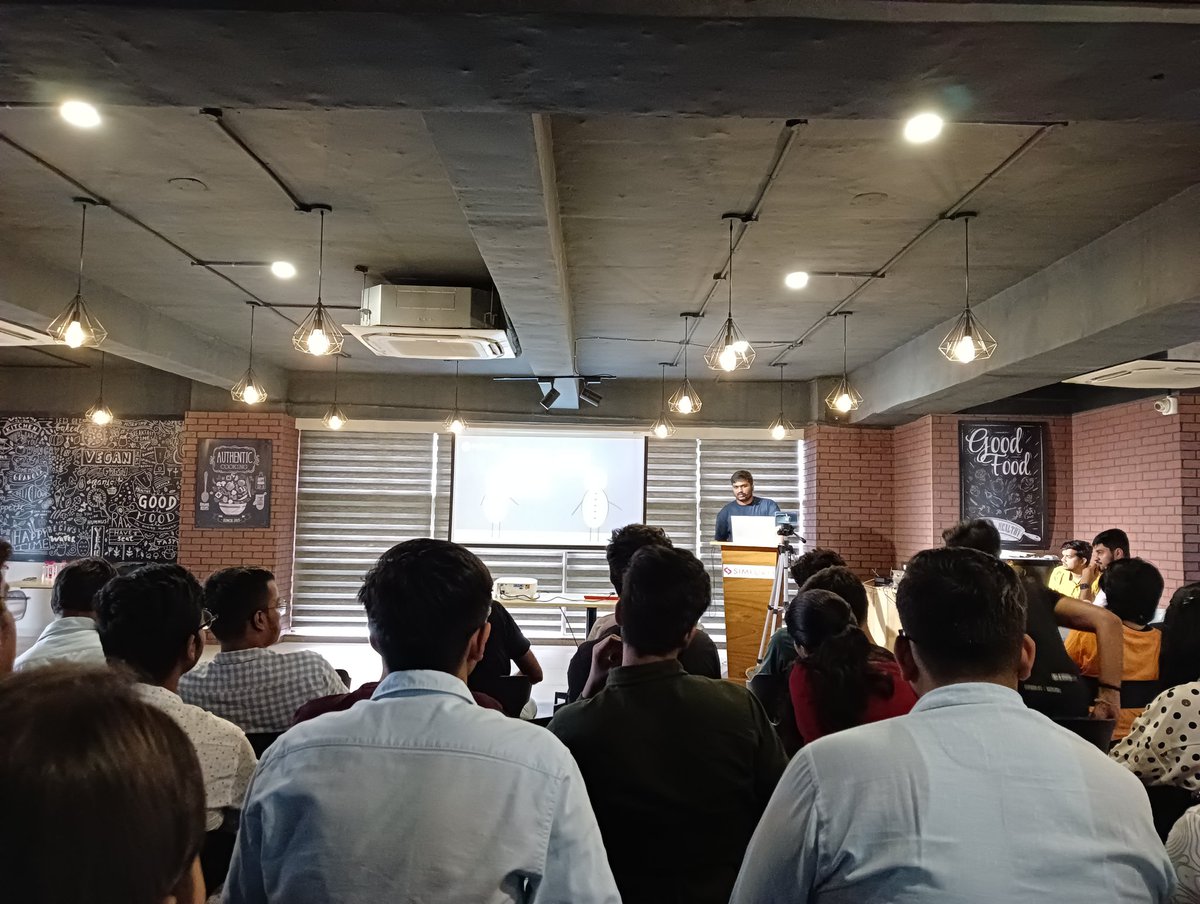
🔗🚀 The energy in the room is electric at our #Blockchain, #Serverless, and #AI session! 💡 Participants are diving deep into the convergence of these cutting-edge technologies, exploring endless possibilities and use cases #PyTechAI #Python @LifeAtSimform
4
142