
AI-powered quantum compute. Describe a circuit → we write the QASM → run it on IBM, Braket, IonQ, or Azure Quantum. Prompt in. Counts out. ⚛️🤖 qly.app
Joined August 2025
- Tweets 173
- Following 735
- Followers 56
- Likes 179
27 Photos and videos
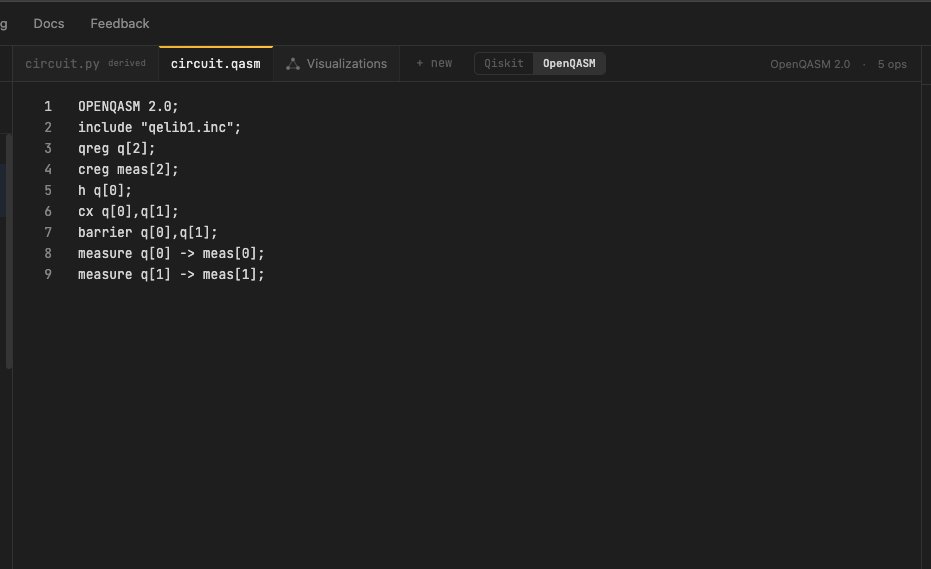

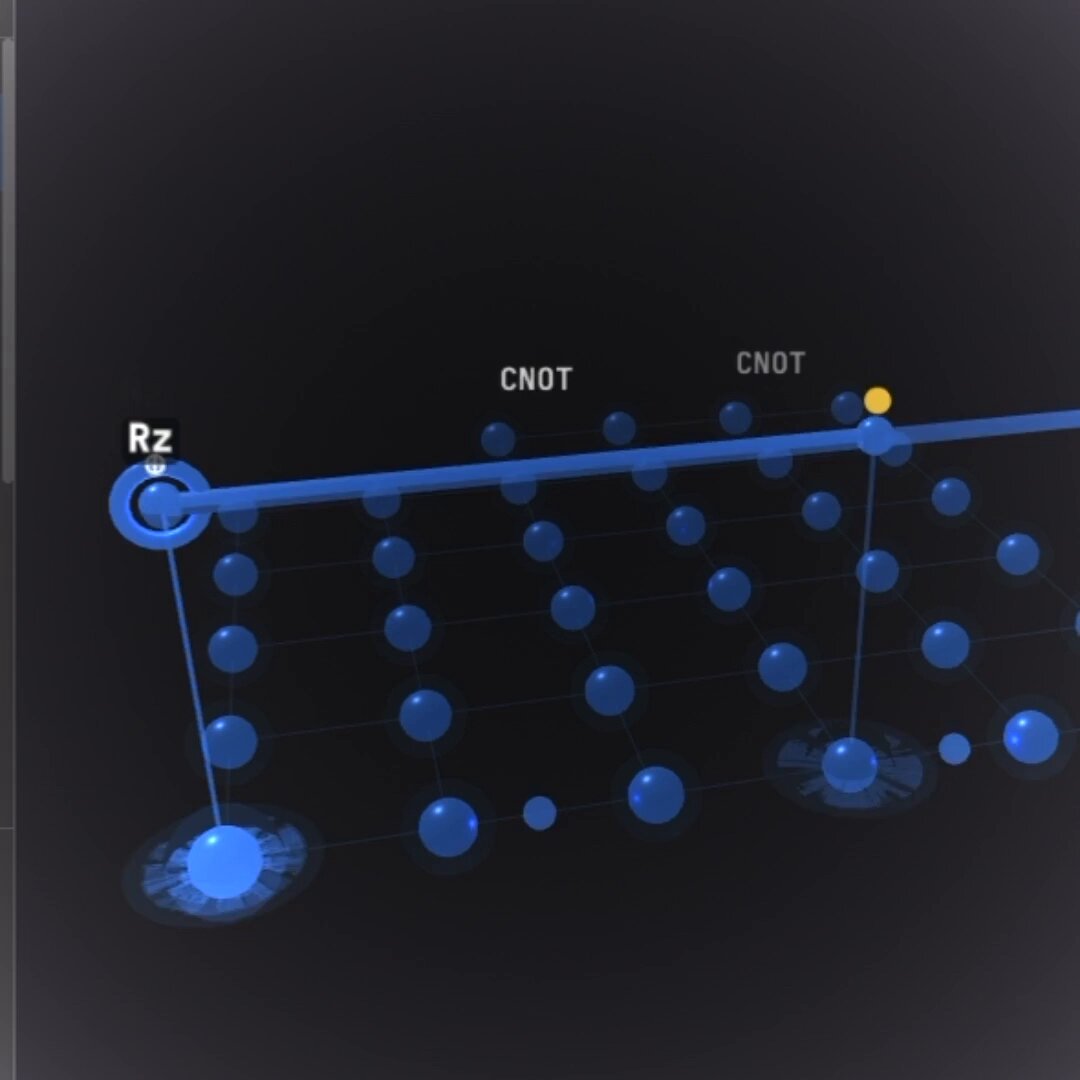
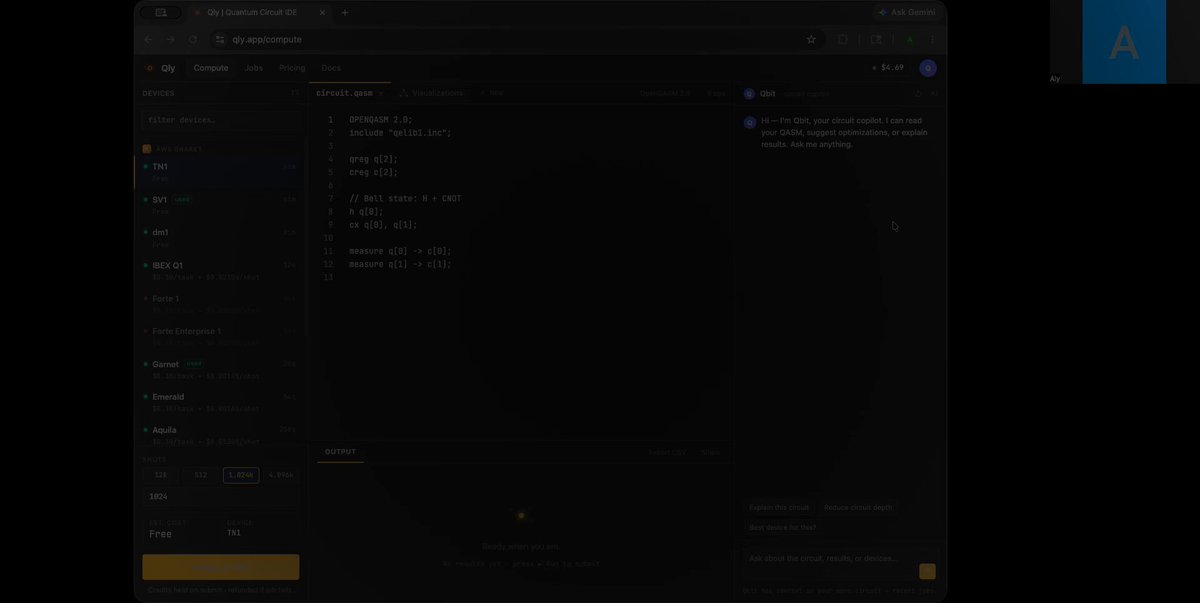
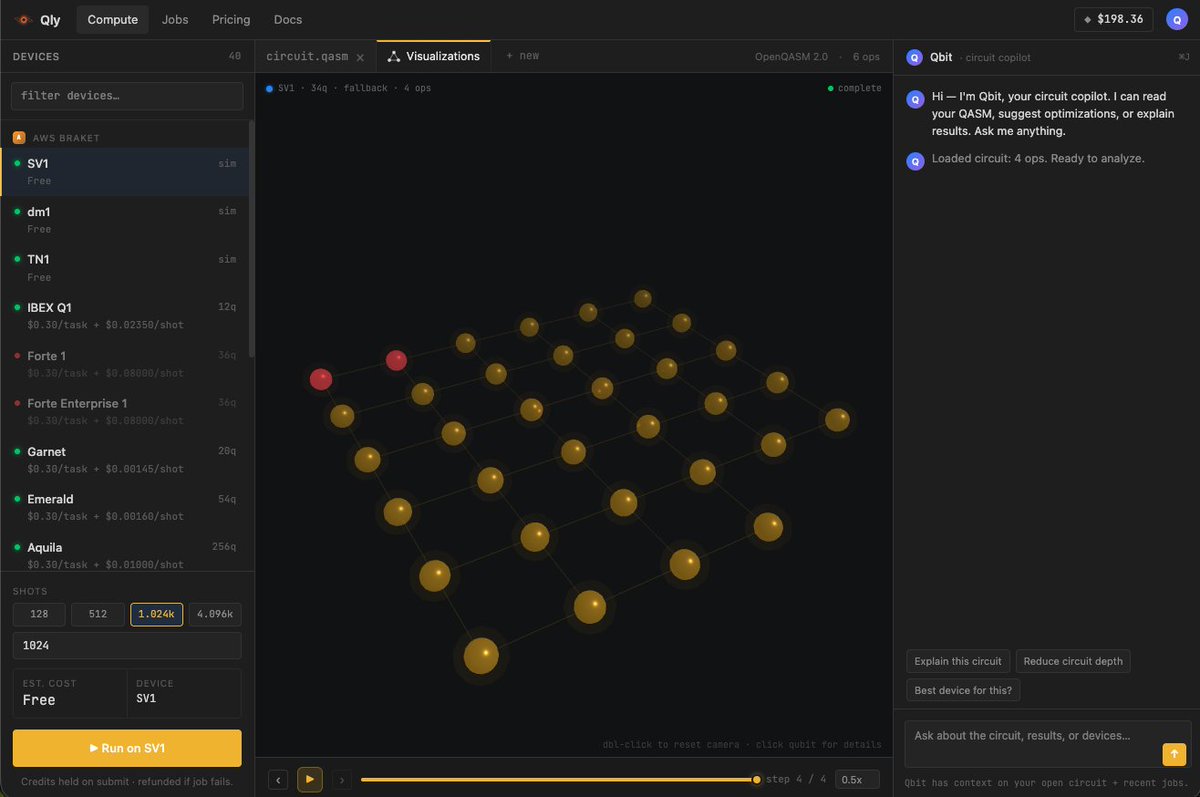
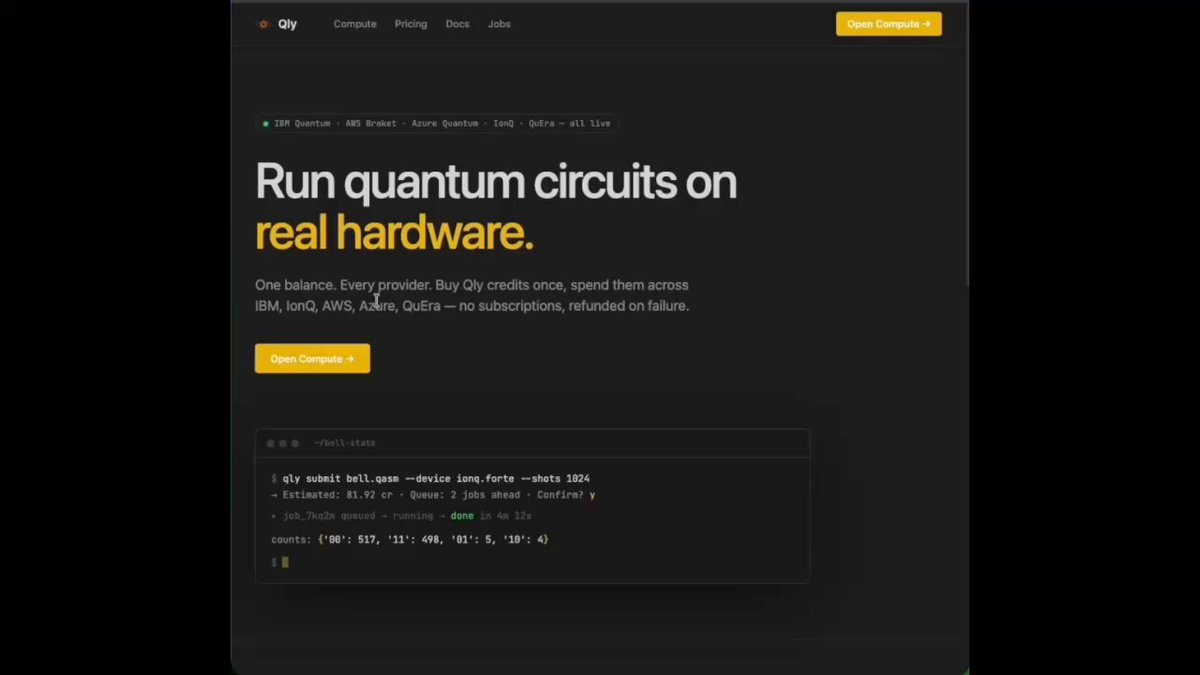
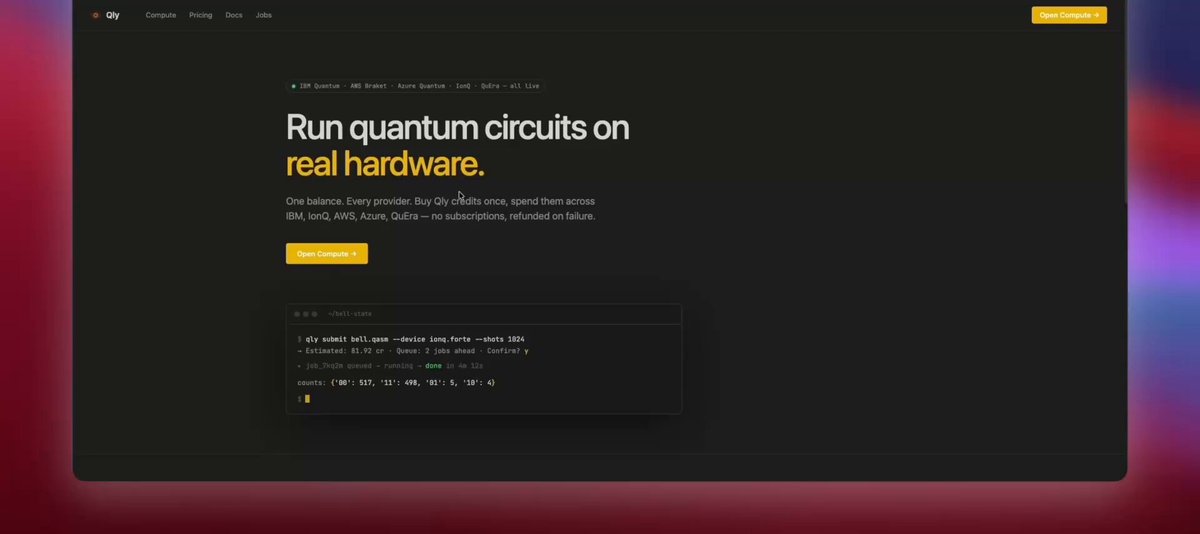
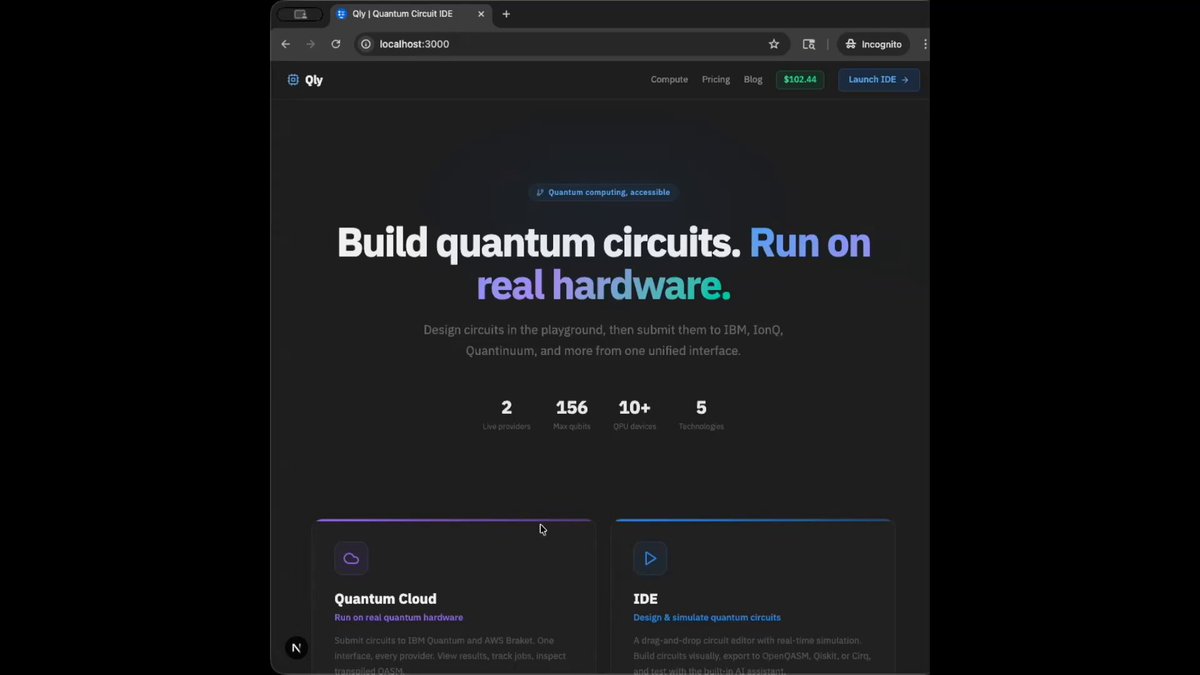
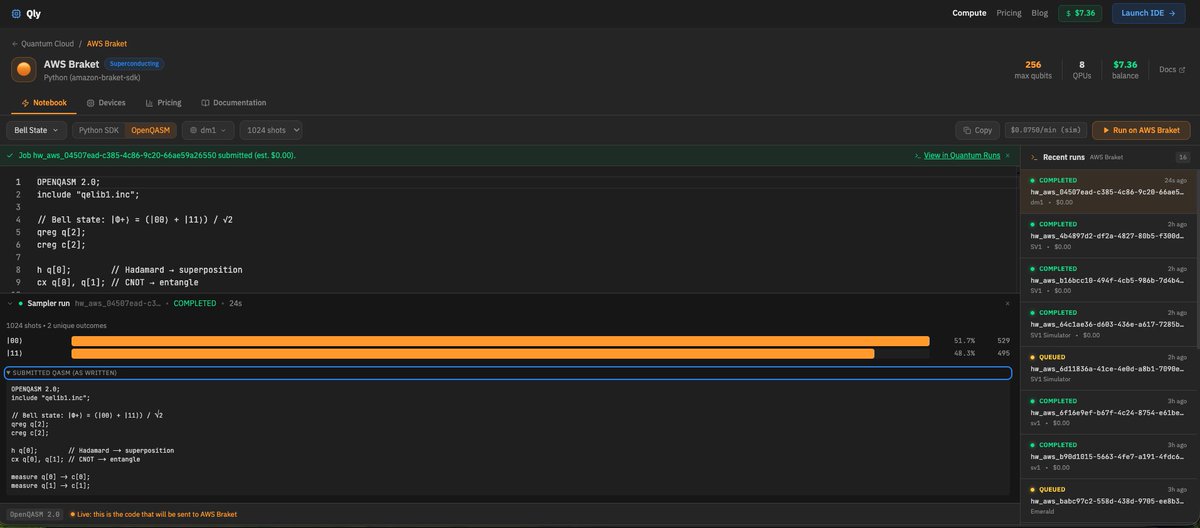

🚀 New in Qly: Notebook mode.
Write Python, run real quantum hardware, and save everything as .ipynb.
backend•run(qc) submits directly to a QPU. Counts and histograms appear inline, while Qbit AI can generate new cells from your live kernel state.
Live now at qly.app/compute
#QuantumComputing #Qiskit #Python #AI
1
1
3
219
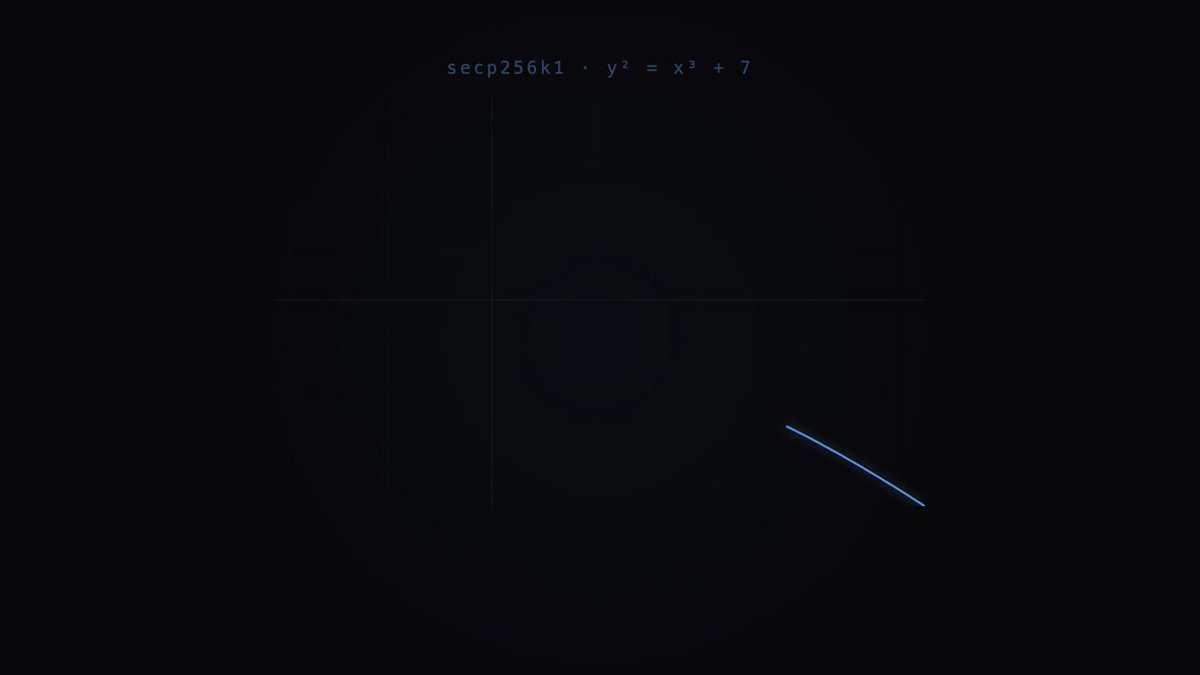
A collaborative effort to build the leanest circuit that breaks ECDSA.
secp256k1 point addition, scored as Toffoli × qubits. Lower wins.
Our AI found a valid optimization. Every check green. It still couldn't beat the record: 1,697,398,113.
Beat it. Together → qly.app/compute
#Quantum #ECDSA #PostQuantum #Cryptography #QuantumComputing
1
1
47
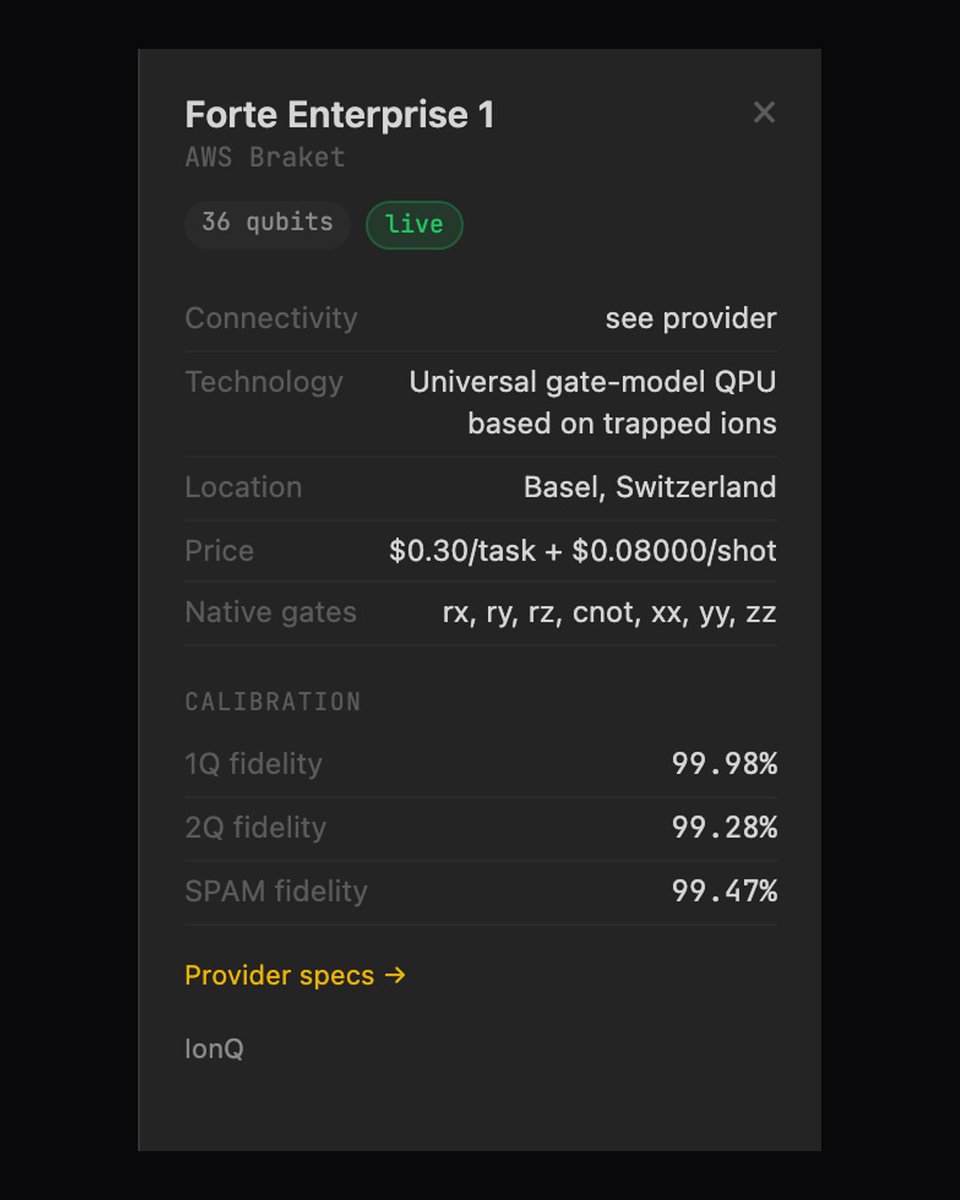
Choosing a quantum computer shouldn't mean hunting through provider PDFs.
In Qly, click any device → its live specs, right there:
◆ 36-qubit IonQ Forte Enterprise (trapped-ion)
◆ live 1Q fidelity 99.98%
◆ 2Q 99.28% · SPAM 99.47%
◆ native gates · price · region
Every QPU. Every number. One click.
qly.app/compute
#QuantumComputing #IonQ #Qiskit #QPU #QuantumHardware
1
2
87
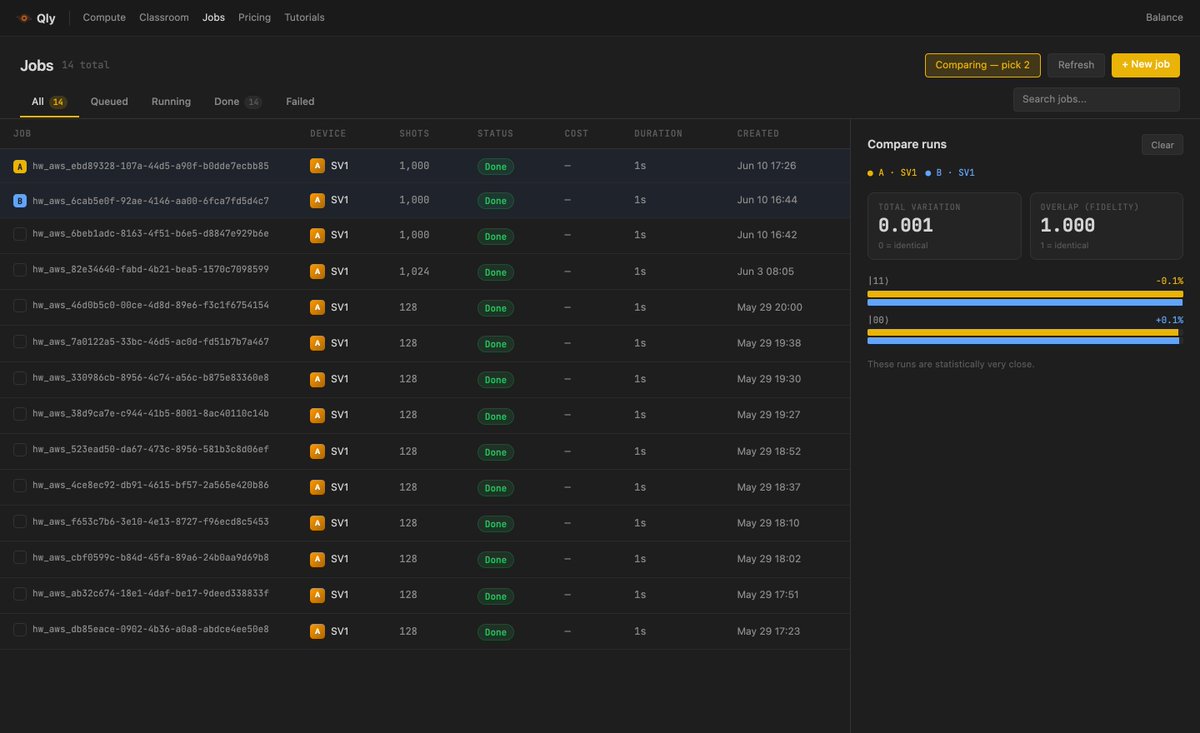
Ran the same quantum circuit twice and got different counts? Now you can tell noise from bugs.
Pick any two jobs in Qly and compare them side by side: total variation distance, overlap fidelity, per-bitstring deltas.
Free in your browser: qly.app/compute
#QuantumComputing #Qiskit
1
1
3
75
🚀 New in Qly: Notebook mode.
Write Python, run real quantum hardware, and save everything as .ipynb.
backend•run(qc) submits directly to a QPU. Counts and histograms appear inline, while Qbit AI can generate new cells from your live kernel state.
Live now at qly.app/compute
#QuantumComputing #Qiskit #Python #AI
1
1
3
219
⚛️ Qbit now knows your editor mode.
Qiskit mode: it writes Qiskit. OpenQASM mode: it writes QASM. Same English prompt, right output. Submit to IBM, Braket, IonQ, or Azure in one click.
Qly.app/compute
#QuantumAI #Qiskit #QASM #QuantumDev #AI #CopilotForQuantum #IBMQuantum #BuildInPublic
1
2
57
📷 Qbit now writes Qiskit for near-Clifford circuits, H-T-H rule included.
Describe it. Qbit writes the code. Submit to Clifft, IBM, Braket, or IonQ, price shown before you run.
qly.app/compute
#QuantumComputing #QuantumAI #AI #Qiskit #NISQ #QuantumDev #BuildInPublic #AWSBraket
1
1
2
180
📷 Qly's compute page is now Qiskit-first.
Submit to IBM, Braket, IonQ, or Azure, price-per-shot shown before you run. No login needed.
qly.app/compute
#QuantumComputing #Qiskit #QASM #IBMQuantum #AWSBraket #QuantumDev #BuildInPublic #IonQ #AzureQuantum
1
4
144
We just shipped Qiskit circuit generation.
Describe your problem in plain English — our AI writes valid Qiskit code, ready to submit to real quantum hardware as-is. No tweaking, no transpiling.
IBM, AWS, IonQ. One click.
qly.app/compute
#QuantumComputing #Qiskit
1
1
2
139
📷 No login. No problem.
Qly's AI writes OpenQASM from plain English — now anyone can try it without an account.
Describe, generate, submit to IBM or Braket or IonQ.
qly.app/compute
#QuantumComputing #QuantumAI #AI #QASM #IBMQuantum #AWSBraket #IonQ #BuildInPublic
1
3
204
🔬 Factored 15 with Shor's algorithm using 4 counting qubits and a = 7.
🤖 One prompt. Qbit AI generated the circuit, ran it on SV1, and measured a period of r = 4, yielding the factors 3 × 5.
⚛️ Try it at qly.app
#QuantumComputing #Shor #QuantumAI #QuantumHardware #OpenQASM
1
1
2
309
Try Qly's quantum AI, no account needed.
One magic link = instant demo access 200 AI chat questions. Describe a circuit, get OpenQASM, submit to IBM or Braket. Zero friction.
qly.app
#QuantumComputing #QuantumAI #AI #QASM #IBMQuantum #AWSBraket #BuildInPublic #QuantumDev
1
1
3
151
🔬 Quantum computing is now in the classroom.
Build real circuits. Run on actual quantum hardware. No setup, no friction — just science.
Teachers create a course in seconds. Students get credits and start experimenting on real QPUs from day one.
The future of STEM education is here. ⚛️
qly.app
#QuantumComputing #EdTech #STEM #QuantumEducation #FutureOfLearning #QuantumPhysics
#HigherEd #ClassroomTech #QuantumHardware #Physics #ComputerScience #Innovation
#QlassroomReady #QuantumForAll #STEMEducation #TeachQuantum #QuantumCircuits #EdInnovation
#UniversityTech #NextGenScience
2
1
4
74