Graduate student at @WarwickDCS || Previously: Physics Masters student @IiserMohali and Research Intern at IHPC, A*STAR || Exploring the Quantum World
Joined September 2021
- Tweets 152
- Following 908
- Followers 361
- Likes 1,893
9 Photos and videos

Pinned Tweet

Apr 17
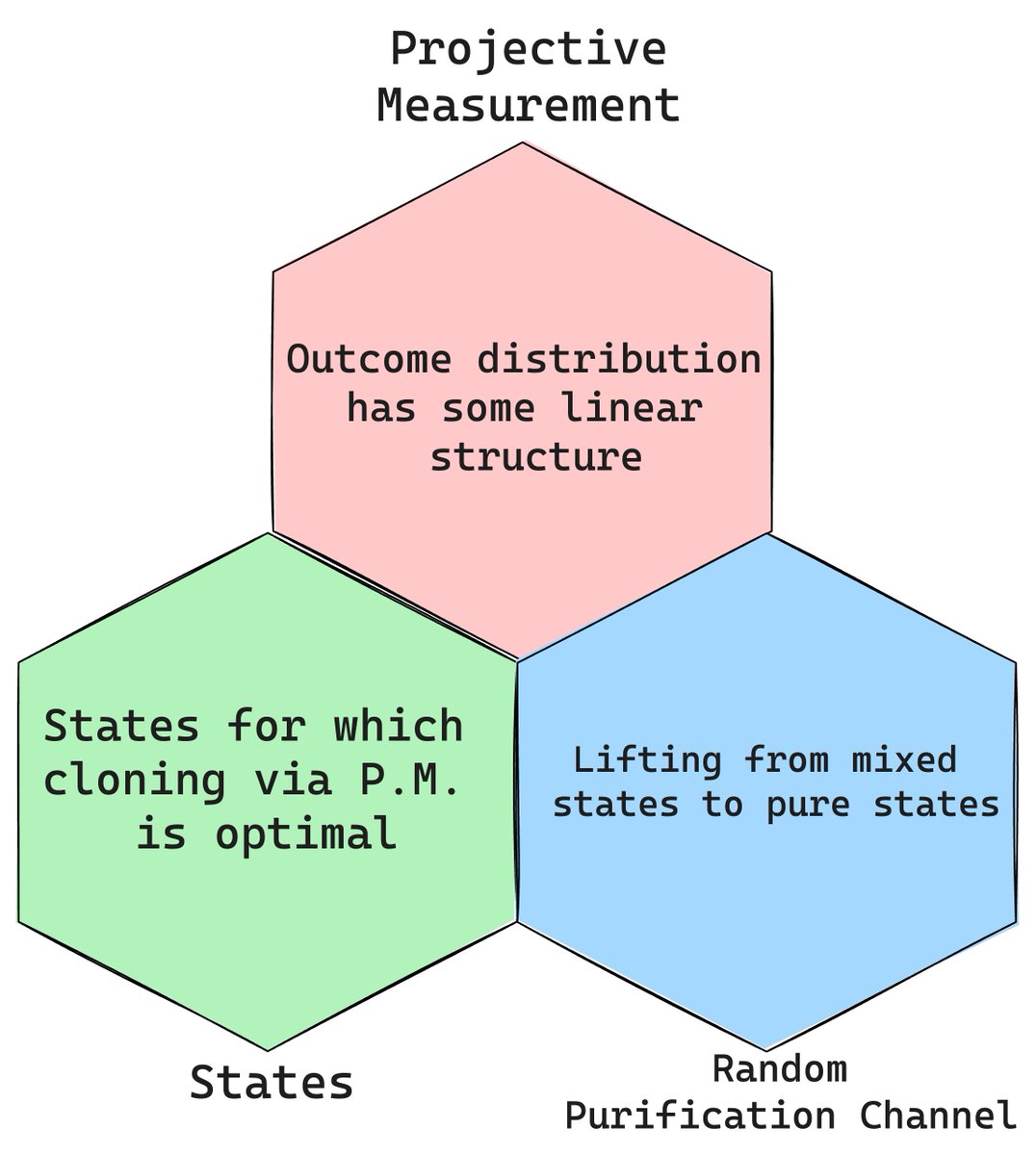
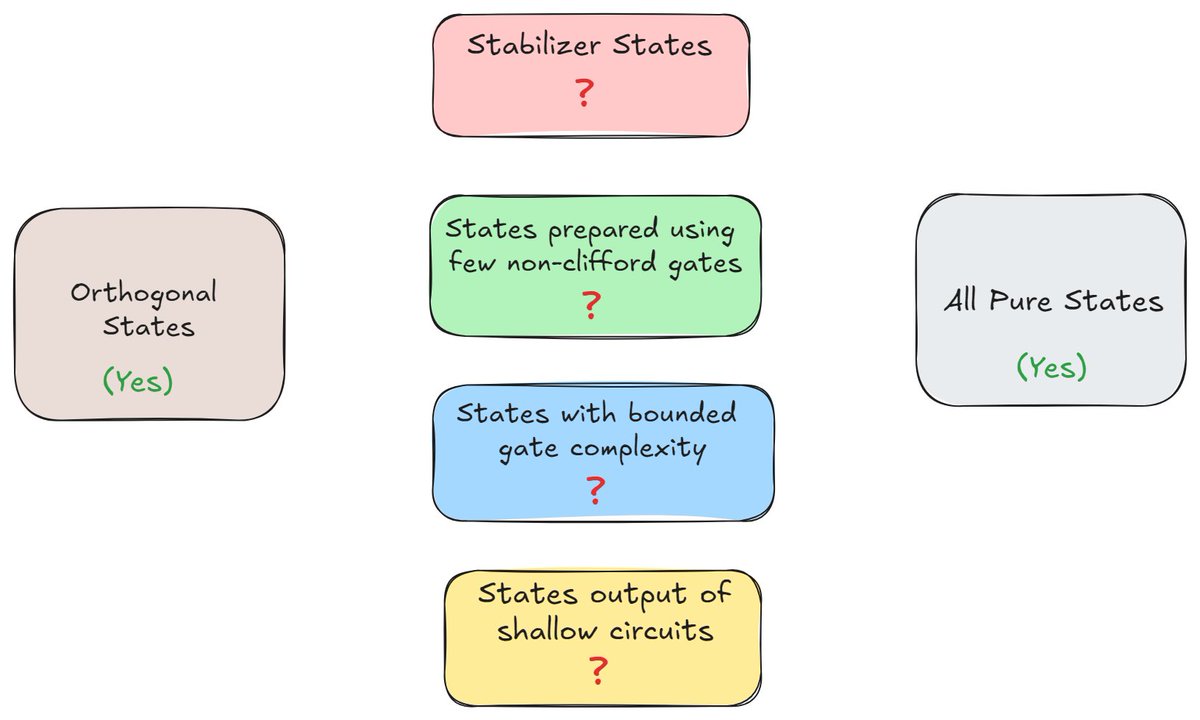
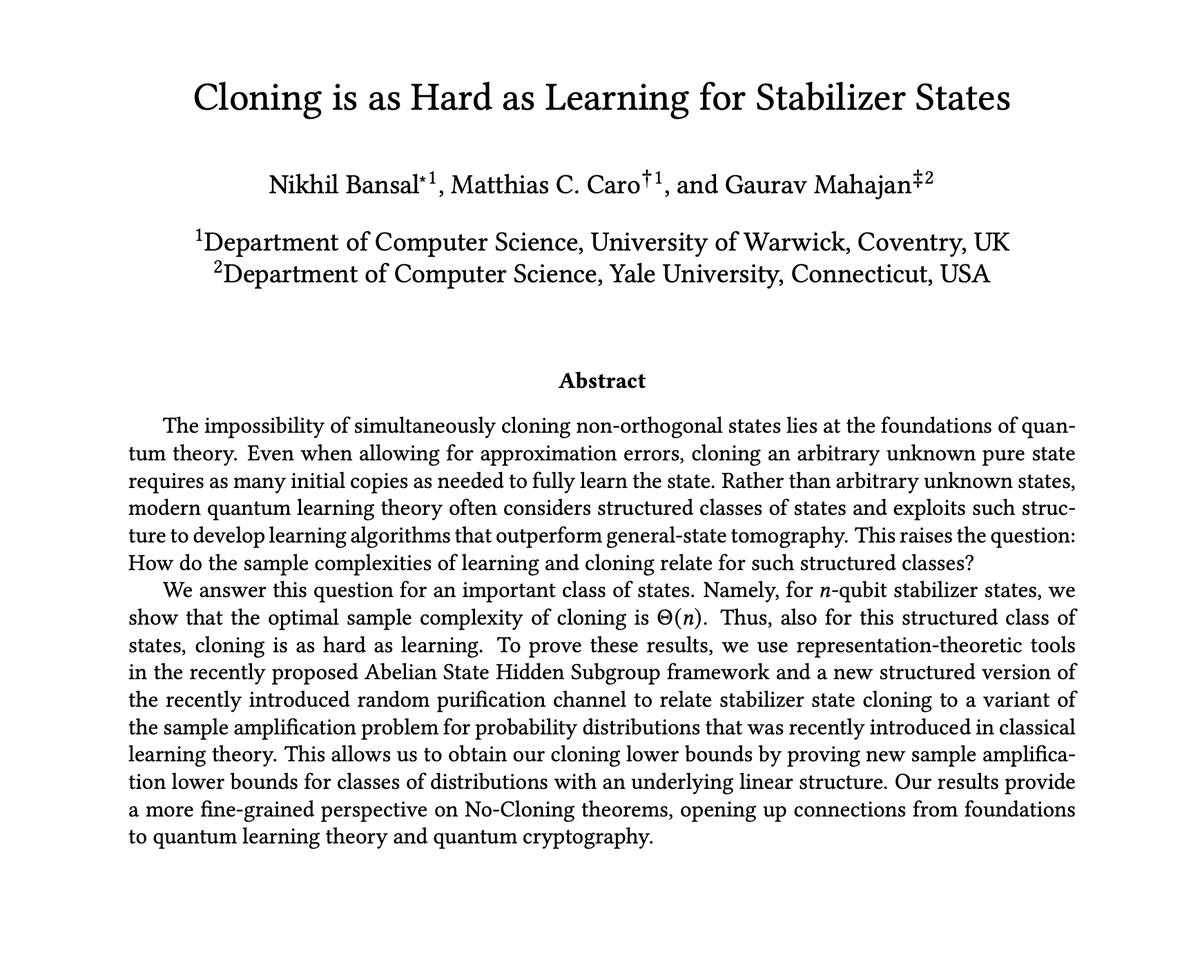
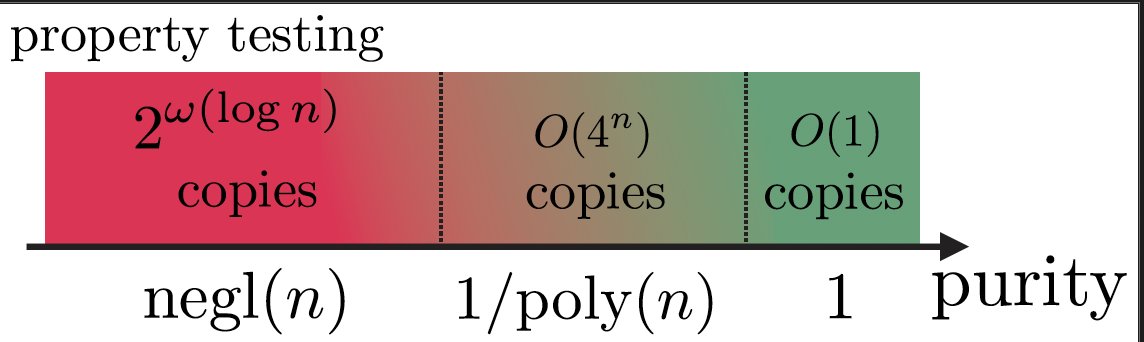
Can quantum cloning be easier than learning for structured classes of states❓
We ask this question for stabilizer states in our recent work: arxiv.org/abs/2604.15269.
1/⚛️
1
1
17
2,294
Nikhil Bansal retweeted

Mathematics -is- a human endeavour.
There is something which maybe you're calling mathematics that has nothing to do with humans, some 'platonic otherworld' of abstract ideas. But what I call mathematics is the human attempt to explore and understand this world.

There are two main points in the Leiden declaration, one good, one bad imho:
> Good: science is underfunded, mathematics included. We need more researchers, not less, and with the advent of AGI we will need even more. If AGI is a magical wand, someone still needs to wield it. Researchers are the best prepared for this.
> Bad: 'mathematics is a human enterprise it disturbs existing incentive structures'. Mathematics is a not a human endeavor per se. It is definitely so within academia, but science is free for all. If AI can make math progress faster, then it is only for good of mathematics. It definitely does disturb existing incentive structures (grants, who proves what first, peer review), but these are not optimal to begin with and it's a good time to rethink it.
Academic mathematicians in the last 50 years have started thinking that mathematics is done solely by university-affiliated academics. This was true for around the last 100 years, but wasn't true before, and it seems won't be true for long.
And this is a good change. Good for science, good for mathematics, but perhaps bad for existing academics within their status quo incentives. But they will adapt, and mathematics will only flourish more.
In the end the goal should be to expand mathematics (and generally science) as vastly as possible. Abundance of proofs, abundance of explanations, thanks to LLMs, is a great thing for progress.
15
26
230
23,935
Apr 17
Can quantum cloning be easier than learning for structured classes of states❓
We ask this question for stabilizer states in our recent work: arxiv.org/abs/2604.15269.
1/⚛️
1
1
17
2,294
Apr 17
Finally, I would like to thank the brilliant @IMathYou2 and @gauravmahajn for many many interesting discussions. I learnt a lot about classical and quantum learning theory throughout this project from them 😄.
⚛️/⚛️
1
1
81
Apr 17
We will also be presenting this work at QCTIP 2026 in the upcoming week and at TQC 2026 later in the year.
2
87
Nikhil Bansal retweeted

Mar 18
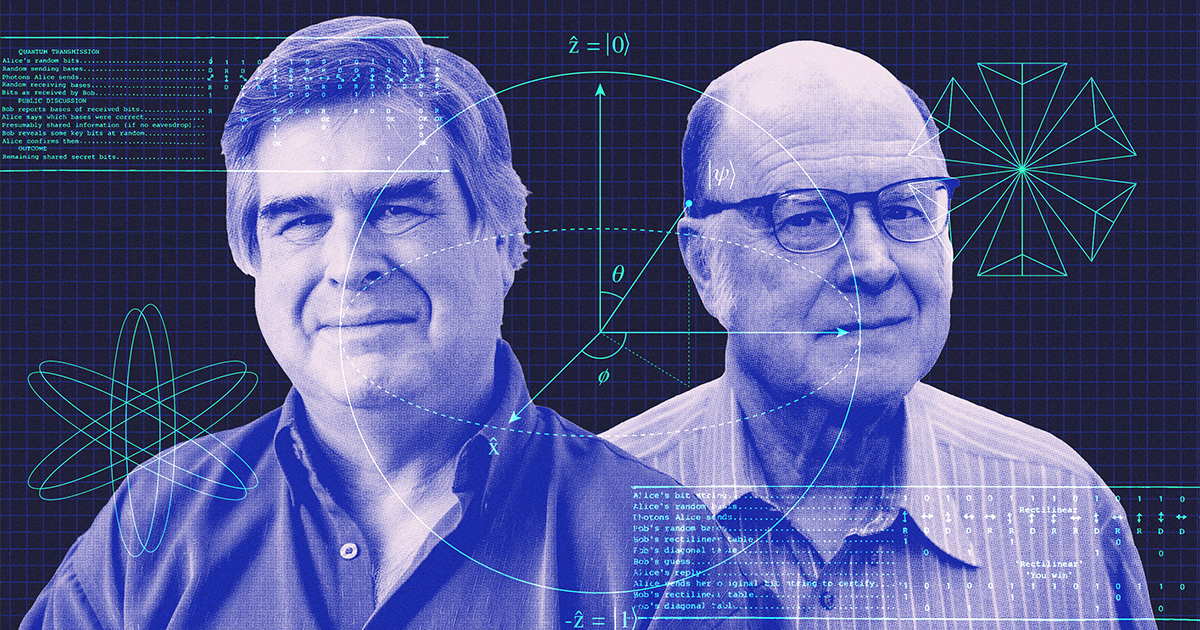
Charles Bennett and Gilles Brassard have been named the winners of the A.M. Turing Award, one of the highest honors in computing, for their work establishing the foundations of quantum information theory. The award comes with a $1 million prize. quantamagazine.org/quantum-c…
9
131
399
46,992
Nikhil Bansal retweeted
7 Dec 2025
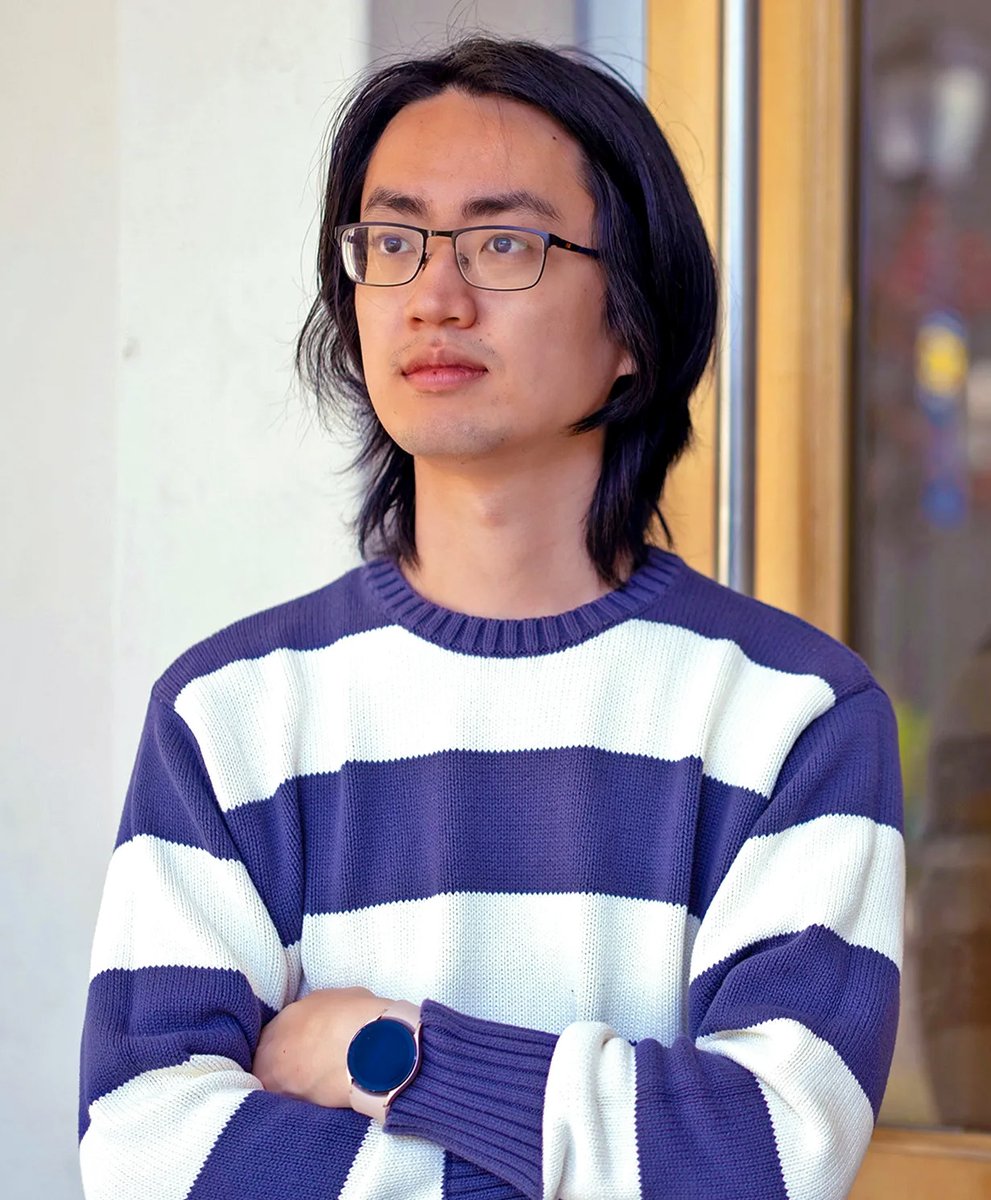
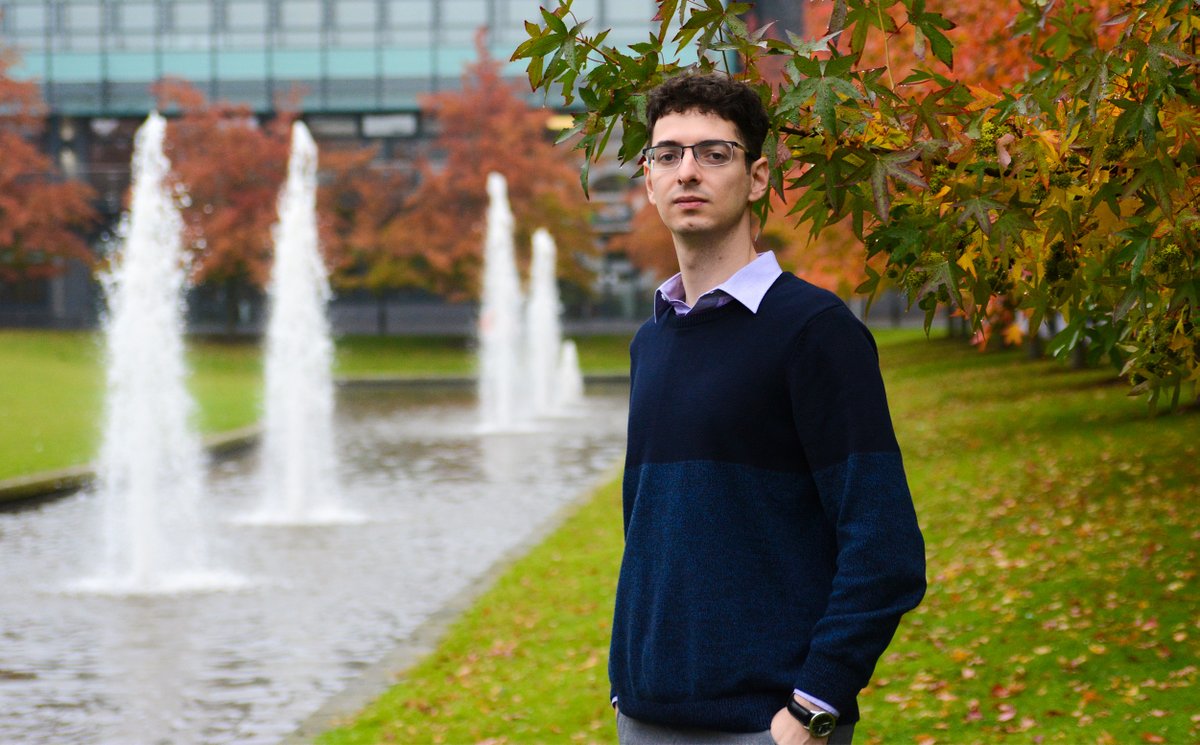
The researchers Lijie Chen (left), Igor Oliveira (top-right) and Jitau Li recently used “reverse mathematics” to connect a theorem called the pigeonhole principle to a whole class of complexity problems. quantamagazine.org/reverse-m…

13
93
798
66,878

Join us for the first Quantum Cambridge–Oxford–Warwick Colloquium (Quantum COW, if you insist...), 11–12 December 2025 at the University of Oxford.
This meeting focuses on Quantum Low-Depth Complexity, with talks, tutorials, and open discussions.
Details: qcow.cs.ox.ac.uk/
3
11
56
4,333
Nikhil Bansal retweeted

10 Aug 2025
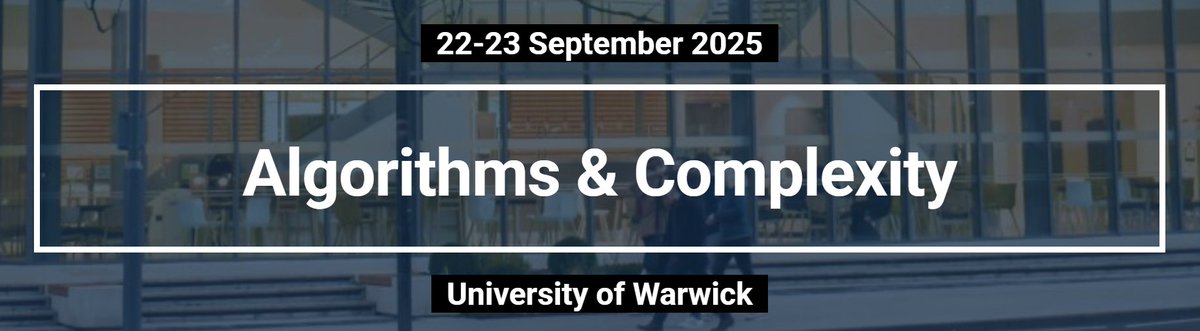
📢The Workshop Algorithms & Complexity @ Warwick will be held on 22-23 September at the University of Warwick! The event will highlight several recent exciting advances in the field of Algorithms and Complexity. Looking forward to seeing many of you there!
sites.google.com/view/algori…
7
31
2,600