
Husband, attorney, and Entrepreneur.
Joined February 2024
- Tweets 140,195
- Following 5,160
- Followers 4,804
- Likes 158,589
1,643 Photos and videos












Quantum Entanglement retweeted

🚨 THIS SET-UP HAS ONLY HAPPENED ONCE BEFORE.
And last time this happened, the entire global market crashed.
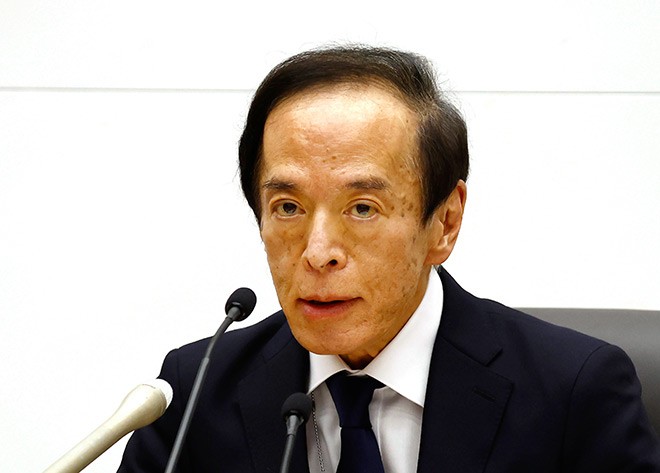
Today, the BOJ announced a 25BPS rate hike to 1%, the highest level in 31 years.
Since 2024, the BOJ has now done 5 rate hikes, but this one was a bit different.
BOJ rate hike happened exactly when USD/JPY crossed above 160.
This is the zone where the BOJ intervenes to push the yen higher.
The rate hike will do a little bit of this, but the major intervention is still coming.
This is the exact thing that happened in July 2024.
BOJ did a rate hike, while USD/JPY was around 160.
What happened after was a complete disaster.
- US stock market lost $5 Trillion in 3 trading days.
- Crypto market lost $700 Billion
- Japanese stock market crashed 20% in 4 days
- Gold and Silver wiped out over $1.2 Trillion
- VIX spiked to 65, highest since Covid crash
This time, the BOJ hasn't started the intervention, but it could happen soon.
Combining that with the US-Iran peace deal and $SPCX hype, the markets are looking primed for another major sell-off.
And this time, it could be bigger for longer.
52
26
199
17,545

Quantum Entanglement retweeted

For the first time, these are real 1:1 backed tokenized stocks you can trust. You own an actual chunk of the company onchain.
Other current solutions are some form of derivative or IOU - not real ownership.
Our product will give all the benefits of true ownership, with all the benefits of tokenized assets. This is a great step towards unlocking global access to U.S. markets
41m

The first real, 1:1 backed tokenized stocks are coming.
→ Own actual tokenized shares of U.S. companies
→ Trade, hold, and redeem - all onchain
→ Automatically receive dividends
No derivatives, no IOUs.
Welcome to the future of stocks.
94
62
566
49,410
Quantum Entanglement retweeted

₿uild them a product they’re allowed to buy.
Bitcoin Capitalism — in 2 minutes.
288
221
1,896
74,860
Quantum Entanglement retweeted

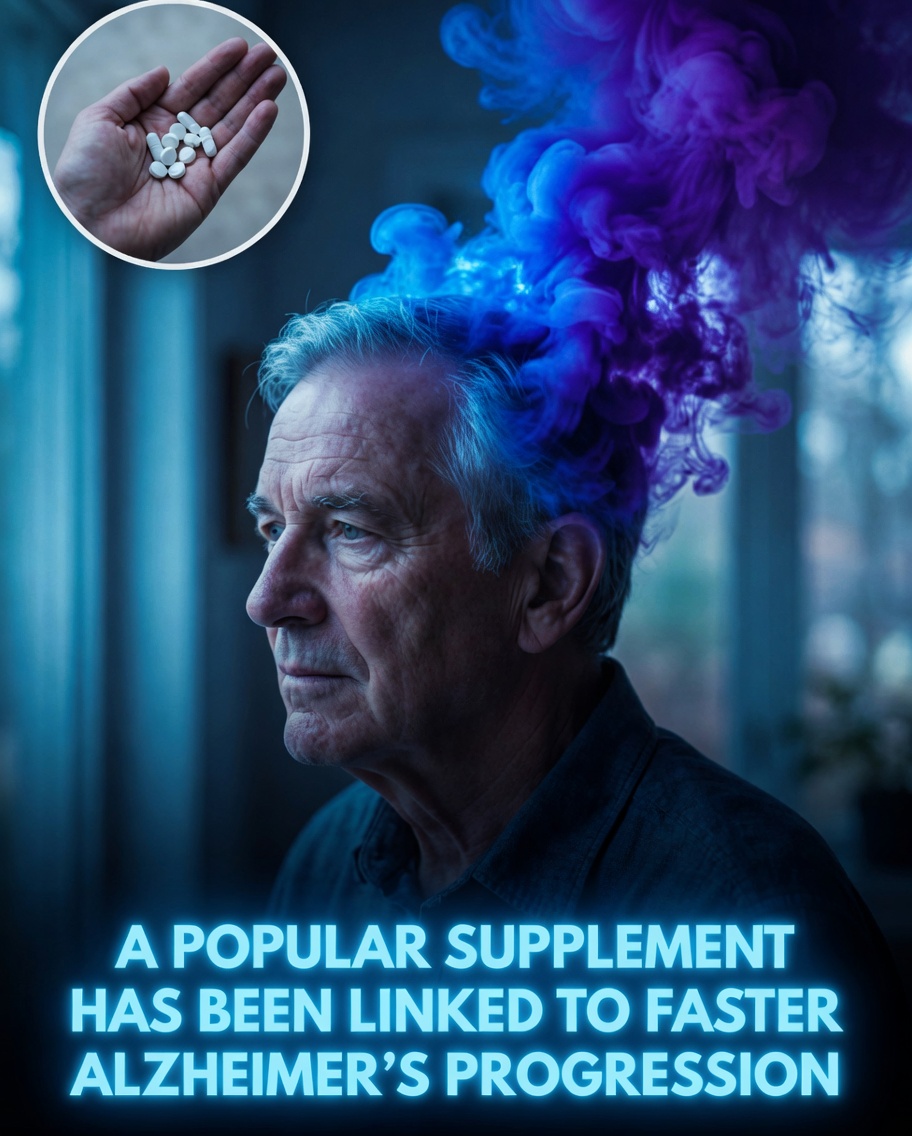
The popular joint supplement glucosamine has been linked to a 25% faster progression from mild cognitive impairment to Alzheimer’s disease.
A major new study published in Nature Metabolism has revealed a concerning association between glucosamine, a widely used over-the-counter supplement for joint pain, and accelerated cognitive decline. Researchers at the University of Florida analyzed 12 years of electronic health records and found that patients with mild cognitive impairment (MCI) who regularly took glucosamine were 25% more likely to progress to full Alzheimer’s disease compared to non-users.
The risks extended further: among individuals already diagnosed with dementia, glucosamine use was associated with a 25% higher mortality risk. Scientists believe the supplement may worsen the condition because glucosamine readily crosses the blood-brain barrier and fuels an overactive “sugar-tagging” (hyperglycosylation) pathway in vulnerable brains, aggravating metabolic dysfunction.
Importantly, this risk appears to be specific to people whose brains are already undergoing neurodegeneration. In healthy individuals, some earlier research has actually suggested potential protective effects. However, with tens of millions of people — many of them older adults — taking glucosamine for joint health, these findings highlight the need for caution and further clinical trials.
[Hawkinson, T. R., Gentry, M. S., & Sun, R. et al. (2026). Hyperglycosylation is a metabolic driver of Alzheimer’s disease. Nature Metabolism. DOI: 10.1038/s42255-026-01538-4]
14
91
301
40,772
Quantum Entanglement retweeted

Disturbing video from the UK shows how bad two-tiered policing is, with an African migrant able to record children while playing with himself as police do nothing, but native British children and their parents are manhandled without a second thought.
40
409
1,218
12,014
Quantum Entanglement retweeted

🚨 NOW: President Trump poses for a group photo in France, flanked by major world leaders after achieving peace with Iran
Rooting against his success is rooting against America! 🇺🇸
These leaders respect him because he keeps WINNING.
222
595
3,663
118,660
Quantum Entanglement retweeted

2h
🇮🇷🇺🇸🇮🇱🇱🇧 Iran’s Foreign Minister, Abbas Araqchi:
‘From our perspective, there are two sides in this Memorandum of Understandanding. On one side there is the United States and Israel, and on the other side there is Iran and Hezbollah.
An end to the war in Lebanon is an inseperable part of the complete end of the war in the region. And a complete end to the war includes a withdrawal of all the forces from occupied areas.
Without the withdrawal of Israeli forces from the lands it occupied during this war, it won’t be a complete end to the war.
Any military attack by Israel against Lebanon from now, or the continuation of occupation inside Lebanon, will definitely be considered a violation of the MoU.’
33
13
170
14,233
Quantum Entanglement retweeted

BREAKING:🚨ARMED DEPUTY WHO STOPPED A SCHOOL SHOOTING ON FRIDAY IGNORED BY THE MEDIA
Marion County Deputy James Long is a hero He saved countless Lives
Share so everyone knows his name

60
3,126
7,762
39,398
Quantum Entanglement retweeted

🇨🇦 Canadian fans booed the 🇺🇸American flag at the FIFA World Cup opening ceremony.
At UFC 250, American fans stopped everything and sang the Canadian national anthem for Aiemann Zahabi.
No prompting. No politics. Just respect.
That’s the difference between a crowd following a politician’s grudge and a crowd that actually likes their neighbour.
Trudeau taught Canadians to boo.
Americans just taught us what class looks like.🇺🇸🇨🇦
🇨🇦🇺🇸👏 #WorldCup2026 #UFC250 #cdnpoli
346
1,363
8,471
231,431

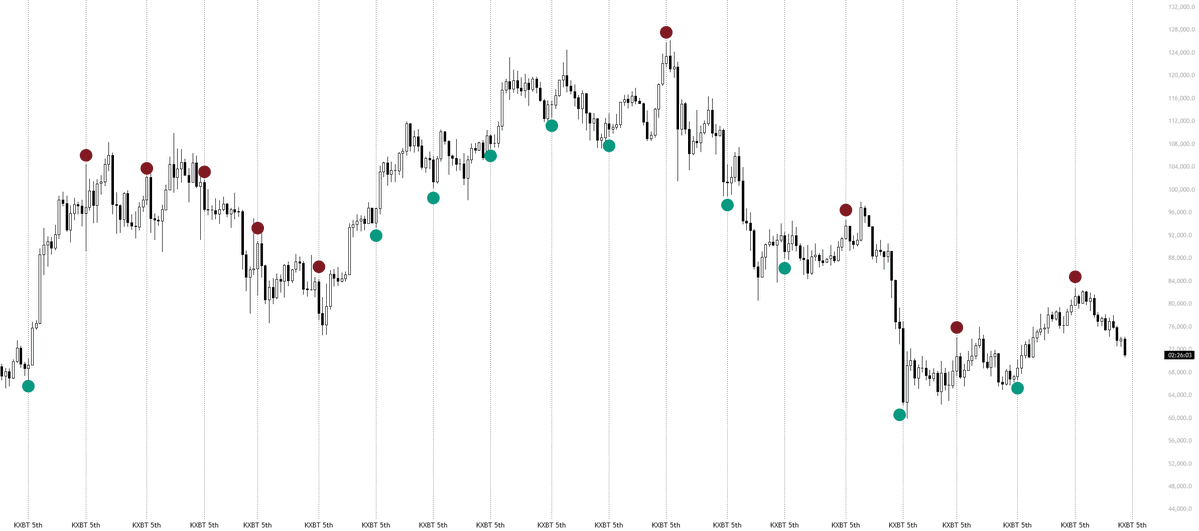
$BTC
Just like that, he 5th Pivot marked the local bottom.
20/20 times. Inverse reaction every single time. ✅
Next date to observe is: 17-18th of June.
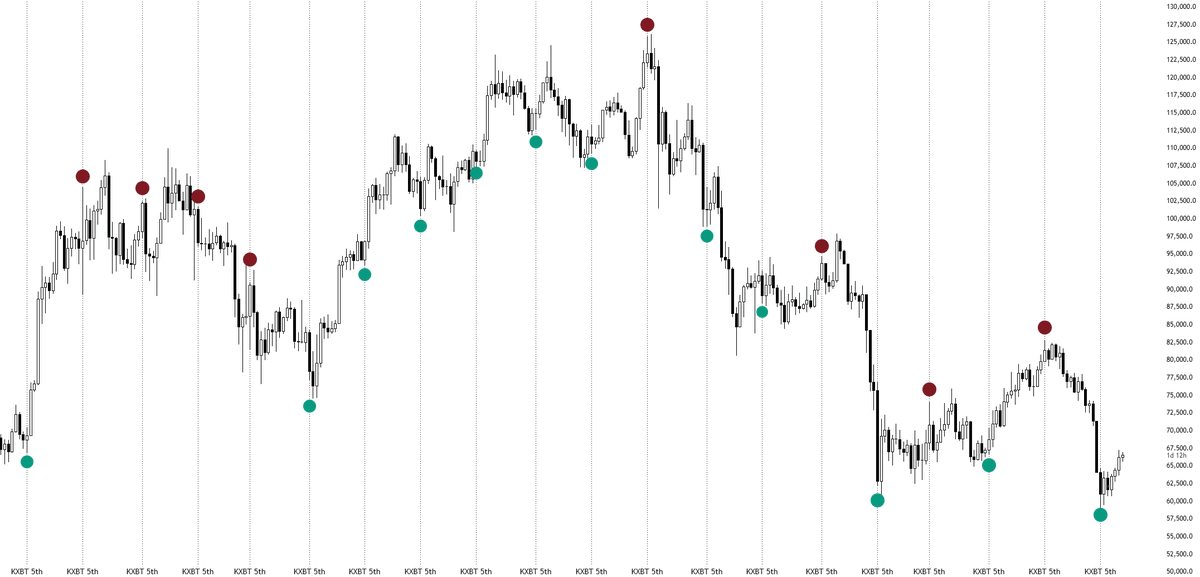

For literally 19 months straight...
You could have taken the opposite side of the narrative on the 5th of every month and won every single time.
Some things are best kept behind closed doors, $BTC
44
40
688
63,279
Quantum Entanglement retweeted
2h
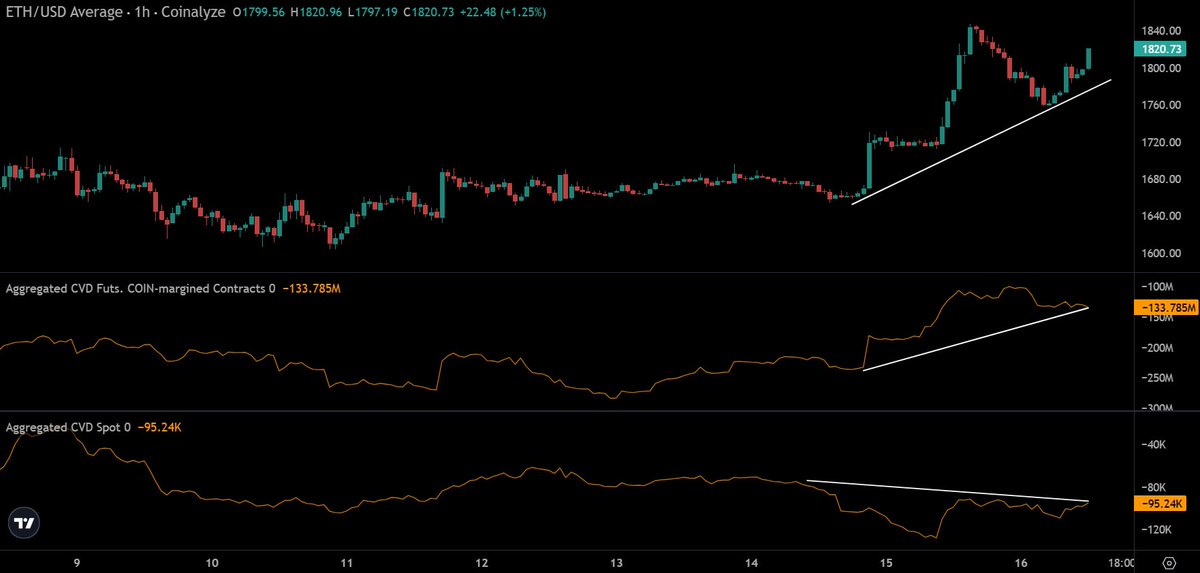
Spot is not supporting the current move of $ETH.
This needs to change or Ethereum will end up reversing its entire rally.
83
58
320
19,767
Quantum Entanglement retweeted
How to fold an origami flying bat
11
299
1,495
72,423


Quantum Entanglement retweeted

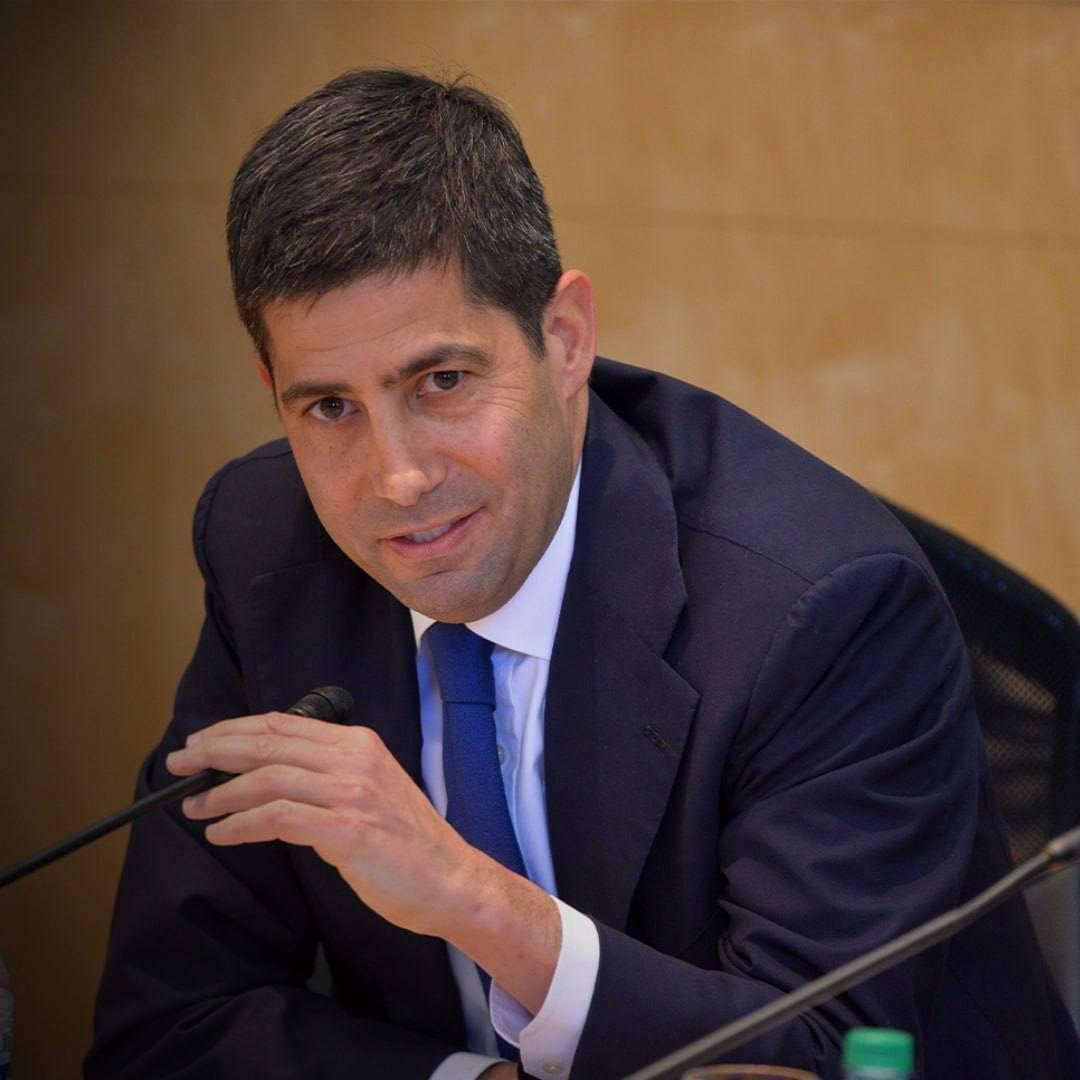
🇺🇸 TODAY: The June 16-17 FOMC meeting marks the first Federal Reserve meeting led by new Fed Chair Kevin Warsh.
55
55
445
30,976
Quantum Entanglement retweeted

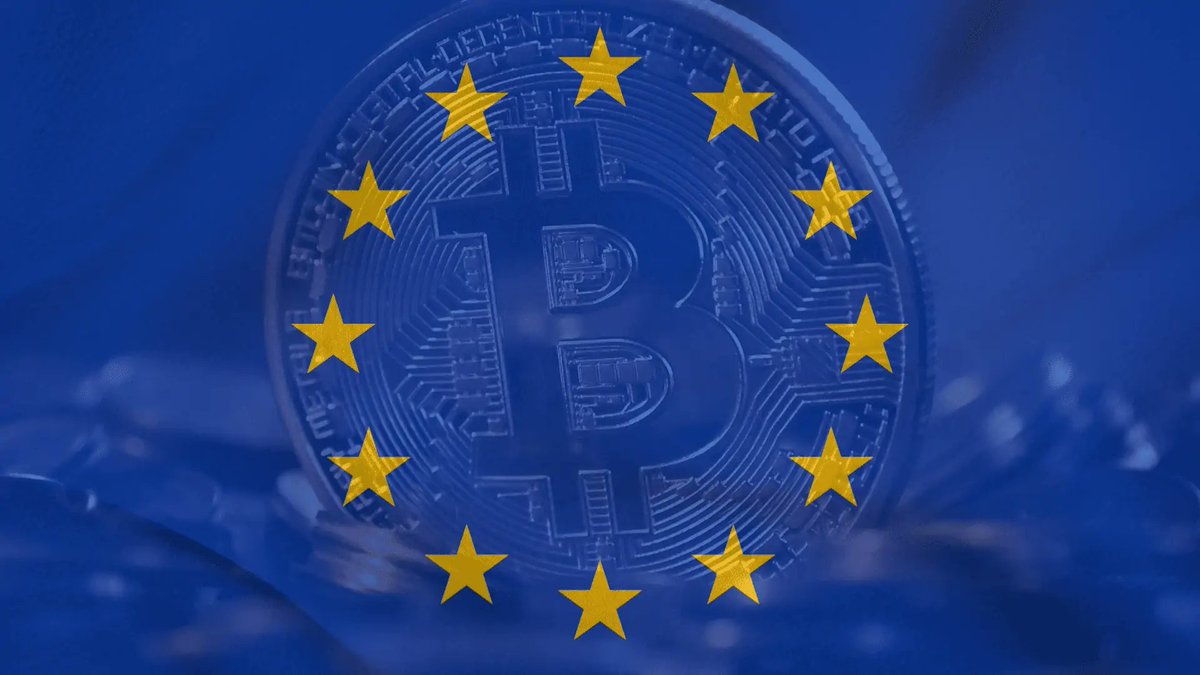
🇪🇺 THE WORLD'S BIGGEST STABLECOIN JUST LOST AN ENTIRE CONTINET.
$USDT is out on every licensed EU exchange.
Binance. Coinbase. Kraken. Crypto. com. All removed it.
Tether refused to comply. Circle did.
$175 billion in USDT, locked out of regulated Europe.
$USDC walks into the gap.
Regulation just chose the rails.

144
150
1,127
274,362
Quantum Entanglement retweeted
🚨 GREAT NEWS! The US Senate has just CONFIRMED Trump judicial nominee Justin Smith to be US Circuit Judge for the 8th Circuit
ANOTHER blow to activist judges! 🔥
Keep confirming and start impeaching traitors like Boasberg. We've waited long enough!
34
390
2,001
24,765
Quantum Entanglement retweeted
🚨 JUST NOW: The SECRET SERVICE was heavily involved in foiling the explosive-drone terrorist plot at the White House UFC Freedom 250 fight, involving nearly TWO DOZEN suspects
Lock them all up and throw away the key! They planned to MASS M*RDER.
123
860
3,755
150,921
Quantum Entanglement retweeted

BREAKING: Undercover journalists caught an Arizona State University administrator admitting DEI is still in the curriculum.
ASU renamed its DEI office to the office of "Inclusive Design for Equity and Access."
She says it's "very much incorporated into our school."
105
1,509
4,367
53,827