
Leader for Radical Green Innovations at Ministry of Truth, Kakistocracy of Norway
Joined April 2020
- Tweets 3,891
- Following 1,112
- Followers 109
- Likes 12,116
480 Photos and videos











Reigem retweeted

Jun 14
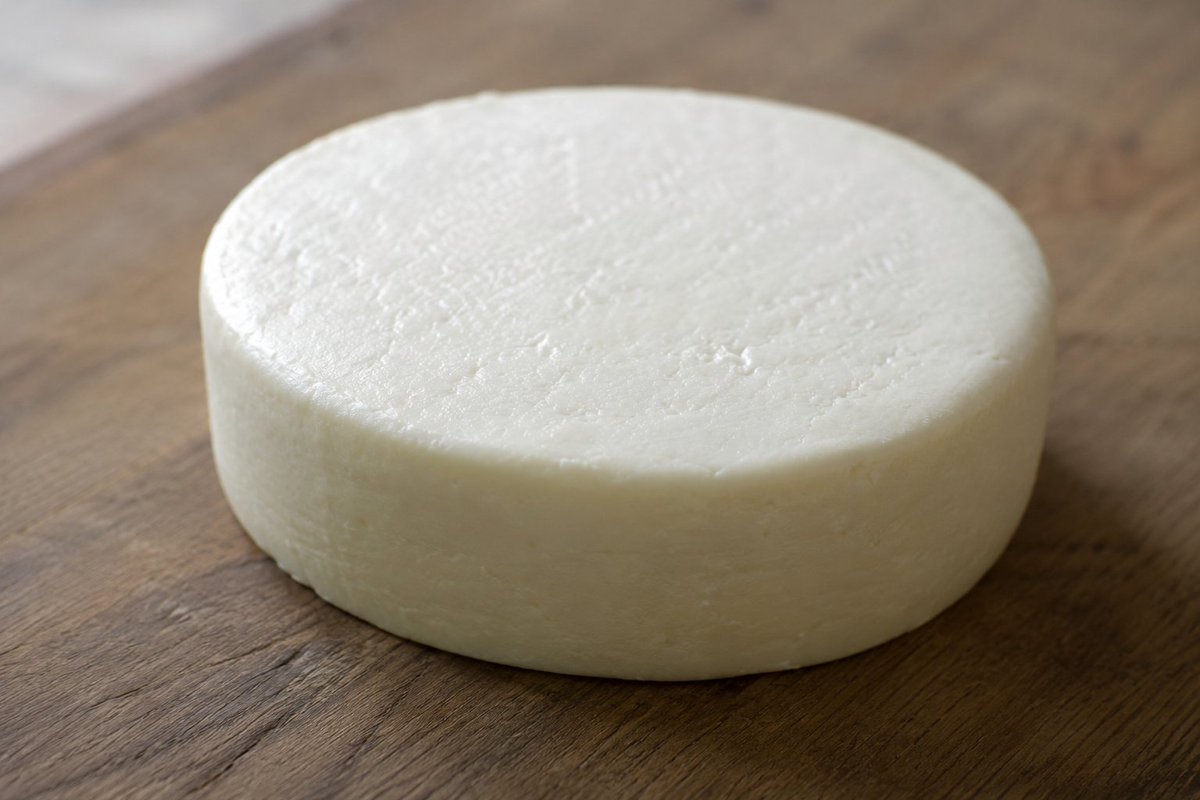
This is a 1-kilogram wheel of cheese.
In its raw form — fresh curd, unsalted, unaged — it sells for around $3 at a farmer's market. If it's pressed and aged for three months into a basic table cheese, it fetches $15. If it's crafted into a young Gouda with a wax rind and proper culture, you're looking at $40.
If it's aged eighteen months into a proper Parmigiano-Reggiano, that kilogram is worth $35 — but the wheel it came from took two years of daily care, precise temperature, and a cheesemaker who inherited the recipe from his grandfather.
If it's transformed into a hand-cave-aged Comté from the Jura mountains, selected by an affineur who taps each wheel with a small hammer and listens — actually listens — to what the cheese is telling him, that kilogram commands $80.
And if it's a perfectly matured Époisses, washed in Marc de Bourgogne, wrapped in spruce bark, carried by refrigerated courier to a three-star restaurant in Paris where it arrives at precisely 16°C and is served at the exact moment of peak fermentation — that kilogram is worth $400, and the sommelier pairs it with a Burgundy that costs more than your flight to France.
The milk was the same on day one.
What changed was patience, knowledge, environment, and the refusal to sell too early.
40
105
761
65,431

Sweet spot for longevity. 90-120min or week strength training when combined with cardio.
sciencedaily.com/releases/20…
1
Reigem retweeted

Norwegian study shows that 74% of new myocarditis cases were related to COVID-19 vaccination – only 4.2% were related to COVID-19 infection.
Myocarditis is lethal.
Myocarditis – inflammation of the heart muscle – is a “serious condition” and a frequent cause of sudden death in young, apparently healthy people, with a 50–60% mortality rate “after five years.” The statement by Prof. Jan Erik Nordrehaug is somewhat outdated, but later research by Mi-Jeong Kim and colleagues shows the same trend with a mortality rate of approximately 40% after 10 years.
Approved for children, despite suspicion of myocarditis.
As early as April 2021, the European Medicines Agency suspected that the COVID-19 vaccine could cause myocarditis, but Pfizer/BioNTech still decided to approve it for children as young as 12 years old. This is despite the fact that the vaccine had not even been tested for transmission and that practically no children die from COVID-19 infection. Later research has strengthened the Agency’s suspicions of an increased incidence of myocarditis among COVID-19 vaccine recipients, especially young men.
Dramatic numbers from Norway.
A recently published Norwegian study by Bendik Skinningsrud Hagen and colleagues also shows that COVID-19 vaccination is particularly associated with myocarditis in young men (see figure 2 below in the article, which shows the incidence in men and women). What is most surprising, however, is that the vaccine causes 74% of cases (the article’s figure 1 shows 177 cases compared to 108 others, of which 42 are excluded because myocarditis occurred before vaccination and 4 are due to misdiagnosis). The authors claim that most were “mild” – let’s hope so – but Nordrehaug’s statement that the mortality rate is 50-60% “after five years”, and the figure from Mi-Jeong Kim and colleagues showing low mortality in the first years that then increases, tells us that we do not yet have the full picture.
28% increase in the use of heart medication and high excess mortality among young people.
Although the number of myocardial infarction cases detected in the study by Hagen and colleagues is not a particularly high number in isolation, it may indicate that something is wrong with heart health, especially in young people. Other statistics from the Norwegian Institute of Public Health, which show a 28% increase in the use of heart medication among those aged 15–45 years from 2020 to 2025, reinforce this assumption.
There was no increase in 2020 – a year of COVID-19 infection without a vaccine – but it increased from 2021, in parallel with the rollout of the COVID-19 vaccine to the younger population in the second half of the year.
Other factors that indicate that all is not well with the health of young people are high excess mortality. In 2023, it was 59.6% of diseases and 41.3% of all causes among those aged 1–40 years, and close to 37% of all causes in 2024 among those aged 1–19 years.
COVID-19 infection plays a minor role.
In parallel with the statistics from the Norwegian Institute of Public Health that showed no increase in the use of heart medication in 2020 among young people, the first year of COVID-19, but no vaccine, Hagen and colleagues identified only 10 cases (4.2%) that were related to the infection itself. From a French study, I have also calculated low numbers, and an Israeli study conducted before the rollout of the vaccine found no connection between COVID-19 infection and myocarditis.
Accordingly, there is substantial evidence that we can safely dismiss COVID-19 infection as the scapegoat for the negative development in young people’s heart health.
Biathlete Sivert Guttorm Bakken (1998-2025) – “mild” myocarditis.
Biathlete Sivert Guttorm Bakken developed myocarditis after receiving his third dose of the COVID-19 vaccine in May 2022. He described the pain “as if someone were squeezing his heart.”
Like most cases of myocarditis after vaccination in the study by Hagen and colleagues, Bakken’s condition was also described as “mild,” but on the day before Christmas Eve last year, during a training stay in Italy, he was found dead in his hotel room, only 27 years old. The death occurred about two and a half years after the third dose with subsequent myocarditis, while Hagen and colleagues studied cases over a considerably shorter period.
I am not aware of any autopsy report being published after the death. I therefore have no certain information about whether the cause of death was cardiac fibrillation, an altitude mask he was wearing when he was found dead, myocarditis after COVID-19 vaccination, or a combination of causes.
Who made the best vaccine choice?
Regardless of what contributed to Bakken’s tragic death, I believe the empirical evidence clearly shows a negative COVID-19 vaccine effect on young people’s health in general and heart health in particular. As previously stated, I therefore continue to argue that young people who refused the COVID-19 vaccine made the best choice, and the study by Hagen and colleagues does not weaken this claim.
References and graphs on my Substack.

7
22
73
1,071
Reigem retweeted

Jun 13
222K likes.
The fixed pie fallacy is probably the single most destructive delusion on the planet. The belief that wealth cannot be created—only distributed—has done more than any other to stop people from lifting themselves and others out of poverty.


106
539
2,991
91,726
Reigem retweeted

«Forskerne er enige.» Neste gang du hører den setningen brukt som argument, bør varsellampene blinke.
I ukens gjesteskribentinnlegg i Universitetsavisa skriver jeg om hvorfor konsensuskulturen bør begraves.
Link til hele innlegget i kommentarfeltet.
#forskning #akademia #akademiskfrihet #NTNU
4
16
102
3,088
Reigem retweeted

23 Nov 2025
Grunner til at Norge bør holde seg langt unna EU-medlemskap:
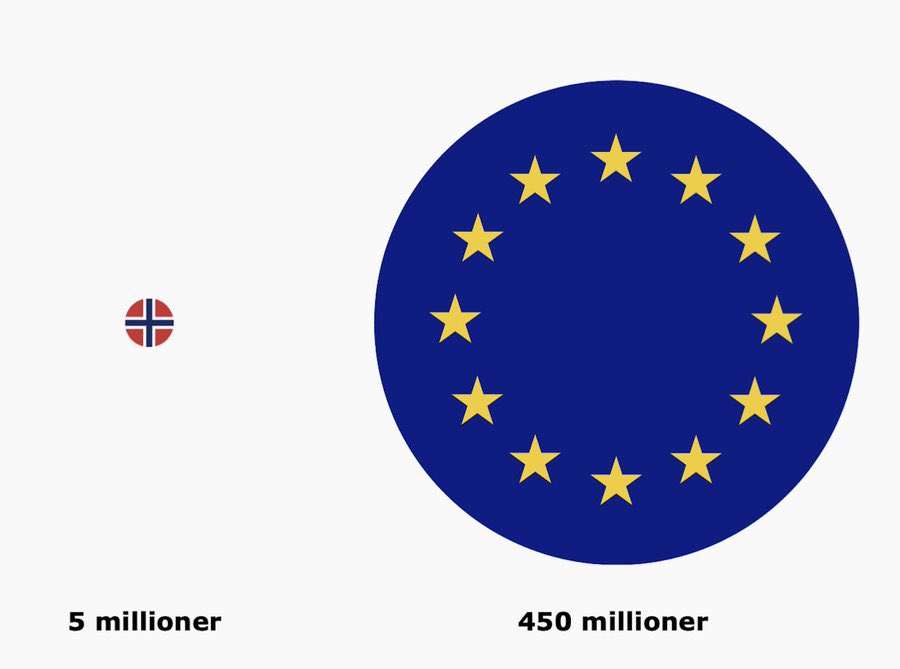
• EU passer ikke for små rike land. Man betaler basert på BNP (skyhøy for Norge) og får stemmerett basert på folketall (mikroskopisk for Norge).
• EU passer ikke for olje- og gasseksportører. For det finnes ingen andre. Hele gjengen (450 mill) ønsker å skaffe seg olje&gass så billig som mulig, og det er fare for at vi ved å gå inn gir dem "bukta og begge endene". Det er et globalt marked, men ved medlemskap mister vi muligheten til å fritt selge petroleum utenfor EU.
• EU passer ikke for formuende land. For det finnes ingen andre. Det er en samling forgjeldede land, som ønsker mer gjeld - potensielt ved felles opptak. Norges eksponering mot risikoen for andre lands overforbruk vil derfor øke, og vi kan i verste fall ende opp med ansvar for gjeld som ikke kan betales.
• EU passer ikke for vannkraftdrevne og langt på vei dekarboniserte land. Igjen fordi det finnes ingen andre. Regelverk og klimamålsetninger er tilpasset land med høy fossilandel og dårlige panteordninger.
• EUs politiske retning fremover er usikker. Hvis man surrer seg til masta på denne skuta må man like godt tåle at den ledes av Macron som Le Pen.
• Går vi inn i EU dør den norske krona og vår egen mulighet til å drive pengepolitikk (det gis ikke unntak for Euro lenger). Det kan være et problem for et annerledesland sterkt knyttet til en syklisk bransje. I den forbindelse er det også relevant at EU i 2029 planlegger å begynne med sentralbankstyrt digital valuta (CBDC). Dette er penger som det fryktes kan "skrus av" for dissidenter eller gis "best før"-dato.
• Hvis vi blir med i EU må vi godta ALLE direktivene. Uansett. Fra tvangsoppgradering av hus til fast-track utbygging av vindmøller. Da kan vi ikke trenere eller sno oss unna ved å si det ikke er EØS-relevant, slik vi gjør i dag. Så det nytter ikke å gråte over nedleggelse av distriktsskoler og fødetilbud i utkantstrøk hvis du stemmer for EU, da ber du om mer sentralisering av både folk og makt. Da blir det umulig for Norge å videreføre dagens jordbrukspolitikk (som tar sikte på å holde matproduksjon i landet), og vi kan ikke lenger drive kystfisket fritt (vil måtte slippe til andre nasjoner).
167
503
1,868
121,409
Reigem retweeted

Jun 12
det er vel faktisk en organisasjon i Sveits som har mottatt over 1 milliard kroner i norsk bistand som arrangerer Oslo Forum sammen med UD, klart man må ha 20 mill til da for å dekke kostnadene Oslo Forum i år nettavisen.no/nyheter/ud-bru…
16
35
171
2,752
Reigem retweeted

Jun 11
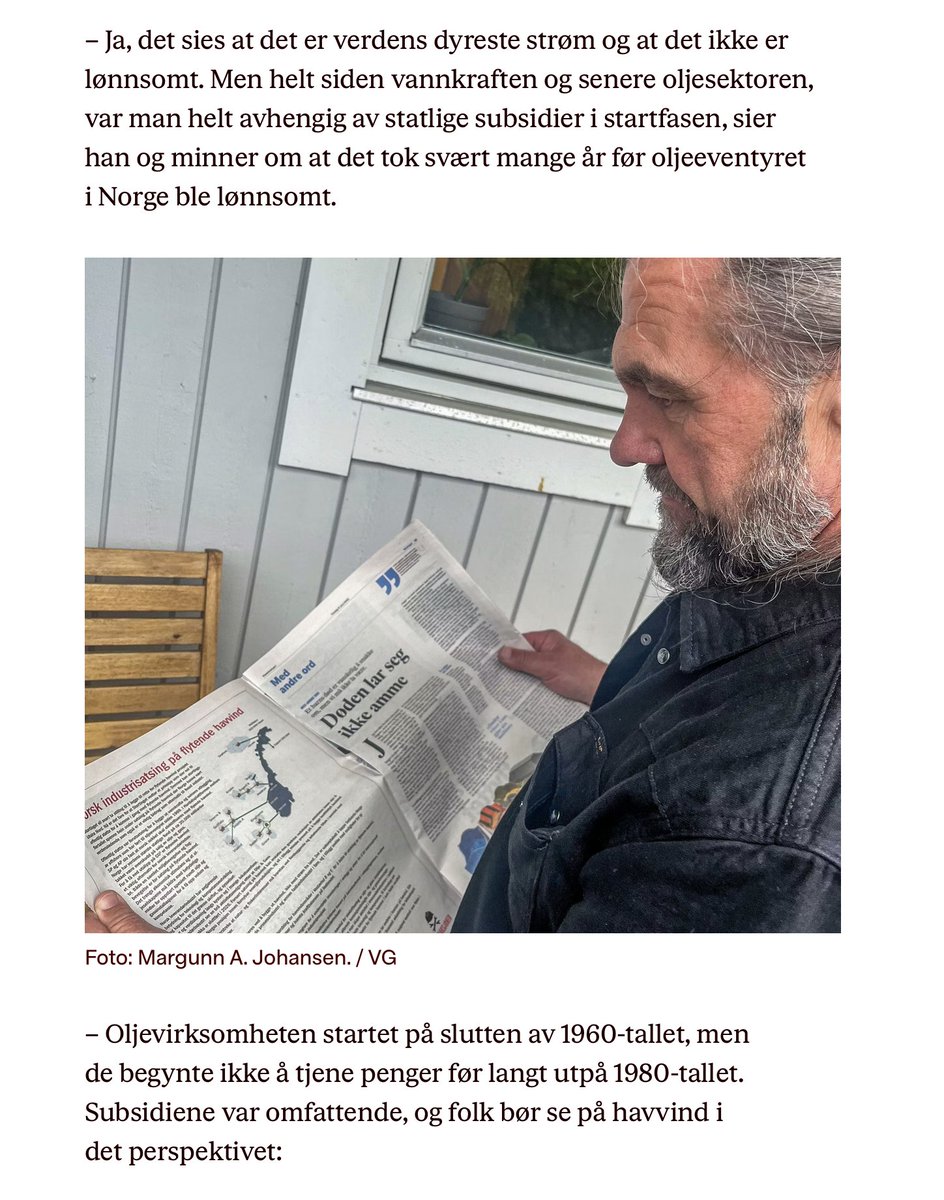
Dette er så forstemmende.
Det er tydelig at det er gått ut talepunkter fra Youngstorget. For alle fra den bisarre Bjella til fagforeningspamper lirer av seg den samme regelrette løgnhistorier:
"Vi må subsidiere havvind fordi også vannkraft og olje trengte subsidier i starten. Og olje ble ikke lønnsomt før lenge etter oppstarten"
Det er ikke litt feil. Det er direkte løgn.
Det var private som startet opp med vannkraft, helt uten statlig kapital og rammeverk, fra slutten av 1800-tallet. Staten kom halsende etter med regelverk først utover 1900-tallet. Først etter 1920 ble offentlige investeringer en tung del av vannkraftutbyggingen.
Løgnen om olje er enda verre, fordi det er nærere historie. Men staten hadde netto positiv kontantstrøm fra olje helt fra den første produksjonen i 1971. Og selskapene hadde selvfølgelig også massiv fortjeneste lenge før 80-tallet. Det var ingen massive subsidier til oljevirksomhet. Tvert i mot. Å ljuge så massivt er hinsides akseptabelt.
Dette er skikkelig bedritent. En ting er @magnebjella, som ikke vet bedre. Men en fagforeningspamp fra industrien burde vite bedre. Det er så overtydelig at denne løgnhistorien kommer fra toppen. Før Støre har vi aldri hatt en regjeringssjef som så til de grader bruker løgn som politisk retorikk. Denne gjengen snakker om Trump og fake news. Det er sitt eget speilbilde de snakker om.
Og nå ljuger de om vår nære industrihistorie for politisk spinn.
@Anduril100 @eyaven @OleAsbjoernNess
11
49
204
5,498
Reigem retweeted

Jun 11
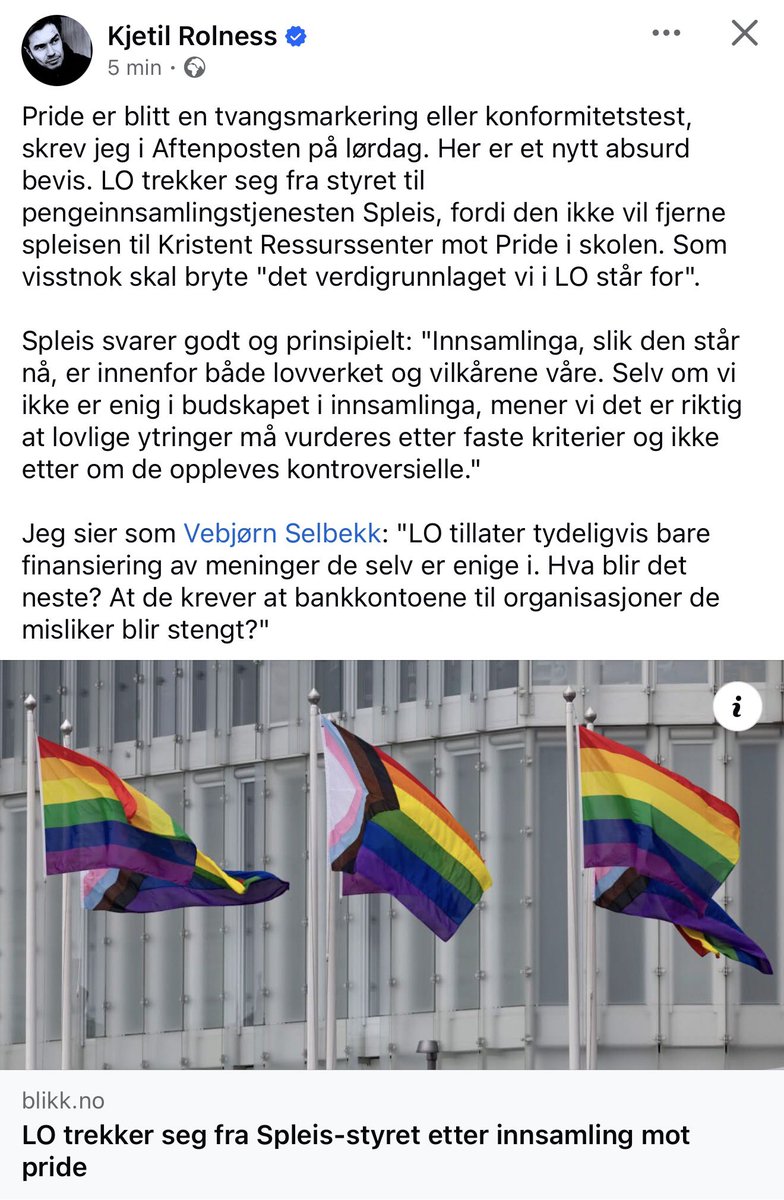
LO trekker seg fra Spleis-styret fordi plattformen tillot en kristen kampanje mot Pride i skolen.
Fagbevegelsen har blitt en ideologisk sensurorganisasjon.
LO bruker makt til å kneble meninger de misliker, ivaretar de ikke lenger vanlige arbeidstakeres interesser.
Samtidig vil dem at flere skal organisere seg.
Det er ren maktpolitikk.
15
30
219
4,406
Reigem retweeted
Jun 9
Hjelpe meg Bjella, du har vært drøy før, men dette tar kaka.
1) Nei, norsk oljeindustri fikk ikke betydelig statlig støtte. De fikk ingen, 0 støtte. Det er riktig at det på 60-tallet var noe gunstige skatteregler for å tiltrekke seg leting. Men staten hadde ingen utgifter i denne perioden til olje. Selskapene lette etter olje helt for egen regning og risiko.
Da det først ble funnet olje og startet produksjon, ble skattesystemet lagt om og dagens skattesats på omlag 80% ble innført.
Nei, det var ikke store offentlige investeringer i startfasen. Tvert i mot i startfasen krevde staten at de andre selskapene i lisensene dekket statens (Statoils) andel.
Dette er rett og slett grov løgn, Bjella og jeg forventer at en voksen mann korrigerer det.
2) "vannkraften ble bygget opp med betydelig offentlig involvering"
I starten var det ikke slik, nei. Fra slutten av 1800-tallet og til begynnelsen på 1900-tallet var det i hovedsak private som bygget opp vannkraft. Fra 1907 og utover kom de såkalte panikklovene, for å sikre kraften på offentlige hender.
Men fortsatt med liten eller ingen offentlig kapital involvert. Fra 1920-tallet og utover begynte det offentlige, kommuner og staten/NVE å bygge, men fram til ca 1950, var det like mye private som offentlige. Først fra 1950-tallet ble det offentlige den dominerende kraftutbyggeren.
Igjen, en grov løgn.
3) Hydro ble ikke bygget med statlig kapital, nei. Hydro ble stiftet som et rent privat selskap av forskeren Kristian Birkeland og industrimannen Sam Eyde. Kapitalen kom fra Wallenbergfamilien, Banque Paribas og noe norsk privat kapital.
Staten ble eier i Norsk Hydro fordi Tyskland røvet til seg eiendelene under invasjonen og staten så sitt snitt til å overta dem etter krigen. Staten ble eier med nazihjelp altså. Nice.
Men igjen, grov løgn, Bjella.
4) Du har forsåvidt mye rett i det med Kongsberg, det ble stiftet som en statlig våpenfabrikk for å produsere våpen til egen hær. Og ja, staten, er heldigvis eneste kunde til forsvarsindustrien. Noe annet ville være litt merkelig.
5) Ja, staten bruker en liten del av skatteinntektene på å bygge infrastruktur, men det er da virkelig ikke sammenlignbart med å subsidiere ulønnsomme næringer.
6) "Virkeligheten er at de ser arbeidsplasser, teknologiutvikling og fremtidige markeder."
Hvis de hadde sett det, så hadde de selvfølgelig funnet det lønnsomt å satse selv, helt uten subsidier.
Dette er en så utbredt misforståelse blant de på venstresiden, at du skal slippe karakteren grov løgn. Men sprøyt er det.
Ser vi bort fra en del vås og en riktig men, banal observasjon, så har du ljugd grovt om vår nære industrihistorie, et hvert skikkelig menneske hadde korrigert dette.
Er du et skikkelig menneske, Bjella?
7
24
132
3,218
Reigem retweeted
Jun 9
Tiden for passive indeksfond-investeringer i tech ser ut til å være over. Little tech kuppet big tech i valget, og nå skal de cashe inn...
Se bare på de nylige børsnoterings-endringene i NASDAQ:
• Indeksfondene må kjøpe raskt: En aksjes "modningstid" før inkludering i Nasdaq-100 ble redusert fra 3 mnd til 15 dager.
• Man slipper unna med lavt tilbud av aksjer: Tidligere måtte selskapene ha minst 10 % av aksjene tilgjengelig for vanlige investorer (free float). Dette kravet er nå fjernet.
• Hvis tilbudet er lavt blir vektingen trippel: En aksje med free float under 20% blir nå vektet trippelt i indeksene.
Så man har altså fått en situasjon der indeksfondene MÅ kjøpe seg raskt opp til trippel vekting mens tilbudet av aksjer er lavt. Og fondene må kjøpe raskt uansett pris...
Et perfekt set-up for å flå småsparere og pensjonister, som blir sittende som bagholders - uten å løfte en finger. Og de fleste er så hands off at de skjønner det ikke selv en gang 😭
8
3
29
3,672


Jeg bare legger denne lenken her:
youtu.be/kHaY2b3SpJ8?is=3P48…
Må kanskje endre litt i teksten for moderne tider..

Russerne blir nok livredde nå de ser mangfoldet i «Sjøforsvaret» 🤮🏳️🌈

8
Reigem retweeted

Jun 6
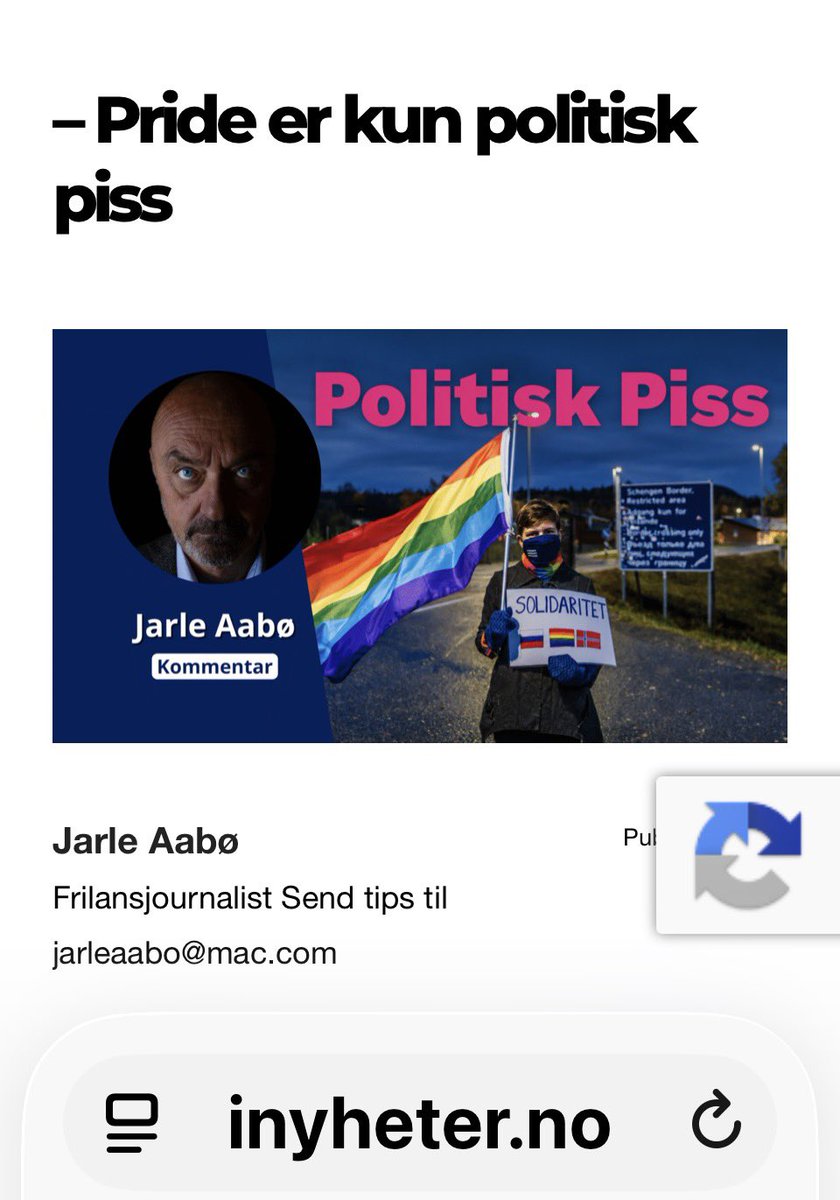
Svært god og treffende kronikk om Fri og Pride av Jarle Aabø.
-Bør leses!
12
16
181
3,253
Reigem retweeted

70
374
10,169
644,265
Reigem retweeted

Jun 5
A beekeeper went viral after calmly allowing a honey bee to remain on his arm as it worked its stinger free and flew away. 🐝
419
2,167
25,773
4,465,699

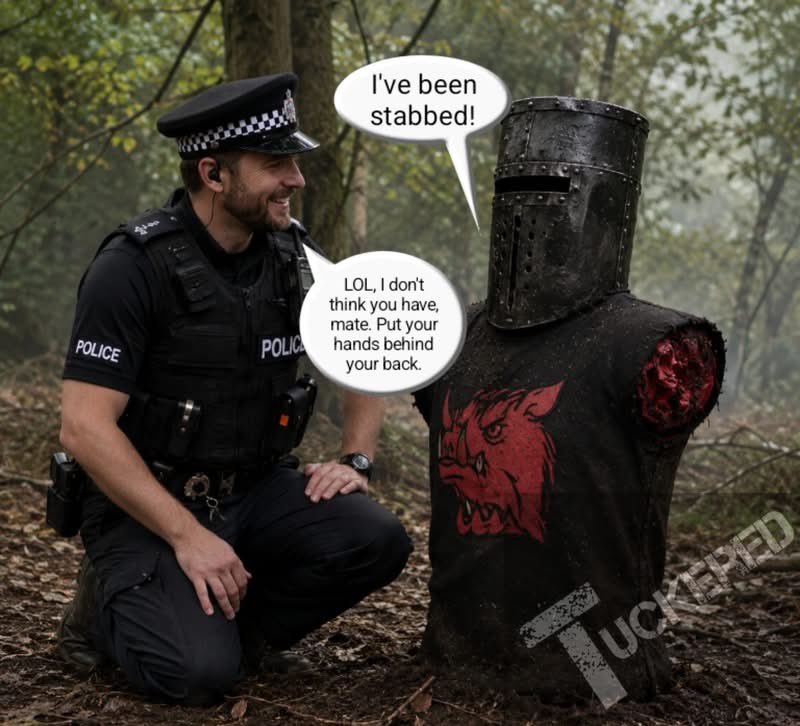
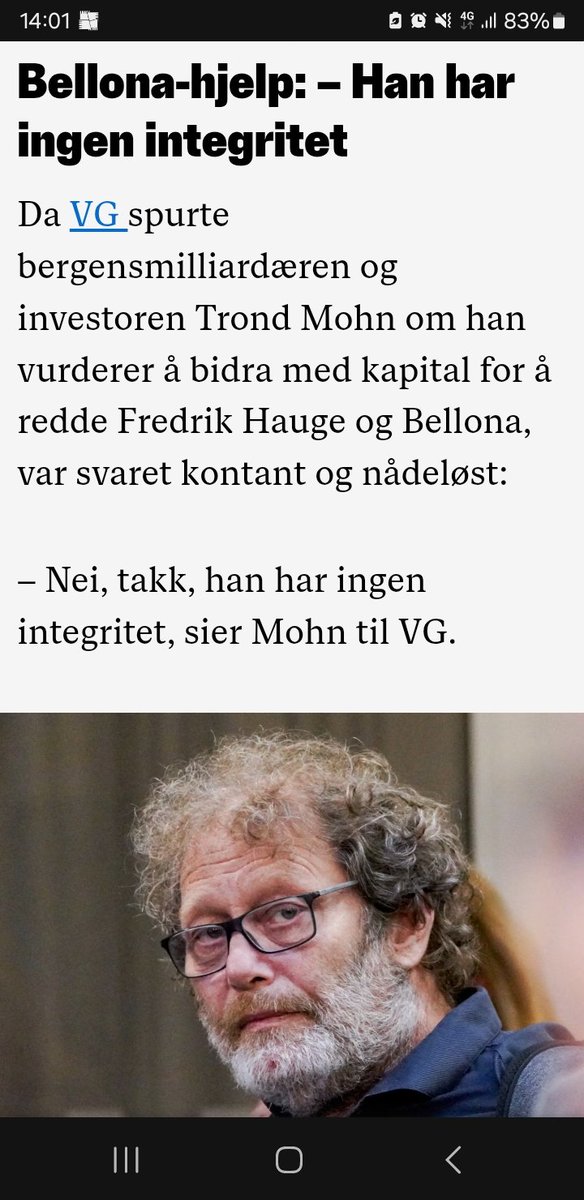
Ekte industribyggere og riskotakere liker ikke tilkarringsvirksomhet.

1
6
Reigem retweeted

By favoring his country of birth, a politician with dual citizenship may harm not only his host country but also other countries whose interests are subordinated to those of his own nation of origin.

I am a dual citizen and I agree with this.
22
71
807
104,787