Research project on #ecoservices and #wellbeing in telecoupled landscapes of #Laos, #Madagascar and #Myanmar @CDEunibe | tweets by @julie_gwen
Joined September 2015
- Tweets 450
- Following 942
- Followers 462
- Likes 711
107 Photos and videos

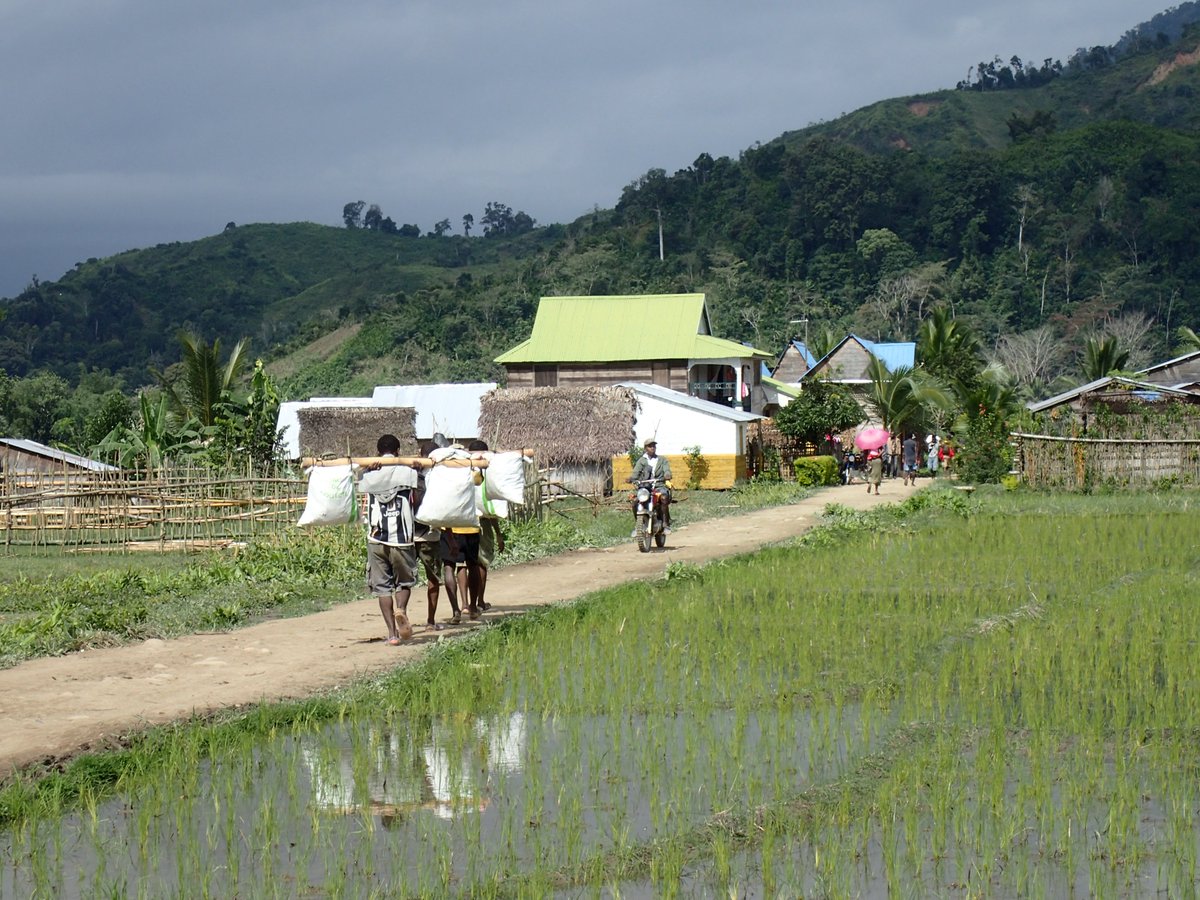
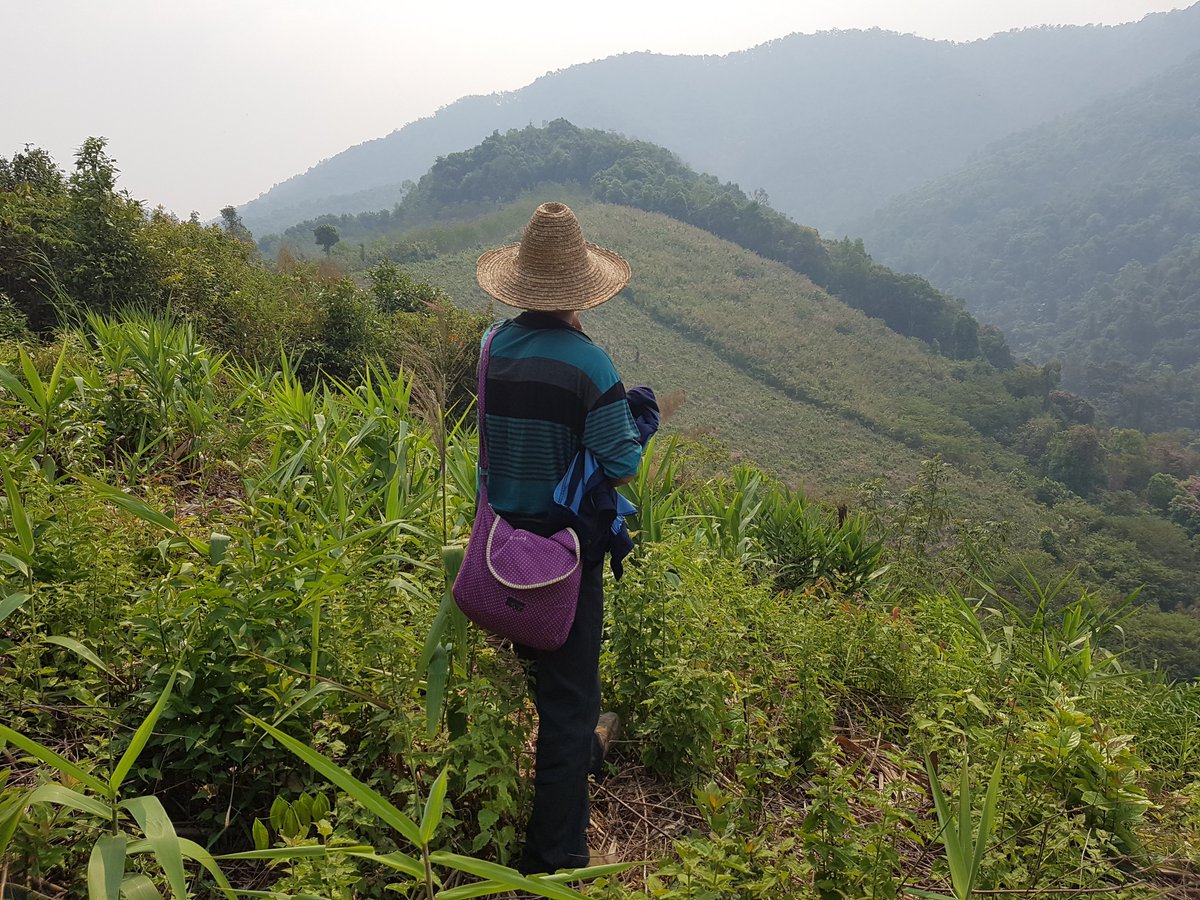
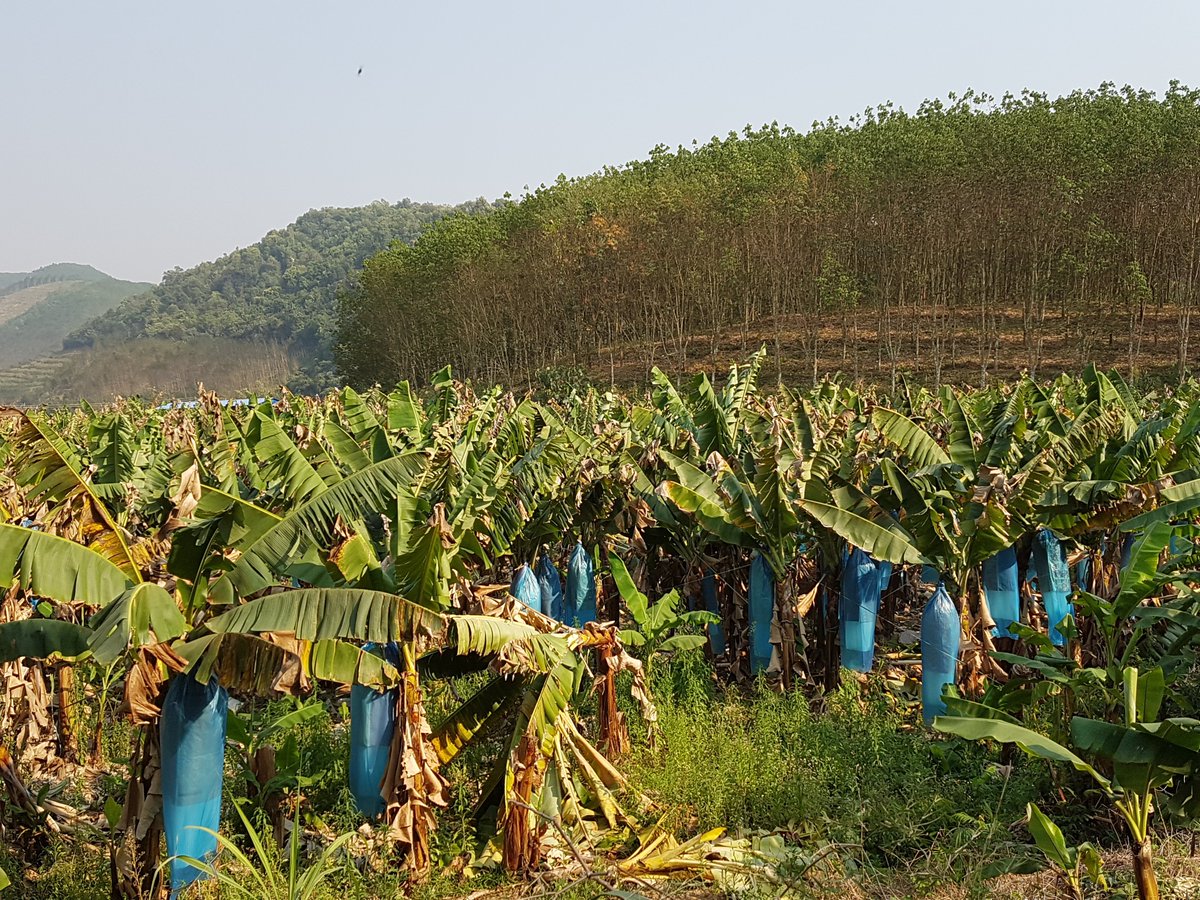
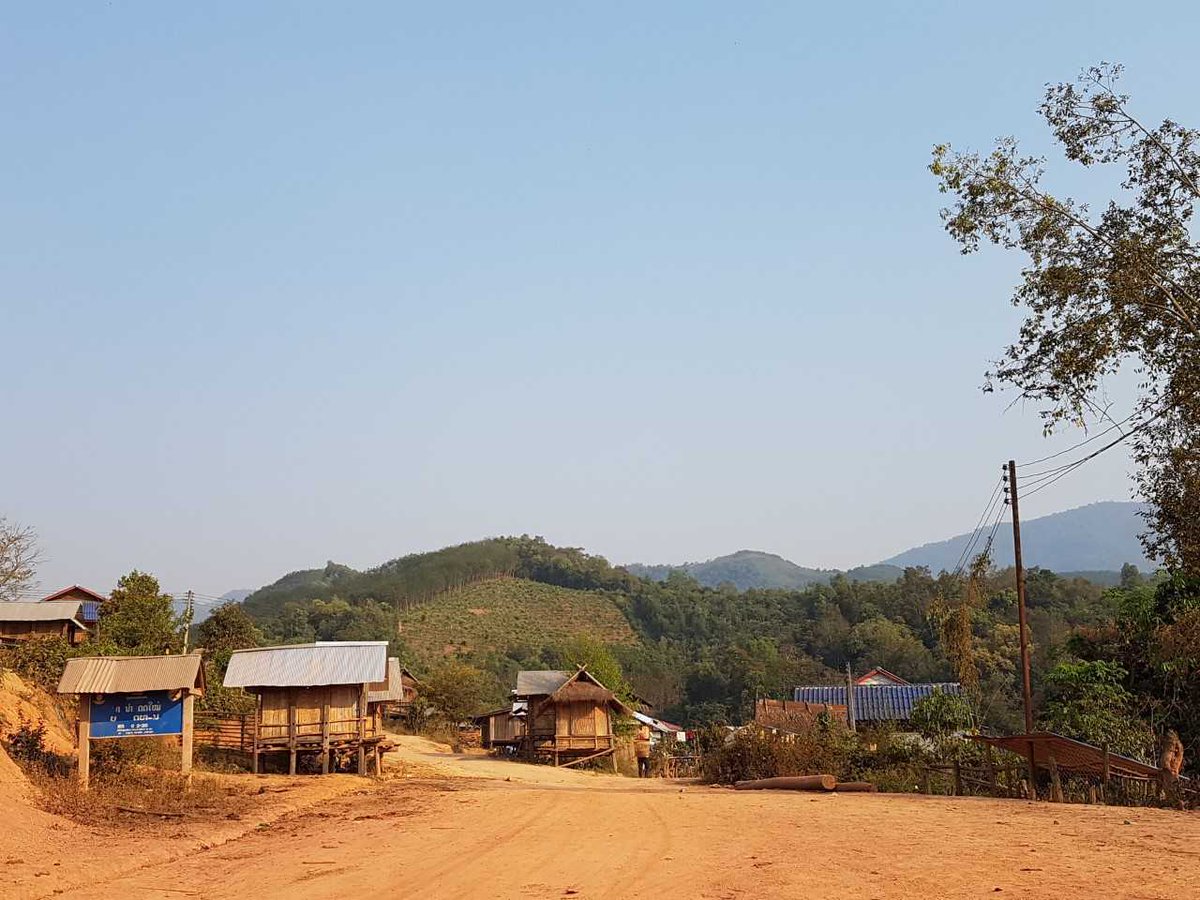

22 Aug 2021
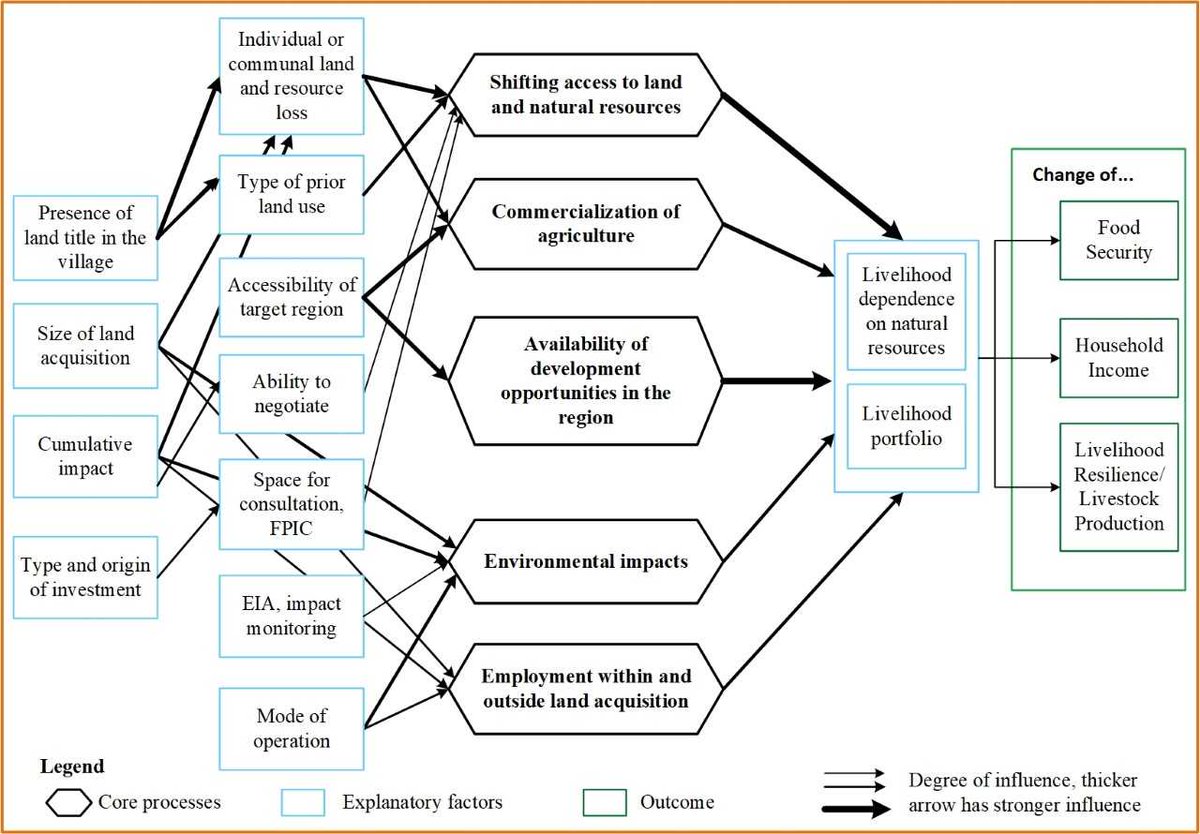
New study from our @CDEunibe PhD candidate @lara_lundsgaard on a more than ever relevant topic!
22 Aug 2021

New paper out led by @lara_lundsgaard:
The making of #land use decisions, #war, and state.
"We conclude that engaging in land use decision-making (...) represents a form of war- and state-making".
@PeterMesserli @florencemetz @manueljfischer @CDEunibe
tandfonline.com/doi/abs/10.1…
2
11 Aug 2021
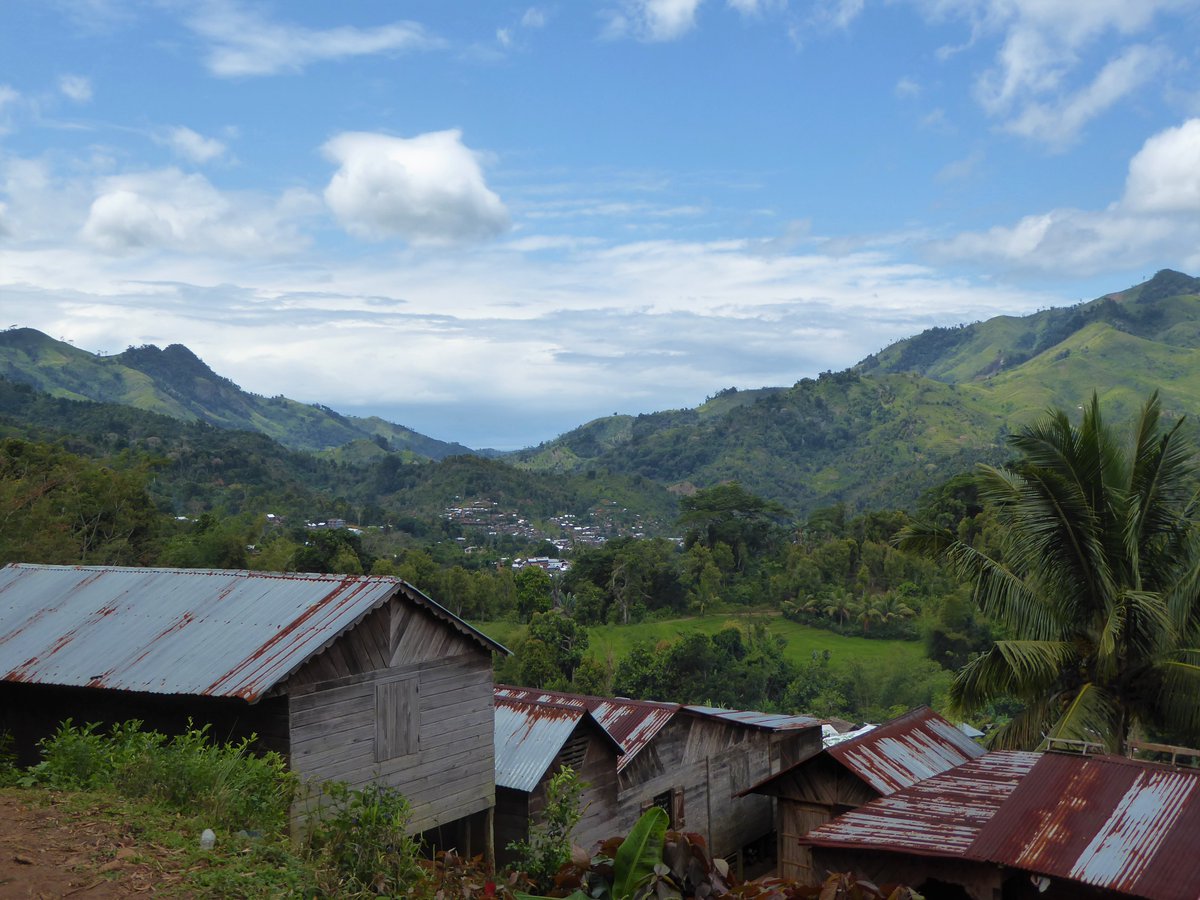
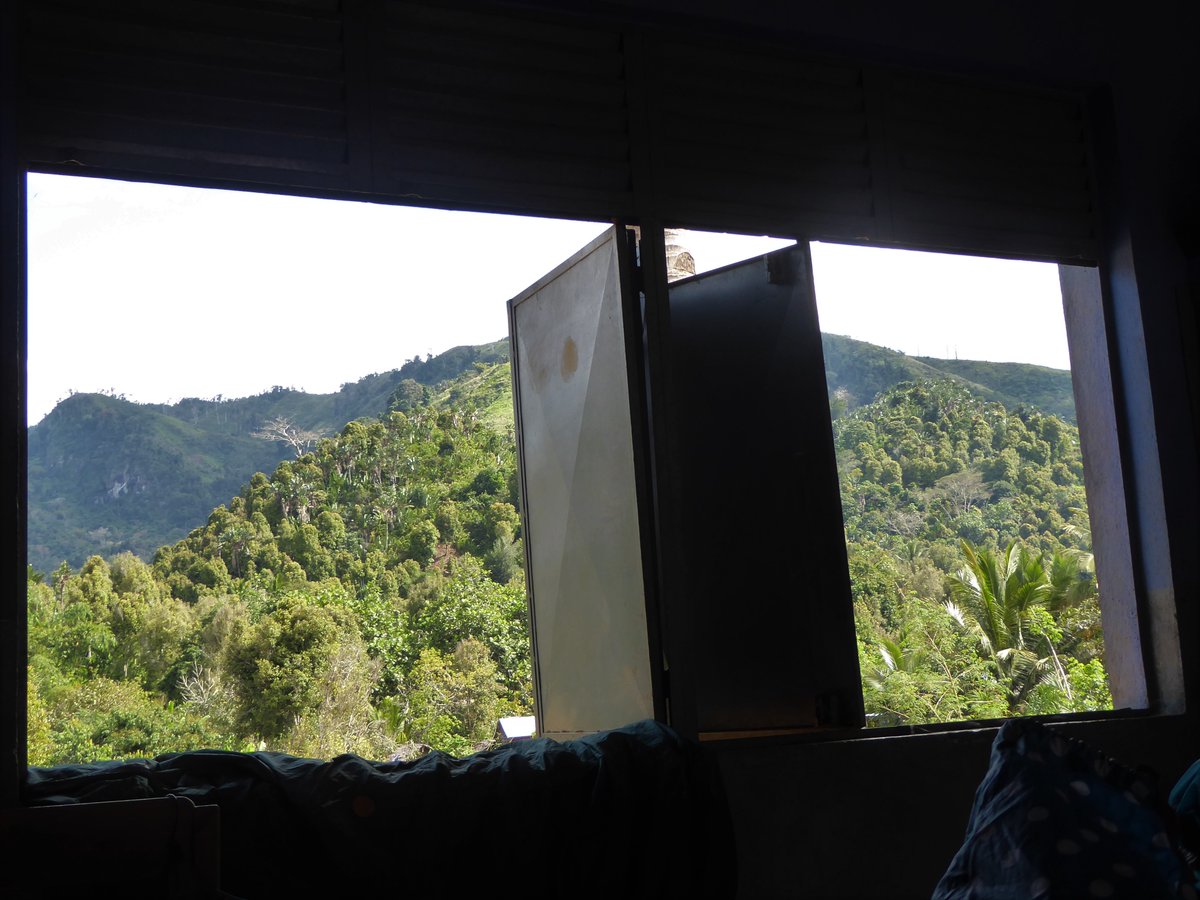
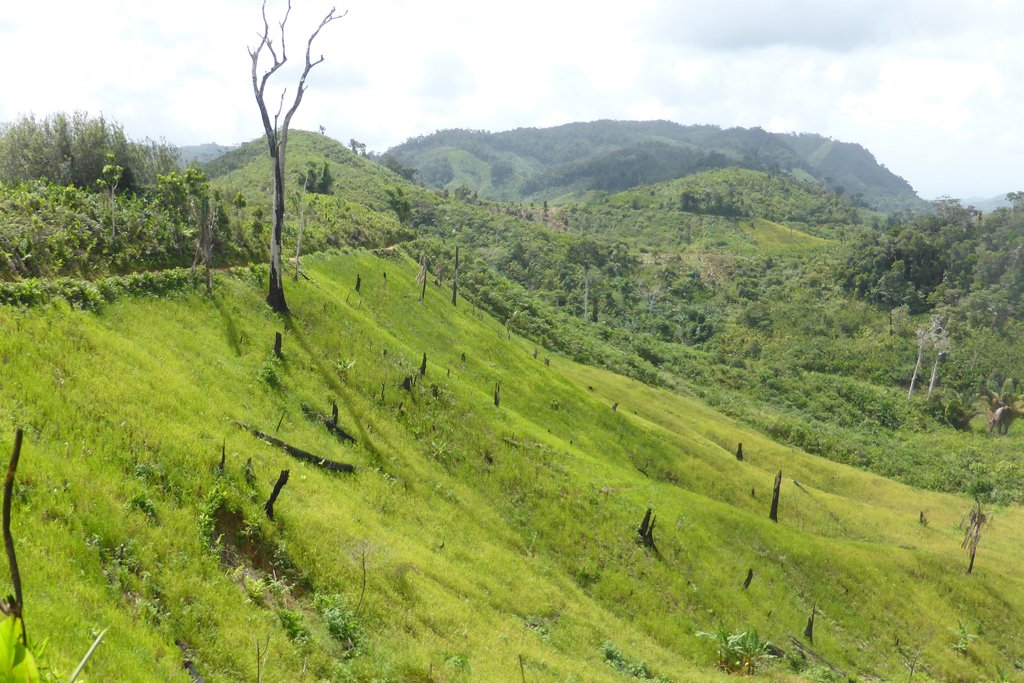
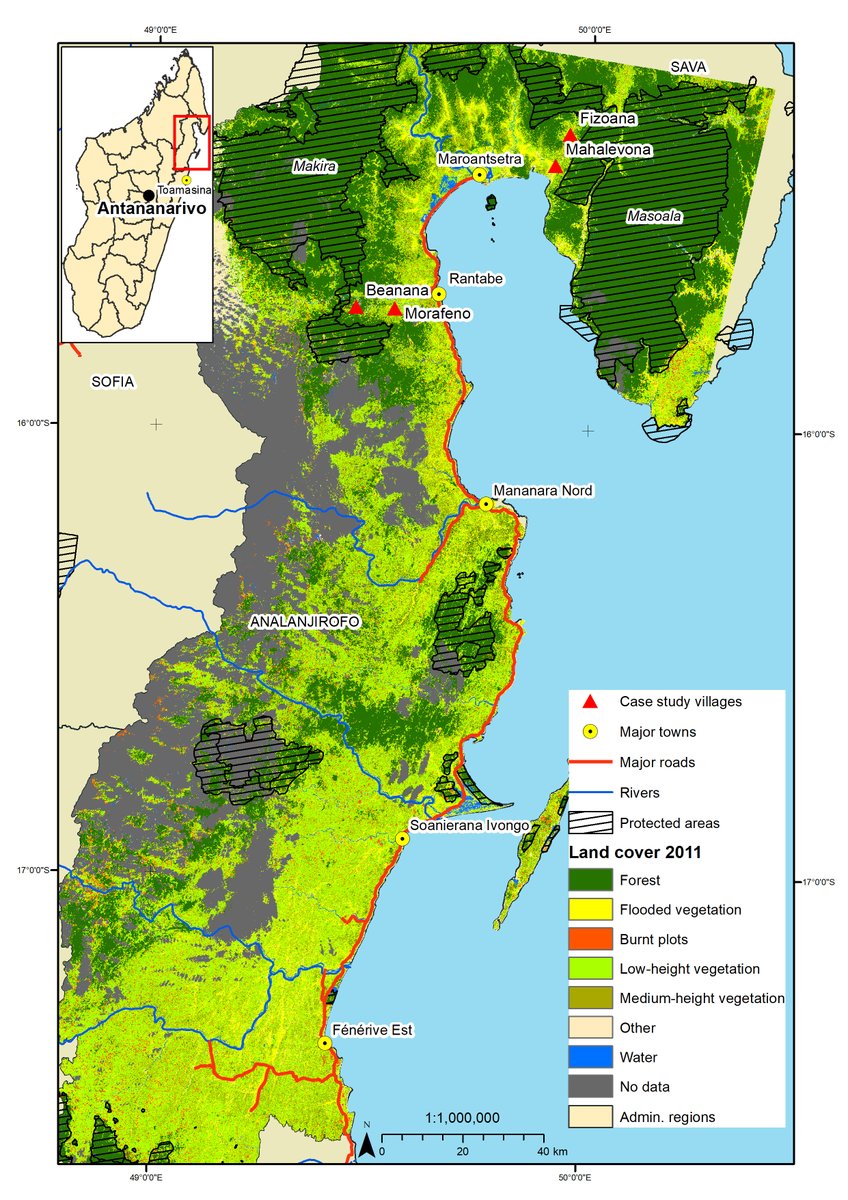
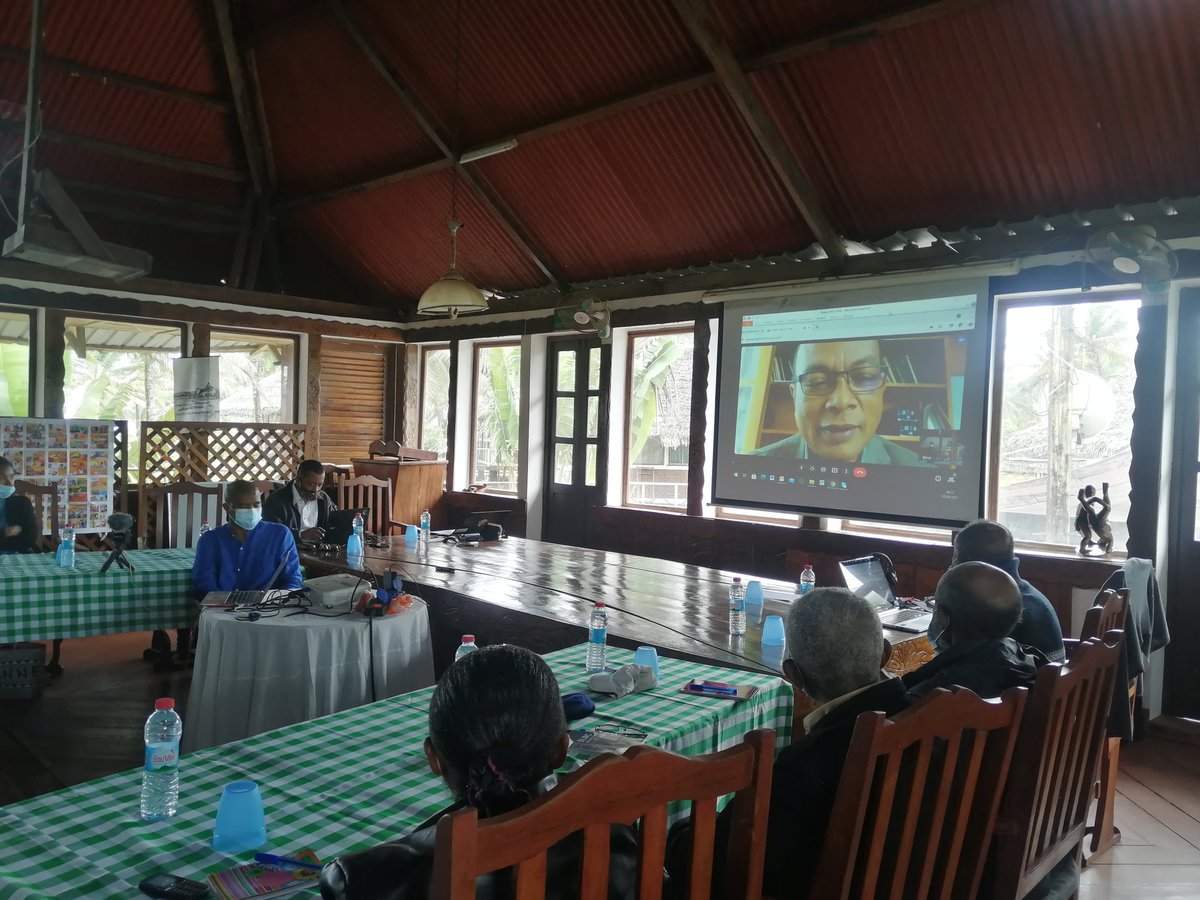
Closing our 6-year project in Maroantsetra #Madagascar in the presence of many stakeholders who supported us through these years. Thank you! Misaotra betsaka!
11 Aug 2021

Last thursday, the @R4Telecoupling Madagascar team held the "Final Restitution workshop" of the project in Maroantsetra. Pr Bruno Ramamonjisoa, the National Coordinator took the opportunity to thank all the project collaborators including the regional platform #CROP
1
4
5 Aug 2021
New metastudy out on co-production in #sustdev research and action in @naturesustainab, featuring our project!
5 Aug 2021

Many thanks to @jo_chamb who led the highly collaborative paper development process! It was a pleasure to participate and evaluate co-production processes and achievements in our @CDEunibe @R4Telecoupling project. Should be a useful source to build on for future TD endeavours!
R4D Telecoupling retweeted

28 Jun 2021
New paper out:
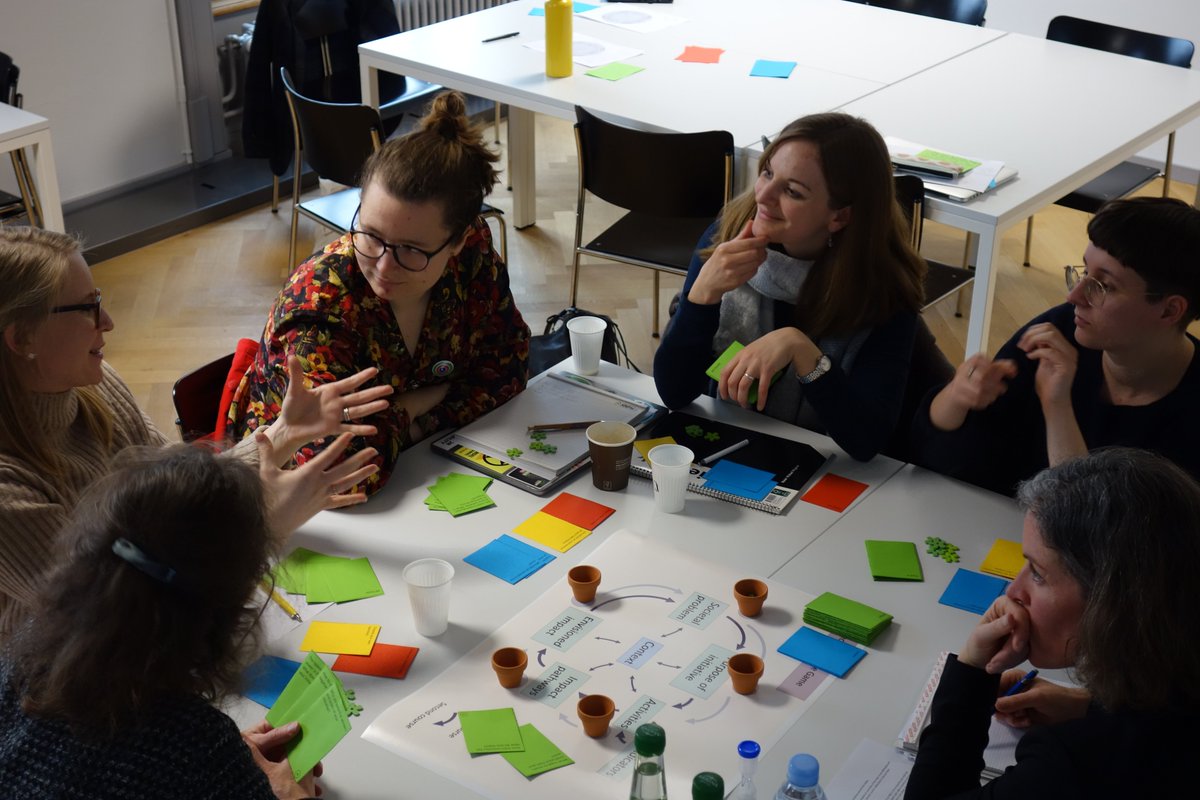
A serious game to enable players to develop Theories of Change for sustainable development
journals.sagepub.com/doi/10.…
@CDEunibe @isoewikom
3
19
25 Jun 2021
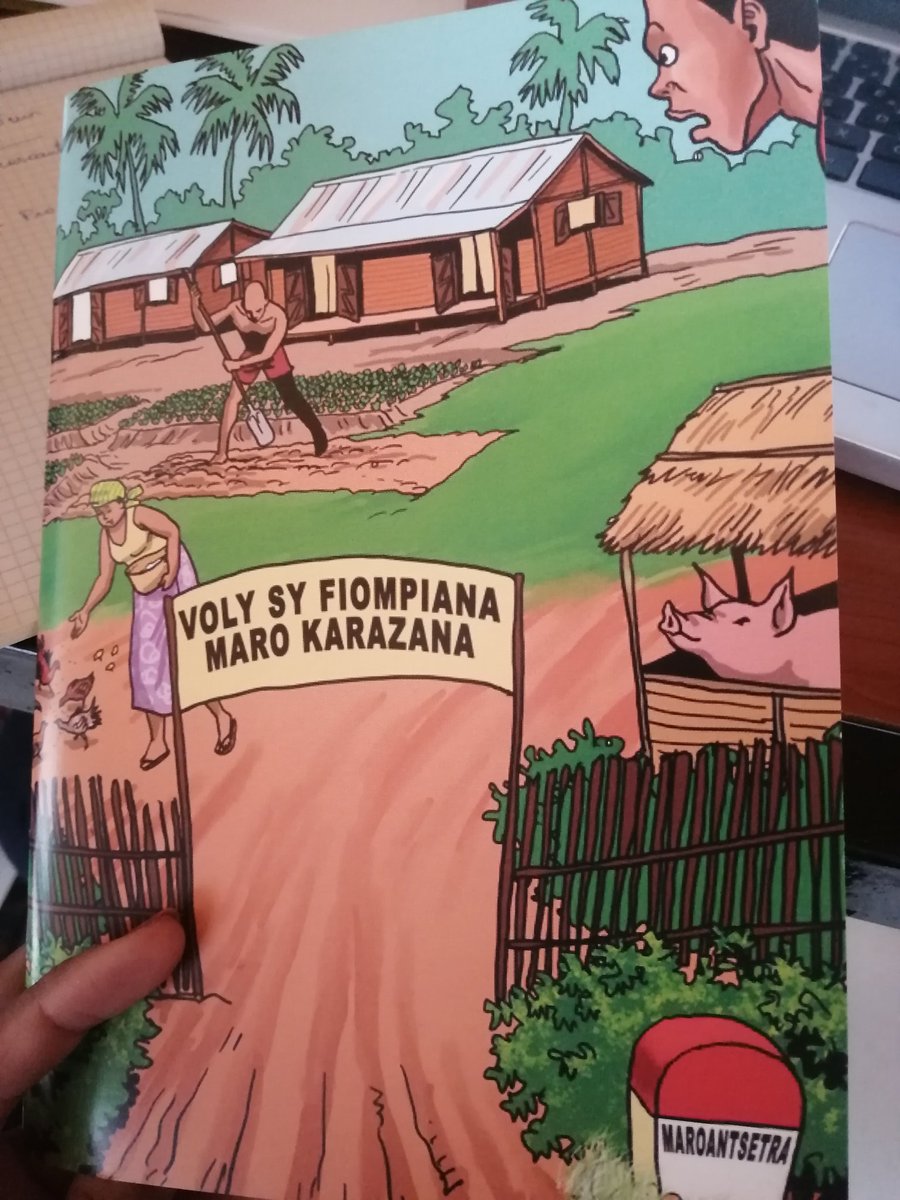
Our team in #Madagascar @ESSAForets produced a comic to make knowledge on sustainable agricultural and livestock management practices available to kids at the local primary schools in Maroantsetra district.
25 Jun 2021
Distribution of comics booklets containing improved agricultural and livestock techniques conducted by pilot farmers at the EPPs of @R4Telecoupling sites. Pupils will be able to learn these since their young age and transfer the knowledge to their parents.
2
10
26 May 2021
What are the effects of #landacquisitions on human well-being in #LaoPDR? Our study by PhD candidate Vong Nanthavong is among the first to explore this question using country-scale evidence.
Read the paper: bit.ly/31MXCmH
Also, check out the thread below 👇👇
1
2
12
26 May 2021
The majority of affected villages experienced trade-offs among human well-being dimensions or adverse well-being outcomes. The latter occurred primarily in cases with significant land dispossession but limited access to other alternatives.
1
1
2
26 May 2021
The paper points to important policy recommendations to prevent adverse human well-being impacts of land acquisitions. They include the imperative to protect smallholders’ land use rights and to avoid large-scale deals as well as exclusive reliance on wage employment.
1
2
31 Mar 2021
Here comes our second Telecoupled Landscape Brief, this time on our project findings in #Madagascar!
In English: bit.ly/3feQhUW
En français: bit.ly/31l0RkM
@r4d_programme @ESSAForets @CDEunibe @ETH_en @incolab_land
Find our key messages below: 👇 (1/7)
1
5
8
31 Mar 2021
Distant and local #conservation and cash-crop actors must make their land-related visions explicit, negotiate on behalf of consensus or compromise, and be transparent about the “winners” and “losers” of different pathways. (6/7)
1
1
1
31 Mar 2021
Targeted projects could help to test different pathways towards shared visions of development. (7/7)
1
1
29 Mar 2021
We’re delighted to present our Telecoupled Landscape Brief on #Laos, just out now! (1/7)
bit.ly/3lQbKF1
@r4d_programme @CDEunibe @ETH_en @incolab_land National University of Laos (NUOL)
1
2
6
29 Mar 2021
The concerns of smallholders demand greater consideration in land use policies, particularly in terms of reducing risks associated with cash-crop plantations. (6/7)
1
1
2
29 Mar 2021
Concretely, authorities should establish a legal framework that holds foreign investors responsible for negative externalities they cause. Further, authorities should allow for and support areas under control of local communities that provide common-pool resources. (7/7)
1
1