
Joined November 2020
- Tweets 14,881
- Following 919
- Followers 4,660
- Likes 53,900
1,576 Photos and videos




Pinned Tweet

26 Jul 2025
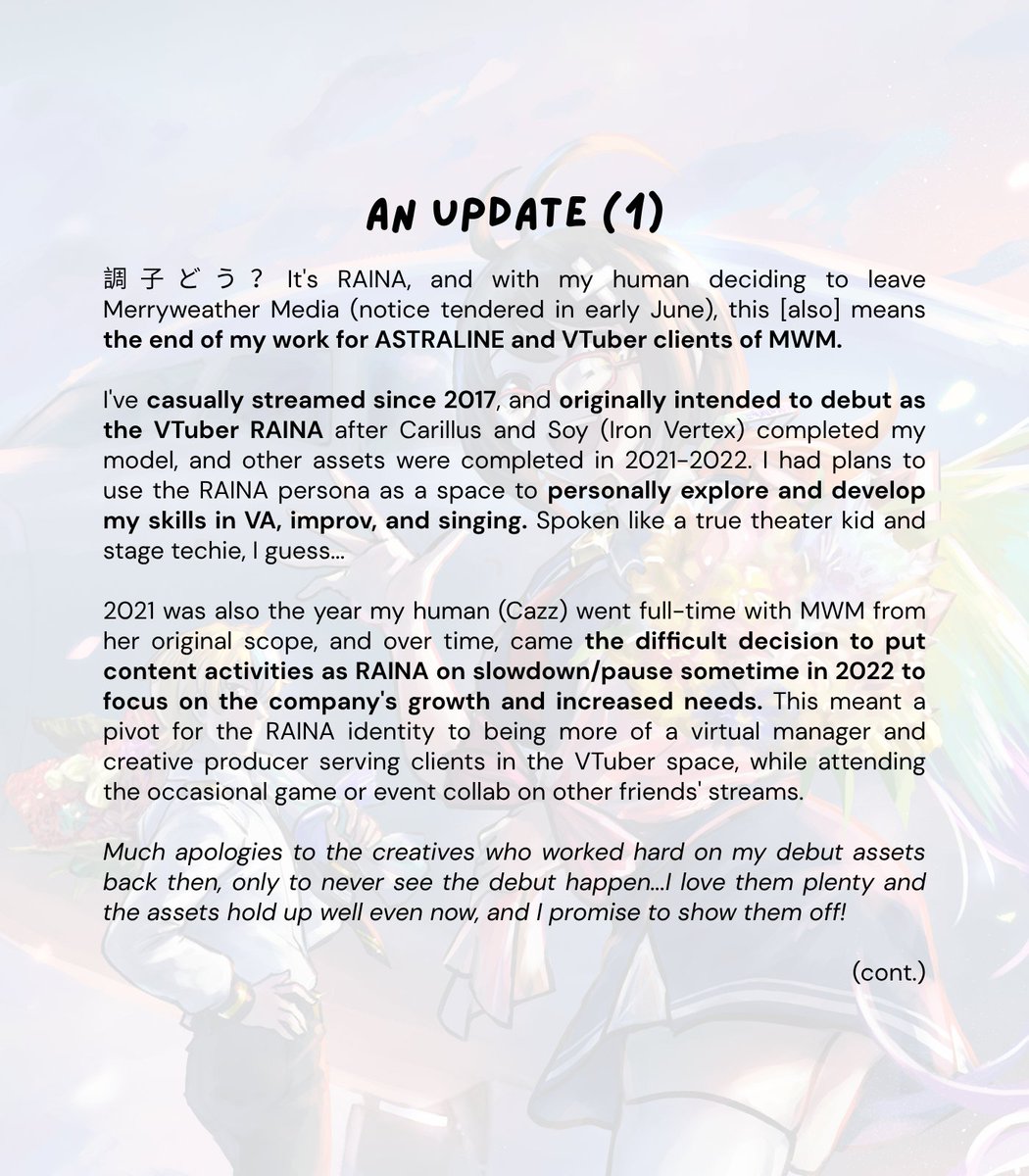
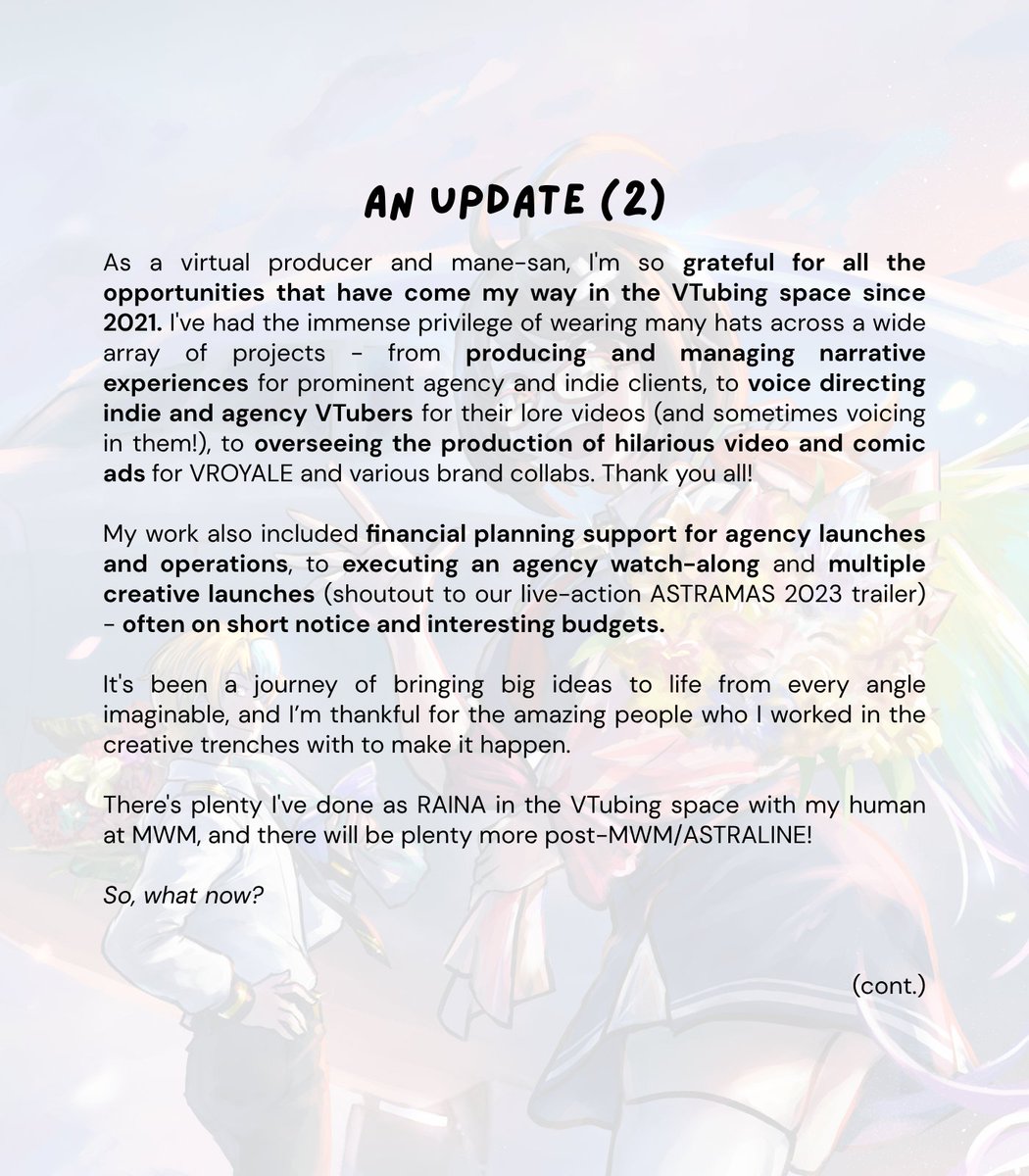
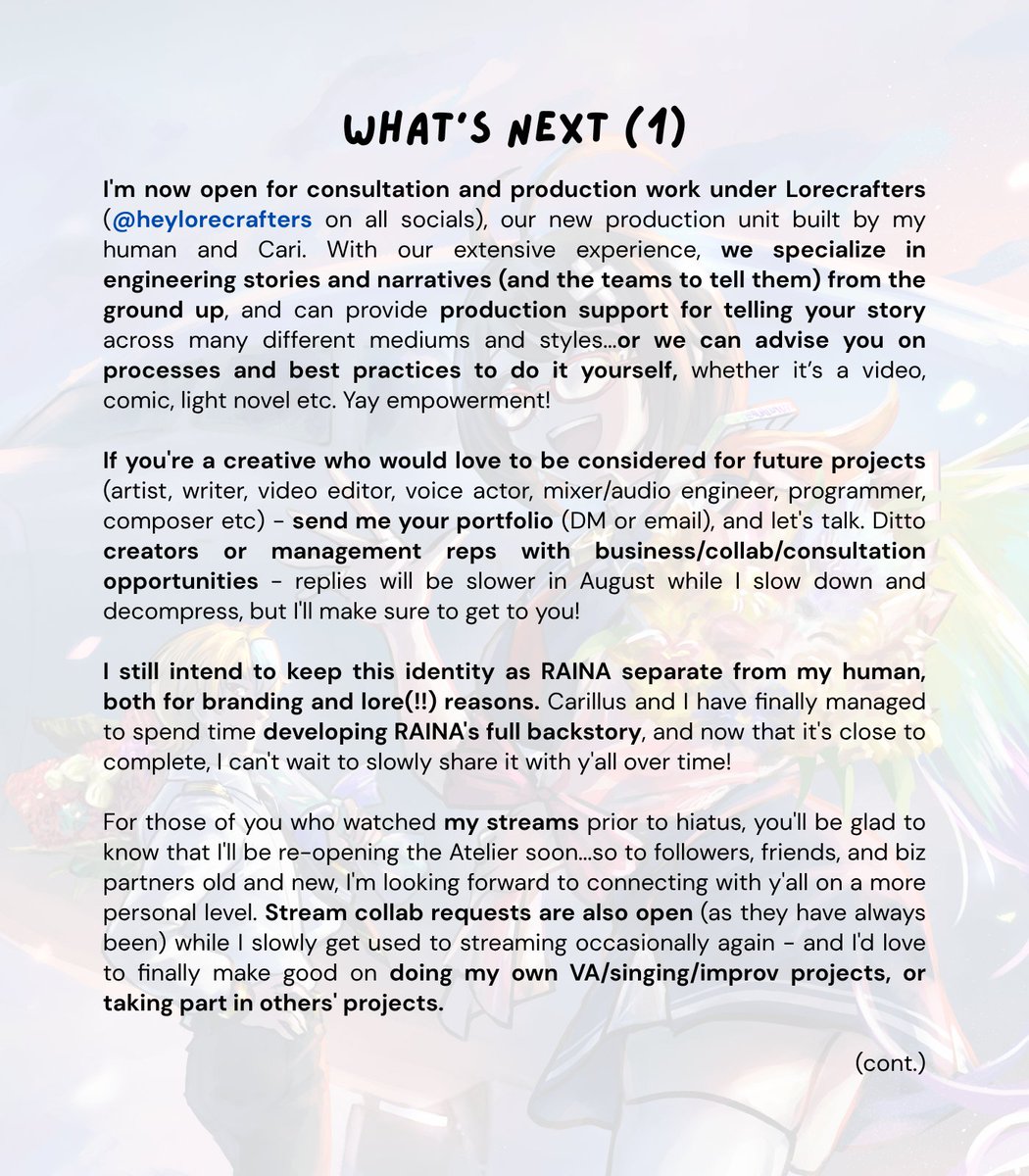
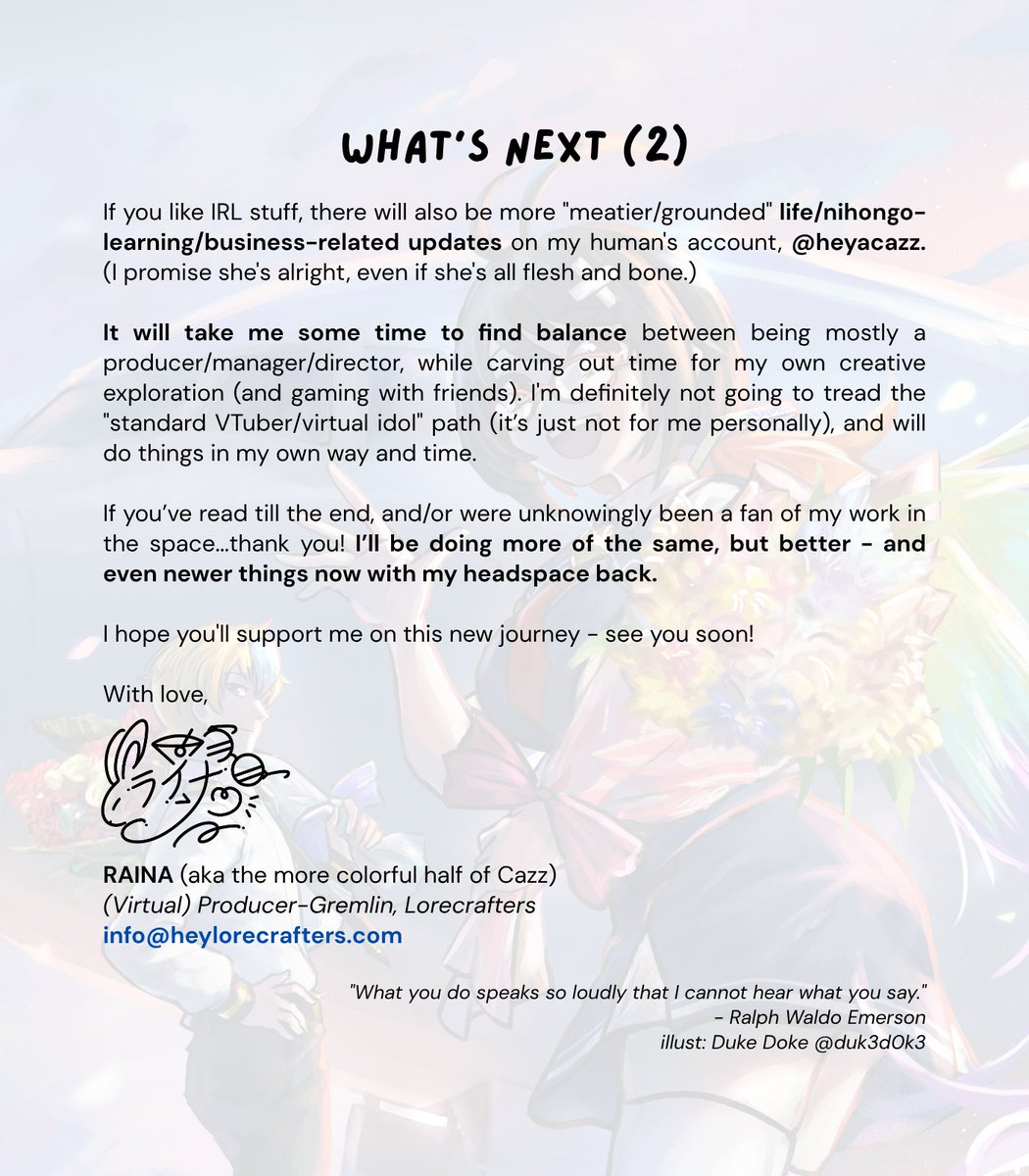
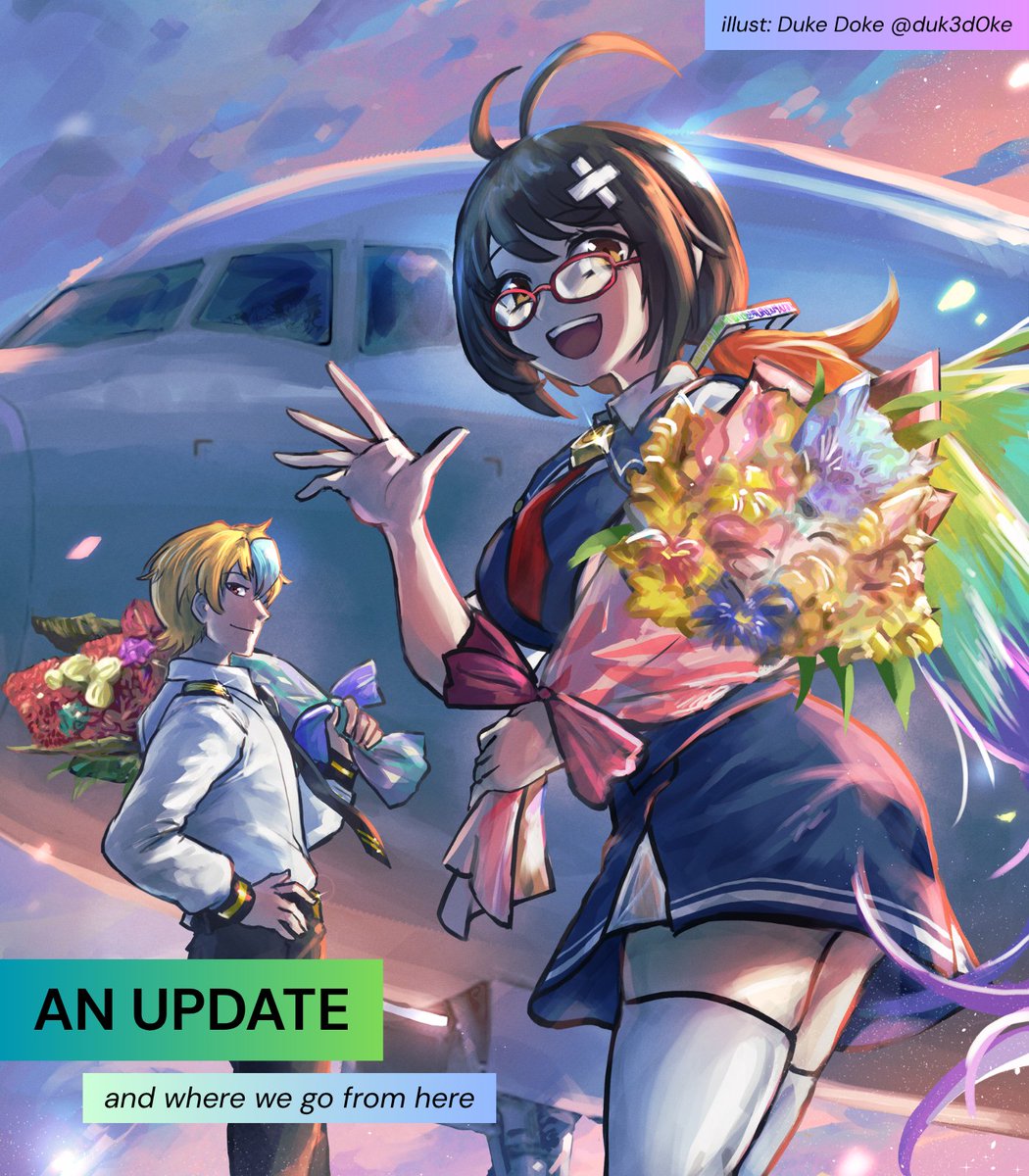
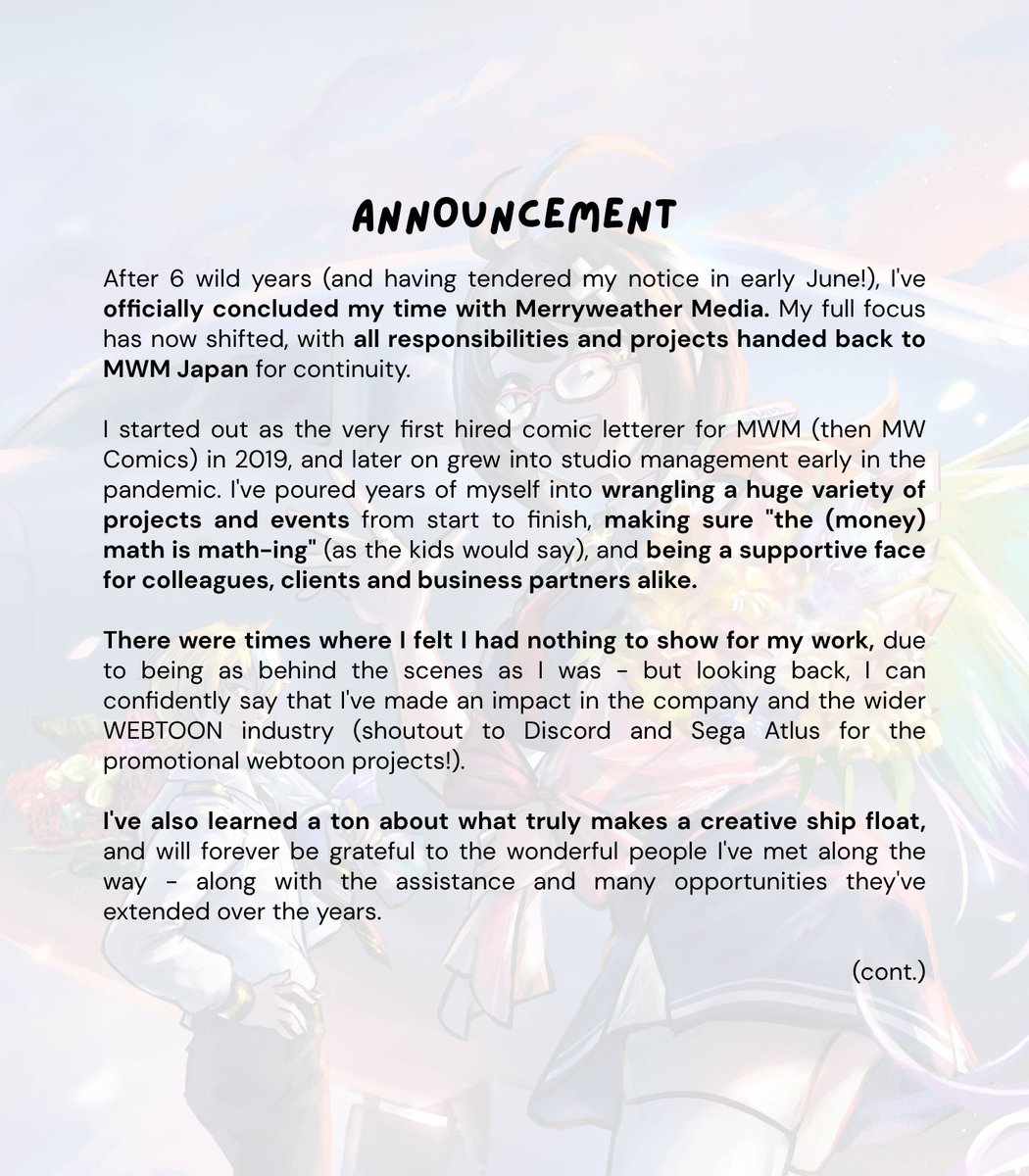
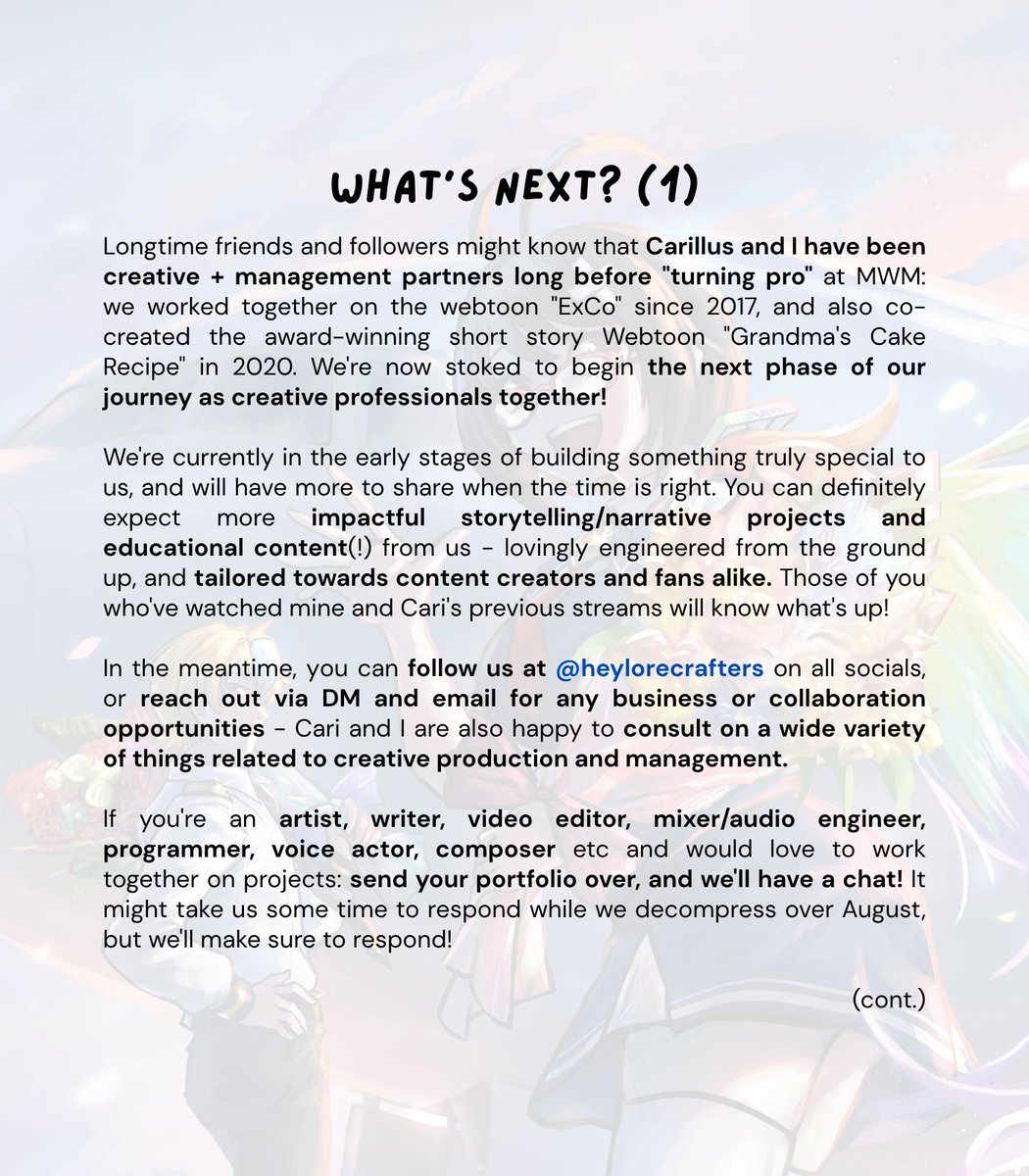
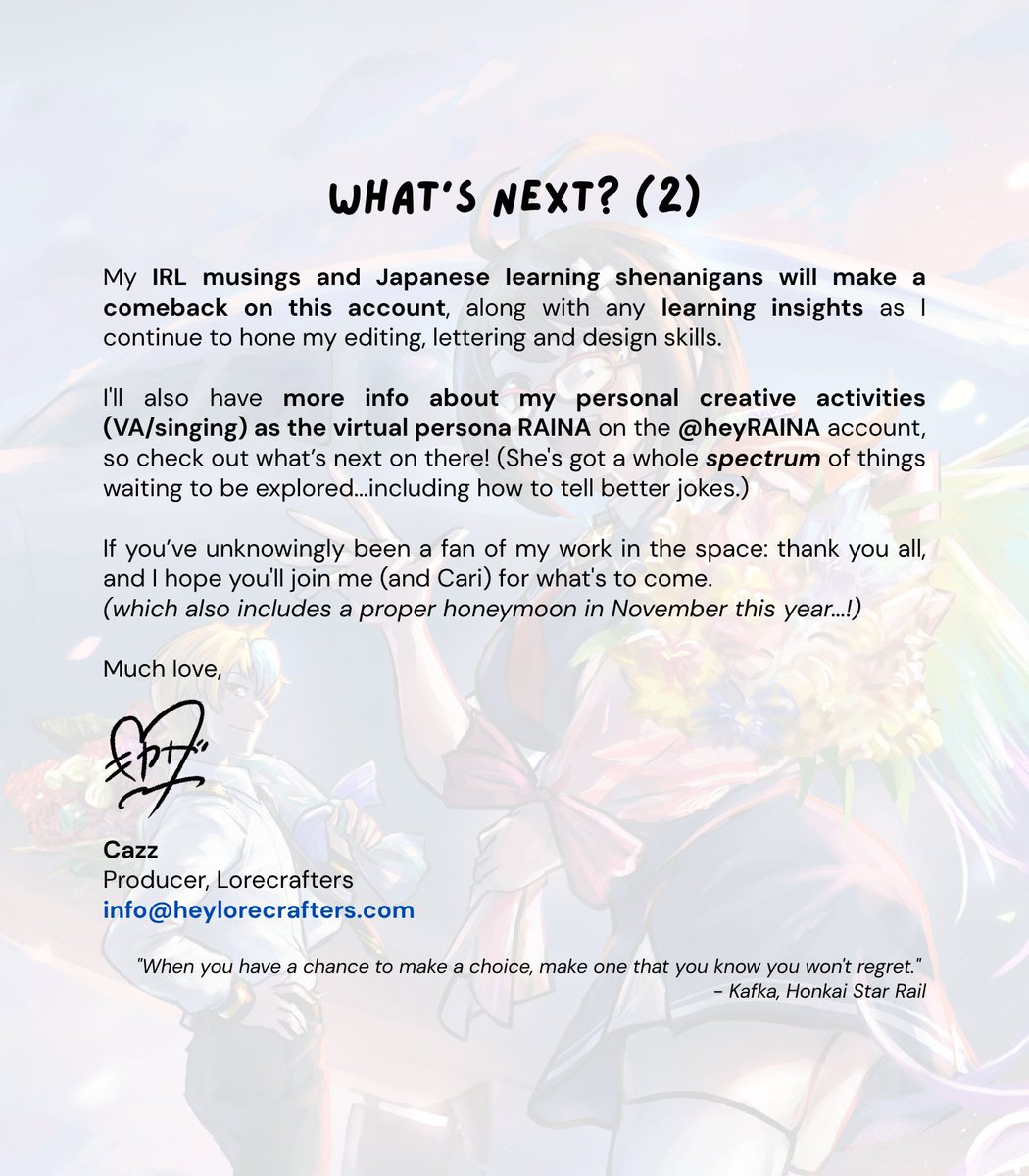
Leaving MWM/ASTRALINE and the future of RAINA

46
41
486
48,262
RAINA ライナ 🍱 lorecrafters retweeted

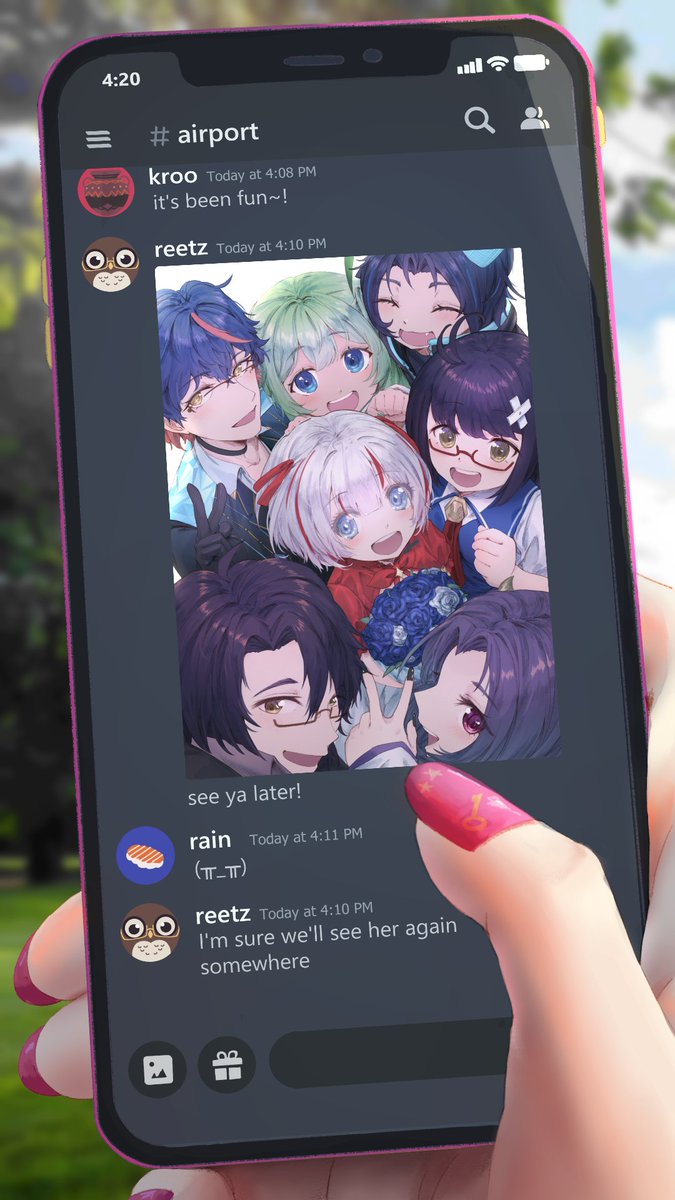

My NDA is over - I was Aozora Kurumi 🏺
(from Project Kavvaii / AirAsia Airlines)

ALT Art by: @Swanamii
6
16
344
RAINA ライナ 🍱 lorecrafters retweeted

Meet @viktoriariona! Professional illustrator, known for cute art & chibis, Webtoon comics, merch (Merryweather media & Kawa), thumbnails (nijiEN, holoEN, Vshojo), emotes, Vroyale TCG art & VTuber models. Vivi made our adorable chibis! She also loves FFXIV!
Follow for us more!

1
13
32
1,115
RAINA ライナ 🍱 lorecrafters retweeted
Surprise! Tea & Tomes Studio will be at Offkai and sponsoring the Bar at the Nocturn Carnival party Thursday July 23rd at 5pm PST! So come by the bar and grab some awesome drinks protected with our Divine Seal and stick around to see a special preview~!
Hope to see you there~

We have some amazing sponsors we want to thank for helping us to put together the best night ever for you all! Please watch our short thank you video below for Stellar Verse Productions, Tea And Tomes Studio, Mythos, and HelTech!
Links to the lovely sponsors and tickets below!
1
4
17
1,104
RAINA ライナ 🍱 lorecrafters retweeted

just a few more weeks, self.
you've been building all this while. even if people can't see what you did.
you know the wounds they inflicted.
you know it's why you're still here.
1st go-live is soon. they can't silence you with their twisted narratives anymore.
you've got this.
1
9
113
RAINA ライナ 🍱 lorecrafters retweeted

Very excited to announce I am the composer and music director at Tea & Tomes Studio! This is a dream team of some of my favorite people I've worked with in my time as a freelance composer in the VTubing space and I'm so excited for the project we're working on. Stay tuned!!! ✨

Meet our Composer @StarlightDaryl! W/ 24 years of musical experience, she's a very talented VComposer & the creator of Starlight Fantasia, collaborated w/ Ironmouse for Music Box of Fate, & more. She's always looking for the next story to tell through music.
Follow to see more!

16
28
498
7,613

what the heck I'm art director now 🤯
Meet our Art Director, @duk3d0k3! A professional illustrator & comic artist behind many VTuber lore projects including; Sinder, Alban Knox, Kyo Kaneko, AstraLine, CovfefeChan & more! Duke brings a passion as well as Elden Ring obsession to the project!
Follow us for even more!

19
6
97
1,938
RAINA ライナ 🍱 lorecrafters retweeted

Don’t forget to follow the studio channel for updates for my latest, largest project yet!
Meet our Studio Director @CarillusArt! Part of @heylorecrafters,15 years of writing & drawing exp working on some of your fav comics & lore videos! Including; Creator of ExCo, ex-Creative Director at Merryweather Media, art & writing for Kson & Mori Calliope.
Follow us for more!

1
7
262
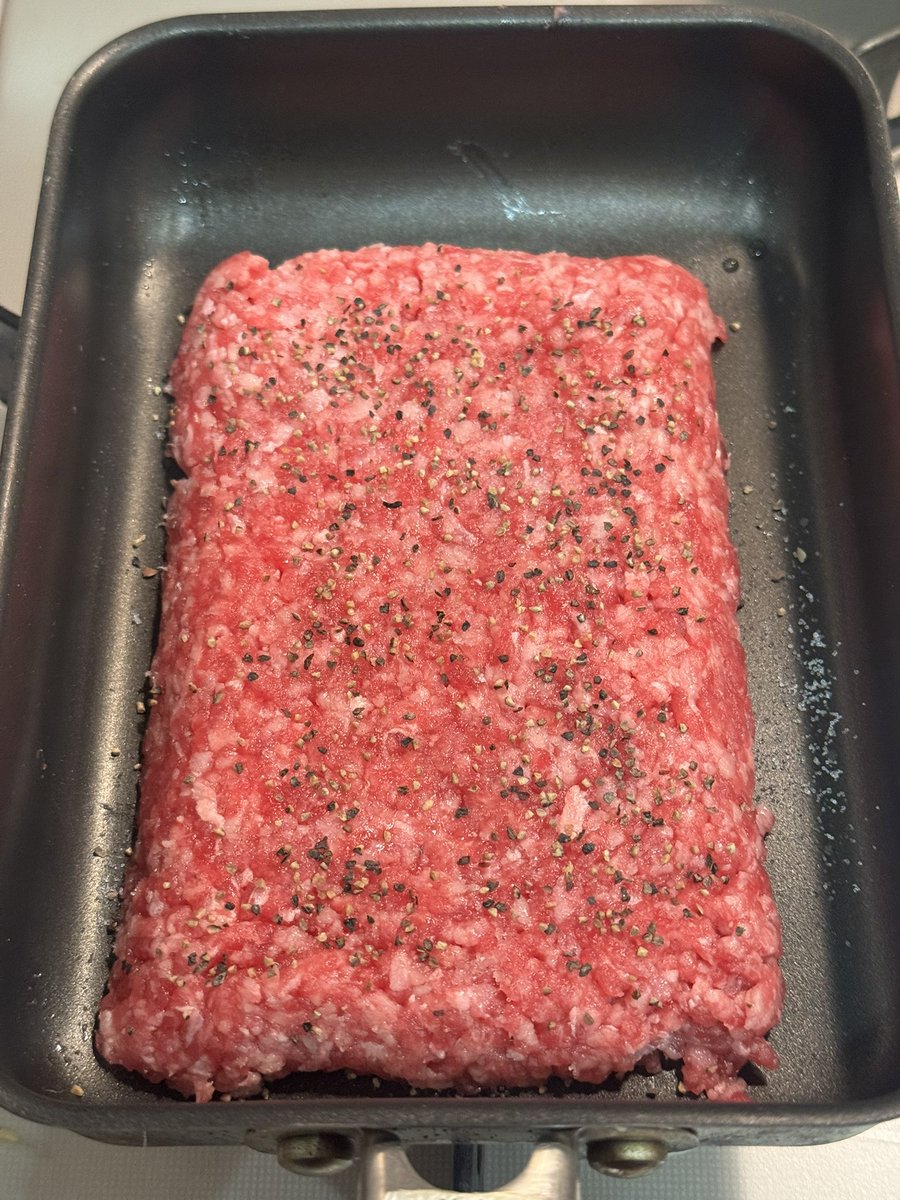
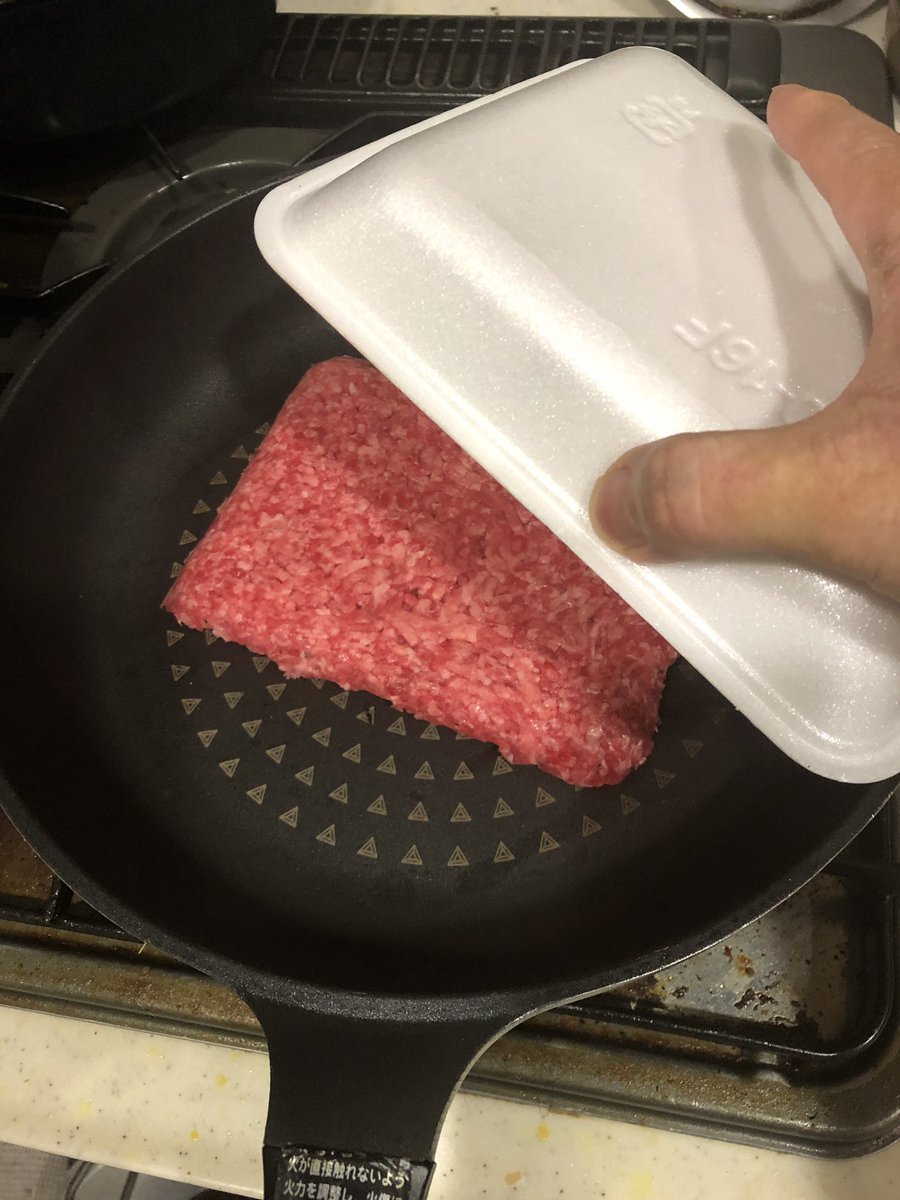
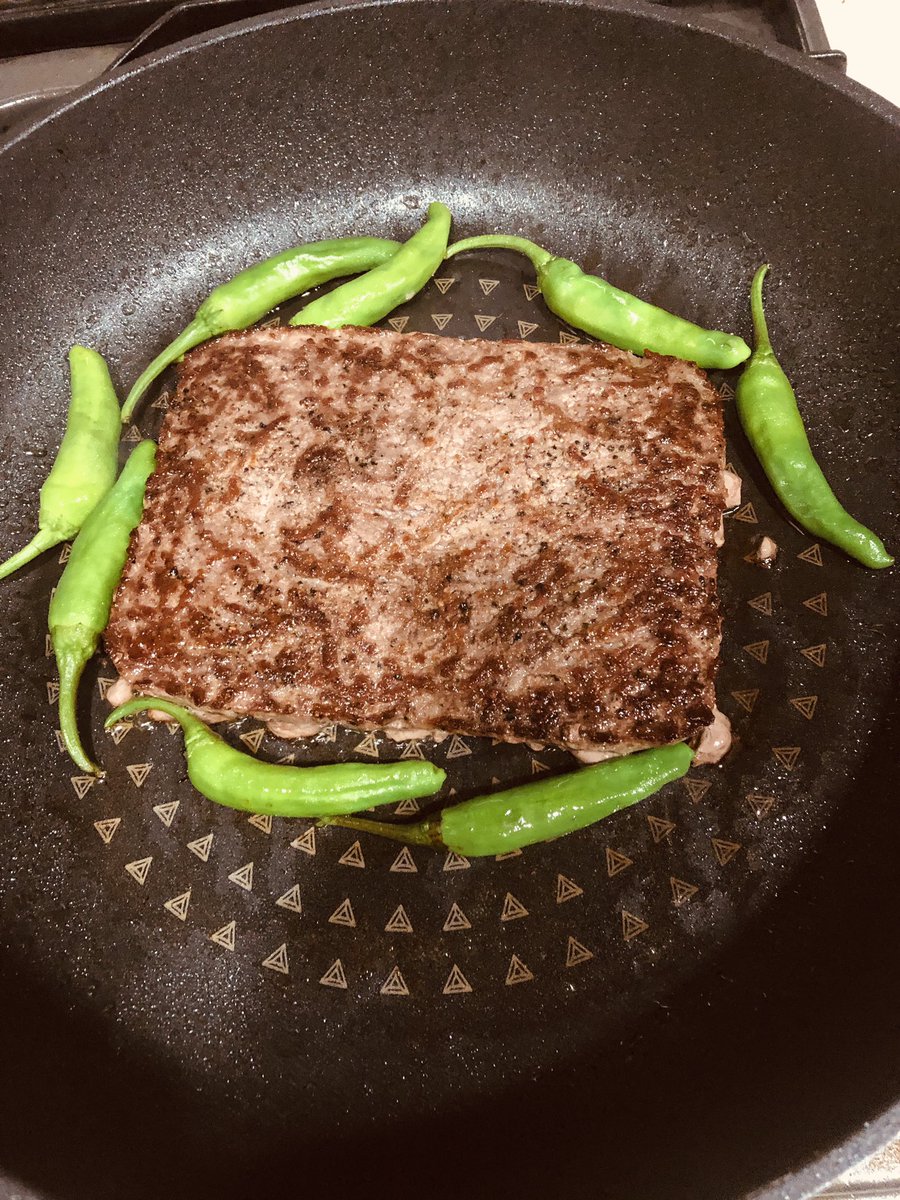
hey @vtubermale this student steak/brickburger thing looks like Japan's take on bricken-but-beef

2
11
2,153
Oh my god this recipe is just bricken-but-beef with some minor extra steps
x.com/inadashunsuke/status/1…
28 Sep 2019
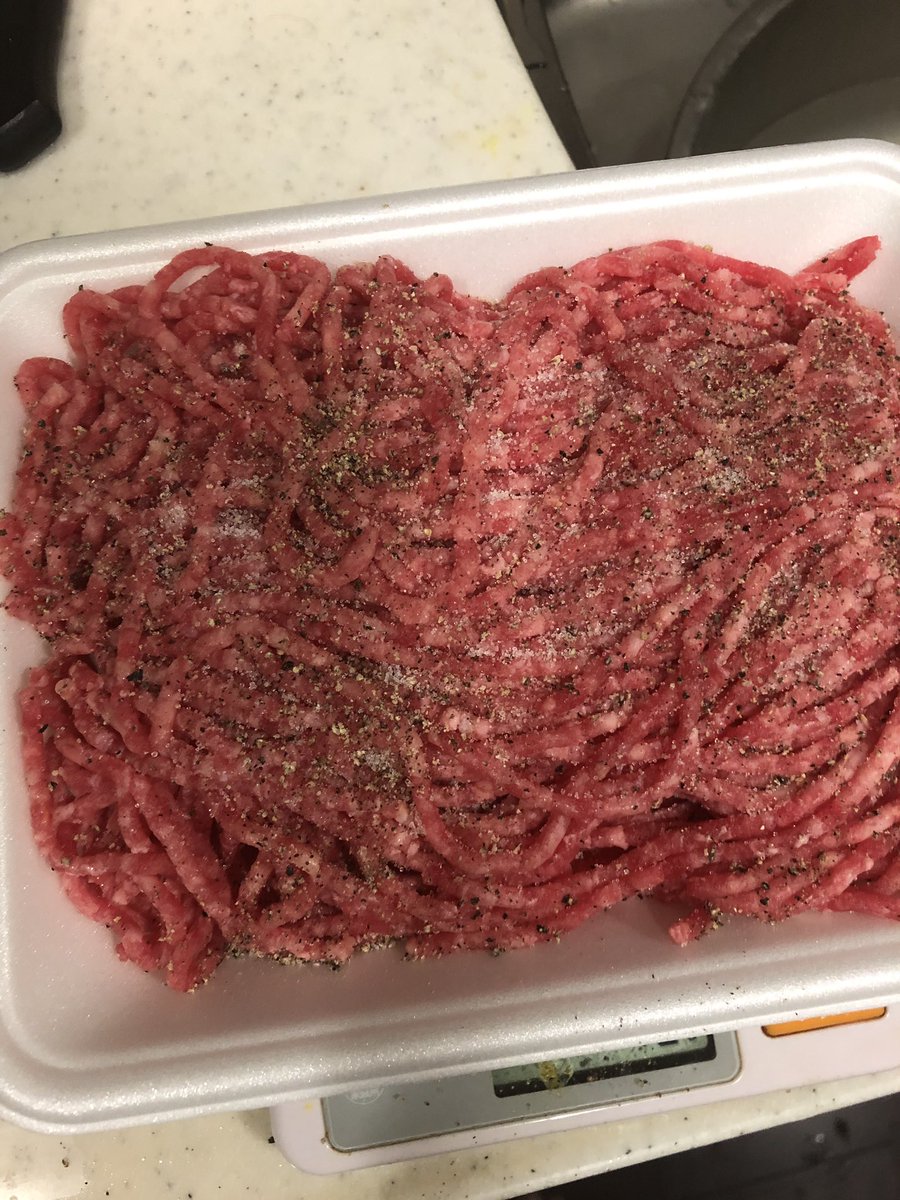
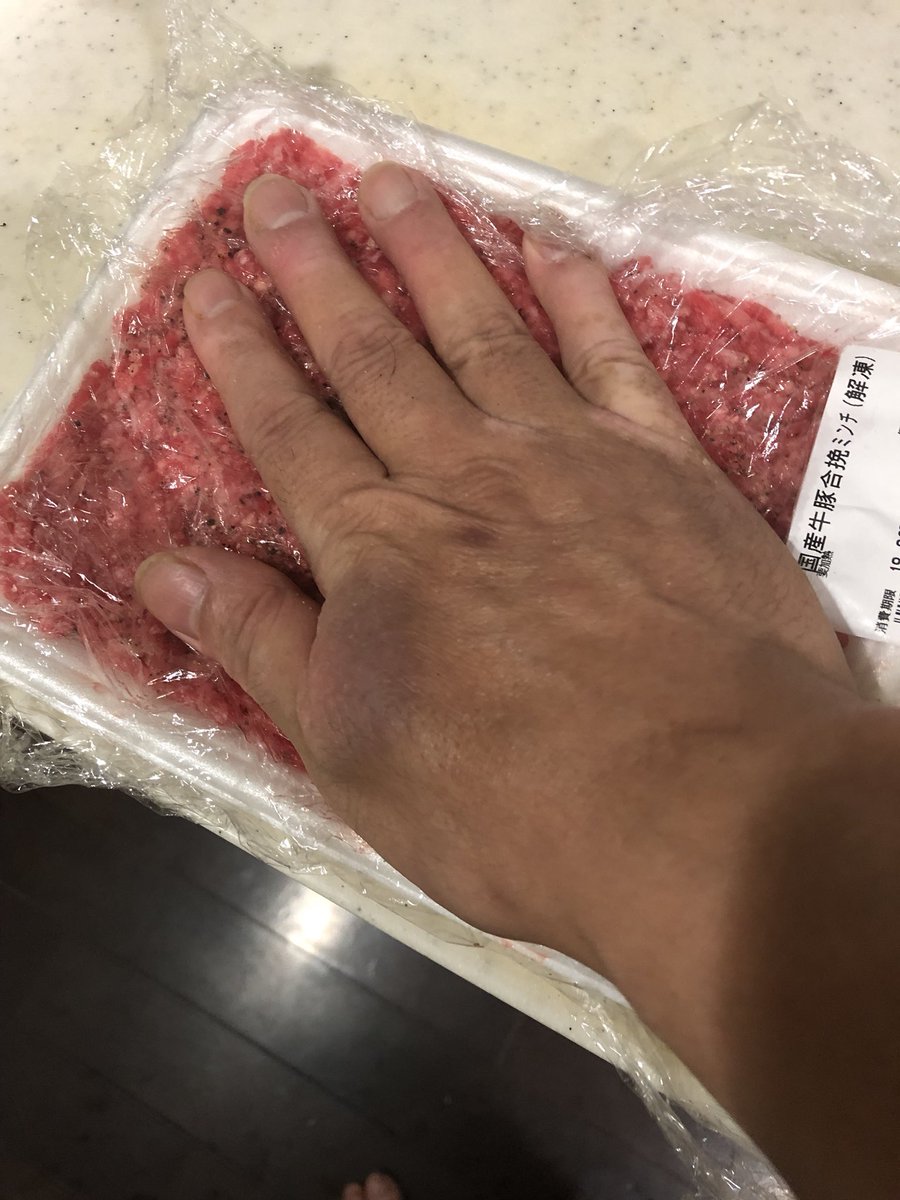
買ってきたひき肉に①そのまま塩胡椒して②そのままラップを戻してぎゅうぎゅう押して③そのままフライパンにドーン④そのまま両面焼いたら学生ステーキの完成です。
1
3
342
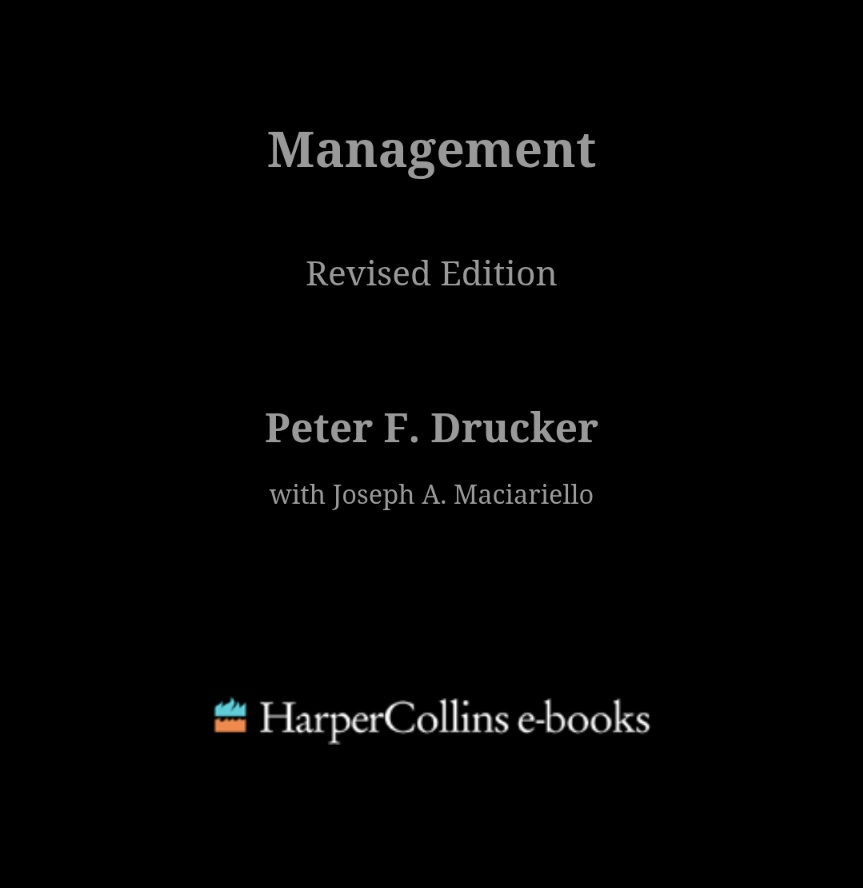
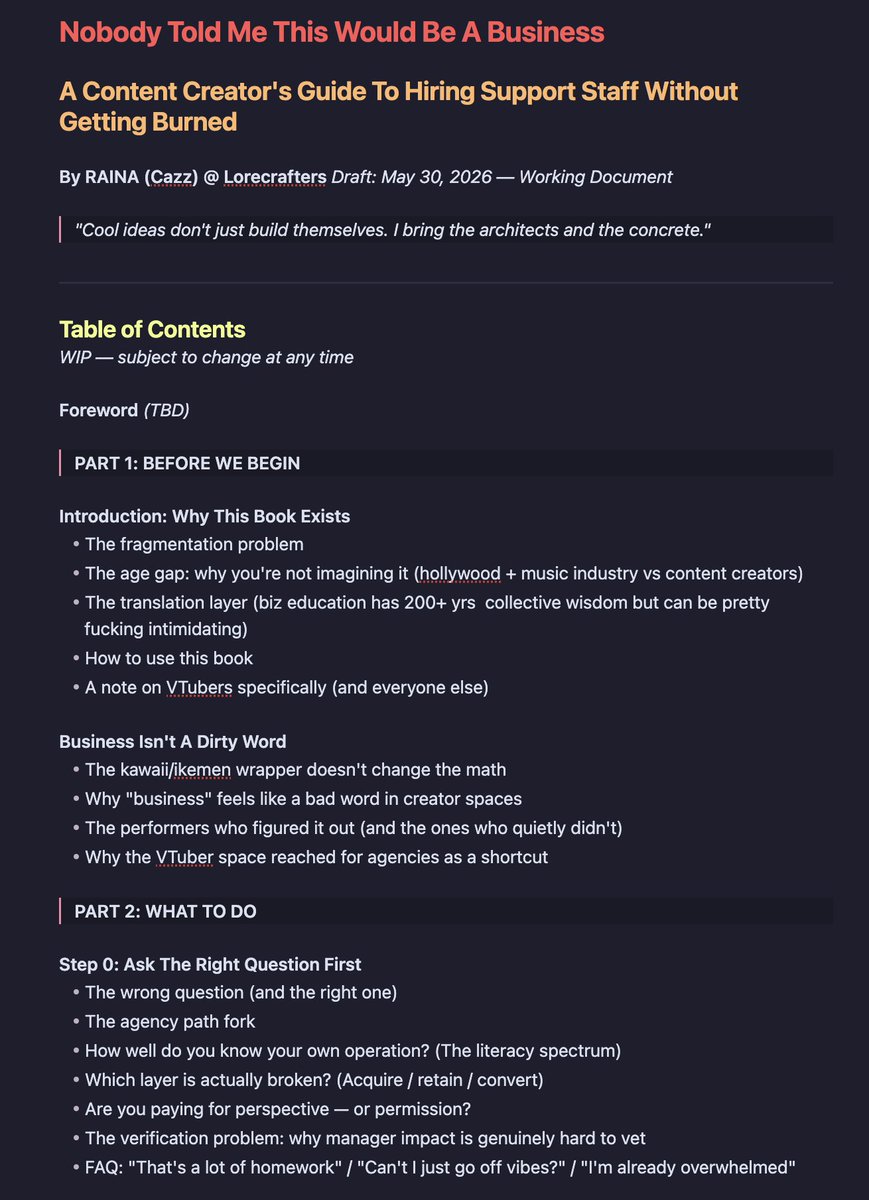
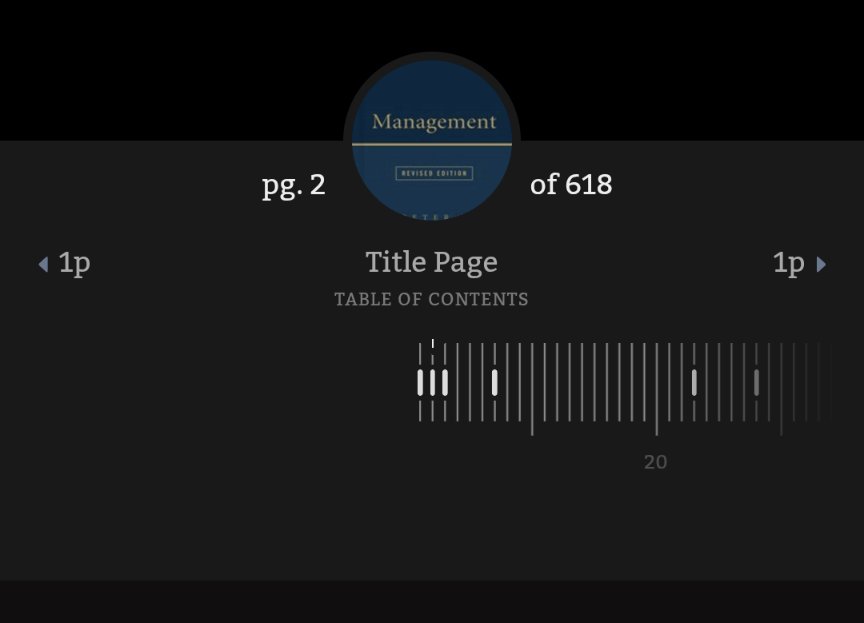
the page count (618!!) takes into account that it's on my phone on the smallest text size possible, but man alive... 💦
(the original version is MORE pages. this revised edition is already streamlined. still a brick though.)
May 30

also: "What if the Manager of a Vtuber Team read Peter Drucker's 'Management'?"
1
9
315
RAINA ライナ 🍱 lorecrafters retweeted

It’s been a blast so far working alongside @heylorecrafters in our Tea & Tomes Studio! I’m so incredibly proud of all our artists and staff! They’ve been working so hard so that we can show you all the first episode of our new animated series!
Please give them your support! ❤️
Meet our Studio owner & Creative Lead, @asimimmortus ! W/ experience in published works, 3D work, writing & international stages, Asim is the story creator & brought the world of Tales from the Divine to life!
Follow us to see even more and learn all of the tales yet to be told!

1
3
13
426
RAINA ライナ 🍱 lorecrafters retweeted
Meet our Studio owner & Creative Lead, @asimimmortus ! W/ experience in published works, 3D work, writing & international stages, Asim is the story creator & brought the world of Tales from the Divine to life!
Follow us to see even more and learn all of the tales yet to be told!
2
14
36
1,804
THEY OUTED ME AS A 30 HAG and I am all for it 😂
Tea & Tomes is a studio jointly operated by us at @heylorecrafters, as well as @asimimmortus - our first project is dropping soon, so hang tight!
(VTuber VAs - you may want to keep your eyes peeled...)
Meet our Creative Producer @RAINAplease ! Part of @heylorecrafters , w/ 10 years of creative production, project & community leading & 30 years of music. Naming a few; work on Astraline, P3 reloaded comics and VA directing; Hakos Baelz, Shylily and more.
Follow us to see more!

3
6
54
2,181
RAINA ライナ 🍱 lorecrafters retweeted

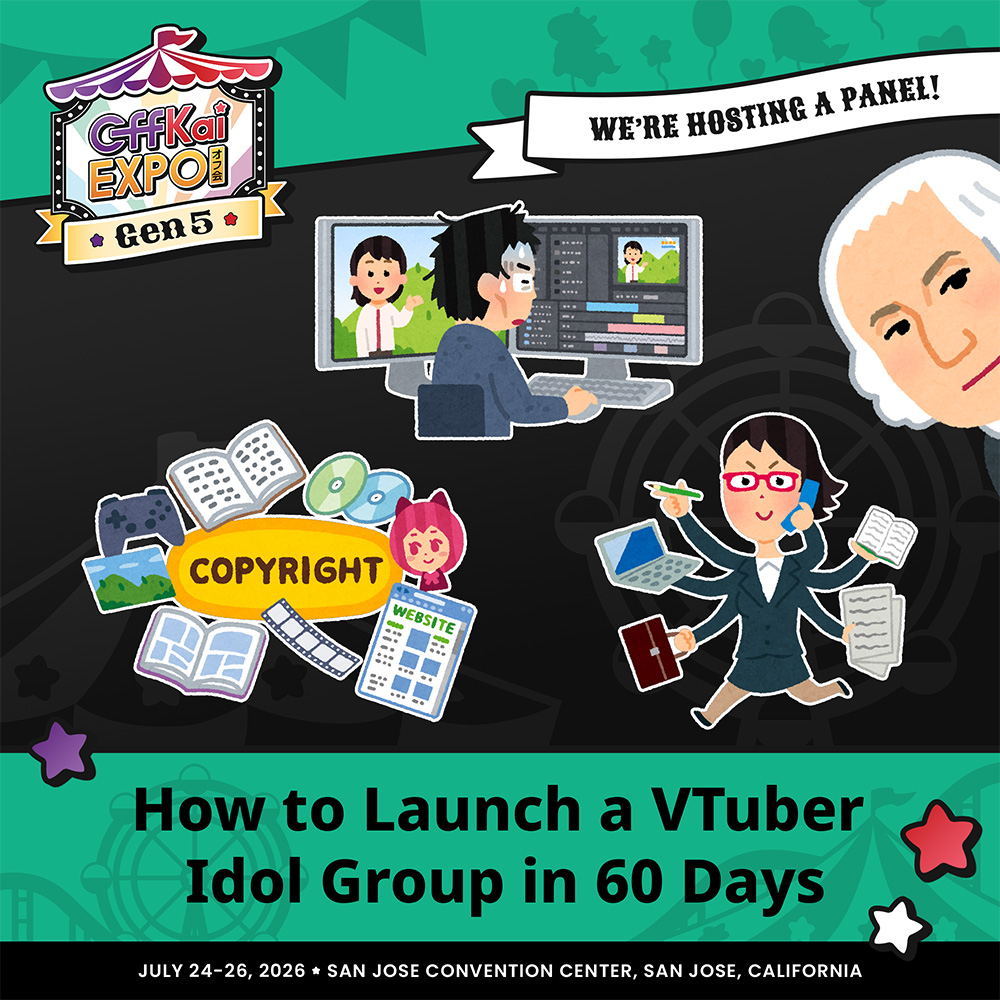
I'll be talking on this panel at OffKai if you wanna get some insight on how the helly we even did any of this and where the helly we are going. Might take questions, we'll see.

During #OffkaiGen5, we'll share the business and management ends of how we launched Densetsu.EXE in about 60 days.
We'll cover what it takes to make a VTuber idol group happen - planning, budgeting, some legal stuff, logistics, and more!
14
19
226
6,108
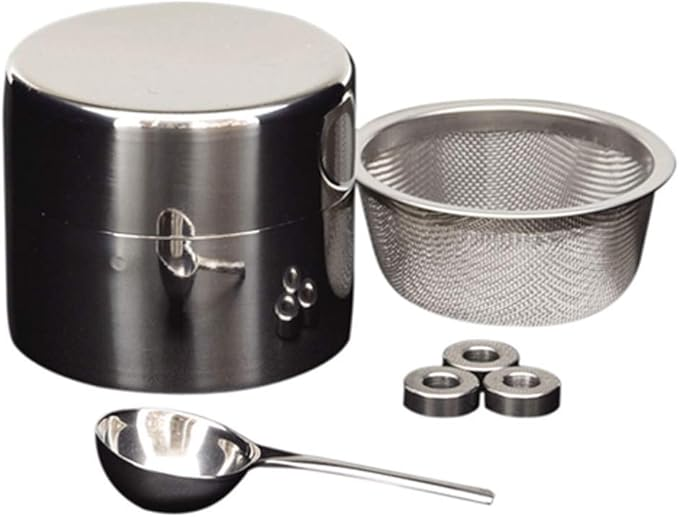
I just received a gift from afoxinthetree via @official_throne: Kondo Matcha Sifter Can. Thank you!
throne.com/raina
#throne #wishlist
1
2
223
OKAY WHAT @afoxinthetree I didn't get the notif until late but thank you muchly... ;;;
1
2
186
RAINA ライナ 🍱 lorecrafters retweeted

Jun 1
There is a WEIRD amount of discourse in the VTuber world revolving around "getting a real job" and quite frankly I believe anyone who has such a harsh one-sided stance on this hasn't lived and experienced enough to have a trustworthy opinion. Go get yourself fired and see how it feels and "easy" it is to find a replacement in the current market. I dare you.
Many enter VTubing BECAUSE something rightfully holds them back from working a traditional (shitty) day job. Many people ARE working day jobs in additional to running their channels but guess what...this shit is expensive and you lose audiences without shiny updates and fancy new keys to jingle around. It is a LOT to keep up with for even the most successful VTubers.
I have no doubt there are those who abuse the funds they have coming in but if you discover that, stop supporting THAT person and don't take it out on the thousands of other streamers out there who are genuinely fighting for every dollar they get. Maybe take the time to learn more about people before assuming they are lazy, entitled, or whatever derogatory word you just learned this week.
"Be curious, not judgmental." - Lloyd quoting the smarter Walt Whitman
6
12
99
23,410
RAINA ライナ 🍱 lorecrafters retweeted
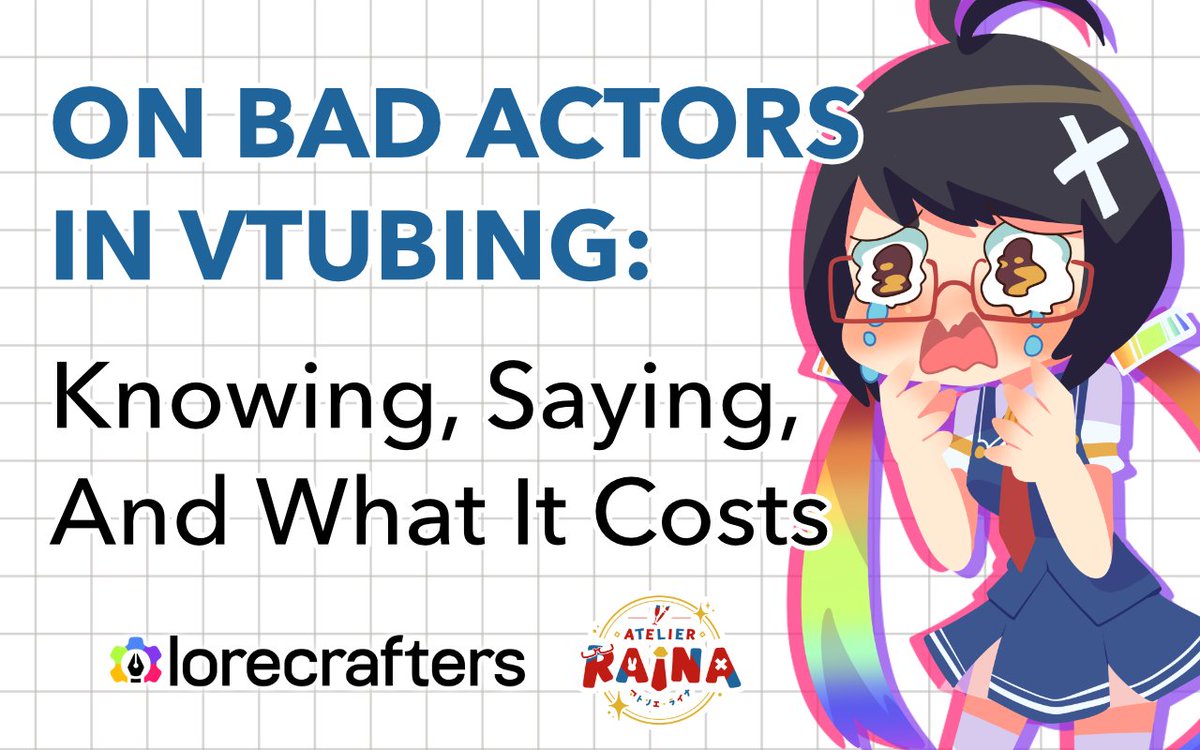
Here's a 2-min #RAINAdigest for my recent Luminara/Camana #RAINArambles:
People have said that it's hard to publicly call out bad actors in this space, and what we "instead" need is "better education" on how to spot red flags so you don't get suckered in.
Speaking up about experiences with bad actors - and educating the space - isn't supposed to be a dichotomy. I think most people agree that with more people sharing their stories, the space eventually does become better-informed and educated for it.
It's not either-or, and I can see why people argue that it's a "moral responsibility" to come forward if it's within your ability to (i.e. no legal roadblocks).
However, the trouble with speaking up in this space is multilayered no matter who you are (talent or staff, big or small, indie or corpo) - but here are the main issues:
1) You basically have to be the perfect victim/observer - bulletproof receipts, measured tone, nothing in your history they can use, no possible ulterior motive they can attribute to you
2) Lack of trust due to noise from people who abused the practice - those who should've kept their issues in the DMs, and bad actors trying to do smear campaigns
3) The lessons that DO travel and stay tend to get flattened into soundbites - "get a lawyer" "trust your gut" "vet people properly". They tell you what, but not when or how - and that's how the cycle repeats
The deck is stacked against most people who go public with their stories, and it's why the practices of whisper networks and subtweeting exist. Demanding that people stop using them without fixing any of this asymmetry is probably the wrong call here.
Personally, prevention is typically better than cure - but being specific about the useful patterns/practices to know for preventing future heartache is what's missing in this "better education" vacuum I'm seeing.
The three red-flag patterns I've listed in the full post - "visions and vibes" as a business model, non-disparagement being abused as "standard NDA practice", and "rules for thee but not for me" with critique - are some that I feel are worth knowing.
Now is there a risk that people may just "overfit" and immediately assume "anyone who does X is automagically a bad actor"...yeah. But it's why I ALWAYS say "treat your reads of pattern fits as early data, not as solid proof."
Above all, though: don't let anyone rush you into deciding things. If there's another pattern that's held up over time, it's that FOMO pressure/urgency tactics are a common strat used by people who don't want you looking too closely before deciding.
An early "no" - they can always push back, or rush on to the next victim. A "let me look into this" - that's scrutiny they can't survive.
Read my fuller thoughts in the post below 👇

On Luminara/Camana:
Every time one of these collapses happens, the pattern is the same - many people had concerns, but they stayed quiet publicly. Not out of indifference, but for reasons that make complete human sense:
"Maybe they'll change and improve, everyone's figuring things out."
"Maybe I misunderstood - I'm not perfect either."
"I know what it's like to have rumors spread about me without being heard out properly.”
See, VTubing - especially in the EN space - built its identity on radical acceptance: "anyone can be one," "everyone is welcome”, “you just have to be you”, etc. That's a real part of its appeal, and many VTubers who talk about how they were outcasts/bullied in their prior lives, but “found their tribe, family, community etc” in this place will attest to that.
But it means that the act of speaking out, even with good reason, creates dissonance: raising concerns can read as exclusionary, cliquey, being a bully, or drawing lines in a space that prides itself on having none. The culture that makes the community feel good to be in is the exact same culture that makes it hard to say "actually, not this one."
The pressure to stay silent doesn’t just affect those with less power, clout, etc. Bigger names - whether creators, or staff - also face their own version of the dilemma: if you go public with concerns, you're seen as bullying someone just trying to figure it out. People can also accuse you of being unprofessional, more so if you're a business raising concerns about others who could be seen as your competitors.
And regardless of what the power dynamics are, what your size/clout is relative to the person/business of concern...there will ALWAYS be an ulterior motive people will ascribe to you for saying something:
"Look at you, punching down. Are you threatened by them?"
"You were small and growing once, what gives you the right?"
"You're just jealous because you haven't gotten their success. Underhanded much?"
There's also what the community has learned from watching people speak out about things: bad actors have been known in the past to come out first and control the narrative under the guise of "warning people", and some Google Dockeys posts floating about on x dot com REALLY should've stayed in the DMs and calls.
So when these sorts of posts come up, audiences are rightfully wary about believing any accusations right away - the fatigue is real.
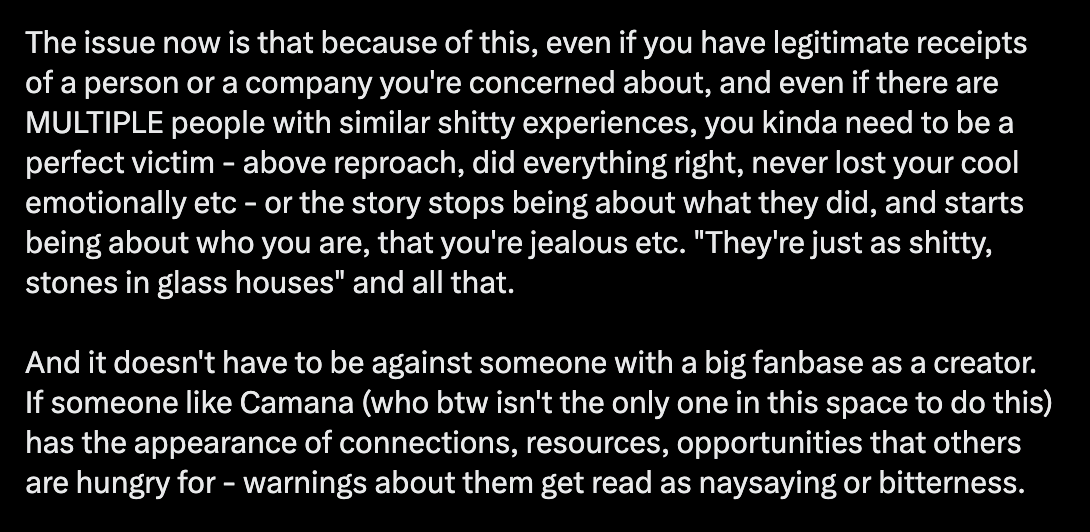
The issue now is that because of this, even if you have legitimate receipts of a person or a company you're concerned about, and even if there are MULTIPLE people with similar shitty experiences, you kinda need to be a perfect victim - above reproach, did everything right, never lost your cool emotionally etc - or the story stops being about what they did, and starts being about who you are, that you're jealous etc. "They're just as shitty, stones in glass houses" and all that.
And it doesn't have to be against someone with a big fanbase as a creator. If someone like Camana (who btw isn't the only one in this space to do this) has the appearance of connections, resources, opportunities that others are hungry for - warnings about them get read as naysaying or bitterness.
Just look at Expert Armchair's past critique in April about Luminara's “charity” business model itself, and his comments on how Camana was carrying himself online when talking about the business himself...and how people reacted in Luminara Camana's defense.
So the critique, no matter how nicely worded or accurate, gets seen as gatekeeping.
Or "oh you didn't get in, and you're now trying to burn it down for everyone else."
Or "ok I know it sucked for you and you had a bad time, but do you have to ruin it for the people still there? That’s selfish.”
Or anything in that vein, but the specifics depend on whether you have anything to lose (or not) professionally.
Most people will say they don't have the headspace to deal with all of this - totally understandable, content and businesses are hard grinds in and of themselves.
Which is why for many who feel they cannot afford the risk, the rational-to-them move (if they can stomach it) is to carefully disclose things in private to a trusted “whisper network” of friends business partners who you know will trust that you’re reasonable, and won’t sell you out, and then just wait - and just hope the bad actors do themselves in eventually by their own actions. And just cross your fingers for karma and all that.
Others vaguepost - leaving their own trail of early signals - which requires less legwork than compiling a full evidence bank for a Google Dockey, and which the community historically reads as drama-stirring. I'm personally unsure how to feel about it, but I understand why it happens.
The problem is that someone who knows the bar for accusation is THIS high can just...wait you out. And while you wait, they fill the silence - new people cycle in who don't know well enough, the bad actors build enough goodwill with them, so there will always be someone ready to say "they've always been good to me."
Part of how these bad actors fill that silence is by constructing credibility nobody can easily disprove - which they do by name-dropping affiliations and partnerships that don't actually exist, in order to lure in new people. Or they might stretch the truth about the nature of their relationships with others, because historically speaking, the most convincing lies are those with a degree of truth in them.
One example I've seen is of someone claiming "we've gotten to be good friends as fellow business owners", when in fact the truth is "we only went to dinner a few times, and he kept interrogating me about my business and hounding me with proposals on how we should work together".
So "do your due diligence" ends up becoming hollow advice when not every talent or staffer has a direct line to whoever's being name-dropped to confirm things. The named parties have no reason to proactively deny claims made in their name that they don't even know about.
And even when they eventually do cut ties because things went bad behind the scenes - the way Zentreya and other partnered agencies of Luminara/Camana did - keeping things diplomatic in public leaves a vacuum the bad actor gets to fill with their own version of events.
So the association still travels, but there's no real room to correct the record.
Now for what it's worth, there are some things that I've learned to treat as signals when evaluating a business opportunity in this space - before deciding whether to get involved. Not ironclad proof, but patterns to pay attention to.
This is a non-exhaustive list, and the three patterns I'm about to cite here aren't unique to this situation - I've seen versions of all of them before. But Luminara Camana's case is a clean illustration of each.
"VISION AND VIBES" AS A BUSINESS MODEL
I know cold business numbers can be off-putting in this space and feel inhuman, especially if all you want to do as a creator is just focus on creating.
But if someone who's supposed to be a business person can't talk hard business facts, proper operation considerations etc past a certain point, and lean heavily on vision and passion instead to sell you on things as a talent, partner etc - please remember that vision and "we'll see how it goes" is NOT a substitute for knowing how you'll actually operate as a sustainable business.
Recall that throughout 2025, Camana front-loaded a lot of appealing things to build hype, interest and goodwill:
"I got offered a huge sum of money to make this agency happen"
"I'm funding this with my other company"
"no cuts from streaming"
"I do this for the community, not for self profit"
"if you were offered a model at no upfront cost and all you had to do was pay a cut of your content earnings until you paid it off, would you take it" etc etc.
Many veteran indies and even some trusted industry staff ended up engaging with these posts, which had the effect of boosting credibility and legitimacy to other people looking from the outside.
But watch what happened in response to pushback, because how a business and its leadership carry themselves during the tough times is typically a bigger indicator of their values and capabilities.
Back when Luminara and Camana found themselves under scrutiny in April 2026, it wasn’t out of nowhere. People had previously (rightly!) brought up during Luminara’s unveiling launch in 2025 that their proposed “no streaming cuts, we'll make money through merch events partnerships instead” business model had many parallels to VShojo's approach at launch…which is not an encouraging reference point, given what happened in July 2025.
In addition, past participants of Luminara’s “community events” (tournaments etc) had raised concerns with how those events’ logistics were handled. So Camana choosing to go “keeping it real, we only made ~7k in the first 6 months” on his personal account definitely raised concerns for those who were paying attention throughout.
But his direct rebuttal to the structural business critique he received painted the critics as people who want "perfect CEO emotionless robots”. He ended up not engaging with the actual concerns raised, but recasting them as an unreasonable emotional demand.
He then talked about how much he did “for the community talents, for free”, and closed with "all I care about is making sure the people I actually work with are happy" - which shifts the goalposts for what accountability for a sustainable business looks like.
And it worked: people sympathized with his "woe is me" struggles in the replies - "you don't deserve this". Talent and staff closed ranks and argued with people on threads, saying stuff like "he's just trying to make it work", "can't you see he's suffering?", "you're shitting on us", "he’s trying to be transparent, what more do you want?"
(To be clear: NONE of the people who believed Camana should necessarily feel stupid for doing so - but we do all have some responsibility in properly vetting the opportunities that come our way.)
Similar deflection and attacks happened in private too - when good faith concerns about structural business ops considerations were raised during negotiations by the creators and businesses Camana was looking to recruit, some people noted that his tone and approach changed, and that they also got smeared behind their backs as a result. But don't take my word for it; read the stories of the many creators that came forward about their experiences.
This playbook is sadly not unique: I've seen "business" people get offended in the past and say "you're looking down on me and my org" when I've raised concrete operational/financial concerns about their offers. “I trust you and this is how you treat me?”
But remember - guilt-tripping talent, staff, business partners, and even your community is not a sustainable business model by any means.
Y'all already know the collective term for this: "black company".
ABUSE OF NON-DISPARAGEMENT AS "STANDARD NON-DISCLOSURE"
There are many legitimate reasons for signing these things in this industry, but the timing and intensity of the enforcement is the thing to look at here.
I am not a lawyer, but please keep in mind that non-disclosure is NOT the same as non-disparagement - and the latter has been abused in many cases to silence people from speaking about bad harmful experiences, even if they were truthful. My friends "lovingly" call this a "don't be mean to me/us" clause.
If non-disparagement agreements get pushed as a condition for joining or leaving, ESPECIALLY after a conflict has already started: that's information management being dressed up as "legal caution" and "professional diplomacy".
If you're a talent, artist, staffer etc looking to leave an org because of negative experiences in particular, and a non-disparagement agreement is pushed on you AFTER you give notice: yeah, that's a warning sign.
To people wondering why some Luminara talents and staff might be cagey about the specific circumstances and incidents during their time when they left, even when there's LOTS of horror stories out there from others who weren't directly in the company - other than the talents/staff in question just wanting to protect their peace and energy that comes with disclosing these stories, the non-disparagement enforcement fears are another possible reason.
(And in case it wasn’t clear: I wouldn’t hound them for their stories either, if they’re not comfortable with managing the increased scrutiny. I personally believe in their agency to surface things in their own time.)
"RULES FOR THEE, NOT FOR ME"
I already touched this somewhat in the “visions and vibes as a biz model” point, but this is specific enough that I need to address it separately.
I know that "free speech vs professional discretion" is a thing and all, but definitely watch for who's allowed to be "just [being] honest", and what that honesty targets.
In healthy orgs and discourse, both internal and external concerns about how things run (note: not defaulting to value judgements/comments about a person’s character right away, because that's noise) get treated as useful information, and responded to with grace. Which is just as it should be.
In dysfunctional orgs and discourse, legitimate structural questions get reframed as personal attacks or bad attitude, while personal criticism from the top gets framed as "investment in your growth." The critique is only allowed to flow one way, and the goalposts categories get swapped to make sure of it.
(See again: what happened in response to public private pushback against Camana/Luminara.)
"OK RAINA, shit happened and the person agency is an absolute lemon, absolutely rotten, and needs to get out of this space. What now?"
The sad truth is that in the content space (especially VTubing), the social, professional, and financial cost of an early warning/whistleblowing falls on the person who gives it. But the cost of staying quiet gets paid by whoever comes next - and to everyone caught in this collapse, talent, staff, creatives, would-be partners, financial backers: I'm really sorry. The scope of who was affected is wider than most people realize, and I'm sure the financial, emotional, and opportunity costs have been significant.
Expert Armchair has already weighed in on this in the QRT. His take is harder-edged and more prescriptive than mine: the private whisper network is unfortunately poison that is ineffective against these bad actors, and what needs to replace it is proper documentation, evidence, and public callouts that meet an actual evidentiary standard. Not post-hoc testimony once someone's already irrelevant, deactivated their accounts, and everyone's just effectively dancing on their grave.
I fully agree with where he's pointing. Everything I've just laid out explains exactly why getting there is so difficult.
The structural conditions that make silence the "rational move" don't disappear just because we know they're wrong - they have to be actively dismantled. And right now, the cost of doing that dismantling falls almost entirely on individuals who are already paying for it.
And that's before accounting for the time needed to build a strong evidence bank for a public callout. In a space where your relevance as a creator depends on consistent output, building a thorough evidentiary record that's properly verified is a MASSIVE time-sink that competes directly with your own content and life. I've personally been in journalism for over a decade, and the responsibility that comes with that level of vetting is absolutely huge.
So "why are you spending time on this instead of focusing on your own career and content" is a legit rebuttal, and it isn't entirely wrong. The ask is significant, and not everyone has the headspace for it - not an excuse or justification, but a reason nevertheless.
Armchair himself might get dismissed as "just an analyst/commentator who pops up occasionally to milk drama" - but making this post, with this language, under his name, is itself an example of absorbing the costs he's describing. You can say his skin in the game isn't the same as that of a "standard VTuber" or an agency, but you don't need to be a major industry player for the risk to be real.
I'm fully aware of the irony that I'm writing all this now, after the fact: I've addressed these patterns for years in private, and also generally in public in recent months - but naming this situation and the harm explicitly is something I'm only doing now.
The closing line of the quoted post lands for a reason, and it's one I can personally relate to - and am finding the strength to overcome, given I've got my own similar stories to tell (with different bad actors involved). I'm able to cite the "focus on yourself instead of wasting time on this evidence bank" example precisely BECAUSE I've lived through this.
My sincere hope is that we figure out how to change this culture of silence and "keeping the peace above all" (that protects legitimate bad actors) in due time.
#RAINArambles
1
10
59
5,681
RAINA ライナ 🍱 lorecrafters retweeted
my husband spent an hour on this (with my fact-checking), please go and BUG him with your feedback tyvm

2
4
334
RAINA ライナ 🍱 lorecrafters retweeted
sometimes, happiness is chilling out with your @heylorecrafters studio mates on a shared VC for a client project
while another off-duty studio mate is audible in the background (read: live-in partner), ranting about harems on the CRITICALLY ACCLAIMED MMORPG FINAL FANTASY 14 ✨
1
3
17
556