Joined June 2009
- Tweets 34,784
- Following 514
- Followers 1,472
- Likes 22,238
979 Photos and videos



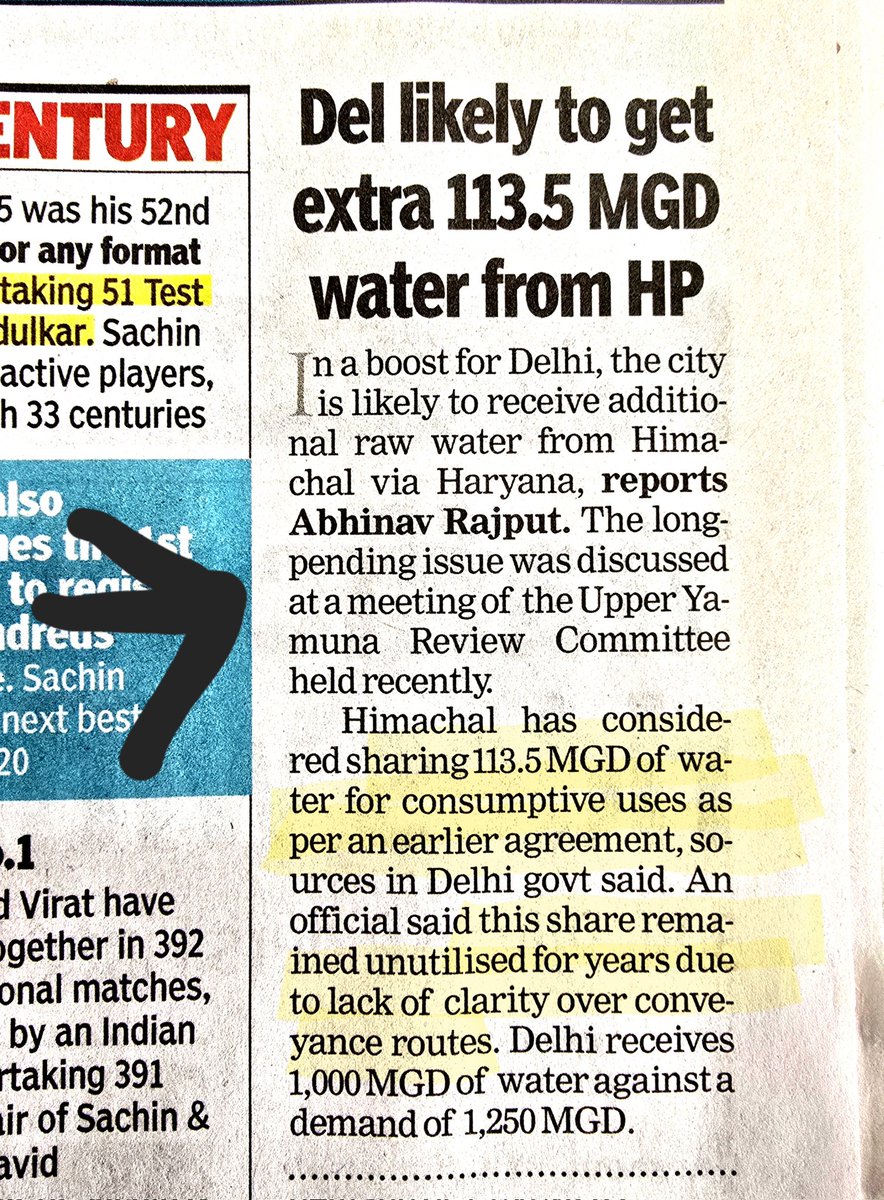


One of the fundamental challenges facing urban development in India is not merely the quality of policy, but the gap between policy intent, implementation, and compliance.
Too often, urban policies are framed with caution, implemented inconsistently, and enforced selectively. This creates an environment where regulatory adherence becomes the exception rather than the norm. Citizens, businesses, and even institutions frequently resort to shortcuts, with non-compliance often being regularized later through administrative discretion or corruption.
The real estate sector reflects a similar reality. A significant portion of the industry continues to be dominated by family-run enterprises that have evolved organically over decades. While many have built successful businesses, the sector as a whole often suffers from a shortage of professional management, institutional processes, and long-term strategic thinking.
The contrast becomes evident when we look at professionally managed developers. Their visibility, credibility, and customer trust are not accidental—they are outcomes of governance, transparency, accountability, and professional leadership.
As India urbanizes at an unprecedented pace, the next phase of growth will require more than capital and land. It will demand stronger institutions, professional talent, disciplined execution, and a culture that values compliance as much as ambition.
Cities are ultimately shaped not only by the policies governments create, but by the standards that industries and citizens choose to uphold.
#delhi #delhimasterplan #mpd2041 #mpd2047 #delhiconsortiums #dda
12
RameshMenon retweeted

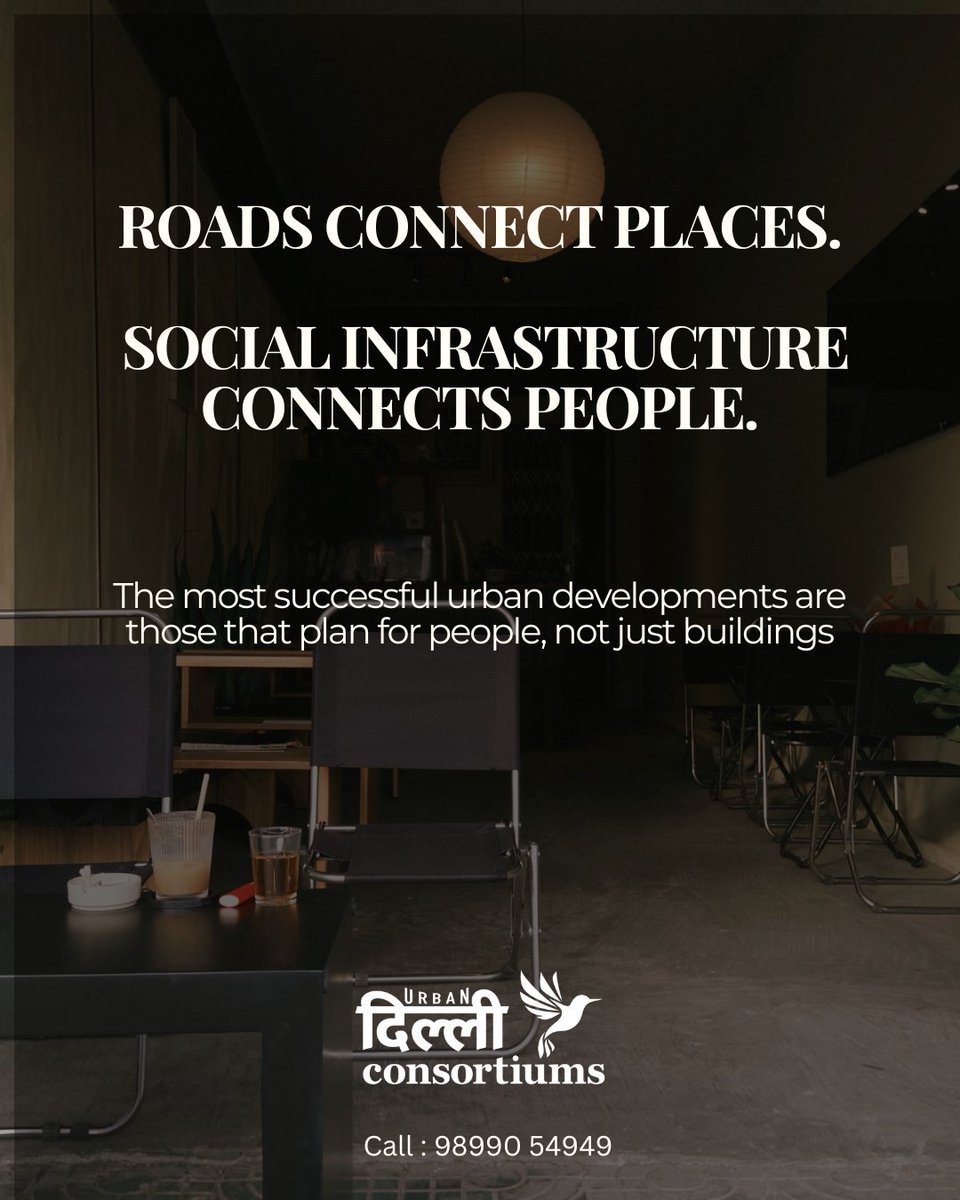
Schools, hospitals, skill centres, sports facilities and community spaces are not amenities—they are the foundation of a thriving city.
The most successful urban developments are those that plan for people, not just buildings.
#delhimasterplan #mpd2041 #mpd2047 #delhiconsortiums
1
3
28

Jun 3
Biggest problem in Delhi is unauthorised colonies; small plots sold vide GPA with narrow lanes & multistorey construction. Tinder box for calamities. Wonder why Govt(s) isn't strict about unplanned urban expansion. Maybe, only capital in the world with 10,000 UA settlements
1
46
RameshMenon retweeted

Jun 3
Could your Lal Dora plot in Delhi help create affordable homes projects in Delhi; and create generational wealth for your family? Answer is YES. Talk to our experts
#laldora #affordablehomes #delhivillages #delhi #UrbanVillage #delhimasterplan #MasterPlan2041 #mpd2041 #mpd2047

1
1
34
Jun 3
The chief cause of problems is the easy availability of solutions on social media.
17
RameshMenon retweeted

Jun 2
Why are newspapers so big? I bet you didn’t know
34
149
818
51,508
RameshMenon retweeted

Jun 2
Panic stricken tmc local leaders returning the tolabaazi money - just see -
25
203
895
24,114
RameshMenon retweeted
May 31
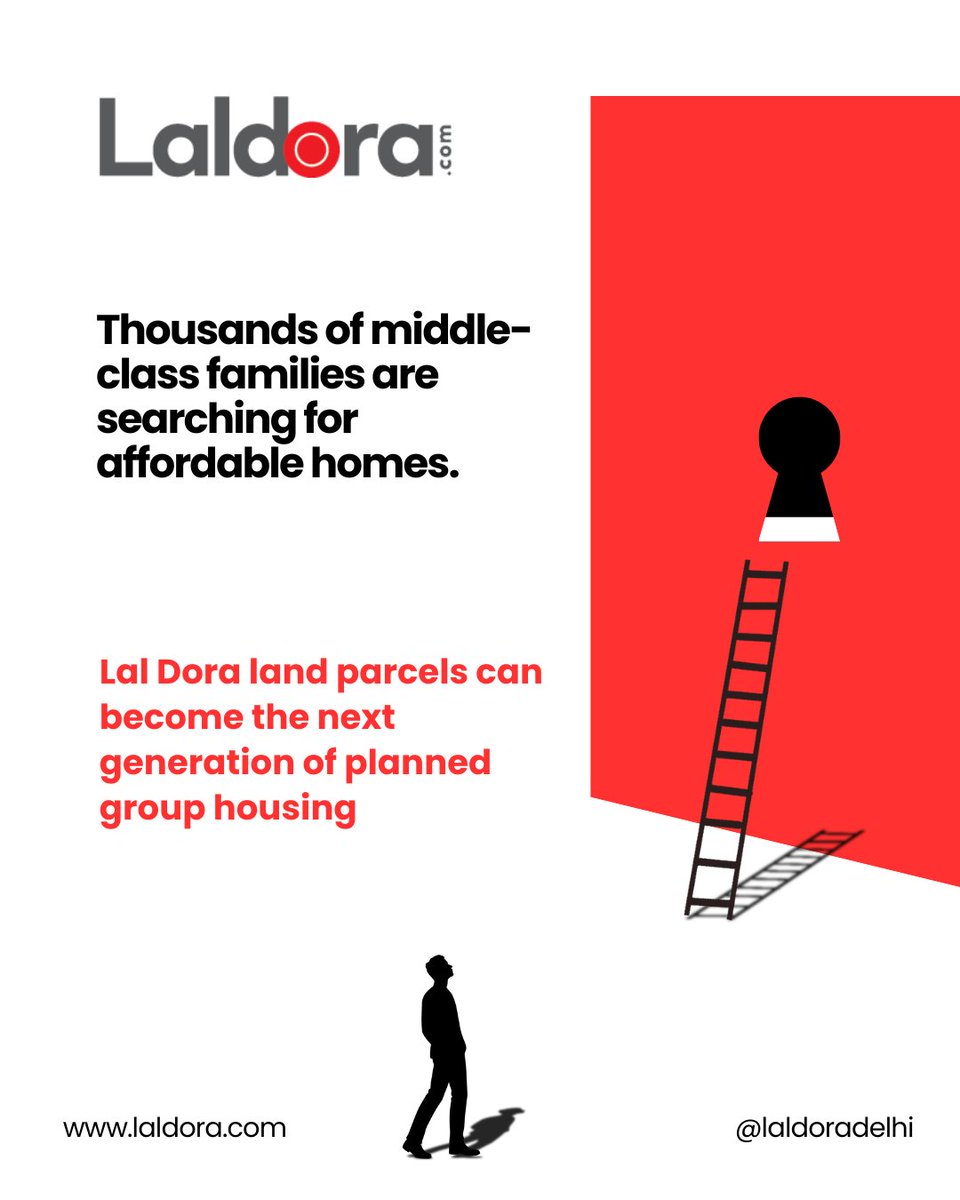
Delhi doesn't have a demand problem. It has a supply problem.
Every year, thousands of families aspire to own a home, yet the supply of affordable housing continues to lag behind demand. The result is visible across the city—unauthorised colonies emerging as a response
#laldora
1
2
44
May 31
Some people wish to get what they deserve, while others fear the same.
12
May 29
To understand life, look backwards. To predict life, look forward. To live life, look no further!
1
26
RameshMenon retweeted
Delhi Consortiums is committed to connecting people, govt agencies, companies, institutions, investors, and key stakeholders on a common platform to unlock the full potential of urban development opportunities across Delhi
#delhimasterplan #mpd2041 #mpd2047 #delhiconsortiums #dda
3
6
87
May 29
वो फ़र्श की धूल पे पड़े
चंद पैरों के निशान
वो चाय के
दो सूखे कप
वो ख़ामोश
दाल के सूखे बर्तन
वो सूखी पड़ी,
चाय की पत्ती से भरी
बेजान छन्नी
It means...
The maid is on leave today.
It can’t be Gulzar every time😁
31
May 20
Babas have Fan following, literally. Fans following Babas x.com/hvgoenka/status/205672…
May 19

This is how our ‘babas’ go for a walk in the heat. With such a ‘fan following’ he looks so ‘cool’!
1
2
154
May 17
Some people become so consumed by themselves that they end up sitting on a throne of nails — mistaking bitterness for strength and arrogance for wisdom. In their desperation to survive muddy waters, they rant against the very hands that once lifted them, believing malice can replace character. But resentment never builds bridges; it only deepens the swamp they are trying to escape.
#menonramesh #BridgingHumanCapital #mpd2041 #Delhi #letstalkland #delhiconsortiums #delhifarms #laldora #rameshmenon #landpooling #drkesslers #moleculariodine #violetcare #rehive #raag #flexifarms #ecohabitats #startup #seniorliving
3
60
RameshMenon retweeted
Very valid point @RAMESHMEN0N
May 16

Year 2047 marks 100 years of India’s independence and is also the target year for the government’s #Viksitbharat vision. By then, India aims to become a developed economy worth $35–$40 trillion. For Delhi real estate sector, this could mean massive growth, with the market expected to expand nearly 20 times and reach a value of $ 200B. Why isn't #MPD2041 redrafted in line with the nation's vision as #MPD2047 ? @official_dda @MoHUA_India @Secretary_MoHUA @LtGovDelhi @DelhiConsortium
2
4
36
May 16
Year 2047 marks 100 years of India’s independence and is also the target year for the government’s #Viksitbharat vision. By then, India aims to become a developed economy worth $35–$40 trillion. For Delhi real estate sector, this could mean massive growth, with the market expected to expand nearly 20 times and reach a value of $ 200B. Why isn't #MPD2041 redrafted in line with the nation's vision as #MPD2047 ? @official_dda @MoHUA_India @Secretary_MoHUA @LtGovDelhi @DelhiConsortium
6
6
156