
The Regulatory Affairs Professionals Society (RAPS) is an international membership organization of regulatory professionals in the healthcare products sector.
Joined February 2010
- Tweets 32,529
- Following 1,209
- Followers 12,153
- Likes 1,842
4,642 Photos and videos









We want to know how RAPS can best support you!
Take our survey and let us know how RAPS can best serve you as a regulatory professional here: hubs.la/Q04lck-T0
Plus, every participant gets the chance to win a $250 Visa gift card!


127
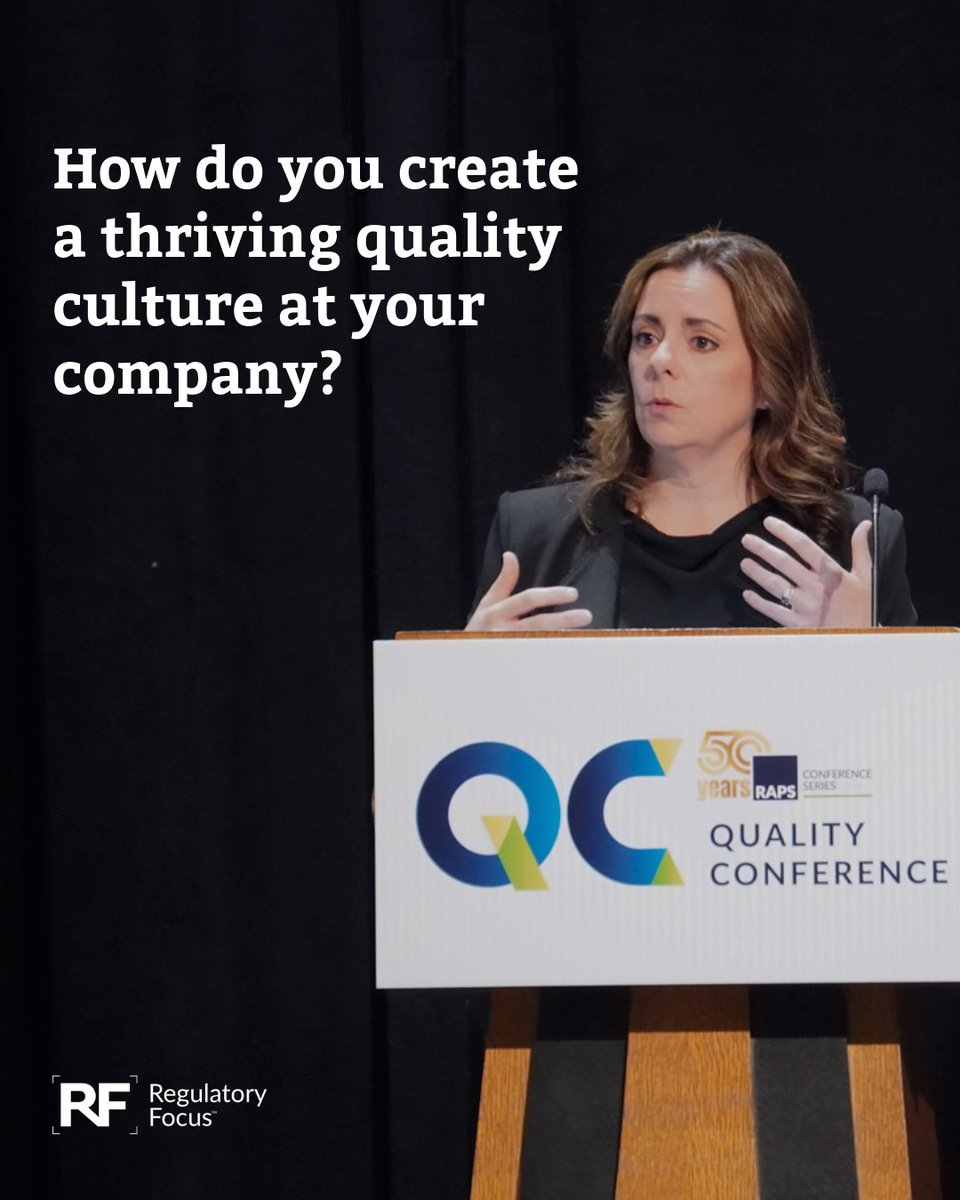
Quality culture is about creating a shared mindset where quality becomes a core value of your company, Kerri DiPietro told attendees at the #RAPSQualityConference. hubs.la/Q04lf9MW0
56
Three major pharmaceutical industry groups—two in the US and one in India—have called for changes to FDA's Scale-Up and Post-Approval Changes guidelines. They believe these guidelines should be updated to reflect more modern manufacturing methods.
hubs.la/Q04lcd5l0
95
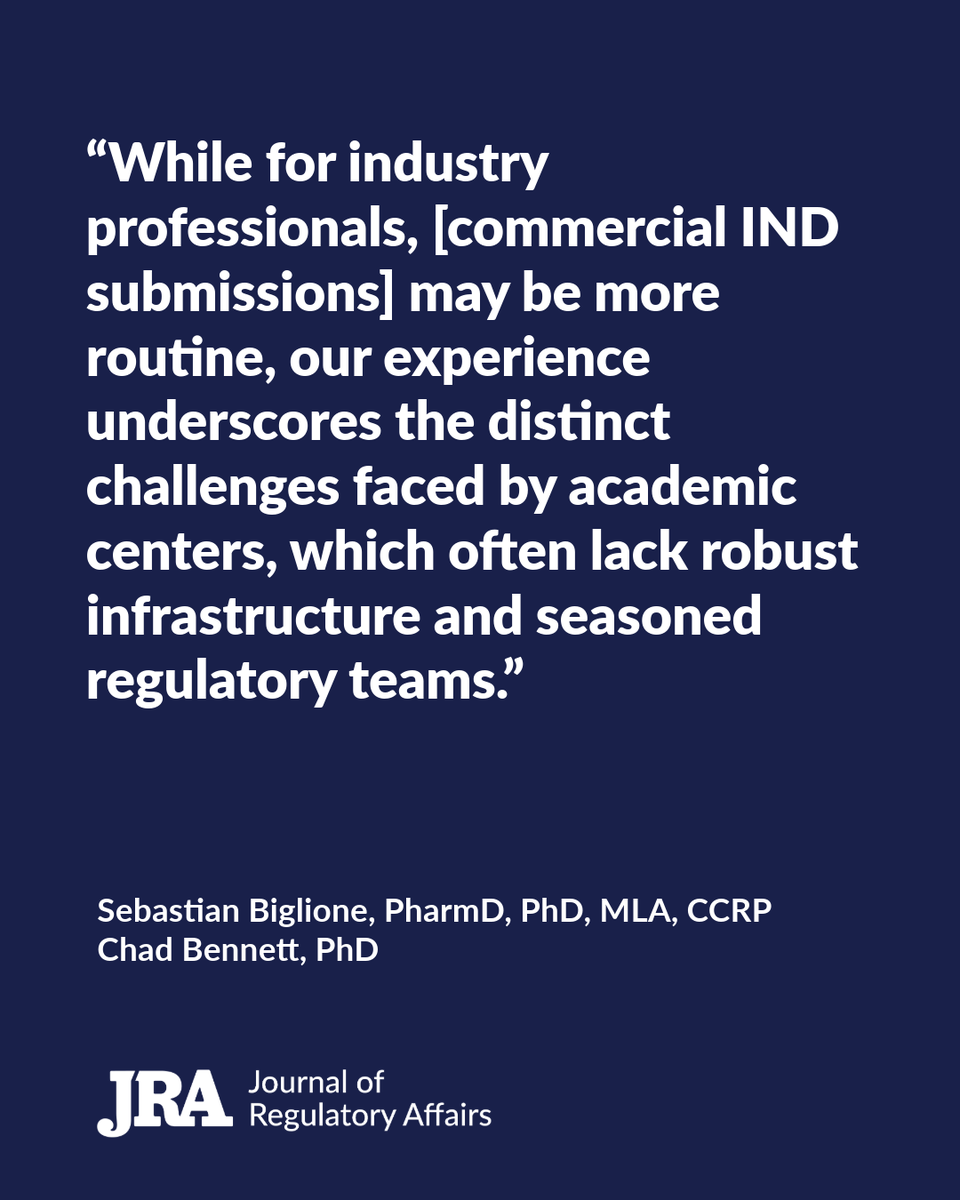
While biotech and pharmaceutical companies are the primary drivers of drug development, academic institutions also have a unique opportunity to leverage their research and development strengths to contribute meaningfully to therapeutic innovation.
hubs.la/Q04l3l5S0
66
Patients with breast cancer said faster approval times for oncology products, as a trade-off for evidentiary certainty, is most permissible in situations where there are no treatment alternatives, the results from a recent qualitative study suggest.
hubs.la/Q04l1x8v0
73
The International Council for Harmonisation has announced the adoption of Annex 2 to the guideline on Good Clinical Practices E6(R3). This annex focuses on the collection of data from a wider range of sources for clinical trials.
hubs.la/Q04kKb--0
67
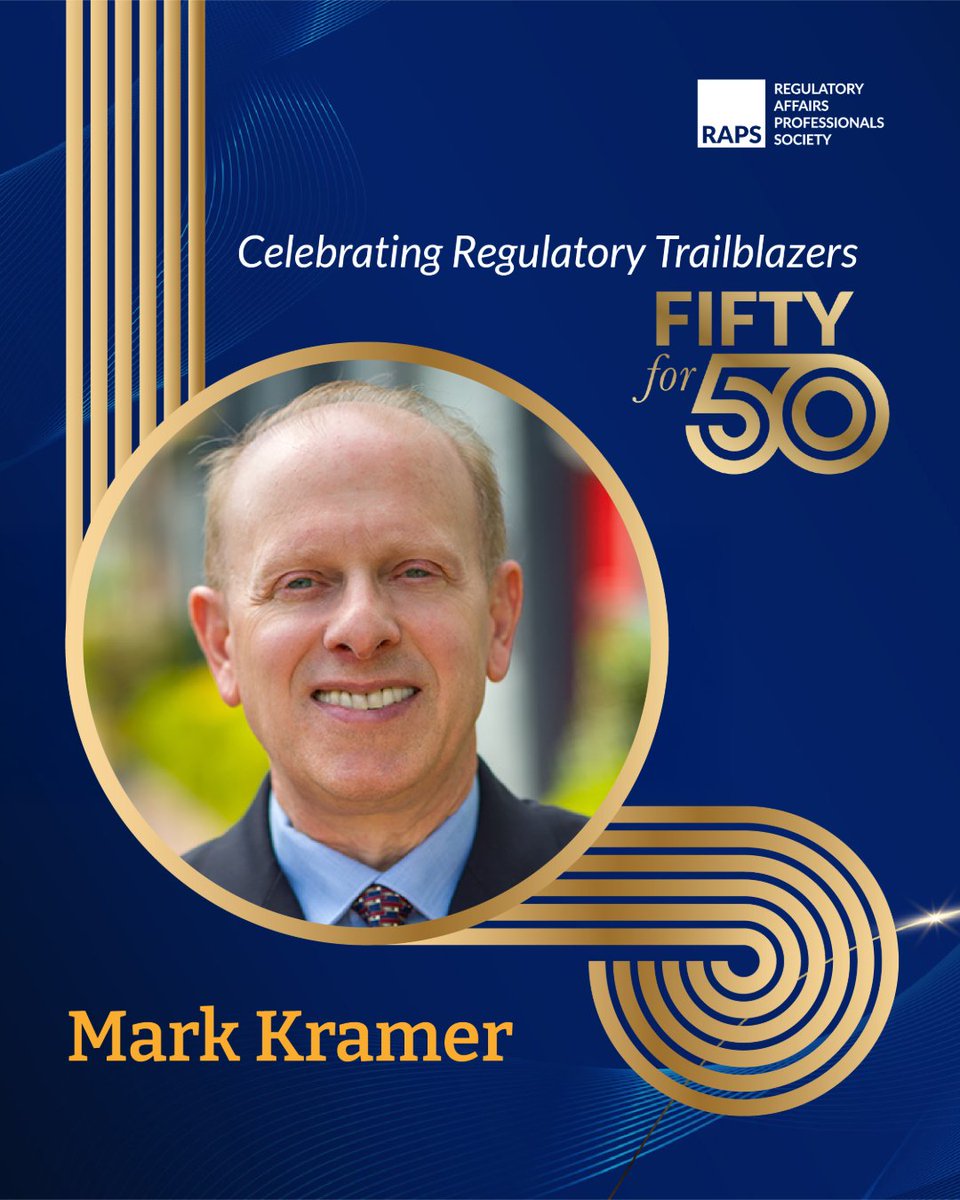
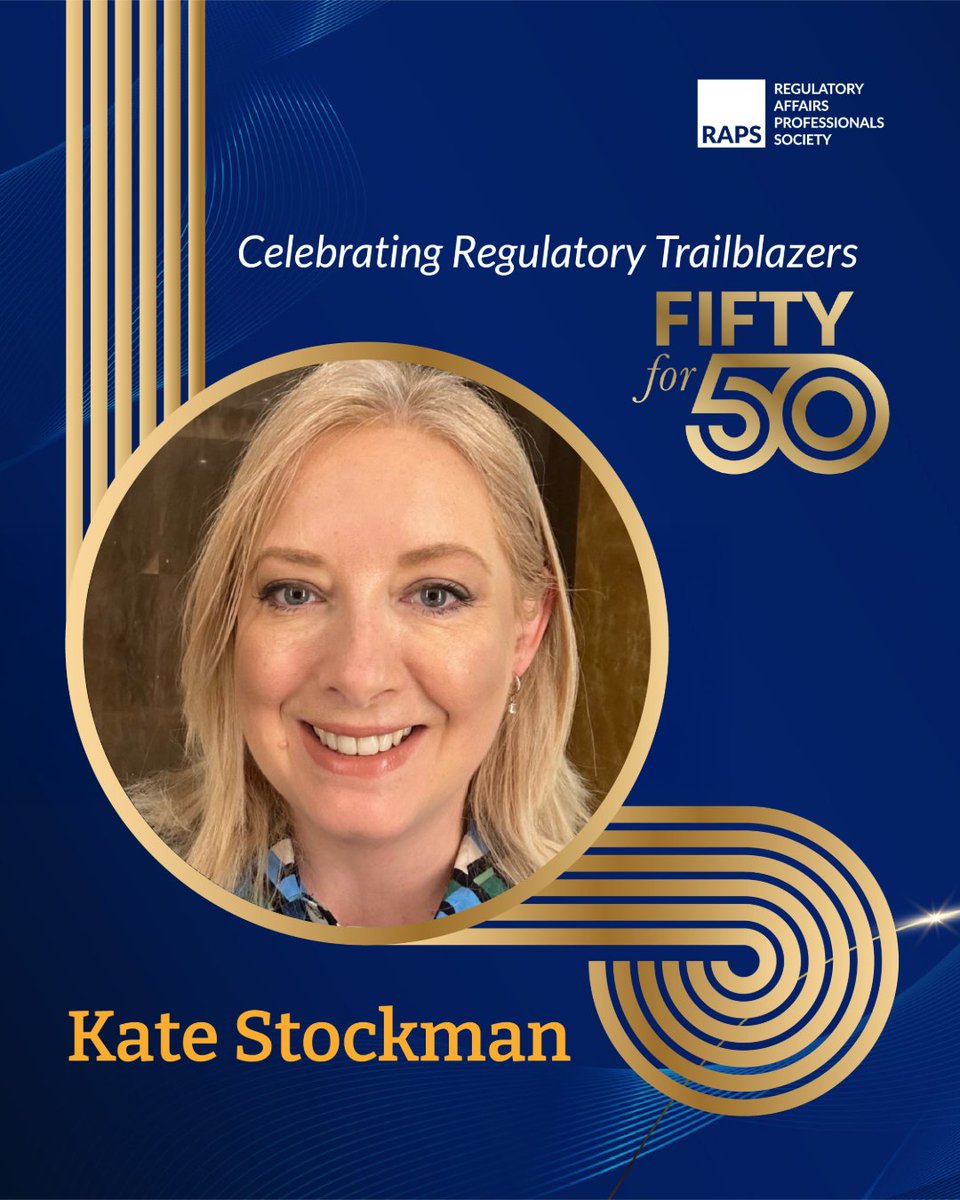
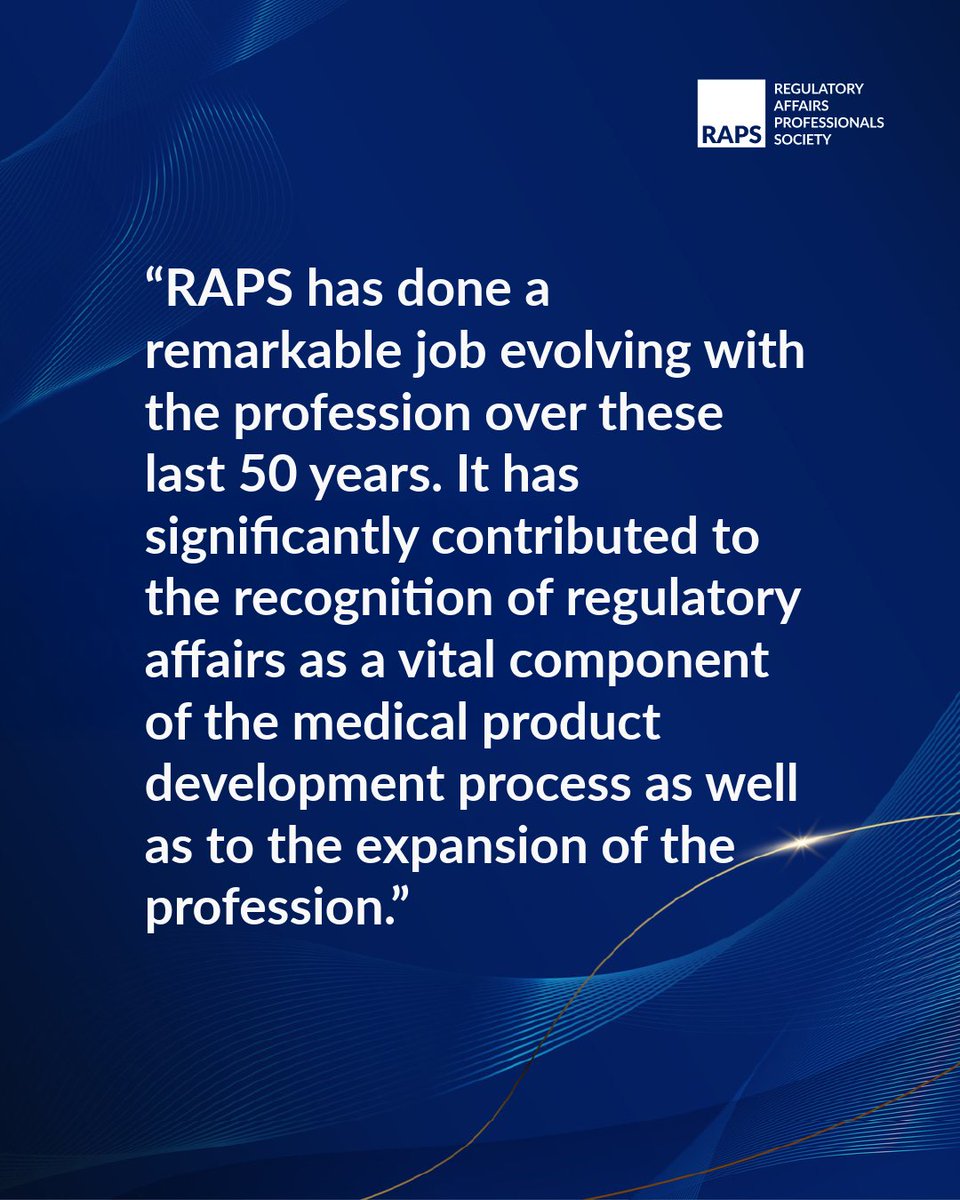
#RAPS50For50 celebrates Mark Kramer, the founding director of FDA’s Office of Combination Products who has served the regulatory profession across several organizations, and as a RAPS board member and volunteer.
Learn more about Mark: hubs.ly/Q04kN8QR0


67
Industry groups have asked FDA to provide more clarity about its regulatory approach to digital health technologies, as well as for greater flexibility in their use in clinical trials.
hubs.la/Q04kLX4n0
52
Ready to learn something new in regulatory affairs, but not sure what? Get some inspiration: hubs.la/Q04kJ80g0
50
FDA Office of Prescription Drug Promotion (OPDP) sent an untitled letter to QOL Medical to “false or misleading” claims made in promotional emails for its congenital sucrase-isomaltase deficiency treatment Sucraid (sacrosidase) oral solution.
hubs.la/Q04kB5ck0
106
FDA has proposed guidance on the types of scientifically valid prior knowledge sponsors should consider when developing certain gene therapies.
hubs.la/Q04kgzWz0
1
95
Draft guidelines from the European Commission aim to assist companies in determining whether their products are classified as high-risk under the EU's Artificial Intelligence Act.
hubs.la/Q04kgr_p0
1
120
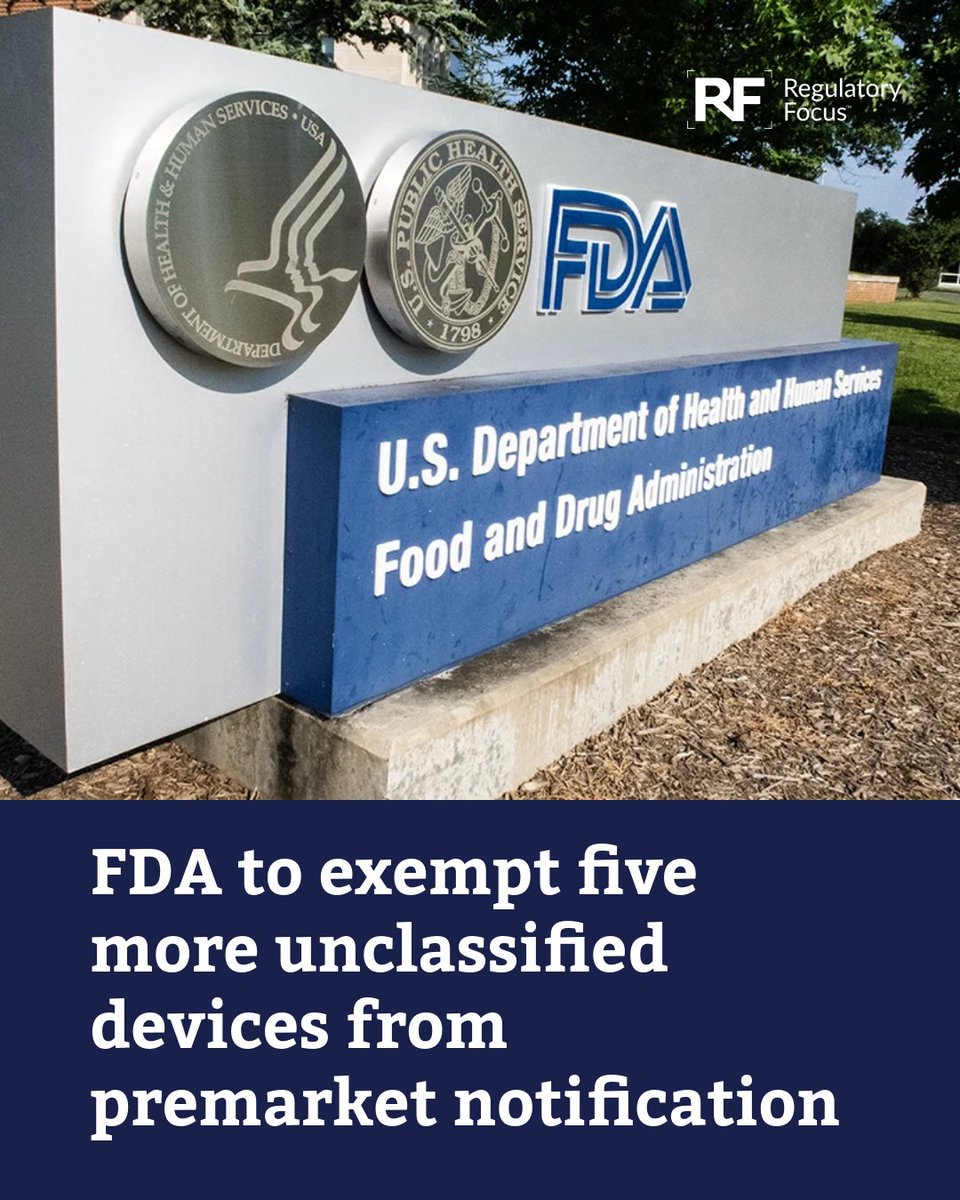
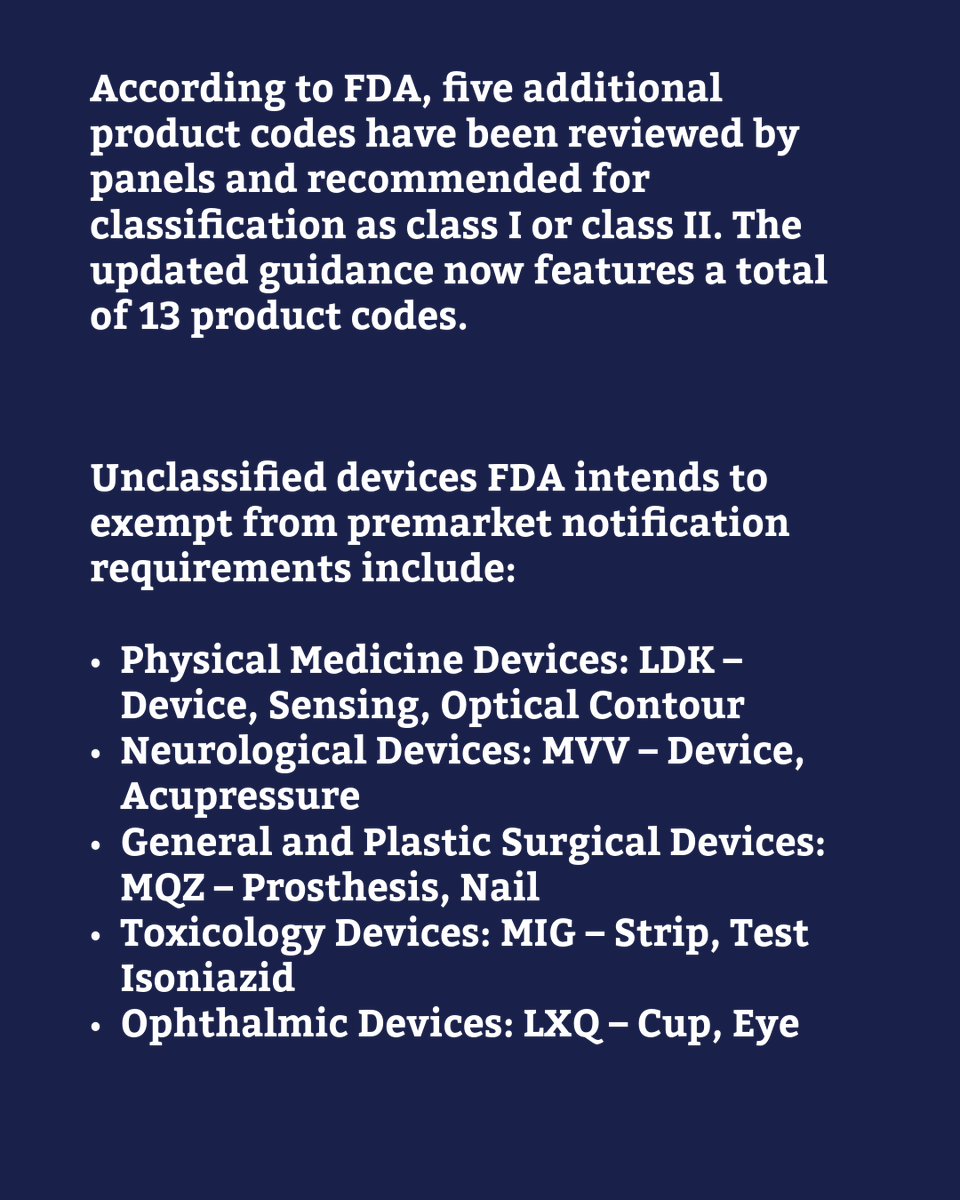
FDA intends to exempt certain unclassified medical devices from premarket notification requirements.
According to the agency, 5 additional product codes have been reviewed by panels and recommended for classification as class I or class II: hubs.la/Q04klKtw0
134
More flexibility in early-phase development for cell therapies is needed, a panel of FDA representatives and industry members said at a public meeting hosted by Friends of Cancer Research and the Parker Institute for Cancer Immunotherapy.
hubs.la/Q04kf82m0
65
FDA has proposed guidance to reduce the need for animal testing in the development of oncology drugs as part of its broader efforts to reduce animal testing in drug development.
hubs.la/Q04kfRyk0
95
Most manufacturers of medical devices with artificial intelligence features are not using predetermined change control plans to manage changes throughout the device's lifecycle. hubs.la/Q04kf7S30
1
56
FDA is more likely to approve drugs with an orphan designation that were indicated for subgroups of cancer or pediatric indications than the European Medicines Agency, the results of a recent cross-sectional study suggest.
hubs.la/Q04kgjYQ0
1
1
64
FDA has finalized a revised draft guidance from 2022 on what human factors information sponsors should include in premarket submissions for medical devices. hubs.la/Q04kfQZL0
73
FDA recently finalized two guidances on studies to assist sponsors in establishing bioequivalence for new and generic drugs. One focuses on BE studies with pharmacokinetic endpoints, and the other on statistical methods for analyzing these studies.
hubs.la/Q04k57-C0
1
79
A recent survey published by Team-NB reveals that the growth of certificates for the Medical Device Regulation and In Vitro Diagnostic Regulation slowed in 2025 compared to previous years. hubs.la/Q04k2HHM0
1
72