
Renewable and Sustainable Energy Institute, a joint institute of CU Boulder and NREL
Joined April 2010
- Tweets 1,016
- Following 136
- Followers 503
- Likes 41
369 Photos and videos
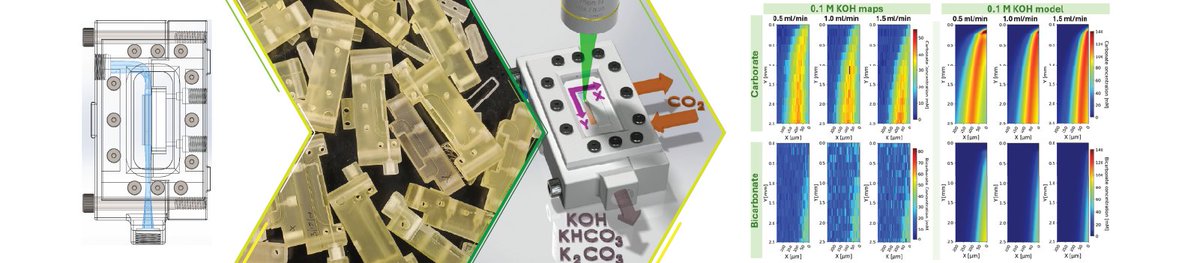

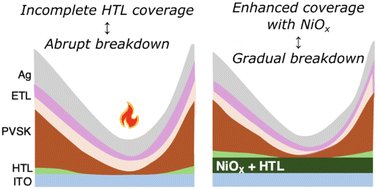
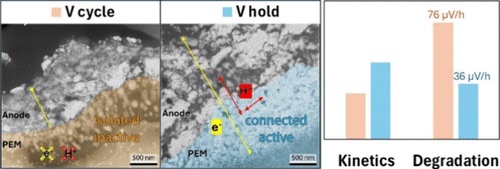
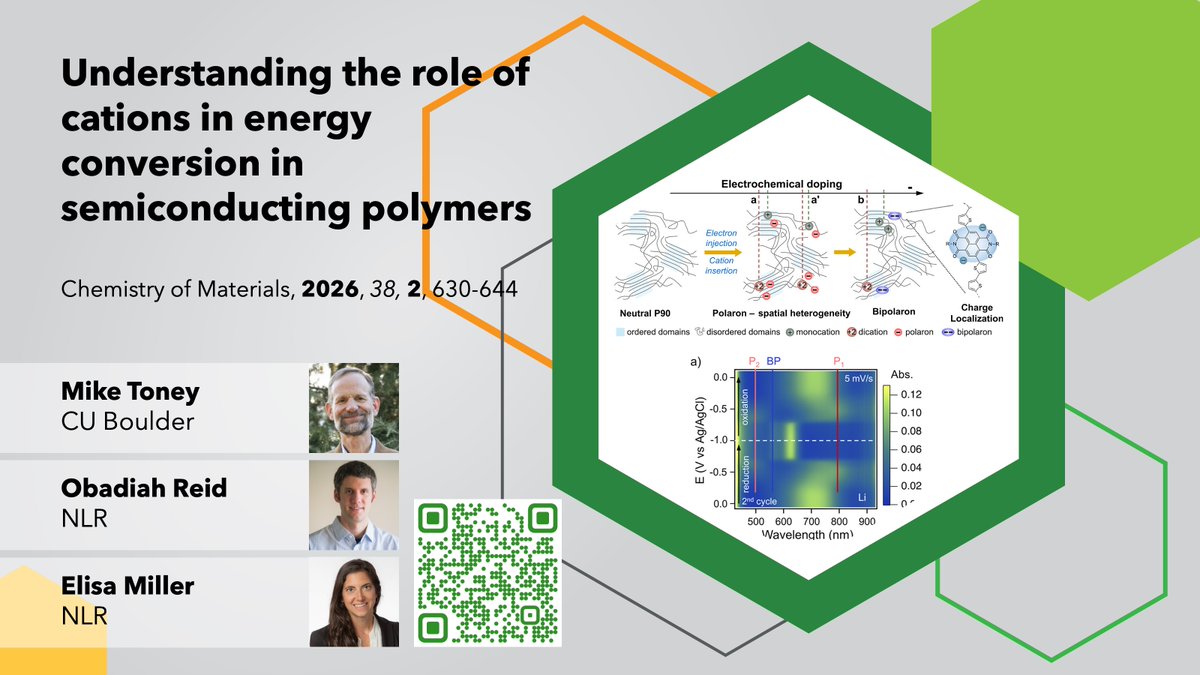
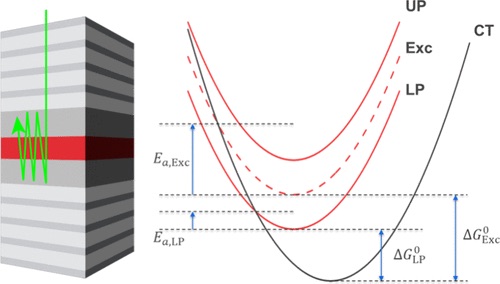

Before medical imaging, doctors could only infer what was happening inside the body. X-rays and MRIs didn’t change human biology, they changed what we could see. A new paper from RASEI represents a similar shift for carbon capture technology doi.org/10.1021/acsenergylet…
1
1
34
Researchers in the Electrobuffs group, led by RASEI Fellow Wilson Smith, designed, prototyped, and built a custom flow cell that enabled the use of laser-based Raman spectroscopy to map the chemistry in real time. colorado.edu/lab/electrobuff…
1
1
323
Find out more about how the team built this device, the insights that it provided, and the models and guidelines it provides for the future design of carbon capture technologies here: colorado.edu/rasei/2026/05/1…
1
55
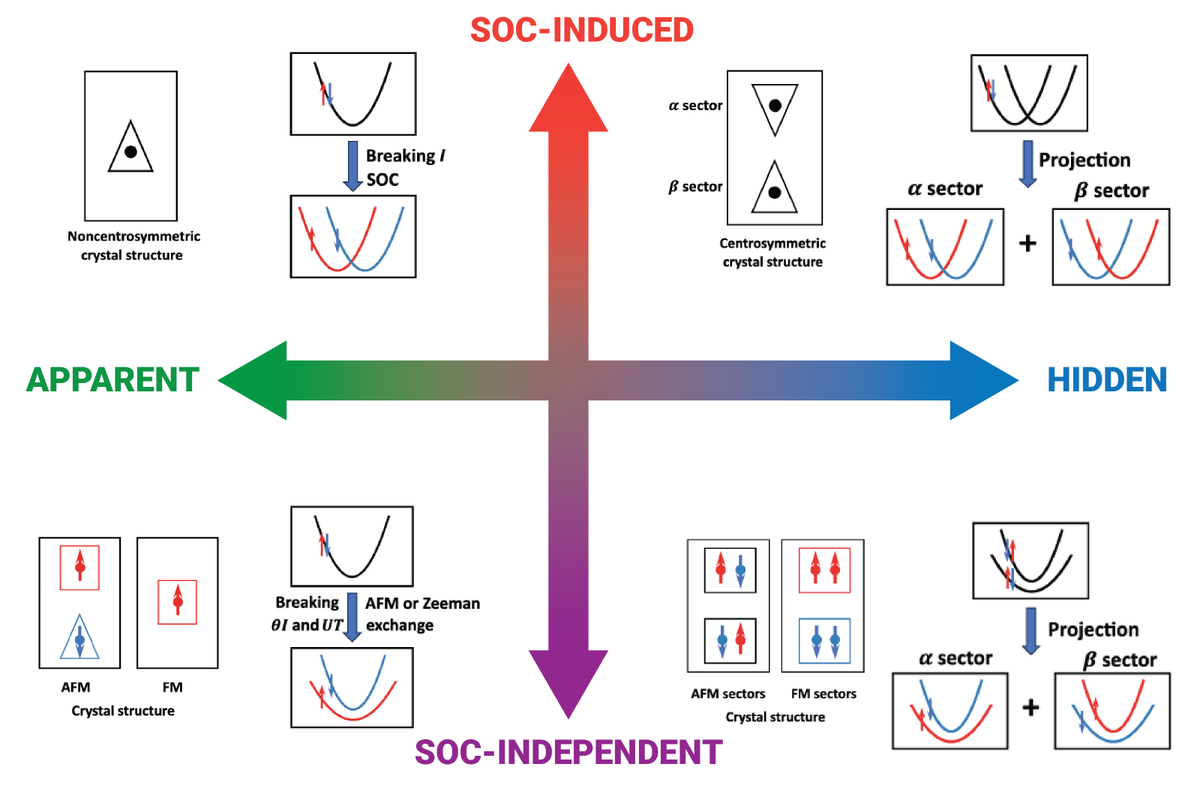
Even when a materials overall structure says "no spin effects here", local, "neighborhood-level", atomic regions can have their own. This new Perspective by the Zunger Group, published in Matter, explains how neighborhood effects are important: doi.org/10.1016/j.matt.2026.…
1
11
Check out this highlight that gives an accessible overview of this Perspective, and provides insight into this 'hidden' neighborhood landscape, and what it means for materials design: colorado.edu/rasei/2026/04/2…
11
Data centers don't have to drain your community's power grid, they can become energy assets. New piece from RASEI researchers Gregor Henze and Sean Shaheen at CU Boulder flips the script on one of tech's biggest sustainability debates. theconversation.com/data-cen… #DataCenters
30
Check out some of the really excellent videos, messages, and highlights from how giving has impacted ideas, departments, and programs at the link below.
And of course, thank you to those who have already given to RASEI!
giveto.colorado.edu/buffs-al…]
16
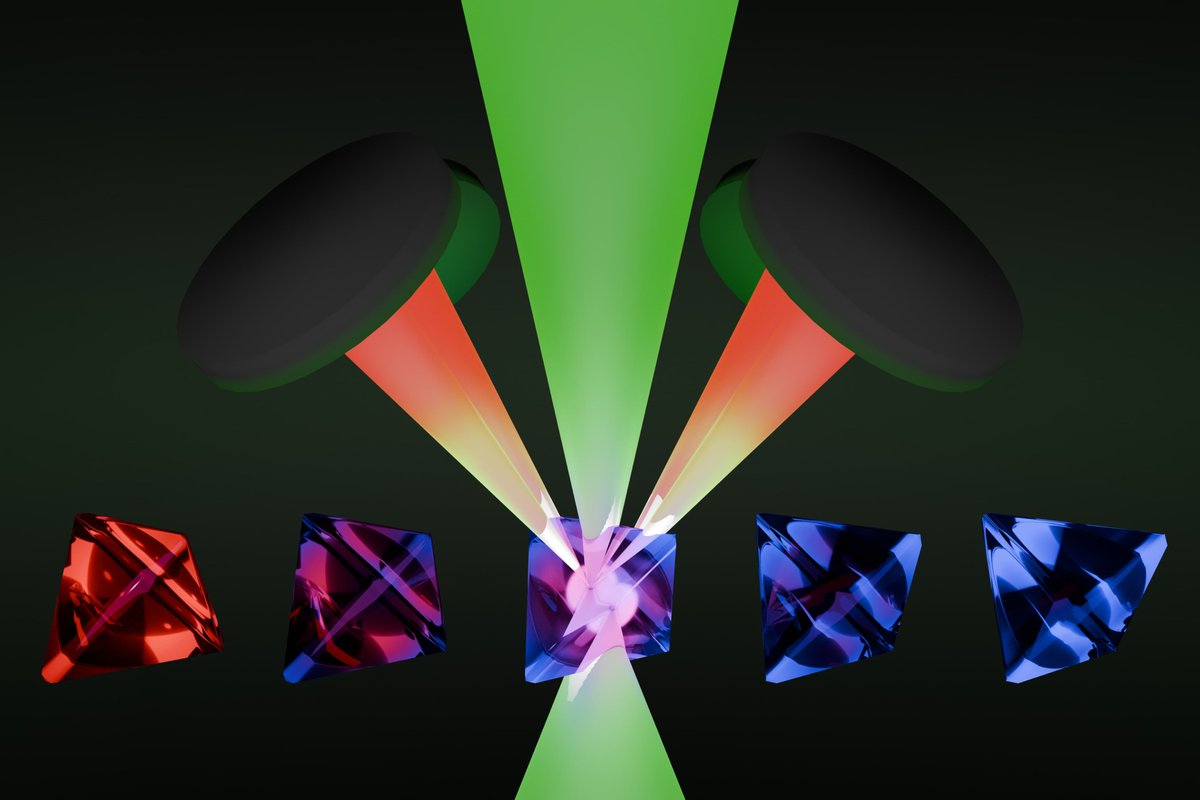
Atoms don’t sit still, even in the smallest materials.
A new RASEI story looks at how tiny rearrangements inside nanocrystals (“atomic musical chairs”) can help scientists understand how materials work and how they might support more energy‑efficient technologies over time.
1
30
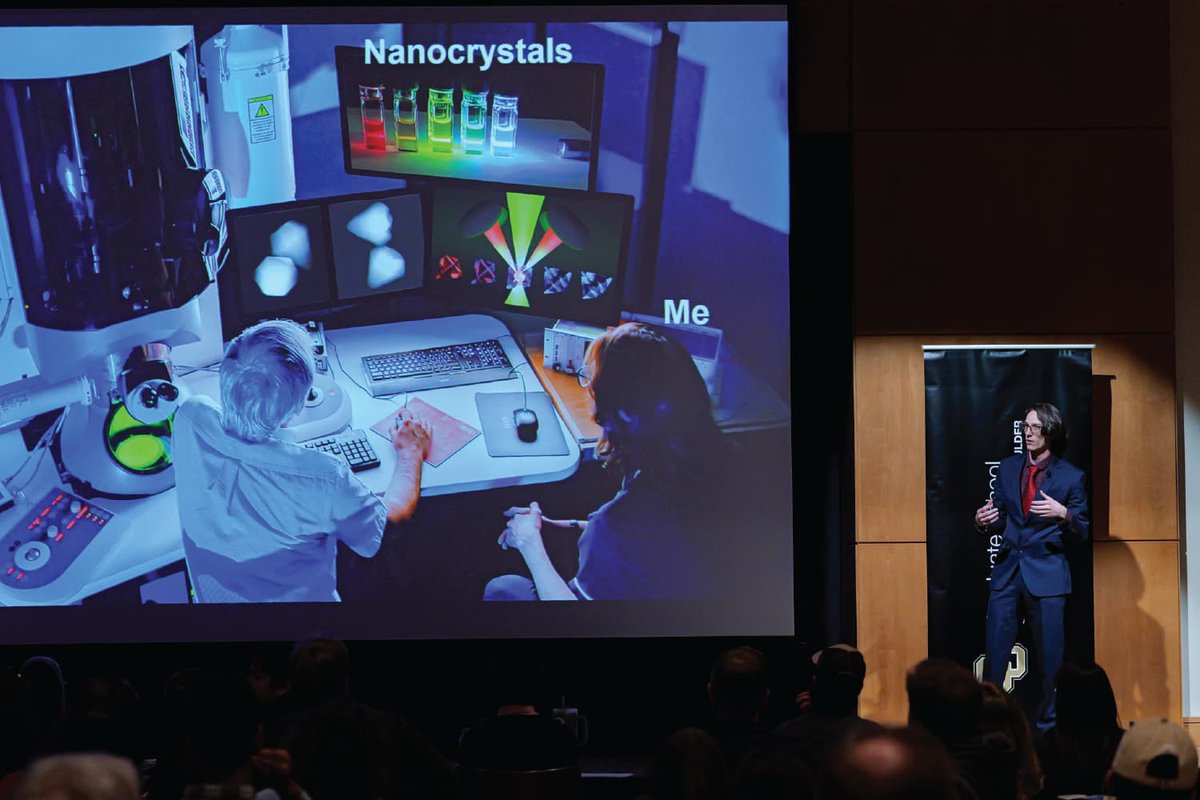
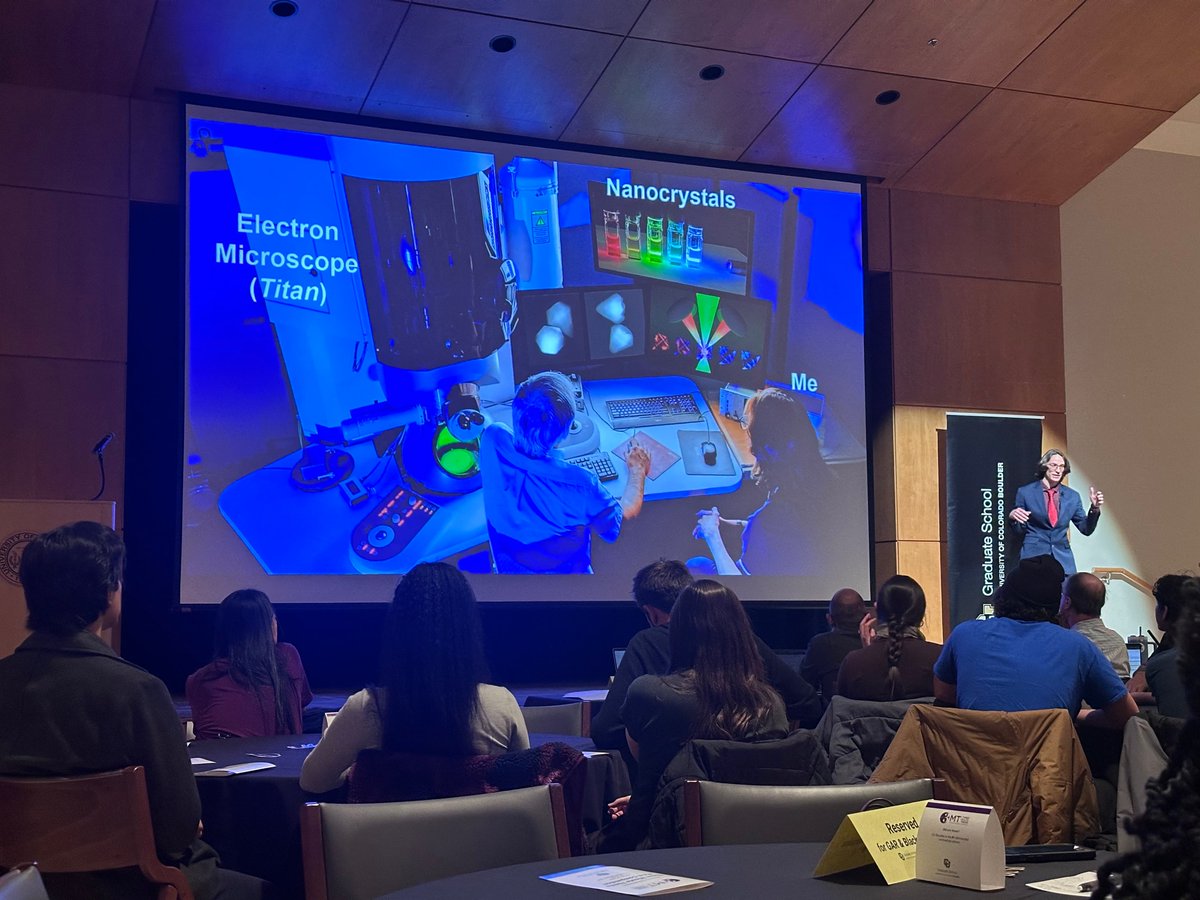
Graduate student Ben Hammel, a member of RASEI Fellow Gordana Dukovic’s research group was one of eleven finalists in the CU Boulder Three Minute Thesis competition last month. Find out more about his experience making nanocrystals understandable here: colorado.edu/rasei/2026/02/2…
1
128
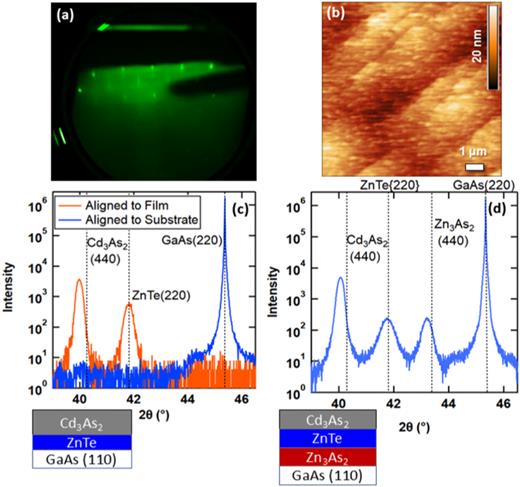
Molecular-level engineering of materials offers the design of novel properties that can be applied in new technologies. This report describes a new tool, where controlled growth of films can influence the orientation & size of crystals: doi.org/10.1063/5.0302146
1
18
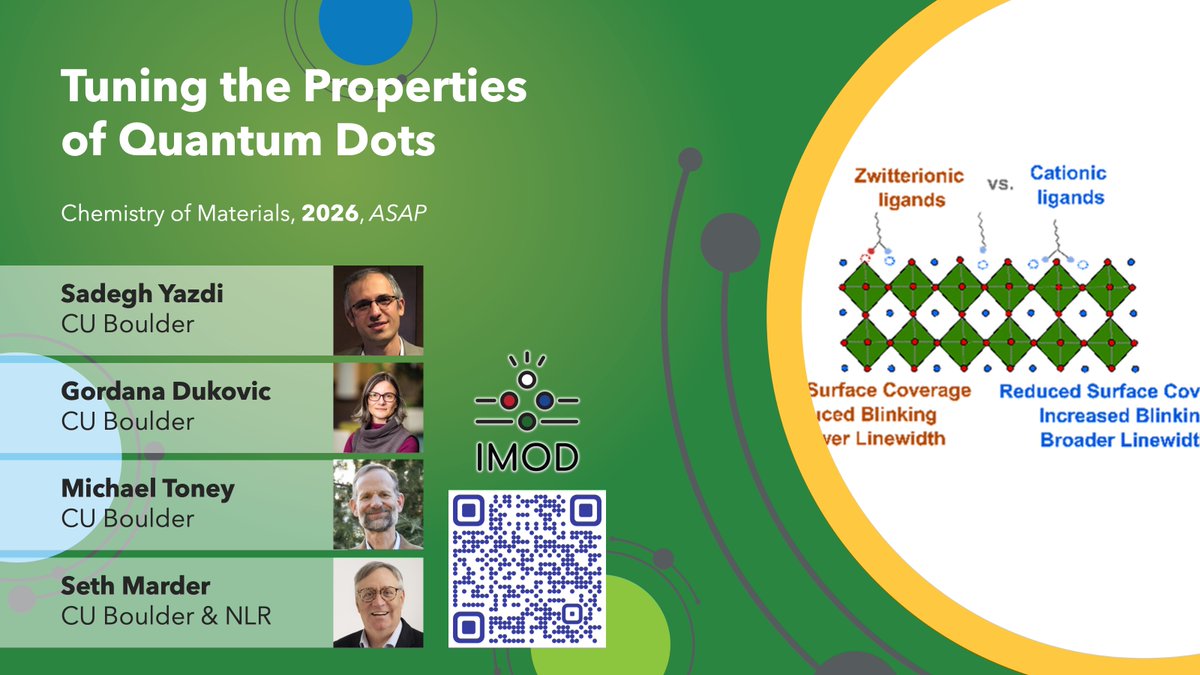
Quantum dots are important materials for efficient displays, communications, and low energy electronics. This collaboration details how we can tune the properties of the quantum dots by molecularly engineering the ligand structure around the quantum dots: doi.org/10.1021/acs.chemmate…
12