
#ChiefofPolice Mansfield MA, @theIACP 4th Vice President, Vet, BS, MS, JD grad of @FBINAAQuantico #245 #PERFSMIP #65, #Judoka views are my own #redsoxnation
Joined February 2010
- Tweets 5,487
- Following 995
- Followers 2,235
- Likes 38,620
1,085 Photos and videos







Pinned Tweet

18 Oct 2021
I don’t advertise it, but also don’t hide that our youngest child is special needs. He left this on a note pad in my office. This is just another reminder of how he inspires me. When I think of how hard things are, I remember what he needs us to do to build a better tomorrow

19
9
344
The Greatest Generation. June 6, 1944.
Rushing to a beach to certain death to free a continent from a madman.
"These are the boys of Pointe du Hoc. These are the men who took the cliffs. These are the champions who helped free a continent. These are the heroes who helped end a war."
We will never repay this debt. Rest in peace Boys of pointe du hoc #D-Day #dday #june6th #june61944 #june6th1944 #d_day #greatestgeneration #missyou #honorthefallen
3
3
29
509
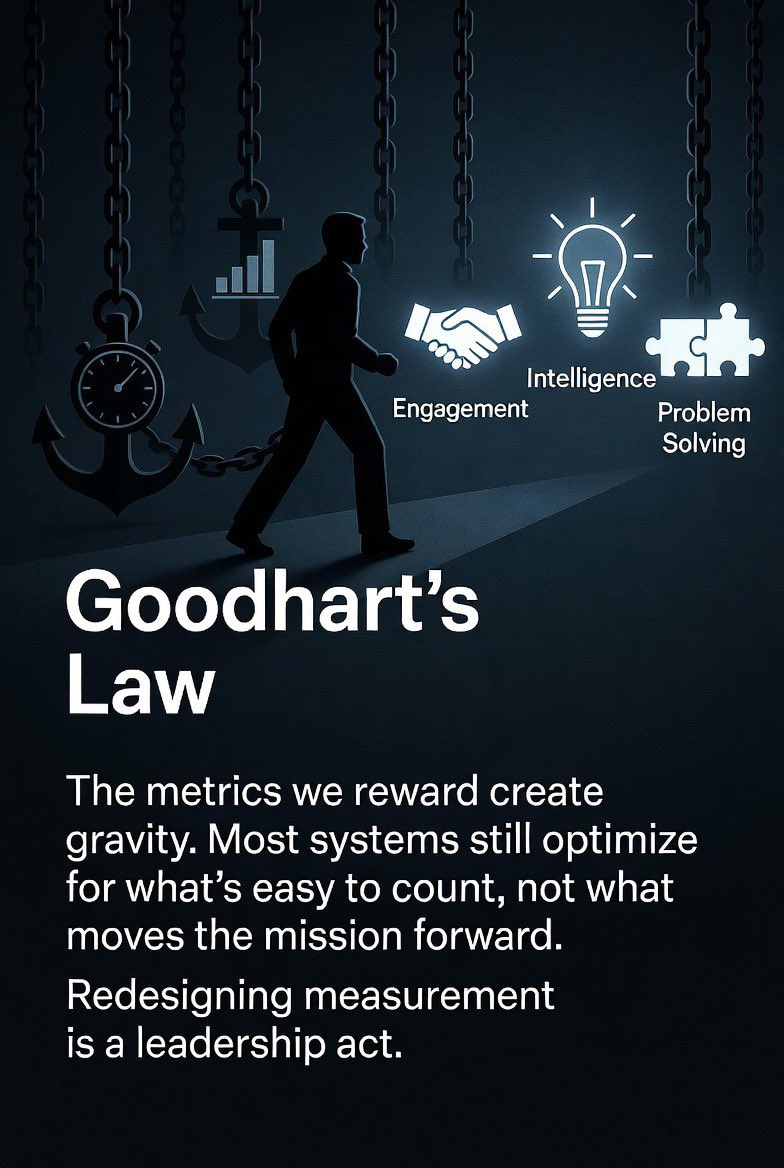
Most leaders understand, even if they don't always express it, that the metrics we reward shape the behaviors we observe.
In policing and analytics-driven organizations, Goodhart’s Law is particularly evident. When metrics such as arrest numbers, clearance rates, and response times become primary targets, the system tends to optimize for volume and visibility. Even leaders who genuinely aim for problem-solving, improved intelligence work, and enhanced engagement often find themselves drawn back to what the current scoreboard celebrates.
The outcome is predictable. We talk about measuring what truly matters while our dashboards, reports, and performance systems remain focused on outdated metrics. Technology continues to reward yesterday’s version of success.
If your analytics program primarily counts activity instead of impact, it is not neutral. It influences culture and daily decisions, often countering the direction you intend to pursue.
The essential work lies not in merely gathering more data, but in determining what we are willing to measure, make visible, and connect to real consequences. It also involves assessing whether our systems support better questions over time.
What metrics in your environment are quietly prevailing right now, even if they no longer align with the mission
2
49
Chief Ronald Sellon Esq retweeted

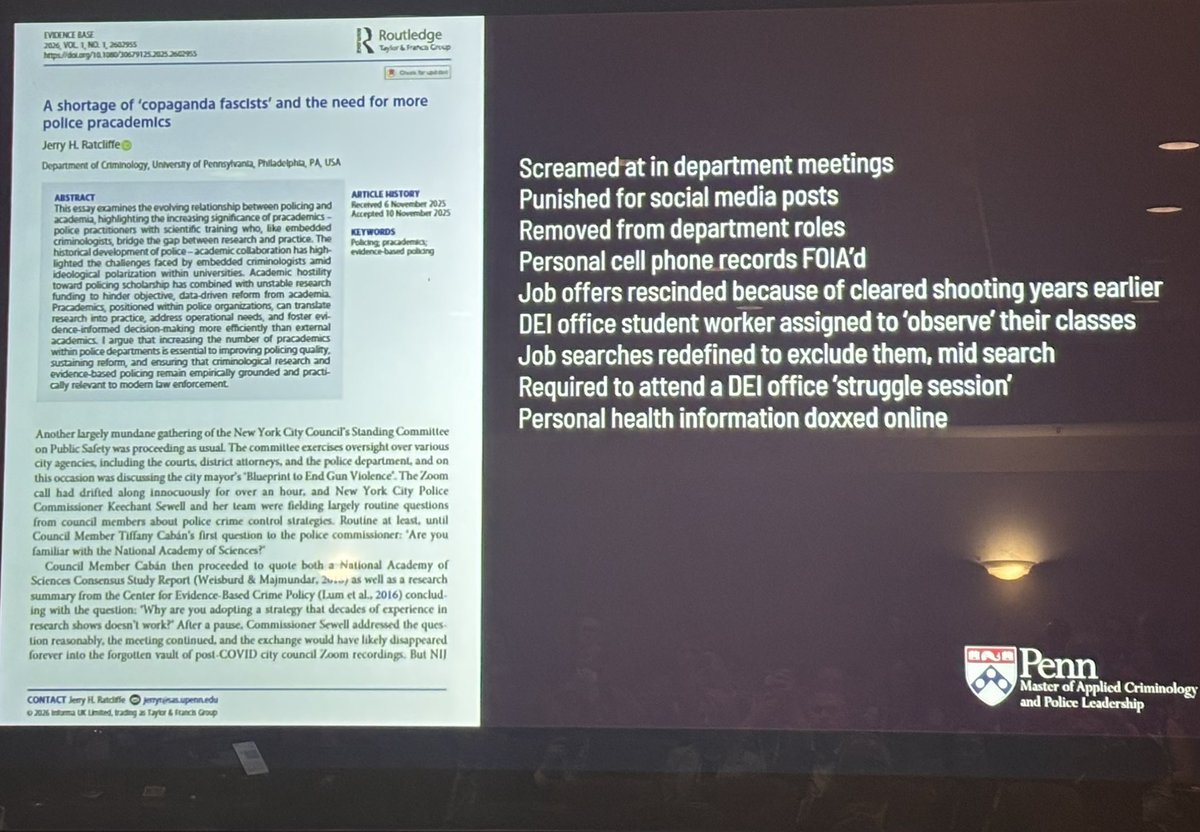
Yesterday, at the @EBpolicing conference, I shared just a handful of the stories I’ve heard about how mainstream criminology/criminal justice faculty and graduate students have treated their policing colleagues these last few years. 👇🏻
Full commentary: linkedin.com/posts/jerry-rat…
2
15
37
7,513

Policing is entering a new era—one defined by AI, data, and the expanding digital frontier. As innovation accelerates, so do the challenges. The latest President’s Message in #PoliceChiefMag explains how police leaders are adapting, building ethical frameworks, and preparing for what’s next. Policechiefmagazine.org/pres…
#DigitalTransformation #AI
2
9
420
Online child exploitation is evolving fast, driven by encryption, AI, and the dark web. #PoliceChiefMag's new article examines why police must adapt by adopting advanced tools, strengthening governance, and ensuring transparency to protect victims and preserve trust. PoliceChiefMagazine.org/prot…
#ChildProtection #DigitalSafety #PublicTrust

2
5
391
This #AutismAcceptanceMonth, the IACP invites you to explore tools to help police better support and engage with individuals on the autism spectrum.
IACP’s Law Enforcement Resources on Autism Spectrum Disorder provide practical guidance, communication strategies, and critical information for responding to wandering calls with individuals with autism.
👮♂️ Understanding Children on the Autism Spectrum: A Guide for First Responders
🔍 Children on the Autism Spectrum: Search Protocols & Questionnaire for First Responders
📘 Tips for Caregivers Supporting Children on the Autism Spectrum
🔗Explore the resources - theiacp.org/projects/home-sa… theiacp.org/projects/home-sa…
@TheArcUS @NCMEC @DOJBJA

2
4
630
Chief Ronald Sellon Esq retweeted
"The defund police movement offers few evidence-based ideas to deal with gang violence. Their primary recommendation—violence interrupters and gang outreach workers—has a very mixed evidence base characterized by a prevalence of null and backfire effects on serious violence"
2
1
12
645
What if there was a way to go from “we will clean up this disaster” & “we got there just in time” to “They never got there at all”?
A simple but complex process that jumps ahead and truly prevents instead of an endless reinforcing loop of reactive response.
A proverbial slip in time.
105
The IACP convened senior leaders federal, state, and local law enforcement; national law enforcement labor organizations; prosecutors’ offices; and state and local government for a constructive dialogue focused on strengthening intergovernmental public safety cooperation. The result is Shared Principles of Agreement – a consensus document reflecting alignment among 16 organizations. Read the report: theiacp.org/resources/shared…

1
3
6
762
Chief Ronald Sellon Esq retweeted

Mar 26
“We will continue every day in this fight until we bring those responsible to justice.”
HSI’s Document and Benefit Fraud Task Force joins our partners to announce arrests in major fraud schemes in Mass.
You can help up track down fraud.
📞 1-855-SCAM-MA-1

BREAKING 🚨 Nine people charged in coordinated federal crackdown on benefit fraud schemes that exploited stolen identities to steal hundreds of thousands of dollars in taxpayer-funded programs – including SNAP, MassHealth and Social Security.
READ: justice.gov/usao-ma/pr/nine-…
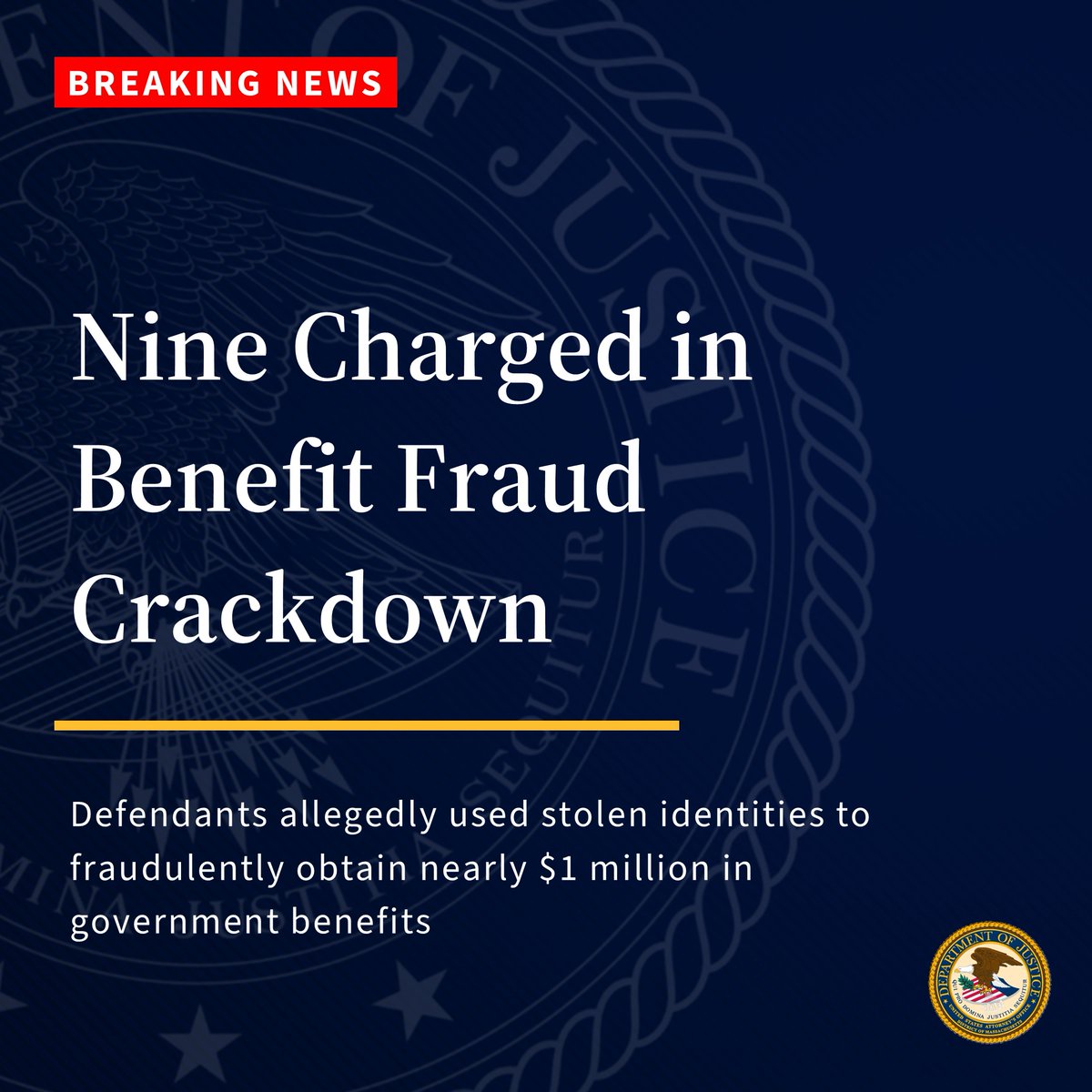
ALT Breaking News. Nine Charged in Benefit Fraud Crackdown. Defendants allegedly used stolen identities to fraudulently obtain nearly $1 million in government benefits.
9
105
398
25,293
Chief Ronald Sellon Esq retweeted

Mar 21
Gov. Maura Healey is looking to slash roughly $15 million from a mental health program that seeks to divert individuals in crisis from arrest. Police chiefs are fighting back. bostonherald.com/2026/03/20/…
45
59
136
7,989
March is Developmental Disabilities Awareness Month — a time to celebrate valuable members of our community and recognize the diverse needs of individuals with developmental disabilities.
Explore resources that promote understanding, accessibility, and positive interactions for all:
🔹 learn.theiacp.org/products/w…
🔹 78ff2097-07ba-4f47-a7fc-65d0…
Together, we can build stronger communities. 💙

2
6
523
Available Now: Chiefs Leadership Certificate Program (CLCP)
We invite all current and aspiring police leaders to register for IACP’s Chiefs Leadership Certificate Program! The first of three modules, Leadership Foundations, is now available on IACPlearn. This self-paced online curriculum equips leaders to guide their agencies with confidence, clarity, and purpose.
Grounded in the insights of policing experts, this module focuses on personal leadership growth, ethical decision-making, and essential executive leadership competencies.
Register here: learn.theiacp.org/clcp
For more information, contact CLCP@theiacp.org or visit theiacp.org/projects/chiefs-…
#IACP #CLCP #PoliceLeadership #PoliceChiefs

1
6
299


Terrorists are leveraging AI & 3D printed “ghost guns” to accelerate attacks. Police need to adapt just as fast. #PoliceChiefMag’s new article examines how organizational psychology & AI integration can strengthen prevention, investigation & intelligence workflows. PoliceChiefMagazine.org/conf…
#AI #Counterterrorism

3
1
336
Today the IACP is hosting an Online Forum on Effective Interrogation of People with Intellectual and Developmental Disabilities (IDD) with 37 police leaders and criminal investigators.
Participants will share innovative approaches, real-world challenges, and strategies for enhancing interrogations with people with IDD. Special thanks to our partners at @COPSOffice and @TheArcUS.
👉 Learn more about the work IACP is doing on this topic at
TheIACP.org/IDD.
#LawEnforcement #IDD

2
245
Feb 24
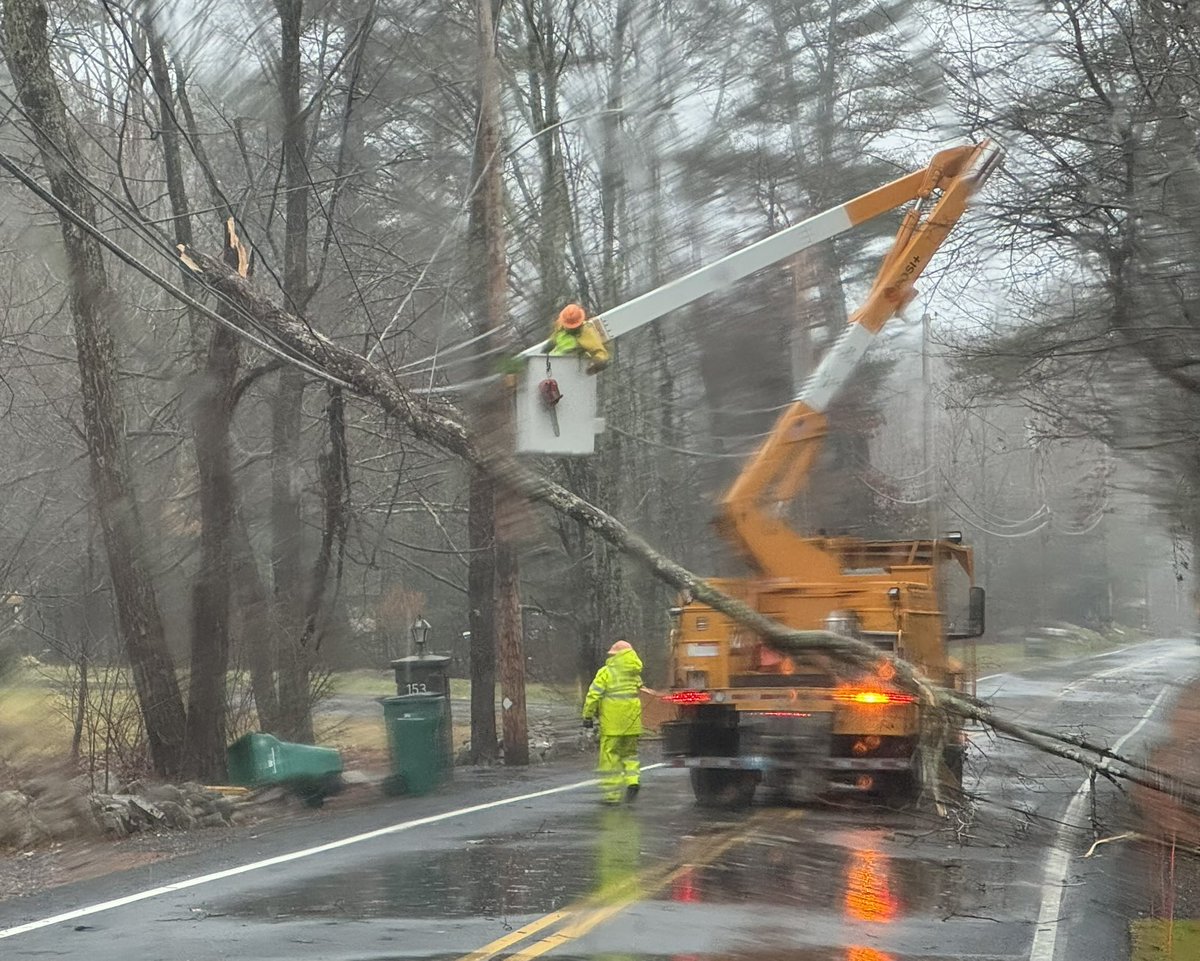
I wish we had more people today, but to every person from Highway, Mansfield Electric, @MansfieldFireMA & @MansfieldMAPD who worked the last 24 hours, you did an amazing job under the circumstances channeling this aura 💪😉
1
8
243
Feb 23
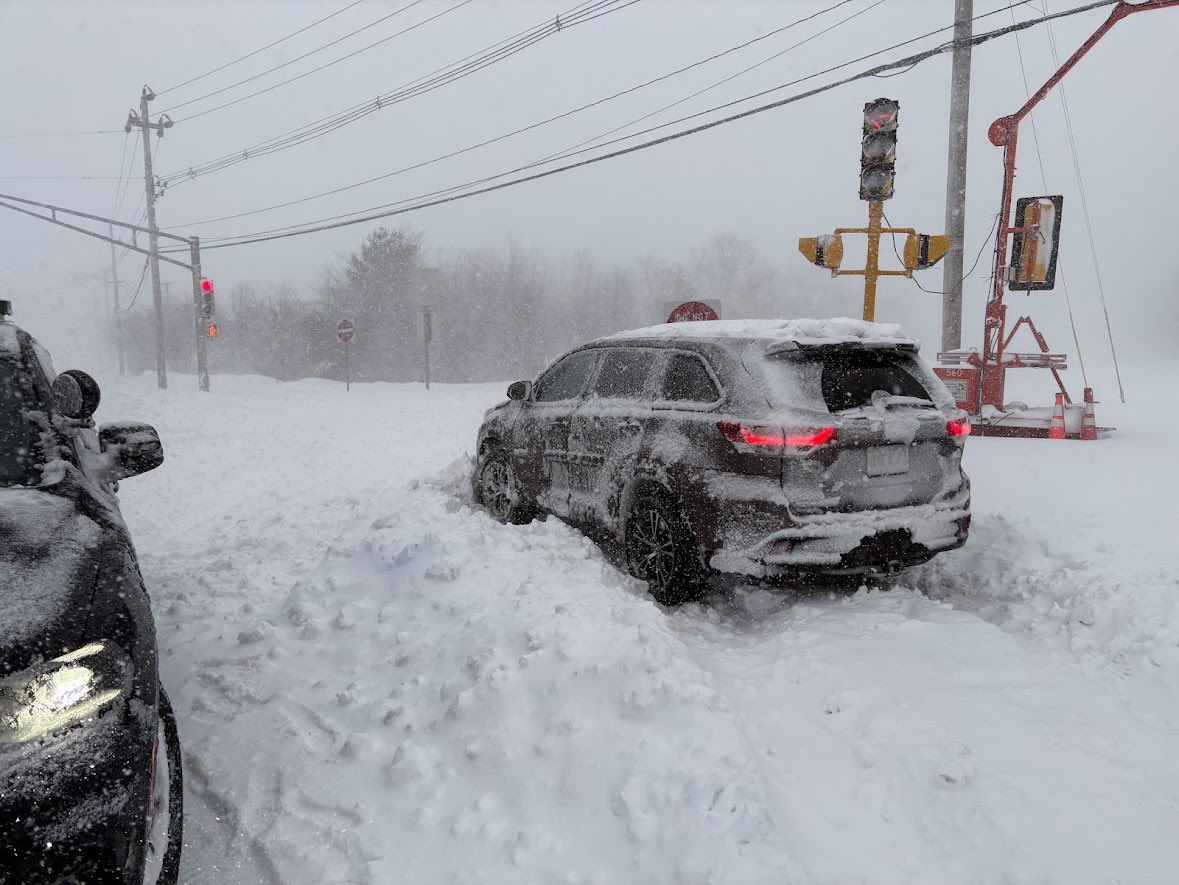
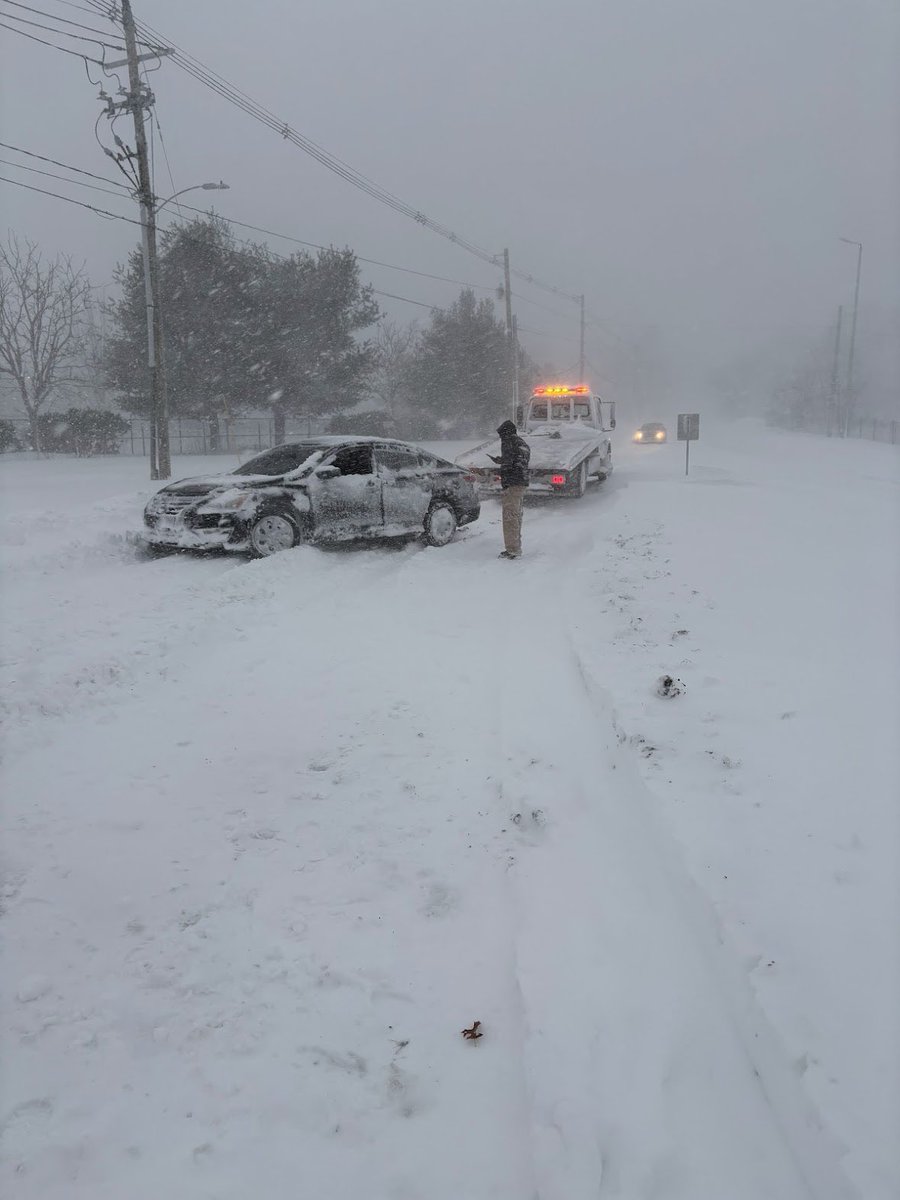
Avoid Route 140. It is impassable and we do not have an eta as we wait on @MassDOT with several feet of snow on it. So far we have helped over a dozen motorists whose cars are stranded on it since 430 am
4
13
3,902
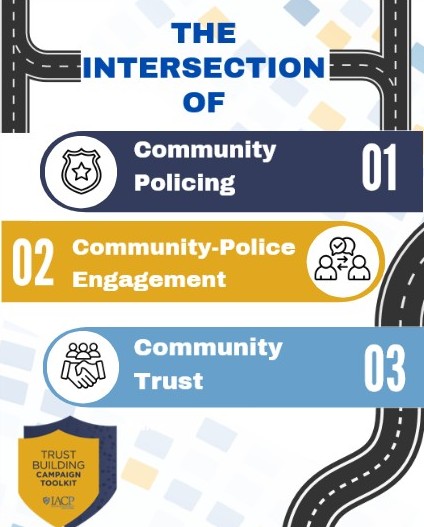
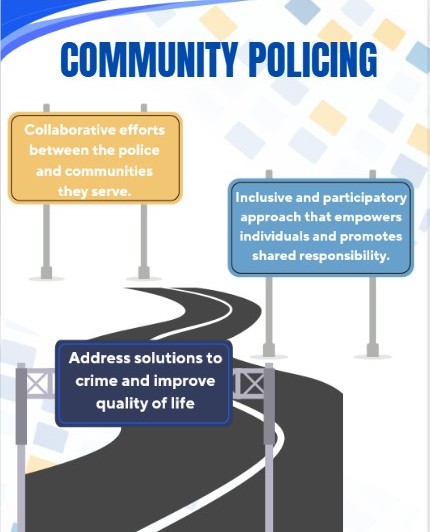
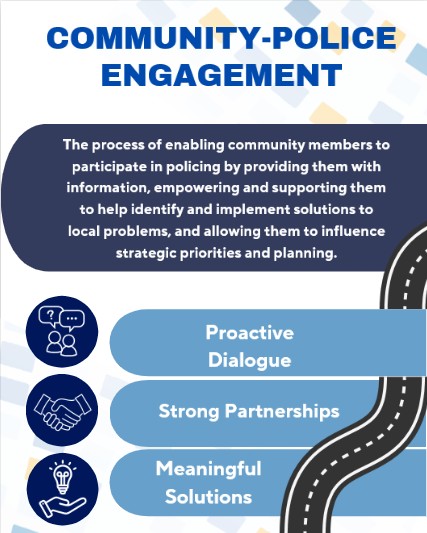
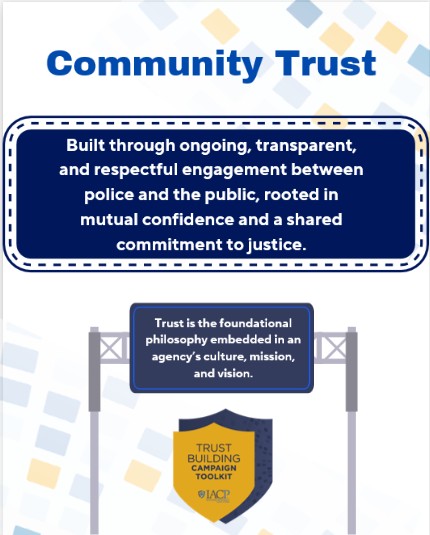
📣 Building trust in policing goes beyond outreach—it requires meaningful engagement.
Explore the Trust Building Campaign Toolkit’s new resource on community policing & police engagement to strengthen partnerships and public safety.
🔗 theiacp.org/projects/communi…
1
4
326
Jan 28
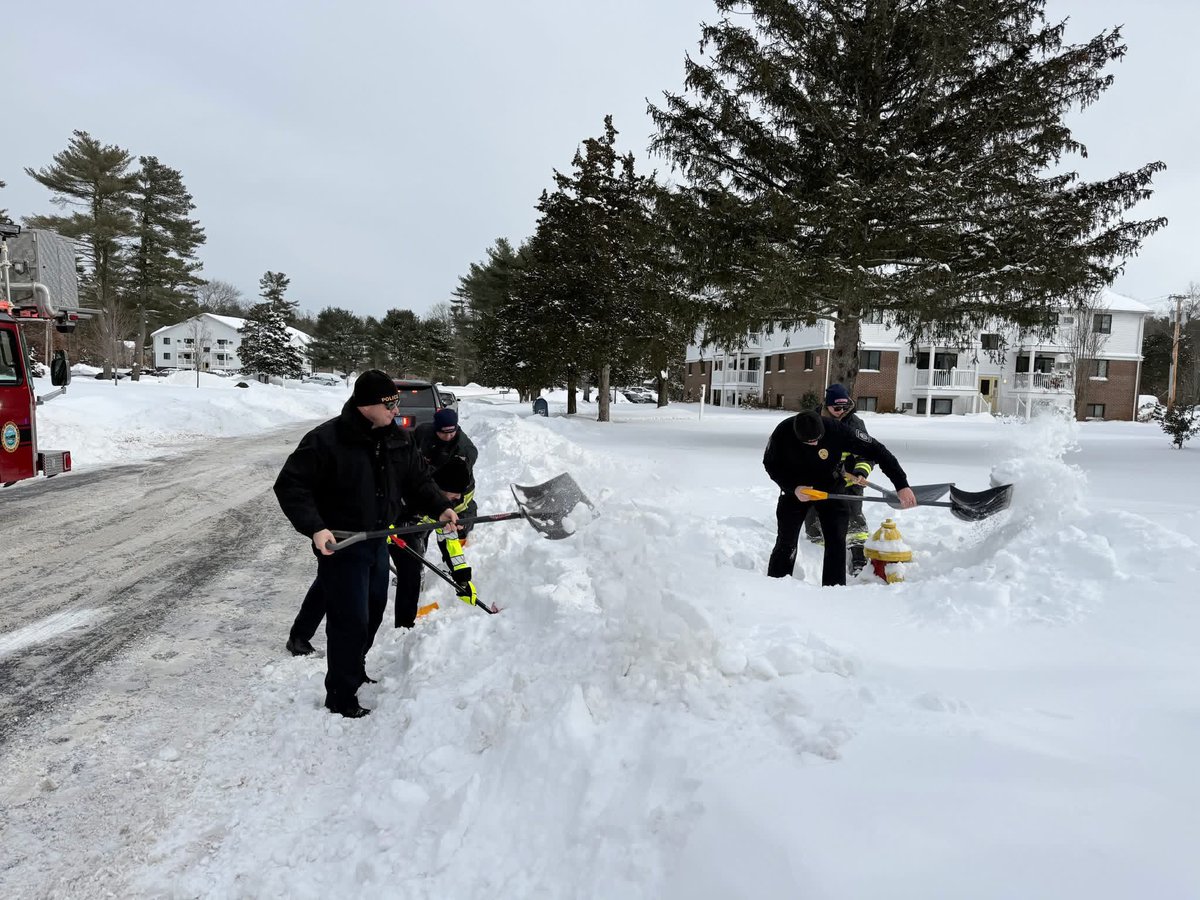
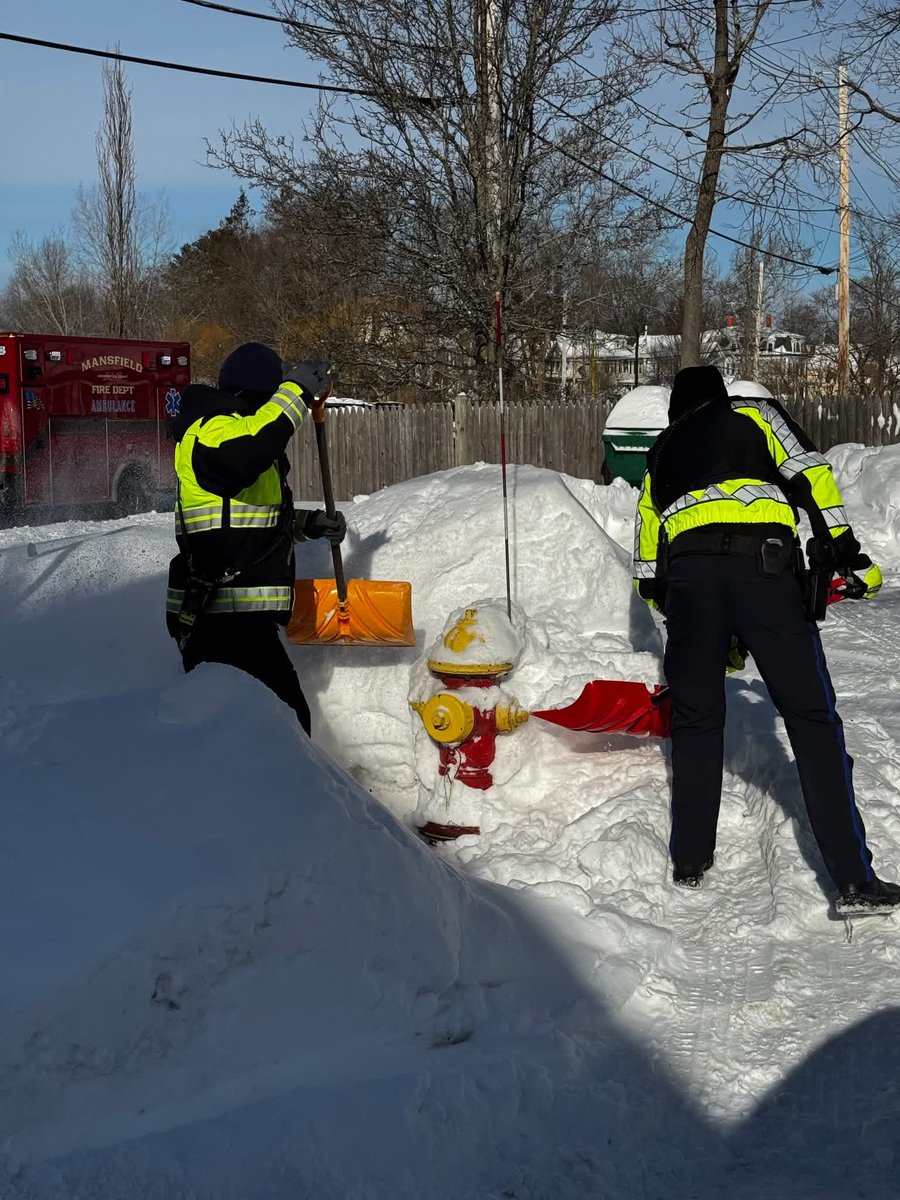
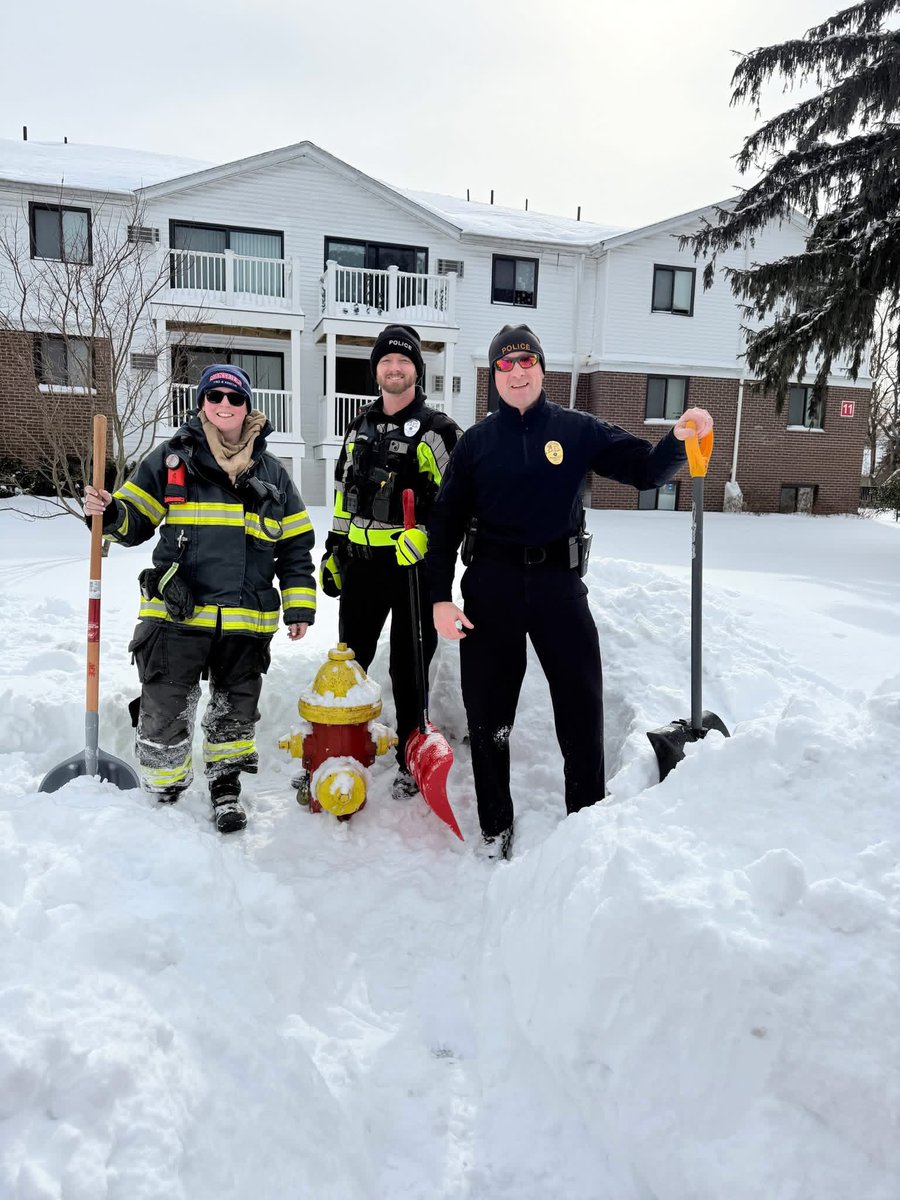
8 years ago the @MansfieldFireMA took less than 2 minutes to respond to our house fire. We got lucky, they were already on another call nearby but even with that quick response it resulted in $400k in damage and displaced us for 7-8 months. Seconds count and the time it takes to dig out a hydrant near your home may mean the difference between total loss and hope.
2
15
2,657