Science Division, Royal Botanic Gardens Victoria. Advancing knowledge of plants, algae and fungi via biodiversity research & the State Botanical Collection.
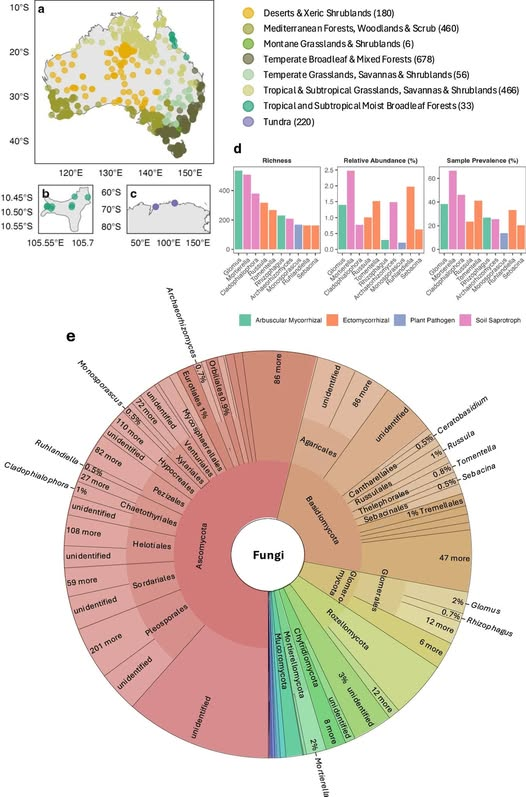
ALT Figure 1 from the publication, showing locations and biomes sampled in continental Australia, Christmas Island, and Antarctica, and major fungal groups detected with their ecology.
This work was supported by an Australian Government Research Training Program scholarship from La Trobe University. We would like to acknowledge the contribution of the Australian Microbiome and Biomes of Australian Soil Environments consortiums in the generation of data used in this publication. The Australian Microbiome initiative is supported by funding from Bioplatforms Australia and the Integrated Marine Observing System through the Australian Government’s National Collaborative Research Infrastructure Strategy, Parks Australia through the Bush Blitz program funded by the Australian Government and BHP, and CSIRO.
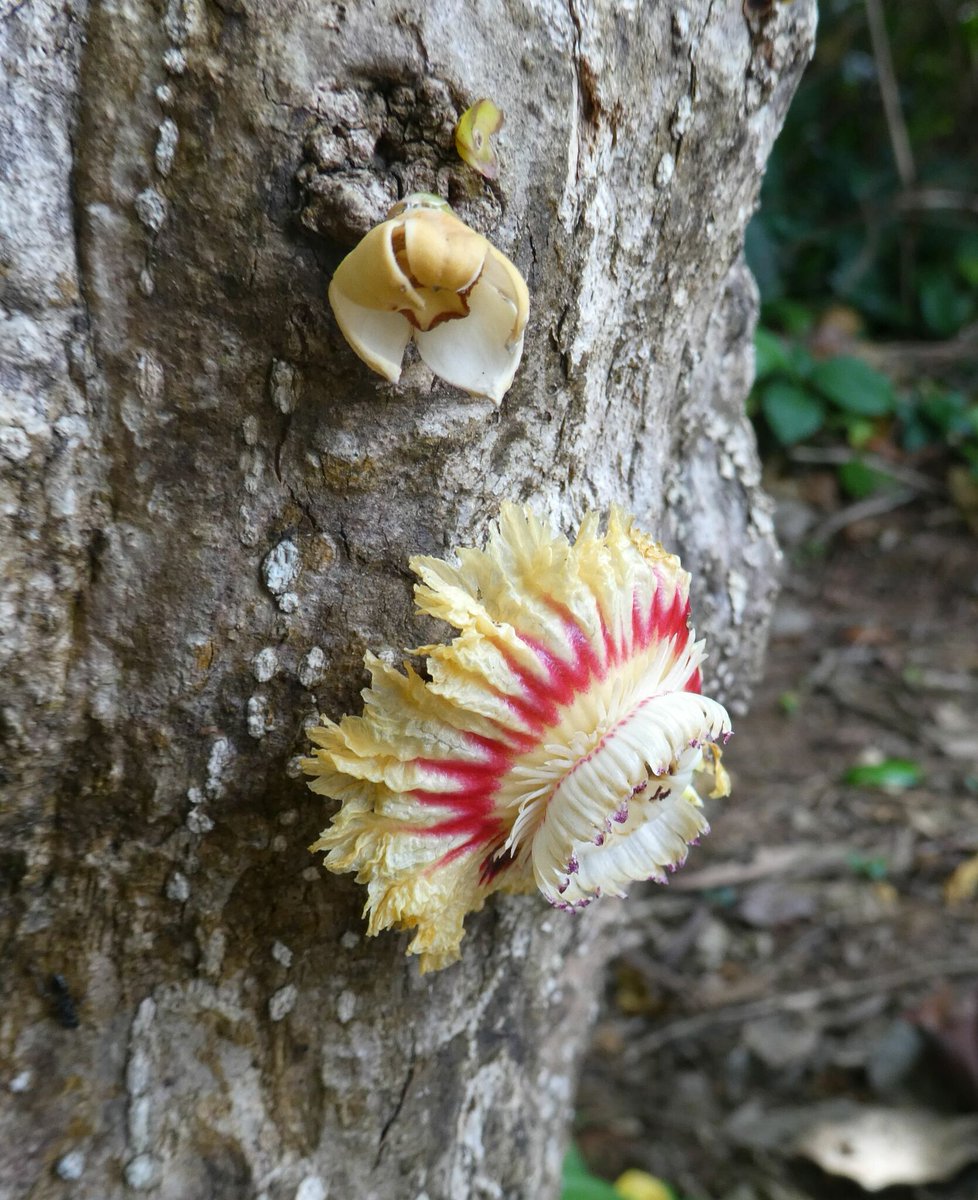
Our Observation of the Day is this flowering Napoleonaea vogelii plant, seen in Liberia by careljongkind!
This species is in the Lecythidaceae family, which also includes the Brazil nut (Bertholletia excelsa).
More details at: inaturalist.org/observations…
ALT
A large flower grows directly from the gray bark of a small tree. The flower is mostly cream colored with a ring of red.
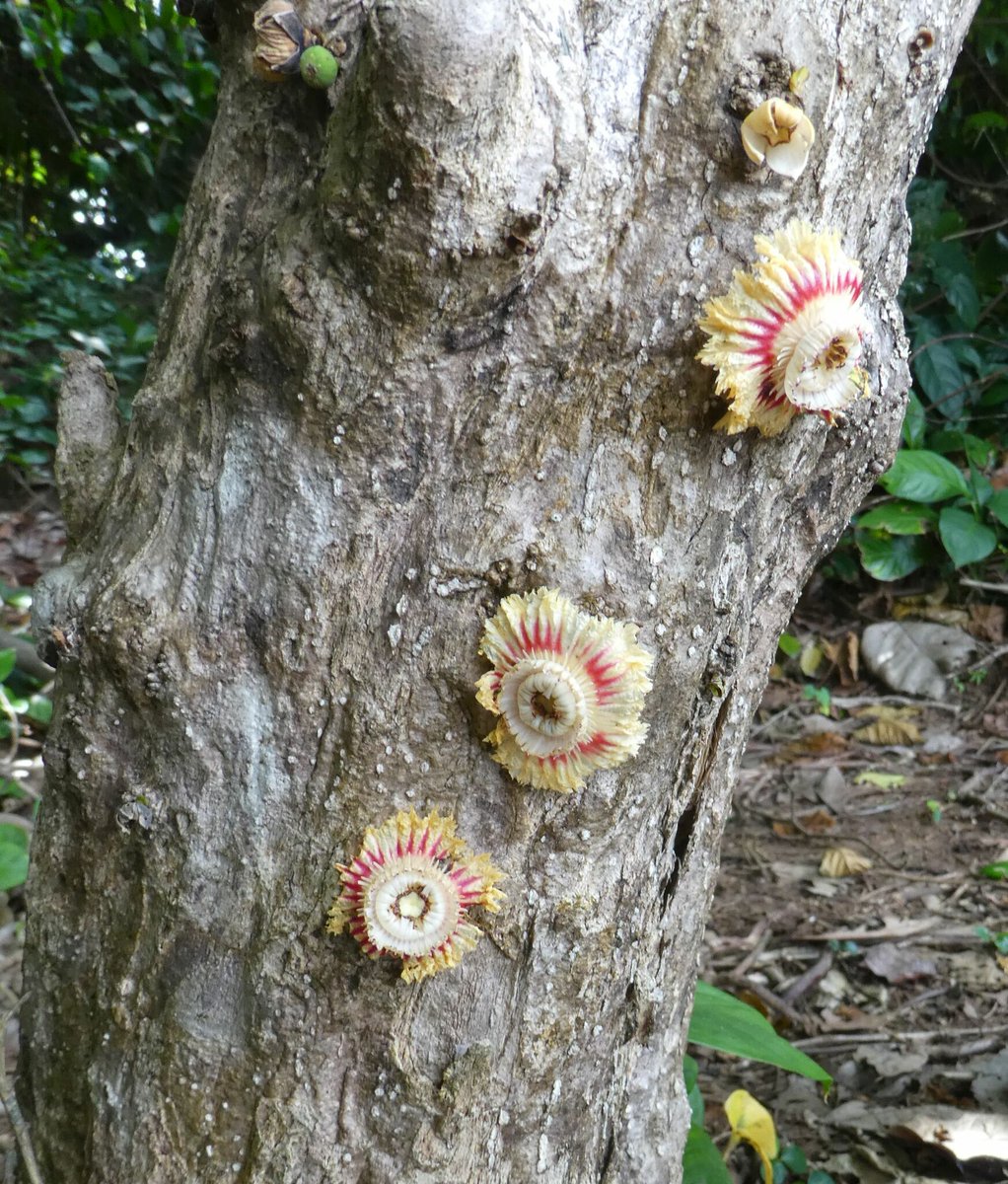
ALT Three flowers grow directly from the gray bark of a small tree. The flowers are mostly cream colored with a ring of red.
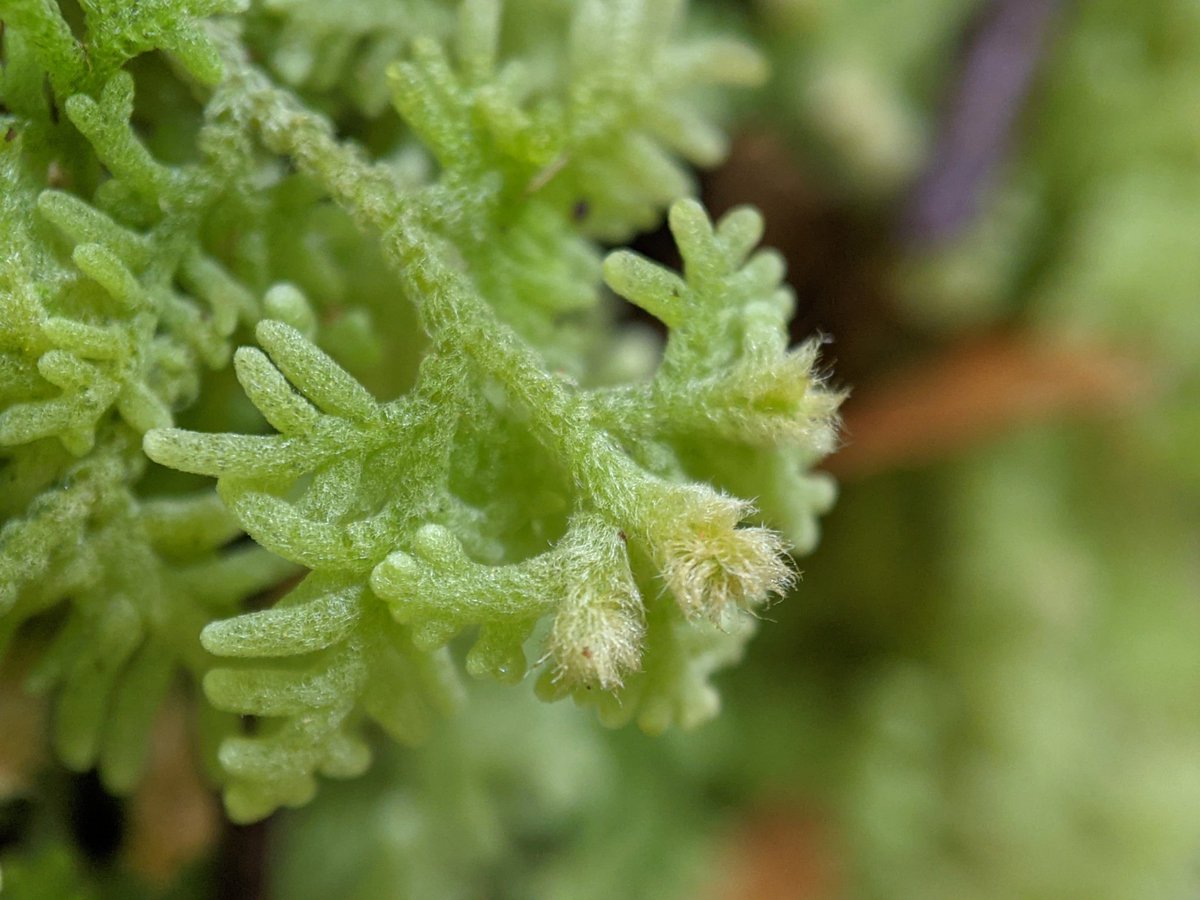
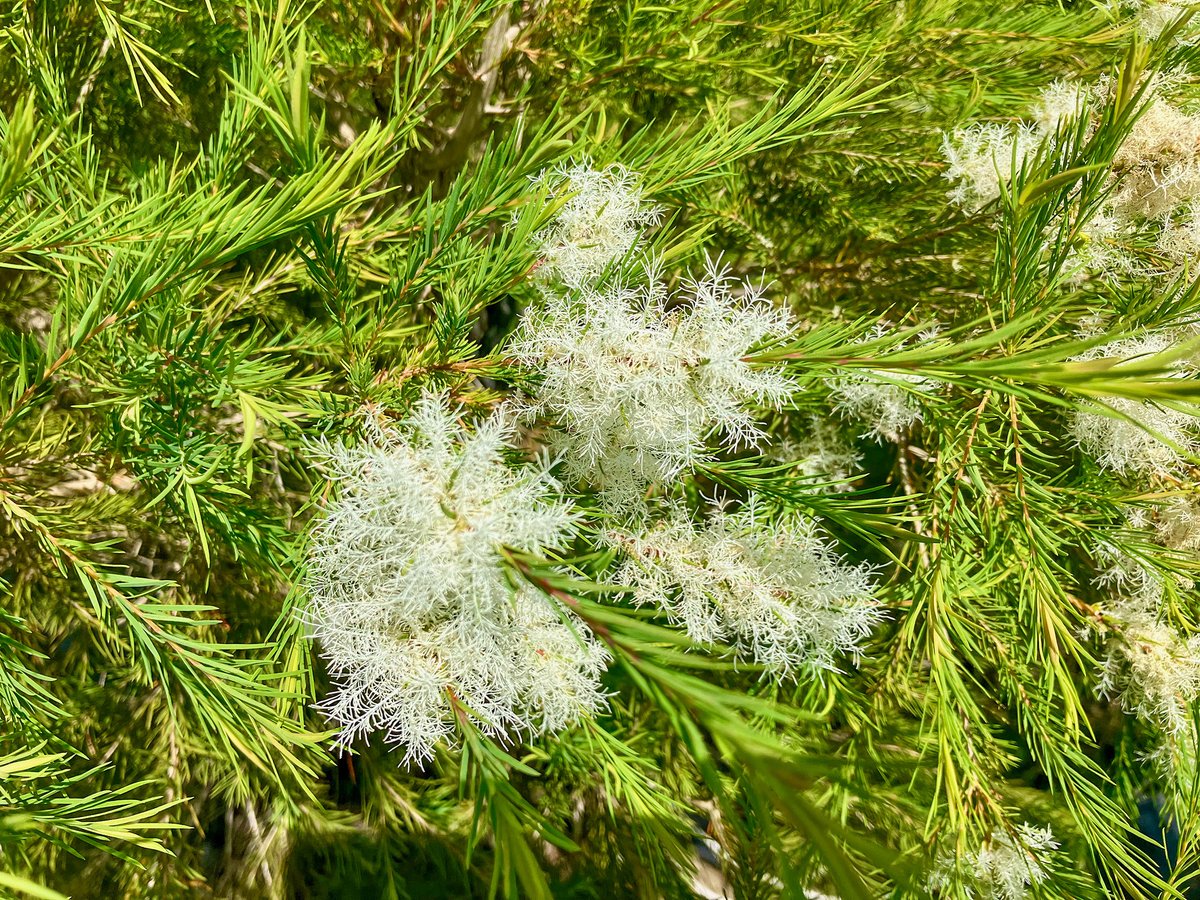
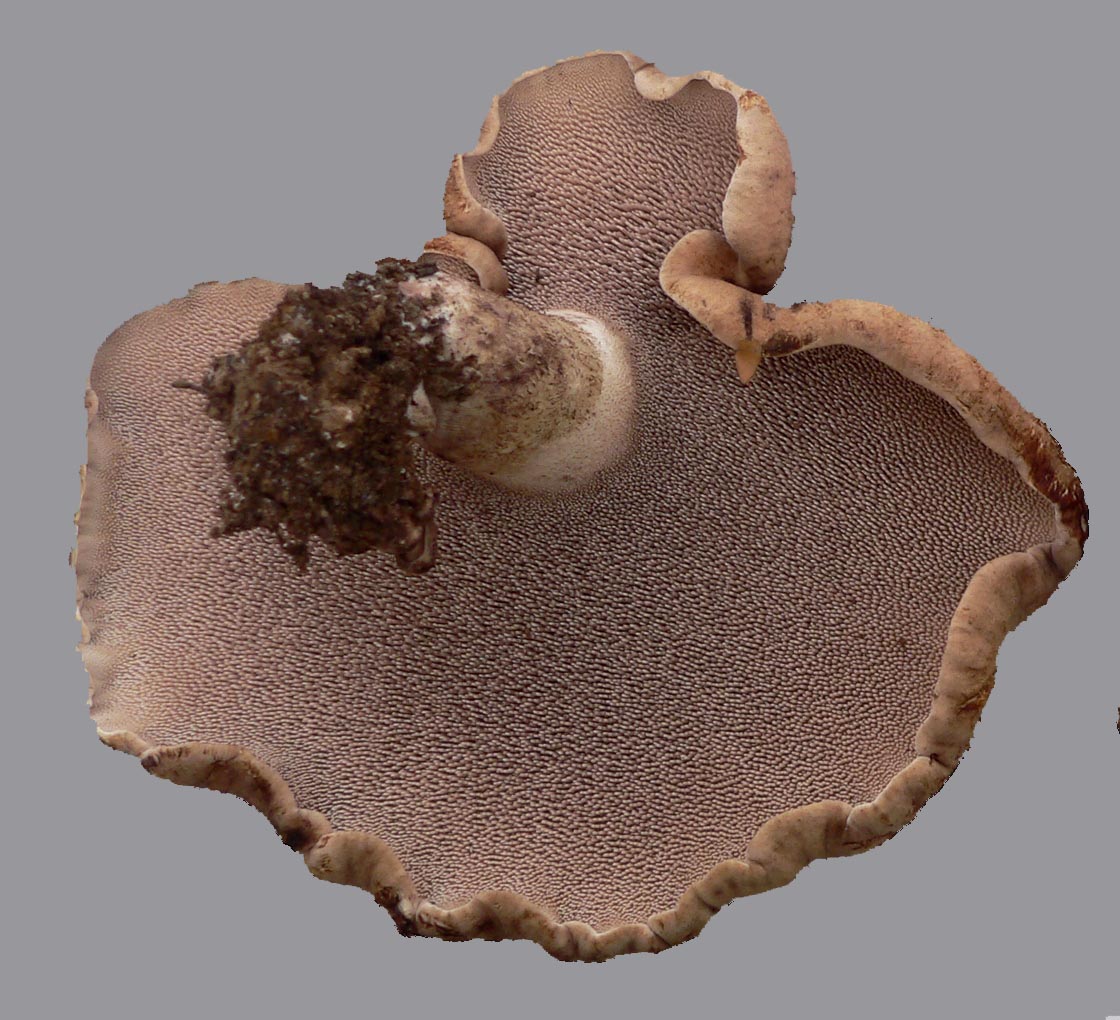
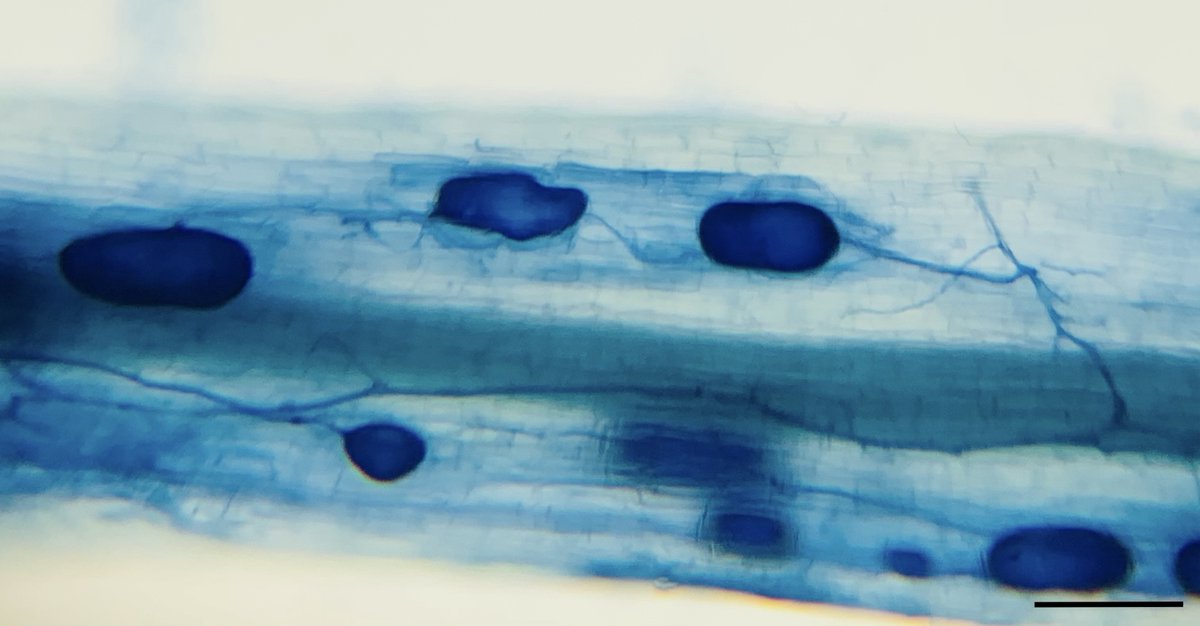
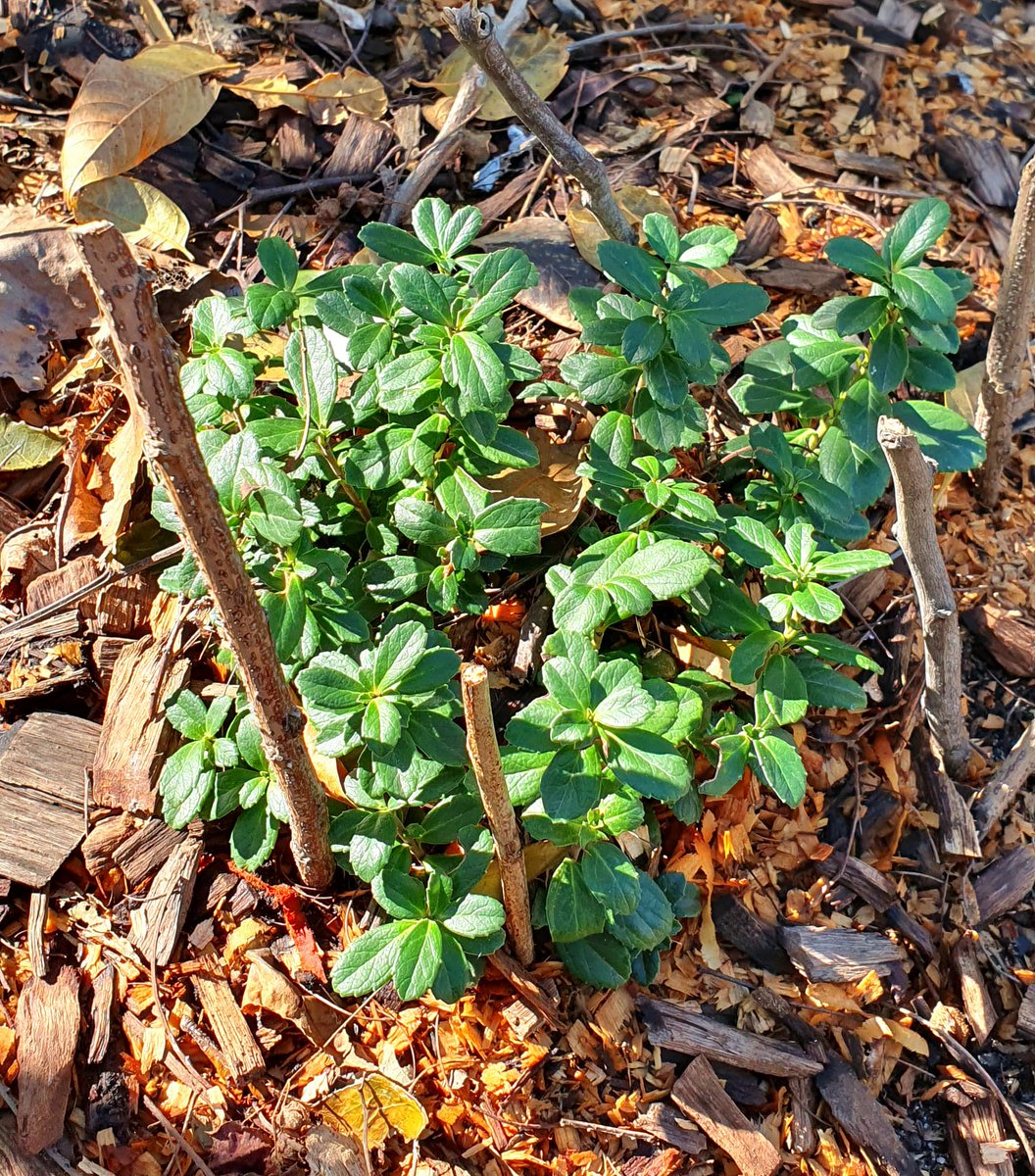
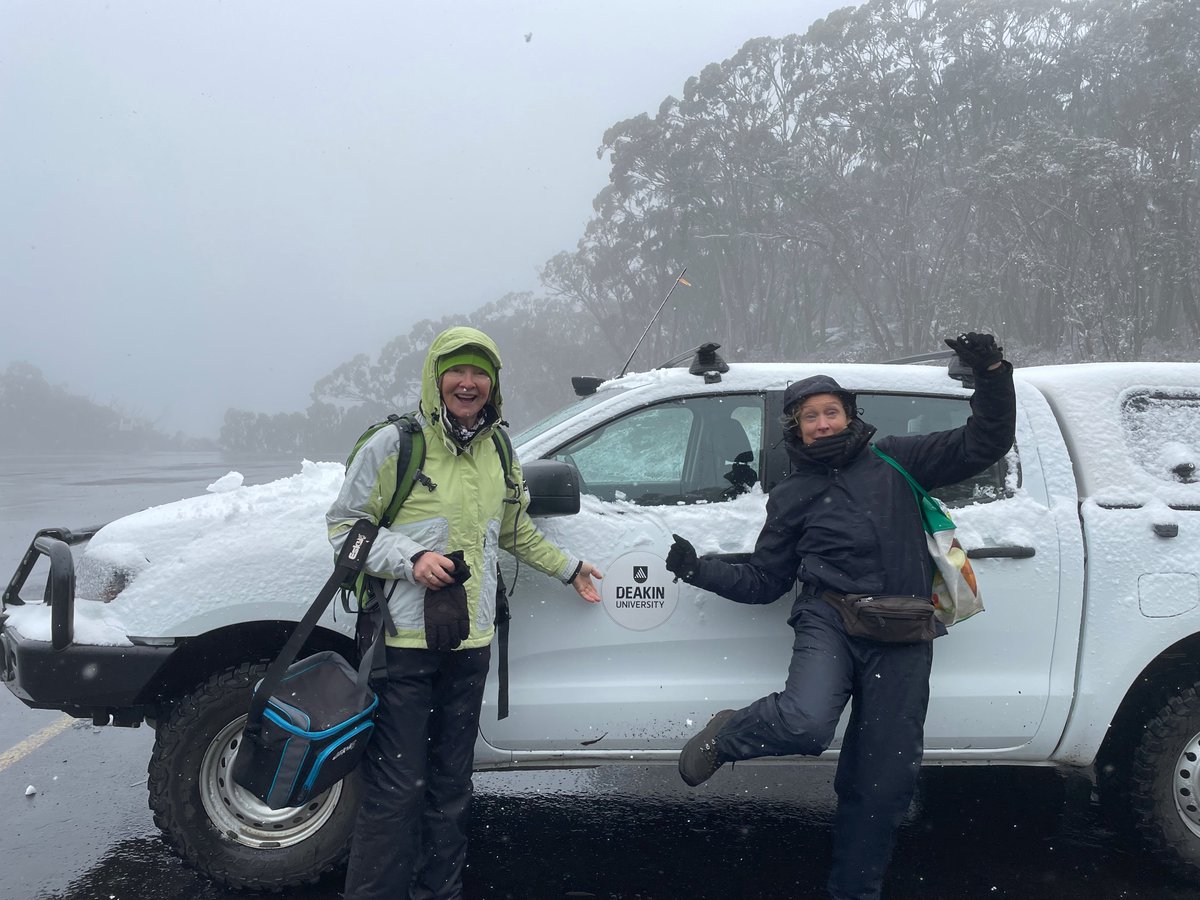
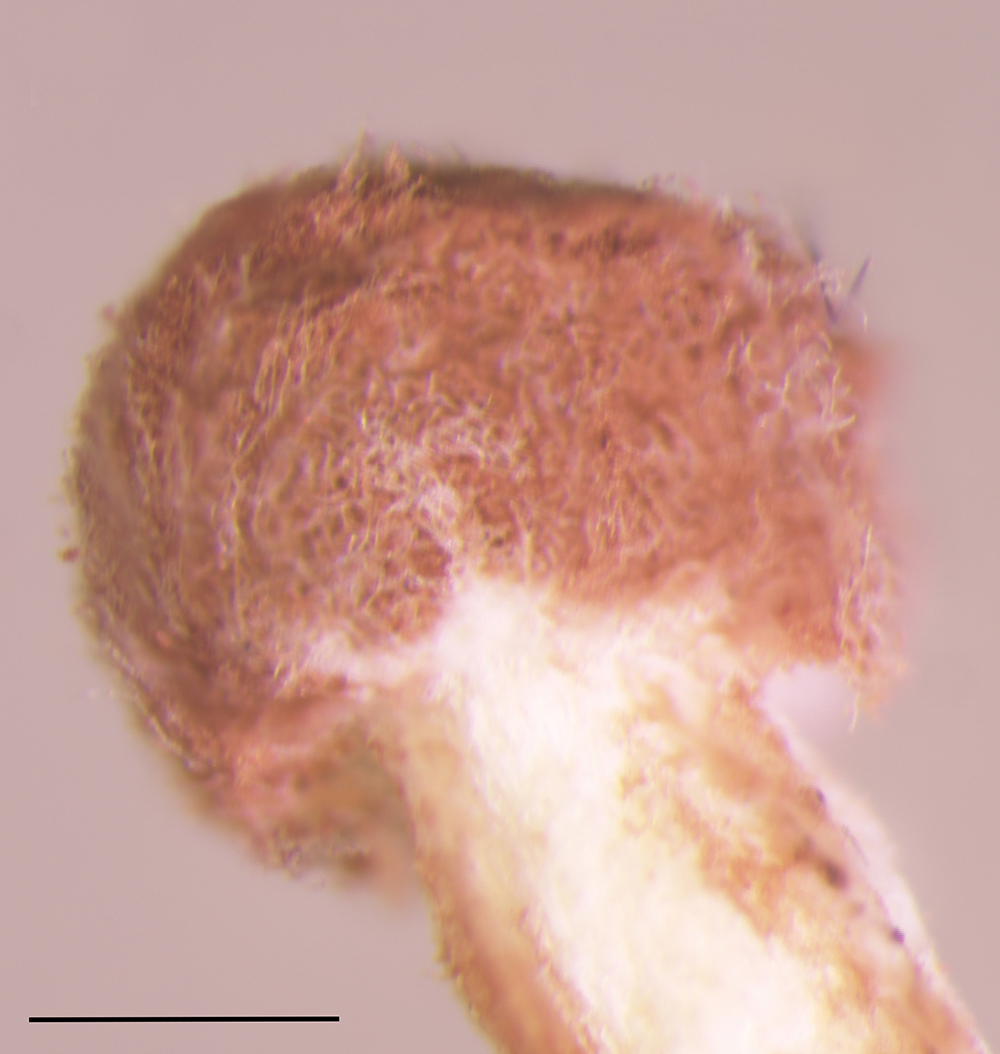
A study from RBGV mycologist Camille Truong investigates mycorrhizae of Melaleuca alternifolia (tea-tree), providing promising insights for sustainable production in the face of climate change: doi.org/10.1007/s11104-024-0…
📸: (1) C. Truong (2) L. Florence #RBGVScience@RBG_Victoria
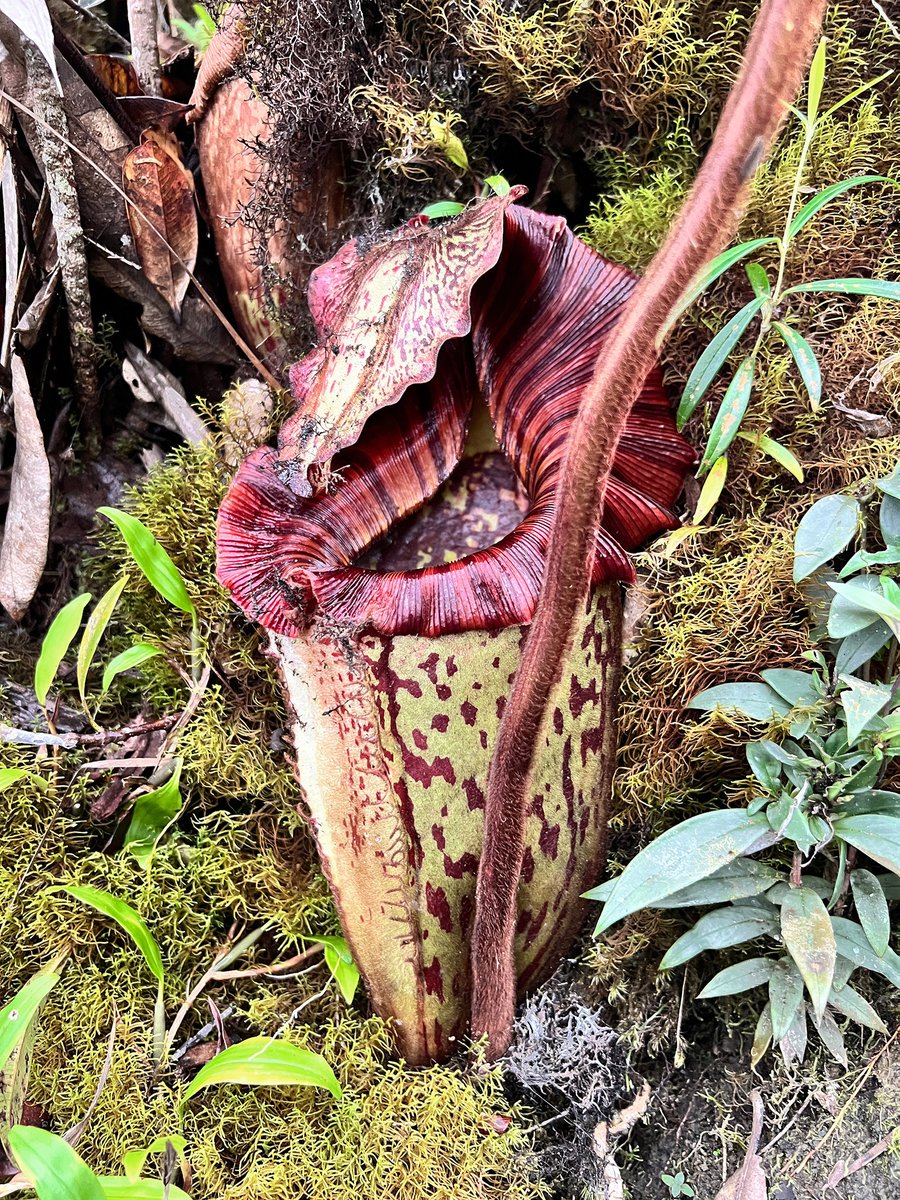
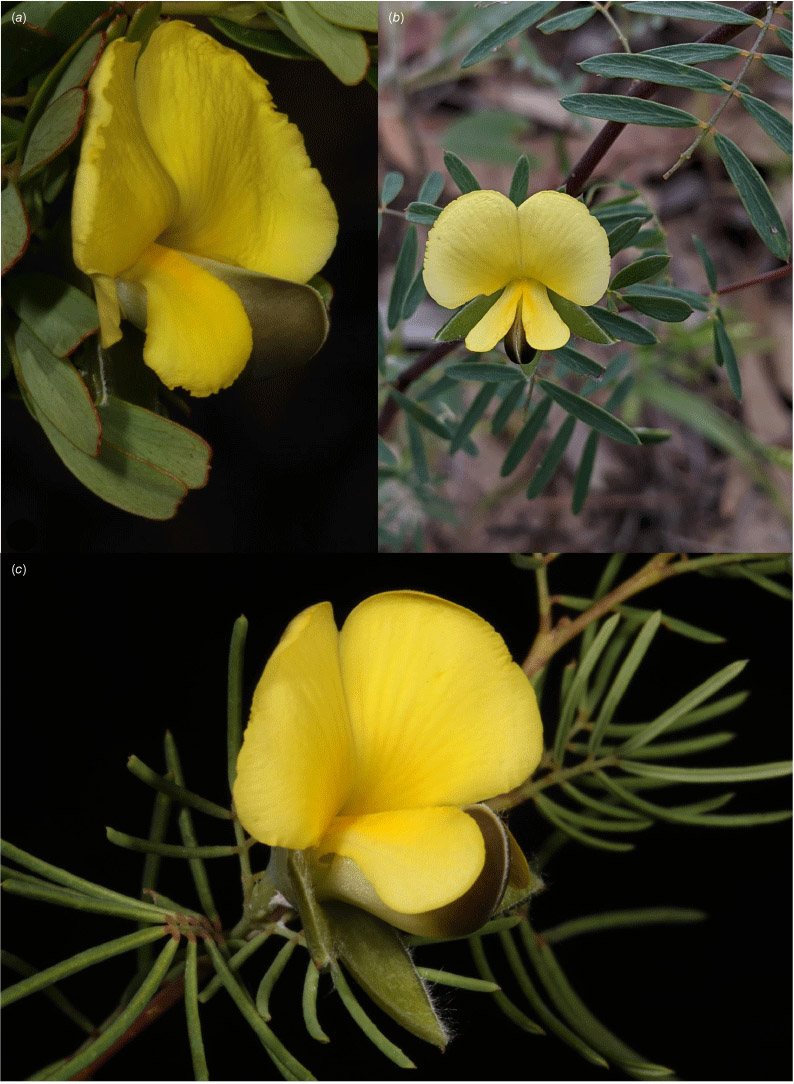
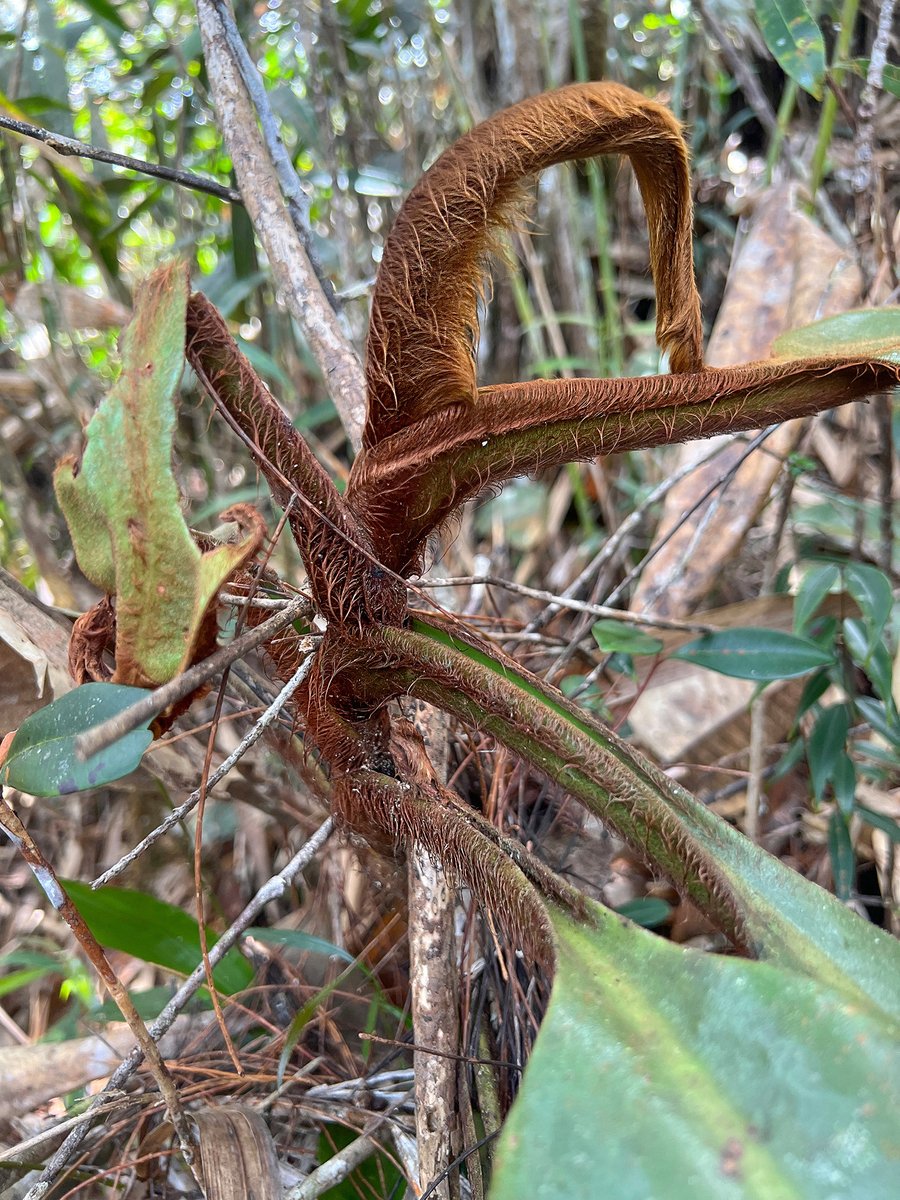
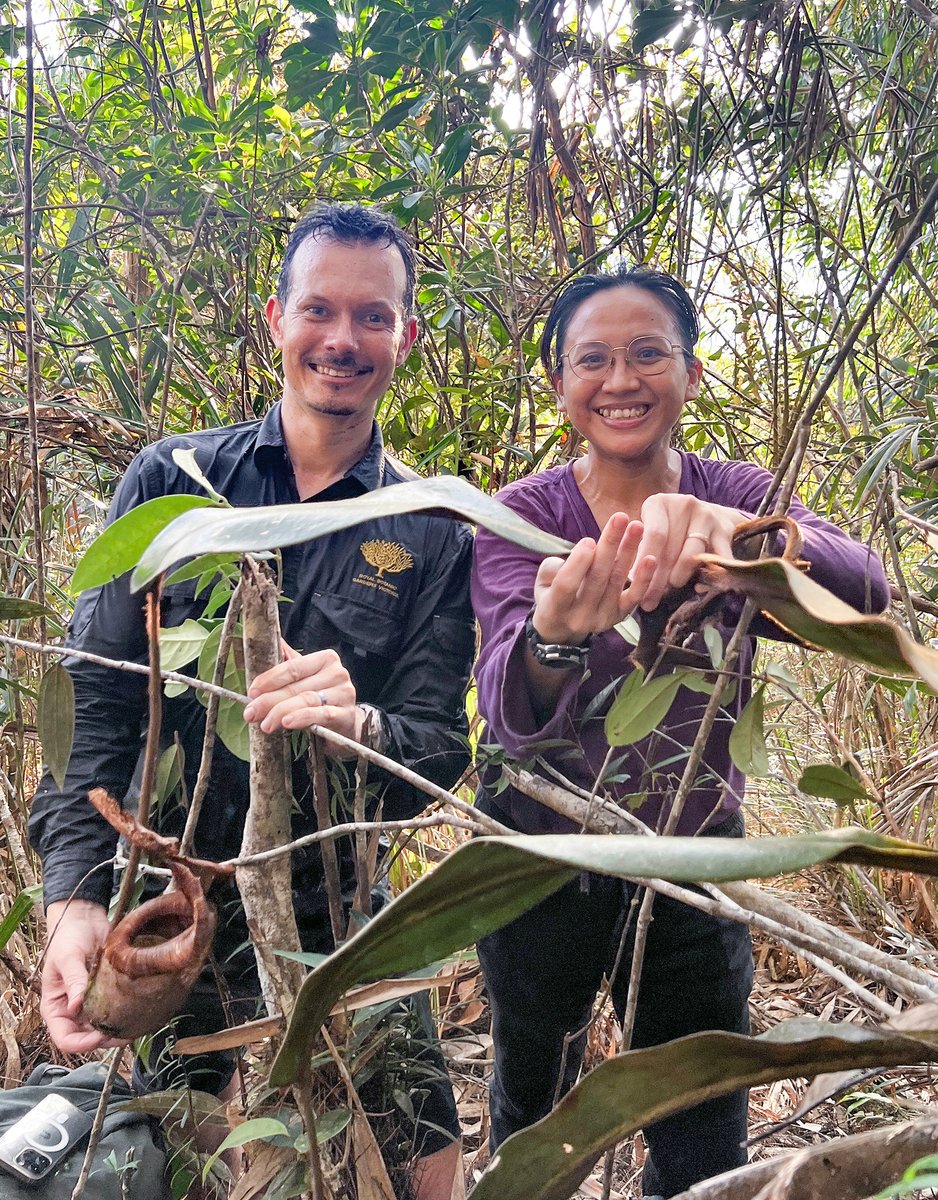
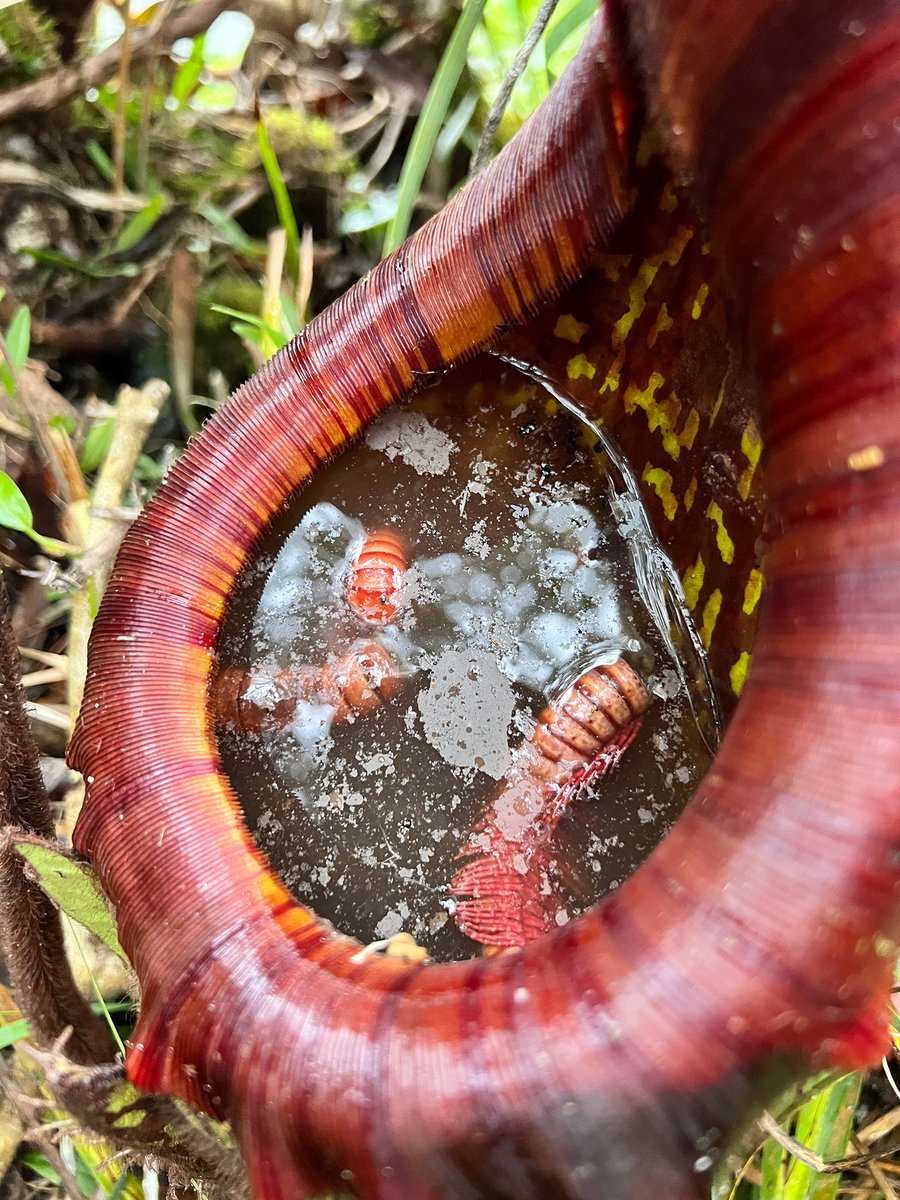
Named after the orangutan 🦧, a new pitcher plant is described from Borneo by Royal Botanic Gardens Victoria botanist Dr Alastair Robinson @botanydoc and colleagues in Malaysia.
See: publish.csiro.au/bt/Fulltext…
📸: A. Damit; A. Robinson; Nur Adillah Yusof
#RBGVScience@RBG_Victoria
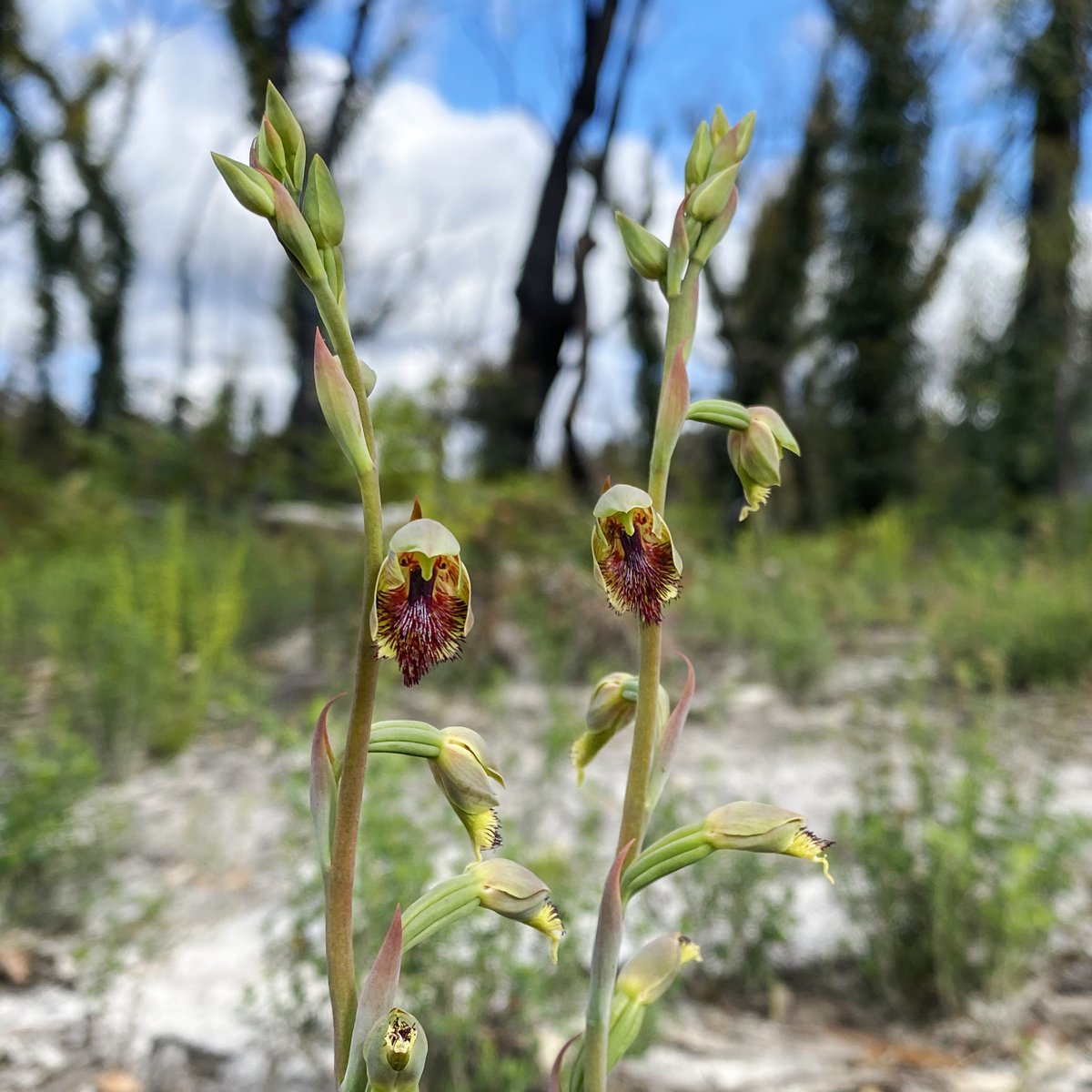
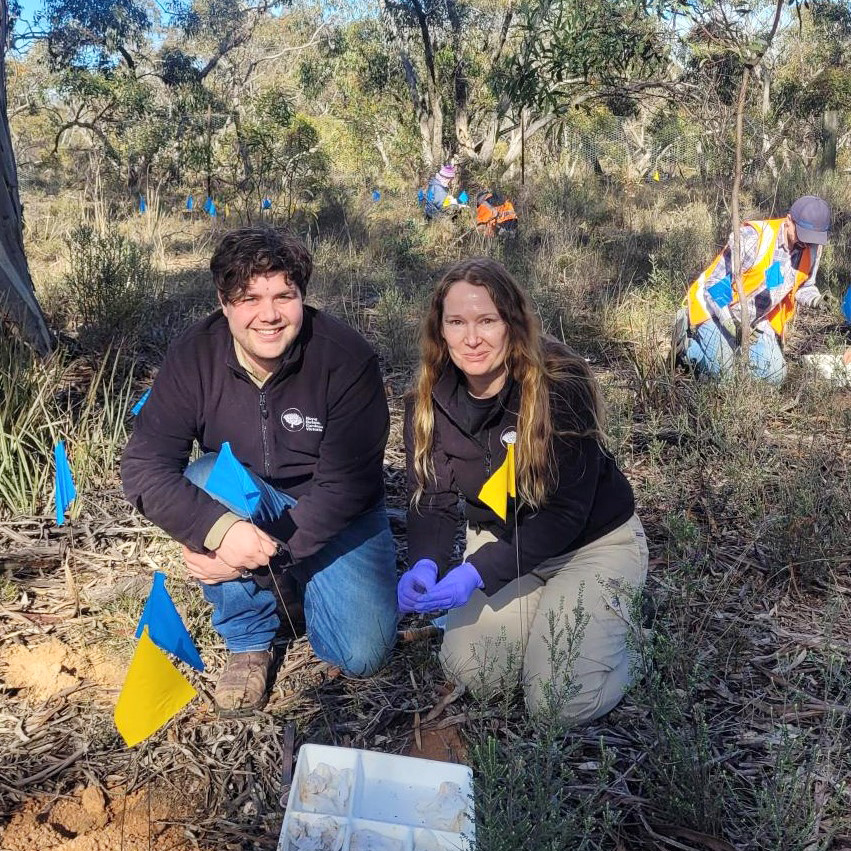
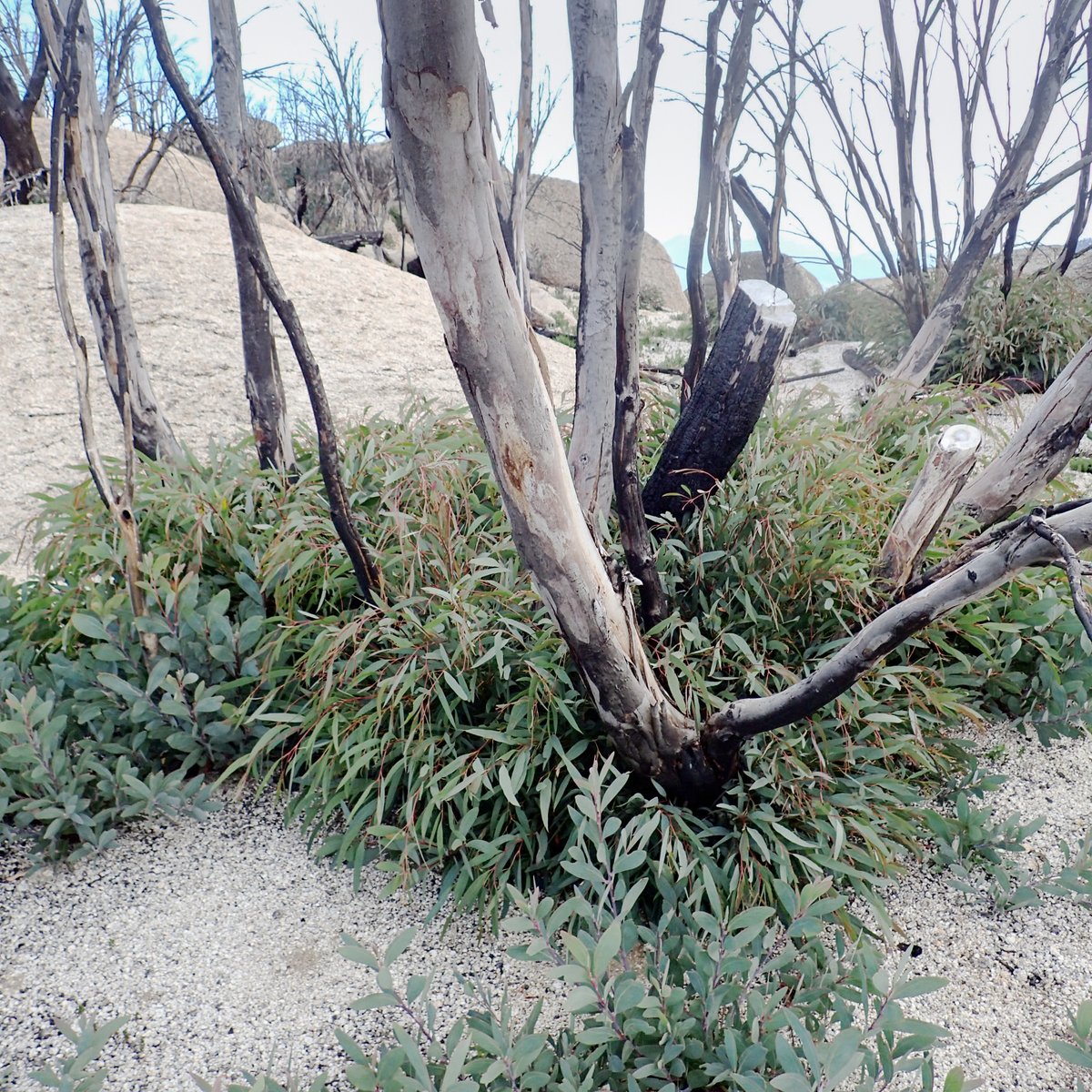
Surveys of over 2,000 plant and animal taxa since the 2019–2020 megafires have revealed the effects of the fires on biodiversity in a new paper published in Nature:
nature.com/articles/s41586-0…
📸: (1,2) N. Reiter, (3) A. Messina
#RBGVScience@RBG_Victoria
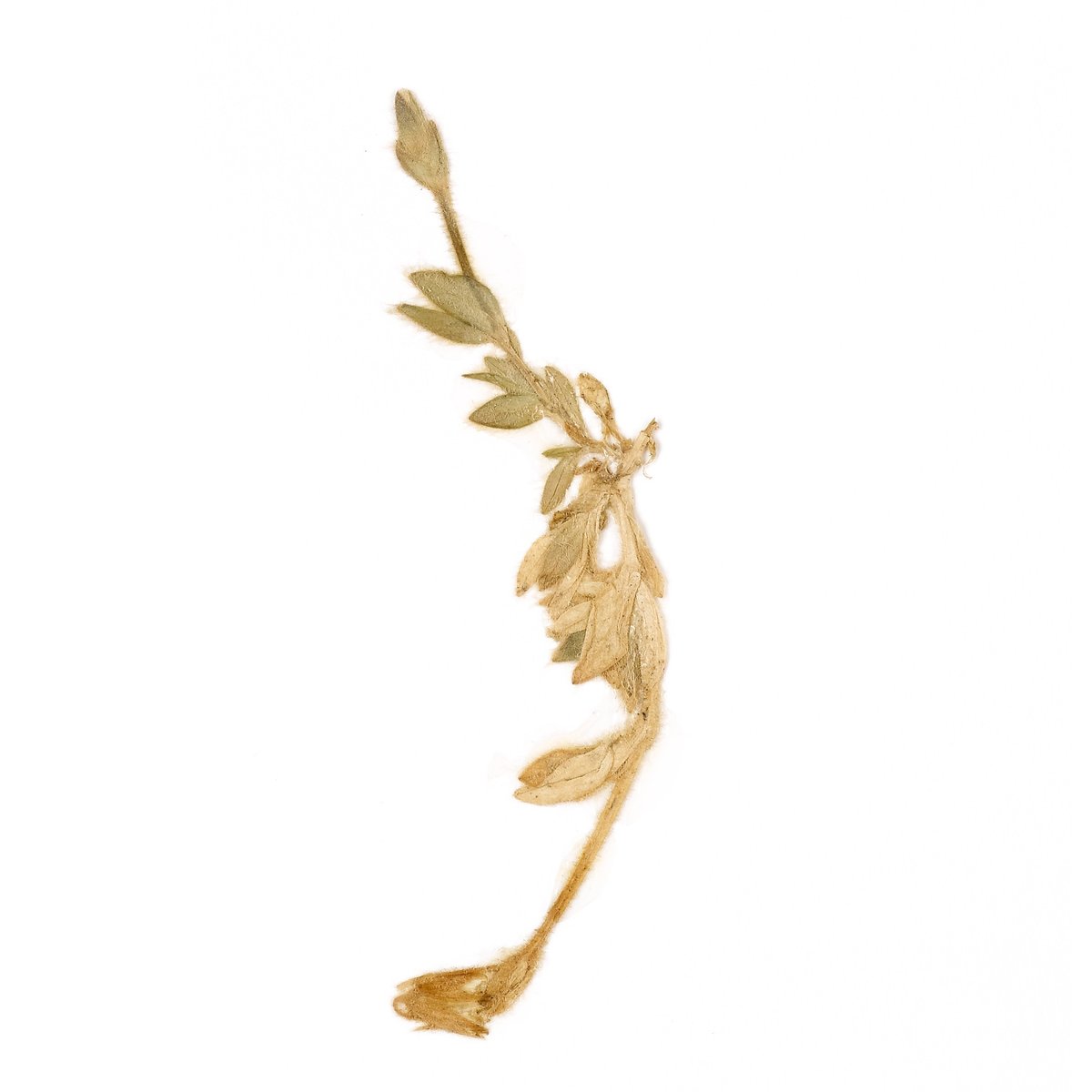
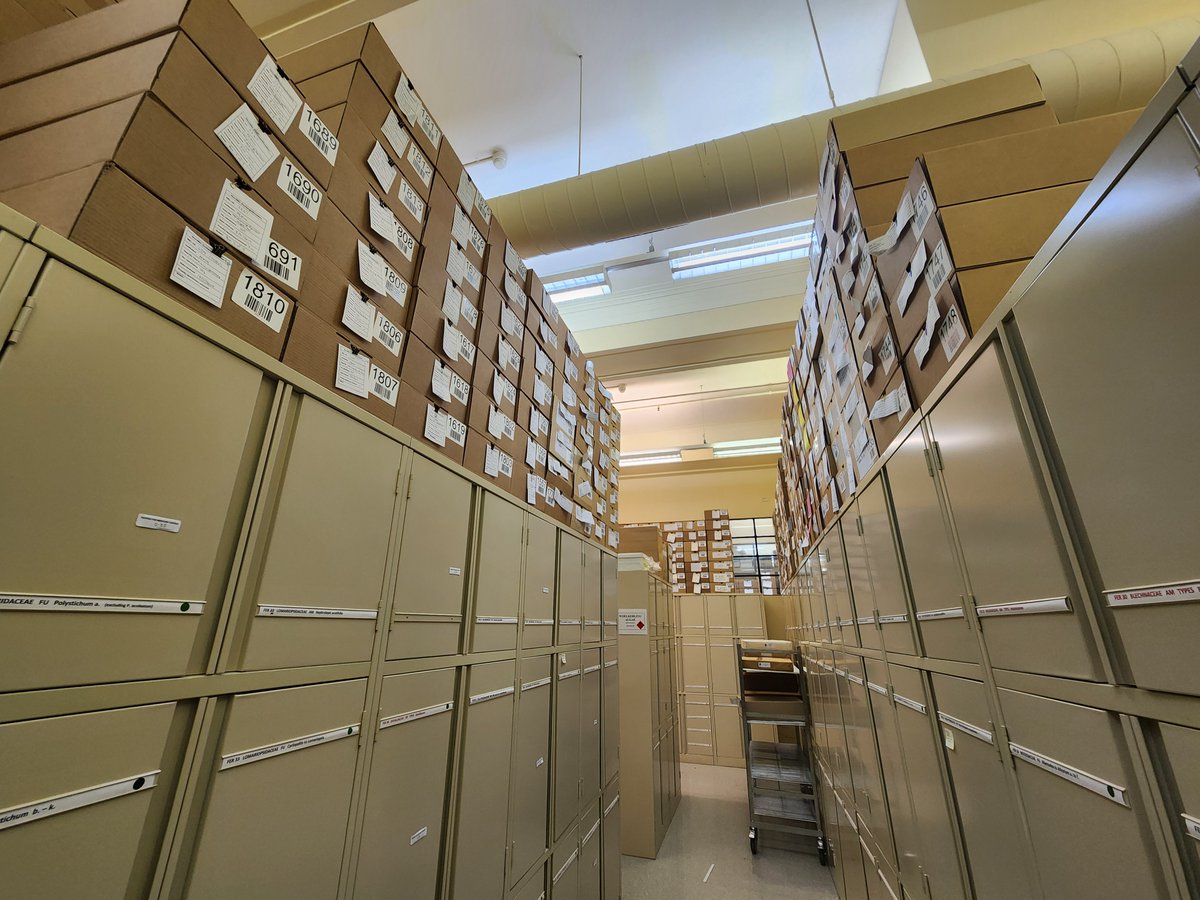
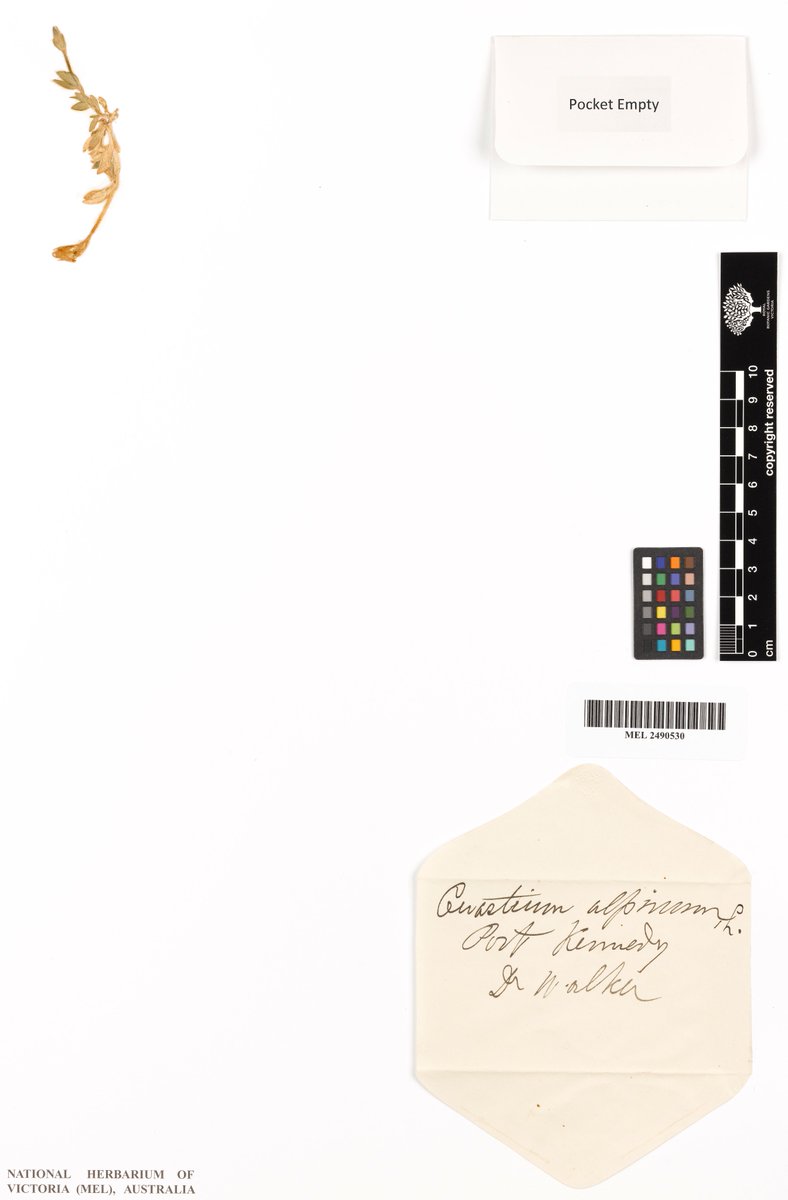
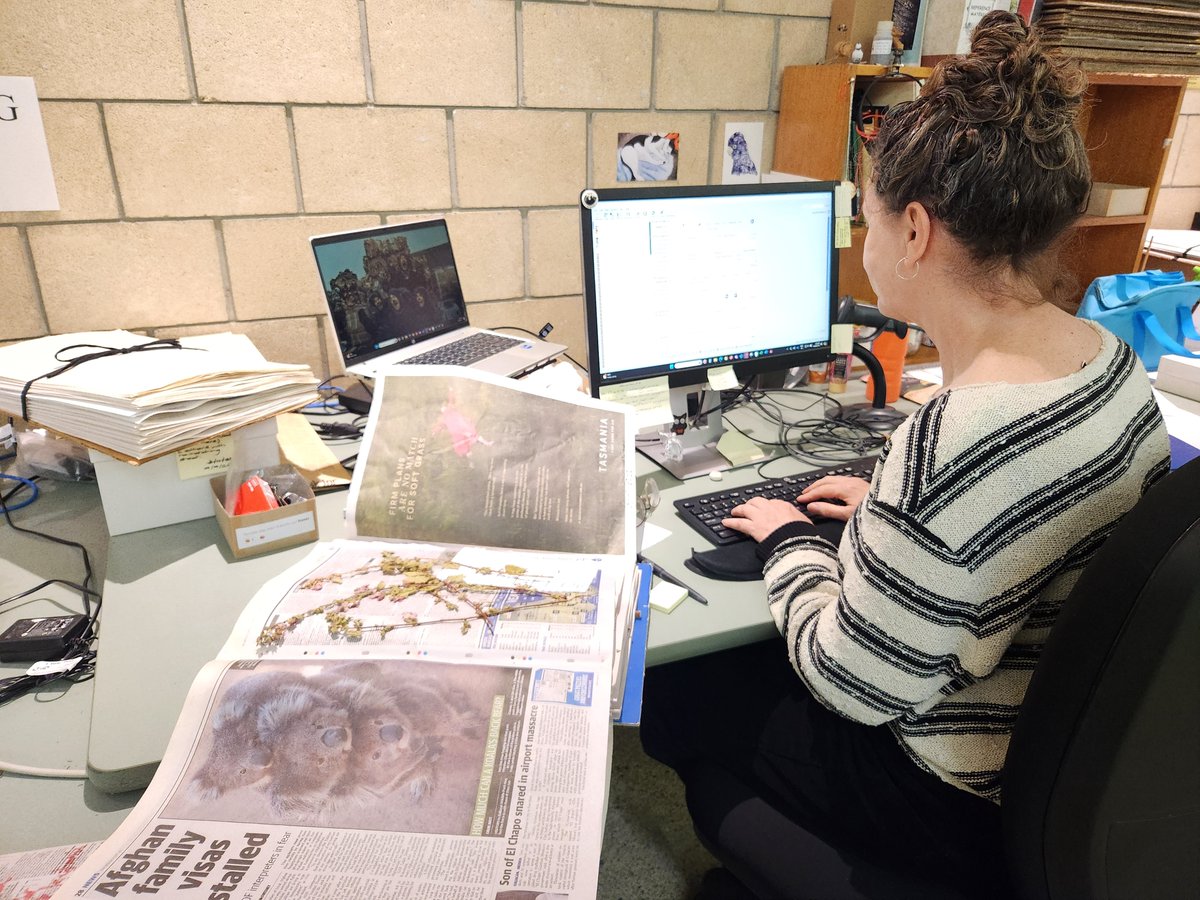
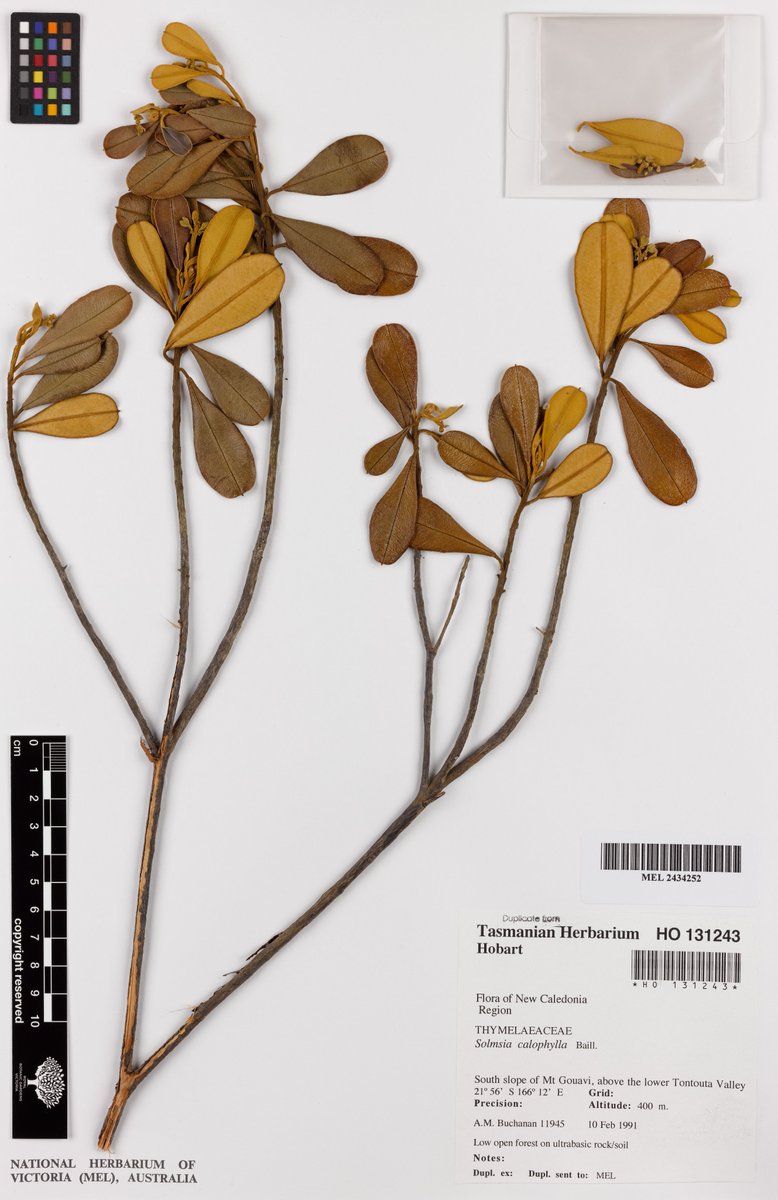
Our Collections Manager discusses our Global Collection with Radio National's Jonathan Green! Learn about the rich history hiding behind one of the specimens in the collection here:
abc.net.au/listen/programs/b…
📸: Royal Botanic Gardens Victoria #RBGVScience@RBG_Victoria
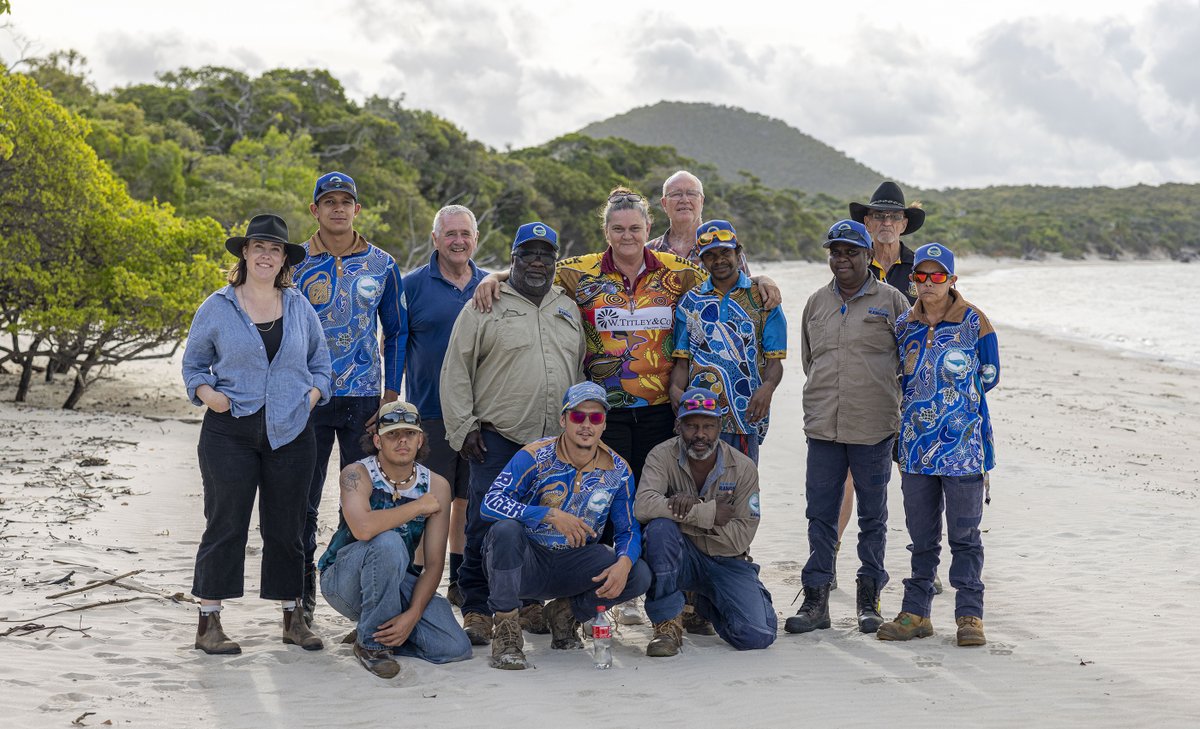
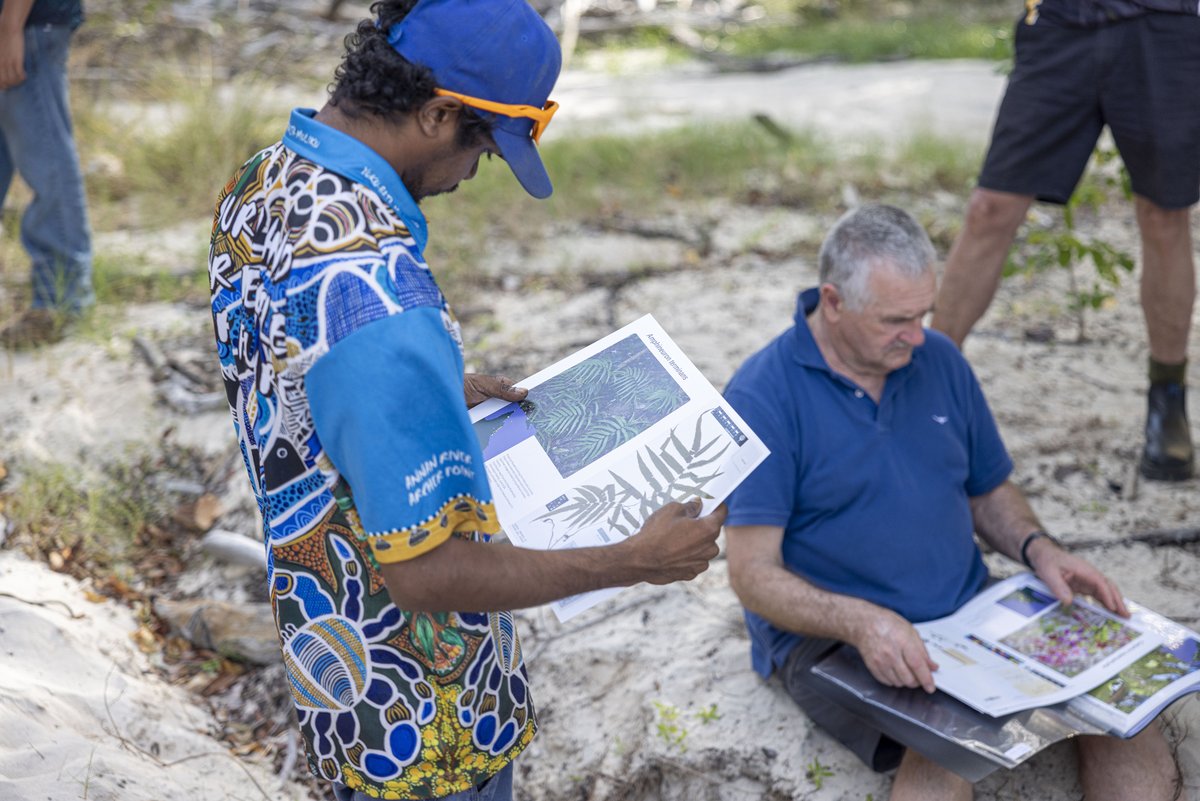
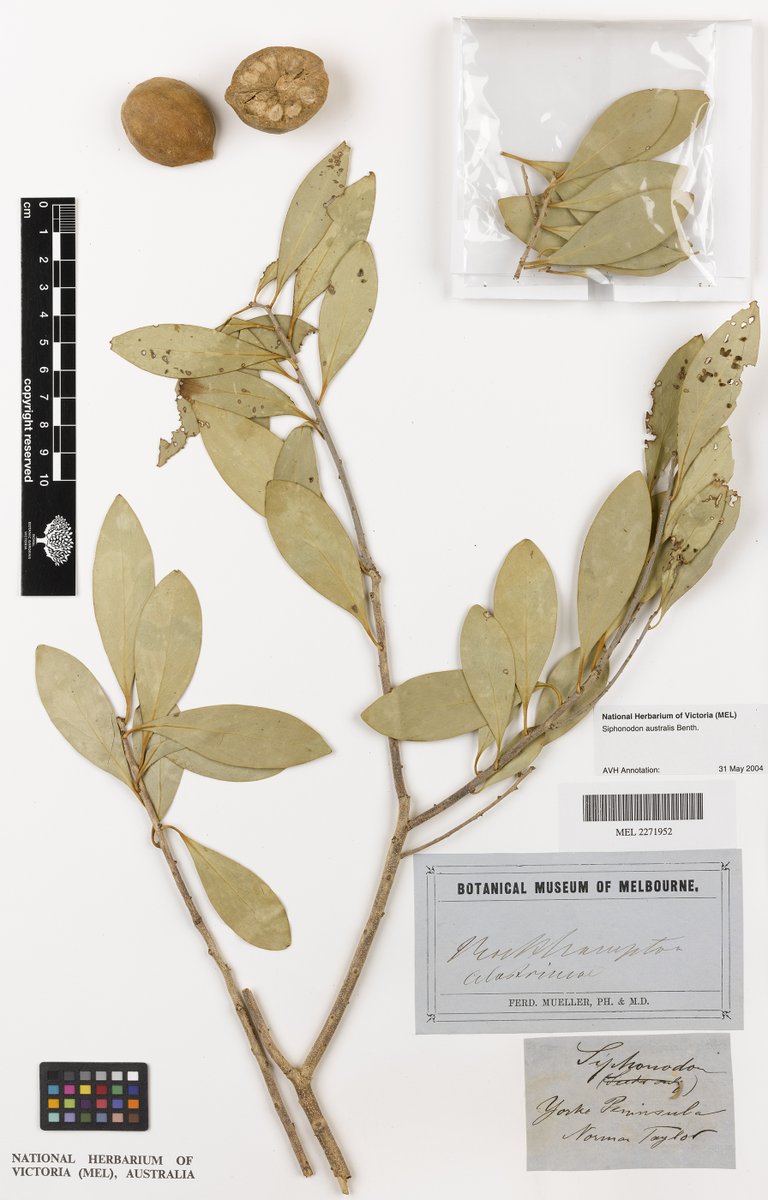
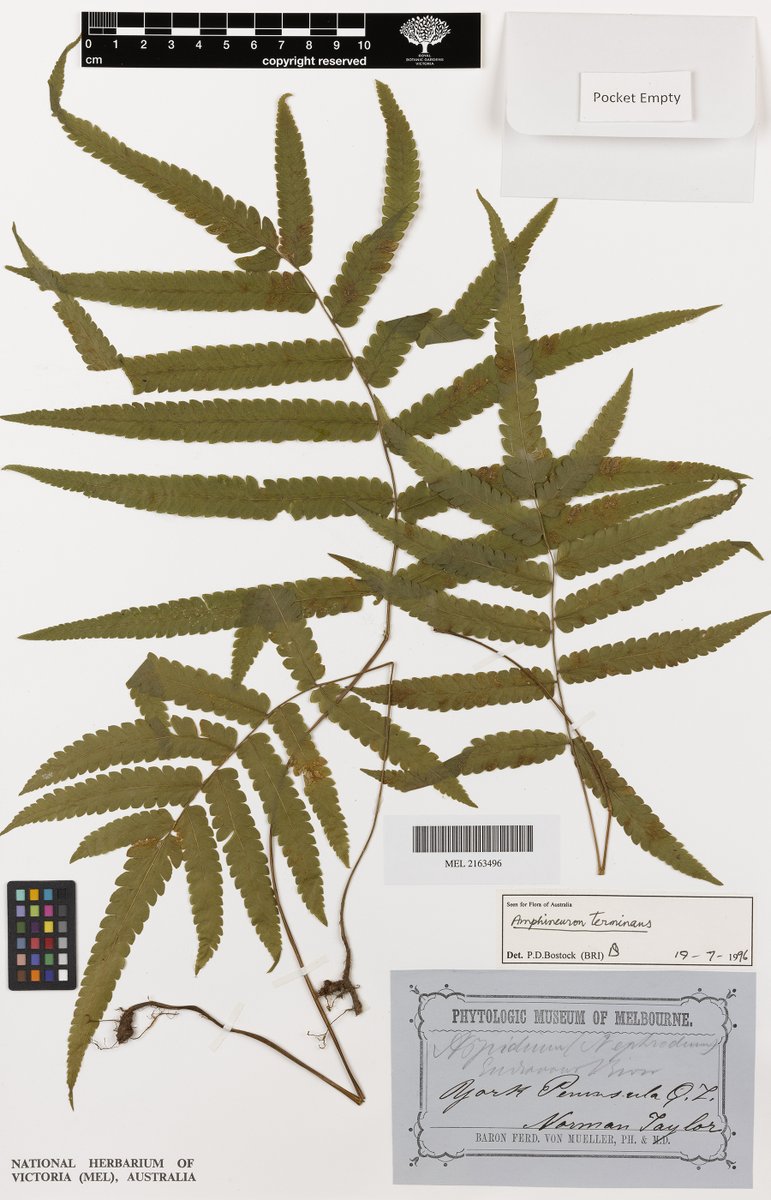
Like many herbaria and botanic gardens, we are reflecting on the colonial history of the collection and how First Peoples’ contributions to botanical science have been obscured. See: biss.pensoft.net/article/137…
📸: (1,2) Michael Lawrence-Taylor; (3,4) RBGV
#RBGVScience@RBG_Victoria
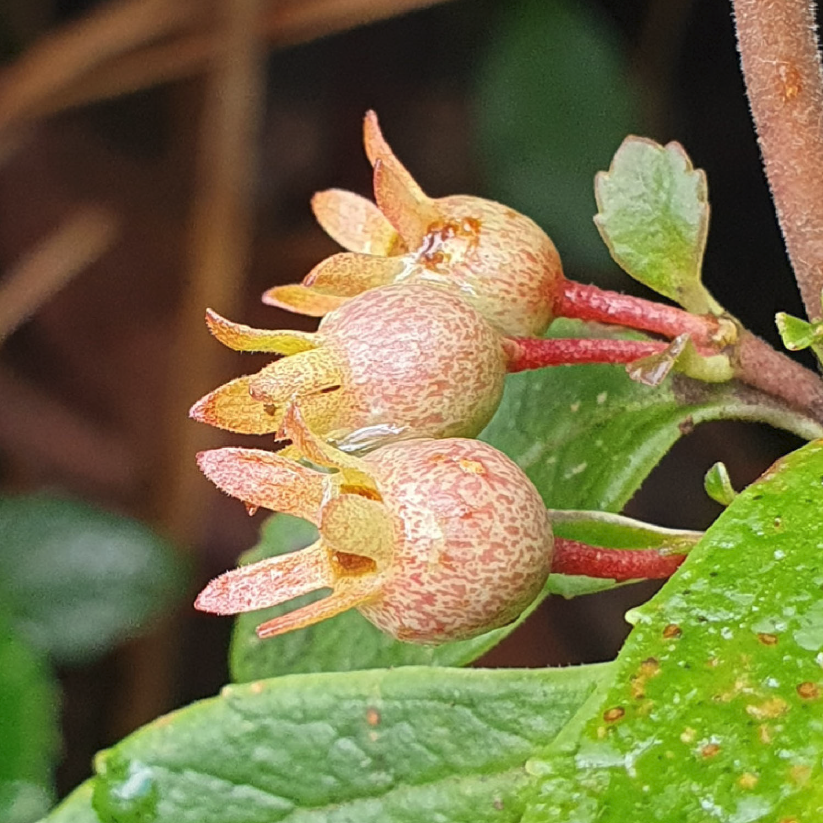
Conservation horticulture and predictive modelling are being used to safeguard the future of 𝘞𝘪𝘵𝘵𝘴𝘵𝘦𝘪𝘯𝘪𝘢 𝘷𝘢𝘤𝘤𝘪𝘯𝘪𝘢𝘤𝘦𝘢 (Baw Baw berry). Learn more here: journals.rbge.org.uk/rbgesib…
📸: Virginia Williamson (1,2), Daniel White (3)
#RBGVScience@RBG_Victoria
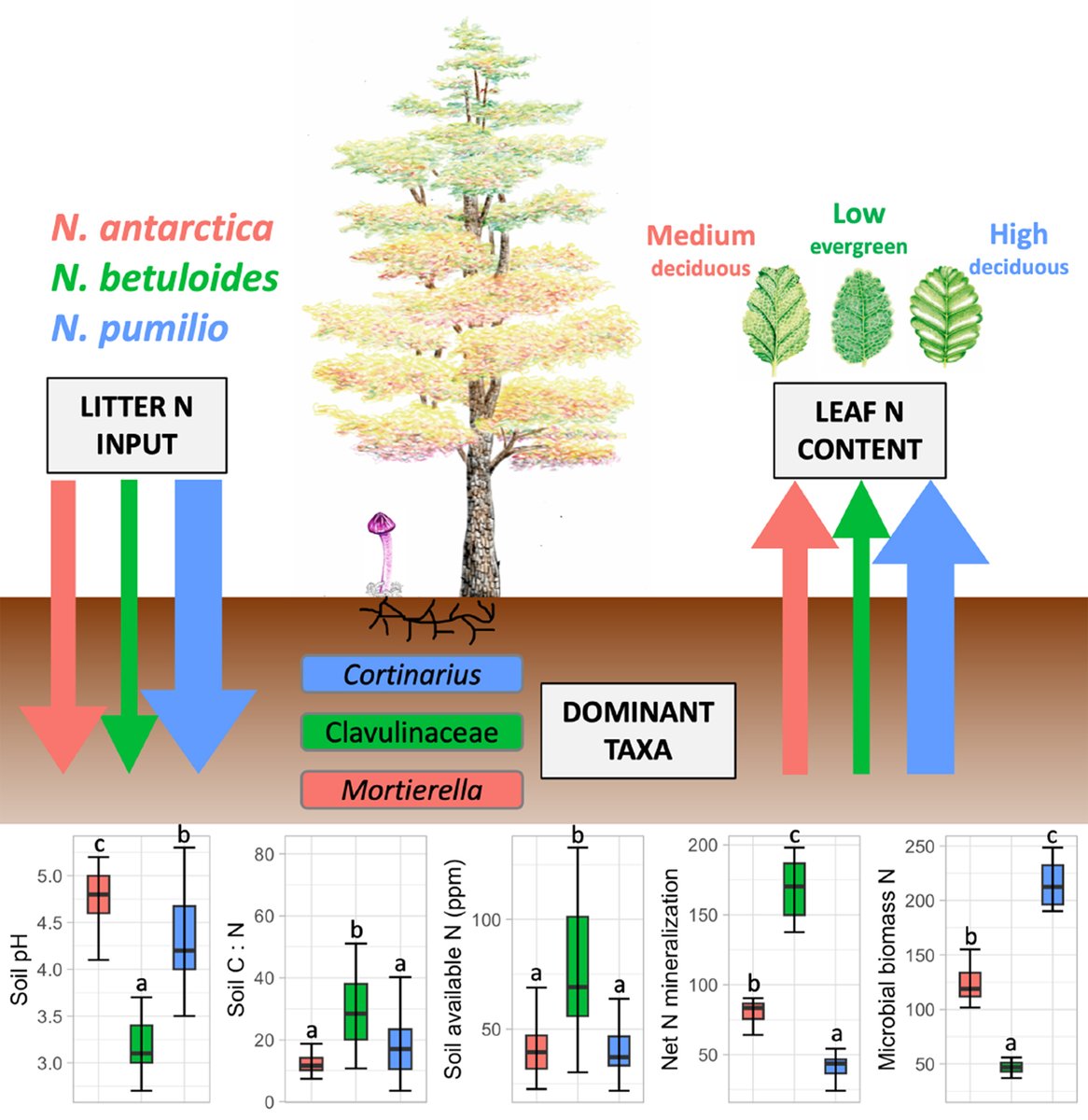
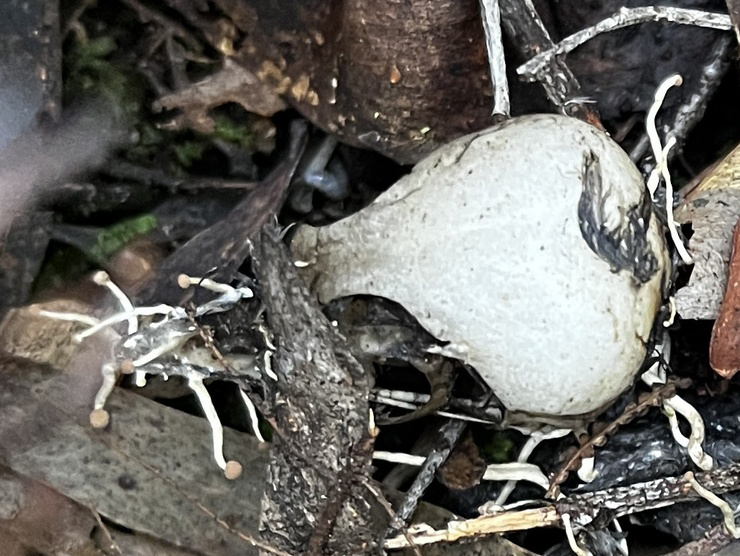
New paper characterising ectomycorrhizal associations in deciduous & evergreen 𝘕𝘰𝘵𝘩𝘰𝘧𝘢𝘨𝘶𝘴 forests!
📷: Role of ectomycorrhizal fungi for nitrogen cycling in 𝘕𝘰𝘵𝘩𝘰𝘧𝘢𝘨𝘶𝘴 forests of Patagonia #RBGVScience@RBG_Victoria
Learn more: doi.org/10.1002/ece3.70299
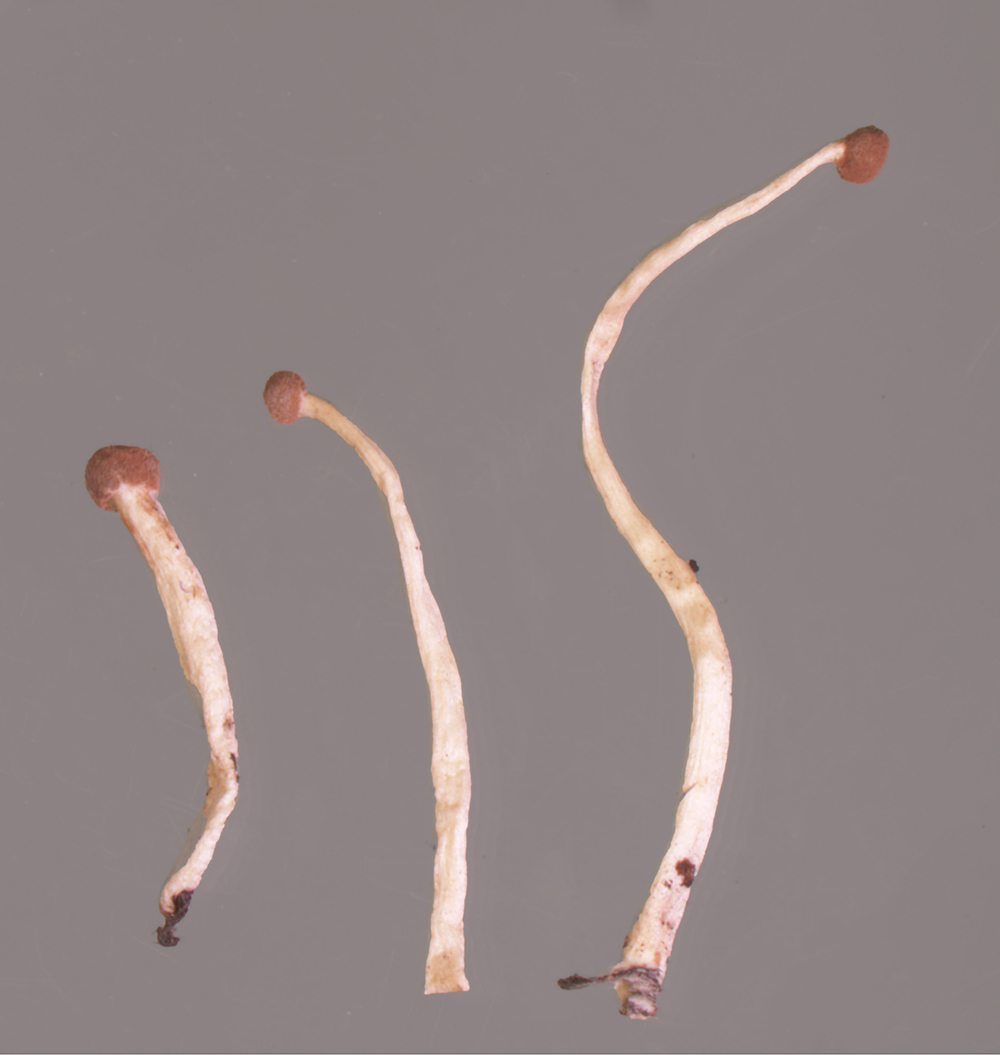
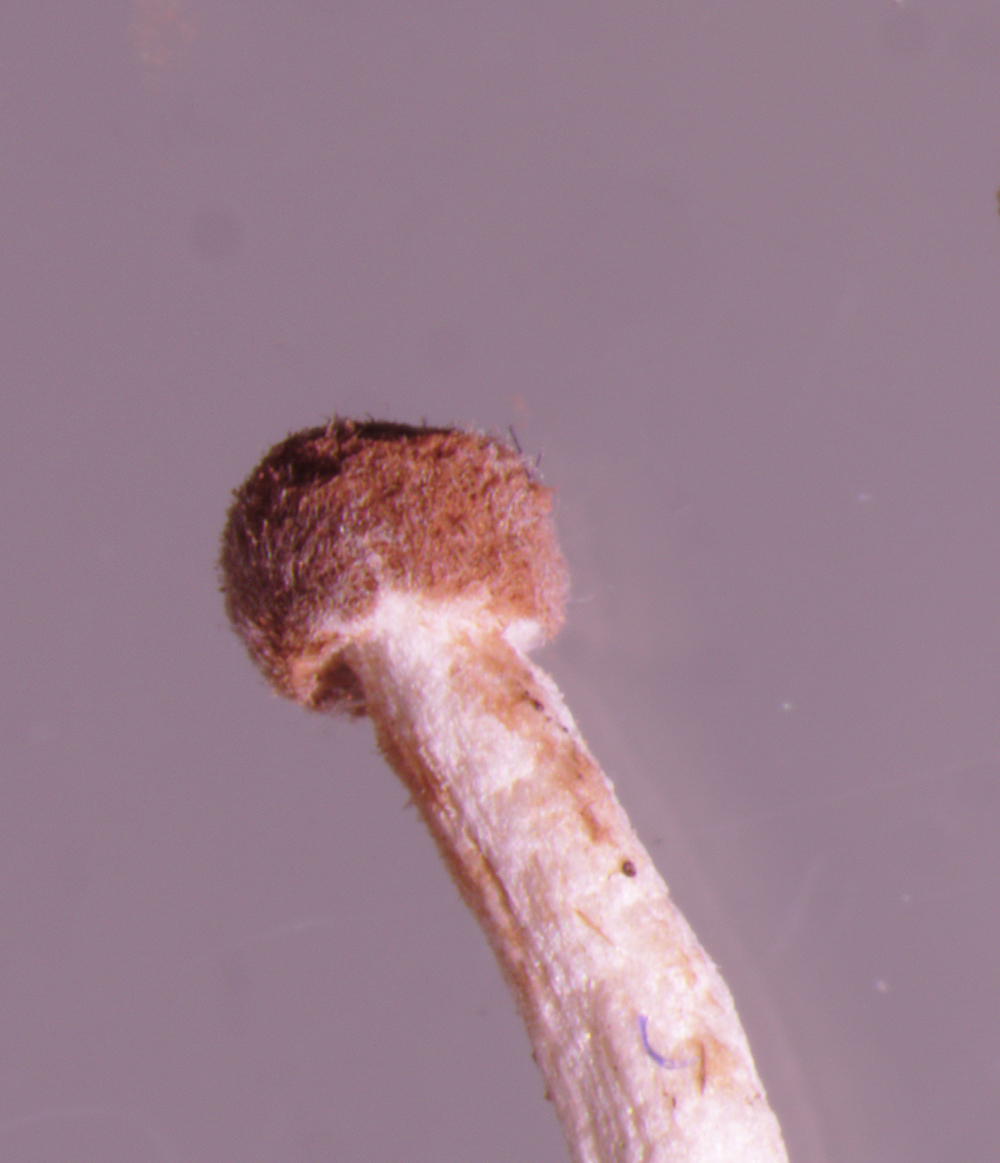
First Australian record of feather-inhabiting fungus 𝘖𝘯𝘺𝘨𝘦𝘯𝘢 𝘤𝘰𝘳𝘷𝘪𝘯𝘢 made via iNaturalist. 📷: Sporing bodies on bird carcass: Eleanor Brand; views of sporing bodies with powdery spore mass: Luke Vaughan #RBGVScience@RBG_Victoria Learn more: taxonomyaustralia.org.au/ajt…
Royal Botanic Gardens Victoria's Jim Willis vacation studentships for 2024–25 are now open to applications. Third or fourth year university science students with interests in plant and/or fungal systematics are invited to apply! #RBGVScience@RBG_Victoriarbg.vic.gov.au/science/resea…
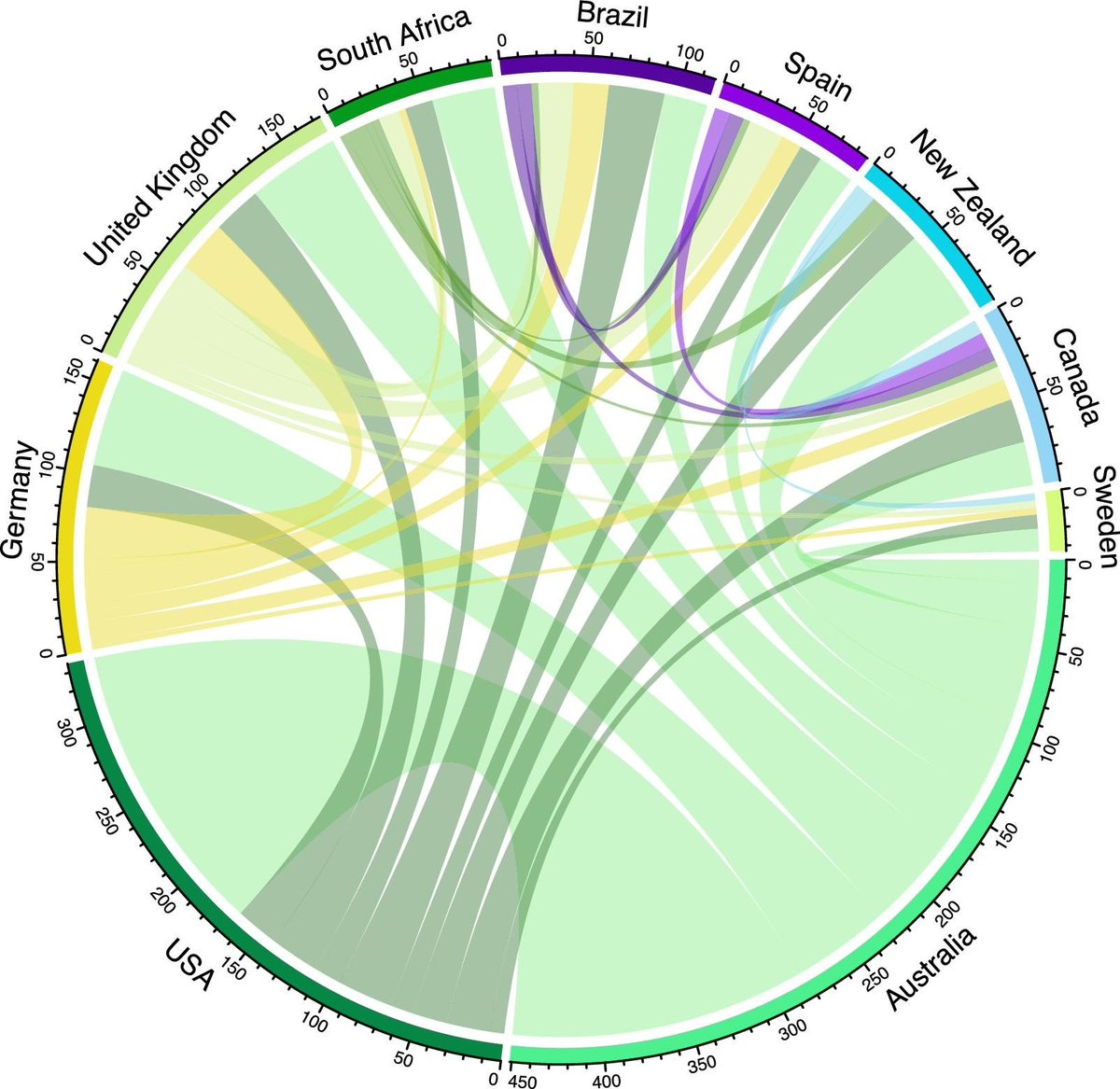
Despite providing 5% of @GBIF's global observations, the ALA's research impact is greater than it seems...🧑🏼🔬🧫
New @UNSW research finds the ALA has supported > 9,000 authors & 2,406 scientific publications (to 2023). 63% are open-access!
🔗📚: spr.ly/6012mCn3e
ALT A circular graph diagram showing global authorship and collaboration of scientific publication using the ALA. Collaboration links between the 10 most authorship-intensive countries. The links represent the number of co-authored journal articles and are shaded according to the dominant country; collaborations within countries are not shown.