
Political junkie 🇺🇸 Recipe improvisor and kitchen experiment enthusiast. History buff. #GoBucs
Joined May 2009
- Tweets 6,264
- Following 889
- Followers 266
- Likes 3,377
624 Photos and videos







Fascinating account of an unsung American hero.
Jun 4

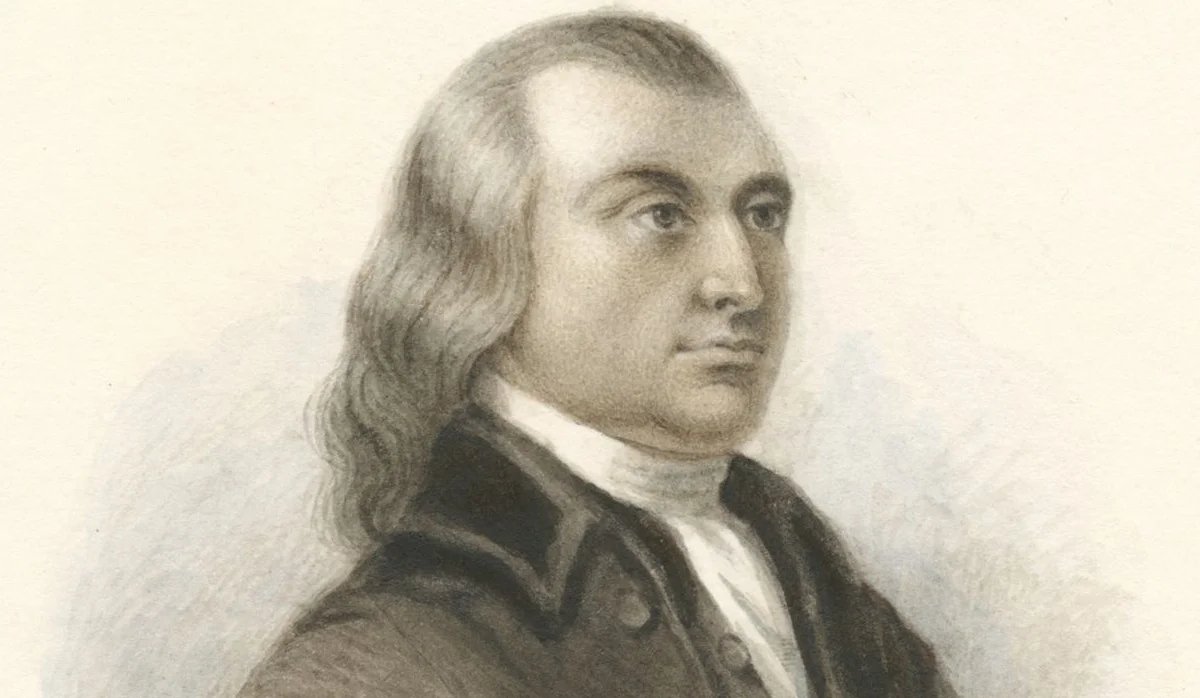
Of the 56 men who signed the Declaration of Independence, Abraham Clark may have paid the highest personal price. Almost nobody knows his story. Buckle up.
He was a New Jersey farm kid considered too frail for farm work, so he taught himself math, then surveying, then law. He never got rich from it because he kept defending poor farmers who could not pay him. His neighbors called him "the Poor Man's Counselor."
In the early hours of July 4, 1776, while Congress debated independence in Philadelphia, Clark wrote a letter to a friend with one of the most chilling lines of the Revolution: "Perhaps our Congress will be exalted on a high gallows."
He signed anyway.
Then the British made it personal. Two of his sons were officers in the Continental Army, and both were captured. They were thrown onto the prison ship Jersey in New York Harbor, the deadliest place of the entire war. More Americans died on British prison ships than in every battle of the Revolution combined.
One son got it even worse. He was locked in the dungeon and given no food except what other starving prisoners could push through the keyhole of his cell.
The British reportedly offered Clark a deal: renounce the Declaration, switch sides, and your boys go free.
He refused.
Here is the part that breaks me. Clark sat in Congress through all of it and never once brought it up. No special pleading, no favors. Congress only found out through other channels and threatened retaliation against a British officer, which finally got his son out of the dungeon.
After the war, he kept choosing the little guy. He fought for debt relief for struggling farmers and refused to support the Constitution until he was assured a Bill of Rights would protect ordinary citizens.
In September 1794, at age 68, the self-taught surveyor who outlasted the British Empire died of sunstroke after a long day working on his own farm.
No statue on the National Mall. No musical. Just a small town in New Jersey called Clark, and most people who drive through it have no idea why.
Some men signed the Declaration with ink. Abraham Clark signed it with his sons.
35
Jack Jouett deserves a poem. Or at least to be taught, remembered, and honored.
Jun 3
On this night in 1781, one man on a horse saved the American Revolution from losing Thomas Jefferson, Patrick Henry, and half of Virginia's government in a single morning.
You were never taught his name.
June 3, 1781. The British had chased Virginia's entire government out of Richmond. Jefferson, in his final days as governor, and the legislature had fled to Charlottesville, thinking they were safe in the foothills.
They were wrong.
That evening, 26 year old militia captain Jack Jouett was at a tavern in Louisa County when roughly 250 of the most feared cavalry in the British army came pounding down the road. Their commander: Banastre Tarleton, nicknamed "The Butcher," the man whose dragoons had cut down surrendering Americans at Waxhaws.
There was only one place they could be going. Charlottesville. 40 miles away. And the capture of Jefferson, the author of the Declaration of Independence, would be the prize of the war.
Jouett couldn't outrun them on the main road. So he didn't use it.
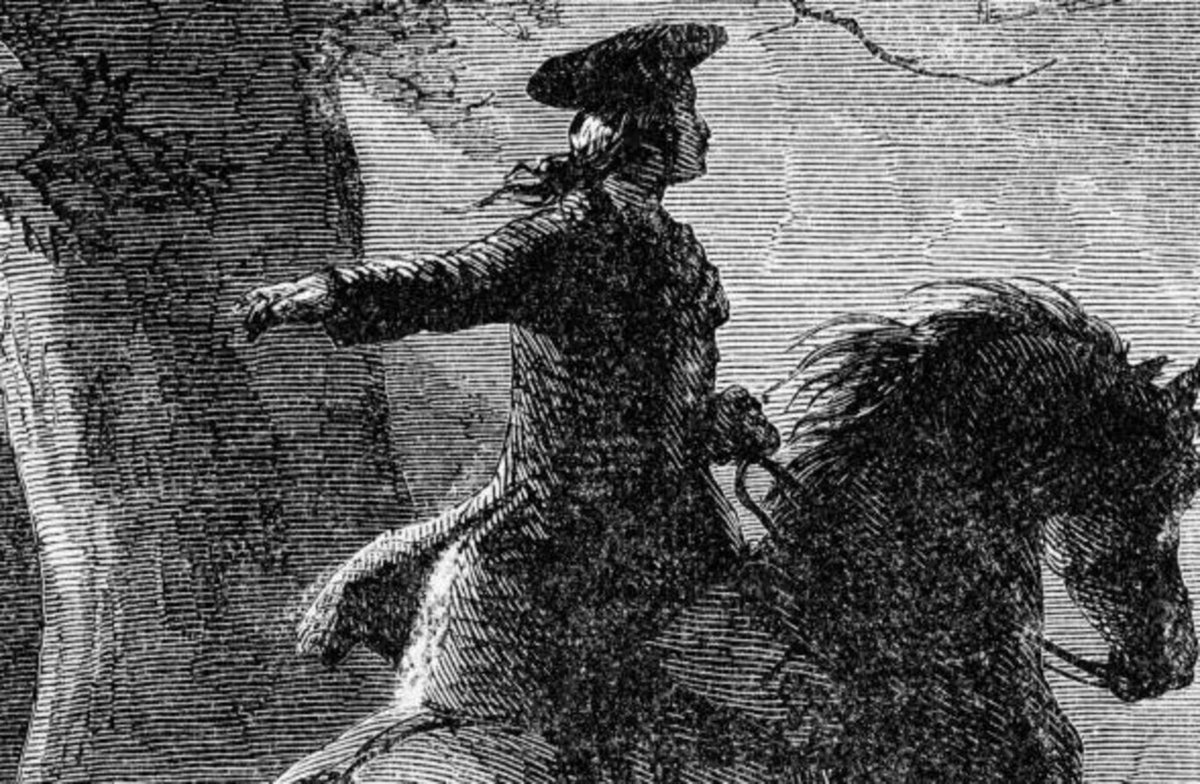
He swung onto overgrown backwoods trails and the abandoned Old Mountain Road, riding 40 miles through the dark with only the full moon for light. Legend says low hanging branches whipped and scarred his face for life.
Tarleton stopped his men for a 3 hour rest. Jouett never stopped.
Before sunrise on June 4, he came up the mountain to Monticello and woke Jefferson. Then he rode down into Charlottesville and warned the legislature.
Jefferson got out with minutes to spare. British dragoons were coming up his mountain as he left. The legislature escaped over the Blue Ridge to Staunton. Tarleton caught only seven stragglers, one of them a frontiersman serving in the legislature named Daniel Boone.
Paul Revere rode about 12 miles in 1775 and got captured before reaching Concord. Longfellow wrote him a poem and made him immortal.
Jack Jouett rode 40 miles, lost nothing, saved everything, and got a thank you gift of two pistols and a sword from the Virginia Assembly.
No poem. No fame. Almost no memory.
19
Agreed.
Jun 1

You need to be teaching your children to be proud to be American
You must never allow anyone to tell them they should apologize for being American
From Christopher Columbus to Neil Armstrong and beyond
America is the land of adventurers, explorers, and heroes
7
Robert Slaughter 🇺🇸 retweeted

May 25
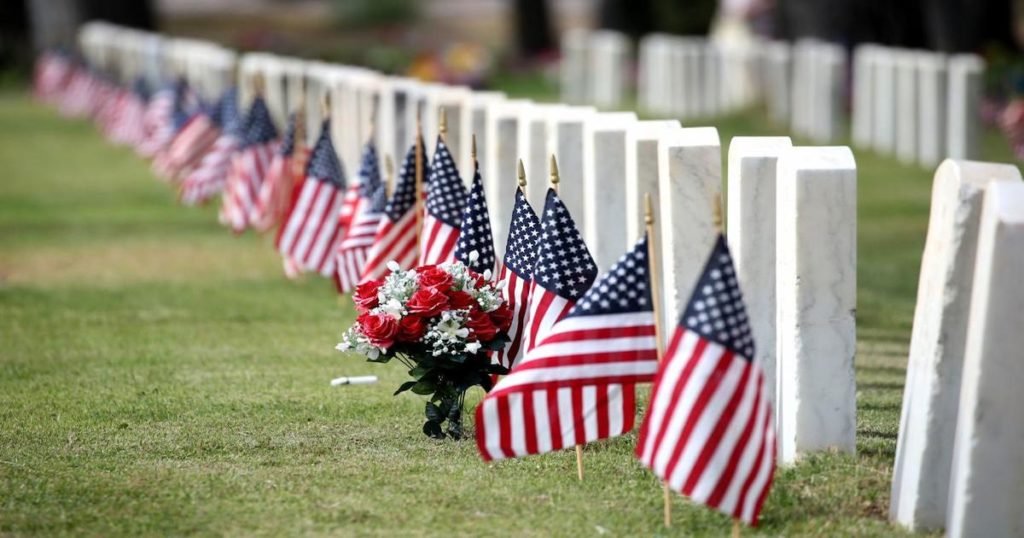
Most Americans have no idea where Memorial Day actually came from.
It was not invented by Congress. It was not handed down by a president. It was built from the ground up by ordinary citizens standing over the graves of men who gave everything for this country.
The Civil War ended in April 1865. It cost roughly 750,000 American lives, more than every other war this nation has fought combined. Every town had empty chairs at the dinner table. Every county had fresh graves. The wounds were everywhere.
And out of that grief, something uniquely American happened. Without any federal order, communities across the country, North and South, began visiting cemeteries in the spring of 1866 to lay flowers on the graves of fallen soldiers. Waterloo, New York. Columbus, Mississippi. Boalsburg, Pennsylvania. Carbondale, Illinois. Charleston, South Carolina. Dozens of towns later claimed to be the birthplace of the tradition, because the tradition rose up in dozens of places at once.
That is the point. Nobody told Americans to honor their dead. They just did it.
On May 5, 1868, a Union general named John A. Logan, then commander of the Grand Army of the Republic, recognized what the country was already doing and made it official. He issued General Order No. 11, designating May 30th as a day "for the purpose of strewing with flowers, or otherwise decorating the graves of comrades who died in defense of their country during the late rebellion."
He chose May 30th for a simple reason. It was not the anniversary of any battle. He wanted a day that belonged to all the fallen, not to any single victory or defeat.
They called it Decoration Day.
The first national observance was held at Arlington National Cemetery, on land that had been seized from Robert E. Lee's family and turned into the resting place of Union dead. 5,000 people showed up. James Garfield, a future president, gave the speech. Children from a nearby orphanage for the children of dead soldiers walked through the rows of graves placing flowers on every single headstone, Union and Confederate alike.
That last detail matters. From the very beginning, Americans understood that the dead belonged to the country, not to a side.
After World War I, the holiday expanded to honor the fallen of every American war. In 1971, it officially became Memorial Day and was moved to the last Monday in May.
But the core never changed. It is one of the only holidays in the world founded not by decree but by grief. A nation of citizens who chose, on their own, to remember.
This Memorial Day, remember what it actually is. Not a long weekend. Not a sale at the mall. A promise. That the men and women who died for this country will never be forgotten by the country they died for.
Pass it on.
26
491
1,336
19,803
I wish I could like this twice. Once for each new thing I learned.
May 20

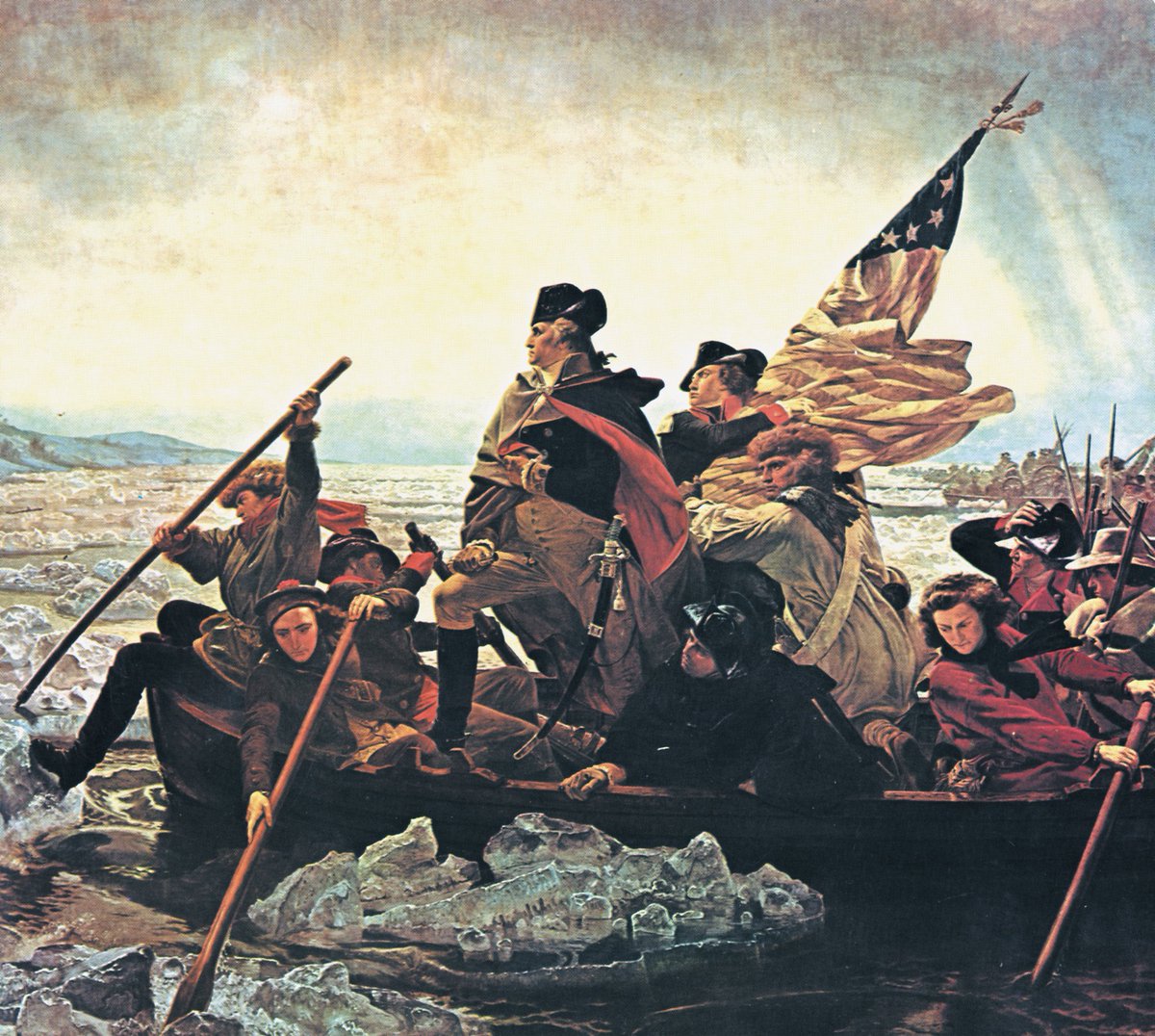
The man behind Washington, holding the flag, is future President James Monroe
He became a colonel during the Revolutionary War and preferred being called Colonel Monroe for the rest of his life
He even liked it better than being called Mr President
1
33
Now I want a parrot.
May 18
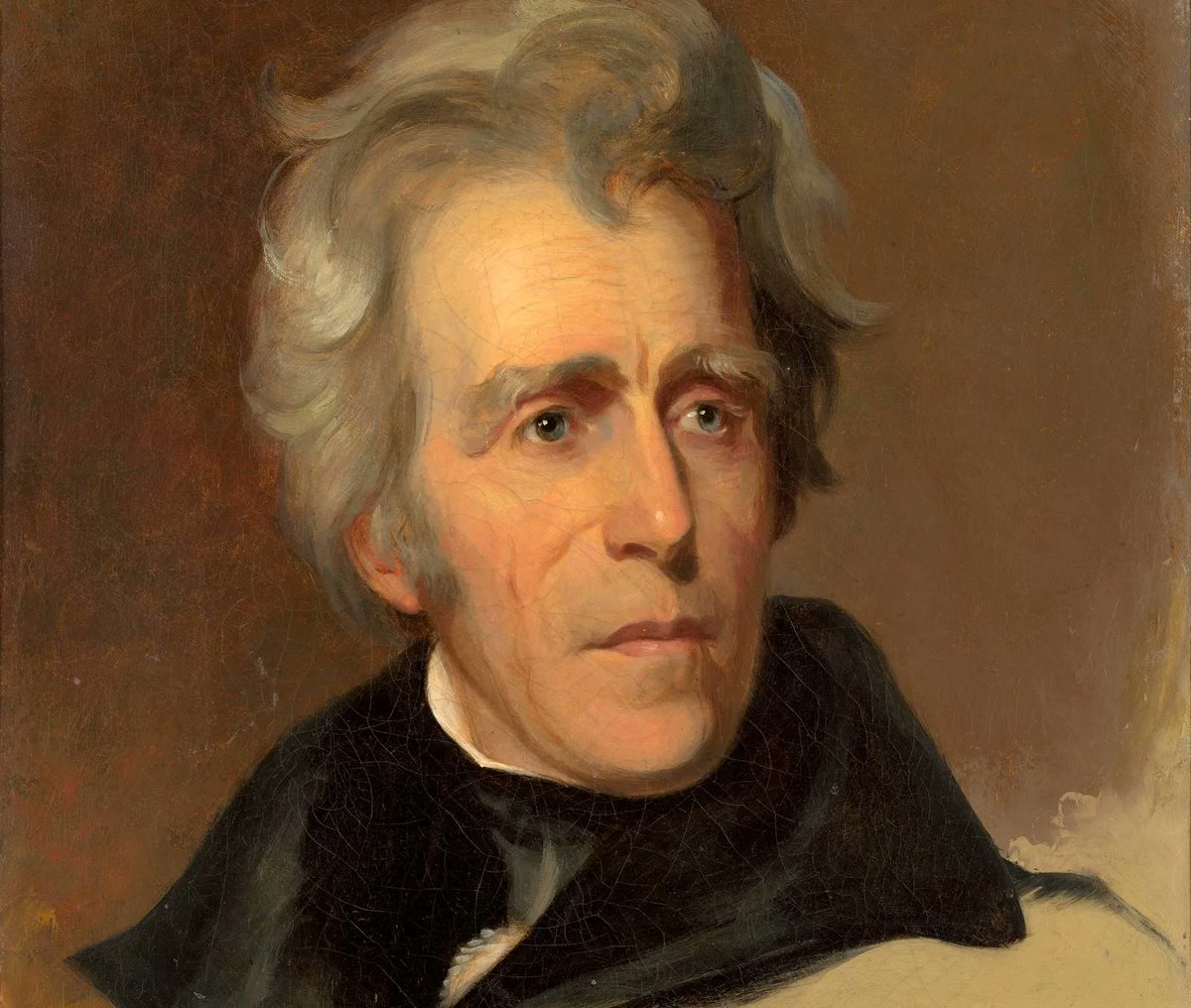
Andrew Jackson's pet parrot had to be kicked out of his funeral because it wouldn't stop cursing.
The bird had learned profanity from Old Hickory and was excited by all the commotion at the funeral.
Poll started swearing so loudly and profusely that Reverend William Norment called it a "wicked parrot".
The feathered friend had to be carried out so that the service could continue in peace.
2
26
Robert Slaughter 🇺🇸 retweeted
May 15
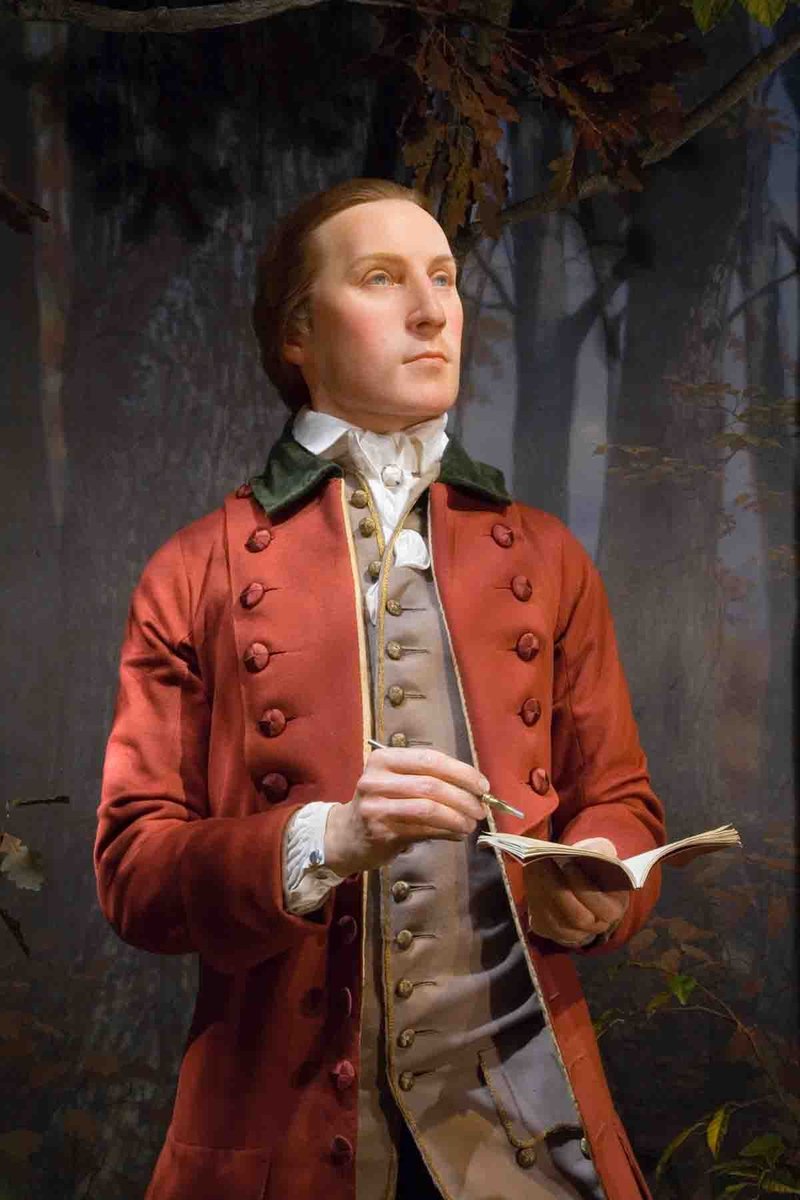
George Washington never went to college. His father Augustine died when George was 11, and the money for English boarding school died with him. His two older half-brothers had already been polished at Appleby Grammar School across the Atlantic. George got Virginia, a demanding mother named Mary, and whatever books he could find at home.
At 14 he tried to escape it all by joining the British Royal Navy. His mother shut it down. So he did the next best thing: he taught himself surveying from his late father's instruments, and at 16 he rode west into the Shenandoah wilderness on a commission from Lord Fairfax, who owned over five million acres of Virginia and needed them mapped.
His teenage journal survives. It is brutal, funny, and absolutely not the voice of a marble statue. On his first night at a frontier inn, he stripped down and climbed into what passed for a bed, only to find "nothing but a Little Straw Matted together without Sheets or any thing else but only one Thread Bear blanket with double its Weight of Vermin such as Lice Fleas etc." After that he preferred sleeping outside by the fire, even when it rained, even when his clothes froze stiff on him by morning.
One journal entry, almost in passing: thirty Native warriors walked into camp carrying a fresh scalp from battle. The teenage surveying party shared their liquor with them and watched them perform a war dance by firelight. George wrote it down the way a modern teenager logs a weird night out.
He swam horses across swollen rivers. He ate roasted meat off forked sticks because "our Spits was Forked Sticks our Plates was a Large Chip as for Dishes we had none." He met German settlers and noted in frustration that they "would never speak English but when spoken to they speak all Dutch." He measured timber in country where almost no English speaker had ever walked.
By 17 he was the commissioned surveyor of Culpeper County, the youngest official surveyor in the colony of Virginia. By 18 he had parlayed the earnings into nearly 1,500 acres of Shenandoah Valley land in his own name, bought outright, while boys his age back east were still reciting Latin in heated parlors.
The man who would one day command the Continental Army, defeat the largest empire on earth, and then voluntarily refuse a crown, did not learn leadership in a lecture hall. He learned it at 16, in a tent, in the dark, hundreds of miles from anyone who could save him.
108
1,493
7,161
172,940
This is an excellent summary of John Hancock's commitment to American Independence.

Agreed. Short profile here, see what you think: instagram.com/p/Cwd42gMvG4u/…
2
44
THIS is why we have an internet.

1
37
Funny. And also, kind of useful.
May 6

This service message is brought to you in two languages. English, and gen. Z. 🤣
18
I now know where I want my birthday dinner!
May 6

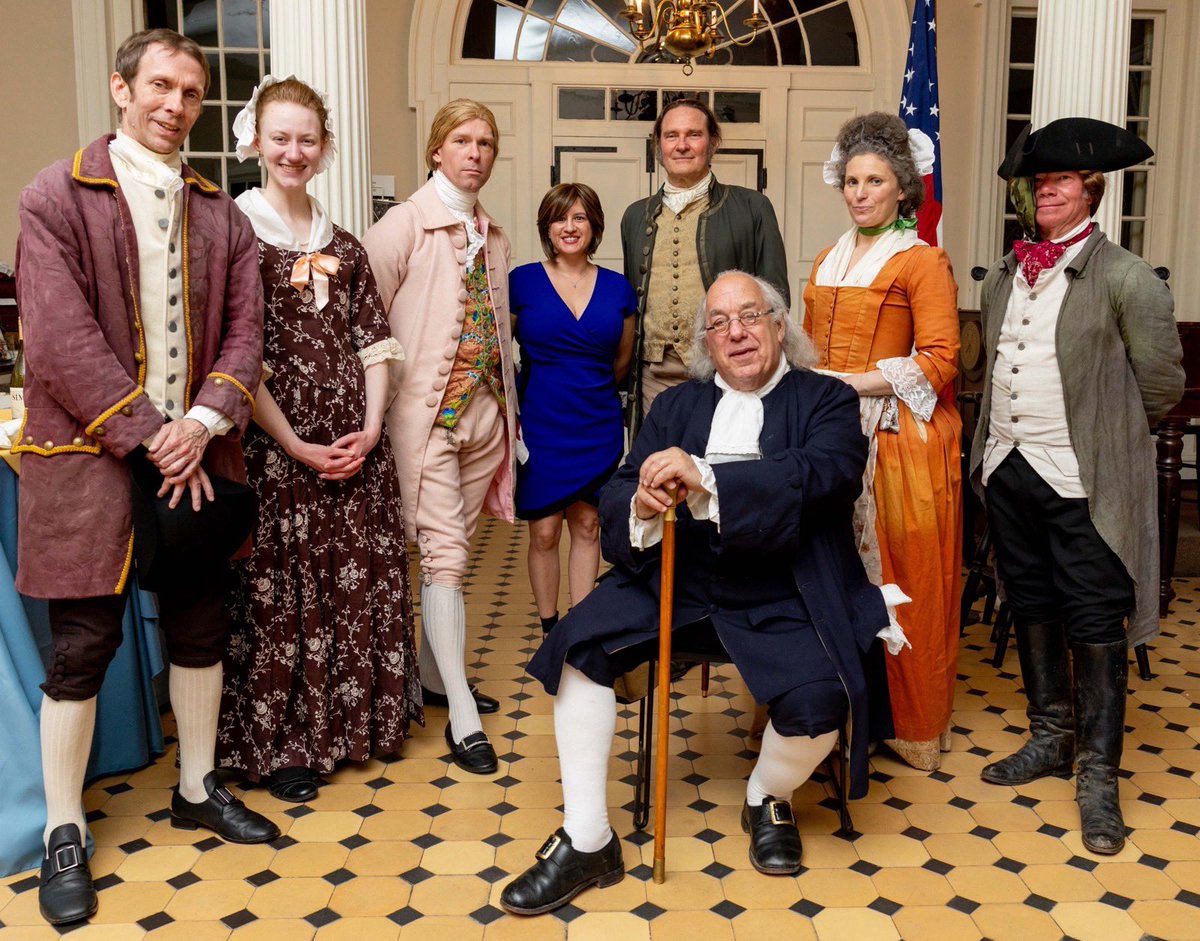
Them: We never see you in the club
Me: Ok? And I never see you having dinner with the Founders!
1
20
I love all the laughter. What a treasured memory this made for everyone.

She had something for everyone 🥹
I love everything about this 🫶🏻
10
Bravo.
May 3

These kids came up with a unique performance for their school Talent Show doing Synchronized “Air Swimming!”
11
Very interesting.
Apr 30

Notice how he shops with his father vs how he shops with his mother. He literally mirrors his dad's every move.
Little boys emulate fathers who are present.
59
Very impressive.

This is actually kinda insane
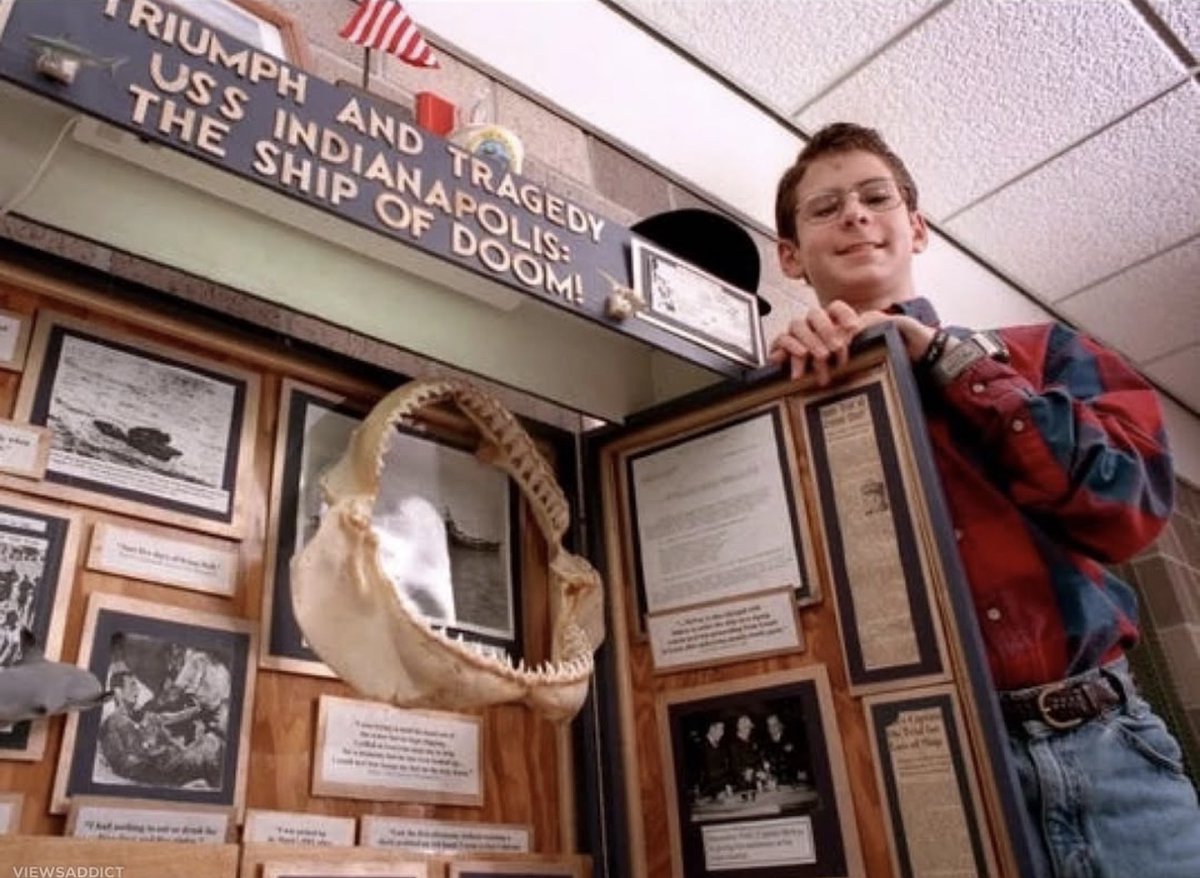
In 1996, a 14-year-old kid watched Jaws and got obsessed with Quint’s WWII monologue.
He then began researching the 1945 sinking of the USS Indianapolis, interviewed around 150 survivors, and reviewed 800 documents. His research focused on the role of the ship’s captain, Charles B. McVay III, who had been court-martialed after the incident. He came to believe that Captain Charles Butler McVay III, who had been blamed for the tragedy, was innocent.
The 14-year-old, Hunter Scott, presented his findings to the United States Congress at age 14. In 2000, Congress passed a resolution clearing Captain McVay’s name, and the U.S. Navy later formally exonerated him.
18
Perfection.

Oh my God, she is so young and unpolished. She was the total package of looks, talent, and winning personality. She is missed.
Olivia Newton-John - Let Me Be There (Sez Les, July 28th 1973)
1
8
Big fan of free speech myself.
Apr 17

Ricky Gervais on 60 Minutes Makes a Crystal-Clear Case for Free Speech
He put it perfectly: the great thing about freedom of speech is that I can say what I want, and you can say you're offended, and I get to decide whether I care or not.
Because let's be honest, there's nothing you can say that someone, somewhere won't find offensive.
That's why blasphemy laws are so absurd, they're basically trying to protect an all-powerful deity from having its feelings hurt.
At the end of the day, we should be free to criticise any idea.
Just because you're offended doesn't automatically mean you're right.
Spot on, Ricky. Free speech isn't about never upsetting anyone, it's about the right to speak anyway.
1
20
Very interesting, and worth a follow.

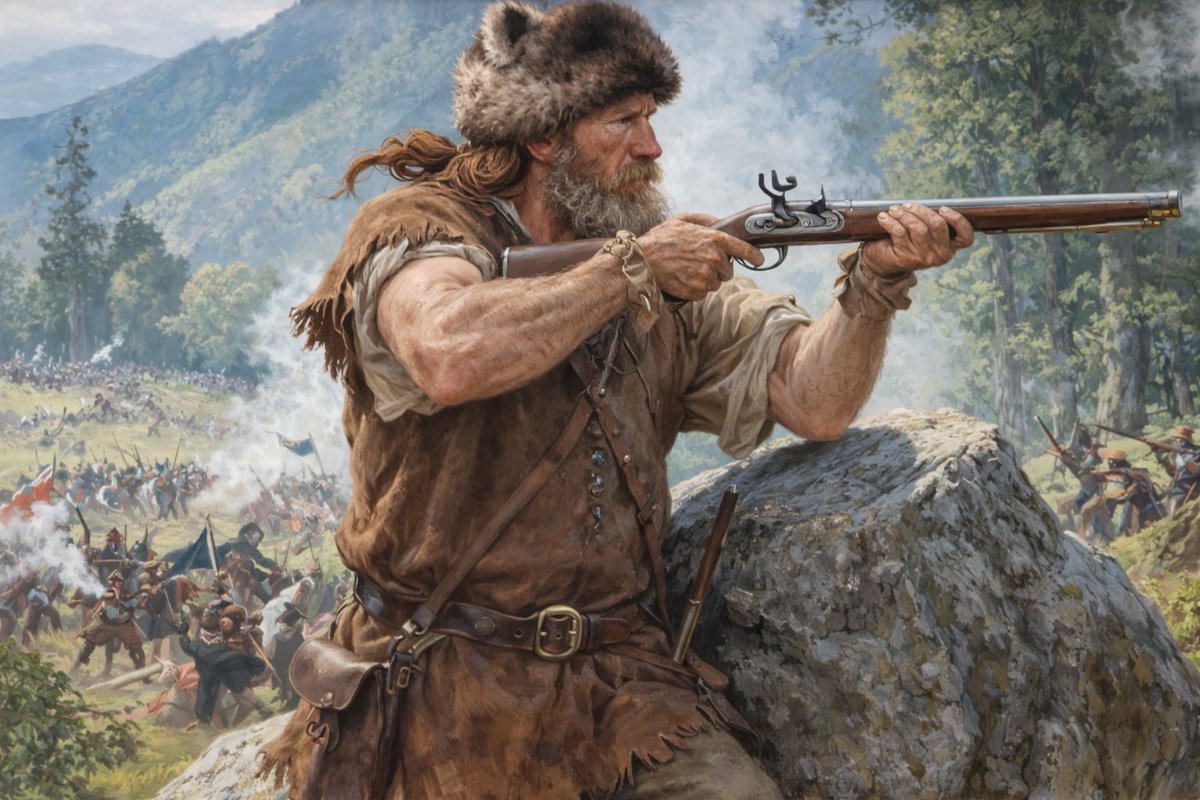
Most Americans who call themselves Irish aren’t talking about the same thing as the famine Irish of Boston and New York.
A huge number are really Scots-Irish — English and Scottish border stock, Protestant frontier people whose ancestors came out of the borderlands, were planted in Ulster, then pushed into Appalachia, Tennessee, Kentucky and the South.
Not Dublin. Not Cork. Not the tenements. A harder, older story of border clans, rifles, honour, feuds, distrust of authority and life on the edge of empire.
The green beer version of Irish-American identity hides a lot. For millions, the real roots are English, Scottish, Ulster, frontier, Presbyterian, hill country and rebellion.
Different people. Different history. Different temperament. 🏴🏴🇬🇧
21
This makes sense.
Apr 13

英語ニキへ:
ネイティブでない人と話す時は左側の単語を使ってください。
118
Robert Slaughter 🇺🇸 retweeted

Apr 4
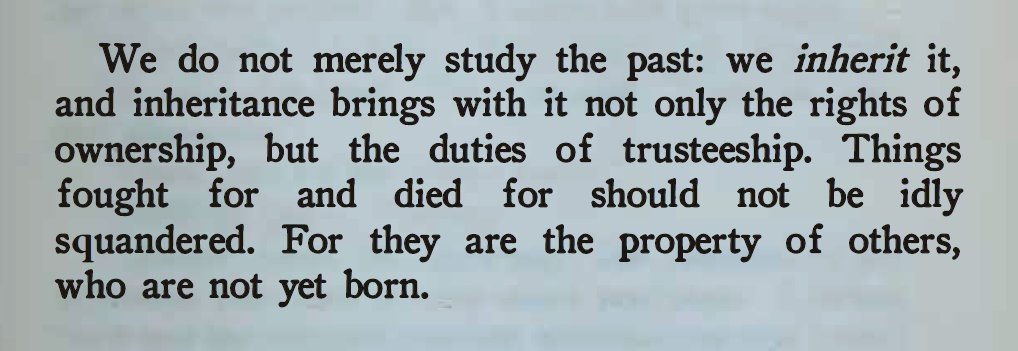
Roger Scruton, the ancestor duty
12
477
1,849
48,581