129 Photos and videos
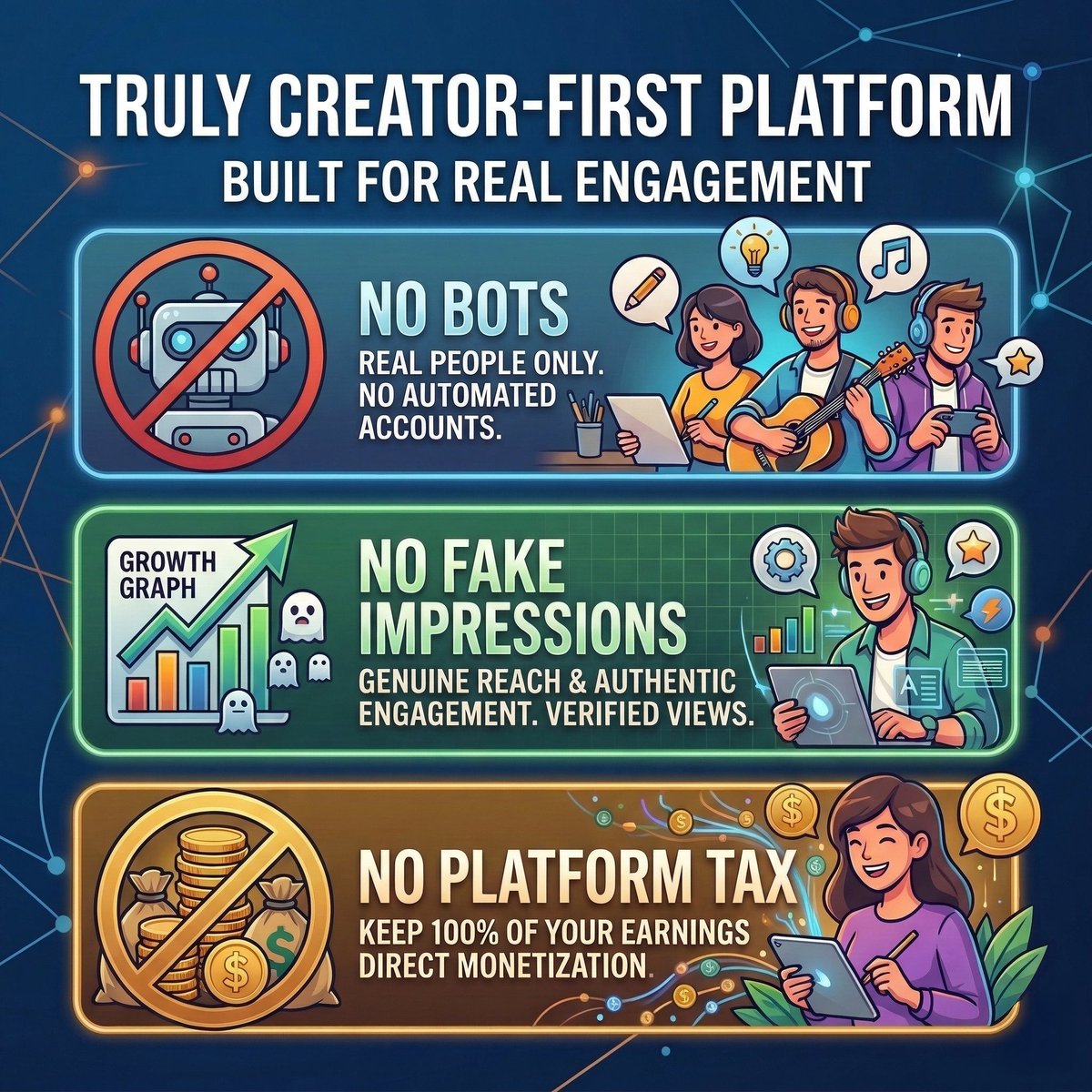

Imagine an ad system where
Advertisers get real activity
Communities earn
Users participate
No bots
No fake impressions
No platform tax
That’s not a feature
That’s RGG
#RGG #DecentralizedAds #AttentionEconomy #Web3
2
1
534
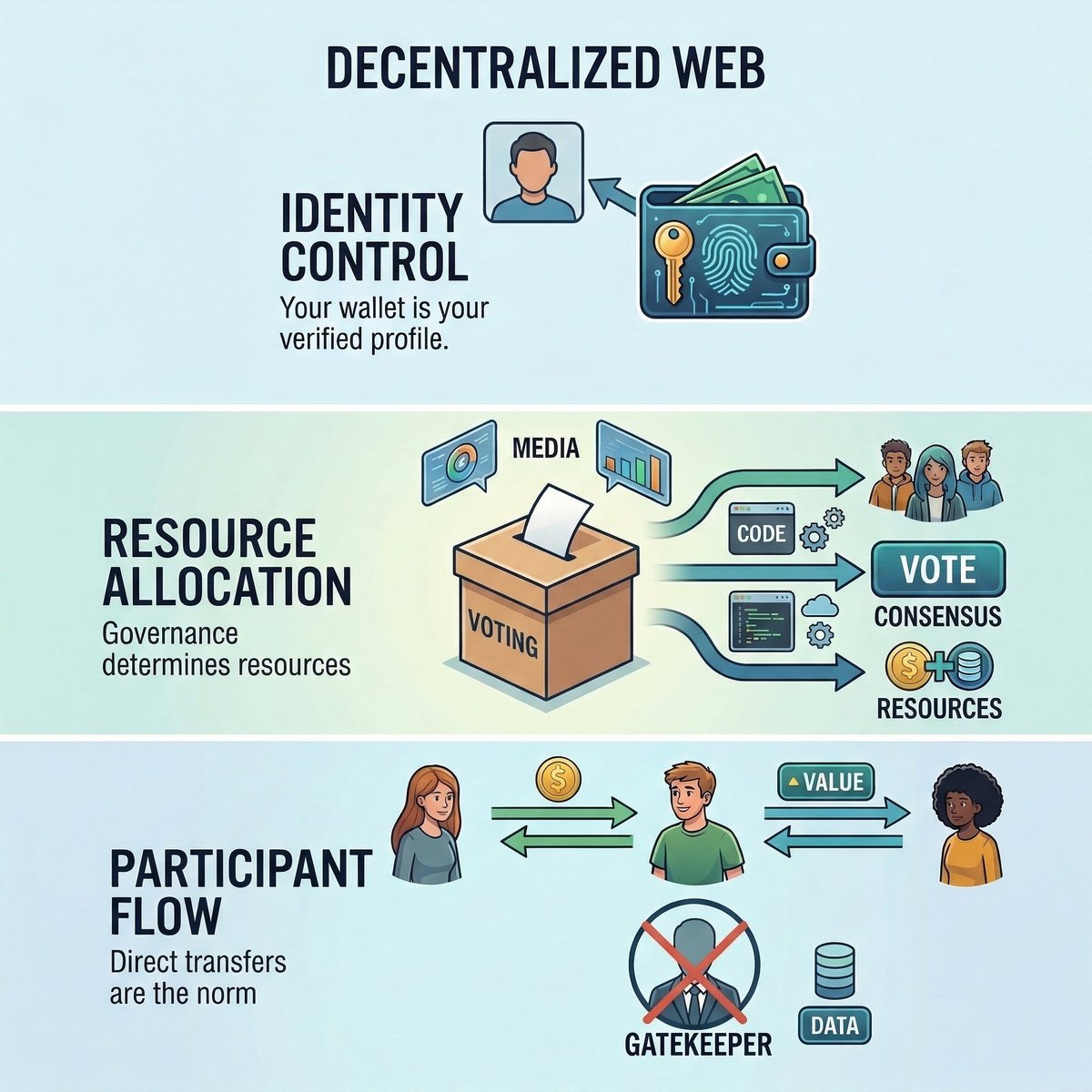
Crypto promised ownership
Platforms kept the power
RGG changes the flow
Wallets control identity
Communities control distribution
Value moves between participants
No gatekeepers
That’s the model
1
2
460
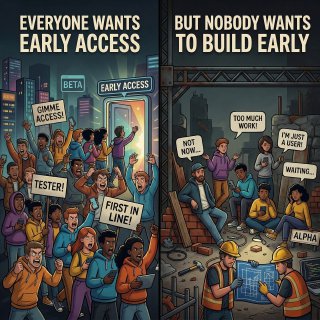
Everyone wants early access
But nobody wants to build early
RGG is still in the builder phase
Infrastructure, communities, real activity
This is where positions are made
Later the crowd will call it “obvious”
#RGG #Web3 #CryptoBuilders #Early
5
412
Advertising is broken
Platforms extract
Bots drain budgets
Users get nothing
RGG flips the model
Advertisers pay for real activity
Communities share revenue
Creators earn with their audience
This isn’t crypto ads
It’s a new revenue layer for the internet
#RGG #DecentralizedAds #AttentionEconomy #Web3
5
412
Mass adoption is coming
But adoption into what
More custodial apps
More platforms owning your users
RGG is building a parallel economy
Wallet = identity
Community = leverage
Activity = income
This is where Web3 becomes real
#RGG #Decentralization #CryptoEconomy #BuildDifferent
1
1
6
350
Stop chasing quick flips
Start building positions
RGG rewards connectors
Not noise
Not hype
Bring businesses
Bring creators
Bring communities
Every connection compounds
Your network becomes an asset
That’s how ecosystems should work
#RGG #Ecosystem #CryptoBuilders #LongTerm
2
276
The next crypto wave won’t be another meme coin
It will be infrastructure
While others launch tokens, RGG builds the rails
Ads, gaming, communities, revenue - one economic layer
No middlemen
No platform dependency
No algorithm mercy
Plug in early or pay later
#RGG #Web3 #CryptoInfrastructure #NextWave
1
1
268
Attention is valuable.
Platforms keep it.
Users get nothing.
RGG flips the equation 🔁
• Wallets are the signal
• Activity creates revenue
• Communities share the upside
No impressions.
No bots.
No ad managers draining budgets.
Advertising isn’t a service anymore.
It’s infrastructure 🧱
And everyone plugged in gets paid.
#RGG #DecentralizedAds #AttentionEconomy #Web3Ads #NoMiddlemen
1
270
Crypto didn’t fail.
It got comfortable.
Custodial wallets.
Permissioned access.
“Decentralization” with Terms & Conditions.
RGG wasn’t built to fit in.
It was built to replace the middle layer.
Wallet = identity 🔐
Community = distribution 🌐
Activity = value 💸
No platforms.
No algorithms deciding who wins.
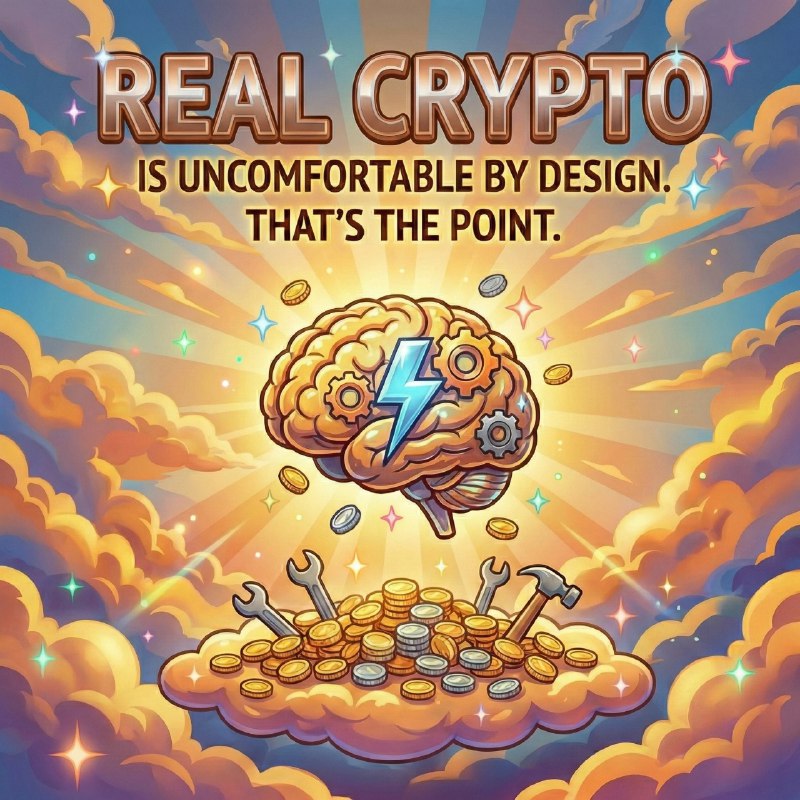
Real crypto is uncomfortable by design.
That’s the point.
#RGG #Decentralization #CryptoInfrastructure #Web3 #BuildDifferent
1
2
313
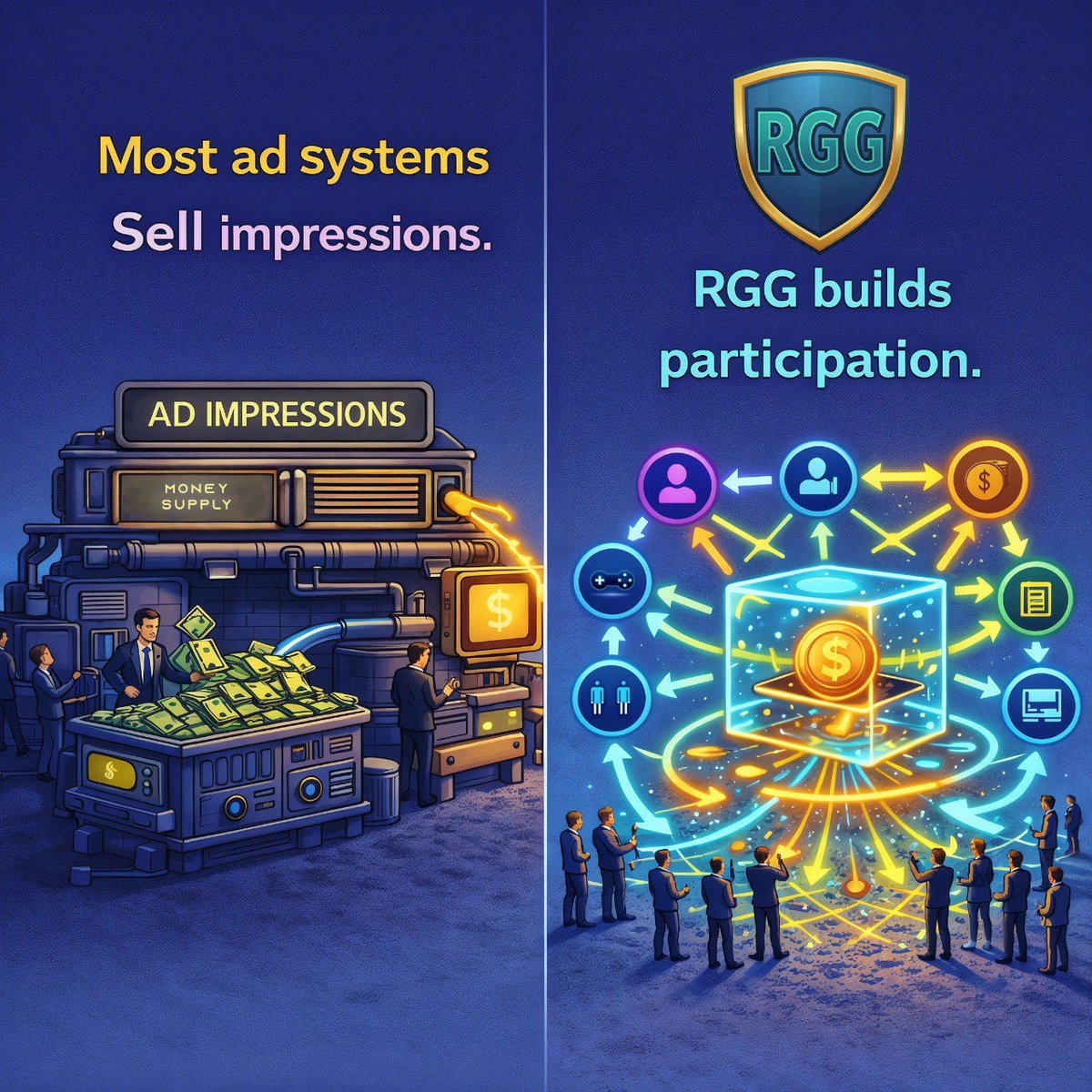
Most ad systems sell impressions.
RGG builds participation 🔁
The RGG Ad System turns attention into shared value - not platform profit.
Ads run automatically 🤖
Revenue flows from real activity 💸
Communities, creators, and businesses share the same economic layer 🌐
No middlemen.
No gatekeepers.
No campaigns that vanish.
Advertising as infrastructure, not a service 🧱
That’s RGG.
hashtag#RGG hashtag#AdTech hashtag#Web3 hashtag#Decentralization hashtag#DigitalAdvertising hashtag#CreatorEconomy 🚀
1
15
3,496
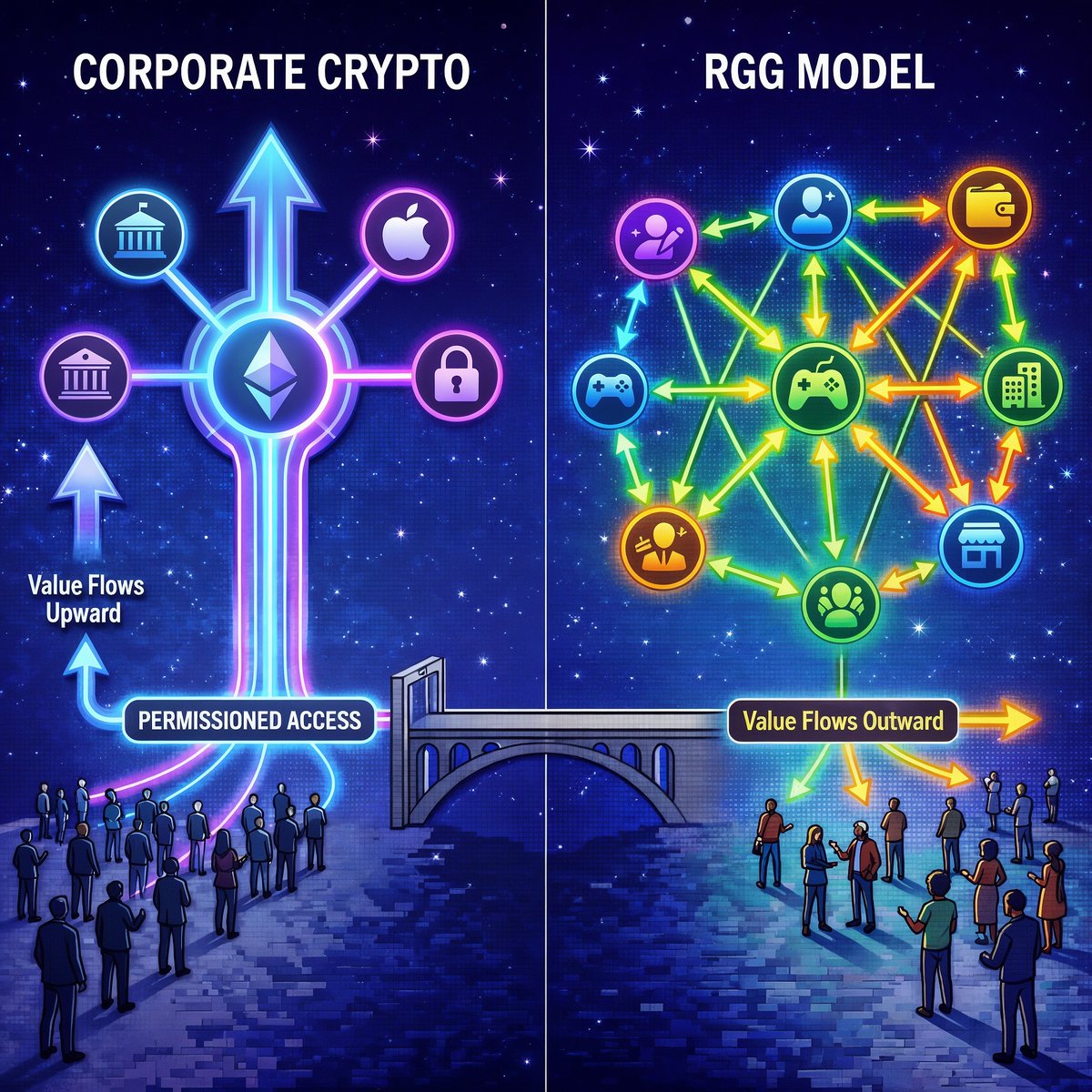
The future of crypto is being shaped right now, and it is not happening in Telegram groups or on Crypto Twitter. Governments are pushing regulation to gain visibility and control, while large corporations are entering the space with infrastructure that looks like crypto but behaves exactly like Web2. Custodial wallets, permissioned access, user data owned by platforms, and value flowing upward instead of outward. This is not mass adoption, it is absorption. Crypto was never meant to be a cosmetic upgrade to the existing system, it was meant to change who owns value, data, and distribution. That is exactly why the RGG model exists. RGG does not depend on platforms, algorithms, or centralized decision makers. It is built as parallel infrastructure where wallets are identities, communities are distribution, and value flows directly between participants. Creators, gamers, affiliates, businesses, and users all operate inside the same economic layer without asking for permission or giving up ownership. While big players will continue to build “safe” crypto that feels familiar and controlled, RGG is building a system that stays true to the original promise of decentralization, even when it is uncomfortable. The market will eventually split between controlled systems wearing a crypto label and real decentralized ecosystems. We are very clear about which side we are on, and we are not changing the model to make anyone comfortable.
12
1
8
3,213
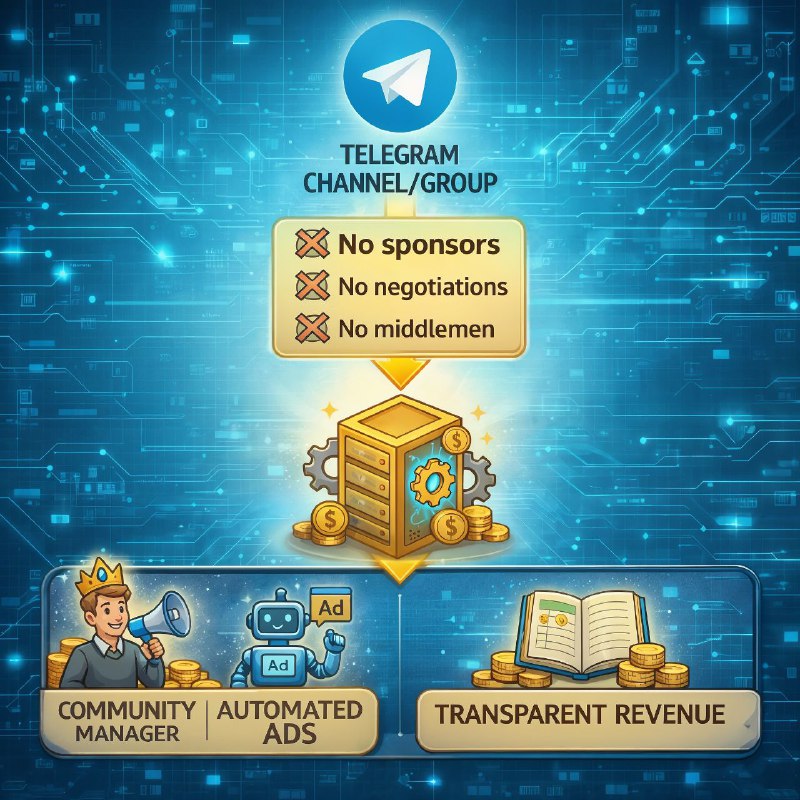
You run a Telegram channel or group.
You manage attention.
With RGG, attention becomes revenue.
Plug your community into the Decentralized Ad System.
Ads run automatically.
Revenue is shared transparently.
No sponsors.
No negotiations.
No middlemen.
Community managers finally get paid.
If you control a Telegram audience, this is your new income layer.
Who’s ready to monetize their community? 👀
13
1
12
3,592
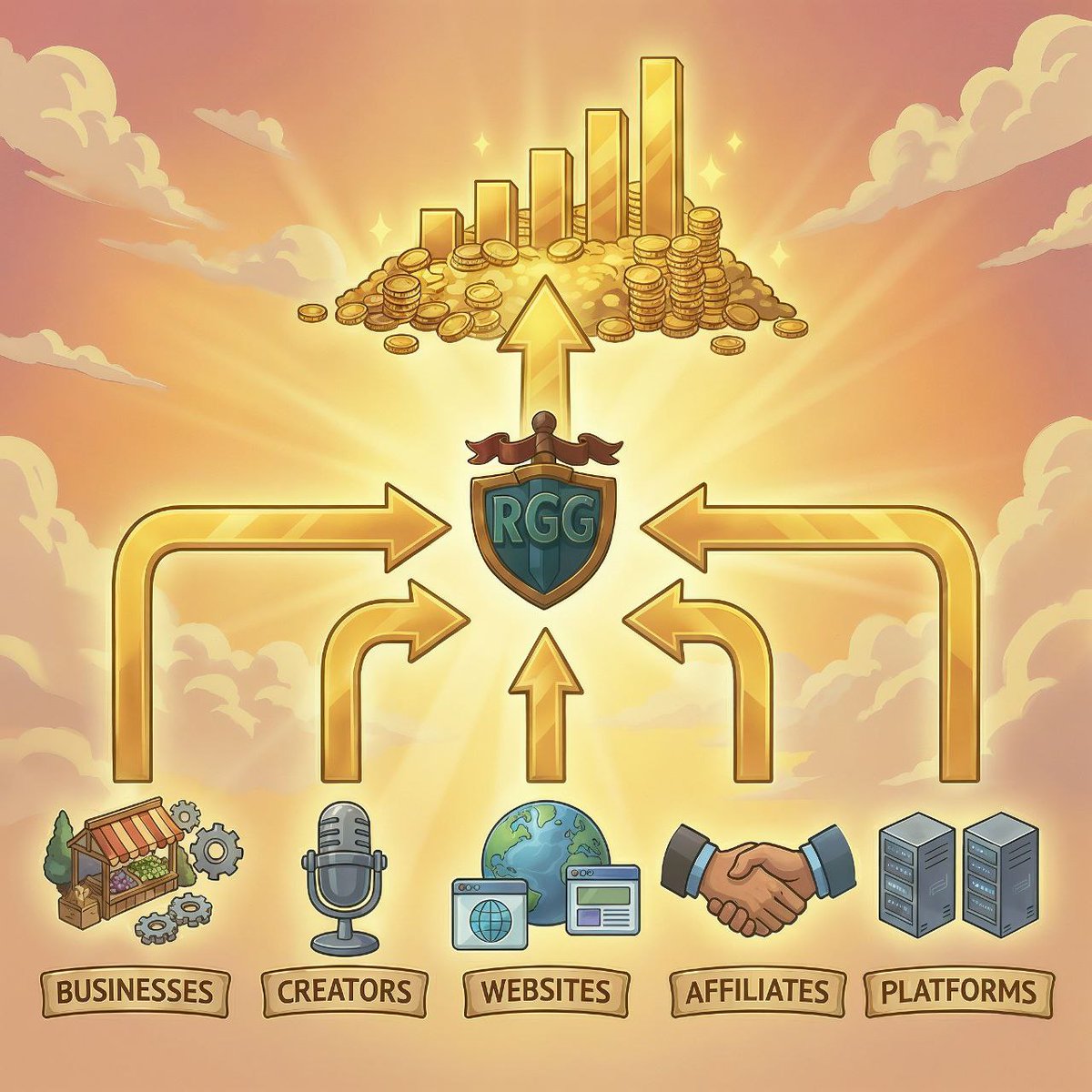
How do you make money with RGG? Anyone can. But it’s not the usual BD model. Most Business Developers work with one company, one product, one commission. If the deal ends, the income ends. At RGG, BDs work inside an ecosystem, not a single company. You make money by bringing real connections. Businesses, creators, websites, affiliates, platforms. Once they are connected, value keeps moving between them across multiple RGG products. You don’t get paid once. You get paid every time activity happens inside the ecosystem. Your work compounds. Your network becomes an asset. This is not proof of clicks. Not impressions. Not hype. It’s proof of work based on real business activity. That’s how RGG pays.
13
1
10
4,555
Prediction markets sound smart.
Let the crowd decide the truth.
Money meets information.
Here’s the problem 👇
Most prediction markets are slow.
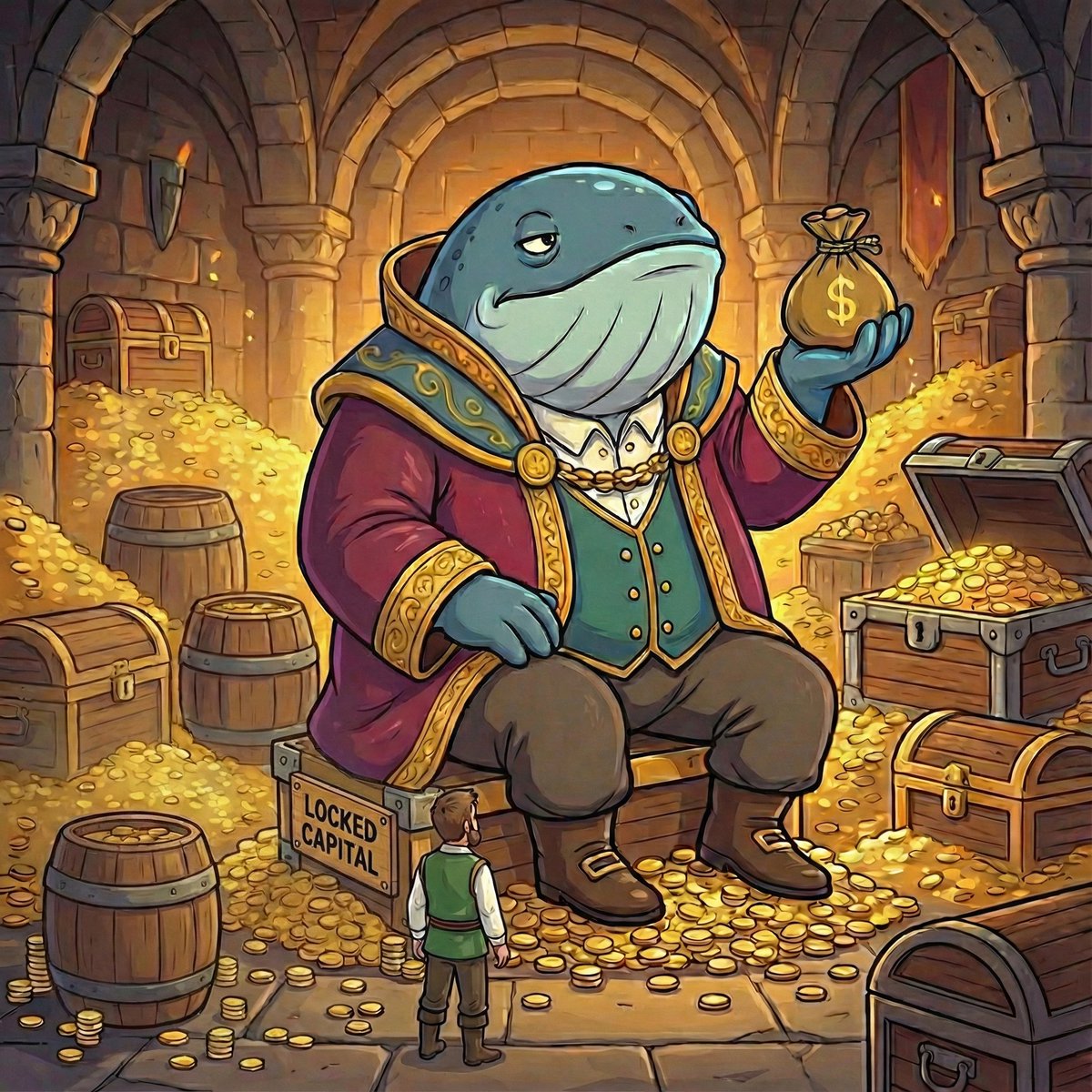
Locked capital.
Manual resolutions.
Oracle drama.
Whales dominate outcomes.
Retail gets rekt by timing, not being wrong.
Worse part?
They reward capital size, not insight.
If you’re early but small, you lose.
If you’re late but rich, you win.
Markets don’t predict the future.
They often just price who has more money.
Real question:
What happens when prediction power comes from behavior and data, not bankrolls? 👀
13
1
11
3,831
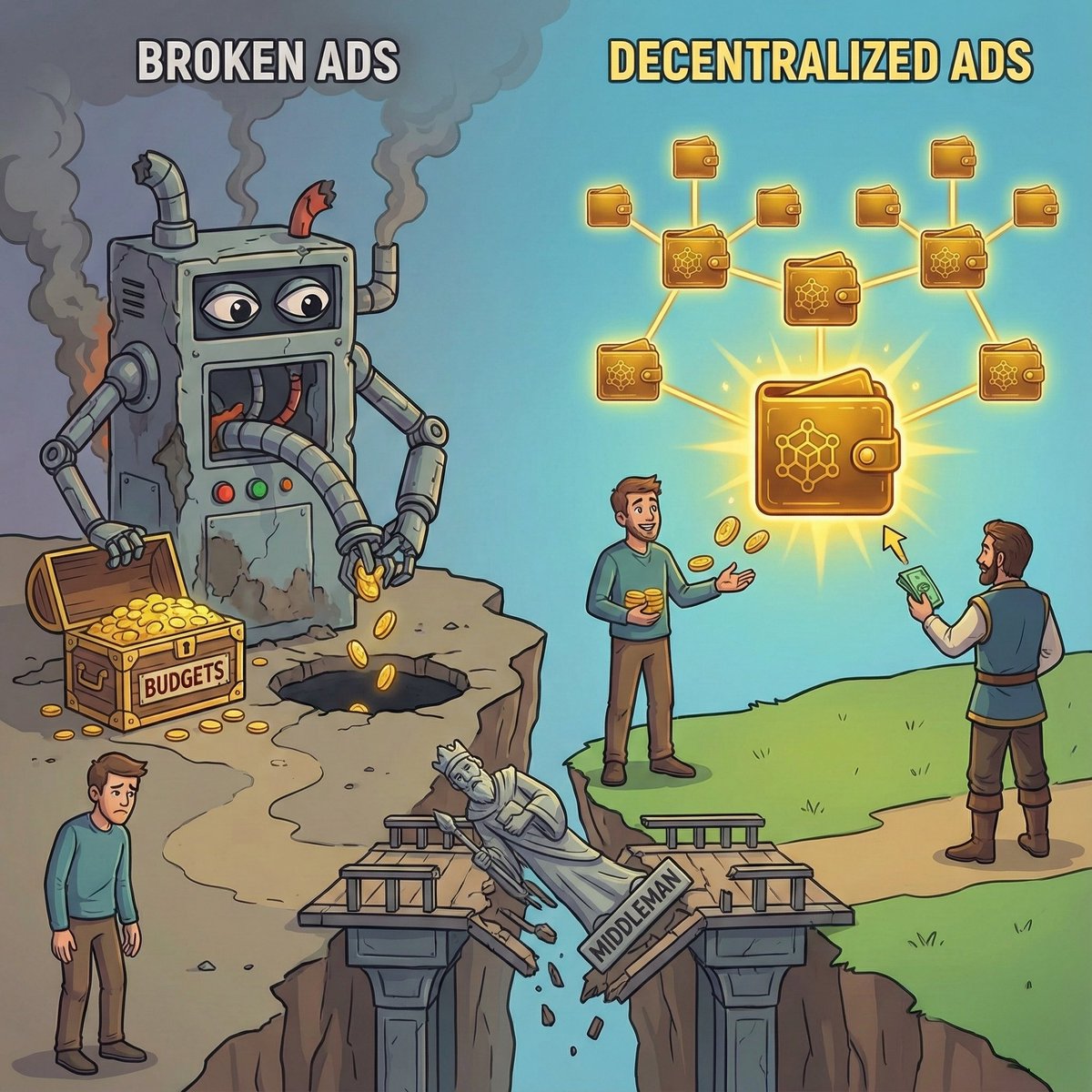
Ads are broken.
Platforms spy, bots drain budgets, users get nothing.
Decentralized ads cut the middlemen.
Wallets are the signal.
Advertisers pay for real activity.
Users get paid.
The old system survives on fraud.
12
2
17
4,135
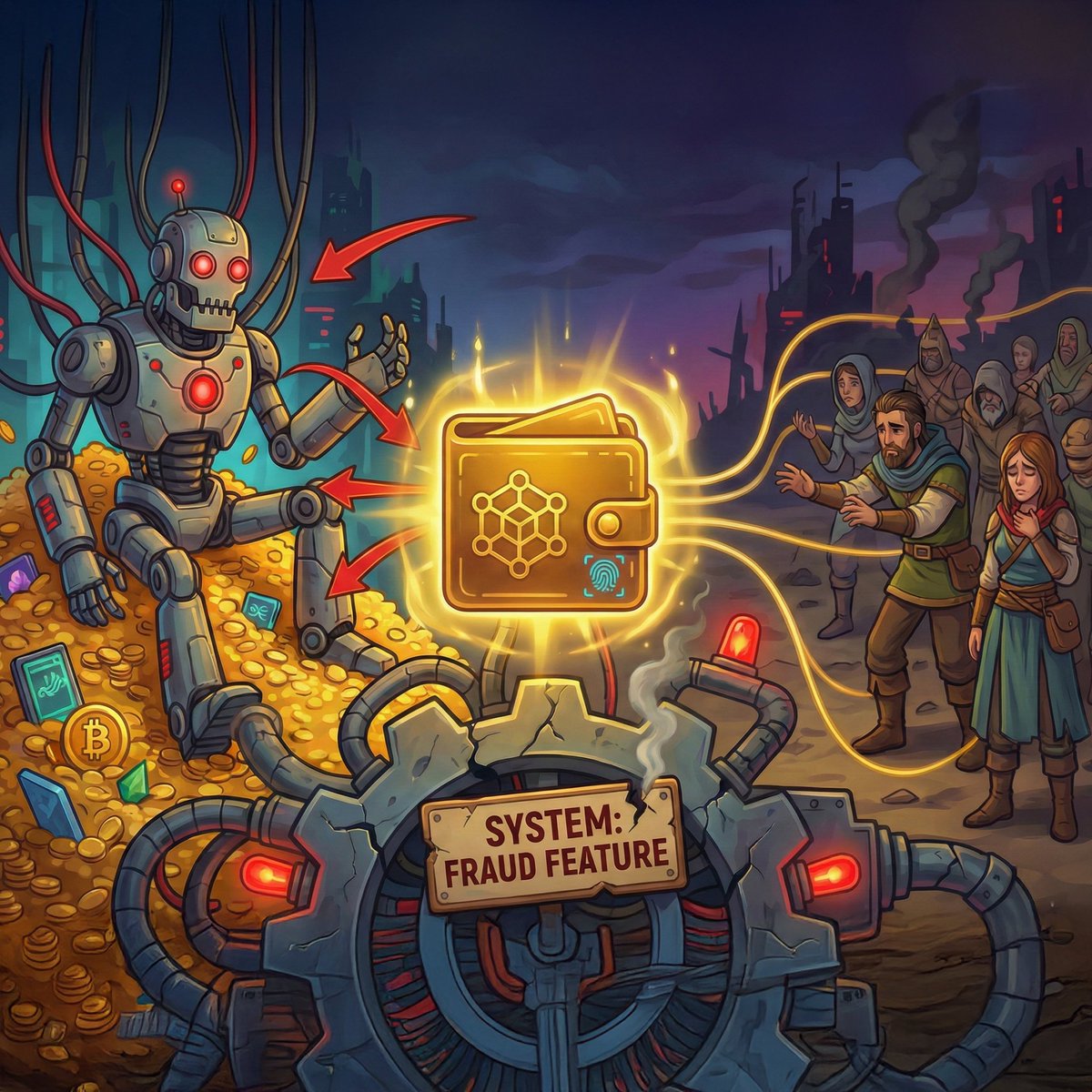
What if ad fraud weren’t a problem, but a feature of the system?
Bots get paid.
Humans get ignored.
What if wallets proved you’re real, by default 🤖❌
Is fraud inevitable or just poorly designed?
13
1
10
2,764
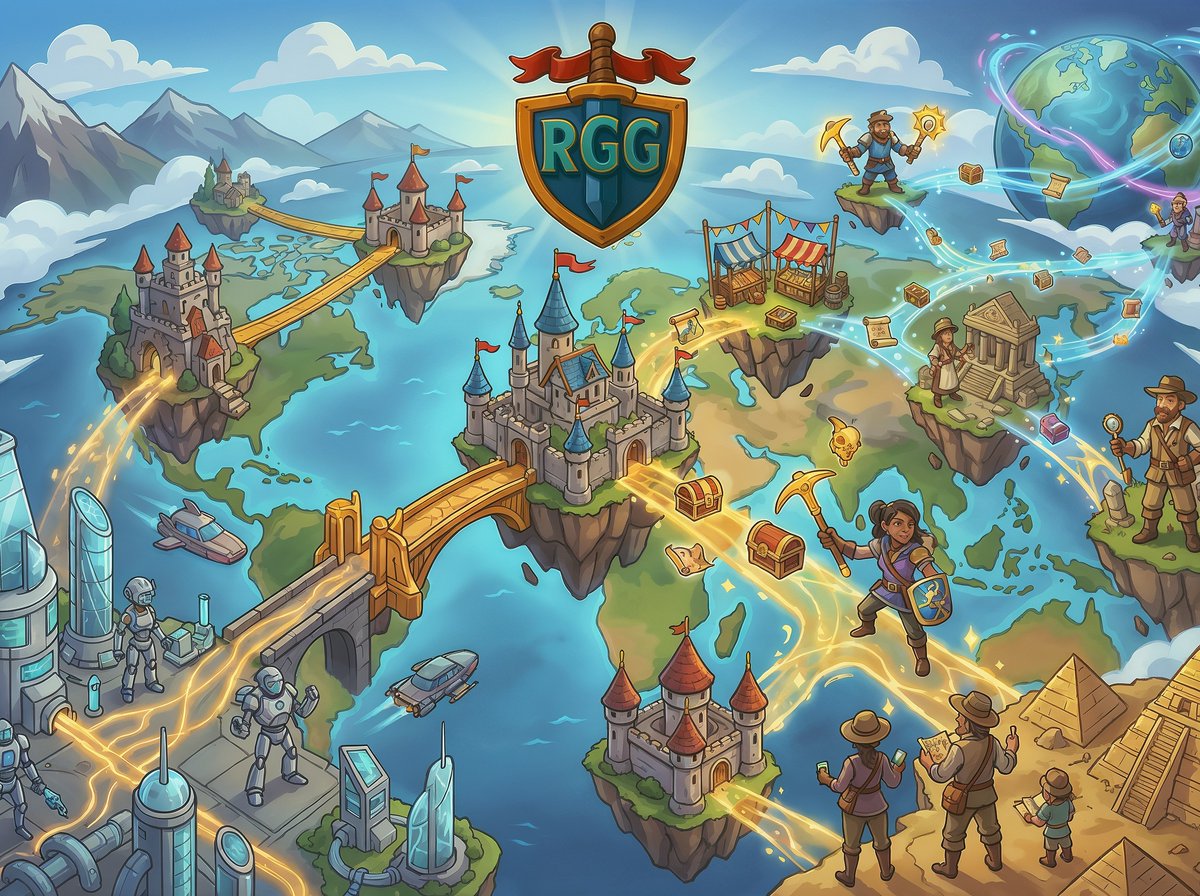
When systems slow down, builders speed up. RGG is creating a borderless gaming economy where creators and players stay in control - no matter what’s happening globally. Play. Create. Earn. Powered by community. Built for the future.
14
1
3
3,725

31 Dec 2025
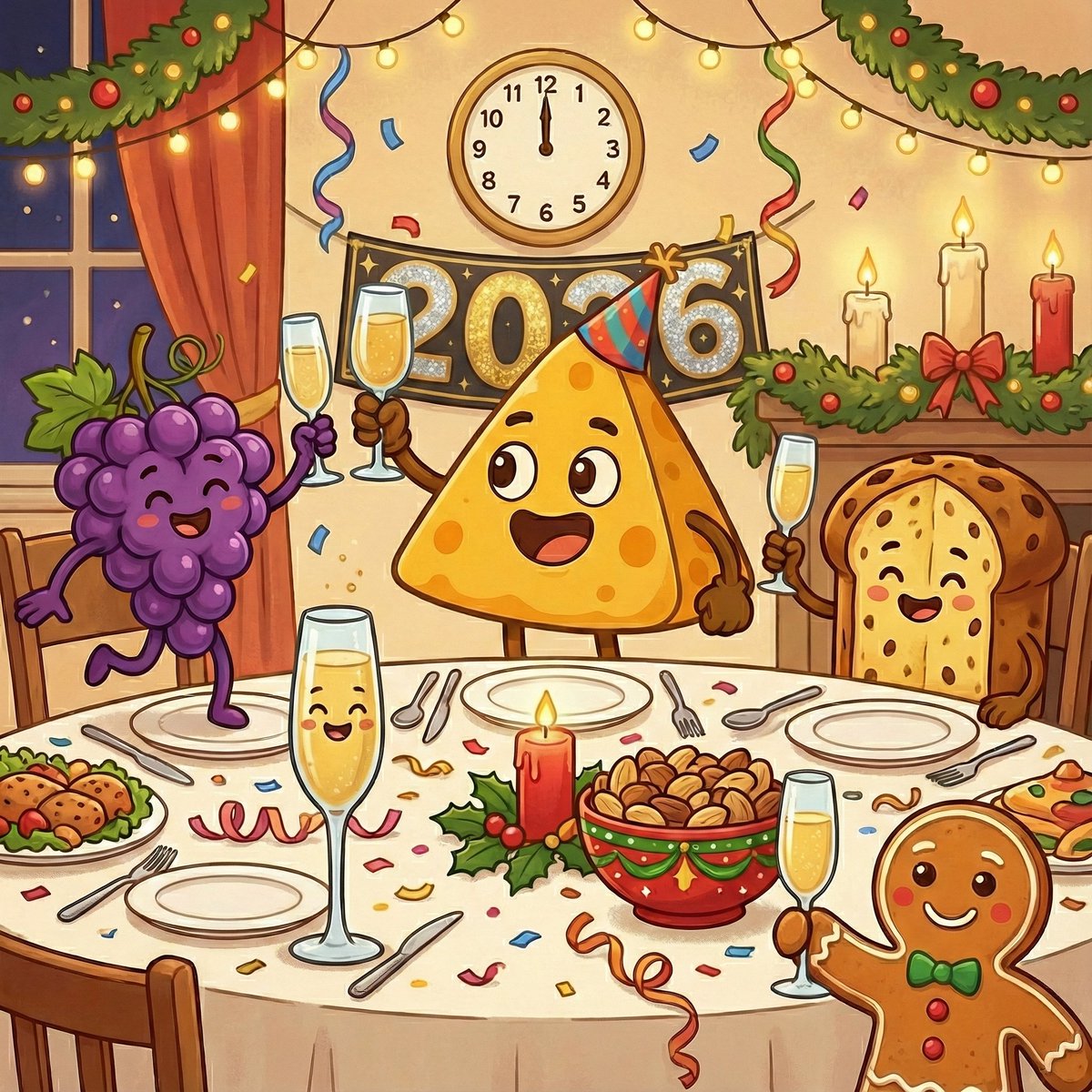
Happy New Year, RGG Fam 🥂
New year. New milestones. Bigger plays.
2026 is about scaling, shipping, and rewarding the community that makes it all possible.
Game on. Let’s win together. 🎮🚀
15
1
6
2,836
30 Dec 2025
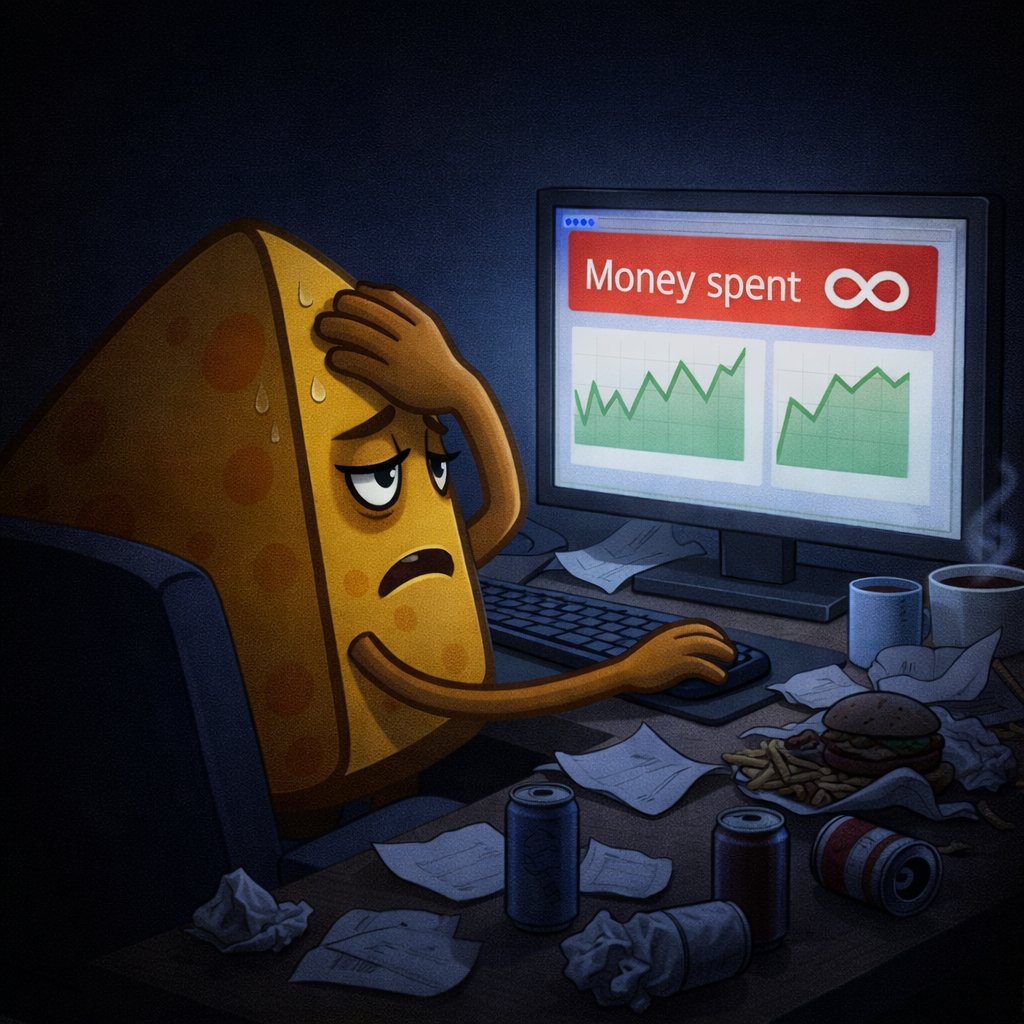
Affiliates lose money without knowing why.
Most affiliates don’t fail.
They never see the truth.
Traffic looks good.
Clicks look fine.
Conversions look random.
The problem isn’t effort.
It’s visibility.
Without real attribution, affiliates guess.
And guessing costs money.
Data doesn’t just increase revenue.
It stops silent losses.
13
1
7
2,772