
Nurse NHS Ayrshire & Arran. Love the great outdoors - ski, horse, bike or foot. Interests-frailty, ortho,hip #, advanced practice
Joined May 2013
- Tweets 1,734
- Following 596
- Followers 413
- Likes 7,626
102 Photos and videos











Ruth Houson 💙 retweeted

25 Dec 2025
Emergency Department (ED) staff: screen ALL patients over 65 for delirium.
Emergency departments are where it's most missed and most dangerous.
Make it as routine as checking blood pressure.

4
5
23
962
Ruth Houson 💙 retweeted

💉 Regional nerve blocks for hip fracture pain relief
A recent randomised trial compared femoral nerve block (FNB) and pericapsular nerve group (PENG) block in older adults with hip fractures.
Both blocks provided similar pain relief and opioid reduction, but PENG better preserved early quadriceps strength — supporting faster mobilisation after surgery.
🔗 Read more: doi.org/10.1016/j.jor.2025.0…
#ANZHFR #HipFracture #PainManagement #Orthogeriatrics
1
2
97
Ruth Houson 💙 retweeted
8 Oct 2025
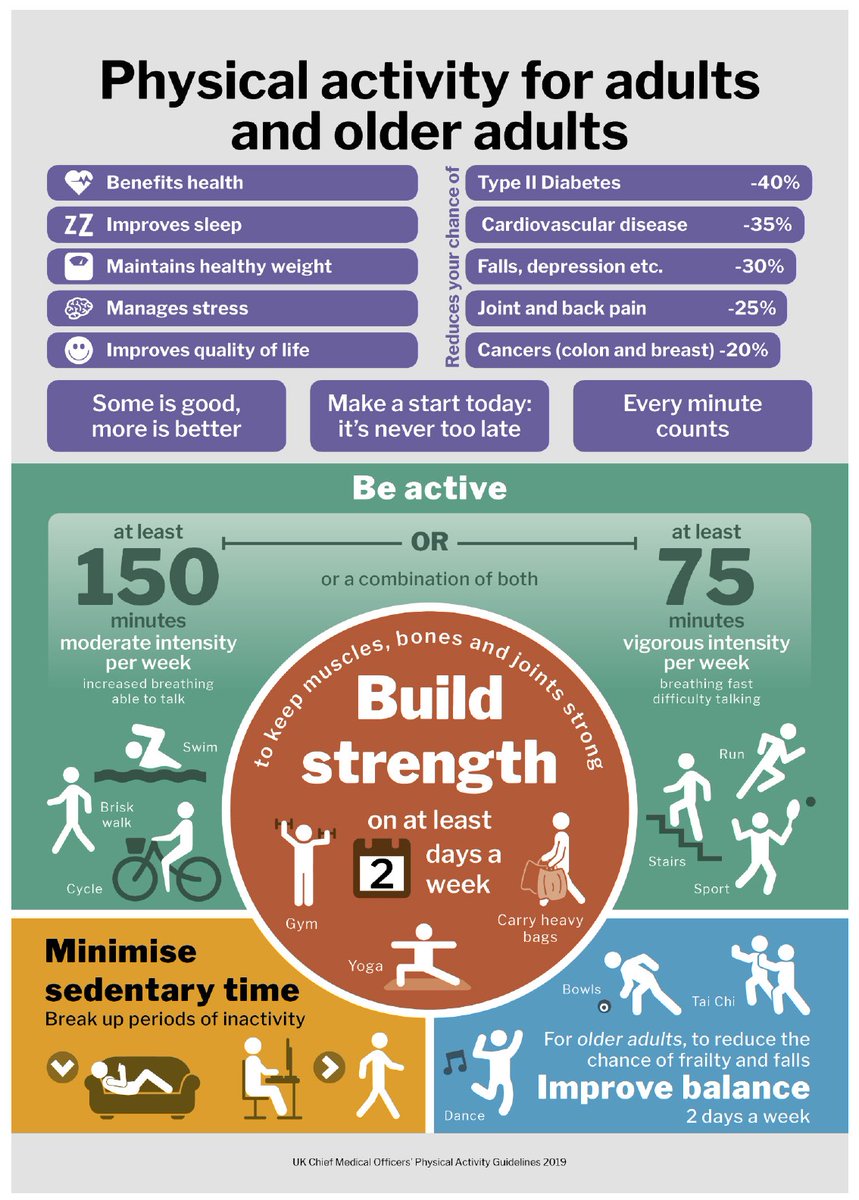
Physical activity for adults & older adults
11
34
1,150
Ruth Houson 💙 retweeted
30 Sep 2025
Every hospital should have a delirium champion. We have stroke and sepsis champions - why not #delirium?
#PatientSafety
2
5
44
1,263
Ruth Houson 💙 retweeted

29 Aug 2025
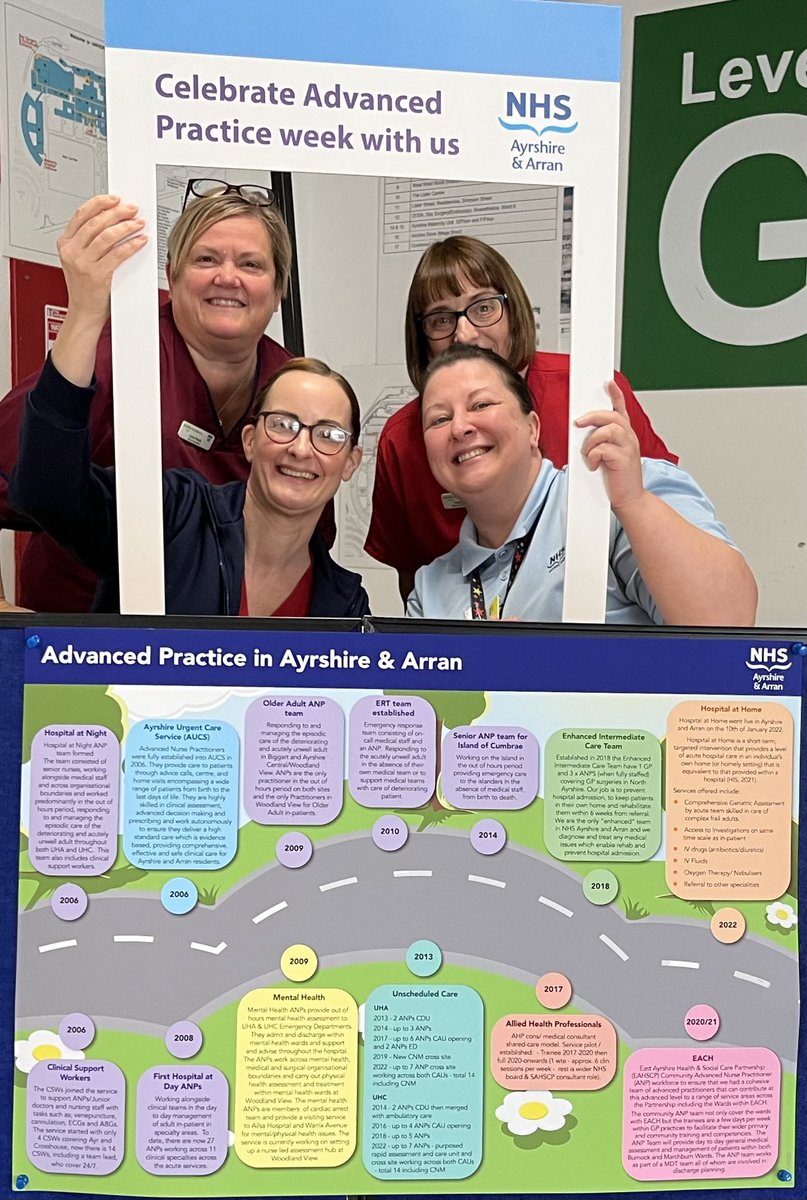
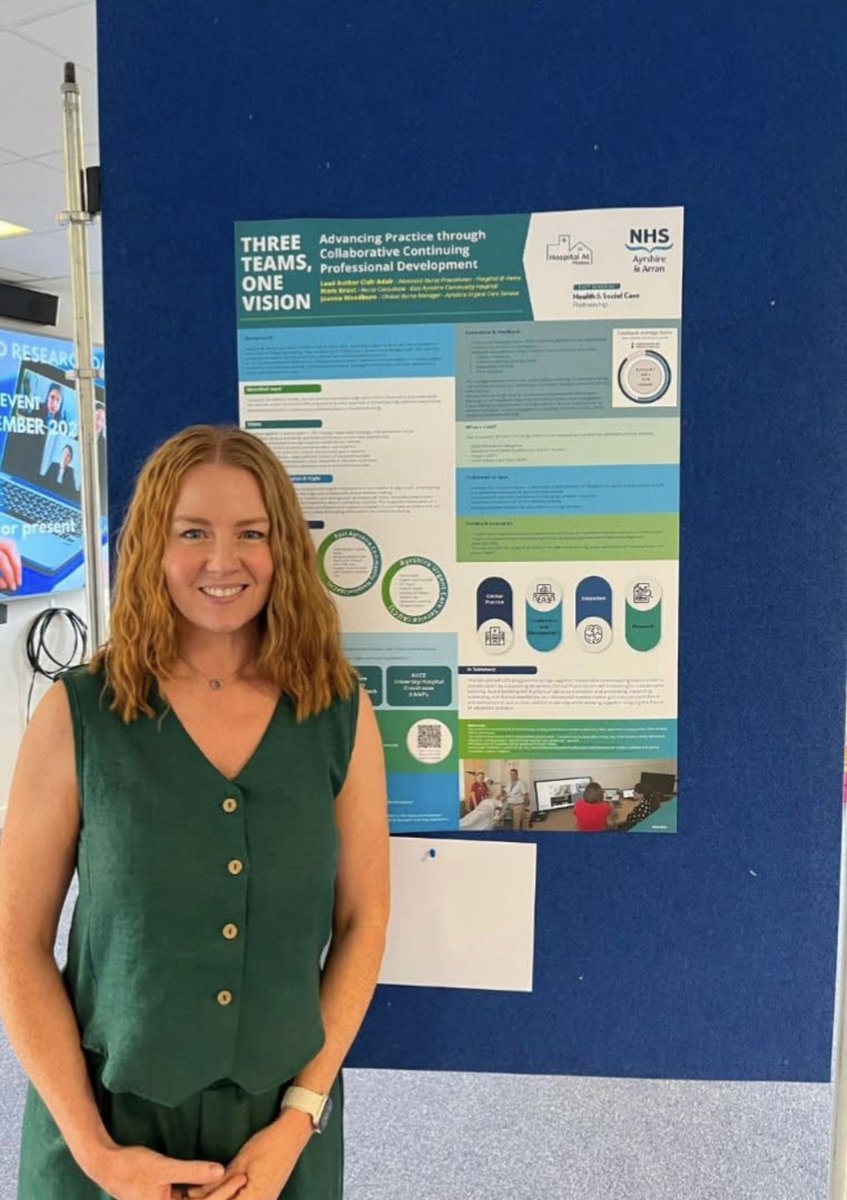
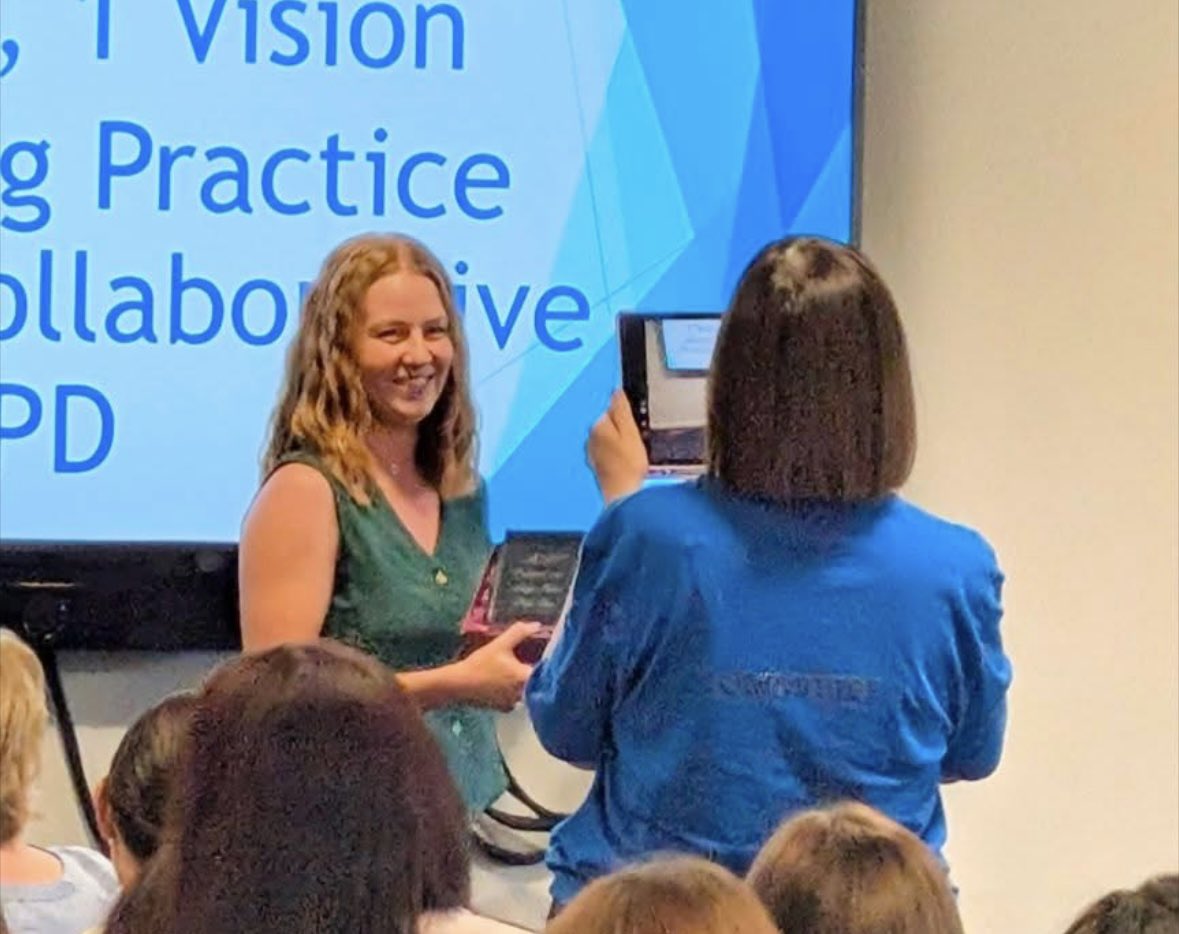
Well done to our ANP Clair Adair on her poster presentation demonstrating collaborative working for Advanced Practice CPD within NHSAAA and on winning the Judges Choice poster
4
12
545
Ruth Houson 💙 retweeted

16 Jun 2025
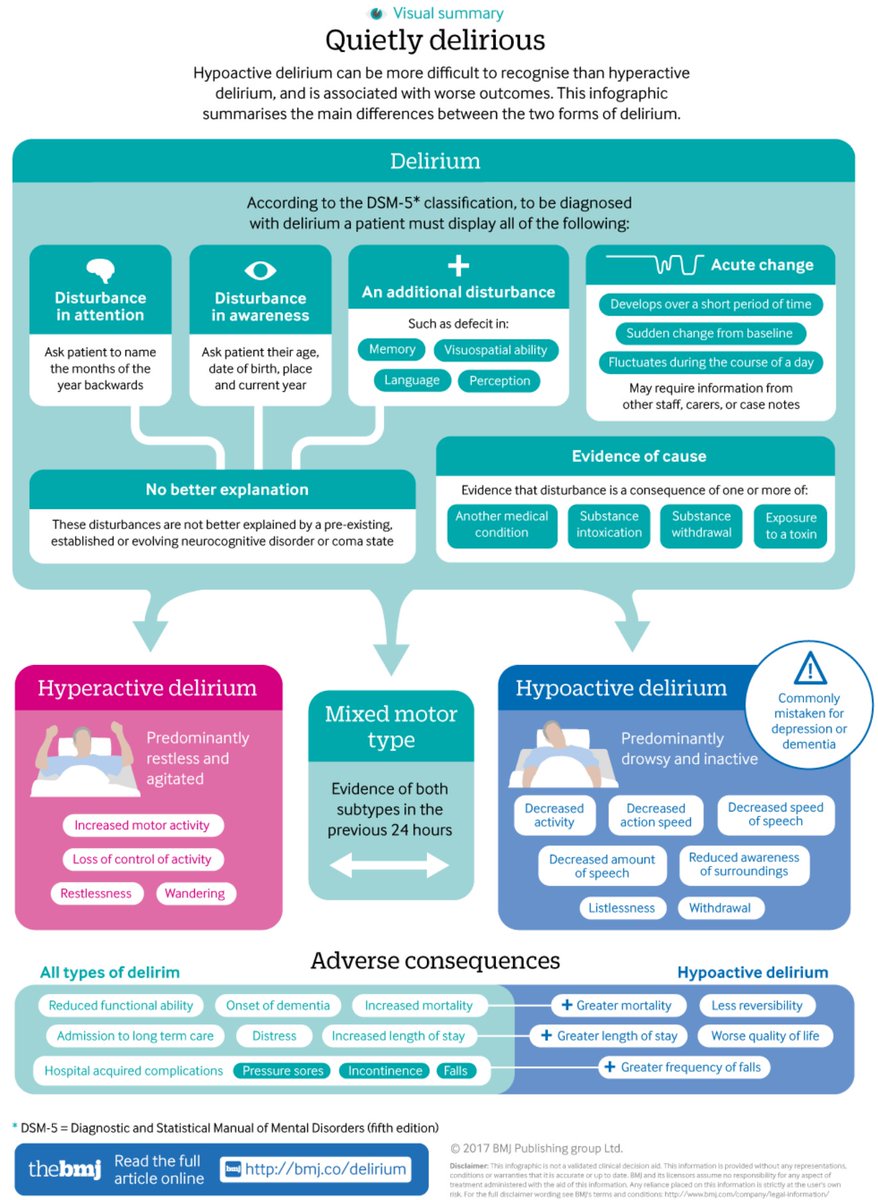
Incredibly valuable and fits with what we see in practice. An abnormal 4AT score is not normal. I see many patients with moderate or even severe dementia with 4AT scores 1-3
16 Jun 2025

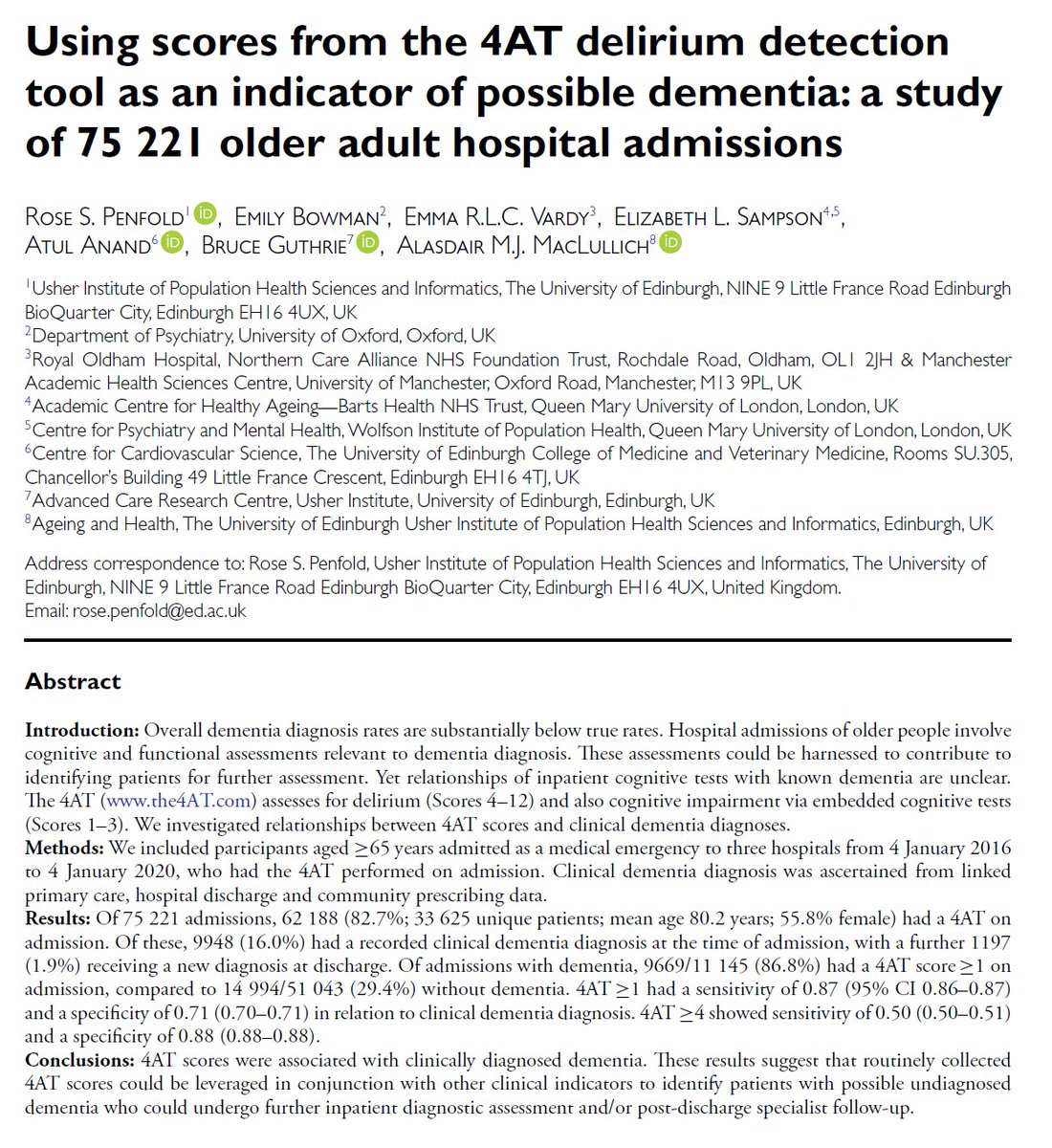
⭐️ New research on dementia in hospital inpatients.
🧠 87% of patients with #dementia had abnormal 4AT scores (≥1), vs only 29% without dementia.
➡️ The 4AT - already globally used for #delirium screening - could help identify undiagnosed dementia.
Led by @rosespenfold
1
4
12
4,086
Ruth Houson 💙 retweeted
16 Jun 2025
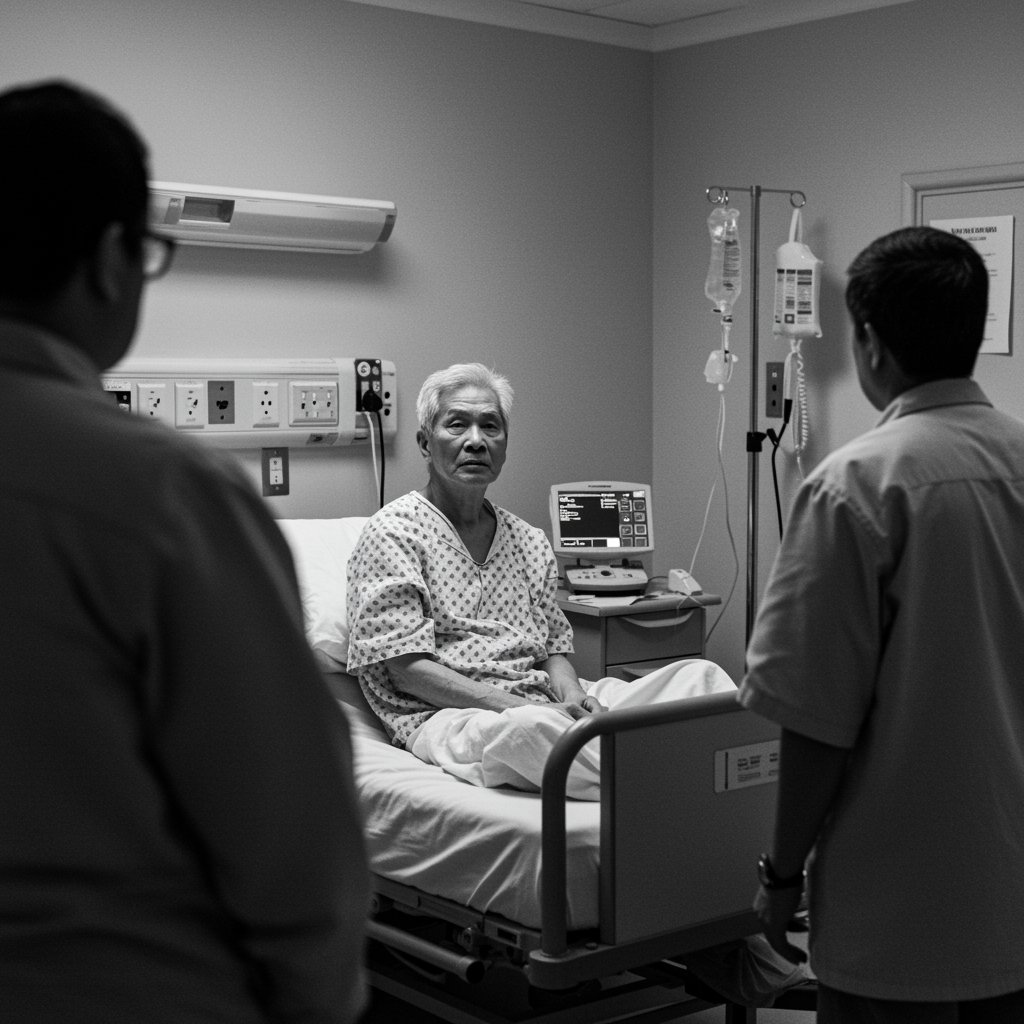
⚠️ People with dementia in hospital have a high risk of severe distress. Keep family present if possible & provide frequent reassurance and explanation.
7
32
1,268
Ruth Houson 💙 retweeted
10 Apr 2025
As a doctor caring for hip fracture patients, I'm often struck by what a special thing it is that we've created systems where dozens of professionals with diverse expertise come together in purpose-built facilities to help someone who's fallen and broken their hip. Relieving pain, providing surgery, and guiding rehabilitation.
This kind of "coordinated compassion" represents humanity at its best and we should always be inspired by these kinds of staggering achievements.
#hipfracture
7
34
173
20,915
Ruth Houson 💙 retweeted
4 Apr 2025
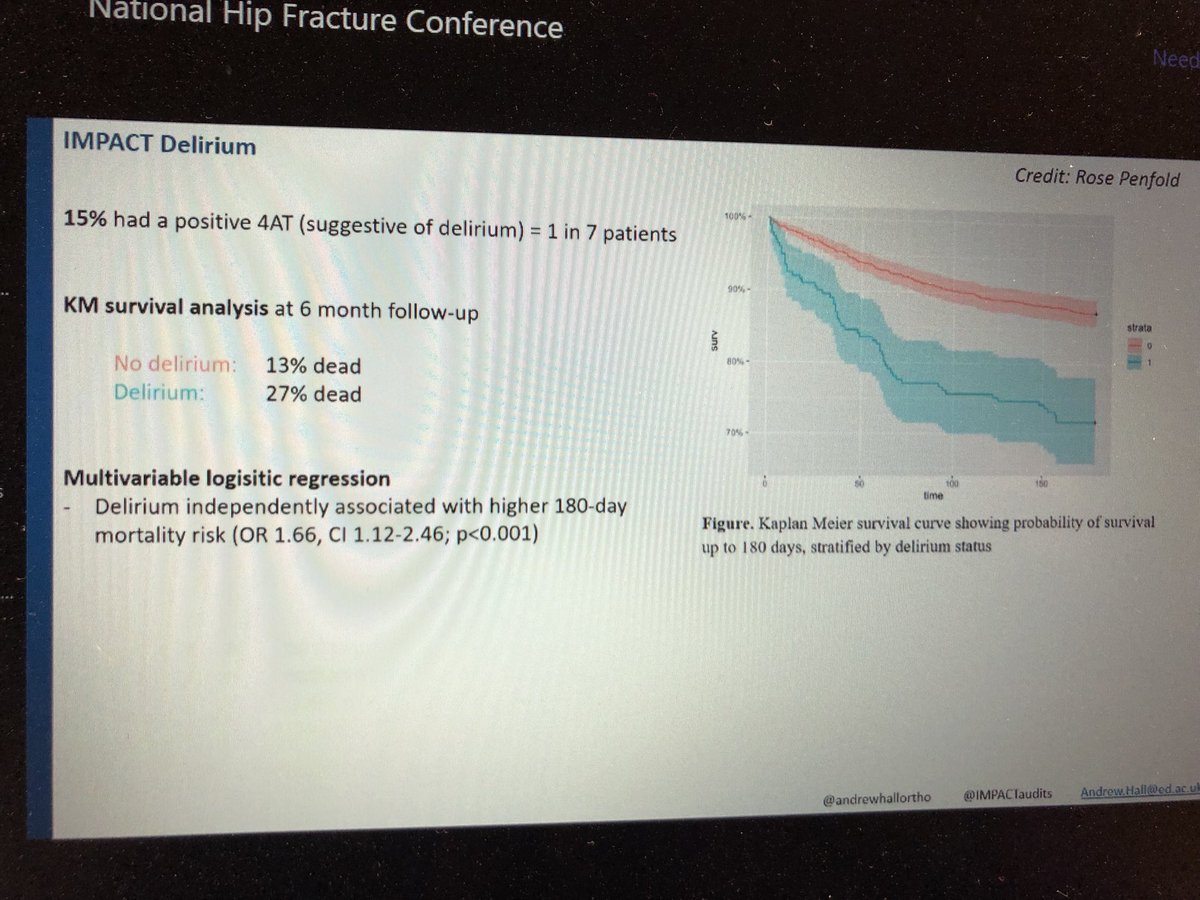
New Research: Delirium in Hip Fracture Patients Associated with Doubled Mortality Risk
I'm pleased to share our new study on delirium and hip fracture, led by @rosespenfold.
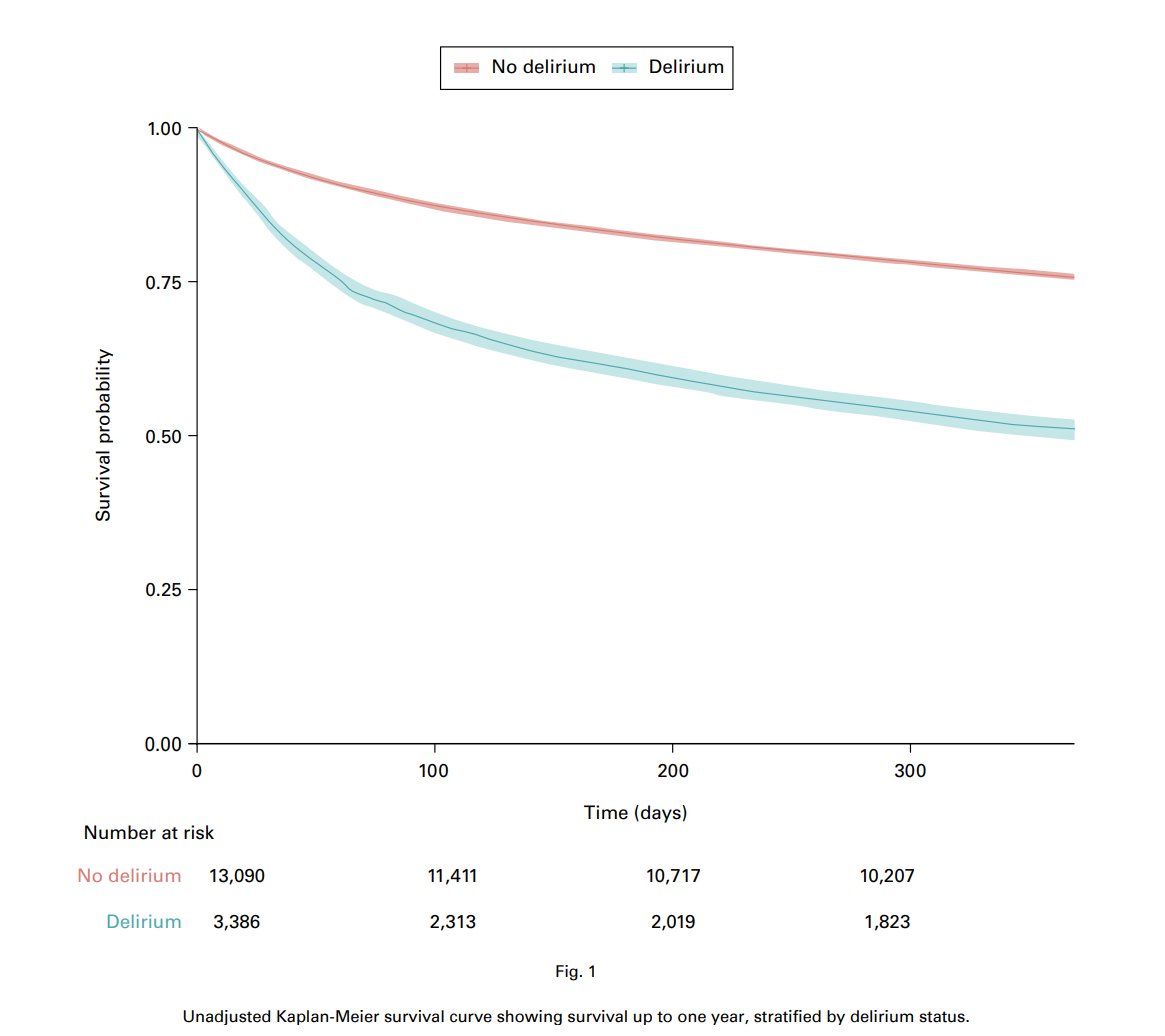
91% of all hip fracture patients attending Scottish hospitals had a 4AT delirium assessment tool performed at presentation (N=16,476 ). N=3,386 (21%) had delirium.
Key findings:
- Delirium was associated with important adverse outcomes including 2-fold higher mortality risks as an inpatient and at one year, and a lower likelihood of returning home following hospital admission.
Key implications:
- Delirium assessment on initial presentation is feasible at national scale.
- Delirium assessment should be performed on presentation of hip fracture.
- Hip fracture care without delirium assessment is deficient care.
***Background***
Previous studies have focused primarily on postoperative delirium. This is the first large scale study using routine data to examine delirium ascertained directly with a real-time clinical assessment at the time of hospital admission.
***Methods***
We analysed data from the Scottish Hip Fracture Audit, which covers over 99% of people aged 50 years hospitalized with acute hip fracture in Scotland.
Delirium assessment: 4AT (the4AT.com), which is embedded into routine care and performed by clinical staff.
***Results***
Delirium was present 21% of patients.
Patients with delirium were older (mean age 85 vs. 78 years), more likely to be in care homes, and had higher ASA grades.
After adjusting for age, sex, pre-fracture residence, and ASA grade, patients with delirium had a 2-fold increased risk of inpatient mortality (adjusted OR 2.26, 95% CI 1.79 to 2.84).The same pattern was observed for one-year mortality (adjusted OR 2.05, 95% CI 1.83 to 2.29).
Patients with delirium were less likely to return to their original residence within 30 days (adjusted OR 0.27, 95% CI 0.24 to 0.30)
***Conclusions***
Delirium at hip fracture presentation is a powerful prognostic indicator that can inform shared decision-making with patients and families. Identifying delirium early allows clinicians to address potentially reversible causes and implement appropriate management strategies. Recognition of delirium can help in planning post-acute care needs.
Another crucial implication is that we have definitively demonstrated that delirium testing using a validated tool is *feasible in routine practice* in this population.
Hip fracture patients must have delirium assessments, and these must be done pre-operatively as well as post-operatively.
***Call to action***
Let's move forward and make good delirium care the norm in hip fracture patients.
Let's make system-wide groupthink that it is okay to neglect delirium a thing of the past.
Study: boneandjoint.org.uk/article/…
#delirium #hipfracture
1
43
74
6,454
Ruth Houson 💙 retweeted

14 Mar 2025
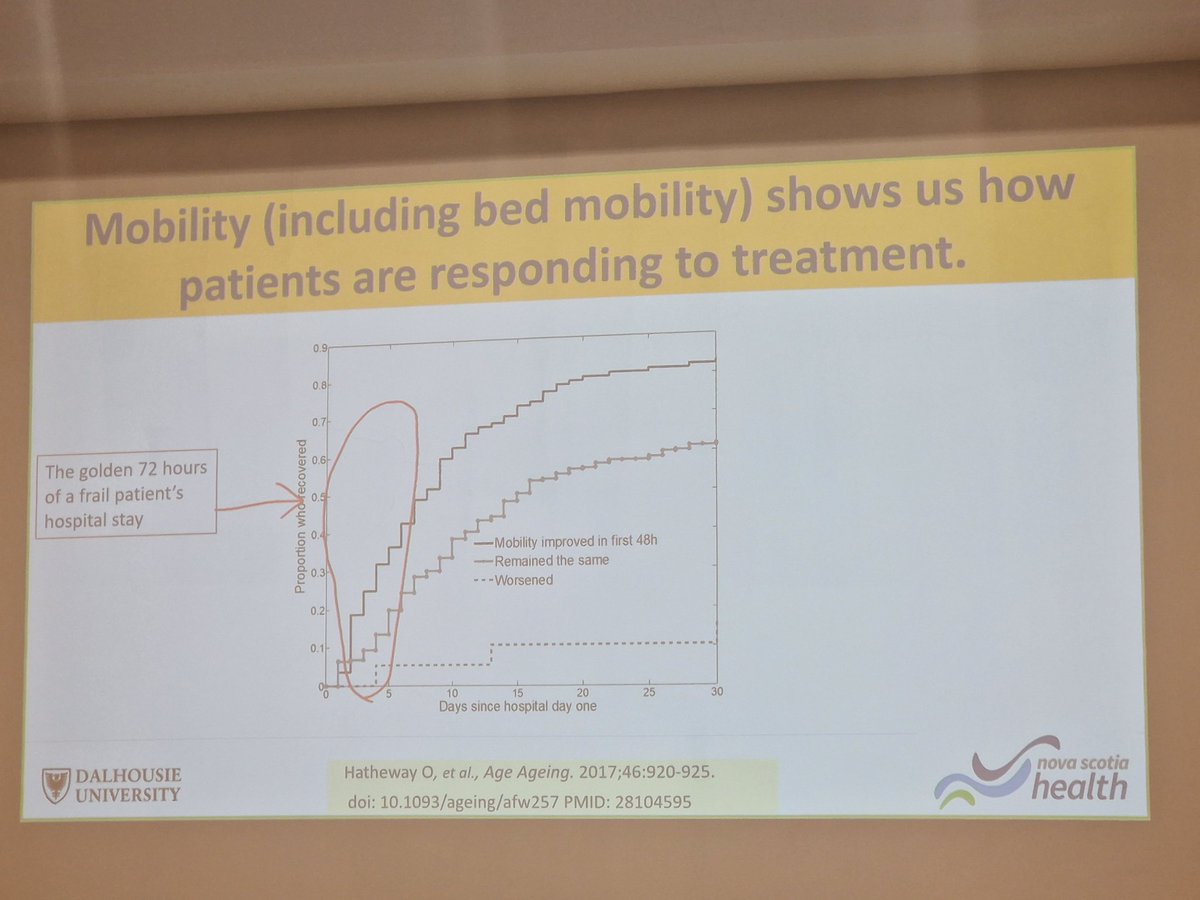
This can’t be stressed enough! If we can’t keep our frail older people at home H@H, then let’s build front door hospital frailty services to get them home safely as soon as possible
14 Mar 2025

Kenneth Rockwood explaining the 'golden 72 hour' of mobility for frailty older adults. Must be mobilising early, even if in an ED. #Frailty #bgs
4
12
806

13 Mar 2025
😳😳 we must get better at this. SQiD and 4AT testing for all frail admissions
12 Mar 2025
1
98
Ruth Houson 💙 retweeted
21 Jan 2025
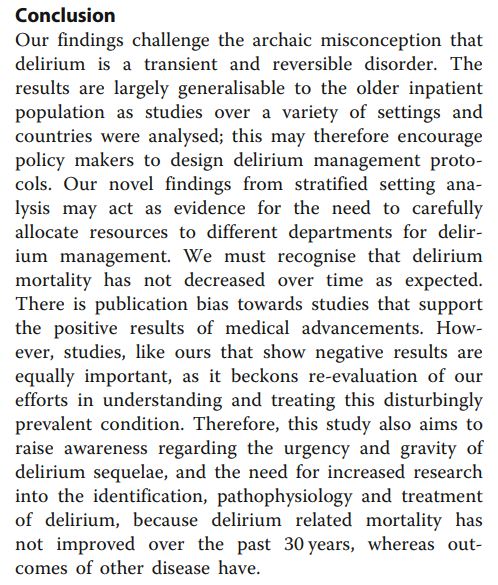
Delirium is a very strong predictor of mortality.
But it is not perceived as such by most practitioners.
It's a weird gap in modern healthcare.
Study: "A call to action for delirium research: Meta-analysis and regression of delirium-associated mortality."
🔗 bmcgeriatr.biomedcentral.com…
6
34
71
5,907
Ruth Houson 💙 retweeted
6 Jan 2025
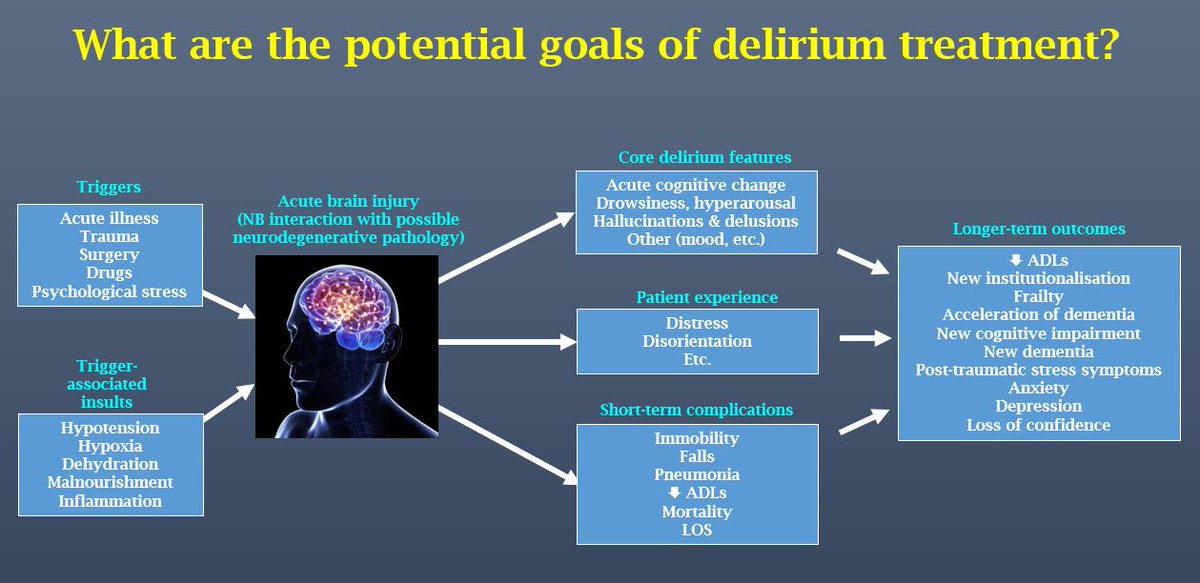
🤔 Delirium treatment is actually pretty complex.
When we say 'delirium treatment' what do we mean?
From finding & triggers, to maintaining physiological stability, to treating symptoms & reducing long-term complications, there is a lot to think about.
I've cared for people with delirium for many years now, & it takes me at least 20 mins to work through all the variables, make a plan, & communicate it.
3
32
56
4,387
Ruth Houson 💙 retweeted

29 Nov 2024
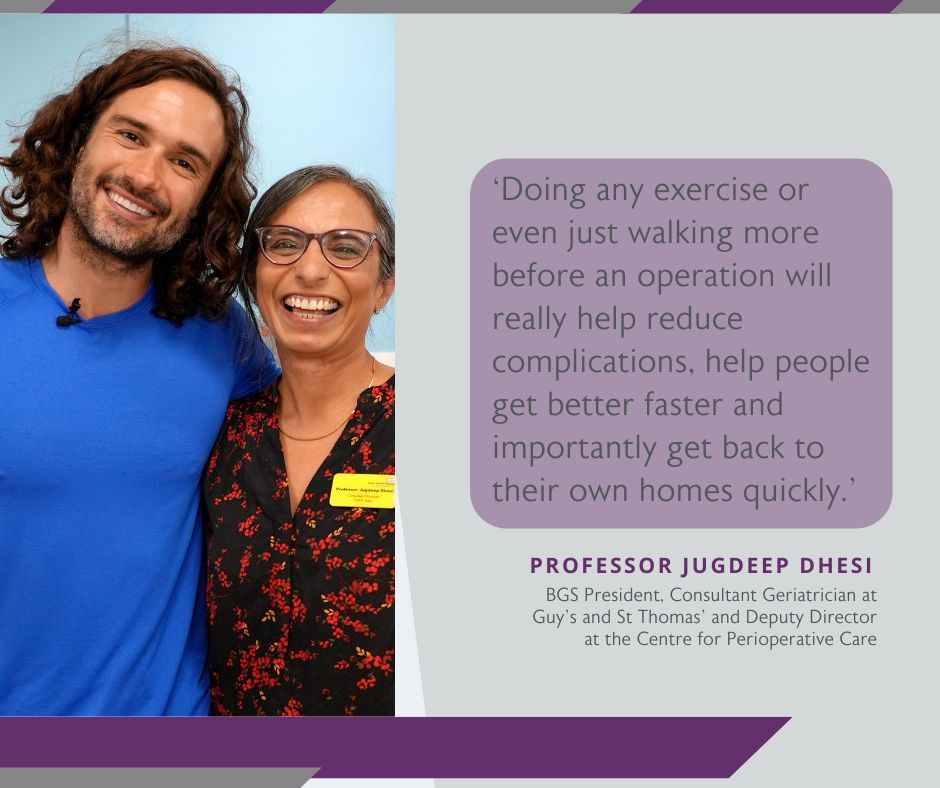
‘Use whatever time you have before your surgery to get yourself as fit as possible’ - @JKDhesi. @thebodycoach has created 10-minute routines boost activity & improve outcomes for patients awaiting surgery @GSTTnhs @CPOC_News. bgs.org.uk/policy-and-media/…
4
46
77
19,953
Ruth Houson 💙 retweeted

28 Nov 2024
Great post about daily acute care. Seeing & trying to support this best we can whilst meeting the needs of those with a need to be in hosp takes it toll.
#Acopia is such a misleading term, if we’re going to use it it should be to describe services not patients & unpaid carers.
1
3
431
Ruth Houson 💙 retweeted

14 Nov 2024
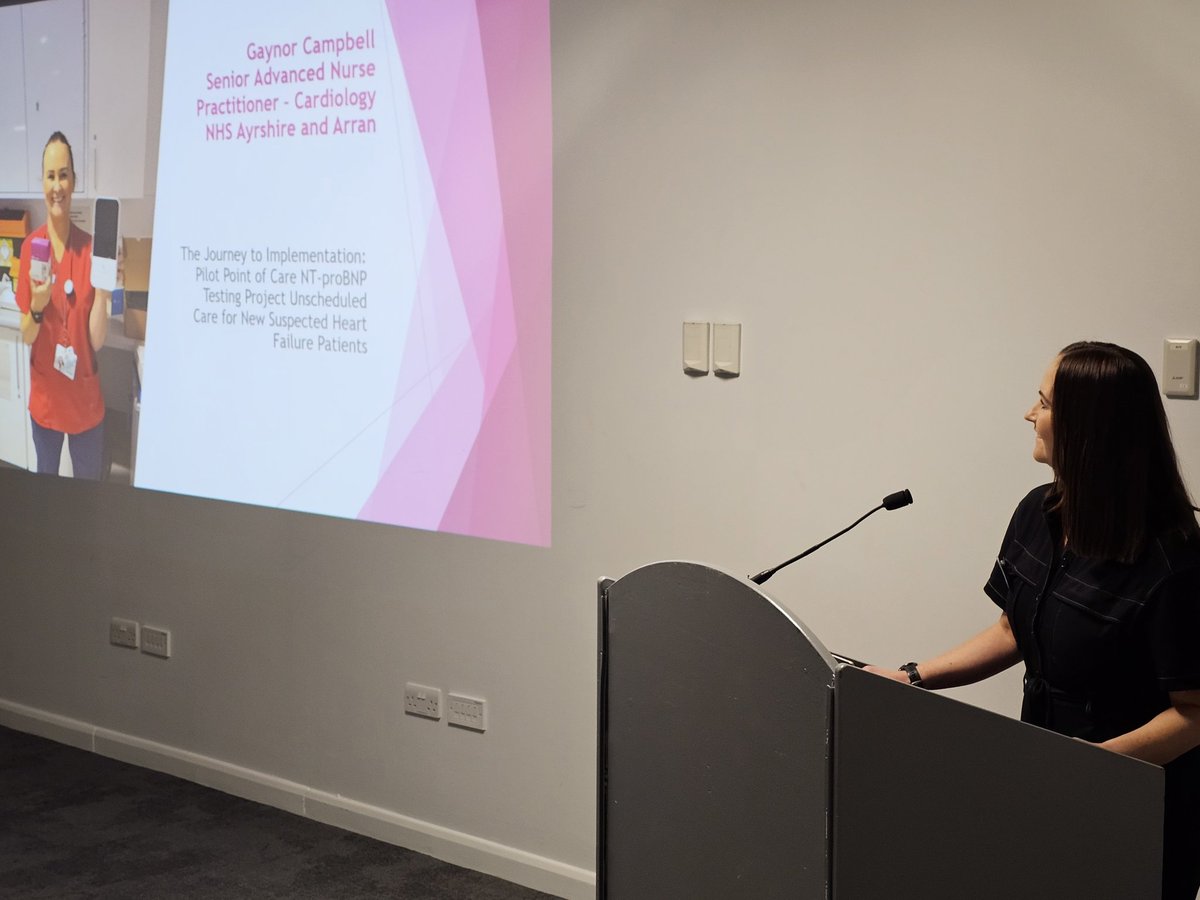
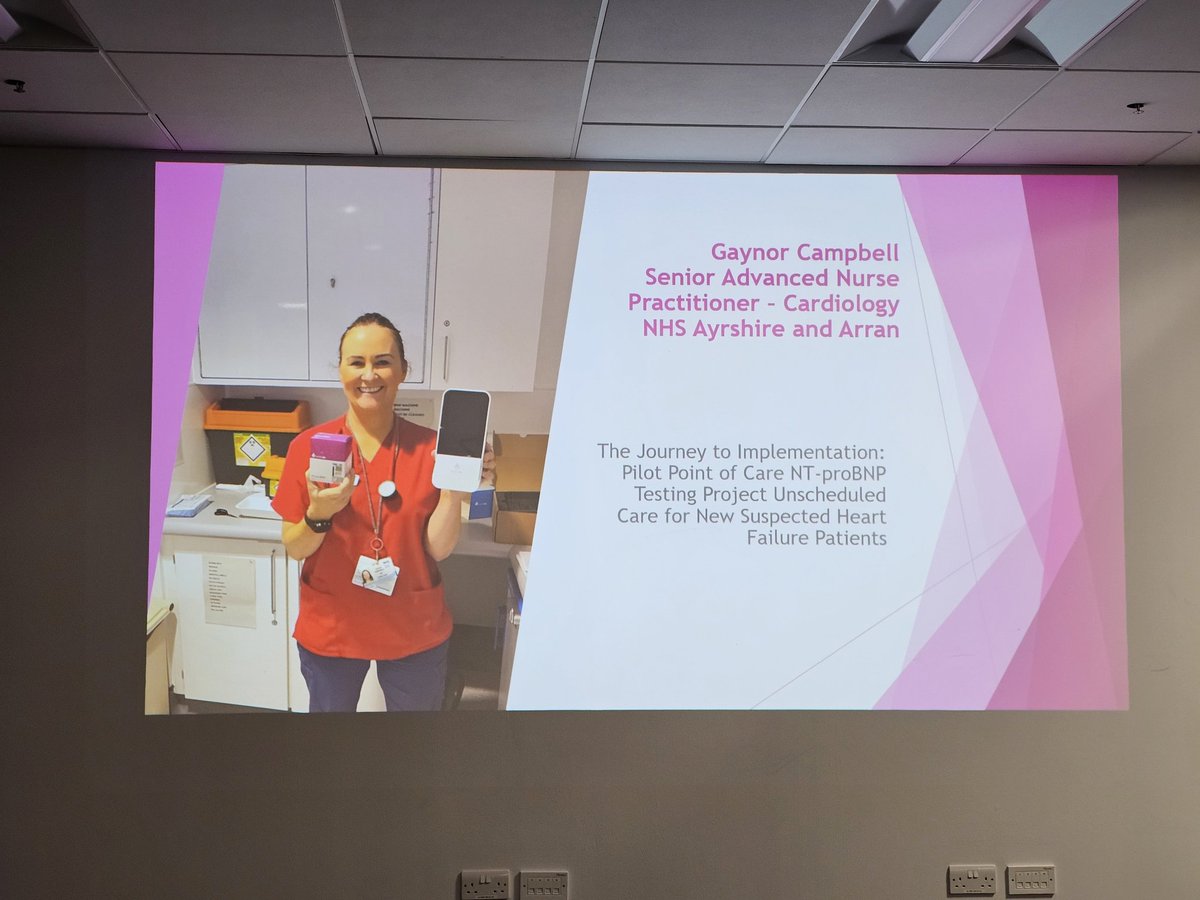
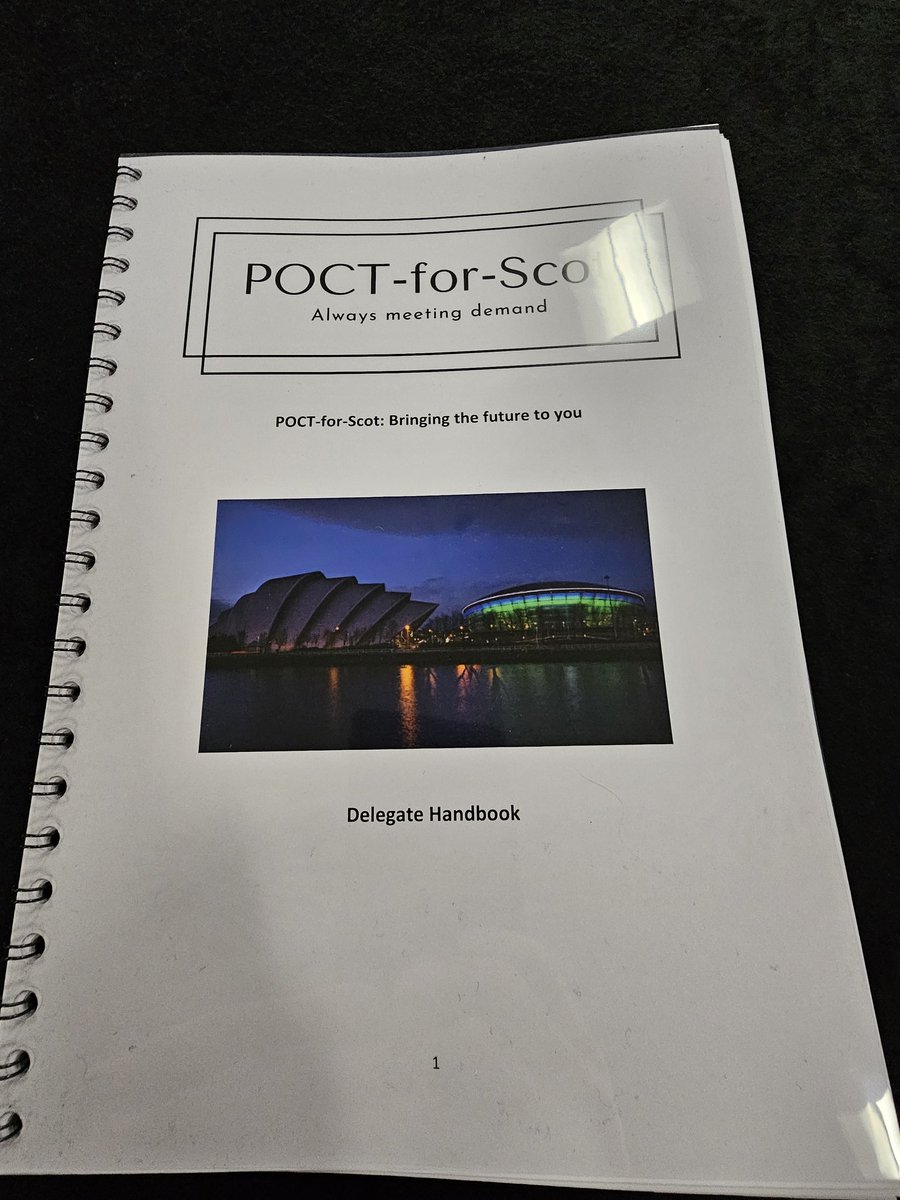
Our Gaynor setting the scene for a good day ahead learning more about the use of Point of care (POC) testing and it's benefits within health care in Scotland, well done 👏
2
6
28
1,026
Ruth Houson 💙 retweeted

9 Nov 2024
Quite unbelievably believable.
2
6
304
24 Oct 2024
Agree, worth reposting again
23 Oct 2024

This is excellent.
I saw an ‘acopic, social admission, mechanical fall’ today 🙄😡
Language and perceptions in frailty. Terms to use in place of those to avoid.
A reference to the Profanisaurus too @mancunianmedic
@DrTerryQuinn @Amy_Brewerton @GeriSoc
bgs.org.uk/languageguide
2
125
Ruth Houson 💙 retweeted
11 Oct 2024
What’s wrong with medicine? A geriatrician’s perspective.
sean9n.wordpress.com/2024/10…
@lucypgeridoc @EileenBurns13 @mancunianmedic @Trisha_the_doc @danfurmedge @jupiterhouse1
7
28
83
19,329