
The official journal of the RNA Society. Featuring cutting edge research in RNA Biology, biochemistry, genetics, cell biology, structural biology and genomics
Joined November 2011
- Tweets 1,626
- Following 529
- Followers 7,321
- Likes 252
493 Photos and videos



Apr 23
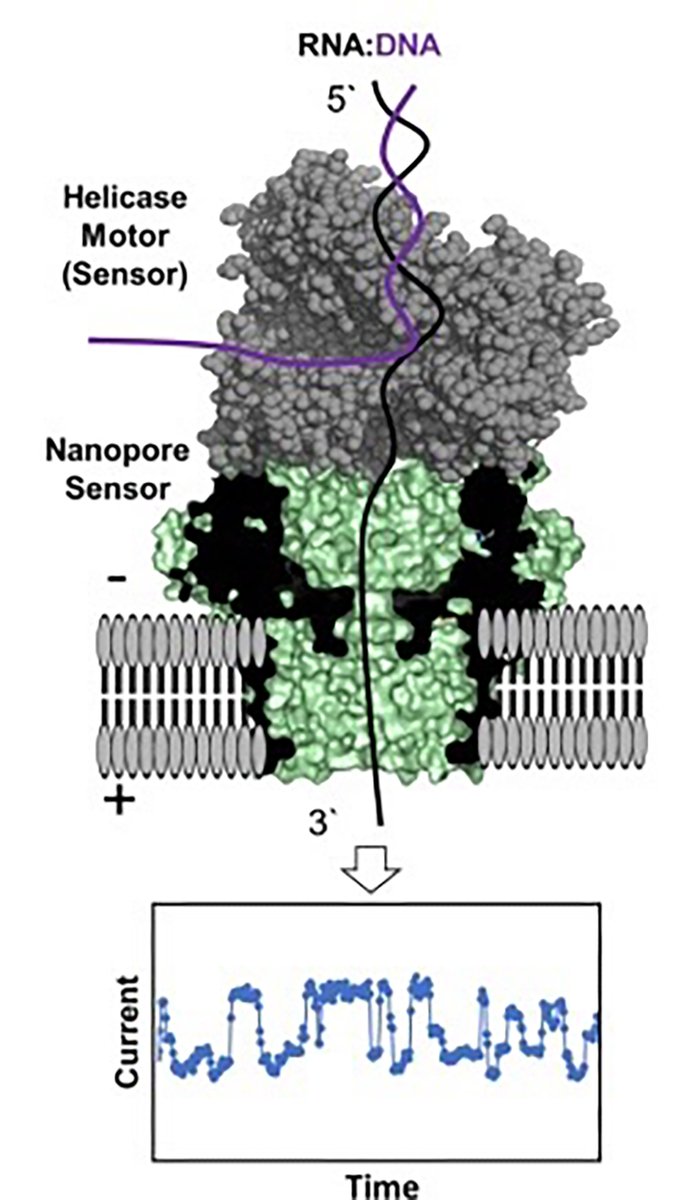
Nanopore direct RNA sequencing is redefining how we detect RNA modifications, enabling long-read, transcriptome-wide views with minimal RNA handling. This perspective highlights both the power and current limitations of DRS in probing the epitranscriptome bit.ly/4dx1lec
1
19
69
5,072
Apr 23
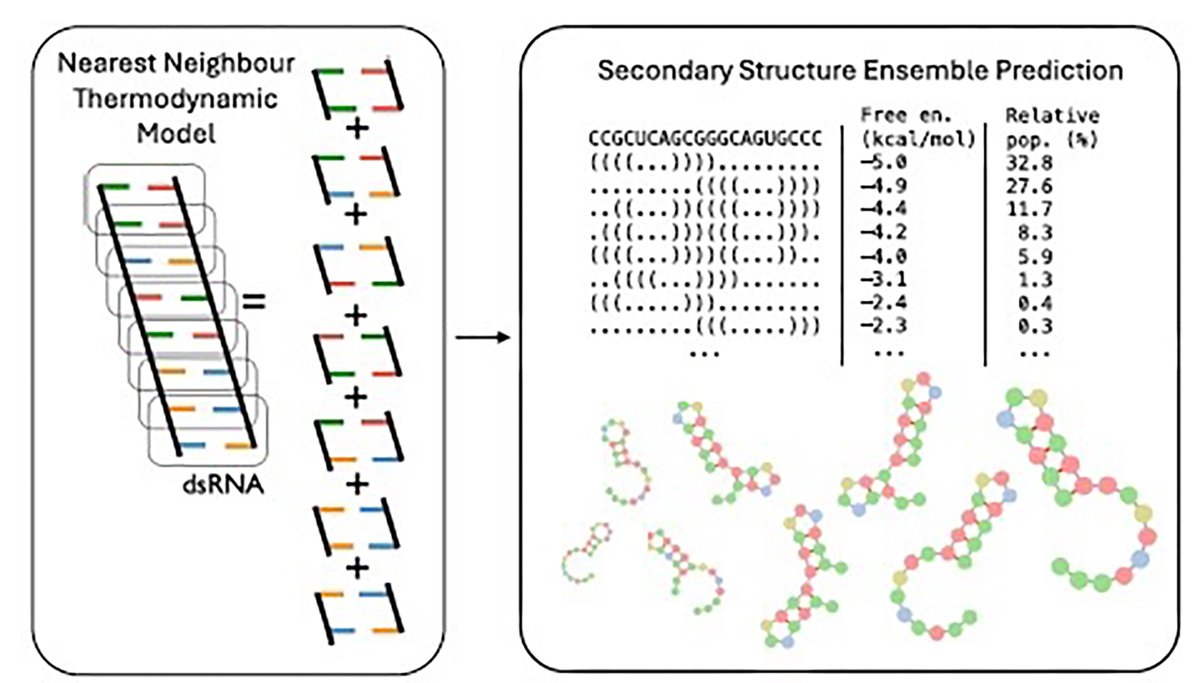
How well can machine learning predict RNA secondary structure? This review surveys current approaches—from deep learning to hybrid models—highlighting both impressive gains and key limitations in generalizability and interpretability bit.ly/4spSj6s
7
33
1,885
Apr 23
What does it mean to study RNA at system scale? This Special Issue perspective lays out a roadmap—from quantitative transcriptomics to integrative modeling—defining how we measure, model, and ultimately manipulate RNA across biological systems bit.ly/3POaGo9
#RNAbiology
5
23
1,812
Apr 14
Excited to highlight the new Special Issue of RNA showcasing advances in system-level RNA biology, from epitranscriptomics and RNA damage to deep learning–driven structure prediction and beyond. A strong snapshot of where the field is heading bit.ly/4tEQL9I
11
72
3,691
Apr 13
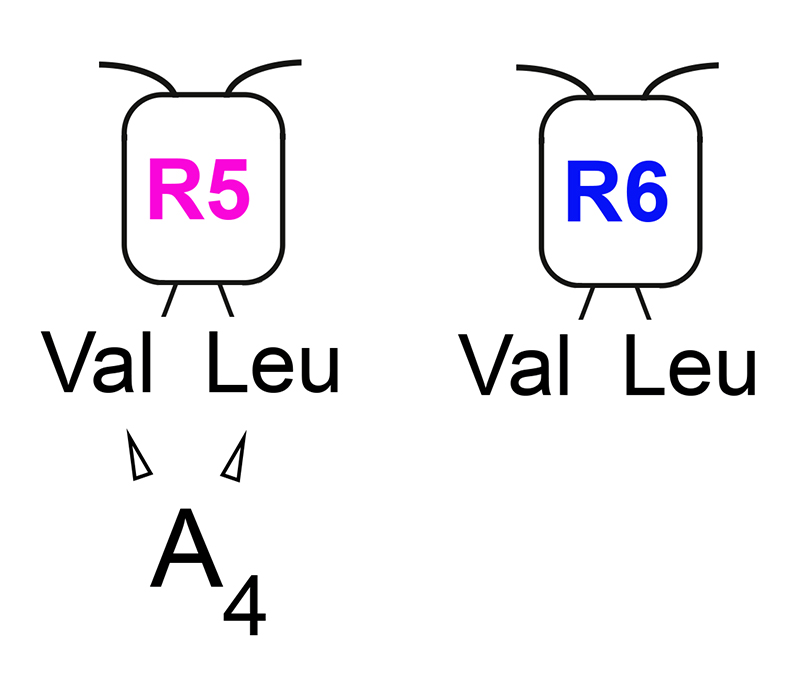
Two amino acids in each homologous PUF repeat make molecular contacts that drive base recognition. These molecular contacts cannot generally be functionally interchanged between repeats, as shown bit.ly/3OrhTtq
8
927
Apr 13
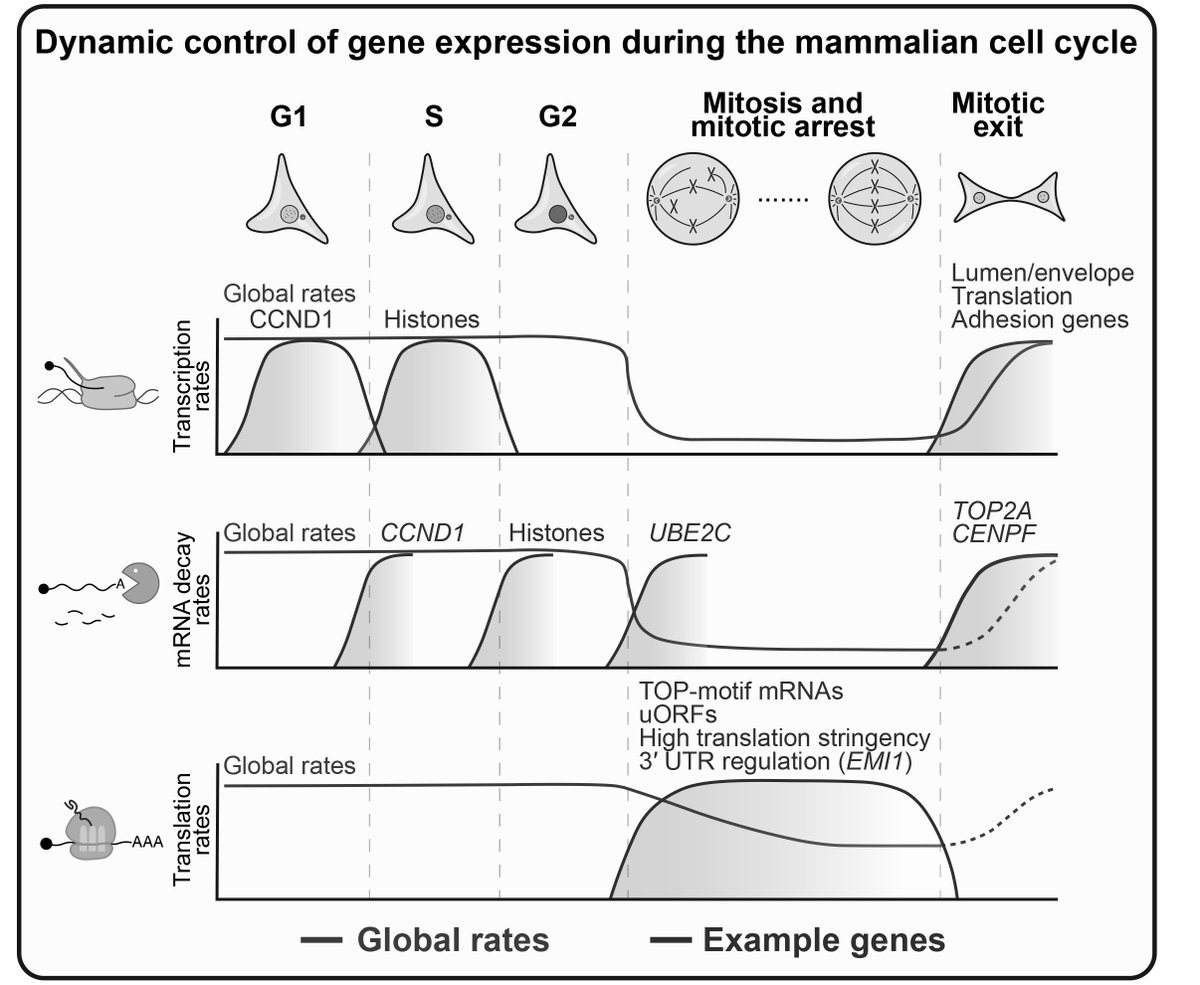
The proteome is dynamically remodeled across the mammalian cell cycle. Here, we review the mechanistic basis and functional consequences of cell cycle-specific mRNA decay and translational control bit.ly/4atoJYd
21
79
4,799
Apr 13
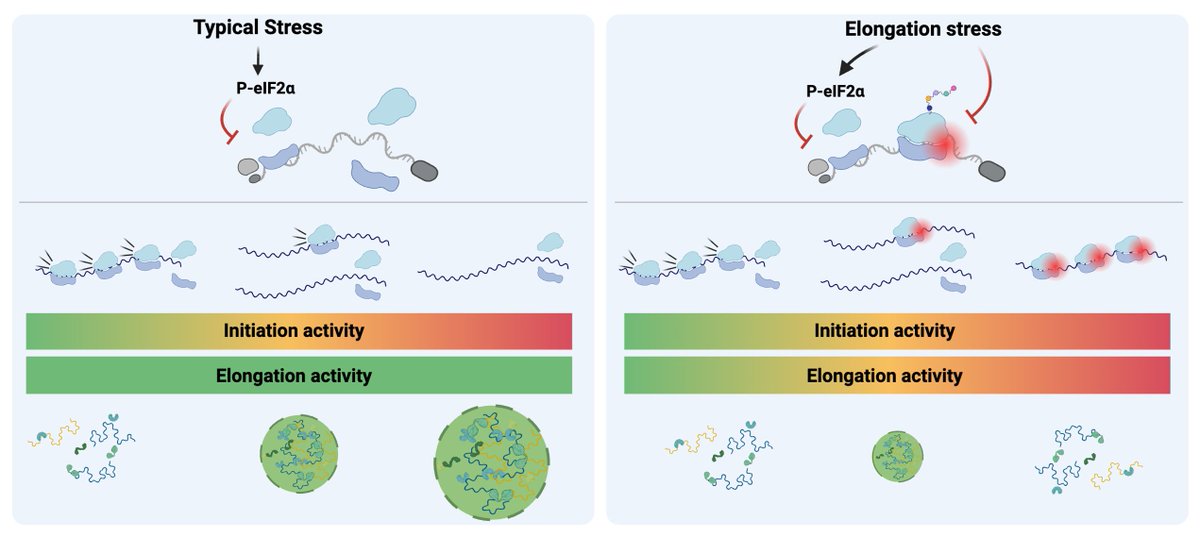
Translation elongation stresses like tRNA synthetase inhibitors induce the stress response but inhibit translation elongation, leading to a parabolic dose-response pattern of stress granule assembly bit.ly/4aANDUi
1
7
38
3,855
Apr 13
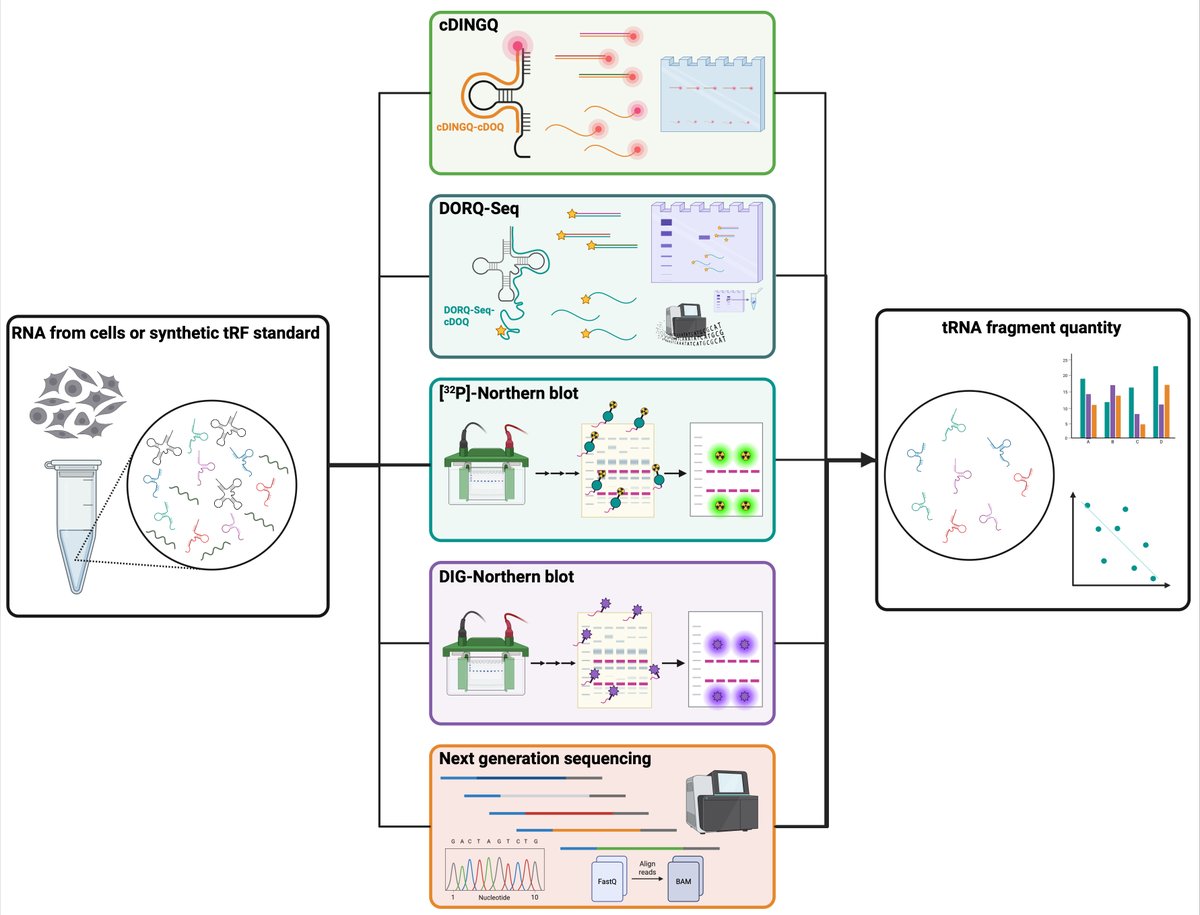
Complementary DNA oligonucleotide direct in-gel quantification (cDINGQ) for precise tRNA fragment analysis bit.ly/3ZEmn2g
2
625
Apr 13
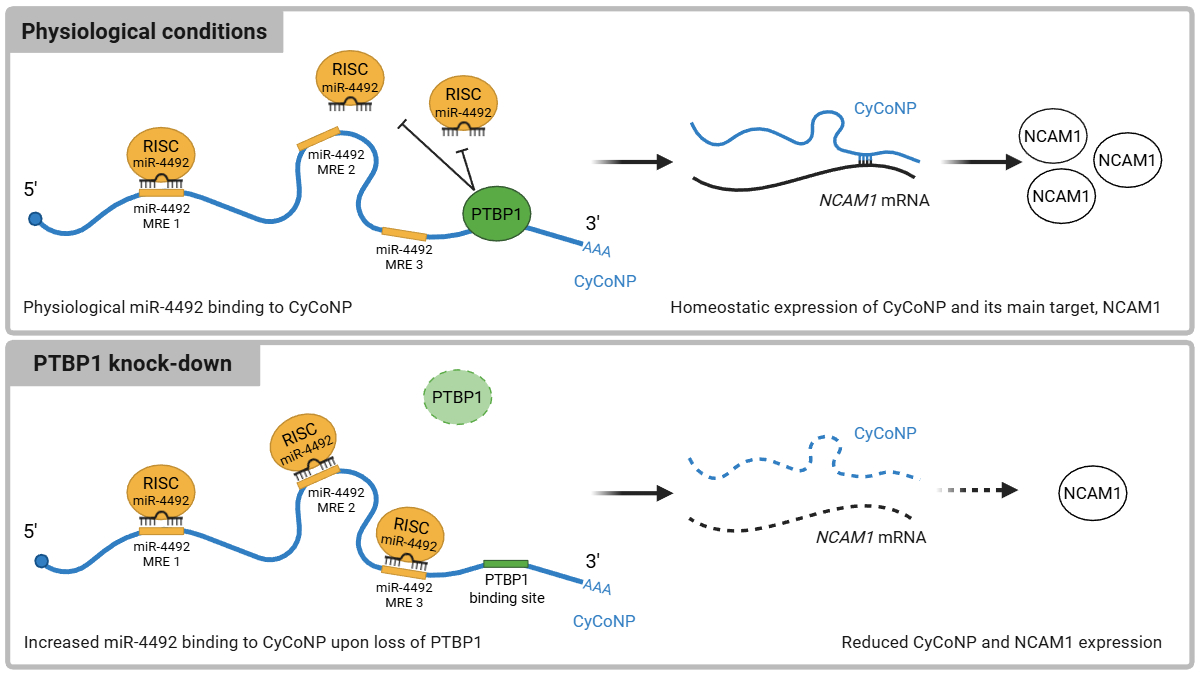
In the cytoplasm of neuroblastoma cells, PTBP1 maintains CyCoNP homeostasis by modulating miR-4492 loading, sustaining NCAM1 expression. PTBP1 loss enhances miRNA repression over CyCoNP. #lncRNA bit.ly/3Mrgx1k
1
9
820
Apr 13
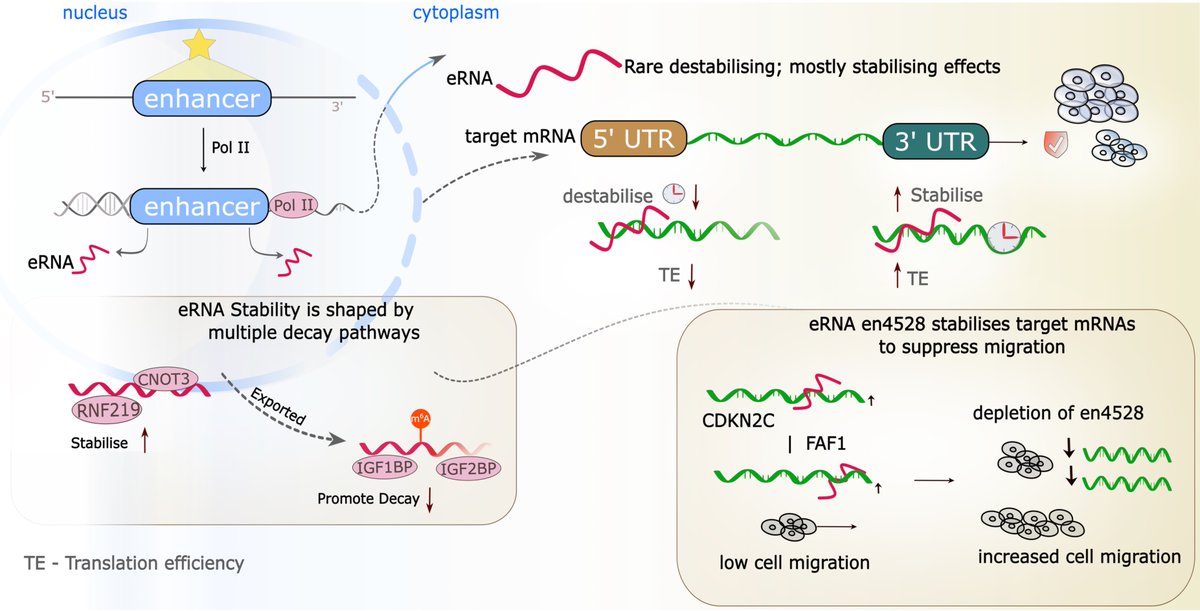
eRNAs extend enhancer function beyond transcription. Mapping eRNA decay reveals cytoplasmic eRNAs stabilise mRNAs and boost translation, helping enhancers finish the job they start bit.ly/4rXB9NU
18
90
6,720
Apr 13
MiSiPi.RNA is a software package written in R for the classification of animal small RNAs into major known types: microRNAs (mi), small-interfering RNAs (si), and piwi-interacting RNAs (pi). This comprehensive tool calculates over 20 parameters bit.ly/4cwTxIJ
7
37
2,448
Apr 13
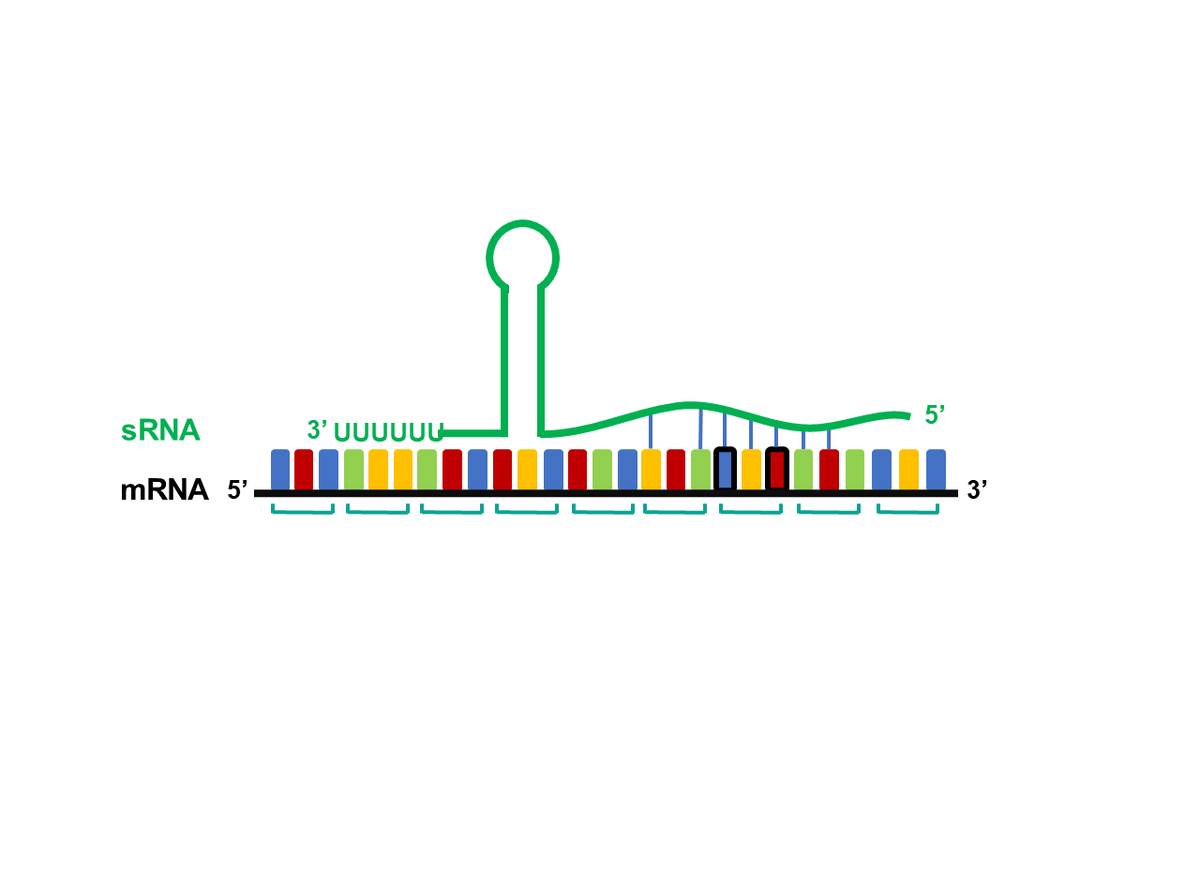
Prime positions in sRNA binding sites located in coding sequences are adjusted with the reading frame and often coincide with the most frequent codons bit.ly/4aHTd7I
2
16
1,513
22 Dec 2025
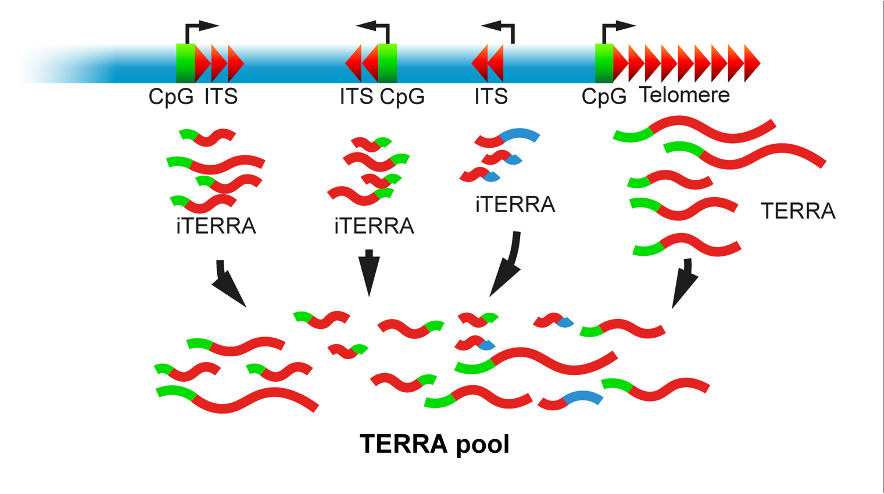
Telomeres are transcribed into TERRA. We showed that iTERRA is transcribed from interstitial telomeric repeats (ITSs) and that CpG island subtelomeric promoters are also present at interstitial sites bit.ly/4oD0UBH
4
13
1,186
21 Dec 2025
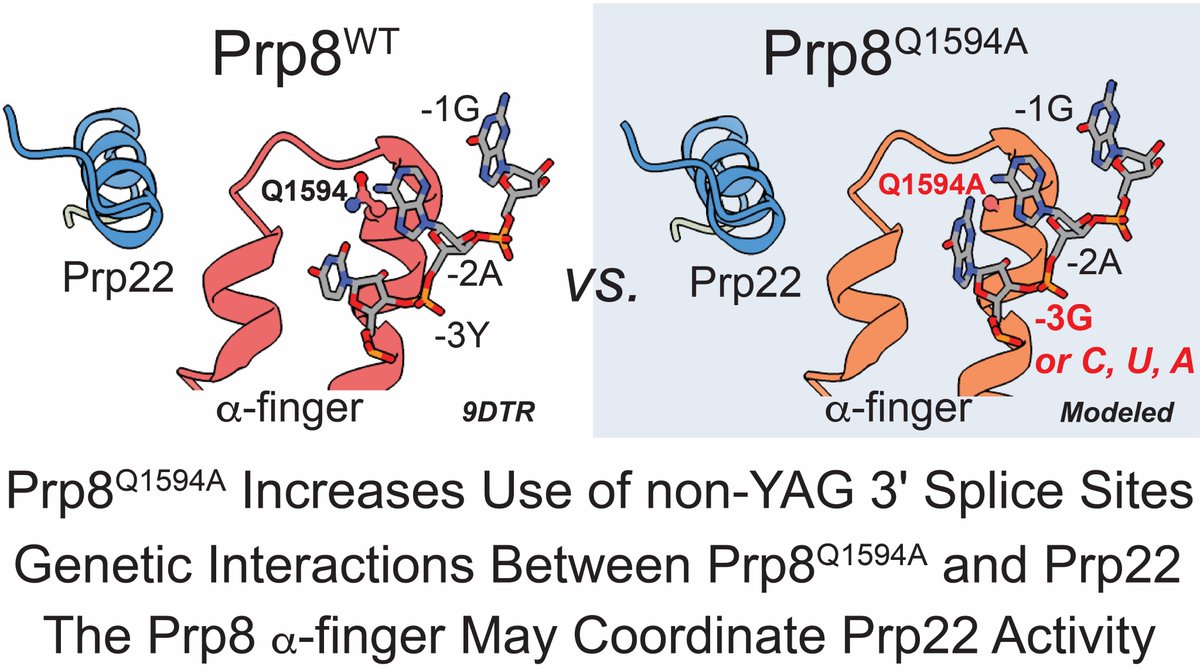
Mutation of a conserved amino acid in the Prp8 alpha-finger increases use of non-YAG 3' splice sites in budding yeast and provides insight into Prp22 ATPase function. bit.ly/47YRb1g
5
10
1,113
18 Dec 2025
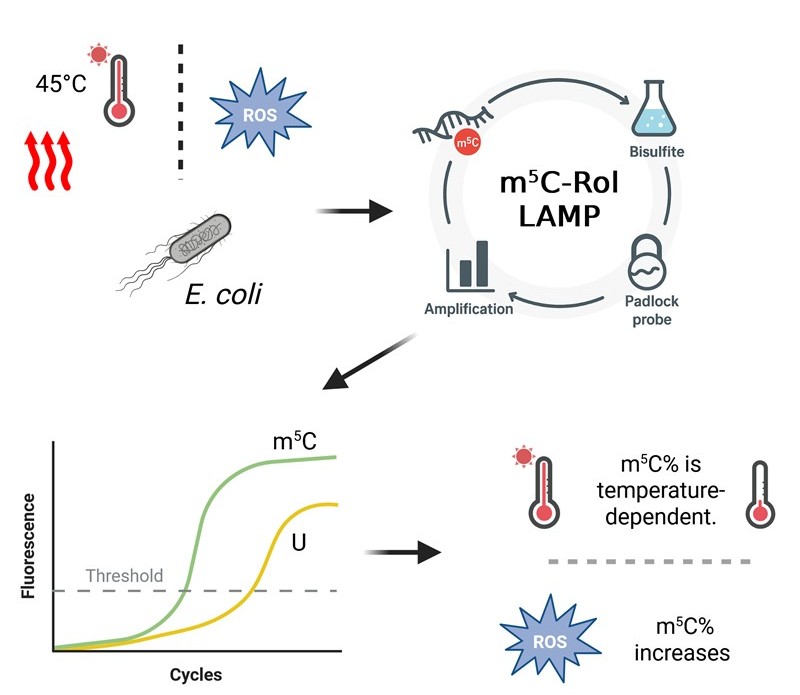
m⁵C-Rol-LAMP, a simple qPCR-based assay, quantifies m⁵C RNA methylation at single nucleotides and uncovers stress-regulated rRNA modification in bacteria. bit.ly/43AWnr4 #LMU_muenchen #lifescimunich #RNA #CRC1309
2
9
775
17 Dec 2025
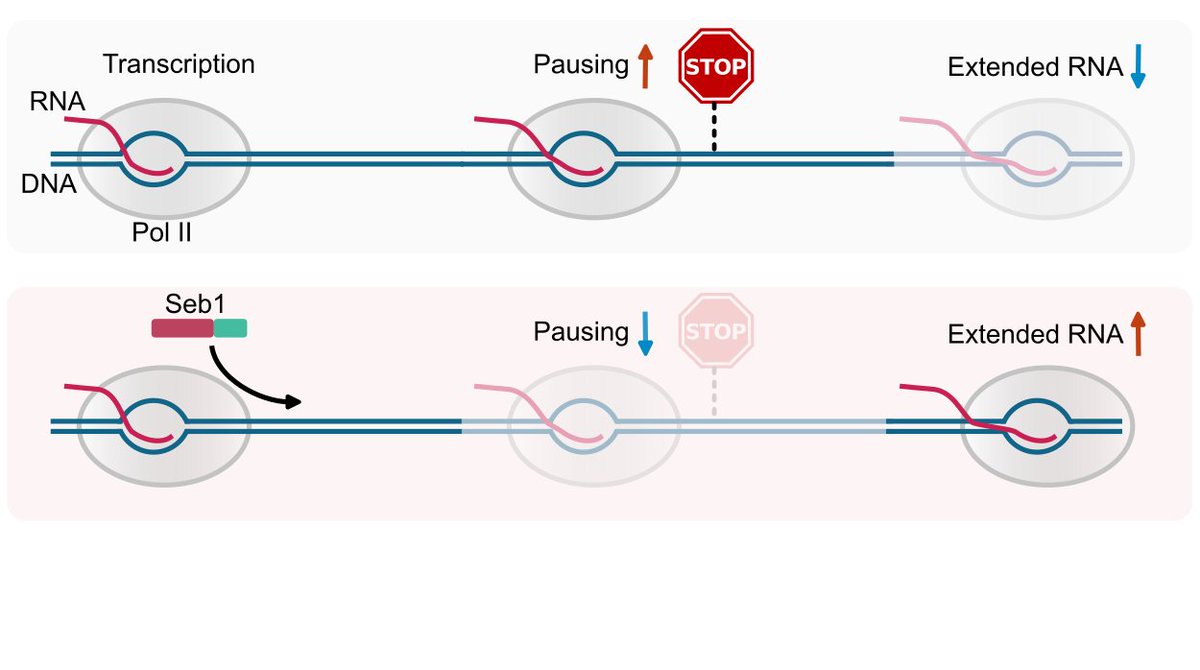
Conserved protein Seb1 that interacts with RNA polymerase II and RNA is an anti-pausing transcription elongation factor bit.ly/4pbUQzQ
6
16
2,167
16 Dec 2025
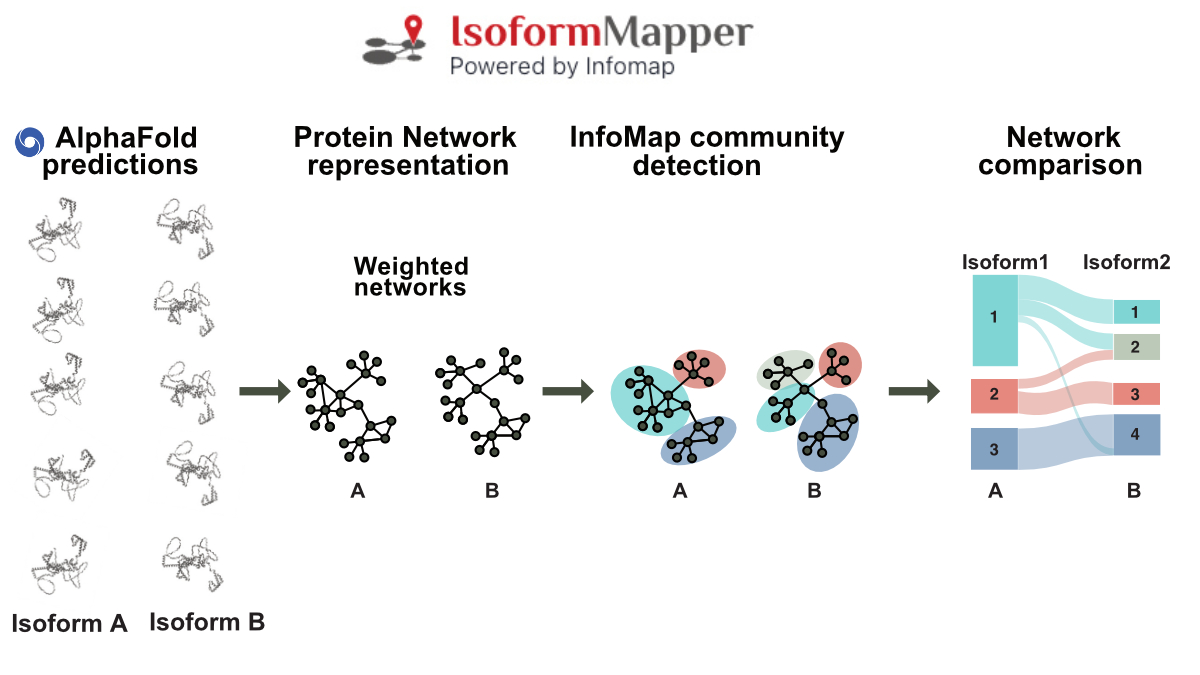
IsoformMapper creates protein networks from AlphaFold models and uses InfoMap community detection to compare isoform structures and visualize alternative splicing consequences via alluvial diagrams. bit.ly/49n4USa #AlternativeSplicing #RNASplicing
3
11
702
20 Nov 2025
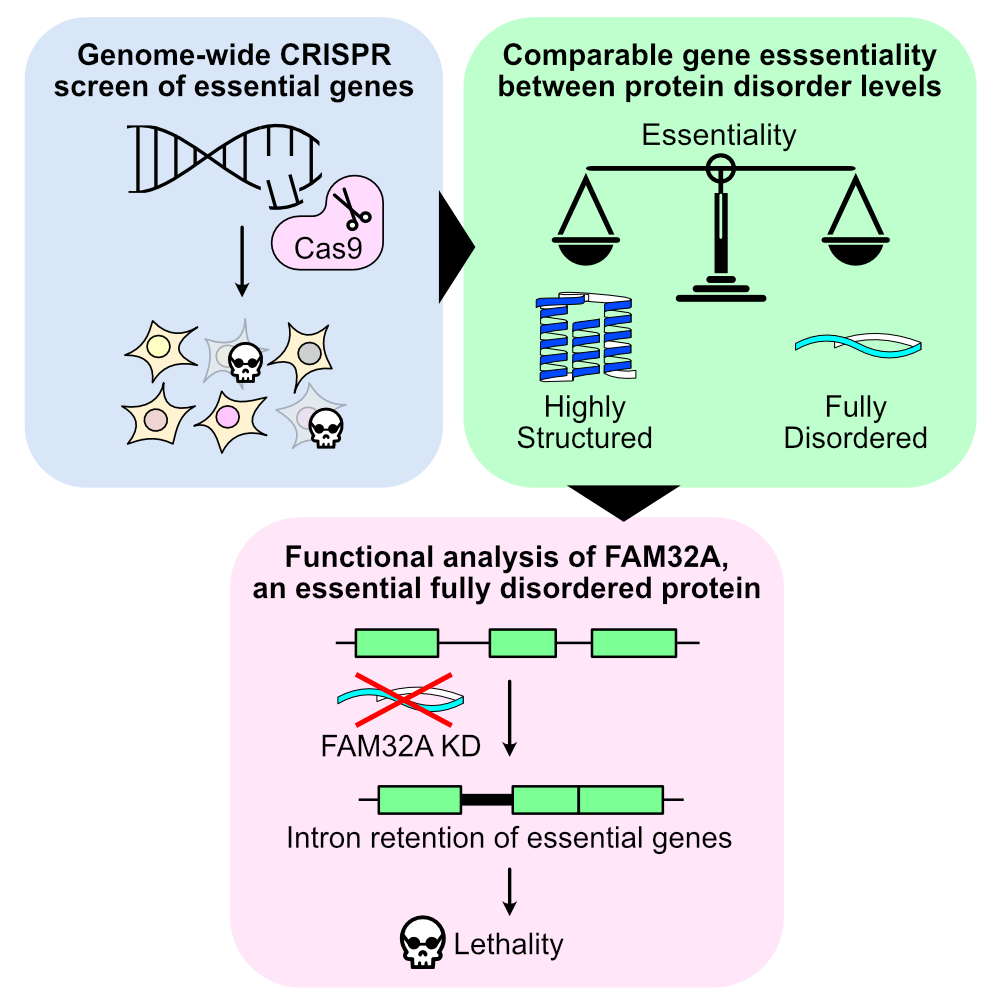
A genome-wide screen revealed that proteins lacking stable structures can be just as essential as folded ones. Among them, FAM32A plays a crucial role in RNA splicing. @UTokyo_News_en @KotaroTsuboyama bit.ly/4o7muy3
1
1
13
1,053
19 Nov 2025
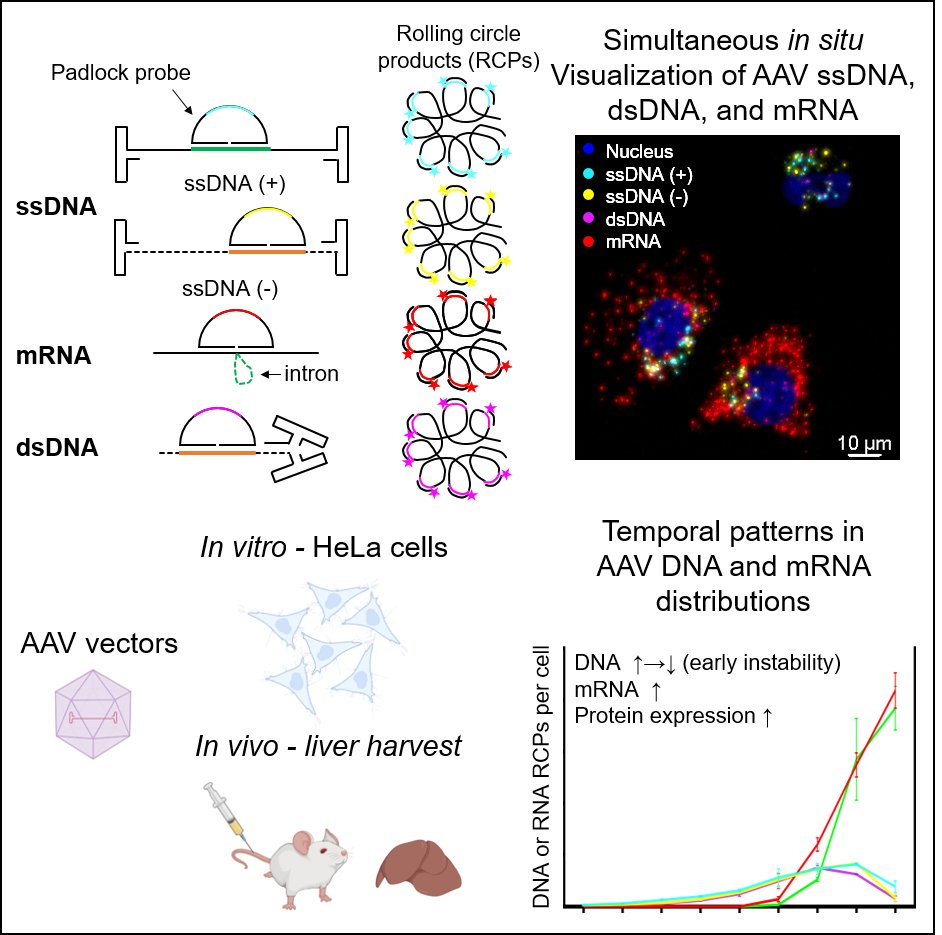
A PLP-RCA method enables simultaneous, in situ detection of AAV transgene DNA and mRNA at single-cell resolution, enabling the analysis of genome processing and transduction efficiency. bit.ly/4qoAR2g
2
10
772
18 Nov 2025
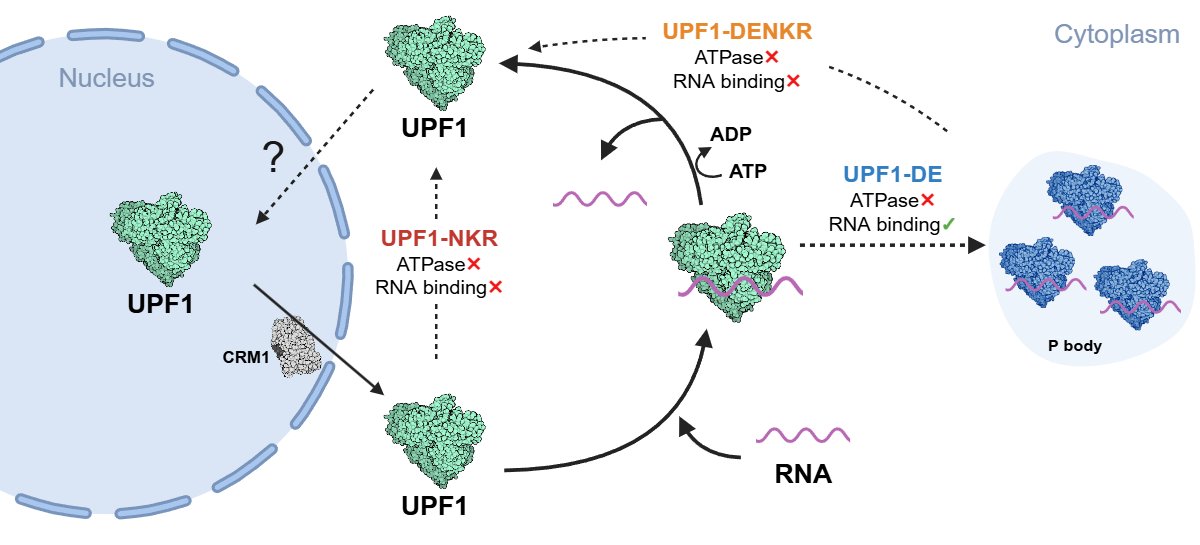
By analyzing the subcellular localization of various UPF1 mutants, we show that UPF1’s nuclear-cytoplasmic shuttling is independent of its ATPase and RNA binding activities, with RNA binding itself being a key determinant of its cytoplasmic retention. bit.ly/3IFlQII
1
7
792