
Rural Canada is our path to prosperity / Le Canada rural est notre voie vers la prospérité
Joined June 2025
- Tweets 195
- Following 224
- Followers 36
- Likes 26
84 Photos and videos



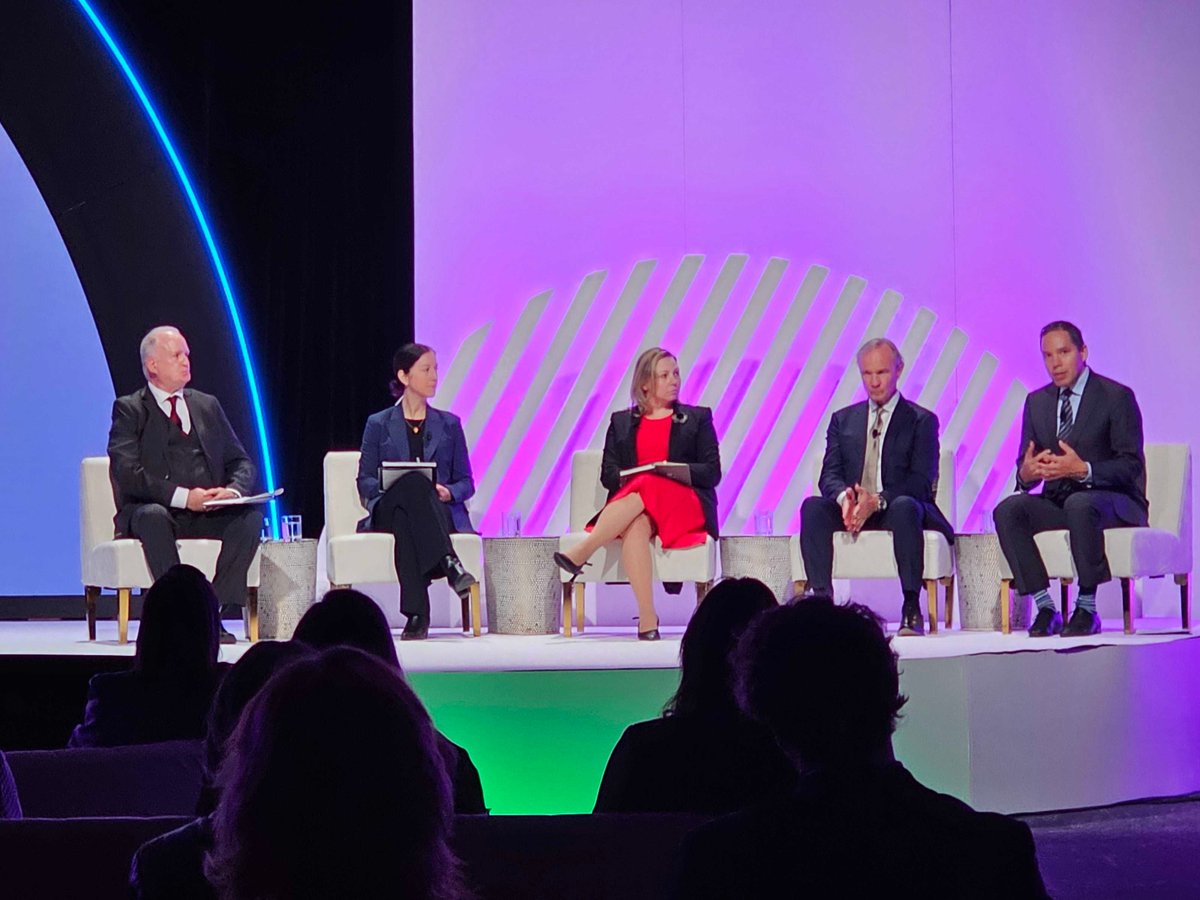






Indigenous participation is essential to new infrastructure and industry projects in northern Canada, says Northwest Territories Premier R.J. Simpson.
At the Public Policy Forum Growth Summit in Toronto, Simpson emphasized the importance of Indigenous involvement and consultation in new major projects, saying that without it “people are willing to lay down in the road and make sure these projects don't happen.”
Speaking on the same panel as Simpson, Nukik Corporation CEO Anne-Raphaëlle Audouin discussed the need for increased energy sovereignty.
“One hundred per cent of all of our energy needs are met by diesel — schools, businesses, hospitals, industry, everybody relies on diesel.” Most years, 100% of all petroleum products come from outside Canada, mostly the U.S., she said.
Read more in the #RuralRoundup: ruralprosperity.ca/the-rural…
#cdnpoli #RuralLens #RuralCanada
8
Rural Canadians are the unsung heroes of Canada’s extraordinary success story.
Tell us your story in the comments, or reach out: info@ruralprosperity.ca.
#cdnpoli #RuralCanada #RuralStrong #TheWorldNeedsRuralCanada
4
ICYMI: Many rural communities across Canada lack access to basic federal services, says a report from the Parliamentary Budget Officer (PBO).
Published on May 12, the report found that nearly 1 in 4 rural areas lacked a Service Canada location. The PBO also said that 1 in 3 rural Canadians must travel more than 5 kilometres to reach a post office.
Read more in the #RuralRoundup: ruralprosperity.ca/the-rural…
#cdnpoli #RuralLens #RuralCanada #CanadaPost #ServiceCanada
4
Au cas où vous l’auriez manqué : De nombreuses communautés rurales au Canada n’ont pas accès aux services fédéraux de base, selon un rapport du directeur parlementaire du budget (DPB).
Publié le 12 mai, le rapport a révélé que près d’une région rurale sur quatre ne disposait d’aucun point de service de Service Canada. Le DPB a également indiqué qu’un Canadien rural sur trois doit parcourir plus de 5 kilomètres pour se rendre à un bureau de poste.
Lisez plus: ruralprosperity.ca/fr/le-poi…
#polcan #CanadaRural #PerspectiveRurale #LePointSurLeCanadaRural #PostesCanada
3
As a Canada-Mercosur free trade agreement looms closer, Conservative MPs say the deal could hurt Canadian beef farmers.
“Beef farmers have publicly expressed concerns about the ongoing negotiations with Mercosur,” Bruce—Grey—Owen Sound, Ont., MP @alexruff17 said during Question Period on May 6. “They said, ‘This won't just hurt farmers — it will weaken rural communities and reduce Canada's ability to produce its own food. … In Ontario … where most imported beef enters the market, the impact on local farmers would be severe.’ Canadian beef producers are waiting to get more access in markets across the world. Should the Liberal government not be prioritizing export market access abroad instead of displacing the Canadian cattle industry at home?”
Read more in the #RuralRoundup: ruralprosperity.ca/the-rural…
#cdnpoli #RuralLens #RuralCanada #cdnAg
2
1
218
Le premier ministre Mark Carney a dévoilé le 14 mai un changement majeur dans la politique énergétique d’Ottawa en annonçant son intention de mettre en œuvre une Stratégie nationale de l’électricité visant à doubler la capacité du réseau électrique canadien d’ici 2050.
« Si nous nous trompons, les Canadiens paieront des factures d’électricité plus élevées », a déclaré M. Carney. « Si nous sommes trop timides, les Canadiens manqueront d’énergie, perdront de bons emplois et deviendront davantage dépendants de fournisseurs étrangers. »
Lisez plus: ruralprosperity.ca/fr/le-poi…
#polcan #CanadaRural #PerspectiveRurale #LePointSurLeCanadaRural
6
On May 14, Prime Minister Mark Carney announced plans for a National Electricity Strategy aimed at doubling Canada’s electricity grid capacity by 2050. The plan will involve an estimated $1.3 trillion in investments over the next two decades, and consultations with provinces, utilities and Indigenous communities will begin immediately to determine implementation approaches.
“If we get it wrong, Canadians will pay higher utility bills,” Carney said. “If we’re too timid, Canadians will end up short of power, losing good jobs and growing reliant on foreign suppliers.”
By expanding electricity generation, building more East-West transmission lines, training skilled workers and increasing domestic manufacturing for energy infrastructure projects, the plan aims to deliver affordable, reliable energy to Canadians as the nation moves towards net-zero emissions.
“There’s no credible path to net-zero without a relentless focus on affordability,” Carney told reporters.
Read more in the #RuralRoundup: ruralprosperity.ca/the-rural…
#cdnpoli #RuralLens #RuralCanada
19
La première ministre de l’Alberta, Danielle Smith, et le premier ministre du Canada, Mark Carney, ont annoncé un nouvel accord de mise en œuvre visant à diversifier les exportations du Canada, à réduire les émissions et à renforcer l’économie grâce à d’importants projets énergétiques et d’infrastructure.
➡️ L’Alberta s’engage à soumettre une proposition complète pour un pipeline de bitume vers les marchés asiatiques au Bureau fédéral des grands projets d’ici le 1er juillet, tandis que le gouvernement fédéral s’engage à demander la désignation de « projet d’intérêt national » d’ici le 1er octobre.
➡️ L’Alberta espère commencer la construction du pipeline vers un port de la côte Ouest d’ici le 1er septembre 2027, avec une mise en service permettant l’acheminement du pétrole d’ici 2033-2034.
➡️ L’accord comprend un nouveau cadre de tarification du carbone, avec un prix effectif du carbone de 130 $ par tonne d’ici 2040.
➡️ Le Canada et l’Alberta émettront conjointement 75 millions de tonnes de contrats carbone sur différence (Carbon Contracts for Difference) afin de soutenir les projets de réduction des émissions, les coûts étant partagés à parts égales.
➡️ Les deux gouvernements ont convenu de travailler à doubler la capacité du réseau électrique de l’Alberta d’ici 2050 grâce à l’expansion de l’énergie nucléaire, éolienne, solaire, géothermique et d’autres sources de production à faibles émissions de carbone, tout en maintenant la stabilité du réseau.
Lisez plus: ruralprosperity.ca/fr/le-poi…
#polcan #CanadaRural #PerspectiveRurale #LePointSurLeCanadaRural
18
To streamline the regulatory process for major projects, the government is launching a consultation on proposed regulatory changes. Additionally, as part of its goal to double non-US exports over the next decade, the government is also launching a second consultation on proposed legislative and regulatory changes in the transportation and supply chain sectors.
“This proposal would create a simpler, more coordinated process in Canada, where federal decisions for major projects could be completed in shorter timelines. It would help project proponents successfully build projects that boost Canada’s economy while ensuring environmental protection, respecting Indigenous rights, and supporting meaningful consultation with Indigenous Peoples,” said the government in a press release.
Read more in the #RuralRoundup: ruralprosperity.ca/the-rural…
#cdnpoli #RuralLens #RuralCanada
4
Rural Canada is the source of nearly 53 per cent of Canada’s exports, drives 25 per cent of national GDP and powers our supply chains across every province and territory. From trade corridors and energy grids to AI-powered agriculture and data centres, rural regions are critical to the prosperity and sovereignty of our country, standing at the core of Canadian industries and values.
The Rural Prosperity Group reiterated the importance of rural Canada in our submission to the House of Commons Finance Committee’s consultation in advance of budget 2026. We made the following recommendations:
➡️ That the government heed the voices of rural Canadian leaders, stakeholders and residents and commit to visiting, listening and learning from them in a deliberate way so as to ensure rural Canada is not an afterthought but an equal partner in building Canada strong.
➡️ That the government review existing policy, program and regulatory decisions, and trade negotiations and agreements through a rural lens in order to determine how they impact rural communities today — and how they can be retooled on a priority basis to support rural economic success and thriving communities.
➡️ That the government apply a rural lens to all future policy, program and regulatory decisions, and trade negotiations and agreements to ensure that no future federal regulation, program or policy — domestic or international — harms rural Canada. This requires the institutional and consistent application of a rural lens at all stages of federal decision-making, ensuring that new programs or initiatives account for rural needs, challenges and opportunities.
Read the full pre-budget submission: ruralprosperity.ca/en/news/b…
#cdnpoli #RuralCanada #TheWorldNeedsRuralCanada #BuildCanada #Budget2026
7
Tourism isn’t just about travel, it’s a powerful tool for strengthening rural Canada, says Senator Scott Tannas. During a recent debate about the nation-building value of tourism, he highlighted how agritourism connects Canadians with the people who grow their food, while supporting local economies, small businesses and job creation.
It "anchors rural economies and shapes the landscapes that define our country," he said.
Read more in The #RuralRoundup: ruralprosperity.ca/the-rural…
#cdnpoli #RuralLens #RuralCanada
7
Proposed changes to federal student grants could hit rural and remote communities the hardest.
Conservative MP Carol Anstey warns that limiting eligibility to public and non-profit schools would cut off support for students who rely on career colleges for practical, job-ready training—especially in places like Newfoundland and Labrador.
"Students pursuing practical job-ready careers are an essential part of Canada's future. They contribute to our economy, support our communities and help address some of the most pressing labour challenges we face. They should not be placed at a disadvantage because of the institution they choose to attend,” she said. “Educational pathways are not one-size-fits-all. Whether a student chooses a university or a career-focused institution, they deserve to be treated fairly and supported equally. That is especially true for students in rural, coastal and remote regions, where access to education already comes with additional challenges.”
Read more: ruralprosperity.ca/the-rural…
#cdnpoli #RuralCanada #RuralLens
8
As Canada ramps up investment in the North, considerations for defence, resource extraction and community development should be included in public policy objectives, says an expert in Arctic studies.
"There's some kind of perception amongst communities that any spending in the Arctic is Arctic defence spending and I don't think that's right," said Heather Exner-Pirot, director of energy, natural resources and environment at the Macdonald-Laurier Institute.
"We are not trying to hit a GDP target with defence. We're trying to secure a number of capabilities to defend ourselves and to assist with our alliance," she said at the Canadian Chamber of Commerce's Future of Business Summit April 20-21. "So we need to be careful about what we spend and consider the pros and cons and the trade-offs and the fact that we have scarce resources, and that's always true for the Arctic."
Exner-Pirot, whose doctoral research focused on Arctic studies, argued that the most useful framework for thinking about northern investment is what she called "triple use" — spending that simultaneously serves defence, resource extraction and communities.
"What they all have in common is that they have challenges with remoteness," she said. "They have less access to transportation networks, to energy networks, and to communications networks, and that makes life difficult and expensive and poses a lot of constraints to development."
9
Au cas où vous l'auriez manqué : L’avenir économique du Canada dépend de la reconnaissance d’une réalité simple mais souvent négligée : le Canada rural n’est pas périphérique — il est essentiel. La mise à jour économique du printemps 2026 marque des progrès importants vers la construction nationale, mais son succès dépendra en fin de compte de la capacité à concevoir ces investissements avec une perspective claire et cohérente axée sur le Canada rural.
Lisez notre communiqué concernant la mise à jour économique de printemps : ruralprosperity.ca/fr/nouvel…
#polcan #LeMondeABesoinDuCanadaRural #PerspectiveRurale
13
ICYMI: Canada’s economic future depends on recognizing a simple but often overlooked reality: rural Canada is not peripheral—it is essential. The 2026 Spring Economic Update makes important strides toward nation-building, but its success will ultimately depend on whether these investments are designed with a clear and consistent lens on rural Canada.
Read our statement on the Spring Economic Update: ruralprosperity.ca/en/news/s…
#cdnpoli #cdnecon #RuralCanada #RuralLens #TheWorldNeedsRuralCanada
10
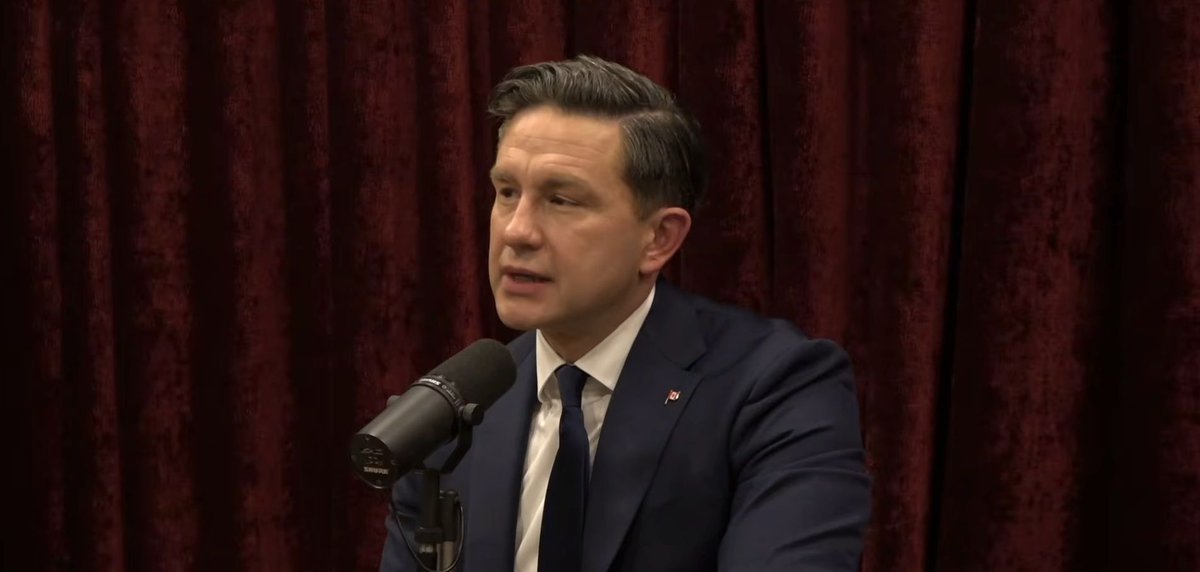
ICYMI: During a U.S. tour last month that took him to Michigan, Texas and New York City, Conservative Leader Pierre Poilievre made an appearance on the popular and controversial Joe Rogan podcast, which the Conservative leader said he used to argue against tariffs and “fight for Canada.”
Speaking outside the New York Stock Exchange, Poilievre said he had a “great conversation” with Rogan. He said he decided to appear on the podcast to fight for Canada because there is no better place to maximize Canada’s leverage as the CUSMA review approaches than by appearing on the biggest podcast in the world.
“One of the biggest leverage points we have to fight for tariff-free trade, to fight for our auto, steel, aluminum and lumber workers is the goodwill of the American people," he said.
Read more: ruralprosperity.ca/the-rural…
#cdnpoli #RuralCanada #TheWorldNeedsRuralCanada #RuralLens
15
Rural Canadians are the unsung heroes of Canada’s extraordinary success story. Our mission is to highlight the critical importance of rural Canada and the rural way of life to our country’s economic growth and prosperity.
We'd love to hear from you! Reach out to tell us your story: info@ruralprosperity.ca
#cdnpoli #RuralCanada #TheWorldNeedsRuralCanada #RuralLens
7
Ottawa élargit les plafonds du PTET dans les régions rurales, suscitant des éloges des entreprises et des critiques d’économistes
Lisez plus: ruralprosperity.ca/fr/le-poi…
#polcan #CanadaRural #PerspectiveRurale #LePointSurLeCanadaRural
2
Ottawa expands TFW limits in rural areas, drawing praise from businesses and criticism from economists
Read more: ruralprosperity.ca/the-rural…
#cdnpoli #RuralRoundup #RuralCanada
2
Les obstacles au logement et à l’emploi poussent les étudiants internationaux à quitter le Canada rural
Lisez plus: ruralprosperity.ca/fr/le-poi…
3