#RMPatPM is Canada's largest radiation treatment centre - advancing radiation medicine through patient-centred care, research & education @pmcancercentre @UHN
Joined September 2014
- Tweets 3,840
- Following 893
- Followers 2,972
- Likes 1,184
907 Photos and videos
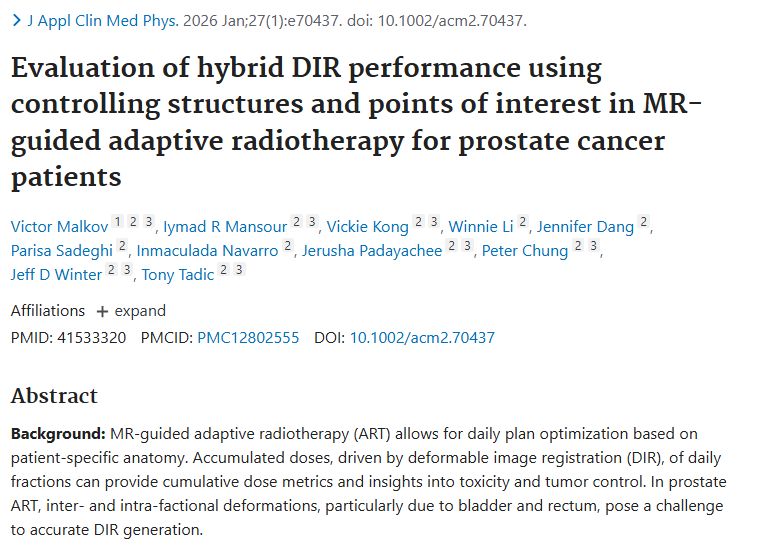
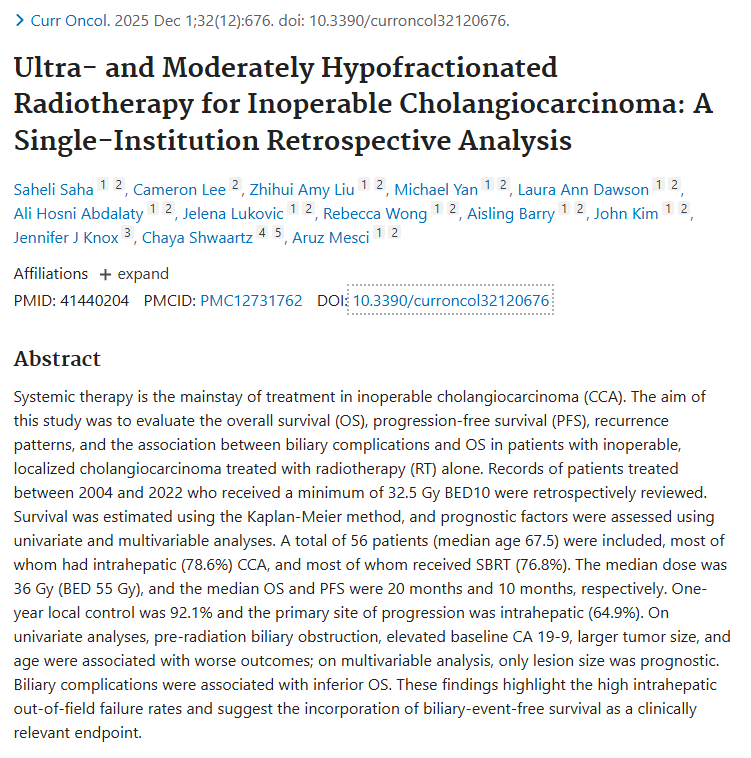
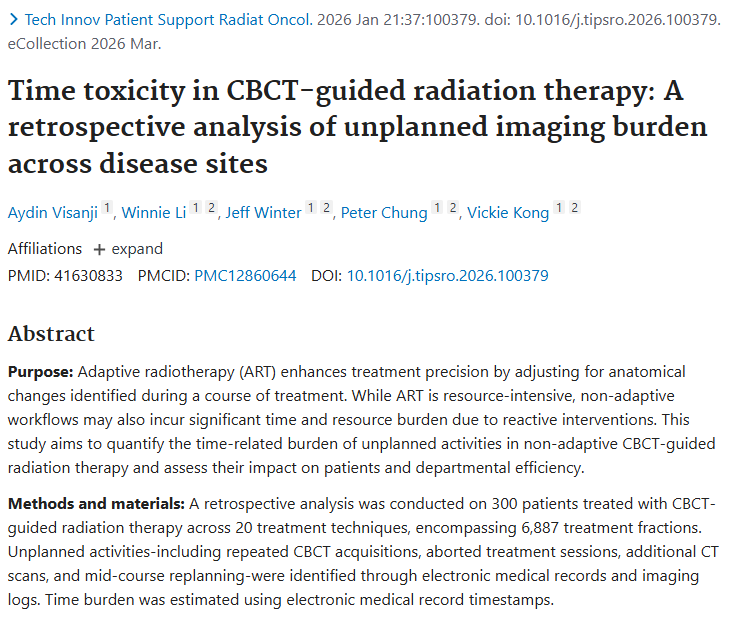
Pinned Tweet

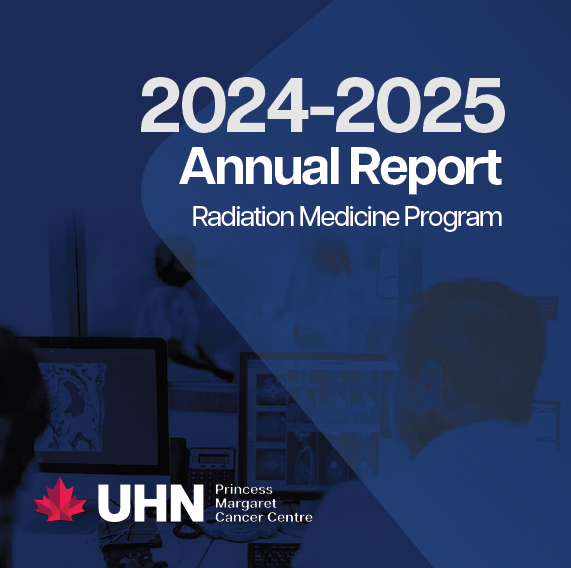
📢New: RMP 2024–2025 Annual Report
Excited to share RMP’s 2024–2025 Annual Report, showcasing a year of groundbreaking research, innovative education, and exceptional patient care.
Proud of everything our teams have accomplished!
🔗: uhn.ca/PrincessMargaret/Heal…
1
3
536
Radiation Medicine Program retweeted

Jun 10
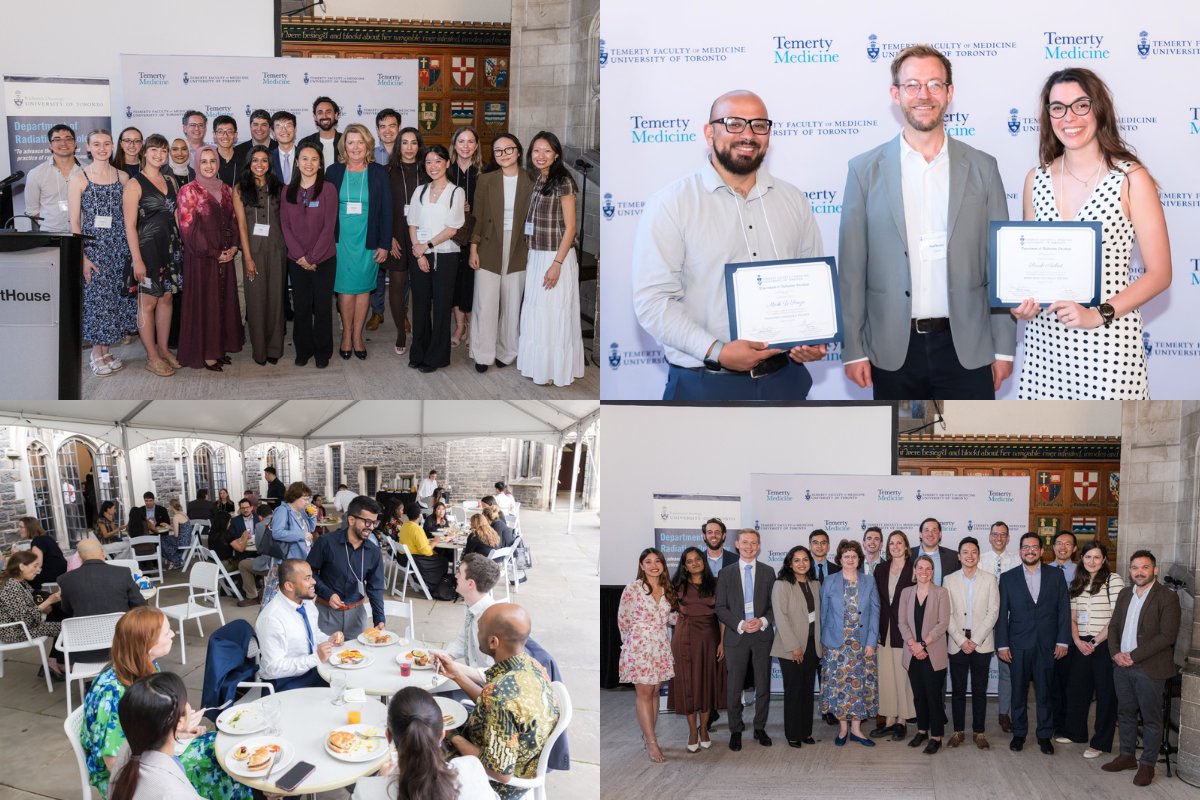
🎓Cheers to @UofTDRO’s Class of 2026! Kudos to the mentors, supervisors, family, and friends who supported them along the way. We look forward to the difference they'll make in oncology, here and around the world. uoft.me/utdro-postgrad-class…
#UofTGrad26 @uoftmedicine
8
21
1,764
Radiation Medicine Program retweeted
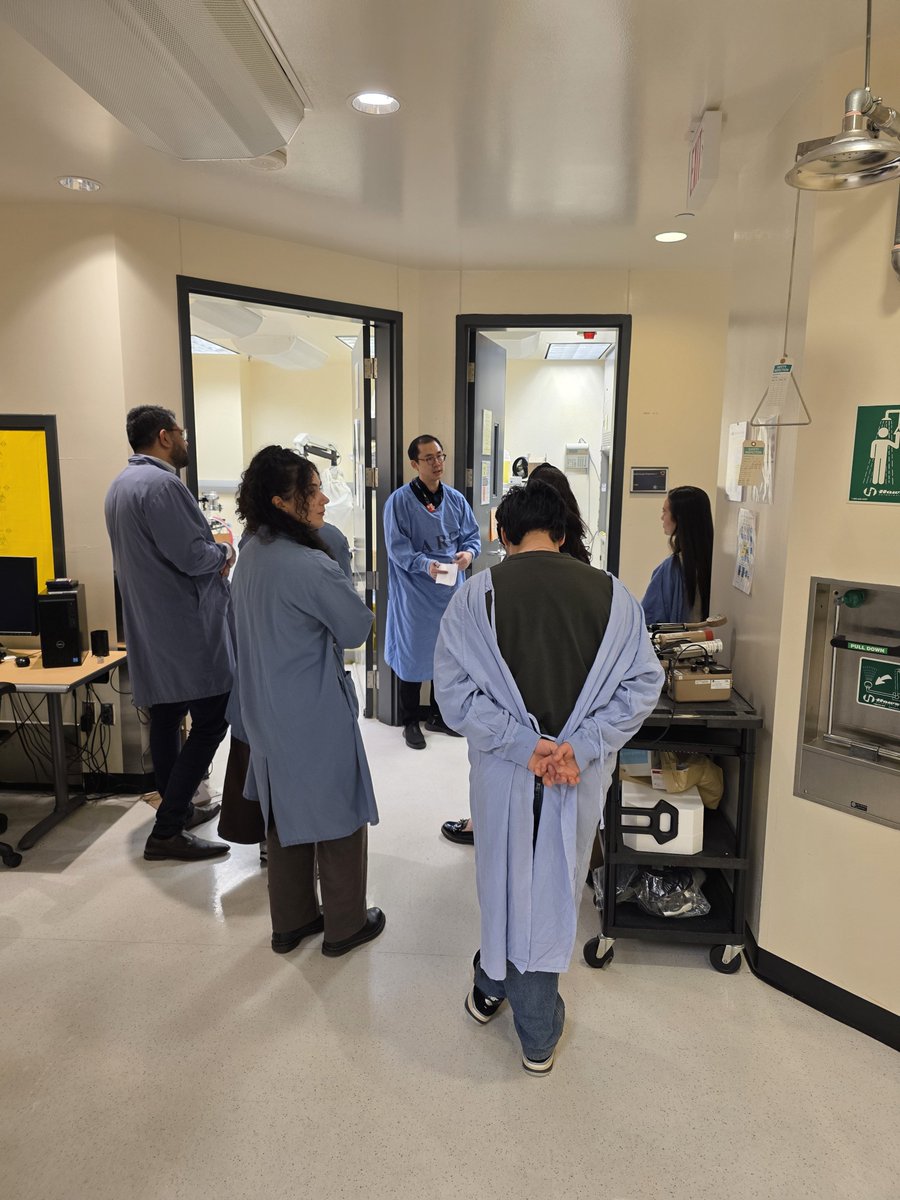
📣 Applications are NOW OPEN for the 2026–27 STARS21 Program! Training in translational radiation medicine for future oncology leaders. Learn more about this innovative program here: radonc.utoronto.ca/stars21
#STARS21 #CancerResearch #RadiationOncology #MedicalEducation
2
185
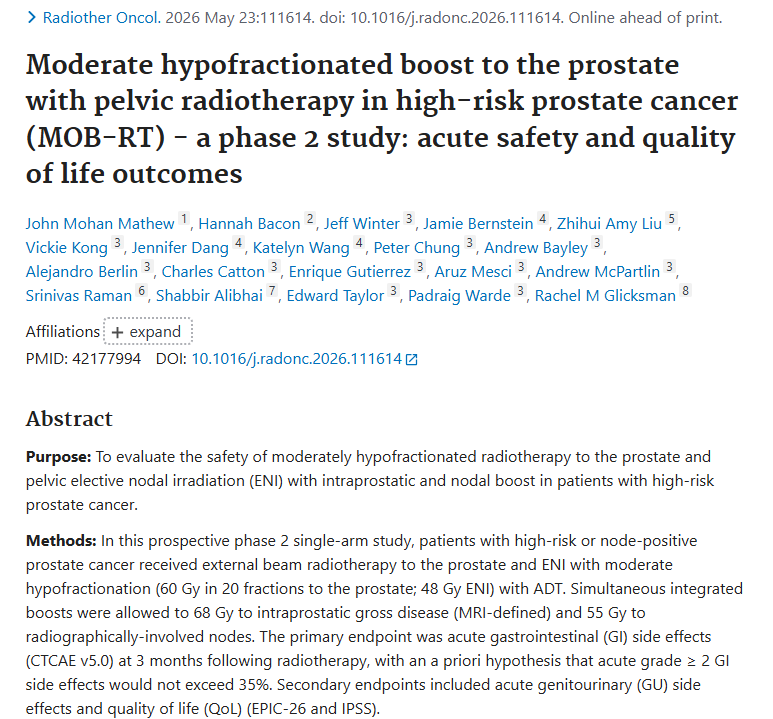
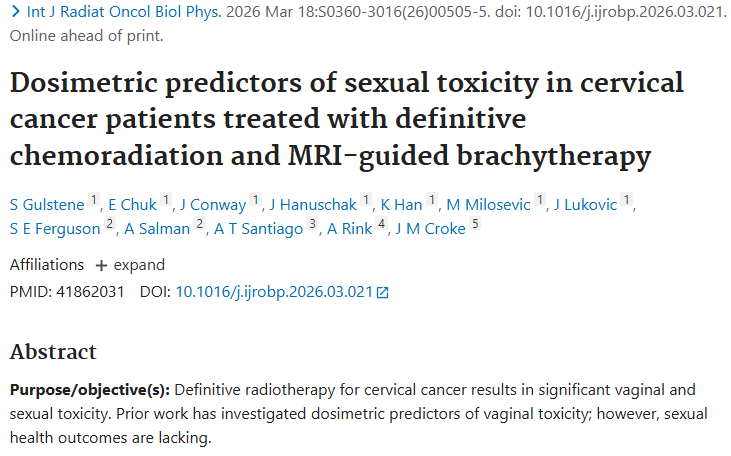
🚨New phase 2 study from #RMPatPM Drs. John Mohan Mathew, Rachel Glicksman and team evaluates moderately hypofractionated RT with pelvic nodal irradiation and targeted boosts for high-risk prostate cancer.🔗: doi.org/10.1016/j.radonc.202…
2
3
160
Radiation Medicine Program retweeted

May 29
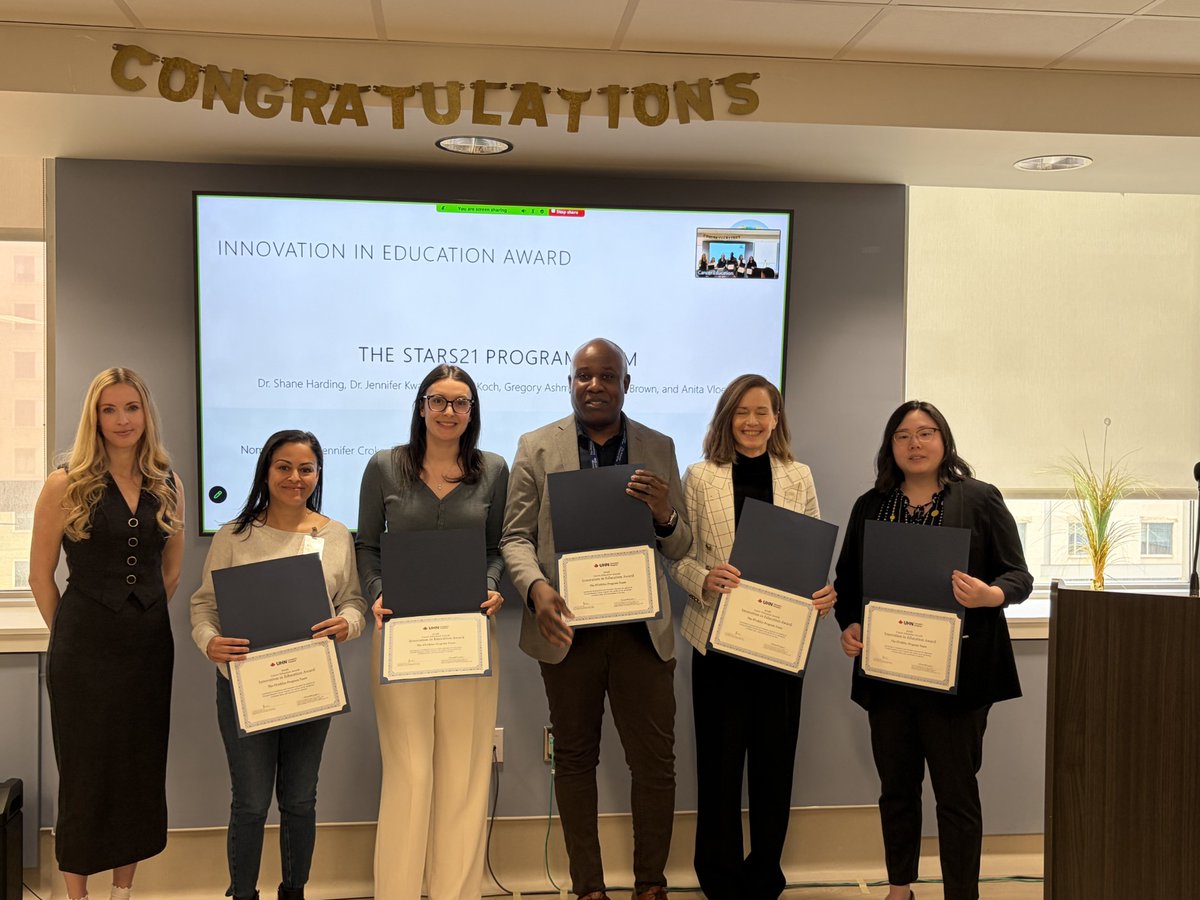
🎉 We are proud to share that the STARS21 Program Team has received the Innovation in Education Award at the Princess Margaret Cancer Education Awards!
Thank you to our nominators and Awards Selection Committee for this honour!
1
2
4
144
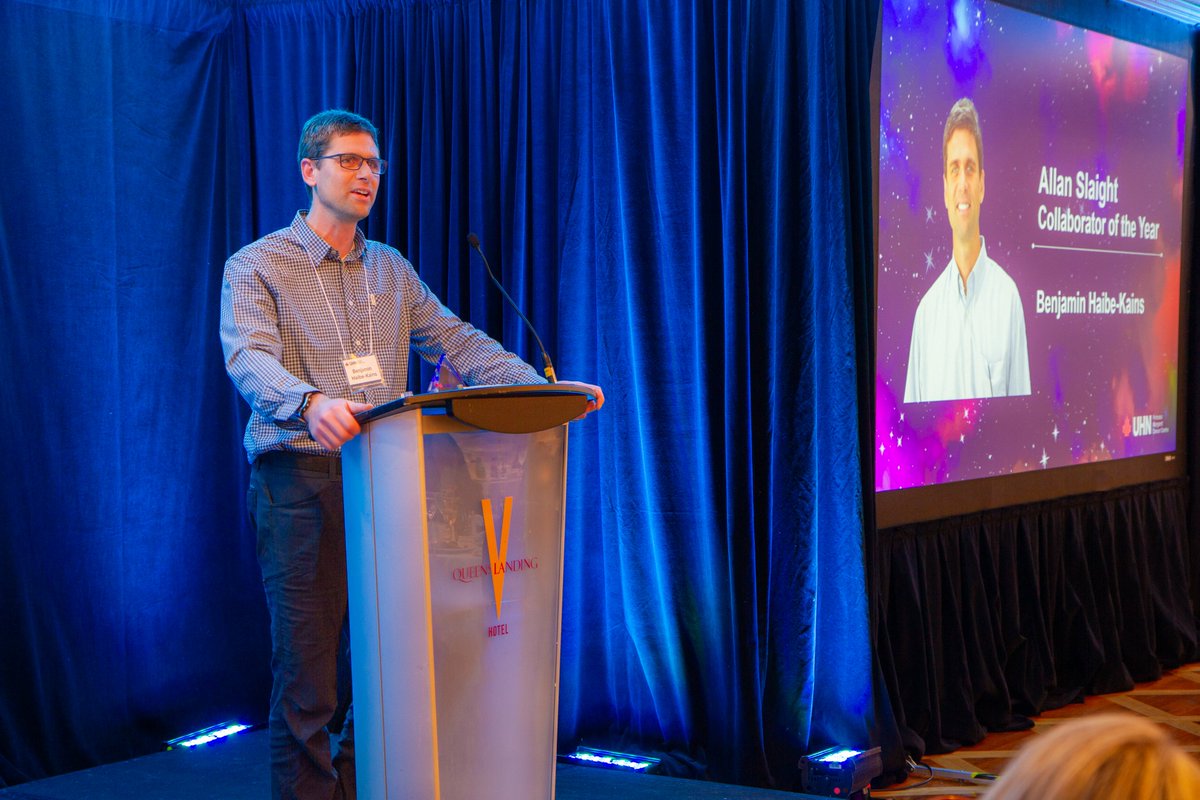
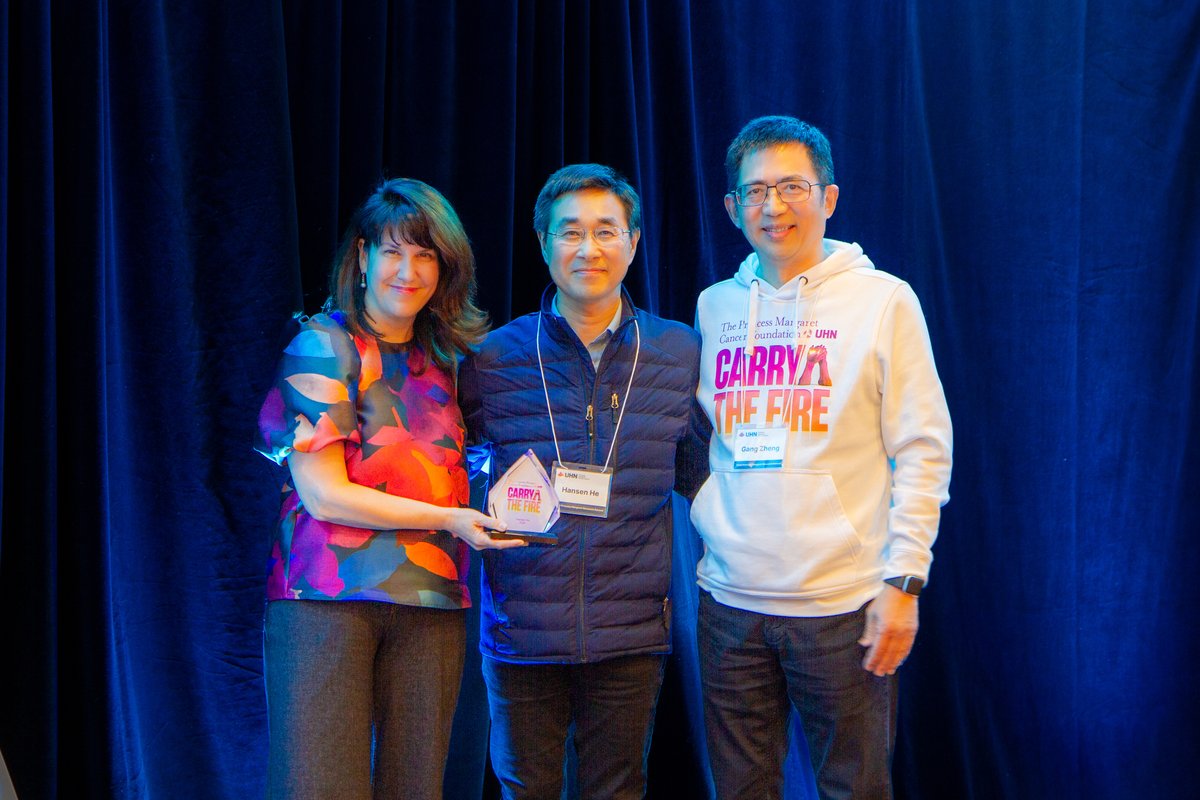
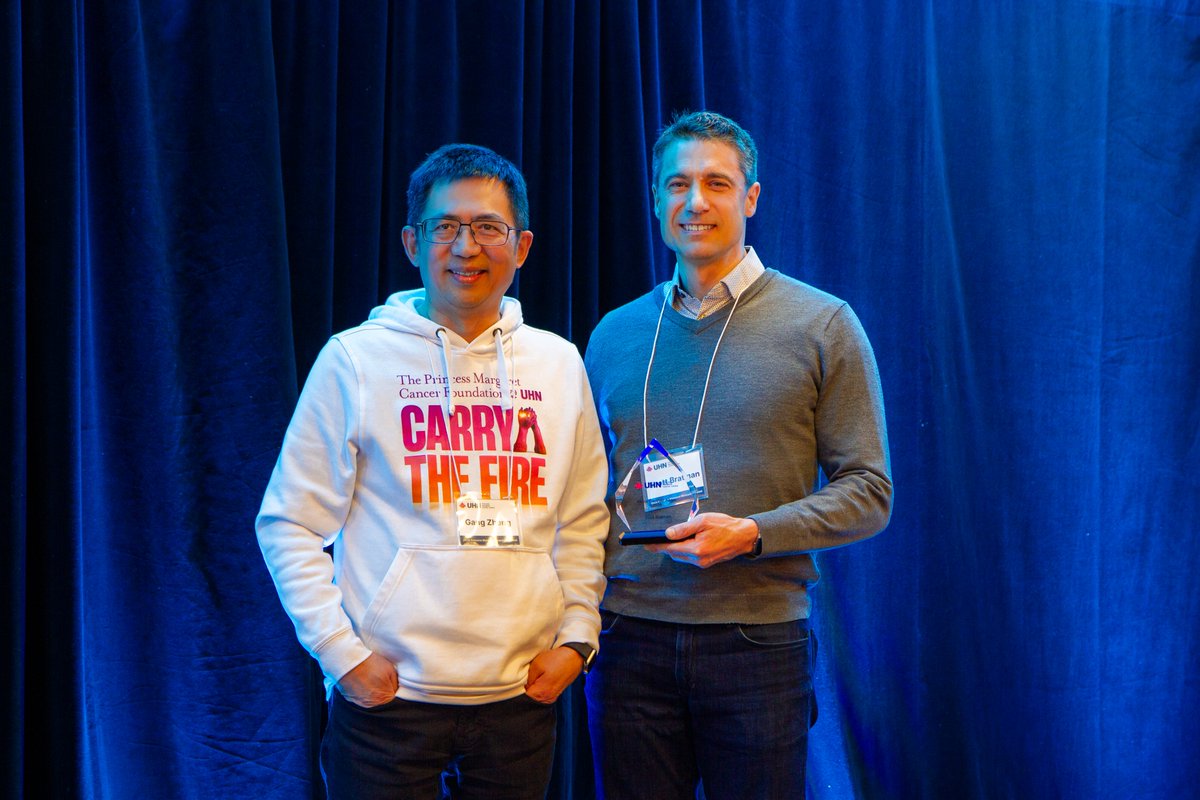
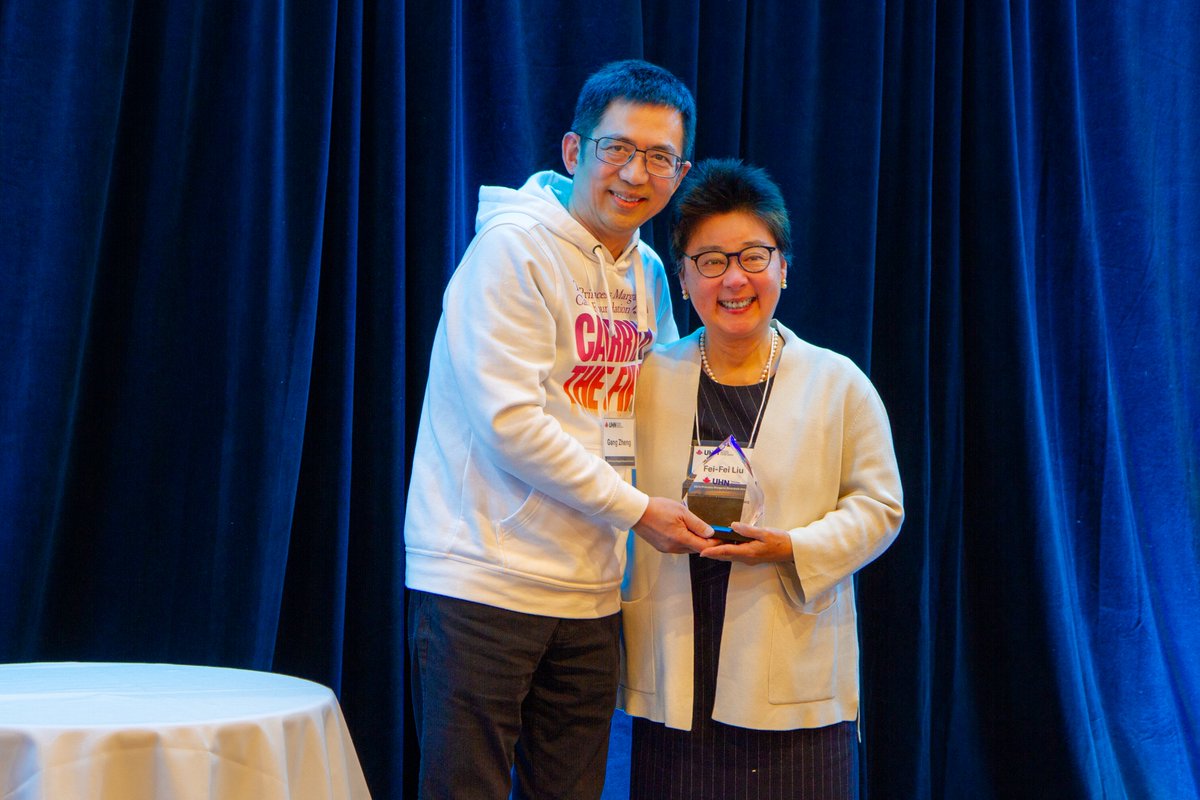
Huge congratulations to our #RMPatPM Drs. Benjamin Haibe-Kains, Scott Bratman, and Fei-Fei Liu on their well-deserved recognition at the Princess Margaret Cancer Centre Retreat earlier this month!

This month, the 15th Annual Princess Margaret Cancer Centre Research Retreat took place to build collaborations among scientists and clinicians & to accelerate discoveries that will address patient needs. Congratulations to our 2026 research award winners!
linkedin.com/feed/update/urn…
5
897
Radiation Medicine Program retweeted
May 27
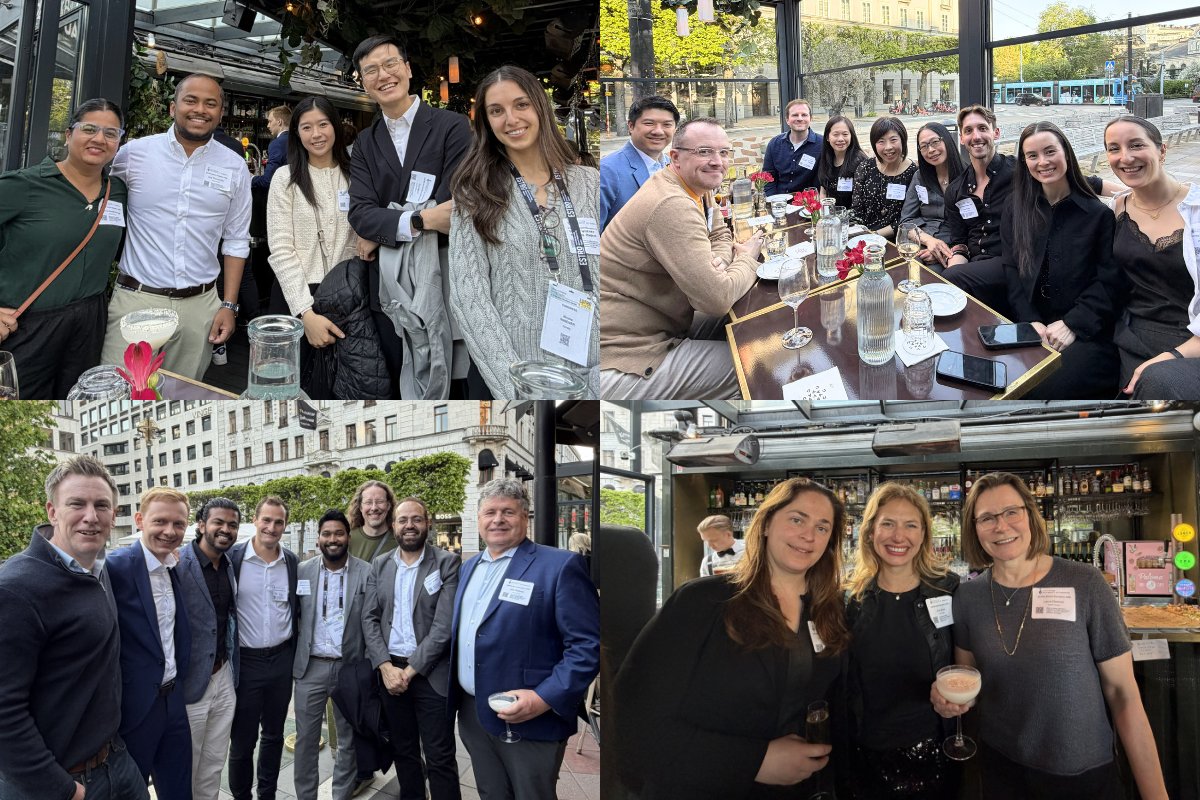
Wonderful evening at our annual UTDRO Alumni Reception during #ESTRO2026 in Stockholm! Great to reconnect with alumni, trainees, faculty & friends from around the world. Congrats to @ldawsonmd on the Honorary Member Award and to all presenters!🎉uoft.me/utdro-estro2026-alum…
3
12
512
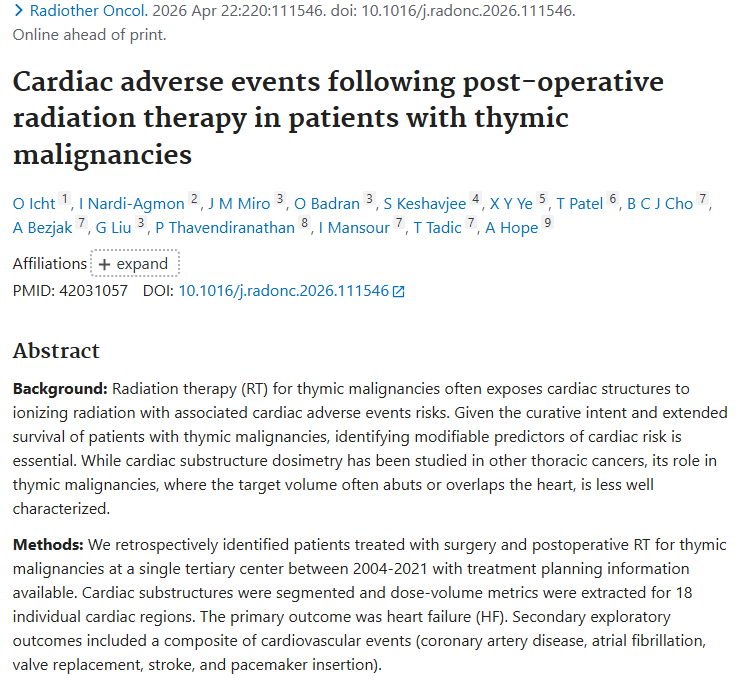
📢Recent article in @RO_GreenJournal from #RMPatPM Drs. Oded Icht, John Cho, Andrea Bezjak, Iymad Mansour, Tony Tadic, and Andrew Hope finds higher left ventricular radiation dose is linked to increased heart failure risk in thymoma survivors.🔗: doi.org/10.1016/j.radonc.202…
1
2
4
327
Radiation Medicine Program retweeted

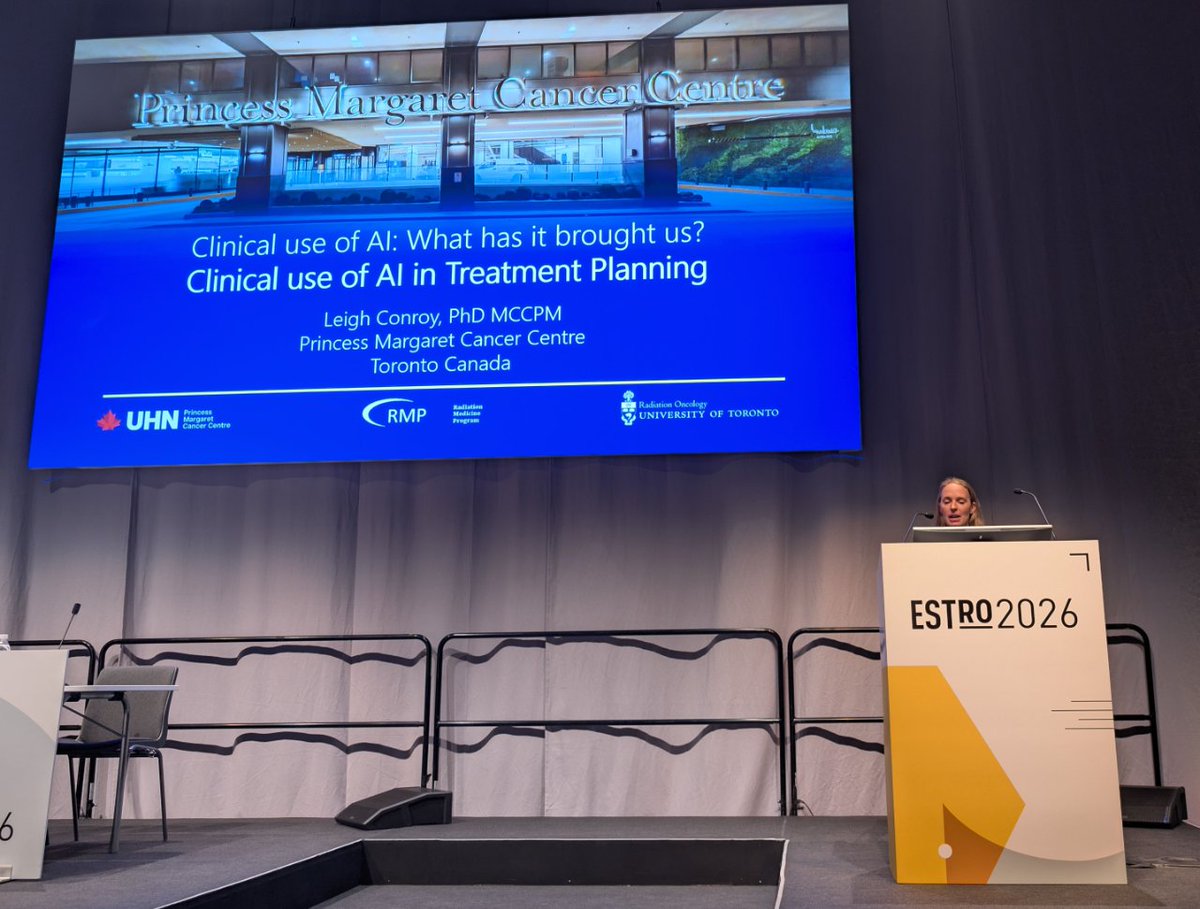
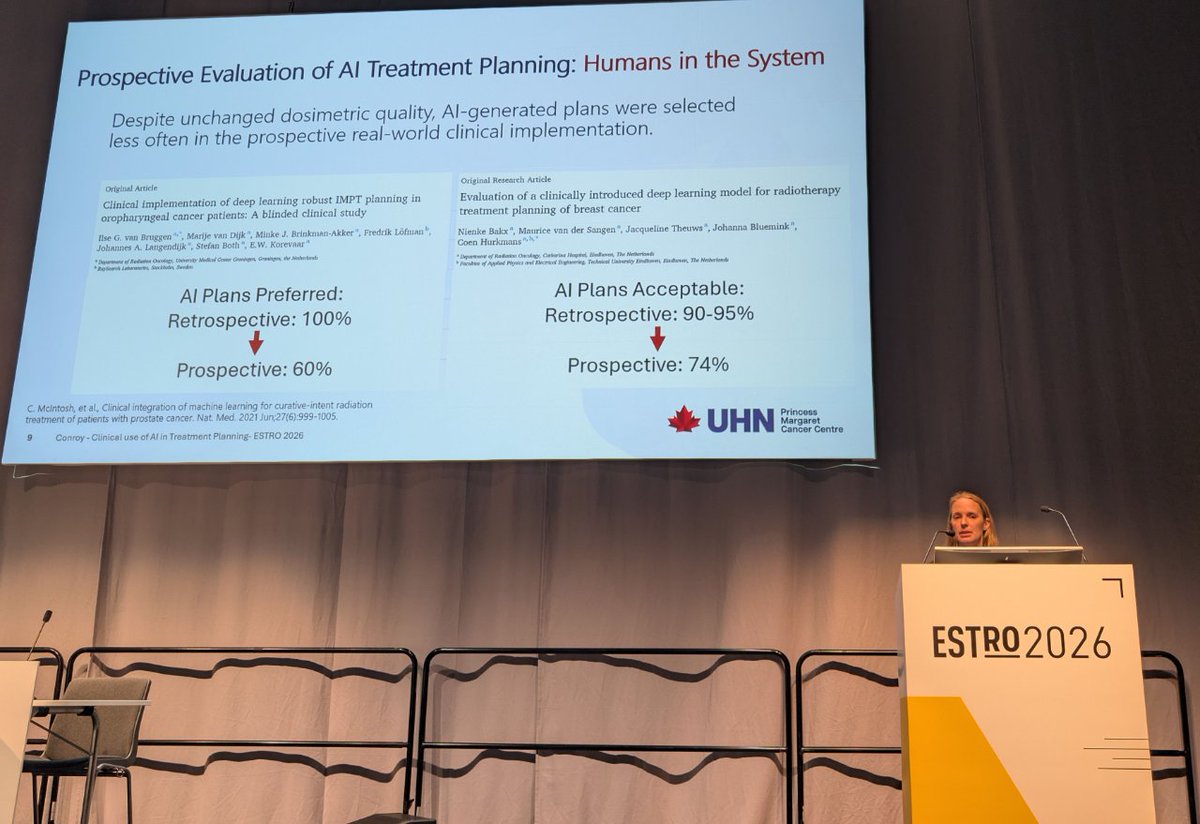
Dr. @leigh_conroy at #ESTRO2026 presenting on clinical implementation of AI for treatment planning. One takeaway - acceptability seems to drop in prospective studies compared to retrospective studies across the board!
@UofTDRO
@RadMedPM
4
6
1,700
Radiation Medicine Program retweeted

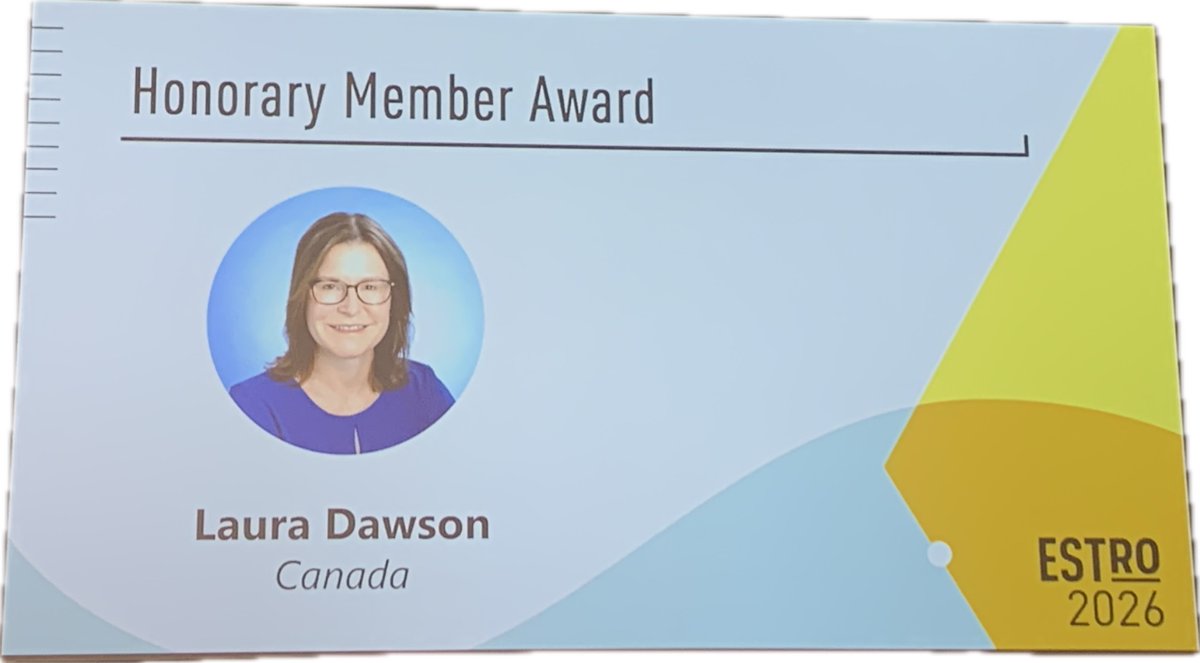
Congratulations to Dr. Laura Dawson on receiving the honorary member award from ESTRO!
@ldawsonmd
@UofTDRO
@RadMedPM
@PMResearch_UHN
@pmcancercentre
@UHN
1
7
27
963
Radiation Medicine Program retweeted
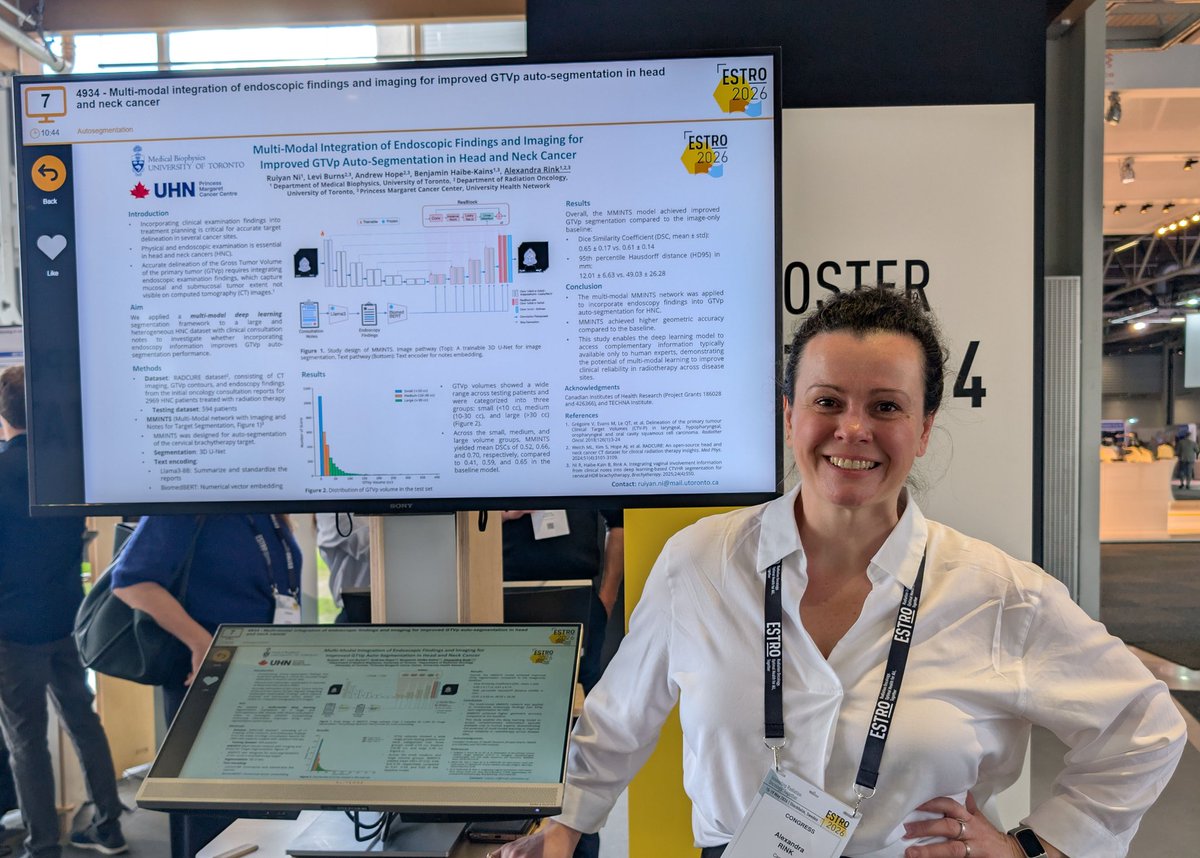
Presenting @ruiyan_ni's poster on using LLM and multi-modal architecture to augment radiotherapy target volume. Adding clinical findings, such as endoscopy notes, appears to improve volumetric accuracy of target volumes for Head & Neck cancers.
#ESTRO2026
@RadMedPM @UofTDRO
4
7
1,118
Congratulations to Dr. Marianne Koritzinsky and Dr. Shane Harding on being named Canada Research Chairs! 👏A well-deserved recognition of their expertise and contributions #RMPatPM
May 13

Today, the #GC announced the results of:
✅ Canada Research Chairs 2025-1
✅ New Frontiers in Research Fund - Exploration 2025
Learn more:
canada.ca/en/research-chairs…
#CRC
#NFRF
ALT Text-based announcement graphic highlighting a federal research funding announcement by Government of Canada.
2
6
914
Radiation Medicine Program retweeted
May 14
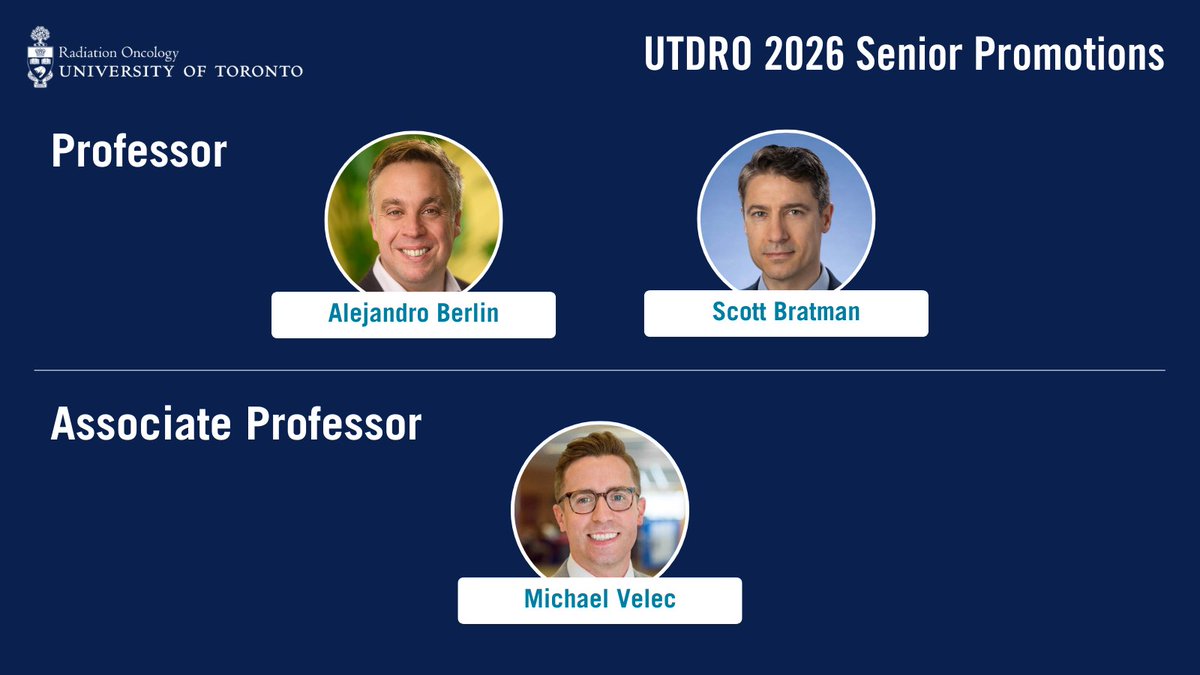
🎉Please join us in congratulating our outstanding colleagues on their 2026 academic promotions at
@UofTDRO. #AcademicExcellence
Details: uoft.me/utdro-sr-promo2026
@ldawsonmd @DKirschMDPhD
5
18
701
Radiation Medicine Program retweeted

May 7
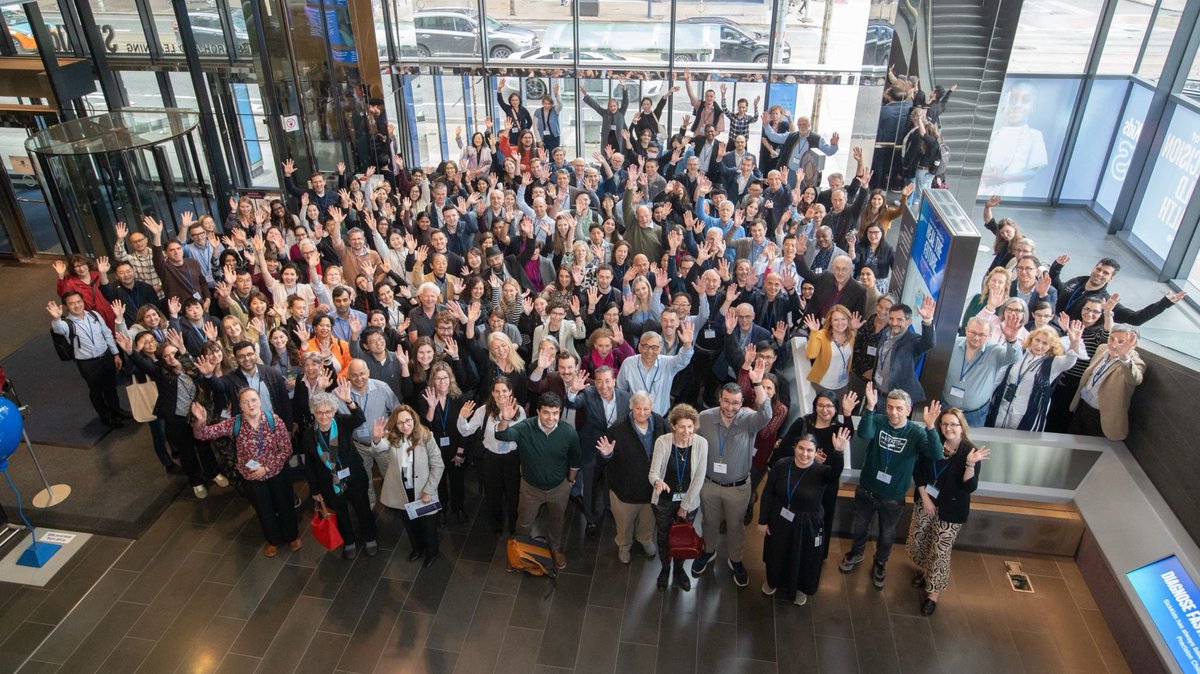
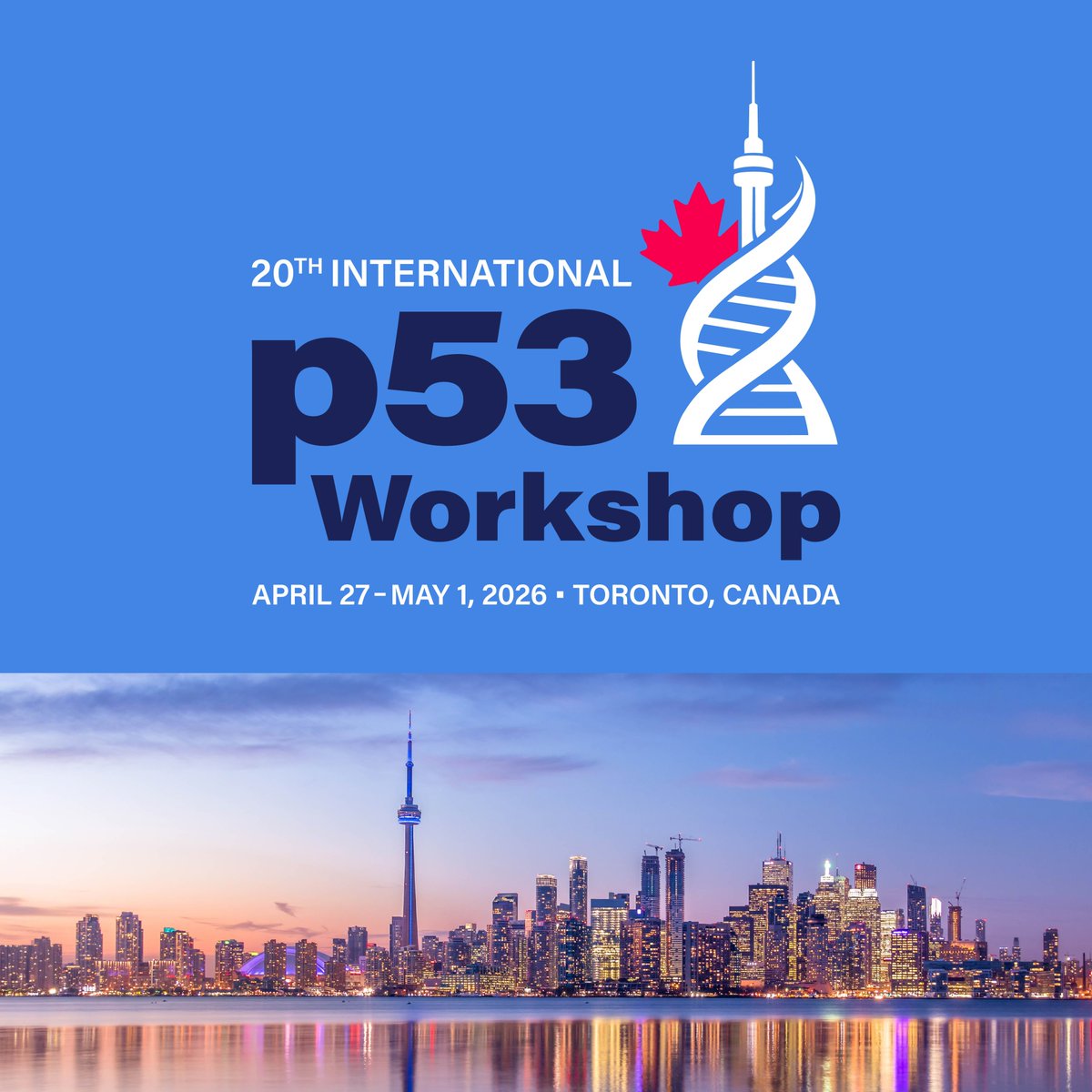
Wow, what a fantastic group shot. Congrats everyone on another successful p53 Workshop! 👏👏👏

Last week, @PMCancerCentre with @SickKidsCancer and @SinaiHealth, hosted the 20th International p53 Workshop. Thanks to the organizing team and co-chairs Drs. David Malkin, Daniel Schramek, and @DKirschMDPhD for making this event a huge success!
1
5
315
Last week, @PMCancerCentre with @SickKidsCancer and @SinaiHealth, hosted the 20th International p53 Workshop. Thanks to the organizing team and co-chairs Drs. David Malkin, Daniel Schramek, and @DKirschMDPhD for making this event a huge success!
2
11
822
Radiation Medicine Program retweeted

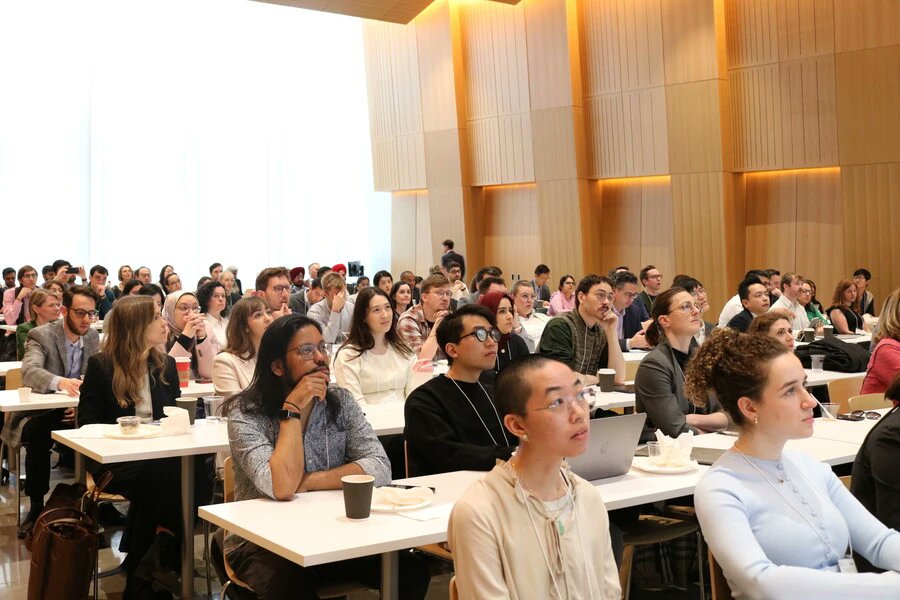
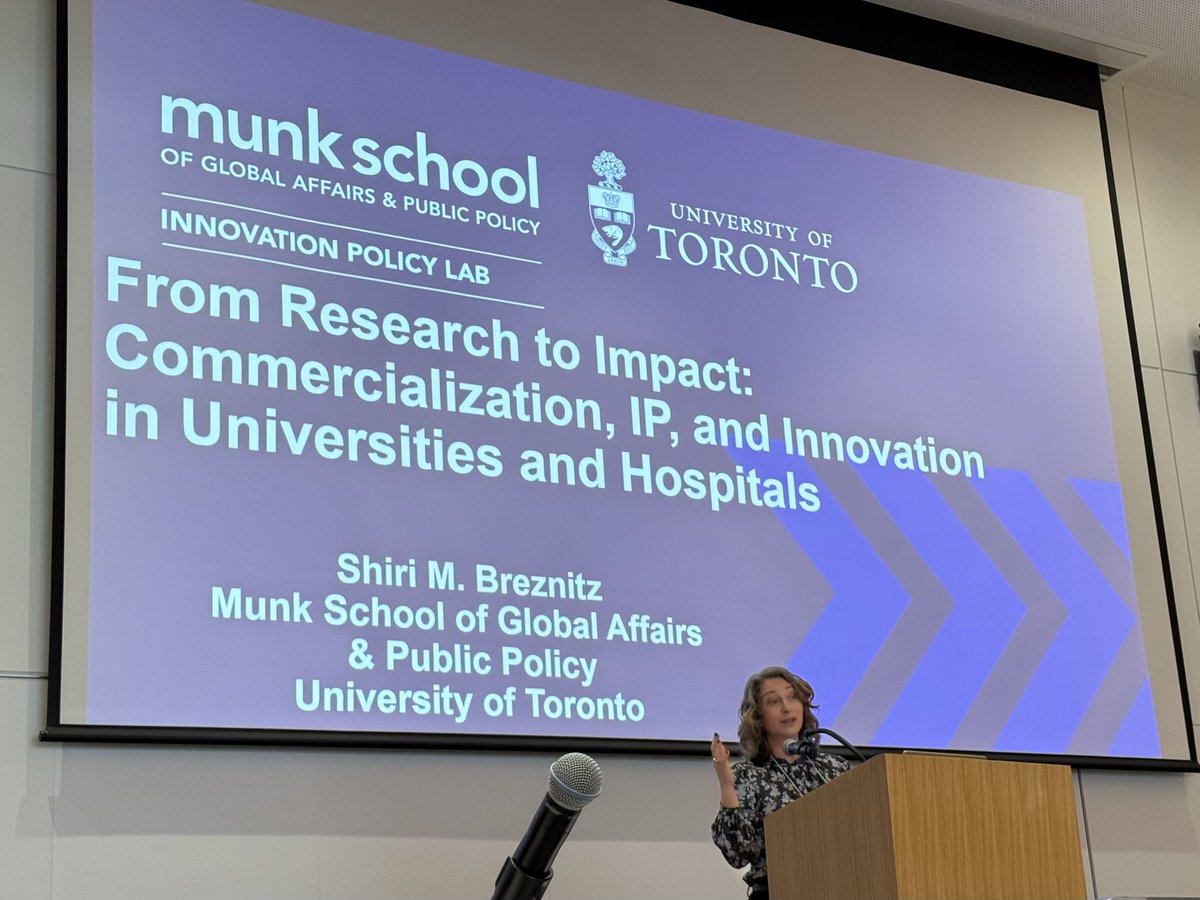
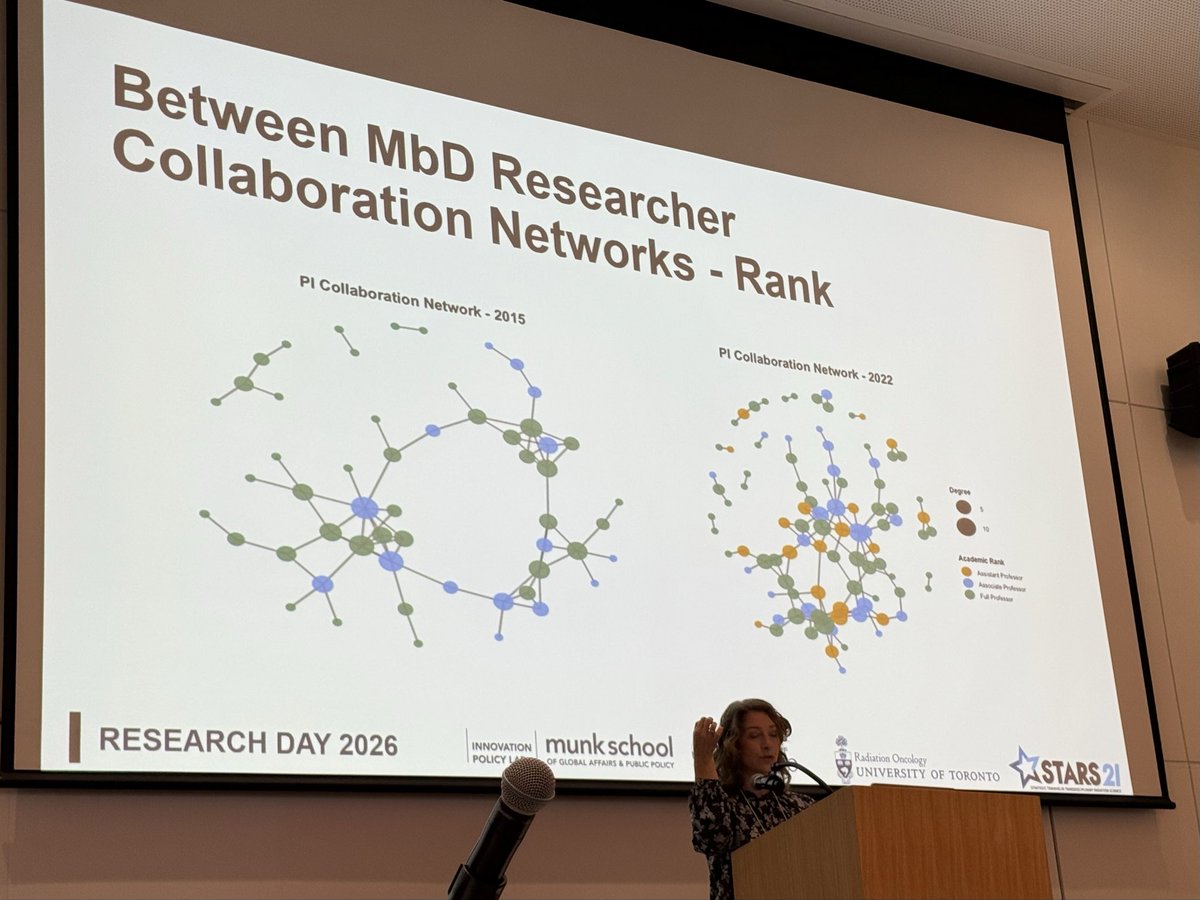
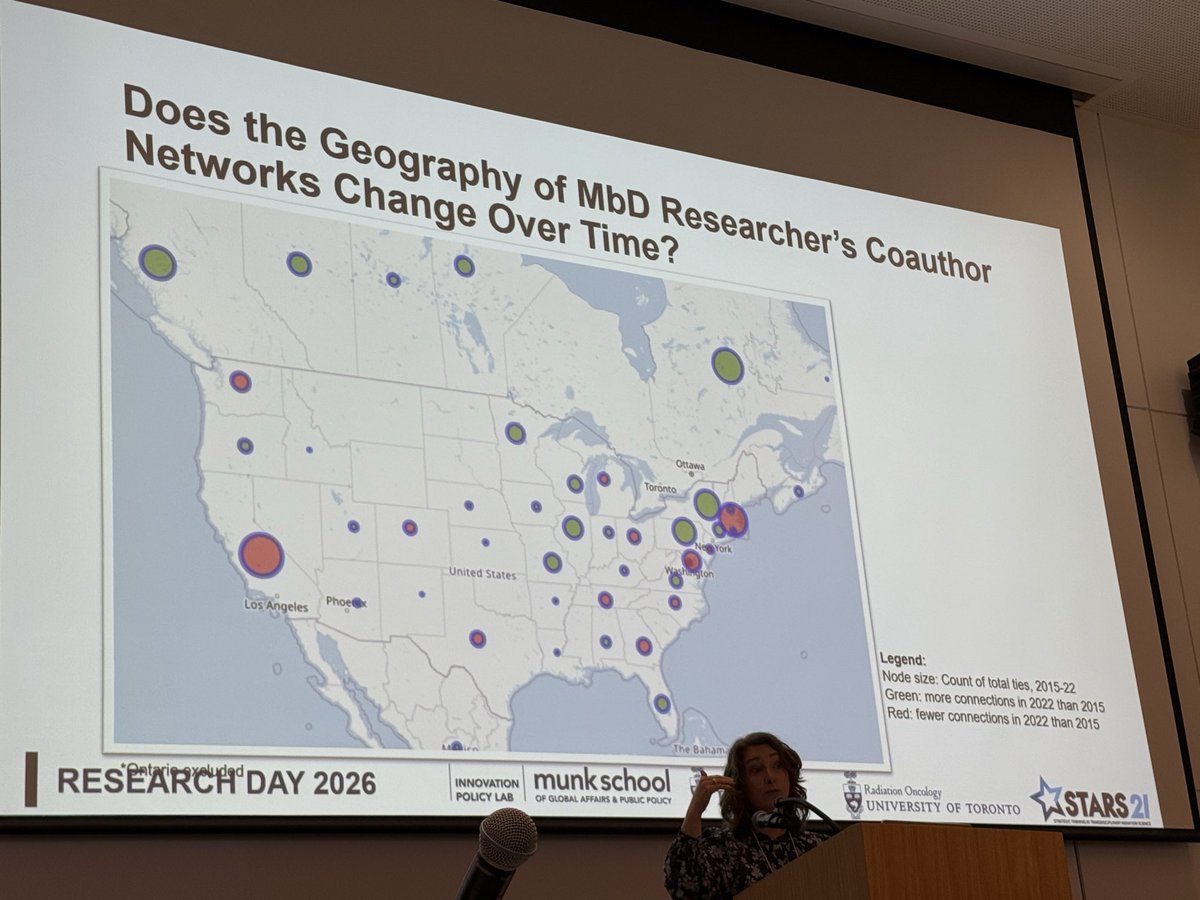
📟🔬@UofTDRO #STARS annual research day.
Thank you Dr. Shiri Breznitz from @munkschool for the keynote speech on critically important issues of IP-innovation-commercialization pertinent to all scientists!
@RMPCRProgram @RadMedPM @UHN_Research
2
5
537
Radiation Medicine Program retweeted

Apr 30
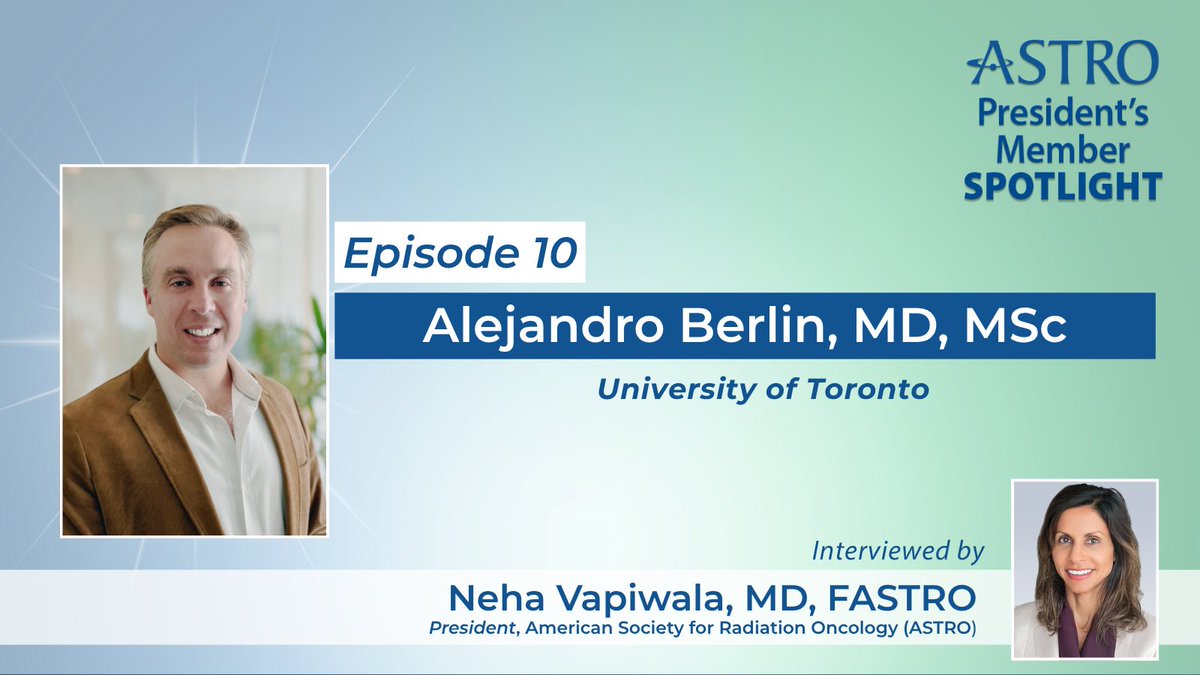
🎥NEW President's Corner Member Spotlight: Alejandro Berlin, MD, MSc
ASTRO President Neha Vapiwala, MD, FASTRO, interviews Alejandro Berlin, MD, MS, professor at the University of Toronto and Medical Director of the Cancer Digital Intelligence Program at Princess Margaret Hospital.
Watch on YouTube: ow.ly/bXnc50YSCk1
Watch on ASTRO's website: ow.ly/mW1C50YSCk0
@NehaVapiwala @aleberlin2
3
6
2,526
👏Congratulations to #RMPatPM's Dr. David Shultz and team on their £150,000 grant from @BrainTumourOrg! Their research will improve blood-based detection of glioma DNA to better track treatment response and catch early recurrence. Learn more: thebraintumourcharity.org/br…
3
20
873
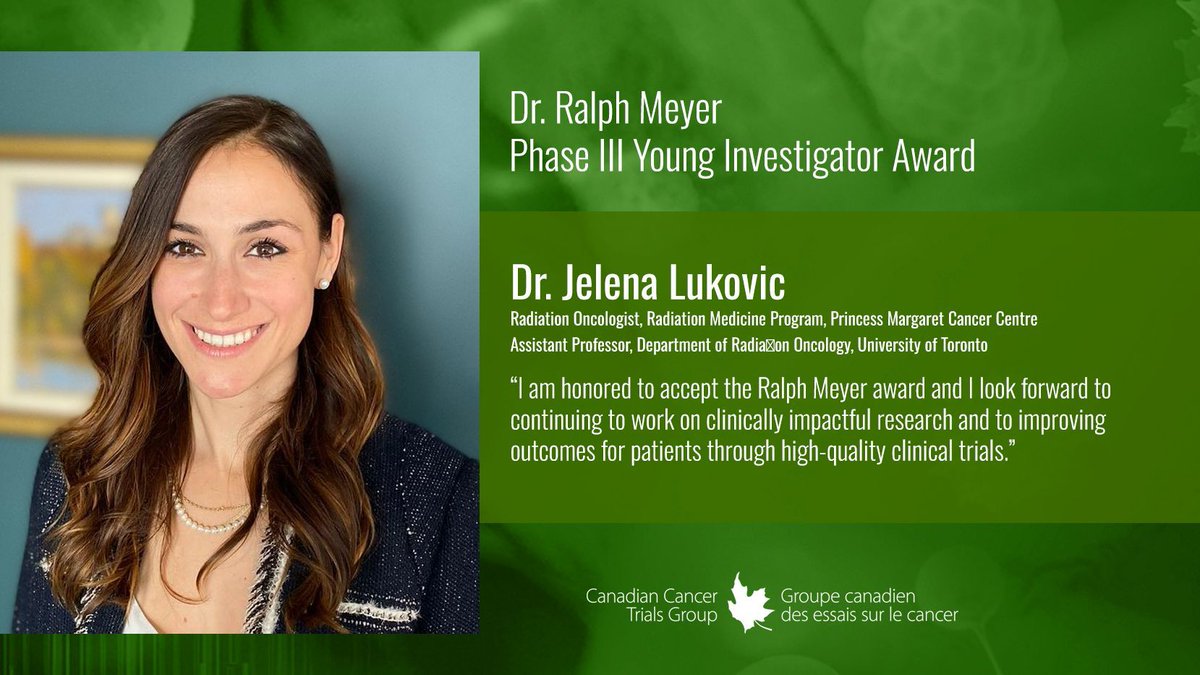
🎖️Congratulations to #RMPatPM's Dr. Jelena Lukovic on receiving the Ralph Meyer Phase III Young Investigator Award from the Canadian Cancer Trials Group!
Apr 25

At #CCTG2026 last night Dr. Jelena Lukovic was awarded the Ralph Meyer Phase III Young Investigator Award. Dr. Lukovic is the Canadian PI for the international ES3 NEEDS trial evaluating definitive chemoradiotherapy for squamous cell esophageal cancer.
1
11
528
Radiation Medicine Program retweeted
👋🚨 @AgrawalAmiya @JoannaJavor @ldawsonmd
@RebeccaKSWong @RevChelvarajah Nattinee Wattakiyanon
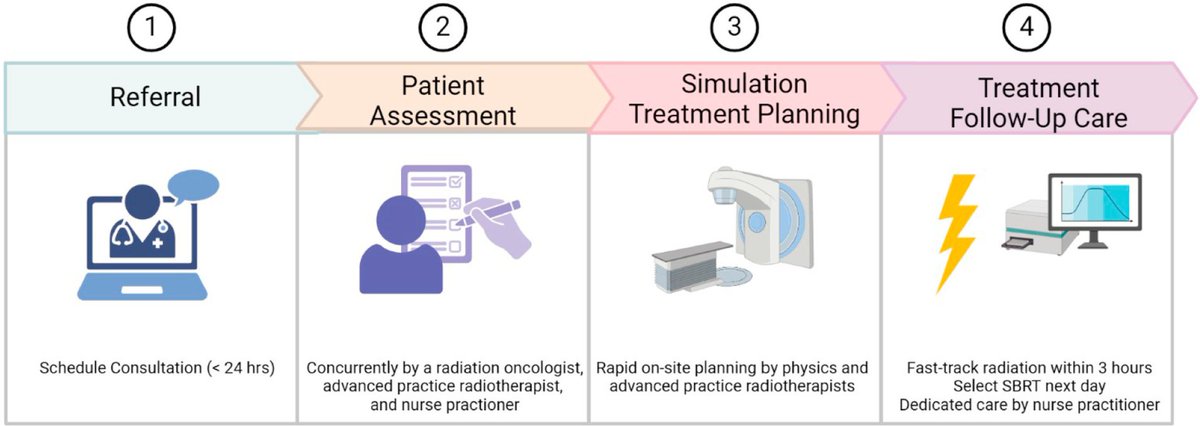
In this article we illustrated how contemporary patient-centered palliative/oligomet RT program can streamline care delivery.
@RadMedPM
@pmcancercentre

You'll recognize a few names on this author list!
@AgrawalAmiya @CJTsaiMDPhD & team show us that palliative RT is undergoing a major evolution ⚡️—from symptom relief ➡️ a multidisciplinary, precision-driven discipline with a dedicated workflow!
What’s changing?
🧠 Team-based care is central: #radonc physicists advanced practice RTTs NPs supportive care = more personalized, efficient & safer treatment decisions
⏱️ Rapid-access clinics
✔️ Referrals seen within ~24 hrs
✔️ “One-stop” visits: consult simulation same day
✔️ Fast-track pathways deliver RT within hours for pain crises
🚀 Workflow innovation
✔️ Simulation-free RT using recent diagnostic CTs
✔️ Single-fraction treatments (8–20 Gy)
✔️ Fewer hospital visits faster symptom relief
🎯 Better technology = better care
✔️ IMRT/VMAT SBRT improve conformality
✔️ Reduce toxicity to normal tissues
✔️ Enable safer re-irradiation & hypofractionation
👩⚕️ Advanced providers expand capacity
✔️ pAPRTs: contouring, planning, workflow leadership
✔️ NPs: toxicity management, follow-up, continuity
✔️ Earlier detection of complications improved experience
🔬 Not just care—innovation hub
✔️ Trials reducing skeletal events with prophylactic RT
✔️ Survival gains (e.g., proton CSI in leptomeningeal disease)
🚨Bottom line:
Palliative RT is no longer just supportive care—it’s fast, adaptive, multidisciplinary, and increasingly impactful on outcomes and quality of life 💡
@ASTRO_org
advancesradonc.org/article/S…
4
10
1,601

It is great to see our very own @RadMedPM #RadiationTherapy Professional Practice manager @WasabiWinnie taking part in the #ESTRO26 #RTT debate and contributing a 🇨🇦 perspective to the discussion! @CAMRT_ACTRM @pmcancercentre @DKirschMDPhD @UofTDRO @ldawsonmd

🗣️ Debate at #ESTRO26:
Does online adaptive radiotherapy require a major overhaul of RTT education?
📅 May 16 | 15:15–16:30
📍 A12 | RTT Track
Join us for an engaging discussion at #ESTRO26 for this debate!
Full rethink or smart adaptation? 👇
bit.ly/4cE6aQI
1
1
5
306